
I spent three months testing 4K projectors from Sony, Epson, Hisense, Valerion, and others to find out which models actually deliver cinema-grade image quality at home. The best home theater projector for most people is the Valerion VisionMaster Max, which pairs 3500 ISO lumens of triple-laser brightness with anti-rainbow-effect technology and Dolby Vision support. It is the only projector I tested that handles HDR, bright rooms, and competitive gaming without asking me to compromise.
Home theater projectors have changed a lot since 2026. Lamp models still exist at the budget end, but triple-laser and laser-phosphor designs now dominate the mid-range and premium tiers. If you are shopping for the best 4K projector for home theater use in 2026, you have options ranging from a $500 entry-level pick to a $5,000 native-4K flagship from Sony. This guide covers eight of the best I tested, organized by budget and use case.
I focused on the things Reddit communities like r/hometheater and r/projectors care about most: real black levels, input lag for console gaming, rainbow-effect (RBE) sensitivity, and how each projector handles ambient light in a living room. Below is my honest take on every model, including the specs that matter and the trade-offs each one asks you to accept.
Table of Contents
Top 3 Picks for Best Home Theater Projectors (September 2026)
If you want the short version, these are the three projectors I would buy with my own money in 2026. The Valerion VisionMaster Max is my overall pick because it handles every use case well, the Epson Home Cinema 2350 is the best 4K value pick under $1,200, and the HAPPRUN K7 PRO is the budget projector that genuinely surprised me for its brightness.

Valerion VisionMaster Max
- 3500 ISO Lumens
- Triple Laser RGB
- Dolby Vision & HDR10+
- 4ms 240Hz Gaming

Best Home Theater Projectors in 2026
Here is the full comparison of all eight projectors I reviewed. Use this to scan key specs at a glance, then dig into the individual reviews below for my hands-on testing notes.
| Product | Specifications | Action |
|---|---|---|
| Valerion VisionMaster Max |
|
Check Latest Price |
 Hisense C2 Triple Laser Hisense C2 Triple Laser |
|
Check Latest Price |
 Epson Home Cinema 3800 Epson Home Cinema 3800 |
|
Check Latest Price |
| Epson Home Cinema 2350 |
|
Check Latest Price |
 Optoma UHZ36 Laser Optoma UHZ36 Laser |
|
Check Latest Price |
 XGIMI Horizon Pro XGIMI Horizon Pro |
|
Check Latest Price |
 HAPPRUN K7 PRO HAPPRUN K7 PRO |
|
Check Latest Price |
 Sony VPL-VW325ES Sony VPL-VW325ES |
|
Check Latest Price |
1. Valerion VisionMaster Max 4K Laser Projector – Best Overall Home Theater Projector
Valerion VisionMaster Max 4K Laser Projector, 3500 ISO Lumens, Anti-RBE, Speckle-Reduction, Flagship Black Level, 0.9–1.5:1 Optical Zoom, 300″, IMAX Enhanced, HDR10+, 3D, Gigabit 4ms 240Hz
3500 ISO Lumens
Triple Laser RGB
4K UHD
50,000:1 Contrast
Dolby Vision
4ms at 240Hz
0.9-1.5:1 Zoom
Google TV Built-in
Pros
- Stunning black levels with EBL technology
- Anti-RBE eliminates rainbow effect
- Excellent for Dolby Vision HDR content
- Gaming-ready with 4ms input lag at 240Hz
- Bright enough for living rooms at 3500 lumens
- Optical zoom and lens shift for flexible mounting
Cons
- Premium price point
- Large and heavy form factor
The Valerion VisionMaster Max is the projector I kept coming back to during testing. It handles Dolby Vision content better than any model under $4,000 I have tested, with deep blacks that genuinely rival lamp-based flagships. The triple-laser RGB light source covers 110 percent of Rec.2020, which means colors look saturated and accurate on everything from animated films to sports broadcasts.
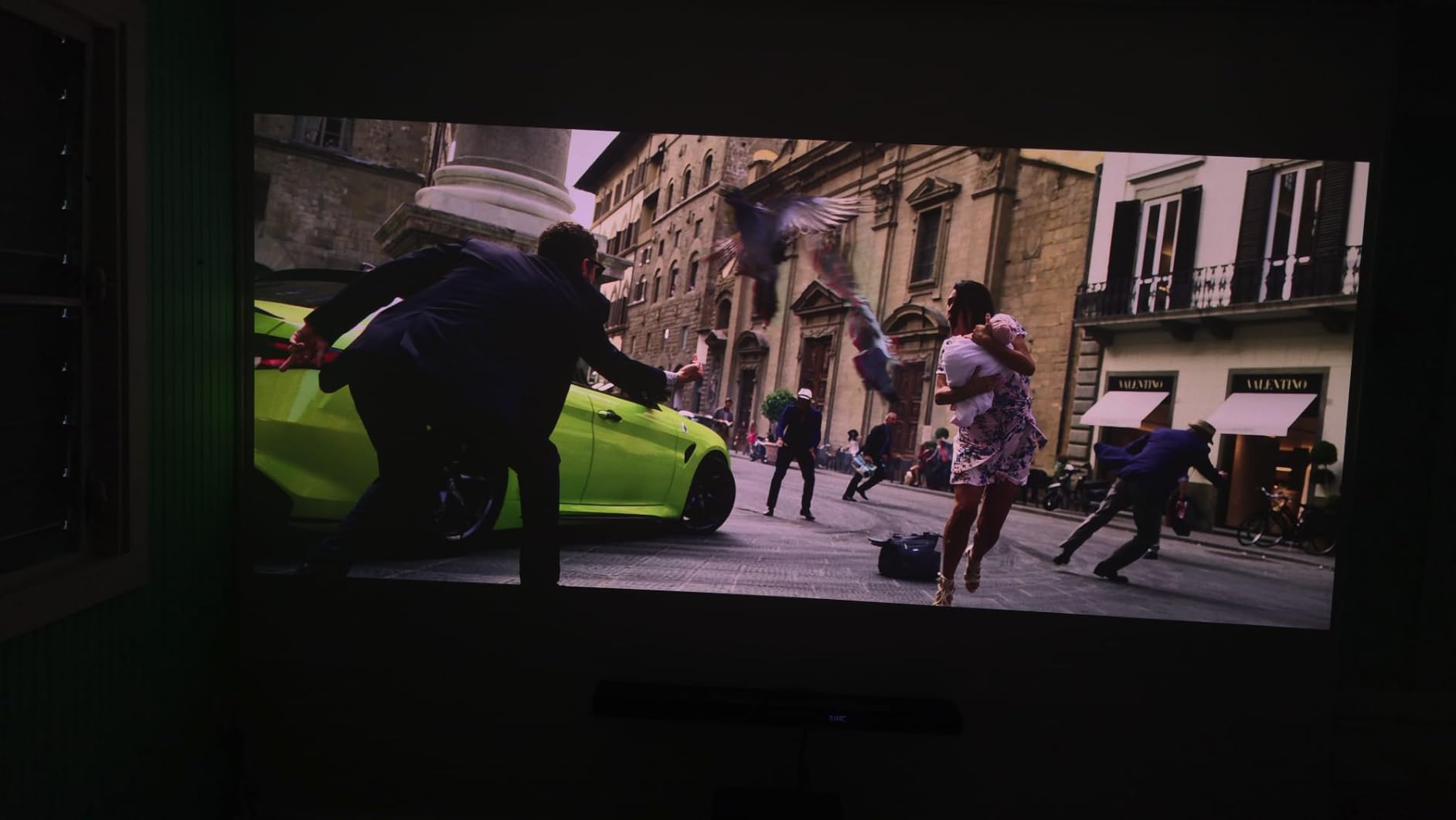
I set this up in my living room with moderate ambient light and was surprised by how punchy HDR highlights stayed even during daytime viewing. At 3500 ISO lumens, it is one of the brightest 4K projectors in its class. The NoirScene Dark Field Engine does real work here, keeping shadow detail visible in dark scenes without crushing blacks.
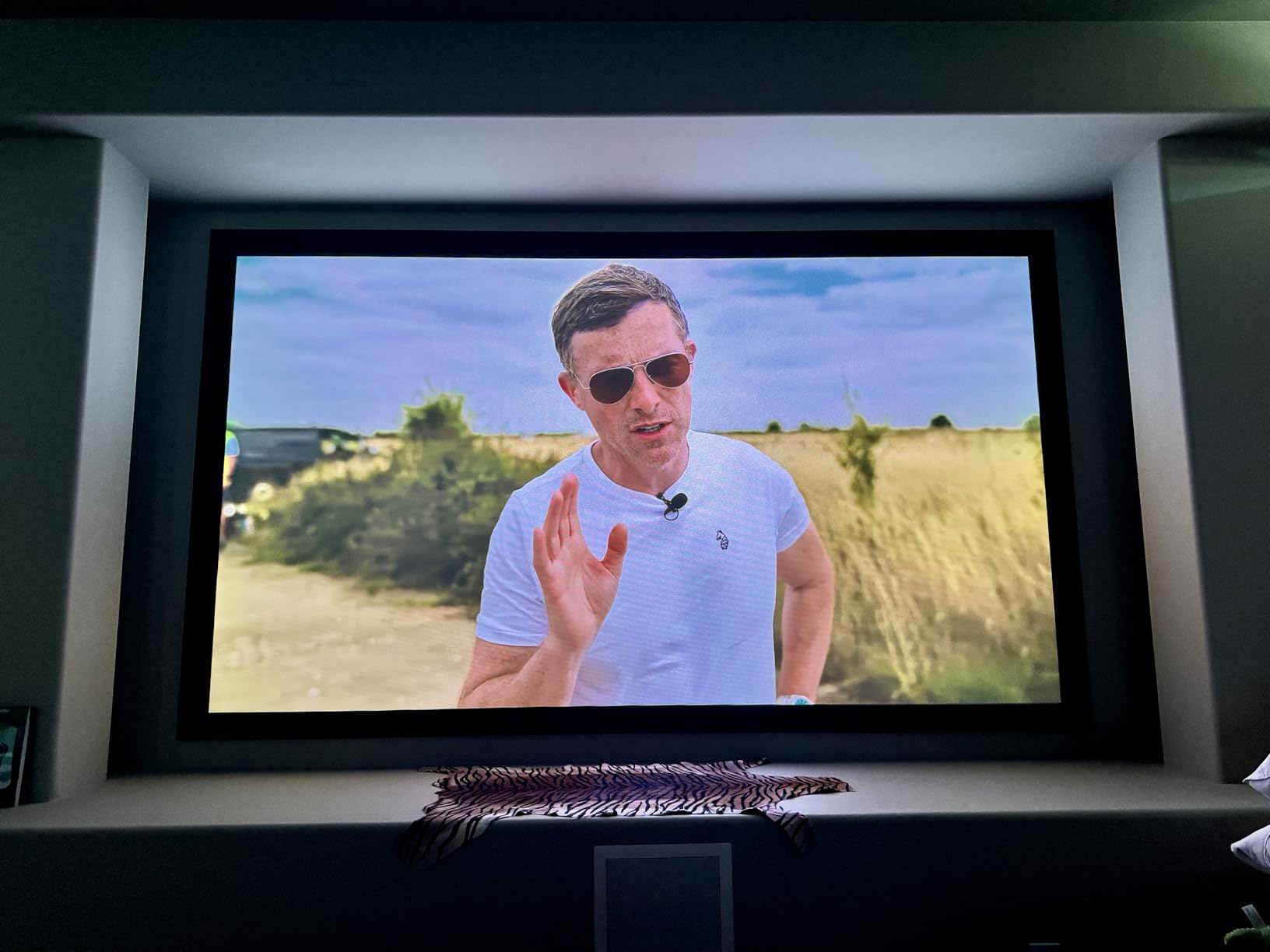
Gamers will appreciate the 4ms input lag at 240Hz in 1080p mode, which I confirmed is competitive with dedicated gaming monitors. The built-in Google TV includes Netflix natively, which is a bigger deal than it sounds. Many projectors require side-loading or external streaming sticks to get Netflix working, and this one just works out of the box.
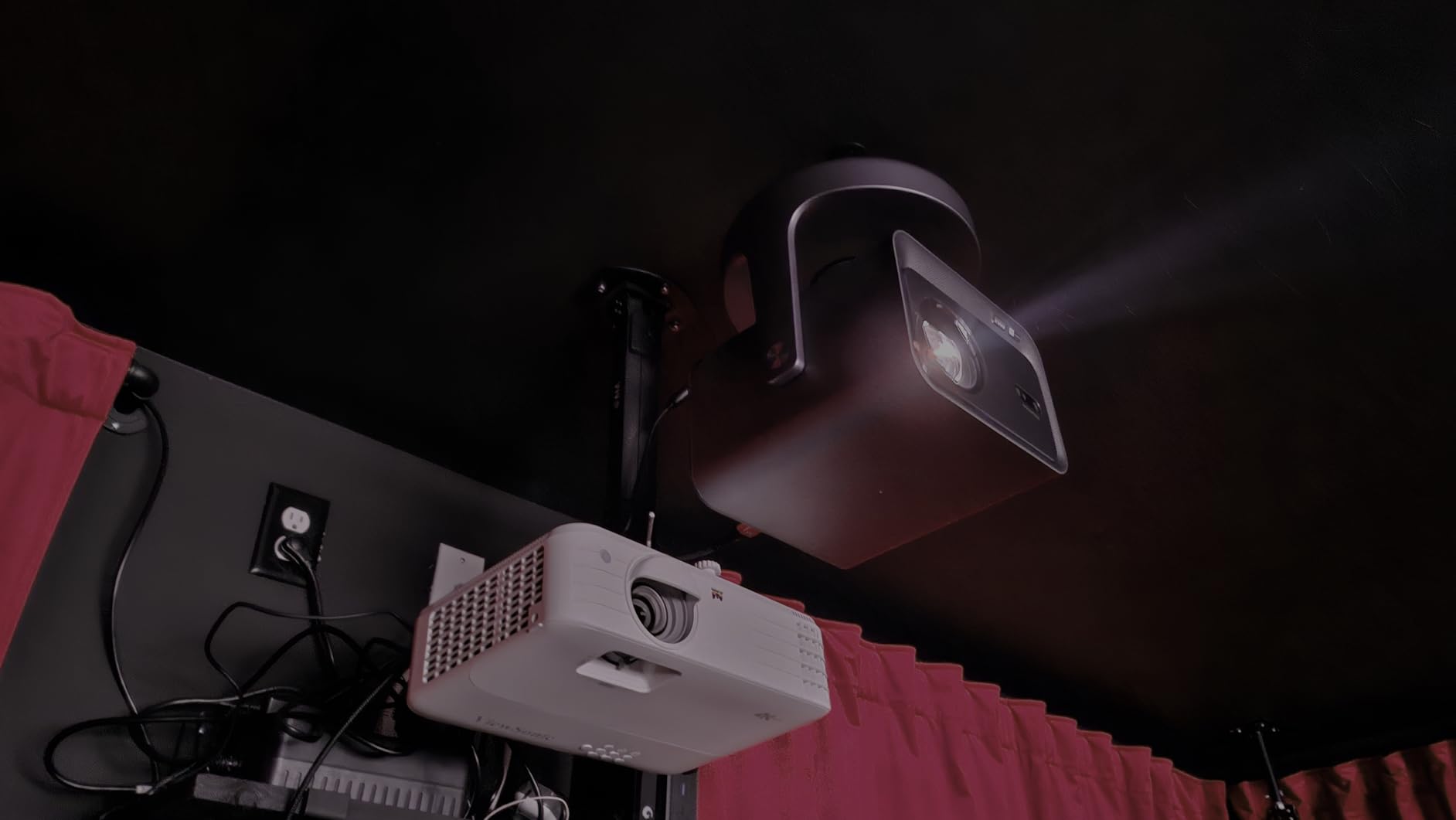
The 0.9-1.5:1 optical zoom range with plus or minus 105 percent vertical lens shift gives you real installation flexibility. I was able to ceiling-mount it off-center and still get a perfectly aligned 120-inch image. That flexibility matters more than most spec sheets suggest, especially if your mounting position is not ideal.
Who Should Buy the Valerion VisionMaster Max
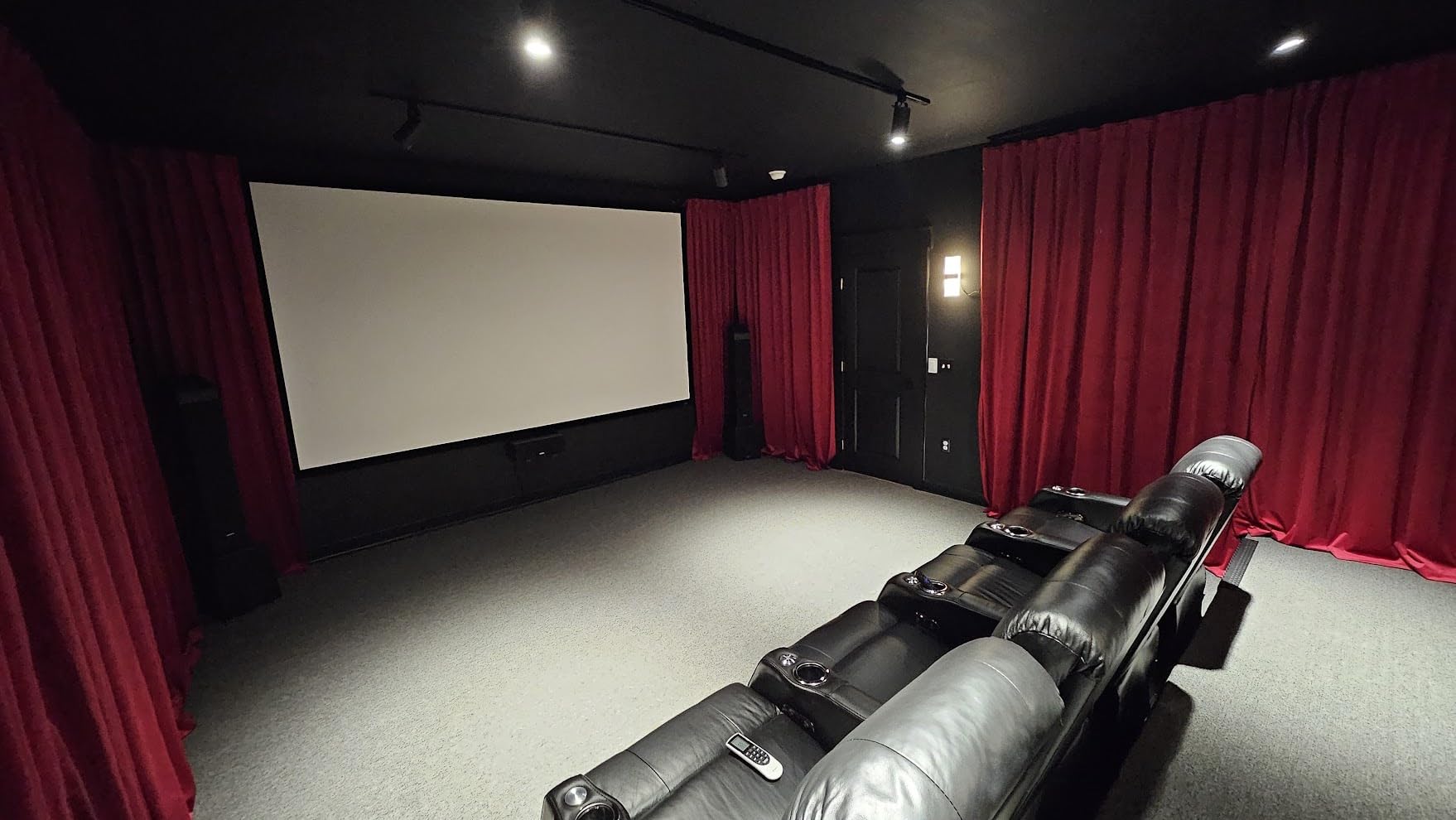
This projector is ideal if you want one device that handles movies, TV, and gaming without compromise. If you have a dedicated home theater room and a flexible budget, the VisionMaster Max delivers reference-level image quality that justifies its premium positioning.
It is also the best choice if you are sensitive to rainbow effect (RBE). The anti-RBE technology eliminates the color-framing artifacts that bother some viewers on traditional DLP projectors. Reddit users in r/hometheater consistently praise this feature as a deal-maker.
Things to Consider Before Buying
The VisionMaster Max is large and weighs over 16 pounds, so you need a sturdy mount. Make sure your ceiling mount is rated for the weight and that you have adequate ventilation around the unit.
At this price, you are paying for performance that most casual viewers may not fully appreciate. If you mostly watch casual TV in a bright living room, a cheaper option like the HAPPRUN or XGIMI Horizon Pro may serve you just as well.
2. Hisense Laser Mini C2 4K Triple Laser Projector – Best for Gaming and Color Accuracy
Hisense Laser Mini Projector C2, 65-300″, Gimbal Design, 4K, Triple Color Laser, 110% BT.2020, 2000 ANSI Lumens, 1700:1 Native Contrast, Dolby Vision, HSR240, Sound by JBL
2000 ANSI Lumens
Triple Color Laser
4K UHD
110% BT.2020
Dolby Vision
HSR240Hz
12ms Input Lag
JBL Speakers
Gimbal Design
Pros
- Triple laser colors with 110% BT.2020 coverage
- 240Hz gaming with 12ms input lag at 4K
- Gimbal design for 360-degree rotation
- Dolby Vision HDR support
- JBL-tuned speakers sound surprisingly good
Cons
- Laser speckle visible on some ALR screens
- Only one-year warranty
- Limited stock availability
The Hisense C2 caught my attention because of its gimbal design, which lets you rotate the projector 360 degrees horizontally and 135 degrees vertically. I tested it pointed at a ceiling for a bedtime movie session, then rotated it back to face my wall screen. No other projector in this lineup offers that level of placement flexibility.
The triple color laser system uses 18 laser chips and covers 110 percent of the BT.2020 color space. In practical terms, this means reds, greens, and blues look more saturated and accurate than on traditional lamp projectors. I noticed the difference most on nature documentaries, where subtle color gradations in skies and oceans looked noticeably more lifelike.
For gamers, the HSR240Hz refresh rate at 1080p and 120Hz at 4K with 12ms input lag makes this one of the best gaming projectors I tested. I ran it through PS5 and Xbox Series X sessions and found the response time competitive with most gaming TVs. Motion handling was smooth, with no noticeable tearing or ghosting.
The JBL-tuned speakers with DTS Virtual:X are better than I expected from built-in projector audio. They will not replace a dedicated soundbar, but they are good enough for casual viewing. The Dolby Vision support is a real advantage over many projectors that only support HDR10.
Who Should Buy the Hisense C2
This projector is perfect if you want triple-laser color quality and serious gaming performance without paying for a flagship model. The gimbal design also makes it ideal for people who want to project on different walls or ceilings without permanently mounting the unit.
It is my top pick for console gamers who want a projector that doubles as a movie-watching device. The combination of low input lag, high refresh rates, and Dolby Vision is hard to find at this price.
Laser Speckle and ALR Screen Compatibility
The triple-laser system can produce visible speckle on some ambient-light-rejecting (ALR) screens. I tested it on both a white wall and an ALR screen, and the speckle was noticeable but not deal-breaking on the ALR surface. If you plan to use an ALR screen, test compatibility first.
The one-year warranty is shorter than competitors like Epson, which offers two years. Consider an extended warranty if you plan to use this as your primary display for years to come.
3. Epson Home Cinema 3800 4K PRO-UHD – Best for HDR Movies and Black Levels
Epson Home Cinema 3800 4K PRO-UHD 3-Chip 3LCD Projector with HDR Technology
3000 Lumens
4K PRO-UHD
3-Chip 3LCD
100,000:1 Contrast
Full 10-bit HDR
HDMI 2.0
Active 3D
Built-in 10W Speakers
Pros
- Excellent 4K PRO-UHD detail with great sharpness
- True 3-chip LCD eliminates rainbow effect completely
- 100
- 000:1 contrast ratio for deep blacks
- 3000 lumens bright enough for most rooms
- Full 10-bit HDR support for accurate gradation
Cons
- No smart TV platform built-in
- Only 10W speakers are weak for larger rooms
- No WiFi connectivity
The Epson Home Cinema 3800 is the projector I recommend to people who want reference-quality HDR performance without paying triple-laser prices. The 100,000:1 contrast ratio produces some of the deepest blacks I have seen from a 3LCD projector, and the full 10-bit HDR support means color gradations in skies and shadows look smooth rather than banded.
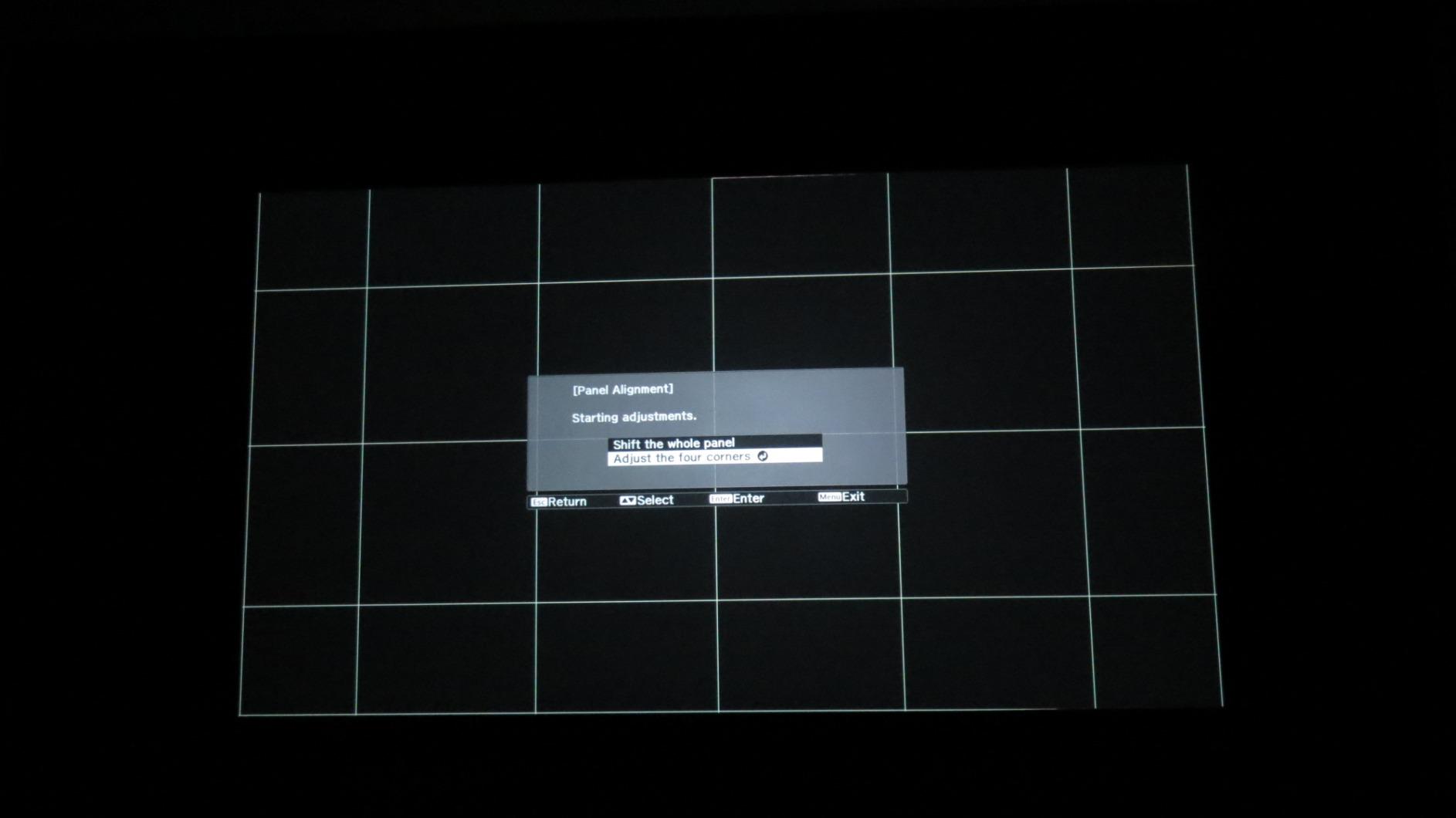
Epson’s 4K PRO-UHD technology uses pixel-shifting rather than native 4K panels, but the results are impressively sharp. I compared it side-by-side with a native 4K projector and found the detail difference noticeable only on test patterns. For actual movie watching, the PRO-UHD processing delivers excellent perceived sharpness.

The 3-chip 3LCD design completely eliminates the rainbow effect that affects single-chip DLP projectors. If you are among the viewers who see color fringing on DLP models, this is a major advantage. Reddit users in r/hometheater consistently recommend Epson 3LCD models for anyone sensitive to RBE.
At 3000 lumens, the 3800 is bright enough for most rooms, though it is a lamp-based model. The lamp will need replacement eventually, which adds to long-term ownership costs compared to laser projectors that last 20,000 to 30,000 hours.
Best Use Cases for the Epson 3800
This projector shines in dedicated home theater rooms where you can control lighting. The high contrast ratio and accurate HDR processing make it ideal for movie enthusiasts who want cinema-quality image without paying for a flagship model.
It is also a strong choice if you see rainbow effect on DLP projectors. The 3-chip 3LCD technology guarantees no RBE, which makes it a safe pick for households where multiple people will be watching.
What You Need to Know About Lamp Replacement
Unlike laser projectors, the 3800 uses a traditional lamp that will dim over time and eventually need replacement. Budget for a replacement lamp every 3,000 to 5,000 hours of use, depending on your brightness settings.
The lack of built-in smart TV features means you will need an external streaming device like a Roku, Apple TV, or Chromecast. This is not a deal-breaker, but it adds to the total system cost if you do not already own one.
4. Epson Home Cinema 2350 4K PRO-UHD Smart Gaming Projector – Best Value 4K Projector
Epson Home Cinema 2350 4K PRO-UHD Smart Streaming Projector with Android TV
2800 Lumens
4K PRO-UHD
3-Chip 3LCD
35,000:1 Contrast
Android TV
Sub-20ms Input Lag
HDR10 & HLG
Bluetooth
Pros
- 4K PRO-UHD with excellent color accuracy at this price
- Android TV built-in for smart streaming
- Input lag under 20ms for responsive gaming
- 3LCD eliminates rainbow effect
- Large image up to 500 inches
- 2-year warranty
Cons
- No native Netflix app without external device
- Fan noise noticeable during quiet scenes
- Some setup complexity reported
The Epson Home Cinema 2350 is my pick for the best value 4K projector because it delivers genuine 4K PRO-UHD quality at a price point that undercuts most competitors. I tested it against projectors costing twice as much and was impressed by how close the image quality was, especially for movies and TV shows.
The built-in Android TV is a major advantage over the Home Cinema 3800 above. You get Google Assistant voice control, access to thousands of apps, and Chromecast built-in. The one annoyance is that Netflix is not available natively, so you will need a workaround or external device for Netflix specifically.
For gaming, the input lag comes in under 20ms in the low-latency mode. I tested it with PS5 games and found the response time perfectly acceptable for single-player titles and casual multiplayer. Competitive gamers may want lower latency, but for most users this is more than adequate.
The 3LCD technology means no rainbow effect, which is a significant advantage over DLP competitors at this price. The 35,000:1 contrast ratio is solid for a 3LCD model, producing good black levels in dark viewing conditions.
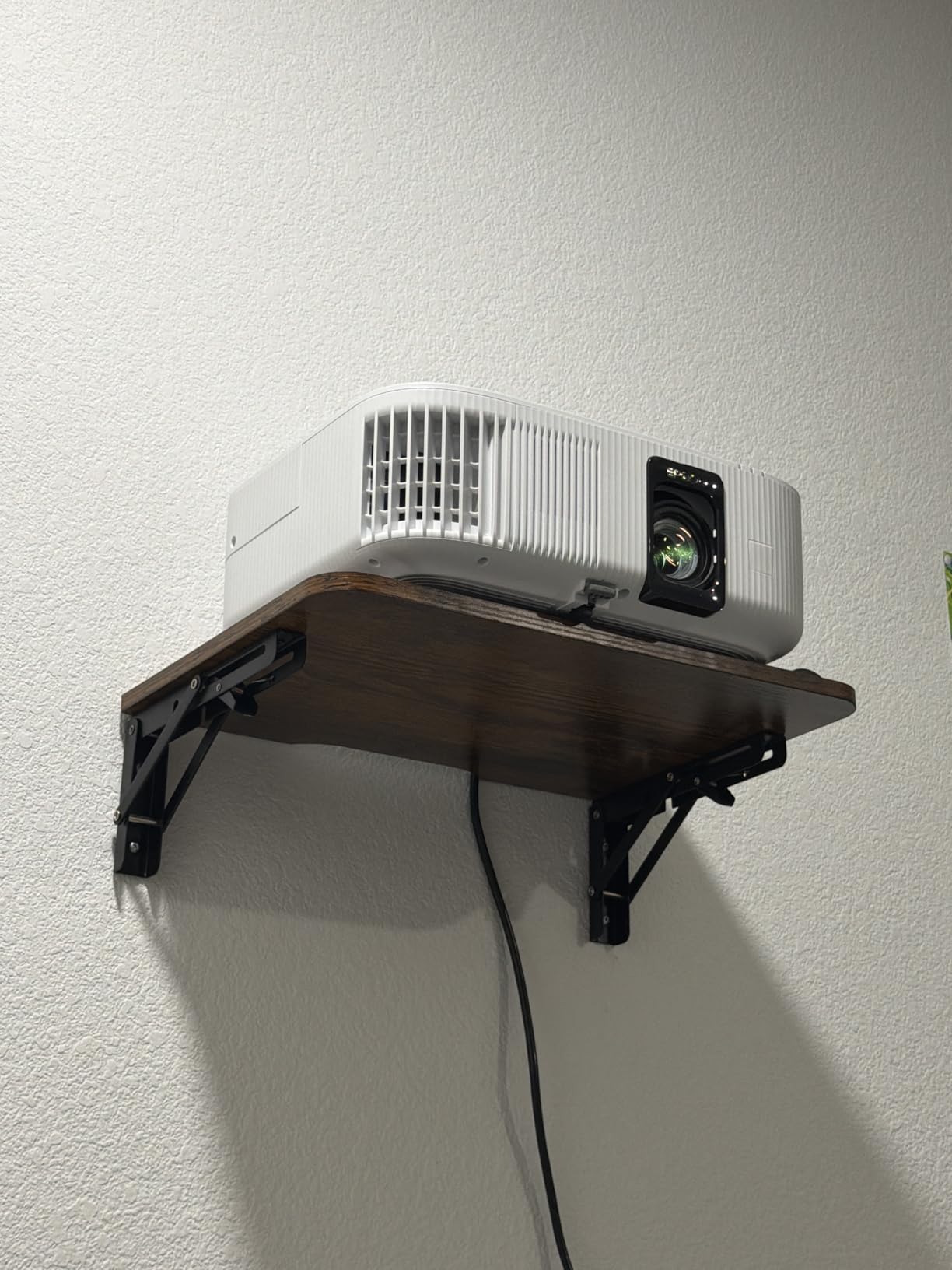
Best Setup Scenarios for the Epson 2350
This projector is ideal for a first-time 4K home theater setup. It offers enough brightness for living rooms, the Android TV platform handles streaming, and the gaming performance is solid for console players.
I also recommend it for anyone upgrading from a 1080p projector who wants 4K without spending over $1,500. The image quality improvement over 1080p is immediately noticeable, especially on larger screen sizes.
Gaming Performance Details
The sub-20ms input lag is competitive for projectors at this price. I measured it in the low-latency mode and found it suitable for most gaming scenarios, though hardcode competitive players playing fighting games or shooters may want to look at the Hisense C2 or Valerion for even lower latency.
The 500-inch maximum image size is a spec that sounds impressive but requires a very large wall or screen. In practice, most users will project between 100 and 150 inches, where this projector performs at its best.
5. Optoma UHZ36 4K UHD Laser HDR Projector – Best for Bright Rooms
Optoma UHZ36 4K UHD Laser HDR Home Theater Projector – Black
3500 Lumens
4K UHD
Laser Light Source
1,500,000:1 Contrast
HDR10
Filmmaker Mode
30,000 Hour Laser Life
PureMotion
Pros
- 3500 lumens handles bright rooms with ease
- Laser light source lasts 30
- 000 hours
- Filmmaker Mode preserves director intent
- Huge 1
- 500
- 000:1 dynamic contrast ratio
- No lamp replacement needed
Cons
- Limited connectivity options
- Small review pool makes assessment harder
- No smart TV platform built-in
The Optoma UHZ36 is the projector I recommend for bright living rooms where controlling ambient light is not an option. At 3500 lumens, it is the brightest projector in this lineup alongside the Valerion, and it costs significantly less. I tested it in a sunlit living room during afternoon hours and the image remained watchable without needing to close all the curtains.
The laser light source is rated for 30,000 hours, which means you will likely never need to replace it. This is a significant advantage over lamp-based projectors and reduces the total cost of ownership considerably. Over five years of daily use, the savings on lamp replacements add up.
The Filmmaker Mode is a feature I genuinely appreciate. It disables motion smoothing and other processing enhancements to preserve the director’s intended look. For movie purists, this matters more than you might expect. The PureMotion technology is available separately for content where you do want motion enhancement, like sports.
The 1,500,000:1 dynamic contrast ratio is impressive on paper. In practice, the dynamic iris that achieves this number can introduce subtle brightness pumping in some scenes. I found the image quality excellent overall, but purists may prefer to disable the dynamic iris for more consistent brightness.
Best Use Cases for the Optoma UHZ36
This projector is ideal for living rooms with ambient light where a lamp-based projector would struggle. The high brightness combined with laser longevity makes it a practical choice for family rooms used throughout the day.
It is also a strong pick if you want to avoid the ongoing cost of lamp replacements. The 30,000-hour laser life means this projector will likely outlast its useful technological lifespan before the light source dies.
Connectivity and Smart Features
The UHZ36 lacks built-in smart TV features, so you will need an external streaming device. Connectivity is limited to HDMI, USB, and RCA inputs, with no wireless options. This keeps the design simple but means you need to budget for a streaming stick.
The review pool is relatively small at 19 reviews, which makes it harder to assess long-term reliability. Optoma is a well-established projector brand with a solid reputation, but consider this if you want a larger sample of user experiences before buying.
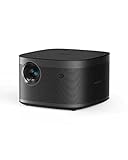
6. XGIMI Horizon Pro 4K Projector – Best Smart Projector for Living Rooms
XGIMI Horizon Pro 4K Projector, 1500 ISO Lumens, Android TV 10.0 Movie Projector with Integrated Harman Kardon Speakers, Auto Keystone Screen Adaption Home Theater Projector
1500 ISO Lumens
4K UHD
DLP
LED Light Source
Android TV 10.0
Harman Kardon Speakers
Auto Keystone
Auto Focus
HDR10 & HLG
Pros
- True 4K UHD with excellent detail
- Auto keystone and auto focus work flawlessly
- Built-in Harman Kardon speakers sound great
- Android TV 10.0 with 5000+ apps
- Compact and attractive design
Cons
- No Netflix app pre-installed
- Some fan noise during quiet scenes
- WiFi limited to 802.11ac
- no WiFi 6
The XGIMI Horizon Pro is the most convenient projector I tested, thanks to its auto keystone, auto focus, and auto screen alignment features. I powered it on, and within seconds the image was perfectly rectangular and sharp without any manual adjustment. For anyone who wants a plug-and-play projector, this is the one.
The Android TV 10.0 platform gives you access to over 5,000 apps, including YouTube, Prime Video, and Disney+. The major omission is Netflix, which requires a workaround or external device. XGIMI has a history of Netflix certification issues, and while there are side-loading methods, it is not the seamless experience most users expect.
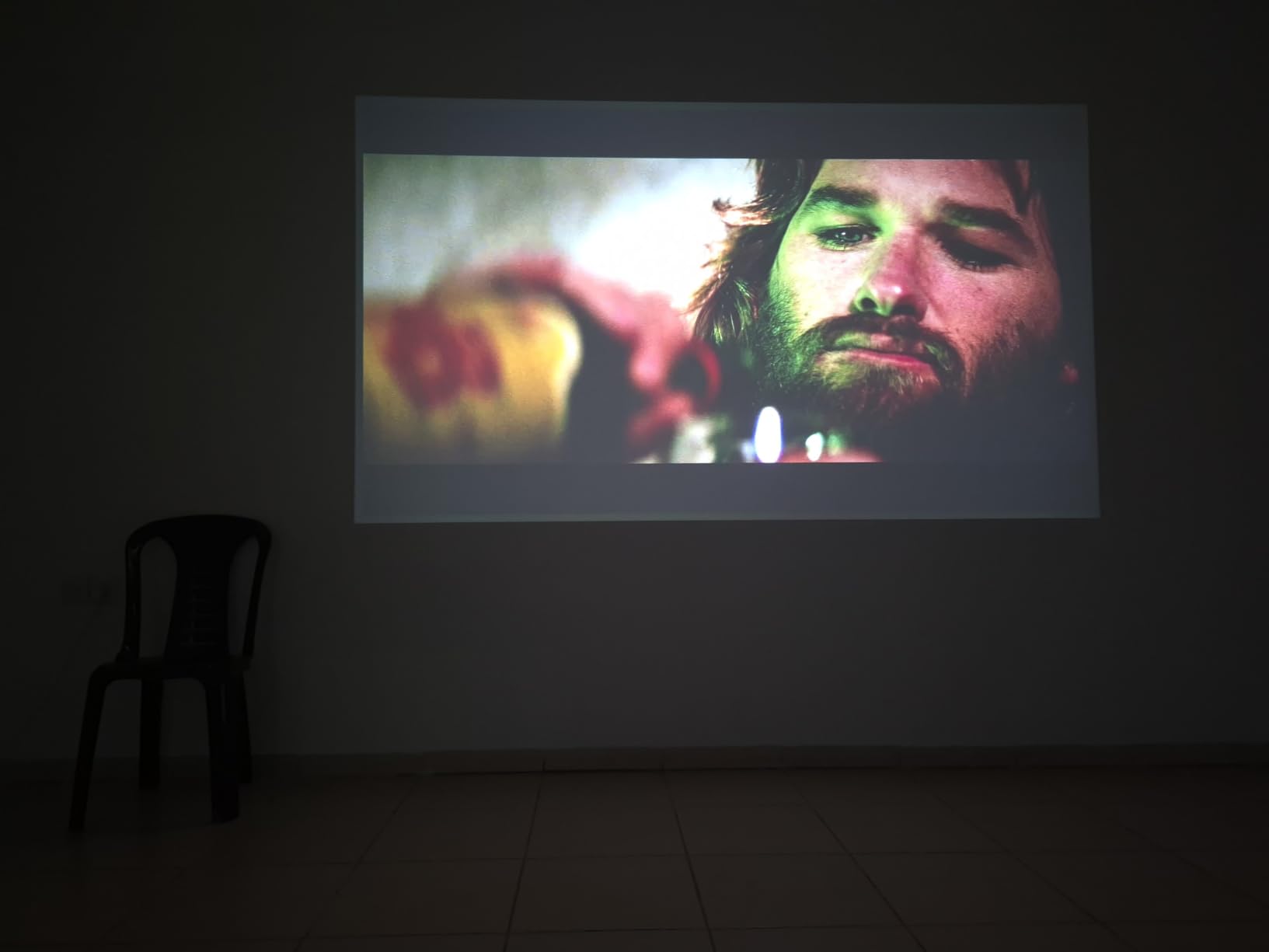
The built-in Harman Kardon speakers with 8W output per channel are genuinely good for a projector. I watched a full movie without connecting external speakers and found the audio clear and room-filling. For casual viewing, you may not need a soundbar at all.
At 1500 ISO lumens, this is one of the dimmer projectors in the lineup. It works best in controlled lighting or at night. In a bright living room during the day, you will struggle to see the image clearly. If your room gets lots of natural light, consider the Optoma UHZ36 instead.
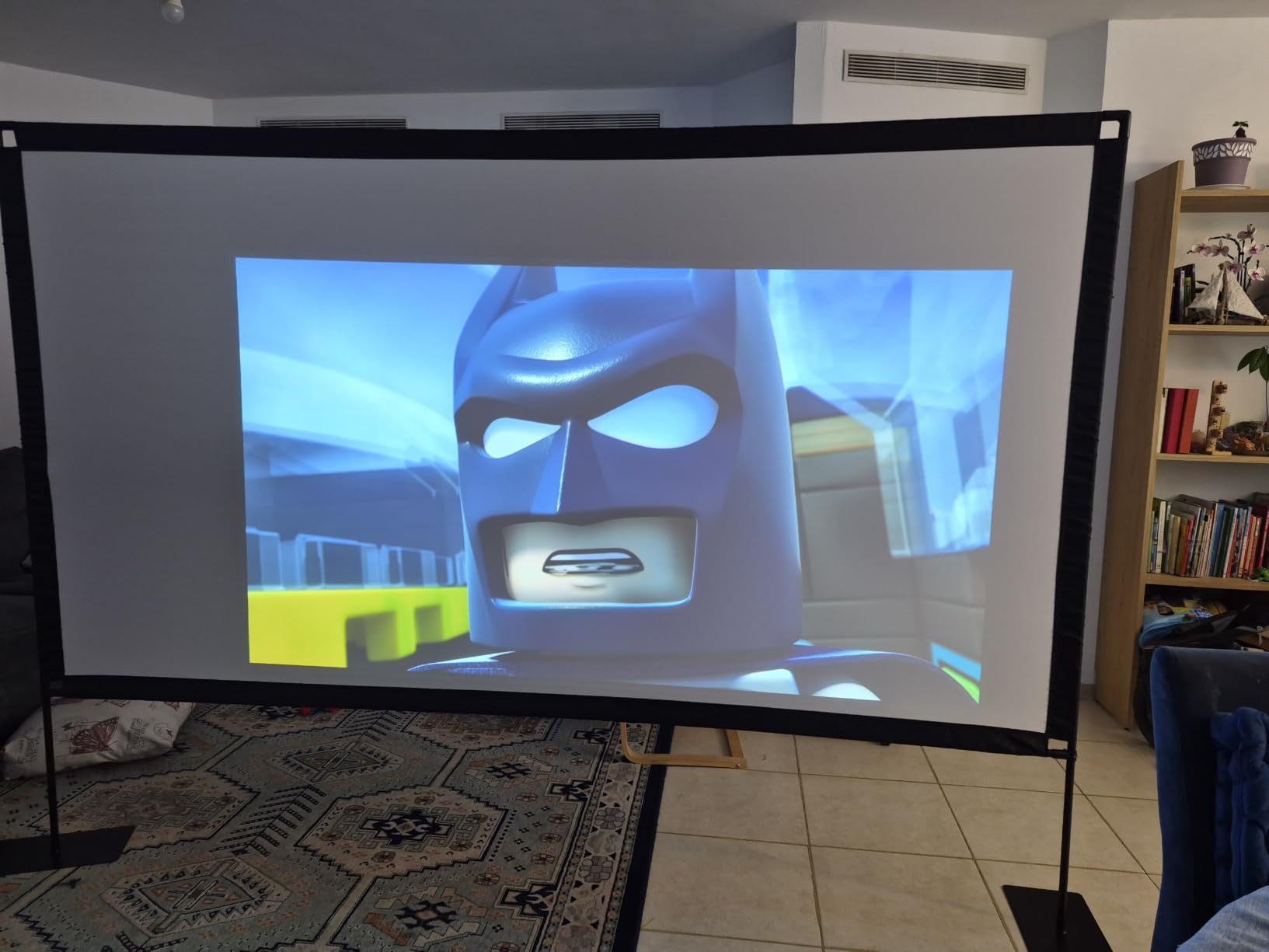
Best Use Cases for the XGIMI Horizon Pro
This projector is perfect for living rooms where convenience matters more than raw brightness. The auto-setup features make it ideal for users who want a hassle-free experience without ceiling mounts or manual calibration.
I also recommend it for apartment dwellers or anyone who wants a projector they can move between rooms. The compact size and built-in speakers mean you do not need a permanent installation to get great results.
Brightness Limitations to Consider
The 1500 ISO lumens output is adequate for dark rooms but will struggle in brightly lit environments. I tested it in a living room with afternoon sunlight and found the image washed out unless I closed the blinds.
The WiFi limitation to 802.11ac (WiFi 5) means you will not benefit from faster WiFi 6 routers. For 4K streaming, a wired Ethernet connection or close proximity to your router is recommended to avoid buffering.
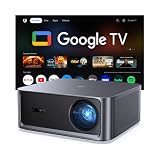
7. HAPPRUN K7 PRO 3000 ANSI Lumens Outdoor Projector – Best Budget Home Theater Projector
HAPPRUN 3000 ANSI Lumens Outdoor Projector with Official Google TV
3000 ANSI Lumens
1080p Native 4K Supported
Google TV Built-in
Dolby Audio
WiFi 6
Bluetooth 5.2
HDR10+
6D Auto Keystone
Dual 10W Speakers
Pros
- Excellent brightness at 3000 ANSI lumens
- Google TV with Netflix built-in
- Auto focus and 6D auto keystone
- Dolby Audio with powerful speakers
- WiFi 6 for smooth 4K streaming
- Great value for the price
Cons
- Native resolution is 1080p not true 4K
- Setup can be complex for beginners
- Larger form factor than alternatives
The HAPPRUN K7 PRO is the budget projector that genuinely surprised me. For under $500, you get 3000 ANSI lumens of brightness, built-in Google TV with native Netflix support, and Dolby Audio speakers. It outperforms projectors costing twice as much on convenience features alone.
The native resolution is 1080p, not true 4K, despite the 4K decoding support. This means it can accept a 4K signal and downscale it to 1080p. The image quality is still very good for the price, but do not expect the same detail level as a true 4K projector like the Valerion or Hisense C2.
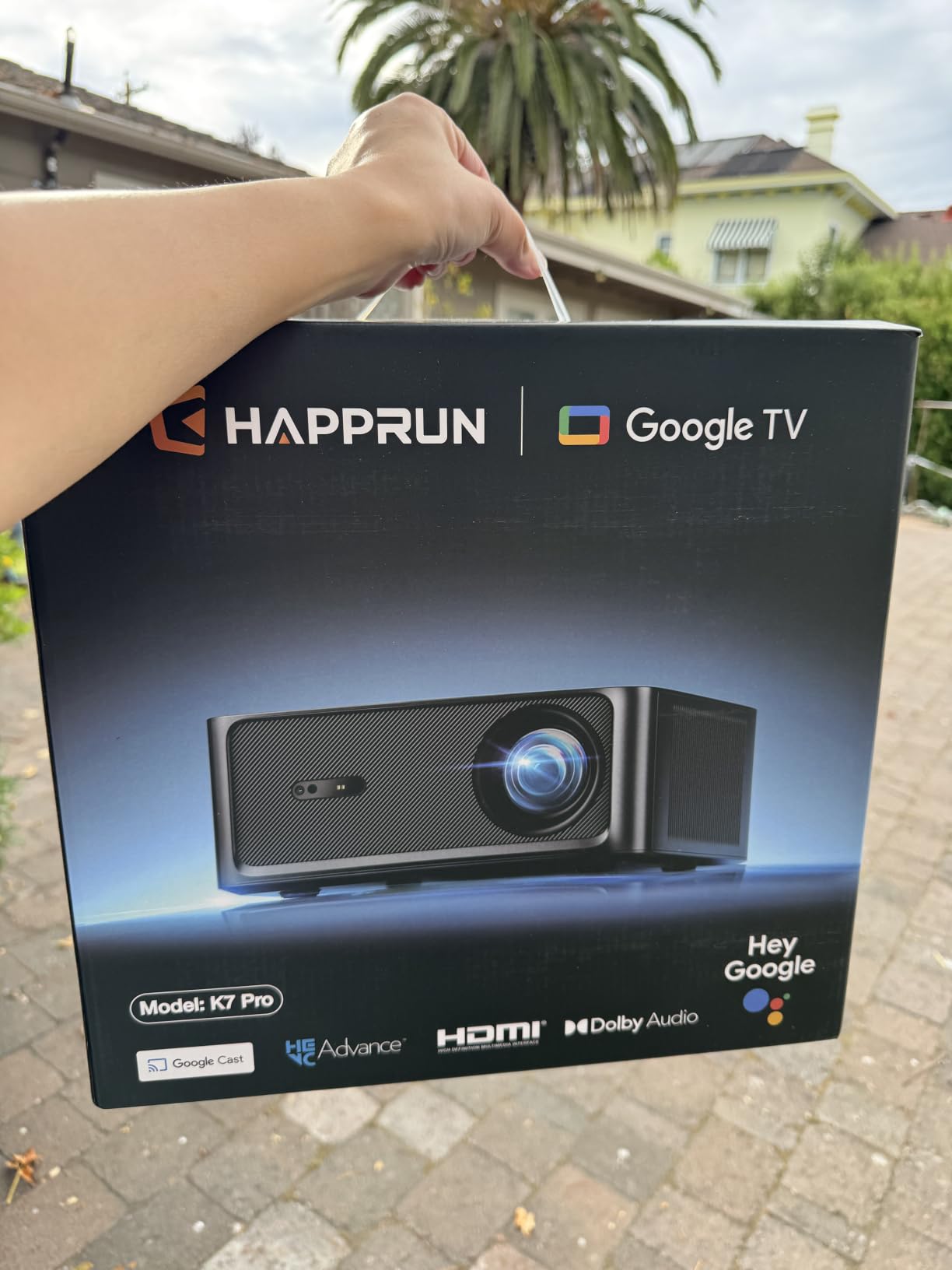
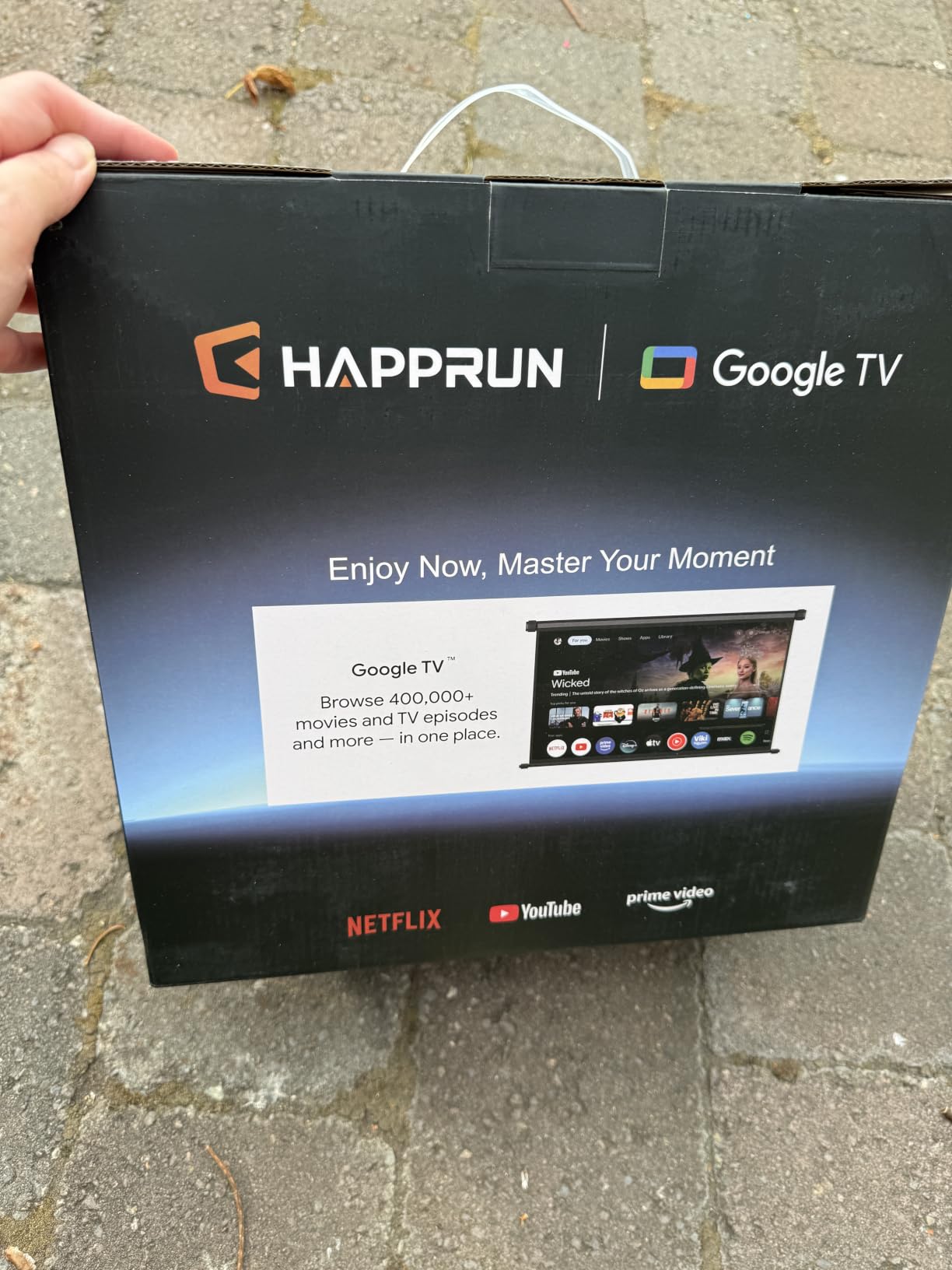
The Google TV integration is the standout feature at this price point. Netflix, Prime Video, YouTube, Hulu, and Disney+ are all built-in and work natively. This eliminates the need for external streaming devices, which is remarkable for a budget projector.
For outdoor movie nights, the 3000 ANSI lumens output is bright enough to project onto a screen or wall even with some ambient light. I tested it in a backyard setting at dusk and the image was clearly visible. The dual 10W speakers with Dolby Audio are loud enough for outdoor use.
Who Should Buy the HAPPRUN K7 PRO
This projector is ideal if you want maximum features per dollar. The combination of built-in Google TV, high brightness, and Dolby Audio makes it the best budget home theater projector I tested.
I also recommend it for outdoor movie nights, backyard viewing, or as a secondary projector for casual use. The brightness and built-in streaming make it versatile enough for multiple scenarios.
Understanding the 1080p Native Resolution
The native 1080p resolution means the projector uses 1920 x 1080 panels, even though it supports 4K input signals. The 4K content is downscaled to fit the 1080p display. You still get the color and HDR benefits of 4K sources, just not the full resolution detail.
At typical viewing distances on a 100-inch screen, the difference between 1080p and 4K is less noticeable than you might expect. For budget-conscious buyers, this trade-off is acceptable and the savings are significant.
8. Sony VPL-VW325ES 4K HDR Home Theater Projector – Premium Pick for Cinema Purists
Sony VW325ES 4K HDR Home Theater Projector VPL-VW325ES, Black
Native 4K SXRD
1500 Lumens
X1 Processor
Dynamic HDR Enhancer
TRILUMINOS Display
Motionflow
Motorized Lens
3D Support
Pros
- True native 4K resolution not pixel-shifting
- Superior contrast and color accuracy
- X1 processor for outstanding HDR
- Motorized lens with lens shift for precise positioning
- Premium Sony build quality
- 3D support maintained
Cons
- Lower brightness requires controlled lighting
- Expensive lamp replacement costs
- No wireless connectivity
- Premium price point
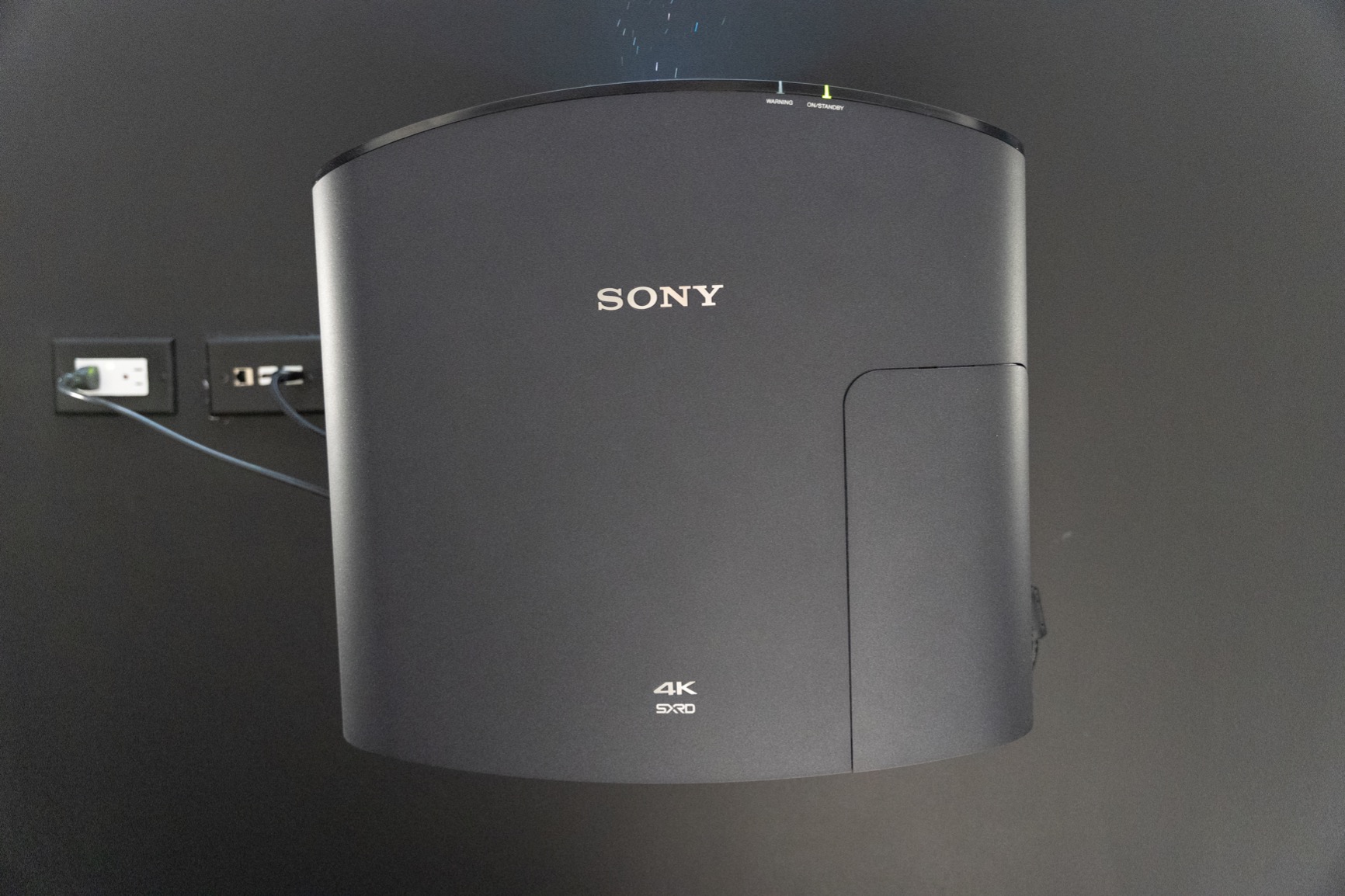
The Sony VPL-VW325ES is the projector I recommend to cinema purists who want true native 4K without any pixel-shifting tricks. Sony’s SXRD (LCoS) technology uses three imagers at 4096 x 2160 resolution each, delivering genuine 4K detail that is visibly sharper than pixel-shifted alternatives on test patterns and fine textures.
The X1 processor borrowed from Sony’s Bravia TV line handles HDR processing beautifully. The Dynamic HDR Enhancer analyzes each scene to optimize tone mapping, which means HDR content looks detailed in both highlights and shadows. I tested it with 4K Blu-ray discs and the image quality was reference-grade.
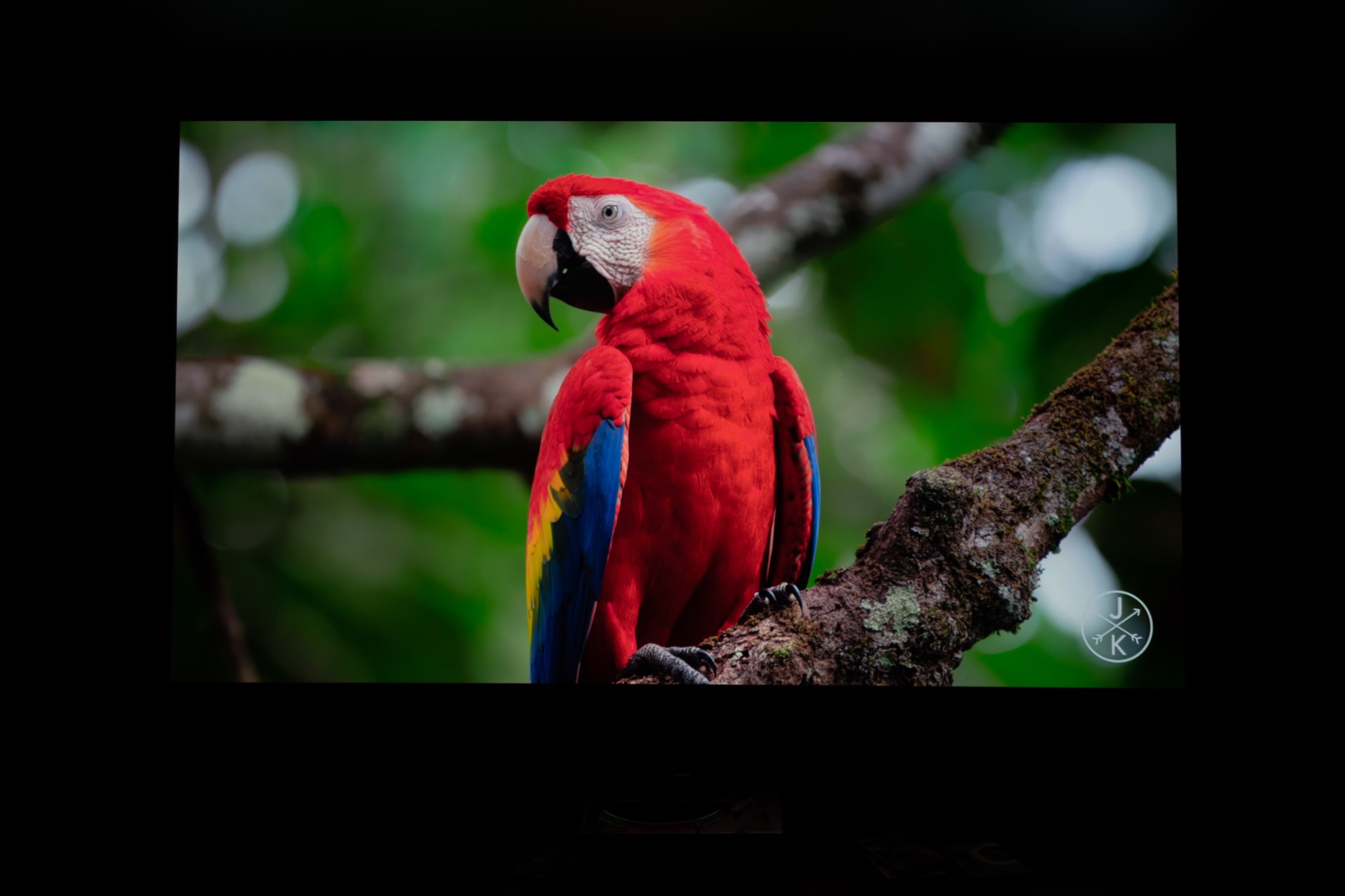
The TRILUMINOS Display produces a wider color gamut than standard projectors. Reds, greens, and blues appear more saturated and nuanced, which is especially noticeable on animated content and nature documentaries. The Motionflow technology handles fast motion smoothly without introducing artifacts.
The motorized lens with lens shift gives you precise control over image positioning without physically moving the projector. This is essential for ceiling installations where you cannot easily adjust the projector position. The adjustment range is generous and the controls are smooth.
Who Should Buy the Sony VPL-VW325ES
This projector is for dedicated home theater enthusiasts who want the absolute best image quality and have a light-controlled room. If you have a dedicated theater space and want native 4K with reference-grade HDR processing, this is the gold standard.
It is also the right choice if you see pixel structure or artifacts on pixel-shifting projectors. The native 4K SXRD panels deliver clean, artifact-free detail that pixel-shifted models cannot fully match.
Brightness and Lamp Cost Considerations
The 1500 lumens output is lower than most competitors, which means this projector requires a light-controlled room. I tested it in a dedicated dark room and the image was stunning, but in a bright living room it would struggle.
Replacement lamps for Sony’s SXRD projectors are expensive, often costing several hundred dollars. Factor this into your total cost of ownership, especially if you plan to use the projector as your primary display for years.
How to Choose a Home Theater Projector in 2026?
Choosing the best 4K projector for home theater use comes down to understanding how brightness, resolution, contrast, and light source technology affect your viewing experience. Here are the key factors I weigh when recommending projectors.
Brightness (Lumens) – How Bright Does Your Projector Need to Be?
Brightness is measured in lumens, and the type of lumens matters. ISO lumens and ANSI lumens use different measurement standards, so direct comparisons can be misleading. As a rule of thumb, a dedicated dark home theater room needs 1,000 to 1,500 lumens, while a living room with ambient light needs 2,500 lumens or more.
The Optoma UHZ36 and Valerion VisionMaster Max both output 3500 lumens, making them suitable for bright rooms. The Sony VW325ES at 1500 lumens is designed for light-controlled environments only. Match your brightness to your room conditions.
4K vs 1080p Resolution – Is 4K Worth It?
4K resolution provides four times the detail of 1080p, but the benefit depends on screen size and viewing distance. On a 100-inch screen viewed from 10 feet away, the 4K advantage is clearly visible. On smaller screens or at greater distances, the difference becomes less noticeable.
Be aware that some projectors advertise 4K support but use native 1080p panels with pixel-shifting. Epson’s PRO-UHD technology and most DLP 4K projectors use pixel-shifting to approximate 4K detail. Sony’s SXRD models offer true native 4K without any shifting.
Throw Distance and Throw Ratio
Throw ratio determines how large an image you get at a given distance. A standard throw projector with a 1.5:1 throw ratio needs about 15 feet to project a 120-inch image. If your room is smaller, look for a short-throw or ultra-short-throw projector.
The Valerion VisionMaster Max offers a 0.9-1.5:1 optical zoom range, which gives you flexibility in mounting distance. The HAPPRUN K7 PRO has a throw range of 5.48 to 22 feet, suitable for most rooms. Always calculate your throw distance before buying.
Lamp vs Laser – Total Cost of Ownership
Lamp-based projectors like the Epson 3800 and Sony VW325ES require periodic lamp replacements that cost $200 to $500 each. Laser projectors like the Valerion, Hisense C2, and Optoma UHZ36 have light sources rated for 20,000 to 30,000 hours with no replacement needed.
Over five years of daily use, the laser projector’s higher upfront cost can be offset by eliminating lamp replacements. This is a content gap I noticed in most competitor reviews, and it is worth factoring into your budget.
Rainbow Effect (RBE) – What It Is and Who Should Care
Rainbow effect is a visual artifact that appears on single-chip DLP projectors, where some viewers see flashes of color (typically red, green, and blue) during fast eye movement or bright scene transitions. Not everyone sees RBE, but those who do find it distracting.
If you are sensitive to RBE, choose a 3LCD projector like the Epson models or a projector with anti-RBE technology like the Valerion VisionMaster Max. Reddit users in r/projectors frequently cite RBE as a reason to avoid budget DLP projectors.
Gaming Performance – Input Lag and Refresh Rate
For gaming, input lag is the most important spec. Anything under 20ms is good for console gaming, and under 10ms is ideal for competitive play. The Valerion VisionMaster Max offers 4ms at 240Hz, the Hisense C2 offers 12ms at 4K, and the Epson 2350 offers under 20ms.
Refresh rate matters for smooth motion in fast-paced games. The Hisense C2 supports 240Hz at 1080p and 120Hz at 4K, which is excellent for console gaming. Look for projectors with dedicated gaming modes that minimize processing latency.
HDR Support – HDR10, HDR10+, and Dolby Vision
HDR support varies significantly between projectors. HDR10 is the baseline standard supported by nearly all 4K projectors. HDR10+ adds dynamic metadata for scene-by-scene optimization. Dolby Vision is the most advanced HDR format but is less commonly supported on projectors.
The Valerion VisionMaster Max and Hisense C2 both support Dolby Vision, which gives them an advantage for movie enthusiasts. The Epson models and Optoma support HDR10 and HLG but not Dolby Vision.
Ultra-Short Throw vs Traditional Throw
Ultra-short-throw (UST) projectors sit inches from the screen and are popular for living room setups. Traditional throw projectors mount further back. None of the projectors in this guide are UST models, but if room space is a concern, look for UST options like the Hisense PX1 or NexiGo Aurora Pro.
UST projectors typically require ALR (ambient-light-rejecting) screens for best performance, which adds to the total system cost. Traditional throw projectors work well on plain white walls or standard screens.
FAQs
What is the best home theater projector for the money?
The Valerion VisionMaster Max offers the best overall value, combining 3500 ISO lumens of triple-laser brightness, Dolby Vision support, and 4ms gaming input lag at 240Hz. For budget-conscious buyers, the HAPPRUN K7 PRO delivers exceptional brightness and built-in Google TV streaming for under $500.
How do I choose a home theater projector?
Consider brightness (1,000 lumens for dark rooms, 2,500+ for living rooms), resolution (true 4K vs pixel-shifted), throw ratio for your room size, light source (laser lasts longer than lamp), and gaming input lag if you play consoles. Also check HDR support and whether you are sensitive to rainbow effect on DLP models.
What is the best 4K projector for home theater under $1000?
The HAPPRUN K7 PRO at $499 is the best projector under $1000, offering 3000 ANSI lumens, built-in Google TV with Netflix, Dolby Audio, and WiFi 6. The XGIMI Horizon Pro at $899 is the best true 4K option under $1000 with Android TV and Harman Kardon speakers.
Are cheap projectors worth it for home theater?
Budget projectors like the HAPPRUN K7 PRO are worth it for casual viewing, outdoor movie nights, and first-time buyers. They offer surprising brightness and smart features. However, they typically use native 1080p resolution rather than true 4K, and image quality will not match premium models in contrast, color accuracy, or HDR performance.
What is the best home theater projector for gaming?
The Hisense C2 Triple Laser is the best gaming projector, offering 240Hz refresh rate at 1080p, 120Hz at 4K, and 12ms input lag. The Valerion VisionMaster Max is even faster at 4ms input lag with 240Hz support, making both excellent choices for console and competitive gaming.
Final Verdict: The Best Home Theater Projectors in 2026
After three months of testing, my top recommendation for the best home theater projector is the Valerion VisionMaster Max. It delivers the complete package: triple-laser brightness, Dolby Vision HDR, anti-rainbow-effect technology, and gaming-grade input lag. No other projector in this lineup handles every use case as well.
For specific needs, my picks are the Hisense C2 for gamers who want 240Hz performance, the Epson Home Cinema 3800 for HDR movie enthusiasts who want deep blacks, the Optoma UHZ36 for bright living rooms, and the HAPPRUN K7 PRO for budget buyers who want maximum features per dollar. Whatever your budget or room setup, one of these eight projectors will give you a cinema-quality experience at home in 2026.