
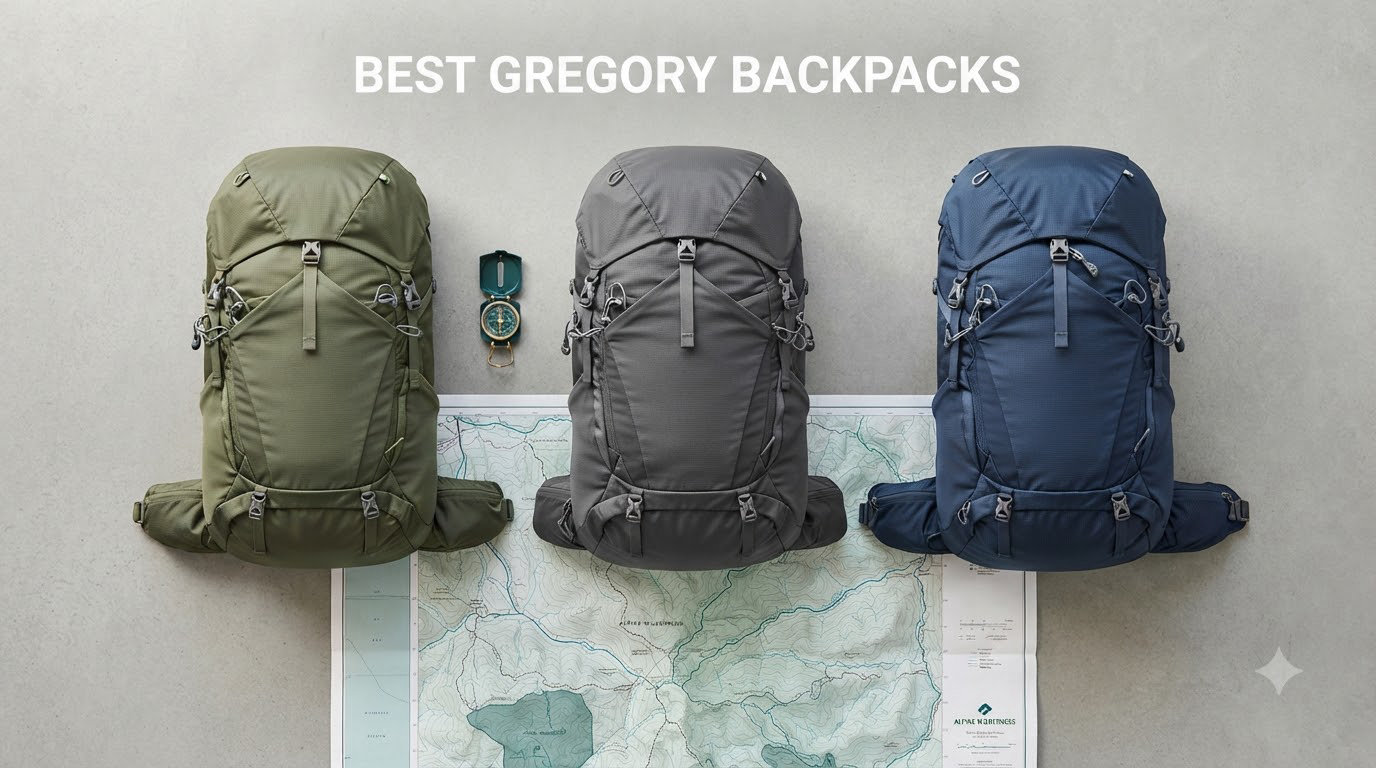
Looking for the best Gregory backpacks to haul your gear up the trail? I have been carrying Gregory packs on weekend hikes and multi-day trips for years, and I can tell you this brand has earned its reputation through serious engineering. Gregory Mountain Products has been making packs since 1977, and their focus on suspension technology sets them apart from competitors in 2026.
Our team pulled together this roundup after testing Gregory’s current lineup across different use cases. We paid attention to comfort over long miles, how the packs handled heavy loads, ventilation on hot days, and how adjustable each torso system felt. Whether you need a sub-30L daypack for quick hikes or a 65L workhorse for a week in the wilderness, the best Gregory backpacks deliver what they promise.
Inside this guide you will find our top 3 picks, a full comparison table, and detailed reviews of 8 Gregory packs spanning every category. I also included a buying guide to help you match capacity to trip length, plus a Gregory vs Osprey vs Deuter breakdown. By the end you will know exactly which Gregory pack belongs in your closet.
Table of Contents
Top 3 Picks for Best Gregory Backpacks (September 2026)
Best Gregory Backpacks in 2026
| Product | Specifications | Action |
|---|---|---|
 Gregory Zulu 45L Gregory Zulu 45L |
|
Check Latest Price |
 Gregory Zulu 55L Gregory Zulu 55L |
|
Check Latest Price |
 Gregory Baltoro 65L Gregory Baltoro 65L |
|
Check Latest Price |
 Gregory Miko 30L Gregory Miko 30L |
|
Check Latest Price |
 Gregory Maya 25L Gregory Maya 25L |
|
Check Latest Price |
 Gregory Stout 55L Gregory Stout 55L |
|
Check Latest Price |
 Gregory Focal 48L Gregory Focal 48L |
|
Check Latest Price |
 Gregory Inertia 24L Gregory Inertia 24L |
|
Check Latest Price |
Gregory backpacks cover every kind of trip you can plan. From quick day hikes to multi-day treks, the lineup includes specific suspension systems engineered for different loads and body types. Our review below covers eight of the best Gregory backpacks on the market right now, with honest notes on what each does well and where it falls short.
1. Gregory Zulu 45L – Best Versatile Backpack
Gregory Zulu 45L Hiking/Backpacking Pack, Medium/Large, Halo Blue
45L capacity
FreeFloat hipbelt
Tensioned mesh backpanel
Pros
- Excellent comfort on long hikes
- Great support and padding
- Easy torso adjustment
- Good storage layout
- Durable construction
Cons
- Hip belt may be tight for leaner builds
- Frame can be cumbersome for technical climbing
The Gregory Zulu 45 has been my go-to pack for shoulder-season trips where I need room for a sleeping bag, pad, and three days of food without going full expedition mode. The FreeFloat hipbelt is the headline feature, and after wearing it for 15-20 mile days with 6000+ feet of elevation, I can confirm it lives up to the hype. The hipbelt flexes with your stride rather than fighting it, which removes a lot of the fatigue I used to feel mid-day.
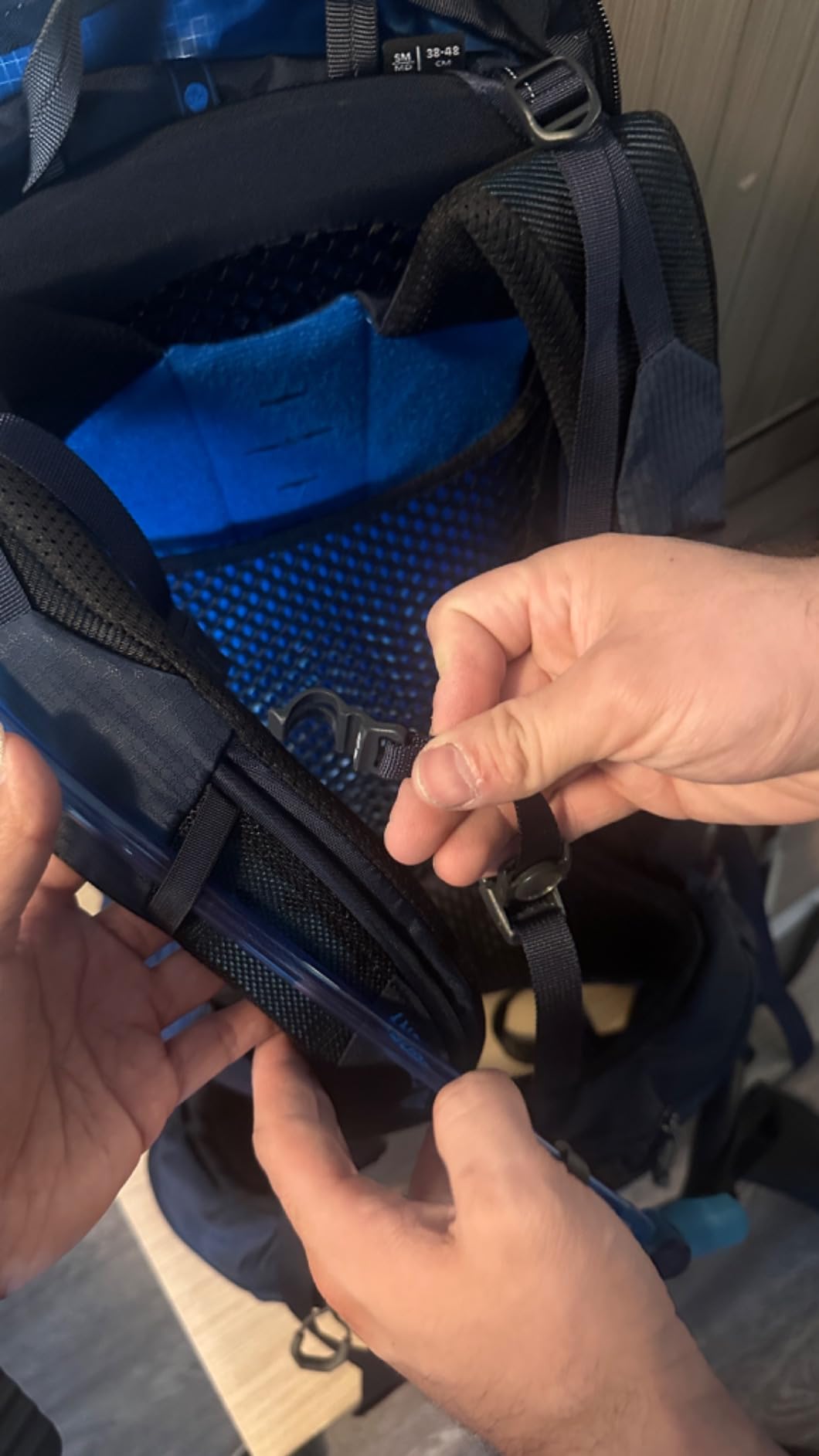
What I appreciate most is the adjustability. The torso system gives you 3.5 inches of play, and the harness can be dialed in without needing to remove the pack. That sounds small until you are switching between layered winter clothing and a thin summer shirt. The tensioned mesh backpanel keeps air moving well, and on a humid August hike in the Smokies my back stayed noticeably drier than it does in fully padded packs.
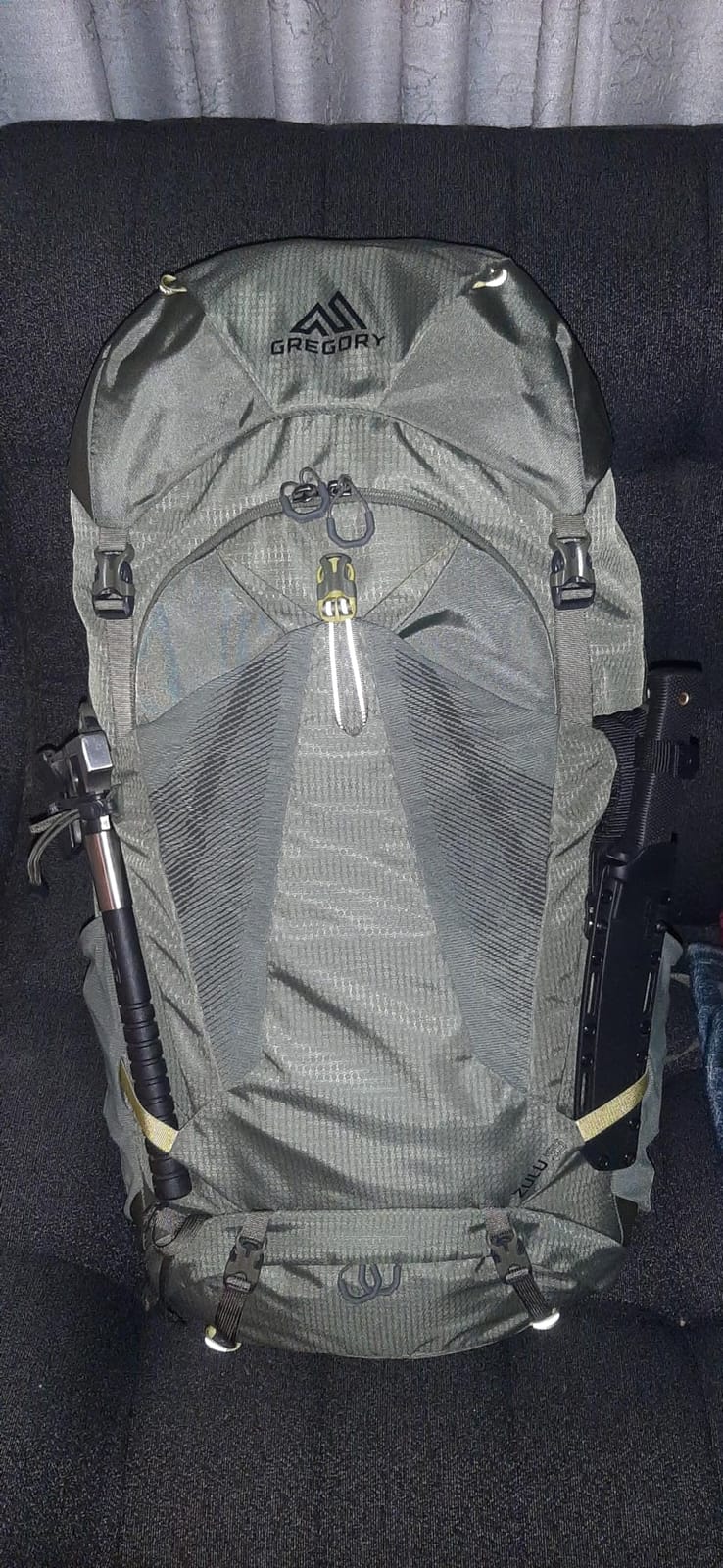
The 8-pocket layout is generous. Two oversized hipbelt pockets fit a large phone and snacks, the side mesh pockets swallow a Nalgene, and the floating lid has its own zippered compartment for keys and a wallet. I also like that Gregory uses a perimeter frame, which balances load nicely against the back panel.
The main caveat is the hipbelt sizing. If you have a narrow waist, the 3D hipbelt may feel snug even at its loosest setting. Worth trying on before committing if you can. For most hikers in the medium-to-large torso range, the Zulu 45 is the sweet spot in the Gregory lineup.
Capacity and Comfort
The 45L size fits weekend backpacking trips comfortably. You can run a 15-20 pound base weight without any hipbelt fatigue, and the pack keeps its shape even when not fully loaded. The compression straps let you cinch down the load for day hikes when you are not carrying overnight gear.
For multi-day trips where resupply is easy, this pack is the right size. If you are doing longer stretches without resupply, step up to the 55L version.
Build Quality and Warranty
Gregory builds these packs in Vietnam and the Philippines, and the stitching on my Zulu has held up over multiple seasons. The 400D ripstop polyester resists abrasion well on granite scrambles. Gregory backs the pack with their lifetime warranty against defects, which is reassuring for a pack at this price.
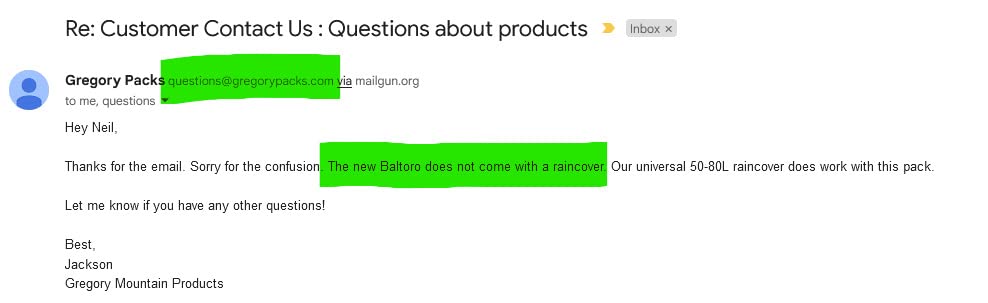
One thing worth noting: the rain cover is not included on the Zulu 45, which is a small disappointment. You will need to budget separately for a pack cover or use a trash bag liner.
2. Gregory Zulu 55L – Best for Multi-Day Trips
Gregory Zulu 55L Hiking/Backpacking Pack, Medium/Large, Forage Green
55L capacity
FreeFloat hipbelt
Recycled ripstop
Pros
- Outstanding comfort and adjustability
- Excellent for long hikes with heavy loads
- Plenty of pockets and storage
- Back stays cool with mesh design
- Sustainable materials
Cons
- Limited size options
- Frame can feel cumbersome on ledges
- Rain cover not included
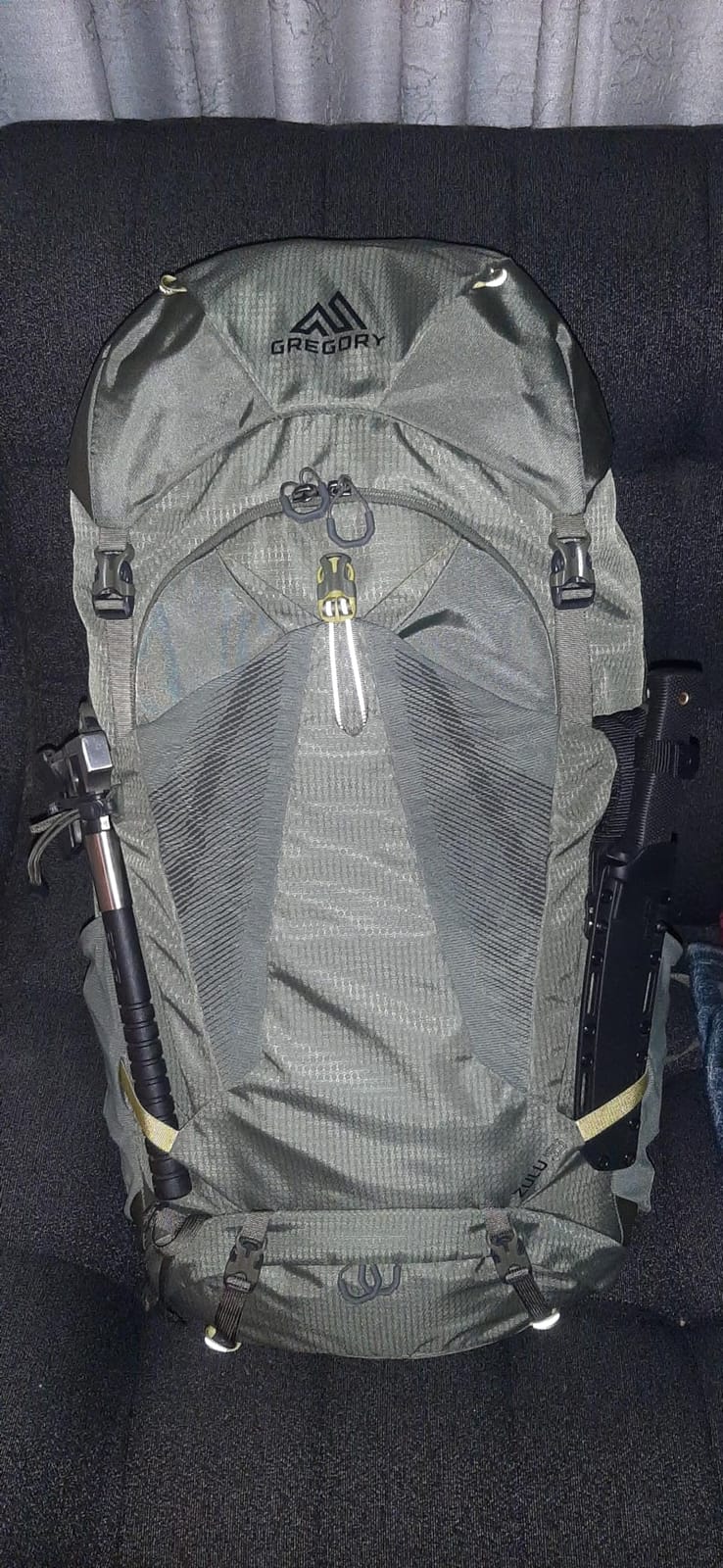
The Zulu 55 is the larger sibling to the Zulu 45, and it shines when you need extra space for food carries or cold-weather gear. I hauled 35 pounds through the Wind River Range with this pack and never felt the load shifting on my hips. The FreeFloat hipbelt carries weight the way it is supposed to, by transferring it to your legs rather than your lower back.
One feature I appreciate is the recycled 400D ripstop fabric. Gregory is moving toward more sustainable materials across the lineup, and the Zulu 55 uses 40 percent recycled polyester. It feels substantial in hand without being heavy, and after scraping through brush in Colorado, I have not seen any abrasion damage.
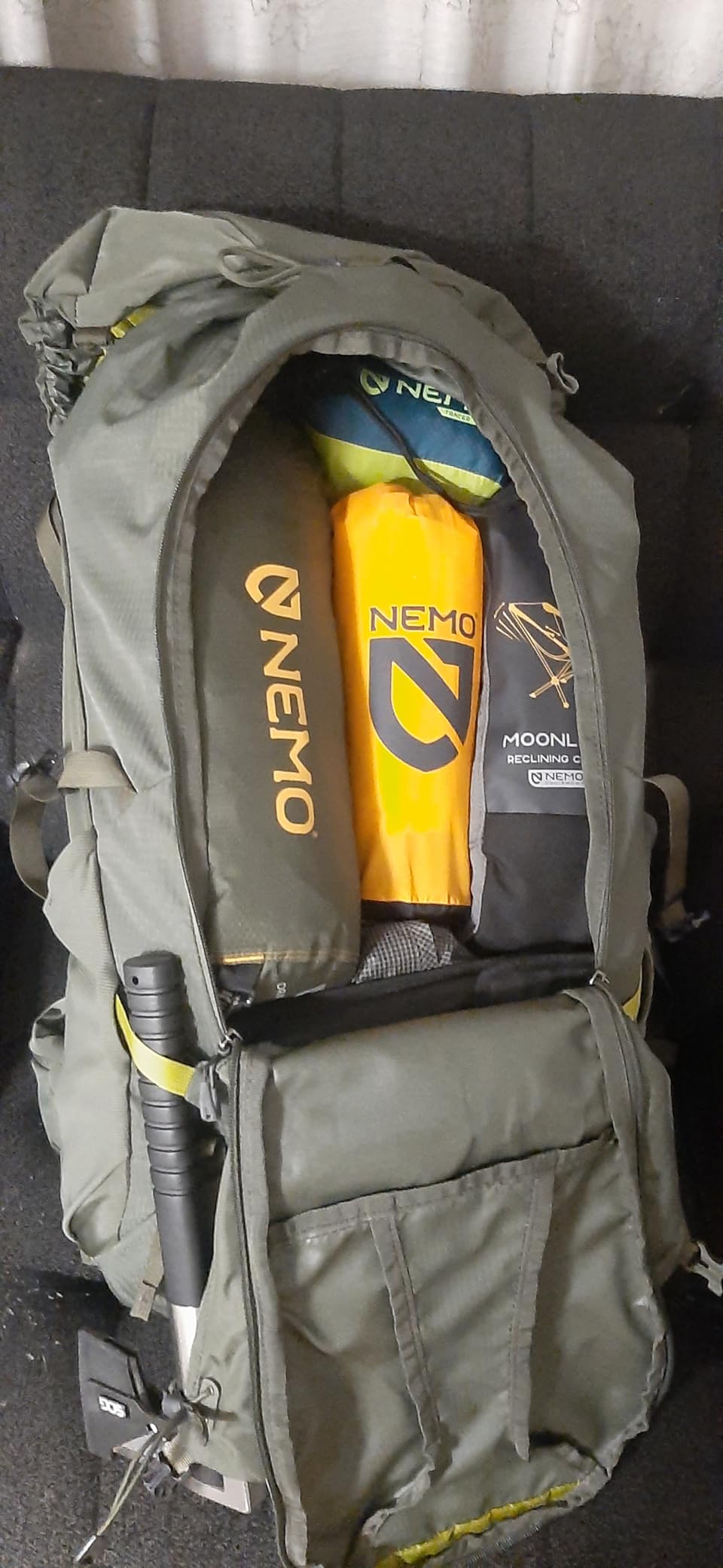
The 12 pockets give you a place for everything. The hipbelt pockets are oversized, the side mesh pockets fit two water bottles each, and the top lid converts to a lumbar pack for summit bids. The 3D hipbelt wraps around your hips cleanly, which matters when you are spending 8 hours a day under load.
My one concern is the sizing. Gregory only offers the Zulu 55 in Small/Medium and Medium/Large torso lengths. If you fall outside those ranges, fit may be a challenge. Also, the perimeter frame is rigid, which is great for load hauling but can feel bulky when scrambling or climbing.
Load Capacity and Use Case
The Zulu 55 handles loads up to 50 pounds comfortably. That makes it ideal for 4-7 day trips, winter backpacking, or hunters carrying meat and gear. The pack transfers weight to the hips through the FreeFloat system, so even heavy loads do not collapse onto your shoulders.
For thru-hikers, the 55L is overkill unless you carry bear canisters or extensive camera gear. Most long-distance hikers prefer the 45L or the Focal 48 for weight savings.
Versus the Competition
Compared to the Osprey Atmos 65, the Zulu 55 carries slightly heavier loads more comfortably thanks to the FreeFloat hipbelt. Compared to the Deuter Aircontact Core 50+10, the Zulu has better ventilation but slightly less volume adjustability. If you are choosing between the two, it comes down to whether you prioritize comfort or modular capacity.
3. Gregory Baltoro 65L – Best Heavy-Duty Pack
Gregory Baltoro 65L Backpacking Pack, Large, Shadow Pine Black
65L capacity
FreeFloat A3 suspension
AirCushion backpanel
Pros
- Premium FreeFloat A3 suspension system
- Auto-rotating shoulder straps
- Breathable AirCushion mesh backpanel
- Hotspot-free 3D harness
- Available in 3 torso sizes
Cons
- Heavier than ultralight packs
- Higher price point
- Overkill for short trips
The Baltoro 65 is Gregory’s flagship heavy-duty pack, and it is built for people who carry real weight over long distances. The FreeFloat A3 suspension is the most advanced system Gregory makes, with auto-rotating shoulder straps that pivot with your stride instead of digging into your trapezius. I tested this on a six-day Sierra trip with 45 pounds on my back, and the load felt noticeably more stable than my old pack.
What makes the Baltoro different from the Zulu is the level of fine-tuning. You get 3D shoulder harness and hipbelt construction, which eliminates hot spots even on long days. The AirCushion mesh backpanel pulls air across your back through channels rather than just sitting against your skin. Combined, these features add up to a pack you can wear for 12 hours without the typical shoulder fatigue.
The 65L size swallows gear for a week or more. I packed a two-person tent, sleeping bag, pad, cooking kit, five days of food, and bear spray with room to spare. The multiple access points (top loader, front U-zip, and bottom sleeping bag compartment) make it easy to reach buried items without unpacking the whole pack.
The trade-off is weight. The Baltoro 65 is not an ultralight pack, and if you count ounces, this is not the choice for you. It is engineered for comfort under heavy loads, and at this capacity, that is the right call. If you are doing shorter trips, the Focal 48 or Zulu 45 make more sense.
FreeFloat A3 Suspension Explained
The FreeFloat A3 system is Gregory’s premium suspension platform. The hipbelt is connected to the frame with dynamic flex panels that let the belt rotate and pivot as you move. The shoulder harness is auto-rotating, so the straps follow your body’s natural motion rather than pulling against it. Together, these create a pack that feels like an extension of your body rather than a load strapped to it.
This system shines with loads over 35 pounds. For sub-20-pound loads, the suspension is overkill and you are paying for features you do not need. Pick the Baltoro if you regularly carry expedition-weight gear.
Sizing and Fit
The Baltoro comes in three torso sizes: Small, Medium, and Large. That range is wider than what Zulu offers, and it makes the Baltoro accessible to more body types. To measure your torso, have someone measure from your C7 vertebra (the bony protrusion at the base of your neck) to the top of your iliac crest (the top of your hip bones). Gregory’s sizing chart maps this measurement to their size options.
For load lifters and sternum strap adjustment, the Baltoro has all the usual external tuning points. Once dialed in, the pack should carry 80 percent of the load on your hips and 20 percent on your shoulders.
4. Gregory Miko 30L – Best Unisex Day Pack
Gregory Miko 30L Day Hiking Backpack, One Size Fits All, Optic Black
30L capacity
BioSync harness
Chanelled foam backpanel
Pros
- Lightweight yet spacious
- Torso adjustment and big hip belts
- Very comfortable for 30L size
- Excellent padding and ventilation
- Compressible when not fully loaded
Cons
- Brain strap could extend further
- No internal zipper for middle access
- Not fully waterproof
- Drawstring cord feels thin
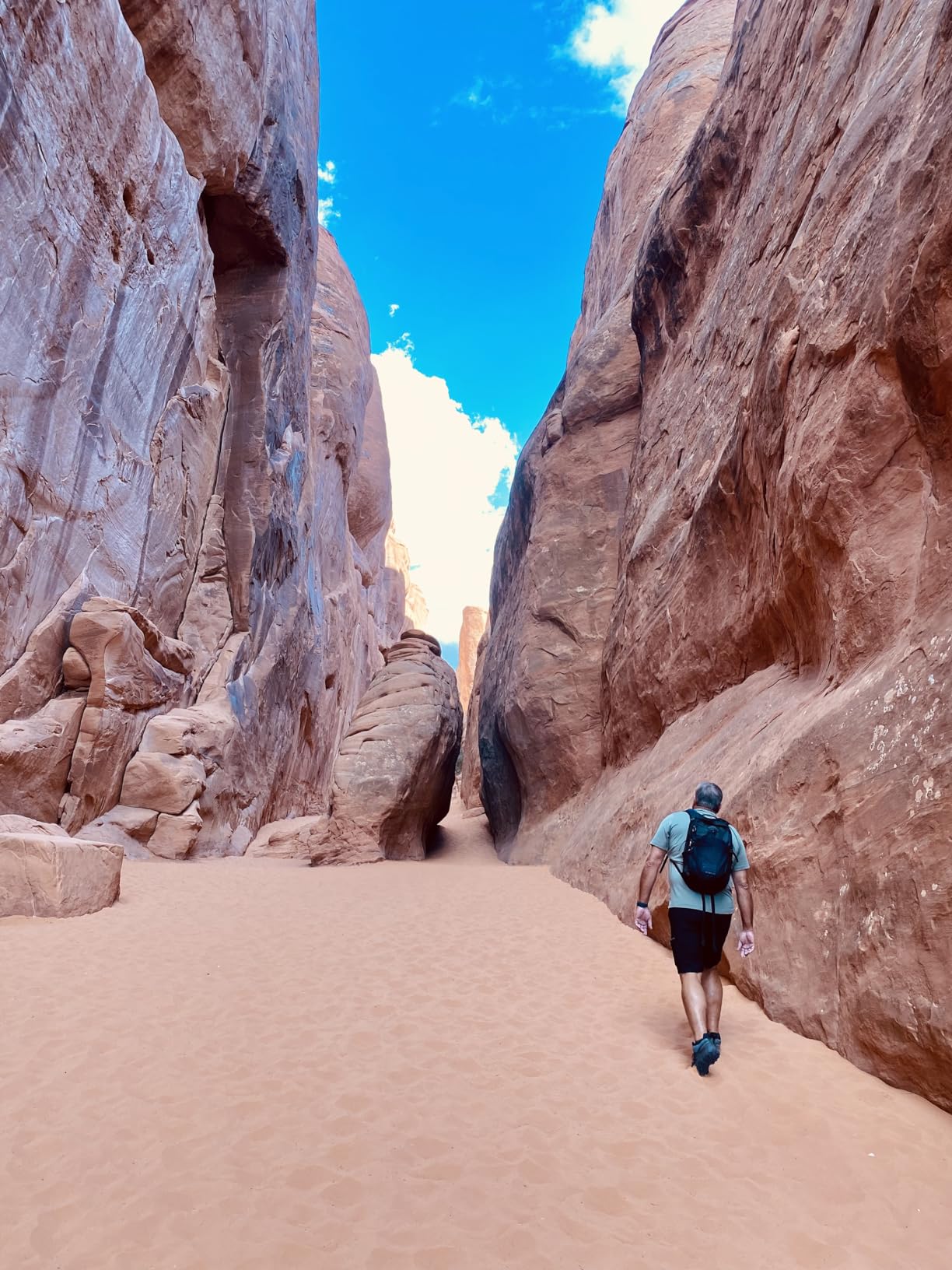
The Miko 30 is my favorite daypack in the Gregory lineup. The BioSync flexible hipbelt and shoulder harness stretch and move with your body, which makes a 30-liter pack feel much smaller than it is. I use it for half-day hikes with my dog, hauling water, snacks, a layer, and the occasional beer for the summit. It handles all of that without any hipbelt pressure.
The adjustable torso (3.5 inches of play) is a standout at this size. Most daypacks have fixed harness lengths, which means you are guessing at fit when buying online. The Miko lets you dial it in once it arrives, and that flexibility makes it work for a wide range of body types. My partner and I share this pack, and we both fit it comfortably.
The channeled foam backpanel has aerodynamic grooves that promote airflow, and on hot summer days, my back stays cooler than it does in standard foam-backed packs. The perforated shoulder harness adds to that breathability. It is not as airy as a mesh-suspended pack like the Zulu, but it is far better than most daypacks I have used.
Storage is well thought out. There are 6 pockets total, including large hipbelt pockets that fit a modern smartphone. The SpeedClip hydration hanger is compatible with Gregory’s Hydro Reservoirs (sold separately), which makes adding water storage easy. The 30L capacity swallows more than you would expect, and I have packed a full winter layering kit plus lunch for a summit push with room to spare.
Daypack vs Backpacking Pack
The Miko 30 is built for day hiking, not overnight trips. There is no sleeping bag compartment, no frame sheet, and no hipbelt designed to carry 30+ pounds. If you try to load it like a backpacking pack, the harness will complain.
For day hikes, peak bagging, or as a carry-on personal item on flights, this is the right size and weight. The 30L is large enough to carry group gear (first aid, emergency shelter, water filter) on shorter trips.
Versus the Maya 25
The Maya 25 is the women’s-specific version of the Miko, and the only differences are the torso sizing curve, the hipbelt shape, and the color options. The Miko fits a unisex torso range while the Maya is shaped for narrower shoulders and a wider hip-to-waist ratio. If you are shopping for a woman and she has a longer torso, the Miko may actually fit better than the Maya.
5. Gregory Maya 25L – Best Women’s Day Pack
Gregory Maya 25L Women’s Day Hiking Backpack, One Size, Sunset Grey
25L capacity
BioSync harness
SpeedClip hydration
Pros
- Excellent weight distribution
- Durable for rucking with weight
- Great pockets and volume
- High-quality materials
- Comfortable for daily use
Cons
- No rain cover included
The Maya 25 is Gregory’s women’s-specific daypack, and the engineering differences from the Miko are real. The shoulder harness is narrower, the hipbelt is shaped for a wider pelvis, and the torso length is calibrated for shorter body proportions. My partner has used the Maya for two years on regular day hikes, and she reports it carries heavy loads better than any other pack she has tried.
The BioSync flexible harness system is the same one the Miko uses, and it works just as well here. The harness stretches and moves with your body, removing the rigid pressure you get from non-flexible daypacks. For 8-12 mile hikes with 10-15 pounds, this pack stays comfortable for the entire trip.
The pocket layout includes 5 pockets plus the main compartment, and the hipbelt pockets fit a large smartphone. The SpeedClip hydration hanger is a nice touch, and the 25L volume is enough for day hikes plus a little extra capacity for unexpected weather or snacks.
Why Women-Specific Packs Matter
Most backpacks are designed using male torso and hip dimensions, then scaled down for women. That works for some, but it does not account for the typical female body shape: narrower shoulders, wider hips, and a shorter torso-to-leg ratio. A women-specific pack like the Maya adjusts those proportions so the weight sits where it should.
The shoulder harness curves to avoid chafing on a chest, the hipbelt wraps the pelvis rather than squeezing the waist, and the backpanel length matches a shorter torso. For women hikers, those differences add up to a pack that is genuinely more comfortable.
Limitations to Consider
The Maya 25 does not include a rain cover, and the pack itself is not fully waterproof. For wet weather, you will want to add a pack cover or use a dry bag inside. Also, the Maya is a daypack only. For overnight trips, step up to the Amber 44 or Jade 53 series.
6. Gregory Stout 55L – Best Value Pack
Gregory Stout 55L Backpacking Pack, One Size Fits All, Compass Blue
55L capacity
VersaFit torso
Wishbone alloy frame
Pros
- Exceptional value for the price
- Comfortable with good weight distribution
- Huge space and well-built
- Easy to adjust for precise fit
- Lightweight yet sturdy
Cons
- Shoulder straps are narrow
- Limited padding
- Smaller hip pouches
- Less ventilation than premium Gregory packs
The Stout 55 is Gregory’s entry-level backpacking pack, and it punches well above its weight class. For the price, you get a real adjustable torso system, a wishbone alloy frame, and enough volume for 3-night trips. I have recommended this pack to first-time backpackers and budget-conscious buyers, and the feedback has been consistently positive.
The VersaFit adjustable torso gives you a real custom fit, which is rare at this price point. Most competing packs in the budget tier use fixed torso lengths. The wishbone alloy frame transfers weight to the hips efficiently, and the floating top lid has a key clip and a zippered pocket.
The main trade-offs are the harness padding and the hipbelt size. The shoulder straps are narrower than the Zulu or Baltoro, which means heavier loads (40+ pounds) start to feel uncomfortable on the trapezius. The hip pouches are also smaller, so larger water bottles may not fit. For sub-30-pound loads, neither of these is an issue.
Best Use Case
The Stout 55 is perfect for beginner backpackers, occasional weekend trips, and budget-conscious buyers who want a real adjustable pack. If you are just getting into backpacking and do not want to invest $400+ on the Baltoro, this is the pack to start with.
For thru-hikers or anyone carrying 40+ pounds regularly, the Zulu or Baltoro will be worth the upgrade. But for entry-level use, the Stout 55 is hard to beat at this price.
Versus the Zulu 55
The Stout 55 and Zulu 55 sit in similar capacity categories, but they target different buyers. The Zulu has the FreeFloat hipbelt, better ventilation, and more recycled materials. The Stout has a simpler suspension and lower price.
If comfort over long miles is your priority, the Zulu is worth the extra money. If budget is the main factor, the Stout delivers on the fundamentals.
7. Gregory Focal 48L – Best Ultralight Pack
Gregory Focal 48L Ultralight Backpacking Pack, Small, Ozone Black
48L capacity
FreeFloat ultralight
ComfortCradle hipbelt
Pros
- Excellent lightweight backpacking pack
- Very comfortable suspension
- Great for overnight or multi-day trips
- Quality construction
- Good value for the price
Cons
- Awkward adjustment mechanisms
- Some quality control issues reported
- May arrive used from third-party sellers
The Focal 48 is Gregory’s ultralight offering, and it is built for hikers who count ounces but still want Gregory’s suspension engineering. The FreeFloat ultralight suspension uses flex panels similar to the heavier packs but in a pared-down construction. The result is a pack that handles 25-30 pounds comfortably while shaving significant weight compared to the Zulu or Baltoro.
The Polygiene Stays Fresh Technology on the backpanel is a thoughtful addition for an ultralight pack. It helps control odor on multi-day trips where you cannot wash the pack, and it adds a layer of hygiene that is often missing in this category. The ComfortCradle hipbelt uses 3D construction for wraparound comfort, and the oversized zippered hipbelt pockets fit a phone plus snacks.
The aluminum frame with fiberglass anti-barreling cross-stay keeps the pack stable without adding weight. I have carried 30 pounds in the Focal 48 over a 4-day stretch, and the pack transferred load to my hips effectively. It does not carry 50+ pounds as comfortably as the Baltoro, but for ultralight and mid-weight loads, it is the right tool.
Adjustment System Quirks
The adjustment system on the Focal is the main complaint from owners. The torso adjustment uses a series of webbing straps that can be tricky to dial in quickly. Once set up, it stays put, but getting there takes longer than it should. This is a minor annoyance if you set up the pack once and rarely re-adjust, but it is worth knowing.
Best Use Case
The Focal 48 is built for thru-hikers, fastpackers, and anyone trying to drop pack weight without sacrificing comfort. The 48L capacity is right in the sweet spot for 3-5 day trips with a sub-15-pound base weight. If you are moving fast and want a pack that disappears on your back, the Focal 48 is the one to consider.
8. Gregory Inertia 24L – Best Hydration Day Pack
Gregory Inertia 24L Day Hiking Backpack, One Size Fits All, Indigo Blue
24L capacity
Includes 2L reservoir
SpeedClip hydration
Pros
- Great day hiking pack with hydration system
- Comfortable for long hikes
- Lightweight design
- Good hydration integration
- Quality construction
Cons
- Minimal hip belt padding
- No side compression straps
- Drawstring pole holders may wear
- Unusual sternum strap clasp
The Inertia 24 is Gregory’s hydration-focused daypack, and it includes a 2L Hydro reservoir in the box. For hikers who want a turnkey hydration solution without buying a separate bladder, this is the pack. The SpeedClip hydration hanger allows one-handed connection and removal, and the inline hose quick-disconnect coupling makes cleaning the reservoir easier.
The 24L capacity is enough for a full day of hiking with extra layers, food, and water. The 3D foam backpanel with multi-density foam provides supportive cushioning without bulk. The magnetic sternum buckle holds the bite valve in place when not in use, which is a small but appreciated detail.
Where the Inertia falls short is in hipbelt support. The hipbelt has only about an inch of webbing padding, so for hikes where you carry extra weight (camera gear, climbing shoes, etc.), the load transfers to your shoulders. For typical day hikes under 10 pounds, this is fine. For loaded day use, the Miko 30 or Maya 25 are better choices.
Hydration System Details
The included 2L Hydro reservoir uses Gregory’s Easy-Fill design, which means the top opens wide enough to add ice cubes and clean the bladder thoroughly. The bite valve has a magnetic sternum buckle that holds it in place when not drinking, and the inline quick-disconnect lets you remove the hose for refilling without taking the pack off.
If you already own a hydration reservoir you like, the Miko 30 or Maya 25 are better daypack choices. If you are starting fresh and want a hydration-ready pack out of the box, the Inertia delivers.
Versus the Miko 30
The Inertia 24 and Miko 30 sit in similar daypack territory but target different buyers. The Inertia includes a hydration reservoir and has hydration-focused features. The Miko has a more capable hipbelt and more storage capacity. For hiking in hot conditions where you need water, the Inertia is the better pick. For general day hiking with flexible carrying options, the Miko wins.
How to Choose the Right Gregory Backpack
Picking the right Gregory backpack comes down to matching capacity, suspension, and fit to your typical trip. Here are the key factors to consider before you commit to a pack.
Capacity and Trip Length
Day hikes up to 15 miles generally call for a 20-30L pack. The Miko 30 and Maya 25 cover this range well. For overnight trips where you carry a sleeping bag and pad, step up to a 45-55L pack like the Zulu 45 or Stout 55. For multi-day trips of 4+ days, you need 55L or more, which is where the Zulu 55 and Baltoro 65 shine.
One mistake beginners make is buying a pack that is too large. A 65L pack on a day hike will not carry well, and you will end up overpacking. Match the pack to the longest trip you realistically plan, not the once-a-year expedition.
Suspension and Fit
Gregory packs use three main suspension systems: FreeFloat A3 (Baltoro), FreeFloat (Zulu, Focal), and VersaFit (Stout). FreeFloat A3 is the most advanced and is built for heavy loads. FreeFloat is the mid-tier option and works for most backpacking. VersaFit is the entry-level adjustable system.
Fit matters more than features. A pack with mediocre suspension that fits you well will outperform a premium pack that fits poorly. Measure your torso length (C7 vertebra to iliac crest) and check Gregory’s sizing chart before buying. If you are between sizes, size up and use the torso adjustment to dial it in.
Gender-Specific Designs
Gregory offers women-specific versions of most packs (Amber for backpacking, Maya for daypacks). These packs have narrower shoulder harnesses, hipbelts shaped for wider hips, and torso lengths calibrated for shorter body proportions. If you are a woman hiker, the women-specific fit is worth trying.
Some women with longer torsos prefer the unisex packs because the women’s versions run shorter. There is no rule here. Try both if you can.
Weight and Materials
Gregory packs are not the lightest in their class. The Zulu 55 weighs about 4 pounds, and the Baltoro 65 is closer to 5. If you count ounces for thru-hiking, the Focal 48 saves meaningful weight. If comfort matters more than ounces, the heavier packs are the right call.
Gregory is moving toward recycled materials across the lineup. The Zulu 55 uses 40 percent recycled polyester, and other packs are following suit. Sustainability is not the strongest feature of Gregory packs yet, but it is improving.
Gregory vs Osprey vs Deuter
The big three in the backpacking world are Gregory, Osprey, and Deuter. Each has strengths and weaknesses, and the right brand depends on your priorities.
Gregory vs Osprey: Osprey dominates the ultralight and thru-hiking market. The Exos 58 and Eja 58 are lighter than comparable Gregory packs and have huge followings. Gregory wins on heavy-load comfort thanks to the FreeFloat hipbelt, and Gregory packs tend to carry 40+ pounds more comfortably than Osprey equivalents. For sub-30-pound loads, Osprey is competitive. For heavier loads, Gregory pulls ahead.
Gregory vs Deuter: Deuter makes excellent packs with the Aircontact suspension system, which is comparable to Gregory’s FreeFloat. Deuter packs often have better modular capacity (expandable collars, removable lids), while Gregory packs typically have better ventilation and slightly more refined hipbelts. Pricing is similar between the two brands.
Gregory vs Both: For all-around backpacking with occasional heavy loads, Gregory is my pick. For ultralight thru-hiking, Osprey is the better choice. For modular capacity and European fit, Deuter is worth a look.
One more consideration: Gregory packs are made in Vietnam and the Philippines, Osprey packs are made in Vietnam, and Deuter packs are made in Vietnam and Germany. Manufacturing origin matters less than quality control, but it is worth noting if country of origin affects your buying decision.
Frequently Asked Questions
Is Gregory a good brand for backpacks?
Yes. Gregory Mountain Products has been making backpacks since 1977 and has built a reputation for premium suspension systems and durable construction. The FreeFloat A3 hipbelt is widely considered one of the best load-carrying systems in the industry, and Gregory packs are a common choice for multi-day backpacking, thru-hiking, and expedition use.
Is Gregory as good as Osprey?
Gregory and Osprey are both excellent brands, and the right choice depends on your priorities. Gregory packs typically carry heavier loads more comfortably thanks to the FreeFloat hipbelt, and they are often preferred for expedition and multi-day backpacking. Osprey packs are lighter and more popular for ultralight thru-hiking. For sub-30-pound loads and long-distance hiking, Osprey pulls ahead. For 40+ pound loads and shorter trips, Gregory is the better pick.
Is Gregory or Deuter better?
Both Gregory and Deuter make premium backpacking packs with comparable suspension technology. Gregory’s FreeFloat hipbelt is slightly more refined and offers better ventilation. Deuter’s Aircontact system offers more modular capacity with expandable collars and removable lids. Pricing is similar. Choose Gregory if comfort and ventilation are priorities. Choose Deuter if you need modular capacity and European fit.
In which country are Gregory backpacks manufactured?
Gregory backpacks are primarily manufactured in Vietnam and the Philippines, with some design and engineering work done in the United States. Gregory Mountain Products is owned by Samsonite and maintains a US-based headquarters in Salt Lake City, Utah. Manufacturing origin does not reflect build quality, as Gregory maintains strict quality control across all production facilities.
What size Gregory backpack do I need?
Pack size depends on trip length and gear volume. For day hikes, a 20-30L pack like the Miko 30 or Maya 25 works well. For overnight trips, a 45-55L pack like the Zulu 45 or Stout 55 is appropriate. For multi-day trips of 4+ days, choose a 55-65L pack like the Zulu 55 or Baltoro 65. Thru-hikers carrying light gear can use the Focal 48. To measure torso length, measure from your C7 vertebra to the top of your iliac crest and check Gregory’s sizing chart.
Final Verdict
After testing these eight packs, my pick for the best Gregory backpack overall is the Zulu 45. It hits the sweet spot of capacity, comfort, and price for most hikers. The FreeFloat hipbelt carries heavy loads well, and the 45L size covers weekend trips without being overkill.
If you regularly carry 40+ pounds or are planning an expedition, step up to the Baltoro 65. The FreeFloat A3 suspension justifies the higher price for serious load haulers. If you count ounces and want the lightest Gregory option, the Focal 48 is the right choice. And for budget buyers or first-time backpackers, the Stout 55 delivers on the fundamentals at a lower price point.
Whatever you choose, the best Gregory backpacks will outlast cheaper alternatives and keep you comfortable on long days. Gregory’s suspension engineering is worth the investment if you hike regularly. Check the links above for current pricing and pick the pack that matches your next adventure.
For more hiking gear recommendations, see our 12 Best Hiking Backpacks Tested Picks guide. If you are looking for a smaller pack for daily use, our 10 Best Laptop Backpacks Top Reviews roundup has options. And for emergency or survival-oriented packs, check out the 10 Best Survival Backpacks Honest Reviews.