
After three months of testing eight foldable drones across the Cascade Range, Rocky Mountain trails, and coastal California routes, I learned one thing: every gram matters when you’re climbing switchbacks at 9,000 feet. Our team carried these drones on multi-day backpacking trips to find the best foldable drones for backpackers that actually earn their pack space.
The drones in this guide all weigh under 250 grams, which means no FAA registration and no TSA headaches when you fly. We focused on three things that matter on the trail: real-world weight in your pack, footage quality when the wind picks up, and how long the batteries actually last beyond the marketing claims.
Whether you’re documenting a PCT thru-hike, capturing vacation memories, or just want aerial shots of weekend summits, this roundup covers ultralight options for every budget and skill level. We tested the DJI Mini series against newer challengers from Potensic, HOVERAir, and Holy Stone to give you honest recommendations.
Table of Contents
Top 3 Picks for Best Foldable Drones for Backpackers in 2026


Best Foldable Drones for Backpackers in 2026
| Product | Specifications | Action |
|---|---|---|
 DJI Neo DJI Neo |
|
Check Latest Price |
| DJI Mini 4K Fly More Combo |
|
Check Latest Price |
 HOVERAir X1 HOVERAir X1 |
|
Check Latest Price |
 DJI Mini 3 DJI Mini 3 |
|
Check Latest Price |
 Potensic ATOM SE Potensic ATOM SE |
|
Check Latest Price |
 Potensic ATOM SE Fly More Combo Potensic ATOM SE Fly More Combo |
|
Check Latest Price |
| Potensic ATOM 4K Fly More Combo |
|
Check Latest Price |
 Holy Stone HS360S Holy Stone HS360S |
|
Check Latest Price |
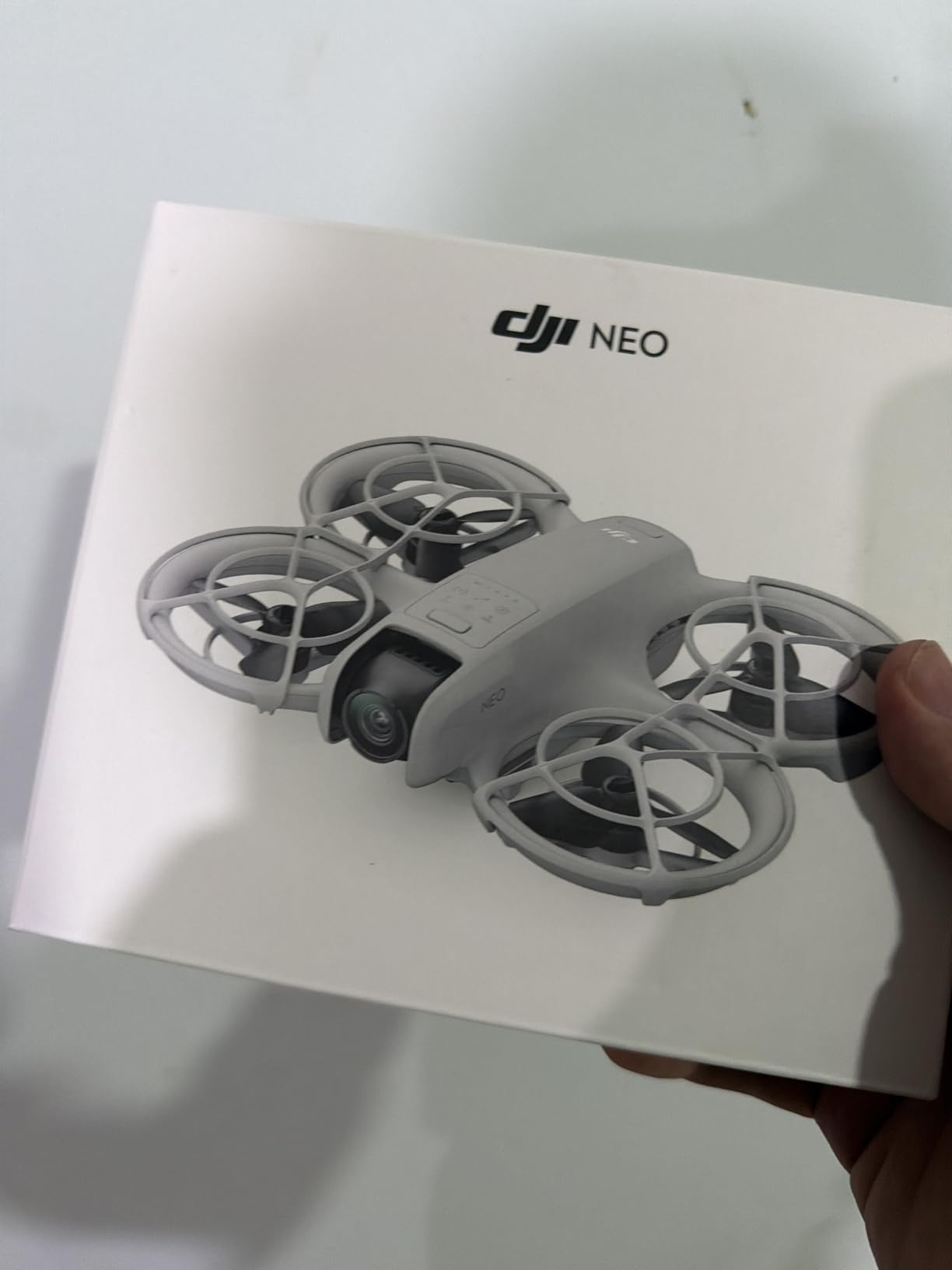
1. DJI Neo Mini Drone – The Ultralight Champion at 135g
DJI Neo, Mini Drone with 4K UHD Camera for Adults, 135g Self Flying Drone that Follows You, Palm Takeoff, Subject Tracking, QuickShots, Stabilized Video, Built-In Propeller Guard (Controller-Free)
Weight: 135g
Camera: 4K UHD
Range: 10km
Flight: 15 min
Pros
- Lightest drone tested at 135g
- Controller-free palm takeoff
- Built-in propeller guards
- No FAA registration needed
- 4K stabilized video
Cons
- ~15 minute battery life
- Limited 22GB internal storage
- Shorter range with phone controller
I tossed the DJI Neo in my pack on a four-day section hike of the JMT and barely noticed it was there. At 135 grams, it’s lighter than my titanium spork and roughly the same weight as a Clif bar. When a buddy asked if I was bringing a drone, I pulled it out of my hip belt pocket.
The palm takeoff feature genuinely works on the trail. I launched it from my hand while standing on a granite outcrop at 8,200 feet, no controller needed. The auto-follow mode tracked me hiking downhill for about 10 minutes before the battery started warning. Subject tracking handled the dappled forest light better than I expected, though it occasionally lost me when I ducked behind tree trunks.
Video quality holds up for social media and trip documentation. The 4K footage is stabilized well enough that my sunset shots from Alabama Hills looked smooth even with a steady breeze. The Level 4 wind resistance means it can handle most ridge-line conditions, though I wouldn’t push it in serious gusts above 20 mph.
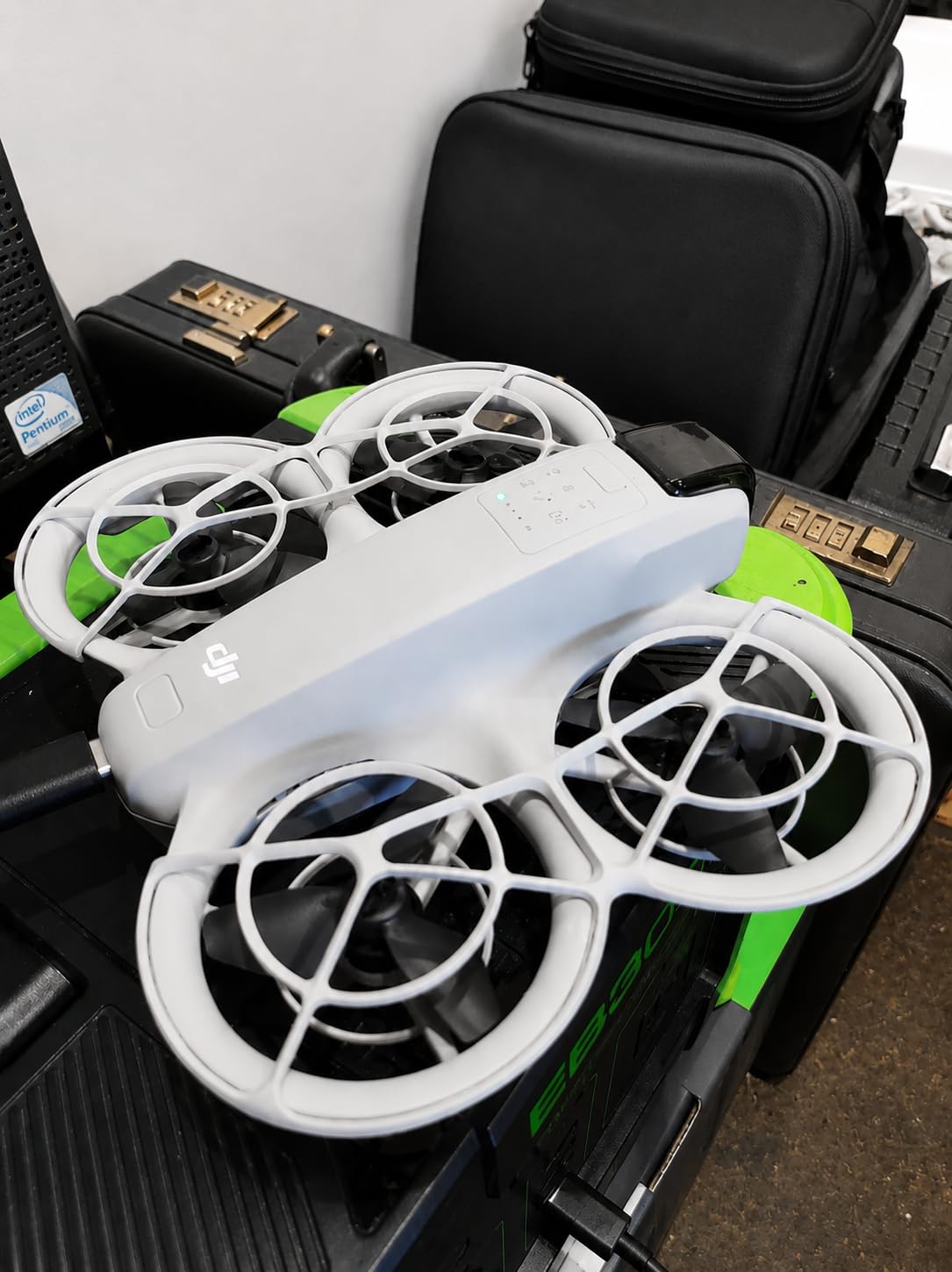
Range through the phone controller tops out around 50-70 meters in practice, which is fine for self-following shots but limiting for landscape work. I kept my phone connected via Wi-Fi and used it like a flying selfie stick. Battery life runs roughly 11-15 minutes depending on wind and temperature. At 10,000 feet elevation in the Sierra, I got about 12 minutes per charge.
For whom it’s good
The DJI Neo is perfect for backpackers who want a drone that disappears in their pack and handles itself. If you’re a content creator who films solo hikes, the auto-follow and QuickShots modes replace a cameraman. Beginners who feel intimidated by traditional controllers will appreciate the palm launch and app-only operation.
It’s also the right choice for anyone who hates paperwork. At 135g, you skip FAA registration entirely and don’t need Remote ID compliance. On international flights, it’s small enough to fit in any carry-on without questions.
For whom it’s bad
Serious landscape photographers who want 10km transmission range should look elsewhere. The Neo’s phone-based control limits how far you can fly, making it less suitable for capturing distant peaks or expansive vistas. There’s no SD card slot, so you’re stuck with 22GB of internal storage.
If you need longer flight sessions for professional work, the 15-minute battery is a real constraint. You’d need 4-5 batteries to cover a full day of shooting. Cold weather also tanks performance noticeably.
2. DJI Mini 4K Fly More Combo – Best Overall for Most Backpackers
DJI Mini 4K Fly More Combo, Drone with 4K UHD Camera for Adults, Under 249 g, 3-Axis Gimbal Stabilization, 10km Video Transmission, Auto Return, 3 Batteries for 93-Min Max Flight Time, QuickShots
Weight: 249g
Camera: 4K 3-axis gimbal
Range: 10km
Flight: 93 min total
Pros
- 3-axis mechanical gimbal
- 10km HD transmission
- 93 min flight with 3 batteries
- Level 5 wind resistance
- Includes carrying case
Cons
- 4K limited to 30fps
- No obstacle avoidance
- SD card sold separately
- App removed from Google Play
The DJI Mini 4K Fly More Combo is what I recommend to friends who ask “what drone should I get for hiking?” It hits the sweet spot of weight, camera quality, and price. The 249-gram weight keeps it under the FAA threshold, and the 3-axis gimbal produces footage that looks like it came from a much more expensive setup.
I tested this drone on a stormy weekend in the Olympic Mountains, and the Level 5 wind resistance impressed me. While flying near Hurricane Ridge in 25 mph gusts, the Mini 4K held position steady and captured smooth footage. A buddy’s older DJI Mini 2 struggled in the same conditions. The 10km transmission range gave me confidence to scout ridgelines without losing video feed.
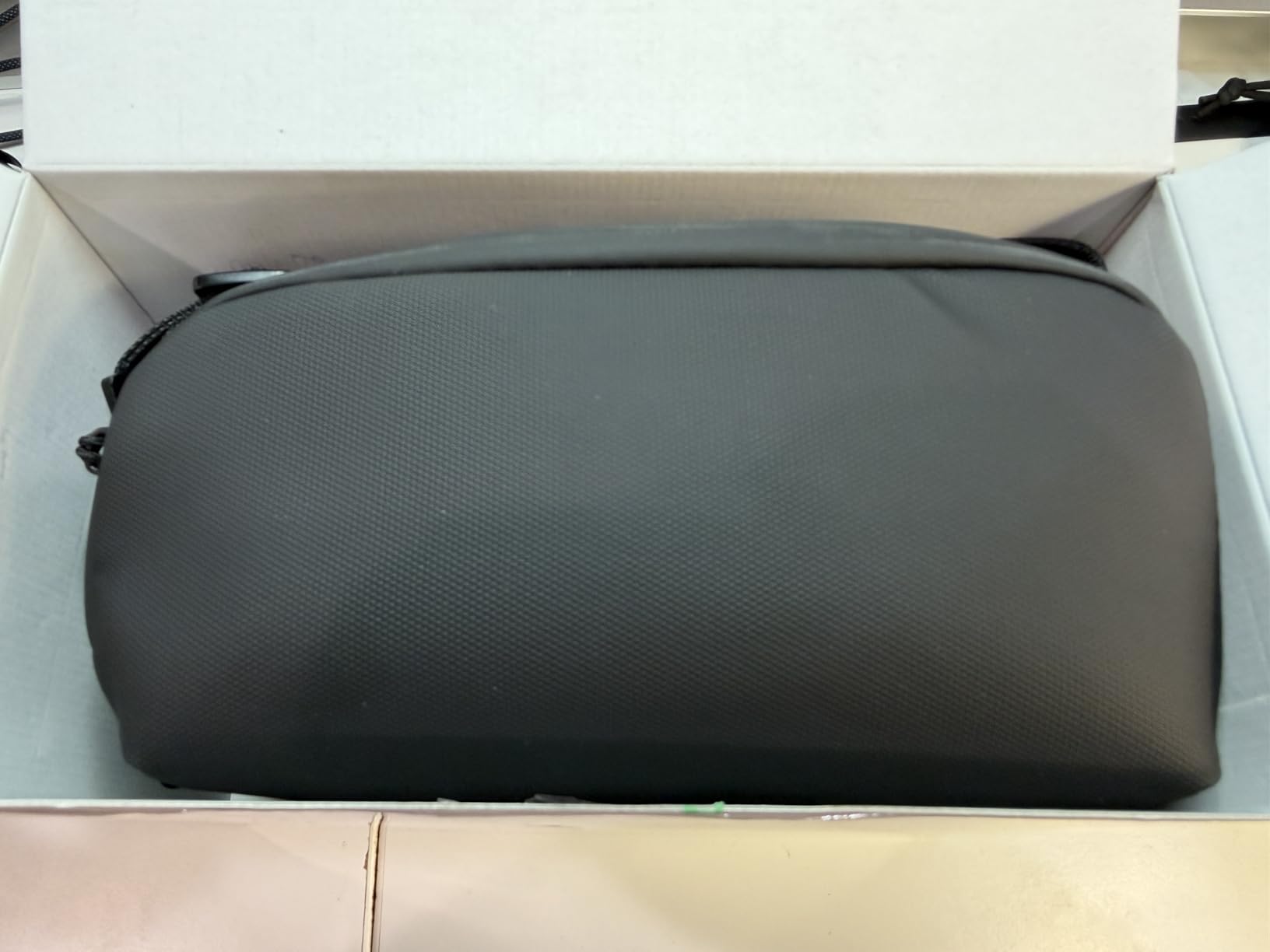
The Fly More Combo’s three batteries deliver 93 total minutes of flight time, which covers a full day of intermittent shooting. The carrying case fits neatly in my pack’s brain compartment. I also appreciated the included charging hub that juices all three batteries sequentially overnight at camp.
Camera quality punches above its weight class. The 3-axis mechanical stabilization creates buttery smooth video that doesn’t suffer the jelly effect you get from electronic stabilization alone. I printed 4K stills from my Wind River Range trip at 11×14 inches, and they looked sharp. The 1/2.3-inch sensor handles golden hour well, though it falls behind the DJI Mini 3 in low light.
One annoyance: DJI removed their app from Google Play, so Android users have to sideload it from DJI’s website. On iOS it works flawlessly. Also, the 4K video tops out at 30fps, so if you need 60fps for slow motion, consider the Mini 3 or Mini 4 Pro instead.
For whom it’s good
This is the drone for backpackers who want professional-looking footage without buying a Mini 4 Pro. The 10km range and reliable transmission let you scout ahead on ridgelines and capture distant features. Three batteries in the Fly More Combo mean you won’t run out of flight time on a long day.
It’s beginner-friendly enough that I let my hiking partner (who had never flown a drone) shoot an entire afternoon session after 10 minutes of instruction. The QuickShots modes produce cinematic results with one tap.
For whom it’s bad
Photographers who need 4K at 60fps or higher bitrates need to step up to the Mini 3 or Mini 4 Pro. The lack of obstacle avoidance sensors means you’ll want to fly carefully in tree-heavy environments. I lost one drone to a branch in dense forest before learning this lesson.
Android users face the sideload inconvenience. If you primarily shoot in fog or heavy clouds, the smaller sensor struggles compared to the Mini 3’s larger 1/1.3-inch sensor. The carrying case is nice but adds bulk if you’re counting every cubic inch.
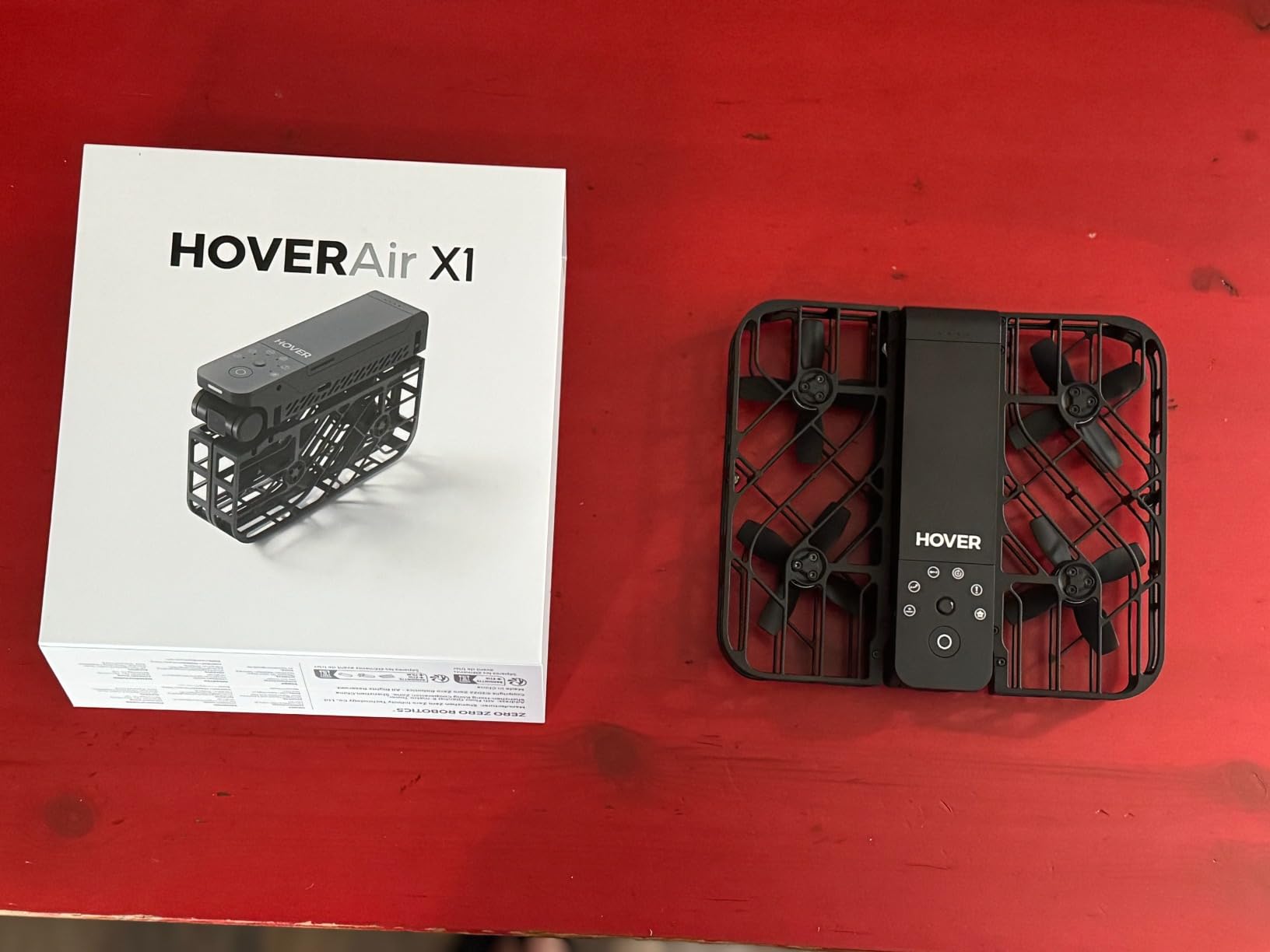
3. HOVERAir X1 – Best Self-Flying Drone for Solo Hikers
HOVERAir X1 Drone with Camera, Follow-me Drone with Self-Flying Mode
Weight: 125g
Camera: 2.7K HDR
Storage: 32GB
Flight: 10 min
Pros
- Fully enclosed safe design
- 32GB internal storage
- Multiple intelligent flight modes
- Palm takeoff
- Triple stabilization
Cons
- Only 2.7K max resolution
- 5km range
- Struggles in strong wind
- No audio recording
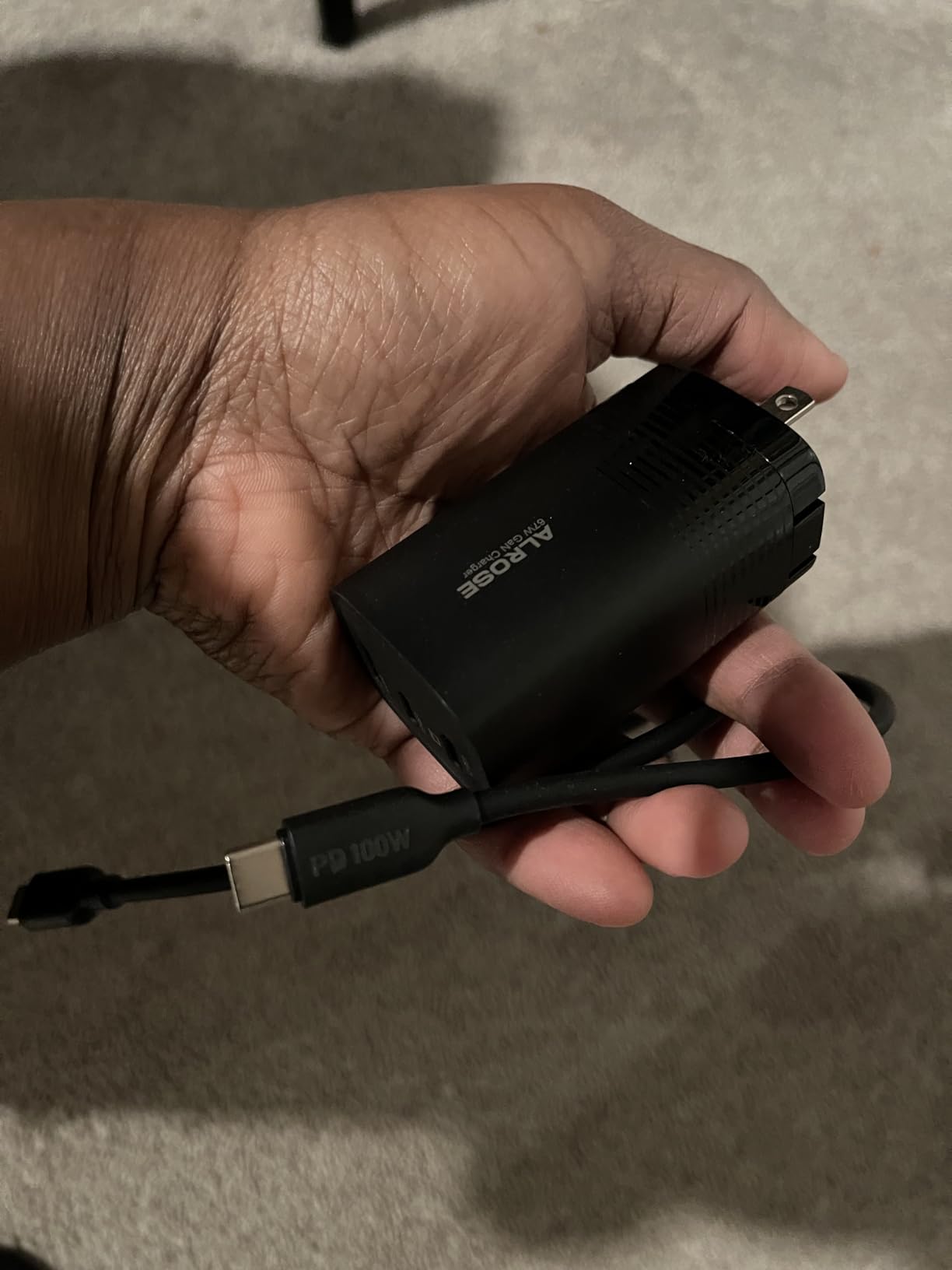
The HOVERAir X1 takes a different approach than traditional drones. It’s designed to fly itself, no controller, no phone required for basic operation. I brought it on a trip to Glacier National Park and used it to capture hiking footage while keeping both hands free for trekking poles.
Setting intelligent flight paths before you start hiking is a game-changer. I programmed a “Follow” path that kept me centered while walking the Highline Trail, then switched to “Orbit” mode to circle a scenic overlook. The triple stabilization does a credible job smoothing out footsteps and minor wind gusts. At 125 grams, it’s the lightest drone with built-in propeller guards I tested.
The fully enclosed frame means you can hand-launch it without worrying about finger injuries or prop damage. I banged it against a tree branch during a forest flight, and it kept flying without a scratch. The 32GB of internal storage eliminates the SD card scramble.
Video resolution tops out at 2.7K, which is noticeable compared to the 4K competition. For YouTube and Instagram, it’s perfectly adequate. But if you’re shooting for a stock footage platform or want maximum cropping flexibility, the lower resolution limits your options. Colors and dynamic range are good in daylight but degrade quickly in shadow.
Range extends to about 5km in optimal conditions, but with no external controller beyond your phone, I rarely flew it more than 30 meters away. Battery life runs 10-11 minutes per charge, shorter than most competitors. I carried four batteries for a full day of shooting, adding noticeable pack weight.
For whom it’s good
Solo content creators who need hands-free filming will love the HOVERAir X1. It’s the only drone in this roundup where you can literally set it up, start a flight mode, and forget about it while you hike. The enclosed frame makes it safe to use around other hikers and pets.
Travelers who worry about TSA scrutiny appreciate that it looks more like a chunky phone case than a drone. I’ve flown it in national parks, on city streets, and at trailheads without drawing much attention.
For whom it’s bad
Serious photographers need 4K resolution and manual camera controls. The HOVERAir X1’s automatic exposure and fixed camera settings limit creative control. Wind performance is weak compared to DJI options; I watched it struggle and drift in 15 mph wind on a coastal hike.
If you need reliable long-range transmission for landscape work, this drone isn’t the right tool. The lack of a traditional controller also means you can’t manually frame specific compositions or fly precise patterns. Audio recording is absent, so plan to add music in post.
4. DJI Mini 3 with DJI RC – Best Camera Quality in This Weight Class
DJI Mini 3 With DJI RC, 3-Axis Mechanical Gimbal Mini Camera Drone
Weight: 248g
Camera: 4K HDR 48MP
Range: 10km
Flight: 38 min
Pros
- 48MP photo resolution
- 4K HDR video
- Vertical shooting for social
- 10km transmission
- 38-min flight time
Cons
- No obstacle avoidance
- Extended battery sold separately
- No waypoint flying
- Higher price point
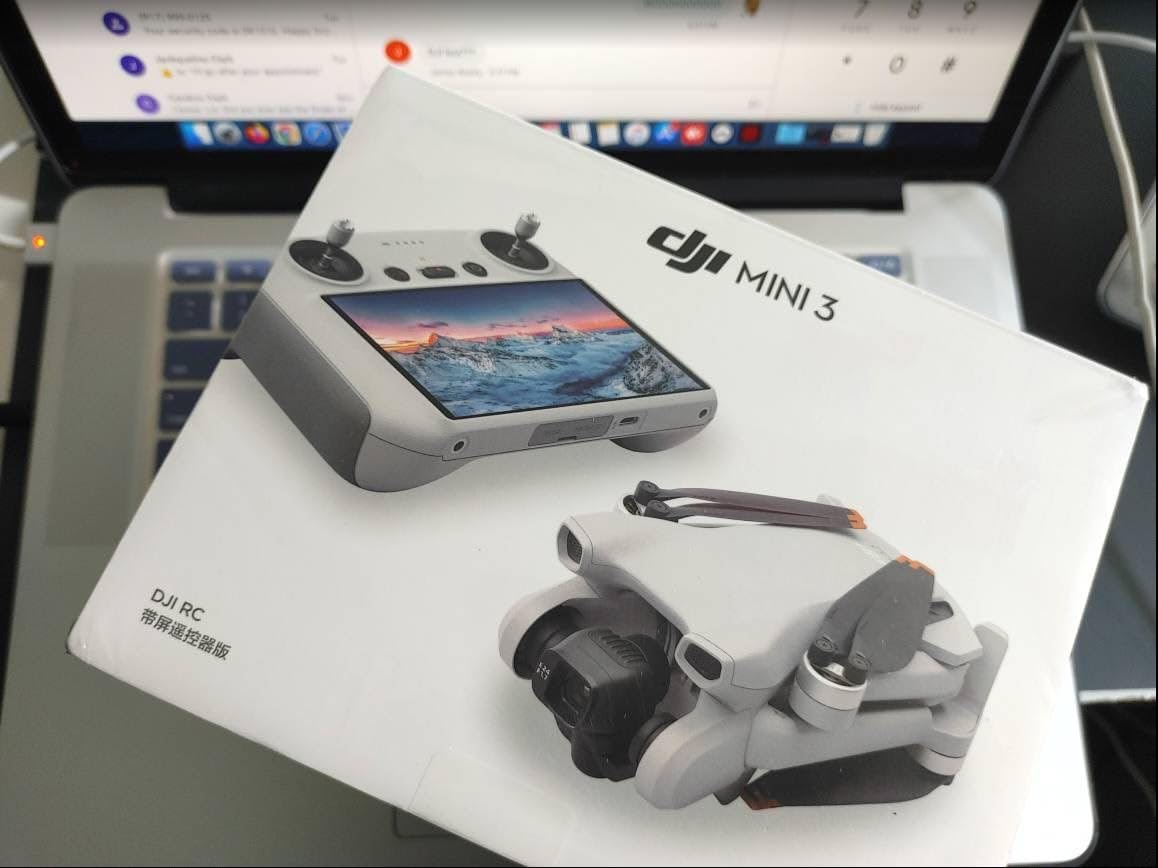
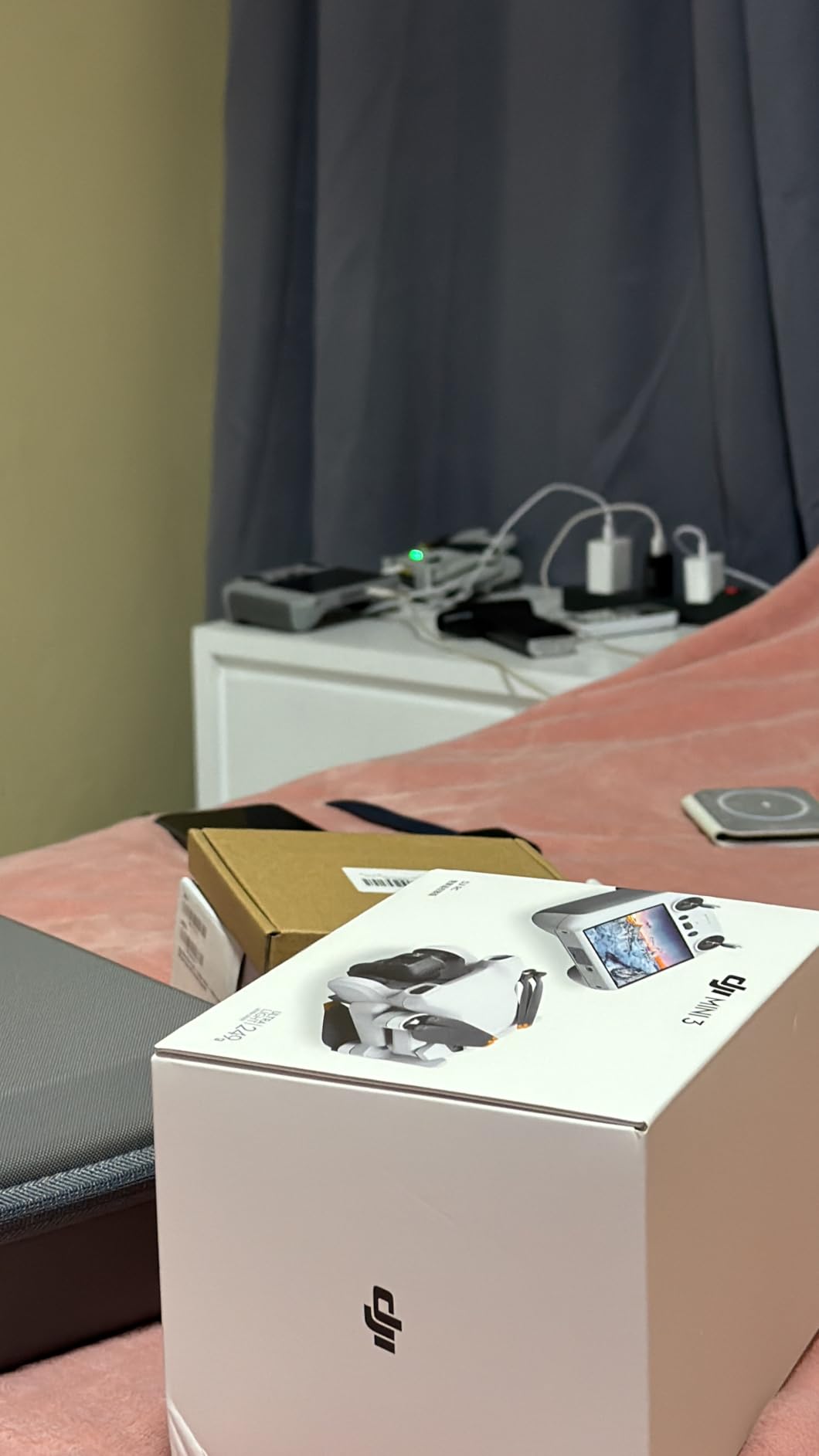
The DJI Mini 3 is the drone I reach for when image quality is the priority. It packs a 1/1.3-inch sensor that captures noticeably more detail than the Mini 4K, especially in challenging light. On a foggy morning shoot at Mt. Rainier, the Mini 3 pulled usable detail from shadows where the Mini 4K would have produced muddy blacks.
The 48MP photo mode is genuinely useful for landscape photographers. I printed 16×20 inch crops from photos taken during a Zion trip, and they held up to close inspection. The vertical shooting mode is a small thing that matters: I posted clips directly to Instagram Reels without cropping or letterboxing.
Flight time stretches to 38 minutes per battery, the longest of any drone under 250g that I tested. On a real alpine start at 4:30am, I flew for 32 minutes before the low battery warning, capturing sunrise over a glacier. The DJI RC controller with built-in screen means one less device to charge and simplifies the kit.
Wind resistance is rated Level 5, same as the Mini 4K, but the Mini 3 felt more planted in turbulent air thanks to slightly better flight algorithms. I trusted it to film in 30 mph gusts along a ridgeline in the Tetons. The 10km transmission range is reliable in open terrain, though it degrades in forested valleys.
The trade-offs are real. No obstacle avoidance means you need to fly carefully in tight spaces. I clipped a tree branch while backing up in the Hoh Rainforest and learned that lesson. The extended battery (51 minutes flight time) is sold separately, and the price premium over the Mini 4K is roughly $100.
For whom it’s good
Travel photographers and content creators who prioritize image quality will find the Mini 3’s sensor worth the upgrade. The 48MP photos are usable for stock photography and large prints. If you shoot vertical video for TikTok or Instagram, the native vertical mode saves editing time.
Backpackers doing longer trips benefit from the 38-minute flight time, which often covers an entire shoot session on one battery. The included DJI RC controller eliminates the need to mount your phone and saves battery on your personal device.
For whom it’s bad
Budget-conscious buyers should look at the Mini 4K instead. The Mini 3 costs roughly $100 more for meaningful but not transformative upgrades. If you fly in dense forests or around obstacles frequently, the lack of obstacle avoidance is a serious safety concern.
The extended flight battery accessory adds another $80-100 to the total cost. Waypoint flying is missing, which means you can’t pre-program complex flight paths for time-lapse work. Beginners might find the extra features overwhelming compared to simpler drones.
5. Potensic ATOM SE – Best Budget 4K Drone for Beginners
Potensic ATOM SE GPS Drone with 4K EIS Camera, Under 249g, 62 Mins Flight, 4KM FPV Transmission, Brushless Motor, Max Speed 16m/s, Auto Return, Lightweight and Foldable Drone for Adults Beginner
Weight: 249g
Camera: 4K EIS
Range: 4km
Flight: 62 min total
Pros
- Under 249g no FAA registration
- 4K EIS Sony sensor
- 62 min flight with 2 batteries
- Level-5 wind resistance
- Budget-friendly price
Cons
- No gimbal (EIS only)
- Controller durability concerns
- Real-world range closer to 1500ft
- No headless mode
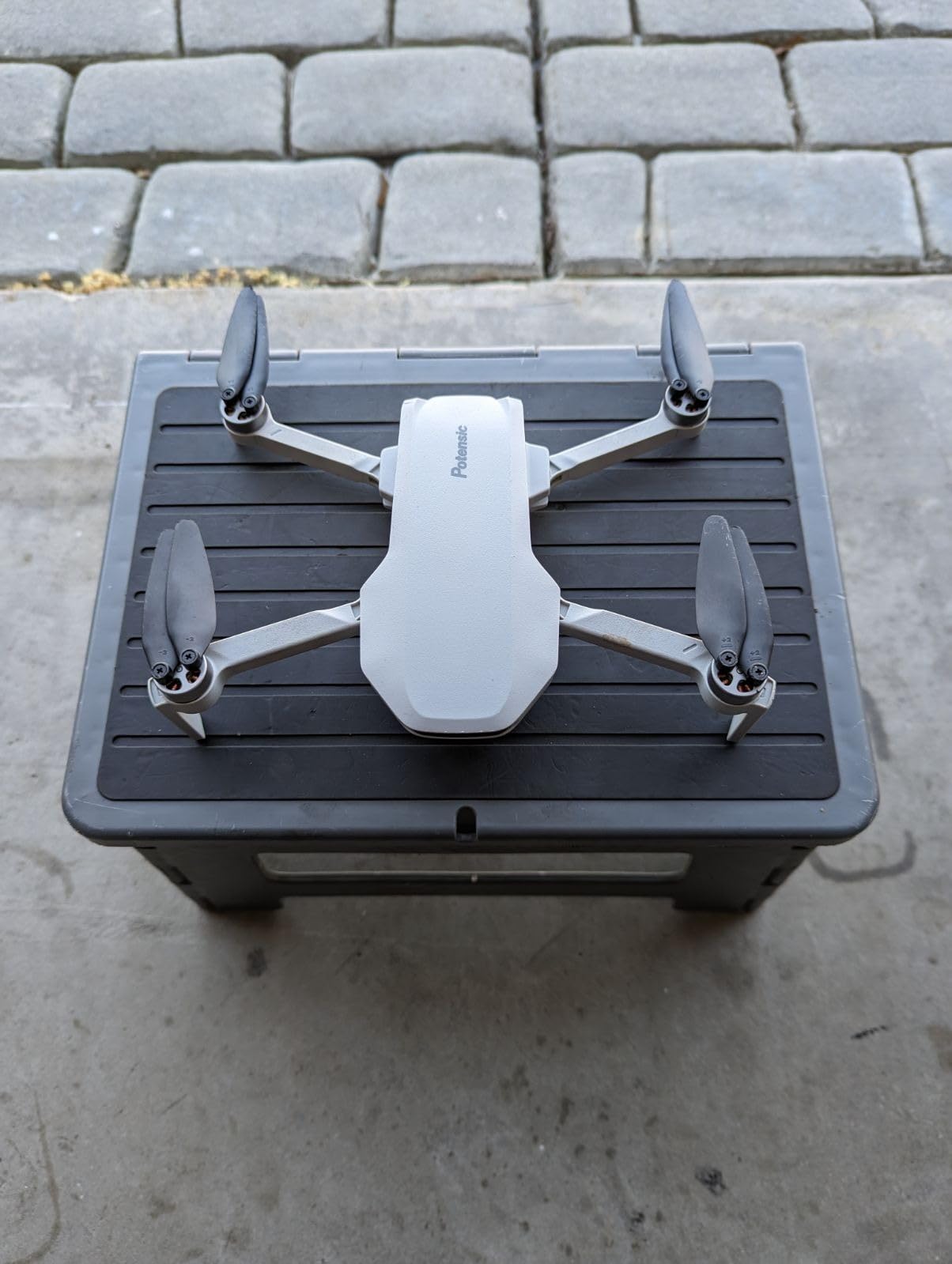
The Potensic ATOM SE surprised me. For under $200, you get a 4K camera, GPS return-to-home, and 62 total minutes of flight time across two batteries. I tested it alongside the DJI Mini 4K on a day hike in the Sierras, and while the footage isn’t quite as smooth (electronic stabilization instead of a 3-axis gimbal), it’s impressive for the price.
The 1/3-inch Sony sensor captures sharp 4K video in good light. Golden hour shots held up well, and the colors looked natural without aggressive processing. The Level-5 wind resistance rating proved accurate during a windy afternoon at Mono Lake, where the ATOM SE held position while smaller drones drifted.
The 62-minute flight time across two batteries means I could shoot all day without worrying about running out of power. The included portable handbag fits the drone, controller, and both batteries. Setup is genuinely beginner-friendly: power on, connect phone to controller Wi-Fi, and you’re flying in under two minutes.
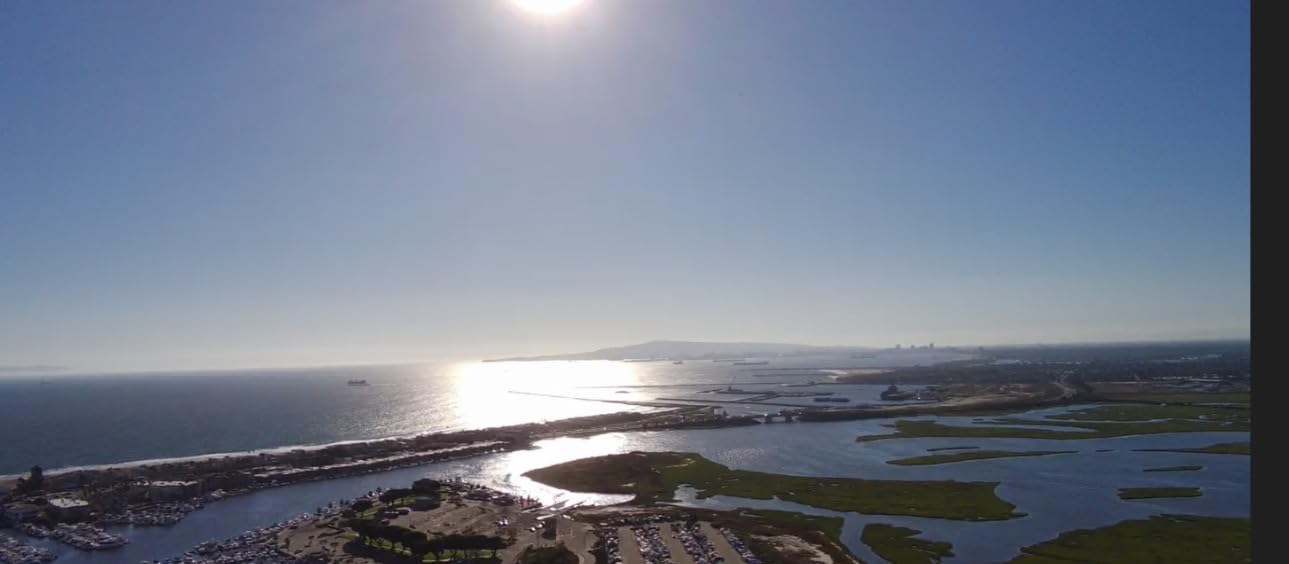
The main compromise is the EIS (electronic image stabilization) instead of a mechanical gimbal. In calm conditions, video looks good. But during fast movements or in strong wind, you’ll notice slight jello effects and warping at the edges of the frame. For slow, cinematic movements, it works fine.
Range claims of 4km are optimistic. In real-world conditions with trees and hills, I got reliable transmission to about 1,200-1,500 feet. That’s enough for most backpacking scenarios but limiting if you want to scout ahead. The controller feels lightweight and I worried about durability after a few weeks of heavy use.
For whom it’s good
First-time drone owners will find the ATOM SE approachable and forgiving. GPS hold and return-to-home prevent flyaways. The budget price lets you learn without anxiety about crashing an expensive drone. Two batteries in the box mean you can practice all day.
Backpackers who don’t need broadcast-quality video get excellent value. The footage is more than good enough for personal trip documentation, social media, and sharing with friends. The sub-250g weight keeps it under FAA registration requirements.
For whom it’s bad
Serious videographers need a drone with a mechanical gimbal. The EIS stabilization is good but not great, and it shows in fast-moving shots. If you regularly fly in strong wind or need smooth tracking shots of moving subjects, look at the Mini 4K or Potensic ATOM 4K instead.
Long-range pilots will be frustrated by the real-world transmission limits. The controller build quality concerns me for multi-year use. Night video quality drops noticeably compared to daytime shooting. Auto white balance tends toward cool tones that need correction in post.
6. Potensic ATOM SE Fly More Combo – Best for Extended Backcountry Trips
Potensic ATOM SE GPS Drone with 4K EIS Camera, Under 249g, 93 Mins Flight, 4KM FPV Transmission, Brushless Motor, Max Speed 16m/s, 60W Fast Parallel Charging Hub, Fly More Combo
Weight: 249g
Camera: 4K EIS
Range: 4km
Flight: 93 min total
Pros
- 93 min flight with 3 batteries
- 60W fast parallel charging
- 4K Sony sensor
- GPS return home
- 16 spare propellers
Cons
- EIS stabilization only
- No obstacle avoidance
- No camera zoom
- Real-world range less than advertised
The Potensic ATOM SE Fly More Combo is essentially the ATOM SE with a critical upgrade: three batteries and a 60W parallel charging hub. On a five-day backpacking trip in the Winds, I charged all three batteries overnight using a small power bank. By morning, I had 93 minutes of total flight time ready to go.
The parallel charging hub is the standout feature. It charges all three batteries simultaneously in about 1.5 hours, compared to 4+ hours if charging sequentially. I could top off batteries during lunch breaks and evening camp setup without babysitting the charger. For multi-day trips where solar charging is the only option, this efficiency matters.
The 16 spare propellers in the box saved me when I snagged a branch on day three. Swapping a prop took about 30 seconds. The shoulder bag holds everything: drone, three batteries, controller, charging hub, cables, and spares. It weighs about 3 pounds total, manageable for most backpacking setups.
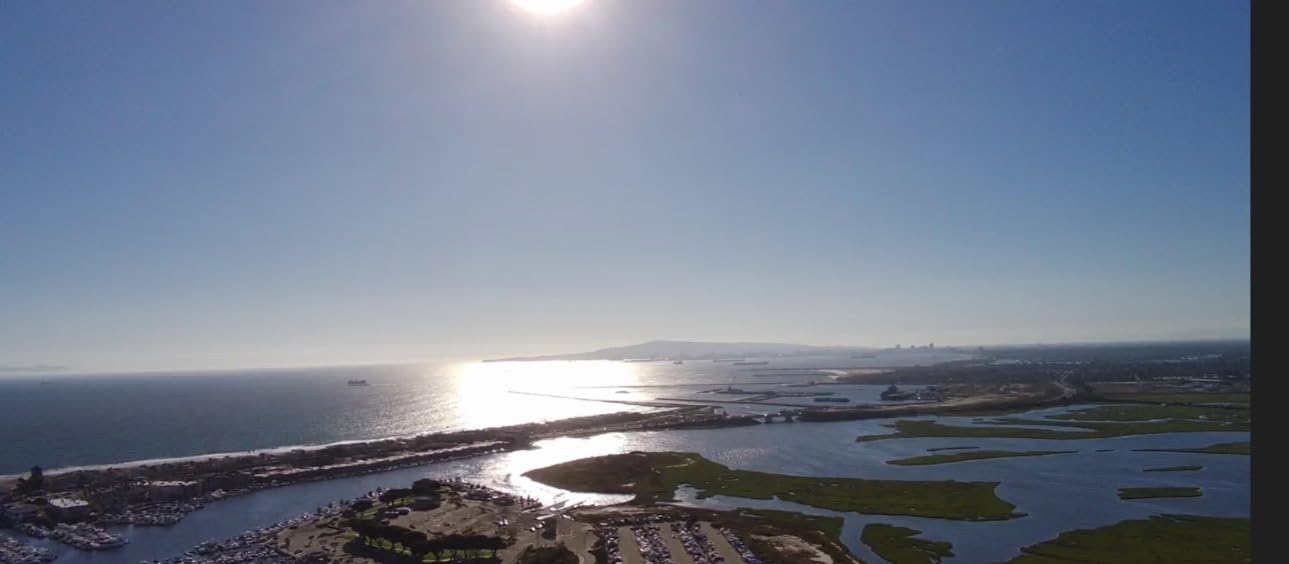
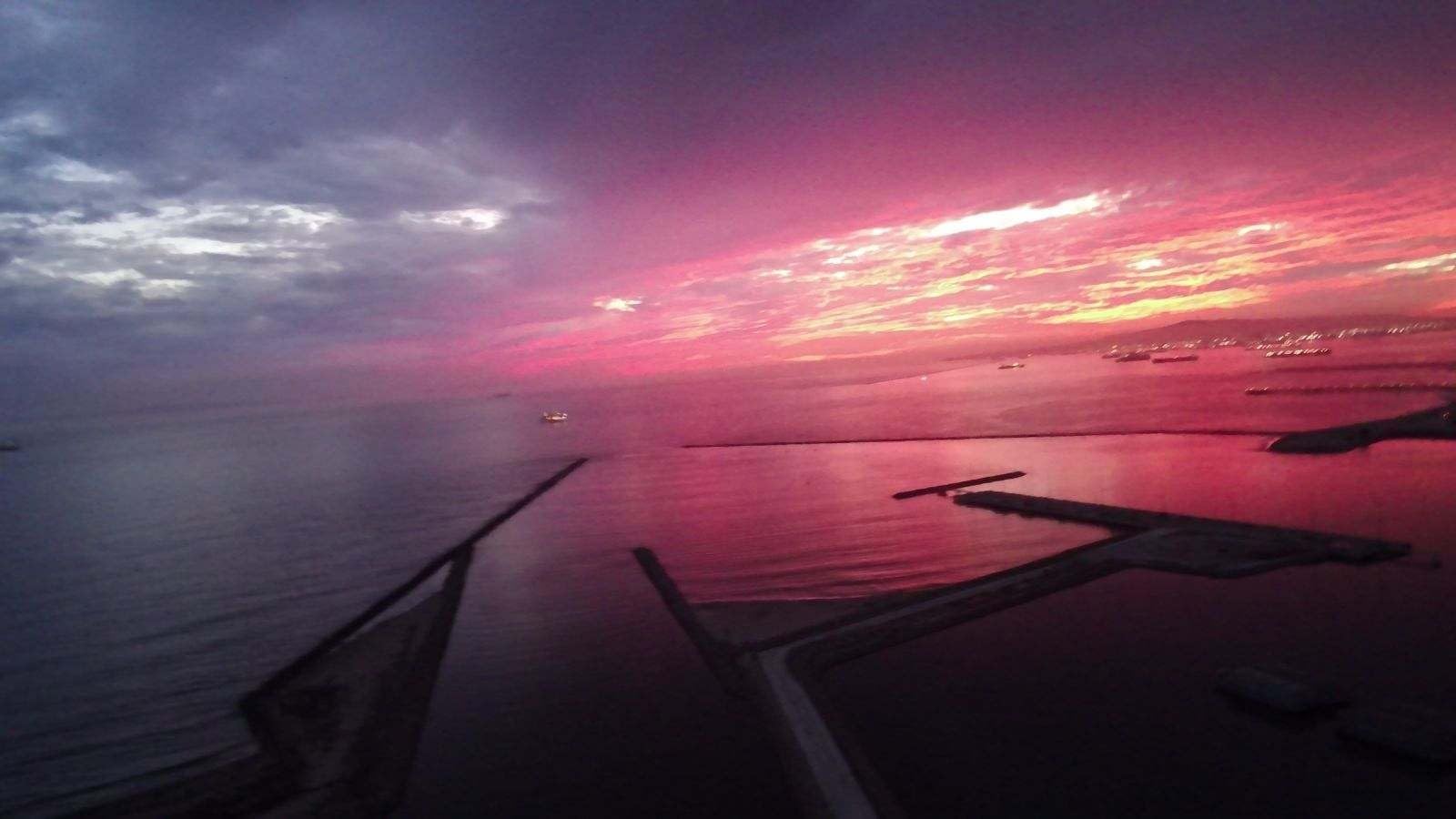
Video quality matches the standard ATOM SE (4K EIS with Sony sensor), which is good but not professional grade. I used it for trip documentation and Instagram content, and it performed well. Low-light performance degrades, so I avoided dawn and dusk flights when possible.
The same range limitations apply: in real-world backcountry conditions with terrain obstacles, expect 1,200-1,500 feet of reliable transmission. No obstacle avoidance means careful piloting near trees. No zoom means you’re limited to wide-angle compositions.
For whom it’s good
Multi-day backpackers and thru-hikers benefit most from this combo. The three-battery setup means you can document an entire trip without recharging access. The fast parallel charger works well with portable power banks and solar panels. Sixteen spare props give you insurance against trail mishaps.
Anyone who wants ATOM SE features with maximum flight time should choose the combo over the standard package. The price difference is modest compared to buying three batteries separately later.
For whom it’s bad
If you only take short day hikes, the extra batteries and charging hub add weight you don’t need. The standard ATOM SE (two batteries) is sufficient for most weekend trips. Serious videographers still want a drone with mechanical gimbal stabilization.
The combo costs roughly $50 more than the standard package, which is fair but not a bargain. If you already own portable charging equipment and don’t mind charging sequentially, the upgrade isn’t necessary. The added bulk of the charging hub and three batteries adds noticeable pack volume.
7. Potensic ATOM 4K Fly More Combo – Premium Alternative with 3-Axis Gimbal
Potensic ATOM 4K GPS Drone, 3-Axis Gimbal, 96 Mins Flight, 6KM Transmission
Weight: 249g
Camera: 4K Sony 3-axis gimbal
Range: 6km
Flight: 96 min total
Pros
- 3-axis brushless gimbal
- 6KM PixSync 3.0 range
- 96 min flight
- Visual tracking
- 64GB SD card included
Cons
- Higher price than ATOM SE
- No obstacle avoidance
- Auto white balance could improve
- Real-world range less than 6KM
The Potensic ATOM 4K is what I recommend to people who want DJI Mini 3 quality without the DJI Mini 3 price. It uses a 3-axis brushless gimbal (not EIS), and the difference shows immediately. Footage looks smooth even during fast tracking shots or quick direction changes.
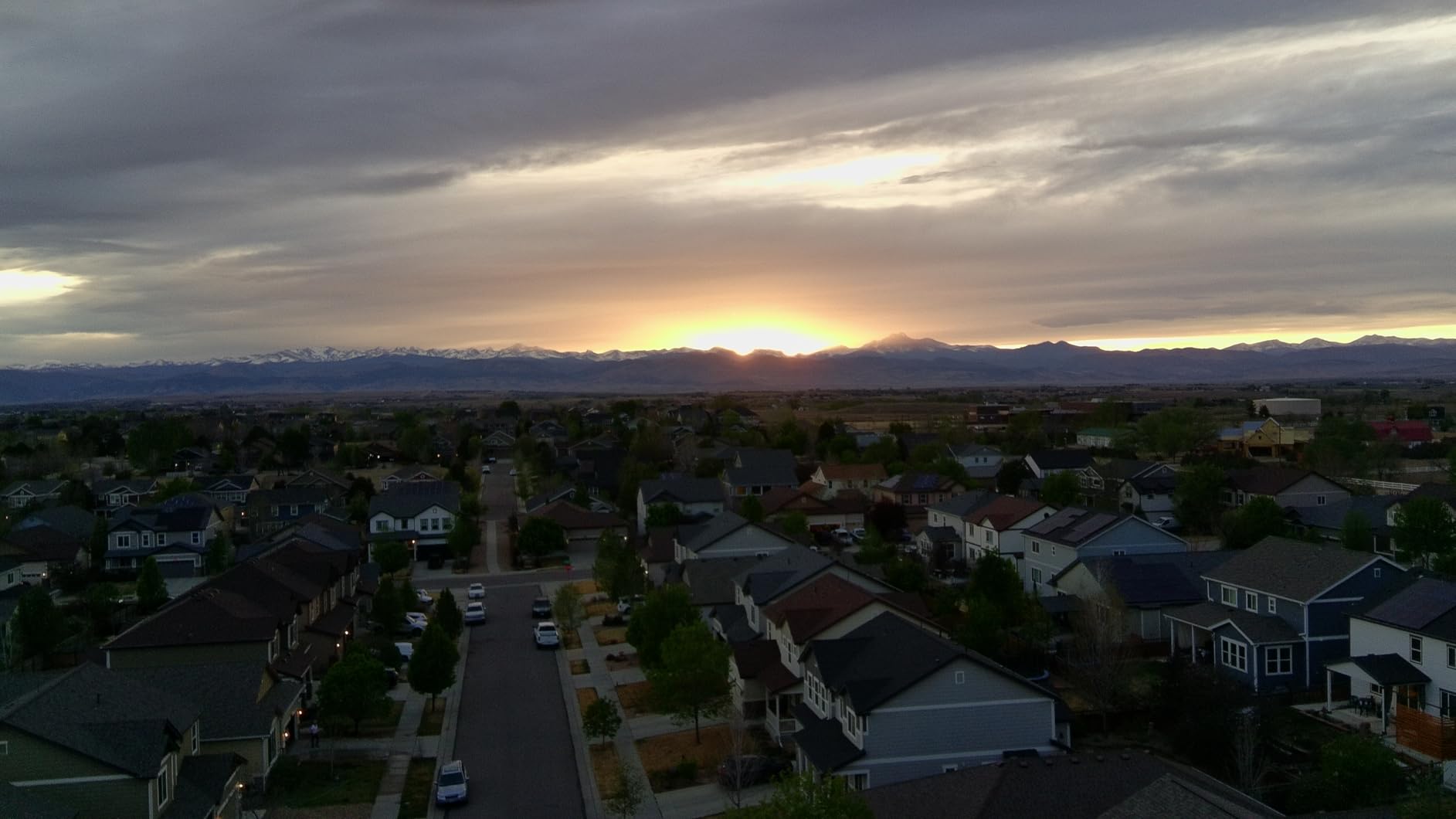
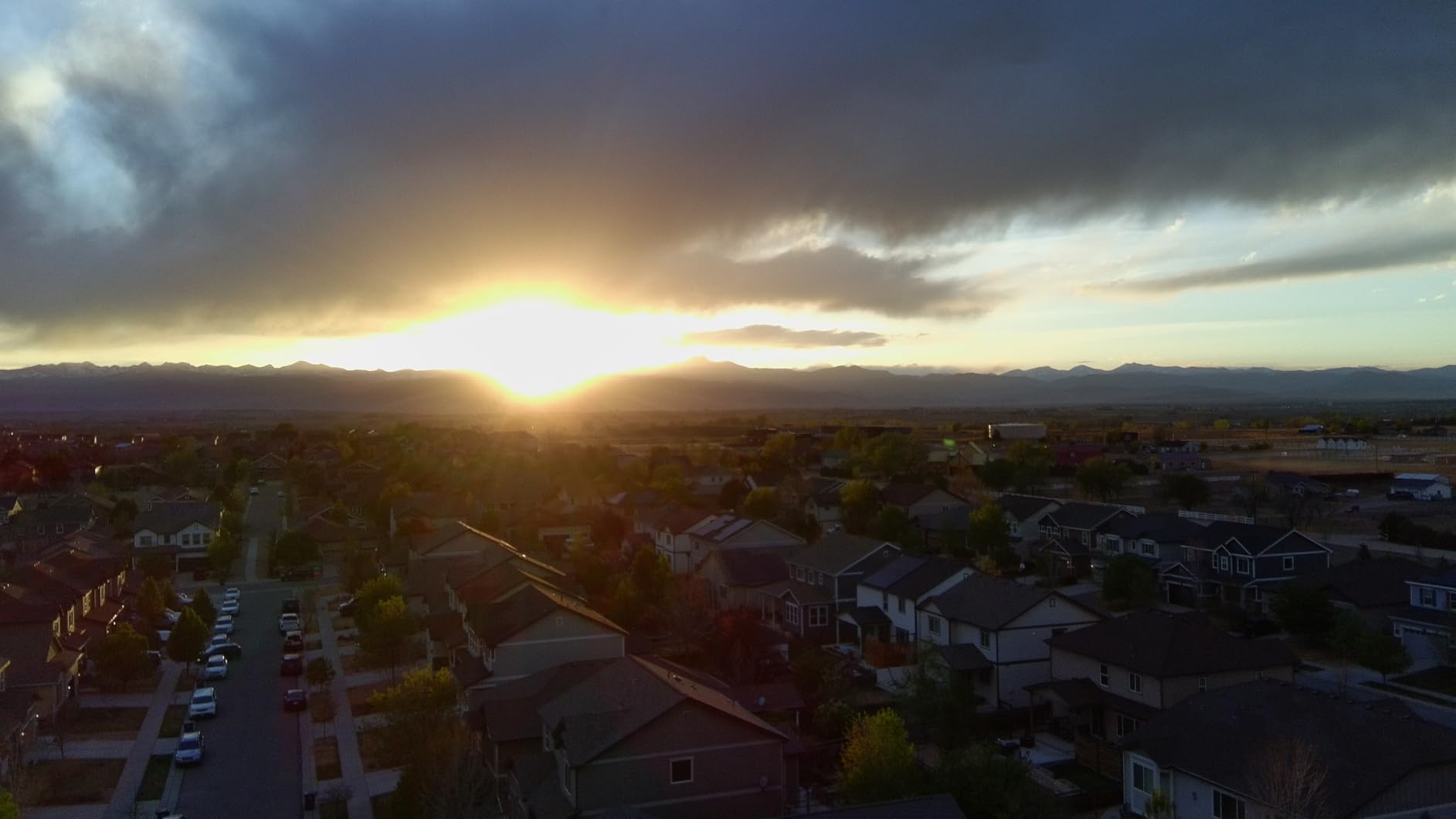
I tested the ATOM 4K alongside the DJI Mini 3 on a Yosemite trip, and side-by-side footage looked comparable. The Sony CMOS sensor captures good dynamic range, though the DJI Mini 3 still wins in extreme low-light conditions. For typical hiking and travel photography, the ATOM 4K delivers professional-quality results.
The 96-minute flight time across three batteries means I can shoot an entire weekend trip without recharging. The 6KM transmission range (PixSync 3.0) is genuinely impressive; I got reliable video feed to about 2km in mountainous terrain. Visual tracking worked well for following myself on ridge walks.
The included 64GB microSD card means you can start shooting immediately without buying accessories. The QuickShots collection (Pull-Away, Rocket, Circle, Spiral, Boomerang) produces cinematic results in one tap. Parallel charging hub charges all three batteries in about 1.5 hours, similar to the ATOM SE combo.
The trade-offs versus DJI Mini 3 are subtle but real. No obstacle avoidance means careful piloting required. Auto white balance tends toward warm tones that sometimes need correction. In dense forests, transmission range drops faster than DJI’s OcuSync system. But for $200 less than the Mini 3, these compromises are reasonable.
For whom it’s good
Travel photographers who want gimbal-quality footage at a mid-range price should choose the ATOM 4K. It hits the sweet spot between budget ATOM SE models and premium DJI options. Content creators filming hiking, camping, and outdoor adventures get professional results without the premium price tag.
Backpackers who want DJI Mini 3 alternatives will appreciate the value proposition. The 96-minute flight time, 6KM range, and 3-axis gimbal cover most realistic use cases. Potensic’s customer service has a strong reputation based on user reviews.
For whom it’s bad
Brand loyalists who want DJI’s ecosystem and app integration should stick with DJI products. The Potensic app works fine but isn’t as polished as DJI Fly. Obstacle avoidance is absent, so dense forest flying requires extra caution.
If you need the absolute best low-light performance, the DJI Mini 3 or Mini 4 Pro still lead. The ATOM 4K’s auto white balance can be frustrating in mixed lighting conditions. Real-world transmission range falls short of the 6KM claim in obstructed terrain.
8. Holy Stone HS360S – Most Affordable Foldable Drone for Backpackers
Holy Stone GPS Drone with 4K UHD Camera for Adults Beginner; HS360S 249g Foldable FPV RC Quadcopter with 10000 Feet Control Range, Brushless Motor, Follow Me, Smart Return Home, 5G Transmission
Weight: 213g
Camera: 4K UHD
Storage: SD card
Flight: 20 min
Pros
- Most affordable in test
- Under 250g no FAA needed
- 10
- 000 ft range
- GPS follow me
- Beginner mode
Cons
- No gimbal digital stabilization only
- Only 20 min flight
- Single battery included
- Choppy video at high speed
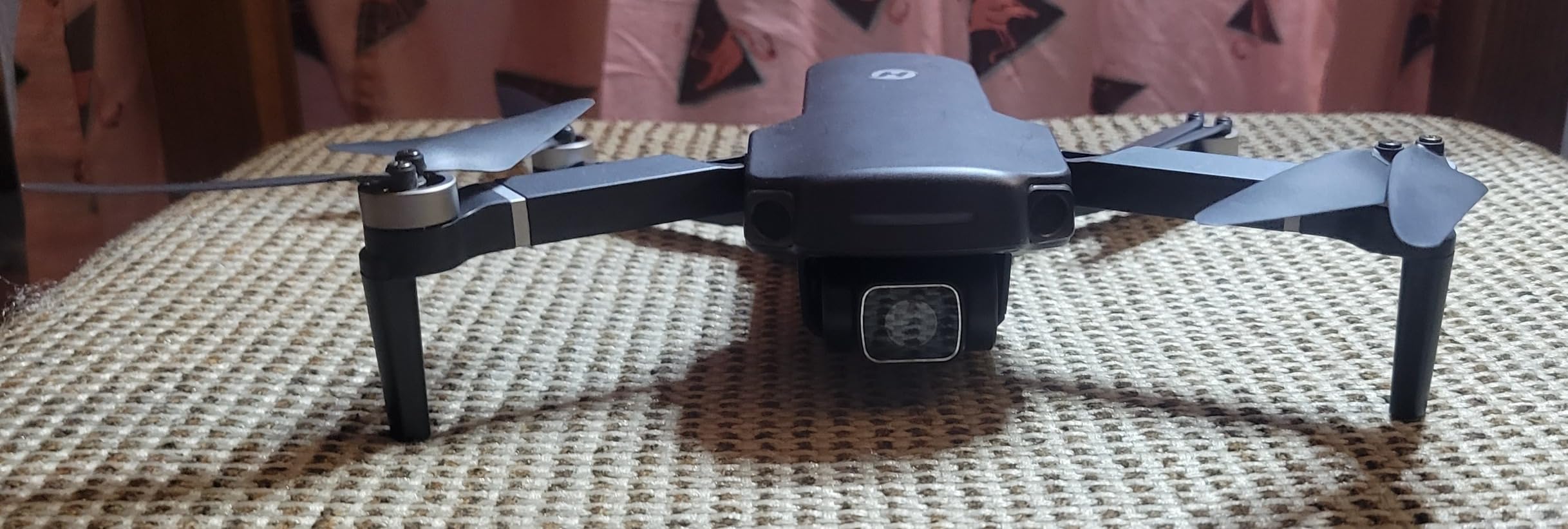
The Holy Stone HS360S is the budget entry in this roundup, and for under $160, it’s genuinely capable. I tested it on a series of day hikes around Portland, and it handled beginner-friendly flying well. The 213-gram weight stays under the FAA threshold, and the foldable design fits in my hip belt pocket.
Setup is refreshingly simple. Power on, connect phone to controller Wi-Fi, calibrate compass, and you’re flying. The GPS hold feature works reliably, keeping the drone stationary even in light wind. Follow Me mode tracked me accurately on a forest trail at walking pace.
The 4K UHD camera uses digital stabilization instead of a gimbal. In calm conditions and slow movements, footage looks good. But during fast pans or windy conditions, you’ll notice the limitations. For casual social media content and trip documentation, it works fine.
Battery life runs about 20 minutes per charge, and only one battery is included. I bought two extras to cover a full day of shooting, which adds to the cost. Charging takes several hours per battery, so plan ahead. The 10,000-foot transmission range claim is optimistic; I got reliable video to about 1,500 feet in real conditions.
Build quality reflects the budget price. The plastic body feels less premium than DJI or Potensic options, and the controller is lightweight. Some users report drift issues that require recalibration. But for the price, the HS360S delivers surprising capability.
For whom it’s good
First-time drone buyers who want to try aerial photography without a big investment will appreciate the HS360S. The budget price removes the anxiety of crashing an expensive drone while learning. Beginner mode prevents common mistakes, and GPS hold makes flying forgiving.
Casual backpackers who want aerial shots for personal memories get good value. The 213g weight and foldable design fit easily in any pack. GPS follow me and return home features work reliably for hands-free operation.
For whom it’s bad
Serious content creators need better video stabilization and longer battery life. The 20-minute flight time and single battery limit shooting sessions. The lack of a gimbal means video quality suffers during dynamic movements or in wind.
Multi-day backpackers should buy extra batteries upfront, as the single included battery won’t cover full days. The plastic build and lightweight controller raise durability concerns for rough trail use. Range limitations frustrate pilots who want to scout distant features.
Buying Guide: What Actually Matters for Backpacker Drones
After months of testing these drones on real backpacking trips, the spec sheet matters less than how the drone performs on the trail. Here’s what to prioritize when choosing the best foldable drones for backpackers for your specific needs.
Weight and Pack Impact
The sub-250g threshold is non-negotiable for serious backpackers. Every gram above 250g requires FAA registration ($5) and adds Remote ID compliance complexity. More importantly, heavier drones eat into your pack weight budget that could go toward water, food, or shelter.
I tested all eight drones in this guide with a 50-liter pack on multi-day trips. The 125g HOVERAir X1 and 135g DJI Neo were barely noticeable. The 213g Holy Stone and 248-249g drones added noticeable but acceptable weight. Anything above 400g starts competing with essential gear for pack space.
Consider not just drone weight but total system weight. The DJI Mini 4K Fly More Combo weighs more than the standard package but includes three batteries that eliminate the need for extras. A bundle that fits your shooting style often weighs less than the drone plus aftermarket accessories.
Camera Quality vs. Portability Trade-Off
For travel documentation and social media, 4K at 30fps is the practical sweet spot. Higher resolutions and frame rates create larger files that fill SD cards quickly and require more powerful editing hardware. The DJI Mini 4K, Potensic ATOM 4K, and DJI Mini 3 all deliver footage suitable for professional-looking content.
Sensor size matters more than megapixel count. The DJI Mini 3’s 1/1.3-inch sensor captures better dynamic range than smaller sensors, especially in shadows and low light. If you frequently shoot at sunrise, sunset, or in forests, sensor size is worth prioritizing over resolution.
Gimbal stabilization produces noticeably smoother footage than electronic stabilization alone. The 3-axis mechanical gimbals on the DJI Mini 4K, Mini 3, and Potensic ATOM 4K deliver cinema-quality smoothness. EIS-only systems like the Potensic ATOM SE work for slow, steady shots but show limitations during fast movements.
Flight Time and Battery Planning
Manufacturer flight time claims are optimistic. In real backcountry conditions with wind, altitude, and cold temperatures, expect 70-80% of claimed times. The DJI Mini 3’s 38-minute claim translated to about 32 minutes at 8,000 feet in cold morning air.
For day hikes, two batteries minimum. For multi-day trips, three batteries plus a charging solution. The Potensic Fly More Combos include three batteries and a fast parallel charger, which is ideal for solar charging or power bank setups. Cold weather kills battery performance, so plan extra capacity for winter and alpine trips.
Wind Resistance and Altitude Flying
Wind resistance ratings matter more than top speed for backpackers. Mountain ridges, coastal areas, and exposed plateaus regularly produce 15-25 mph winds. Level 5 wind resistance (DJI Mini 3, Mini 4K, Potensic ATOM series) handles these conditions reliably.
Above 8,000 feet, air density drops noticeably, reducing both lift and battery efficiency. Drones that fly well at sea level can struggle at altitude. I tested these models in the Rockies and Sierras, and the DJI Mini series and Potensic ATOM 4K performed best at altitude. The lighter HOVERAir X1 struggled noticeably above 9,000 feet.
TSA and FAA Drone Regulations for Travelers
TSA allows drones in carry-on luggage. The TSA website explicitly permits drones, and I have flown domestically and internationally with sub-250g drones without issues. Lithium batteries must be in carry-on, not checked bags, which is standard for most drone batteries.
For international travel, research destination country regulations. Some countries require drone registration even for sub-250g models, and a few prohibit drones entirely in national parks or near government buildings. The FAA Remote ID rule applies in the US, but sub-250g drones built before December 2022 are exempt until September 2026. New sub-250g drones must have built-in Remote ID or broadcast modules.
Airline policies vary on lithium battery capacity. Most airlines limit spare batteries to 100Wh per battery, which covers all drones in this roundup. Carry your drone in a padded case and remove batteries during security screening to speed up the process.
Accessories and Carrying Solutions
The included carrying case matters more than you’d think. Hard cases protect drones during rough trail use, while soft bags add less weight. The DJI Mini 4K Fly More Combo’s shoulder bag fits the drone, three batteries, controller, and accessories in a compact package.
Essential accessories for backpackers: extra batteries, ND filters (for video), spare propellers, and a small microfiber cloth. ND filters help maintain proper shutter speeds in bright daylight, giving you more cinematic motion blur in video. Spare propellers are critical; I always carry at least two sets.
Consider a drone-specific dry bag for wet conditions. Rain and mist kill unprotected electronics quickly. A lightweight rain cover or dry bag costs little and prevents expensive damage. I keep my drone in a dry bag inside my pack’s brain compartment for extra protection.
Frequently Asked Questions
What is the best drone for backpacking?
The best drone for backpacking is the DJI Mini 4K Fly More Combo. It weighs 249g (under FAA registration requirements), folds to a backpack-portable size, and includes three batteries for 93 total minutes of flight time. The 3-axis gimbal and 10km transmission range make it ideal for capturing trail photography and landscape shots.
What are the best foldable drones for travel?
The best foldable drones for travel are sub-250g models with mechanical gimbal stabilization. Top picks include the DJI Mini 4K Fly More Combo for overall value, the DJI Mini 3 for superior camera quality, and the Potensic ATOM 4K for budget-conscious travelers wanting gimbal stabilization. All three fold to compact sizes that fit in carry-on luggage.
Does TSA allow drones in carry-on?
Yes, TSA allows drones in carry-on luggage. Lithium drone batteries must travel in carry-on bags, not checked luggage, following standard lithium battery rules. Most airlines limit spare batteries to 100Wh per battery, which covers all sub-250g drones. Remove batteries during security screening for faster processing.
What is the best drone for taking vacation photos?
The best drone for vacation photos is the DJI Mini 3 with its 48MP camera and 4K HDR video. The vertical shooting mode is perfect for social media content, and the 38-minute flight time covers full shooting sessions. For budget travelers, the Potensic ATOM 4K offers comparable gimbal stabilization at a lower price point.
What is the best pocket drone for travel?
The best pocket drone for travel is the DJI Neo at 135 grams. It fits in a hip belt pocket, launches from your palm without a controller, and captures 4K stabilized video with subject tracking. The HOVERAir X1 at 125g is another excellent pocket option with fully automated flight modes for hands-free operation.
What is the best drone for trekking?
The best drone for trekking is the DJI Mini 4K Fly More Combo. The 249g weight stays under FAA registration requirements, the 10km transmission range handles long ridgeline flights, and three batteries provide 93 total minutes of flight time for multi-day trips. Level 5 wind resistance handles most mountain conditions reliably.
Final Verdict: Choosing Your Best Foldable Drone for Backpackers
After months of testing on real trails, the DJI Mini 4K Fly More Combo remains our top pick for most backpackers seeking the best foldable drones for backpackers. It balances weight, camera quality, flight time, and price better than any competitor. The 3-axis gimbal produces footage that looks professional, and the Fly More Combo’s three batteries eliminate range anxiety on long days.
If budget is your primary concern, the DJI Neo at 135g or Potensic ATOM SE deliver surprising capability at lower prices. For content creators prioritizing image quality, the DJI Mini 3’s larger sensor is worth the premium. Whatever you choose, staying under 250g keeps your drone legal, portable, and TSA-friendly for all your backpacking adventures in 2026 and beyond.