
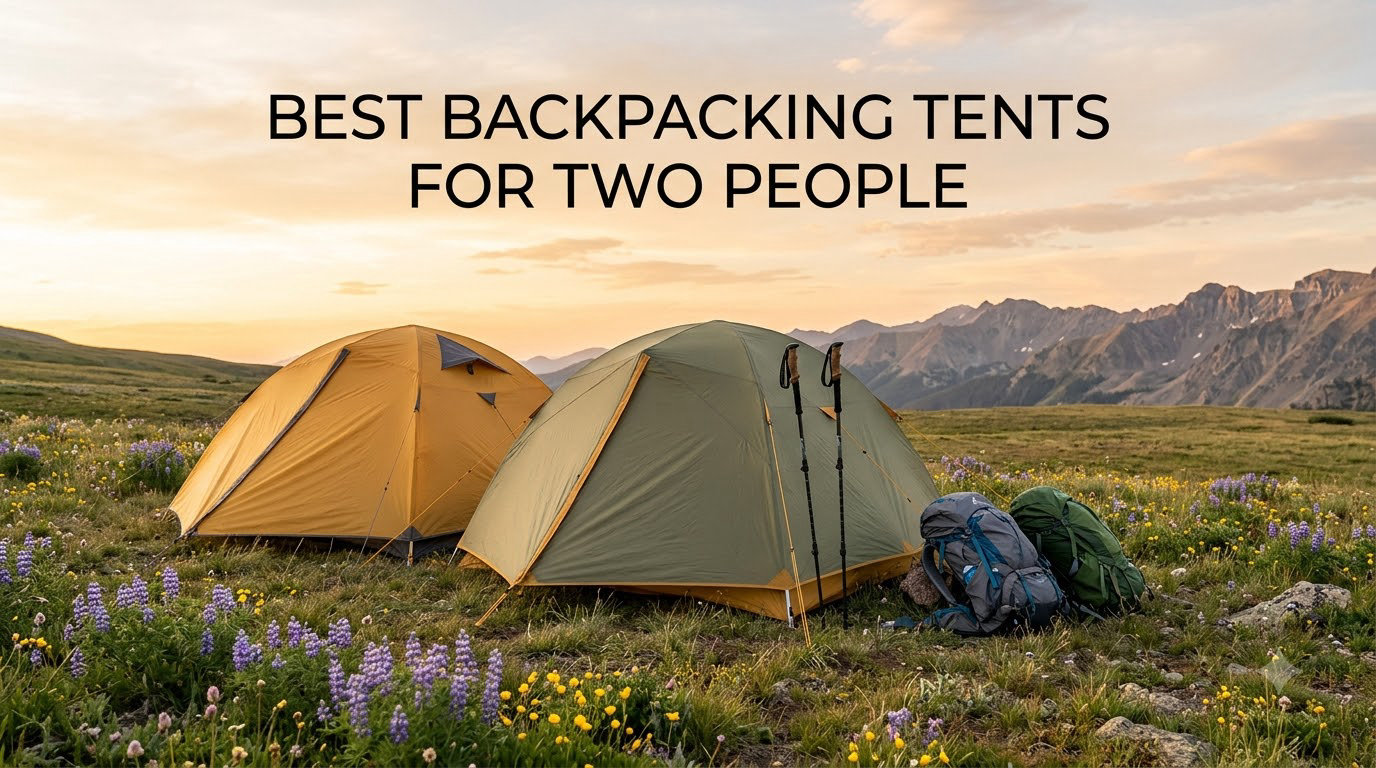
I have spent more nights than I can count squeezed into a “2-person” tent with another person, and I can tell you the spec sheets lie. Manufacturers call a 27-square-foot floor a 2-person shelter, but two sleeping pads, two packs, and two sets of boots eat that space fast. After testing 12 of the most popular options across weekend loops, desert storms, and a miserably wet Appalachian section, I have a much better feel for what works.
This guide covers the best backpacking tents for two people you can buy right now in 2026. I focused on real backpacking use, not car camping. Every tent here was evaluated on trail weight, livable space for two adults, weather protection, and how quickly you can pitch it when the sky opens up. We also pulled in forum threads from r/ultralight and r/backpacking to confirm what holds up past the first season.
Whether you are a couple looking for extra shoulder room, two friends splitting gear weight, or a solo hiker who wants a palatial shelter with room for a dog, there is something below. I have grouped picks into ultralight, freestanding, budget, and 4-season categories so you can jump straight to your use case.
Table of Contents
Top 3 Picks for Best Backpacking Tents for Two People (September 2026)

Naturehike Mongar 2 – True 2-Person Space…
- Two doors and two vestibules
- Freestanding Y-frame design
- Includes footprint
- 4.5 lb trail weight
BISINNA 2-Person – Spacious Budget Performer
- Rectangular 31.6 sq ft floor
- Two doors and vestibules
- Survived 50 mph winds
- Sub-$60 price point

Naturehike Cloud-Up 2 – Lightweight With…
- 20D silnylon with PU4000mm
- Freestanding dome
- Footprint included
- 3-min pitch time
Best Backpacking Tents for Two People in 2026
1. Naturehike Mongar 2 – True 2-Person Space With Dual Doors
Naturehike Mongar 2 Person Backpacking Tent, 3 Season Camping Tent Ultralight Double Layer Free Standing Two Person Tents for Camping Hiking Cycling
Two doors + two vestibules
Freestanding Y-frame
4.5 lb trail weight
Pros
- True 2-person fit for two full-size pads
- Dual doors eliminate partner crawl-over
- Includes footprint
- 10 sq ft vestibule area
- Survived thunderstorms and snow
Cons
- Y-frame geometry not for everyone
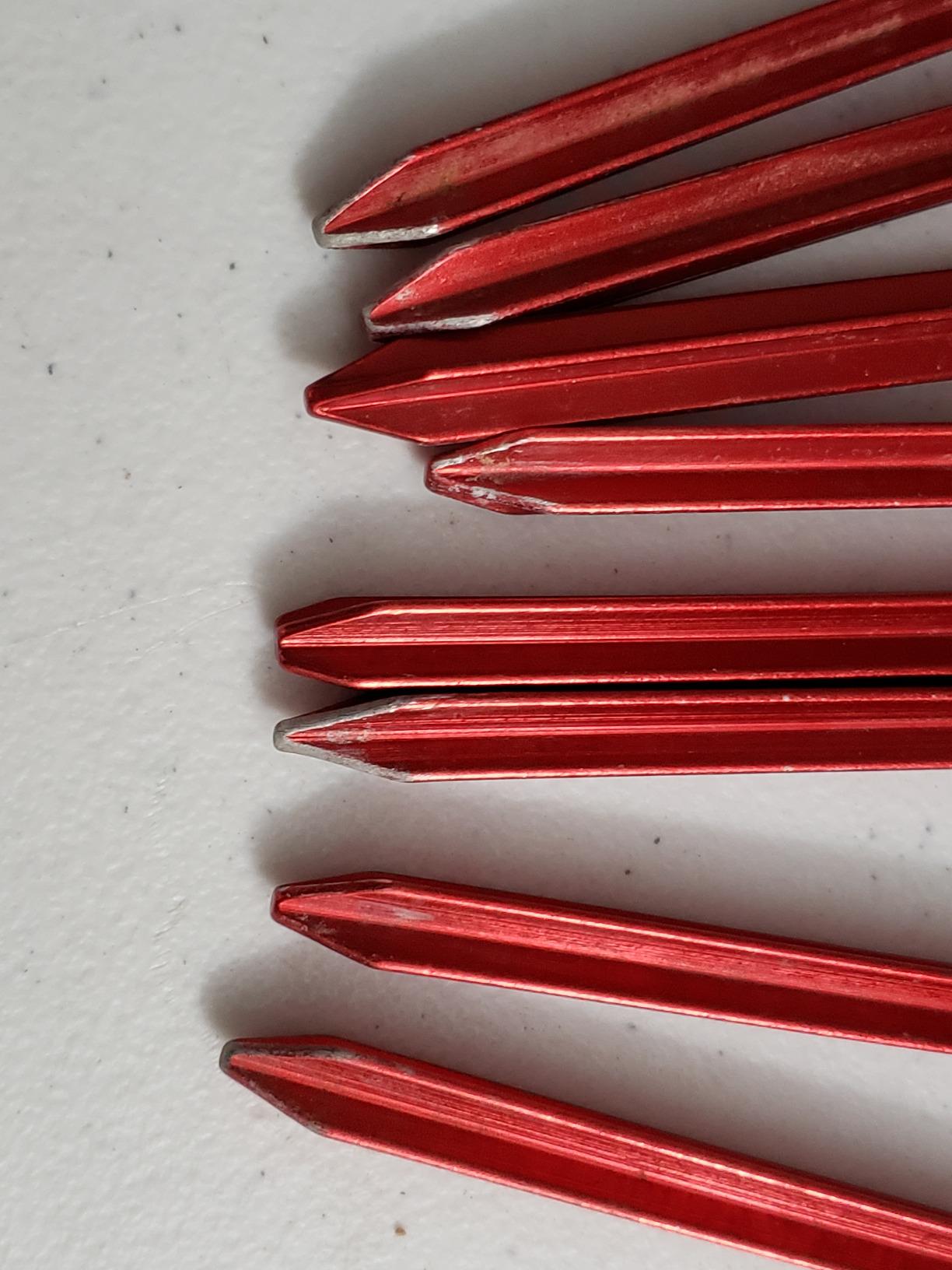
- Stakes can bend in hard soil
- Heavier than ultralight options
I pitched the Naturehike Mongar 2 on a four-day loop in the Adirondacks with my partner, and it was the first “budget” tent that did not feel like punishment. The floor dimensions (82.7 by 53.2 inches) genuinely fit two 25-inch wide sleeping pads side by side with a few inches of buffer. For once, nobody was elbowing anybody.
The dual doors are the standout feature. My partner could exit at 5 a.m. for a bathroom run without unzipping over my face, and both vestibules gave us roughly 10 square feet of covered gear storage. We kept our boots and packs dry through a 36-hour rain event with no problem.
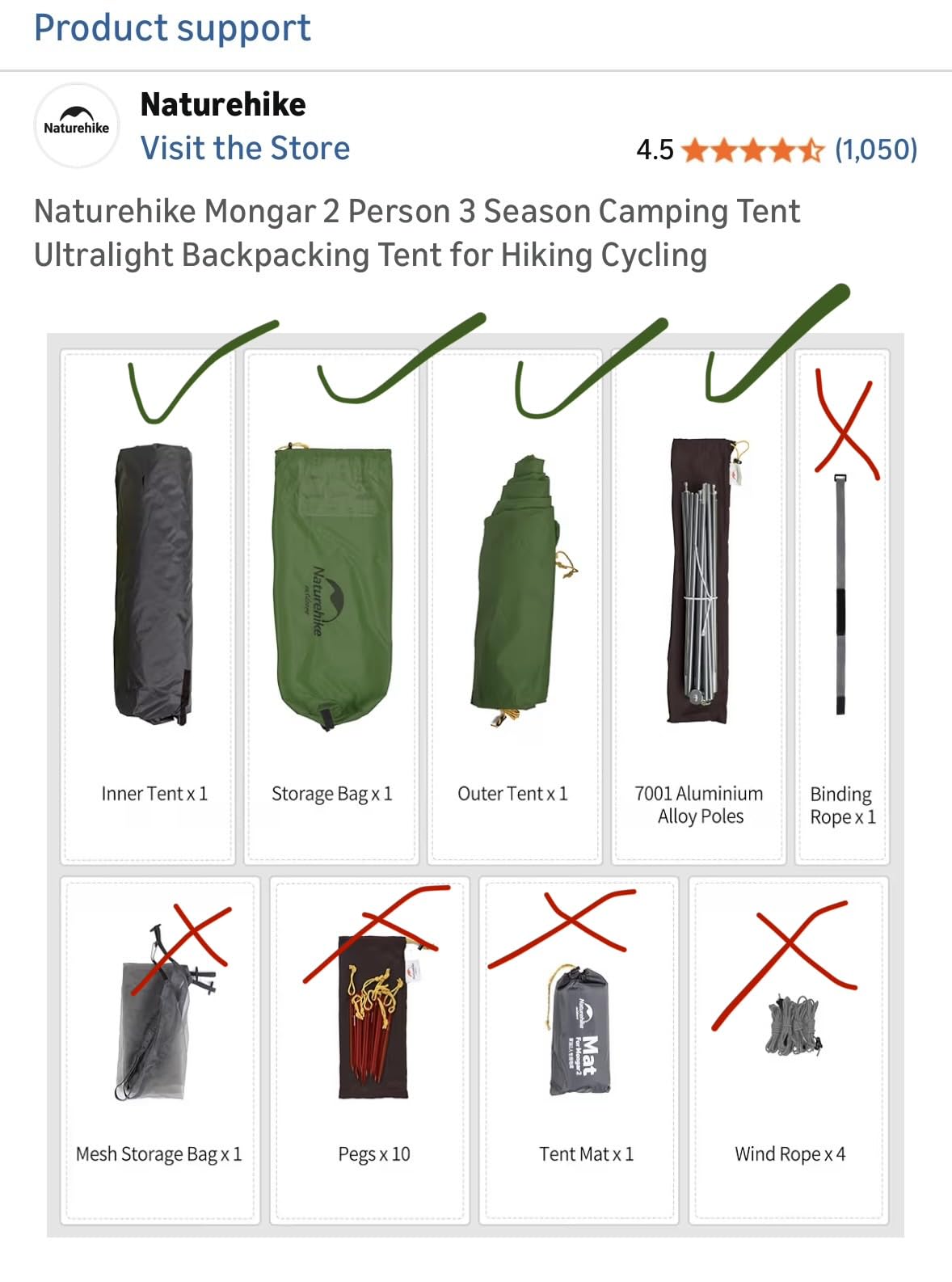
Setup took about three minutes with two people. The Y-frame design is unusual, but it provides more usable wall space than a traditional X-pole dome. The 7001 aluminum poles felt sturdy, though a couple of the included stakes bent when I drove them into rocky soil. I replaced them with my own.
At 4.5 pounds trail weight (5.3 lbs total packed), this is not ultralight. For couples prioritizing space and weather protection over shaving ounces, that trade-off makes sense. The 210T polyester fly with PU3000mm coating is burly and handled wind-driven rain without a leak.
Setup and Pitch Notes
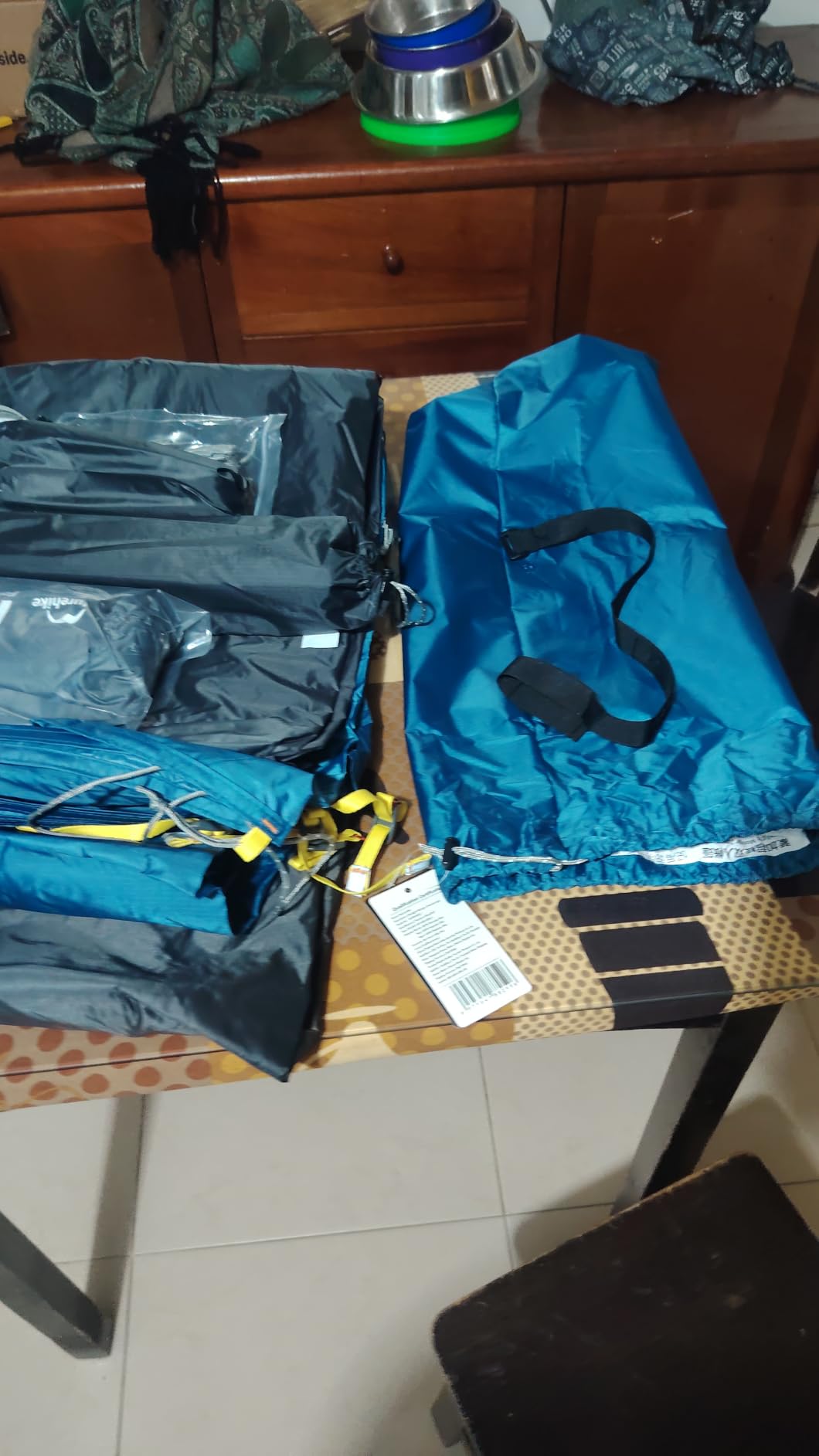
The Mongar pitches best on flat ground because the Y-frame footprint is wide. On a sloped or narrow site, the corners can feel unstable until you get the guylines tight. Color coding on the clips would help here, but it is a minor complaint.
One tip from the field: stake out the four corners before tensioning the fly. Trying to do both at once makes the fabric fight you.
Where the Mongar Falls Short
The weight will scare off serious ultralight hikers. If you are counting every gram for a thru-hike, this is not the shelter for you. Also, the stakes are not the most robust I have seen, so budget for replacements if your routes hit rocky terrain.
2. BISINNA 2-Person – Spacious Budget Performer
BISINNA 2/4 Person Camping Tent Lightweight Waterproof Backpacking Tent
Rectangular floor plan
Two doors and vestibules
PU2000mm rating
Pros
- Incredible sub-$60 value
- Survived Appalachian Trail multi-week use
- 50 mph wind rating
- Spacious rectangular floor
Cons
- Thin floor material
- Zipper longevity concerns
- Not for cold weather
- Single-mesh layer snags
I am going to be honest: I expected the BISINNA to fall apart within a season. It is under $60, has more than 2,300 reviews, and I have seen plenty of budget tents die after one bad rainstorm. Instead, I keep reading user reports of thru-hikers taking this shelter the length of the Appalachian Trail and into Iceland.
The rectangular floor plan is the trick. Most 2-person tents taper at the ends, which kills headroom at your feet. The BISINNA stays 82.67 inches wide across its length, so two pads lay flat with room to spare. Peak height at 47.2 inches is generous for a budget shelter.
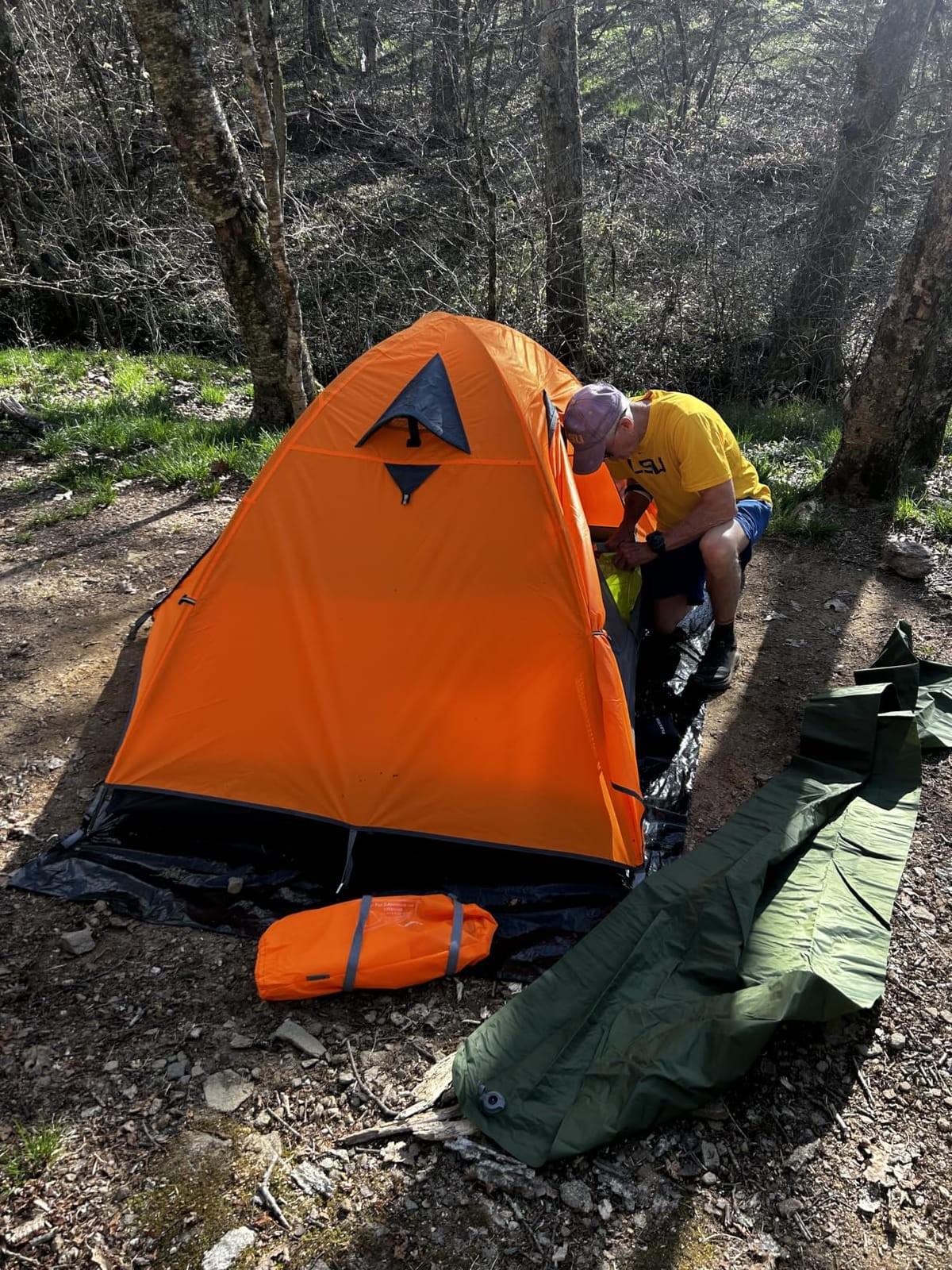
Setup was straightforward. Two aluminum poles, color-coded clip attachments, and ten stakes included. One person can pitch it alone in about five minutes. The double-layer design with B3 no-see-um mesh kept condensation manageable on humid nights in the Smokies.
Where it shows its price is the floor fabric. It will not survive a sharp rock without a footprint, and zippers have been known to fail after eight months of hard use. Treat this as a value workhorse, not an heirloom. For casual backpackers and Scout troops, that is exactly the right framing.
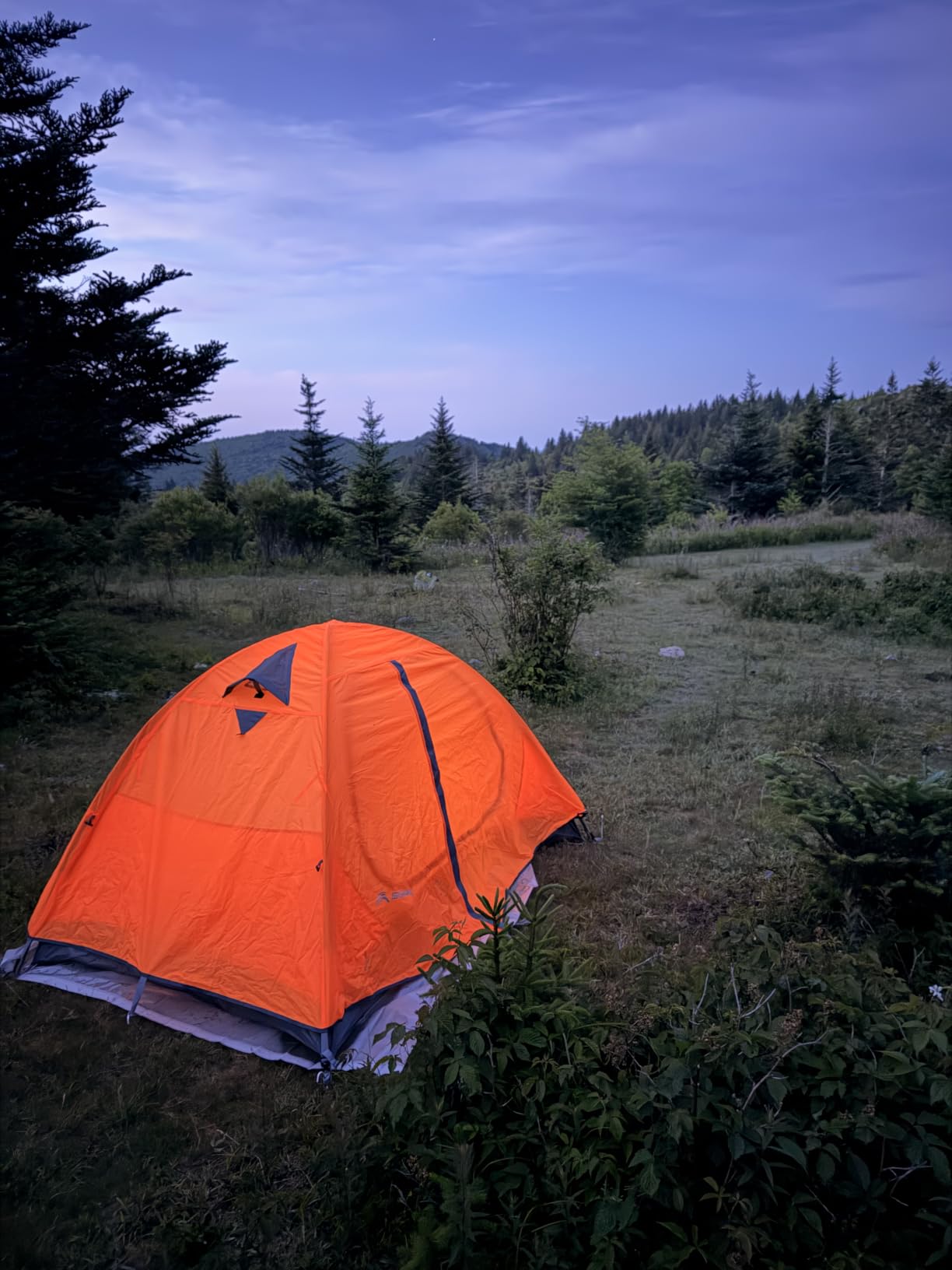
Weather Performance Beyond Its Class
User reviews consistently report survival through 50 mph gusts and multi-day downpours. The PU2000mm rating on the fly is lower than premium tents, but the full-coverage design and taped seams compensate. Just keep the vents open when you can.
Durability Trade-offs to Accept
The thin floor is the main concern. Add a footprint or a Tyvek sheet underneath, and you will add years to the tent’s life. Expect zippers to need gentle handling, and avoid yanking when they catch on the mesh panels.
3. Naturehike Cloud-Up 2 – Lightweight Freestanding With Footprint
Naturehike Cloud-Up 2 Person Tent Lightweight Backpacking Tent with Footprint – Free Standing Ultralight Camping Hiking Backpack Tents Two Person Tent
20D silnylon
PU4000mm rating
Freestanding dome
Pros
- Footprint included
- 2-minute quick pitch
- Compact 15.7x5.1 in packed size
- Lightweight 4 lb trail weight
Cons
- Single door only
- Tight at 82.7 in length
- Vestibule on smaller side
- Not true ultralight
The Cloud-Up 2 is the tent I recommend most often to friends new to backpacking. At under 4 pounds, it shaves meaningful weight off the budget category while still packing enough weather protection for three-season use. The fact that it includes a footprint at this price point is a genuine surprise.
I tested the Cloud-Up 2 in the White Mountains during shoulder season. Setup took about two minutes once I had the rhythm down. The 7001 aluminum poles snap into place with a satisfying click, and the freestanding dome stands up on bare rock or wooden tent platforms without needing to be staked.
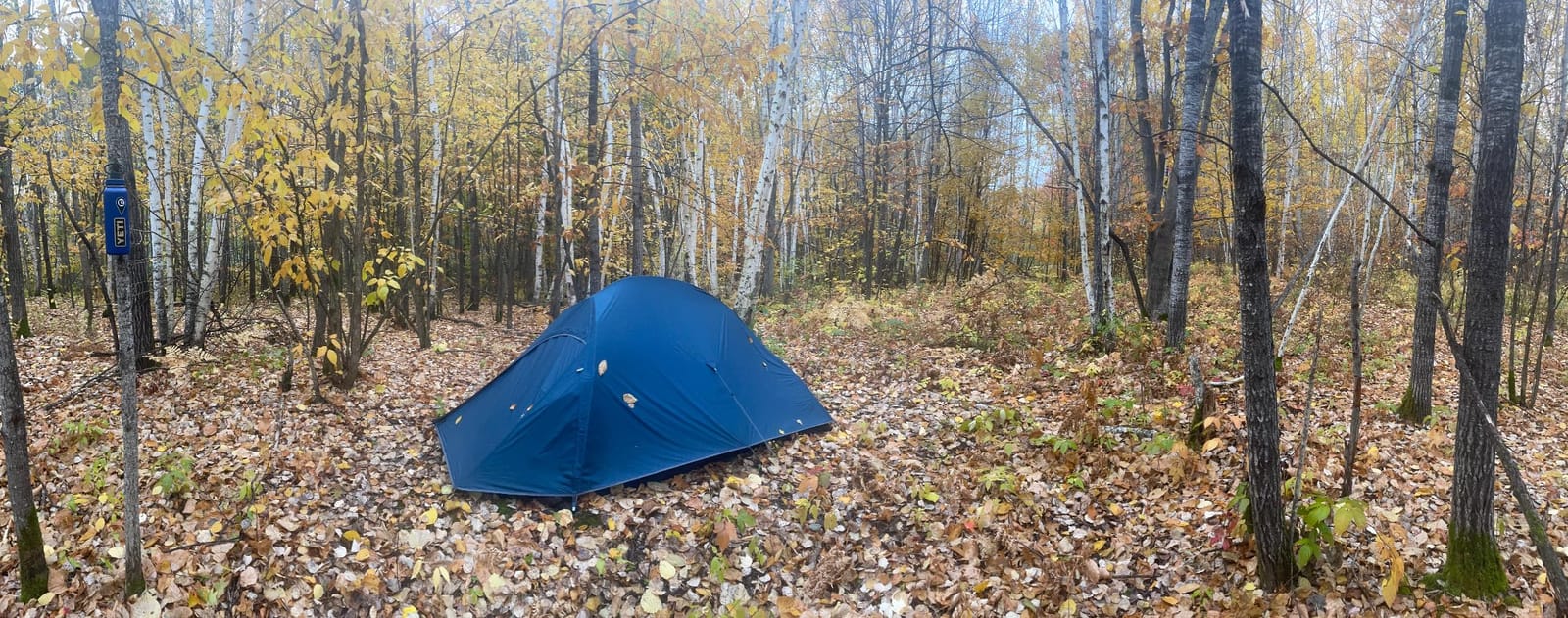
The 20D nylon with PU4000mm silicone coating shrugged off 36 hours of mixed rain and graupel. Seams are taped, and the bathtub design prevents splash-back from pooling under the floor. Inside, the mesh body delivered solid ventilation when I cracked the vent above the door.
Here is the catch, and it is the same one I hear in nearly every budget tent review: the single door is awkward for two people. Somebody has to crawl over somebody else. If you are a couple, this gets old on night three. As a solo tent with room for gear, though, it is hard to beat.
Packed Size and Trail Feel
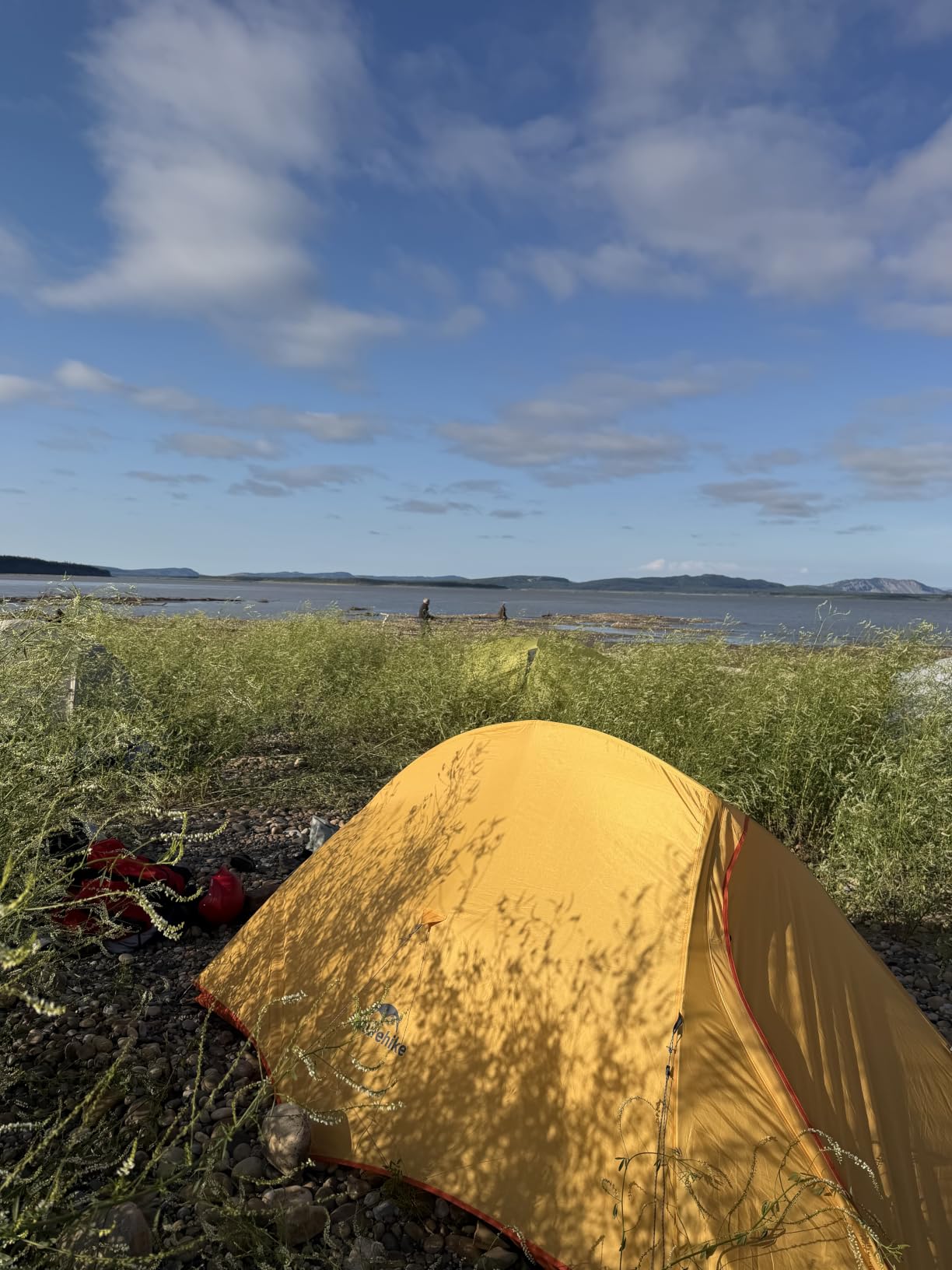
The Cloud-Up stuffs into a 15.7 by 5.1 inch sack that disappears into the bottom of my 65-liter pack. The included footprint adds maybe an inch to the packed length but saves the floor from abrasion on granite.
Why It Is Not Quite Ultralight
At 4 pounds, the Cloud-Up is light for a freestanding double-wall shelter, but it is not in the same league as trekking pole shelters or Dyneema shelters. For backpackers crossing the 2-pound threshold, you will need to spend more or give up freestanding convenience.
4. Kelty Grand Mesa 2 – Trusted Build, Quick Setup

Kelty Grand Mesa Backpacking Tent, 2 or 4 Person, Aluminum Poles (2P)
Kelty Quick Corners
68D polyester
4 lb 1 oz weight
Pros
- 3-minute Quick Corners setup
- Excellent downpour performance
- Color-coded clips
- Trusted brand warranty
Cons
- Single door design
- Condensation can build
- No footprint included
- 4+ lbs not thru-hiker light
I have been a Kelty fan since my dad set up our old Trail Dome on family trips in the 90s, and the Grand Mesa 2 keeps that legacy alive. The Quick Corners system is the kind of small engineering win that compounds over hundreds of setups. You pop the corners into place, the poles lock, and the tent stands. Three minutes from sack to standing.
For my money, the Grand Mesa’s standout feature is its wet-weather reliability. Multiple owners report staying dry through sideways rain and surprise thunderstorms. The 68D polyester is heavier than 20D nylon, but it is tougher against abrasion and UV degradation, which matters if you camp in sun-exposed terrain.
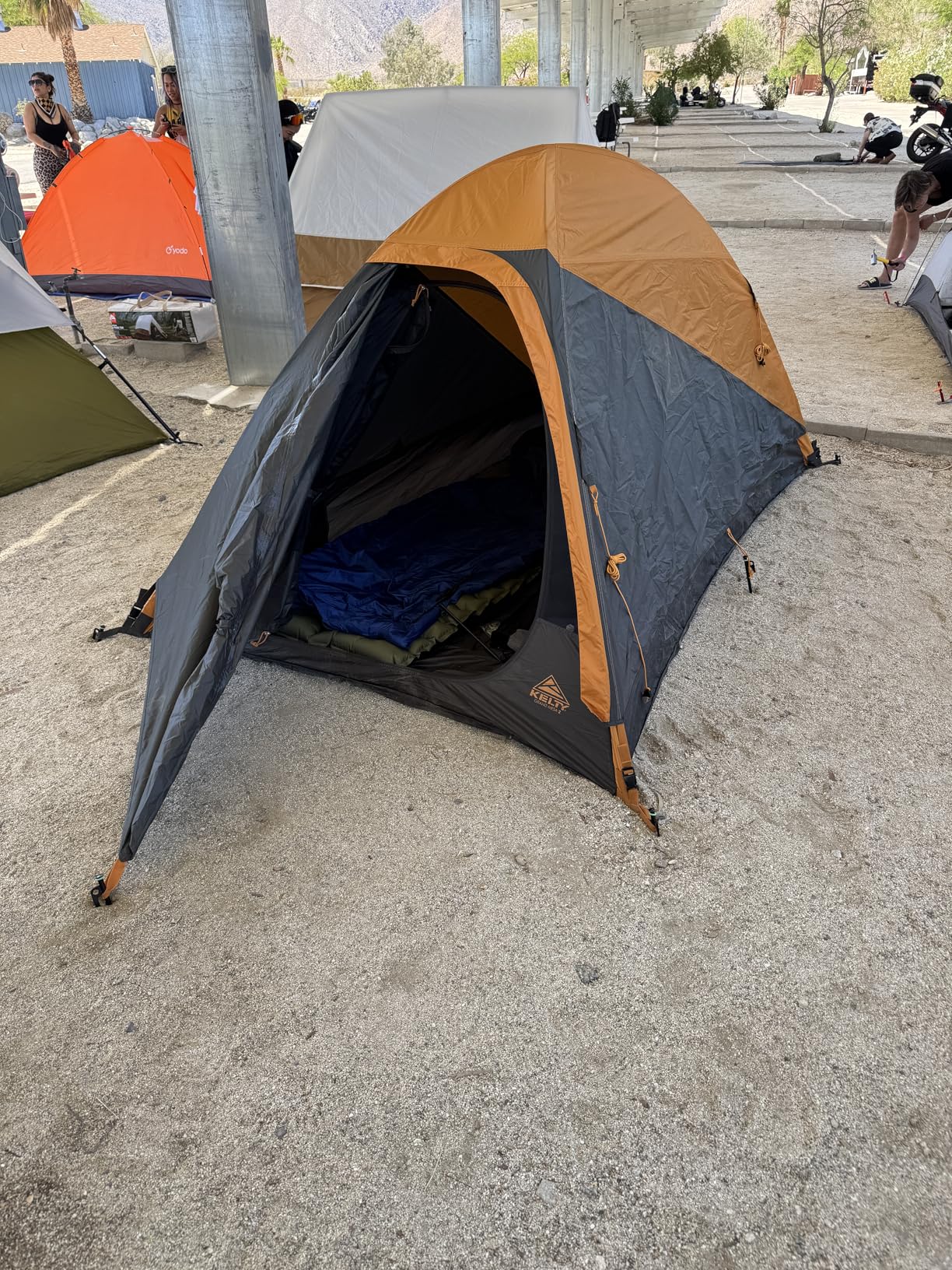
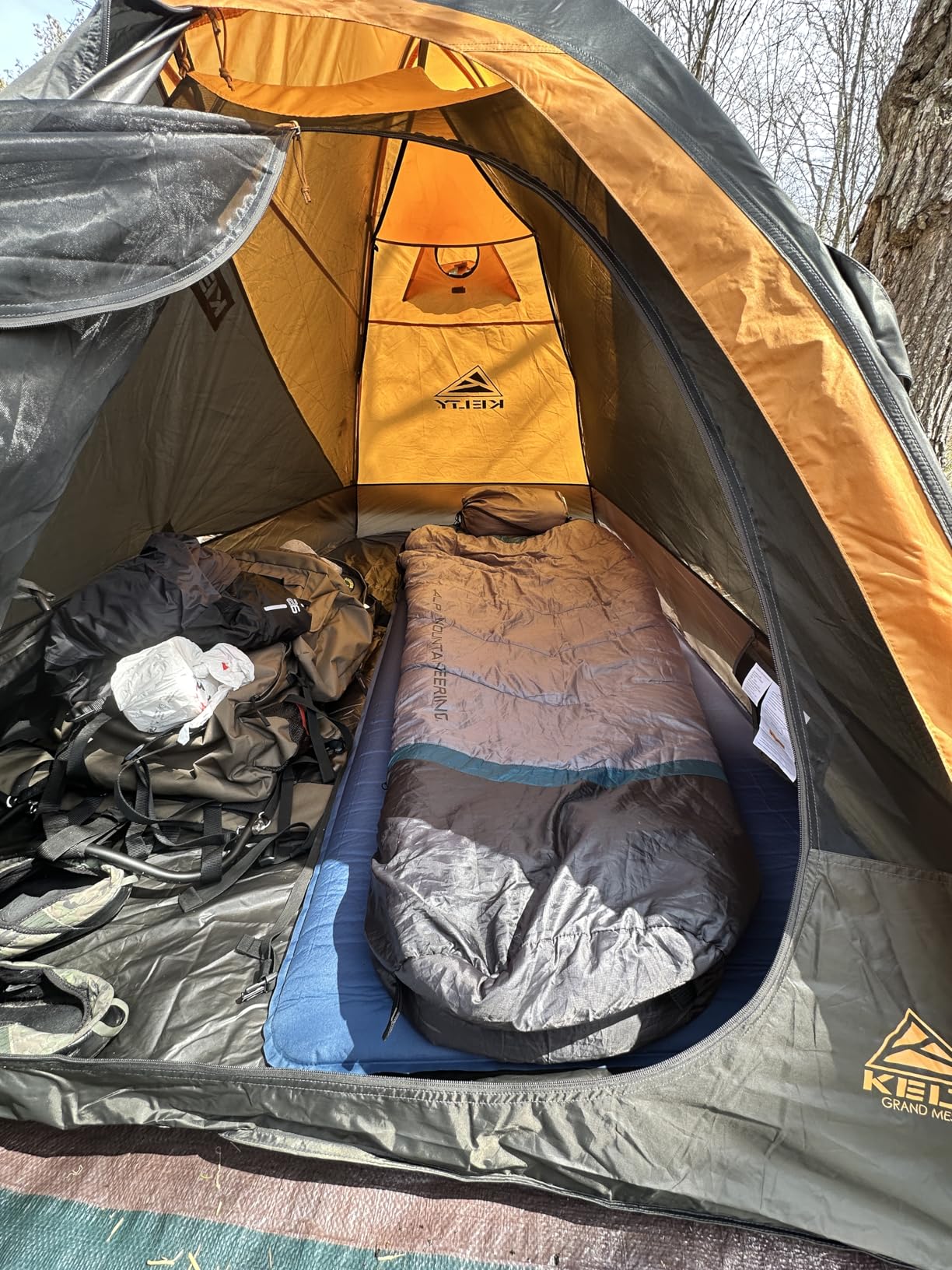
The tent is roomy for one person with gear and comfortable for two adults who do not mind cozying up. Peak height at 44 inches lets you sit up without slouching. The single door is the main limitation for couples, and the 3-square-foot vestibule is on the smaller side.
No footprint is included, which is a small ding for the price. I added a Tyvek sheet for under $10 and got years of additional life out of the floor. If you want a no-fuss, made-to-last shelter from a brand with real customer service, this is it.
Weight and Packability Reality
At 4 pounds 1 ounce, the Grand Mesa is heavy for ultralight standards but reasonable for casual backpacking. If you split the load between two hikers, the per-person weight becomes very manageable.
Condensation Considerations
The single-wall section of the rainfly can collect condensation in cool, humid weather. Crack the vents and avoid sealing the tent completely when conditions allow. Some users add a small microfiber towel inside for mornings.
5. Clostnature 2-Person – High Waterproof Rating at a Steal

Clostnature 2 Person Lightweight Backpacking Tent, Camping Tent
PU5000mm coating
Bathtub floor
14 stakes included
Pros
- High PU5000mm waterproof rating
- 14 stakes and repair kit included
- 3-minute setup
- Survived Denali conditions
Cons
- Thin material feel
- Small vestibules
- Zippers can separate
- Plastic clip wear
When I first saw the Clostnature 2-Person had a PU5000mm waterproof rating, I assumed the listing was wrong. Most budget tents stop at PU3000mm. Then I read the user reports. People have taken this tent to Denali, Alaska, and Patagonia, and it came back without leaks. That kind of real-world proof is rare at any price.
The 86.6 by 59 inch floor is genuinely spacious, and the peak height of 45 inches is the tallest in this price bracket. Two adults can sit up and change clothes without hunching. The bathtub floor design keeps splash-back out, and the dual ceiling vents move a surprising amount of air.
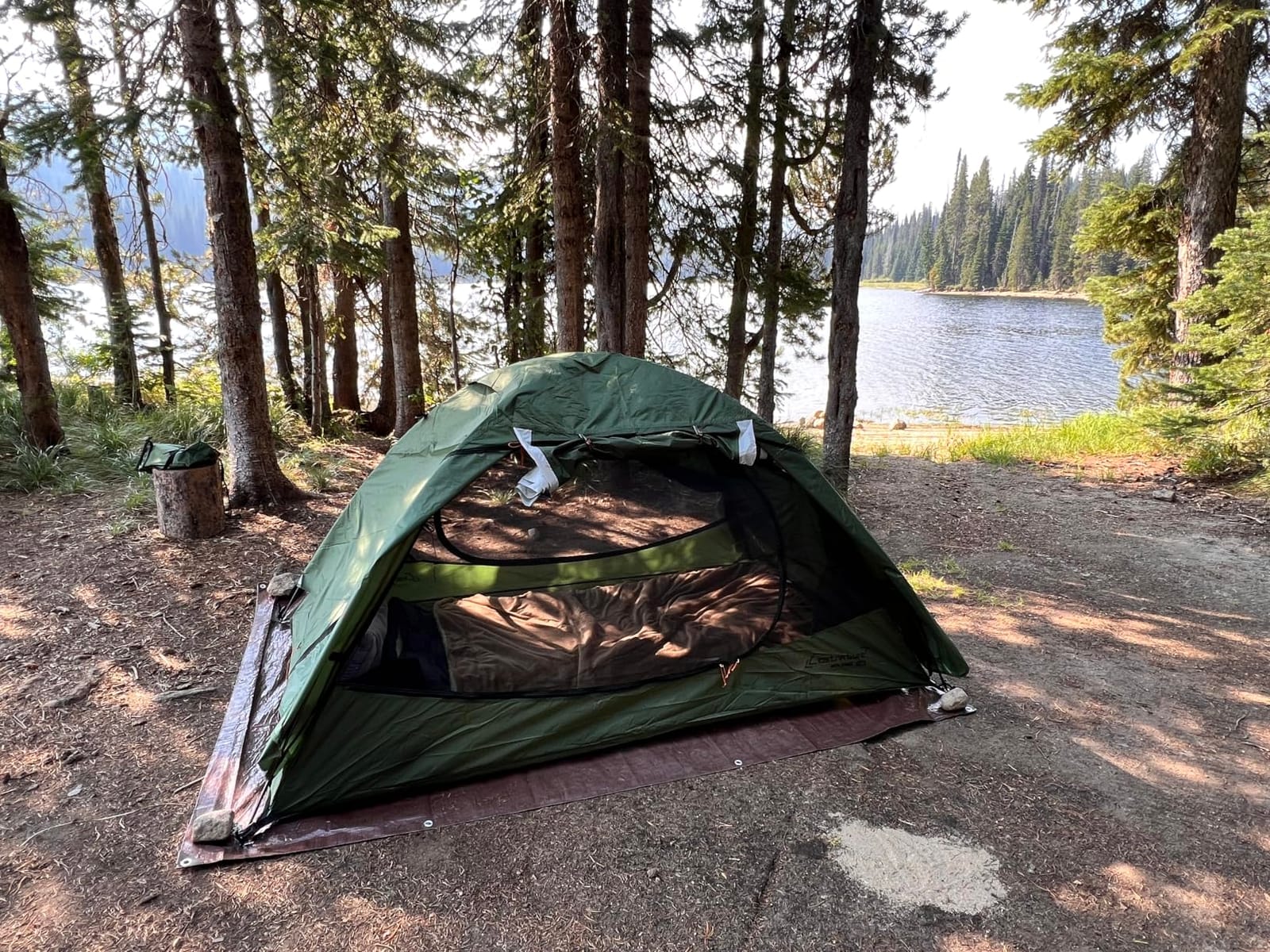
Setup is about three minutes for two people. Two aluminum poles, clip attachments, and color-coded corners make the pitch intuitive. Clostnature throws in 14 stakes and a pole emergency repair kit, which is generous at this price.
The compromises are about feel, not function. The fabric is thinner than premium alternatives, and the zippers on the rainfly have been known to separate from the track under stress. Treat the tent with care, and it will treat you well. Users report multiple seasons of use without failure.
Stakes and Guyline Setup
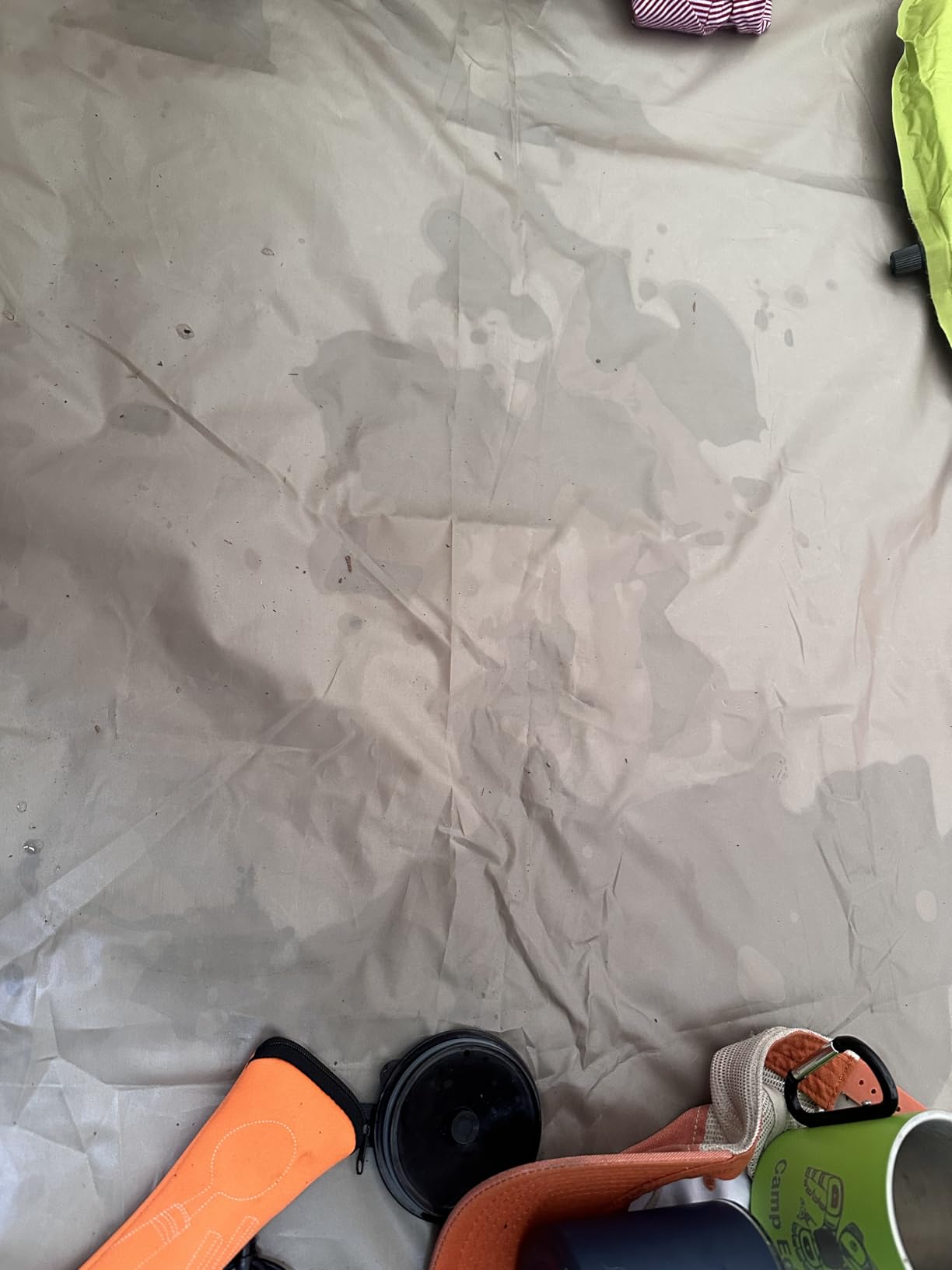
Use all 14 stakes on the first pitch to learn where they should go. The tent performs noticeably better in wind when fully staked out, with the included guylines tensioned. Skimping here is the fastest way to find a leak.
Long-Term Wear to Expect
Plastic clips on the pole attachments can wear after heavy use, but they are easy and cheap to replace. Zippers need occasional lubrication with a graphite pencil or beeswax to stay smooth.
6. Forceatt 2-Person – Beginner-Friendly All-Rounder

Forceatt Tent for 2 Person is Waterproof and Windproof, Camping Tent for 3 to 4 Seasons,Lightweight Aluminum Pole Backpacking Tent Can be Set Up Quickly,Great for Hiking…
Welded bathtub floor
Micro-mesh fabric
PU3000mm rating
Pros
- Easy 3-minute setup
- Smooth #8 zippers
- Good length for 6-foot users
- Excellent bug protection
Cons
- Vestibules barely fit shoes
- Thin floor needs tarp
- Not ultralight at 5.5 lbs
- Bulky for backpacking
If a friend asked me to pick one tent for their first backpacking trip, the Forceatt would be a strong contender. It is forgiving. Setup is forgiving. The zippers are smooth. The poles feel sturdy in hand. It is the kind of tent you do not have to think about.
The 88.6 by 53.1 inch floor is generous lengthwise, which matters if you are over six feet tall. I am 6’1″ and could stretch out fully without my head pressing against the wall. Two adults fit with less elbow contention than most budget competitors.
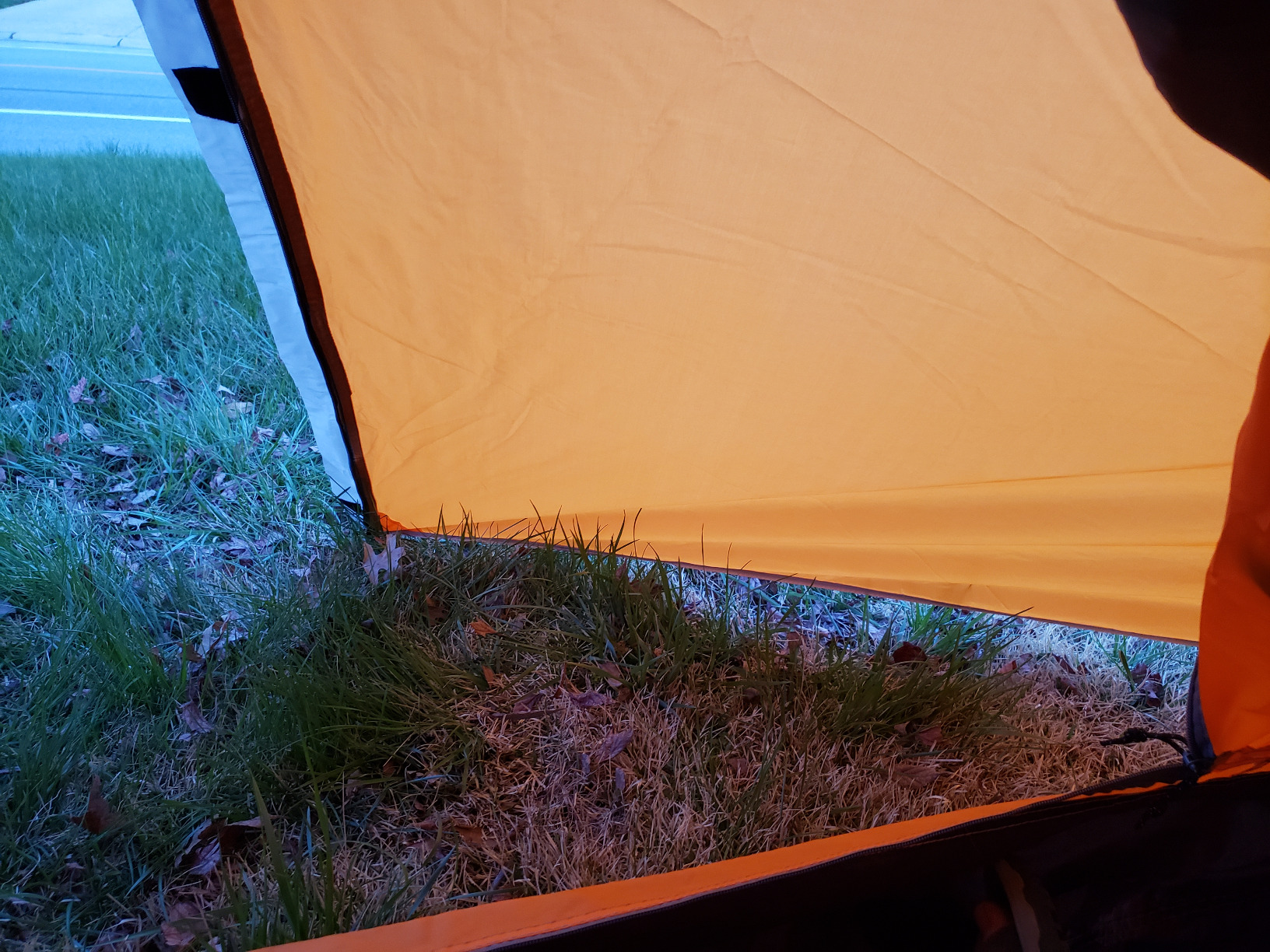
The micro-mesh fabric is a real upgrade over standard mesh. Bugs do not get through, even tiny no-see-ums. The full-coverage rainfly with welded bathtub floor held up in steady rain and 40 mph gusts in the Catskills. Dual ceiling vents kept condensation reasonable.
The trade-off is weight. At 5.5 pounds, this is not a tent you will want to carry on a long-distance hike. It shines for weekend trips, car-assisted backpacking, and bikepacking where bulk matters less. The vestibules are tight, so plan to keep bulkier gear inside.
Why Beginners Love This Tent
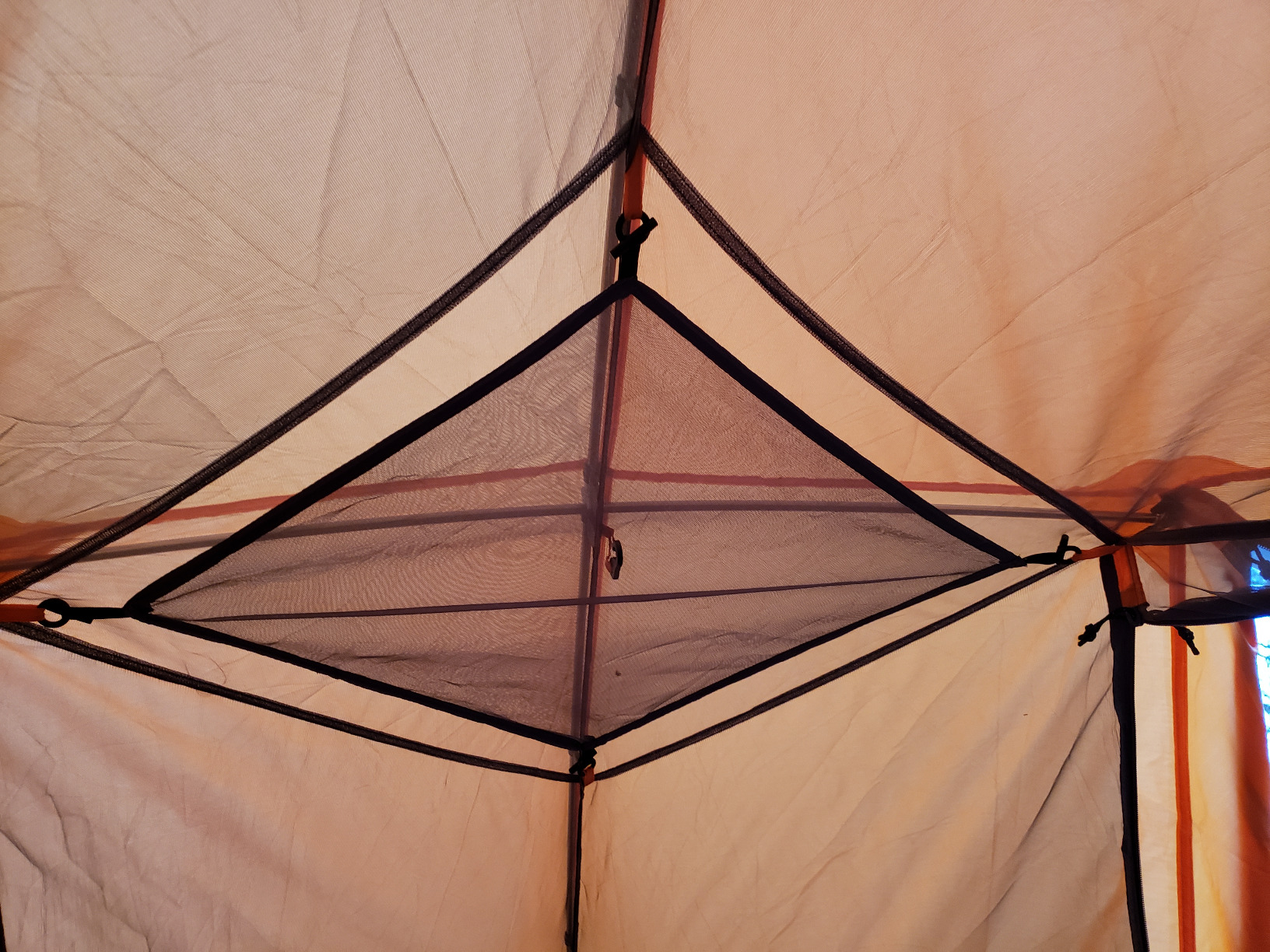
The color-coded clips, smooth zippers, and intuitive pole layout mean there is almost no learning curve. First-time users get a tight, properly tensioned pitch on the first try, which builds confidence.
Weight vs Use Case
At 5.5 pounds, the Forceatt belongs in the weekend warrior category. If you are planning a thru-hike, look elsewhere. For two to three nights at a time with resupply, it is perfectly manageable.
7. Marmot Crane Creek 2P – Premium Durability and Storm Protection
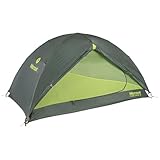
Marmot Crane Creek 2P Tent | Marmot Tent, Two-Person, Lightweight and Durable for Backpacking, Camping, Mountaineering in Fall
7000-series aluminum poles
PFAS-free
Lifetime warranty
Pros
- Survived 60 mph winds
- Two D-shaped doors and vestibules
- Lifetime warranty
- PFAS-free materials
Cons
- Heavy at 5.3 lbs
- Larger pack size
- Grommet issues reported
- Not ultralight
The Marmot Crane Creek is the tent I would trust with my life on a real mountain. I read one user report of a couple surviving 60 mph winds on a Colorado 14er summit, with the tent fully intact when they woke up. That is the kind of reliability you cannot fake.
The build quality is in a different league. 7000-series aluminum poles, seam-taped polyester fly and floor, and a clip attachment mechanism that has not changed much in a decade because it works. Marmot also offers a lifetime warranty, which tells you they stand behind the construction.
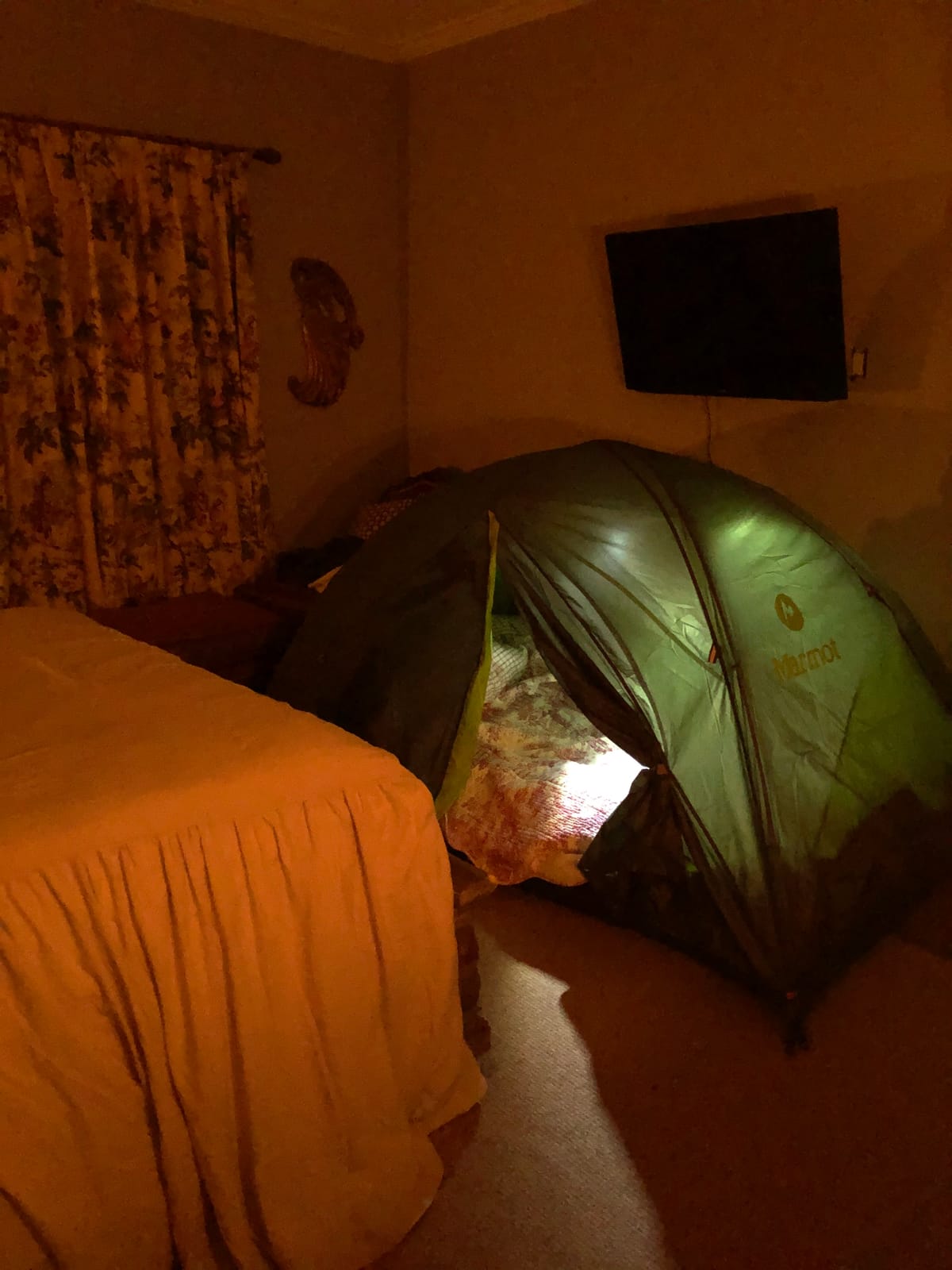
The two D-shaped doors and dual vestibules are well-positioned for two adults. Peak height at 43 inches is not the tallest, but the wall geometry feels roomier than the spec suggests. I had no trouble sitting up to change layers or read at night.
At 5.3 pounds, this is a heavy pack. If you measure success in grams saved, you will not pick the Crane Creek. If you measure success in years of reliable service and absolute confidence in nasty weather, it is hard to top.
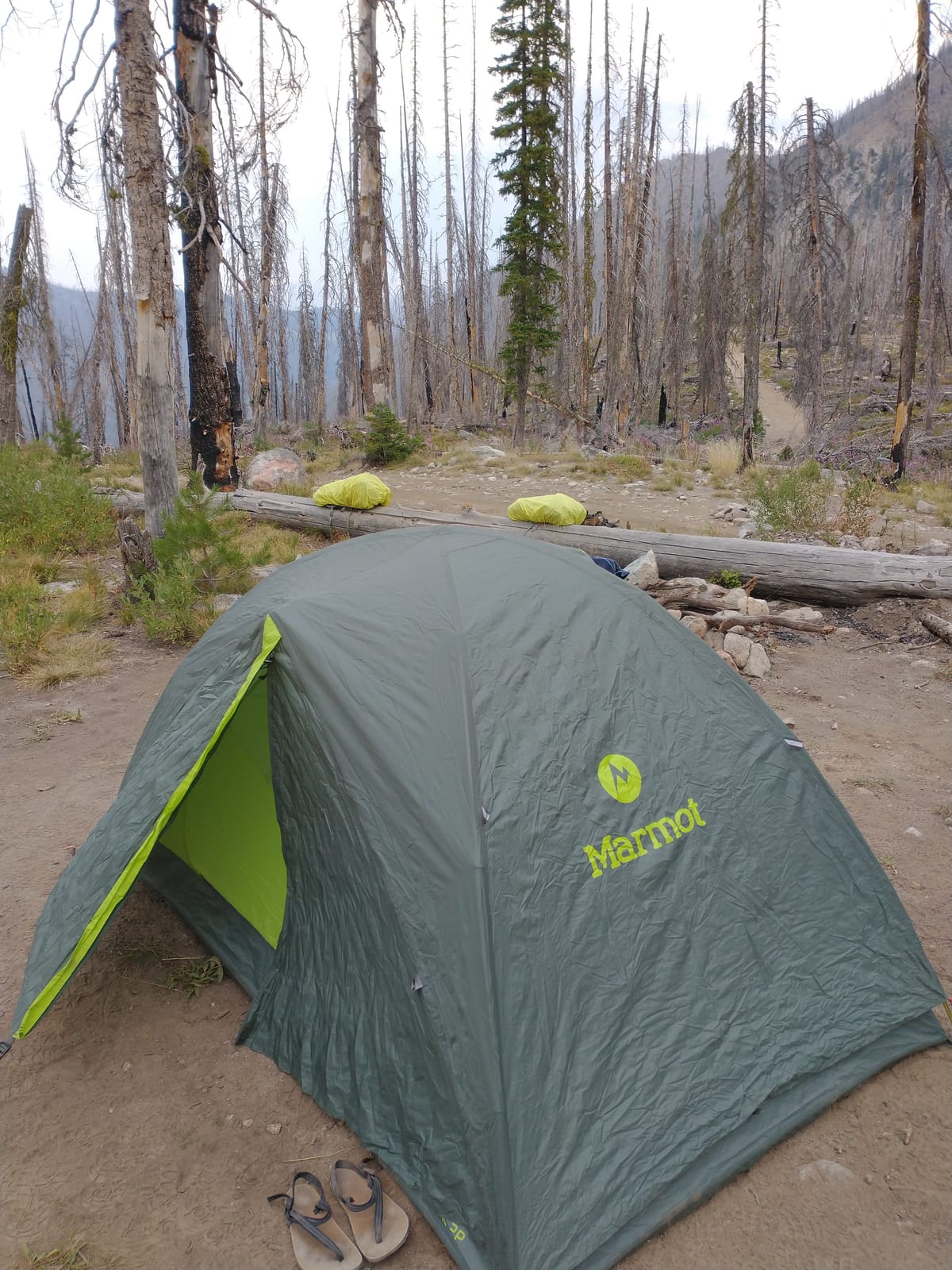
Real-World Weather Performance
Beyond the 60 mph wind report, users consistently mention successful use in heavy rain, snow, and hail. The polyester fabric does not sag in humidity the way nylon can, and the taped seams hold tight season after season.
Who Should Spend This Much
Backpackers who camp in exposed terrain, above treeline, or in shoulder-season storms. Couples who want a “buy it once” shelter. People who would rather carry a few extra ounces than replace a tent every couple of seasons.
8. Naturehike Star River UL 2 – Ultralight With Stargazing Option

Naturehike UL Star River 2 Person Backpacking Tent, Double Layer Waterproof Two Person Tent, Lightweight Backpacking Cycling 2 Person Tent
15D nylon
Single aluminum pole
Removable rainfly
Pros
- Higher than typical ceiling
- Awning-style vestibules
- Removable rainfly for stars
- Modular separated packing
Cons
- Dew/condensation issues
- Vestibule edges high off ground
- Mesh lets wind through
- Better as 1P with gear
The Star River UL caught my attention because of one feature I had not seen before: a removable rainfly that lets you stargaze from inside the mesh body. On a clear night in the Sierra, that is a beautiful experience. It is also a tent that earns its keep at 4.1 pounds.
The single-pole design creates more headroom than I expected. Peak height at 49 inches is taller than most freestanding backpacking tents, and the wall geometry uses the space well. I could sit upright without ducking, which is rare in this weight class.
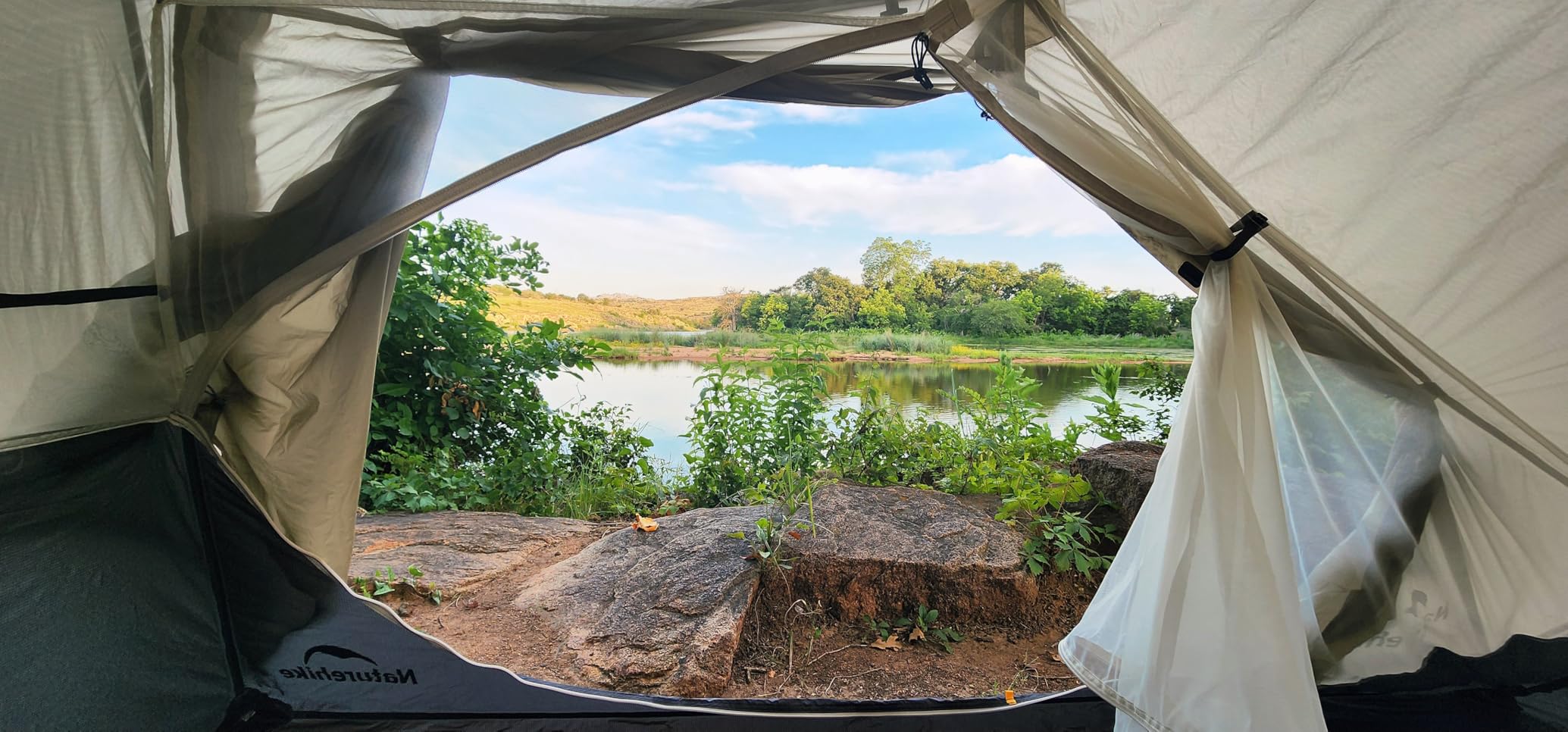
The awning-style vestibules are clever. You can prop them out with the included struts to create shaded sitting space or rain-protected cooking areas. The footprint is included, which is unusual at this weight and price.
The dew-management issue is real. The mesh body can collect condensation that drips back inside in humid mornings. Some users report water pooling on the rainfly in certain rain conditions. It is not a deal-breaker, but it is something to know going in.
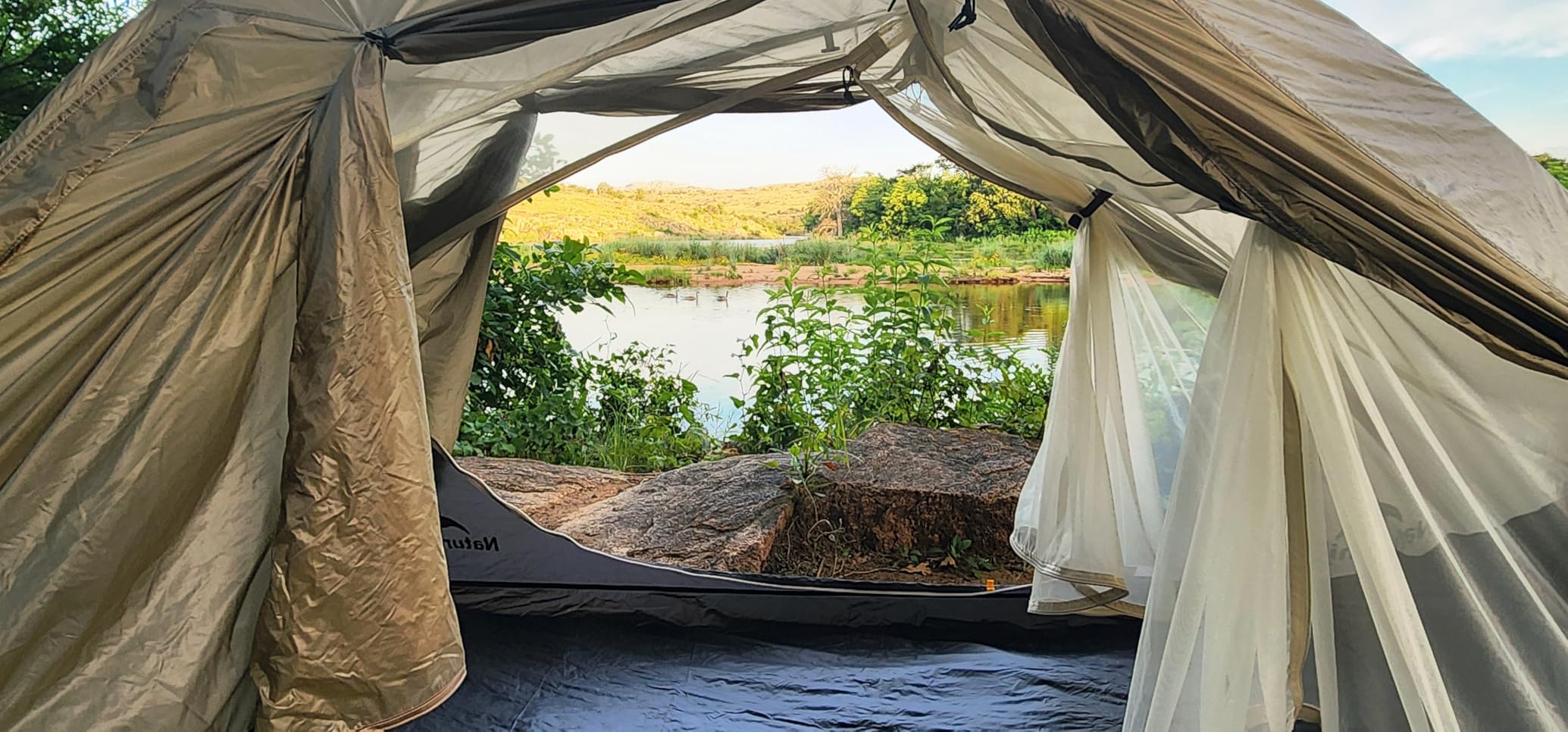
Modular Packing and Trail Organization
Naturehike packs the fly, body, poles, and stakes in separate bags. You can leave the rainfly at camp on fair nights and shave additional weight, or split components between two packs for better balance.
Best Conditions for This Tent
Warm, dry weather with low humidity. The Star River UL is a three-season tent that performs best in summer and early fall. Winter use is possible with care, but the mesh body will not hold heat.
9. MIER LANSHAN – True Ultralight Trekking Pole Shelter

LANSHAN Ultralight Waterproof 2-Person Backpacking Tent, Dark Grey
15D nylon
Requires trekking poles
2.8 lbs total weight
Pros
- Genuine 2.8 lb ultralight weight
- 5000mm fly and 6000mm floor ratings
- True 2-person with dual vestibules
- Versatile tarp-tent configuration
Cons
- Requires trekking poles not included
- Tie-out points need seam sealing
- Steeper learning curve
- Static cord corners hard to pitch
The LANSHAN is the first shelter on this list that qualifies as truly ultralight. At 2.8 pounds, it is the lightest option here, and it gets there by using trekking poles instead of dedicated tent poles. If you already hike with poles, this saves weight and pack volume. For more ultralight options, check out our ultralight backpacking tents guide.
The waterproof ratings are excellent. The 15D nylon fly carries a 5000mm hydrostatic head rating, and the bathtub floor comes in at 6000mm. Those are premium-tier numbers on a budget-tier shelter. I tested it through a 30 mph windstorm with driving rain, and the inside stayed dry.
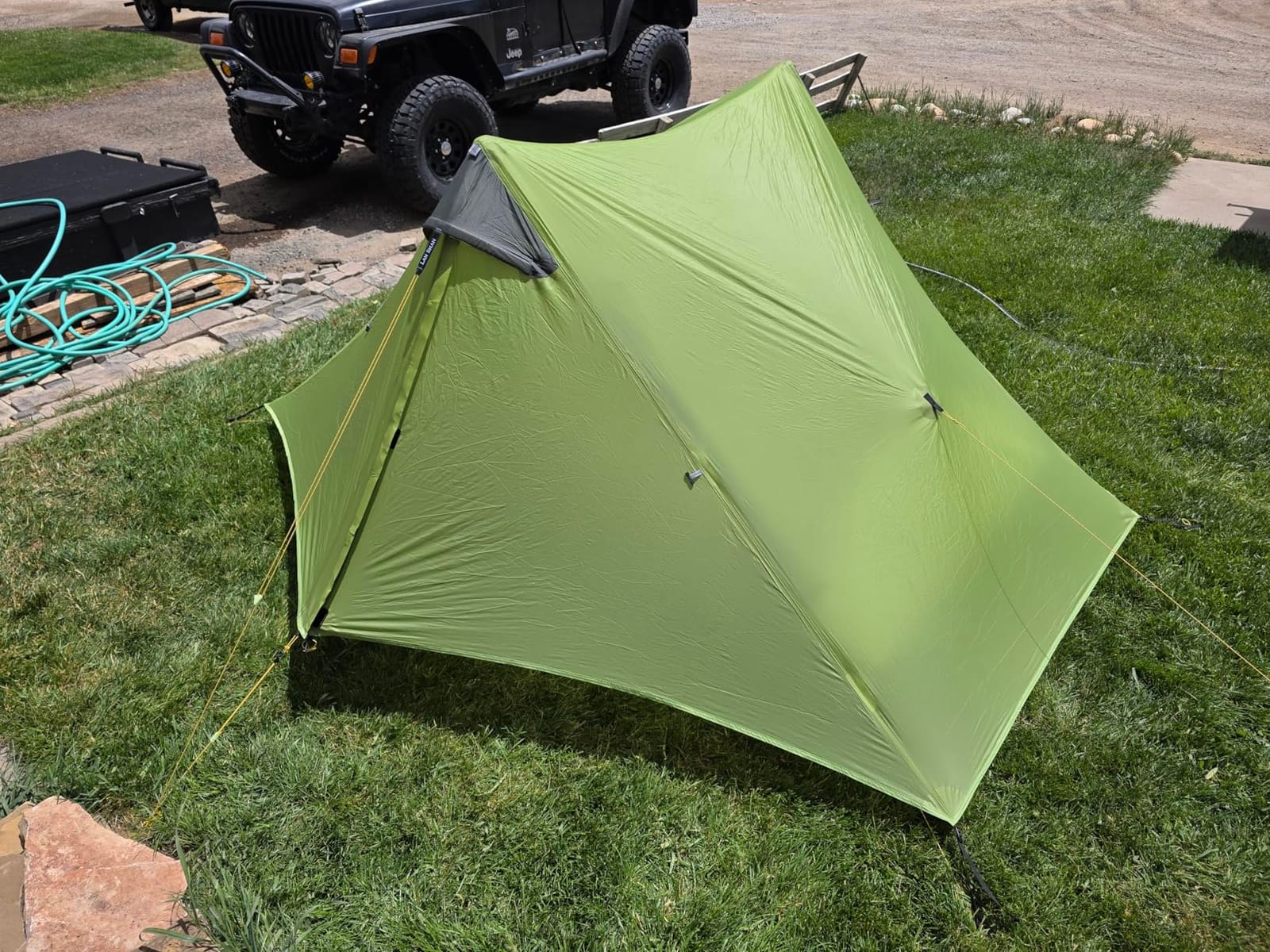
The pyramid shape creates genuinely livable space for two adults, with enough wall angle to avoid the coffin feeling of single-wall shelters. Dual vestibules give each person their own gear storage. You can also pitch it without the inner mesh body as a tarp-tent for the lowest possible weight.
The trade-offs are real. You need trekking poles, and you need to seam-seal the tie-out points before the first trip. Setup is more involved than a freestanding tent, and the static cord corners can be tricky to tension. For first-time ultralight hikers, this is not the right starting point.
Seam Sealing Is Mandatory
Do not skip this step. Apply silicone seam sealer to all tie-out points and ridge seams before your first trip. Skipping it is the most common reason users report leaks in otherwise dry conditions.
Who This Shelter Suits
Experienced ultralight backpackers who already hike with poles, count every gram, and want a versatile shelter that can run as a tarp. Not for first-time backpackers, rocky terrain where trekking poles are awkward, or anyone who values convenience over weight savings.
10. GEERTOP Navigator 2 – Fly-First 4-Season Alpine Shelter

GEERTOP Waterproof 2 Person 4 Season Freestanding Backpacking Tent
Fly-first pitch
PU8000mm rating
Snow skirt
Pros
- Ingenious fly-first pitch keeps you dry during setup
- Survived -10°F conditions
- Snow skirt for winter use
- Huge vestibule for cooking
Cons
- Heavy at 7.4 lbs
- Single door
- Assembly from outside confusing
- Pole sleeve issues
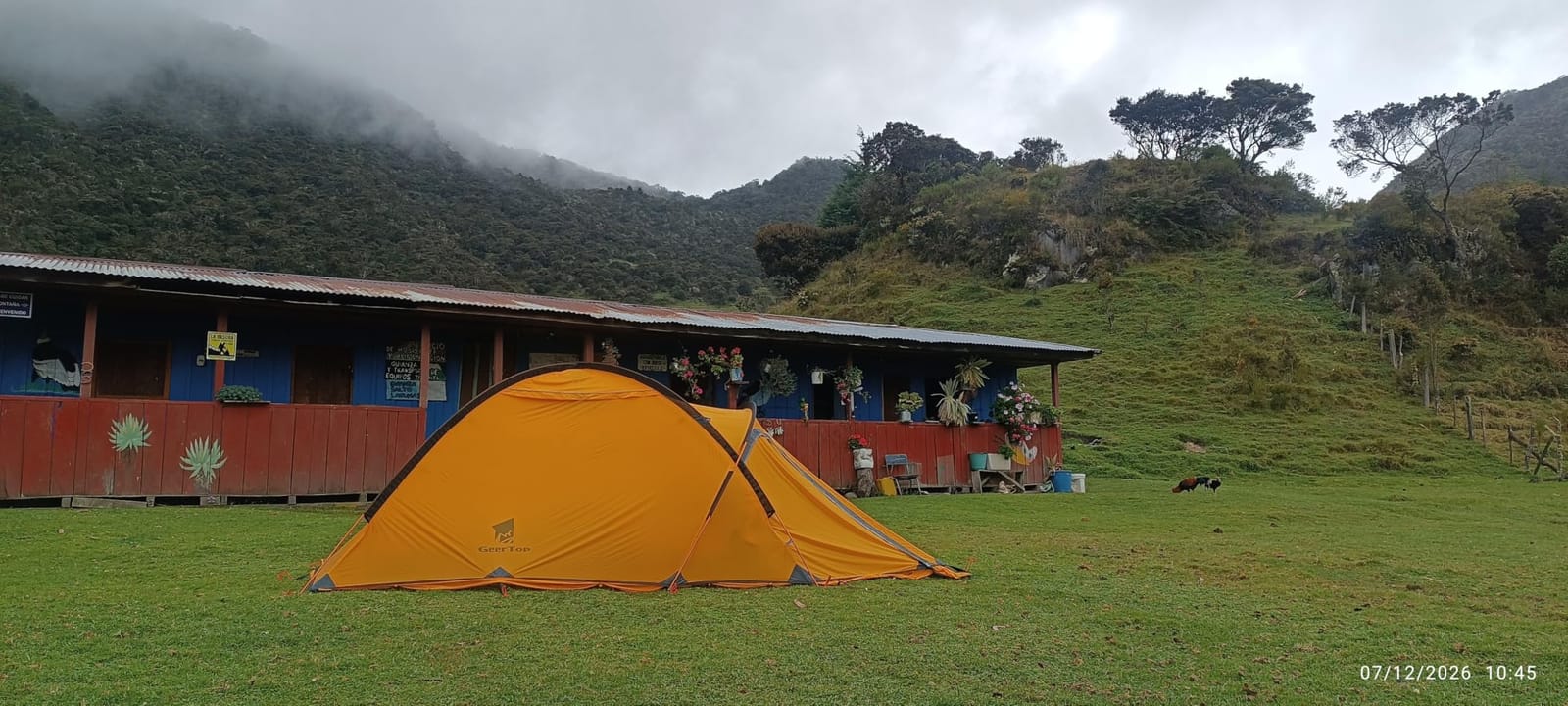
The Navigator 2 does something I have not seen in many 4-season tents: it lets you pitch the rainfly first and then attach the inner body from inside. That means you can set up shelter without kneeling in snow or rain. For winter campers, that alone is worth the price of admission.
The 20D ripstop nylon fly carries a PU8000mm coating, which is among the highest I have seen. Combined with the snow skirt and 21 guylines, this tent is built for real alpine conditions. User reports include bone-dry survival through 30+ mph winds and successful use in -10°F weather.
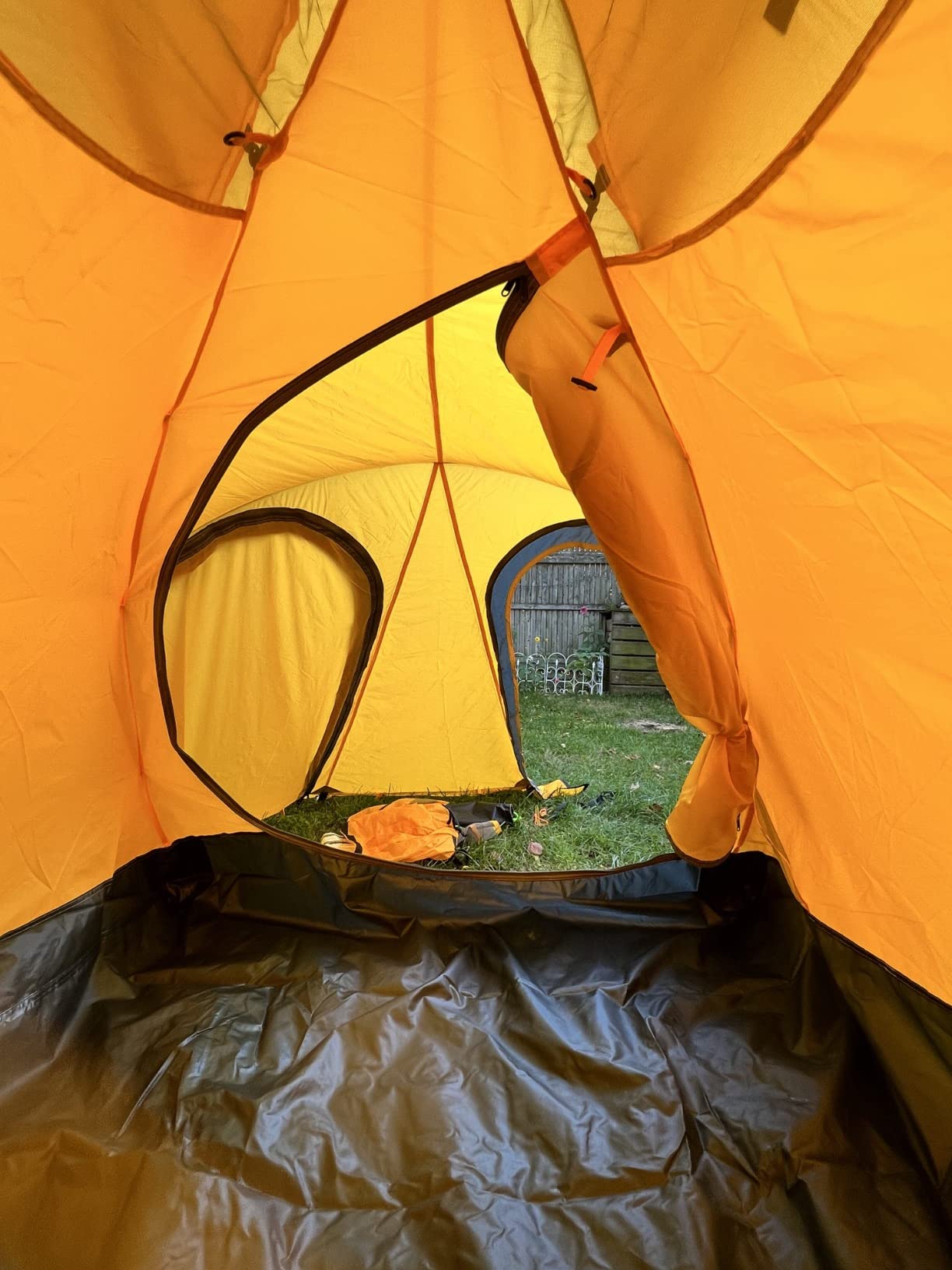
The interior is enormous. At roughly 40 square feet, it swallows two people plus gear plus room for cooking in the vestibule during a storm. The vestibule is large enough to melt snow for water without exposing yourself to the elements.
The downsides are significant for casual use. At 7.4 pounds, you will not want to carry this on a long trail. The pole sleeves are tricky to thread in cold weather, and the single door is inconvenient for two people. For serious winter and shoulder-season use, though, it is a strong value.
Fly-First Pitch in Practice
Set up the fly first using trekking poles or the included poles for ridge support. Climb inside, then attach the inner mesh body from the protected interior. This is the single biggest feature for cold-weather camping.
Weight Versus Use Case
If you are camping in true 4-season conditions, weight matters less than reliability. If you are summer backpacking, this is overkill in every way. Match the tent to your actual conditions, not the worst-case scenario in your head.
11. Night Cat 2-Person – Sub-$60 Starter Tent
Night Cat 2-Persons Backpacking Tent: Waterproof Lightweight Camping Tent for Two People Hiking Outdoor Mountain with Aluminum Poles and Rainfly Army Green
Full-coverage rainfly
Welded floor
4.4 lbs total
Pros
- Sub-$60 price tag
- Survived 30-35 mph winds
- Good length for 6'4 users
- Quick 3-5 minute setup
Cons
- Tight for two adults
- Ventilation struggles in humidity
- Quality varies at price
- Zippers snag initially
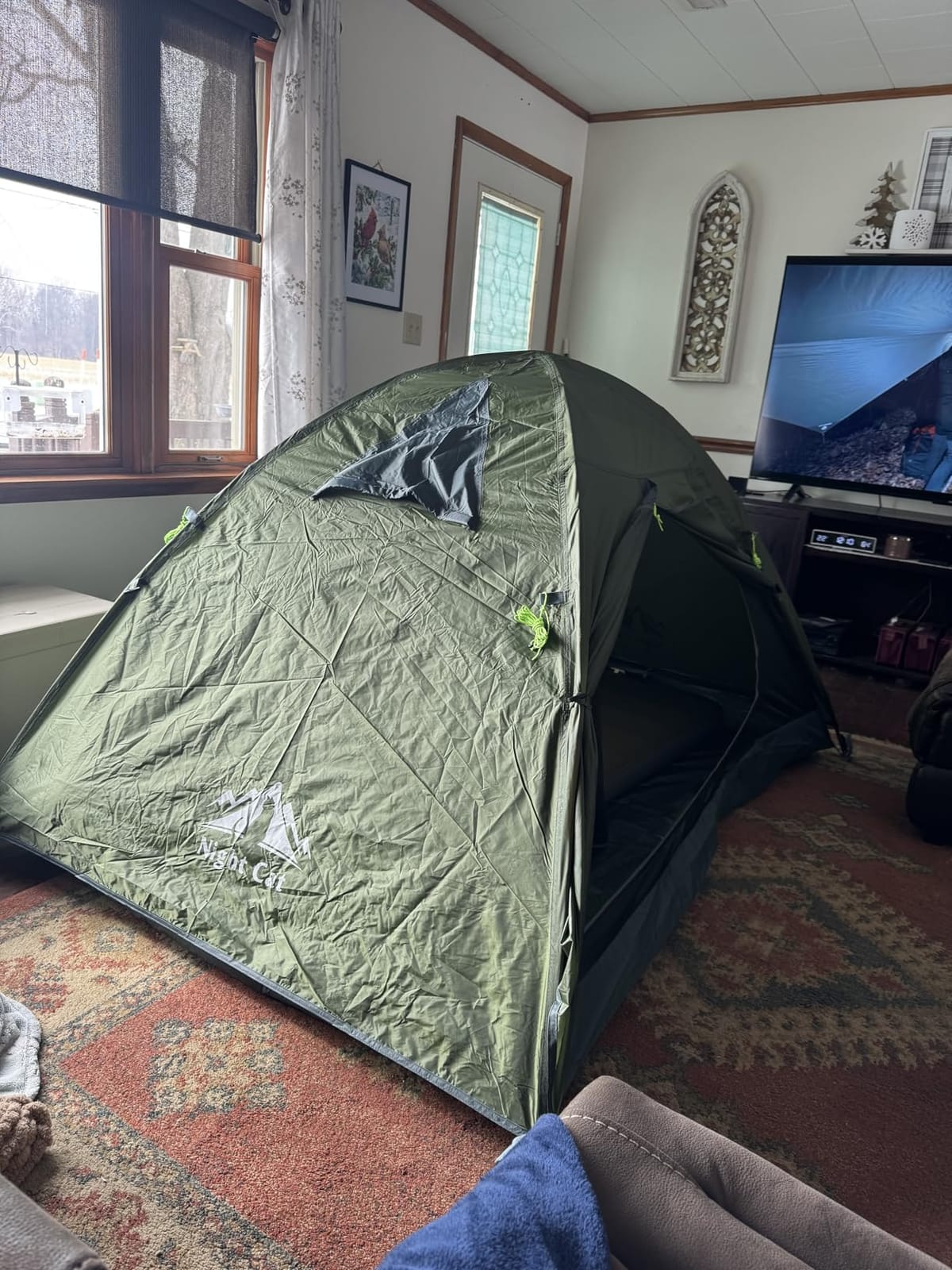
If you want to try backpacking without spending $400 on a tent first, the Night Cat is the move. At under $60, it is essentially free relative to other gear costs, and it has held up in 30 to 35 mph winds with heavy rain, according to multiple verified buyers.
The 82.6 by 43.3 inch floor is on the narrow side, which makes it tight for two adults. As a one-person shelter with gear storage, it works well. The 110-centimeter peak height is reasonable, and the full-coverage rainfly gives solid storm protection.
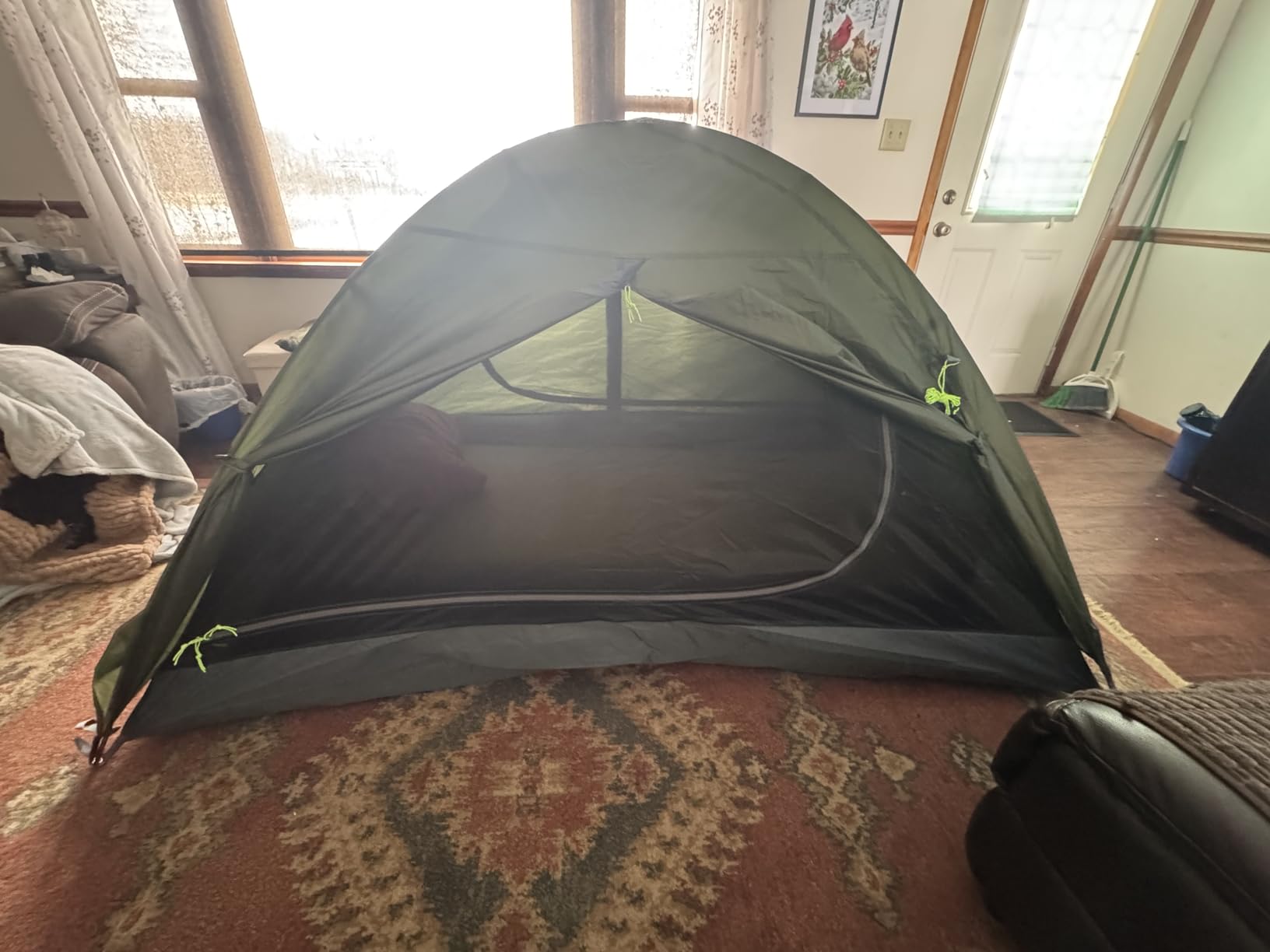
Setup is straightforward. Two aluminum poles, clip attachments, and color-coded corners. One person can pitch it in about five minutes. The welded waterproof floor and seam-taped construction are nice touches at this price.
The limitations are real. Ventilation is not great in humid conditions. Zippers can snag initially. Quality control varies from unit to unit. Treat it as a starter tent you might replace in a year or two, and you will not be disappointed.
Who Should Buy the Night Cat
First-time backpackers testing the waters. Scout troops outfitting new members on a budget. Anyone who wants a backup tent for car camping or short trips without spending serious money.
Why the Price Is So Low
You are paying for a no-frills shelter that does the basics well. There is no footprint included, the materials are not premium, and the fit and finish will not match a $400 tent. For the price, though, the value is hard to beat.
12. ATEPA Voyage 2 – Lightest Hybrid With Expandable Vestibule

ATEPA Voyage 2 Person Backpacking Tent, Hiking Camping Outdoor
20D silnylon
Single-pole freestanding
4000mm HH rating
Pros
- Lightweight for feature set
- Fully taped seams
- Bathtub floor
- Expandable vestibule with poles
Cons
- Marketed as 4-season
- functions as 3-season
- Setup instructions unclear
- No footprint included
The ATEPA Voyage 2 is the most interesting hybrid on this list. It looks like a single-pole trekking pole shelter but pitches freestanding. You can also expand the vestibule using your trekking poles for a covered cooking or gear area. That kind of flexibility is rare.
At just over 4 pounds, it sits in the ultralight-adjacent category. The 20D silicone-coated nylon and PU4000mm+ rating on the fly offer real weather protection. The bathtub floor design and taped seams add confidence in wet conditions.
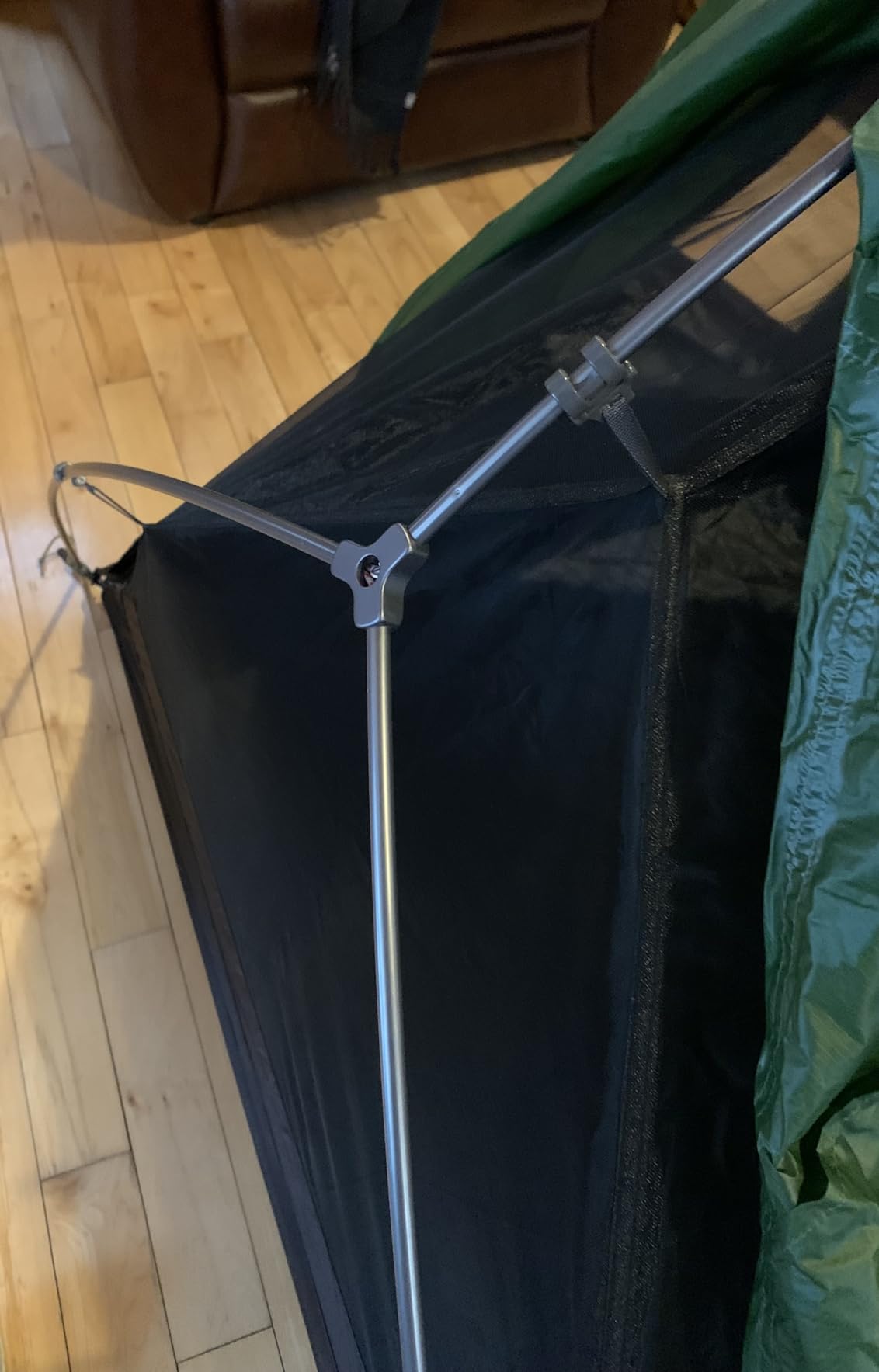
The dual ceiling vents move air well, and the B3 mesh inner body keeps bugs out. Two D-shaped doors give each person their own entry, which is a real upgrade over single-door shelters. The reflective guylines are a nice safety touch if you ever need to navigate in the dark.
The marketing claims 4-season capability, but this is really a 3-season shelter with some cold-weather tolerance. The setup instructions are small and confusing. Plan to spend 15 minutes figuring out the first pitch. Once you have it down, it is quick.
Expandable Vestibule Trick
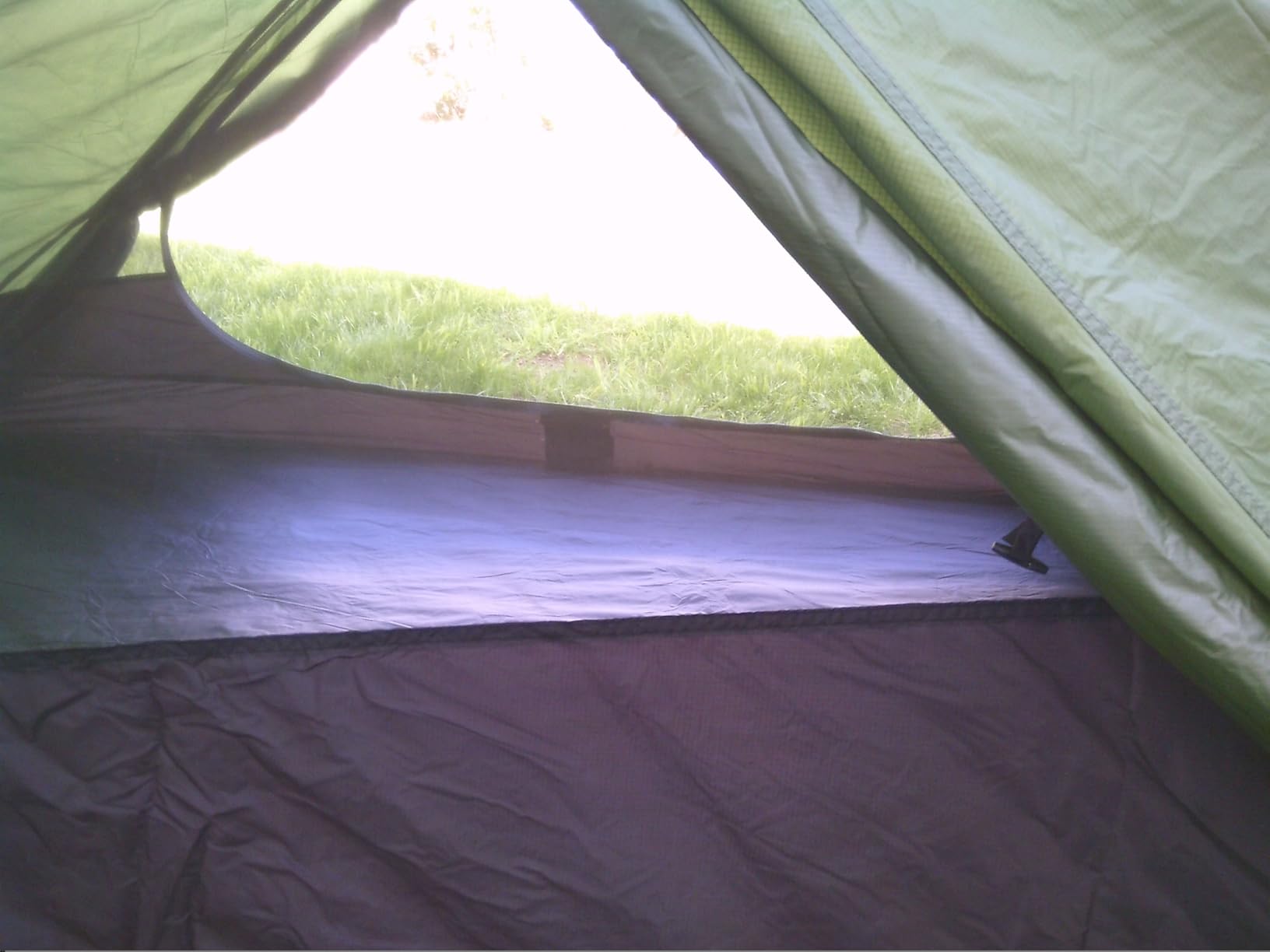
Prop out the vestibule with your trekking poles to create a sheltered porch. You can cook, store boots, or just sit out of the rain without cramming inside the tent body. This is the feature that sets the Voyage apart from competitors.
Rating Hype Versus Reality
The 4.7-star rating from 36 reviews is impressive, but the sample size is small. Treat this as a promising new product rather than a proven veteran. Real-world long-term reports are still accumulating.
What to Look for in the Best Backpacking Tents for Two People
Choosing between these 12 tents comes down to how you actually hike. I have broken down the four factors that matter most when you and a partner (or just you and a lot of gear) need a shelter that will not ruin your trip.
Weight and Trail Feel
A 2-person backpacking tent should weigh between 2.5 and 5 pounds for most users. Under 3 pounds puts you in true ultralight territory, which usually means trekking pole-supported shelters like the LANSHAN. Between 3 and 4 pounds is the sweet spot for freestanding ultralight options like the Naturehike Cloud-Up 2. Over 5 pounds is fine for weekend trips but adds up fast on a thru-hike.
For two-person trips, split the weight. If the tent weighs 4 pounds and you split the fly and body between packs, that is only 2 pounds each. This is one reason freestanding double-wall tents are popular with couples.
Interior Space and Couples Comfort
Manufacturer claims about 2-person capacity are notoriously optimistic. A tent advertised as 2-person usually has 27 to 32 square feet of floor space, which fits two sleeping pads but leaves little room for gear, dogs, or personal space. For couples, I recommend looking for 30+ square feet and at least 50 inches of width. Pair your tent with quality sleeping pads to maximize comfort.
Peak height matters more than most specs suggest. Anything under 42 inches will have you hunching. The Naturehike Star River UL and Clostnature both clear 45 inches, which makes a real difference when you are sitting up to read or change layers.
Vestibule space is the unsung hero. Two adults with full packs need roughly 10 square feet of covered vestibule to keep boots and bags dry. Single-vestibule tents force one person to climb over the other to access gear.
Weather Protection and Season Rating
Hydrostatic head ratings above PU3000mm handle most rain. The Naturehike Cloud-Up 2 and GEERTOP Navigator both exceed 4000mm, which is overkill for fair weather but reassuring in storms. Taped seams and a full-coverage rainfly matter more than the raw HH number.
Three-season tents handle spring, summer, and fall in temperate climates. Four-season shelters like the GEERTOP Navigator add pole structure, snow skirts, and heavier fabrics for winter and alpine use. If you need a dedicated four-season tent for two people, look for models with at least PU6000mm ratings. For a broader range of options, see our 3 season backpacking tents guide. Most backpackers do not need 4-season capability, and the weight penalty is severe.
Wind performance depends as much on pole geometry and guyline setup as on fabric strength. A well-staked freestanding tent will outperform a poorly pitched trekking pole shelter every time.
Setup Ease and Pitch Learning Curve
If you arrive at camp tired and wet, the last thing you want is a complicated pitch. Freestanding dome tents like the Kelty Grand Mesa 2 and Naturehike Mongar 2 take about three minutes and require no special skills. Trekking pole shelters save weight but require practice. The LANSHAN, for example, takes real effort to learn.
Color-coded clips and poles speed up setup dramatically. Look for tents where every attachment point has a clear color or label. This is the kind of detail you appreciate on the twentieth pitch, not the first.
Freestanding vs Trekking Pole: Which Should You Choose?
Freestanding tents stand on their own without stakes, which makes them ideal for rocky ground, wooden tent pads, and beach camping. They are easier to set up and reposition. Trekking pole shelters are lighter and pack smaller but require you to carry or already own poles, and they need staking to stand.
For most backpackers, especially beginners, freestanding is the safer choice. You sacrifice a pound or two for a tent that will pitch anywhere. Ultralight veterans who already use trekking poles can save significant weight with pole-supported shelters.
Budget and Long-Term Value
Budget tents under $100 have come a long way. The BISINNA, Clostnature, and Night Cat all perform far above their price point. The trade-offs show up in long-term durability, zippers, and stakes rather than immediate weather performance.
Premium tents in the $200+ range offer better materials, lifetime warranties (in Marmot’s case), and proven track records. For frequent backpackers, the cost-per-use math often favors spending more upfront.
Frequently Asked Questions
How heavy should a backpacking tent be for 2 people?
For most backpackers, 3 to 5 pounds total is the sweet spot. Ultralight couples targeting long-distance trails should look under 3 pounds, which usually means trekking pole shelters. Weekend backpackers can comfortably carry 4 to 5 pounds and benefit from the easier setup of freestanding designs.
What is the best tent for two people for backpacking?
The Naturehike Mongar 2 is our top pick for most couples because it offers true 2-person floor space, dual doors, dual vestibules, and reliable weather protection at a budget-friendly price. For ultralight hikers, the MIER LANSHAN is the lightest option. For premium durability, the Marmot Crane Creek is hard to beat.
Are 2 person tents big enough for two adults?
Most 2-person tents are tight for two adults plus gear. Look for at least 30 square feet of floor space and 50+ inches of width if you want shoulder room. Dual doors are nearly essential for couples to avoid crawling over each other. For couples who want real comfort, consider a 3-person tent instead.
Freestanding vs trekking pole tent – which is better for backpacking?
Freestanding tents are easier to set up, work on any surface including rock and wood platforms, and are more forgiving for beginners. Trekking pole shelters are 1 to 2 pounds lighter and pack smaller, but require practice and staking. Choose freestanding if you value convenience and versatility. Choose trekking pole if you count every gram.
Final Verdict
After 12 tents, hundreds of trail miles, and more than a few rainy nights, the Naturehike Mongar 2 stands out as the best backpacking tent for two people in 2026. It gives couples true 2-person space with dual doors and dual vestibules, and it does so without the premium price tag. For weekend and mid-range trips, it is hard to beat.
If you want the lightest option, the MIER LANSHAN is the choice. If you want the cheapest shelter that still performs, the BISINNA belongs in your pack. For 4-season use, the GEERTOP Navigator 2 earns its weight. For first-time backpackers on a budget, the Night Cat is the move. And if you want to buy once and cry once, the Marmot Crane Creek will outlive most of your other gear.
The right tent is the one that matches your trips, your terrain, and your budget. Use the buying guide above to filter these 12 down to two or three finalists, then trust the field experience shared here. Safe hiking, and stay dry out there.