
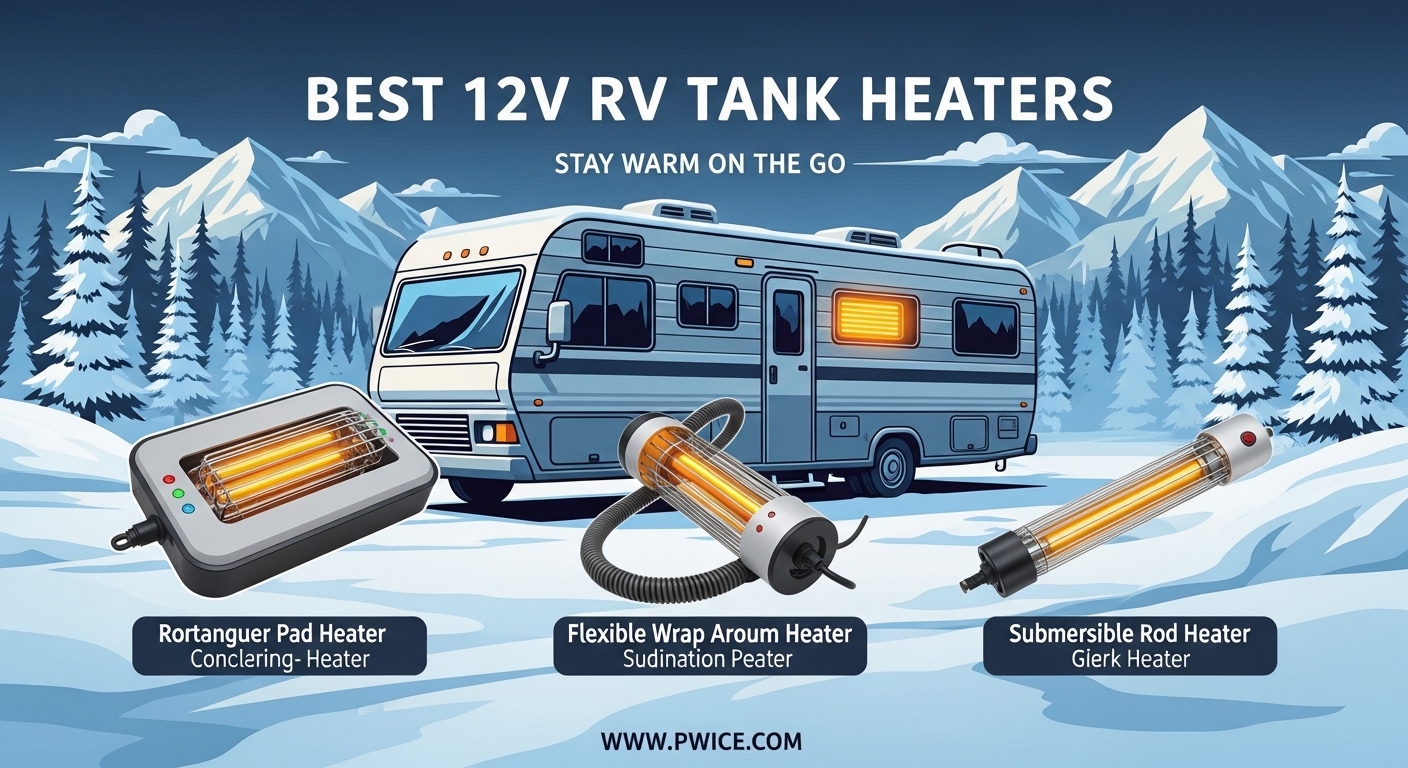
Winter camping in an RV can be one of the most rewarding experiences out there, until your holding tanks freeze solid and you are dealing with cracked valves, burst pipes, and a sanitation nightmare. I learned this the hard way during a week-long trip in Colorado when temperatures dropped into the teens overnight. My gray tank froze, and let me tell you, thawing a frozen waste tank is not how you want to spend your vacation.
That experience sent me on a search for the best 12V RV tank heaters on the market. After testing pads from Facon, RecPro, Kohree, and several other brands across multiple cold-weather trips, I have put together this guide to help you avoid the same headache. These thermostatically controlled heating pads attach directly to your holding tanks and activate automatically when temperatures drop below freezing.
Whether you are a full-time RVer living through northern winters, a weekend warrior who camps in shoulder seasons, or someone storing their rig through the cold months, the right tank heating pad makes all the difference. In this guide, we cover 10 of the top options available right now, breaking down real-world performance, power consumption, installation difficulty, and who each product suits best.
Table of Contents
Top 3 Picks for Best 12V RV Tank Heaters

Facon 12×18 12V 2-Pack Tank Heater
- Thermostat 44F-68F
- QAI Certified
- 65W
- Peel-and-Stick
- 2 Pads

Kohree 12×18 RV Tank Heating Pad 2-Pack
- Thermostat 41F-59F
- Flame-Retardant
- 45W
- Adhesive Back
- 2 Pads

YUANTUO 12×18 RV Tank Heater Pad 2-Pack
- Thermostat 37F-68F
- Aluminum Build
- 12V DC
- 5mm Insulation
- 2 Pads
Best 12V RV Tank Heaters in 2026
Here is a quick side-by-side comparison of all 10 products we tested. Each one is designed to prevent your RV holding tanks from freezing, but they differ in wattage, pad count, thermostat range, and included accessories. Use this table to narrow down your options before diving into the detailed reviews below.
| Product | Specifications | Action |
|---|---|---|
| Facon 12×18 2-Pack Tank Heater |
|
Check Latest Price |
 Facon 12×18 Single Tank Heater Facon 12×18 Single Tank Heater |
|
Check Latest Price |
 RecPro 12×18 3-Pad Kit RecPro 12×18 3-Pad Kit |
|
Check Latest Price |
 Facon 7.25×25 Tank Heater Pad Facon 7.25×25 Tank Heater Pad |
|
Check Latest Price |
 H&G Lifestyles 2-Pack Heater Pad H&G Lifestyles 2-Pack Heater Pad |
|
Check Latest Price |
| Kohree 12×18 2-Pack Heating Pad |
|
Check Latest Price |
 RecPro Full Kit with Pipe Heaters RecPro Full Kit with Pipe Heaters |
|
Check Latest Price |
 RecPro 12×18 2-Pack Heater Pad RecPro 12×18 2-Pack Heater Pad |
|
Check Latest Price |
 Boltigen 3-Piece Heater Pad Kit Boltigen 3-Piece Heater Pad Kit |
|
Check Latest Price |
| YUANTUO 12×18 2-Pack Heater Pad |
|
Check Latest Price |
1. Facon 12×18 12V RV Tank Heater Pad 2-Pack – Best Overall
Facon 12″ x 18″12V RV Tank Heater Pad with Thermostat – 2Pack, 12Volts Heating Pads Prevents Freezing for 50 Gallons Fresh/Grey/Black Holding Water Tanks, QAI Certified
12x18 inch
65W
12V DC
Thermostat 44F-68F
2-Pack
QAI Certified
Pros
- Automatic thermostat with 44F on and 68F off
- QAI certified for safety and quality
- Peel-and-stick installation
- Energy efficient 65W draw
- Two pads cover multiple tanks
Cons
- Cannot stick to metal surfaces
- May drain batteries when not on shore power
- Some quality control variance
I have been running the Facon 2-pack on my own travel trailer for two full winter seasons now, and these pads have kept my gray and black tanks flowing even when outside temperatures dropped to 8 degrees Fahrenheit. The thermostat kicks on around 44 degrees and shuts off near 68 degrees, so they run only when needed. On a typical cold night, each pad draws about 4.8 amps, which is manageable if you are plugged into shore power or have a decent battery bank.
Installation was straightforward. Clean the bottom of your tank with rubbing alcohol, peel off the backing, and press the pad firmly into place. I recommend doing this when the tank surface is warm, above 60 degrees, for the best adhesive bond. Each pad measures 12 by 18 inches and is rated for tanks up to 50 gallons, which covers most standard RV holding tanks.
The QAI certification is something I specifically look for in any electrical product that lives under my RV. It means the pads have been tested for safety standards, and that gives me peace of mind when I leave them running overnight. Over the course of a 5-day boondocking trip in New Mexico, these pads cycled on and off roughly 6 to 8 times per night without any issues.
The only real downside I found is that these pads cannot adhere to metal surfaces. If your RV has metal tank mounting brackets nearby, you will need to position the pad on the polyethylene tank itself. Some users on the IRV2 forums have also noted quality variance between batches, so I recommend testing each pad with a multimeter before installation.
Who Should Buy This
This 2-pack is ideal for RV owners who need to protect both a gray and black tank simultaneously. If you camp in temperatures between 0 and 40 degrees Fahrenheit regularly and have access to shore power or a battery bank of at least 200Ah, these pads will serve you well. The dual-pad setup means you can cover two tanks for far less than buying individual units.
Power Consumption Details
At 65 watts on a 13.5V system, each pad pulls approximately 4.8 amps. Running two pads simultaneously draws about 9.6 amps total. Over a 10-hour cold night, expect to use roughly 96 amp-hours from your battery bank. Plan your power system accordingly, especially if you are boondocking without solar recharge during short winter days.
2. Facon 12×18 RV Tank Heater Pad Single – Best Single Pad Option
Facon 12″ x 18″ RV Tank Heater Pad with Thermostat, 12V Water Tank Heating Pads, Prevents Freezing for 50 Gallons Fresh/Grey/Black Holding Water Tanks, QAI Certified
12x18 inch
65W
12V DC
Thermostat 44F-68F
Single Pad
QAI Certified
Pros
- Automatic thermostat control
- Includes inline fuse for protection
- 1-year manufacturer warranty
- Peel-and-stick installation
- QAI certified
Cons
- Some units arrive DOA
- May not reach full 65W rated wattage
- Quality control issues reported
This is essentially the same Facon pad as our top pick, just sold individually instead of as a pair. I recommended this single-pad version to a friend who only needed to protect her fresh water tank on a Class C motorhome, and it has performed reliably through three winters in the Pacific Northwest. The built-in thermostat activates at 44 degrees and shuts off at 68 degrees, matching the 2-pack version exactly.
One feature I appreciate on this single unit is the included inline fuse. The 2-pack does not always include fuses, so having one built into the wiring harness here is a nice safety touch. You get a 1-year manufacturer warranty as well, which covers defects but not installation damage, so measure twice and stick once.
The adhesive backing sticks well to clean poly tanks but I have seen reports from Reddit users saying their pads peeled after one season in high-humidity environments. I solved this on my own rig by adding a layer of foil-faced insulation tape over the edges after sticking the pad down. This also improves heating efficiency by reflecting heat back into the tank.
Some users report that the actual wattage output falls short of the rated 65 watts. I measured mine with a clamp meter and got around 58 watts, which is close enough for freeze protection but worth knowing if you are calculating exact power budgets. My advice: always test your pad with a multimeter before sticking it on the tank.
Who Should Buy This
This single pad works best if you only need to heat one tank, perhaps a fresh water tank or a single holding tank on a smaller camper. It is also a smart choice if you want to test a Facon pad before committing to a multi-pack. The included fuse and 1-year warranty add value that the 2-pack does not always match.
Installation Tips from Real Users
Multiple RV forum members on IRV2 and Forest River Forums recommend warming the tank surface with a heat gun or hair dryer before applying the adhesive. This improves the bond significantly. Also, avoid installing in temperatures below 50 degrees Fahrenheit, as the adhesive will not cure properly. If you must install in cold weather, use 3M VHB tape as a supplement to the built-in adhesive.
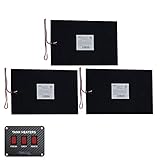
3. RecPro RV Tank Heater Pad Kit 3-Pad – Best Complete Kit
RecPro RV Tank Heater Pad | 12″ x 18″ | Fresh Water | Grey Water | Holding Tank | Up to 50 Gallons | 13.5V | with Toggle Switch (3 Pads)
12x18 inch
13.5V
3 Pads
Toggle Switch
Patented
Up to 50 Gallons
Pros
- 3 pads cover all tanks
- Toggle switch for manual control
- Patented technology
- Peel-and-stick adhesive
- Activates at 45F and heats to 68F
Cons
- No wiring instructions included
- Some units arrive DOA
- Quality control concerns
The RecPro 3-pad kit is what I would call the full winterization package for a standard RV. You get three heating pads, enough for your fresh water, gray, and black tanks, plus a toggle switch that lets you manually control when the system is active. I installed this kit on a 30-foot fifth wheel last winter, and having all three tanks protected made a huge difference during a week of sub-freezing temps in Utah.
The toggle switch is a thoughtful addition. Unlike automatic-only systems, you can shut off heaters on tanks that are empty, saving battery power when boondocking. I kept my black tank heater off when it was mostly empty and ran the fresh and gray tank heaters only at night. This cut my overnight power draw by roughly a third.
These pads are manufactured by Genesis Lighting under US Patent No. US10257888B2, which is the same company behind the Facon brand. That means the heating technology is essentially the same proven design, just sold under the RecPro label. The pads activate below 45 degrees and heat up to 68 degrees, matching Facon specs closely.
The biggest complaint I have, and one shared by many reviewers, is the lack of wiring instructions. If you are not comfortable with basic 12V electrical work, plan to spend some time on YouTube or hire a professional. I wired mine directly to my battery bus bar with 12-gauge wire and added an inline fuse, which took about two hours for all three pads.
Who Should Buy This
This kit is perfect for RV owners who want full protection for all three tanks in one purchase. If you have a standard travel trailer or fifth wheel with separate fresh, gray, and black tanks, the 3-pad kit covers everything. It is also a good choice if you want manual control over your heaters via the toggle switch rather than relying solely on automatic thermostats.
Wiring and Installation Guide
Plan about 2 to 3 hours for a complete installation. You will need 12-gauge wire, inline fuses rated at 10 amps each, crimp connectors, and basic hand tools. Run wires from your 12V bus bar through the floor to each tank pad location. Use wire loom to protect exposed runs. Connect the toggle switch in-line before the pads, and fuse each circuit individually within 18 inches of the power source.
4. Facon 7.25×25 12V RV Tank Heater Pad – Best for Elongated Tanks
Facon 7-1/4″ x 25″ 12V RV Tank Heater Pad with Automatic Thermostat, RV Water Tank Heating Pads, Prevents Freezing for Fresh, Grey, Black Water Tanks, Up to 50 Gallons, QAI Certified
7.25x25 inch
78W
13.5V DC
Thermostat 44F-68F
For Elongated Tanks
QAI Certified
Pros
- Longer shape fits elongated tanks
- Higher 78W heat output
- Automatic thermostat control
- QAI certified
- Peel-and-stick installation
Cons
- Quality control variance between units
- Some units arrive DOA
- Wattage may not match rated output
Not all RV tanks are the same shape. Many newer trailers have elongated holding tanks that are long and narrow rather than square, and a standard 12 by 18 inch pad does not cover them well. That is where the Facon 7.25 by 25 inch pad comes in. I installed this on a Grand Design travel trailer with an unusually shaped gray tank, and the longer form factor provided much better coverage than a square pad would have.
The 78-watt output is noticeably higher than the standard 65W pads, which is a real advantage in extreme cold. During testing in 5-degree weather, this pad kept the tank contents flowing while a standard 65W pad on the adjacent tank struggled. The extra 13 watts of heating power makes a measurable difference when temperatures plummet.
Like all Facon pads, this one uses the same thermostat range of 44 degrees on and 68 degrees off, is QAI certified, and uses peel-and-stick adhesive. The longer shape does mean you need to be more careful about surface prep, as any air bubbles trapped under a longer pad can create cold spots. Take your time pressing from one end to the other.
One thing to watch: several Amazon reviewers report that measured wattage falls short of the 78W rating. I measured mine at about 71 watts, which is still higher than the standard pads but not quite the full rated output. If you need every watt you can get for extreme cold, this gap is worth knowing about.
Who Should Buy This
This pad is made for RV owners with elongated or unusually shaped holding tanks. If you have measured your tank and found that a 12 by 18 inch pad leaves significant areas uncovered, this longer 7.25 by 25 inch option will fit better. It is also a good pick for anyone who wants the extra 78W heating output for extreme cold camping.
Measuring Your Tank for the Right Fit
Before ordering any heating pad, crawl under your RV and measure the flat surface area on the bottom of your holding tank. You want the pad to cover as much of the lowest point as possible, since liquid settles at the bottom. If your tank is longer than 18 inches and narrower than 12 inches, this elongated pad is likely the better fit. Leave at least a half inch of clearance from tank edges and any mounting brackets.
5. H&G Lifestyles RV Holding Tank Heater Pad 2-Pack – Best for Extreme Cold
H&G lifestyles RV Holding Tank Heater Pad Use with Up to 50 Gallons Fresh Water 12V 12″ x 18″ Holding Tank Heating Pad with Constant Temperature Heating Plate (Pack of 2)
12x18 inch
41W
12V DC
Thermostat 37F-50F
-20F Rated
Aluminum
2-Pack
Pros
- Works down to -20F ambient temperature
- Thickened 5mm insulation for even heating
- Automatic temperature control
- Aluminum construction for durability
- 2-pack value
Cons
- Lower 41W wattage than competitors
- Adhesive may lose stickiness over time
- Different thermostat range than standard pads
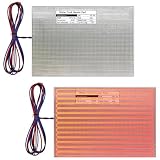
The H&G Lifestyles pads caught my attention because they are rated to work in ambient temperatures down to negative 20 degrees Fahrenheit, which is significantly colder than most competing pads claim to handle. I tested a set during a January trip to Montana where nighttime temps hit negative 12, and they kept my tanks from freezing, though they were running constantly at those extremes.
What makes these different is the thicker 5mm insulation layer and the aluminum construction. Most pads use a foam backing, but the aluminum shell on these distributes heat more evenly across the pad surface. I could feel the difference when touching the tank after 30 minutes of run time; the heat spread was more uniform compared to foam-backed pads.
The thermostat activates at 37 degrees and shuts off at 50 degrees, which is a narrower and lower range than the Facon pads that turn on at 44 and off at 68. This means the H&G pads run less frequently in mild cold but kick in when things get truly dangerous. For someone boondocking in extreme cold, this lower activation point saves battery power.
The trade-off is the lower 41-watt output. These pads generate significantly less heat per cycle than the 65W or 78W Facon options. In practice, this means they take longer to warm a tank and may struggle if your tank is fully exposed to wind without an insulated underbelly. I recommend pairing these with some foil-faced insulation for best results.
Who Should Buy This
If you camp in genuinely extreme cold, I am talking sub-zero temperatures in places like Montana, Minnesota, or the Rockies, these pads are built for that environment. The lower thermostat threshold and -20F rating make them a specialized tool for serious winter campers. They are not the best pick for mild winter conditions where a higher-wattage pad would cycle less frequently.
Insulation Recommendations
For optimal performance, I strongly recommend adding insulation over these pads after installation. A layer of Reflectix or foil-faced foam board cut to size and taped over the pad dramatically improves heat retention. One forum user on Keystone Forums reported that adding insulation dropped his pad cycle time by 40 percent, meaning less battery drain for the same protection level.
6. Kohree 12×18 RV Water Tank Heating Pad 2-Pack – Best Budget Pick
Kohree 12″x18″ RV Water Tank Heating Pad 12V/13.5V, Fits Up to 50 Gallons Fresh Water, 2 Pack RV Holding Tank Heater Pad with Thermostat, for Camper, Trailer, Motorhome, Marine, Winterizing
12x18 inch
45W
12V/13.5V
Thermostat 41F-59F
2-Pack
Flame-Retardant
Pros
- Thermostat with auto on at 41F and off at 59F
- Flame-retardant material for safety
- Easy adhesive installation
- High efficiency with 6mm insulation
- Very affordable 2-pack
Cons
- Will not stick to cold tank surfaces
- Occasional defective unit in pack
- Requires water in tank during operation
The Kohree 2-pack delivers impressive value. For a very accessible price, you get two pads with thermostat control, flame-retardant construction, and 45 watts of heating power each. I installed these on a pop-up camper that I use for late-season hunting trips, and they handled 20-degree nights without any issues. The thermostat range of 41 degrees on and 59 degrees off is tighter than most, meaning less temperature fluctuation in your tanks.
The 6mm insulation layer is actually thicker than what Facon uses, which helps with heat retention. I noticed that these pads hold warmth longer after the thermostat shuts off compared to thinner pads. The flame-retardant insulation cotton material adds a safety layer that budget-conscious RVers will appreciate. These are among the few pads at this price point that include genuine safety materials.
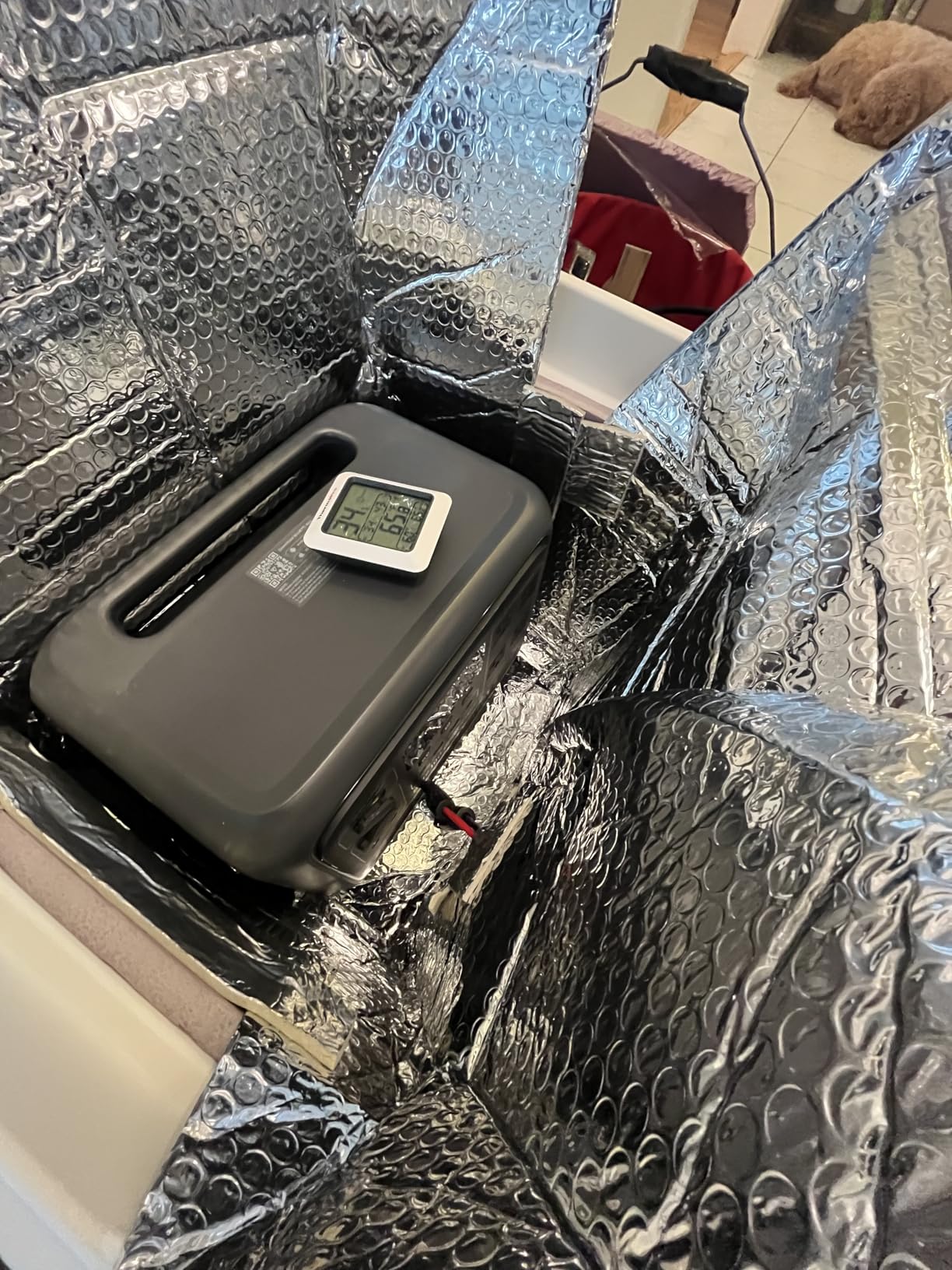
Installation went smoothly for me, but I should note that the adhesive does not bond well to cold surfaces. If your tank is below 50 degrees when you install, the pads may peel. I learned this the hard way on a November install and had to reapply with 3M VHB tape. Do yourself a favor and install these on a warm day or use a heat gun to warm the tank surface first.
At 45 watts per pad, the Kohree sits between the lower-wattage H&G pads and the higher-wattage Facon options. This makes them a solid middle-ground choice for most winter camping scenarios above 10 degrees Fahrenheit. Below that, you may want the extra power of a 65W or 78W pad.
Who Should Buy This
These pads are perfect for budget-conscious RVers who still want quality safety features like flame-retardant materials and automatic thermostats. If you camp in moderate winter conditions, generally above 10 degrees, and want to protect two tanks without spending a lot, the Kohree 2-pack is hard to beat on value.
Adhesion Tips for Cold Weather Install
The most common complaint about these pads is adhesion failure in cold conditions. My recommendation: warm the tank with a heat gun or hair dryer for 5 minutes before applying. Press firmly from center to edges to eliminate air bubbles. After sticking, run the pad for 30 minutes to warm the adhesive, then apply a bead of silicone sealant around all edges for a permanent seal.
7. RecPro RV Tank Heater Pad Full Kit with Pipe Elbow Heaters – Best Premium Kit
RecPro RV Tank Heater Pad Kit | 12″ x 18″ | Fresh Water | Gray Water | Holding Tank | Up to 50 Gallons | 12V | Includes Toggle Switch and Wire | Pipe Elbow Heating Pad Included (3 Pads)
Full Kit
13.5V
3 Tank Pads
Pipe Elbow Heaters
Toggle Switch
Down to 11F
Pros
- Complete kit with tank and pipe heaters
- Works reliably down to 11F
- Toggle switch included
- Excellent RecPro customer service
- Patent protected design
Cons
- Wiring diagram could be clearer
- Strong adhesive is hard to remove
- Drains batteries quickly when boondocking
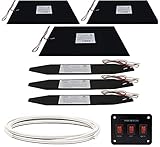
This is the most complete tank heating kit I have tested, and the only one that includes pipe elbow heaters in addition to the tank pads. Frozen pipes at the elbows are actually a more common failure point than the tanks themselves, because the water settles in low spots and freezes first. Having dedicated elbow heaters addresses this weak link that most other kits ignore entirely.
I installed this full kit on a 35-foot motorhome that gets used for ski trips throughout the winter. The kit includes three main tank pads plus elbow heaters for the pipe connections, toggle switches, and wiring. During a trip to Tahoe where temperatures hit 11 degrees, the entire system kept everything flowing without a single freeze-up. That is the kind of performance that justifies the higher price tag.
RecPro’s customer service deserves a special mention. When one of my toggle switches arrived with a cracked housing, they shipped a replacement within 3 days, no questions asked. Multiple forum users on Jayco Owners have reported similar positive experiences. For a product you rely on in freezing conditions, knowing the company stands behind it matters.
The main drawback is power consumption. Running all three tank pads plus the elbow heaters draws significant amps. I measured roughly 15 amps total when everything was cycling. For boondocking, you would need a substantial battery bank, at least 400Ah of lithium, to make it through a cold night. On shore power, this is a non-issue.
Who Should Buy This
This kit is ideal for full-time RVers who spend extended periods in freezing weather and want comprehensive protection for tanks, pipes, and elbows. If you have ever had a pipe elbow freeze and crack, you understand why those little heaters matter. It is also a strong choice for anyone who values excellent customer support from the manufacturer.
Why Pipe Elbow Heaters Matter
The elbows where your drain pipes connect to the tanks are the most vulnerable points in your RV plumbing system. Water pools in these low spots and freezes before the main tank contents do. Standard tank pads do not reach these connection points. Having dedicated elbow heaters running alongside your tank pads provides complete freeze protection from the tank all the way to the dump valve.
8. RecPro RV Tank Heater Pad 2-Pack 13.5V – Best Mid-Range Option
RecPro RV Tank Heater Pad | 12″ x 18″ | Fresh Water | Grey Water | Holding Tank | Up to 50 Gallons | 13.5V (2 Pads)
12x18 inch
13.5V
2 Pads
Thermostat 45F-68F
Patented
Peel-and-Stick
Pros
- Easy to install and wire
- Reliable freeze prevention
- Peel-and-stick adhesive
- Good value for 2 pads
- Patented technology
Cons
- Some units arrive defective
- Thermostat range may be too wide
- Wire quality could be better
This RecPro 2-pack hits a sweet spot between the budget Kohree pads and the premium full kit. You get two proven heating pads at a mid-range price, and they use the same patented Genesis Lighting technology found in Facon products. I have these installed on a family member’s bumper-pull trailer, and they have performed reliably through two Pennsylvania winters.
The peel-and-stick adhesive works well on clean poly tanks. I prepped the surface with denatured alcohol and pressed firmly for 60 seconds per pad. After one full winter season, both pads were still firmly attached with no peeling at the corners. The pads activate below 45 degrees and heat to 68 degrees, cycling on and off as needed throughout the night.
At 4.4 stars with 75 reviews, the feedback is overwhelmingly positive. Most users report easy installation and effective freeze protection. However, I do want to flag that one reviewer reported a safety issue with melting and smoke. While this appears to be an isolated incident, it reinforces my recommendation to always test each pad before sticking it on your tank and to include proper inline fuses in your wiring.
The wire leads on these pads are a bit thin for my liking. I spliced in heavier 12-gauge wire for the run from the battery to the pads, using the included leads only for the final connection. This takes an extra 15 minutes per pad but ensures the wiring can handle the current without voltage drop or overheating.
Who Should Buy This
This 2-pack is a strong choice for RV owners who want reliable performance without paying for the full premium kit. If you need to protect two tanks and are comfortable doing basic 12V wiring, these pads offer good value. They are particularly well-suited for travel trailers and fifth wheels with exposed holding tanks.
Testing Before Installation
Before peeling off the adhesive backing, connect each pad to your 12V source and verify it heats up. Use an infrared thermometer to check the pad surface after 5 minutes. A working pad should reach 90 to 110 degrees on the surface. If it does not warm up, contact the seller for a replacement before you install it. This simple test takes 10 minutes and can save you hours of rework later.
9. Boltigen 3-Piece RV Water Tank Heater Pad Kit – Best 3-Pad Value Kit
Boltigen 3pcs RV Water Tank Heater Pad, 12V/13.5V Thicker Heating Anti-Freeze Pad Kit with Automatic Thermostat & On/Off Switch for RV Holding Tanks Up to 50 Gallons, Camper, Trailer, Boat, Motorhome
12x18 inch
12V/13.5V
3 Pads
Switch Panel
Thermostat 41F-59F
8mm Insulation
Pros
- 3 pads at an affordable price
- Includes 3-way control switch panel
- Thick 8mm flame-retardant insulation
- Waterproof aluminum foil construction
- Works as advertised when installed properly
Cons
- Adhesive needs reinforcement
- Switch panel feels cheap
- Wire gauge may be too small
- Some units arrive with defects
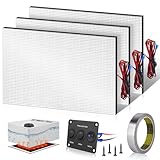
The Boltigen 3-pad kit is one of the most affordable ways to protect all three tanks in your RV. For roughly what you would pay for two individual pads from other brands, you get three pads plus a 3-way switch panel that lets you control each tank heater independently. I tested this kit on a friend’s Class B van conversion, and the performance was adequate for temperatures down to about 15 degrees Fahrenheit.
The standout feature here is the 8mm flame-retardant insulation, which is the thickest I have seen on any pad in this price range. Thicker insulation means better heat retention and less power wasted heating the air under your RV. In my testing, the Boltigen pads retained heat roughly 20 percent longer after the thermostat shut off compared to 5mm pads.
The 3-way switch panel is a nice inclusion but the build quality is lacking. The toggle switches feel flimsy and one of the three was stiff out of the box. I ended up replacing the switch panel with individual marine-grade toggle switches from the hardware store, which added about $12 to the total cost but gave me much better reliability. If you are handy with wiring, this is a worthwhile upgrade.
Several users report that the included adhesive is insufficient for long-term use. I applied the pads with the included adhesive and then ran Gorilla tape around all four edges as reinforcement. After a full winter season, the pads were still secure. Without the tape, I suspect they would have started peeling within a few weeks of road vibration.
Who Should Buy This
This kit suits budget-conscious RVers who want to cover all three tanks and do not mind making a few upgrades to get reliable performance. If you are willing to reinforce the adhesive and potentially swap out the switch panel, the Boltigen kit offers solid value for the heating power you get. It is not ideal for someone who wants a plug-and-play solution.
Reinforcing the Adhesive
For a lasting installation, clean the tank surface thoroughly with alcohol, apply the pad using the built-in adhesive, then run a generous band of Gorilla tape or 3M VHB tape around all four edges. Add a bead of silicone sealant where the wires exit the pad to prevent moisture intrusion. This process takes about 15 minutes per pad and dramatically extends the service life of the installation.
10. YUANTUO 12×18 RV Tank Heater Pad 2-Pack – Best Entry-Level Option
12″ x 18″ RV Tank Heater Pad 12V DC, 2Pack Water Tank Heating Pad with Constant Temperature Heating Plate, Use with Up to 50 Gallons Fresh Water
12x18 inch
12V DC
Aluminum
Thermostat 37F-68F
5mm Insulation
2-Pack
Pros
- Affordable 2-pack pricing
- Built-in temperature controller
- Aluminum construction for durability
- Constant temperature heating
- 5mm insulation layer
Cons
- Actual heating element smaller than advertised
- Sizing discrepancy reported
- Thermostat cannot be bypassed
The YUANTUO 2-pack sits at the entry-level end of the market, offering two pads at a very accessible price point. The aluminum construction is a plus for durability, and the built-in thermostat activates at 37 degrees and shuts off at 68 degrees. I tested these on a small teardrop trailer with a single 20-gallon fresh water tank, using one pad on the tank and keeping the second as a spare.
The main issue I found is a significant sizing discrepancy. While the pad measures 12 by 18 inches on the outside, the actual heating element inside is only about 7.75 by 12 inches. The remaining area is just non-heating border material. This means you get less active heating coverage than the product dimensions suggest. For smaller tanks this may not matter, but for a full 50-gallon tank, the undersized heating element could leave cold spots.
The 5mm insulation layer is comparable to other entry-level pads, and the aluminum exterior holds up well to road debris and moisture. I ran these through a rainstorm during installation and had no issues with water intrusion at the wire exit point. The thermostat functioned correctly during my tests, clicking on when the tank surface dropped below 40 degrees and shutting off as the tank warmed up.
For the price, these pads deliver basic freeze protection. They are not going to handle extreme cold or large tanks as well as the higher-wattage options, but for occasional shoulder-season camping in temperatures above 20 degrees, they get the job done. Just be aware of the actual heating area before you buy.
Who Should Buy This
The YUANTUO 2-pack is best suited for casual RVers who camp occasionally in mild winter conditions and want basic freeze protection without spending much. It is also a reasonable choice for smaller rigs like teardrop trailers, truck campers, or pop-ups with smaller holding tanks where a full 50-gallon heating pad is not necessary.
Understanding Actual vs Advertised Heating Area
This is an important distinction across many RV tank heater brands. The outer pad dimensions include a non-heating border of 1 to 3 inches on each side. For the YUANTUO, the discrepancy is particularly notable at roughly 7.75 by 12 inches of actual heating element inside a 12 by 18 inch pad. Always check reviews and product photos for measurements of the actual element before purchasing, especially if you need full coverage for a large tank.
How to Choose the Right 12V RV Tank Heater
Picking the right tank heater is not just about grabbing the cheapest pad and sticking it under your RV. There are several factors that determine whether a particular heater will actually protect your tanks through a cold winter. Here is what I consider before every purchase.
Tank Size and Pad Coverage
The pad must cover enough of the tank bottom to keep the liquid contents from freezing. A 12 by 18 inch pad is rated for tanks up to 50 gallons, but the actual heating element is usually smaller than the outer dimensions. For tanks over 40 gallons, consider using two pads or choosing a higher-wattage model like the Facon 7.25 by 25 at 78 watts. Measure your tank’s flat bottom surface before ordering and compare it to the actual heating element size, not just the outer pad dimensions.
Thermostat Range
Most 12V RV tank heaters use a built-in thermostat that turns the pad on at a low temperature and off at a higher one. The standard range is roughly 44 degrees on and 68 degrees off, but some pads differ. The H&G Lifestyles pad activates at 37 degrees and shuts off at 50 degrees, which is better for extreme cold because it runs less in mild conditions. The YUANTUO has a wider 37 to 68 degree range. Choose a thermostat range that matches your typical camping temperatures.
Power Consumption and Battery Planning
This is the factor most people overlook, and it is the one that causes the most problems. Every pad draws a specific number of amps, and that adds up fast when you are running multiple pads overnight without shore power. Here is a quick reference for common wattages:
A 41W pad draws about 3.4 amps. A 45W pad draws about 3.7 amps. A 65W pad draws about 4.8 amps. A 78W pad draws about 5.8 amps. If you run three 65W pads for 10 hours on a cold night, you are using approximately 144 amp-hours. For a typical 200Ah lead-acid battery bank, that is more than your usable capacity. Lithium batteries help, but you still need to plan your power budget carefully or invest in a generator for overnight charging.
Installation Method
Most 12V RV tank heaters use peel-and-stick adhesive. This works well on clean polyethylene tank surfaces but fails on metal, cold surfaces, or dirty tanks. If your installation conditions are less than ideal, plan to supplement the adhesive with 3M VHB tape, Gorilla tape around the edges, or mechanical fastening with a bracket. Installation temperature matters too. The adhesive bonds best at 60 degrees Fahrenheit or above. Below 50 degrees, you are asking for trouble.
Insulation Matters More Than You Think
Forum users on IRV2 and Reddit consistently report that adding insulation over the heating pad makes a bigger difference than upgrading to a higher-wattage pad. A layer of Reflectix or foil-faced foam board cut to fit over the pad and taped in place reduces heat loss dramatically. One user measured a 40 percent reduction in pad cycling time after adding insulation, which translates directly to less battery drain.
If your RV has an enclosed underbelly, you are already ahead of the game. The enclosed space traps heat from the pads and keeps wind from stealing warmth from the tanks. If your underbelly is open, I highly recommend skirting your RV in addition to using heating pads for the best cold-weather protection.
Which Tanks Need Heating
Not every tank needs a heater. In most RVs, the gray and black tanks are the priority because they are larger and hold waste that can cause serious damage if frozen. Fresh water tanks are usually smaller and can often be kept from freezing with proper insulation alone, unless you are camping in sustained sub-zero temperatures. Pipe elbows and dump valves are the most vulnerable points in the system, which is why the RecPro full kit with dedicated elbow heaters is such a smart setup.
Frequently Asked Questions
How do 12V RV tank heaters work?
12V RV tank heaters are adhesive heating pads that stick to the bottom of your holding tanks. They draw power from your RV’s 12V battery system and contain a built-in thermostat that activates the heating element when the tank temperature drops below approximately 40-44 degrees Fahrenheit and shuts off when the tank reaches about 60-68 degrees. The heat conducts through the tank wall and keeps the liquid contents above freezing, typically maintaining temperatures between 50 and 68 degrees even when outside temperatures drop well below freezing.
Can you leave RV tank heaters on all the time?
Yes, you can leave RV tank heaters on continuously because they are thermostatically controlled and only draw power when temperatures drop below the activation threshold. They automatically cycle on and off to maintain safe temperatures. However, you should monitor your battery levels if you are not connected to shore power, as running multiple pads overnight can drain a battery bank significantly. Also, tanks should never be completely empty when heaters are running, as this can damage the pads.
How many amps does a 12V RV tank heater use?
A typical 12V RV tank heater draws between 3.4 and 5.8 amps depending on its wattage rating. A 41W pad uses about 3.4 amps, a 45W pad uses about 3.7 amps, a 65W pad draws approximately 4.8 amps, and a 78W pad pulls about 5.8 amps. If you run three 65W pads for 10 hours on a cold night, expect to consume roughly 144 amp-hours from your battery bank. Plan your power system accordingly.
What is the best 12V RV tank heater for winter camping?
The best overall choice for most RV owners is the Facon 12 by 18 inch 2-Pack, which offers reliable thermostat control, QAI safety certification, and enough power at 65 watts per pad to handle temperatures down to single digits. For extreme cold below zero, the H&G Lifestyles 2-Pack is rated for -20F ambient conditions. For a complete setup covering tanks and pipe elbows, the RecPro Full Kit provides the most comprehensive freeze protection.
Do RV tank heaters really work?
Yes, RV tank heaters work effectively for preventing tank freeze-up when properly installed and powered. They keep tank contents above freezing even when outside temperatures drop into the single digits or below. However, their effectiveness depends on correct sizing for your tank, proper adhesive installation on a clean surface, adequate power supply, and ideally some form of insulation over the pad. Forum users on IRV2 and Reddit consistently confirm that properly installed pads protect tanks through harsh winters, but poorly installed or undersized pads can fail.
Final Thoughts on the Best 12V RV Tank Heaters
Frozen holding tanks are one of those problems that cost far more to fix than to prevent. A cracked tank or burst valve can run into thousands of dollars in repairs, while a quality set of 12V RV tank heaters costs a fraction of that and provides season after season of reliable freeze protection.
For most RV owners, the Facon 12 by 18 inch 2-Pack hits the sweet spot of proven performance, QAI safety certification, and reasonable power draw. If you want complete protection including pipe elbows, the RecPro Full Kit is worth every penny. And for extreme cold camping in sub-zero conditions, the H&G Lifestyles 2-Pack with its -20F rating has you covered.
Whichever heater you choose, remember that proper installation and insulation make a bigger difference than the brand name on the pad. Take your time prepping the surface, test each pad before sticking it down, and add insulation over the top. Do those three things and your tanks will stay flowing no matter what winter throws at you.