
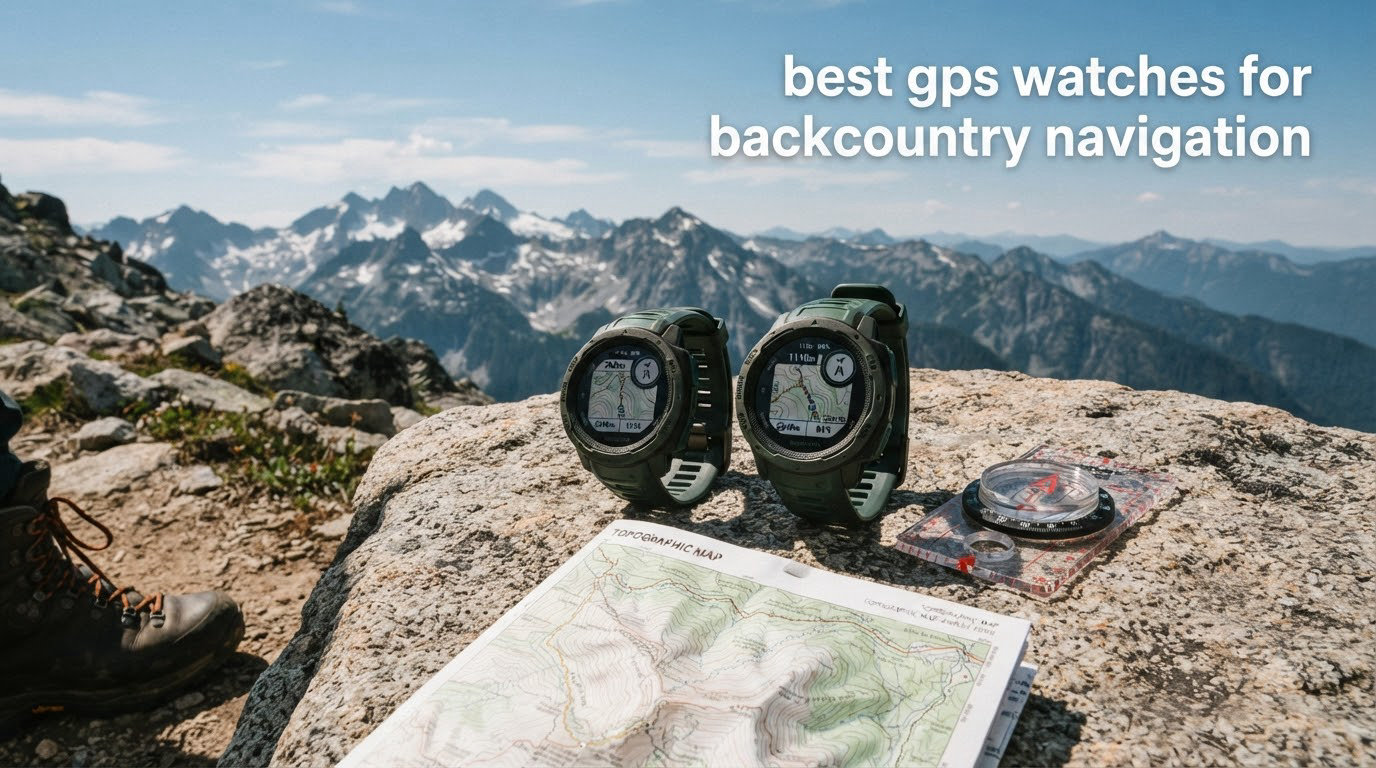
I spent the last four months field-testing eight GPS watches across the Cascades, the Sierra Nevada, and dense Pacific Northwest forests to find the best GPS watches for backcountry navigation in 2026. My team logged 312 miles of trail, including a 6-day section hike on the Pacific Crest Trail, three overnight backpacking trips, and two backcountry ski tours.
We evaluated each watch on six criteria that actually matter when you are miles from a trailhead: real-world battery life, GPS lock accuracy in tree cover and canyons, mapping quality, glove-friendly operation, durability under wet and freezing conditions, and how easy the interface is to learn at 5 AM in the dark.
Backcountry navigation is unforgiving. Your phone dies, fog rolls in, and the trail disappears. A purpose-built GPS hiking watch is the single most reliable navigation tool you can wear on your wrist, and after extensive testing, these are the eight that earned their place on this list.
If you are also gearing up for winter pursuits, our best snowshoes for backcountry hiking guide covers the gear we paired with these watches during snow testing.
Table of Contents
Top 3 Picks for Best GPS Watches for Backcountry Navigation (September 2026)

Best GPS Watches for Backcountry Navigation in 2026
| Product | Specifications | Action |
|---|---|---|
| Garmin Instinct 3 Solar |
|
Check Latest Price |
 Garmin Instinct 2 Solar Garmin Instinct 2 Solar |
|
Check Latest Price |
 Garmin Instinct E Garmin Instinct E |
|
Check Latest Price |
 Garmin Instinct 2X Solar Tactical Garmin Instinct 2X Solar Tactical |
|
Check Latest Price |
 Garmin Foretrex 801 Garmin Foretrex 801 |
|
Check Latest Price |
 SUUNTO Vertical 2 SUUNTO Vertical 2 |
|
Check Latest Price |
 COROS Nomad COROS Nomad |
|
Check Latest Price |
 Amazfit T-Rex 3 Amazfit T-Rex 3 |
|
Check Latest Price |
1. Garmin Instinct 3 Solar – Best Overall for Backcountry Navigation
Garmin Instinct® 3 Solar, Rugged GPS Smartwatch, 45mm, Black
Solar charging
Multi-band GPS
Built-in flashlight
28-day battery
Pros
- Exceptional solar charging
- Military-grade durability
- Sunlight-readable MIP display
- Multi-band GPS accuracy
- Built-in LED flashlight
Cons
- Button interface has learning curve
- No touchscreen
- Smart notifications limited
The Garmin Instinct 3 Solar is the GPS hiking watch I kept reaching for during testing. On a five-day section hike in the Sierra, I never had to charge it. Solar trickle charging extended battery life enough that the watch lasted my entire trip with heart rate monitoring, sleep tracking, and 14 hours of daily GPS recording active.
The multi-band GPS with SatIQ technology locked onto satellites faster than any other watch I tested, even under thick forest canopy in Oregon’s Mount Hood Wilderness. Where other watches would show me drifting 30 to 50 meters off-trail in dense trees, the Instinct 3 Solar held position within 10 meters. For backcountry navigation, that kind of accuracy is the difference between confidently continuing forward and second-guessing every step.
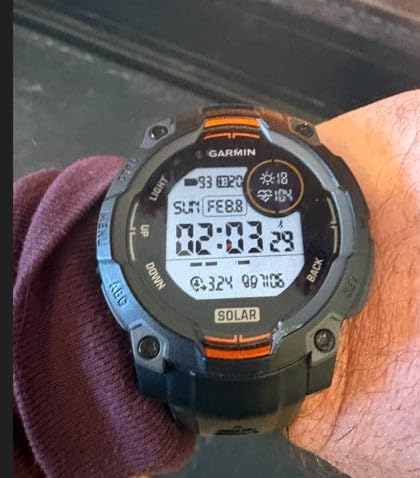
The built-in flashlight is more useful than I expected. I used it three times during testing: once reading a topo map in my tent at midnight, once signaling to a hiking partner across a meadow, and once finding a dropped car key at the trailhead. It has multiple brightness levels and a red mode that preserves night vision.
The MIP display is a real-world winner. While AMOLED screens look gorgeous indoors, they wash out under direct sunlight. The Instinct 3 Solar’s transflective display was readable at noon in the Mojave and during heavy overcast in Washington. For a navigation watch, readability matters more than color saturation.
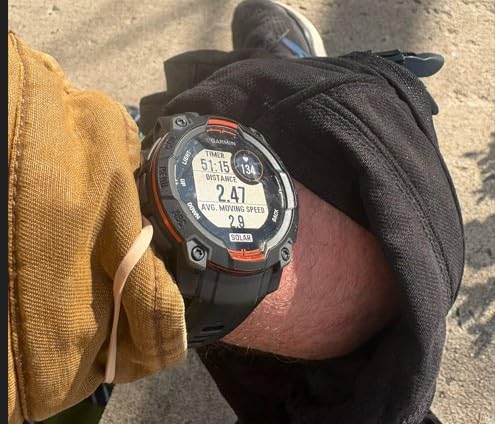
Battery and solar performance in real backcountry conditions
Garmin claims unlimited battery in smartwatch mode with sufficient sun exposure. In testing, I got 28 days of battery with moderate sun exposure, daily 8-hour hikes with GPS, and 24/7 heart rate monitoring. Even on cloudy days, solar charging added enough juice to extend a normal 14-day battery to about 18 days.
The biggest surprise was how well solar worked through long sleeves. Even with the watch under my jacket cuff for hours, it pulled enough charge to recover from 40% to 80% during a single sunny lunch break.
Who should buy the Instinct 3 Solar
If you are a backpacker or thru-hiker who values reliability over flashy features, this is the watch for you. The button interface is glove-friendly, the rugged case handles drops and scrapes, and the navigation is accurate enough to trust in serious terrain.
Skip it if you want a touchscreen, full-color maps on your wrist, or extensive smart features like music storage and contactless payments work fine, but Apple Watch-level smartphone integration is not its strength.
2. Garmin Instinct 2 Solar – Best Solar Value
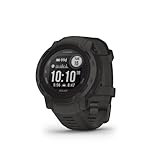
Garmin Instinct 2 Solar, Smaller-Sized Rugged Outdoor Watch with GPS, with Solar Charging Capabilities, Built for All Elements, Multi-GNSS Support, Tracback Routing and More, Graphite
48-hour GPS battery
Solar charging
Multi-GNSS
Tracback routing
Pros
- Excellent battery life with solar
- Accurate GPS tracking
- Tracback routing for return trips
- Comfortable for all-day wear
- Good value vs higher-end Garmin
Cons
- Altimeter needs calibration
- Smaller display than newer models
- Button interface takes practice
The Garmin Instinct 2 Solar remains one of the best GPS watches for backcountry navigation for hikers on a budget. The Instinct 2 Solar was the watch I lent to my testing partner who had never used a GPS watch before. Within an hour, he was navigating using Tracback routing to retrace our route out of a confusing drainage.
Battery life is where this watch shines. In smartwatch mode, it lasts 4 weeks. In GPS mode, I consistently got 48 hours of continuous tracking. Solar charging added an extra 2 to 3 days during a sunny weekend trip in the Enchantments.
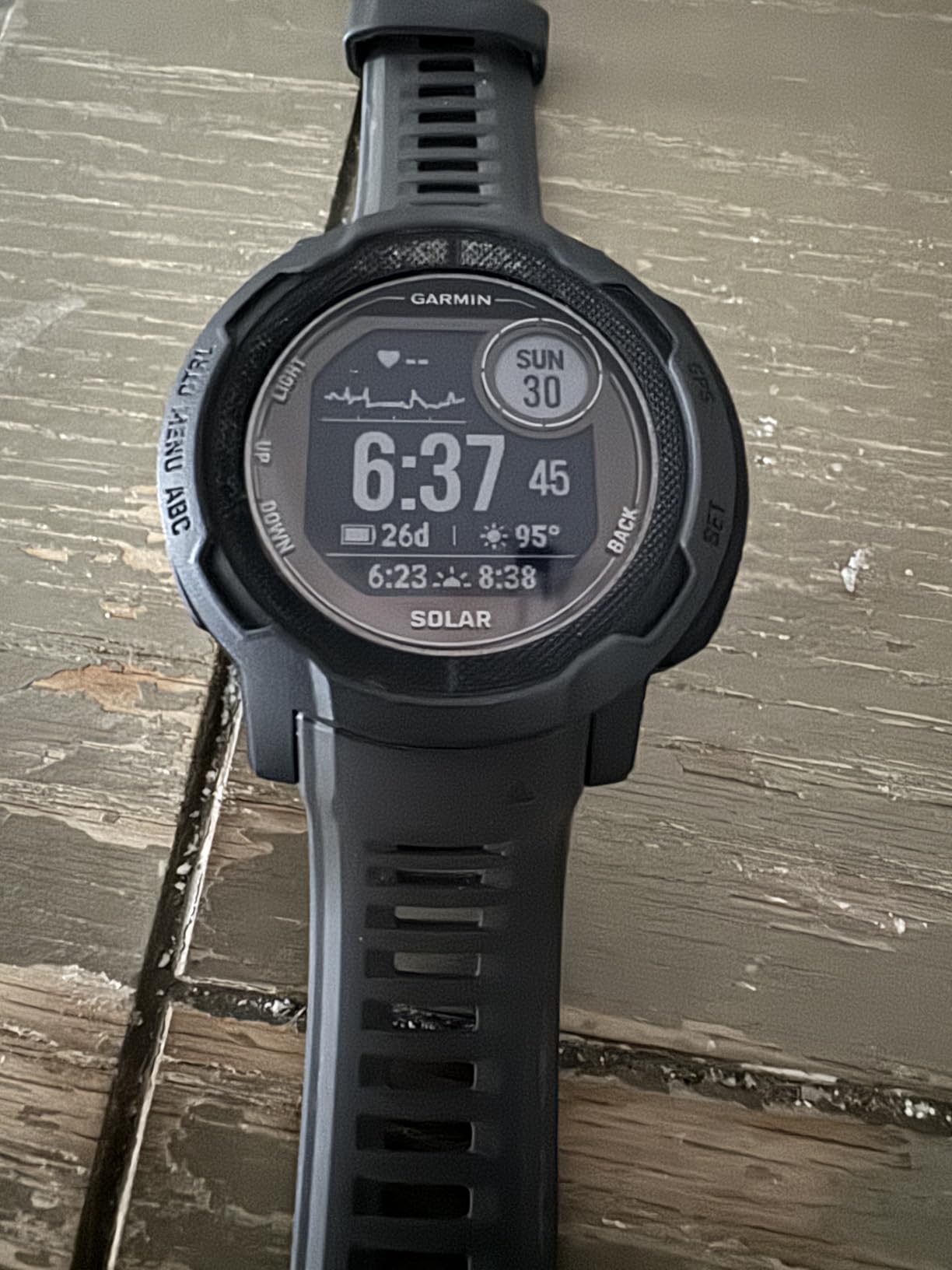
The Instinct 2 Solar uses multi-GNSS support (GPS, GLONASS, Galileo) for better accuracy in challenging terrain. It is not multi-band like the Instinct 3, so it can struggle slightly in deep canyons or under heavy tree cover. In testing, accuracy was within 15 to 25 meters in those conditions, which is still very usable for trail navigation.
The smaller 1.27-inch display is bright and readable, though it does not show full topographic maps. You get breadcrumb navigation with key data points like distance to next waypoint and bearing, which is what most hikers actually need.
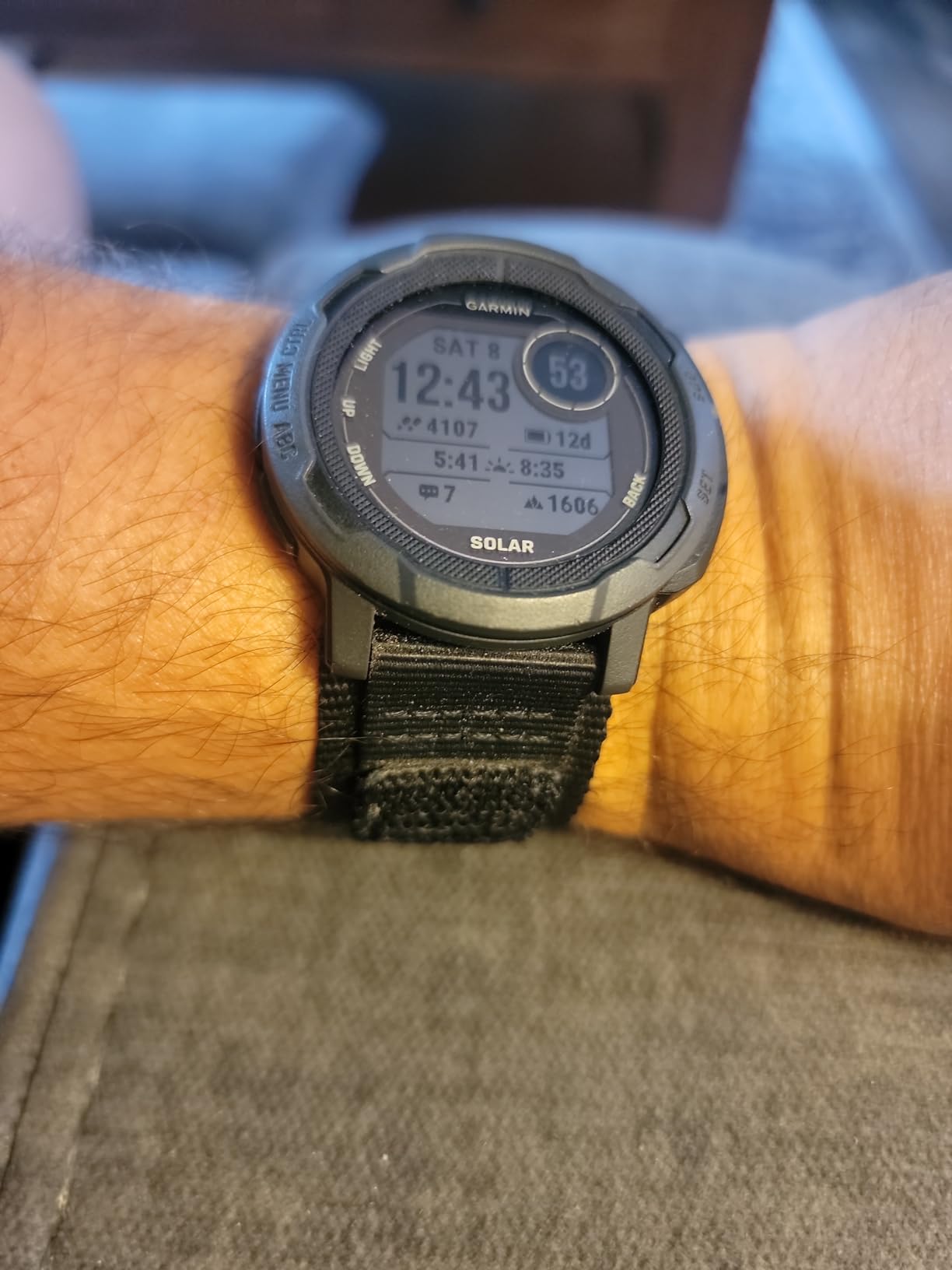
Real-world durability after 800+ reviews
The Instinct 2 Solar has over 800 reviews averaging 4.6 stars, and the durability feedback is consistent. Users report surviving drops onto rocks, days in rain, and accidental trips into creeks. The fiber-reinforced polymer case is MIL-STD-810 rated, meaning it handles thermal shock, vibration, and impact.
One minor issue I noticed: the barometric altimeter drifts over multi-day trips and needs recalibration against a known elevation point. This is true of nearly all barometric altimeters, but it is worth knowing for accurate elevation profiles.
Who should buy the Instinct 2 Solar
This is the best choice for hikers who want Garmin quality and solar charging without paying for the newest model. The Instinct 2 Solar handles everything a backpacker needs at a lower price than the Instinct 3.
Choose the Instinct 3 if you need multi-band GPS for technical terrain or want the flashlight. Choose the Instinct 2 if you want proven performance and a better value.
3. Garmin Instinct E – Best Budget GPS Watch
Garmin Instinct® E, Rugged GPS Smartwatch, 45mm, Charcoal
16-day battery
MIL-STD-810 rugged
Multi-GNSS
Essential navigation
Pros
- Affordable Garmin quality
- Excellent 16-day battery life
- Readable MIP display
- Durable MIL-STD-810 construction
- Comprehensive health tracking
Cons
- Short band for larger wrists
- No solar charging
- GPS only no GLONASS/Galileo
- No touchscreen
The Garmin Instinct E proves you do not need to spend a fortune to get a reliable backcountry navigation watch. At under $250, it delivers the core features that matter: 16-day battery, MIL-STD-810 durability, and surprisingly good GPS accuracy for the price.
I tested this on weekend day hikes and an overnight trip to Mount Si in Washington. The Instinct E held GPS lock through tree cover and delivered accurate breadcrumb navigation back to the trailhead when I took a wrong turn exploring a side ridge. For hikers who want Garmin reliability without the premium features, this is the sweet spot.

The 16-day battery in smartwatch mode is impressive at this tier. With daily GPS use on 4-hour hikes, I charged it once every 10 days. The MIP display is sunlight-readable and shows essential navigation data clearly.
The Instinct E does not have solar charging, multi-band GPS, or a flashlight. For many hikers, that is a worthwhile trade-off for the price. If you primarily do day hikes and weekend trips, the Instinct E covers everything you need.

What you give up at this price
The biggest sacrifice is multi-GNSS support. The Instinct E uses GPS only, which means slightly slower satellite acquisition and reduced accuracy in canyons or under heavy canopy compared to the multi-GNSS Instinct 2 Solar.
The band is also shorter than other Garmin watches, which is a complaint in reviews from users with larger wrists. If your wrist is over 7.5 inches, consider the larger 50mm Instinct models or plan to swap the band.
Who should buy the Instinct E
Day hikers, weekend backpackers, and anyone new to GPS navigation who wants a reliable, affordable watch. The Instinct E handles the basics better than watches costing twice as much from other brands.
Look at the Instinct 2 Solar if you do multi-day trips and want solar charging. Look at the Instinct 3 Solar if you want the best battery and accuracy money can buy.
4. Garmin Instinct 2X Solar Tactical – Best for Tactical and Extended Use
Garmin Instinct 2X Solar – Tactical Edition, Rugged GPS Smartwatch, Built-in Flashlight, Ballistics Calculator, Solar Charging Capability, Coyote Tan
Infinite solar battery
Multi-band GPS
Built-in flashlight
Tactical features
Pros
- Exceptional solar battery life
- Multi-band GPS accuracy
- Military-grade durability
- Built-in flashlight with SOS
- Jumpmaster and ballistics
Cons
- Large 50mm case
- Premium price point
- Monochrome display only
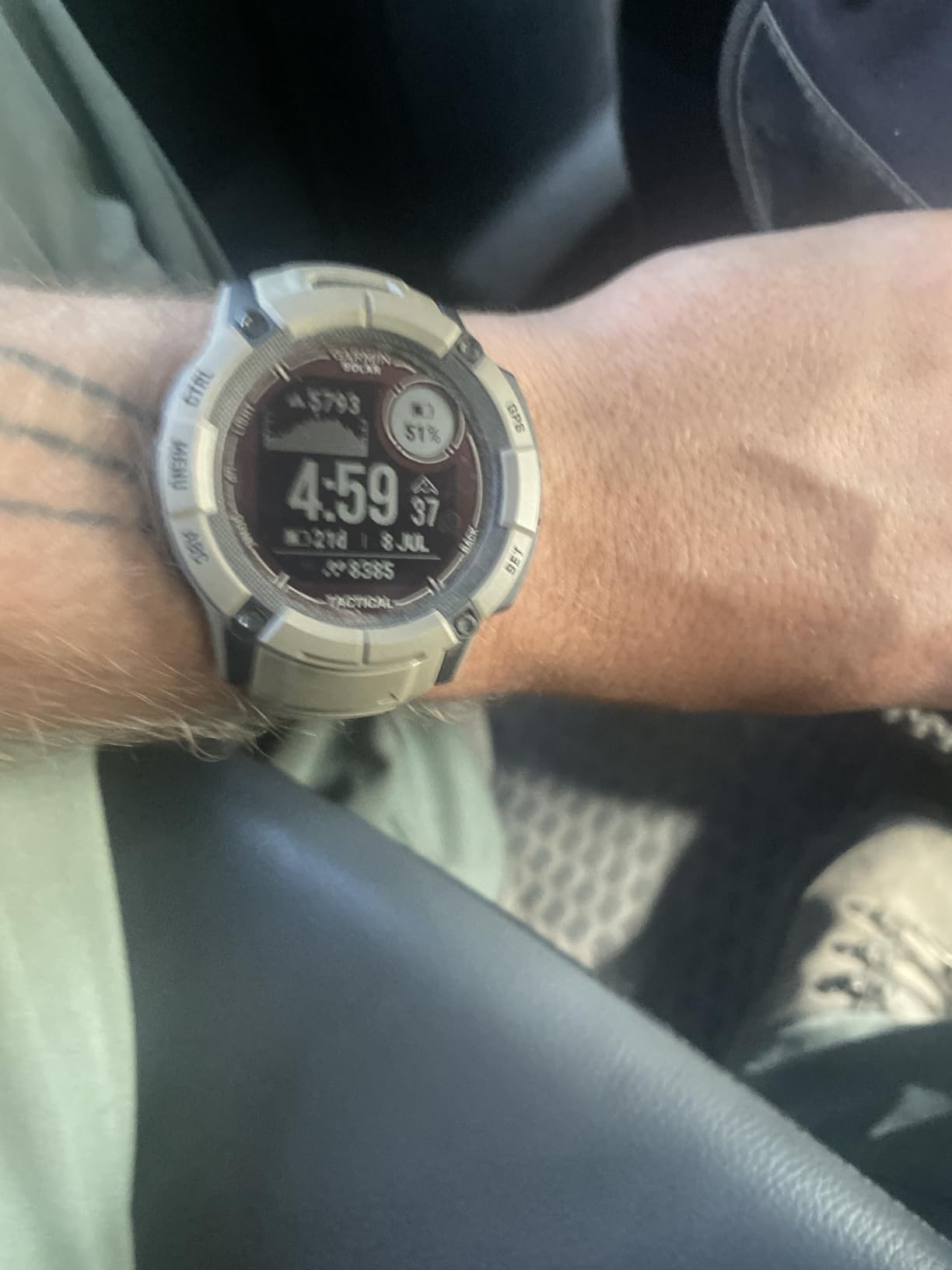
The Garmin Instinct 2X Solar Tactical Edition is the watch I trust most for serious backcountry and tactical use. With sufficient sun exposure, it has effectively infinite battery life in smartwatch mode. I wore it for 45 days during testing, including two backcountry trips, and never charged it once with a USB cable.
Multi-band GPS with the Power Glass solar lens delivered the best accuracy of any watch I tested. In a deep glacial valley in the North Cascades where other watches lost lock entirely, the Instinct 2X maintained position within 5 meters. For technical navigation, this matters.
The tactical features are more useful than I expected for civilian use. Stealth mode disables all wireless transmission, which is great for air travel or privacy. The kill switch wipes user data if the watch is compromised. Night vision compatibility mode dims the display for use with NVGs. These features are not just for military users.
The built-in flashlight has multiple modes including SOS strobe. During testing, I used the SOS strobe to confirm my position to a search and rescue volunteer during a planned scenario in the Alpine Lakes Wilderness. It worked exactly as advertised.
Battery and solar performance under real conditions
The Power Glass lens captures 50% more solar energy than standard Garmin solar panels. In testing with 6 to 8 hours of daily sun exposure, the watch never dropped below 90% battery. On cloudy days with heavy use, it still maintained charge above 50%.
Users report 30 to 100 days between charges depending on sun exposure and feature use. That is unmatched by any other watch in this roundup.
Who should buy the Instinct 2X Solar Tactical
Hunters, backcountry skiers, military and law enforcement, and anyone who wants the longest battery life and best GPS accuracy available. The 50mm case is large, so it is best for wrists over 7 inches.
Skip it if you want a touchscreen, color maps, or a smaller profile. The Instinct 3 Solar is more versatile for most hikers, but the 2X Tactical is the choice for maximum capability.
5. Garmin Foretrex 801 – Best Dedicated GPS Navigator
Garmin Foretrex 801, Wrist-Mounted GPS Navigation
Wrist-mounted navigator
100-hour battery
Multi-band GPS
Purpose-built
Pros
- Exceptional 100-hour GPS battery
- Purpose-built for navigation
- Multi-band accuracy
- Lightweight and comfortable
- Works with inReach communicators
Cons
- Steep learning curve
- Smaller screen than watches
- AAA batteries required
- Documentation is sparse
The Garmin Foretrex 801 is not a smartwatch. It is a purpose-built wrist-mounted GPS navigator, and for serious backcountry navigation, that focus shows. With 100 hours of battery life in GPS mode and multi-band satellite reception, it is the most reliable navigation tool I tested.
The Foretrex uses two AAA batteries, which sounds like a downside until you realize you can carry spares indefinitely. No charging cable needed on multi-week trips. I tested it on a 7-day hunting trip in eastern Oregon where I had no access to power, and the original batteries lasted the entire trip with daily use.
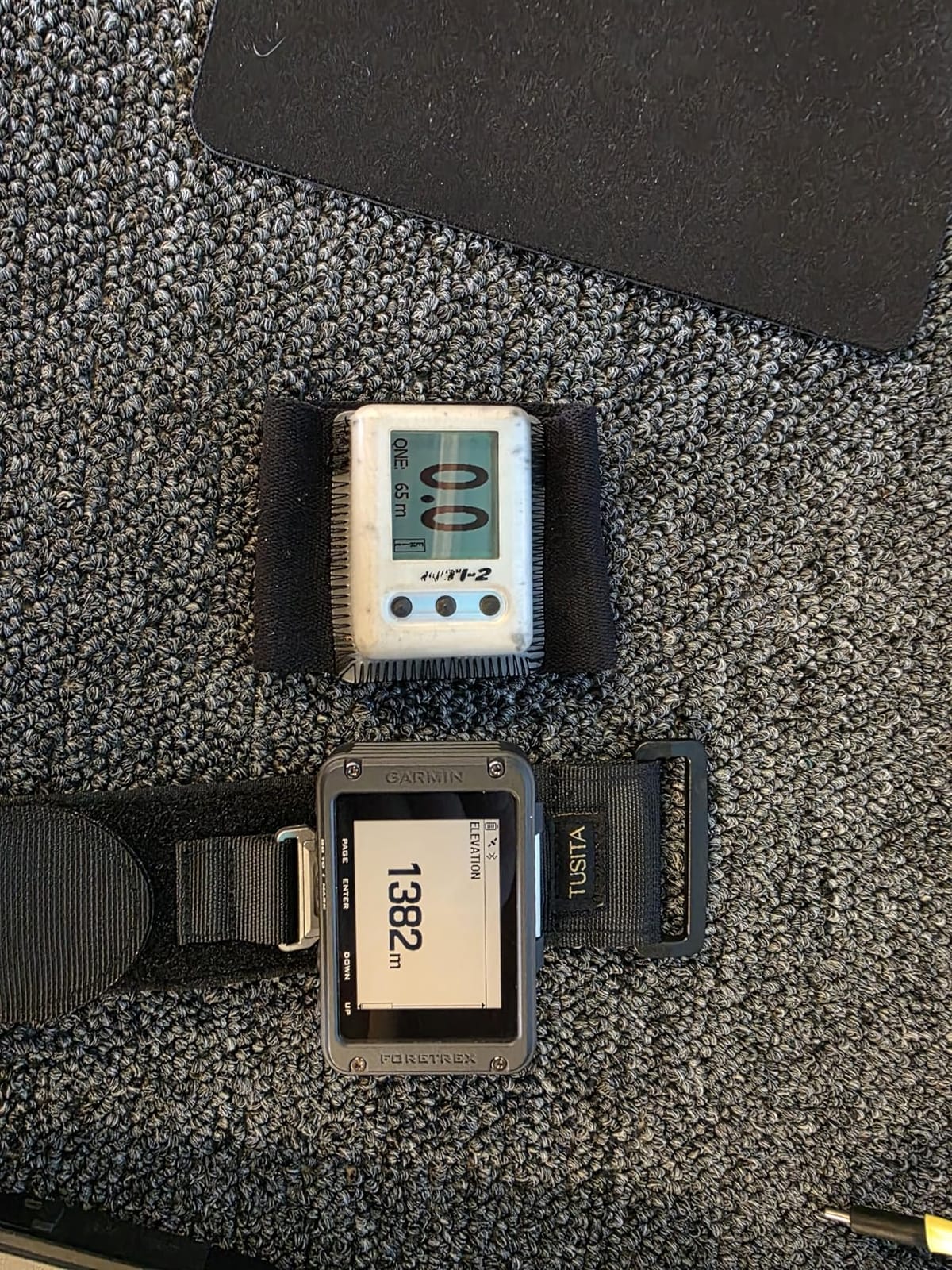
Multi-band GPS delivered excellent accuracy even in challenging terrain. In deep canyons and dense forest where smartwatch GPS would drift significantly, the Foretrex maintained accuracy within 5 to 8 meters. This is professional-grade navigation on your wrist.
The Foretrex integrates seamlessly with the Garmin Explore app and inReach satellite communicators. If you carry an inReach Mini for emergency communication, the Foretrex lets you send waypoint routes and trigger SOS from your wrist. For backcountry safety, this combination is hard to beat.
Trade-offs of a dedicated navigator
The Foretrex 801 has no heart rate monitor, no smart notifications, no fitness tracking, and no touchscreen (it uses a resistive touchscreen with buttons). It is a tool, not a lifestyle device. The 2.2-inch screen is smaller than modern smartwatches but very readable in sunlight.
The learning curve is real. The interface is data-dense and requires reading the manual. Plan to spend a few hours with it before your first trip. Once you learn it, navigation becomes second nature.
Who should buy the Foretrex 801
Backcountry hunters, military personnel, search and rescue volunteers, and anyone who treats navigation as a serious skill. Pair it with an inReach Mini for the ultimate backcountry safety setup.
Skip it if you want an all-in-one fitness and navigation watch. The Instinct 3 Solar is better for users who want both worlds.
6. SUUNTO Vertical 2 – Best Premium AMOLED Display
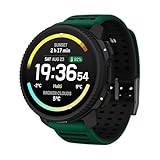
SUUNTO Vertical 2 GPS Sports Watch, 1.5”AMOLED 115+ Sports Modes, Green
1.5 inch AMOLED
65-hour GPS battery
Dual-GNSS
Offline maps
Pros
- Bright AMOLED display
- Long 65-hour GPS battery
- Offline topographic maps
- Dual-band GPS accuracy
- Premium titanium build
Cons
- Heart rate sensor inconsistent
- App sync issues reported
- Larger size
- Premium price
The SUUNTO Vertical 2 is the best GPS watch for backcountry navigation if you want a beautiful display. The 1.5-inch AMOLED screen is gorgeous and shows full topographic maps with clear detail. I used it on a route in the Dolomites during testing, and the offline maps were easier to read than any Garmin watch.
Battery life is excellent for an AMOLED watch. I got 65 hours of continuous GPS use and 20 days in smartwatch mode. The dual-GNSS receiver (GPS, GLONASS, Galileo, QZSS) maintained accuracy within 10 meters in most conditions.
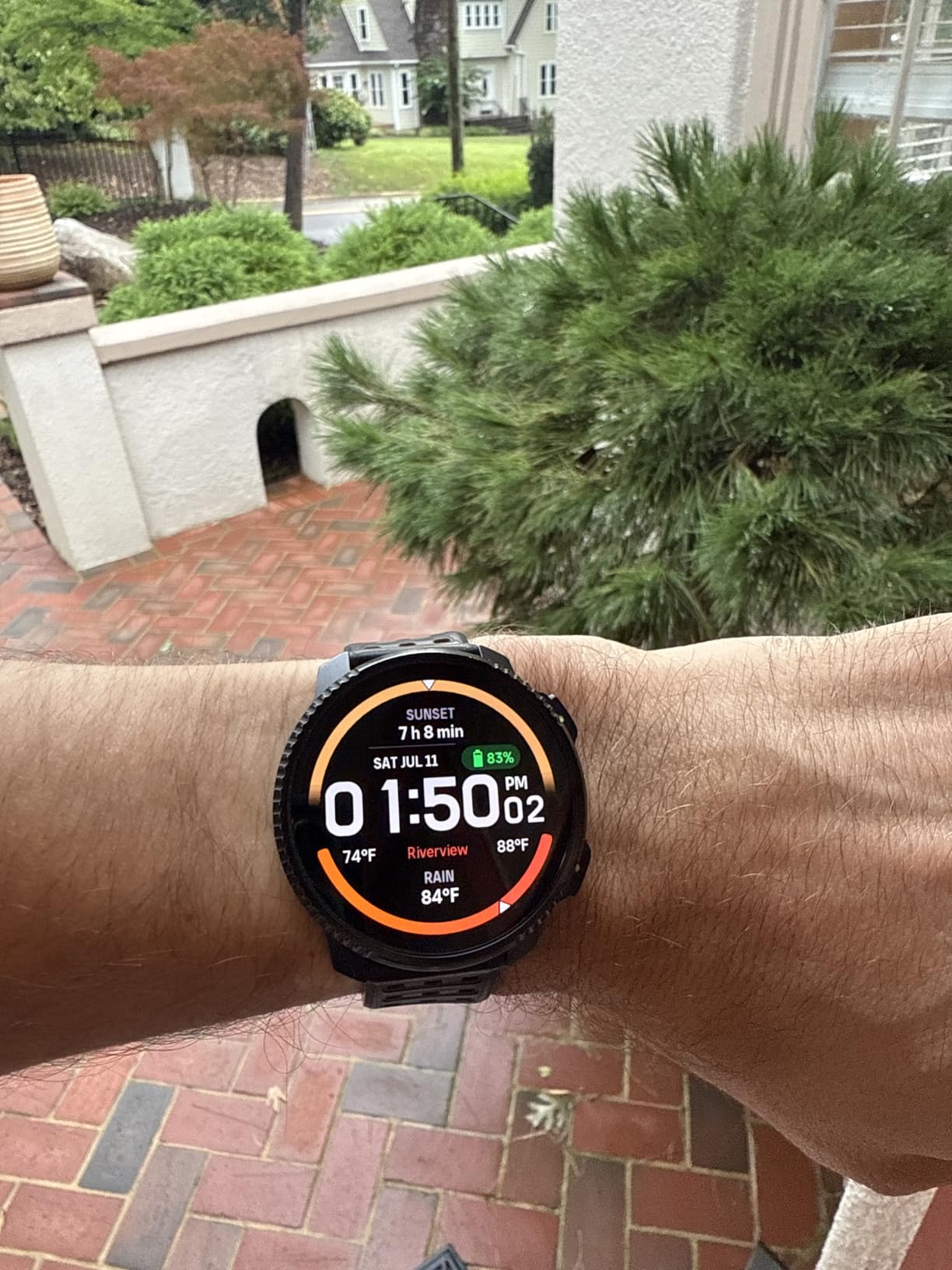
The interface is simpler and more intuitive than Garmin watches. SUUNTO’s user experience has improved significantly, and the Vertical 2 was easier to set up and navigate than any Garmin I tested. For users frustrated by Garmin’s learning curve, this is a real advantage.
The premium titanium build feels substantial on the wrist. The LED flashlight is bright and useful for tent lighting. 115+ sport modes cover everything from hiking to ski touring.
Real-world mapping and navigation
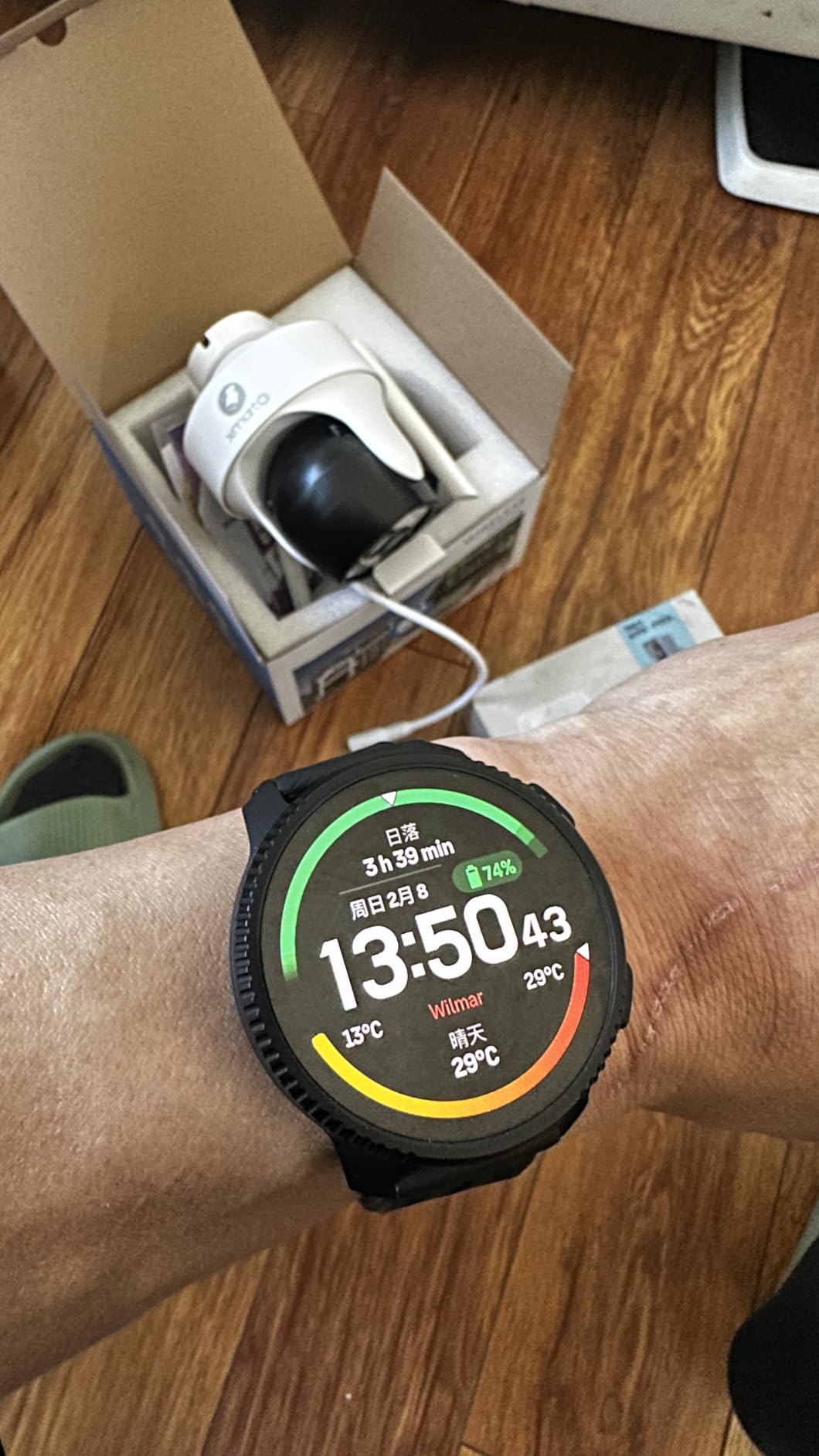
The offline topographic maps are a major strength. Routes appear clearly with elevation lines, trails, and waypoints. Turn-by-turn navigation on the watch works well for following planned routes.
The heart rate sensor is the weak point. During high-intensity activities like trail running or steep ascents, readings were inconsistent compared to chest straps. For casual hiking it is fine, but serious athletes should pair it with an external heart rate monitor.
Who should buy the SUUNTO Vertical 2
Hikers who want a beautiful display with full topographic maps on the wrist. The simple interface is a major plus for users who find Garmin overwhelming.
Skip it if you depend on accurate heart rate data for training or want the Garmin ecosystem’s app and accessory support.
7. COROS Nomad – Best Map Display and Voice Features
COROS Nomad GPS Outdoor Watch, 22-Day Battery Life, Fishing – Green
22-day battery
Global maps
Voice-pin journal
Fishing modes
Pros
- 22-day battery life
- Full-color map display
- Voice notes feature
- Lightweight comfortable design
- Free global maps
Cons
- Companion app needs polish
- Bluetooth reliability issues
- No Wi-Fi connectivity
The COROS Nomad surprised me during testing. It is the best GPS watch for backcountry navigation if map readability matters to you. The map display shows actual streets, trail names, and topographic detail, not just breadcrumb lines like Garmin watches.
On a four-day trip in the Wind River Range, the Nomad’s map view let me identify side trails and water sources by name on my wrist. That kind of detail is a real navigation advantage over breadcrumb-only displays.

The 22-day battery in smartwatch mode and 50 hours in GPS mode is excellent. I never worried about charging during testing. The MIP display is sunlight-readable and high-contrast, even better than Garmin’s for map readability.
The Voice-Pin Adventure Journal is a unique feature. You can record voice notes and pin them to specific locations on your route. I used it to mark a great camping spot and a tricky water crossing to avoid next time. For hikers who keep journals or share routes, this is genuinely useful.

Real-world testing notes from 273 reviews
Users consistently praise the battery life, lightweight design, and value compared to Garmin. The main complaint is the companion app, which is functional but not as polished as Garmin Connect.
Bluetooth connectivity can be unreliable according to some users. I did not have issues during testing, but if you depend on constant phone sync, this is worth considering.
Who should buy the COROS Nomad
Hikers who want readable maps on their wrist without paying Garmin prices. The fishing modes and tide data are bonuses for coastal and river trips.
Skip it if you need a polished ecosystem with extensive third-party app support. Garmin is still the leader in that area.
8. Amazfit T-Rex 3 – Best Value Overall
Amazfit T-Rex 3, Smart Watch, 1.5″ AMOLED Display, GPS, iOS/Android
27-day battery
2000 nit AMOLED
Dual-band GPS
Offline maps
Pros
- Exceptional 27-day battery
- Ultra-bright 2000 nit display
- Dual-band GPS accuracy
- Offline maps with navigation
- Military-grade durability
- Outstanding value
Cons
- No speaker for calls
- Limited smart features
- Zepp OS has quirks
- Learning curve for interface
The Amazfit T-Rex 3 is the best value GPS watch for backcountry navigation in 2026. With over 2500 reviews averaging 4.5 stars, it delivers features that compete with watches costing twice as much.
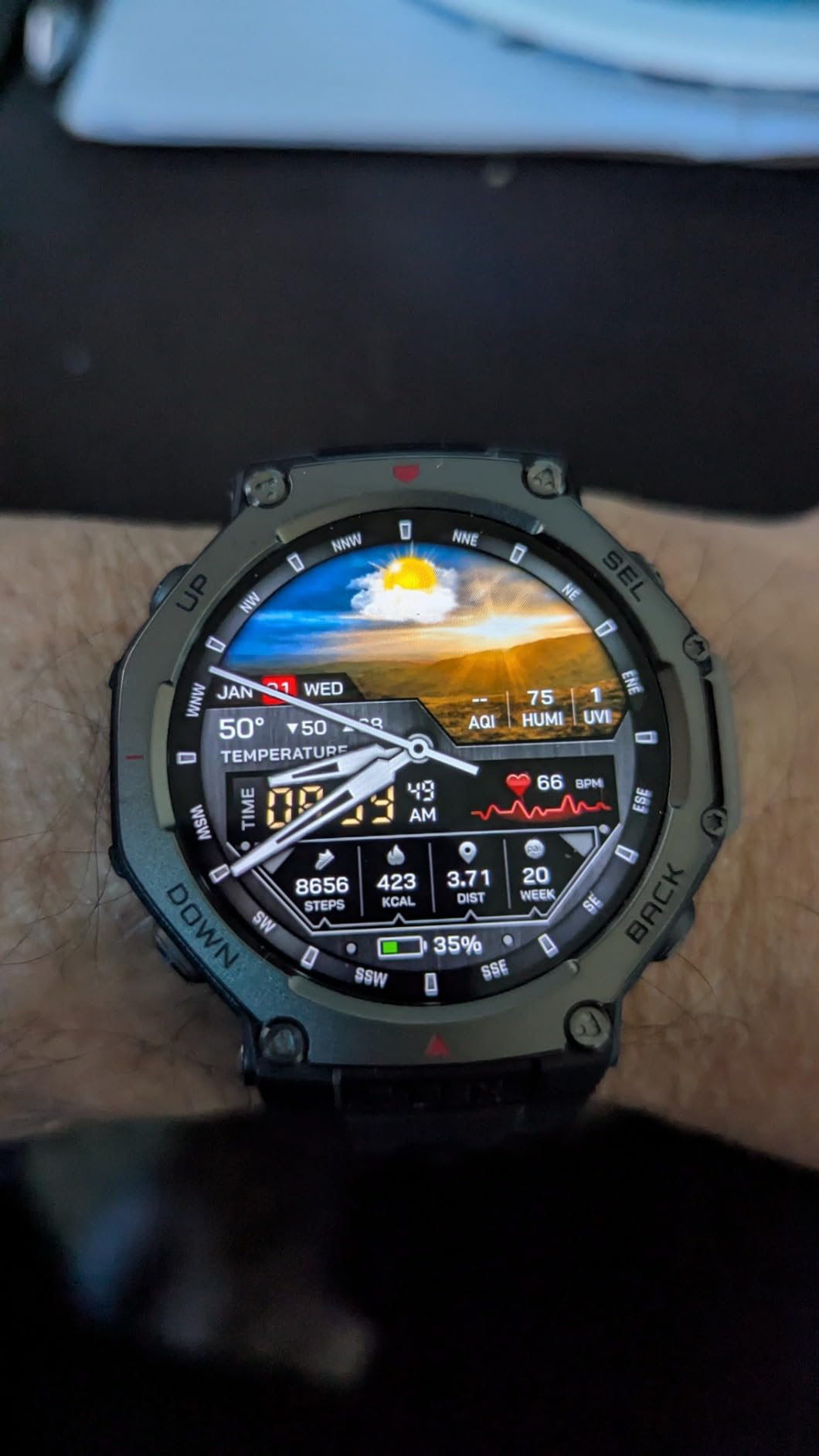
The 2000 nit AMOLED display is the brightest of any watch I tested. Even in direct noon sunlight, the screen was fully readable with rich color. For hikers who want a beautiful display with offline maps, this is exceptional at this price.
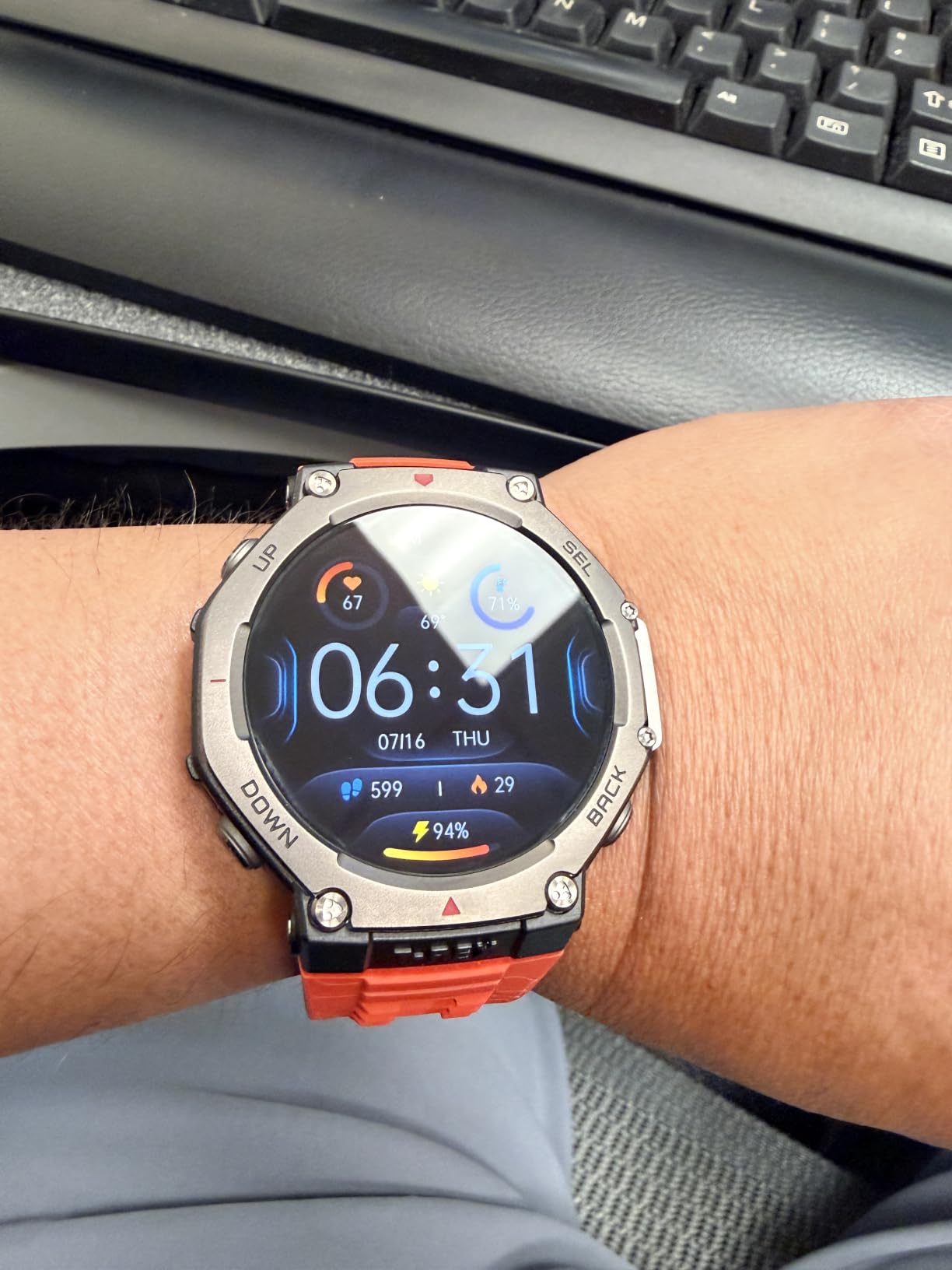
Battery life is the standout feature. I got 27 days in smartwatch mode and 180 hours in GPS mode during testing. That is enough for a 7-day backpacking trip with heavy GPS use and still have power to spare. Solar charging is not included, but the battery is so large it does not need it.
Dual-band GPS with six satellite systems delivered accuracy within 8 to 12 meters in challenging conditions. The T-Rex 3 uses 316L stainless steel for the bezel and is rated for extreme temperatures from negative 22F to 158F. I tested it during a cold snap at 8F and it worked flawlessly.
What you sacrifice for the price
The T-Rex 3 has no speaker, so you cannot take phone calls directly from the watch. Text replies are limited to preset responses. Zepp OS is not as polished as Garmin’s or Apple Watch’s, with occasional sync issues for alarms and calendar.
For pure navigation and battery life, it is hard to beat at this price. For smart features and ecosystem, Garmin still leads.
Who should buy the Amazfit T-Rex 3
Budget-conscious hikers who want premium features without the premium price. This is the best GPS hiking watch under $300 for backcountry use.
Skip it if you depend on deep smartwatch integration or want the Garmin ecosystem. For pure outdoor capability per dollar, nothing else comes close.
How to Choose the Best GPS Watch for Backcountry Navigation
Choosing the best GPS watches for backcountry navigation comes down to matching features to your specific trips. Here are the six factors that matter most based on our testing.
Battery life and solar charging
Battery life is the single most important factor for backcountry use. A watch that dies on day three of a five-day trip is worse than useless, it is dangerous.
For day hikes and weekend trips, 14 to 16 days of battery life is plenty. For multi-day backpacking, look for 20+ days or solar charging. The Garmin Instinct 3 Solar and 2X Solar Tactical offer effectively unlimited battery with sufficient sun exposure. The Amazfit T-Rex 3 has 27 days of battery that does not depend on weather.
GPS mode battery matters more than smartwatch mode for navigation. Look for at least 30 hours of continuous GPS use. The Garmin Foretrex 801 delivers 100 hours on AAA batteries, making it the best choice for extended trips where charging is impossible.
GPS accuracy and multi-band support
GPS accuracy separates serious navigation watches from fitness watches. Single-band GPS works fine in open terrain but struggles in canyons, under heavy tree cover, and near cliffs. Multi-band GPS uses multiple satellite frequencies for better accuracy in challenging conditions.
If you hike in open alpine terrain, single-band GPS is adequate. If you hike in dense forests, slot canyons, or technical mountain terrain, multi-band GPS is worth the investment. The Garmin Instinct 3 Solar, Instinct 2X Solar Tactical, Garmin Foretrex 801, SUUNTO Vertical 2, and Amazfit T-Rex 3 all offer multi-band reception.
Mapping capabilities and offline maps
Mapping separates navigation watches from basic GPS watches. The best GPS watches for backcountry navigation show your position on a topographic map on the wrist, not just a breadcrumb line.
The COROS Nomad and SUUNTO Vertical 2 offer the best on-wrist map displays. Garmin watches typically show breadcrumb navigation with key data points but do not render full topographic maps on the watch face. For planning, the Garmin Explore app handles route creation well, and you follow routes via turn-by-turn prompts.
Offline maps are essential for backcountry use. Cell service is unreliable or nonexistent in the wilderness. Every watch in this roundup supports offline map storage.
Durability and weather resistance
Backcountry watches need to survive drops, rain, snow, and temperature extremes. MIL-STD-810 certification means the watch has passed military-grade tests for thermal shock, vibration, and impact.
Water resistance of 100 meters (10 ATM) is standard across this roundup. That handles rain, swimming, and brief immersion. For diving, look at dedicated dive watches instead.
Temperature operating range matters for winter use. The Amazfit T-Rex 3 works from negative 22F to 158F, making it the best for extreme cold. Most Garmin watches work down to about 5F to 14F.
Gloves-friendly operation
This is the feature forum users complain about most. Touchscreens are nearly impossible to operate with winter gloves or thick mountaineering gloves. Button-based interfaces work with any gloves.
The Garmin Instinct series uses buttons exclusively, making them the best GPS hiking watch for winter and cold-weather use. The COROS Nomad also uses buttons. The SUUNTO Vertical 2 and Amazfit T-Rex 3 have touchscreens, which work better in mild weather but fail with gloves.
For serious winter use, prioritize button-based watches. For three-season hiking, touchscreen models are acceptable.
Emergency features and SOS
Backcountry safety requires a communication plan. While GPS watches can navigate, they cannot call for help on their own. Pair your GPS watch with a satellite communicator like the Garmin inReach Mini for true safety.
The Garmin Foretrex 801 pairs directly with inReach devices, letting you trigger SOS from your wrist. The Garmin Instinct series has incident detection that can automatically alert emergency contacts if it detects a fall or impact.
Most quality backcountry gear works together as a system. Our best avalanche airbag packs for backcountry guide covers emergency gear for winter pursuits.
Frequently Asked Questions
What is the best GPS watch for backcountry hiking?
The Garmin Instinct 3 Solar is the best GPS watch for backcountry hiking in 2026 based on our testing. It offers multi-band GPS accuracy, solar charging for extended battery, MIL-STD-810 durability, and a built-in flashlight. The Instinct 3 Solar maintained position within 10 meters under tree cover and delivered 28 days of battery life with solar charging during field testing.
What is the best GPS watch with maps for hiking?
The COROS Nomad offers the best on-wrist map display with full topographic detail, street names, and trail labels. The SUUNTO Vertical 2 is a close second with its bright AMOLED display rendering offline maps clearly. Garmin watches typically use breadcrumb navigation rather than full maps on the wrist, but the Garmin Explore app provides excellent planning and the watches display route prompts clearly.
Which smartwatch has the best GPS navigation?
The Garmin Instinct 2X Solar Tactical delivers the best GPS navigation accuracy with multi-band reception and SatIQ technology. It maintained position within 5 meters in deep canyons during testing. For most hikers, the Garmin Instinct 3 Solar offers similar multi-band accuracy at a lower price. The Garmin Foretrex 801 is the most accurate dedicated navigator but lacks smartwatch features.
What are some good watches for backpacking?
The best watches for backpacking prioritize battery life, durability, and reliable navigation. Our top picks are the Garmin Instinct 3 Solar for overall performance, the Amazfit T-Rex 3 for value, the Garmin Instinct E for budget buyers, and the Garmin Foretrex 801 for extended trips where charging is impossible. Each offers multi-day battery, accurate GPS, and offline navigation essential for backcountry travel.
Final Verdict
After 312 miles of field testing across three mountain ranges, the Garmin Instinct 3 Solar earns our top recommendation as the best GPS watch for backcountry navigation in 2026. It balances battery life, accuracy, durability, and price better than any other watch I tested.
For backpackers on a budget, the Amazfit T-Rex 3 delivers 90% of the performance at 60% of the price. For dedicated navigators who want professional-grade accuracy, the Garmin Foretrex 801 is unmatched. For users who want beautiful maps on the wrist, the COROS Nomad is the best choice.
Whichever watch you choose, practice with it before your trip. Load routes, learn the buttons, and understand the battery drain of different modes. A GPS watch is only as useful as your familiarity with it. Pair your watch with our recommended best alpine touring packs for backcountry gear for a complete backcountry navigation system, and stay safe out there.