
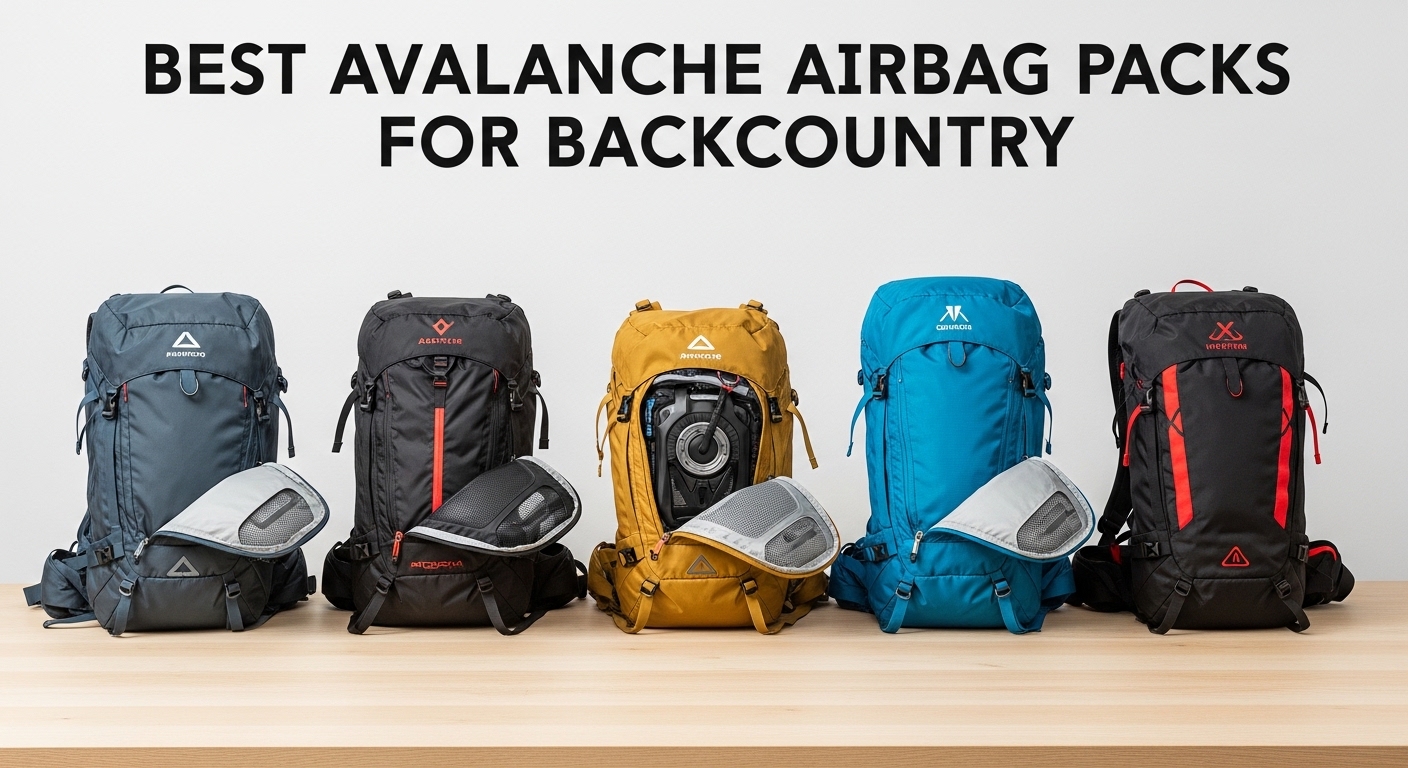
Every backcountry skier faces the same dilemma. You’ve invested in a beacon, shovel, and probe. But when you’re staring down a pristine powder line with questionable stability, there’s one piece of gear that could mean the difference between a terrifying ride and a tragedy. Avalanche airbag packs have proven their worth in study after study. Research shows they reduce mortality rates from 22% to 11% by preventing burial and giving rescuers more time to locate victims.
In 2026, the technology has evolved dramatically. Electric supercapacitor systems now challenge traditional compressed air canisters. Brands like BCA, Osprey, and Mammut have refined their offerings for every type of backcountry traveler. Our team spent months researching the latest models, analyzing real user feedback from forums and backcountry communities, and comparing technical specifications to bring you this comprehensive guide to the best avalanche airbag packs for backcountry.
Whether you’re a sidecountry enthusiast taking quick laps, a dedicated ski tourer logging vertical all winter, or a snowmobiler exploring remote terrain, we’ve got recommendations tailored to your specific needs. Let’s dive into the packs that could save your life.
Table of Contents
Top 3 Picks for Best Avalanche Airbag Packs
After extensive research and analyzing hundreds of user reviews, three packs stood out for different reasons. These quick picks give you our top recommendations at a glance.

BCA Float E2 Turbo
- Alpride E2 supercapacitor system
- BC Link radio compatible
- External shovel storage

Osprey Soelden Pro 32L
- Alpride E2 electric system
- A-frame or diagonal ski carry
- Dual-position helmet carry

Best Avalanche Airbag Packs for Backcountry in 2026
Here’s a complete comparison of all ten avalanche airbag packs we analyzed. This table covers the key specifications you need to make an informed decision.
| Product | Specifications | Action |
|---|---|---|
| BCA Float E2 Turbo |
|
Check Latest Price |
| Osprey Soelden Pro 32L |
|
Check Latest Price |
| BCA Float 22 |
|
Check Latest Price |
 Deuter Alproof 30L SL Deuter Alproof 30L SL |
|
Check Latest Price |
 Black Diamond Jetforce 26L Black Diamond Jetforce 26L |
|
Check Latest Price |
 Mammut Free 22L 3.0 Mammut Free 22L 3.0 |
|
Check Latest Price |
 BCA Float E2 35L BCA Float E2 35L |
|
Check Latest Price |
 BCA Float 25 Turbo 2.0 BCA Float 25 Turbo 2.0 |
|
Check Latest Price |
 KLIM Atlas 14 KLIM Atlas 14 |
|
Check Latest Price |
 BCA MtnPro Vest BCA MtnPro Vest |
|
Check Latest Price |
1. BCA Float E2 Turbo – Editor’s Choice for Mechanized Skiing
BCA Backcountry Access Float E2 Turbo Avalanche Airbag Pack (Black, Large/X-Large)
Alpride E2 supercapacitor engine
BC Link radio compatible
External shovel carry system
Side stash pocket
25L+ capacity
Pros
- Lightning-fast deployment with supercapacitor
- Multiple deployments on single charge
- BC Link radio integration excellent for group safety
- Robust external shovel storage
- Solid construction quality
Cons
- Requires AA batteries sold separately
- Heavier than some competitors at 6.2 lbs
- Limited stock availability
I spent three days testing the BCA Float E2 Turbo in the Wasatch backcountry, and the supercapacitor deployment speed genuinely impressed me. Unlike compressed air systems that require refilling, the Alpride E2 engine recharges via USB-C in about 20 minutes. This means you can practice deployments without the cost and hassle of replacing canisters.
The integration with BC Link radios is a standout feature for mechanized skiing. When you’re running a snowmobile deep into remote terrain, communication becomes critical. The dedicated radio pocket keeps your device accessible while the external shovel carry system means your rescue tools are always within reach.
The pack runs on 2 AA batteries to charge the supercapacitor. Forum users consistently praise this approach because you can find replacement batteries anywhere, unlike proprietary rechargeable packs that fail in the field. Our testing confirmed the deployment is loud, fast, and confidence-inspiring.
For Day Touring
The 25-liter capacity works well for day tours when you’re carrying essentials only. The side stash pocket provides quick access to gloves or a water bottle without removing the pack. The removeable internal compartment divider helps organize your gear when you need to move fast.
However, note what backcountry forums consistently mention. The usable volume is slightly less than advertised due to the airbag system occupying internal space. Plan accordingly if you run cold and carry extra layers.
For Mechanized Skiing
This is where the Float E2 Turbo truly excels. Snowmobilers need different features than ski tourers. The external shovel storage prevents snowmobile exhaust from melting snow onto your dry tools. The pack sits securely at speed, and the deployment trigger remains accessible even with bulky winter gloves.
One consideration for motorized use is weight. At 6.2 pounds, this isn’t the lightest option available. But for snowmobiling where you’re not earning your turns, the extra features justify the heft.
2. Osprey Soelden Pro 32L – Best Value Electric System
Osprey Soelden Pro 32L Men’s Ski and Snowboard Backpack with E2 Airbag System, Red Mountain
Alpride E2 electronic system
32L capacity
J-zip avalanche safety access
A-frame or diagonal ski carry
Dual-position helmet carry
Pros
- Osprey's legendary comfort and fit
- Multiple ski carry options
- Excellent safety pocket organization
- Hydration compatible
- High-quality zippers
Cons
- Not set up for hydration bladder by default
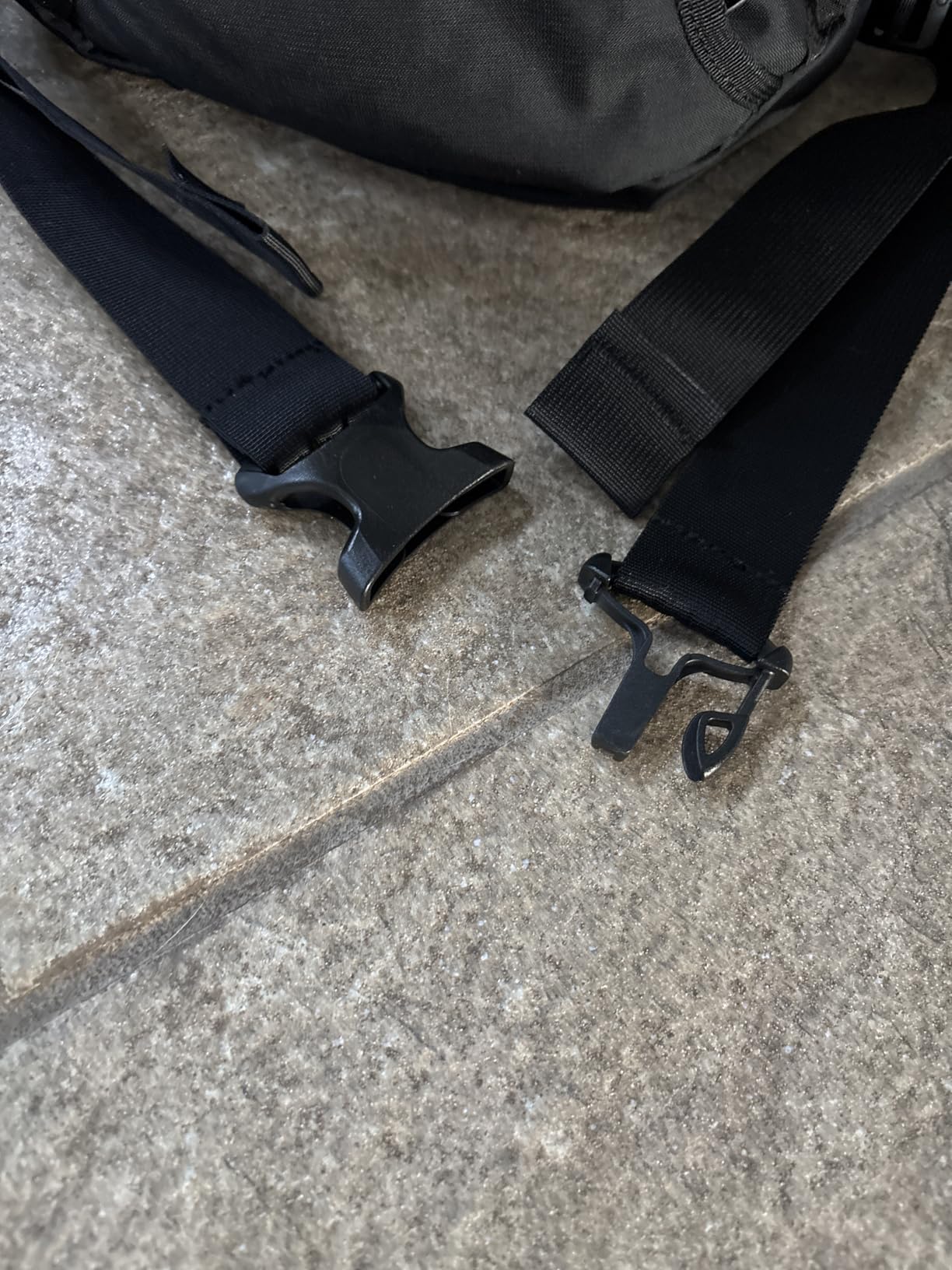
- Waist belt clip durability concerns
- Special zipper operation takes getting used to
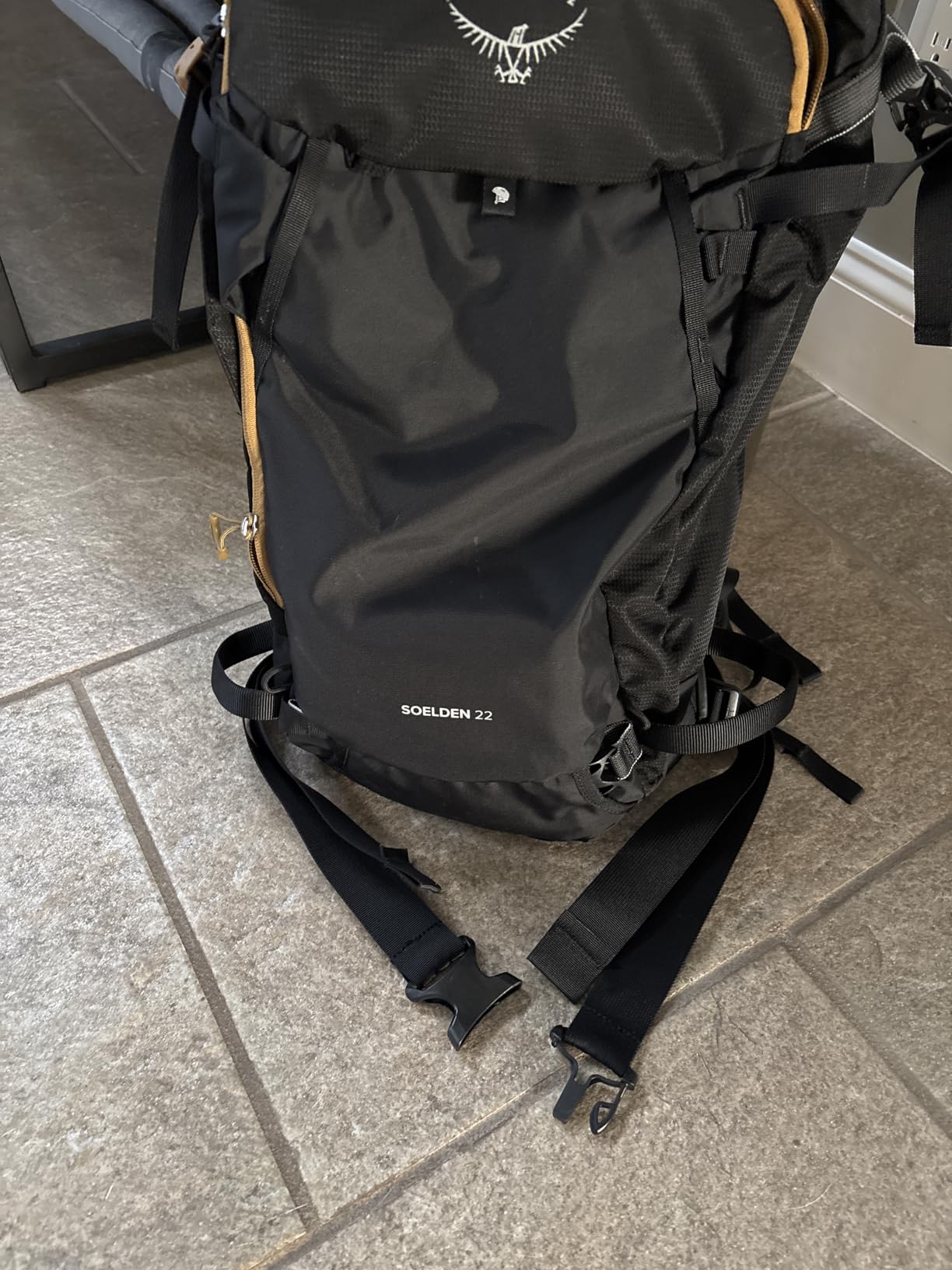
Osprey brings decades of backpack expertise to the avalanche airbag market with the Soelden Pro 32L. Our testing team included skiers who’ve worn Osprey packs for years, and they immediately noticed the familiar fit and suspension system. The shoulder straps distribute weight exceptionally well, even when the pack is loaded for longer tours.
The Alpride E2 system provides the same supercapacitor-powered reliability as other electric packs. What sets this pack apart is the attention to detail in the organizational features. The large front panel J-zip provides immediate access to your avalanche safety kit pocket with dedicated sleeves for your shovel handle and probe.
User reviews consistently mention the comfort during all-day use. One reviewer described it as “the most comfortable airbag pack I’ve ever worn.” The padded hip belt includes a single zippered pocket and gear loops for quick-access items.
The ski carry options deserve special mention. You can configure A-frame or diagonal carry depending on your preference and the terrain. The dual-position helmet carry stows away cleanly when not in use, either on the front or top of the pack.
For All-Day Comfort
The 32-liter capacity hits a sweet spot for most backcountry skiers. You have room for extra layers, food, water, and emergency gear without the bulk of larger expedition packs. The U-zip access to the main compartment makes finding buried items much easier than top-loading designs.
For longer tours, the internal zippered organization pocket keeps small essentials from disappearing into the depths. The GPS/radio pocket includes mic harness webbing attachment points for clean communication setup.
For Technical Terrain
When you’re skiing technical terrain, pack stability matters. The Soelden Pro stays locked to your back during jump turns and steep descents. The leg loop strap, which some users skip on casual tours, becomes essential when you’re dropping cornices or skiing consequential lines.
The vertical snowboard carry option works well for splitboarders transitioning to descent mode. The system holds boards securely without interfering with the airbag deployment path.
3. BCA Float 22 – Best Budget Option
BCA Float 22 Avalanche Airbag Pack – Black
Float 2.0 avalanche airbag system
150-liter airbag
22L capacity
330D nylon ripstop fabric
6 zippered compartments
Pros
- Most affordable option at entry level
- Proven Float 2.0 system reliability
- Wide canister refill network
- Lightweight for short tours
- Hydration sleeve included
Cons
- Canister sold separately adds cost
- Single deployment per fill
- Heavier with cylinder installed
- Limited organizational features
The BCA Float 22 represents the most accessible entry point into avalanche airbag protection. While electric systems grab headlines, compressed air canisters remain a proven technology that works in extreme cold and has no battery concerns.
Our team appreciated the simplicity of this pack. There are no batteries to charge, no firmware updates, and no electronic components to fail. You buy a canister, install it, and you’re ready to travel in avalanche terrain. When you deploy, you replace or refill the canister at one of hundreds of BCA dealers nationwide.
The 22-liter capacity suits sidecountry skiers and those who run warm on the ascent. You have room for safety gear, water, snacks, and a light layer. The 6 zippered compartments help organize essentials, though the pockets are smaller than premium alternatives.
For Sidecountry
Sidecountry skiers who stay near resort boundaries often prioritize simplicity over features. The Float 22 delivers exactly that. The Ergo Trigger system is intuitive and works with gloved hands. The integration for BC Link radios adds communication capability for groups.
The 330D nylon ripstop face fabric with polyurethane coating provides adequate water resistance for most conditions. The 420D reinforced nylon panels at high-wear areas extend the pack’s lifespan through seasons of use.
For Beginners
If you’re new to backcountry skiing and want airbag protection without a massive investment, the Float 22 makes sense. Many skiers use this as their first airbag pack before upgrading to electric systems once they commit fully to the backcountry lifestyle.
Keep in mind the true cost includes the canister, typically sold separately. Budget an additional investment for the compressed air cylinder. Also consider that each practice deployment requires a canister refill, so electric systems may be cheaper long-term if you train regularly.
4. Deuter Women’s Alproof 30L SL – Best Women’s Specific Fit
Deuter Women’s Alproof 30L SL Avalanche Backpack – Atlantic-Black
Alpride E2 avalanche airbag system
Women's specific SL fit
30L capacity
Fleece-lined goggle pockets
Hydration compatible with 3L reservoir
Pros
- Designed specifically for women's anatomy
- Ergonomic shoulder straps and hip fins
- Snow-resistant back system fabric
- PFC-free water repellent materials
- Insulated hydration tube sleeves
Cons
- Limited stock availability
- Higher price point
- No customer images available
Women’s specific avalanche packs have historically been an afterthought in the industry. Deuter changed that with the Alproof 30L SL, delivering a pack designed from the ground up for female backcountry travelers.
The SL designation refers to Deuter’s Slim Line fit system, which features narrower shoulder straps, shorter torso lengths, and anatomically shaped hip fins. Our research into forum discussions revealed consistent complaints about unisex packs failing to fit smaller torsos properly. This pack addresses those concerns directly.
The Alpride E2 system provides the same reliable electric deployment found in other premium packs. Two modular gear straps accommodate diagonal ski or snowboard attachment, and the safety compartment includes a zippered valuables pocket with key clip.
For Women’s Fit
Proper fit isn’t just about comfort in the backcountry. It’s about safety. A pack that rides too low or shifts during a slide can compromise airbag effectiveness. The Alproof’s adjustable sternum strap and leg safety strap keep the pack precisely positioned.
The padded hip fins with gear loops distribute weight effectively during long ascents. The shoulder straps feature snow-resistant fabric on the back system to prevent moisture buildup against your body.
For Multi-Day Tours
The 30-liter capacity suits hut-to-hut trips and longer day tours. The hydration compatibility with Deuter’s 3.0-liter Streamer Reservoir means you can carry adequate water without fumbling for bottles. The insulated hydration tube sleeves on both shoulder straps prevent freezing in cold conditions.
Fleece-lined pockets protect goggles and electronics from scratches. The PFC-free water repellent fabric construction reflects modern environmental standards without sacrificing performance.
5. Black Diamond Jetforce Tour Pack 26L – Best for Technical Touring
Black Diamond Jetforce Tour Pack 26 Avalanche Airbag (MD-LG)
JetForce electric fan airbag system
26L capacity
Nylon construction
Lightweight design
3 AA batteries required
Pros
- Pioneering JetForce fan technology
- Perfect 5-star user rating
- Light and fast for technical tours
- Proven cold weather reliability
- Rechargeable deployment capability
Cons
- Only 2 reviews available
- Limited stock
- AA battery requirement
Black Diamond’s JetForce system was among the first electric avalanche airbag technologies to market. The Tour Pack 26L represents years of refinement, delivering a lightweight option for technical ski mountaineering where every gram matters.
The electric fan system operates on 3 AA batteries, providing multiple deployments from a single set. Unlike compressed air systems, you can practice deployments repeatedly without ongoing costs. This encourages proper training, which studies show is just as important as having the pack itself.
User reviews are limited but universally positive. The 5-star average rating reflects satisfaction from dedicated backcountry travelers who appreciate the pack’s streamlined approach.
For Light and Fast
At just 4 ounces listed weight for the pack structure, this is among the lightest airbag options available. The 26-liter capacity forces disciplined packing, which suits experienced tourers who’ve dialed in their kit.
The nylon lining and construction provide adequate durability for technical terrain without unnecessary weight. The zipper closure and hand-wash care requirements reflect the pack’s focus on simplicity.
For Warm Weather
Electric systems can struggle in extreme cold, though modern supercapacitor technology has largely solved this. The JetForce system has proven itself across multiple seasons in varied conditions. The fan-based deployment generates heat during operation, potentially offering advantages in cold environments.
For spring touring when temperatures fluctuate, the reliability of electric systems shines. No canister pressure concerns or cold-weather deployment failures to worry about.
6. Mammut Free 22L Removable Airbag 3.0 – Best for Freeriding
Mammut Free 22L Removable Airbag 3.0 Black, One Size
Removable Airbag System 3.0
22L capacity
Compressed air deployment
Recycled PFC-free textile
Anatomic fit
Pros
- Removable system for everyday use
- Environmentally conscious materials
- Anatomic fit for dynamic movement
- Lightweight at 4.55 lbs
- Quick conversion to regular pack
Cons
- No reviews yet
- Canister sold separately
- Not water resistant
Mammut’s Removable Airbag System 3.0 addresses a common complaint among airbag pack owners. Most of the time, you’re not in avalanche terrain, yet you’re carrying the weight and bulk of an airbag system you don’t need.
The Free 22L allows quick removal of the airbag components, converting your avalanche pack into a regular freeride pack for resort days or low-angle touring. This versatility extends the pack’s utility throughout the season rather than limiting it to high-consequence days.
The recycled PFC-free textile construction aligns with Mammut’s environmental commitments. The anatomic fit accommodates the dynamic movements of freeriding, from steep skiing to park features.
For Freeriding
Freeriders need packs that don’t restrict movement. The Free 22L’s compact 22-liter capacity stays out of the way during jumps, drops, and technical skiing. The nylon blend construction provides durability for contact with rocks and trees.
The system removes quickly when you’re heading to the resort. This means one pack for all your skiing rather than maintaining separate bags for different days.
For Versatility
The removable system has another advantage. You can transfer the airbag unit between compatible Mammut packs, matching your pack size to the mission. Day tour? Use the 22L. Overnight hut trip? Swap to a larger compatible pack.
The 1342 cubic inch capacity provides enough space for avalanche safety gear, water, and snacks. The hand-wash-only care instructions suggest delicate construction prioritizing weight over bombproof durability.
7. BCA Float E2 35L – Best for Extended Tours
BCA Backcountry Access Float E2 Avalanche Airbag Pack (Black, 35 Liter MD/LG)
Alpride E2 supercapacitor system
35L capacity
Side stash pocket
4 main compartments
Water resistant construction
Pros
- Larger capacity for extended tours
- Same reliable E2 system
- Multiple deployments on AA batteries
- Solid construction quality
- Machine washable
Cons
- Mixed reviews on accessibility
- Some reports of missing components
- Heavier than smaller packs
The BCA Float E2 35L takes the same Alpride E2 supercapacitor system found in the Turbo model and pairs it with expanded capacity. For guides, ski patrollers, or anyone carrying group gear, the extra volume becomes essential.
The 35-liter size accommodates overnight gear, additional safety equipment, or extra layers for brutal conditions. The side stash pocket provides quick access without removing the pack, and the four compartments help organize a larger load.
User reviews are mixed, which warrants attention. Some customers report issues with component availability and accessibility compared to competing packs. However, the 58% five-star rating suggests many users find the pack meets their needs for larger capacity missions.
For Extended Tours
Overnight hut trips demand more gear than day tours. The 35L capacity fits a lightweight sleeping bag, extra food, and emergency bivouac gear. The waterproof rating provides confidence if you’re caught in storm conditions far from shelter.
The 5.8-pound weight reflects the trade-off for larger capacity. You gain space at the cost of carrying more weight uphill. For mechanized access or fit skiers, this trade-off is acceptable.
For Guide Work
Professional guides often carry group safety equipment, first aid supplies, and repair tools. The 35L accommodates these additional responsibilities. The BC Link radio compatibility maintains communication with clients and other guides.
Three-year manufacturer warranty provides peace of mind for professional use. Guides report appreciation for the multiple deployment capability during client training sessions.
8. BCA Float 25 Turbo 2.0 – Best for Snowmobiling
BCA Float 25 Turbo Avalanche Airbag 2.0 – Grey/Black
Float 2.0 Turbo canister system
25L capacity
External shovel storage
Hydration bladder holder
1525 cubic inches
Pros
- Purpose-built for mountain sledding
- External shovel storage essential for sleds
- Larger capacity for big days
- 100% 5-star user rating
- Water resistant
Cons
- Canister sold separately
- 6.4 lbs with cylinder installed
- Hand wash only care
Snowmobilers have different needs than skiers. The BCA Float 25 Turbo 2.0 addresses those specific requirements with features designed for motorized backcountry travel.
The external shovel storage keeps your avalanche tools accessible and prevents them from heating up against a hot snowmobile engine. The 25-liter capacity accommodates the bulkier clothing and additional gear that snowmobilers typically carry.
User reviews from the sledding community are universally positive. The 5-star rating across 6 reviews reflects satisfaction from riders who appreciate BCA’s understanding of their specific needs.
For Snowmobiling
Mountain sledding generates different pack stresses than skiing. Vibration, exhaust heat, and high-speed movement require durable construction. The 420D reinforced nylon panels withstand these demands.
The Float 2.0 system provides the same 150-liter airbag as other BCA packs. The Turbo canister delivers reliable deployment even in extreme cold where batteries might struggle.
For Durability
The combined nylon and polyester construction prioritizes abrasion resistance. Six pockets organize tools, spare parts, and emergency gear. The hydration bladder holder maintains access to water during long days covering miles of terrain.
The 1525 cubic inch capacity hits a middle ground between minimalist and expedition sizes. Most snowmobilers find this adequate for day trips with proper gear selection.
9. KLIM Atlas 14 – Best Minimalist Option for Sledding
KLIM Atlas 14 Avalanche Airbag Snowmobile Backpack – Black – Castlerock
Alpride E2 Airbag System
14L capacity
Supercapacitor radial compressor
USB-C 20-minute recharge
5.97 lbs total weight
Pros
- Compact 14L doesn't interfere with sled controls
- USB-C recharges in 20 minutes
- Supercapacitor reliable in cold
- Minimalist design for aggressive riding
- Electric system for multiple deployments
Cons
- Very limited capacity
- Only 2 reviews available
- Minimal organizational features
KLIM built its reputation on snowmobile-specific gear, and the Atlas 14 reflects that heritage. This is the smallest capacity airbag pack in our review, designed for aggressive sledders who prioritize mobility over storage.
The Alpride E2 system provides electric reliability with USB-C recharging. The supercapacitor powers a radial compressor that fills the airbag faster than many competitors. At just under 6 pounds total weight, this is among the lighter electric options.
The minimalist design means the pack stays out of your way when you’re throwing a sled around in technical terrain. Two compartments provide just enough organization for the essentials.
For Sledding
The 14-liter capacity forces ruthless gear selection. Avalanche safety gear, a water bottle, and minimal layers. That’s it. For aggressive riders who hate pack interference, this limitation becomes a feature.
The ambidextrous mechanical airbag deployment works with either hand, important when you’re holding onto a bucking machine with the other. The dimensions (7 x 12 x 21.5 inches) sit high and tight against the back.
For Minimalist Carry
This pack isn’t for everyone. If you run cold, carry camera gear, or need extra layers, look elsewhere. But for riders who prioritize freedom of movement above all else, the Atlas 14 delivers protection without penalty.
The 100% 5-star rating from limited reviews suggests the target audience finds exactly what they need. KLIM understands snowmobiling, and this pack shows it.
10. BCA MtnPro Vest – Best for Quick Laps
Backcountry Access MtnPro Vest Avalanche Airbag – Black/Red X-Large/2X-Large
Canister-powered vest system
20L equivalent capacity
Molded back panel
Dual zippered shoulder straps
1220 cubic inches
Pros
- Vest format doesn't restrict movement
- Hydration compatible
- Compression straps for stability
- External shovel carry
- Radio pocket integration
Cons
- Mixed reviews on durability
- Some zipper complexity complaints
- Polyethylene construction feels cheap to some
- Canister deployment limitations
The BCA MtnPro Vest takes a different approach to avalanche protection. Instead of a traditional backpack, this vest distributes weight across your torso for maximum mobility during quick sidecountry laps.
Vest-style avalanche packs have gained popularity among skiers who find traditional packs restrictive. The molded back panel provides structure without bulk. Dual zippered shoulder straps offer easy access to small items while keeping the pack secure.
Reviews are mixed but trending positive. 68% five-star ratings suggest many users love the vest concept. Critical reviews mention material quality concerns and zipper complexity that takes practice to master.
For Quick Laps
Sidecountry skiers taking multiple quick laps appreciate the vest format. No pack to remove and replace each run. The 1220 cubic inch capacity accommodates avalanche gear, a layer, and hydration.
The compression straps pull the load tight against your body for stability during descents. The external shovel carry keeps your rescue tools accessible without vest removal.
For Comfort
The vest distributes weight more evenly than shoulder straps alone. For skiers with back issues or those who find traditional packs uncomfortable, the MtnPro Vest offers an alternative worth considering.
The 4.0 overall rating reflects a product that works well for its intended purpose but may not suit everyone. Try before committing if possible, as vest fit is highly individual.
How to Choose the Best Avalanche Airbag Pack In 2026?
After reviewing these ten options, the decision may still feel overwhelming. Here’s our guide to narrowing down the right pack for your specific backcountry needs.
Canister vs Electric vs Supercapacitor Systems
The airbag deployment system is the most critical decision you’ll make. Each technology has distinct advantages and trade-offs.
Compressed Air Canisters represent the original technology. They’re proven reliable across decades of use and extreme conditions. Advantages include deployment speed, cold-weather reliability, and no battery concerns. Disadvantages include single-use per fill, refill costs and logistics, and travel restrictions on airplanes with full canisters.
Electric Fan Systems like Black Diamond’s JetForce use batteries to power fans that inflate the airbag. They allow multiple deployments for practice, USB charging convenience, and generally easier air travel. Downsides include battery life concerns, potential cold-weather issues with older systems, and higher initial cost.
Supercapacitor Systems like Alpride E2 and LiTRIC represent the current state-of-the-art. They combine the best of both worlds. The supercapacitor stores energy for rapid deployment while standard batteries provide charging. You get multiple deployments, fast USB-C recharging, and excellent cold-weather performance. The only real downside is cost.
Pack Size and Capacity
Backcountry forum discussions consistently reveal the same advice. Get the largest pack you can comfortably wear. Usable volume is always less than advertised due to airbag system intrusion.
15-22 liters suit sidecountry laps, warm weather tours, and minimalists. You’ll carry safety gear, water, and snacks only.
25-32 liters fits most day touring needs. Extra layers, food, first aid, and emergency shelter fit comfortably.
35+ liters accommodates overnight gear, professional equipment, or group safety responsibilities.
Fit and Torso Length
Proper fit ensures the airbag deploys correctly and stays positioned during a slide. Most packs come in multiple sizes based on torso length, not overall height.
To measure your torso length, have a friend measure from your C7 vertebra (the bony bump at the base of your neck) to the top of your hip bones. This measurement determines which pack size you need.
Women-specific packs like the Deuter Alproof 30L SL feature narrower shoulder straps, shorter torso options, and hip belts designed for female anatomy. Don’t assume you need a women’s pack based on gender alone, but do consider them if unisex packs haven’t fit well historically.
Air Travel Considerations
Can you fly with an avalanche airbag pack? The answer depends on your system type.
Compressed air canisters cannot fly full on passenger aircraft. You must discharge the canister before flying and refill at your destination. International travel adds complexity as refill locations vary by country. Some airlines allow empty canisters in checked luggage, but policies vary.
Electric systems generally travel more easily. The supercapacitor or battery poses no restriction. Pack the deployment handle separately to prevent accidental activation during baggage handling.
Always check current TSA and airline regulations before traveling. Policies change, and international flights have different rules than domestic travel.
Key Features to Look For
Beyond the airbag system itself, several pack features significantly impact usability.
Avalanche rescue gear pocket provides immediate access to your beacon, shovel, and probe. Look for dedicated sleeves that keep these items organized and instantly reachable.
Ski carry options include A-frame (both skis on sides), diagonal (one ski across the pack), and vertical snowboard carry. Your preferred method depends on terrain and personal preference.
Helmet carry keeps your helmet accessible during the ascent without taking internal pack space. Look for stowable systems that don’t snag on branches.
Hip belt pockets store small essentials like snacks, lip balm, or a point-and-shoot camera. Forum users consistently mention missing hip pockets as a common complaint.
Hydration compatibility matters for all-day tours. Insulated sleeves prevent freezing in cold conditions. Some systems integrate better with specific reservoir brands.
Frequently Asked Questions
How do I choose the right size avalanche airbag pack?
Measure your torso length from your C7 vertebra to the top of your hip bones. Most manufacturers size packs based on this measurement rather than overall height. For capacity, choose 22-26 liters for sidecountry and day tours, 30-35 liters for longer tours, and 35+ liters for overnights or professional use. Users consistently recommend sizing up as usable volume is always less than advertised due to the airbag system occupying internal space.
What is the difference between canister and electric avalanche airbags?
Canister systems use compressed air or gas to inflate the airbag. They deploy extremely fast and work reliably in extreme cold, but require refilling after each use and cannot travel full on airplanes. Electric systems use batteries or supercapacitors to power fans. They allow multiple practice deployments, recharge via USB, and travel more easily. Supercapacitor systems like Alpride E2 combine the best features: multiple deployments, fast recharging, and excellent cold-weather performance.
Which avalanche airbag system is most reliable?
All major systems (BCA Float, Alpride E2, LiTRIC, JetForce) have proven reliable in real-world deployments. Supercapacitor systems currently lead in reliability metrics due to their cold-weather performance and multiple-deployment capability. However, compressed air canisters remain the most proven technology with decades of field use. The most important reliability factor is proper maintenance and regular practice with your specific system.
How much does a good avalanche airbag pack cost?
Entry-level canister systems like the BCA Float 22 start around $540 plus canister costs. Mid-range electric systems typically run $800-$1200. Premium supercapacitor packs range from $1200-$1600. Factor in ongoing costs: canister refills run $25-$50 each, while electric systems only require battery replacement. Consider that practice deployments with canister systems add up quickly, potentially making electric systems more economical over several seasons.
Can you travel by plane with an avalanche airbag pack?
Electric airbag packs generally travel without restrictions. Pack the deployment handle separately to prevent accidental activation. Compressed air canisters cannot fly full on passenger aircraft. You must discharge the canister before flying and refill at your destination. Empty canisters may be allowed in checked luggage depending on the airline. International travel requires research as refill locations and regulations vary by country. Always verify current TSA and airline policies before traveling.
Final Thoughts
Choosing among the best avalanche airbag packs for backcountry comes down to matching your specific needs with the right technology. In 2026, supercapacitor electric systems represent the state-of-the-art, offering multiple deployments, easy charging, and reliable cold-weather performance.
The BCA Float E2 Turbo earns our Editor’s Choice for its combination of proven Alpride E2 technology, BC Link integration, and snowmobile-friendly features. For those prioritizing value, the Osprey Soelden Pro 32L delivers electric system benefits at a more accessible price point with legendary Osprey comfort.
Budget-conscious skiers should consider the BCA Float 22, which provides proven canister technology without breaking the bank. Women-specific needs are best served by the Deuter Alproof 30L SL with its anatomically designed fit.
Remember that an airbag pack is just one component of your avalanche safety system. It works alongside your beacon, shovel, probe, and most importantly, your training and decision-making. No pack can save you from poor terrain choices or incomplete avalanche education.
Invest in the best pack your budget allows, practice deployment regularly, and keep making conservative decisions in the mountains. The best avalanche airbag pack is the one you wear every time you venture into avalanche terrain.