
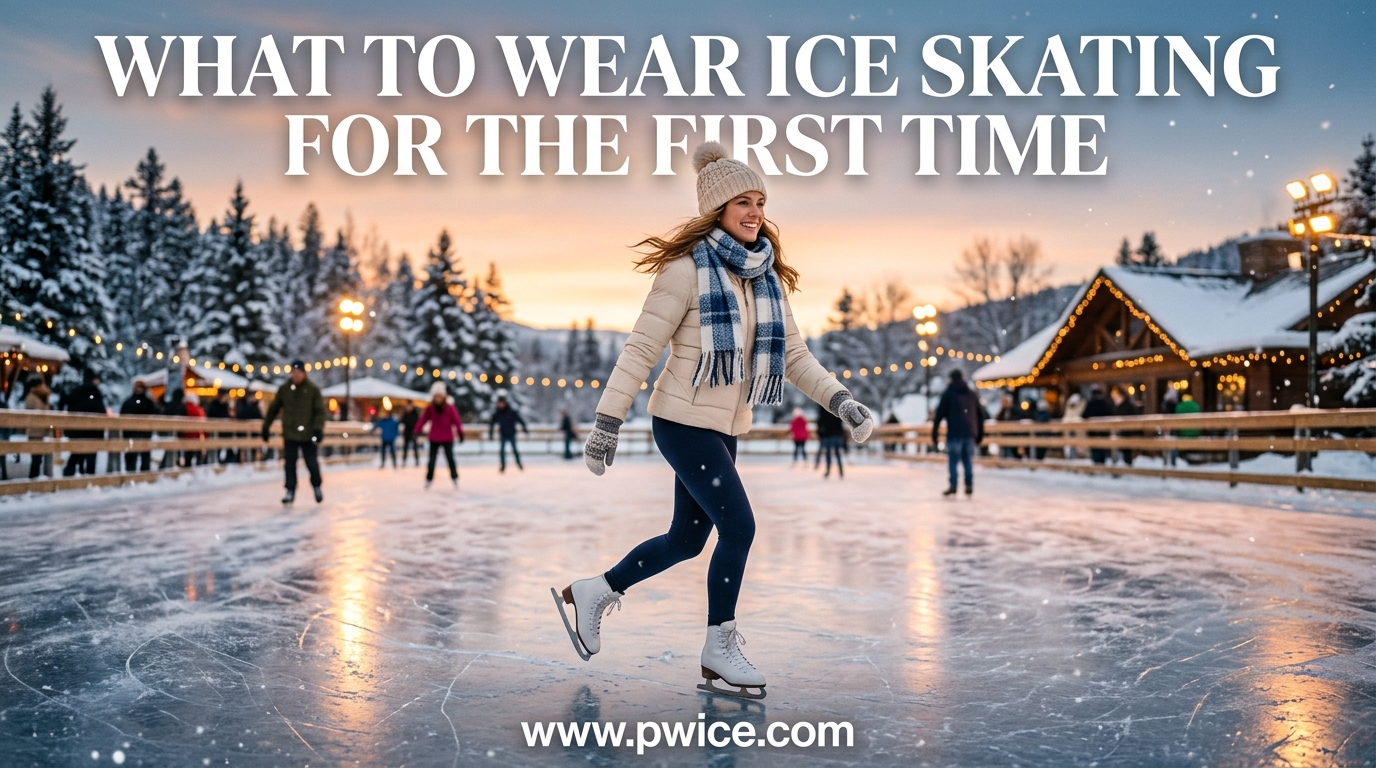
Standing at the entrance of an ice rink for the first time can feel overwhelming. You are about to step onto a frozen surface wearing sharp metal blades, and you have no idea if your outfit will keep you warm, let you move freely, or protect you when you inevitably fall. I remember my first time ice skating. I showed up in jeans and two pairs of thick socks, thinking I was prepared. Within ten minutes, I was cold, uncomfortable, and struggling to bend my knees properly.
That experience taught me that what to wear ice skating for the first time matters more than most beginners realize. The right ice skating outfit keeps you comfortable, allows full range of motion for learning basic skills, and protects you from ice burns when you fall. This guide will walk you through exactly what to wear, what to avoid, and how to use clothing you already own so you can focus on enjoying your first time on the ice.
Table of Contents
How Cold Are Ice Rinks? Understanding the Temperature
Most indoor ice rinks maintain a temperature between 45°F and 60°F (7°C to 15°C). That might sound chilly, but here is what experienced skaters know. You will warm up quickly once you start moving. The cold air keeps the ice frozen, but your body generates heat through physical activity.
This temperature range is why layering becomes so important. Start slightly cool rather than bundled up. One Reddit user from the r/iceskating community explained it perfectly. They recommended wearing a t-shirt under a hoodie so you can remove layers as you warm up. This simple strategy prevents the common beginner mistake of overheating and sweating through your clothes.
The key is adjustable warmth. Dress so you could remove one layer and still be comfortable after twenty minutes of skating. You will thank yourself when other beginners are peeling off jackets and trying to figure out where to store them.
The Layering Strategy: Your Key to Comfort
Successful beginner ice skating clothes follow a simple three-layer system. Each layer serves a specific purpose, and together they give you the flexibility to adapt as your body temperature changes.
Base Layer: Moisture Management
Your base layer sits closest to your skin. Choose moisture-wicking fabrics like synthetic blends or merino wool. These materials pull sweat away from your body, keeping you dry and warm. Avoid cotton here. Cotton absorbs moisture and stays wet, which makes you cold and uncomfortable.
A long-sleeved athletic shirt or fitted t-shirt works perfectly. If you tend to run cold, a lightweight thermal top provides extra warmth without bulk.
Mid Layer: Insulation
Your mid layer provides warmth. A lightweight fleece, thin sweater, or hoodie works well for most skaters. This is the layer you will likely remove after warming up, so choose something easy to take off and tie around your waist.
Many recreational skaters find that a simple hoodie over a t-shirt hits the sweet spot. It provides enough warmth at the start but is easy to shed once you get moving.
Outer Layer: Protection and Adjustability
Your outer layer should be a light, breathable jacket that blocks wind without trapping heat. Think athletic jackets or zip-up hoodies rather than heavy winter coats. The ability to unzip or remove this layer completely is essential for temperature control.
What to Wear Ice Skating for the First Time: Bottom Wear
Is it better to ice skate in jeans or leggings? Leggings win every time. Jeans are the single worst choice for ice skating. They restrict movement, get cold and stiff when you fall, and take forever to dry if they get wet from ice or snow.
Leggings, yoga pants, or athletic sweatpants provide the stretch and flexibility you need to bend your knees, crouch, and recover from falls. Look for materials that move with you. Avoid anything too baggy that could catch on your skates or restrict your view of your feet.
For your first time ice skating, any stretchy athletic pants from your gym wardrobe will work perfectly. Track pants, joggers, or fitted sweatpants are all excellent choices. The goal is full range of motion without excess fabric getting in the way.
If you are skating outdoors in winter, you might want fleece-lined leggings or thermal athletic pants for extra warmth. Indoor rinks rarely require this level of insulation.
Upper Body: Staying Warm Without Overheating
Your upper body follows the same layering principle. Start with a long-sleeved moisture-wicking shirt or athletic top. Add a light jacket or hoodie that you can remove or unzip as needed.
Many beginners make the mistake of wearing bulky winter coats. These limit your arm movement and quickly become too warm. You need freedom of movement in your shoulders and arms for balance and basic skating techniques.
Athletic jackets designed for running or training work exceptionally well for ice skating. They are lightweight, breathable, and designed for movement. If you do not own one, a simple zip-up hoodie over a long-sleeve shirt is a budget-friendly alternative that performs just as well.
Socks: The One-Pair Rule
Here is a counterintuitive tip that surprises most first-timers. Wear only one pair of thin to medium-thickness socks. Not two pairs. Not thick wool socks. Just one proper pair of crew or knee-high socks.
Multiple pairs of socks or overly thick socks actually make your feet colder and less comfortable. They create pressure points inside rental skates, reduce circulation, and can cause blisters. One pair of well-fitting socks allows your foot to sit properly in the skate boot.
Choose crew socks or knee-highs that extend above the top of the skate boot. This prevents the stiff boot from rubbing against your skin and causing blisters or discomfort. Synthetic blends or merino wool work better than cotton since they manage moisture if your feet sweat.
Gloves: Essential Protection You Shouldn’t Skip
Gloves are non-negotiable for first-time ice skating. When you fall, and you will fall, you naturally put your hands out to catch yourself. Bare hands hitting ice hurt and can get ice burns or cuts. Gloves provide essential protection.
Thin gloves work better than thick mittens for indoor skating. You need some dexterity to tie laces and adjust your clothing, and thick gloves make this difficult. Simple knit gloves, thin athletic gloves, or lightweight winter gloves are perfect.
Many rinks sell inexpensive gloves if you forget to bring them. Do not skip this simple piece of protective gear. The peace of mind alone is worth it.
Accessories and Protective Gear
Beyond the basics, a few accessories can enhance your first skating experience. A beanie or headband keeps your ears warm and hair out of your face. Choose something thin that fits comfortably without bulk.
Some adult beginners, especially those nervous about falling, choose to wear protective gear. Helmets are not required for recreational skating at most rinks, but they can provide confidence if you are worried about head injuries. Knee pads and wrist guards are also options, particularly if you are trying to learn specific skills or feel unsteady.
From my research in skating forums, I noticed many beginners appreciate having protective gear for their first few sessions. It removes the fear factor and lets you focus on learning rather than worrying about getting hurt.
What Not to Wear Ice Skating: The Complete Avoid List
Knowing what to avoid is just as important as knowing what to wear. Here is the complete list of items that will make your first ice skating experience miserable.
Jeans: The Worst Choice
Jeans are restrictive, cold, uncomfortable when wet, and take hours to dry if they get damp from the ice. Every experienced skater will tell you to avoid jeans completely.
Cotton Clothing
Cotton absorbs sweat and stays wet. Wet cotton against your skin makes you cold and uncomfortable. Choose synthetic fabrics or wool instead.
Scarves and Loose Accessories
Scarves, long necklaces, and dangling jewelry are dangerous on the ice. They can catch on things or trip you up. Keep accessories minimal and secure.
Bulky Coats
Heavy winter coats limit movement and cause overheating. You will be peeling it off within minutes and struggling to find somewhere to put it.
Shorts or Short Skirts
Exposed skin gets cold quickly on the ice and provides no protection when you fall. Save these for summer activities.
Multiple Pairs of Socks
As mentioned earlier, doubling up on socks backfires. It reduces circulation and creates uncomfortable pressure points inside your skates.
Budget-Friendly Tips: Use What You Already Own?
One of the best pieces of advice I found from Reddit users is that you do not need to buy special clothing for your first time ice skating. Your regular gym clothes or athletic wear work perfectly. Yoga pants, running tops, athletic jackets, and simple hoodies are ideal ice skating attire.
Before spending money on new gear, check your closet. You likely already own everything you need. Leggings, joggers, sweatpants, long-sleeve athletic shirts, and light jackets are standard wardrobe items for many people.
Save any investment in specialized skating clothing for after you have been a few times and know you want to continue. For your first visit, focus on comfort and mobility with items you already own.
Quick Reference Checklist
Before you head to the rink, use this simple checklist to make sure you are prepared.
Top: Moisture-wicking long-sleeve shirt with light jacket or hoodie
Bottom: Leggings, yoga pants, or athletic sweatpants with stretch
Socks: One pair of crew or knee-high socks, thin to medium thickness
Hands: Thin gloves for protection when falling
Head: Beanie or headband optional for warmth
Remember: Start slightly cool, dress in layers you can remove, and prioritize movement over warmth.
Frequently Asked Questions
Is it better to ice skate in jeans or leggings?
Leggings are significantly better than jeans for ice skating. Jeans restrict movement, get cold and stiff when wet, and take hours to dry. Leggings provide the stretch and flexibility needed to bend knees and recover from falls. Choose yoga pants, athletic leggings, or stretchy sweatpants for comfort and mobility.
What not to wear while ice skating?
Avoid jeans, cotton clothing, scarves, bulky coats, shorts, and multiple pairs of socks. Jeans restrict movement and stay cold when wet. Cotton absorbs sweat and makes you cold. Scarves are dangerous as they can trip you. Bulky coats limit arm movement. Wear athletic, stretchy layers instead.
Do I need to wear long pants for ice skating?
Yes, long pants are recommended for ice skating. They protect your legs from cold ice and provide some padding when you fall. Leggings, yoga pants, joggers, or athletic sweatpants work best. Shorts expose your skin to cold temperatures and offer no protection during falls.
Is it cold inside an ice rink?
Indoor ice rinks are kept between 45°F and 60°F (7°C to 15°C). While this sounds cold, you will warm up quickly once skating. The key is dressing in adjustable layers that you can remove as your body generates heat. Start slightly cool rather than bundled up to avoid overheating.
Can I wear a dress or skirt ice skating?
Dresses and skirts are not recommended for ice skating, especially for beginners. They provide no warmth, no protection during falls, and can be restrictive. If you must wear a dress for a special occasion, pair it with thick tights and protective shorts underneath, but athletic pants are far more practical.
Do I need special socks for ice skating?
No, you do not need special socks. One pair of regular crew or knee-high socks works best. Thin to medium thickness is ideal. Avoid thick socks or multiple pairs as they reduce circulation and cause discomfort in rental skates. The socks should extend above the skate boot to prevent rubbing.
Final Thoughts on What to Wear Ice Skating for the First Time
Your first time ice skating should be about enjoying a new experience, not worrying about your outfit. The right clothing gives you the confidence to focus on learning rather than managing discomfort. Remember the core principles. Dress in adjustable layers, prioritize stretchy fabrics that move with you, wear one proper pair of socks, and never skip the gloves.
What to wear ice skating for the first time is simpler than many beginners expect. You likely already own everything you need. Leggings or athletic pants, a long-sleeve shirt, a light jacket, and gloves are all it takes. The ice rink community is welcoming, and everyone falls when learning. With the right outfit, you will stay comfortable, protected, and ready to enjoy every moment on the ice. Lace up those skates and have fun out there.