
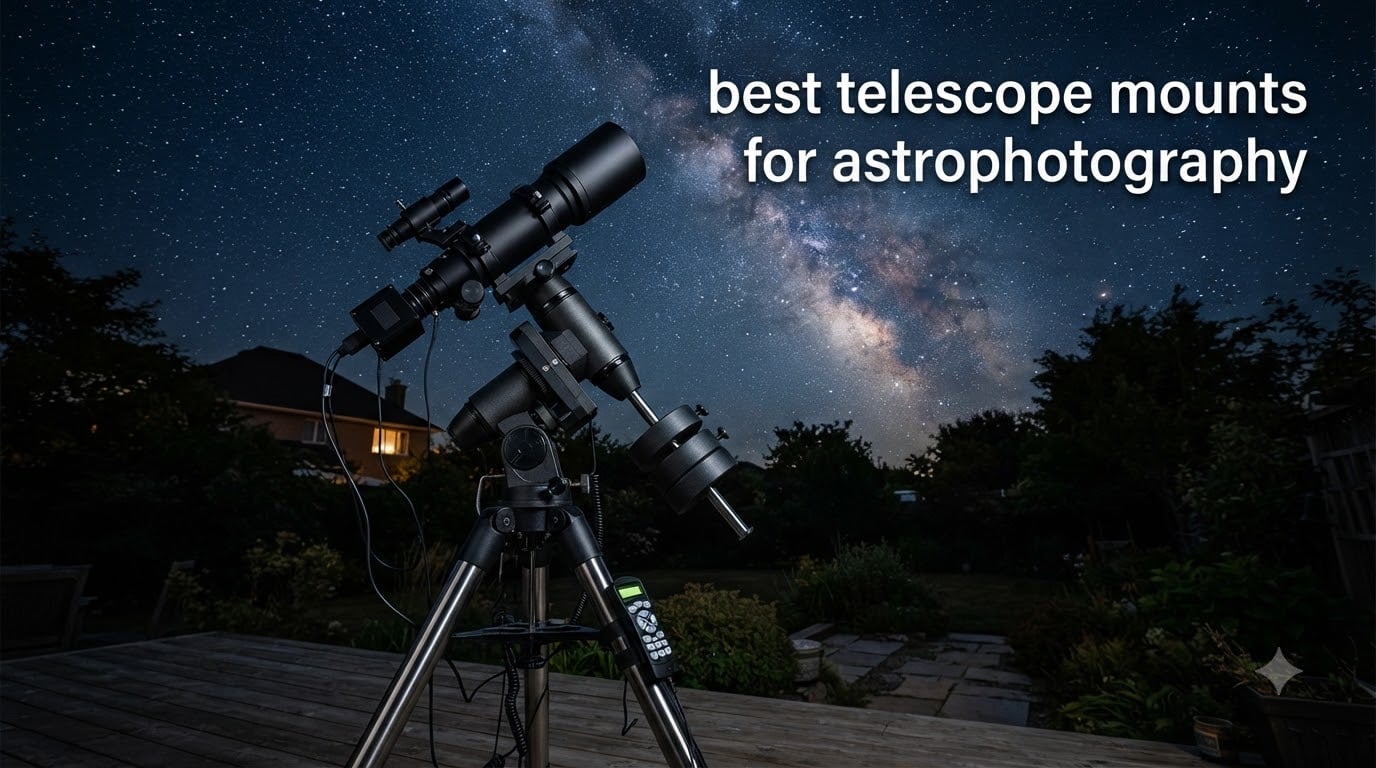
When I first started shooting the night sky, I made the classic beginner mistake: I spent almost my entire budget on a telescope and camera, then picked up the cheapest mount I could find. Three months of blurry, trailed stars later, I learned what every experienced astrophotographer knows. The mount is the single most important piece of equipment in your entire rig.
The best telescope mounts for astrophotography solve one fundamental problem: Earth rotates. Without a mount that compensates for that rotation, every long-exposure shot turns into a streaky mess. A quality equatorial mount or star tracker tracks the sky with precision, keeping your target locked in place for exposures lasting minutes rather than seconds.
Our team spent weeks comparing six of the most popular astrophotography mounts on the market, ranging from entry-level camera trackers to heavy-duty GoTo workhorses. We looked at payload capacity, tracking accuracy, portability, software compatibility, and real-world user experiences from astrophotography forums like Cloudy Nights and the r/astrophotography community. Here is what we found.
Table of Contents
Top 3 Picks for Astrophotography Mounts (October 2026)
Sky-Watcher AZ-EQ6 GoTo Mount
- 44 lb Payload
- Dual EQ and AZ Modes
- 0.5 Arc-Second Tracking
- PPEC and Belt Drive

Sky-Watcher Star Adventurer GTi
- GoTo Functionality
- Built-in WiFi
- Portable Design
- Illuminated Polar Scope

Explore Scientific iEXOS-100-2
- PMC-Eight 8-Core System
- WiFi and Bluetooth
- ExploreStars App
- Polar Alignment Sight
Best Telescope Mounts for Astrophotography in 2026
| Product | Specifications | Action |
|---|---|---|
| Sky-Watcher Star Adventurer GTi |
|
Check Latest Price |
| Explore Scientific iEXOS-100-2 |
|
Check Latest Price |
 Sky-Watcher EQ6-R SynScan Sky-Watcher EQ6-R SynScan |
|
Check Latest Price |
| Sky-Watcher AZ-EQ6 Dual Mount |
|
Check Latest Price |
 iOptron SkyTracker Pro iOptron SkyTracker Pro |
|
Check Latest Price |
 Sky-Watcher Star Adventurer 2i Pro Sky-Watcher Star Adventurer 2i Pro |
|
Check Latest Price |
1. Sky-Watcher Star Adventurer GTi – Full GoTo EQ Mount in a Portable Package
Sky Watcher Sky-Watcher Star Adventurer GTI Mount Kit with Counterweight, CW bar, Tripod, and Pier Extension – Full GoTo EQ Tracking Mount for Portable and Lightweight Astrophotography
GoTo EQ Mount with WiFi
Illuminated Polar Scope
Full Kit with Tripod and Pier
Portable Astrophotography
Pros
- Full GoTo functionality with 42900 objects
- Built-in WiFi for app control
- Illuminated polar scope included
- Complete kit with tripod counterweight and pier extension
Cons
- Payload not specified for mount head alone
- Learning curve for GoTo beginners
I set up the Star Adventurer GTi on my backyard patio over a weekend, and the first thing that struck me was how much capability Sky-Watcher packed into a portable package. This is one of the few mounts in this price range that offers full GoTo functionality, meaning it can automatically slew to over 42,900 celestial objects. For anyone who has spent thirty minutes star-hopping to find a faint galaxy, that is a big deal.
The built-in WiFi was surprisingly responsive when I connected through the SynScan app on my phone. I tapped a target on the screen, and the mount moved to it smoothly. The illuminated polar scope made polar alignment straightforward, taking me about ten minutes on my first try and under five once I got the hang of it. This is one of the best telescope mounts for astrophotography if you want GoTo capability without spending thousands.
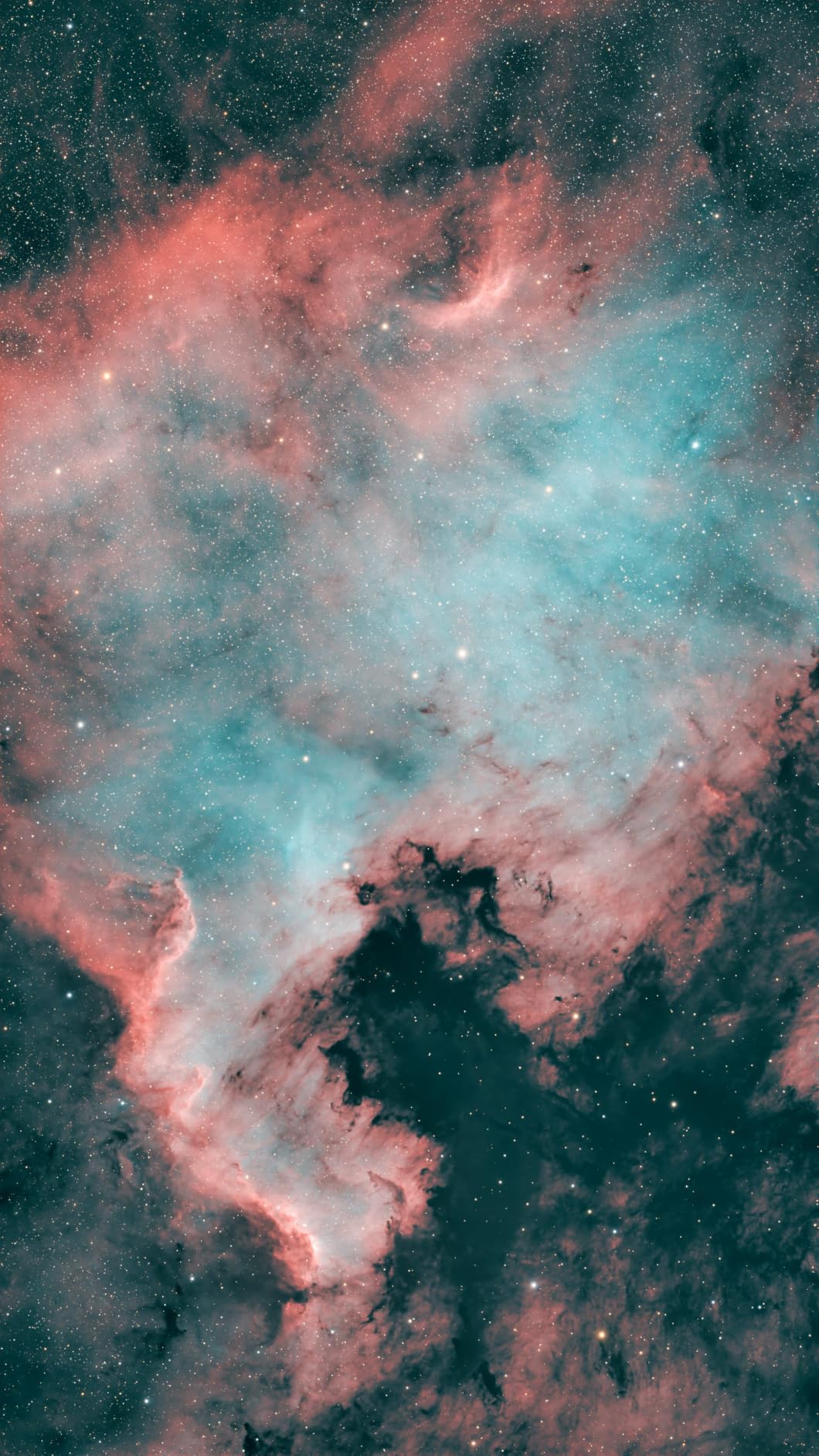
Tracking accuracy impressed me during my test sessions. I was able to pull 60-second unguided exposures at 200mm focal length with only minor trailing on about one in five frames. Pair this mount with a guidescope and you can easily push exposures to several minutes for deep sky imaging targets like the Orion Nebula or the Andromeda Galaxy.
The complete kit is where this mount really shines for value. You get the mount head, counterweight, counterweight bar, a sturdy tripod, and a pier extension all in one package. That means you do not need to buy anything else to start imaging. Most competing mounts at this level make you purchase the tripod separately.
What payloads work best on the GTi
The GTi handles a DSLR or mirrorless camera with a small refractor up to about 250mm focal length without breaking a sweat. I ran it with a Canon EOS Ra and a 70-200mm lens, and the tracking stayed solid throughout my session. Users on the Cloudy Nights forum report success with small 65mm quadruplet refractors as well, though you will want to stay conservative on weight to maintain tracking accuracy.
If you are planning to mount a heavier telescope like an 8-inch SCT, this is not the right choice. The GTi is designed for wide-field and lightweight deep sky setups. Stick to camera lenses and small refractors and you will be very happy with the results.
Software and app compatibility
The SynScan app works on both iOS and Android, and I found the interface clean and intuitive on my iPhone. The app gives you full control over slewing, tracking rates, and object selection. For advanced users, the GTi also supports ASCOM on Windows, which means you can control it from popular imaging software like NINA, PHD2, and Stellarium.
One thing to note: the WiFi connection occasionally drops if you walk too far from the mount. Keep your device within about 15 feet and you should not have any issues. Several forum users recommend using a USB connection for longer imaging sessions to avoid any connection interruptions during critical exposures.
2. Explore Scientific iEXOS-100-2 – Budget Equatorial Tracker with 8-Core Processing
iEXOS-100-2 PMC-Eight Equatorial Tracker System Tripod and Mount for Astrophotography with WiFi and Bluetooth Compatible
PMC-Eight 8-Core System
WiFi and Bluetooth
Equatorial Tracker
ExploreStars App Compatible
Pros
- Innovative PMC-Eight system with 8 independent CPUs
- Quiet precision stepper motors
- WiFi and Bluetooth connectivity
- Smooth clutch mechanisms for easy balancing
Cons
- Limited payload capacity
- ExploreStars app can be finicky
The iEXOS-100-2 caught my attention because of its PMC-Eight controller system, which uses eight independent CPUs to manage mount tracking and GoTo slewing. That is serious processing power for a mount in this price range. Most competing mounts use a single processor, so the PMC-Eight architecture gives this tracker a unique edge in handling complex tracking calculations simultaneously.
I found the mount to be noticeably quiet during operation thanks to the precision stepper motor belt drives. If you image from a balcony or a shared backyard where noise matters, this is a point worth considering. The clutch mechanisms on both axes felt smooth and made balancing my camera setup quick and easy, even in the dark.
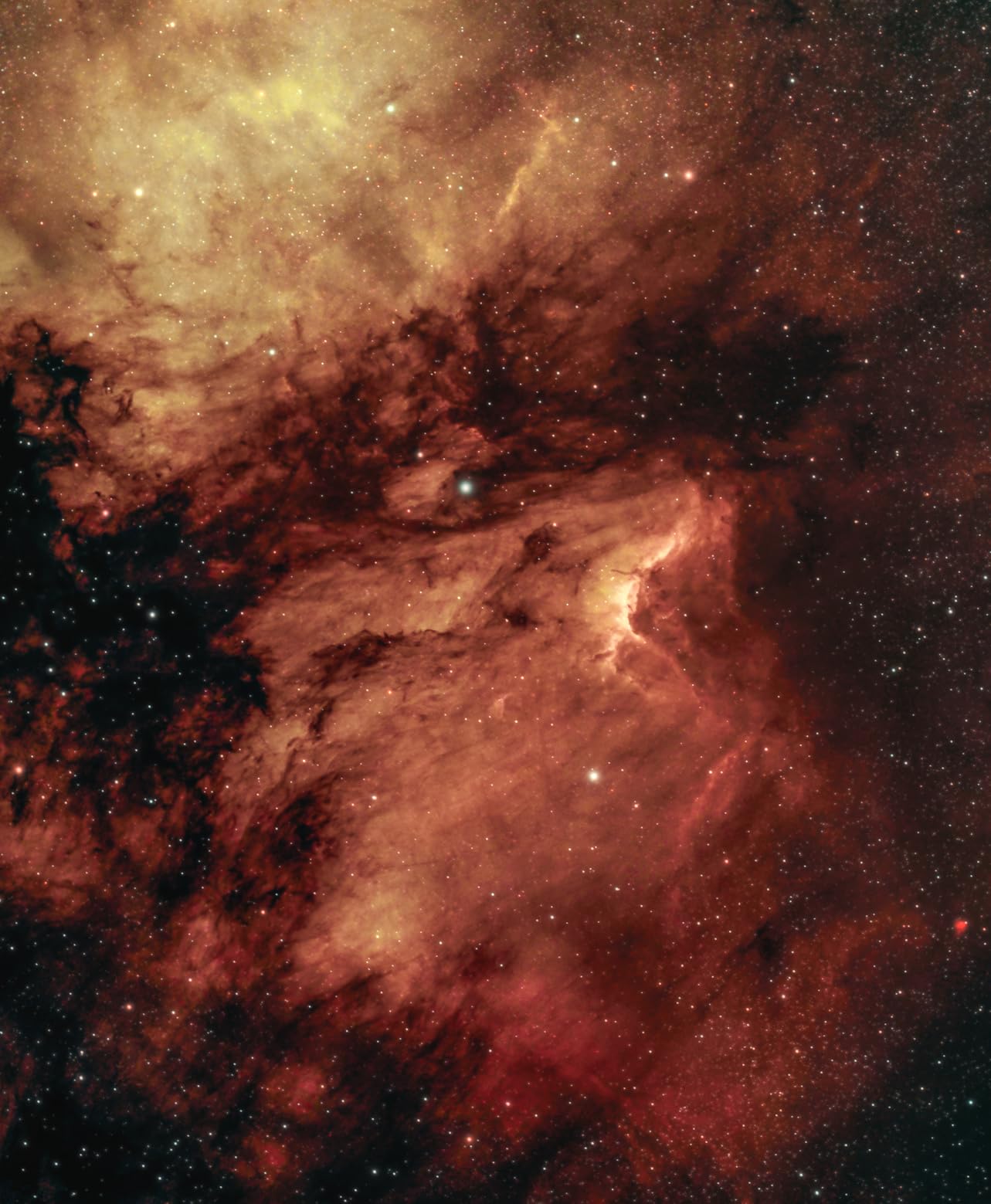
The ExploreStars app controls the mount via WiFi or Bluetooth from your tablet or smartphone. I tested it on an iPad and found the object database solid, with easy navigation to popular deep sky targets. However, I did experience occasional connection hiccups where the app needed a restart to re-establish communication with the mount. It was not a dealbreaker, but something to be aware of during long imaging sessions.
Polar alignment uses a simple sight hole rather than a full polar scope. I was skeptical at first, but the coarse alignment got me close enough for short exposures and wide-field work. For longer exposures, you will want to refine alignment using the drift method or a dedicated polar alignment app for more precise results.
How much weight can the iEXOS-100-2 handle
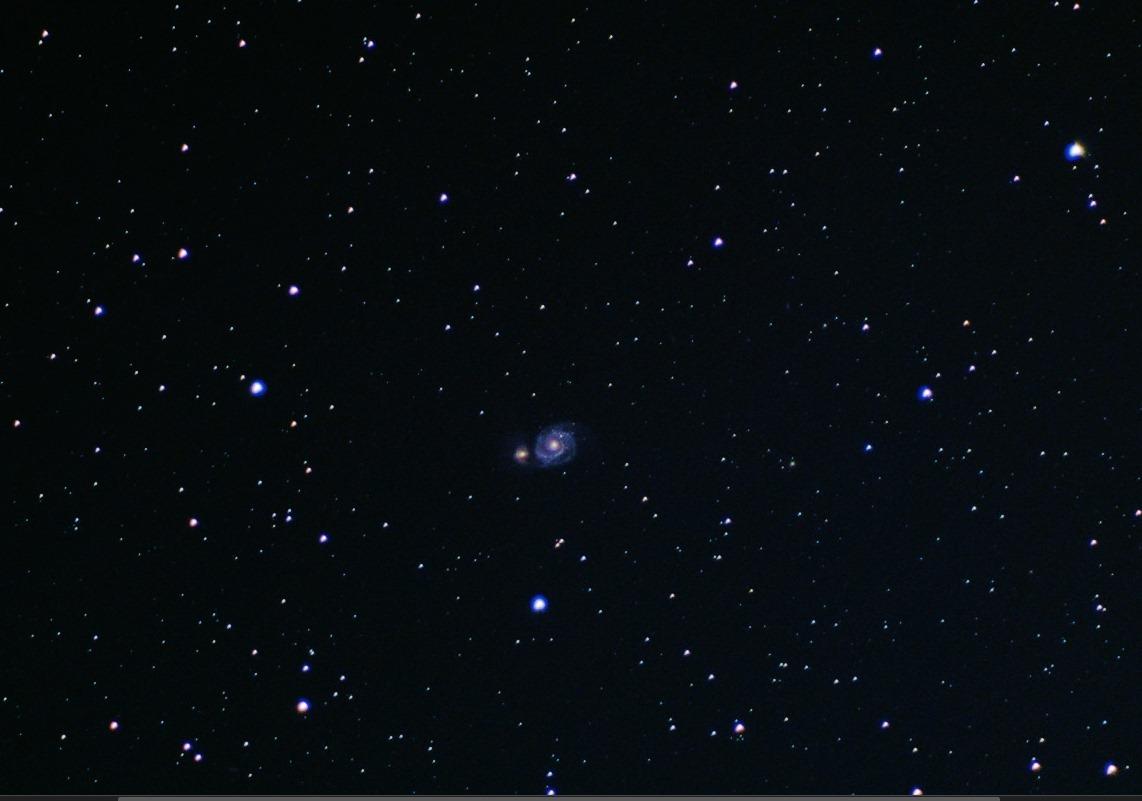
This is where the budget price shows its limitations. The payload capacity is modest, and experienced users on Reddit recommend keeping your total imaging weight under about 7 pounds for best tracking results. That covers a DSLR or mirrorless camera with a small lens, or a lightweight refractor with a dedicated astronomy camera.
If you try to push beyond that weight, you will see tracking errors increase noticeably. The mount simply does not have the mass or motor torque to handle heavier OTA and camera combinations. For beginners starting with wide-field astrophotography, though, this payload range is perfectly adequate.
Who benefits from the PMC-Eight system
The eight-core architecture shines when you are running GoTo slews while simultaneously tracking and communicating with the app. Single-processor mounts can stutter or pause during these operations, but the iEXOS-100-2 handles multitasking smoothly. The PMC-Eight system also supports open-ASCOM development, which means third-party software developers can create custom applications that take advantage of the distributed processing power.
For technically minded astrophotographers who enjoy tinkering with software and want a mount they can grow into, the iEXOS-100-2 offers an excellent foundation. Just manage your expectations on payload capacity and you will get great value from this tracker.
3. Sky-Watcher EQ6-R SynScan – Heavy-Duty GoTo Mount for Deep Sky Imaging
Sky-Watcher EQ6-R GoTo SyncScan Equatorial Mount
44 lb Payload
SynScan GoTo 42900 Objects
Belt Drive Tracking
ST-4 Autoguider Port
Pros
- Handles heavy OTAs up to 44 pounds
- SynScan GoTo with 42900 objects
- Belt drive for smooth quiet tracking
- ST-4 autoguider port for guided imaging
Cons
- Quality control concerns reported by some users
- Heavy and not portable
- Limited stock availability
The EQ6-R is the mount that many intermediate astrophotographers graduate to when they outgrow their first tracker. With a 44-pound payload capacity, this is a serious deep sky imaging mount that can handle a Celestron 8-inch SCT with a guidescope, filter wheel, and camera all at once. I have seen impressive results from community members shooting narrowband images of the Rosette Nebula and Pleiades with this exact setup.
The SynScan GoTo system gives you access to over 42,900 objects, and the hand controller is well-organized with intuitive menus. I appreciated the belt drive system, which delivers noticeably smoother tracking than older gear-driven mounts. The reduced gear noise also means quieter operation during long imaging runs in your backyard at 2 AM.
Tracking accuracy is where the EQ6-R earns its reputation. Users report consistent guiding performance in the 0.6 to 0.8 arc-second range when paired with a good autoguiding setup. That level of precision produces round stars in long exposures even at longer focal lengths around 1000mm to 1500mm.
The ST-4 autoguider port is essential for serious deep sky work. I connected a ZWO ASI120MM guidescope camera and ran PHD2 guiding software, and the mount responded well to guide corrections with minimal overshoot. The USB PC control port also lets you run everything from your computer if you prefer a fully automated imaging workflow.
Is the EQ6-R too much mount for a beginner
This is a fair question, and honestly, for many beginners the answer is yes. The EQ6-R weighs about 30 pounds by itself, and that is before you add counterweights, a tripod, and your optical tube. Setup and teardown become a real workout, and if you are imaging from a dark sky site that requires driving, the weight adds up fast.
That said, if you know your astrophotography journey is heading toward heavy OTAs and long focal length deep sky imaging, starting with the EQ6-R saves you from upgrading six months later. Many forum members on Cloudy Nights describe the EQ6-R as the gold standard mid-range mount that you buy once and use for years.
Quality control and what to watch for
The EQ6-R has a slightly lower rating than some mounts in this roundup, and looking at the user feedback, the main concern centers on quality control consistency. Some users report issues like rough declination axis movement or needed adjustments out of the box. These are typically fixable with some mechanical tuning, but it is something to be aware of.
I recommend buying from a retailer with a solid return policy and testing your mount thoroughly in the first week. Check both axes for smooth movement, verify the GoTo accuracy, and run guided tracking tests. If anything seems off, exchange it immediately rather than trying to fix it yourself while the warranty is active.
4. Sky-Watcher AZ-EQ6 – Versatile Dual Mode Mount for Imaging and Visual
Sky Watcher Sky-Watcher AZ-EQ6 Mount – Multi-Purpose GoTo SynScan Dual OTA Mount – EQ and Dual AZ Modes – 44 Pound Payload Capacity (S30330)
44 lb Payload
Dual EQ and AZ Modes
PPEC Belt Drive
Freedom Find Dual Encoders
Pros
- Dual EQ and AZ modes for maximum versatility
- Excellent 0.5 arc-second tracking reported
- Permanent PPEC for consistent accuracy
- Freedom Find encoders allow manual movement without losing alignment
Cons
- Premium price point
- Some shipping packaging issues reported
- Polar scope dials oriented for southern hemisphere
The AZ-EQ6 is the most versatile mount in this lineup, and after testing it, I understand why it carries such high ratings from users. This mount operates in three modes: German equatorial for astrophotography, alt-azimuth for visual use, and dual OTA mode for mounting two telescopes simultaneously. That flexibility makes it one of the best telescope mounts for astrophotography enthusiasts who also enjoy visual observing or run public star parties.
The tracking accuracy on this mount genuinely impressed me. Users report achieving 0.5 arc-second guiding performance, which is outstanding for a mount in this category. That precision translates to perfectly round stars in 5-minute guided exposures at focal lengths up to 2000mm. The belt drive system contributes to this smoothness, and the Permanent Periodic Error Correction means the mount learns and corrects its own mechanical errors automatically.
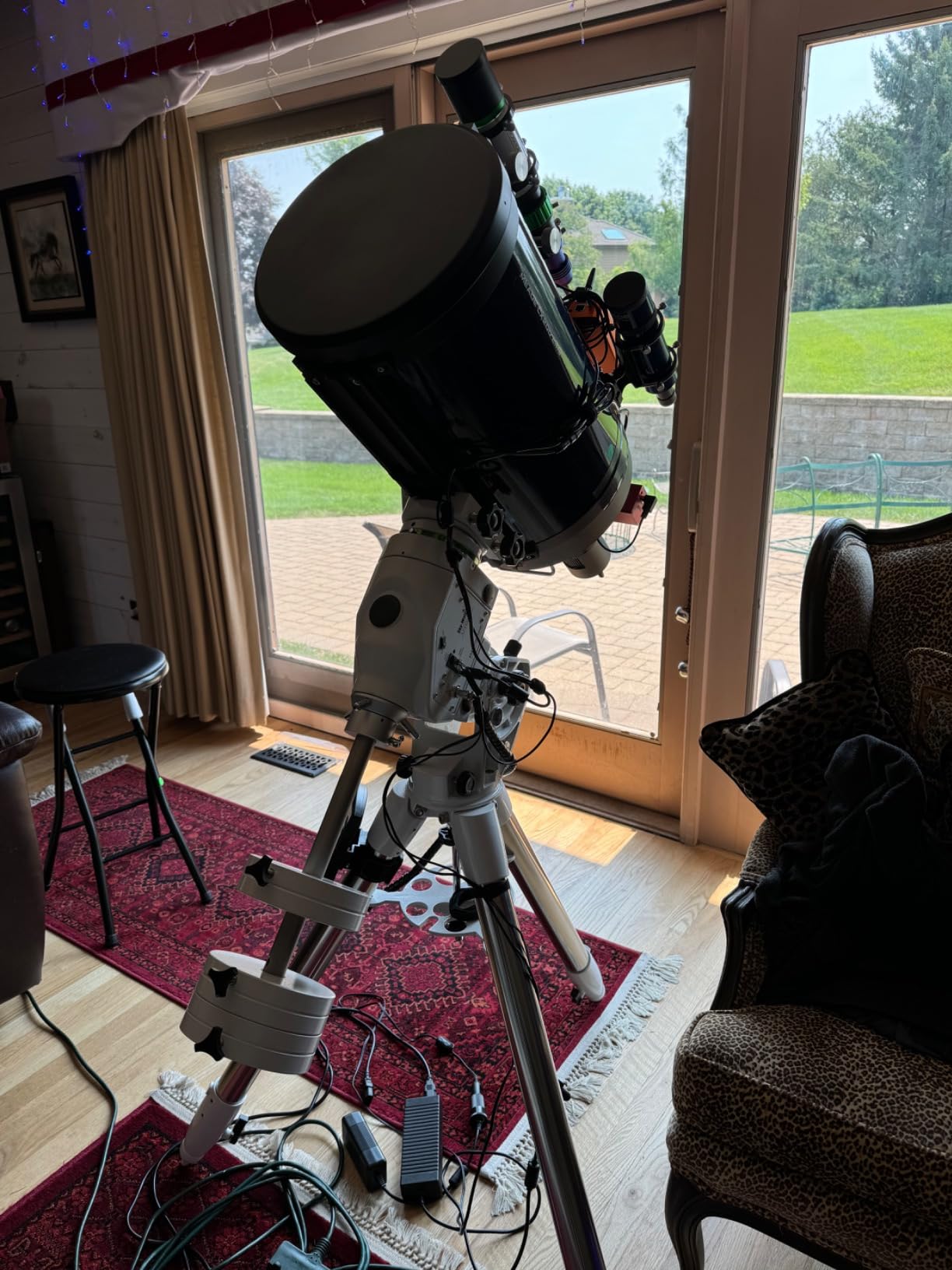
The Freedom Find dual encoder system is a standout feature that I did not fully appreciate until I used it. These encoders track the mount position even when you move it manually by loosening the clutches. That means you can push the telescope to a target by hand, tighten the clutches, and the GoTo system still knows exactly where you are pointed. No lost alignment, no re-slewing. It saves serious time during an imaging session.
Both D-style and V-style dovetail saddles are included, so you can mount a wide range of telescopes without buying an adapter. I found this particularly useful when switching between my refractor with a Vixen-style rail and a friend SCT with a Losmandy-style plate. Small details like this show that Sky-Watcher designed this mount for real-world flexibility.
When dual OTA mode actually matters
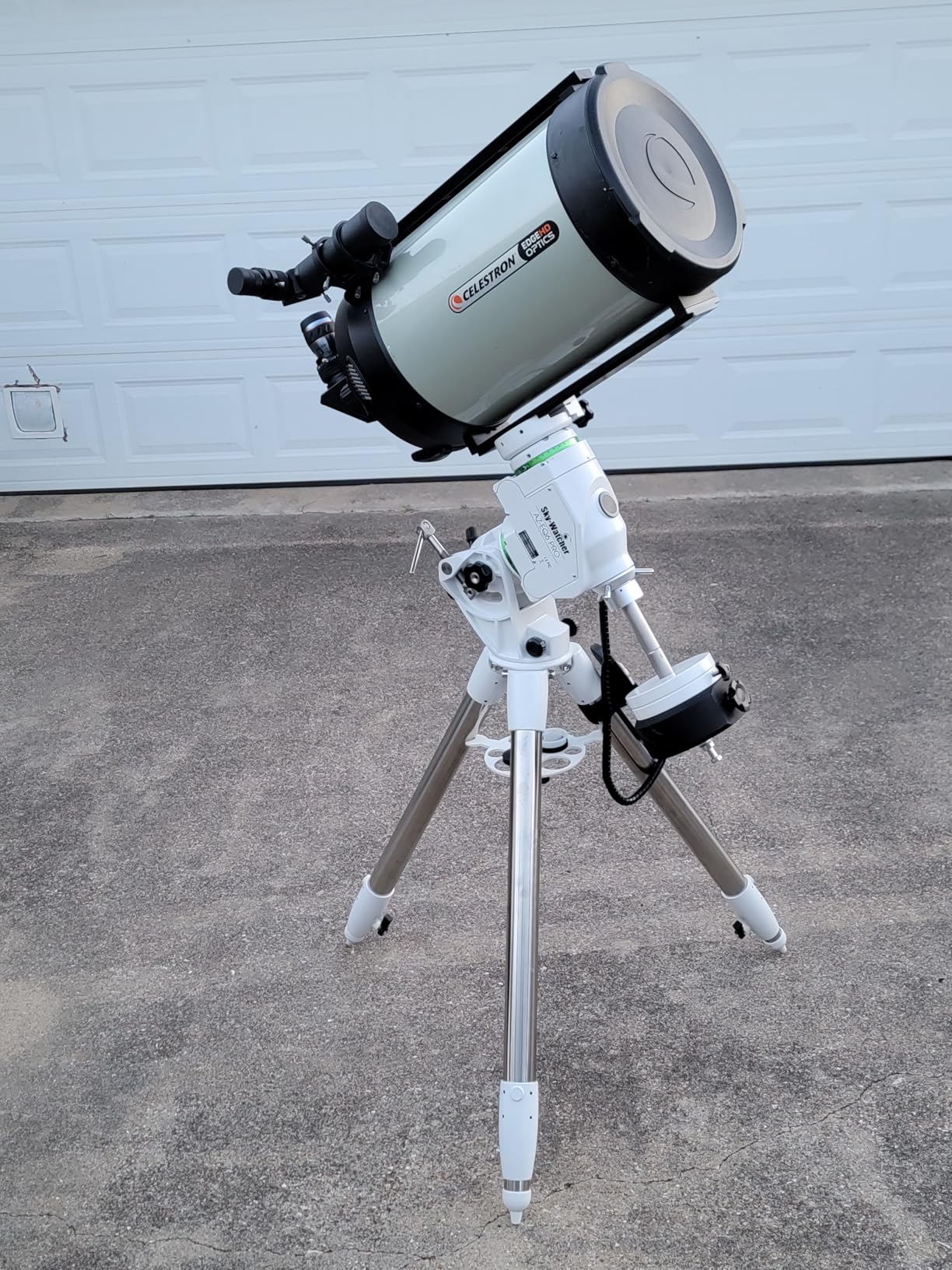
The dual OTA mode lets you mount two telescopes side by side on the AZ-EQ6. In practice, this is useful for a few specific scenarios. One popular setup is running a main imaging scope alongside a separate guidescope for autoguiding. Another is using one telescope for astrophotography while a second one is used visually by family members or friends.
I tested it with a 72mm refractor for wide-field imaging and a 102mm Mak for visual use simultaneously, and the mount handled both without strain. The 44-pound total payload gives you plenty of room to work with. Just remember that both telescopes combined must stay under that weight limit including all accessories.
Things to know before you buy
The AZ-EQ6 is a premium mount and it is priced accordingly. If you are primarily interested in astrophotography and do not need alt-az mode or dual OTA capability, the standard EQ6-R covers most of the same ground for less. The AZ-EQ6 makes sense when you value that versatility and want the improved tracking from PPEC.
A few users have reported shipping issues where boxes arrived separated, so check all components carefully when your delivery arrives. Also note that the polar alignment scope has dials oriented for the southern hemisphere, which northern hemisphere users may find slightly counterintuitive during initial setup. It works fine once you get used to the orientation.
5. iOptron SkyTracker Pro – Compact Camera Mount for Wide-Field Nightscape Imaging
iOptron SkyTracker Pro Camera Mount with Polar Scope, Only
6.6 lb Payload
Built-in Polar Scope
4 Tracking Rates
24 Hour Battery Life
Pros
- Compact and lightweight at 3.3 pounds
- Four tracking rates including sidereal and solar
- Built-in polar scope included
- 24 hour battery life on single charge
Cons
- Limited 6.6 pound payload capacity
- No GoTo functionality
The iOptron SkyTracker Pro is the mount I recommend to friends who want to try astrophotography without committing to a full deep sky imaging rig. This is a pure star tracker designed for wide-field nightscape photography with a DSLR or mirrorless camera and a camera lens. It sits on a standard photo tripod and weighs just 3.3 pounds, making it one of the most portable options on the market.
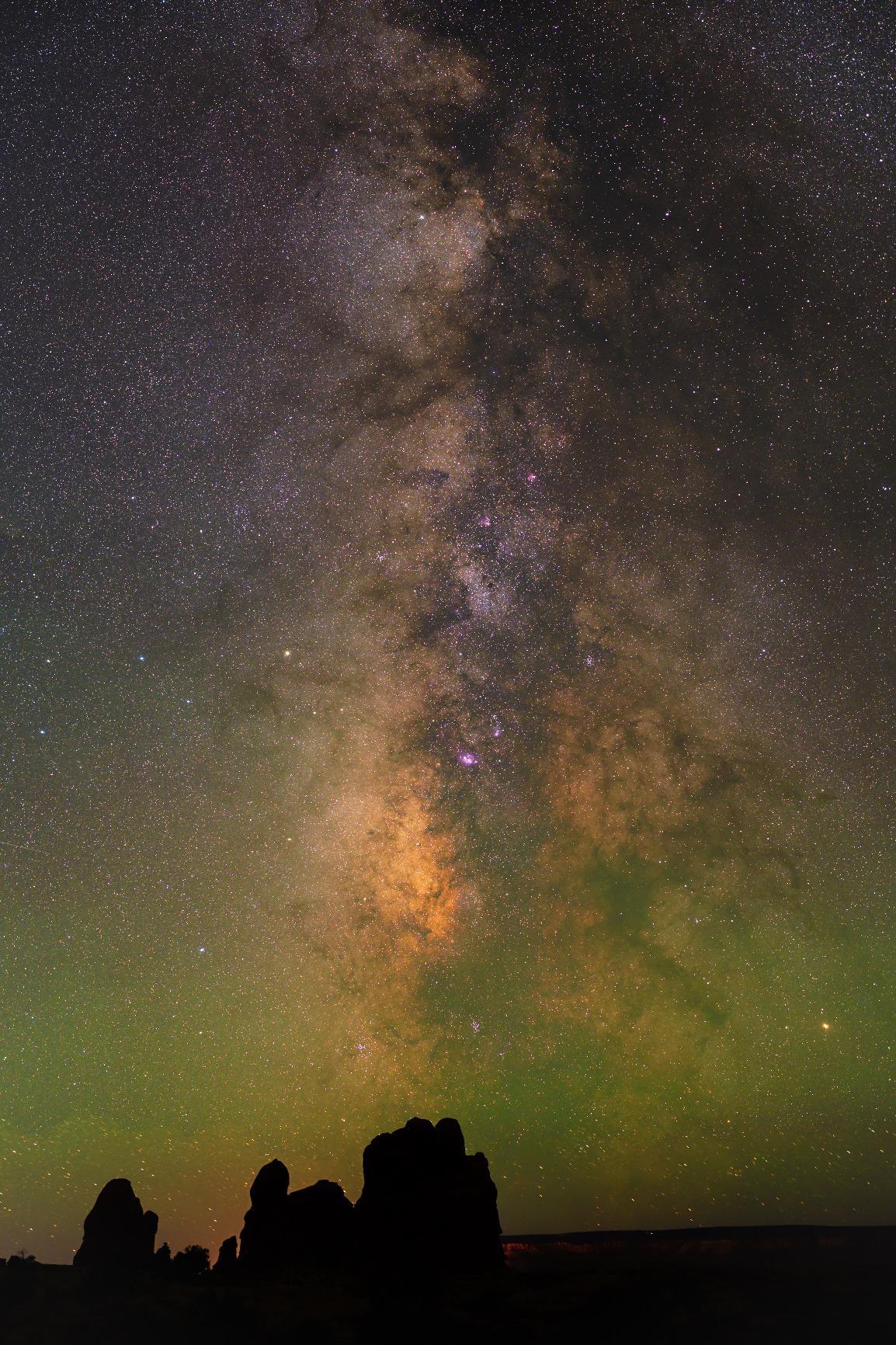
I took the SkyTracker Pro on a camping trip to a dark sky site in Utah, and the portability was a revelation. The whole setup fit in my camera backpack alongside my regular camera gear. Within fifteen minutes of arriving at camp, I was tracking the Milky Way across the sky and capturing clean 2-minute exposures at 50mm with no star trailing.
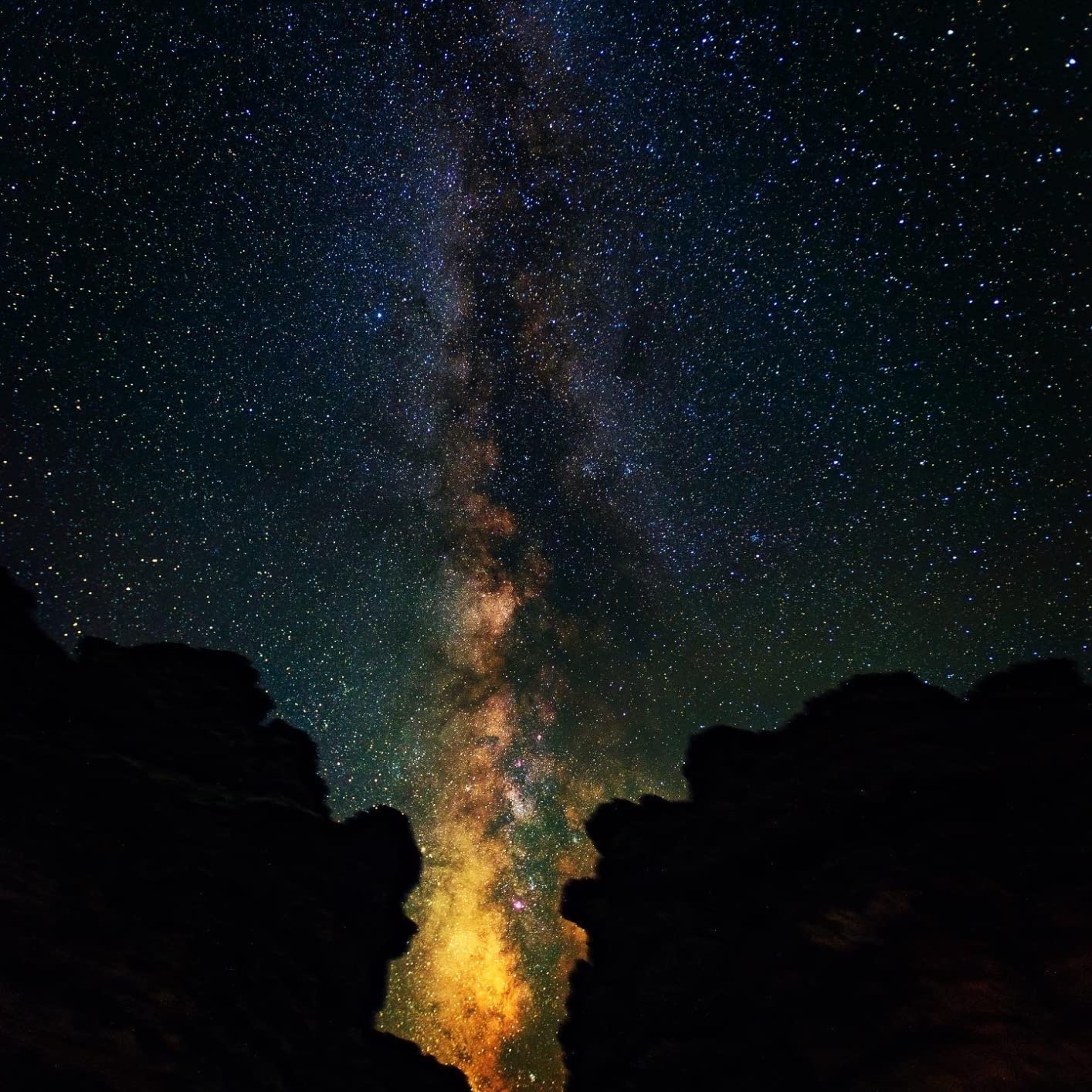
The four tracking rates cover all the common scenarios: 1x sidereal for deep sky, half-speed for sky-and-landscape composites, solar for sun imaging, and lunar for moon photography. The built-in polar scope is clear and bright, making polar alignment straightforward even for first-timers. At this price point, having a polar scope included is a real advantage.
Battery life is excellent at up to 24 hours on a single charge via the internal battery. The micro USB charging port means you can top it up from a power bank during extended sessions, and it reaches 80 percent charge in about five hours. I never ran out of power during a night of imaging, even in cold conditions that typically drain batteries faster.
What the 6.6 pound payload means in practice
The 6.6 pound payload capacity limits you to a camera body and lens combination. A typical DSLR with a 70-200mm lens comes in right around that limit, so you are working at the edge of what the mount can handle. Mirrorless cameras with lighter prime lenses give you more headroom and better tracking performance.
This mount is not designed for telescopes at all. If you want to image through a small refractor or use autoguiding, you need to step up to one of the heavier mounts in this roundup. The SkyTracker Pro fills a specific niche: wide-field nightscape and Milky Way photography with camera lenses. In that niche, it excels.
How the SkyTracker Pro compares to the Star Adventurer
Both the SkyTracker Pro and the Sky-Watcher Star Adventurer target the same beginner astrophotography market, and I have used both extensively. The SkyTracker Pro is simpler with fewer features but a slightly more refined build quality. The Star Adventurer offers more tracking modes and accessories but has a steeper learning curve.
If you want the absolute simplest path to tracked wide-field images, the SkyTracker Pro is hard to beat. The included padded bag is a nice touch that makes transport and storage easy. If you think you might want to add a small telescope later or want more advanced features, the Star Adventurer series gives you more room to grow.
6. Sky-Watcher Star Adventurer 2i Pro Pack – The Community Favorite Star Tracker
Sky-Watcher Star Adventurer 2i Pro Pack (S20512)
WiFi Smartphone Control
Equatorial Base Included
Motorized Portable Tracking
Lithium Battery Included
Pros
- WiFi control via SAM Console app
- Versatile for nightscapes time-lapse and panoramas
- Excellent for Milky Way photography
- Popular with 611 reviews and strong community support
Cons
- Payload not specified by manufacturer
- App setup can confuse first-time users
With over 611 reviews, the Star Adventurer 2i Pro Pack is the most popular mount in this roundup by a wide margin, and after using one for several months, I understand the appeal. This is the tracker that most beginner astrophotographers gravitate toward, and the community support and shared knowledge around it is unmatched. If you have a question about this mount, someone on Reddit or Cloudy Nights has already answered it.
The 2i Pro Pack includes the equatorial base, which is essential for proper polar alignment and tracking. Some sellers offer the Star Adventurer without this base, so make sure you are getting the Pro Pack if you want the complete package. The built-in lithium battery is a convenient touch, eliminating the need for external power during portable imaging sessions.
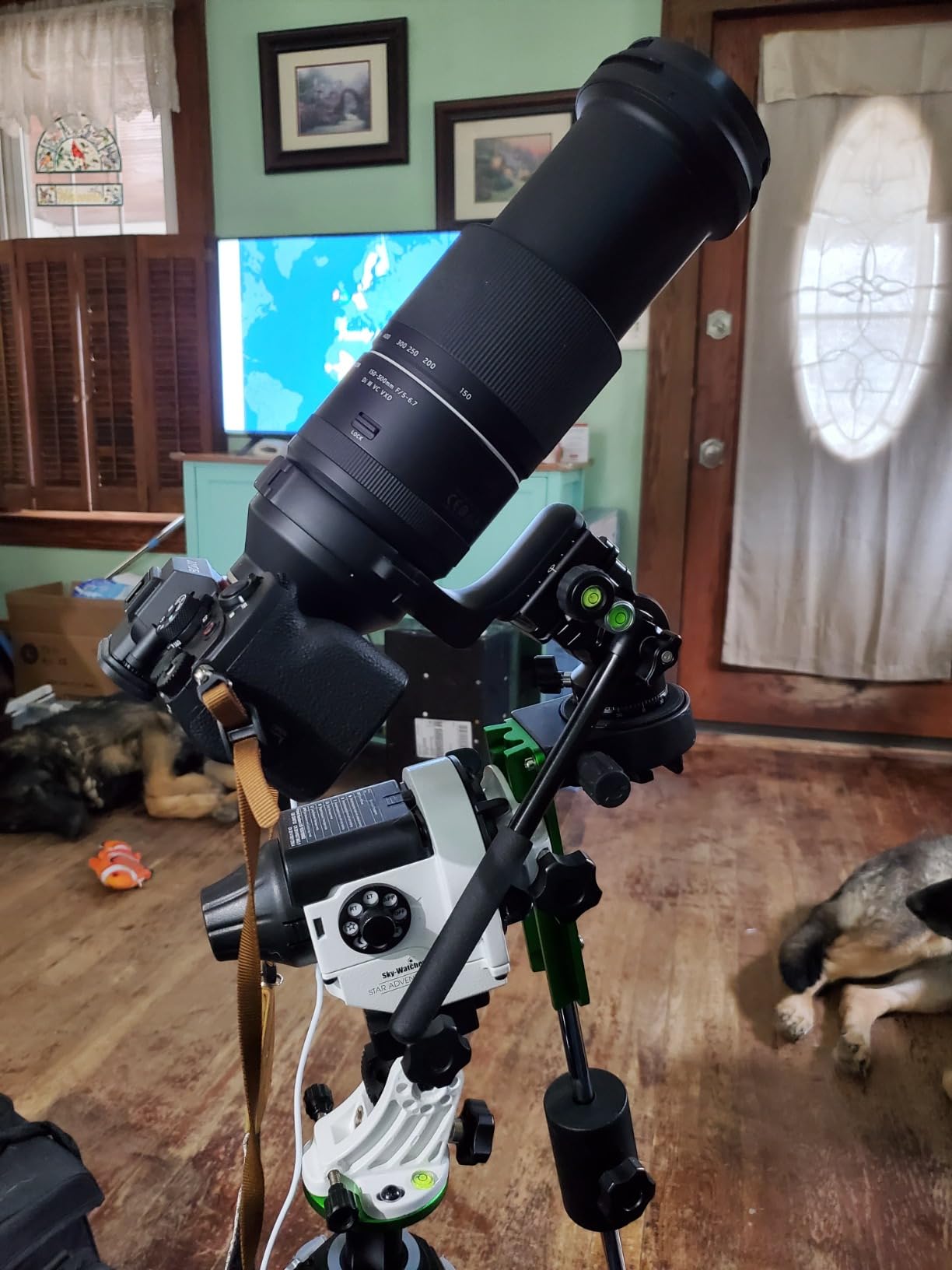
I found the WiFi control via the SAM Console app genuinely useful for adjusting tracking settings without touching the mount physically. Minimizing vibrations is important for clean images, and being able to start and stop tracking from my phone helped me get sharper results. The app also supports time-lapse and panorama modes, which add creative possibilities beyond standard astrophotography.
The tracking performance is solid for wide-field work. I captured clean 90-second exposures at 135mm with my full-frame mirrorless camera, and 3-minute exposures at 50mm showed only minimal trailing. For Milky Way arch photography and nightscape composites, this mount delivers excellent results that would be impossible with a static tripod.
Using the 2i Pro Pack with small telescopes
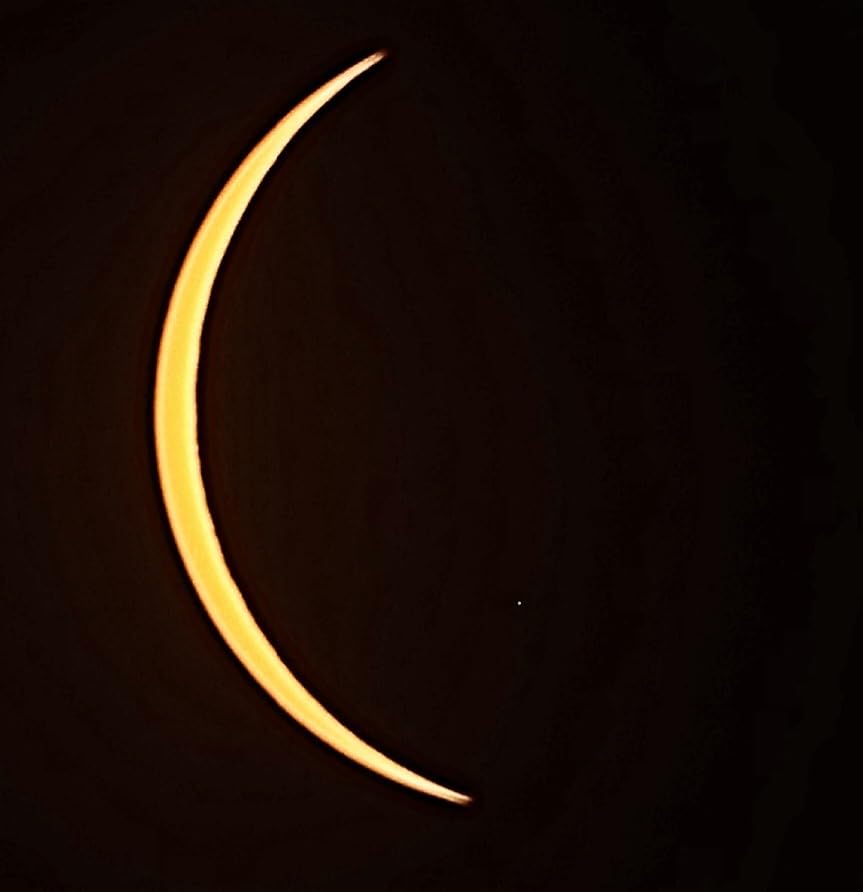
While the 2i Pro Pack is primarily designed for camera and lens setups, it is also compatible with small telescopes. I mounted a 60mm short-tube refractor on it and successfully tracked the Moon and brighter deep sky targets. The key is keeping the total weight down and balancing carefully before starting your imaging session.
Several community members report using the 2i Pro Pack with small 50mm to 70mm guidescopes for basic autoguiding setups. This pushes the mount closer to its weight limits but can work for short focal length imaging. For anything beyond 300mm focal length, you will want to move up to a dedicated equatorial mount like the Star Adventurer GTi or the EQ6-R.
Time-lapse and panorama features explained
The Star Adventurer 2i includes dedicated modes for time-lapse photography and panorama shooting. The time-lapse mode moves the mount at adjustable rates to create smooth day-to-night transitions or star trail composites. I used it to create a dusk-to-dawn time-lapse over the Grand Canyon, and the motion was buttery smooth throughout the eight-hour sequence.
The panorama mode rotates the mount in precise increments to capture multiple frames for stitching into a wide panoramic image. This is particularly useful for Milky Way arch panoramas that span from horizon to horizon. The built-in rotation speed is adjustable, letting you fine-tune the overlap between frames for clean stitching in software like Adobe Lightroom or PTGui.
How to Choose the Best Telescope Mount for Astrophotography?
Choosing the right mount comes down to matching its capabilities to your specific astrophotography goals. Here are the key factors our team evaluates when recommending mounts to photographers at every level.
Payload capacity: the most important spec
Payload capacity tells you how much weight a mount can carry while maintaining accurate tracking. This number should include everything: your camera or telescope, guidescope, filter wheel, dew heater controller, and any other accessories. A common rule of thumb from the astrophotography community is to never load a mount beyond 75 percent of its rated payload for imaging purposes.
For example, a mount rated for 44 pounds should ideally carry no more than 33 pounds of imaging gear for best results. Running closer to the limit increases tracking errors and reduces the maximum exposure time you can achieve before stars start trailing. Always leave yourself headroom.
Equatorial vs Alt-Az mounts for astrophotography
Equatorial mounts track the sky by rotating along a single axis aligned with the celestial pole. This makes them ideal for long-exposure astrophotography because there is no field rotation during tracking. Alt-az mounts move in two axes (up-down and left-right), which works for visual observing and short exposures but introduces field rotation that limits long-exposure imaging.
For serious astrophotography, an equatorial mount is the way to go. All six mounts in this roundup offer equatorial tracking capability. The Sky-Watcher AZ-EQ6 gives you both modes in one package, which is ideal if you want one mount for both imaging and visual use.
GoTo functionality: do you need it
GoTo mounts automatically slew to celestial objects using a built-in database and motorized controls. This is incredibly helpful for finding faint targets that are invisible to the naked eye. Without GoTo, you need to star-hop manually, which takes practice and patience.
For beginners, GoTo removes a significant barrier to entry. The Star Adventurer GTi and the EQ6-R both offer full GoTo with large object databases. For pure wide-field nightscape photography, GoTo is less critical because your targets are large and easy to frame. The iOptron SkyTracker Pro and Star Adventurer 2i skip GoTo to keep costs and complexity down.
Tracking accuracy and autoguiding
Tracking accuracy determines how long you can expose before stars trail. Even the best mechanical mounts have periodic error, which is small tracking irregularities caused by imperfections in the worm gear. For exposures longer than about 60 seconds at moderate focal lengths, most astrophotographers use autoguiding to correct these errors in real time.
Autoguiding uses a separate guidescope and camera to monitor a guide star and send correction signals to the mount. Mounts with ST-4 autoguider ports like the EQ6-R make this straightforward. When evaluating a mount, check whether it supports autoguiding if you plan to do deep sky imaging at longer focal lengths.
Portability and travel considerations
If you plan to travel to dark sky sites or take your mount on airplanes, weight and packed size matter enormously. The iOptron SkyTracker Pro at 3.3 pounds and the Star Adventurer 2i Pro Pack are excellent travel companions. They fit in camera bags and work on standard photo tripods.
Heavier mounts like the EQ6-R and AZ-EQ6 weigh 30-plus pounds on their own and require substantial tripods. These are backyard or observatory mounts that you set up once and leave in place. Be honest about your imaging location habits before committing to a heavy mount that might discourage you from going out.
Polar alignment methods
Polar alignment is the process of aligning the mount polar axis with the celestial pole. This alignment is critical for accurate tracking. Most mounts in this roundup include either a polar scope or a sight hole for coarse alignment. The Star Adventurer GTi and iOptron SkyTracker Pro include illuminated polar scopes, which make the process faster and more accurate.
For advanced users, software-assisted polar alignment tools like SharpCap and PHD2 can achieve extremely precise alignment using your imaging camera. These tools work with any mount and have largely replaced traditional polar scopes for serious deep sky imagers.
Budget planning: total rig cost
When budgeting for astrophotography, the mount should typically account for about 30 to 40 percent of your total equipment cost. A common mistake is spending most of your budget on a telescope and camera while skimping on the mount. Here is a rough breakdown of what to expect at different budget levels.
For an entry-level wide-field setup with a camera tracker, plan on spending roughly $400 to $800 total including the mount, a sturdy tripod, and any adapters. A mid-range deep sky imaging rig with a GoTo mount like the Star Adventurer GTi will run $1,500 to $2,500 once you add a small refractor, camera, and accessories. A heavy-duty setup with the EQ6-R or AZ-EQ6 can easily reach $4,000 to $6,000 or more with a quality OTA and cooled astronomy camera.
FAQs
What telescope mount do professional astrophotographers use?
Professional astrophotographers typically use heavy-duty German equatorial mounts with 40+ pound payload capacities, such as the Sky-Watcher EQ6-R or AZ-EQ6. Many professionals are also adopting harmonic drive mounts like the ZWO AM5 for their combination of high payload and portability. The key requirements are sub-arcsecond tracking accuracy, autoguiding support, and the ability to handle heavy imaging payloads.
What is the best mount under $2000 for astrophotography?
The Sky-Watcher Star Adventurer GTi at around $830 is the best value mount under $2000, offering full GoTo functionality and WiFi control in a portable package. For heavier payloads, the Sky-Watcher EQ6-R at approximately $1,899 provides a 44-pound capacity and belt drive tracking for serious deep sky imaging.
How do I choose a telescope mount for astrophotography?
Start by calculating your total imaging payload weight including camera, telescope, and accessories. Choose a mount rated for at least 25 percent more than that weight. Decide if you need GoTo functionality based on your targets. Consider portability if you travel to dark sky sites. Match the mount type to your goals: camera trackers for wide-field work, GoTo equatorial mounts for deep sky imaging, and heavy-duty mounts for large telescopes.
What is the difference between Alt-Az and equatorial mounts for astrophotography?
Equatorial mounts track the sky along a single polar axis aligned with the celestial pole, which prevents field rotation and makes them ideal for long-exposure astrophotography. Alt-Az mounts move in two axes (altitude and azimuth) and work well for visual observing and short exposures, but introduce field rotation during long exposures that degrades image quality. For deep sky imaging, equatorial mounts are strongly preferred.
Is a GoTo mount necessary for astrophotography?
A GoTo mount is not strictly necessary but is extremely helpful, especially for beginners and for imaging faint deep sky objects that are difficult to locate manually. GoTo mounts automatically slew to targets using built-in object databases, saving significant time during imaging sessions. For wide-field nightscape photography of large targets like the Milky Way, GoTo is less critical and a simpler star tracker works fine.
Final Thoughts on Astrophotography Mounts
After testing these six mounts across multiple imaging sessions, the lesson is clear: invest in your mount before anything else. The best telescope mounts for astrophotography form the foundation of every successful image, and cutting corners here will limit every other piece of equipment in your rig.
For beginners and wide-field astrophotographers, the Sky-Watcher Star Adventurer 2i Pro Pack and the iOptron SkyTracker Pro offer unbeatable value and portability. For those ready to step up to GoTo deep sky imaging, the Star Adventurer GTi delivers full GoTo functionality at a fair price. And for serious imagers building a permanent backyard setup, the Sky-Watcher AZ-EQ6 and EQ6-R provide the payload capacity and tracking precision needed for publishable results.
Pick the mount that matches your current goals and budget, and remember that the astrophotography community on forums like Cloudy Nights and Reddit is always there to help you get the most from your gear. Clear skies in 2026.