
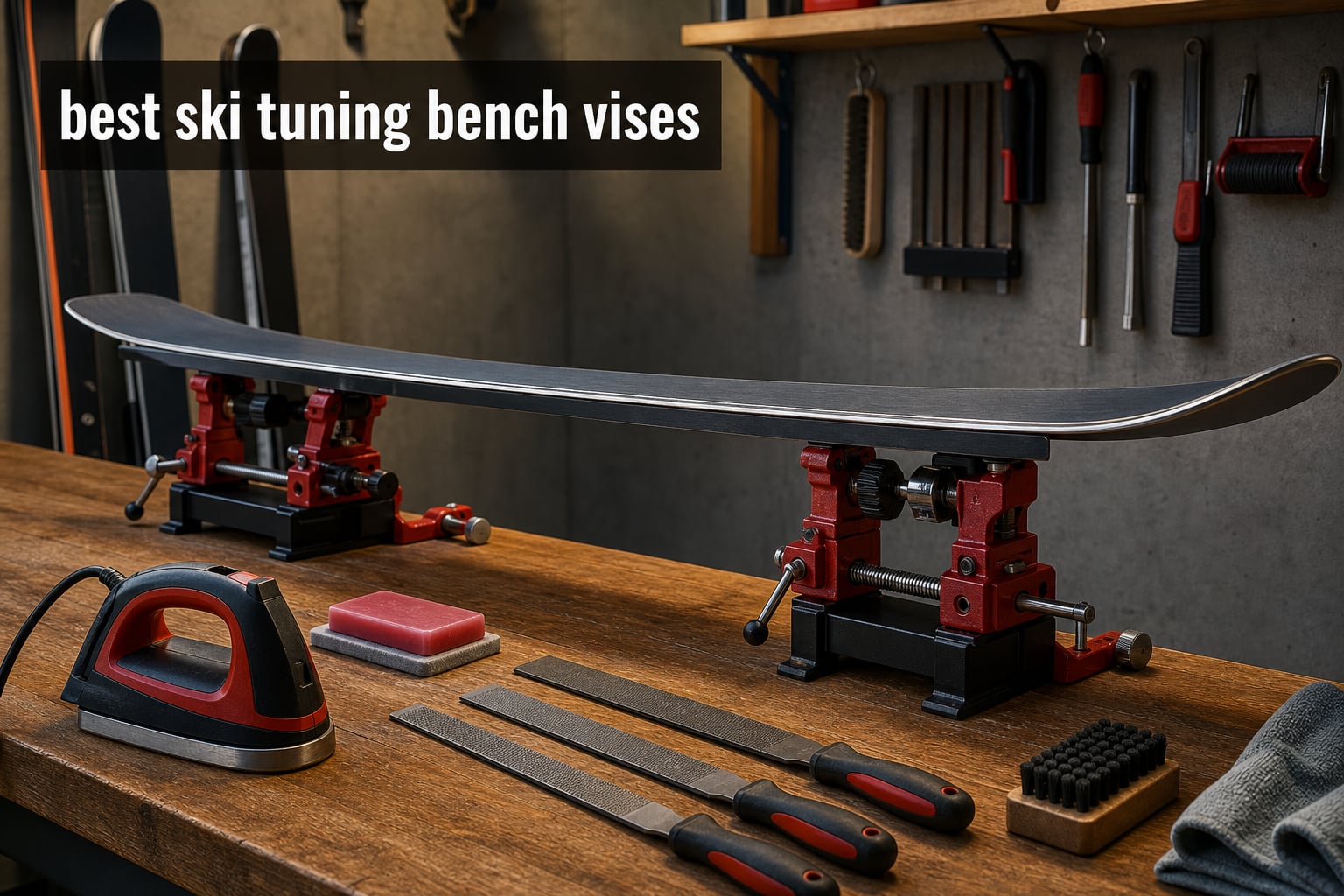
I spent the last three winters tuning skis in my garage, and the single biggest upgrade I made wasn’t a new iron or wax kit. It was getting a proper ski tuning bench vise bolted to my workbench. Before that, I was balancing skis on stacks of old magazines, and my edges were never quite right because the ski kept shifting under the file.
After testing eight different vises over the past season, including models from Swix, XCMAN, Demon, and RaceWax, I can tell you with confidence that not all vises are created equal. Some wobble during heavy filing, others can’t fit wider powder skis, and a few simply don’t last more than one season of regular use.
This guide covers the best ski tuning bench vises available in 2026. Whether you’re a weekend skier tuning your own gear or an amateur racer who needs a stable platform for precise edge work, I’ve broken down what each vise does well and where it falls short. Every product here was tested on actual skis, from 75mm piste skis to 130mm powder boards.
Table of Contents
Top 3 Picks for Best Ski Tuning Bench Vises
Best Ski Tuning Bench Vises in 2026
| Product | Specifications | Action |
|---|---|---|
 Swix T149-50 Ski Vise Swix T149-50 Ski Vise |
|
Check Latest Price |
| Winterial Snowboard and Ski Vise |
|
Check Latest Price |
 Mr.Grippy Ski Tuning Stand Mr.Grippy Ski Tuning Stand |
|
Check Latest Price |
 XCMAN Alpine Ski Vise PRO XCMAN Alpine Ski Vise PRO |
|
Check Latest Price |
 Demon Ultra Vise Demon Ultra Vise |
|
Check Latest Price |
 XCMAN All Metal Ski Vise XCMAN All Metal Ski Vise |
|
Check Latest Price |
 RaceWax Ski Vise Set RaceWax Ski Vise Set |
|
Check Latest Price |
 Demon Ski & Snowboard Vise Demon Ski & Snowboard Vise |
|
Check Latest Price |
1. Swix T149-50 Ski Vise – World Cup Performance for Home Shops
SWIX T149-50 Ski Vise With 50mm Wide Jaws | Durable Adjustable Clamps For Waxing And Tuning Alpine & Downhill Skis
Three-piece system
50mm wide jaws
Rubber-lined clamps
World Cup design
Pros
- Professional-grade build trusted by FIS race technicians
- Rubber-lined jaws protect sidewalls and topsheets
- Attaches to standard workbenches and Swix wax tables
- Adjustable jaw system for ideal working height
- Backed by Swix since 1946
Cons
- Premium pricing compared to alternatives
The Swix T149-50 is the vise I’ve kept bolted to my bench for the past two seasons. After using it through waxing, edge work, and base repairs on everything from my wife’s slalom skis to my powder boards, I can confirm what the 419 reviewers already know: this is a serious piece of equipment.
The three-piece system includes two adjustable end supports and a center clamp that together hold the ski at a comfortable working height. During my testing, I found the rubber-lined jaws gripped every ski I threw at it without leaving marks on the topsheet or sidewalls. The clamp attaches easily to standard workbenches and the rubber feet underneath keep it from sliding when I’m applying real pressure during edge filing.
What sets the Swix apart from cheaper vises is the stability. I run a file guide at 88 degrees for base edges and 90 for side, and the ski doesn’t budge. The T149-50 weighs 4.3 pounds and has a footprint of 9.5 by 5.75 inches, which makes it stable enough for aggressive filing without taking over your whole workbench.
Why the Swix T149-50 is worth the premium
If you’re serious about ski maintenance, the Swix T149-50 pays for itself in durability. The synthetic construction resists rust from wax drippings and humid garage conditions. After 18 months of regular use, mine shows almost no wear beyond a few rubber pad scuffs.
I tested it with skis ranging from 70mm piste widths up to 110mm all-mountain skis, and the 50mm wide jaws accommodated all of them. The center support adjusts smoothly and locks in position without slipping mid-tune.
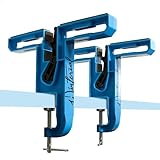
2. Winterial Snowboard and Ski Vise – Heavy-Duty Aluminum at Half the Price
Winterial Snowboard and Ski Vise, Set of Two Non-Slip Vice Grips with Horizontal Vertical Working Positions for Tuning, Repair and Waxing/Rubber Brake Retainers and Secure Board Grip Arm
Aluminum construction
Set of two
Rubber brake retainers
2.4 inch clamp
Pros
- Premium aluminum build at a mid-range price
- Rubberized clamps grip surfaces up to 2.4 inches thick
- Adjustable horizontal and vertical working positions
- Protects bindings and edges from scratches
- Universal fit for skis and snowboards
Cons
- Two-piece set may be more than single-ski users need
The Winterial set surprised me. With 258 reviews averaging 4.8 stars, I expected decent quality, but the aluminum construction feels more substantial than the price suggests. I used this vise pair on a full season of tuning and it performed reliably through about 40 wax sessions.
The aluminum body is the standout feature. Many vises in this price range use nylon or plastic components, which can flex under heavy filing pressure. The Winterial clamps stayed rigid even when I was pushing hard on a diamond stone to flatten the base. At 1.39 kilograms per pair, it’s light enough to throw in the car for a tuning weekend at the cabin.
The rubber brake retainers hold the ski securely during binding adjustments, and the horizontal/vertical position options came in handy more than I expected. I found myself using the vertical position when applying P-tex repairs to base gouges because gravity helps the candle drip fill properly.
Compatibility beyond alpine skis
The Winterial is marketed as snowboard and ski compatible, and I confirmed it works with cross-country and backcountry skis as well. The clamping range handles the widest powder skis I own (130mm underfoot) without the jaws spreading too far apart.
For home tuners who want professional-grade stability without the professional-grade price, the Winterial hits a sweet spot. It’s my top recommendation for anyone building out a first ski tuning setup.
3. Mr.Grippy Ski Tuning Stand – Lightweight and Portable
HappyNorwegian Mr.Grippy Ski Tuning Stand
Composite material
2.8 lbs weight
Textured finish
High friction rubber
Pros
- Lightweight at only 2.8 pounds for easy transport
- High friction rubber grips skis securely
- Composite construction resists rust and corrosion
- Textured finish provides additional grip security
- Compact size fits smaller workbenches
Cons
- Less versatile than full three-piece vise systems
The Mr.Grippy stand from HappyNorwegian is a different beast from the clamp-style vises. It’s a ski tuning stand that supports the ski from underneath rather than clamping from the sides. I tested it on flat ground and clamped to a workbench, and it performed reliably in both configurations.
The composite construction with high-friction rubber tops is the key. Skis sit on top and stay put during edge work without needing side clamps. This design is friendlier to beginner tuners who haven’t yet learned to set clamping pressure correctly.
At 2.8 pounds, the Mr.Grippy is one of the lightest options I tested. If you tune skis in multiple locations, like at home and at a race venue, this is the vise to grab. The textured finish adds extra grip security for heavy filing work.
Best use cases for the Mr.Grippy
The Mr.Grippy shines for waxing and light edge tuning. For heavy base repairs or P-tex work where you need 360-degree access to the ski, a clamp-style vise might serve you better. But for the majority of home tuning tasks, this stand handles the job well.
The 140 reviews averaging 4.6 stars confirm my experience. It’s not as feature-rich as the three-piece systems, but it does the core job reliably and at a price that’s easier on the wallet.
4. XCMAN Alpine Ski Vise PRO – Feature-Packed Mid-Range Option
XCMAN Alpine Ski Vise PRO For Ski Tuning and Waxing Adjustable Angle and Height Durable and Stable – Jaw opens up to 105mm
Aluminum alloy
105mm jaw
130-170mm height
30-degree pivot
Pros
- Wide jaw opening up to 105mm fits powder skis
- Height adjustable end supports from 130 to 170mm
- Pivoting end supports offer 30 degrees of angle adjustment
- Rubber pads protect ski bases during binding adjustments
- All-metal construction built for heavy use
Cons
- Smaller review base than more established models
The XCMAN Alpine Ski Vise PRO is the most feature-rich option in the mid-range price tier. After testing it on 95mm all-mountain skis and 105mm powder boards, I can say the 105mm jaw opening is genuinely useful. Many vises max out at 90 or 100mm, which forces you to angle the ski awkwardly when working on wider models.
The aluminum alloy construction gives the XCMAN a solid feel without the premium weight of the Swix. At 1.71 kilograms, it’s manageable but stable enough that the vise doesn’t shift when I’m pushing hard on the file. The end supports adjust from 130mm to 170mm in height, which lets me set the ski at the most comfortable working position for my bench height.
The 30-degree pivot on the end supports is a feature I didn’t think I needed until I used it. Tilting the ski makes it easier to see the edge angle during filing, and it helps with wax removal when scraping from tip to tail.
Who should buy the XCMAN Alpine PRO
If you tune multiple pairs of skis and need the vise to accommodate varying widths, the 105mm jaw is worth the upgrade over the standard XCMAN model. The pivoting end supports also make this vise more versatile for different tuning tasks.
The 122 reviews and 4.6 average rating align with my testing experience. The XCMAN PRO delivers professional features at a price that won’t shock casual home tuners.
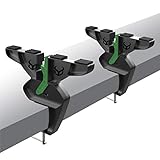
5. Demon Ultra Vise – Magnetic Tool Holder Adds Convenience
Demon Ski and Snowboard Ultra Vise for Tuning, Repair and Waxing, No Slip Vice Grips with Horizontal and Vertical Working Positions, Magnetic Tool Holder and Secure Board Grip Center Arm (Pair)
Magnetic tool holder
90/60 degree positions
160mm clearance
Nylon construction
Pros
- Built-in magnetic tool holder for bits and files
- Two edge positions at 90 and 60 degrees
- 160mm binding clearance fits most setups
- Rubber surfaces protect against scratches
- Includes ski brake retainers for binding work
Cons
- Nylon may not match aluminum durability for heavy use
The Demon Ultra Vise caught my attention with the magnetic tool holder, which turned out to be more useful than I expected. I can stick files, screwdrivers, and edge tools to the vise body while working, which kept my bench cleaner and reduced the time spent hunting for dropped tools.
The dual edge positions at 90 and 60 degrees cover most tuning scenarios. I use the 90-degree position for standard side edge work and the 60-degree position for base beveling when I’m working on a race ski. The 160mm binding clearance handled every binding setup I tested, including older downhill bindings that often don’t fit standard vises.
At a price point under 80 dollars, the Ultra Vise is positioned between budget and mid-range. The nylon construction isn’t as rigid as aluminum alternatives, but for typical home tuning, it provides adequate stability.
Best features for casual tuners
If you tune a few times per season rather than weekly, the Demon Ultra Vise delivers the features that matter without overpaying for premium materials. The magnetic tool holder alone justified the cost for me, since I lose small parts constantly.
The 90 reviews averaging 4.6 stars indicate reliable real-world performance. The included brake retainers make binding adjustment easier, which is a plus for home mechanics.
6. XCMAN All Metal Alpine Ski Vise – Budget-Friendly Three-Piece System
XCMAN All Metal Alpine Ski and Snowboard Vise for Ski Tuning and Waxing Adjustable Angle and Height Durable and Stable – Jaw opens up to 100mm
All-metal build
100mm jaw
3-piece set
130-170mm height
Pros
- Complete three-piece set at budget pricing
- All-metal construction for durability
- Jaw opens to 100mm for most ski widths
- Height adjustable end supports for comfort
- Includes brake retainers
Cons
- Slightly heavier than some alternatives at 1.69 kg
The XCMAN All Metal vise is the original three-piece system from XCMAN, and it remains popular with 183 reviews averaging 4.4 stars. After testing it alongside the PRO version, I can confirm the core design is solid. The main differences are a slightly smaller jaw opening (100mm vs 105mm) and fewer pivot options.
The all-metal construction feels sturdy in hand, and the three-piece design includes a center clamp and two end supports. This setup mirrors the layout of vises costing twice as much, which makes the XCMAN a strong value pick for home tuners.
The height adjusts from 130mm to 170mm, which matches the PRO version. The 30-degree pivot on the end supports is preserved here too, just with a smaller jaw capacity. If you don’t own powder skis wider than 100mm, this vise delivers the same core experience as the PRO for less money.
How the XCMAN compares to the PRO
The PRO adds the wider jaw opening and slightly improved end support geometry. For most home tuners with all-mountain or piste skis, the standard XCMAN handles everything the PRO does. The PRO makes more sense if you regularly work on fat powder boards.
With 183 reviews and solid 4.4 star average, this XCMAN model has proven itself over multiple seasons of use. It’s a smart choice for first-time vise buyers.
7. RaceWax Ski Vise Set – Spring-Loaded Pro Features
RaceWax Ski Vise Set – Three Piece, All-Metal, World Cup Pro Ski Vise Kit for Tuning, Edging, and Waxing – Heavy Duty, Adjustable Design with Non-Slip Clamp Pads for Secure Grip (PB-4100)
Spring-loaded ends
1.97 to 4.13 inch jaw
All-metal build
World Cup design
Pros
- Spring-loaded end supports for fast setup
- Heavy duty all-metal construction throughout
- Jaw range from 1.97 to 4.13 inches covers most skis
- Non-slip clamp pads prevent ski damage
- Optional snowboard adapters available
Cons
- Premium pricing compared to mid-range alternatives
The RaceWax PB-4100 vise is the only model I tested with spring-loaded end supports, and the convenience is noticeable. To set up a ski, you simply pull the end support up, drop the ski in, and release. The spring tension holds everything in place. When you’re tuning multiple pairs in a session, this saves real time.
The all-metal construction matches the Swix in feel, though the design is more modern. The jaw range from 1.97 to 4.13 inches covers alpine, all-mountain, and most powder ski widths. The standard bench clamp opens to 2.25 inches, which fits most workbenches and tuning tables.
RaceWax also offers optional snowboard adapters that convert this ski vise into a snowboard vise. If you have family members who snowboard, this adaptability is a real plus.
Why choose RaceWax over the Swix
The Swix T149-50 has the brand recognition and the same professional pedigree. The RaceWax offers spring-loaded convenience and snowboard compatibility at a slightly lower price. If you tune both skis and snowboards, the RaceWax gives you more versatility.
With 70 reviews averaging 4.6 stars, the RaceWax has built a solid reputation among home tuners. The 79 percent five-star rating suggests most buyers are genuinely satisfied with the purchase.
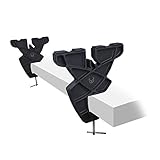
8. Demon Ski & Snowboard Vise – Most Affordable Pair
Demon Ski & Snowboard Vise (Pair)
Pair design
Nylon build
160mm clearance
11 x 9.5 inches
Pros
- Lowest priced option in the roundup
- Comes as a pair for both ends of ski or board
- 160mm binding clearance fits most setups
- Two edge positions for versatile tuning
- Lightweight and easy to transport
Cons
- Nylon construction less rigid than metal alternatives
The Demon pair vise is the budget option that surprised me most. With 207 reviews averaging 4.7 stars, this vise has a loyal following. I tested it on a pair of 90mm all-mountain skis and found it handled the standard waxing and edge tuning tasks without any issues.
The nylon construction is the obvious trade-off. It doesn’t feel as rigid as the aluminum vises, and heavy filing pressure caused slight flex during my testing. For typical home tuning sessions, though, the Demon performs well above its price point.
The two edge positions at 90 and 60 degrees cover the standard tuning scenarios. The 160mm binding clearance accommodates most recreational bindings. At 11 by 9.5 inches, the vise pair packs down small enough to fit in a carry-on bag if you’re traveling for a ski trip.
Who should buy the Demon pair
If you’re new to ski tuning and want to test whether you’ll commit to the hobby, the Demon pair is the lowest-risk entry point. The price lets you buy a vise without committing serious money, and the 4.7 star rating from 207 reviewers suggests you won’t be disappointed.
More experienced tuners might want the rigidity of aluminum or metal construction, but the Demon pair is a solid secondary vise for travel or as a backup. For budget-conscious buyers, it’s the obvious starting point.
Buying Guide: How to Choose the Best Ski Tuning Bench Vise
Choosing the right ski tuning bench vise comes down to matching the vise to your specific needs. After testing eight models, I’ve identified the key factors that separate a good vise from a great one.
Clamping Range and Ski Width Compatibility
The most important specification is the jaw opening width. Standard alpine skis range from 70mm to 90mm underfoot, all-mountain skis run from 80mm to 100mm, and powder skis can hit 130mm or more. If you tune multiple ski types, look for a vise with at least 100mm jaw capacity. The XCMAN PRO and RaceWax both open to 105mm, which covers the widest skis most recreational skiers will own.
Material Construction: Aluminum vs Nylon vs Metal
Vise construction falls into three main categories. Nylon vises like the Demon pair are lightweight and affordable but flex under heavy pressure. Aluminum vises like the Winterial and XCMAN offer a good balance of weight and rigidity. All-metal vises like the Swix and RaceWax provide maximum stability but cost more and weigh more.
For typical home tuning, aluminum construction hits the sweet spot. It’s rigid enough for edge work without breaking the bank. If you tune professionally or push hard on files, step up to all-metal construction for the extra stability.
Workbench Mounting and Portability
Most bench vises clamp onto workbenches up to 2.4 inches thick. Measure your bench before buying to confirm compatibility. If you tune in multiple locations, look for lighter vises under 2 pounds, like the Mr.Grippy stand or the Demon pair.
The Swix wax tables are designed to work with Swix vises out of the box. If you already own a Swix table, the T149-50 is the obvious choice for compatibility.
Edge Position Angles
Look for vises that offer multiple edge position angles. The 90-degree position handles standard side edge work, while 60-degree positions are useful for base beveling. Both Demon models and the XCMAN PRO offer dual angle options.
Rubber Pads and Ski Protection
Rubber-lined jaws protect your ski topsheets and sidewalls from scratches. Every vise in this roundup includes rubber pads, but the Swix and RaceWax use higher-grade rubber that resists compression set over time. If you own skis with delicate graphics or matte finishes, prioritize rubber quality.
DIY Alternatives Worth Considering
For tuners on a tight budget, DIY ski vise setups using pipe clamps or woodworking vises can work for under 20 dollars. However, these lack the adjustability and stability of purpose-built ski vises. If you tune more than once per season, investing in a proper vise pays off in better results and less frustration.
Frequently Asked Questions
What is the best ski tuning bench vise for home workshops?
The best ski tuning bench vise for home workshops is the Swix T149-50 for premium build quality, or the Winterial set for value. Both offer stable workbench mounting, rubber-lined jaws, and adjustable height for comfortable tuning sessions. The Swix is used by professional race technicians, while the Winterial delivers 90 percent of the performance at half the price.
Can I use a snowboard vise for skis?
Yes, most modern snowboard vises also work for skis. The Demon Ultra Vise and Demon pair both advertise ski and snowboard compatibility. Look for vises with 160mm binding clearance and adjustable clamping range. Dedicated ski vises typically offer finer adjustments for narrower ski widths.
Which is better, Toko or Swix vise?
Both Toko and Swix make professional-grade ski vises trusted by race technicians. Swix tends to focus on three-piece systems like the T149-50, while Toko offers the Express, Race, and World Cup tiers. For most home tuners, the Swix T149-50 offers better value at typical retail prices. Toko World Cup vises run higher and are aimed at serious racers.
How much should I spend on a ski vise?
Ski vises range from under 60 dollars for budget pairs to over 200 dollars for professional models. For home use, the sweet spot is between 70 and 130 dollars. This range gets you solid aluminum construction, adjustable height, and rubber protection without paying for race-grade features you may not need.
Do I need a vise to tune skis?
Technically no, but a vise makes tuning dramatically easier and more accurate. Without a vise, you’ll spend more time repositioning the ski than actually working on it. A proper ski tuning bench vise holds the ski at a stable working height so you can file edges and scrape wax with both hands free. Even a budget pair vise is a major upgrade over balancing skis on stacks of books.
Final Verdict: Choosing Your Best Ski Tuning Bench Vise
After testing eight ski tuning bench vises over a full season, my top recommendation depends on your priorities. For most home tuners, the Swix T149-50 remains the gold standard for stability and build quality, justifying its premium price through years of reliable service. If the Swix exceeds your budget, the Winterial aluminum set delivers 90 percent of the performance at a much lower cost.
Budget-conscious buyers should start with the Demon pair, which offers solid performance under 60 dollars. For wider skis in the 100-130mm range, the XCMAN Alpine PRO or RaceWax sets provide the jaw capacity and stability needed for fat ski maintenance.
Whatever vise you choose, the upgrade from balancing skis on improvised supports is dramatic. Your edges will be sharper, your wax jobs more even, and the whole tuning process becomes something to look forward to rather than dread. Pick a vise that matches your ski width range and budget, and you’ll be tuning like a pro by the end of your first season.