
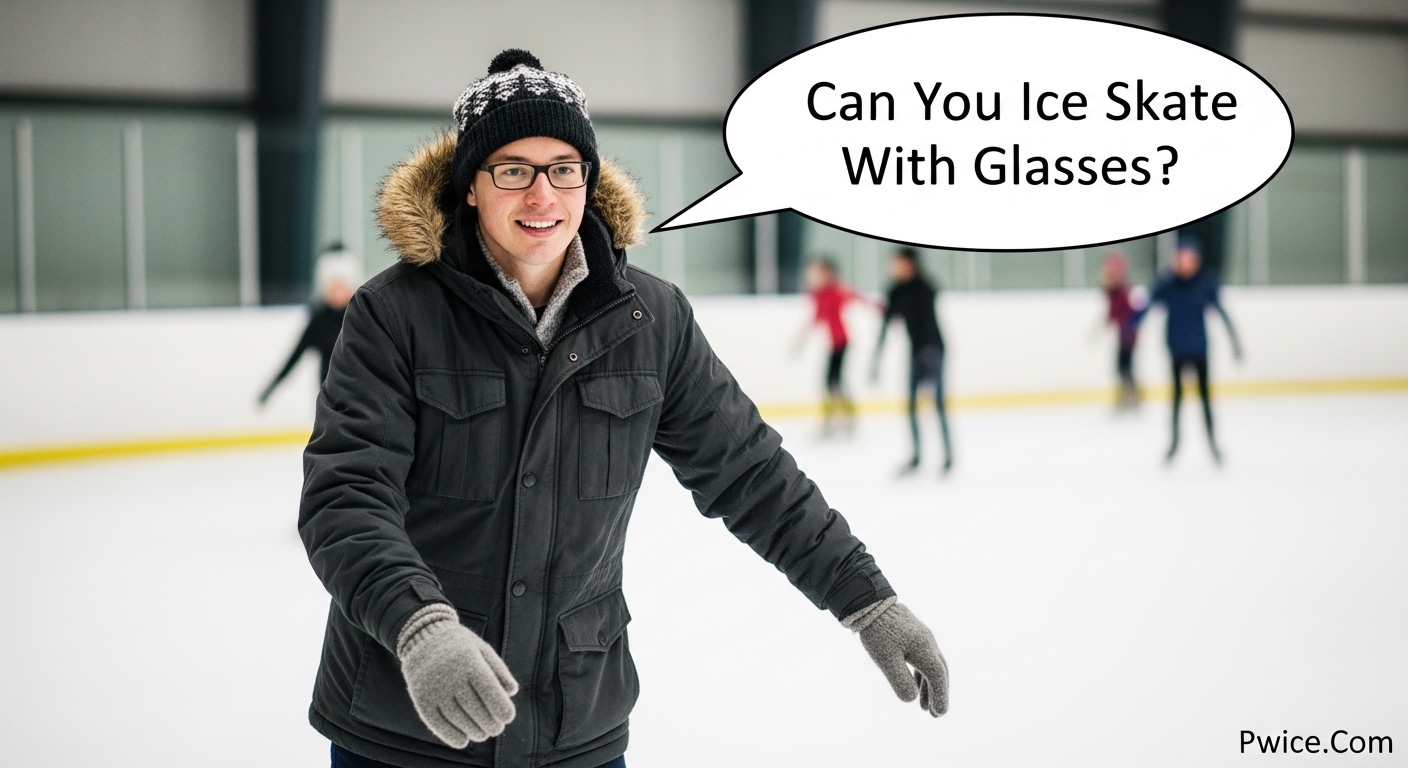
Yes, you absolutely can ice skate with glasses. I have been skating with prescription eyeglasses for years, and thousands of skaters do it every day without issues. The short answer is simple: modern glasses are safe, effective, and practical for ice skating when you take a few basic precautions.
When I first started skating, I worried my glasses would fly off during spins or shatter if I fell. Those fears turned out to be overblown. Most eyeglasses today use polycarbonate lenses that are shatter-resistant and impact-tested. In this guide, I will share everything I have learned about skating with glasses, from preventing fog to keeping them secure during jumps.
Table of Contents
Can You Ice Skate With Glasses?
Yes, you can ice skate with glasses safely and comfortably. Modern eyeglasses use polycarbonate lenses that are shatter-resistant, lightweight, and designed to handle impacts. The key is securing them properly and managing fogging from the temperature difference between the warm lobby and cold rink.
I have skated with glasses in recreational sessions, figure skating classes, and even during moderately intense practice. The biggest challenge is not safety; it is keeping them from fogging up when you first step onto the ice. Once you learn a few simple tricks, skating with glasses becomes second nature.
The Safety Question: Are Glasses Safe on the Ice?
Yes, wearing glasses while ice skating is generally safe. Modern prescription lenses are made from polycarbonate or Trivex materials, not glass. These materials are specifically designed to be shatter-resistant and impact-resistant. If you fall, your lenses are far more likely to scratch than shatter.
I fell dozens of times while learning to skate. My glasses never broke, though they did get knocked askew a few times. The frames might bend slightly, but they rarely break unless you land directly on them with significant force. The bigger safety concern is actually your glasses falling off and becoming a tripping hazard for other skaters.
Some skaters worry about eye injuries from broken frames. This is extremely rare with modern eyewear. ANSI-rated sports glasses take this a step further with reinforced frames. If you are skating recreationally, standard glasses with polycarbonate lenses are perfectly adequate.
What Happens If You Fall With Glasses On
If you fall while wearing glasses, several things can happen depending on how you land. Most commonly, your glasses will simply shift on your face or fly off entirely. I have had my glasses slide down my nose during a fall, but they stayed on my head thanks to the strap I use.
In a worst-case scenario, your glasses could hit the ice and get scratched. The frames might bend or a lens could pop out. However, actual shattering is rare with polycarbonate lenses. I have never heard of a skater suffering an eye injury from broken glasses at a public rink.
The best protection is prevention. An elastic strap keeps your glasses secure. If you are learning jumps or spins, consider sports goggles with a headband instead of regular glasses.
Common Problems When Skating With Glasses
While skating with glasses is safe, it comes with three main challenges. Fogging is the most universal issue. Glasses falling off during spins or jumps is the second concern. Some skaters also experience head position problems with progressive or bifocal lenses.
I dealt with all three issues when I started skating. The good news is that each problem has practical solutions. Once you address these challenges, skating with glasses becomes as natural as skating without them.
Fogging Issues at the Ice Rink
Fogging is the number one complaint from skaters who wear glasses. It happens because of the temperature difference between the warm lobby and the cold ice surface. When you step from a 70-degree entrance area onto 40-degree ice, condensation forms instantly on your lenses.
I have walked onto the ice completely blind from fog more times than I care to admit. The fog typically clears once you start moving and air flows across your lenses. But those first few minutes can be frustrating and potentially dangerous if you cannot see where you are going.
The fogging problem is worse if you wear a mask or neck warmer that channels your breath upward. It is also more pronounced on humid days. Understanding what causes fog is the first step to preventing it.
Glasses Falling Off During Spins and Jumps
Regular glasses are not designed to stay on during athletic activity. When you spin, the centrifugal force can pull them off your face. During jumps, the impact of landing can send them flying. I lost my glasses mid-spin once and spent five minutes searching the ice while other skaters circled around me.
This is not just an inconvenience. A loose pair of glasses on the ice becomes a hazard. Other skaters could trip over them or skate into them. You also risk damaging your expensive prescription eyewear.
Progressive Lens Head Position Problems
Some skaters with progressive or bifocal lenses report issues with head position. These lenses require you to tilt your head to see through different prescription zones. When skating, this can throw off your posture and balance.
A skating coach I know advised a student to remove her trifocals during practice. The student found her stroking and posture improved dramatically without the need to constantly adjust head position. This is a niche issue but worth mentioning if you wear progressive lenses.
Glasses vs Contact Lenses vs Sports Goggles
When it comes to vision correction for ice skating, you have three main options. Regular glasses work for most recreational skaters. Contact lenses offer freedom from frames but come with their own risks. Sports goggles provide the security of glasses with athletic-grade protection.
I have tried all three options over my skating journey. Each has distinct advantages and disadvantages depending on your skating style, prescription strength, and comfort preferences.
Regular Glasses for Skating
Regular prescription glasses are the easiest option because you already own them. They provide clear vision without touching your eyes. For casual recreational skating, they work perfectly fine with a few modifications.
The downsides are fogging, security concerns, and the risk of losing or damaging expensive eyewear. You will need an elastic strap to keep them secure. Anti-fog treatment is essential. And you should accept that your glasses might take some abuse.
I recommend regular glasses for recreational skaters, adult learners, and anyone who cannot wear contacts. They are the lowest-cost entry point and work well for 90% of skating situations.
Contact Lenses for Skating
Contact lenses eliminate fogging and falling-off concerns completely. They provide full peripheral vision without frame obstruction. Many competitive skaters prefer contacts for these reasons.
However, contacts come with significant risks for skating. The cold, dry air of an ice rink can dry out lenses quickly, causing discomfort and blurred vision. More seriously, hard contacts can pop out during jumps, spins, or twists. I read about pair skater Danny O’Shea losing a contact mid-performance.
Soft lenses are less likely to pop out than hard lenses, but it still happens. If you lose a contact on the ice, it is essentially gone. You will need to finish your session with one good eye or stop skating entirely.
Sports Goggles for Ice Skating
Prescription sports goggles represent the middle ground. They provide the vision correction of glasses with the security of athletic headgear. Models with neoprene straps stay put during any skating maneuver.
Sports goggles designed for basketball, racquetball, or hockey work well for ice skating. Look for ANSI-rated impact protection, anti-fog coating, and a secure strap system. Some models even fit over existing glasses.
Gymnast Morgan Hurd famously wears sports goggles during competition. The same principle applies to figure skating. If you need maximum security and do not want contacts, sports goggles are your best bet.
How to Keep Your Glasses Secure While Skating
Keeping your glasses on your face is simple with the right accessories. An elastic strap is the most basic and effective solution. Neoprene bands and proper frame adjustment help too. I will walk you through the options that have worked for me and other skaters.
Elastic Straps (Croakies)
Croakies and similar elastic straps are the skater’s best friend. These simple bands slip over your temple tips and hold your glasses firmly against your head. They cost under $10 and make a huge difference.
I use Croakies whenever I skate. They keep my glasses secure during spins, stops, and the occasional fall. The neoprene versions are comfortable and absorb sweat. Adjustable versions let you fine-tune the tightness.
Many skating parents put Croakies on their kids’ glasses before every session. It has become standard practice at my local rink. You can find them in sporting goods stores or online.
Neoprene Bands and Head Straps
For maximum security, consider a neoprene headband that goes all the way around your head. These are common in water sports but work equally well for skating. They keep glasses locked in place regardless of impact or centrifugal force.
Some skaters use ski goggle straps repurposed for regular glasses. These wide bands distribute pressure evenly and stay put through anything. They look a bit more intense than Croakies but provide superior hold.
Proper Frame Fit Adjustment
Before adding accessories, make sure your glasses fit properly. Temple tips should curve down behind your ears, not slide straight back. Nose pads should grip without pinching. A properly fitted frame needs less additional security.
Many optical shops will adjust your frames for free. Tighter temple bends and proper nose pad positioning can make regular glasses surprisingly secure. I get my frames adjusted every few months to maintain that grip.
Anti-Fog Solutions That Actually Work
Fogging is the most annoying part of skating with glasses. Fortunately, several solutions work well. I have tested many methods over the years and found a few that consistently deliver clear vision.
The Dish Soap Method
This is my favorite anti-fog trick because it is free and effective. Rub a tiny drop of dish soap on your lenses, then buff it off with a microfiber cloth until clear. The invisible soap residue prevents condensation from forming.
I use this method before every skating session. Dawn dish soap works best in my experience, but any brand will do. The key is using just a tiny amount and buffing thoroughly. If you leave visible soap streaks, your vision will be blurry.
The dish soap treatment lasts one to two hours of skating. Reapply if you notice fogging returning. It works by changing the surface tension so water beads up instead of forming a fog layer.
Anti-Fog Sprays and Wipes
Commercial anti-fog products provide longer-lasting protection than dish soap. sprays like Fog Gone and wipes from optical shops create a coating that lasts several sessions. They cost more but require less frequent reapplication.
I keep anti-fog wipes in my skate bag for convenience. One wipe treats both lenses and lasts through a full practice. The coating gradually wears off with cleaning, so reapply weekly if you skate regularly.
Some skiers and snowboarders swear by Cat Crap anti-fog balm. The same products work for ice skating. Look for formulations designed for cold weather and high humidity differences.
Ventilation and Temperature Management
Strategic choices reduce fog before it starts. Avoid neck warmers or scarves that channel breath upward toward your glasses. Position masks below your nose if possible. Let your glasses adjust to rink temperature before stepping onto the ice.
I leave my glasses in my skate bag near the rink boards for ten minutes before skating. This pre-cools the lenses so they do not fog instantly when exposed to cold air. It makes a noticeable difference.
Keep moving once on the ice. Airflow across your lenses prevents condensation buildup. The worst fogging happens when you stand still at the boards. Glide continuously and fog clears quickly.
OTG Goggles: The Overlooked Solution for Ice Skating
OTG stands for “Over The Glasses.” These are ski goggles designed to fit over prescription eyewear. While marketed for skiing, they work brilliantly for ice skating, especially for hockey players and outdoor rink skaters.
I discovered OTG goggles when researching solutions for a friend who plays adult league hockey. They solved his fogging and security problems instantly. The goggles create a sealed environment with ventilation that prevents condensation.
What Are OTG Goggles
OTG goggles have a deeper frame cavity than regular goggles. This extra space accommodates glasses underneath without pressure on your nose or temples. They seal against your face to block wind and cold air.
Most OTG goggles include anti-fog coating and ventilation channels. Some have fans for active fog prevention. They strap securely to your helmet or head, keeping everything in place during intense activity.
Why They Work for Ice Skating
OTG goggles solve both major glasses problems simultaneously. The sealed environment prevents temperature-differential fogging. The secure strap system keeps everything locked in place through any maneuver.
For hockey players, OTG goggles are standard equipment. They protect against sticks, pucks, and collisions while accommodating vision correction. Figure skaters can use them for outdoor sessions or particularly cold rinks.
The downside is appearance and social comfort. You might feel overdressed wearing ski goggles at a public indoor session. But for serious skaters who prioritize function over fashion, OTG goggles are worth considering.
Famous Figure Skaters Who Wear Glasses
If you need proof that glasses do not limit skating potential, look at elite figure skaters who compete wearing them. Many world-class athletes have worn glasses during competition and training.
Dorothy Hamill, the 1976 Olympic gold medalist, wore glasses for her compulsory figures. Midori Ito, the legendary Japanese jumper, also competed wearing spectacles. These pioneers proved that vision correction and elite performance go together.
In recent years, skaters like Charles Dion and Vansh Bhatia have competed internationally wearing glasses. They use straps and anti-fog treatments just like recreational skaters. Their success demonstrates that glasses are no barrier to high-level skating.
When I feel self-conscious about my glasses on the ice, I think about these athletes. If they can land triple jumps wearing glasses, I can certainly handle my basic footwork. Your vision correction should never limit your skating ambitions.
Youth Hockey and Kids With Glasses
Parents often ask if their glasses-wearing children can safely play hockey. The answer is yes, with proper protection. USA Hockey and similar organizations allow glasses with appropriate safety measures.
For youth hockey, sports goggles or full face shields are the safest options. Regular glasses with a strap work for practice but may not be allowed in games depending on league rules. Check with your coach or league administrator.
I have seen many kids successfully play hockey with glasses. The key is securing them properly and teaching children to adjust their own straps. Start with recreational skating to build comfort before adding hockey equipment.
Contact lenses are another option for older kids who can handle them. But many pediatric ophthalmologists recommend waiting until teenage years for contacts. Until then, glasses with proper security work fine for youth hockey.
Can You Ice Skate With Glasses? Frequently Asked Questions
Can I wear glasses while ice skating?
Yes, you can absolutely wear glasses while ice skating. Modern eyeglasses use polycarbonate lenses that are shatter-resistant and safe for skating activities. Use an elastic strap to keep them secure and apply anti-fog treatment to prevent condensation from temperature changes.
Do glasses fog up at ice rinks?
Glasses often fog up when moving between warm lobby areas and the cold ice surface due to temperature differences and humidity. This fogging typically clears once you start moving and air flows across your lenses. Using anti-fog treatments like dish soap or commercial sprays prevents this issue effectively.
Will my glasses break if I fall while skating?
Modern glasses with polycarbonate lenses are highly unlikely to break or shatter if you fall. These materials are impact-resistant and designed for safety. Your glasses may shift, fall off, or get scratched, but shattering is extremely rare with contemporary lens materials.
Should I use contact lenses instead of glasses for skating?
Contact lenses eliminate fogging and falling-off concerns but come with their own risks. The cold rink air can dry out lenses, and hard contacts may pop out during jumps or spins. Soft lenses are safer but still carry this risk. Many skaters prefer glasses with a secure strap for reliability.
Can you compete in figure skating with glasses?
Yes, many elite figure skaters have competed successfully wearing glasses, including Olympic champions like Dorothy Hamill and Midori Ito. Modern competitors like Charles Dion and Vansh Bhatia also wear glasses during international competition. Glasses do not prevent elite performance with proper security measures.
What is the best way to secure glasses while skating?
The best way to secure glasses while skating is using an elastic strap like Croakies that loops around your temple tips and holds the glasses against your head. Neoprene bands and properly fitted frames also help. For maximum security during intense skating, consider prescription sports goggles with a head strap.
Are OTG goggles necessary for ice skating?
OTG (Over The Glasses) goggles are not necessary for casual recreational skating but are excellent for hockey players and outdoor skating. They fit over your regular glasses, prevent fogging through sealed ventilation, and strap securely to your head. They solve both major glasses problems in one solution.
How do Olympic skaters handle vision correction?
Olympic skaters use various vision correction methods depending on personal preference and prescription needs. Some wear glasses with straps and anti-fog treatment during competition. Others use contact lenses. A few use prescription sports goggles. All methods have produced Olympic medalists.
Conclusion: You Can Definitely Ice Skate With Glasses
Yes, you can ice skate with glasses safely and successfully. Thousands of skaters do it every day, from recreational beginners to Olympic champions. Modern polycarbonate lenses are shatter-resistant and designed for active use.
The keys to success are simple. Secure your glasses with an elastic strap to prevent them from falling off. Apply anti-fog treatment to handle temperature transitions. Consider sports goggles or OTG options if you need maximum security.
Do not let vision correction hold you back from enjoying ice skating. Whether you choose glasses, contacts, or sports goggles, there is a solution that works for your needs. I have been skating with glasses for years, and I would not have it any other way. Get your strap, treat your lenses, and hit the ice with confidence this 2026.