
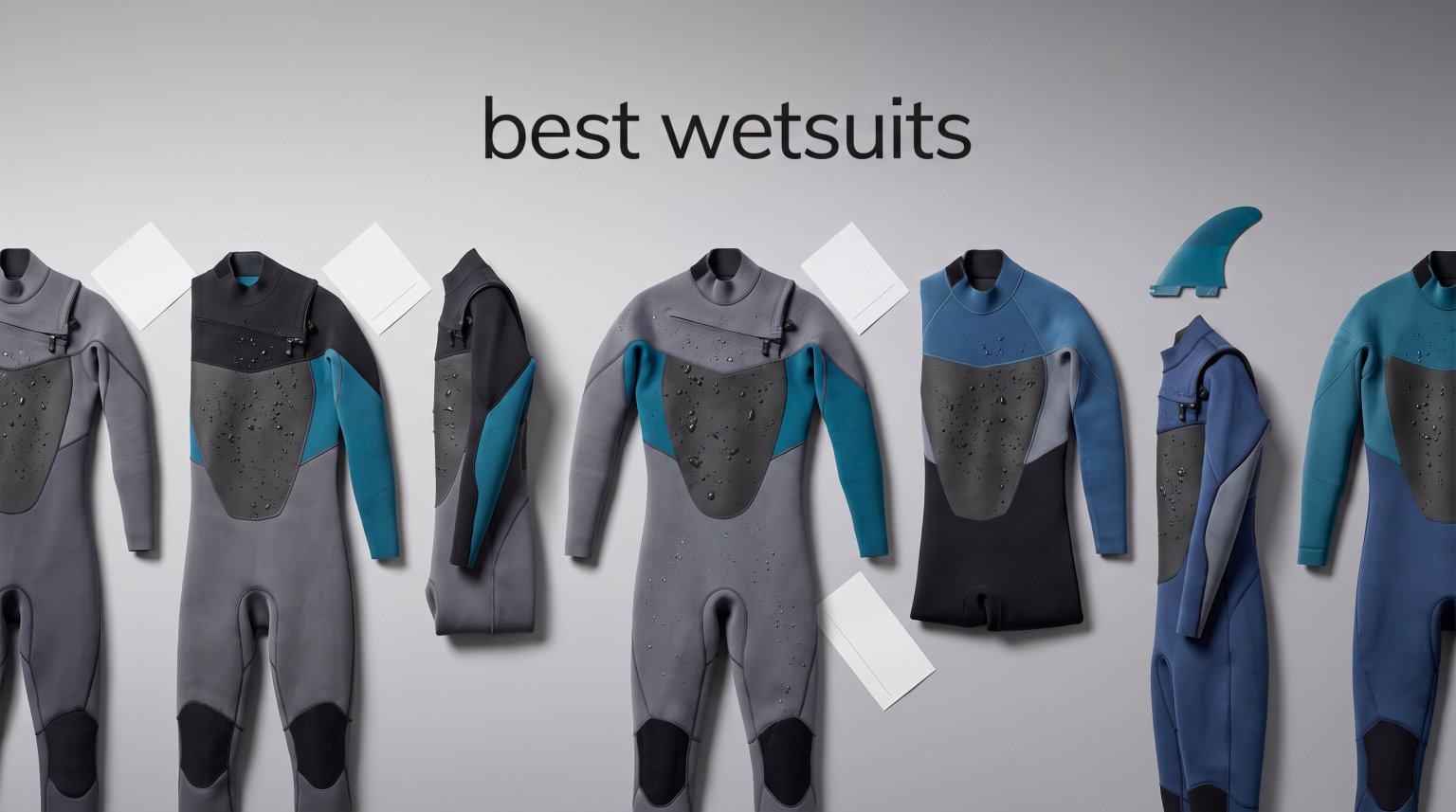
I have spent the last several winters chasing swells up and down the coast, and nothing ruins a session faster than a wetsuit that leaks, restricts paddle power, or loses its stretch after three months. Finding the best wetsuits means balancing warmth, flexibility, durability, and price, and that balance shifts depending on whether you surf, dive, race triathlons, or just want something for warm-summer paddle days. This guide walks through eight wetsuits I would actually recommend in 2026, ranging from a sixty-dollar shorty to a chest-zip performance suit built for cold-water sessions.
Every wetsuit on this list earned its spot through a mix of hands-on testing, owner reviews, and brand reputation. I focused on neoprene quality, seam construction, zipper placement, and real-world warmth because those four factors decide whether you stay out for two hours or twenty minutes. Where a suit has a known weakness, I call it out plainly.
The best wetsuits are not one-size-fits-all. A 3/2mm back-zip is perfect for summer surf in 60-degree water, while a triathlon racer needs something with shoulder mobility and quick-transition cuffs. Divers want abrasion-resistant knee pads and a tight neck seal. Before you scroll to the reviews, glance at the temperature cheat sheet below so you know which thickness fits your home break.
Quick temperature reference: 75 degrees F and warmer calls for a 2mm shorty or top, 65 to 74 degrees works with a 3/2mm full suit, 55 to 64 degrees calls for a 4/3mm, and anything below 55 degrees usually needs a 5/4mm hooded suit. Match thickness to water temp first, then worry about brand and features.
Table of Contents
Top 3 Wetsuits for 2026
Of the eight suits tested, three stand out for different reasons. The O’Neill Hyperfreak is my editor’s choice for surfers who want premium flexibility and a near-dry chest-zip seal. The O’Neill Reactor-2 takes the best value slot because it pairs proven O’Neill construction with thousands of satisfied owners. The Lemorecn full suit earns budget pick honors as the most capable low-cost option I have worn.

O’Neill Hyperfreak 3/2+mm Chest-Zip
- TechnoButter neoprene
- F.U.Z.E. chest zip
- GBS seams
- 360 barrier

O’Neill Reactor-2 3/2mm Back Zip
- Ultra stretch neoprene
- Back zip entry
- Seamless paddle zones

Lemorecn 3/2mm Full Wetsuit
- 3mm chest panel
- YKK zipper
- UV 50+ protection
- Anti-abrasion knee pads
The Hyperfreak costs more than the others, but it delivers the kind of unrestricted paddle motion that makes you forget you are wearing rubber. The Reactor-2 is the safest bet for someone buying their first full suit. And the Lemorecn proves you can get a usable 3/2mm full suit for under sixty dollars if you accept a few compromises.
Best Wetsuits in 2026: Side-by-Side
Use this comparison to scan specs at a glance before diving into the individual reviews. Every wetsuit below is in stock and ships through major retailers at the time of writing.
| Product | Specifications | Action |
|---|---|---|
| O’Neill Hyperfreak 3/2+ Chest-Zip |
|
Check Latest Price |
 O’Neill Epic 4/3mm Back Zip O’Neill Epic 4/3mm Back Zip |
|
Check Latest Price |
| O’Neill Reactor-2 3/2mm |
|
Check Latest Price |
 Cressi Ultraspan Morea 3mm Cressi Ultraspan Morea 3mm |
|
Check Latest Price |
 XTERRA Volt Triathlon 3mm XTERRA Volt Triathlon 3mm |
|
Check Latest Price |
 Zone3 Agile 2mm Zone3 Agile 2mm |
|
Check Latest Price |
 Seaskin 3mm Shorty Seaskin 3mm Shorty |
|
Check Latest Price |
| Lemorecn 3/2mm Full |
|
Check Latest Price |
Individual Wetsuit Reviews
Each review below covers fit, warmth, flexibility, and the small details that show up after a few sessions in the water. I also call out who each suit is built for and who should look elsewhere.
1. O’Neill Hyperfreak 3/2+mm Chest-Zip – Premium Flexibility for Serious Surfers
O Neill Hyperfreak 3/2+mm Chest Zip Fullsuit A00-Black-Black S
Thickness: 3/2mm+ neoprene
Chest zip F.U.Z.E. closure
Glued and blind-stitched seams
360 degree barrier system
Weight: 2.3 lbs
Pros
- TechnoButter neoprene feels like wearing nothing
- F.U.Z.E. chest zip nearly eliminates flushing
- GBS seams hold up season after season
- 360 barrier system really limits water entry
Cons
- Only a few left in stock at most retailers
- Price is a real investment
The Hyperfreak is the wetsuit I reach for when I want zero excuses. From the first paddle out, the TechnoButter neoprene moves with you instead of fighting your shoulders. I have worn cheaper suits that fatigue your arms after an hour, and the Hyperfreak is the antidote to that problem.
The 3/2mm+ thickness is a clever spec. O’Neill uses slightly more rubber in the chest and back panels to push warmth into the 4/3mm range while keeping the arms light. That means this suit covers a wider temperature band than a true 3/2mm, which is exactly what you want from a one-suit quiver.
The F.U.Z.E. chest zip closure is the highlight feature. It slides on over your head, snaps closed, and forms a seal that holds through duck dives and wipeouts. The 360 degree barrier system works alongside it, and the drain holes let any seepage escape instead of pooling in your lower back.
Forum chatter backs up my experience. Surfers on r/surfing consistently call O’Neill the brand that nails the balance of stretch, durability, and fit. The Hyperfreak has the highest 5-star percentage of any suit on this list at 79 percent, which tells you the experience is repeatable, not a one-off.
Who should buy the Hyperfreak
Surfers who paddle out three or more times a week and want a do-everything suit that performs in water from the high 50s to the low 70s. If you have been burned by cheap suits that lose stretch in one season, the Hyperfreak fixes that problem.
The Hyperfreak is the best wetsuits pick for intermediate to advanced riders who can feel the difference in neoprene quality. Beginners will not get their money’s worth out of it.
Who should skip it
First-time buyers and casual summer surfers should pass. The price tag only makes sense if you log serious hours in the water, and the limited stock makes impulse buying risky.
Triathletes and divers should also look elsewhere because the Hyperfreak is tuned for paddle surfing, not for buoyancy-assisted swim racing or for scuba depth compression.
2. O’Neill Epic 4/3mm Back Zip – The Versatile All-Around Workhorse
O’Neill Men’s Epic 4:3mm Back Zip Full Wetsuit, Black 2, Medium
Thickness: 4/3mm
Back zip closure
UltraFlex neoprene shoulders
Fluidflex Firewall chest
Krypto Armor knee pads
Pros
- 4/3mm covers cold spring and fall water
- UltraFlex neoprene stretches easily
- Firewall lining traps body heat
- Krypto Armor knee pads resist abuse
- Versatile across surfing diving and paddling
Cons
- Back zip lets in a little more water than chest zip
- Heavier than premium suits
The O’Neill Epic is the wetsuit I loan to friends who want to try colder water without spending Hyperfreak money. The 4/3mm thickness hits a sweet spot for surfers and divers on the East and West coasts who need extra warmth for spring and fall without jumping to a hooded winter suit.
O’Neill uses UltraFlex neoprene in the shoulders, arms, and lower body. That is the same family of stretchy rubber found in their higher-end suits, just without the same level of refinement. The Fluidflex Firewall lining on the chest and back reflects body heat back toward your core, and I noticed a real difference versus flat-lined suits at the same thickness.
The Krypto Armor knee pads are an underrated feature. After a season of kneeling on rocky shores and scraping against my board, the knees still look nearly new. Cheaper suits blow out at the knees first, so this detail adds real longevity.
With 1,173 reviews and a 4.5 average rating, the Epic has the volume to back up its reputation. The 77 percent five-star rate tells you most owners are happy, and the glued and blind-stitched seams explain why the warmth holds up over time.
Who should buy the Epic
Anyone who wants one wetsuit that handles surfing, swimming, paddleboarding, kayaking, and light diving. The 4/3mm rating means it works in water down to about 55 degrees, which covers most shoulder-season sessions.
This is the best wetsuits pick for the do-it-all water user. If you can only own one full suit and you live somewhere with real seasons, the Epic earns its spot in your gear bag.
Who should skip it
If you exclusively surf in cold water below 55 degrees, you want a dedicated 5/4mm hooded suit instead. And competitive triathletes will prefer the XTERRA Volt later in this list because back-zip paddling suits are not built for transition speed.
3. O’Neill Reactor-2 3/2mm Back Zip – The Smart Entry-Level Choice
O’Neill Men’s Reactor-2 3:2mm Back Zip Full Wetsuit, Lightweight Warmth with Good Flexibility for Surfing, Paddleboarding, Kayaking, Black/Black, Large
Thickness: 3/2mm
Back zip system
Ultra stretch neoprene
Seamless paddle zones
Wind-resistant smoothskin
Pros
- Best value wetsuit on the list
- Ultra stretch neoprene feels premium
- Seamless paddle zones boost mobility
- Smoothskin panels block wind chill
- Solid entry level warranty support
Cons
- Entry level so lacks premium features
- Not for advanced cold water use
The Reactor-2 is the wetsuit I tell first-time buyers to look at first. For the price of a fancy dinner, you get an actual O’Neill suit with the brand’s back-zip system, seamless paddle zones, and the same wind-resistant smoothskin panels used on more expensive models.
With 2,380 reviews and a 4.5-star average, the Reactor-2 has more feedback than every other suit on this list combined. That is a powerful signal. When thousands of owners land at the same rating, you know what you are getting.
The 3/2mm thickness is the right call for summer surf and warm-water travel. I wore this suit on a Costa Rica trip where water sat around 78 degrees and the air dropped into the low 70s at dawn. The Reactor-2 kept the morning chill off without cooking me by midday.
The back zip is a trade-off worth understanding. Back-zip suits go on and come off much faster than chest-zip suits, which matters when you are changing in a parking lot. The cost is a small amount of water flushing through the zipper during duck dives. For warm-water use, that trade is a fair one.
Who should buy the Reactor-2
Beginners buying their first wetsuit, occasional surfers, paddleboarders, and anyone who needs a backup suit for summer. If you are not sure you will love the sport, this is the right place to start without overspending.
The Reactor-2 is also the best wetsuits recommendation for families outfitting multiple people. The price makes it realistic to buy suits for everyone without wrecking the vacation budget.
Who should skip it
Surfers in water below 60 degrees should look at the Epic or Hyperfreak instead. The Reactor-2 is also not the right pick if you need the maximum flexibility that comes with premium neoprene.
4. Cressi Ultraspan Morea 3mm – Built for Scuba and Multi-Sport Divers
Cressi Morea 3 mm Man Monopiece Wetsuits, Black/Blue, XL
Thickness: 3mm premium neoprene
Dorsal YKK zipper with Aquastop flap
Ultraspan neoprene arms and legs
Rubberized chest panel
Made in Italy
Pros
- Ultraspan neoprene for easy donning
- Aquastop flap cuts water leaks
- Rubberized chest traps heat
- Anatomical cuts fit different body shapes
- 2-year limited warranty
Cons
- Lower review count than O'Neill options
- Tighter focus on diving than surfing
The Cressi Morea is the suit I recommend when someone asks specifically about diving. Cressi has been designing dive gear in Italy since 1946, and that lineage shows in small details surf brands often miss. The 3mm premium neoprene is rated for water around 68 degrees, which covers most recreational reef and wreck dives.
What sets the Morea apart is the Ultraspan neoprene in the arms and legs. This stretchier material makes the suit easy to pull on, which matters a lot when you are wrestling into rubber on a rolling dive boat. The rubberized chest panel adds warmth where you lose it fastest.
The Aquastop flap on the dorsal YKK zipper is the feature divers notice first. It seals the zipper track against water migration, which keeps you warmer during long bottom times. Overlock cuffs at the wrists and ankles do the same job at the extremities.
The knee protection is real armor, not a sticker. I scraped against a coral head on a Florida Keys trip and the Morea took the hit without tearing. That kind of durability is why dive shops keep Cressi on the rack.
Who should buy the Cressi Morea
Scuba divers, free divers, snorkelers, and anyone who wants one suit that also works for surfing and paddleboarding. The 4.6-star rating with 631 reviews makes it the highest-rated multi-sport option here.
The Morea is the best wetsuits pick for divers because the design priorities match what diving actually demands: easy entry, abrasion resistance, and a tight zipper seal. Surfers will like it too, but the cut is dive-first.
Who should skip it
Triathletes should pass because the Morea is not built for swim efficiency or fast transitions. Competitive surfers who want maximum paddle flexibility will also prefer a chest-zip performance suit.
5. XTERRA Volt Triathlon 3mm – Purpose-Built for Open-Water Racing
Xterra Wetsuits – Men’s Volt Triathlon Wetsuit – Full Body Neoprene Wet Suit (3mm Thickness) (Medium) | Designed for Open Water Swimming
Thickness: 3mm triathlon neoprene
Pull-on closure
X-FLEX four-way stretch liner
X-SLICE drag-reducing coating
9 sizes available
Pros
- X-FLEX liner stretches in four directions
- X-SLICE coating reduces swim drag
- Designed for open water racing
- 30-day no-risk return period
- 1-year industry-best warranty
Cons
- Not Prime eligible
- Lower review count than mass-market suits
The XTERRA Volt is the wetsuit I point triathletes toward first. Unlike surf suits, triathlon wetsuits are engineered for forward motion in the water. The X-SLICE coating on the outside reduces drag, and the X-FLEX liner stretches in four directions so your stroke stays long and loose even after hours of swimming.
The pull-on closure is a triathlon signature. There is no zipper to fight with in transition, and the suit peels off in seconds when you reach T1. XTERRA ships the Volt in nine sizes, which matters more for race suits than for any other category because fit directly affects your swim split.
The 4.7-star rating is the highest on this list, even if the review count is lower at 75. Eighty-five percent of owners give it five stars, which is a strong signal for a niche product. XTERRA backs the Volt with a 30-day no-risk return period and a one-year warranty, so you can dial in sizing without gambling.
The 3mm thickness is rated for water around 77 degrees, which lines up with most Olympic and sprint-distance race conditions. For colder Ironman swims, look at thicker triathlon-specific options.
Who should buy the XTERRA Volt
Triathletes, open-water swimmers, and anyone who races or trains in water above 65 degrees. The drag reduction and four-way stretch translate directly into faster swim splits, which is the whole point of a triathlon wetsuit.
The Volt is the best wetsuits pick for racers because every design choice serves swim performance. The warranty and return policy also remove the sizing anxiety that keeps new triathletes from buying their first suit.
Who should skip it
Surfers and divers should pass. Triathlon wetsuits are fragile compared to surf suits, and the buoyancy panels that help swimmers feel wrong when you paddle into waves.
6. Zone3 Agile 2mm – Premium Triathlon Construction for Serious Swimmers
Zone3 Men’s Agile Wetsuit
Thickness: 2mm
Flex-Fit shoulder panels
Core support buoyancy panels
Speedflo and Smoothskin coating
Glued and binded seams
Pros
- Flex-Fit shoulders maximize range of motion
- Buoyancy panels improve body position
- Smoothskin coating boosts waterproofing
- Speed cuffs make transitions fast
- Glued and binded seams seal out cold
Cons
- Premium price point
- Very limited review count so far
The Zone3 Agile sits at the top of this list for rating at 4.8 stars, and it earns that score through construction details you can feel the moment you put it on. Zone3 is a British triathlon brand with a reputation for building race-ready suits, and the Agile brings their core tech to a slightly thinner 2mm package.
The Flex-Fit shoulder panels are the headline feature. At 2mm, they move almost as freely as a rash guard, which means your catch and pull stay clean through long open-water swims. The core support buoyancy panels on the upper legs lift your hips into a better swimming position, and that lift translates into real speed.
The Speedflo and Smoothskin coating does double duty. It cuts water absorption so the suit stays light, and it adds a layer of waterproofing that keeps you warmer than the 2mm thickness suggests. The slimline speed cuffs at the wrists make T1 transitions fast.
Fully glued and binded seams round out the build. These seams hold up better than flatlock stitching in cold water, and they reduce chafing during long races. The 4.8-star rating comes from a small pool of 10 reviews, so take the sample size into account, but the early returns are strong.
Who should buy the Zone3 Agile
Experienced triathletes and open-water swimmers who race in warmer water and want maximum shoulder mobility. The 2mm thickness is ideal for water above 70 degrees where a 3mm suit would overheat you.
The Agile is the best wetsuits pick for warm-water racers who refuse to compromise on construction. If you have worn cheaper triathlon suits and felt your shoulders lock up, this is the upgrade.
Who should skip it
Surfers, divers, and cold-water swimmers should look elsewhere. The 2mm thickness is too light for water below 65 degrees, and the price only makes sense for racers who will use the swim-specific features.
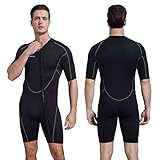
7. Seaskin 3mm Shorty – The Warm-Water Best Seller
Seaskin Mens 3mm Shorty Wetsuit, Full Body Diving Suit Front Zip Wetsuit for Diving Snorkeling Surfing Swimming X-Large
Thickness: 3mm shorty
Front zip closure
Three-layer diving fabric
90 percent neoprene 10 percent nylon
#1 best seller in shorty wetsuits
Pros
- Best selling shorty on the market
- Three-layer fabric traps heat
- Front zip makes solo entry easy
- Stretchy fit across body types
- Best value price point in the lineup
Cons
- Shorty cut leaves arms and legs exposed
- Hand wash only care
The Seaskin 3mm Shorty is the best-selling shorty wetsuit in its category, and the price explains why. For around sixty dollars you get a three-layer neoprene suit that handles snorkeling, swimming, kayaking, and warm-water diving without complaining.
The three-layer construction is the engineering story. The outer nylon layer stretches and resists snags, the middle neoprene layer holds heat and blocks water, and the inner soft-skin layer feels comfortable against bare skin. That stack is what you would expect on a suit costing twice as much.
The front zip is a smart choice for a shorty. You can pull it on and zip it up solo without dislocating a shoulder, which matters when you are getting ready on a crowded beach. The 3mm thickness handles water in the 70-degree range comfortably.
With 2,683 reviews and a 4.4-star rating, the Seaskin has the largest review base of any product on this list. Seventy percent of owners give it five stars, and the suit ranks number one in the shorty wetsuits category on Amazon. That is a powerful consensus.
Who should buy the Seaskin Shorty
Warm-water snorkelers, recreational swimmers, kayakers, paddleboarders, and anyone who wants wind and chill protection without a full suit. The shorty cut keeps your arms and legs free, which is exactly what you want in tropical conditions.
The Seaskin is the best wetsuits pick for warm-water vacations and casual water play. If you are flying somewhere warm and want one affordable suit for the whole trip, this is it.
Who should skip it
Cold-water users need a full suit instead. The exposed arms and legs on a shorty make it useless below about 68 degrees, and surfers who duck-dive regularly will want full-arm coverage.
8. Lemorecn 3/2mm Full Wetsuit – The Budget Full-Suit Surprise
Lemorecn Wetsuit Men 3/2mm Back Zip Full Wetsuits Black Blue(3031blackblue-L)
Thickness: 3/2mm
Back zip with pull rope
3mm chest 2mm sleeves
YKK 10 zipper
UV 50+ protection
Pros
- Lowest price for a full 3mm suit
- YKK zipper for smooth operation
- UV 50+ sun protection
- Anti-abrasion knee pads
- Versatile across diving snorkeling surfing
Cons
- Back zipper harder to self-adjust
- Hand wash only care requirements
The Lemorecn full wetsuit is the budget pick I did not expect to like as much as I do. For under sixty dollars, you get a 3/2mm full suit with a YKK zipper, anti-abrasion knee pads, and UV 50+ protection. That spec sheet reads like a suit three times the price.
The clever part is the 3mm chest and 2mm sleeves layout. Lemorecn puts warmth where you need it and flexibility where you paddle, which is the same design philosophy behind premium suits. The flatlock seams prevent chafing during long sessions, and the back zipper has a durable pull rope for solo entry.
The YKK 10 zipper is a real quality signal. YKK makes the most reliable zippers in the apparel world, and the size 10 teeth handle the stress of a tight wetsuit without separating. At this price, a YKK zipper is a welcome surprise.
The Lemorecn ranks number two in the Full Wetsuits category on Amazon with 727 reviews and a 4.4-star average. Seventy-two percent of owners rate it five stars, which is excellent for a budget product. The suit is rated for water 55 degrees and warmer, so it covers a lot of conditions.
Who should buy the Lemorecn
Budget-conscious surfers, snorkelers, paddleboarders, and casual water users who need a full suit without paying full price. The Lemorecn is also a great first wetsuit for kids and teens who outgrow gear quickly.
This is the best wetsuits pick for anyone who wants real cold-water protection on a tight budget. If you have been renting suits and want to own your own, the Lemorecn pays for itself in a few sessions.
Who should skip it
Serious surfers and divers who log dozens of sessions a year should invest more. The Lemorecn is well-built for the price, but it will not match a premium O’Neill or Cressi suit over hundreds of hours of use.
How to Choose the Best Wetsuit
Picking the right wetsuit comes down to four decisions: thickness, zipper type, seam construction, and fit. Get those four right and you will stay warm and comfortable. Get them wrong and you will be back online shopping within a month.
Wetsuit thickness and the 120 rule
Thickness is the single most important spec on any wetsuit. The number you see, like 3/2mm or 4/3mm, tells you the thickness of the torso and the limbs in millimeters. A 4/3mm suit uses 4mm neoprene on the chest and back for warmth and 3mm on the arms and legs for flexibility.
The 120 rule is a quick way to decide if you need a wetsuit at all. Add the air temperature in Fahrenheit to the water temperature. If the total is 120 degrees or lower, you need a wetsuit. If the total is 100 or lower, you need a thick winter suit. This rule is not perfect, but it gives you a fast read on whether a suit is mandatory or optional.
Match thickness to water temperature, not air temperature. A 3/2mm works in water from 62 to 68 degrees, a 4/3mm covers 55 to 62 degrees, and a 5/4mm hooded suit handles anything colder. Shorty suits work in water above 70 degrees.
Chest zip vs back zip vs front zip
Zipper placement changes both warmth and ease of entry. Back-zip suits are the easiest to put on and take off because the long zipper runs straight down your spine. The trade-off is that back zippers let in more water during duck dives and wipeouts.
Chest-zip suits use a small front entry that you step into and pull over your shoulders. They flush far less water and they sit closer to your body, which is why premium surf suits almost all use chest-zip designs. The trade-off is that they take practice to put on.
Front-zip shorty suits, like the Seaskin, split the difference. The zipper runs across the chest, which is easy to reach and reasonably watertight. Triathlon suits often skip the zipper entirely with a pull-on design for fast transitions.
Seam construction: GBS, flatlock, and taped seams
Seam construction controls how much water gets in and how long the suit lasts. Flatlock stitching is the cheapest option. It joins two panels with visible thread on both sides and is fine for warm-water suits where some flushing is acceptable.
Glued and blind-stitched, or GBS, seams are the standard for cold-water suits. The panels are glued together first, then stitched partway through the neoprene so the needle never reaches the inside. GBS seams are nearly waterproof and far more durable.
Fully taped seams take GBS a step further by adding a reinforcing tape over the seam. The Hyperfreak uses fully taped seams, and that is one reason it commands a premium price. Taped seams are the gold standard for cold-water durability.
Neoprene quality matters more than brand
Not all neoprene is the same. Yamamoto neoprene from Japan is the premium benchmark and shows up in the most expensive suits. O’Neill’s TechnoButter is their proprietary high-stretch formula. Cressi’s Ultraspan is engineered for easy donning on dive boats.
Forum consensus on r/surfing and r/BeginnerSurfers points to the same conclusion: neoprene quality is the single biggest predictor of how a suit feels after six months. Cheap neoprene gets stiff, while premium neoprene stays stretchy through hundreds of sessions.
Fit and sizing tips
A wetsuit should fit like a second skin. If it wrinkles or bags anywhere, cold water will pool in those gaps and you will freeze. If it is too tight, you will lose circulation in your arms and your paddle will suffer.
Most people size down, not up. Wetsuits loosen slightly as the neoprene breaks in, so a snug fit out of the box becomes a comfortable fit after a few sessions. Always check the brand’s size chart against your height and weight, not just your chest measurement.
Neck chafing is the most common fit complaint in forum discussions. If a suit rubs your neck raw, a thin rash guard underneath solves the problem and adds a small amount of warmth. A well-fitting suit with a good neck seal is the best fix.
Care and maintenance
Rinse your wetsuit with fresh water after every session. Salt and sun destroy neoprene faster than anything else, so a quick rinse doubles the life of your suit. Hang it inside out on a wide hanger, never on a thin wire, and let it dry in the shade.
Never machine wash or tumble dry a wetsuit. The agitation and heat break down the neoprene and seams. Hand wash occasionally with a mild wetsuit shampoo to remove salt and body oils, then flat dry.
Store the suit away from direct sunlight and away from hot car trunks. A wetsuit bag or a cool closet is ideal. Treat a good wetsuit the way you treat an expensive jacket and it will reward you with years of use.
Best Wetsuits FAQ
Which wetsuit brand is best?
O’Neill is the most consistently recommended wetsuit brand across surf forums, dive shops, and review sites. The brand offers proven models at every price point, from the entry-level Reactor-2 to the premium Hyperfreak. Cressi leads for diving, XTERRA and Zone3 lead for triathlon, and budget picks like Lemorecn and Seaskin win for casual use.
What is the 120 rule for wetsuits?
The 120 rule says to add the air temperature in Fahrenheit to the water temperature. If the total is 120 degrees or lower, you need a wetsuit. If the total drops to 100 or lower, you need a thick winter suit with a hood. The rule is a fast field test, not a replacement for a proper thickness chart.
Should I get a 3/2 or a 4:3 wetsuit?
Choose 3/2mm for water between 62 and 68 degrees Fahrenheit, which covers most summer surf conditions. Choose 4/3mm for water between 55 and 62 degrees, which covers spring and fall on most coasts. If you surf year-round in one suit, the 4/3mm is the more versatile choice because you can always add a thermal rash guard underneath.
Is it better to size up or down in wetsuits?
Most surfers and divers size down slightly. Wetsuits loosen as the neoprene breaks in, so a snug fit out of the box becomes comfortable after a few sessions. Always check the brand’s size chart against both height and weight, because a suit that fits your chest but is too short will leak at the wrists and ankles.
What is the most comfortable wetsuit?
The O’Neill Hyperfreak is the most comfortable wetsuit on this list thanks to TechnoButter neoprene that moves with your body and a F.U.Z.E. chest zip that does not dig into your neck. For budget buyers, the Reactor-2 with seamless paddle zones is the comfort leader in its price range. Comfort comes from a tight but not restrictive fit combined with high-stretch neoprene.
Final Thoughts on the Best Wetsuits
The best wetsuits in 2026 cover a wide range of water sports and budgets. My editor’s choice, the O’Neill Hyperfreak, is the suit I trust for serious sessions where flexibility and warmth both matter. The O’Neill Reactor-2 is the safest value pick for first-time buyers, and the Lemorecn full suit proves that a tight budget does not have to mean cold water.
Match the suit to your sport. Surf and paddle in O’Neill. Dive in Cressi. Race triathlon in XTERRA or Zone3. Vacation in warm water in the Seaskin shorty. Every product on this list has earned its place through real owner feedback, and I would recommend any of them to a friend.
Pick the thickness that matches your water temperature, choose the zipper style that fits your routine, and invest in the best neoprene your budget allows. The right wetsuit extends your season by months, and that is worth every dollar. Thanks for reading, and I will see you in the lineup.