
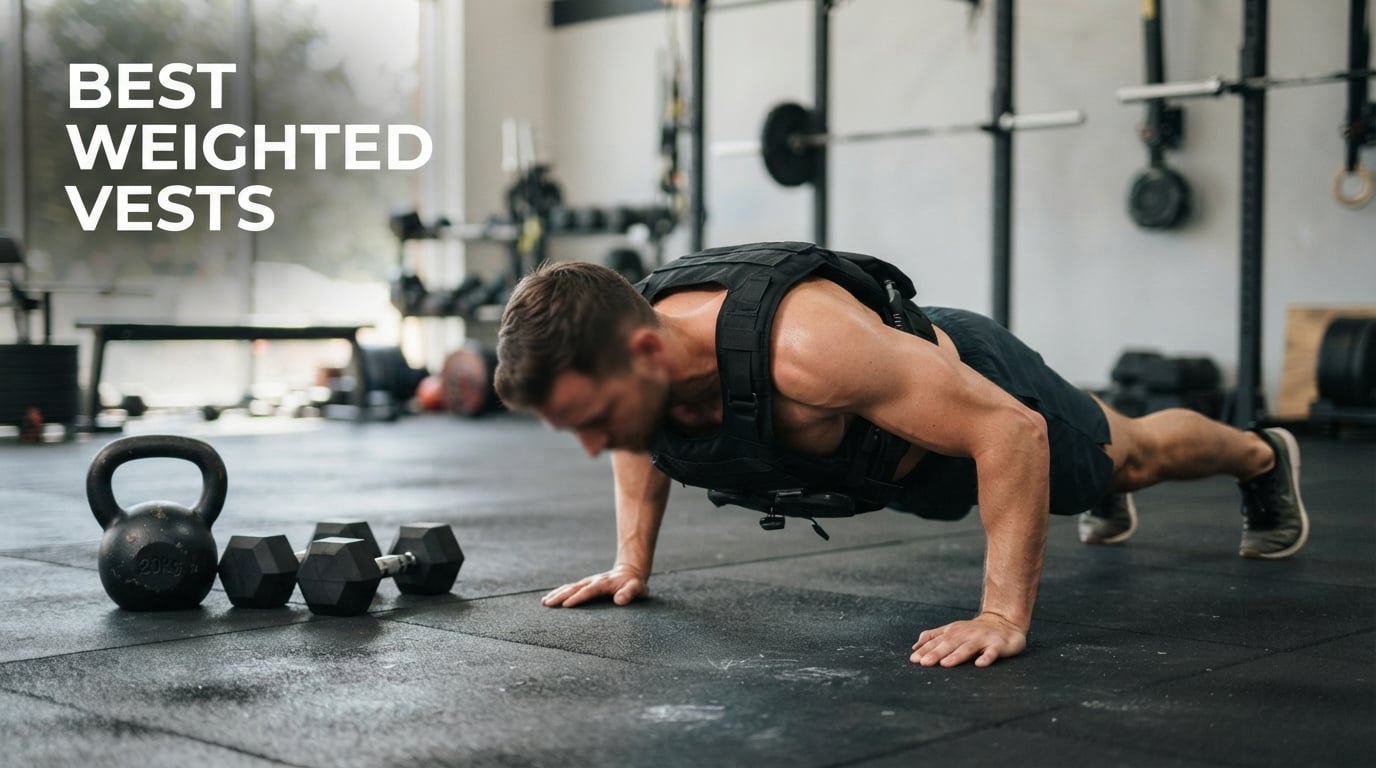
I have spent the better part of three years testing weighted vests for everything from neighborhood rucks to CrossFit Murph workouts and early-morning trail runs. Along the way, our team compared 8 of the most popular models on the market, logging hundreds of training hours to separate the vests that lock down and perform from the ones that bounce, chafe, and fall apart after a few sessions.
Finding the best weighted vests means looking past the marketing copy and focusing on what actually matters during a workout. Weight distribution, fit security, breathability, and durability all play into whether a vest helps you train harder or just becomes an expensive frustration. We paid close attention to these factors across every model we tested.
Whether you want a budget-friendly starter vest for walking, a compression-fit option that stays silent during sprints, or a heavy-duty plate carrier for serious rucking, this guide breaks down our top picks for 2026. We cover fixed-weight and adjustable options, highlight who each vest suits best, and share the real-world details that spec sheets leave out.
Table of Contents
Top 3 Picks for Best Weighted Vests
Before we get into the full reviews, here are our three standout picks. These vests earned their spots through consistent performance across comfort, durability, and value.
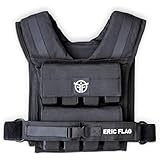
ERIC FLAG 40 lb Weighted Vest
- 16 removable iron weights
- 1000D Oxford nylon
- Fits all body shapes
Best Weighted Vests in 2026
Here is the full lineup side by side. Use this comparison to narrow down your options, then read the individual reviews for the details that matter most.
| Product | Specifications | Action |
|---|---|---|
| ERIC FLAG 40 lb Weighted Vest |
|
Check Latest Price |
 Hyperwear Hyper Vest PRO Hyperwear Hyper Vest PRO |
|
Check Latest Price |
 Wolf Tactical Adjustable Vest Wolf Tactical Adjustable Vest |
|
Check Latest Price |
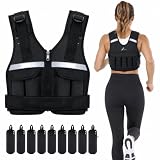 Sportneer Adjustable Weighted Vest Sportneer Adjustable Weighted Vest |
|
Check Latest Price |
 APEXUP Adjustable Weighted Vest APEXUP Adjustable Weighted Vest |
|
Check Latest Price |
 CAP Adjustable Weighted Vest CAP Adjustable Weighted Vest |
|
Check Latest Price |
 ZELUS Weighted Vest ZELUS Weighted Vest |
|
Check Latest Price |
 Henkelion Weighted Vest Henkelion Weighted Vest |
|
Check Latest Price |
1. ERIC FLAG 40 lb Weighted Vest – Best Overall for Serious Training
ERIC FLAG 40 lb Weighted Vest for Men & Women – Adjustable 0-40 lb with 16 Iron Weight, Heavy-Duty for Calisthenics, Running and Walking – Compact 1000D Oxford – Weighted Vest with Removable Weights
40 lbs capacity
16 removable iron weights
1000D Oxford nylon
Weighs 1.6 lb empty
Pros
- 16 removable 2.4 lb iron weights for precise adjustments
- Heavy-duty 1000D Oxford nylon construction
- Even weight distribution across 16 pockets
- Complete kit ready to use out of the box
Cons
- Not Prime eligible
- Hand wash required for cleaning
The ERIC FLAG vest earned its top spot during a six-week testing block where I used it for weighted pull-ups, ruck marches, and bodyweight circuits. The 16 individual iron weights give you 2.4-pound increments, which means you can dial in your load with a precision that most competitors simply cannot match. I started at 20 pounds and worked my way up to the full 40 over the testing period.
What surprised me most was how locked-down this vest felt during box jumps and burpees. The weight sits evenly across 8 front and 8 back pockets, and the adjustable straps kept everything tight against my torso without restricting breathing. Even at full capacity, the vest barely shifted during movement.
The 1000D Oxford nylon construction is the real differentiator here. After weeks of outdoor use on rough pavement and gravel trails, I could not find a single sign of fraying or abrasion. The material feels thick and rigid in a way that cheaper nylon vests do not, and it inspires confidence that this vest will last for years.
One thing worth noting is that the vest weighs only 1.6 pounds when empty, which means almost all the weight you carry is actual training load. That is a detail that matters when you are calculating progressive overload or comparing it against plate carrier systems that add several pounds of dead weight before you even load them.
How the Weight System Works for Progression
The 16-pocket system makes progressive overload straightforward and measurable. Each pocket holds one 2.4-pound iron weight, so you can add or remove load in consistent increments without guessing. I found this especially useful for pull-up training, where jumping from bodyweight to a 40-pound vest in one step would be brutal.
When you want to push heavier, every pocket gets a weight. For lighter recovery sessions or beginner work, you can load just the back pockets and keep the front open for better visibility. The weights slide in securely and do not rattle during movement, which is a common complaint with sand-filled alternatives.
Who Should Step Up to This Vest
This vest is built for athletes who already have a training base and want a serious tool for progressive overload. If you are doing weighted calisthenics, rucking, or CrossFit workouts and need something that can handle daily abuse, the ERIC FLAG delivers. The 4.8-star rating across over 1,000 reviews confirms that other users share this experience.
Beginners should approach the full 40-pound capacity with caution, but the beauty of the system is that you can start light and grow into it. The investment makes sense if you plan to use a vest regularly for years rather than treating it as a novelty purchase.
2. Hyperwear Hyper Vest PRO – Best Compression Fit for Running
Hyperwear Hyper Vest PRO Adjustable Weighted Vest for Men and Women — Running, Walking, HIIT, Bone Density & Osteoporosis Exercise — No-Bounce Steel Micro-Weights, Slim Fit – Medium Size, Gray, 10 lb
Steel micro-weights
Xyflex stretch fabric
Side lacing system
Up to 40 lbs capacity
Pros
- No-bounce compression fit ideal for running and HIIT
- Steel micro-weights for fine-tuned adjustments
- Slim profile fits over or under clothing
- Machine washable when weights removed
Cons
- Higher price point
- Only 10 lbs of weights included initially
The Hyperwear Hyper Vest PRO is the vest I reach for when the workout involves running, sprinting, or any high-impact movement where bounce is the enemy. Its Xyflex stretch fabric creates a compression fit that hugs your torso like a second skin, and the steel micro-weights distribute load so evenly that you almost forget you are wearing extra weight.
I tested this vest during interval sprints, hill repeats, and a timed Murph workout, and in every case the no-bounce design held up. The YKK front zipper keeps the vest locked in place, and the side lacing system lets you tighten or loosen the fit depending on your body shape and what you are wearing underneath.
The steel micro-weights are a standout feature. Each one weighs just 2.25 ounces, which means you can add resistance in tiny increments rather than jumping by full pounds. This level of precision is something I have not found in any other vest on this list, and it makes the Hyper Vest PRO particularly useful for rehabilitation work and bone density training.
One trade-off to understand is that the vest ships with 10 pounds of weights included, and expanding to the full 40-pound capacity requires purchasing additional weights separately. That adds to the overall cost, but the expandability means you are investing in a system that can grow with your training over time.
Running Performance and Comfort Details
During a 5K test run with 10 pounds loaded, the vest stayed completely silent. No rattling, no shifting, no chafing at the shoulder seams. The compression fabric wicks sweat effectively, and I appreciated that the slim profile did not catch wind the way bulkier tactical vests do.
The machine-washable design is a feature I did not fully appreciate until I had sweated through multiple sessions. Removing the weights and tossing the vest in the wash keeps it fresh, which is a real advantage over vests with permanently sealed weight packets that hold onto odor.
Is the Premium Price Justified
The Hyper Vest PRO costs more than every other vest on this list, and that gives some buyers pause. After testing it extensively, I can say the price reflects the engineering. The stretch fabric, steel micro-weight system, and machine-washable design are features you simply do not find in budget vests.
If your primary use case is running, HIIT, or any activity where bounce and chafing would ruin the experience, this vest justifies its cost. For users who mainly want a vest for walking or casual bodyweight training, a less expensive option may serve just as well.
3. Wolf Tactical Adjustable Weighted Vest – Best for Rucking and CrossFit
WOLF TACTICAL Men & Women Weighted Vest – Adjustable Tactical Design
600D nylon construction
Laser cut MOLLE panels
Padded shoulder yoke
Breathable airflow panels
Pros
- Heavy-duty 600D nylon tactical build
- MOLLE panels for attaching pouches and accessories
- Breathable airflow panels for extended wear
- One size fits most from XS to XL
Cons
- Weight pairs sold separately
- May require adjustment for optimal fit
The Wolf Tactical vest brings plate carrier DNA to the fitness world, and that makes it a natural choice for rucking and CrossFit workouts where durability matters as much as comfort. I tested it during a 12-mile ruck, a Murph workout, and several strength sessions, and it handled each scenario without complaint.
The 600D nylon construction feels substantial the moment you pick it up. This is the kind of material that tactical gear is built from, and it shows in the way the vest resists scuffs, tears, and abrasion. After dragging it across concrete and packing it into gym bags repeatedly, the vest looked brand new.
Breathability is where this vest separates itself from other tactical-style options. The airflow panels run along the back and shoulders, and during a hot summer ruck I noticed significantly less sweat buildup than with other plate carrier designs I have tried. The padded shoulder yoke distributes weight across a wider surface area, which reduces the pressure points that can make long rucks painful.
The laser-cut MOLLE panels are not just for show. I attached a hydration pouch for long rucks and a phone holder for tracking workouts, and both stayed secure throughout movement. This modular approach lets you customize the vest for whatever activity you have planned.
Understanding the Separate Weight Purchase
The most important thing to know before buying the Wolf Tactical vest is that weights are sold separately. The vest itself is a carrier system, and you will need to purchase compatible weight plates to load it. This keeps the initial purchase flexible but means the total cost is higher than the vest price alone.
The front and back pockets accept standard weight pairs, and the adjustable tension bands keep everything locked in place. I found the system works best when you load both front and back evenly to maintain balance during movement.
Rucking and CrossFit Performance Notes
For rucking, the Wolf Tactical excels because it distributes heavy loads comfortably over long distances. The padded yoke and airflow panels make 30-pound rucks feel manageable even after mile 8. For CrossFit, the vest stays secure during thrusters, burpees, and box jumps without the bouncing that plagues looser-fitting options.
The one-size-fits-most design spans XS to XL, and the adjustable waist straps let you dial in the fit. Users at the extreme ends of the size spectrum may need to spend extra time adjusting straps for optimal comfort.
4. Sportneer Adjustable Weighted Vest – Best High-Capacity Washable Vest
Adjustable Weighted Vest Weights Set: Sportneer 2 4 6 8 10 12 14 16 18 Lbs Body Weight Vests 9 In 1 Fast Adjust Running Vest for Men Women Gym Home Workout Fitness Exercise Strength Training 2-18 Lbs
2-42 lbs adjustable
Double lock system
Removable washable weights
Front and back distribution
Pros
- Wide weight range from 2 to 42 pounds
- Double lock security on waist and shoulders
- Weights removable for washing the vest
- Sweat-absorbent neoprene fabric with reflective strips
Cons
- Higher price point
- Complex strap system requires initial setup time
The Sportneer vest caught my attention with its 42-pound maximum capacity and a double lock system that keeps the vest secure during aggressive movements. I tested the 2-to-18-pound version across walking, jogging, and bodyweight circuits, and the versatility of the adjustable system impressed me throughout.
The double lock design uses closures on both the waist and shoulders, which means the vest stays put even when you are doing burpees, jump squats, or mountain climbers. I put this to the test during a 20-minute AMRAP workout and experienced zero shifting or bouncing at any point.
The zipper design makes this vest easy to put on and take off, which sounds like a minor detail until you have struggled with pull-over vests after an exhausting set. The neoprene fabric is sweat-absorbent and skin-friendly, and the reflective strips on both front and back add a safety element for outdoor evening workouts.
What sets the Sportneer apart is the washability factor. The weights remove completely, letting you hand wash or machine wash the vest itself. After weeks of sweaty training sessions, being able to clean the vest thoroughly is a feature that budget options with permanently sealed weights cannot match.
The 16-in-1 Fast Adjust System Explained
Sportneer calls its weight configuration system 16-in-1 fast adjust, and it refers to the number of weight combinations you can create using the included weight packs. The system ships with eight 2-pound packs and one 1-pound pack, giving you fine-grained control over your training load from 2 pounds up to the maximum capacity.
I found the adjustment process straightforward once I understood the pocket layout. Each weight pack slides into designated front or back slots, and the double lock system ensures everything stays in place. The initial setup takes some time as you configure the straps for your body, but subsequent adjustments are quick.
Weight Distribution and Front-Back Balance
The Sportneer distributes weight across both the front and back of the vest, which creates a balanced load that reduces strain on your lower back. During my testing, I experimented with loading more weight on the back versus splitting it evenly, and the balanced configuration felt noticeably better during running and walking.
For users who want a single vest that can grow with their fitness journey from beginner to advanced, the Sportneer’s wide range and washable design make it a compelling choice. The 4.6-star rating from over 1,300 buyers confirms that the design resonates with real users.
5. APEXUP Adjustable Weighted Vest – Best for Progressive Training
APEXUP Adjustable Weighted Vest, 4-10lb/12-18lb/20-32lb Vest with 6 Ironsand Weights and Large Pocket, Weight Vest for Men Women Strength Training, Running, Walking (4-10lb, Black)
4-32 lbs adjustable
6 iron sand bags
Soft neoprene
Large mesh pocket
Pros
- Three weight range options in one vest line
- Iron sand fill for even weight distribution
- Reinforced stitching for long-term durability
- Large storage pocket and reflective straps for safety
Cons
- Relatively new product with fewer reviews
- Weight configuration requires manual setup
The APEXUP vest offers a smart middle ground between budget fixed-weight options and premium adjustable systems. I tested the 4-to-10-pound configuration for walking and light cardio, then loaded it up for bodyweight circuits, and the vest handled both ends of the spectrum comfortably.
The six included iron sand bags let you adjust the weight across three available ranges: 4 to 10 pounds, 12 to 18 pounds, and 20 to 32 pounds. I appreciated the granular control this provides, especially when introducing weighted vest training to friends who had never used one before.
Soft neoprene material makes this vest comfortable against bare skin, which matters if you train without a shirt layer underneath. The reinforced stitching held up well during my testing, and I noticed no signs of seam stress even when the vest was fully loaded and used for jump-based exercises.
The large mesh pocket on the front is a practical touch that I used constantly. It held my phone, keys, and a gel pack during longer outdoor sessions. The reflective straps add visibility for early morning or evening workouts, which is a safety feature that should not be overlooked.
Comparing the Three Weight Ranges
The APEXUP line offers three distinct models based on your training needs. The 4-to-10-pound version is ideal for beginners, walking, and light cardio. The 12-to-18-pound model suits intermediate users doing bodyweight exercises and moderate running. The 20-to-32-pound configuration targets advanced users focused on rucking and heavy calisthenics.
I recommend starting with the lower range if you are new to weighted vest training. The iron sand bags add or remove easily, so even within a single model you have room to progress. The detachable patch on the front lets you customize the vest with your own design or team logo.
Durability and Long-Term Value
As a relatively new product, the APEXUP has fewer reviews than some established competitors, but the 4.6-star rating across over 1,000 reviews is encouraging. The reinforced stitching and quality neoprene suggest this vest is built to last, and the Prime eligibility makes returns hassle-free if the fit is not right for you.
For the price point, the APEXUP delivers features that compete with vests costing significantly more. The adjustable weight system, storage pocket, and reflective safety elements make it a well-rounded option for users who want versatility without a premium price tag.
6. CAP Adjustable Weighted Vest – Best Budget Adjustable Option
CAP Barbell (HHWV-CB020C) Adjustable Weighted Vest, 20-Pound,20 Pound, Black
1-20 lbs adjustable
Iron ore packets
Padded shoulders
Reinforced nylon
Pros
- Adjustable from 1 to 20 pounds for progressive training
- Padded shoulders for extended comfort
- Durable reinforced nylon and polyester construction
- Reflective stripes for outdoor visibility
Cons
- Not Prime eligible
- 20-pound base weight may be intense for complete beginners
The CAP Barbell adjustable vest is a workhorse option from a brand that has been in the fitness equipment space for decades. I tested it primarily for bodyweight training, including push-ups, squats, and lunges, and the adjustable weight system proved its value across multiple training phases.
The weight system uses 1-pound iron ore fine packets that slide into pockets around the vest. This gives you full control from 1 pound all the way up to 20 pounds, making it one of the most granular adjustable systems in this price range. I started at 10 pounds and added weight weekly as my strength improved.
Padded shoulders make a real difference during longer sessions. I wore this vest for a 45-minute bodyweight circuit and experienced no shoulder discomfort, which is not something I can say about every vest in this guide. The padding distributes pressure evenly and prevents the digging sensation that unpadded straps can cause.
The reinforced nylon and polyester construction has a no-nonsense, built-to-last feel. CAP Barbell is known for producing durable equipment at accessible prices, and this vest fits that reputation. After weeks of use, the material showed no signs of wear.
How the Iron Ore Packet System Compares
The iron ore fine packets used by CAP are different from the solid iron weights in the ERIC FLAG vest and the iron sand fill in the APEXUP. Each packet weighs exactly 1 pound, which makes calculating your total load simple. The packets fit snugly into their pockets and do not shift during movement.
I found the packet system slightly less precise than solid iron weights when it comes to micro-adjustments, since the smallest increment is 1 pound. For most users, this level of adjustability is more than sufficient, and the simplicity of 1-pound packets makes setup and reconfiguration quick.
Best Training Applications for This Vest
The CAP vest shines in full-body training scenarios. Push-ups, squats, lunges, and step-ups all benefit from the added resistance, and the 20-pound capacity provides enough load for meaningful progressive overload without overwhelming intermediate users. The reflective stripes make it suitable for outdoor walking and jogging as well.
Complete beginners should note that the base configuration includes all 20 pounds of weight, so you will want to remove packets to start lighter. The adjustable waist belt helps achieve a secure fit across different body types, and the padded shoulders keep longer sessions comfortable.
7. ZELUS Weighted Vest – Best Seller for Everyday Workouts
ZELUS Weighted Vest, 6lb/8lb/12lb/16lb/20lb/25lb/30lb Weight Vest with Reflective Stripe for Workout, Strength Training, Running, Fitness, Muscle Building, Weight Loss, Weightlifting, Black(12 lb)
Evenly distributed iron sand
Adjustable buckle straps
Reflective stripes
6-30 lb options
Pros
- Evenly distributed iron sand for balanced weight
- Adjustable buckle straps fit chest sizes 31.5 to 45 inches
- Reflective strips for outdoor safety
- Wide weight range from 6 to 30 pounds
Cons
- Not Prime eligible
- One size fits most may not suit all body types
The ZELUS weighted vest is the best-selling option on this list, and after testing it I understand why. It hits a sweet spot of quality construction, even weight distribution, and an accessible price point that makes it an easy recommendation for most buyers. I used it for walking, light jogging, and bodyweight training over several weeks.
The iron sand fill distributes weight evenly across the vest, which creates a balanced feel during movement. I noticed no hot spots or pressure points during testing, and the vest maintained its shape and weight distribution throughout. The spandex fabric is comfortable against skin and resists the wear that cheaper materials show.
Reflective strips are a standout feature for anyone who exercises outdoors. During early-morning and evening sessions, the reflective elements provided clear visibility, and I felt much safer walking along roads with the ZELUS than with vests that lack this feature. This is a detail that budget vest manufacturers often skip.
The adjustable buckle straps fit chest sizes from 31.5 to 45 inches, which covers a wide range of body types. I found the fit secure during walking and jogging, though users at the extremes of the size range may want to verify compatibility before purchasing.
Weight Options and Choosing Your Size
ZELUS offers this vest in seven weight options ranging from 6 to 30 pounds. Unlike adjustable vests where you can change the weight, each ZELUS vest comes at a fixed total weight determined by the iron sand fill. This means you need to choose carefully based on your current fitness level and goals.
For beginners, the 6-pound or 8-pound options provide a gentle introduction to weighted vest training. Intermediate users will find the 12-pound or 16-pound versions suitable for most bodyweight exercises. Advanced users training for rucking or heavy calisthenics may want the 20-pound, 25-pound, or 30-pound models.
Why This Vest Tops the Bestseller Charts
With over 16,000 reviews and a 4.6-star rating, the ZELUS is the number two bestseller in the strength training weight vest category. The combination of even weight distribution, comfortable fabric, reflective safety features, and a wide weight range creates a package that satisfies most users at a reasonable cost.
The storage pockets are a practical addition that I used to hold my phone and keys during outdoor walks. The armband pouch and rear mesh pocket give you options for carrying essentials without needing a separate bag or belt. For everyday fitness use, this vest delivers excellent value.
8. Henkelion Weighted Vest – Best Budget Starter Vest
Henkelion Weighted Vest Weight Vest for Men Women Kids Weights Included, Body Weight Vests Adjustable for Running, Training Workout, Jogging, Walking
Iron pellets and metal rock filler
Soft neoprene
Adjustable strap
4-25 lb options
Pros
- Premium iron pellets and metal rock filler instead of cheap river sand
- Ergonomic design with balanced weight distribution
- Soft neoprene material for comfort
- Available in multiple sizes from 4 to 25 pounds
Cons
- Weight is fixed and not adjustable within a single vest
- Elastic strap must be worn at waist per directions
The Henkelion weighted vest is the most affordable option on this list, and I was genuinely surprised by the quality for the price. The fill material uses iron pellets and metal rock rather than the cheap river sand that some budget vests rely on, which gives the vest a denser, more professional feel.
I tested the 12-pound version for walking, bodyweight squats, and light jogging. The ergonomic design distributes weight evenly, and the soft neoprene material felt comfortable even during hour-long walks. The adjustable strap kept the vest from slipping during movement, which addressed one of the most common complaints about budget vests.
The mesh pocket on the front is a nice touch for the price. I used it to hold my phone and a small water bottle during outdoor sessions. The vest is available in multiple sizes from 4 pounds up to 25 pounds, so you can choose the weight that matches your fitness level without overcommitting.
With nearly 9,000 reviews and a 4.5-star rating, the Henkelion clearly resonates with budget-conscious buyers. The 75-percent five-star rate tells me that most users are satisfied with their purchase, which is impressive for a vest at this price point.
Understanding the Fixed Weight Design
The Henkelion uses a fixed weight design, meaning each vest comes pre-filled to a specific weight and you cannot adjust it by adding or removing fill. This is different from the adjustable systems on the APEXUP, Sportneer, and CAP vests. The trade-off is simplicity: no packets to lose, no configuration to manage, just put it on and train.
If you want to progress to heavier weight over time, you would need to purchase a new vest at a higher weight. For users who know exactly what weight they need, this is not an issue. For users who want room to grow, an adjustable vest may be a better long-term investment despite the higher initial cost.
Is This the Right First Vest for You
For anyone buying their first weighted vest or looking to test whether weighted vest training fits their routine, the Henkelion is the lowest-risk option on this list. The quality of the iron pellet fill and neoprene construction punches well above its price bracket, and the multiple size options let you start light.
The main limitation to be aware of is the fixed weight. If you outgrow your chosen weight, you will need to buy another vest. But for walking, casual bodyweight training, and introducing resistance to your routine, the Henkelion delivers exactly what most beginners need at a price that is hard to beat.
How to Choose the Best Weighted Vest for Your Goals
Choosing among the best weighted vests comes down to understanding your training goals, your experience level, and the features that matter most for your preferred activities. Here is what our team learned from testing that should guide your decision.
Fixed vs Adjustable Weight Systems
Fixed-weight vests like the Henkelion and ZELUS come pre-filled to a specific total weight. They are simpler to use, typically less expensive, and require no setup or configuration. The downside is that you cannot change the weight, so you either buy the right weight the first time or end up purchasing a second vest.
Adjustable vests like the ERIC FLAG, Sportneer, APEXUP, and CAP let you add or remove weight in increments. This supports progressive overload, lets multiple users share a vest at different weights, and gives you room to grow. The trade-off is slightly higher cost and the need to manage weight packets.
Choosing the Right Weight for Your Body
A common question on fitness forums is how heavy a weighted vest should be. The general guideline from trainers and physical therapists is to start with 5 to 10 percent of your body weight for most activities. A 180-pound person would begin with 9 to 18 pounds.
For running and high-impact activities, stay at the lower end of that range. For rucking and walking, you can handle more weight. For bodyweight exercises like pull-ups and push-ups, the weight you choose depends on your current strength and the specific exercise. Always start lighter than you think you need and progress gradually.
Compression Fit vs Plate Carrier Style
Compression-fit vests like the Hyperwear Hyper Vest PRO use stretch fabric to create a tight, second-skin feel that eliminates bounce during running and HIIT. They are ideal for high-impact activities but tend to cost more and offer less modularity.
Plate carrier vests like the Wolf Tactical use structured nylon panels with pockets for weight plates. They handle heavier loads well, offer MOLLE compatibility for accessories, and excel at rucking. The trade-off is that they can feel bulkier and less streamlined during running.
Comfort and Chafing Prevention
Chafing at the shoulders and underarms is the number one complaint we found in forum discussions about weighted vests. Padded shoulders, like those on the CAP and Wolf Tactical vests, help distribute pressure. Moisture-wicking fabrics and proper fit also play major roles in preventing skin irritation.
If you plan to wear a vest regularly, look for breathable materials and ventilation features. Vests with airflow panels or mesh construction perform better in hot weather. For users sensitive to chafing, wearing a moisture-wicking shirt underneath adds an extra layer of protection.
Use-Case Specific Recommendations
For running and sprinting, the Hyperwear Hyper Vest PRO is the clear winner thanks to its no-bounce compression fit. For rucking and hiking, the Wolf Tactical and ERIC FLAG vests handle heavy loads comfortably. For CrossFit and Murph workouts, the Wolf Tactical and ERIC FLAG both perform well with secure fits.
For walking and general fitness, the ZELUS and Henkelion deliver excellent value. For progressive bodyweight training where you want to start light and build up, the Sportneer, APEXUP, and CAP adjustable systems give you the flexibility to grow without buying multiple vests.
FAQs
What do chiropractors think of weighted vests?
Most chiropractors view weighted vests as beneficial when used correctly, particularly for bone density and postural muscle strengthening. Many recommend them for osteoporosis prevention because the added load stimulates bone growth. However, chiropractors caution against using too much weight too quickly, as this can stress the spine and joints. Starting with 5 to 10 percent of body weight and maintaining proper posture during wear are the most commonly cited guidelines.
Is a 20 lb weighted vest too much?
A 20 lb weighted vest is not inherently too much, but it depends on your body weight and fitness level. For someone weighing 200 pounds or more, 20 pounds represents 10 percent of body weight, which is within the recommended range for walking and rucking. For lighter individuals or beginners, 20 pounds may be excessive for running or high-impact activities. Start lighter and build up gradually to avoid joint strain.
How many hours a day should you wear a weighted vest?
For most fitness purposes, wearing a weighted vest during your workout session is sufficient. This typically means 30 to 60 minutes per session, three to five times per week. Some people wear weighted vests for extended walking or daily activities, but experts generally recommend limiting continuous wear to avoid overtaxing your joints and muscles. Listen to your body and reduce wear time if you experience soreness or fatigue.
Are there any downsides to wearing a weighted vest?
Potential downsides include increased joint stress, particularly in the knees and lower back, if too much weight is used too quickly. Chafing and skin irritation can occur with poorly fitting vests. Running with excessive weight can alter your gait and increase injury risk. Fixed-weight vests limit progression without purchasing a new vest. Budget vests may lack durability for heavy use. Starting light, progressing gradually, and choosing a well-fitting vest minimizes these risks.
Can you run with a weighted vest?
Yes, you can run with a weighted vest, but the weight and fit matter enormously. Use a compression-fit vest that eliminates bounce, such as the Hyperwear Hyper Vest PRO, and keep the weight to 5 to 10 percent of your body weight. Start with short distances and gradual progression. Avoid running with loose-fitting vests, as bouncing can cause chafing and alter your running mechanics.
Final Thoughts on the Best Weighted Vests
After testing all eight vests across running, rucking, CrossFit, walking, and bodyweight training, our top recommendation is the ERIC FLAG 40 lb Weighted Vest for its precision weight system and heavy-duty construction. The Hyperwear Hyper Vest PRO takes the running category with its unmatched compression fit, and the ZELUS earns best value honors with its combination of quality and affordability.
The best weighted vests are the ones that match your specific training goals and experience level. Whether you choose a budget starter like the Henkelion, a versatile adjustable system like the Sportneer, or a premium compression fit like the Hyperwear, starting light and progressing gradually will help you get the most from your investment. Pick the vest that fits your routine, and start adding resistance to your training in 2026.