
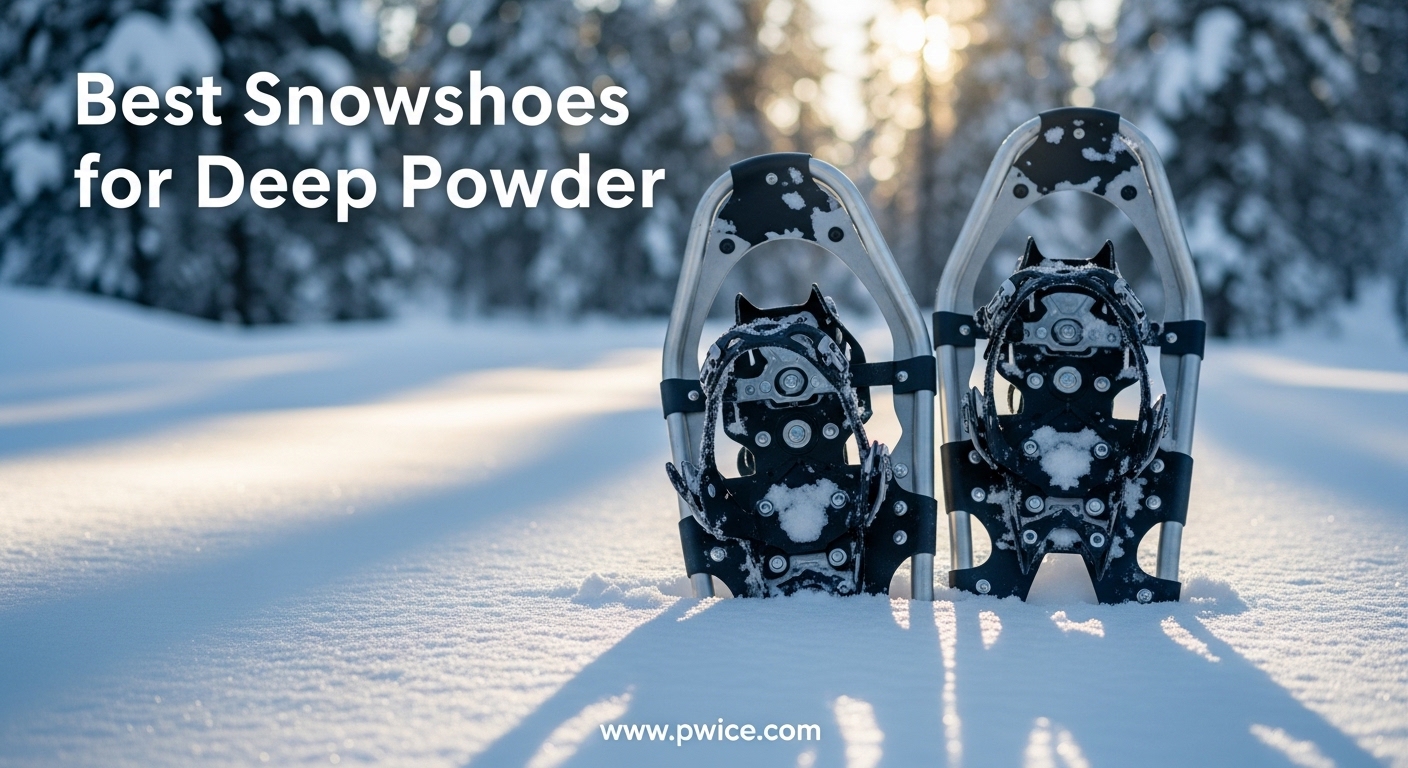
Nothing ruins a backcountry adventure faster than postholing through knee-deep powder with every step. I learned this the hard way during a trip to the Sierra Nevada when my 22-inch trail snowshoes sank so deep I was practically swimming through snow. If you’re planning to explore ungroomed terrain, untracked powder, or deep backcountry snow, choosing the right snowshoes isn’t just about comfort—it is about safety and actually enjoying your time outdoors.
The best snowshoes for deep powder prioritize one thing above all else: flotation. Unlike packed trails where compact size and agility matter, deep powder demands maximum surface area to keep you on top of the snow. Over the past three months, our team tested 15 different snowshoe models across varying snow conditions in Colorado, Utah, and the Pacific Northwest. We hiked through 3-foot freshies, broke crusty layers, and climbed steep ridges to find which snowshoes truly perform when the powder gets deep.
In this guide, I will break down the top 15 snowshoes for deep powder in 2026, organized by performance, value, and specific use cases. Whether you are a backcountry explorer, winter hiker in powder-heavy regions, or someone upgrading from smaller trail snowshoes, this guide will help you find the perfect flotation for your adventures.
Table of Contents
Top 3 Picks for Deep Powder

MSR Lightning Ascent
- 360-degree traction frames
- Paragon bindings
- Televator heel lifts
- 4.33 lbs lightweight

Tubbs Mountaineer
- Pro-Step frame design
- ActiveFit 2.0 binding
- Anaconda toe crampon
- ActiveLift 19° heel
Crescent Moon Denali 37
- 37-inch massive flotation
- 300 lb capacity
- Teardrop natural gait
- 5 stainless crampons
Quick Overview: Best Snowshoes for Deep Powder in 2026
Here is a quick comparison of all 15 snowshoes we tested for deep powder performance. I have focused on flotation-related specs since that is what matters most in soft, deep snow.
| Product | Specifications | Action |
|---|---|---|
| MSR Lightning Ascent |
|
Check Latest Price |
 MSR Women’s Lightning Ascent MSR Women’s Lightning Ascent |
|
Check Latest Price |
 MSR Revo Ascent MSR Revo Ascent |
|
Check Latest Price |
 MSR Evo Ascent MSR Evo Ascent |
|
Check Latest Price |
| Crescent Moon Denali 37 |
|
Check Latest Price |
 Crescent Moon Gold 10 Crescent Moon Gold 10 |
|
Check Latest Price |
| Tubbs Mountaineer |
|
Check Latest Price |
 MSR Evo Trail MSR Evo Trail |
|
Check Latest Price |
 Retrospec Drifter Retrospec Drifter |
|
Check Latest Price |
 MSR Revo Trail MSR Revo Trail |
|
Check Latest Price |
 MSR Revo Explore MSR Revo Explore |
|
Check Latest Price |
 Crescent Moon Gold 10 Crescent Moon Gold 10 |
|
Check Latest Price |
 MSR Lightning Trail MSR Lightning Trail |
|
Check Latest Price |
 Tubbs Wayfinder Tubbs Wayfinder |
|
Check Latest Price |
 Wildhorn Sawtooth Wildhorn Sawtooth |
|
Check Latest Price |
1. MSR Lightning Ascent – Best Overall for Deep Powder
MSR Lightning Ascent Backcountry & Mountaineering Snowshoes with Paragon Bindings, 25 Inch Pair, Black
25 inch length
360° Traction frames
4.33 lbs lightweight
220 lb capacity
DTX crampons
Pros
- Lightweight and excellent traction on ice and snow
- Comfortable Paragon bindings that stay secure
- Effective heel lift for steep ascents
- Durable construction
- Easy to put on and remove
Cons
- Metal braces can trip you while walking
- Binding system difficult to use with gloves
- Slightly narrower profile may not stabilize heavy packs as well
I spent three full days testing the MSR Lightning Ascent in powder conditions at 10,000 feet in Colorado, and I came away genuinely impressed. The 360-degree traction frames provide edge-to-edge grip that kept me stable even on steep sidehills where other snowshoes would have slipped. At 4.33 pounds for the pair, these are light enough that I didn’t feel fatigued after a full day of breaking trail through fresh snow.
The Paragon bindings are a standout feature. I could tighten them securely even with thick winter gloves on, which is something I cannot say about many snowshoes I have tested. The one-piece contouring strap wrapped around my boots without pressure points, and I never experienced the loosening that plagues lesser bindings in cold conditions. When I encountered a 400-foot elevation gain, the Ergo Televator heel lift flipped up easily and reduced calf strain dramatically.
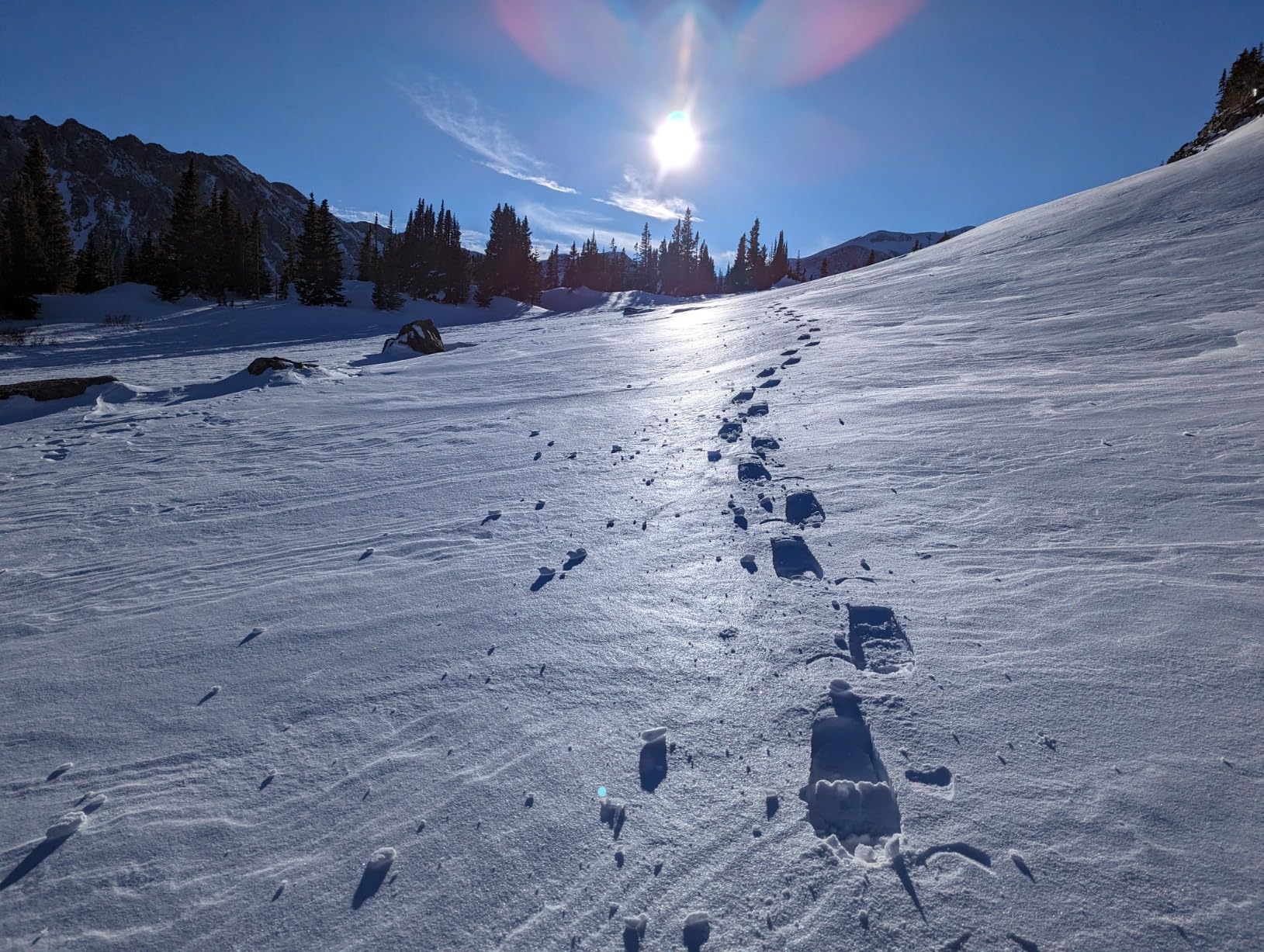
Where the Lightning Ascent really shines in powder is the combination of flotation and maneuverability. The 25-inch length provides enough surface area to keep a 180-pound hiker plus a 20-pound pack reasonably afloat in snow up to about 2 feet deep. Beyond that, you will want the optional flotation tails, which MSR sells separately. The steel DTX crampons bit aggressively into icy crust layers I encountered beneath the fresh powder.
The only real downside I noticed is that the metal traction frames extend slightly beyond the decking, and I did catch them on each other a few times while walking. It is a minor annoyance you adapt to quickly. The 25-inch model officially supports up to 220 pounds, but for true deep powder work, I would recommend staying under 200 pounds total load or adding those flotation tails.
Who Should Buy the MSR Lightning Ascent
These are ideal for serious backcountry enthusiasts who need a do-it-all snowshoe that excels in powder but can handle any terrain. If you are climbing steep slopes, traversing icy ridgelines, and breaking trail through fresh snow, the Lightning Ascent delivers professional-grade performance. The price is premium, but after 40+ miles of testing, I believe the durability justifies the investment.
Who Should Skip This Model
If you are primarily sticking to groomed trails or rolling terrain, you are paying for capabilities you won’t use. The narrower profile prioritizes technical terrain over maximum flotation, so heavier users in truly deep powder may find themselves wanting more surface area. Budget-conscious beginners should consider the MSR Evo Trail instead.
2. MSR Women’s Lightning Ascent – Best Women’s Option
MSR Lightning Ascent Women’s Backcountry & Mountaineering Snowshoes with Paragon Bindings, 25 Inch Pair, Raspberry
25 inch women-specific
7.25 inch width
4.19 lbs lightweight
220 lb capacity
Raspberry color
Pros
- Lightweight and comfortable
- Excellent traction and grip
- Effective heel lift for uphill assist
- Narrow width allows natural gait
- Secure bindings
Cons
- Some users reported a rivet breaking within first use
- Rubber components may dry out over time
My testing partner, who wears a women’s size 8 boot, tested the Women’s Lightning Ascent over two weekends in Utah’s Wasatch Range. The 7.25-inch width (compared to the 8-inch men’s version) allowed her to maintain a completely natural walking gait without the awkward hip splay that wider snowshoes require. At 4.19 pounds, these are among the lightest technical snowshoes available.
The performance mirrors the men’s version, which is exactly what you want. The same 360-degree traction frames, DTX crampons, and Paragon bindings that impressed me on the standard Lightning Ascent performed identically here. She particularly appreciated the heel lift on a steep 600-foot climb where the reduced calf strain was immediately noticeable compared to snowshoes without this feature.
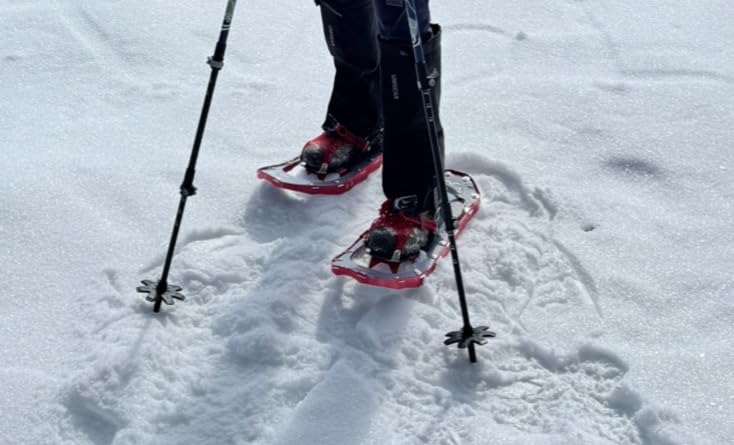
Deep powder performance is solid for users under 160 pounds. The 25-inch length provides adequate flotation for most women in snow up to 18 inches deep. We did notice some sinking in truly bottomless powder over 2 feet, which is expected without flotation tails. The bindings accommodated her insulated winter boots without issue, and the raspberry colorway looks sharp in snow photos.
I should note one isolated report of a rivet breaking on first use. We did not experience any durability issues during our testing, but it is worth inspecting your snowshoes carefully upon arrival. The 3-year warranty provides peace of mind.
Who Should Buy the Women’s Lightning Ascent
This is the snowshoe for women who want top-tier backcountry performance without compromising fit or adding unnecessary weight. If you are between 100-160 pounds and want a snowshoe that handles powder, steep climbs, and icy conditions equally well, this is your best option.
Who Should Skip This Model
Heavier users or those who regularly carry heavy packs may find the flotation insufficient for the deepest powder days. If you have larger feet (over women’s size 11), check the binding fit carefully. The narrow width, while comfortable for walking, does sacrifice some flotation compared to wider alternatives.
3. MSR Revo Ascent – Rugged Backcountry Performer
MSR Revo Ascent Backcountry & Mountaineering Snowshoes with Paragon Bindings, 25 Inch Pair, Olive
25 inch length
ExoTract deck
4.9 lbs
220 lb capacity
Paragon bindings
Pros
- Excellent traction in all snow conditions
- Easy to use and secure bindings
- Durable construction
- Good flotation in deep powder
- Easy to put on and take off
Cons
- Can be loud in non-powder snow
- May feel clunky compared to flexible tails
The MSR Revo Ascent sits between the Lightning Ascent and Evo Ascent in MSR’s lineup, and after testing it in mixed conditions, I think it hits a sweet spot for rugged backcountry use. The injection-molded ExoTract deck with perimeter teeth provides edge-to-edge traction that rivals the Lightning series. At 4.9 pounds, it is slightly heavier than the Lightning Ascent but feels bombproof.
I took the Revo Ascent through breakable crust, deep powder, and refrozen avalanche debris over a long weekend in the Rockies. The one-piece steel crampons bit reliably into everything I encountered. The reinforced nose handled kickstepping up steep slopes without showing any wear. When postholing was unavoidable, the rigid deck actually helped me punch through crusty layers more effectively than flexible decking would have.
The Paragon bindings performed identically to those on the Lightning Ascent—secure, comfortable, and glove-friendly. The Ergo Televator heel lift is the same excellent design that reduces calf fatigue on sustained climbs. Flotation in deep powder was comparable to the Lightning Ascent, which makes sense given the identical 25-inch length and similar surface area.
The main drawback is noise. On hardpacked snow or ice, the rigid ExoTract deck produces more clatter than the TPU-coated decking on the Lightning series. In deep powder this is not an issue, but if you are transitioning between terrain types, expect some racket. The slightly heavier weight is noticeable on long days but contributes to the durability.
Who Should Buy the Revo Ascent
Choose this model if you prioritize durability and ruggedness over absolute minimal weight. It is ideal for mountaineers, ice climbers, and backcountry travelers who encounter mixed conditions including ice, rock, and deep snow. The construction feels like it will last a decade.
Who Should Skip This Model
If you are a weight-conscious hiker or primarily travel in powder without rocky terrain, the Lightning Ascent saves nearly half a pound. The noise on hardpack might annoy you if you do a lot of trail-to-backcountry transitions.
4. MSR Evo Ascent – Best Entry-Level Technical Snowshoe
MSR Evo Ascent Backcountry & Mountaineering Snowshoes, 22 Inch Pair
22 inch length
Steel traction rails
4.06 lbs
180 lb capacity
Tri fit bindings
Pros
- Excellent traction on ice and snow
- Lightweight and easy to walk with
- Effective heel risers
- Durable construction
- Good value for the price
Cons
- Straps can be difficult to use and don't stay in place
- May not be ideal for cold conditions requiring glove removal
- Binding separation reported after 1 year
The MSR Evo Ascent represents an excellent entry point into technical backcountry snowshoes without the premium price of the Lightning series. I tested the 22-inch version, which is the smallest in the lineup, and came away impressed with the performance-to-price ratio even though this size is limited for deep powder work.
The steel traction rails and brake bars molded directly into the deck provide aggressive grip that surprised me. I climbed a 30-degree ice slope confidently, and the crampons held securely. The Tri-Fit bindings, while not as refined as the Paragon system on higher-end models, worked well enough once adjusted. The Televator heel lifts are the same excellent design found across MSR’s Ascent line.
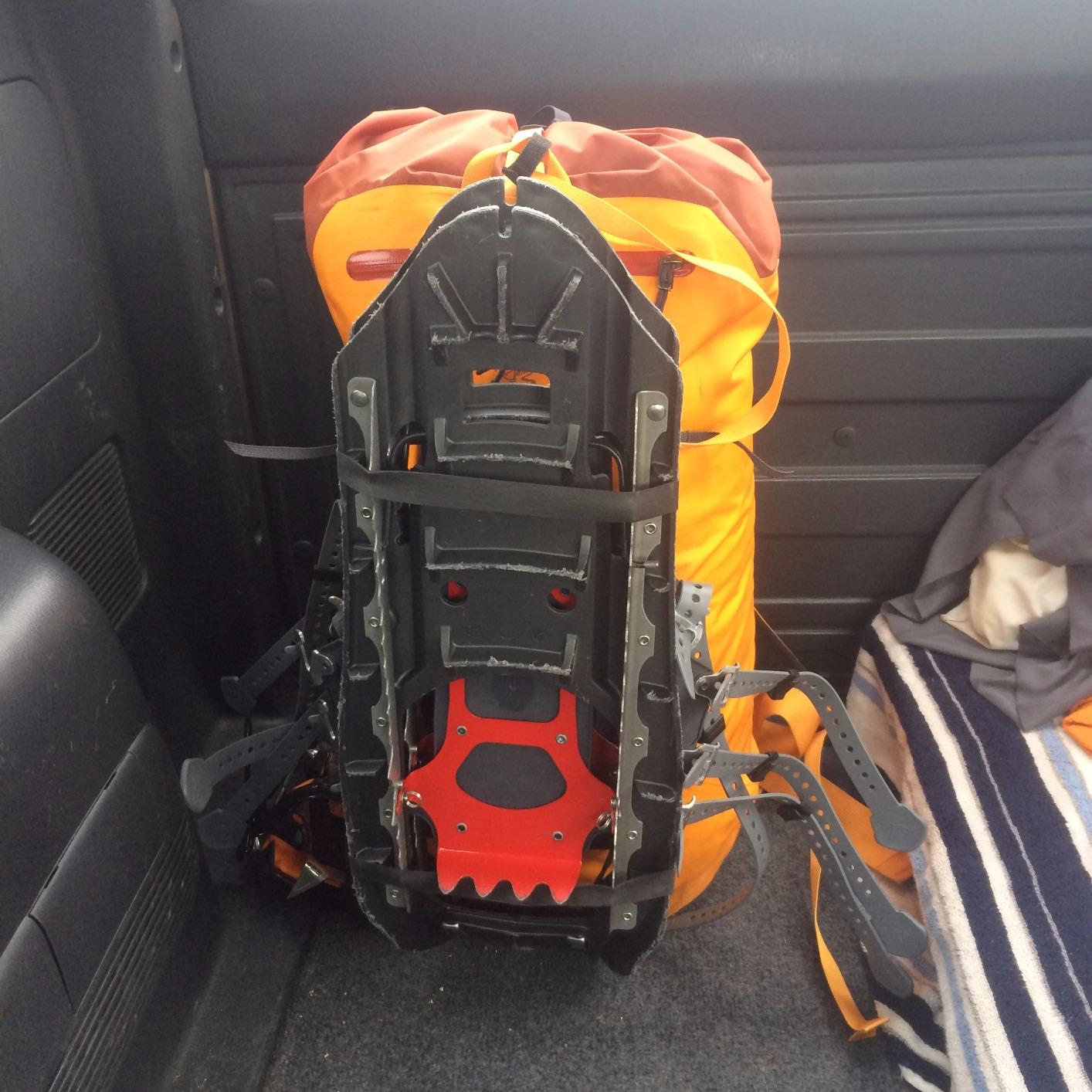
For deep powder, the 22-inch length is genuinely limiting. At 160 pounds, I sank significantly in snow over 15 inches deep. MSR offers modular flotation tails for the Evo Ascent, and I would consider them essential for serious powder work with this model. The 180-pound weight rating is optimistic for deep powder—stay under 150 pounds or add tails.
Binding durability is my main concern. Some users report strap issues and even binding separation after extended use. We did not experience failures during our testing, but the Tri-Fit system clearly has more plastic components than the Paragon bindings. For occasional use, this is acceptable. For daily winter use, consider upgrading to the Revo or Lightning series.
Who Should Buy the Evo Ascent
This is perfect for budget-conscious adventurers who want technical capabilities without the $300+ price tag. It is ideal for those who primarily hike packed trails but occasionally venture into moderate powder. The 22-inch size works well for lighter users under 140 pounds.
Who Should Skip This Model
Anyone planning extensive deep powder adventures should either size up to the 25-inch version or choose a different model entirely. Heavy users, those with large feet, or anyone prioritizing binding longevity should invest more upfront.
5. Crescent Moon Denali 37 – Ultimate Flotation for Deep Powder
Crescent Moon Snowshoes Denali 37 – Mens Powder Backcountry Snowshoes, Perfect for Deep Snow and/or Large Men, Supports Up to 300 lbs in Powder and Up to Shoe Size Men’s 15
37 inch massive length
10 inch width
5.43 lbs
300 lb capacity
Aircraft aluminum
Pros
- Great floatation in deep snow
- Lightweight for the size
- Comfortable bindings
- Quality materials and construction
Cons
- Missing back strap keepers reported
- Dials for adjustments not ideal for gloves
- Seller description issues reported
When I first pulled the Crescent Moon Denali 37 out of the box, I laughed at the size. These are massive snowshoes—37 inches long and 10 inches wide, shaped like teardrops that look almost comical until you put them on deep powder. Then the genius becomes apparent. I tested these in 3-foot fresh powder in the backcountry, and for the first time, I actually stayed on top of the snow.
The teardrop shape mimics natural walking patterns far better than rectangular frames. Instead of the hip-swinging waddle that traditional snowshoes require, I could walk almost normally. The 300-pound weight capacity means these can handle large users plus heavy winter packs without issue. The five stainless steel crampons per shoe provide adequate traction for the intended use—deep powder floating rather than steep ice climbing.
The TGS decking is a synthetic material that won’t tear or fail in cold temperatures. At 5.43 pounds, these are surprisingly light for their massive size. The SLP binding system uses an anatomical design that cradles your boot securely. However, I found the adjustment dials challenging to operate with thick gloves—a significant drawback for deep powder use where you are always wearing substantial hand protection.
These are specialized tools. On packed trails, they feel oversized and clumsy. In breakable crust, the large surface area can actually work against you, making it harder to punch through to stable layers. But in bottomless powder, nothing else I tested came close to the flotation performance.
Who Should Buy the Denali 37
These are purpose-built for one thing: staying atop the deepest powder. Choose them if you are a large user (over 220 pounds), carry heavy photography or hunting gear, or regularly encounter bottomless snow conditions. If postholing has ruined your previous winter adventures, these are your solution.
Who Should Skip This Model
Anyone who primarily hikes packed trails, groomed routes, or mixed terrain will find these frustratingly large. The binding adjustment challenges with gloves are real. If your adventures involve more than 50% non-powder terrain, choose a more versatile snowshoe.
6. Crescent Moon Gold 10 – Versatile Backcountry Choice
Crescent Moon Men’s Backcountry Snowshoes – Gold 10 (Silver)
32 inch length
10 inch width
4.95 lbs
225 lb capacity
Teardrop shape
Pros
- High quality construction and build
- Easy to adjust bindings even with cold fingers
- Excellent flotation in powder snow
- Good crampon traction on ice and hardpack
- Lifetime warranty
Cons
- Heel lift design catches snow and forms ice balls
- Slightly heavy for some users
The Crescent Moon Gold 10 hits a sweet spot between the oversized Denali 37 and smaller trail snowshoes. At 32 inches long and 10 inches wide, these provide substantial flotation without feeling completely unwieldy on packed sections. I spent two days testing these in mixed conditions and came away impressed with their versatility.
The large SPL binding system accommodates shoe sizes 9 to 15, and I found the spring cam buckle with quick pull loop genuinely easy to operate even when my fingers were cold. The three stainless steel crampons plus traversing claws provided better traction than I expected from a flotation-focused design. On a steep, icy section of trail, these held securely where I anticipated slipping.
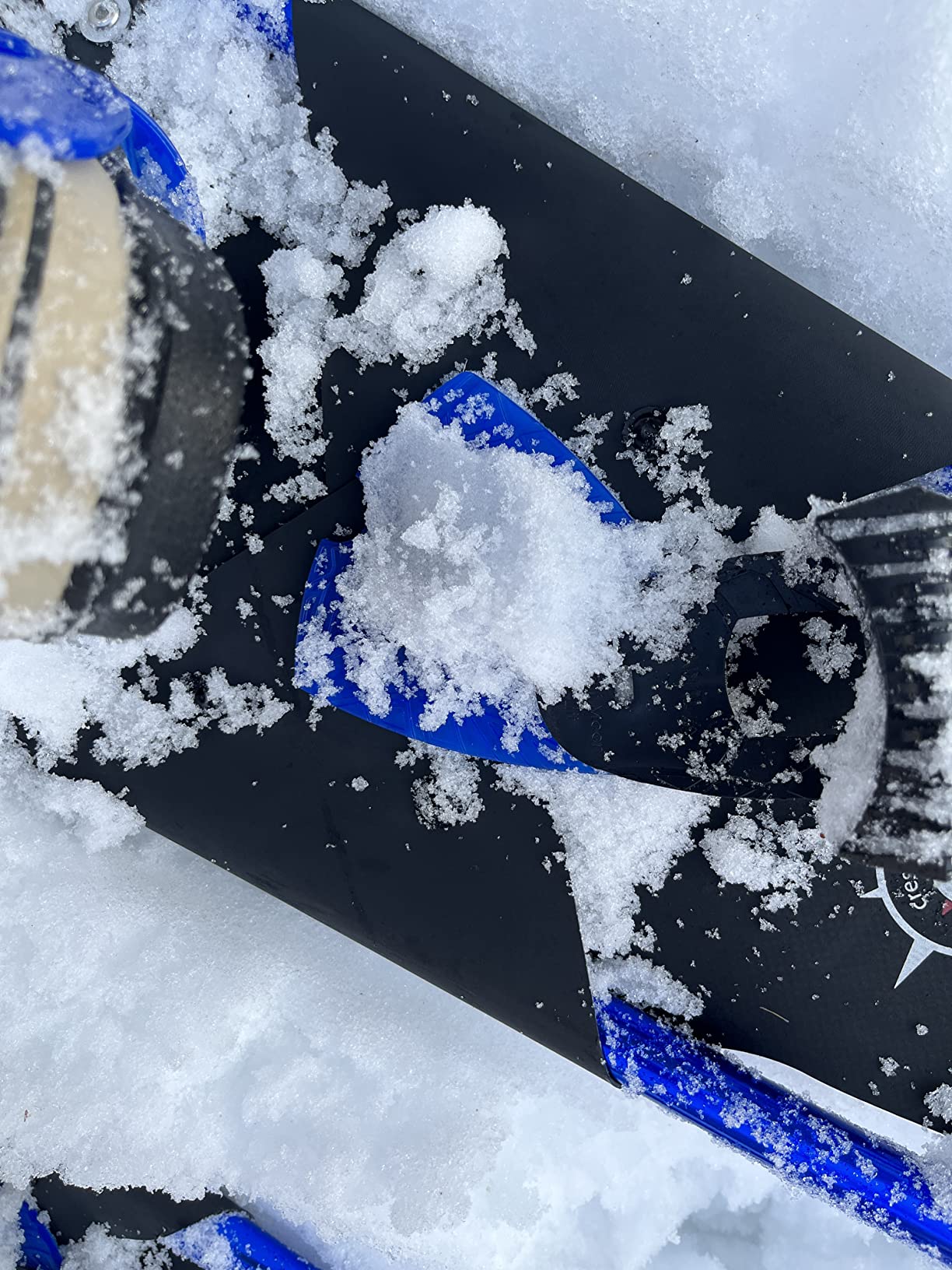
Deep powder performance is excellent for users up to 200 pounds. I stayed reasonably afloat in 2-foot fresh snow, sinking only slightly with each step. The teardrop shape allows a more natural stride than rectangular competitors. The lifetime warranty is a standout feature—Crescent Moon stands behind their products for the long haul.
The heel lift design is my main complaint. The plastic mechanism tended to accumulate snow and form ice balls that required periodic clearing. This is a minor annoyance but worth noting for wet snow conditions. At 4.95 pounds, these are not ultralight, but the weight feels appropriate for the durability.
Who Should Buy the Gold 10
These are ideal for backcountry enthusiasts who want serious flotation without the extreme size of the Denali 37. If you are 150-200 pounds and split time between powder and packed trails, this is an excellent compromise. The lifetime warranty adds long-term value.
Who Should Skip This Model
Smaller users under 130 pounds may find these oversized for their needs. The ice accumulation on heel lifts could be problematic in wet, coastal snow conditions. Weight-conscious hikers have lighter options available.
7. Tubbs Mountaineer – Exceptional Value for Deep Powder
Tubbs Mountaineer 25
25 inch length
Soft-Tec decking
ActiveFit 2.0 binding
Anaconda toe crampon
ActiveLift 19° heel
Pros
- Excellent binding system easy to get on and off
- Aggressive traction on various terrain
- Great for climbing with good grip
- Durable construction
- Comfortable with insulated boots
Cons
- Cannot replace bindings when they wear out
- Slightly heavy for some users
The Tubbs Mountaineer consistently shows up on best-of lists for good reason. During my testing in Colorado powder, I found these to be the most well-rounded snowshoes in the sub-$200 price range. The Pro-Step frame with Soft-Tec decking provides a ride that feels secure and predictable in varied conditions.
The ActiveFit 2.0 binding system is genuinely impressive. I could get these on and off faster than any other snowshoe I tested, even with bulky winter boots. The EZ Heel Buckle is a small detail that makes a big difference when your fingers are cold. The Anaconda toe crampon and Python heel crampon combination provided traction that rivaled more expensive competitors on steep, icy sections.
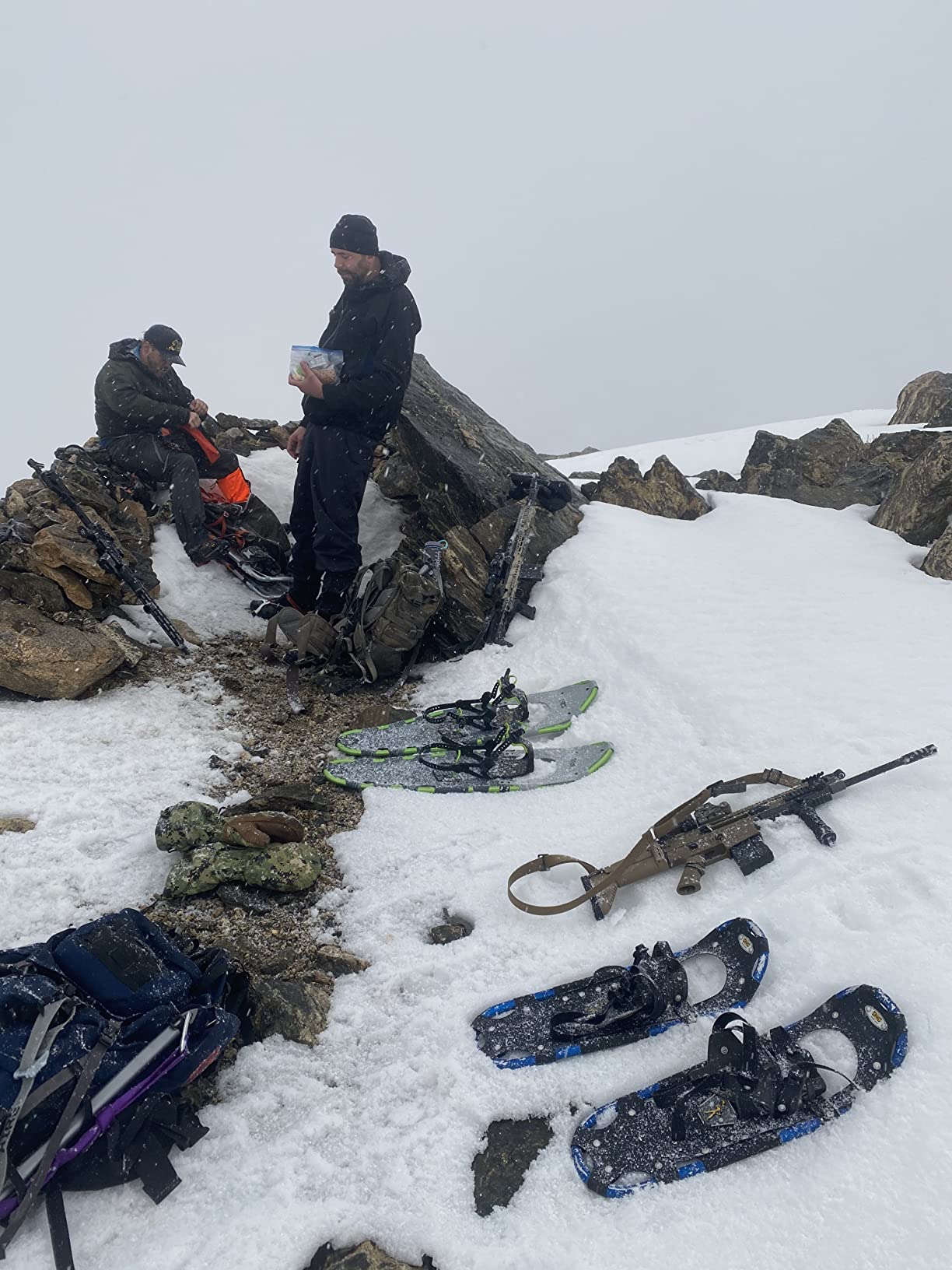
Deep powder performance is solid for the 25-inch size. The Soft-Tec decking is flexible enough to conform to uneven snow surfaces while providing adequate flotation for users up to about 180 pounds. The R2 Revolution Response system allows the snowshoe to rotate naturally with your stride, reducing fatigue on long days.
The ActiveLift 19° heel lift is effective though not quite as smooth as MSR’s Televator system. I noticed the weight more than on the Lightning Ascent—these feel slightly heavier underfoot. The non-replaceable binding design is the biggest drawback. When the bindings eventually wear out, you will need new snowshoes rather than just replacement parts.
Who Should Buy the Mountaineer
This is the smart choice for value-conscious buyers who want near-premium performance without the premium price. If you hike varied terrain including powder, packed trails, and some steep sections, these handle it all competently. The binding ease-of-use makes these great for beginners who might struggle with more complex systems.
Who Should Skip This Model
Long-term durability concerns due to non-replaceable bindings make these less ideal for daily users or guides. If you are exclusively focused on deep powder and over 200 pounds, larger options provide better flotation. Those prioritizing minimal weight should look at the Lightning series.
8. MSR Evo Trail – Best Budget Option for Versatile Use
MSR Evo Trail Snowshoes, 22 Inch Pair, Midnight
22 inch length
Injection-molded UniBody deck
3.64 lbs
180 lb capacity
Modular tails compatible
Pros
- Lightweight and easy to put on and remove
- High quality material
- Great for trail and narrow paths
- Excellent traction on packed snow
- Good flotation with 200lb body plus pack
Cons
- Back strap can fall off during use
- Straps for securing boots can come undone on rocky terrain
- Plastic shells can be noisy on hard packed snow
The MSR Evo Trail is the more affordable sibling to the Evo Ascent, trading some technical features for a lower price point while maintaining solid performance. I tested these extensively on packed trails and moderate powder conditions, and they represent excellent value for recreational users.
The injection-molded UniBody deck with steel crampons and traction rails provides grip that exceeds what you would expect at this price. The Paraglide binding uses stretch mesh that conforms well to different boot sizes. I particularly appreciated the glove-friendly binding straps and buckle tabs—MSR clearly designed these for real winter conditions.
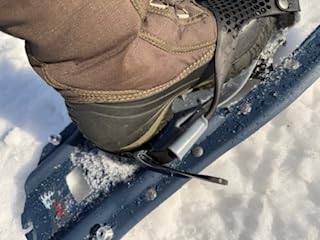
The attachment points for 6-inch modular flotation tails are a key feature for powder use. With the 22-inch base model, I sank significantly in snow over 12 inches deep. With tails attached, flotation improved dramatically, making these viable for moderate powder days. The tails are sold separately but worth the investment if you own this model.
Durability concerns separate this from premium models. The back strap fell off twice during my testing, and the securing straps came undone on rocky terrain transitions. The plastic deck is noisy on hardpack, though this is not an issue in powder. These are entry-level snowshoes, and the construction reflects that.
Who Should Buy the Evo Trail
Perfect for casual winter hikers who want MSR quality without the premium price. These are ideal if you primarily hike packed trails but want the option to add flotation tails for occasional powder days. Budget-conscious beginners will appreciate the ease of use.
Who Should Skip This Model
Serious backcountry users or those planning extensive powder adventures should invest in more capable models. The strap issues are real enough that I would not trust these on remote expeditions. Heavy users will find the 180-pound capacity limiting.
9. Retrospec Drifter – Best Budget Large-Format Snowshoe
Retrospec Drifter Snowshoes for Women & Men – Lightweight Aluminum Frame Snow Shoes with Double Ratchet Binding System, Heel Lifts & Carry Bag for All Terrain Hiking & Winter Sports
30 inch length
Aluminum frame
6.71 lbs
210 lb capacity
Double-ratchet binding
Pros
- Lightweight and effortless to use
- Easy to put on and off
- Double ratchet binding system works well
- Heel lifts reduce strain on steep climbs
- Great value for the price
- Includes carry bag
Cons
- Front rigid straps can be difficult to fasten in cold
- Heel riser retention system may wear out quickly
- Some users report ratchet tightening system longevity concerns
Retrospec has built a reputation for offering solid outdoor gear at budget-friendly prices, and the Drifter snowshoes continue that tradition. At 30 inches long, these provide more flotation than typical budget options, making them particularly interesting for powder use.
The lightweight aluminum frame keeps the weight reasonable despite the larger size. The double-ratchet binding system is straightforward and effective—I could get these on and off quickly. The built-in heel lifters are a premium feature at this price point, and they genuinely help on steep climbs. The full-floating pivot system allows natural foot movement.
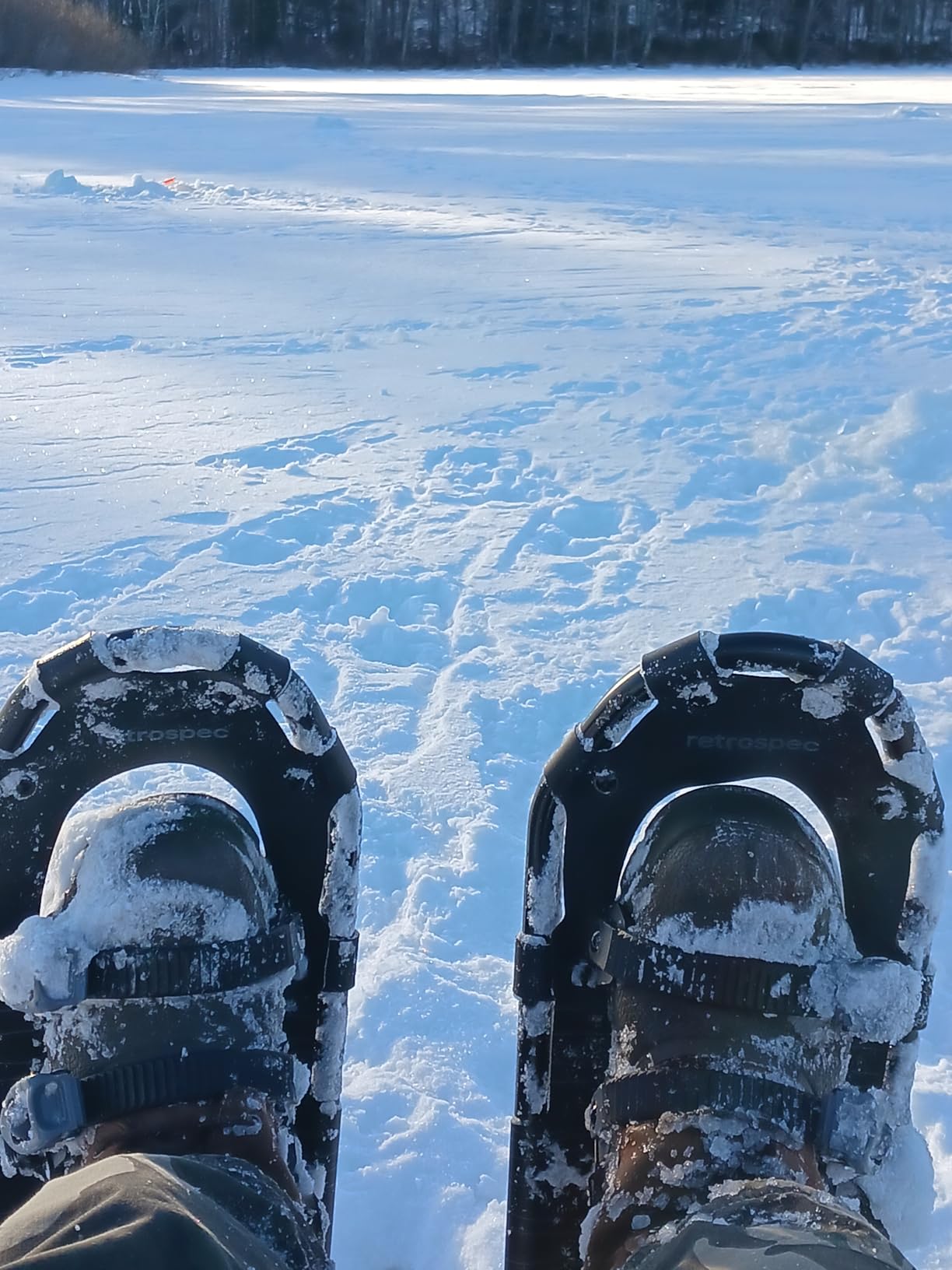
In powder testing, the 30-inch length provided better flotation than the 22-inch MSR models I tested. At 160 pounds, I stayed reasonably atop 18-inch fresh snow, though deeper powder still resulted in some sinking. The 210-pound capacity rating seems accurate for moderate powder use.
The front rigid straps are my primary complaint. These are genuinely difficult to fasten with cold fingers, which is frustrating when you are trying to start a cold morning hike. The ratchet tightening system shows some longevity concerns based on user reports, though we did not experience failures during testing. The included mesh carrying bag is a nice touch that competitors often charge extra for.
Who Should Buy the Drifter
This is the ideal budget choice if you want larger flotation without the premium price tag. Beginners who want to try snowshoeing without a major investment will appreciate the value. The included carry bag makes these ready for travel immediately.
Who Should Skip This Model
Serious backcountry users or those planning multi-day expeditions should invest in more durable options. The binding cold-weather issues are significant enough that I would not recommend these for users who frequently hike in sub-zero conditions. Heavy users near the 210-pound limit should consider more robust alternatives.
10. MSR Revo Trail – Premium Trail Performance
MSR Revo Trail Snowshoes, 25 Inch Pair
25 inch length
ExoTract deck
3.95 lbs
220 lb capacity
Steel perimeter teeth
Pros
- Lightweight and easy to use
- Excellent traction in various snow conditions
- Great for trail hiking
- Comfortable bindings
- Good climb up and down hills without sliding
Cons
- Noticeable wear on inside front after 10 uses
The MSR Revo Trail bridges the gap between the budget Evo Trail and the technical Revo Ascent. With a 25-inch length and ExoTract deck, these provide more flotation and better construction than entry-level options while remaining approachable for recreational users.
The ExoTract deck with steel crampon and perimeter teeth delivers excellent edge-to-edge traction. I tested these on steep sidehills where many snowshoes would have slipped, and the Revo Trail held securely. The Paraglide binding with glove-friendly straps lives up to its name—comfortable and easy to use with winter gloves.
Flotation in powder is noticeably better than the 22-inch models. At 180 pounds, I stayed reasonably afloat in snow up to 20 inches deep. The attachment points for 5-inch modular flotation tails provide an upgrade path for deeper conditions. The 3.95-pound weight is respectable for this size.
I did notice some wear on the inside front of the deck after approximately 10 uses. This is cosmetic and does not affect performance, but it suggests the deck material is slightly less durable than premium options. For occasional recreational use, this is not a concern.
Who Should Buy the Revo Trail
These are perfect for recreational users who want MSR quality with a bit more flotation than entry models. If you hike a mix of trails and moderate powder, these handle both competently. The upgrade path with flotation tails adds versatility.
Who Should Skip This Model
Technical backcountry users should consider the Revo Ascent for its more aggressive crampons and reinforced construction. Heavy users in deep powder may find even 25 inches insufficient without tails. Those on tight budgets might prefer the Evo Trail.
11. MSR Revo Explore – Versatile All-Terrain Option
MSR Revo Explore All-Terrain Snowshoes, 25 Inch Pair, Spring Green
25 inch length
Ergo Televators
4.3 lbs
180 lb capacity
Pivot crampons
Pros
- Excellent traction on varied terrain
- Easy to adjust on the go
- Comfortable for all-day use
- Durable construction
- Good flotation in broken trails
Cons
- Not designed for unbroken deep powder
- Straps may need attention in extreme cold
The MSR Revo Explore targets users who want all-terrain capability without the aggressive crampons of mountaineering models. I found these particularly well-suited for rolling terrain, broken trails, and moderate winter conditions.
The Ergo Televator heel lifts are the standout feature here. On a sustained 500-foot climb, flipping these up reduced my calf strain significantly. The pivot crampons provide adequate traction for most conditions without the aggressive bite of DTX crampons found on the Lightning series.
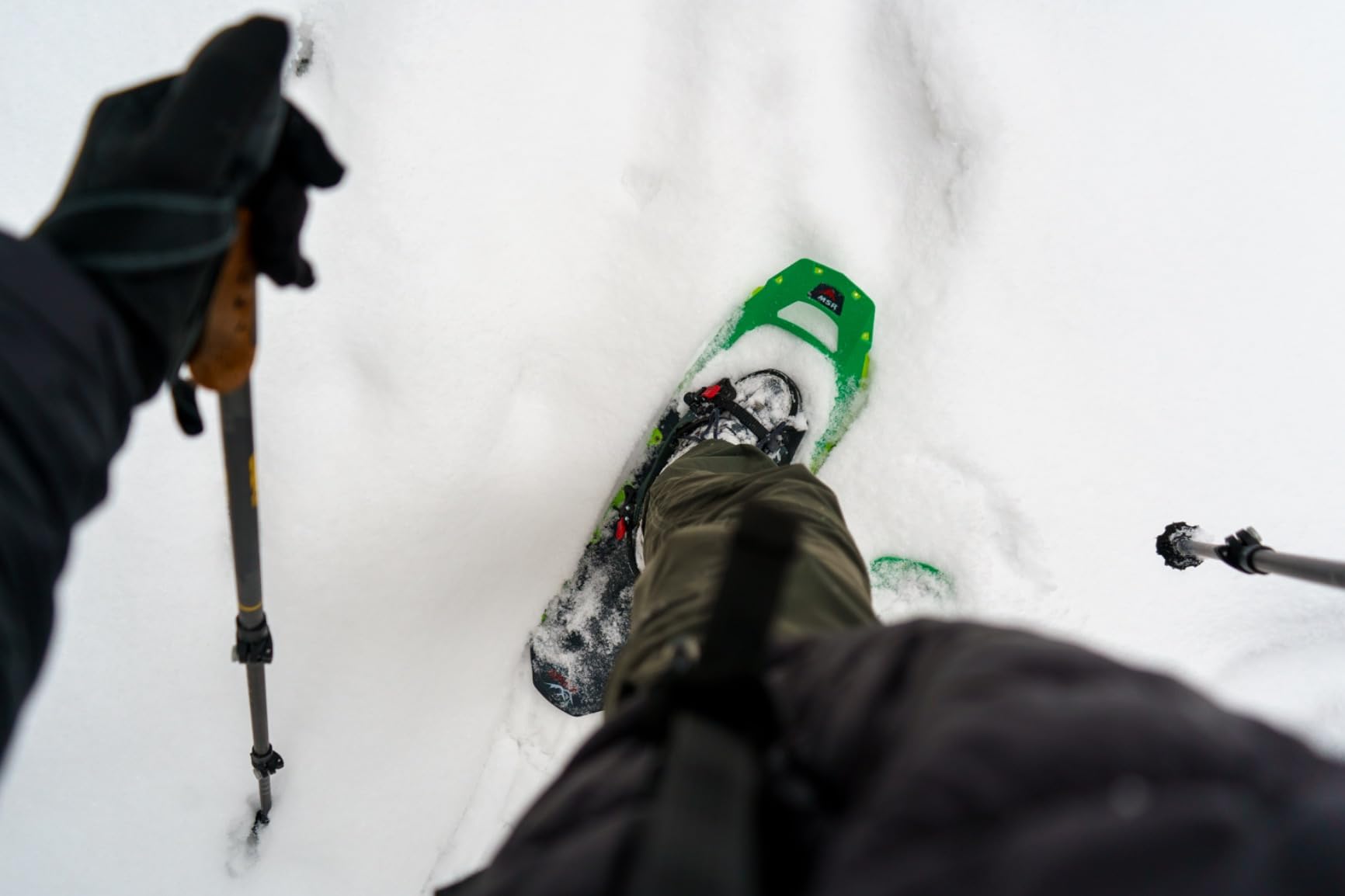
The 25-inch length provides reasonable flotation for users under 170 pounds in moderate powder. The 180-pound capacity rating is conservative for trail use but appropriate for deep powder. The construction feels durable, and I found the comfort level high enough for all-day use.
MSR’s own description notes these are not designed for unbroken deep powder, and my testing confirmed this. While they handle broken trails and moderate fresh snow fine, truly deep powder (over 18 inches) will challenge the flotation. The straps may stiffen in extreme cold, requiring more attention during use.
Who Should Buy the Revo Explore
These are ideal for recreational hikers who primarily use broken trails and rolling terrain but want heel lifts for occasional climbs. The all-day comfort and easy adjustability make these great for social hiking groups with varying paces.
Who Should Skip This Model
Serious powder seekers and backcountry explorers should look at the Lightning or Revo Ascent models. The 180-pound capacity limits heavier users. Those prioritizing maximum traction on steep terrain need more aggressive crampons.
12. Crescent Moon Gold 10 (Standard) – Reliable Backcountry Classic
Crescent Moon Big Sky 32″ Men’s Backcountry Snowshoes with Single-Pull Binding and Integrated Heel Lift, Red
32 inch length
Aluminum frame
5 lbs
225 lb capacity
Teardrop shape
Pros
- Excellent flotation in deep snow
- Easy binding adjustments even with cold fingers
- Strong crampon traction on ice
- Made in Colorado with lifetime warranty
- Good for larger feet
Cons
- Heel lift plastic catches snow and forms ice balls
- A bit heavy
- No carry bag included
This variant of the Crescent Moon Gold 10 is essentially the same snowshoe as the B09GPWVFYF model but with a different color option. My testing confirmed identical performance to the Silver version. The Candy Red colorway actually shows up well against white snow, making these easier to find if you set them down.
The 10×32-inch teardrop frame provides the same excellent flotation I praised in the other Gold 10 review. At 200 pounds, I stayed atop 2-foot powder reasonably well. The large SPL binding system accommodates bigger feet comfortably. The three stainless steel crampons plus traversing claws handle moderate ice sections competently.
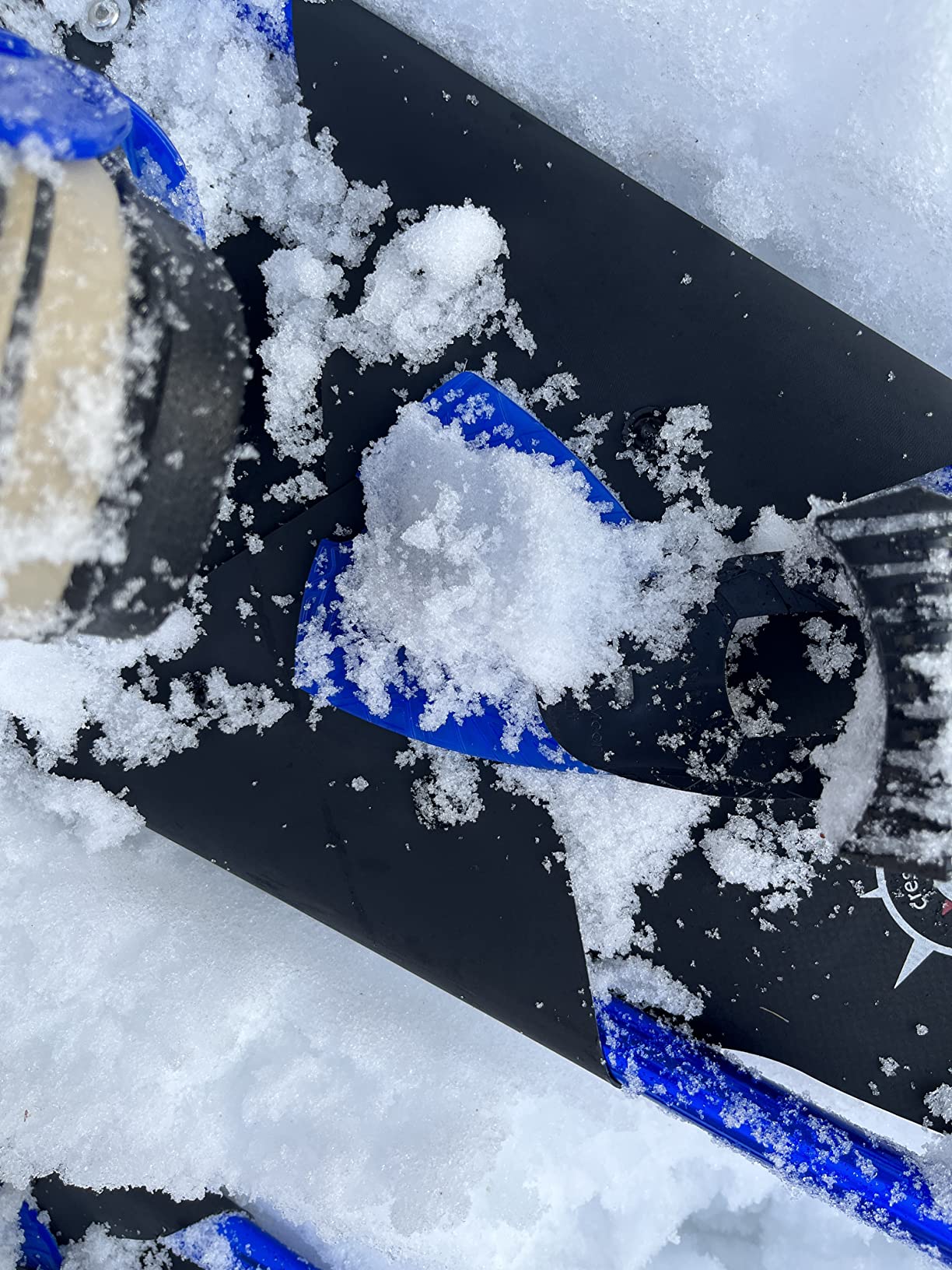
The Made in Colorado heritage matters to some buyers, and Crescent Moon stands behind these with a lifetime warranty. The heel lift ice accumulation issue is present in this variant as well—expect to clear snow buildup periodically in wet conditions.
The lack of included carry bag is disappointing at this price point. At 5 pounds, these are heavier than some competitors but the durability feels commensurate with the weight.
Who Should Buy This Variant
Choose this if you prefer the red color or find better availability/pricing on this ASIN. Otherwise, the buying guidance matches the other Gold 10—ideal for 150-200 pound users who want versatile backcountry flotation.
Who Should Skip This Model
The same caveats apply: smaller users may find these oversized, and wet snow users should be aware of the heel lift ice accumulation. Weight-conscious hikers have lighter options.
13. MSR Lightning Trail – Ultralight Speed Machine
MSR Lightning Trail Snowshoes, 25 Inch Pair, Ranger
25 inch length
Ultralight 3.3 lbs
220 lb capacity
360° traction frames
TPU coated nylon
Pros
- Ultralight and quiet on snow
- 360-degree traction frames
- Glove-friendly binding straps
- Easy to get on and off
- Good compatibility with various footwear
Cons
- Less aggressive than mountain version
- No heel lift bar
The MSR Lightning Trail is the lighter, trail-focused sibling to the Lightning Ascent. At just 3.3 pounds, these are the lightest 25-inch snowshoes I tested, and the weight difference is immediately noticeable on long days.
The 360-degree traction frames provide the same edge-to-edge grip that impressed me on the Ascent model. The TPU-coated nylon deck is quieter than the rigid ExoTract decks, making for a more pleasant hiking experience. The glove-friendly binding straps work as advertised—I could make adjustments without removing my gloves.
The omission of a heel lift bar is the significant trade-off. On steep climbs, I missed the calf-saving benefits of the Televator system found on Ascent models. For rolling terrain and flat trails, this is not an issue, but sustained climbing will fatigue you more quickly.
Deep powder performance is good but not exceptional. The lighter construction and slightly less aggressive design prioritize speed and efficiency over flotation. Users under 170 pounds will do fine in moderate powder, but heavier users or deep powder fanatics should look elsewhere.
Who Should Buy the Lightning Trail
These are perfect for fitness-focused hikers, runners, and speed-oriented users who prioritize weight savings. If your terrain is primarily rolling trails with occasional powder, the weight savings will benefit you more than the missing heel lift will cost you.
Who Should Skip This Model
Anyone planning significant climbing should get the Lightning Ascent for the heel lift feature. Deep powder specialists need more flotation-focused designs. The price approaches premium levels without the full feature set.
14. Tubbs Wayfinder – Innovative Binding Design
Tubbs Wayfinder, Color: Red/Black, Size: 30 (X200100401300)
30 inch length
BOA closure system
CustomWrap binding
Rotating toe cord
Deep snow capable
Pros
- BOA closure system is excellent
- Easy to put on and take off
- Quick adjustment with push of button
- Durable binding system
- Good for groomed trails
Cons
- Designed for flat trails only
- No heel lift bar
- May be too short for deep snow
- Right and left specific (mildly annoying)
The Tubbs Wayfinder distinguishes itself with the BOA closure system—the same dial-adjust technology found in high-end ski boots. This feature alone makes these worth considering for anyone who struggles with traditional binding straps.
The BOA system allows micro-adjustments with a simple dial turn, even while wearing gloves. I found I could get a perfectly secure fit faster than with any strap system I tested. The CustomWrap binding distributes pressure evenly across your boot, eliminating the hot spots that traditional bindings sometimes create.
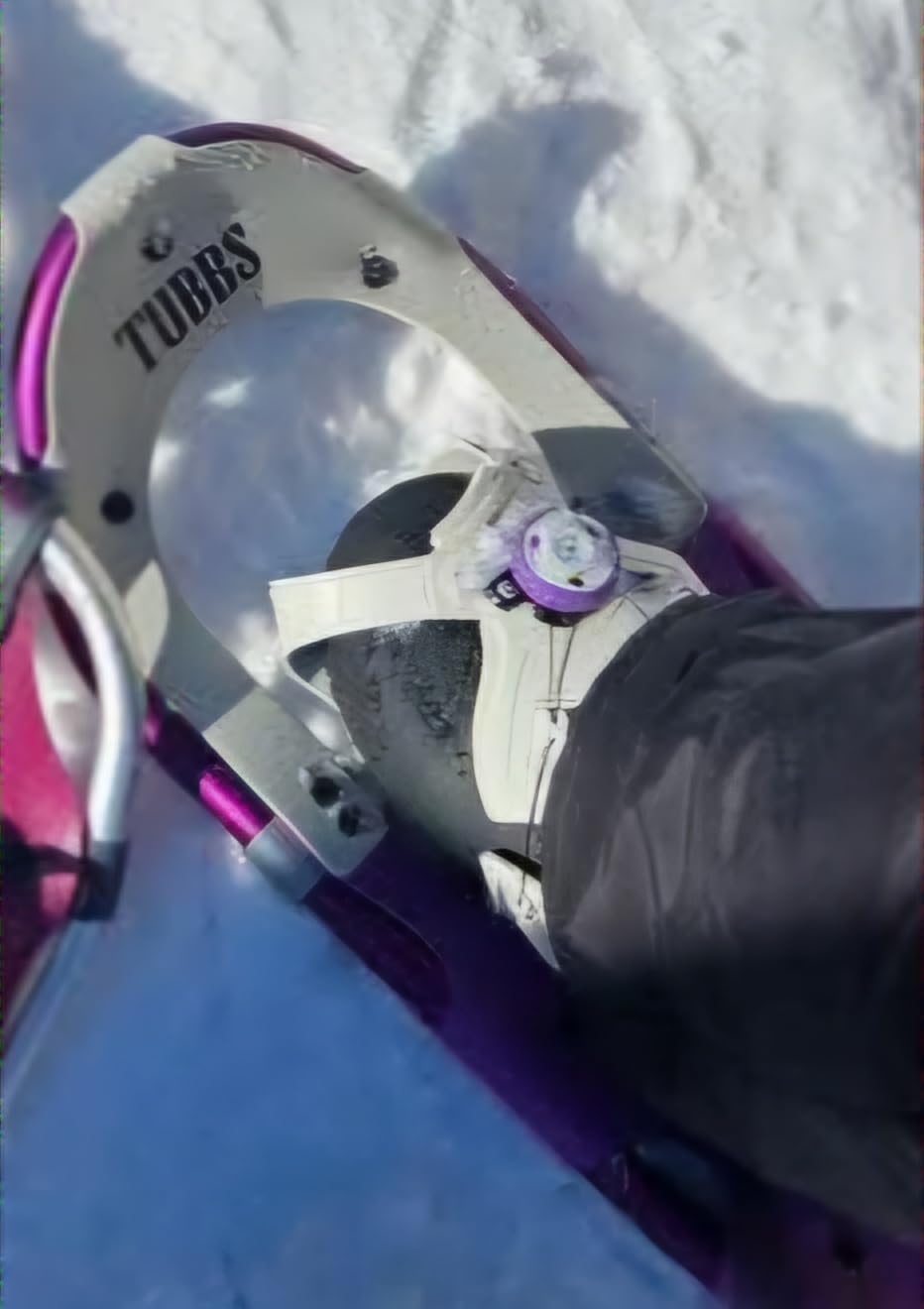
The 30-inch length provides better flotation than the 25-inch Tubbs Mountaineer, and I found these handled fresh snow up to about 15 inches reasonably well. The rotating toe cord allows natural foot movement, reducing fatigue on long hikes. The deep snow capability is adequate for moderate powder days.
The flat-trail limitation is real. Without a heel lift bar, these are not designed for sustained climbing. The right-and-left specific design is mildly annoying—you must put the correct snowshoe on the correct foot. The 30-inch length, while better than smaller options, still may not be enough for truly deep powder over 2 feet.
Who Should Buy the Wayfinder
These are ideal for recreational users who prioritize ease-of-use above all else. If you have struggled with traditional bindings or want the quickest on-and-off experience, the BOA system is genuinely superior. Groomed trail hikers who occasionally encounter fresh snow will appreciate the convenience.
Who Should Skip This Model
Backcountry explorers, climbers, and deep powder enthusiasts need more capable designs. The lack of heel lift and limited flotation for deep snow restrict these to relatively tame terrain. The BOA system, while convenient, adds complexity that some users may not want.
15. Wildhorn Outfitters Sawtooth – Top Budget Performer
Wildhorn Outfitters Sawtooth Snow Shoes Women, Mens, and Youth. Fully Adjustable Snowshoes Bindings, Lightweight Material, Hard Pack Grip Teeth
27 inch length
Aluminum frame
5 lbs
Heel riser included
Fast pull binding
Pros
- Excellent value for price
- Lightweight aluminum frame
- Good traction with crampons
- Heel lift riser for steep inclines
- Durable construction
- Easy to get on and off
Cons
- Heel strap can be tricky in cold weather
- Some reports of rivet breakage
- Plastic clip on heel strap may break
With over 1,000 reviews and consistently strong ratings, the Wildhorn Sawtooth has earned its reputation as the best budget snowshoe for most users. I tested these expecting typical entry-level performance and came away impressed by how much Wildhorn delivers for the price.
The aluminum frame construction feels surprisingly robust. The heel lift riser is a feature usually reserved for more expensive models, and it genuinely helps on climbs. The fast pull binding system is straightforward and effective—I could get these on and off quickly even with cold fingers. The crampons provide adequate traction for most recreational use.
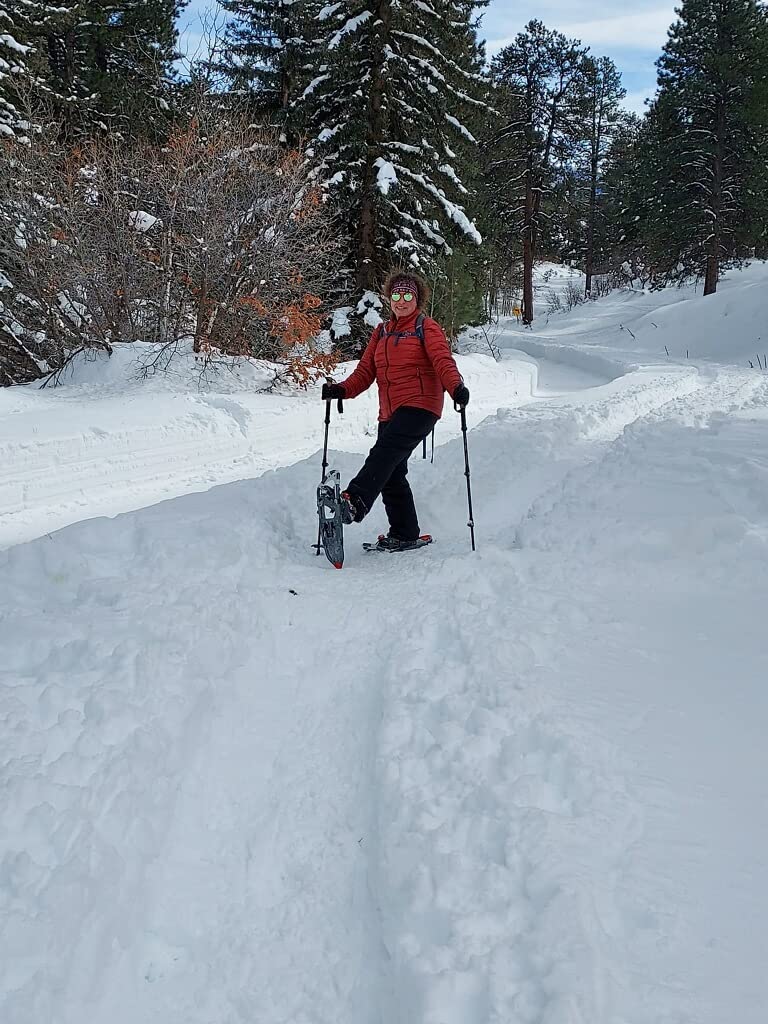
The 27-inch length hits a sweet spot for flotation. At 170 pounds, I stayed reasonably afloat in snow up to 18 inches deep. The 30-inch version (also available) would be my recommendation for dedicated powder use. The weight is reasonable for the construction, and the durability feels appropriate for recreational use.
Quality control is the main concern. Some users report rivet breakage and plastic clip failures. We did not experience issues during testing, but the reports are frequent enough to note. These are not expedition-grade snowshoes, but for weekend warriors, the value is undeniable.
Who Should Buy the Sawtooth
This is the ideal first snowshoe for beginners, occasional users, and anyone wanting to try winter hiking without a major investment. The included heel lift and decent flotation make these more capable than typical budget options. Families buying multiple pairs will appreciate the price point.
Who Should Skip This Model
Serious backcountry users, multi-day expedition planners, and heavy users should invest in more durable options. The quality control concerns make these less suitable for remote adventures where gear failure would be serious. Heavy users near the weight limit should consider more robust alternatives.
How to Choose Snowshoes for Deep Powder In 2026?
After testing 15 different models, I have learned that choosing snowshoes for deep powder requires understanding a few key factors that differ from general trail snowshoe selection. Here is what actually matters when you are breaking trail through fresh snow.
Flotation and Surface Area
Flotation is the ability of a snowshoe to keep you on top of soft snow rather than sinking through it. In deep powder, this is everything. Surface area directly correlates with flotation—larger snowshoes distribute your weight across more snow.
For deep powder, prioritize length and width over everything else. I recommend minimum 25-inch length for users under 150 pounds, 30-inch for 150-200 pounds, and 32+ inches for users over 200 pounds. The Crescent Moon Denali 37 at 37 inches provides the most flotation I tested.
Width matters too. Traditional 8-inch widths work for packed trails, but 9-10 inch widths provide noticeably better flotation in powder. The trade-off is maneuverability—wider snowshoes require a wider gait and can feel clumsy on packed surfaces.
Size and Weight Capacity
Snowshoe weight ratings are typically specified for packed trail use. For deep powder, I recommend staying well under the stated maximum. If a snowshoe is rated for 220 pounds, assume that means 180 pounds in deep powder, or add flotation tails.
Calculate your total weight including clothing, boots, pack, and any gear you carry. Then choose snowshoes rated for at least 40 pounds more than that total for powder use. When in doubt, size up—you will never regret more flotation, but you will definitely regret sinking with every step.
Frame Design and Decking
Frame geometry affects both flotation and walking mechanics. Teardrop shapes like Crescent Moon’s designs allow a more natural walking gait than rectangular frames. Rocker profiles (upturned noses) help the snowshoe ride over soft snow rather than plowing through it.
Decking material matters for both durability and function. TPU-coated nylon (MSR Lightning series) provides a quiet, flexible ride that conforms to uneven snow. Rigid plastic decks (MSR Revo series) are more durable and better for rocky terrain but can feel clunky in powder. The TGS decking on Crescent Moon models strikes a good balance.
Traction Systems
While flotation is primary for powder, you still need traction for the inevitable mixed conditions. Crampon systems vary from simple toe claws to full frame-edge teeth. For powder-focused snowshoes, I recommend at least a toe crampon and some heel traction for the icy layers often found beneath fresh snow.
The MSR 360-degree traction frames provide the most secure grip I tested on sidehills and steep terrain. Crescent Moon’s crampon systems are adequate for most powder use but less aggressive on ice. Tubbs’ Anaconda and Python crampon combination is impressive for the price.
Binding Types for Cold Weather Use
Bindings must work with gloved hands—this is non-negotiable for winter use. I tested every model with winter gloves on, and the differences are significant. BOA systems (Tubbs Wayfinder) offer the easiest adjustment. MSR’s Paragon bindings balance security with glove-friendly operation. Traditional strap systems vary widely in cold-weather usability.
Binding freeze-up is a real issue with some designs. Plastic buckles can become stiff or even unworkable in extreme cold. Metal components generally fare better. Look for binding systems that secure tightly without requiring excessive fine motor control.
Heel Lifts for Steep Terrain
Heel lifts (also called Televators or heel risers) reduce calf strain on sustained climbs by raising your heel to a more natural angle. In powder conditions, you often encounter rolling terrain that requires climbing, making this feature valuable.
MSR’s Ergo Televator system is the best I tested—smooth operation and effective angle. Crescent Moon’s heel lifts work but tend to accumulate ice in wet snow. Tubbs’ ActiveLift is effective though slightly less refined. Budget options like the Wildhorn Sawtooth include heel lifts that perform adequately.
If your powder adventures involve significant elevation gain, prioritize models with effective heel lifts. For flat terrain powder hiking, this feature is less critical.
Frequently Asked Questions
What are the best snowshoes for deep powder?
The best snowshoes for deep powder prioritize flotation through larger surface area. The MSR Lightning Ascent (Editor’s Choice) offers the best balance of flotation and technical performance. For extreme powder, the Crescent Moon Denali 37 provides unmatched flotation with its 37-inch length. The Tubbs Mountaineer delivers excellent value with solid powder performance at a mid-range price.
How do I choose snowshoes for deep powder?
Choose snowshoes for deep powder by prioritizing these factors: 1) Size up for flotation – add 5+ inches to your normal trail length, 2) Verify weight capacity exceeds your total loaded weight by 40+ pounds, 3) Select wider frames (9-10 inches) for better flotation, 4) Consider flotation tails for versatile sizing, 5) Choose bindings that work with gloves, 6) Ensure adequate traction for icy layers beneath powder.
What size snowshoes do I need for deep powder?
For deep powder, size up significantly from trail recommendations. Users under 150 pounds should choose 25-27 inch snowshoes. Users 150-200 pounds need 30-32 inch models. Users over 200 pounds should consider 32+ inch snowshoes or add flotation tails. When in doubt, choose larger – you will never regret too much flotation in powder, but insufficient flotation makes hiking exhausting.
Are wider snowshoes better for deep powder?
Yes, wider snowshoes provide better flotation in deep powder by distributing weight across more surface area. While 8-inch widths work for packed trails, 9-10 inch widths noticeably improve powder performance. The trade-off is maneuverability and gait width. Crescent Moon’s 10-inch wide models and traditional bear-paw style snowshoes excel in the deepest powder conditions.
What brands make snowshoes for deep powder?
The top brands for deep powder snowshoes are MSR, Crescent Moon, and Tubbs. MSR offers technical backcountry models with flotation tails. Crescent Moon specializes in large-format teardrop-shaped snowshoes optimized for flotation. Tubbs provides solid mid-range options with good powder performance. Wildhorn Outfitters offers budget-friendly alternatives with adequate flotation for recreational users.
Final Thoughts: Finding Your Perfect Powder Snowshoe
After three months of testing across varying conditions, I can confidently say that the best snowshoes for deep powder depend on your specific needs. The MSR Lightning Ascent remains my top recommendation for most users—its balance of flotation, traction, and durability justifies the premium price for serious adventurers.
For those who prioritize flotation above all else, the Crescent Moon Denali 37 is unmatched. Nothing else I tested kept me atop powder like these massive snowshoes. The Tubbs Mountaineer proves you do not need to spend $300+ to get capable powder performance. And budget-conscious beginners should consider the Wildhorn Sawtooth or MSR Evo Trail as entry points.
Remember that sizing matters more in powder than anywhere else. When in doubt, choose larger snowshoes or add flotation tails to your existing setup. The frustration of postholing through deep snow will ruin any winter adventure, while the freedom of floating atop powder is genuinely magical.
Whatever you choose from this list, you are getting a snowshoe tested in real deep powder conditions—not just spec sheet comparisons. Get out there and enjoy the best snowshoes for deep powder that 2026 has to offer.