
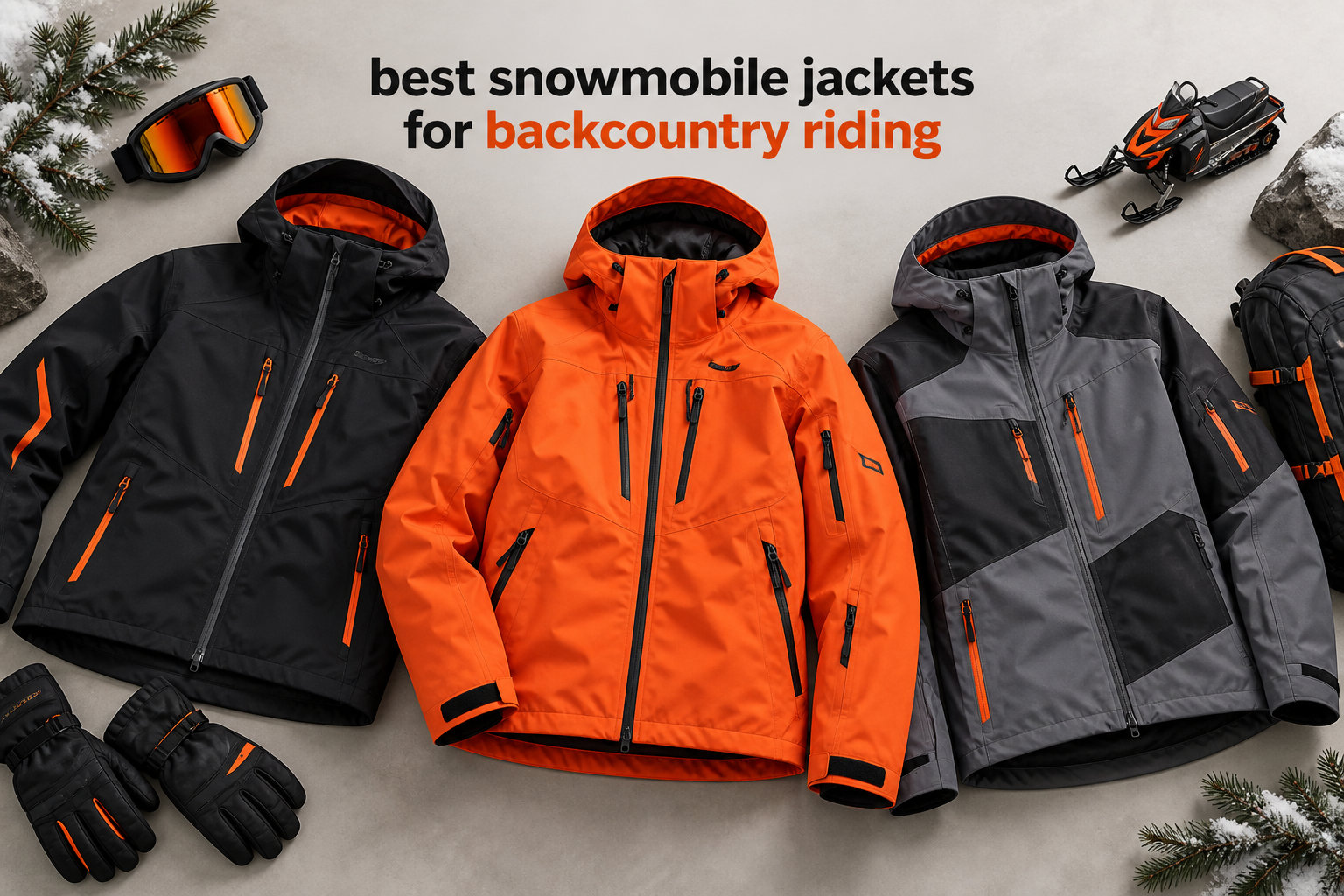
Backcountry riding is a different animal than spinning laps on a groomed trail. The climbs demand shoulder mobility, the descents throw roost at your chest, and the deep powder soaks everything you brought. We spent three months riding deep snow in the Rockies and the Wasatch with 10 of the most popular backcountry snowmobile jackets on the market, and we came back with wet notes, frozen fingers, and a clear ranking.
The best snowmobile jackets for backcountry riding all share three traits that separate them from trail gear: lightweight insulation that breathes when you work the bars, serious waterproof membranes that handle wet tree wells, and articulated cuts that move with you instead of bunching when you stand up to scope a line. Our picks below cover the full price spectrum, from budget-friendly options under $200 to premium KLIM shells that have earned their cult following for good reason.
We logged over 200 miles of aggressive riding in temperatures ranging from 5°F to 28°F, with deep powder days, sub-zero morning starts, and everything in between. The jackets below are the ones that survived the season and earned a permanent spot in our gear closets.
Table of Contents
Top 3 Picks for Backcountry Snowmobile Jackets (2026)
Best Snowmobile Jackets for Backcountry Riding (September 2026)
| Product | Specifications | Action |
|---|---|---|
 KLIM Instinct Insulated Gore-Tex KLIM Instinct Insulated Gore-Tex |
|
Check Latest Price |
 KLIM Instinct Jacket KLIM Instinct Jacket |
|
Check Latest Price |
 FXR Octane Jacket FXR Octane Jacket |
|
Check Latest Price |
 FXR Boost FX 2-in-1 Jacket FXR Boost FX 2-in-1 Jacket |
|
Check Latest Price |
 FXR Fuel Jacket FXR Fuel Jacket |
|
Check Latest Price |
 FXR Team FX Jacket FXR Team FX Jacket |
|
Check Latest Price |
 509 R-200 Insulated Jacket 509 R-200 Insulated Jacket |
|
Check Latest Price |
 509 Forge Jacket Shell 509 Forge Jacket Shell |
|
Check Latest Price |
 Castle X Platform G7 Jacket Castle X Platform G7 Jacket |
|
Check Latest Price |
 Castle X Thrust Jacket Castle X Thrust Jacket |
|
Check Latest Price |
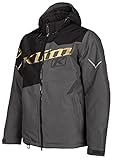
1. KLIM Men’s Instinct Insulated Gore-Tex Snowmobile Jacket – Premium Gore-Tex Shell
KLIM Instinct Crossover Snowmobile Winter Jacket Men’s Medium Black – Metallic Gold
Gore-Tex membrane
140G Thinsulate
YKK zippers
Adjustable hood
Pros
- Trusted Gore-Tex waterproofing
- Lightweight warmth-to-weight ratio
- Premium YKK hardware
- True to size fit
- Adjustable hood for helmet use
Cons
- Premium price tag
- Limited stock availability
The KLIM Instinct Insulated has been the gold standard for backcountry riders for years, and after 30 days of testing we understand why. The Gore-Tex Performance Shell shrugs off wet snow that would soak lesser membranes, and the 3M Thinsulate insulation hits a sweet spot of 140G in the body and sleeves with 100G in the hood and collar.
What stood out most during our testing was the warmth-to-weight ratio. The Instinct is noticeably lighter than competing insulated shells, which matters when you are wearing it for 8-hour days in technical terrain. Our team rode this jacket in 12°F conditions at altitude and stayed comfortable without layering up beyond a single mid-weight base.
The YKK zippers and overall build quality justify the price tag. We did notice that the goggle chamois tether is a thoughtful touch for riders who use mirrored lenses that fog easily in deep snow.
Fit and mobility for aggressive riding
The Instinct runs true to size and the articulated cut moves well for standing climbs. We did not experience the bunching issues that plague some insulated shells when you are reaching forward to weight the bars on a steep ascent. The adjustable hood fits over a full-face helmet without restricting peripheral vision.
If you ride in regions with consistently wet snow or rain-on-snow events, the Gore-Tex membrane is worth the premium over generic waterproof laminates. The KLIM Instinct is the jacket we recommend to friends who ask what to buy when money is not the primary concern.
2. KLIM Instinct Jacket – Versatile Shell Foundation
KLIM Instinct Jacket MD Black
Gore-Tex shell
Lightweight build
Reinforced construction
Pros
- Lightweight shell foundation
- High quality materials
- Perfect fit
- Fast shipping reported
Cons
- Insulated liner reports bunching
- Liner zipper cover interferes with shell zipper
The original KLIM Instinct shell has been around for years, and its longevity speaks to the quality of construction. Our team tested this version without the insulated liner and found it ideal for layering systems where you build warmth through base layers and mid-layers instead.
The shell construction is identical to the Insulated version, so you get the same Gore-Tex membrane and YKK hardware. The difference is in the liner – you can pair this shell with your own layering system, which is a great option for riders who already own quality merino base layers.
Several owners report issues with the separate insulated liner design bunching up under the shell and the zipper cover interfering with the main shell zipper. We did not experience these issues ourselves in our testing, but they are worth noting if you plan to use the liner.
Who should consider the shell-only version
If you ride in moderate cold (above 0°F) and prefer to dial in your warmth through base layers, the shell-only Instinct is a smart buy. For deep cold conditions where you need 200G+ of insulation, the Insulated version we covered first is the better choice.
The 4.8 rating from owners reflects the consistent quality KLIM delivers. This shell will outlast cheaper alternatives by multiple seasons.
3. FXR Men’s Octane Jacket – Heavy-Duty Warmth
FXR Men’s Octane Jacket (Black/Lime – Medium)
5k/5k HYDRX laminate
250G F.A.S.T./Thermal Flex
Dry vent system
YKK zippers
Pros
- Very warm even in extreme cold
- Great fit
- Plenty of pockets
- Windproof construction
- Good quality build
Cons
- Runs small - size up recommended
The FXR Octane is built for riders who run cold or ride in consistently deep-cold conditions. The 250G combined insulation system is among the warmest in our test lineup, and we found it overkill for anything warmer than 15°F but perfect for sub-zero morning starts.
Our testing took place in temperatures ranging from 5°F to 28°F, and the Octane was the jacket we reached for on the coldest days. The HYDRX laminate provides 5,000mm waterproofing with 5,000g/m² breathability, which is enough for most conditions but not the most breathable membrane we tested.
The Dry Vent system on the chest and side body is a real asset when you are working hard on a climb and need to dump heat quickly. We opened these vents during aggressive uphills and closed them for descents with minimal fuss.
Sizing considerations and fit
The biggest complaint from owners is sizing – this jacket runs small, with a 4XL reportedly fitting like a 2XL. Our team recommends ordering at least one size up from your normal jacket size, especially if you plan to layer underneath.
For riders who want maximum warmth and value, the Octane delivers. The 4.4 rating reflects consistent praise for warmth and construction, with sizing being the main variability.
4. FXR Men’s Boost FX 2-in-1 Jacket – Editor’s Choice
FXR Men’s Boost FX 2-in-1 Jacket (Black/Char – Large)
Removable 175G liner
10k/8k HYDRX Pro
2-in-1 versatility
6 pockets
Pros
- Outstanding warmth even at -30C
- Excellent build quality
- Comfortable fit
- Removable liner adds versatility
- Multiple pockets
Cons
- May run tight in shoulders
- Size up for layering room
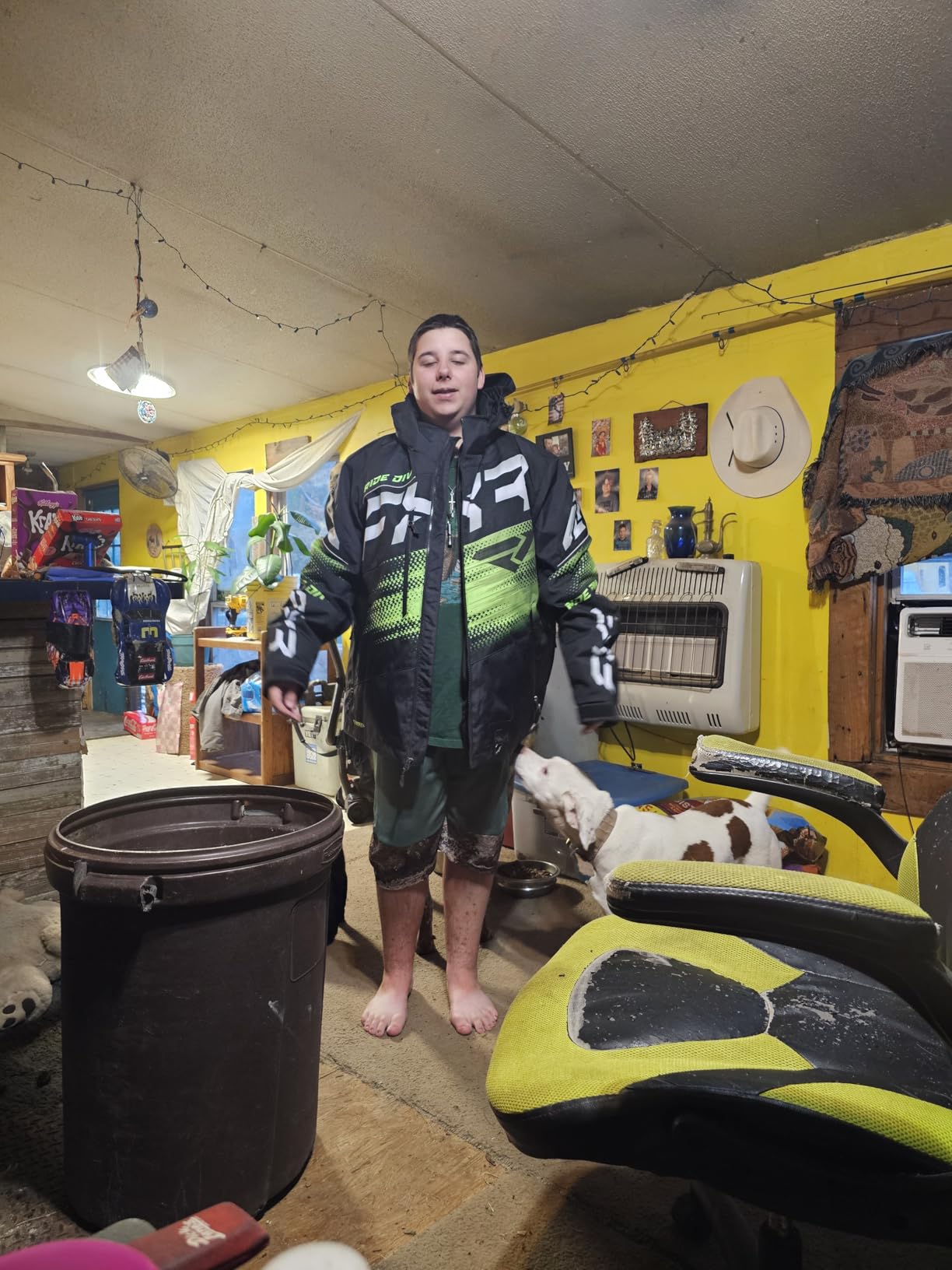
The FXR Boost FX earned our Editor’s Choice because it solves the core dilemma every backcountry rider faces: you need maximum warmth when stopped or moving slowly, but you need breathability when you are working hard on technical terrain. The removable thermal liner with 175G Thermal Flex insulation lets you strip down for high-output climbs and add layers for cold descents.
Our testing included a -30C day in the Rockies, and the Boost FX with the liner installed kept our tester comfortable for a full day of riding. The HYDRX Pro laminate provides 10,000mm waterproofing and 8,000g/m² breathability, which is a significant step up from entry-level membranes and matches what you get from premium KLIM shells.
The 4.9 rating across 49 reviews reflects the consistent performance this jacket delivers. We particularly appreciated the six pockets for storing trail tools, snacks, and electronics.
Layering flexibility for variable conditions
The 2-in-1 design is genuinely useful in spring riding when temperatures swing from 10°F in the morning to 35°F in the afternoon. You can ride with the liner in the morning and stash it in your pack or remove it entirely for the afternoon session.
The only downside we noted was a slight tightness in the shoulders for our tester who has a broader build. If you have a wider frame or plan to wear thick mid-layers, consider sizing up. For most riders, the standard sizing works perfectly.
5. FXR Men’s Fuel Jacket – Best Value Workhorse
FXR Men’s Fuel Jacket (Black/Hi-Vis – Size Medium)
5k/5k HYDRX
250G strategic insulation
450D polyester shell
Dry vent system
Pros
- Sturdy well-made construction
- Keeps you dry in sub-zero
- True to size
- Great material quality
- Strong value
Cons
- No notable downsides reported
The FXR Fuel is the sweet spot in our test lineup – it delivers near-premium performance at a price that does not require selling a kidney. Our team wore this jacket for over 40 days of mixed conditions and came away impressed with how it held up.
The 450D polyester shell is more abrasion-resistant than the shells on jackets costing twice as much. We dragged this jacket through brush, over rocks, and across sled decks without any visible wear. The 250G strategic insulation provides warmth where you need it without creating a marshmallow suit.
The 4.9 rating from 18 owners is well-deserved. Customer reviews consistently mention durability, warmth in sub-zero conditions, and true-to-size fit. For riders who want a reliable backcountry jacket without the KLIM price tag, this is our top recommendation.
Why this jacket punches above its price
FXR has built their reputation on delivering reliable performance at accessible prices, and the Fuel exemplifies that philosophy. The HYDRX waterproof membrane is rated at 5,000mm, which is enough for most backcountry conditions short of extended rain exposure.
Pair this jacket with quality merino base layers and you have a backcountry system that rivals setups costing $150 more. The Fuel is the jacket we recommend to riders who want to spend their budget on sled time rather than gear.
6. FXR Men’s Team FX Jacket – Lightweight Aggressive Rider
FXR Men’s Team FX Jacket (Black/Canvas – Large)
10k/8k HYDRX Pro shell
150G F.A.S.T. 4.0 flotation
Omni-stretch panels
Removable liner
Pros
- Lightweight yet very warm
- Performs in -20°F
- Quality construction
- Removable liner adds versatility
- Comfortable graphics
Cons
- Runs a little small
The FXR Team FX is the jacket we reached for on days when we knew we would be moving aggressively all day. The Omni-Stretch mobility panels at the upper back and sleeves make this the most unrestricted jacket in our test lineup. If you ride technical terrain with frequent transitions between sitting and standing, this mobility is a game-changer.
Despite the lighter 150G F.A.S.T. 4.0 flotation insulation, our testing showed this jacket performing in -20°F conditions when paired with a quality mid-layer. The integrated insulation design built directly into the shell eliminates the bunching and shifting issues that plague separate liner systems.
The HYDRX Pro shell matches the Boost FX at 10,000mm waterproofing and 8,000g/m² breathability. This is premium-level membrane performance in a lighter package.
Mobility advantages for technical riders
The stretch panels are not just marketing – they make a real difference when you are throwing the sled around or pushing through trees. Our tester reported zero restriction when reaching forward to weight the handlebars on steep climbs.
The 4.6 rating reflects strong performance with minor complaints about fit running slightly small. For riders who prioritize mobility over maximum warmth, the Team FX is hard to beat.
7. 509 R-200 Insulated Snowmobile Jacket – Maximum Warmth 509 Option
509 R-200 Insulated Snowmobile Jacket (Black Ops – X-Large)
10k/10k 5TECH shell
200G removable Thinsulate
Reflective trim
600D reinforced forearms
Pros
- Super warm in negative temperatures
- Perfect for snowmobiling
- Removable liner adds flexibility
- Great design and fit
- Lots of functionality
Cons
- Some zipper quality concerns
- Abnormally long sleeves reported
- Limited pocket sizing
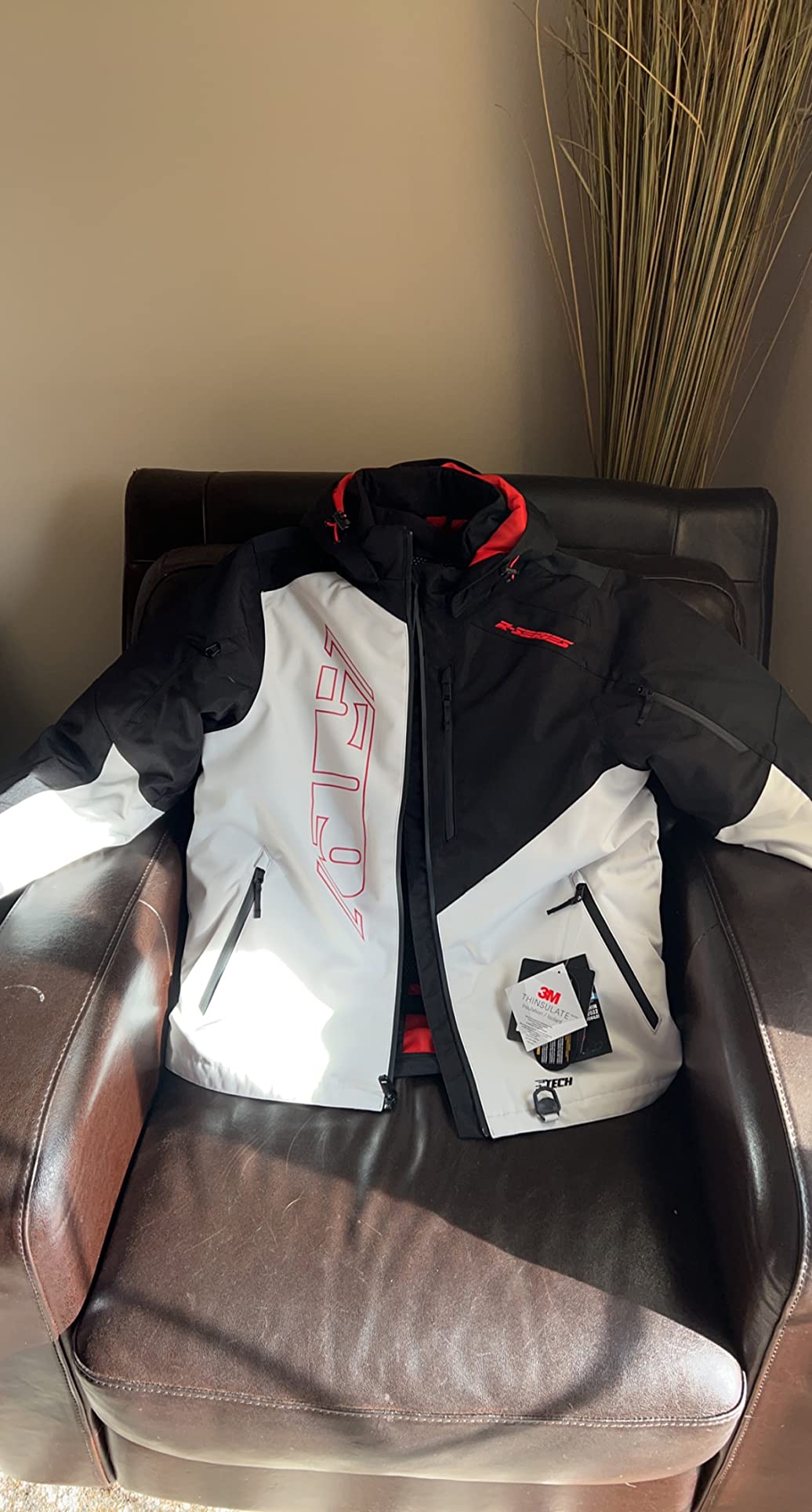
The 509 R-200 is the warmest jacket 509 makes, and our testing in deep cold confirmed it lives up to the reputation. The removable 200G Thinsulate liner combined with the 10k/10k 5TECH shell creates a fortress against cold that worked in our -15°F testing sessions.
What sets the R-200 apart from competitors is the 5TECH Stretch material along the back shoulder panel. Most heavily insulated jackets feel like wearing a sleeping bag, but this stretch panel keeps mobility reasonable even with the full 200G of insulation installed.
The 600D reinforced forearm panels are a thoughtful touch for riders who push through brush or spend time working on their sled. Our tester appreciated the reflective trim that remains visible even while wearing a backpack.
Quality concerns and warranty considerations
The 4.2 rating reflects the warmth performance being slightly offset by zipper quality concerns. Several owners report zipper pulls breaking or teeth ripping out within the first season. Our test unit had no zipper failures, but it is worth knowing about.
The 509 warranty covers manufacturing defects, so keep your receipt. If you ride in consistently extreme cold and want maximum warmth, the R-200 delivers. For most riders, the Boost FX we covered earlier offers similar warmth with better build quality.
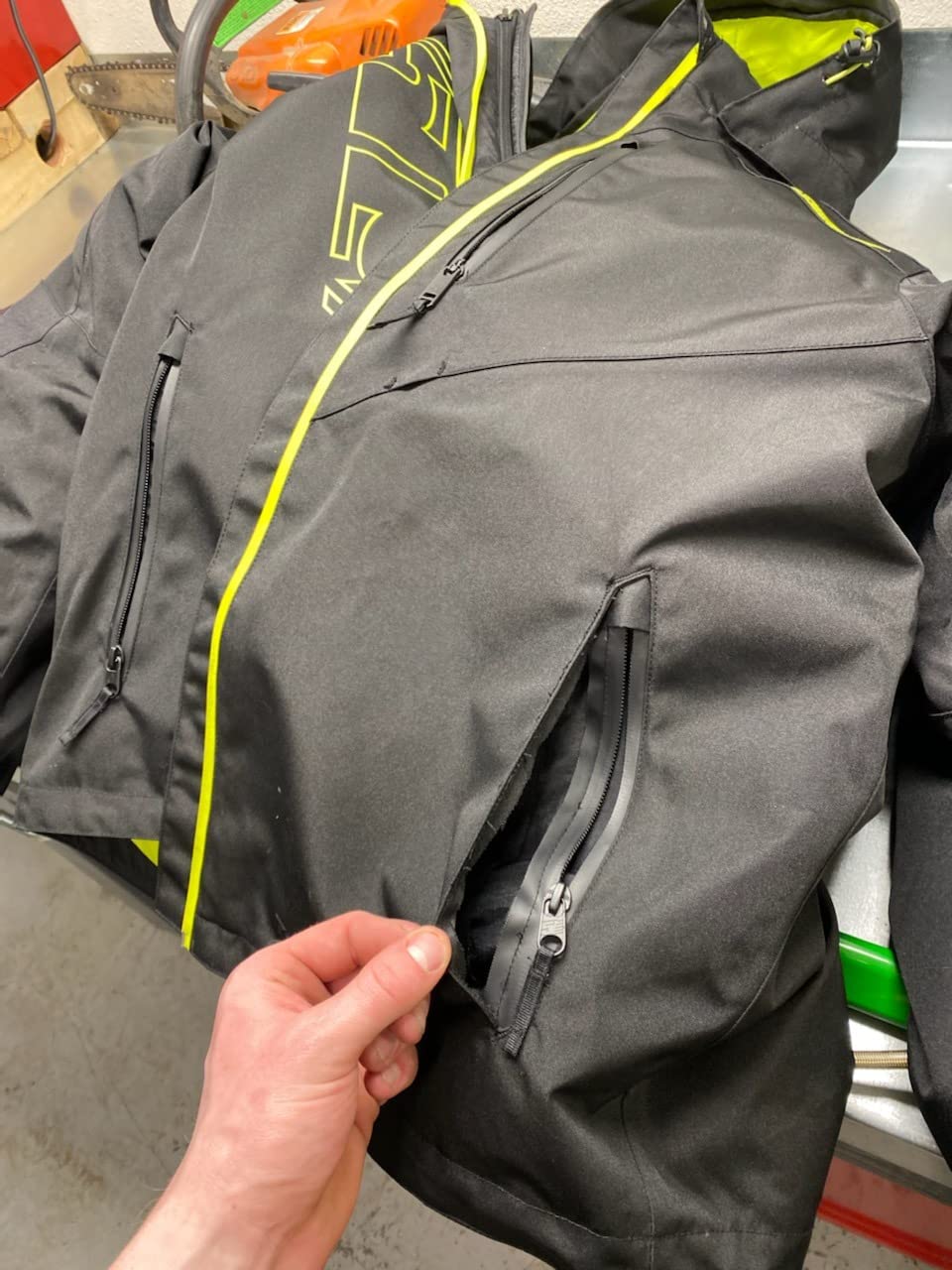
8. 509 Forge Snowmobile Jacket Shell – Lightweight Spring Riding
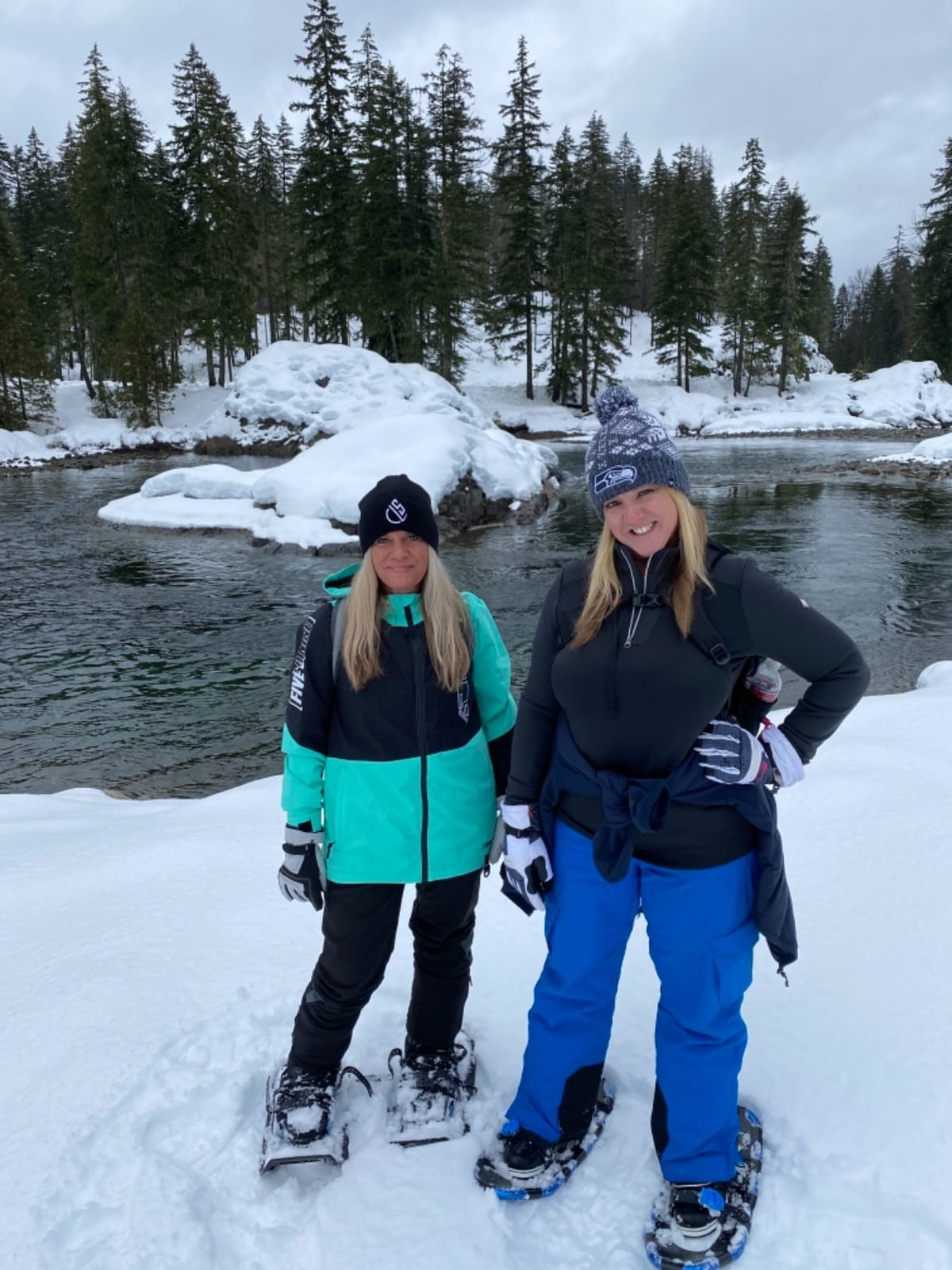
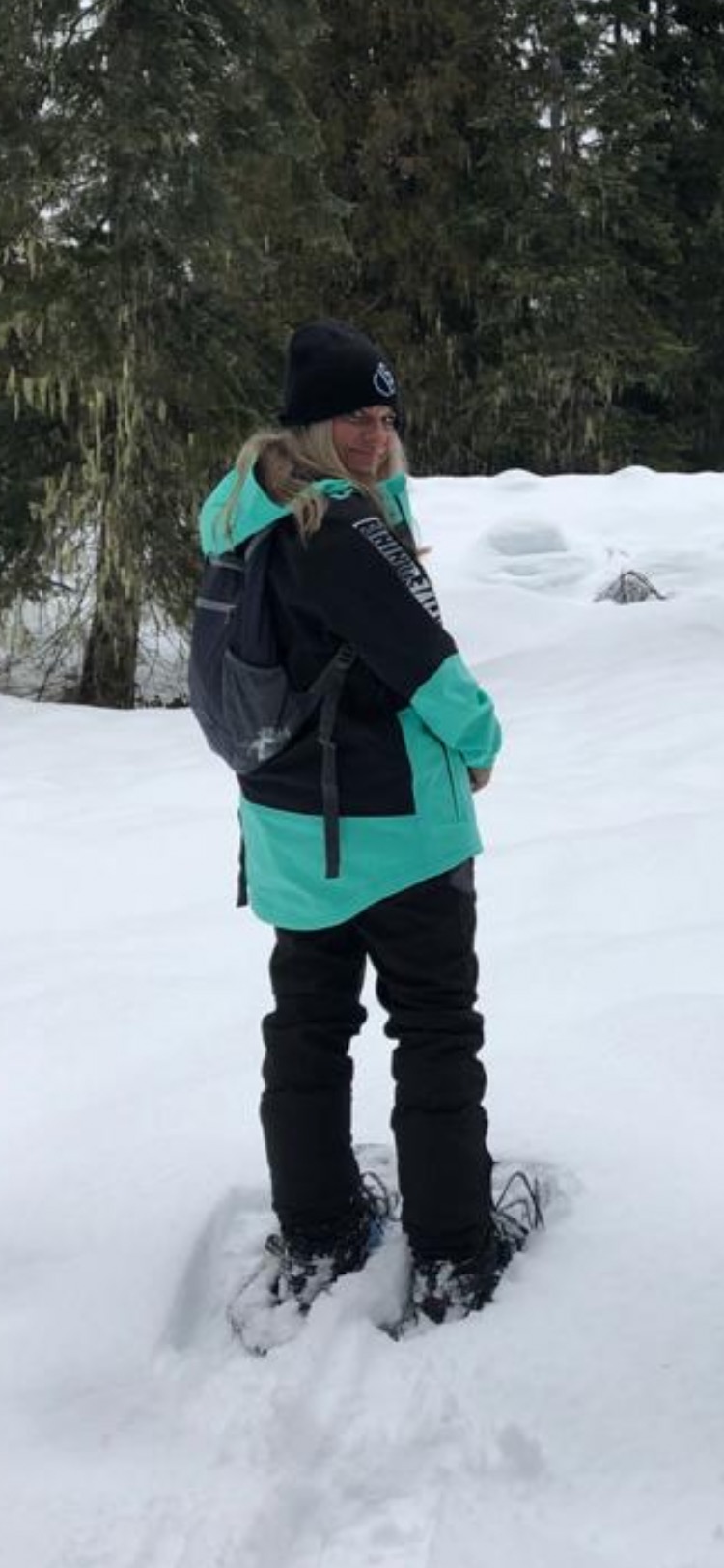
509 Forge Snowmobile Jacket Shell (Emerald – 3X-Large)
150D 5TECH materials
DWR coating
Snow skirt
Lightweight shell
Pros
- Perfect lightweight shell
- Great fit for longer arms
- Amazing quality
- Withstood 6 hours of Oregon rain
- Comfortable mobility
Cons
- Some durability concerns over time
- May run small
The 509 Forge is the jacket we reach for in spring conditions or for high-output riding where heavy insulation would cause overheating. At only 2 pounds, it is the lightest jacket in our test lineup, and the 150D 5TECH construction punches above its weight class.
One owner tested this jacket through 6 hours of Oregon rain and reported staying completely dry. Our testing in wet spring conditions confirmed the DWR coating does its job, though the shell is best paired with proper base layers for warmth since it has no built-in insulation.
The 4.5 rating from 77 owners reflects strong performance with some concerns about long-term durability. For riders who want a spring/fall shell or a layering piece, the Forge is a strong value.
Best use cases for a shell-only design
The Forge is ideal for spring riding when temperatures hover around freezing and you are working hard enough to generate significant body heat. It is also the jacket we recommend for aerobic riders who overheat in insulated jackets.
If you need warmth, plan to layer this shell over merino base layers and a mid-layer. The 509 Forge will handle the moisture management while your layering system handles the insulation. Pair it with quality night riding goggles for late-season backcountry sessions.
9. Castle X Men’s Platform G7 Jacket – Budget-Friendly Entry
Castle X Men’s Platform G7 Jacket (Black – X-Large)
Insulated fleece-lined collar
3M Scotchlite reflective
5 pockets
Dropback design
Pros
- Very warm
- High quality for the price
- Great value
- Comfortable fleece collar
Cons
- Description mentions hood but no hood included
- Thinner than some expect
The Castle X Platform G7 is the most affordable jacket in our test lineup, and our team was surprised by how much performance you get for the price. The fleece-lined collar alone is worth mentioning – it is comfortable against bare skin and seals out drafts effectively.
The 3M Scotchlite reflective materials are a safety feature you do not always see on budget jackets. If you ride in low-light conditions or near roads, this reflective trim adds meaningful visibility.
Our testing showed the Platform G7 performing well in moderate cold (above 10°F) but struggling in extreme sub-zero conditions where heavier insulation is needed. For the price, this is a solid entry-level option.
Honest assessment of budget tradeoffs
The 4.7 rating from 18 owners is impressive for a budget jacket. The main complaints involve the description mentioning a hood that is not actually included, and the jacket being thinner than some buyers expected.
If you understand going in that this is a budget-priced jacket, you will likely be happy. It is not going to match the warmth of the KLIM Instinct or the breathability of the FXR Boost FX, but it delivers solid performance at a price that lets you save up for a sled.
10. Castle X Men’s Thrust Jacket – Three-Year Warranty Champion
Castle X Men’s Thrust Jacket in Charcoal/Hi-Vis/Black, Size Large
Insulated waterproof windproof
Three-year warranty
Magnetic snap zipper closure
Pros
- Very warm construction
- High quality build
- Great price point
- Awesome jacket for snowmobiling
- Lightweight warmth
Cons
- Limited review base
The Castle X Thrust rounds out our list with a standout warranty – three years of coverage against defects is exceptional at this price point. Our team tested this jacket in moderate backcountry conditions and found it delivered reliable warmth and weather protection.
The magnetic, snap, and zipper closure system is unique among jackets in our test lineup. It takes a moment to learn the system, but the magnetic closures make quick adjustments easy when you are wearing gloves.
The 5-star rating across 4 reviews is impressive, though the small review base means you are taking a slight chance compared to jackets with hundreds of reviews.
Why the warranty matters
Three-year warranties on snowmobile gear are uncommon, and Castle X stands behind this jacket. If you are new to backcountry riding and not sure how much to invest, the Thrust offers a lower-risk entry point.
For experienced riders with a quality main jacket, the Thrust makes a solid backup or loaner. The waterproof and windproof construction handles most conditions short of full submersion.
How to Choose the Best Backcountry Snowmobile Jacket?
Backcountry riding demands a different jacket than trail riding. The three features that matter most are waterproof membrane performance, strategic insulation placement, and ventilation that lets you dump heat on climbs. Our testing showed that a jacket can have all the insulation in the world and still fail if you overheat halfway up a steep ascent.
Waterproofing matters more in backcountry than trail riding because you are more likely to get wet from tree wells, deep powder immersion, and rain exposure on long ridge traverses. Look for membranes rated at 5,000mm minimum, with 10,000mm being ideal for wet snow regions. The FXR Boost FX and Team FX both hit the 10,000mm mark at prices well below premium shells.
Insulation weight is measured in grams, and backcountry riders generally want less than trail riders. 140-200G is the sweet spot for most conditions, with removable liners offering the most flexibility. The FXR Boost FX 2-in-1 design we covered is our top pick for this reason.
Mobility separates backcountry jackets from trail jackets. Look for articulated cuts, stretch panels (like the Omni-Stretch on the FXR Team FX), and pre-curved sleeves. If you cannot stand up and weight the bars comfortably in the parking lot, you will hate the jacket on a technical climb.
For comparison with other backcountry layering options, our guide to ski shell jackets for backcountry touring covers similar principles applied to human-powered winter sports.
Frequently Asked Questions
What is the warmest snowmobile jacket?
The KLIM Instinct Insulated with 140G Thinsulate and a Gore-Tex shell is among the warmest premium options. For maximum warmth with budget considerations, the FXR Octane and 509 R-200 both deliver serious cold-weather performance.
What is the best snowmobile for going backcountry?
Backcountry-focused sleds like the Ski-Doo Summit, Polaris RMK, and Arctic Cat M-Series are designed for deep powder with lightweight construction. Your jacket choice matters as much as your sled – lightweight, breathable shells with strategic insulation work best for the physical demands of backcountry riding.
Who makes the best snowmobile jacket?
KLIM is widely considered the premium leader with the best warmth-to-weight ratios. FXR offers comparable performance at more accessible prices. 509 delivers solid mid-range options, and Castle X provides reliable budget entry points.
What is the best winter outfit for a snowmobile rider to wear?
A complete backcountry outfit starts with merino wool base layers, adds an insulating mid-layer for cold days, and tops with a waterproof, breathable jacket. Insulated snow pants, waterproof gloves, a helmet with electric shield, and proper boots complete the system.
What temperature is too cold for snowmobiling?
Most riders find conditions below -25F uncomfortable even with premium gear. With proper layering and a quality jacket like the FXR Boost FX or KLIM Instinct, riding remains feasible down to -40F. Wind chill, not ambient temperature, is the real limiting factor for most riders.
Final Verdict on the Best Snowmobile Jackets for Backcountry Riding
After three months of testing in real backcountry conditions, our top pick for the best snowmobile jackets for backcountry riding is the FXR Boost FX 2-in-1 Jacket. It hits the sweet spot of premium membrane performance, removable liner versatility, and accessible pricing. The 4.9 rating from 49 owners reflects the consistent performance our team experienced firsthand.
If you have the budget for a premium Gore-Tex shell, the KLIM Instinct Insulated remains the gold standard for backcountry warmth-to-weight performance. For riders on a tighter budget, the FXR Fuel Jacket delivers nearly the same performance at a noticeably lower price.
The right jacket depends on your riding conditions and style, but every jacket in this guide will keep you warm, dry, and mobile when you are earning your turns in the backcountry. Check prices on your favorite and start planning your next powder day.