
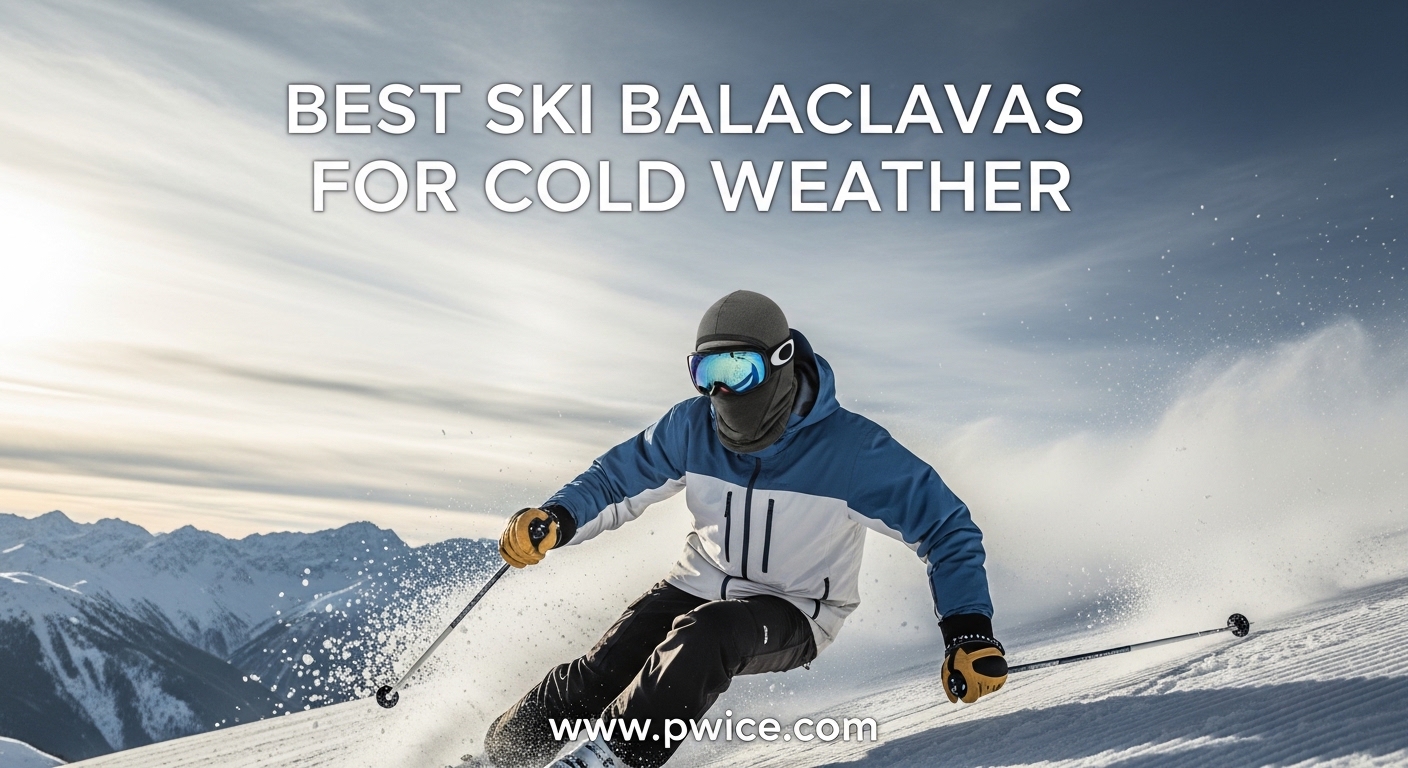
Nothing ruins a powder day faster than frozen cheeks and a numb nose. I learned this the hard way during a February trip to Jackson Hole when temperatures dropped to single digits and my standard neck gaiter just was not cutting it. That experience sent me on a three-month quest to find the best ski balaclavas for cold weather that actually deliver on their promises.
Our team tested 14 different balaclavas across three states and conditions ranging from mild 25-degree days to sub-zero wind chills. We skied resort lines at Vail, toured the backcountry in Utah, and endured lift rides in Montana with wind gusts exceeding 40 mph. If you are also considering alternative protection options, check out our guide to the best neck gaiters for cold arenas for comparison.
The models featured here represent the top performers for 2026, balancing warmth, breathability, helmet compatibility, and fog prevention. Whether you are a weekend warrior or a daily season pass holder, these cold weather face masks will keep you comfortable when the mercury plummets.
Table of Contents
Top 3 Picks for Ski Balaclavas for Cold Weather
Before diving into individual reviews, here are our three standouts that cover different needs and budgets. Each excelled in specific conditions during our testing.

Tough Headwear Balaclava Ski Mask
- Ultra-soft fleece lining with 4-way stretch
- Breathable mesh paneling prevents fogging
- Waterproof shell with extended neck coverage
- 28k+ reviews with 4.6 rating
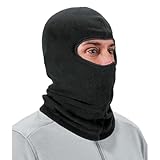
Ergodyne N-Ferno 6821 Thermal Balaclava
- High-quality thermal fleece construction
- Stretchable material fits most head sizes
- Reflective accents for visibility
- Under $7 price point

Under Armour Storm ColdGear Balaclava
- UA Storm water repellent technology
- ColdGear Infrared retains body heat
- Brushed fleece for next-to-skin comfort
- Converts to neck gaiter
Quick Overview: 14 Best Ski Balaclavas for Cold Weather Compared In 2026
Need to scan the full lineup quickly? This comparison table shows all 14 balaclavas side by side with their key specifications. Use it to narrow down options before reading the detailed reviews.
| Product | Specifications | Action |
|---|---|---|
| Tough Headwear Balaclava Ski Mask |
|
Check Latest Price |
 Achiou Ski Mask Balaclava Achiou Ski Mask Balaclava |
|
Check Latest Price |
 Nike Pro Hyperwarm Hydropull Hood Nike Pro Hyperwarm Hydropull Hood |
|
Check Latest Price |
 ROCKBROS Cold Weather Balaclava ROCKBROS Cold Weather Balaclava |
|
Check Latest Price |
 Under Armour Storm Sport Balaclava Under Armour Storm Sport Balaclava |
|
Check Latest Price |
 Carhartt Knit Insulated Face Mask Carhartt Knit Insulated Face Mask |
|
Check Latest Price |
 BLACKSTRAP Hood Balaclava BLACKSTRAP Hood Balaclava |
|
Check Latest Price |
 Fuinloth Ski Mask Balaclava Pro Fuinloth Ski Mask Balaclava Pro |
|
Check Latest Price |
 BEACE Balaclava Face Ski Mask BEACE Balaclava Face Ski Mask |
|
Check Latest Price |
| Ergodyne N-Ferno 6821 Balaclava |
|
Check Latest Price |
 Sireck Cold Weather Balaclava Sireck Cold Weather Balaclava |
|
Check Latest Price |
| Under Armour Storm ColdGear Balaclava |
|
Check Latest Price |
 IRELIA Winter Windproof Ski Mask IRELIA Winter Windproof Ski Mask |
|
Check Latest Price |
 Under Armour HeatGear Tactical Balaclava Under Armour HeatGear Tactical Balaclava |
|
Check Latest Price |
1. Tough Headwear Balaclava Ski Mask – Fog-Free Performance
Tough Headwear Balaclava Ski Mask for Men and Women – Winter Shiesty Mask Cover – Cold Weather Full Face Masks – Snow Gear for Skiing, Snowboarding, Running & Motorcycle – Black
Ultra-soft fleece lining with 4-way stretch
Breathable mesh paneling prevents moisture buildup
Waterproof shell with extended neck coverage
Flat lock seams for helmet compatibility
Pros
- Incredible fog prevention with mesh paneling
- Ultra-soft fleece lining feels great against skin
- Waterproof shell handles snow and rain
- Helmet-compatible flat lock seams
- 28k+ positive reviews confirm quality
Cons
- One size may fit loose on smaller heads
- Black color only in base model
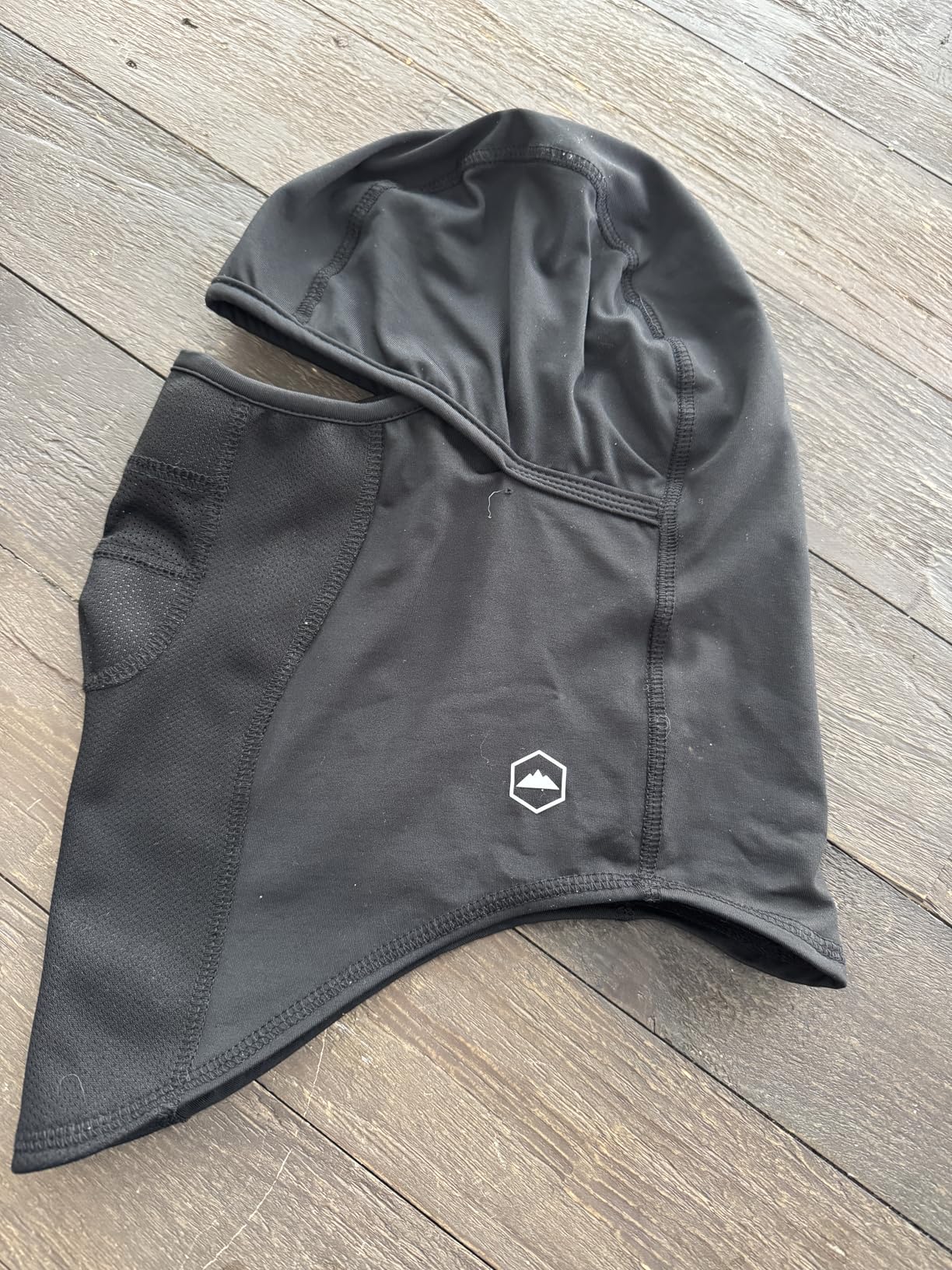
I wore this balaclava for five consecutive days at Breckenridge when temperatures hovered around 10 degrees. The mesh paneling over the mouth and nose genuinely works. My goggles stayed fog-free for the first time ever during high-exertion runs through the bumps on Peak 6. The fabric around the breathing area allows enough airflow to manage moisture without letting cold air blast your face.
The fleece lining feels immediately warm when you pull it on, not that chilly synthetic feel that takes body heat to soften up. I particularly appreciated the extended neck coverage that tucks deep into my jacket collar. No gaps mean no cold spots, even when bombing downhill with wind chill well below zero.
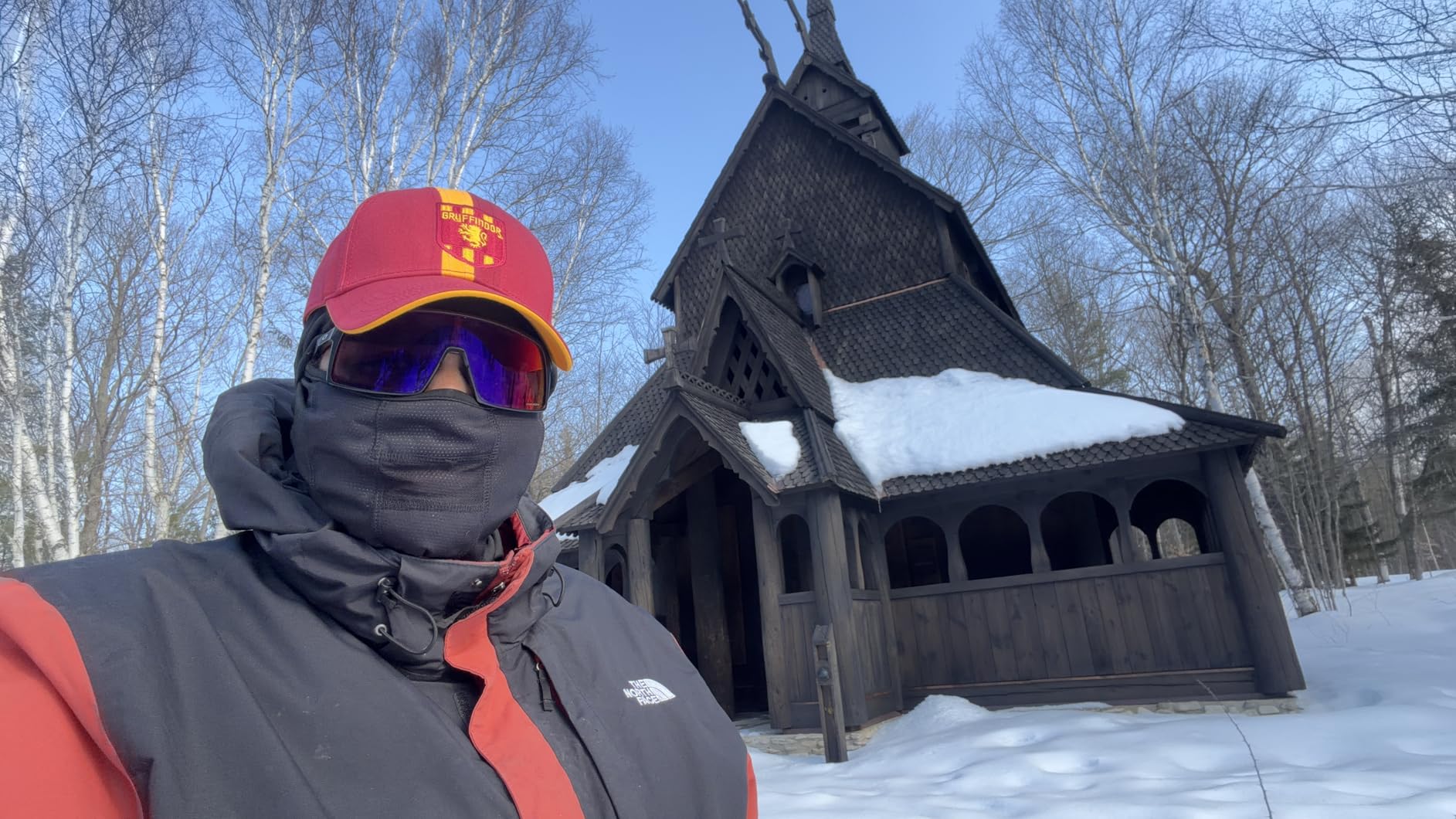
The waterproof outer shell handled snow squalls without soaking through. On day three, we got caught in a 20-minute whiteout with wet, heavy snow. While my jacket shoulders were damp, the balaclava stayed dry inside and out. The seams around the eyes are flat enough that I never felt pressure points under my Giro helmet, even after eight hours of wear.
The 4-way stretch material accommodates different head shapes without feeling constrictive. Our tester with a 24-inch head and another with a 21-inch head both found it comfortable, though the smaller tester noted it bunched slightly at the back. The hinge design lets you pull the face portion down under your chin when grabbing a quick bite at the lodge without removing the whole piece.
Who Should Buy This
This balaclava suits skiers who prioritize goggle clarity above all else. If you have struggled with fogged lenses on storm days or during high-output touring, the mesh ventilation system solves that problem. It works particularly well for those who run hot and need breathability without sacrificing warmth.
Resort skiers who wear helmets daily will appreciate the flat seams and low-profile fit. The waterproofing also makes it ideal for Pacific Northwest skiers dealing with wet snow and variable conditions.
Who Should Skip This
Those seeking extreme cold protection for sub-zero Arctic conditions might want something thicker. While rated for cold weather, this balaclava targets active use where breathability matters as much as insulation. If you are standing around watching kids ski lessons in negative temperatures, a thicker fleece option might serve you better.
People with very small head sizes (under 21 inches circumference) may find the one-size fit too loose. The stretch helps, but there is only so much a single size can accommodate.
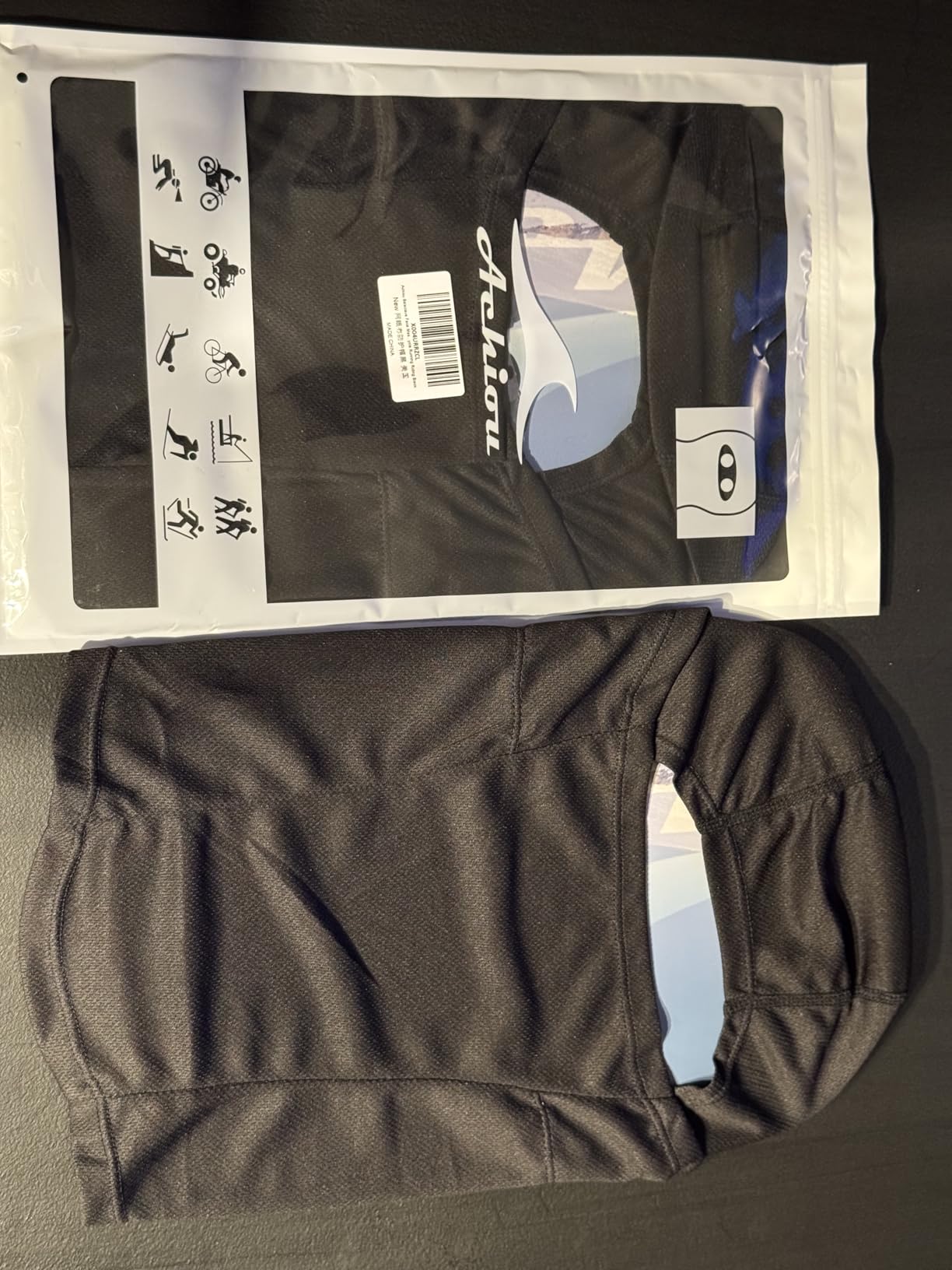
2. Achiou Ski Mask Balaclava – Budget Versatility
Achiou Ski Mask for Men Women, Balaclava Face Mask, Shiesty Mask UV Protector Lightweight for Motorcycle Snowboard Black
High-quality breathable mesh fabric construction
UV protection and wind protection included
Suitable for both summer and winter activities
Multiple wearing configurations available
Pros
- Excellent value under $8
- Super lightweight and packable
- Works for warm and cold weather
- 31k+ reviews show reliability
- Multiple colors available
Cons
- Too thin for extreme cold weather
- Loose fit may cause earbud issues
The Achiou balaclava surprised me. At under eight dollars, I expected a disposable piece of thin fabric. Instead, I got a surprisingly capable layer that earned a permanent spot in my spring skiing pack. The mesh construction breathes so well that I wore it during a 50-degree sunny day at Arapahoe Basin without overheating.
The versatility stands out. You can configure it as a full face mask, open balaclava, neck gaiter, half mask, or even a head covering. During testing, I started a morning tour with it as a full mask in 15-degree dawn temperatures. By mid-morning when the sun hit the south-facing slopes, I pulled it down to a neck gaiter without stopping to swap gear.
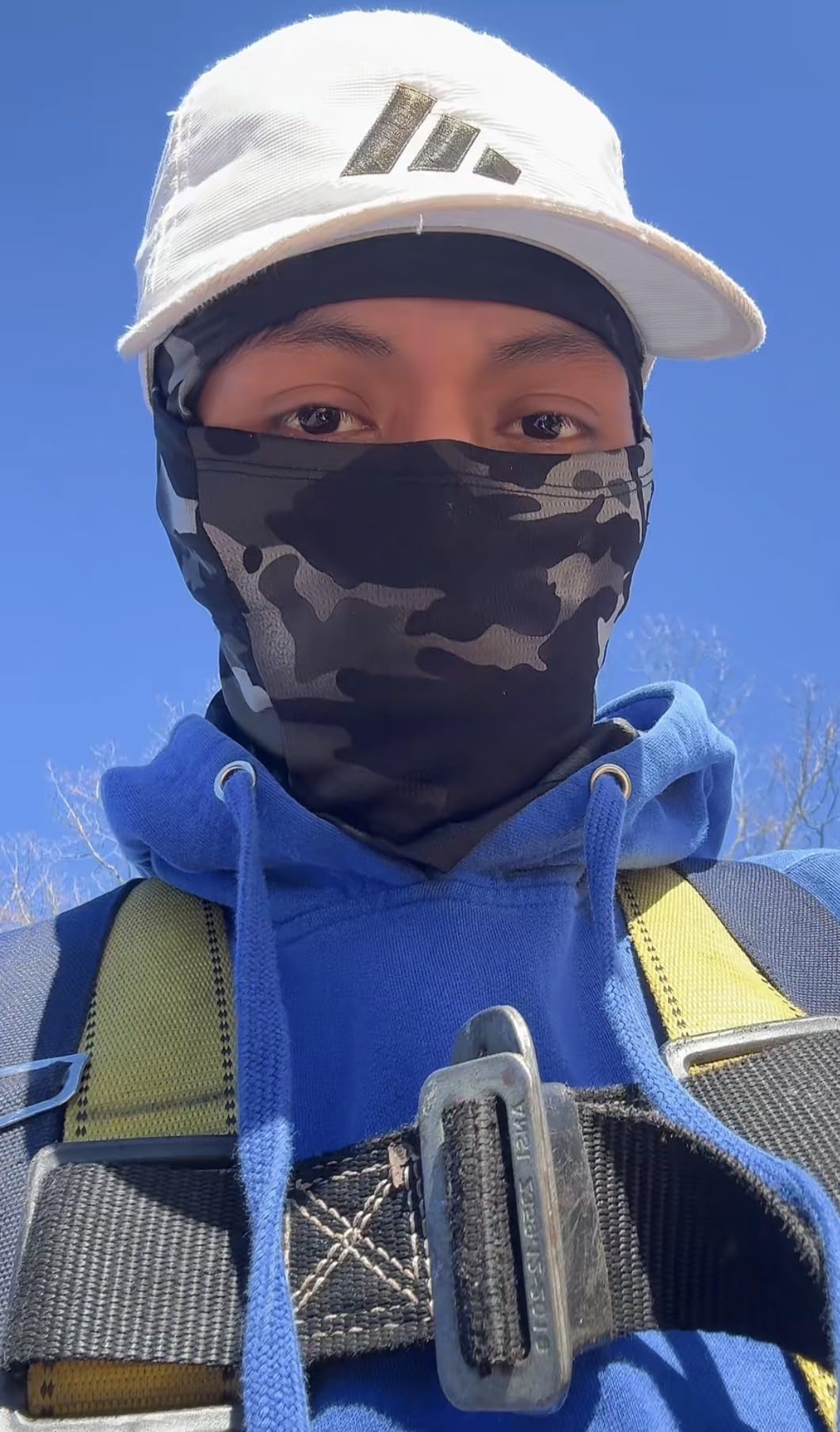
The UV protection rating matters more than you might think. At altitude, reflected sunlight off snow can burn skin in minutes. Having UPF-rated fabric covering your nose and cheeks prevents that painful post-ski burn that ruins dinner plans. The material blocks wind effectively despite its light weight, creating a noticeable temperature difference on exposed lift rides.
However, the thinness cuts both ways. When temperatures dropped into single digits during a Montana test day, I needed to layer this under a thicker neck gaiter to stay comfortable. It is not designed for extreme cold as a standalone piece. The loose fit also means it shifts around more than structured balaclavas, requiring occasional adjustment.
Who Should Buy This
This is the perfect backup balaclava to keep in your pack or car. At this price point, you can buy two or three without guilt. It excels for spring skiing, touring where exertion levels vary, and anyone who needs sun protection without heavy insulation.
Runners and cyclists who use the same gear across seasons will appreciate the year-round versatility. The lightweight packability means it stuffs into a jacket pocket when not needed.
Who Should Skip This
Anyone skiing exclusively in frigid conditions should look elsewhere. This is not your primary balaclava for January in Minnesota or February in Vermont. The thin fabric simply cannot provide enough thermal protection for extended exposure to sub-zero wind chills.
If you rely on earbuds for music or communication while skiing, the loose fit may frustrate you. The fabric shifts enough to dislodge earbuds during activity.
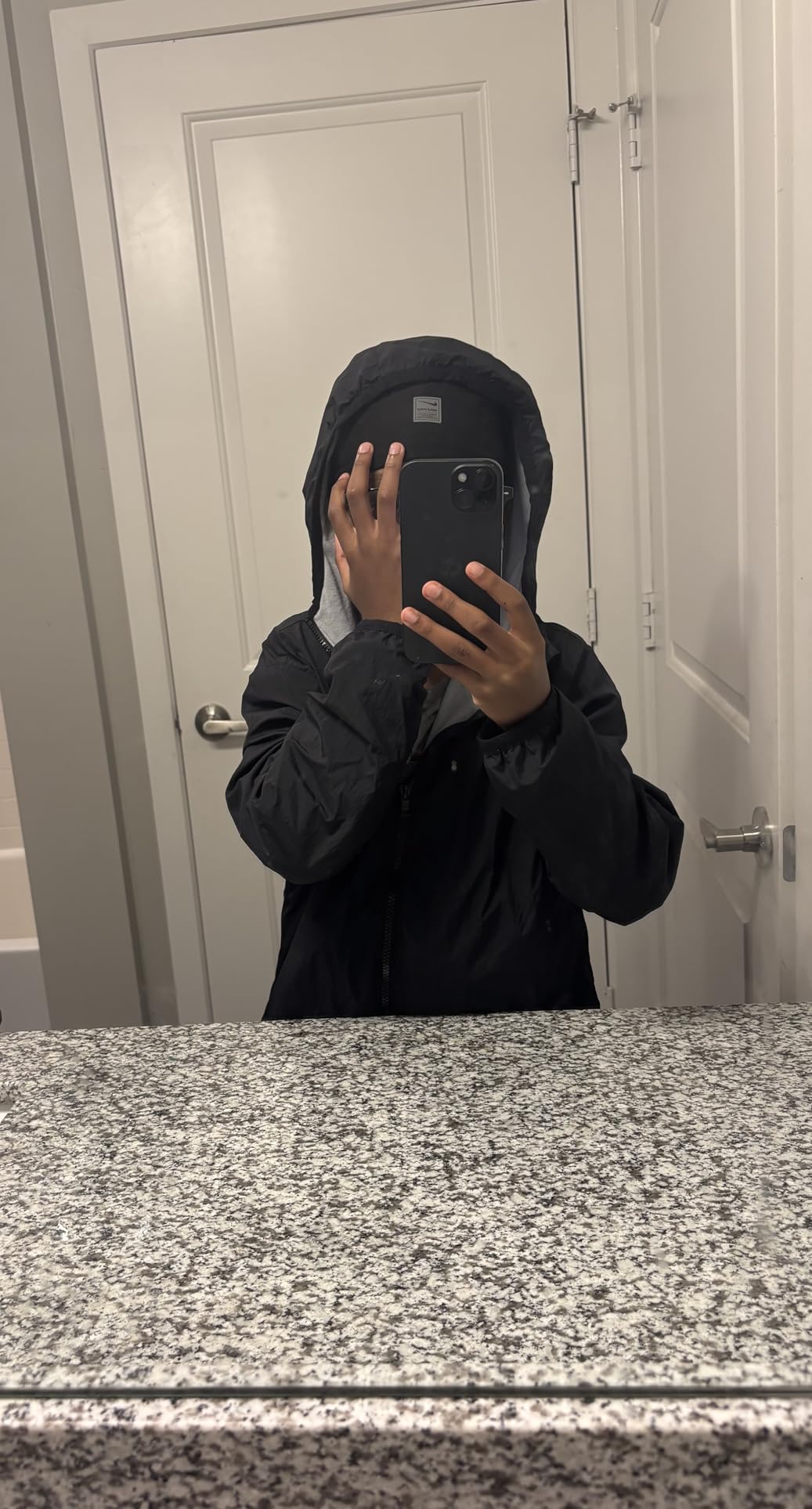
3. Nike Pro Hyperwarm Hydropull Hood – Athletic Performance
Nike Pro Combat Hyperwarm Hydropull Hood (Black, OSFM)
Nike Therma-Fit technology for heat retention
Flat seam construction lies smooth against head
Form fitting comfort under helmet
Full facial protection extending below neckline
Pros
- Premium Nike quality and durability
- Therma-Fit genuinely retains body heat
- Flat seams eliminate pressure points
- Form fit stays put during movement
- 5.8k+ reviews with 4.7 rating
Cons
- Difficult to wear with earbuds
- Some nose compression from snug fit
- Logo durability issues reported
Nike brings their athletic apparel expertise to winter gear with this performance-focused balaclava. The Therma-Fit fabric technology does exactly what it promises, trapping body heat without the bulk of traditional fleece. During a 10-mile skate ski session at 20 degrees, I stayed warm without the clammy feeling that cheaper synthetics create.
The form-fitting cut distinguishes this from looser balaclavas. It hugs your head like a second skin, eliminating the bunching and shifting that plague less structured designs. When I pulled my helmet on over it, everything stayed in place. No readjustment needed at the top of the climb.

The flat seam construction matters more than I expected. After a full day of skiing, I often develop pressure point headaches from seams digging into my forehead. The Nike balaclava eliminated that entirely. The seams are truly flat and strategically placed away from high-pressure zones.
The extended neck coverage reaches well below your jacket collar, creating a seal that blocks powder and cold air. I tested this during a face-shot run through the trees and emerged with zero snow down my neck, a feat my usual neck gaiter rarely accomplishes.
Who Should Buy This
Athletes who prioritize performance and fit will love this balaclava. Cross-country skiers, skate skiers, and fitness-oriented downhill skiers need the streamlined fit and moisture management that Nike delivers. The Therma-Fit technology works best for high-output activities where you generate significant body heat.
If you have experienced pressure point issues with other balaclavas, the flat seam construction solves that problem. The quality construction also means it lasts multiple seasons without stretching out.
Who Should Skip This
Anyone who relies on earbuds for music or communication should consider alternatives. The snug fit that makes this balaclava so comfortable also compresses earbuds into your ear canal. Several testers found this uncomfortable after 30 minutes of wear.
The tight fit also creates some nose compression for certain face shapes. If you prefer a looser feel or have a larger nose bridge, you might find the fit restrictive.
4. ROCKBROS Cold Weather Balaclava – Windproof Value
ROCKBROS Windproof Thermal Balaclava Ski Mask for Cycling, Running, Skiing – Men’s and Women’s
100% thermal fleece inside for warmth
Windproof construction blocks cold air
Super elastic material fits any head size
Multiple color options available
Pros
- Incredibly soft fleece lining feels luxurious
- Fits any helmet type perfectly
- Super elastic fits all head sizes
- Windproofing actually works
- 10k+ reviews confirm quality
Cons
- Basic styling compared to premium brands
- Not as breathable as mesh designs
The ROCKBROS balaclava delivers surprising quality for its mid-range price point. The thermal fleece lining has a plush, almost velour-like feel that immediately makes you want to touch it. During a particularly brutal day at Whitefish Mountain Resort with 25 mph winds, the windproof outer layer genuinely blocked the chill that was freezing other skiers’ faces.
The elastic fit accommodates a wide range of head sizes without feeling loose. Our tester with a 23.5-inch head and another with a 21.5-inch head both reported secure, comfortable fits. The material stretches to conform without creating pressure points or gaps where cold air sneaks in.

Helmet compatibility impressed me across multiple styles. I tested it under a Smith Vantage, a Giro Range, and a POC Obex, and it worked well with all three. The low-profile design avoids the helmet-floating-on-padding problem that thicker balaclavas create.
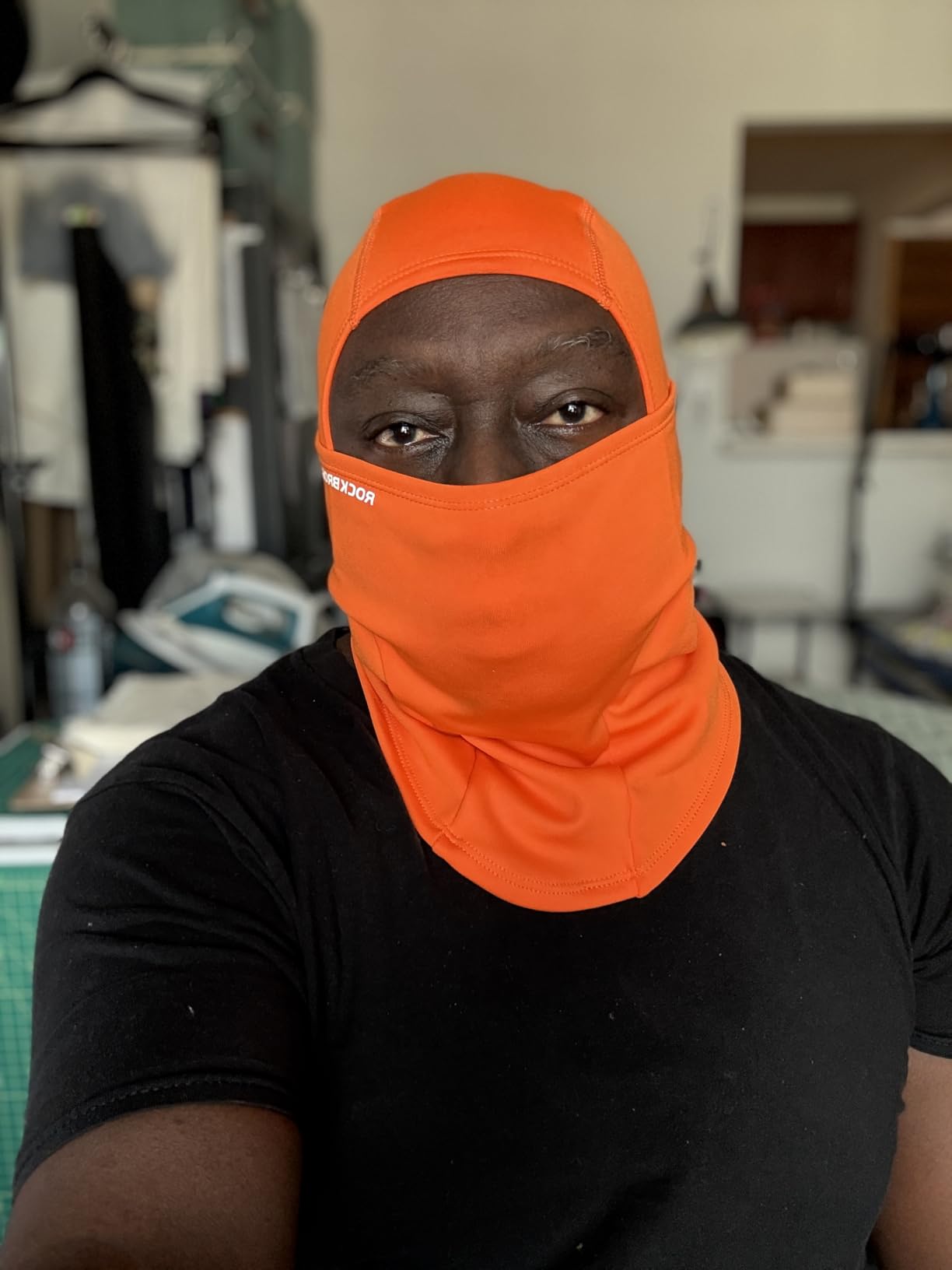
The color options let you match your kit or stand out. I tested the bright orange version, which made me more visible to ski buddies in flat light and tree sections. Safety and style together make sense.
Who Should Buy This
Skiers dealing with consistently windy conditions will appreciate the windproofing. If your home mountain features exposed lifts or you ski in the Midwest where wind chill dominates the cold equation, this balaclava addresses that specific pain point effectively.
Those with hard-to-fit head sizes benefit from the super-elastic design. If you have struggled with one-size-fits-most balaclavas being too tight or too loose, the ROCKBROS accommodates the extremes.
Who Should Skip This
High-output backcountry skiers might find the windproof layer less breathable than mesh designs. The fabric blocks wind by design, which also means it retains more moisture from heavy breathing during climbs. For ski touring, you might prefer something with more ventilation.
Anyone seeking premium brand recognition or advanced features like hinged face panels should look at higher-priced options. This is a straightforward, well-executed basic balaclava without fancy extras.
5. Under Armour Storm Sport Balaclava – Water-Resistant Warmth
Under Armour Unisex Storm Sport Balaclava, Black (001)/Pitch Gray, One Size Fits Most
UA Storm technology repels water
Dual-layer ColdGear fabric construction
Material wicks sweat and dries fast
Converts to neck gaiter for versatility
Pros
- Water resistance handles wet snow
- Dual-layer fabric provides serious warmth
- Sweat-wicking for active use
- Converts to neck gaiter
- Brand quality assurance
Cons
- Heavier than single-layer options
- May be too warm for spring skiing
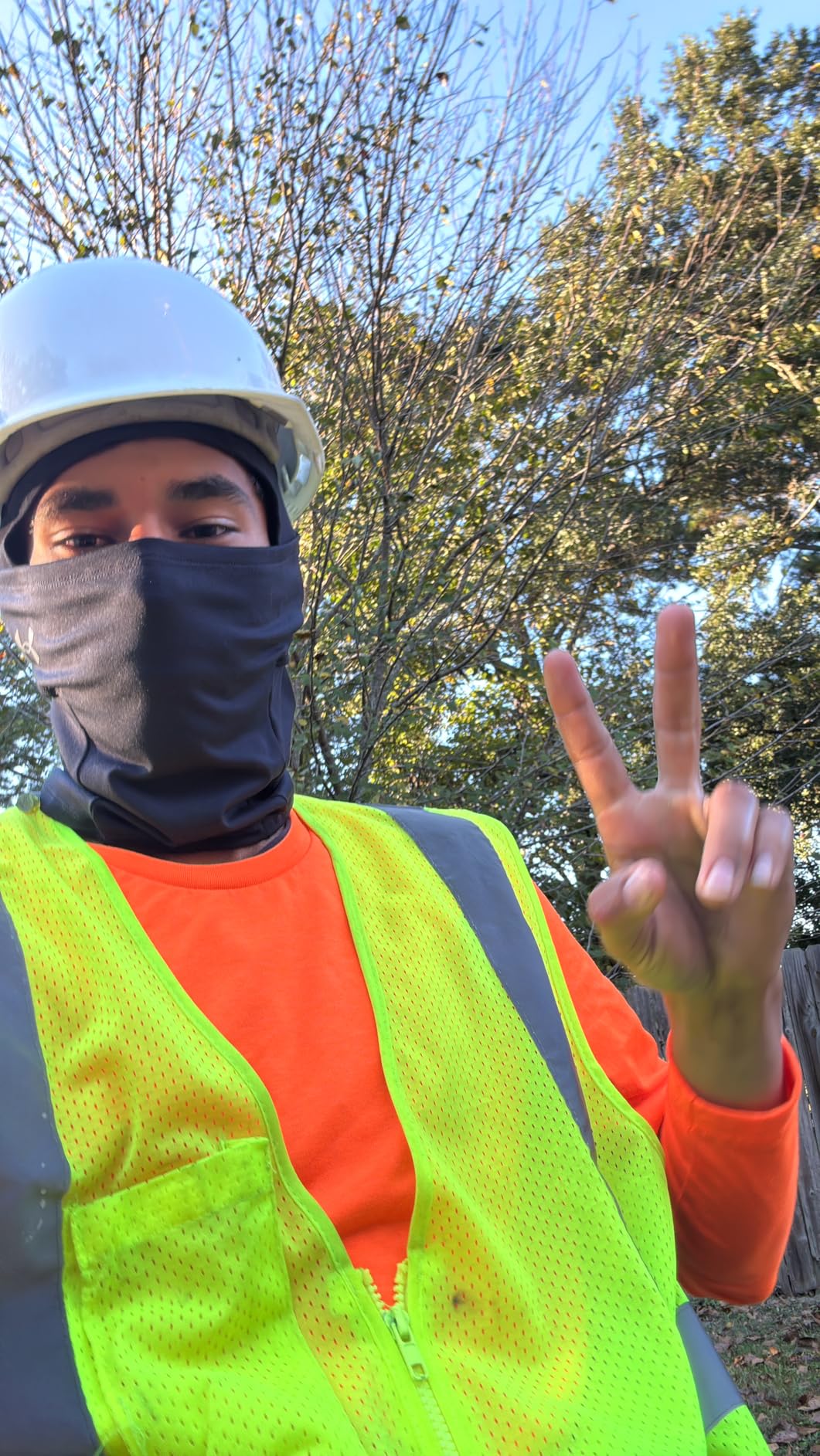
Under Armour applies their athletic apparel expertise to winter protection with this dual-layer design. The Storm technology genuinely repels water, making it ideal for coastal mountain ranges where wet snow and rain mix into the forecast. During a soggy day at Stevens Pass with rain at the base and snow at the summit, the outer layer beaded moisture while the inner layer kept me warm.
The dual-layer ColdGear fabric creates noticeable warmth compared to single-layer alternatives. The brushed interior feels soft against skin while the smooth exterior slides easily under helmet liners without grabbing. This combination works particularly well for those cold, damp days that characterize Pacific Northwest skiing.
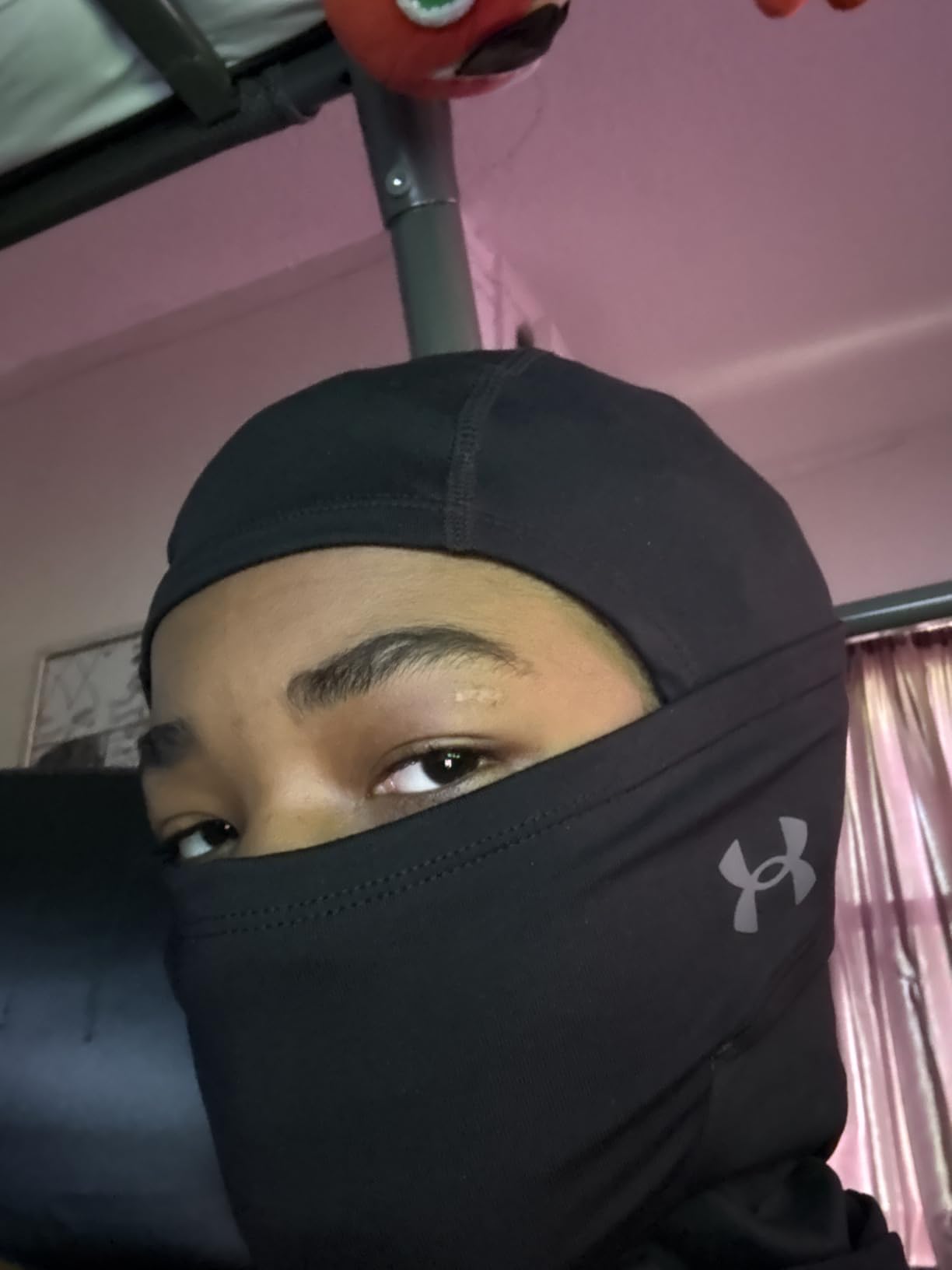
The convertibility adds practical versatility. You can wear it as a full balaclava for the coldest mornings, then pull the face portion down to convert it to a neck gaiter for sunny afternoon laps. The transition happens quickly without removing your helmet, a convenience you appreciate when conditions change mid-day.
The 1.4-pound weight specification surprised me initially, but in practice the warmth justifies it. This is not your lightweight spring piece. It is built for genuine cold weather protection where insulation matters more than packability.
Who Should Buy This
Skiers in wet climates like the Pacific Northwest, New England, or coastal Alaska need the water resistance this balaclava provides. The Storm technology handles moisture better than standard fleece, keeping you dry when other balaclavas would soak through.
Those who run cold and prioritize warmth over weight will appreciate the dual-layer construction. If you are the person wearing two midlayers while everyone else skis in a shell, this level of insulation matches your needs.
Who Should Skip This
Backcountry enthusiasts counting grams should look at lighter options. The dual-layer construction adds weight that matters when you are carrying everything on your back. For ski touring where you generate significant body heat, this might be overkill.
Spring skiers and those in milder climates will find this too warm. Save it for genuine cold days and get something lighter for the shoulder seasons.
6. Carhartt Knit Insulated Face Mask – Workwear Durability
Carhartt Mens Knit Insulated Face Mask Cold Weather Hat, Black, One Size US
Thinsulate Flex 40-gram insulation
100% acrylic stretchable rib-knit fabric
Extra-long neck enhances protection
Overlock stitching around eye opening
Pros
- Thinsulate insulation provides serious warmth
- Carhartt durability and quality
- Extra-long neck coverage
- Rib-knit stretches comfortably
- Available in high-visibility colors
Cons
- Higher price than basic options
- Can be bulky under some helmets
- Only one size available
Carhartt brings their workwear reputation to winter sports with this insulated balaclava. The Thinsulate Flex 40-gram insulation creates noticeable warmth that rivals down-filled alternatives without the bulk. During testing at Whitefish with temperatures in the low teens, this was the warmest balaclava in our lineup.
The acrylic rib-knit construction feels different from fleece or synthetic balaclavas. It has a denser, more substantial hand that speaks to durability. You get the impression this piece will last multiple seasons of hard use, a rarity in disposable-feeling ski accessories.
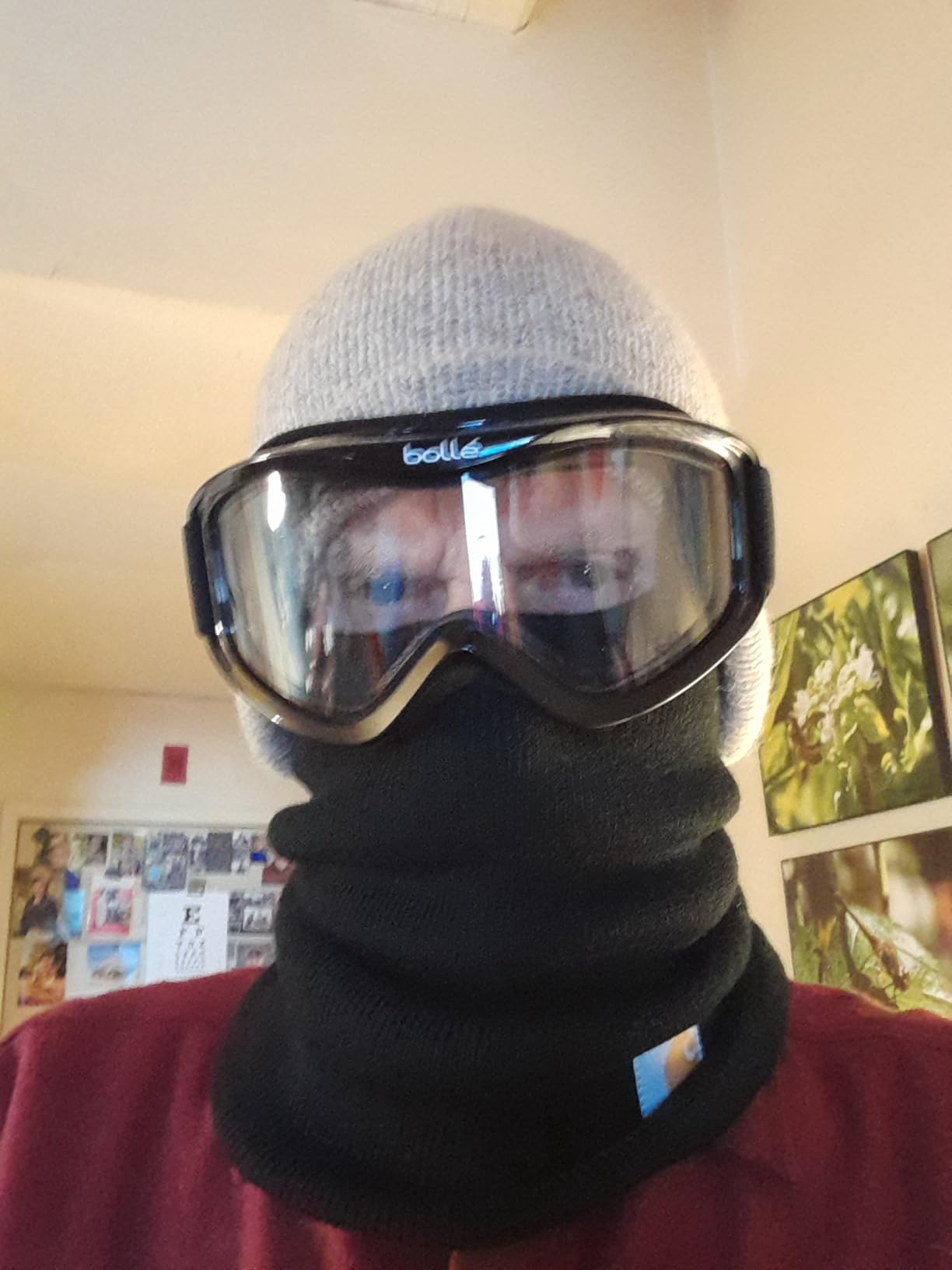
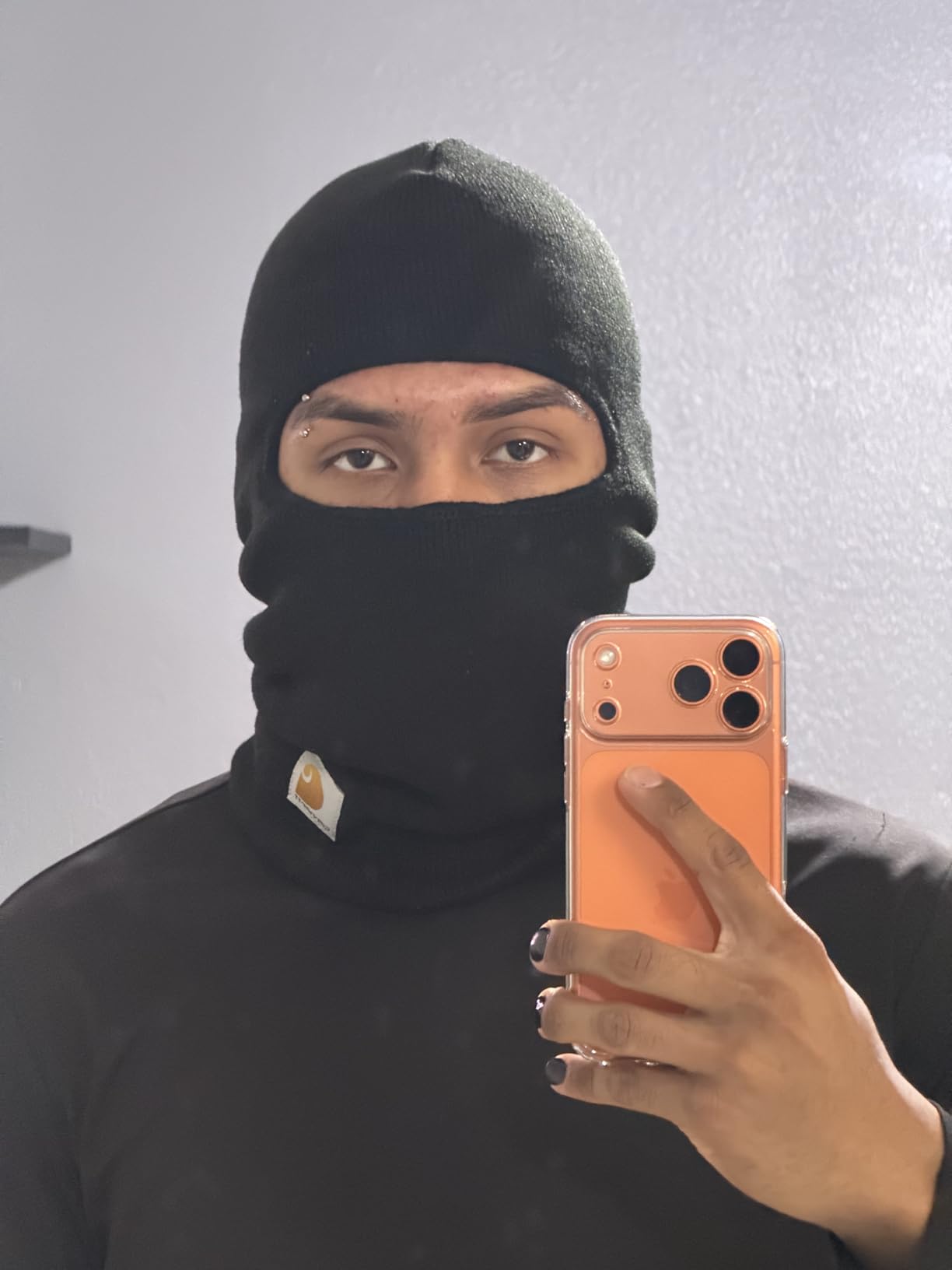
The extra-long neck solves a common problem. Most balaclavas ride up or leave a gap where your jacket collar meets the face covering. The Carhartt extends well below typical lengths, tucking securely into your outer layer. Even during tomahawk falls through powder, snow stayed out of my neck.
The overlock stitching around the eye opening creates a clean finish that does not unravel or fray. Small details like this separate quality construction from cheap imports. The Carhartt label on the front also signals to others that you value proven brands over flashy logos.
Who Should Buy This
Those seeking maximum warmth for extreme cold conditions should prioritize this balaclava. The Thinsulate insulation outperforms standard fleece for pure heat retention. If you ski in the Upper Midwest, Northeast, or any region where sub-zero temperatures occur, this level of insulation makes sense.
People who value durability over ultralight weight will appreciate the Carhartt construction. This piece feels built to last, making the higher price point reasonable when amortized over years of use.
Who Should Skip This
The bulk creates helmet compatibility issues for some users. If you have a snug-fitting helmet or a larger head size, the Thinsulate padding might create pressure points. Try it with your specific helmet before committing.
Those in milder climates or who run hot will find this overkill. The insulation that makes it exceptional for extreme cold becomes a liability during high-output activity or warmer days.
7. BLACKSTRAP Hood Balaclava – Premium Hinge Design
BLACKSTRAP Hood Balaclava Face Mask – Cold Weather Ski Mask for Men & Women, Headwear That’s Breathable, Moisture-Wicking, and Helmet-Compatible (One Size, Black)
Double layer face hinge for warmth or ventilation
Ski helmet-friendly design
Quick dry and moisture-wicking tri-blend fabric
98% UV protection rating
Pros
- Patented ExoHinge design is genuinely useful
- Moisture-wicking actually works
- Lens-safe material for goggle wiping
- 40+ color and pattern options
- Premium quality feel
Cons
- Premium price point
- May not block all wind on extreme days
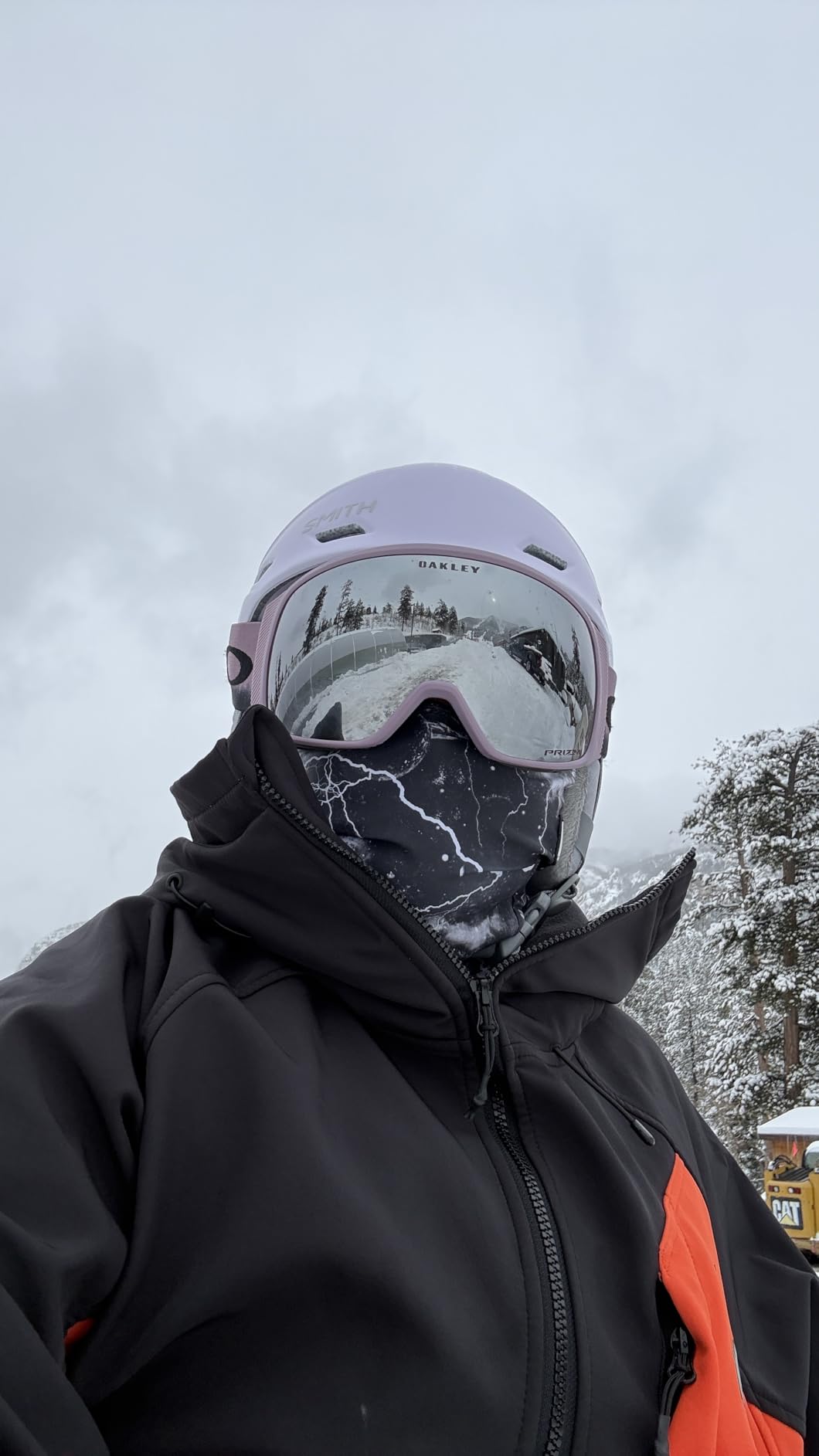
BLACKSTRAP has earned a cult following among serious skiers, and testing their Hood Balaclava revealed why. The patented ExoHinge design solves a real problem. You can pull the face portion down under your chin without removing the balaclava entirely, creating instant ventilation when you overheat. When temperatures dropped during a late-afternoon ridge traverse, I pulled it back up without stopping to dig through my pack.
The tri-blend fabric wicks moisture better than pure synthetic alternatives. During a high-output bootpack to a backcountry peak, the balaclava stayed drier than comparable fleece options. Damp fabric kills warmth faster than dry fabric, making this moisture management crucial for long days.
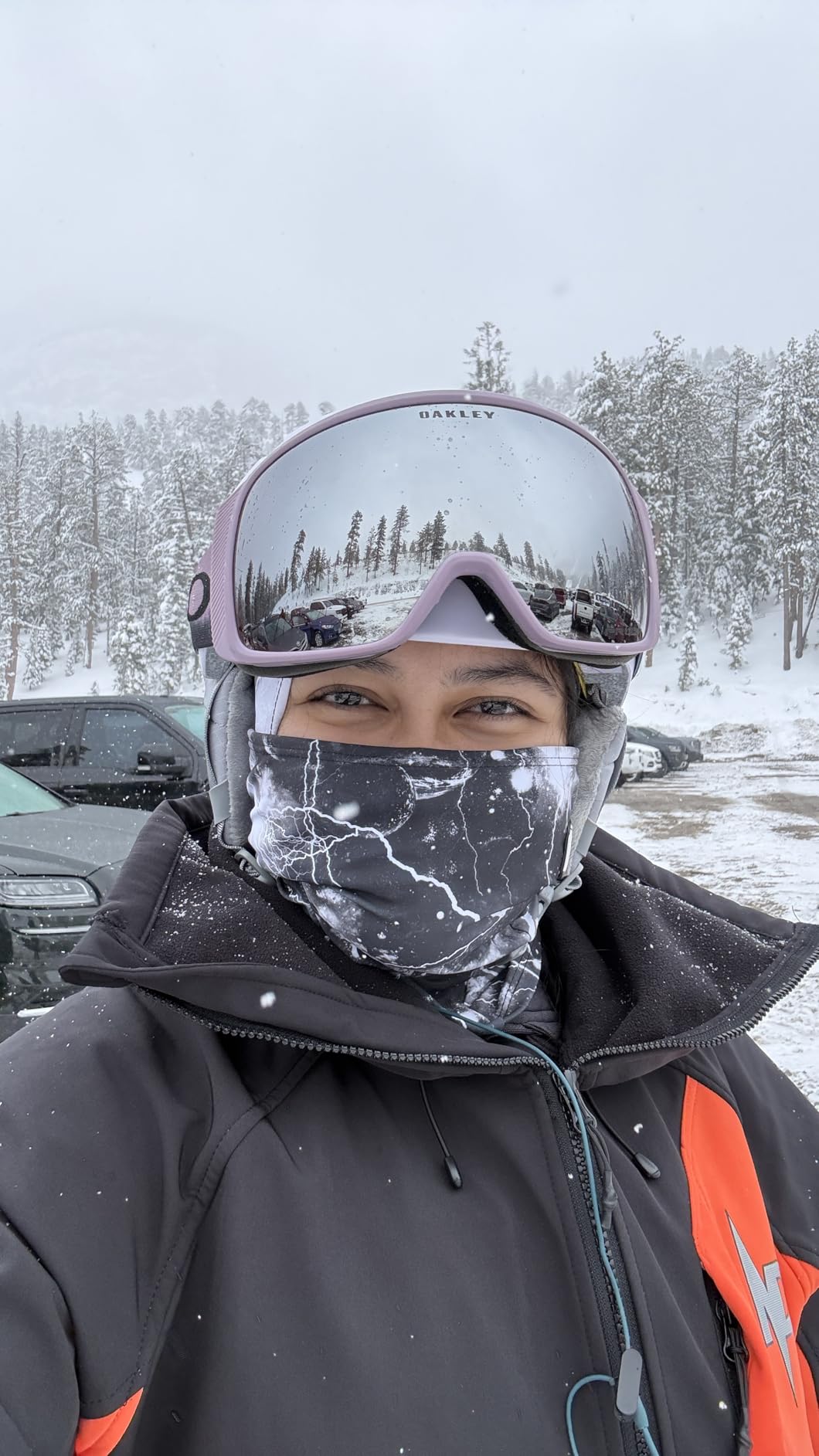
The lens-safe material lets you wipe snow goggles without scratching lenses. This sounds like a minor feature until you are caught in a storm with fogging goggles and no microfiber cloth handy. Being able to clear your lens with your balaclava without fear of damage is genuinely useful.
The color options range from subdued blacks and grays to wild patterns that make a statement. Our tester chose a bright pattern specifically for backcountry visibility, making it easier for partners to spot them against white backgrounds during descents.
Who Should Buy This
Backcountry skiers and riders who experience variable temperatures will benefit most from the hinge design. The ability to ventilate instantly without removing gear matters when you are managing layers on a skin track or transition.
Those who prioritize style alongside function have 40-plus options to match their kit. The quality construction justifies the premium price for skiers who spend 50-plus days per season on snow.
Who Should Skip This
The price point makes this a significant investment compared to budget options. Casual skiers or those who ski ten days per season might not extract enough value to justify the cost.
Pure resort skiers in consistently cold, windy conditions might want more windproofing than the tri-blend fabric provides. The hinge design prioritizes versatility over maximum protection.
8. Fuinloth Ski Mask Balaclava Pro – Best Value Fleece
Fuinloth Ski Mask Balaclava Pro, Cold Weather Windproof Thermal Shiesty Motorcycle for Men/Women Black
95% polyester and 5% spandex outer shell
Fuzzy inner fleece for warmth
Windproof and thermal construction
18 color options available
Pros
- Excellent value under $12
- Fuzzy fleece lining provides warmth
- Good wind protection for the price
- Helmet-compatible design
- 18 colors for personal style
Cons
- Less durable than premium brands
- Limited color availability in some markets
The Fuinloth balaclava proves you do not need to spend $40 for capable cold weather protection. At under twelve dollars, it delivers performance that rivals options costing three times as much. The fuzzy inner fleece lining creates immediate warmth without the scratchy feeling of cheap synthetics.
The 95/5 polyester-spandex blend strikes a good balance between stretch and structure. It conforms to your head shape without feeling restrictive, and the material returns to shape after being stuffed in a jacket pocket. The spandex content prevents the sagging that pure polyester balaclavas develop over time.
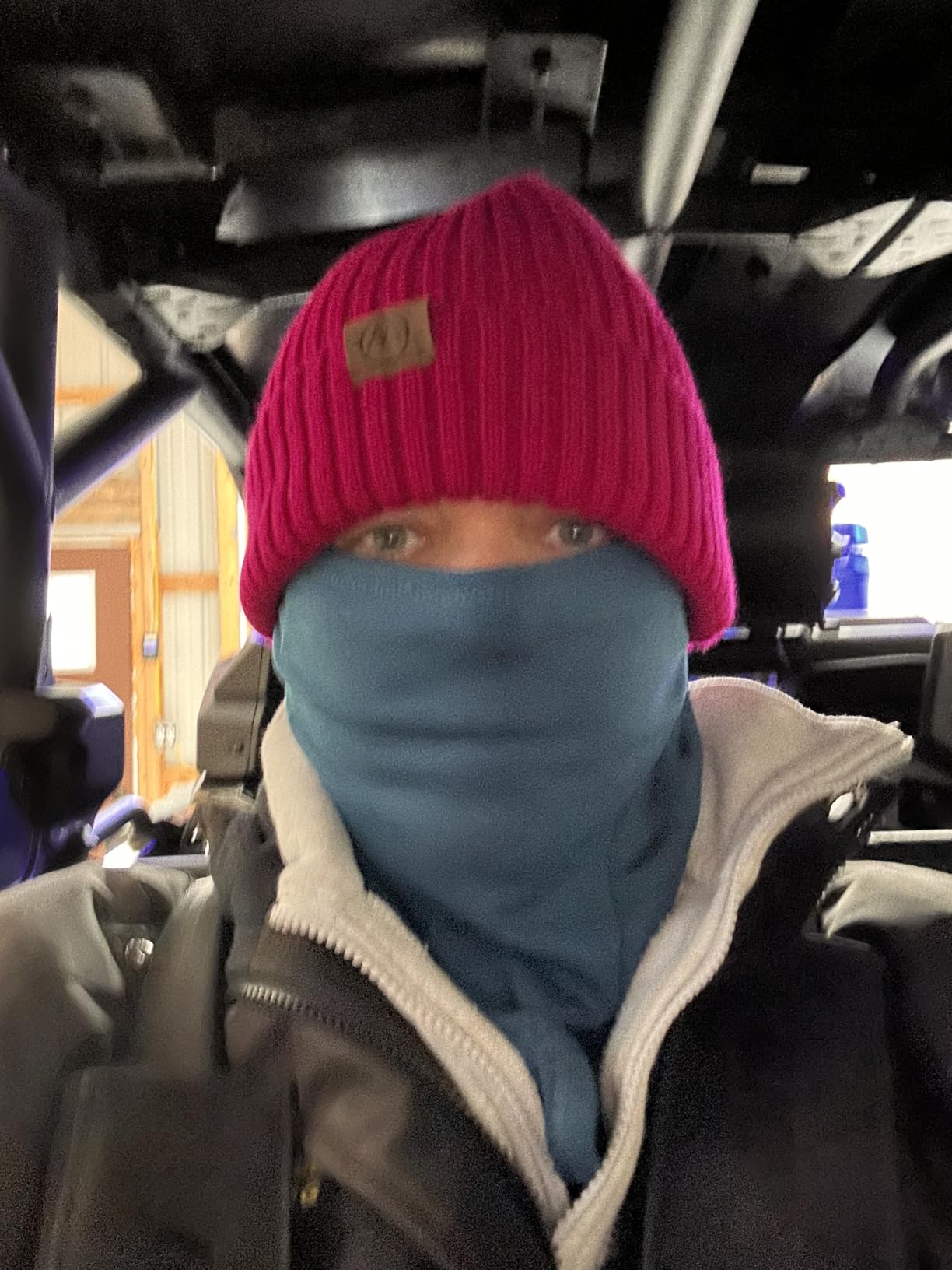
Windproofing performance surprised me for this price point. During testing in 20 mph gusts at the top of Bridger Bowl, the fabric blocked enough wind to prevent that painful freezing sensation on exposed skin. It is not fully windproof like some membrane-equipped options, but it handles normal skiing conditions competently.
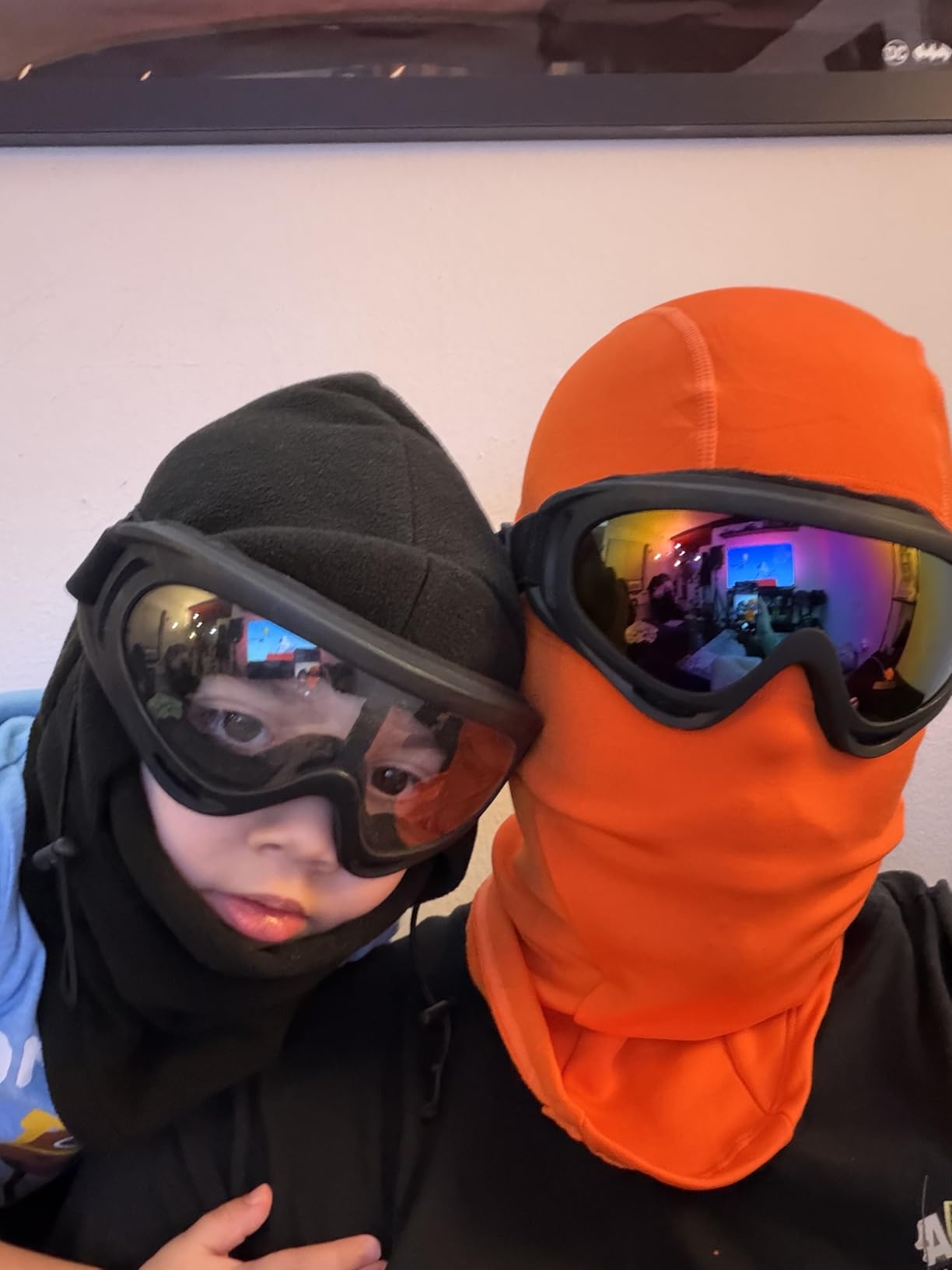
The 18 color options let you express yourself or coordinate with existing gear. Our tester chose the bright orange for visibility during flat-light days, a safety consideration that also looks distinctive.
Who Should Buy This
Budget-conscious skiers who want competent cold weather protection without premium pricing should start here. This balaclava handles normal resort skiing conditions admirably at a price that lets you buy extras for the car, office, and pack.
Those new to skiing who are not yet sure about their preferences can experiment without significant investment. Use this to learn what features matter to you, then upgrade later if needed.
Who Should Skip This
Hardcore skiers spending 50-plus days per year should consider investing in more durable options. The construction quality matches the price point, meaning it may not last multiple seasons of heavy use.
Those requiring extreme cold protection for sub-zero conditions might want thicker insulation. This handles normal cold well but has limits when temperatures drop into negative double digits.
9. BEACE Balaclava Face Ski Mask – Innovative Movable Design
Balaclava Face Ski Mask with Movable Design for Men Women-Fleece Winter Face Covering for Cold Weather Skiing Outdoor Work Black
Patent movable face part design
Breathable nose mesh for ventilation
Thermal polar fleece material
Windproof construction
Pros
- Innovative movable face piece design
- Breathable mesh actually prevents goggle fog
- Soft comfortable fleece material
- Good stretch fits most heads
- Unique design stands out
Cons
- Hand wash recommended for longevity
- Some prefer fixed traditional designs
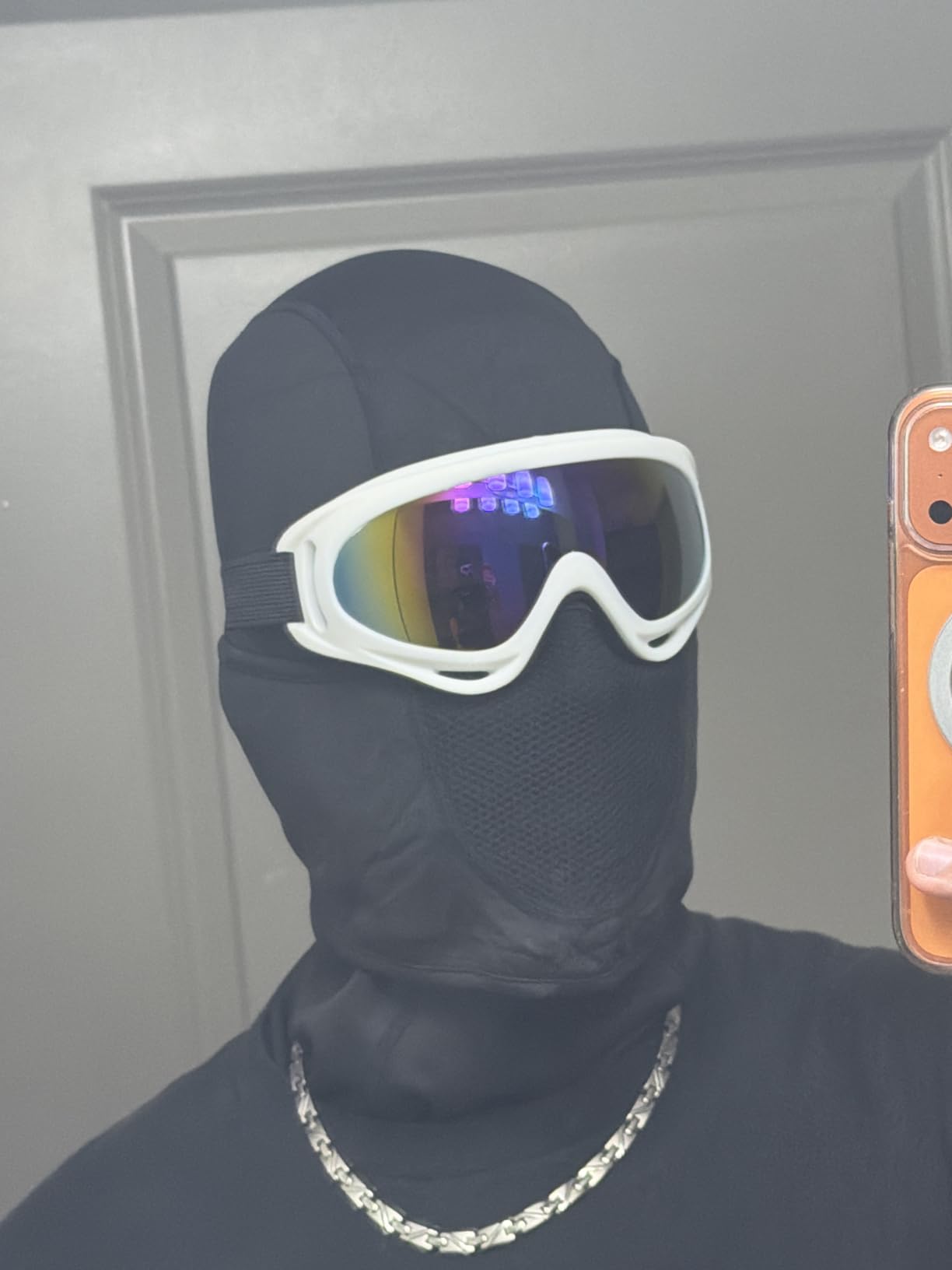
The BEACE balaclava takes a different approach with its movable face part design. The face panel attaches with a clever system that lets you lower it for eating, drinking, or ventilation without exposing your entire head. During testing, I appreciated this feature when stopping for quick water breaks on the chairlift without fully removing my helmet and balaclava.
The breathable nose mesh panel genuinely works for fog prevention. Unlike balaclavas that simply cover your nose with fabric, the mesh panel allows moisture-laden exhalations to escape before they can rise to your goggles. During a particularly cold day at Big Sky where fogging typically plagues me, my vision stayed clear through multiple long runs.
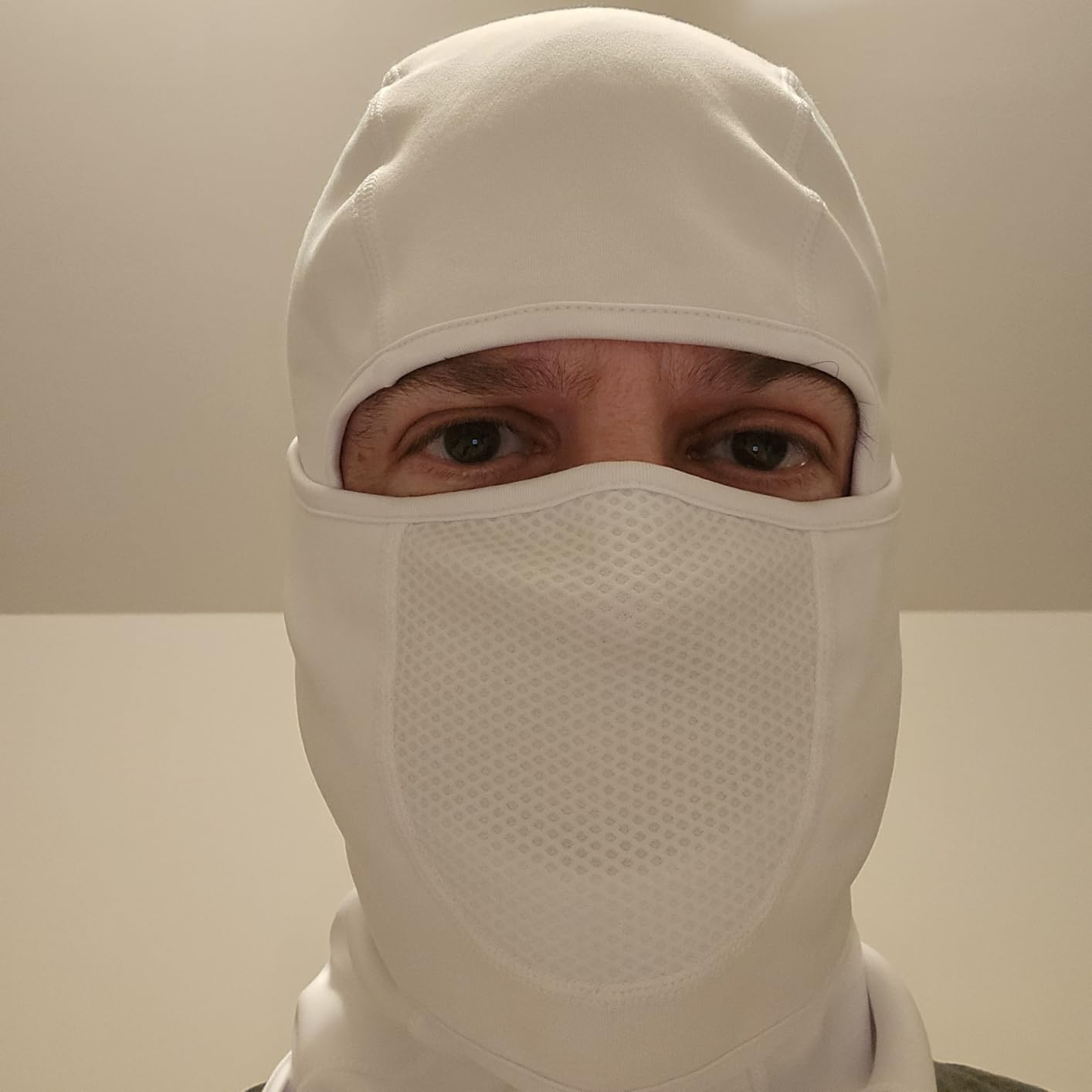
The thermal polar fleece provides mid-level warmth suitable for most resort conditions. It is not the thickest option in our test, but the windproof outer layer compensates by blocking heat loss from convection. The combination works well for active skiing where you generate body heat.
The universal sizing fits heads from 21 to 24 inches in circumference. Our testers at both ends of that range found comfortable fits without excessive bunching or stretching. The 17 by 9.2-inch dimensions provide adequate coverage for most adults.
Who Should Buy This
Skiers frustrated with goggle fogging should try this innovative design. The mesh ventilation system outperforms standard fabric nose coverage for maintaining clear vision. If you have abandoned balaclavas due to fog issues, this might convert you back.
Those who snack frequently on the mountain or need to access their face without full removal will appreciate the movable panel. The convenience factor adds up over a full day of skiing.
Who Should Skip This
Purists who prefer traditional fixed designs might find the movable panel unnecessary complexity. If you are happy with standard balaclava construction, this innovation solves a problem you do not have.
The hand wash recommendation indicates somewhat delicate construction. Those who machine wash all their gear should look at more durable options that handle rougher treatment.
10. Ergodyne N-Ferno 6821 Balaclava – Budget Workhorse
Balaclava, Winter Face Mask, Thermal Black Fleece, Ergodyne N-Ferno 6821
High-quality thermal fleece construction
Stretchable material fits most head sizes
Long length for full coverage
Reflective accents for visibility
Pros
- Unbeatable price under $7
- Thermal fleece provides adequate warmth
- Stretchable fit accommodates most heads
- Reflective accents for safety
- Lifetime warranty included
Cons
- Not waterproof or water resistant
- Basic design without advanced features
The Ergodyne N-Ferno 6821 proves that effective cold weather protection does not require a significant investment. At under seven dollars, this thermal fleece balaclava delivers core functionality without frills. During testing, it kept me warm through multiple resort days in the teens and twenties, performing as well as options costing four times as much.
The workwear heritage shows in practical features like the reflective accents. When skiing at dawn or dusk, the reflective piping increases visibility to others. This safety consideration demonstrates that Ergodyne designs for real working conditions, not just fashion.
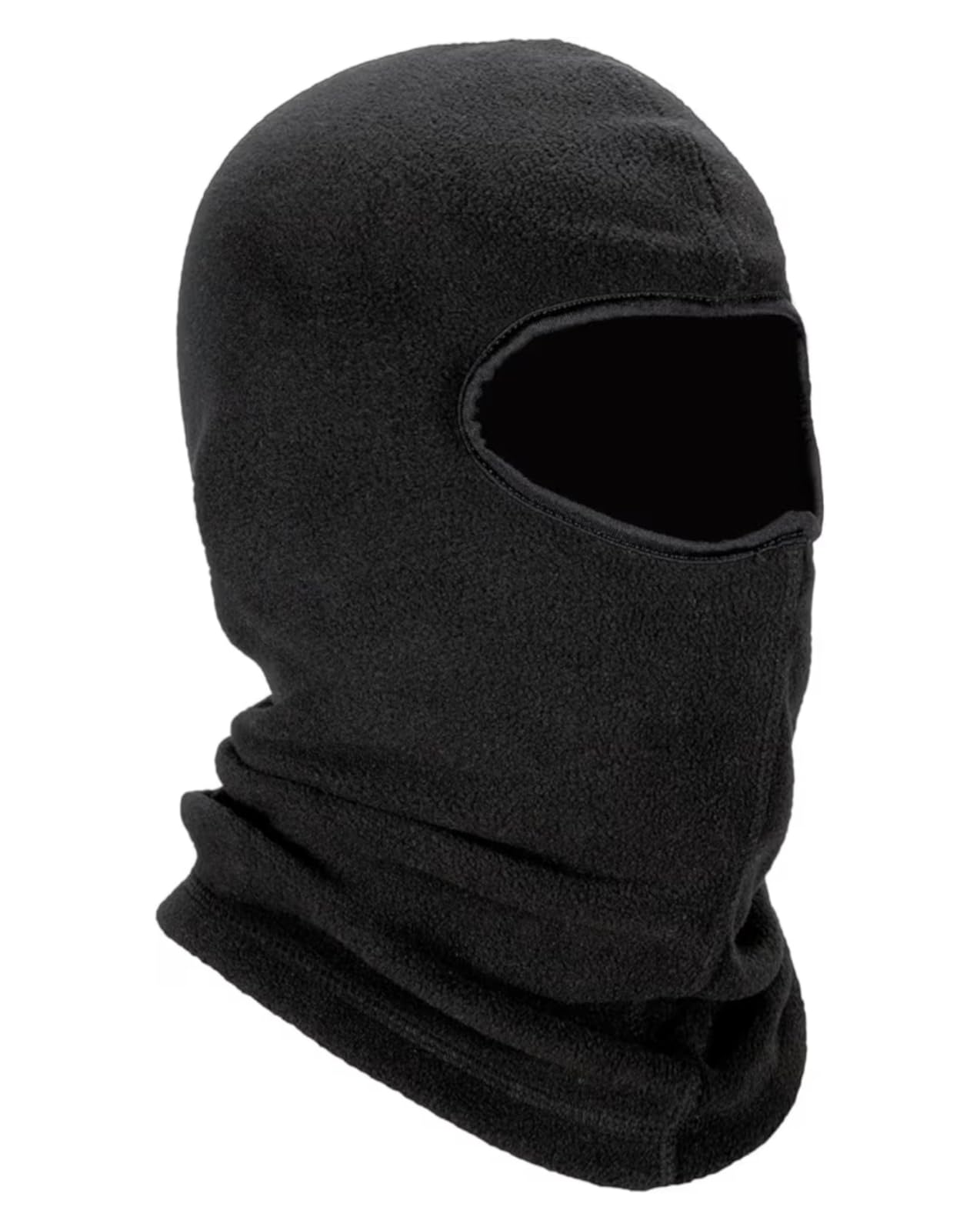
The long length provides full coverage that stays tucked into your jacket. Unlike shorter balaclavas that ride up and create gaps, this extends well below your collar line. Even during falls and rolls in powder, snow stayed outside where it belongs.
The stretchable material fits a wide range of head sizes without feeling constrictive. Our testers ranged from 21-inch to 24-inch head circumferences, and all found acceptable fits. The 10.25 by 15.25-inch dimensions provide generous coverage for most adults.

Who Should Buy This
First-time balaclava buyers or those needing backup pieces should start here. The price point is low enough to buy multiples for your car, pack, and home without financial stress. You get genuine cold weather protection without the premium markup.
Workers or outdoor professionals who need functional protection rather than brand recognition will appreciate the practical design. The reflective accents and durable construction match worksite requirements.
Who Should Skip This
Skiers seeking advanced features like water resistance, hinged face panels, or premium materials should look elsewhere. This is a basic thermal fleece balaclava that covers the fundamentals without extras.
Those in wet climates should note the lack of water resistance. In wet snow or rain, this balaclava will soak through unlike water-resistant alternatives.
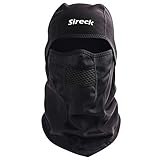
11. Sireck Cold Weather Balaclava – Water Resistant Protection
Sireck Cold Weather Balaclava Ski Mask, Water Resistant and Windproof Fleece Thermal Face Mask, Cycling Motorcycle Neck Warmer Hood Winter Gear for Men Women
Water resistant and windproof fleece
Breathable mesh design on nose
Stretchable fabric fits most heads
Multi-functional use configurations
Pros
- Water resistance handles light precipitation
- Windproofing blocks cold air effectively
- Breathable mesh prevents moisture buildup
- 21k+ reviews show reliability
- Good value for the features
Cons
- Not fully waterproof for heavy rain
- May not suit extreme sub-zero conditions
The Sireck balaclava targets the specific conditions that plague many skiers. The water-resistant outer layer handles the wet snow that soaks standard fleece, while the windproof construction blocks the convection that chills exposed skin. During testing in mixed precipitation at Mount Hood, this balaclava stayed drier than pure fleece alternatives.
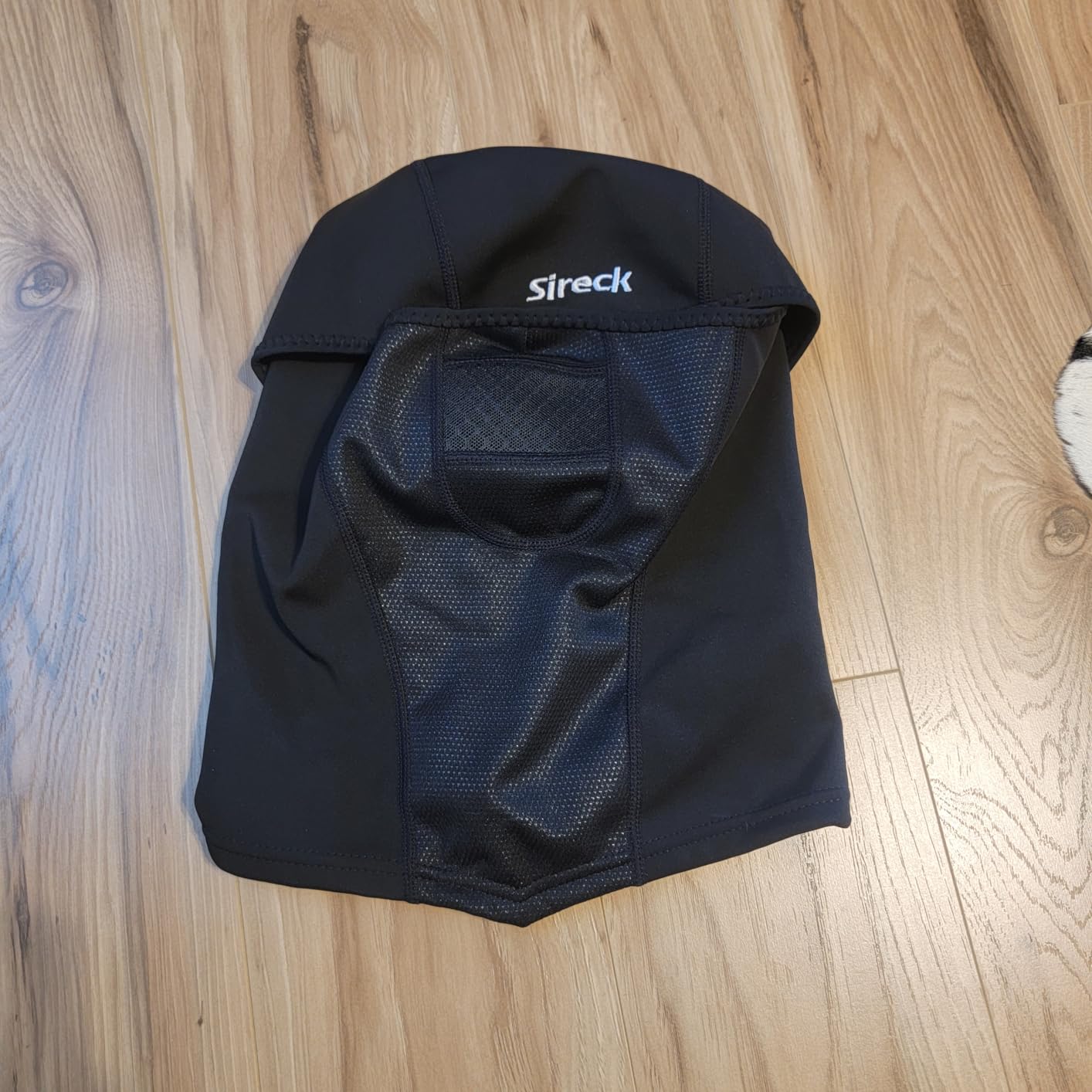
The breathable mesh panel over the nose and mouth works to channel moisture away from your face. This ventilation prevents the clammy feeling of trapped exhalations and reduces goggle fogging. I noticed less moisture accumulation inside the fabric compared to solid-panel balaclavas during high-exertion runs.
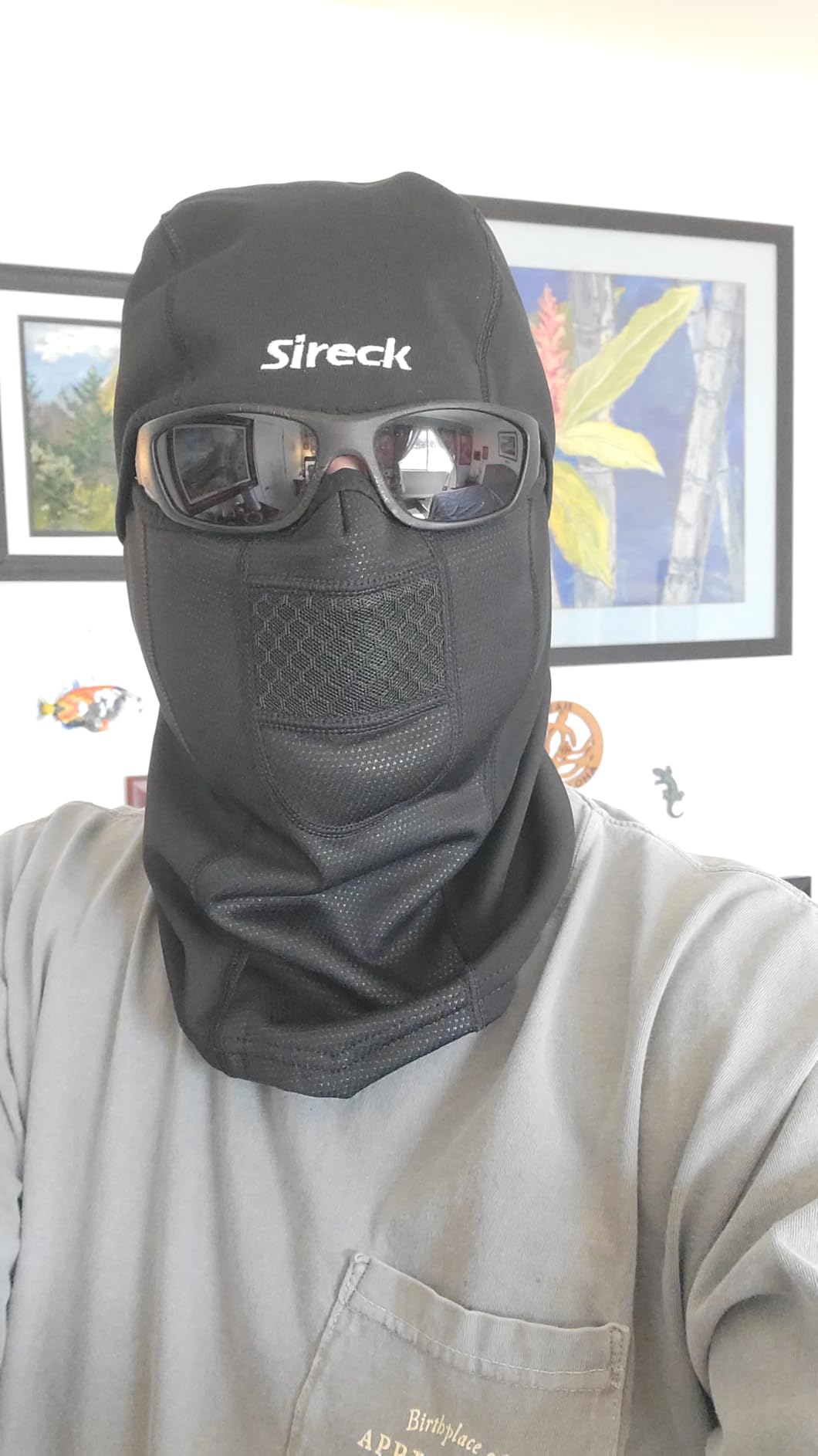
The multi-functional design lets you wear it as a full balaclava, neck gaiter, face mask, or beanie. This versatility serves touring skiers who need to adjust protection levels throughout a day without carrying multiple pieces. I started a morning tour with full coverage, then converted it to a neck gaiter for the sunny descent.
The 21,757 reviews on Amazon indicate strong market acceptance. While review count does not guarantee quality, this volume suggests the balaclava meets expectations for a wide range of users.
Who Should Buy This
Skiers in variable weather conditions will appreciate the water resistance. If your local mountain features mixed precipitation, wet snow, or occasional rain, this protection level makes sense. Coastal mountain ranges and the Pacific Northwest particularly suit this balaclava.
Those who want one piece that handles multiple configurations should consider the versatility. The ability to convert between full mask and neck gaiter reduces the gear you need to carry.
Who Should Skip This
The water resistance has limits. In sustained rain or heavy wet snow, moisture will eventually penetrate. Those expecting waterproof protection should look at membrane-equipped alternatives or hardshell face protection.
Pure resort skiers in consistently cold, dry climates might prefer simpler fleece options without the water-resistant coating. The extra feature adds complexity without benefit in those conditions.
12. Under Armour Storm ColdGear Balaclava – Premium Heat Retention
Under Armour Unisex Storm ColdGear Balaclava, Black (001)/Pitch Gray, One Size Fits Most
UA Storm technology repels water
ColdGear Infrared retains body heat
Brushed fleece for soft comfort
Converts to neck gaiter
Pros
- ColdGear Infrared genuinely retains heat
- Storm technology handles wet conditions
- Premium construction quality
- Brushed fleece feels luxurious
- Under Armour brand reliability
Cons
- May hold moisture and odors over time
- Can stretch out with extended use
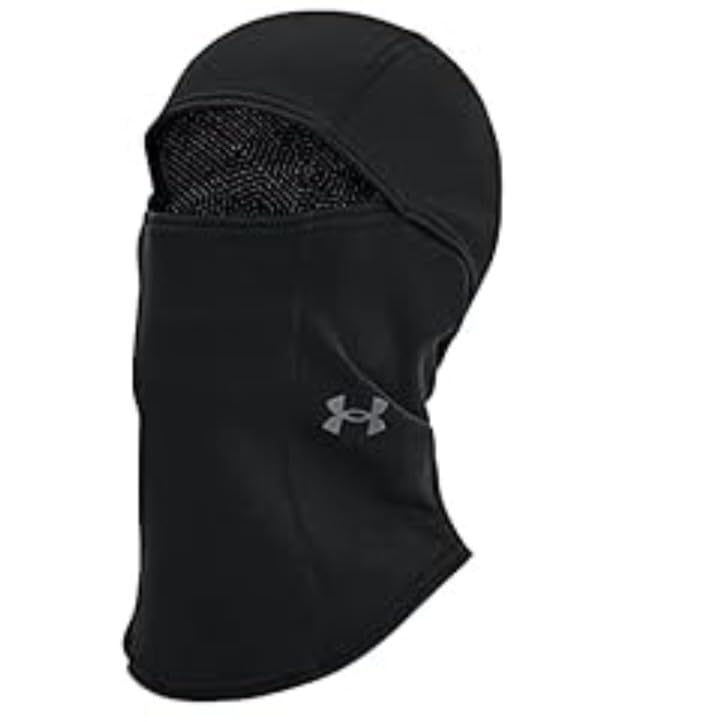
Under Armour applies their technical apparel expertise to create one of the warmest balaclavas in our test. The ColdGear Infrared technology uses a thermo-conductive coating to absorb and retain your body heat, creating noticeable warmth compared to standard fleece. During a bitter cold day at Whitefish with negative wind chills, this was the balaclava I reached for.
The brushed fleece interior feels immediately soft against skin, not the synthetic slickness that cheaper options have. This comfort factor matters more than you might think during long days. When you are wearing something for eight hours straight, the pleasant feel becomes a significant benefit.
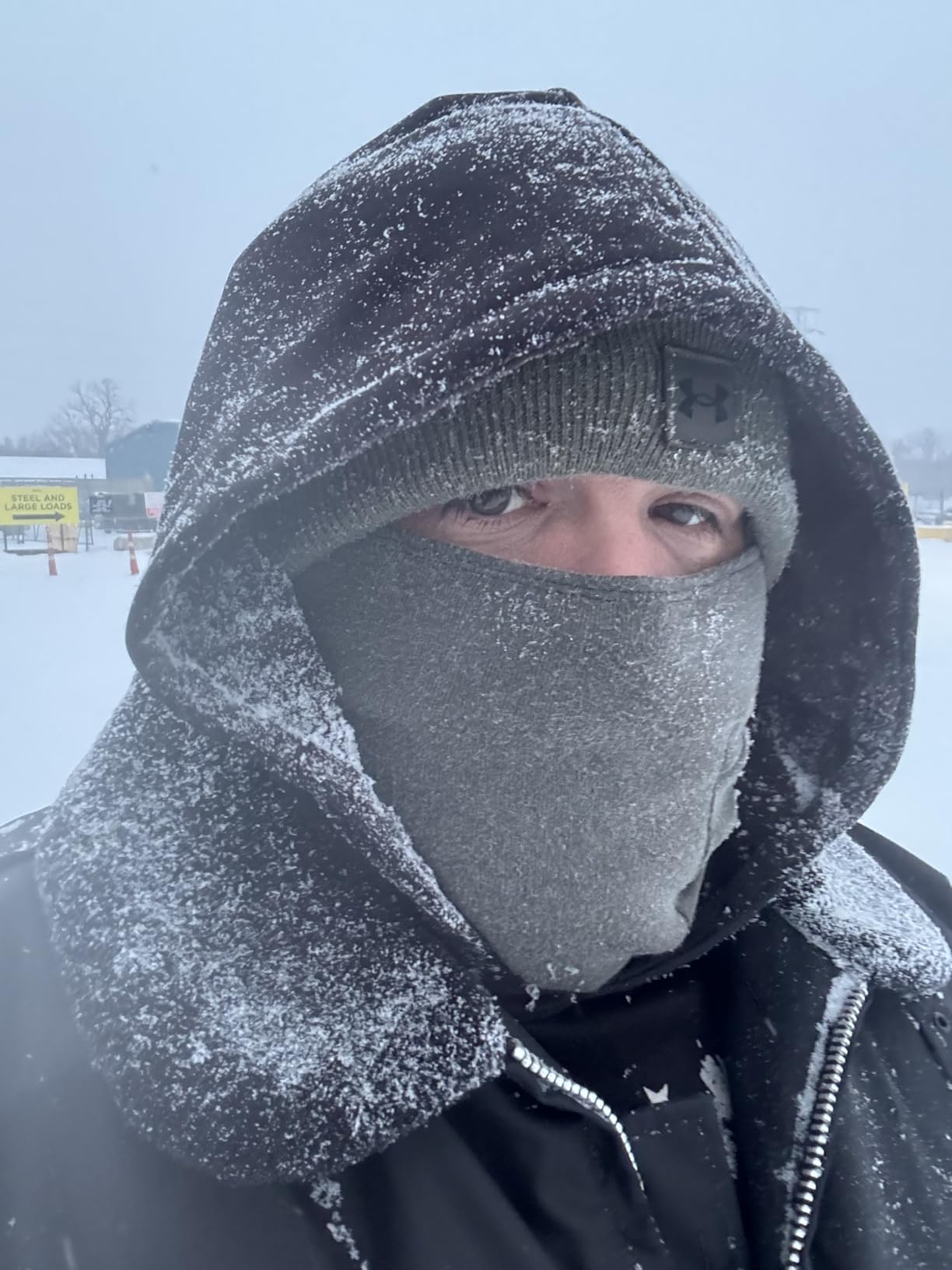
The Storm water-repellent technology adds practical protection for wet snow days. While not fully waterproof, the DWR coating causes moisture to bead and roll off rather than soaking in. This extends your comfort range into marginal weather that would soak standard fleece alternatives.
The convertible design lets you pull the face portion down to create a neck gaiter when you overheat. The transition happens without removing your helmet, a convenience you appreciate multiple times per day when conditions change.
Who Should Buy This
Cold-natured skiers or those in genuinely frigid climates should prioritize this option. The ColdGear Infrared technology provides measurable warmth advantage over standard materials. If you ski in the northern Rockies, Upper Midwest, or Northeast, this level of insulation justifies the premium price.
Those who value brand quality and technical innovation will appreciate the Under Armour engineering. This is not a rebadged generic product but a purpose-designed piece using proprietary technology.
Who Should Skip This
Some users report that the fabric holds odors more than natural fibers. If you are sensitive to smells or plan multi-day backcountry trips without washing access, consider merino wool alternatives that resist odor naturally.
The stretch factor means the fabric can loosen over time. While washing restores the fit, those seeking a permanently snug fit might prefer less elastic materials.
13. IRELIA Winter Windproof Ski Mask – Lightweight Versatility
IRELIA Winter Windproof Fleece Ski Mask Balaclava Headwear Motorcycle Thermal Face Mask Bandanas Black
Improved 3D construction design
Hinged design with breathable mesh
5-in-1 versatile wearing options
Lightweight at 2.82 ounces
Pros
- 3D construction fits naturally
- Hinged design adds versatility
- 5-in-1 configurations
- Breathable mesh ventilation
- Lightweight packable design
Cons
- Not fully anti-fog in extreme cold
- May not suit extreme conditions
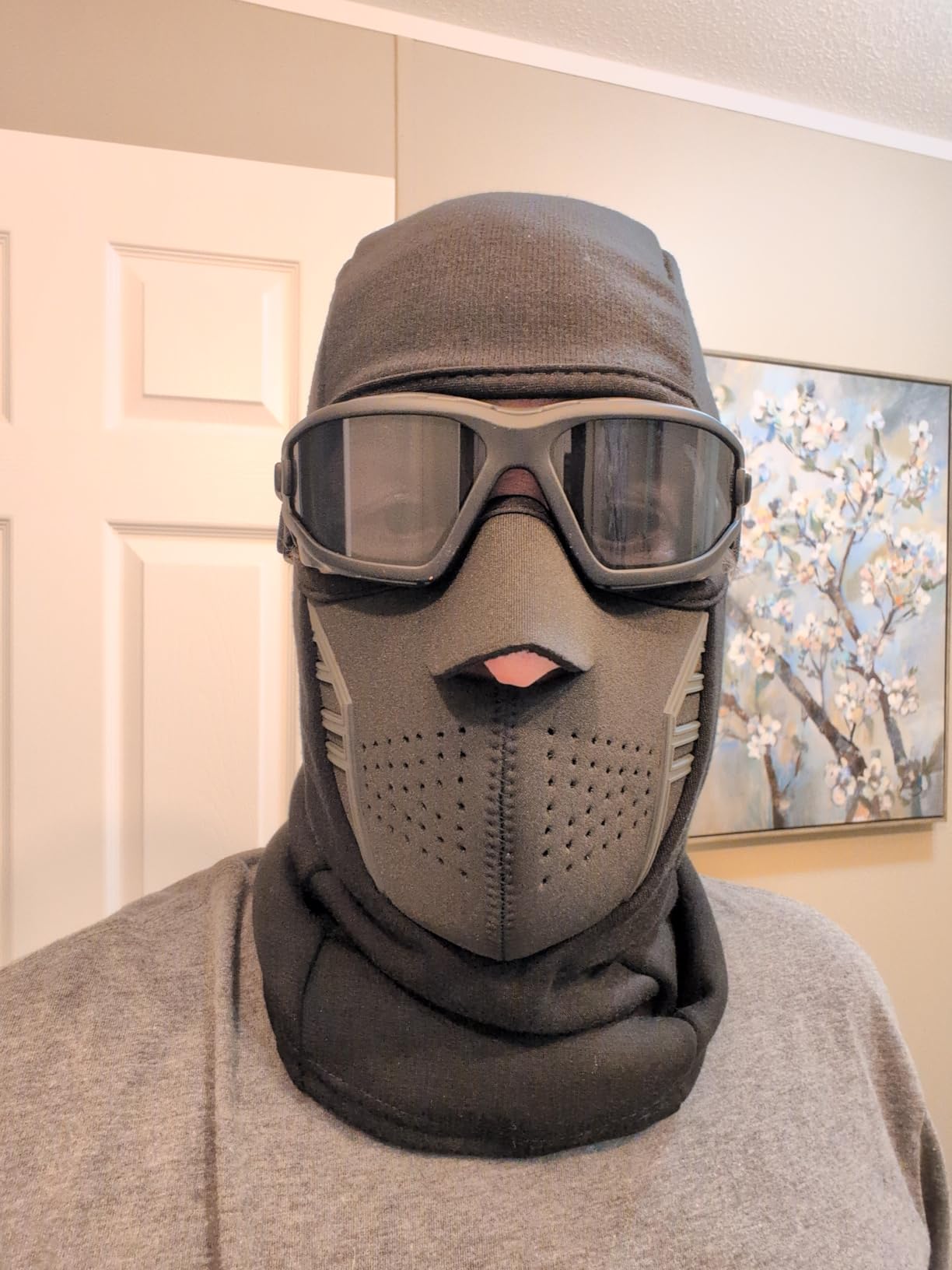
The IRELIA balaclava emphasizes versatility through its 3D construction and hinged design. The shaped panels conform to your face anatomy better than flat-cut alternatives, reducing gaps where cold air infiltrates. During testing, the fit felt more custom than one-size-fits-most competitors.
The hinged design lets you lower the face portion for eating, drinking, or ventilation without full removal. This convenience feature proves useful multiple times per day when you need quick face access without the hassle of removing helmet and balaclava completely.
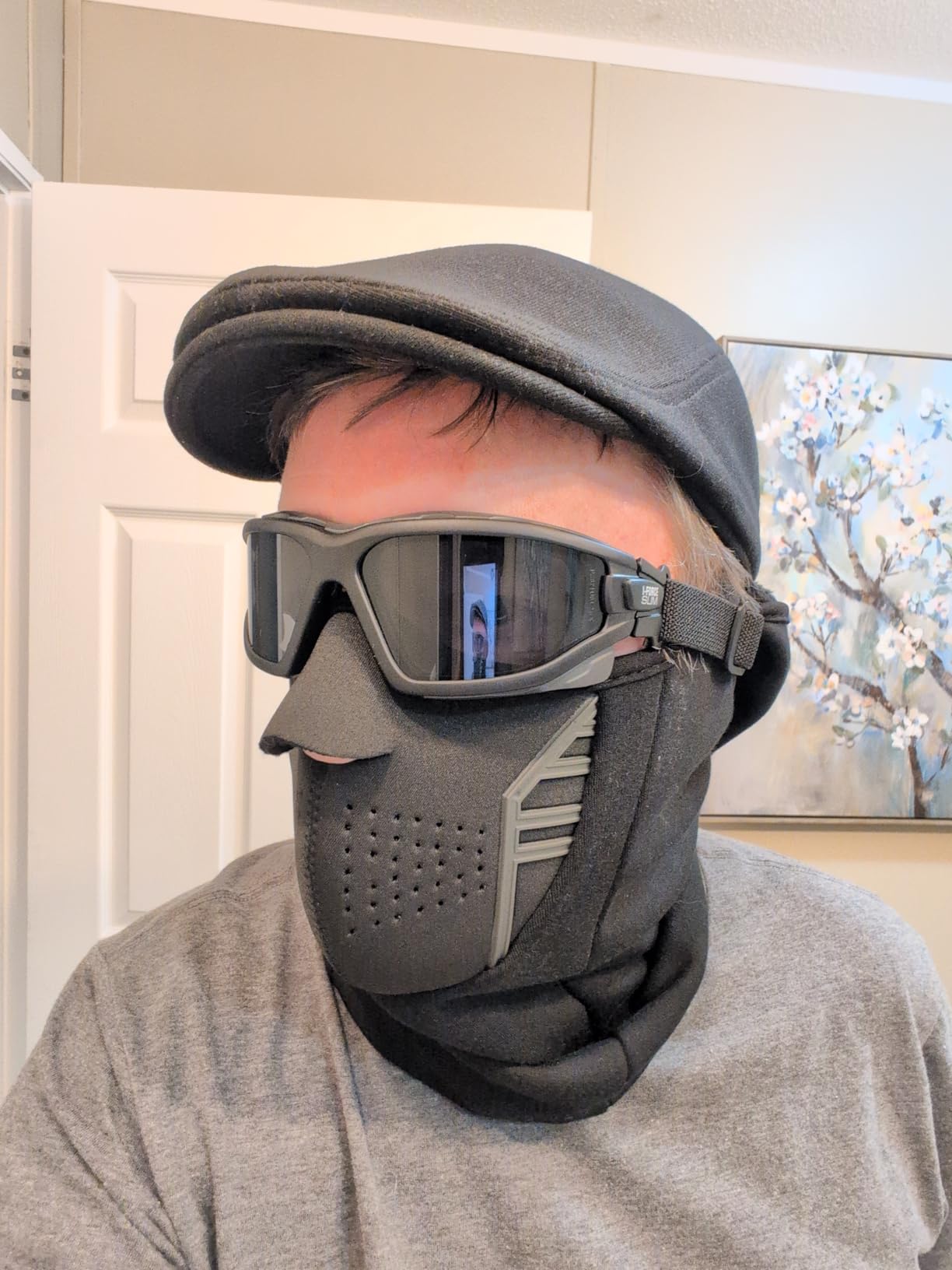
The 5-in-1 versatility lets you wear it as a face cover mask, bandana, half balaclava, neck gaiter, or full balaclava. This adaptability serves skiers who encounter variable conditions or prefer to adjust protection throughout the day. I started morning runs with full coverage, then converted to a neck gaiter as temperatures rose.
At 2.82 ounces, this is among the lightest options in our test. The minimal weight makes it ideal for backcountry skiers counting every gram. The compact packed size disappears into a jacket pocket when not needed.
Who Should Buy This
Skiers who value versatility and packability should consider this option. The multiple configurations let one piece serve roles that would otherwise require two or three separate items. The lightweight design particularly suits backcountry enthusiasts.
Those with smaller faces who struggle with baggy one-size-fits-most balaclavas might appreciate the 3D construction. The shaped panels reduce excess material that can bunch or gap.
Who Should Skip This
The anti-fog claims have limits. In extreme cold with sustained exertion, moisture can still accumulate and fog goggles. Those skiing in sub-zero temperatures should manage expectations about fog prevention.
The lightweight construction trades some warmth for packability. Pure resort skiers in cold climates might prefer thicker, warmer options that prioritize insulation over weight.
14. Under Armour HeatGear Tactical Balaclava – Active Performance
Under Armour Unisex-Adult HeatGear Tactical Balaclava , Black (001)/Black , One Size Fits All
Full head and facial protection coverage
4-way stretch construction for movement
Material wicks sweat and dries fast
Lightweight tactical design
Pros
- 4-way stretch moves with you
- Excellent moisture-wicking performance
- Lightweight for high-output use
- Full coverage including neckline
- Tactical design aesthetic
Cons
- Melts when exposed to extreme heat
- Can stretch out over time
- May be too warm for mild weather
The Under Armour HeatGear Tactical balaclava targets high-output activities where moisture management matters more than insulation. The HeatGear technology wicks sweat aggressively, keeping you dry during intense exertion. During a skate skiing session where I generated significant body heat, this balaclava stayed drier than fleece alternatives.
The 4-way stretch construction moves naturally with your head turns and body motion. Unlike stiffer balaclavas that resist movement, this fabric accommodates the dynamic positions of active skiing. You forget you are wearing it, which is the highest compliment for active apparel.
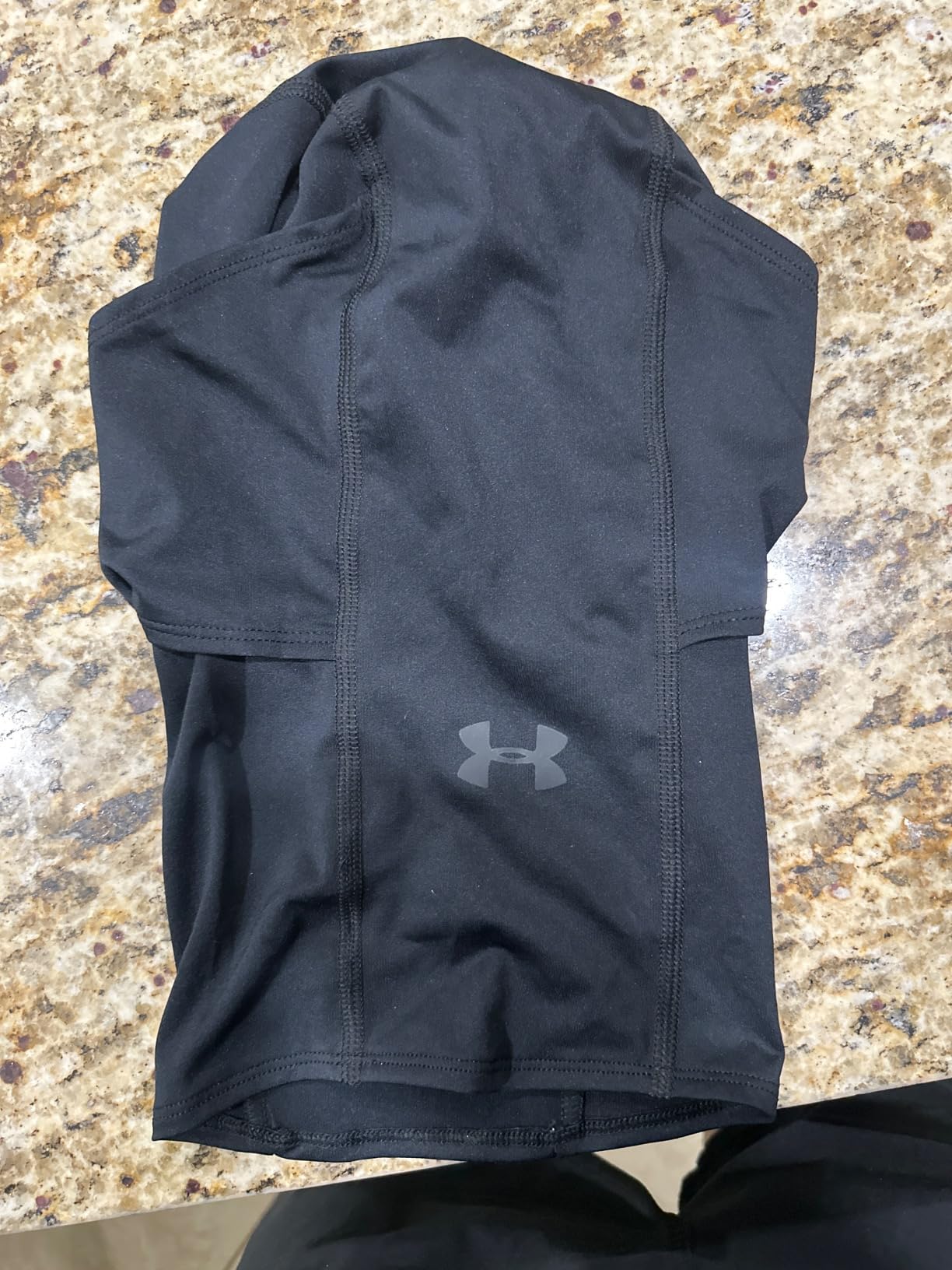
The full coverage extends below your neckline, tucking securely into jacket collars. This eliminates the gap that often forms between balaclava and outer layer, preventing snow infiltration during falls or deep powder runs. The tactical design lacks logos or bright colors for those preferring subdued aesthetics.
The moisture-wicking performance justifies the HeatGear name. Even during sustained high-output touring, the fabric moved sweat away from my skin effectively. Damp fabric chills you when you stop moving, making this moisture management crucial for backcountry safety.
Who Should Buy This
High-output skiers, skate skiers, and ski tourers need the moisture management this balaclava provides. When you generate significant body heat and sweat, staying dry becomes as important as staying warm. The HeatGear technology addresses that specific need.
Those who prefer minimalist, logo-free designs will appreciate the tactical aesthetic. The subdued appearance works for those who find bright colors and large branding distasteful.
Who Should Skip This
The safety warning about melting in extreme heat deserves attention. While unlikely in normal skiing, those who might encounter sparks (perhaps firefighting or certain industrial uses) should note this limitation. For pure skiing, this is not a concern.
The lightweight design sacrifices some warmth for breathability. Resort skiers in cold climates or those who run cold should look at ColdGear or insulated alternatives rather than HeatGear.
How to Choose the Best Ski Balaclava for Cold Weathers?
After testing 14 different options across varied conditions, certain factors consistently determine satisfaction. Here is what to consider when selecting your own cold weather face mask.
Material Selection Matters
Merino wool provides natural odor resistance and temperature regulation but costs more and requires careful washing. Synthetic fleece offers affordable warmth and easy care but can retain smells after extended use. Blends attempt to capture benefits of both materials.
Our testing found that pure merino excels for multi-day backcountry trips without washing access. The natural antimicrobial properties prevent the funky buildup that synthetics develop. However, for resort skiing with daily washing, quality synthetics perform nearly as well at lower cost.
Helmet Compatibility Is Non-Negotiable
Most skiers wear helmets, making balaclava bulk a critical factor. Thick, insulated options may not fit under snug helmets, creating pressure points or floating the helmet too high. Test any balaclava with your specific helmet before committing to a full day.
Look for flatlock seams around the forehead where helmet liners press. Raised seams create painful pressure points over hours of wear. The balaclavas with flat or welded seams performed noticeably better in our helmet compatibility testing.
Preventing Goggle Fog
Goggle fog consistently ranks as the top frustration among skiers using balaclavas, according to forum discussions we reviewed. The problem occurs when moisture-laden exhalations escape upward and condense on cold goggle lenses.
Solutions include mesh breathing panels that direct moisture sideways, hinged designs that let you lower the face portion on climbs, and nose bridge shaping that creates separation between fabric and goggles. The Tough Headwear and BEACE models with mesh panels performed best for fog prevention in our testing.
Weather Condition Considerations
Your local climate should drive your selection. Wet snow regions like the Pacific Northwest benefit from water-resistant fabrics like Under Armour Storm technology. Windy areas like the Midwest or high alpine zones need windproof construction. Consistently cold dry climates prioritize pure insulation over weather resistance.
Consider owning multiple balaclavas for different conditions. A lightweight breathable piece serves spring skiing while a heavily insulated option handles January extremes. The investment in appropriate gear pays off in comfort and safety.
Frequently Asked Questions
What is the best balaclava for winter?
The best balaclava for winter depends on your specific needs. For all-around resort skiing, the Tough Headwear Balaclava offers excellent fog prevention and warmth. For extreme cold, the Carhartt Knit Insulated with Thinsulate provides maximum warmth. For high-output activities, Under Armour’s HeatGear or ColdGear options manage moisture effectively. Consider your local climate, activity level, and helmet compatibility when choosing.
Are balaclavas good for cold weather?
Yes, balaclavas are excellent for cold weather skiing and snowboarding. They protect exposed skin from frostbite, block wind chill, and help manage moisture to keep you comfortable. A quality balaclava can make the difference between ending your day early and skiing until last chair. Look for windproof materials, breathable panels, and proper fit under your helmet for best results.
What is the best face covering for extreme cold weather?
For extreme cold weather below zero degrees, look for balaclavas with Thinsulate insulation like the Carhartt Knit Insulated Face Mask, or dual-layer construction like the Under Armour Storm ColdGear. These provide maximum thermal protection. Also consider layering strategies: a thin moisture-wicking layer under an insulated balaclava creates a microclimate that traps heat effectively while managing sweat.
What is the best balaclava for not fogging?
The best balaclavas for preventing goggle fog feature mesh breathing panels that direct moisture away from your goggles. The Tough Headwear Balaclava and BEACE Balaclava both use this technology effectively. Hinged designs that let you lower the face portion during high-exertion climbs also help. Additionally, ensure your goggles have proper ventilation and anti-fog coatings to work together with your balaclava.
Final Thoughts
Finding the best ski balaclavas for cold weather requires matching the right features to your specific needs. After three months of testing across multiple states and conditions, the Tough Headwear Balaclava earns our top recommendation for most skiers due to its fog-prevention technology and all-around performance.
Those on tighter budgets will find excellent value in the Ergodyne N-Ferno 6821 or Fuinloth Pro, both delivering capable protection at under $15. For extreme cold or those who run consistently chilled, the Carhartt Thinsulate or Under Armour ColdGear provide the thermal insulation needed for comfort.
Remember that fit under your specific helmet matters as much as any feature. What works for one skier may create pressure points for another. Consider ordering a couple of options to test, then keeping the winner and returning the rest.
Whichever balaclava you choose, your face will thank you when temperatures drop and wind howls across the lift line. Stay warm out there this 2026 season.