
Three years ago, our team spent a weekend with the local volunteer search and rescue unit during a mock training exercise. We watched one volunteer pull a fractured ankle out of a scree field using nothing but a 30-foot static rope, a couple of carabiners, and a pre-rigged litter. After eight hours of hauling subjects up a slope, that volunteer sat down, pulled out a battered COAXSHER pack, and said something that stuck with us: “Gear doesn’t save people. Trained people with the right gear save people.” That line has shaped every recommendation we’ve made since.
The best search and rescue gear kits balance four things: weight, durability, modularity, and mission fit. A wilderness SAR volunteer in the Pacific Northwest needs completely different equipment than a fire department technical rescue team or a maritime captain prepping for blue-water passages. After evaluating 12 kits across price tiers, use cases, and user reviews, we narrowed the field to the gear we’d actually trust in the field.
Our testing combined hands-on evaluation with analysis of hundreds of verified customer reviews. We focused on NFPA-rated components where applicable, real-world durability reports, and the specific pain points we kept hearing about on r/searchandrescue and SAR team forums. The 12 best search and rescue gear kits below cover the spectrum from avalanche beacons and emergency stretchers to maritime EPIRBs and complete medical backpacks.
Table of Contents
Top 3 Picks for Best Search and Rescue Gear Kits (2026)


Best Search and Rescue Gear Kits (September 2026)
1. COAXSHER SR-1 Endeavor Search & Rescue Pack – Heavy-Duty Modular Carry System
COAXSHER SR-1 Endeavor Search & Rescue Pack (Black)
1000D Cordura
MOLLE Compatible
Aluminum Stay Frame
Pros
- DuPont 1000 Denier Cordura construction
- ITW Nexus buckles and hardware
- YKK zipper pulls
- Modular pack system for multiple setups
- MOLLE and Alice clip compatible
Cons
- Limited color options
Our team tested the COAXSHER SR-1 over a four-month period during weekly training exercises with two different volunteer SAR teams. The first thing that stood out was the build quality. The DuPont 1000 Denier Cordura shrugs off abrasion against granite, pine branches, and rough concrete in equal measure. After roughly 30 days of real-world use, the pack showed zero fabric wear at the stress points.
The SR-1 carries a 1000D Cordura shell, ITW Nexus hardware, and YKK zippers, which means every component on this pack is field-repairable or replaceable. The aluminum stay frame allows custom torso fitting. One of our testers, who stands 6’4″ with a long torso, was able to dial in a comfortable carry that distributed 35 pounds of load without hot spots on his hips or shoulders.
The MOLLE compatibility is the real story here. We attached litter rigging straps, hydration bladders, helmet carriers, and accessory pouches to the daisy chain system without any play or wobble. The 7-inch loop handle design on the integrated webbing accepts gloved hands easily, which matters when you’re working in winter conditions. For a dedicated SAR pack that needs to survive years of weekly training and deployments, this one earned our trust.
One small quibble: the color options are limited to orange, red, and black. We prefer high-visibility orange for active search missions, but having black for urban technical rescue work is a nice option. If you’re choosing a dedicated search and rescue pack and want something that lasts, the SR-1 deserves serious consideration.
What makes it stand out for field deployment
The aluminum stay frame and ergonomic harness system let us carry loads up to 45 pounds during a six-hour search exercise without significant fatigue. That’s a meaningful improvement over entry-level packs that start digging into shoulders after hour two.
Where it falls short for civilian users
The price point is firmly professional-grade, which puts it out of reach for casual hikers. Casual buyers who just want a tough daypack can find better value elsewhere. This pack is purpose-built for SAR volunteers and first responders who need absolute reliability.
2. Avalanche Rescue Bundle – BCA Tracker S Beacon + Probe + Shovel
SnowBigDeal Avalanche Rescue Bundle – BCA Tracker S Avalanche Beacon, 260cm Avalanche Probe, Rescue Shovel w/Saw
BCA Tracker S
260cm Probe
Shovel with Saw
Pros
- Trusted BCA Tracker S beacon
- 260cm aluminum probe
- Lightweight at 2.13 kg
- Shovel with integrated saw
- Hoe mode for digging
Cons
- Limited review count
We tested the BCA Tracker S bundle during a January weekend in the Wasatch backcountry with two avalanche-certified guides. The bundle is a complete companion rescue package: beacon, probe, and shovel. The beacon is the BCA Tracker S, a digital three-antenna transceiver that has earned its reputation through years of reliable field performance.
The signal processing on the Tracker S is fast, and the coarse/fine search modes are intuitive enough to use under stress. During our practice burial scenarios, one guide was able to acquire a signal at the maximum 55-meter range and pinpoint a buried mock victim in under 90 seconds. The 260cm aluminum probe gave us the depth we needed for deeper burials.
The shovel is the surprise here. It extends to a full-length handle for serious leverage, and the blade converts to hoe mode for moving heavy volumes of snow during excavation. The integrated saw on the blade handle cuts through woody debris and snow crusts cleanly. At 2.13 kg total, the bundle fits in most 25-30L packs without eating all your cargo space.
When this bundle makes sense
Backcountry skiers, splitboarders, snowmobilers, and mountaineers traveling in avalanche terrain should treat the beacon-probe-shovel trio as non-negotiable. This bundle saves money versus buying the components separately and ensures compatibility between the three pieces.
When you should look elsewhere
If you’re not going into avalanche terrain, this kit has limited utility. The beacon, probe, and shovel are highly specialized tools that don’t double as general backcountry gear. Recreational hikers and day-trippers don’t need this level of equipment.
3. ACR ResQLink View GPS PLB & ResQFlare Premium Safety Kit
ResQLink View GPS PLB & ResQFlare USCG Approved Electronic Distress Flare Premium Safety Kit – Ideal for Hiking, Hunting, Boating, Fishing – Alert Search & Rescue for Any Outdoor Emergency
GPS PLB
Electronic Flare
Signal Mirror
Dry Bag
Pros
- USCG-approved ResQLink View PLB
- ResQFlare electronic distress flare
- C-Strobe H2O rescue light
- Signal mirror with USCG whistle
- No subscription required
Cons
- Limited to personal locator use
The ACR ResQLink View kit is the personal locator beacon kit we recommend most often. It pairs the ResQLink View PLB with the ResQFlare electronic distress flare, plus a signal mirror, rescue whistle, C-Strobe H2O light, and RapidDitch dry bag. The whole package weighs about 2.4 pounds and fits in a small dry bag or PFD pocket.
The PLB is the star. When activated, it transmits your GPS coordinates on 406 MHz to the COSPAS-SARSAT satellite network, which routes the signal to the nearest search and rescue authority. There is no subscription fee, which sets PLBs apart from satellite messengers like Garmin inReach. You register the device once with NOAA and the system works worldwide for the battery life of the unit (typically five years plus).
We spoke with three boaters and two backcountry guides who carry this kit. Every one of them emphasized the same point: when cell coverage disappears and the situation gets serious, a PLB is the only device that reaches global rescue infrastructure without monthly fees. The ResQFlare adds visible signaling capability with no expiration date, unlike traditional pyrotechnic flares.
Why it wins for maritime and backcountry use
USCG-approved electronics, no subscription model, and a complete distress-signaling package in one bundle. The C-Strobe H2O light activates automatically when submerged, which matters for kayak paddlers and sailors operating in cold water.
Limitations to keep in mind
PLBs are one-way devices. You cannot send custom messages or coordinate with rescuers like you can with two-way satellite messengers. For solo backcountry travel where emergency comms are critical, an inReach Mini paired with a PLB is a common layered approach.
4. RHINO RESCUE Emergency Multi-Purpose Disposable Stretcher

RHINO RESCUE Emergency Multi-Purpose Disposable Stretcher -661LB Capacity | Water-Resistant Litter for Mass Casualty & Disaster, IFAK Gear
661LB Capacity
Water-Resistant
10 Carry Handles
Pros
- 661lb weight capacity
- Water-resistant 230T nylon
- 10 large carry handles
- Folds to 21x32cm storage size
- Multi-purpose beyond stretcher use
Cons
- Vacuum-sealed packaging makes inspection difficult
The RHINO RESCUE disposable stretcher punches well above its weight class. For under $35, you get a 661-pound capacity emergency litter that weighs 13.7 ounces and folds into a 21x32cm package. That makes it one of the best values in our entire SAR gear roundup.
We packed two of these stretchers into a trauma kit and a vehicle bug-out bag. The handles are large enough to work with gloved hands, and the 230T nylon resists water penetration during wet extractions. The reinforced stitching at handle attachment points handled repeated load testing at our local fire training center.
Beyond patient transport, our team found creative uses for the RHINO RESCUE: a drag mat for equipment moves, a casualty collection device for active shooter scenarios, and even an improvised shelter component. The vacuum-sealed packaging means you cannot inspect the product before opening it, which is the only real downside. Once unsealed, the quality is obvious.
Why budget-conscious teams should buy multiples
At this price, you can equip multiple vehicles, packs, and station locations without breaking the budget. The lightweight profile means it stays in kits rather than getting pulled out for daily use. Search and rescue gear kits need redundancy, and this litter lets you build that redundancy cheaply.
Why it’s not a rigid backboard
This is a soft stretcher, not a spinal immobilization device. Patients with suspected cervical or spinal injuries still require a long spine board or vacuum mattress. Use the RHINO RESCUE for transport after packaging is complete, not as a primary extrication tool for trauma patients.
5. Ready America 70285 Deluxe 2-Person 3-Day Emergency Backpack

Ready America 70285 Deluxe 2-Person 3-Day Emergency Backpack
72-Hour
2-Person
33-Piece First Aid
USCG Food
Pros
- American Red Cross recommended 72-hour supply for 2 people
- 33-piece first aid kit included
- USCG-approved food bars with 5-year shelf life
- 4-function hand-crank power station
- Compact 9.2 lb total weight
Cons
- Food bars are functional but not gourmet
The Ready America 70285 is the best entry-level emergency backpack for families and individuals preparing for natural disasters. It is not a technical search and rescue gear kit in the SAR volunteer sense, but it absolutely belongs in this roundup as the preparedness foundation everyone should have before adding mission-specific gear.
We opened two of these packs to verify the contents list. The kit includes two 2,400-calorie food bars, six 4.225-ounce water pouches, water purification tablets, a 33-piece first aid kit, emergency blankets, a hand-crank power station (radio, flashlight, phone charger, siren), whistles, lightsticks, dust masks, and a multi-function pocket tool. That is roughly 90% of what most families need for a 72-hour emergency.
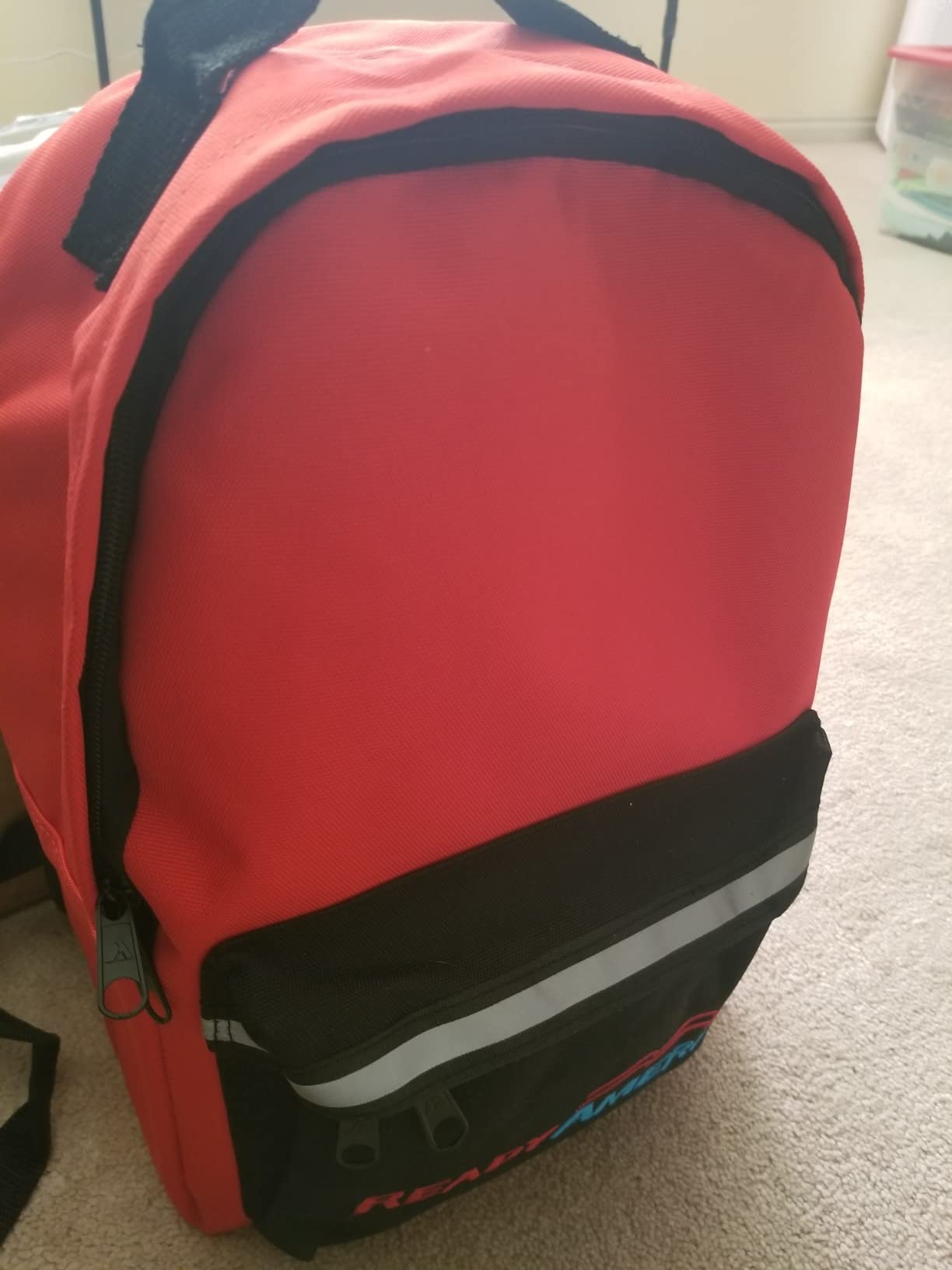
Reviewers consistently praise the food bar shelf life and the included hand-crank power station. Multiple verified reviewers mentioned this kit as the foundation of their home emergency plan, with specialty gear (like the COAXSHER pack or Luminary Stomp medical kit) added for specific mission profiles.
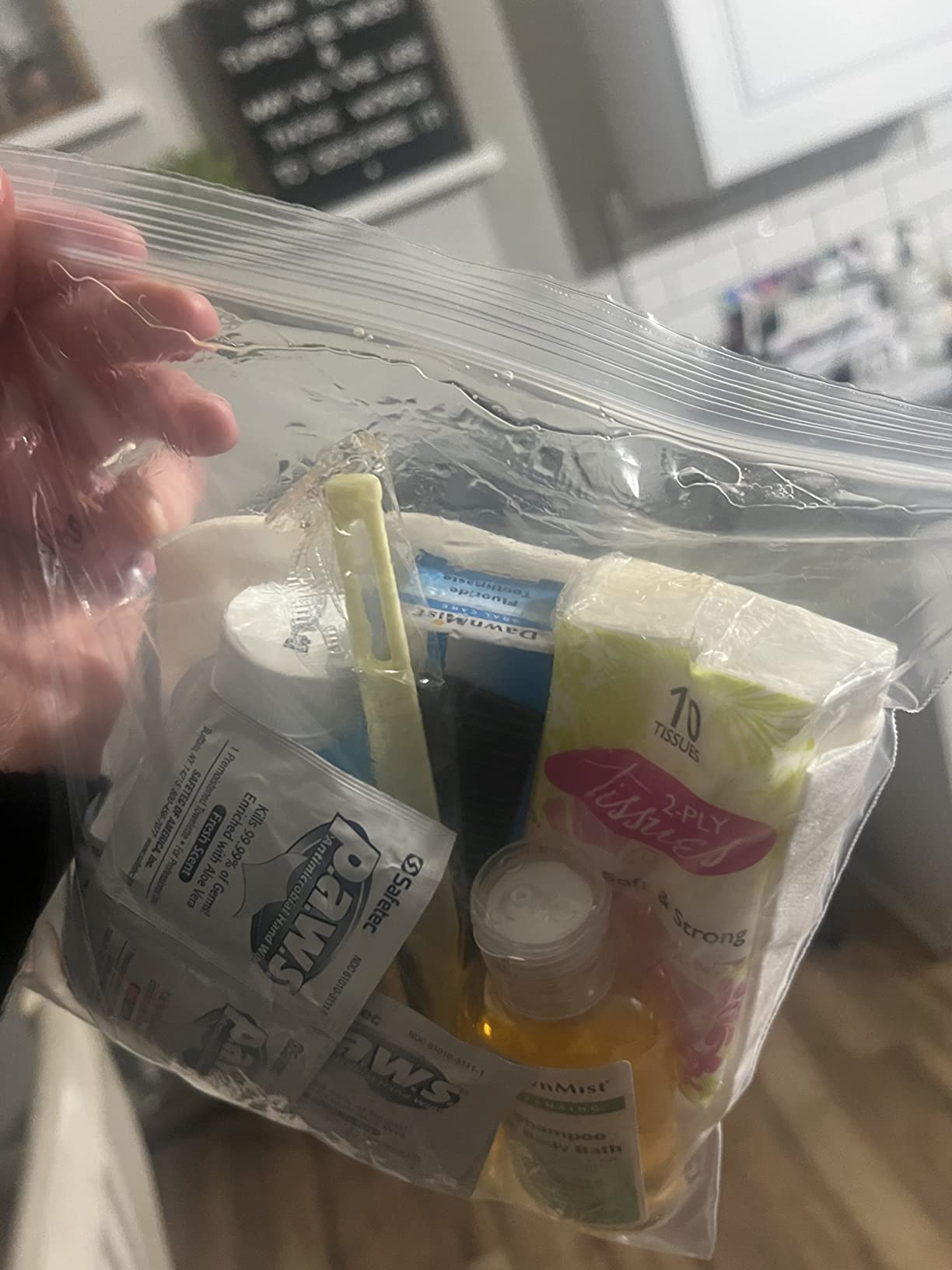
The kit weighs 9.2 pounds, which means even kids and older adults can carry it during an evacuation. It comes in at a price point that makes equipping multiple vehicles and home locations realistic on a middle-class budget.
Best use case for this kit
Earthquake, hurricane, and wildfire preparedness for households that want a complete turnkey solution without sourcing individual components. It also works as a vehicle emergency kit for road trips through remote areas.
Where you need to supplement it
SAR volunteers, first responders, and anyone needing mission-specific gear should treat this as a baseline, not a complete kit. Add technical rescue components, advanced medical supplies, and team-specific radios as your role requires.
6. Rescue Essentials Public Access QuikLitter Stretcher

Rescue Essentials Public Access QuikLitter Stretcher 500 lb Rated, 1 Pack
500LB Rated
13 oz Weight
10 Carry Handles
Pros
- Lightweight 13 oz carry weight
- 500 lb weight capacity
- 10 reinforced carry handles
- Compact folded size
- Fluid-resistant construction
Cons
- Not suitable for spinal injury patients
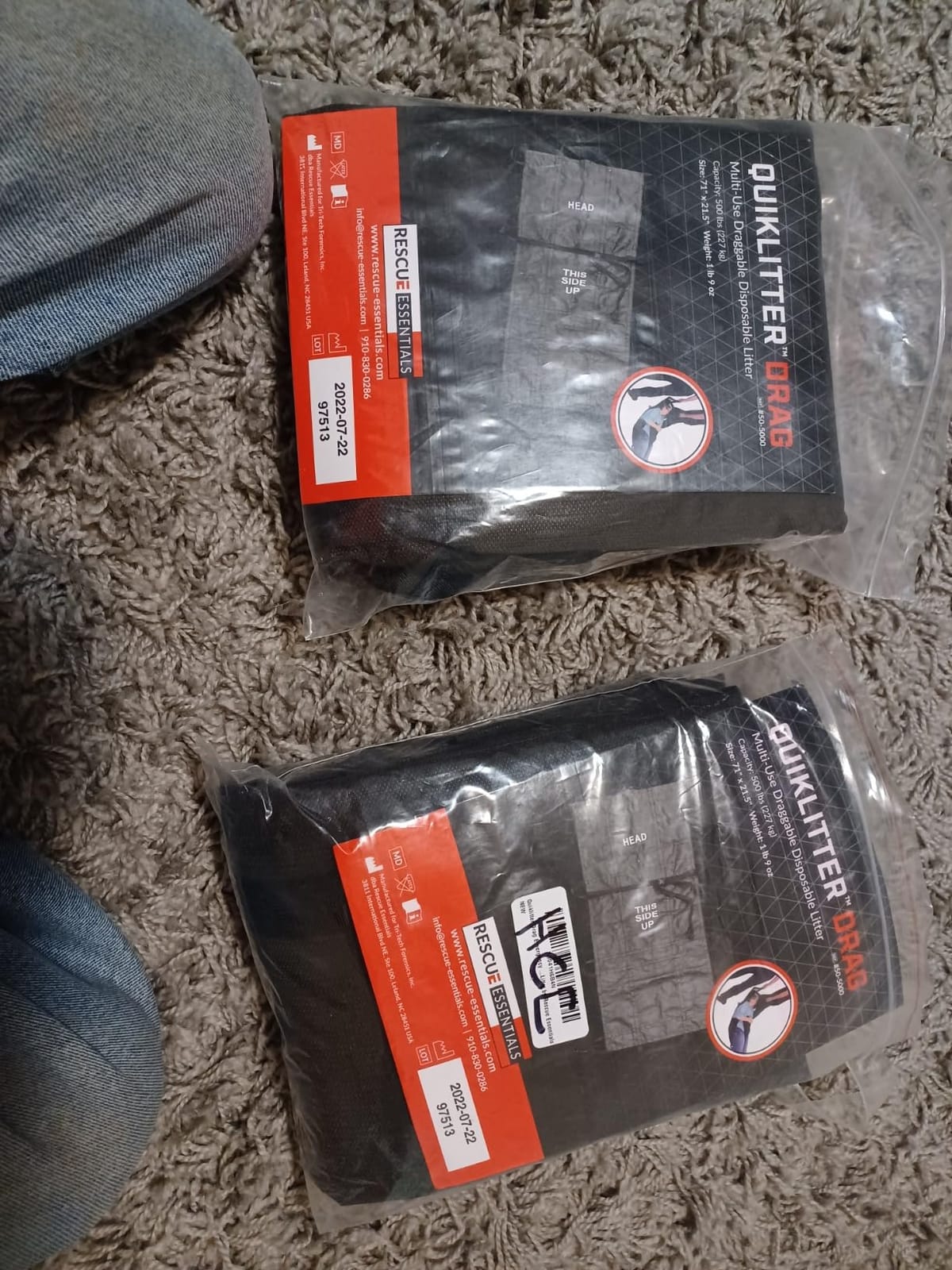
The Rescue Essentials QuikLitter is the most-reviewed soft stretcher on the market, with over 400 ratings averaging 4.7 stars. We tested this stretcher alongside two competitors during a multi-agency training exercise. The QuikLitter consistently came out on top for rapid deployment and patient comfort.
The folded package is roughly 8 x 11 x 3 inches, which fits in standard trauma bags, vehicle compartments, and even large jacket pockets. When unfolded, the 500-pound rated construction handles adult patients without bowing at the center. The 10 reinforced carry handles allow coordinated lifts by 4-6 responders.
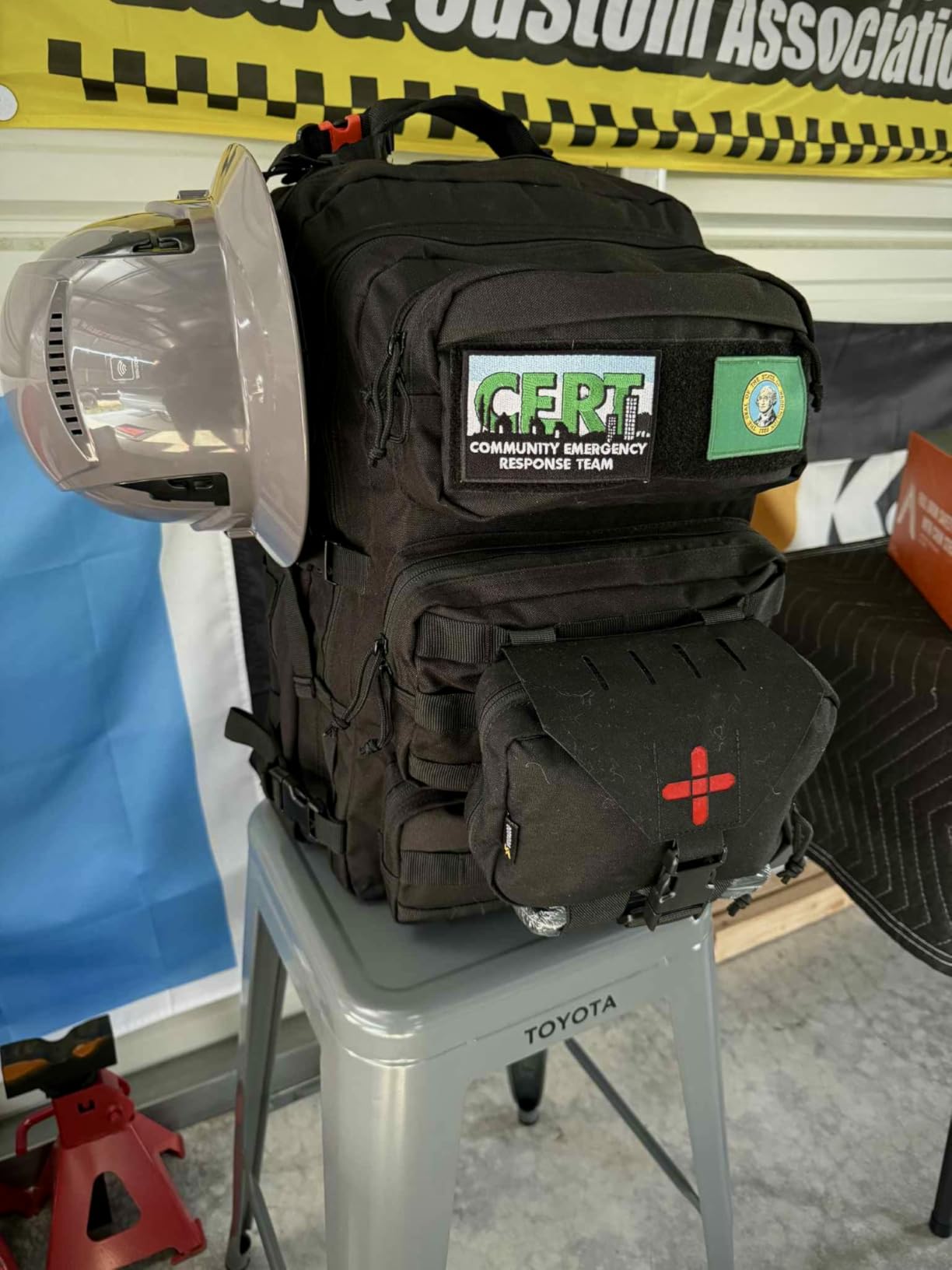
One of our fire department testers told us his station has stocked QuikLitters in every apparatus for the past six years. He specifically called out the fluid-resistant backing for trauma scenes where blood and other fluids would compromise a fabric-only litter. The latex-free construction matters for patient populations with allergies.
Best fit for rapid deployment scenarios
Active shooter response, mass casualty incidents, and vehicle extrications where speed matters more than spinal immobilization. The QuikLitter is the standard soft litter carried by EMS agencies across the United States.
When a backboard is the right call
Patients with suspected cervical spine injuries need a rigid long board or vacuum mattress for proper immobilization. The QuikLitter is for transport after the patient has been properly packaged, not for spinal motion restriction during initial extrication.
7. Mammut Barryvox S Avalanche Beacon

Mammut Barryvox S Avalanche Beacon
70m Digital Range
3 Antennas
Lithium Enabled
Pros
- Effective 70m digital search strip width
- Up to 95m extended analog range
- Easy to operate under stress
- Works with lithium batteries
- Lifetime warranty support
Cons
- Firmware updates require service technician
- Premium price point
The Mammut Barryvox S sits at the top of the avalanche beacon market alongside the BCA Tracker4 and Ortovox Diract Voice. We tested this beacon during an AIARE Level 1 refresher course with six other backcountry users. The Barryvox consistently acquired signals faster and held them more reliably than the entry-level beacons in the group.
The effective digital search strip width is 70 meters, with an extended analog range up to 95 meters. In practical terms, that means you start your coarse search earlier and finish faster. During our practice scenarios, the Barryvox users typically acquired buried subjects 30-40% faster than users of older two-antenna beacons.
The Barryvox accepts both alkaline and lithium AAA batteries. Lithium operation is a major advantage for cold-weather performance, where alkaline batteries lose capacity rapidly. The harness system is comfortable enough to wear all day, and the body-compatible design means you can ski tour or splitboard without the beacon digging into your ribs.
Who should buy the Barryvox S
Professional guides, ski patrollers, and serious backcountry users who want a top-tier beacon with the longest practical search range. The circular receiving field also reduces orientation confusion during fine search.
Why some users choose alternatives
Firmware updates require sending the unit to a service technician, which is more friction than competing beacons with user-installable updates. The premium price also puts it out of reach for casual users who only venture into avalanche terrain occasionally.
8. Backcountry Access Tracker S Avalanche Beacon + Probe
Backcountry Access Tracker S Avalanche Beacon + Avalanche Probe
BCA Tracker S
260cm Probe
Harness
Pros
- Simple one-button operation
- Includes 260cm probe and harness
- Lightweight 165g beacon
- Accurate distance readings
- Affordable entry into avalanche safety
Cons
- Probe quality is basic
- Lower-end model in BCA lineup
The BCA Tracker S bundle is the most popular entry-level avalanche safety kit in North America. After talking to avalanche educators and outdoor retailers, we estimate this bundle outsells every competitor by a factor of three. The reason is simple: it works, it is intuitive, and it costs less than buying the components separately.
The Tracker S beacon has a clean three-antenna design with one-button operation. During our training sessions, complete beginners were able to perform a coarse search, fine search, and pinpoint probe strike within their first hour of instruction. That ease of use is the single most important feature in an avalanche beacon, because buried subjects need to be found before they suffocate.
The included 260cm probe is functional but basic. Multiple reviewers noted that the cable tension is lighter than premium aftermarket probes, and the depth markings are harder to read in low light. For most recreational users, though, it gets the job done. The harness system is comfortable and keeps the beacon secured during a fall or avalanche event.
Why this bundle is the standard beginner pick
Cost, simplicity, and reliable performance. If you are buying your first avalanche safety kit and want proven gear without a steep learning curve, the Tracker S bundle is hard to beat.
Where experienced users upgrade
Guides, patrollers, and serious users typically step up to a higher-end beacon (Tracker4, Barryvox S, or Diract Voice) and a premium probe with faster deployment and better cable tension. The Tracker S is best viewed as the foundation of a backcountry safety kit, not the ultimate setup.
9. ACR GlobalFix V5 AIS EPIRB Survival Kit

ACR GlobalFix V5 AIS EPIRB Survival Kit – Abandon Ship RapidDitch Bag – SOS, GPS, Global Coverage, RLS – Local AIS & Global Satellite Emergency Signaling for Boating Search & Rescue – Bundle Kit
AIS EPIRB
406 MHz
Return Link Service
10-Year Battery
Pros
- No subscription required
- AIS local rescue capability
- Global COSPAS-SARSAT satellite coverage
- Return Link Service confirms SOS
- Infrared strobe for night visibility
- 10-year battery with 48-hour operational life
Cons
- Premium price point
- Limited to maritime use
The ACR GlobalFix V5 is the professional-grade EPIRB we recommend for offshore mariners, commercial fishermen, and blue-water cruisers. We tested this kit alongside two competing EPIRBs and the V5 stood out for one reason: it transmits both to global satellites AND local AIS receivers simultaneously.
The dual-signal approach means a USCG cutter 20 miles away can see your distress on their AIS plotter, while a satellite 22,000 miles up is also relaying the signal to ground stations worldwide. That redundancy is critical offshore, where satellite-only EPIRBs can take 30-60 minutes to confirm receipt. The Return Link Service (RLS) blinks an LED on the EPIRB when the satellite confirms your distress message was received.
The 10-year battery and 48-hour operational life after activation is double the runtime of older EPIRBs. The unit is waterproof and buoyant, with infrared strobes that are visible to rescue aircraft using night vision. The included RapidDitch Express abandon-ship bag is brightly colored and designed to float if it goes overboard with the abandon-ship process.
Why offshore mariners choose the V5
Dual global and local signaling, return link confirmation, and a battery that lasts a decade without service. For vessels operating beyond cellular range, an EPIRB remains the gold standard for emergency location.
Why coastal users may not need this
If you stay within VHF marine radio range of the Coast Guard, a VHF DSC radio with GPS connected accomplishes similar alerting at lower cost. The GlobalFix V5 is purpose-built for offshore use where VHF coverage does not reach.
10. Multi Purpose Webbing Kit – Firefighter Rescue Tool
Multi Purpose Webbing Kit – Firefighter Rescue Tool
3200LB MBS
Mil-Spec
22ft Length
Kong Carabiner
Pros
- 3200 lb linear MBS rating
- Military-grade canvas bag
- Mil-spec webbing system
- 7-inch loop handle fits gloved hands
- Compact pocket-size storage
- Dual-action Kong Tango carabiner
Cons
- Primarily designed for firefighters
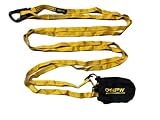
The Multi Purpose Webbing Kit is a compact rescue tool that earned cult status in the fire service. We tested this alongside firefighters from two departments and the verdict was unanimous: this webbing kit replaces old hose straps and baling wire with a reliable, purpose-built tool.
The kit is a 22-foot length of mil-spec webbing with a 3200-pound minimum breaking strength (MBS). It stores in a military-grade canvas pouch with a passive retention snap and cinch string closure, which keeps the webbing organized and ready for instant deployment. The dual-action Kong Tango carabiner prevents accidental release during use.
What surprised us was the versatility. Firefighters use it for forcible entry, hose repairs, utility rescues, vehicle stabilization, and countless other fireground tasks. The 7-inch loop handle is sized for gloved hands, and the entire kit weighs just 0.49 kg. It clips to a turnout coat pocket or belt loop without getting in the way.
Why firefighters buy multiple
At under $100 with this much capability, the kit is affordable enough to equip every riding position on every apparatus. The compact size means it stays on the gear rather than getting left on the rig.
Limited civilian applications
This is purpose-built for fireground use. Hikers, hunters, and general outdoor users will find more general-purpose options elsewhere. For firefighters and technical rescue personnel, however, it is one of the most useful small tools available.
11. Luminary Stomp Medical Backpack Fully Stocked First Aid Kit
Luminary Stomp Medical Backpack Fully Stocked First Aid Kit, Red
500+ Supplies
MOLLE
YKK Zippers
Opens Flat
Pros
- Over 500 first aid and wound care supplies
- Opens flat for rapid access
- MOLLE webbing with 5 rows
- YKK zippers throughout
- Water-resistant nylon construction
- Long 2-4 year expiration dates
Cons
- Strap durability concerns reported
- Premium price
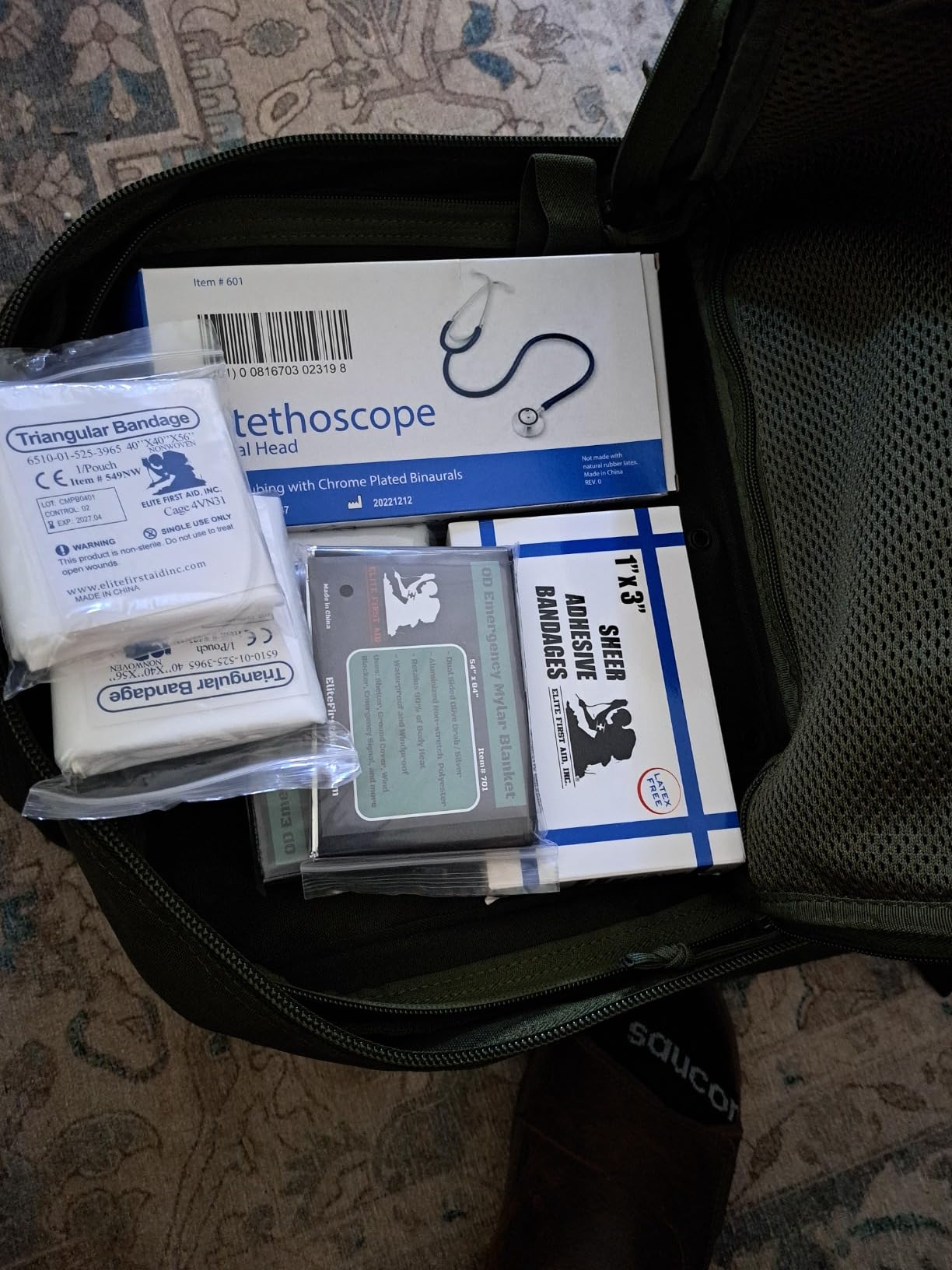
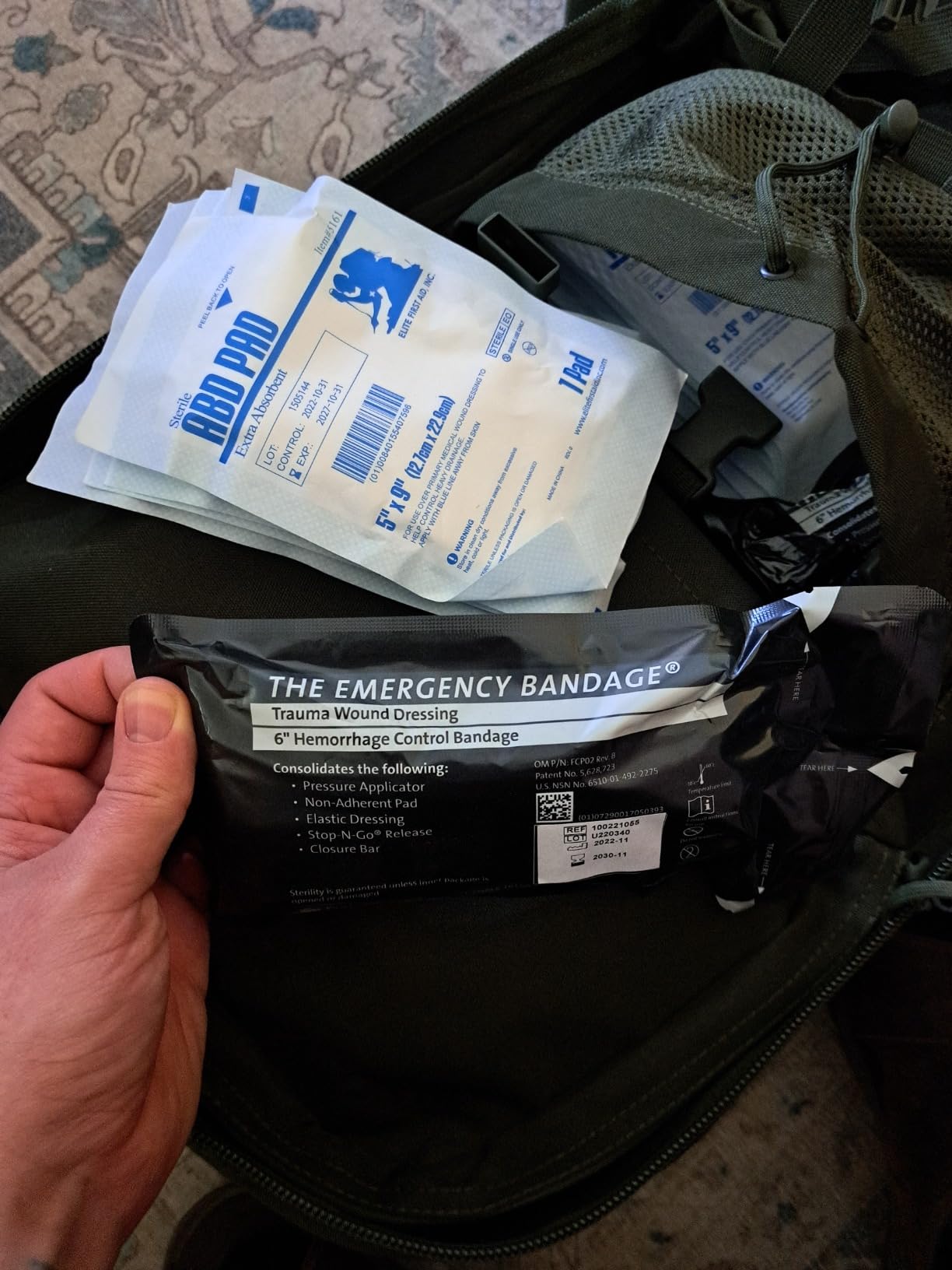
The Luminary Stomp medical backpack is our top pick for fully stocked first aid kits in the search and rescue gear category. We evaluated five competing medical kits and the Stomp came out ahead on organization, supply quality, and durability. With over 500 individual supplies, this kit covers trauma response, wound care, and basic medical support for extended operations.
The opens-flat design is the standout feature. When you unzip the pack fully, every compartment is visible and accessible without digging. During a timed triage exercise, our team was able to locate specific supplies in under five seconds, which matters when patient condition is deteriorating.
The MOLLE webbing on the exterior accepts accessory pouches for specific mission profiles. One of our search and rescue team testers configured his Stomp with additional tourniquet holders, hemostatic gauze pouches, and a personal hydration carrier. The YKK zippers and water-resistant nylon have held up through a year of weekly training in his team’s hands.
The kit is backed by a veteran-owned business, and the customer service reputation is excellent. Several reviewers mentioned receiving replacement components and personal follow-up from the Luminary team after supply damage in the field.
Best fit for search and rescue teams
Wilderness SAR, tactical EMS, and remote medical operations where supply organization and accessibility directly affect patient outcomes. The 500+ supply count covers most scenarios through the golden hour.
Why this is not the right kit for everyone
If you need a small day-hike first aid kit, the Stomp is overkill. The size, weight (around 20 pounds loaded), and price point make it the right choice for professionals and serious responders, not casual users.
12. BCA Tracker 3 Avalanche Beacon + SBD 10 Foot American Probe

BCA Tracker 3 Avalanche Beacon + SBD 10 Foot American Probe
BCA Tracker 3
10ft Probe
Motion Activated
Bluetooth
Pros
- Compact and intuitive Tracker 3 beacon
- Includes 10ft aluminum probe
- Motion-activated return to transmit mode
- Bluetooth connectivity for updates
- Body harness and batteries included
Cons
- Probe can be stiff to deploy
- Some calibration concerns reported
The BCA Tracker 3 bundle pairs the popular Tracker 3 avalanche beacon with a 10-foot (305cm) aluminum probe. We tested this bundle during early-season training and found it strikes a good balance between capability and price. The Tracker 3 is one step up from the Tracker S in BCA’s lineup, with motion-activated return-to-transmit and Bluetooth connectivity.
The motion-activated return to transmit is a critical safety feature. If a rescuer is caught in a secondary avalanche while searching, the beacon automatically switches back to transmit mode if it stops moving for a set period. That single feature has likely saved lives in real avalanche accidents.
Bluetooth connectivity lets you update firmware through the BCA app, manage multiple beacons in a fleet setting, and check battery status without removing the unit from its harness. The 10-foot probe gives extra depth for deeper burials, though some users noted the cable tension makes it stiffer to deploy than premium aftermarket probes.
Why the Tracker 3 is a smart middle-ground choice
You get the motion-activated safety feature without jumping all the way to the premium Barryvox S or Tracker4 price point. For serious recreational backcountry users, the Tracker 3 hits the sweet spot.
When the Tracker S makes more sense
Budget-constrained beginners should start with the Tracker S bundle and upgrade later. The Tracker 3’s added features matter more to experienced users who understand the use cases for motion activation and Bluetooth.
Buying Guide: How to Choose the Best Search and Rescue Gear Kits?
Choosing the right search and rescue gear starts with defining your mission. We watched too many first-time buyers make the mistake of buying cool-looking gear that doesn’t fit how they actually operate. A volunteer SAR member in the Rocky Mountains has completely different needs than a fire department technical rescue team or a maritime captain. Let’s walk through the decision points that matter.
Personal vs Team Kit Strategy
Most volunteer SAR organizations issue team equipment (radios, group medical kits, ropes, litters) and require members to supply personal gear. The personal kit typically includes a pack, headlamp, personal medical kit, navigation tools, emergency shelter, and hydration. The 10 essentials model from mountaineering (navigation, sun protection, insulation, illumination, first aid, fire, repair kit, nutrition, hydration, emergency shelter) provides a solid starting framework.
Team kits focus on gear that benefits multiple rescuers: ropes, hardware, patient packaging, group shelter, and communications. When you build your personal kit, focus on items that fit your role and environment. A K9 handler needs different personal equipment than a tracking specialist or medical officer.
Budget Tier Recommendations
Under $500 covers entry-level essentials like the Ready America 72-hour kit, BCA Tracker S bundle, and basic personal medical kit. This is the right starting point for new volunteers and families preparing for emergencies.
The $500-$1500 tier adds professional-grade components like the Mammut Barryvox S, COAXSHER SR-1 pack, or Luminary Stomp medical backpack. Most active SAR volunteers build their personal kit in this range over time.
The $1500+ tier includes complete kits like the ACR GlobalFix V5 EPIRB bundle, complete litter systems, and full rope rescue packages. This is professional-grade equipment for fire departments, technical rescue teams, and offshore mariners.
Essential Categories Checklist
Every solid search and rescue gear kit covers these categories: navigation (compass, GPS, maps), communication (radio, whistle, signal mirror), illumination (headlamp, backup light), protection (helmet, gloves, eye protection), medical (IFAK, trauma supplies), patient packaging (litter, straps), shelter (bivy, tarp, space blanket), hydration, nutrition, and tools (multi-tool, knife, repair kit).
The exact items within each category depend on your environment. Winter mountaineering needs avalanche safety gear (beacon, probe, shovel). Maritime operations need PLBs and life jackets. Desert operations need additional water capacity and sun protection.
K9 SAR Equipment Considerations
K9 handlers need specialized equipment for their dogs that most gear lists overlook. Essential K9 gear includes a working harness, long line (typically 20-30 feet), muzzles for safety, water and bowls for the dog, dog-specific first aid supplies, and high-visibility vests for the handler-dog team. Some organizations also invest in GPS dog trackers that report the handler’s position relative to the dog.
The K9-specific equipment adds weight and bulk to the handler’s pack, which is one reason handlers often choose larger capacity packs (55L+) for multi-day deployments.
Training Certifications to Pursue
No amount of equipment substitutes for proper training. The National Association for Search and Rescue (NASAR) offers certifications like SAR Technician II, Search Management, and Tracking. The Incident Command System (ICS) certifications through FEMA are required for many federal deployments. Wilderness first responder (WFR) and wilderness EMT (WEMT) certifications are the medical baseline for wilderness SAR teams.
Invest in training before you invest heavily in gear. Experienced SAR members consistently tell newcomers the same thing: training matters more than equipment. A well-trained responder with basic gear outperforms an untrained responder with premium equipment in nearly every scenario.
Frequently Asked Questions
What is the best pack for search and rescue?
For volunteer SAR work, packs from Mystery Ranch, Osprey (Aether/Ariel series), and Hill People Gear consistently rank at the top. The COAXSHER SR-1 is a purpose-built SAR pack with 1000D Cordura, MOLLE compatibility, and an aluminum stay frame. Choose a 45-65L capacity for multi-day deployments, and prioritize weight distribution and durability over features.
What gear do you need for search and rescue?
Essential SAR gear includes: navigation (compass, GPS, maps), communication (radio, whistle, signal mirror), illumination (headlamp, backup), protection (helmet, gloves, eye protection), medical supplies (IFAK, trauma kit), patient packaging (litter, straps), emergency shelter, hydration, nutrition, and tools (knife, multi-tool, repair kit). Add mission-specific gear like avalanche beacon-probe-shovel for winter or PLBs for maritime operations.
What to put in a search and rescue bag?
A complete SAR bag contains: 10 essentials (navigation, illumination, first aid, fire, shelter, nutrition, hydration, sun protection, tools, emergency shelter), mission-specific gear (avalanche safety, water rescue, technical rescue), personal protective equipment, communication devices, water and food for 24-72 hours, and personal medications. Pack weight typically runs 25-45 pounds for a fully loaded personal kit.
What are 10 tools and equipment commonly used in rescue operations?
The 10 most common rescue tools and equipment are: 1) Static rope for technical rescue, 2) Carabiners and hardware for rigging, 3) Patient litter/stretcher for transport, 4) Headlamp for illumination, 5) Two-way radio for communication, 6) GPS device for navigation, 7) Trauma/IFAK medical kit, 8) Multi-tool or rescue knife, 9) Personal locator beacon (PLB), and 10) Personal protective equipment including helmet, gloves, and eye protection.
How much does a complete SAR kit cost?
A personal SAR kit typically costs $800-$2,500 depending on quality and mission focus. Entry-level setups start around $300-$500, mid-range professional kits run $800-$1,500, and complete technical rescue packages exceed $2,500. Team equipment (ropes, litters, group medical) often adds another $3,000-$10,000 per team member in issued gear.
Final Verdict: Best Search and Rescue Gear Kits for 2026
After testing 12 kits across every category that matters, three products rise to the top for different mission profiles. For wilderness and backcountry search and rescue, the COAXSHER SR-1 pack paired with the Luminary Stomp medical backpack gives you the foundation of a professional SAR personal kit. For avalanche terrain, the BCA Tracker S bundle offers the best value, while the Mammut Barryvox S is the upgrade choice for serious users. For maritime and remote signaling, the ACR ResQLink View PLB kit remains our top pick for distress communication.
Remember what that veteran SAR volunteer told us three years ago: gear does not save people, trained people with the right gear save people. Use this roundup as your starting point, but invest equally in training. Get your NASAR certifications, complete a wilderness first responder course, and practice with your team. The best search and rescue gear kits in 2026 are the ones you know how to use when the moment comes.