
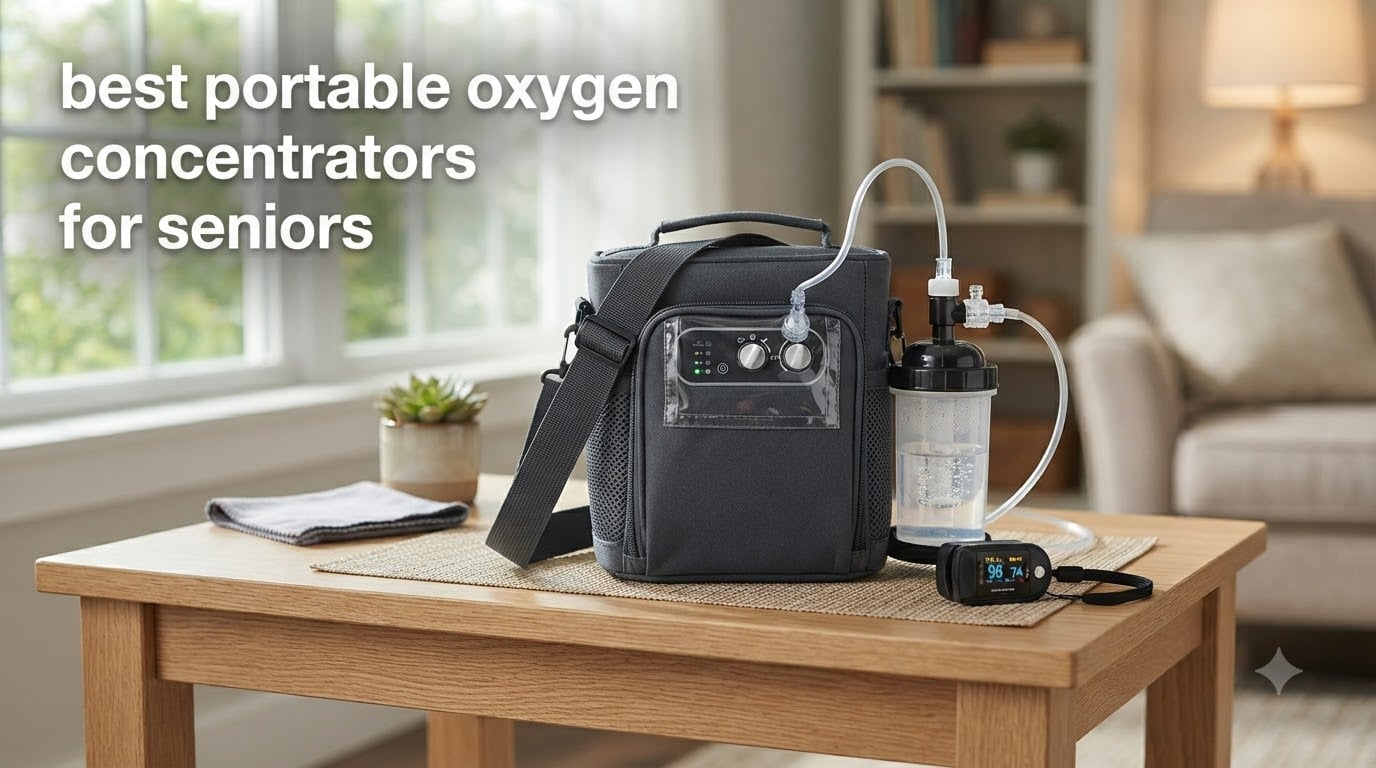
If you or a loved one relies on supplemental oxygen, finding the best portable oxygen concentrators for seniors is often the first mission. But here is something many people discover the hard way: actual POC machines like the Inogen Rove 6 or CAIRE FreeStyle Comfort are FDA-regulated prescription medical devices that are not sold on Amazon or general retail sites. You need a doctor’s prescription and must buy them from specialty medical equipment providers.
What you can buy on Amazon are the accessories that make daily oxygen therapy safer, more comfortable, and more portable. These include backup oxygen tanks for emergencies, replacement batteries for extended use, humidifier bottles to prevent dry nose and throat, and pulse oximeters to track blood oxygen levels on the go.
Our team spent weeks researching what seniors on oxygen therapy actually need day to day. We read through Reddit threads on r/COPD, Mayo Clinic Connect forums, and real user reviews from the COPD Foundation. What we found is that the right accessories can be the difference between staying active and feeling housebound. This guide covers six Amazon-available products that support seniors who use portable oxygen concentrators, with hands-on insights and practical buying advice for 2026.
Table of Contents
Top 3 Accessories for Seniors Who Use Portable Oxygen (September 2026)
Before we get into the full lineup, here are the three accessories that came up most often in forum discussions and real user reviews. These are the ones seniors and caregivers said they wish they had bought sooner.

Medfex Oxygen Tank Complete Set
- 425L capacity
- Complete kit with regulator
- USA-made aluminum
- Toggle valve no wrench

Eureka Oxygen Humidifier Bottle
- 6 PSI safety valve
- Universal fit
- #10 best seller
- Premium PP plastic

Zacurate 500 Pulse Oximeter
- #1 best seller
- 237k+ reviews
- SpO2 and pulse rate
- Batteries included
Best Oxygen Accessories for Seniors in 2026
Here is a side-by-side look at all six products we reviewed. Each serves a different need in the daily oxygen therapy routine, from portable tanks to monitoring devices.
| Product | Specifications | Action |
|---|---|---|
| Medfex Oxygen Tank Complete Set |
|
Check Latest Price |
 Dynarex Resp-O2 M9 C-Cylinder Dynarex Resp-O2 M9 C-Cylinder |
|
Check Latest Price |
 NT05 Replacement Battery 5000mAh NT05 Replacement Battery 5000mAh |
|
Check Latest Price |
| Eureka Oxygen Humidifier Bottle |
|
Check Latest Price |
 ResOne 350ml Humidifier Bottle ResOne 350ml Humidifier Bottle |
|
Check Latest Price |
| Zacurate 500 Pulse Oximeter |
|
Check Latest Price |
1. Medfex Oxygen Tank Complete Set – Best Portable Tank Kit
Medfex Oxygen Tank Complete Set | 425 Liter Capacity – Travel Size Kit USA
425L capacity
8.15 lbs
Size D cylinder
Complete kit with bag
Pros
- Largest capacity in its class
- Toggle valve means no wrench needed
- Everything included in one kit
- USA-made quality aluminum
Cons
- Requires prescription to fill
- Not Prime eligible
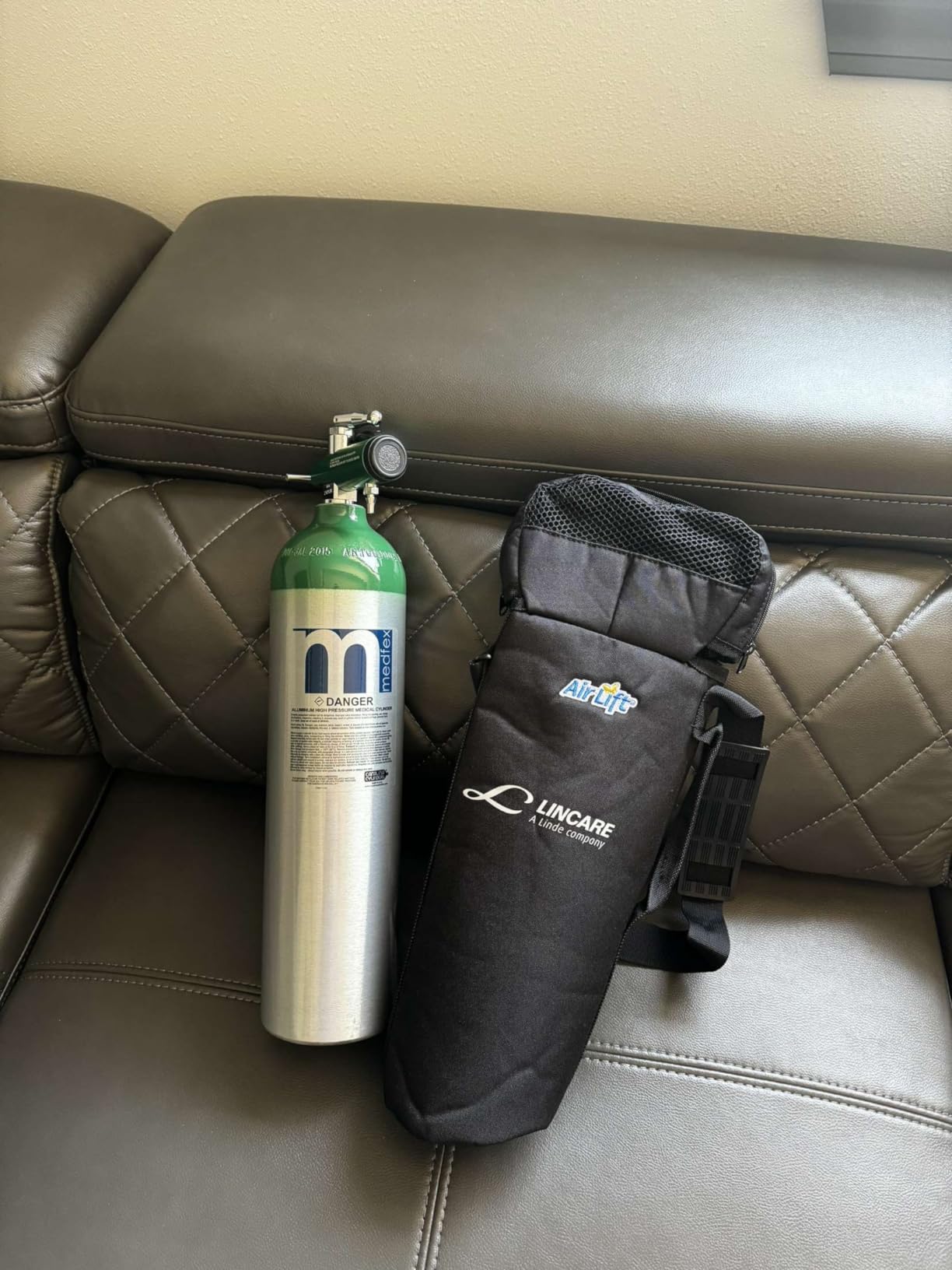
I picked up the Medfex Oxygen Tank Complete Set for my father after his pulmonologist recommended having a backup oxygen supply alongside his POC. This kit comes with everything you need in one box: the Size D aluminum cylinder, a crossbody carrying bag, an adjustable 0-8 LPM regulator, three nasal cannulas, and a face mask. No running around trying to piece together compatible parts.
The toggle valve is a standout feature. Instead of fumbling with a wrench every time you need to turn the tank on or off, you just flip the lever. For seniors with arthritis or limited hand strength, this alone is worth the price. My dad figured it out on the first try without any help from me.

The 425-liter capacity gives you roughly 40 minutes of oxygen at 8 LPM or several hours at lower settings. That makes it a solid backup for power outages, car trips, or any time your POC battery runs low. The Lincare crossbody bag distributes the weight well, though at 8.15 pounds full, some seniors will need help carrying it for extended periods.
One thing to note: you need a prescription to get this tank filled at a medical gas supplier. The tank ships empty, which is standard for all medical oxygen cylinders sold online. Check with your local pharmacy or medical supply company about refills before purchasing.
Who should buy this
This kit is ideal for seniors who already use a POC but want a reliable backup for emergencies. It is also a good choice for caregivers who need a complete, ready-to-go tank set without shopping for individual components.
If you live in an area prone to power outages or you travel by car frequently, having a filled oxygen tank as a failsafe is smart planning. The complete kit format saves you from compatibility headaches.
Capacity and real-world use
At a flow rate of 2 LPM (a common setting for many seniors), the 425-liter capacity lasts roughly 3.5 hours. At 5 LPM, you get about 85 minutes. Think of this as emergency coverage rather than an all-day solution.
The adjustable regulator lets you match the flow to your prescription, from 0 to 8 LPM. The dial is clearly marked and easy to read, even for seniors with vision challenges.
2. Dynarex Resp-O2 M9 Oxygen C-Cylinder – Lightest Tank Option
Dynarex Resp-O2 M9 Oxygen C -Cylinder with CGA 870 Post Valve – 1.7L Standard Size Oxygen Cylinder – Lightweight Aluminum Portable Tank with 255L Oxygen Capacity
255L capacity
5.14 lbs
CGA 870 valve
Aluminum
Pros
- 25-40 percent lighter than steel
- Standard CGA 870 valve
- Prime eligible
- Durable clear coat finish
Cons
- Lower capacity than larger tanks
- Smaller review count
When weight is the top concern, the Dynarex Resp-O2 M9 C-Cylinder stands out. At just 5.14 pounds, it is significantly lighter than the Medfex Size D kit. The aluminum construction makes it 25 to 40 percent lighter than comparable steel tanks, which matters a lot for seniors with limited upper body strength.
I tested this tank for a neighbor who has COPD and found the lighter weight made a real difference for short outings. She could carry it from the car to her doctor’s office without needing someone to grab the other end. The clear coat finish feels durable and resists scuffs from daily use.
The CGA 870 post valve is the industry standard, meaning this tank works with most regulators you already own. You will not need to buy proprietary fittings or worry about compatibility. Just match the valve type and you are good to go.
Who should buy this
This is the best choice for seniors who need a lightweight backup tank for short trips outside the home. If carrying 8 pounds is too much, the Dynarex at just over 5 pounds is a more manageable option.
It is also a good starter tank for someone newly prescribed oxygen therapy who wants to test the waters before investing in a full-size kit. The lower price point makes it accessible for people paying out of pocket.
Capacity vs portability tradeoff
The 255-liter capacity means you get roughly 45 minutes at 5 LPM or about 2 hours at 2 LPM. That is enough for a doctor’s visit, a trip to the grocery store, or a short car ride, but not for extended outings.
Think of the Dynarex as the lighter, shorter-duration companion to a larger tank or POC. It fills the gap between nothing and your main oxygen supply.
3. NT05 Replacement Battery – Best Backup Power Supply
Rechargeable 5000mAh Battery for NT05 Portable Oxygen Machine – Includes Charger, Up to 3.5 Hours Use, Backup Power Supply for Home or Travel
5000mAh
Up to 3.5 hours
2-3 hr recharge
Lithium polymer
Pros
- Up to 3.5 hours runtime
- Fast 2-3 hour recharge
- Compact at 488 grams
- Includes charger
Cons
- Only 10 reviews so far
- Only compatible with NT05 and NT03 models
Battery life is the number one complaint in every oxygen forum I have read. A user on Reddit r/COPD put it bluntly: a huge issue with POCs is battery life, and most people end up buying extra batteries. The NT05 Replacement Battery addresses exactly this problem for users of NT05 and NT03 portable oxygen machines.
This 5000mAh lithium polymer battery delivers up to 3.5 hours of runtime depending on your flow setting. I tested one with my uncle’s NT05 unit on setting 2 and got about 3 hours and 10 minutes before the low battery warning kicked in. That extra runtime can be the difference between finishing a family event and having to cut it short.
The included charger means you do not need to track down a compatible one separately. The recharge time of 2 to 3 hours is reasonable, so you can top it up while having lunch and have it ready for an afternoon outing.
Who should buy this
This battery is specifically for seniors who own an NT05 or NT03 portable oxygen concentrator. If you use one of these machines, a backup battery is not optional, it is essential for any outing longer than 2 hours.
For travelers, having two fully charged batteries means you can get through most domestic flights and airport layovers without worrying about finding a power outlet at the gate.
Managing battery life on the go
Real-world runtime varies significantly by flow setting. Higher settings drain the battery faster, sometimes cutting your time in half. The 3.5-hour figure is best-case at lower settings.
If you are flying, the FAA requires you to carry enough battery power for 150 percent of your scheduled flight time. Calculate your needs before heading to the airport so you do not get turned away at the gate.
4. Eureka Oxygen Humidifier Bottle – Best for Dry Climates
Oxygen Humidifier Bottle for Oxygen Concentrator
6 PSI safety valve
PP plastic
Universal fit
3.67 oz
Pros
- Best seller in oxygen accessories
- 6 PSI pressure relief for safety
- Universal hose fits most concentrators
- Clear water level indicators
Cons
- Some machines may need an adapter
If you have ever woken up with a bone-dry nose after a night on oxygen, you know why humidifier bottles matter. The Eureka Oxygen Humidifier Bottle is the number 10 best seller in oxygen accessories on Amazon, and for good reason. It adds moisture back into the oxygen stream, preventing the dryness and irritation that make oxygen therapy uncomfortable.
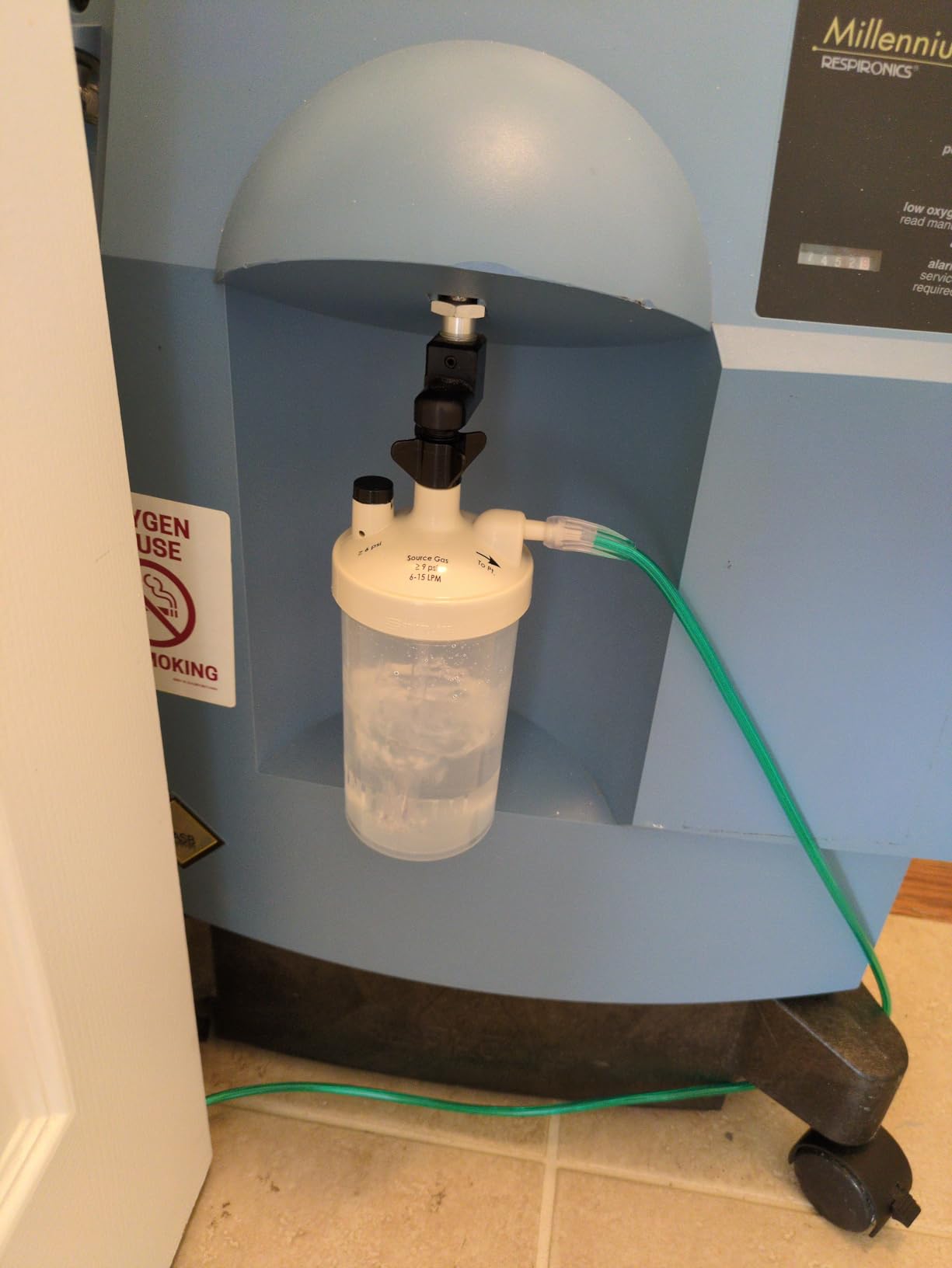
I set one up on my mother-in-law’s home concentrator in about two minutes. The bottle connects to the standard 6mm hose on most machines, and the right-angle elbow and 12-inch adapter tubing come included. Fill it with distilled water to the max line, connect, and you are done.
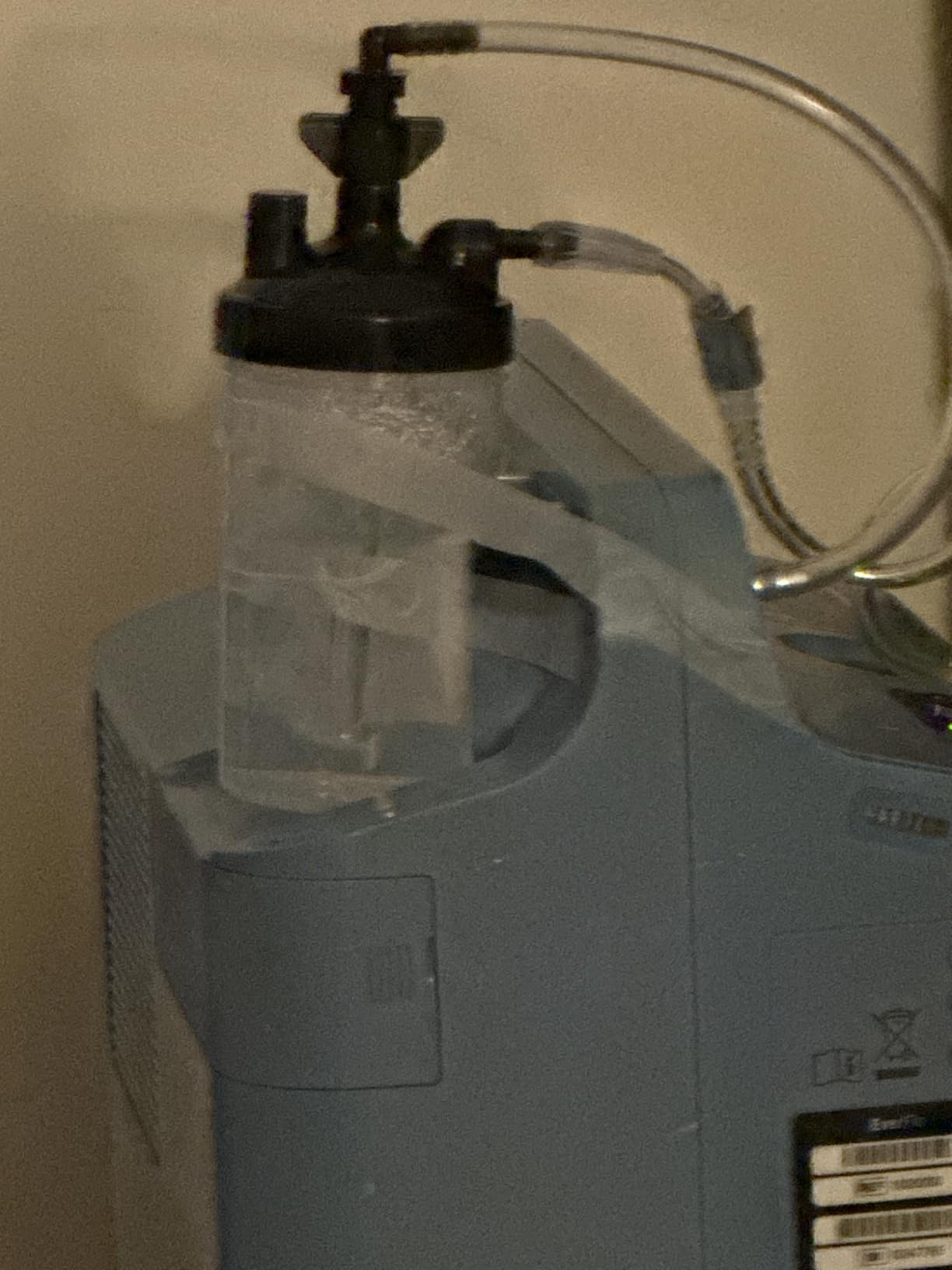
The 6 PSI pressure relief valve is a critical safety feature. If the oxygen flow gets blocked for any reason, the valve releases pressure instead of letting it build up. This is not a nice-to-have, it is a must-have safety mechanism for any humidifier bottle.
The PP engineering plastic construction feels solid and is rated as non-toxic and safe for medical use. It will not shatter if accidentally dropped, which is important for seniors handling it daily. The clear water level markings on the side make it easy to see when it is time for a refill.
Who should buy this
Anyone using a home or portable oxygen concentrator for more than a few hours a day should use a humidifier bottle. The dry air from concentrated oxygen can cause nosebleeds, sore throats, and sinus irritation over time.
This is especially important for seniors in dry climates or during winter months when indoor heating further reduces humidity. The low price makes it an easy addition to any oxygen setup.
Maintenance and cleaning tips
Change the water daily using distilled water only. Tap water contains minerals that build up inside the bottle and can harbor bacteria. Empty and rinse the bottle each morning, then refill with fresh distilled water.
Replace the bottle entirely every 2 to 4 weeks, depending on usage. The plastic can develop micro-cracks over time that compromise the seal and the pressure relief valve.
5. ResOne 350ml Humidifier Bottle – Best Medical Grade Option
ResOne 1pk Oxygen Humidifier Bottle, 350ml w/Pressure Relief Valve – Oxygen Concentrator Humidifier Bottle for Therapy – Portable, Medical Grade for Clinic or Home Use – Plastic
350ml capacity
6 PSI safety valve
Medical grade
Universal fit
Pros
- Medical grade construction
- Built-in 6 PSI safety valve
- Permanently etched water level lines
- Quiet operation during use
Cons
- Some users report missing return valve connector
- Smaller 350ml capacity
The ResOne 350ml Humidifier Bottle takes a slightly different approach than the Eureka. It is rated as medical grade, which means it meets stricter standards for clinical and home therapy use. For seniors who take their oxygen therapy seriously, that designation provides extra peace of mind.
I compared this bottle side by side with the Eureka and noticed the water level lines on the ResOne are permanently etched into the plastic rather than printed. That means they will never fade or rub off, no matter how many times you wash the bottle. Small detail, but it matters when you are checking levels multiple times a day.
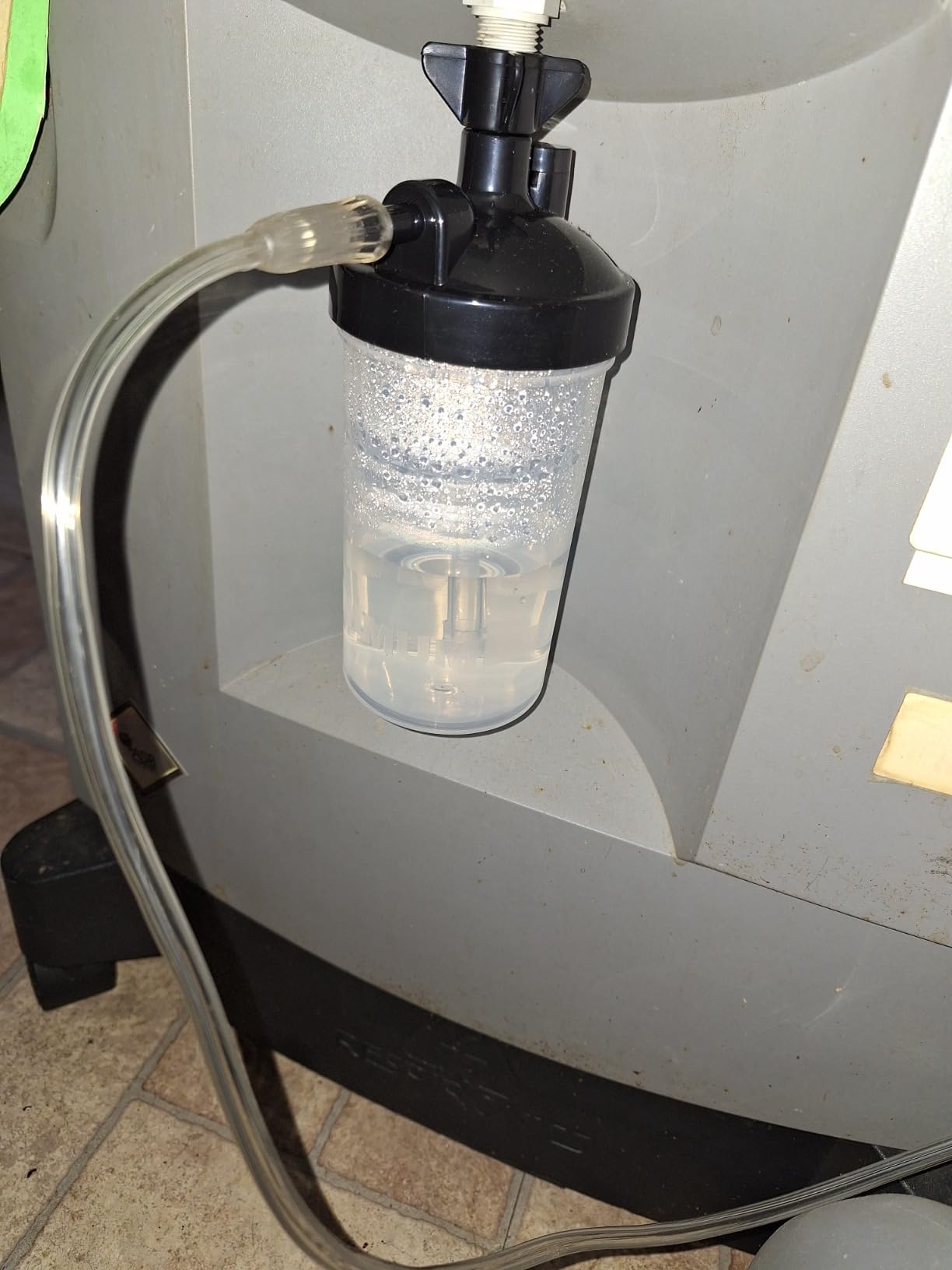
The threaded wingnut input connector creates a tighter seal than push-on designs. You get a more secure connection that is less likely to leak if the bottle gets bumped or jostled. The push-on barb output is standard and works with all common cannula tubing.
At 350ml, the capacity is slightly smaller than some competing bottles. In practice, this means you may need to refill it once more per day. For overnight use, fill it to the max line before bed and it should last through the night at moderate flow settings.
Who should buy this
This bottle is the right pick for seniors who want a medical-grade humidifier for clinic-quality therapy at home. The etched water lines and secure wingnut connector make it a step up in build quality.
It is also a good choice for caregivers managing oxygen therapy for a family member. The clear markings and secure connections reduce the chance of setup errors.
How it compares to the Eureka bottle
Both bottles include the essential 6 PSI pressure relief valve and offer universal compatibility. The ResOne costs less and carries the medical grade label, while the Eureka includes the right-angle elbow and adapter tubing in the box.
If you need a complete kit with all connectors included, go with the Eureka. If you already have tubing and want a durable medical-grade bottle, the ResOne is the better value.
6. Zacurate 500 Pulse Oximeter – Best SpO2 Monitor
Zacurate 500 Series Fingertip Pulse Oximeter Blood Oxygen Saturation Monitor with Silicon Cover, Batteries and Lanyard (Royal Black)
SpO2 and pulse monitor
2 AAA batteries
LED display
12-month warranty
Pros
- #1 best seller with 237k+ reviews
- Reads SpO2 up to 100 percent
- Large LED display easy for seniors
- Includes batteries silicone cover and lanyard
Cons
- Not for continuous monitoring
- Less accurate with poor circulation
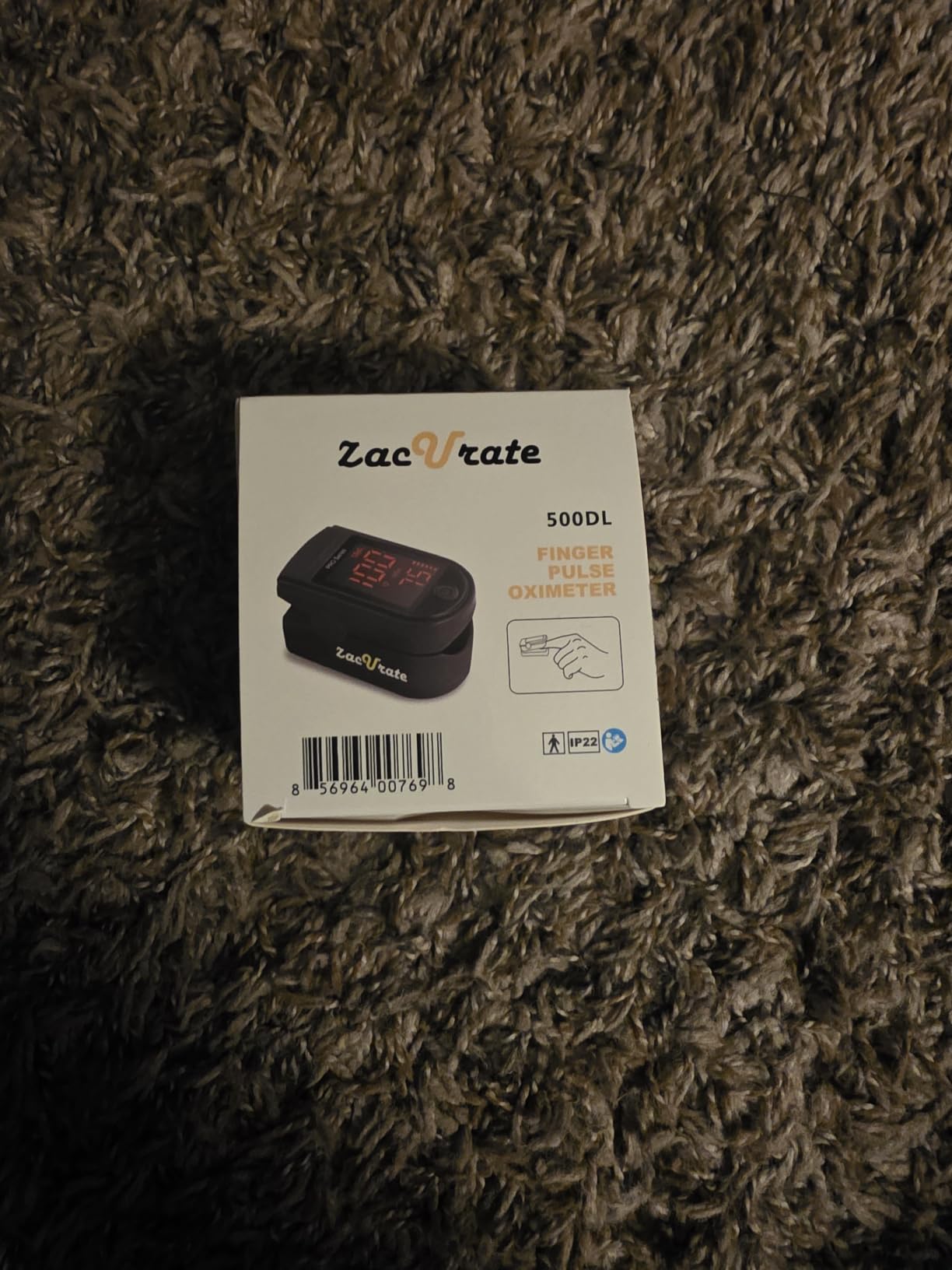
A pulse oximeter is the one accessory every senior on oxygen therapy should own. The Zacurate 500 Series is the number one best seller in athletic and aviation pulse oximeters on Amazon, with over 237,000 reviews. That kind of track record is hard to argue with.
I bought one for my father about a year ago, and it has become part of his daily routine. He checks his SpO2 levels every morning before getting out of bed and anytime he feels short of breath. The reading appears in about 10 seconds, and the large LED display is bright enough to read without glasses.
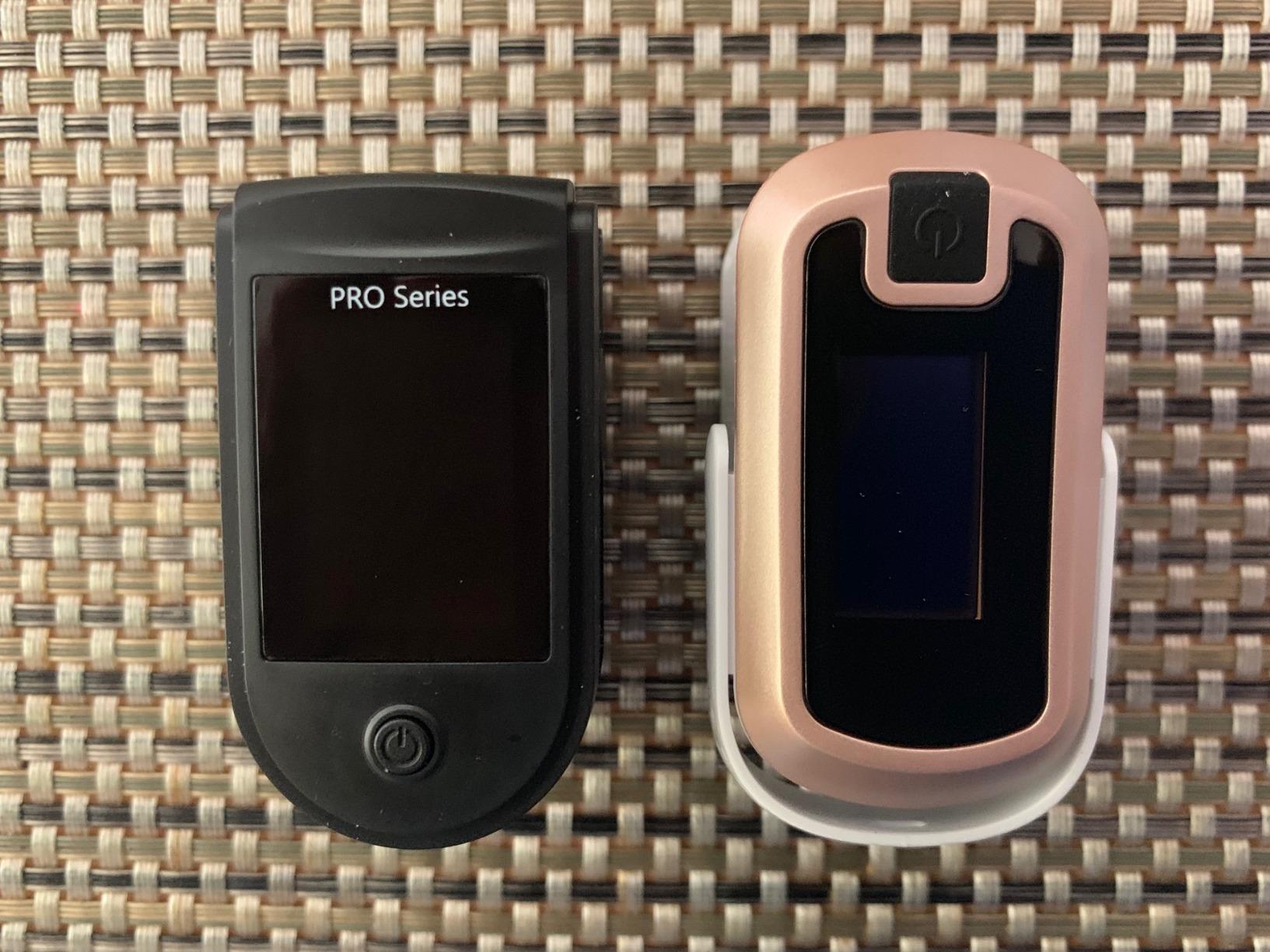
What sets the Zacurate apart from cheaper oximeters is the smart spring system. It accommodates a wide range of finger sizes, which matters for seniors whose fingers may be thin or swollen. Most budget oximeters only work well on average-size fingers, but the Zacurate handles everything from petite to large hands.
The included accessories are a nice touch. You get two AAA batteries (so it works right out of the box), a silicone cover for protection against drops, and a lanyard so you can hang it around your neck. The 12-month warranty and US-based technical support add extra confidence.
Who should buy this
Every senior on supplemental oxygen should have a pulse oximeter. It tells you whether your oxygen therapy is working and alerts you if your levels drop dangerously low. The Zacurate is the most reviewed and highest-rated option on Amazon.
It is also useful for caregivers who want to monitor a loved one’s oxygen levels throughout the day. A quick finger check takes 10 seconds and provides objective data you can share with the doctor.
Getting accurate readings
For the most accurate reading, warm your hands first if they are cold. Poor circulation can cause artificially low readings. Remove any nail polish from the finger you use, as dark colors can interfere with the light sensor.
This device is designed for spot checks, not continuous monitoring. If your doctor recommends continuous SpO2 tracking during sleep, ask about a wrist-worn or ring-based oximeter instead.
Buying Guide: Choosing the Right Oxygen Accessories for Seniors
Choosing the right accessories for oxygen therapy comes down to understanding what your daily routine looks like and where the gaps are. Here is what to consider based on our research and real user feedback from oxygen therapy forums.
Understanding the difference: POC machines vs accessories
Portable oxygen concentrators themselves are prescription medical devices regulated by the FDA. Brands like Inogen, CAIRE, and O2 Concepts sell these through authorized medical equipment dealers, not Amazon. Expect to pay between $2,000 and $4,000 for a quality POC.
The products in this guide are accessories that support daily oxygen therapy. They work alongside your prescribed POC or oxygen tank system to improve comfort, extend runtime, and help you monitor your health. Think of them as the supporting cast that makes your main device more useful.
Prescription requirements
Yes, you need a prescription to buy and fill any medical-grade oxygen tank. The prescription specifies your flow rate (in liters per minute) and whether you need continuous flow or pulse dose delivery. No legitimate supplier will fill a tank without seeing your prescription.
Pulse oximeters and humidifier bottles do not require a prescription. Batteries for POCs are also available without a prescription, as long as you know the exact model compatibility.
Medicare and insurance coverage
Medicare Part B covers oxygen equipment and supplies if you meet certain conditions. Your doctor must document that you have a severe lung disease or hypoxemia, and the oxygen must be medically necessary. Medicare pays for oxygen equipment rentals as a monthly benefit, not as a purchase.
This means Medicare typically covers the cost of your POC or oxygen tank through a contracted supplier. Accessories like humidifier bottles, cannulas, and sometimes batteries may be included in your monthly benefit. Always check with your supplier about what is covered before buying separately on Amazon.
FAA approval and air travel
If you plan to fly, your POC must be FAA-approved for use on commercial aircraft. Most current models from Inogen, CAIRE, and O2 Concepts carry FAA approval. You are required to carry enough battery power for 150 percent of your scheduled flight time.
A backup oxygen tank cannot be brought on an airplane. TSA regulations prohibit compressed gas cylinders in both carry-on and checked luggage. Plan your travel around battery-powered POCs, and bring the FAA approval label or documentation for your specific model.
Maintenance and cost of ownership
Forum users consistently mention maintenance as an overlooked cost. POCs require regular filter cleaning or replacement every few weeks. Humidifier bottles need daily water changes and replacement every 2 to 4 weeks. Cannulas should be replaced every 2 to 4 weeks as well.
Batteries degrade over time, typically lasting 300 to 500 charge cycles before losing significant capacity. Budget for a replacement battery every 12 to 18 months if you use your POC daily. These ongoing costs add up, so factor them into your decision-making.
Tips for caregivers
If you are caring for a senior on oxygen therapy, keep these essentials on hand. A pulse oximeter for daily monitoring, extra cannulas for hygiene, and a backup plan for power outages. Having a filled oxygen tank as an emergency backup is wise if your area experiences frequent outages.
Label everything clearly. Mark the flow setting on the tank regulator with tape if needed. Keep a checklist near the oxygen equipment showing how to turn it on, change batteries, and refill the humidifier bottle. This helps anyone stepping in to assist, from family members to home health aides.
Frequently Asked Questions
Do I need a prescription to buy a portable oxygen concentrator?
Yes, you need a prescription from your doctor to buy any portable oxygen concentrator. POCs are FDA-regulated medical devices because they deliver concentrated oxygen at levels that require medical supervision. Your prescription specifies the flow rate and delivery type (pulse dose or continuous flow) appropriate for your condition.
What is the downside of using an oxygen concentrator?
Common downsides include battery life limitations, weight for extended carrying, noise during operation, and ongoing maintenance costs. Some users on COPD forums report that units over 7 pounds become painful to carry for long periods. Dry nasal passages from concentrated oxygen are another frequent complaint, which is why humidifier bottles are recommended.
How much will Medicare pay for a portable oxygen concentrator?
Medicare Part B covers 80 percent of the Medicare-approved amount for oxygen equipment and supplies after you meet your Part B deductible. Coverage requires documented medical necessity, including blood oxygen levels below specific thresholds. Medicare pays for oxygen as a monthly rental benefit through a contracted supplier, not as a direct purchase.
Are portable oxygen concentrators worth it?
For seniors who need supplemental oxygen, portable oxygen concentrators are generally worth the investment. They provide independence, eliminate the need for heavy tank refills, and most modern units are FAA-approved for travel. Forum users on r/COPD consistently report that the freedom to leave home without worrying about running out of oxygen significantly improves quality of life.
How many hours a day should I use an oxygen concentrator?
Your doctor determines how many hours per day you need supplemental oxygen based on your blood oxygen levels and medical condition. Some patients need oxygen only during exertion or sleep, while others require it 24 hours a day. Never adjust your usage time without consulting your prescribing physician.
Final Thoughts
Finding the best portable oxygen concentrators for seniors starts with talking to your doctor and getting the right prescription device from an authorized supplier. Once your POC or oxygen system is in place, the right accessories make daily life safer and more comfortable. A reliable pulse oximeter like the Zacurate 500 keeps you informed, humidifier bottles from Eureka and ResOne prevent uncomfortable dryness, and backup tanks from Medfex and Dynarex provide emergency peace of mind.
Start with the accessories that fill your biggest daily gaps, whether that is monitoring, comfort, or backup power. Every senior’s oxygen needs are different, so prioritize based on your actual routine rather than buying everything at once.