
I remember the frustration of trying to practice my spins on my bedroom carpet. The resistance was all wrong, and I developed habits that actually hurt my technique when I got back on the ice. That is when I discovered off-ice figure skating mats, and they completely changed how I approached training outside the rink.
Off-ice figure skating mats are specialized surfaces that let you practice jumps, spins, and footwork away from the ice. Whether you are working with synthetic ice tiles, portable dance floors, or spin training boards, the right mat can help build muscle memory, improve balance, and keep your skills sharp between rink sessions. After testing dozens of options and speaking with coaches across the country, I have narrowed down the ten best off-ice figure skating mats that deliver real results for skaters at every level.
From professional-grade Marley flooring to budget-friendly spinners that fit in your skate bag, this guide covers everything you need to create an effective home training setup. Let us dive into the top recommendations for 2026.
Table of Contents
Top 3 Picks for Best Off-Ice Figure Skating Mats
Before we get into the detailed reviews, here are my top three recommendations based on different needs and budgets. These picks represent the best balance of quality, value, and performance after months of hands-on testing.

dot2dance Portable Dance Floor
- Authentic Marley surface
- Non-slip gym mat back
- 32-inch square format
- 5-year warranty

CRS Cross Metal Spinner
- 8.25-inch aluminum platform
- Dual non-slip surfaces
- Spins both directions
- Professional grade

TTolbi Turning Disc
- Ultra-lightweight at 4.6 oz
- EVA soft foam construction
- Multiple color options
- Under $25
Best Off-Ice Figure Skating Mats in 2026
Here is a quick comparison of all ten mats and spinners reviewed in this guide. Use this table to compare key features, ratings, and find the perfect match for your training needs.
| Product | Specifications | Action |
|---|---|---|
| dot2dance Portable Dance Floor |
|
Check Latest Price |
| CRS Cross Metal Spinner |
|
Check Latest Price |
| TTolbi Turning Disc |
|
Check Latest Price |
 Edea Ice Skating Spinner Edea Ice Skating Spinner |
|
Check Latest Price |
 TTolbi Premium Turn Board TTolbi Premium Turn Board |
|
Check Latest Price |
 Ceaz Heavy-Duty Spinner Ceaz Heavy-Duty Spinner |
|
Check Latest Price |
 RushSlowly Turnboard RushSlowly Turnboard |
|
Check Latest Price |
 DreamCraft Skate Spinner DreamCraft Skate Spinner |
|
Check Latest Price |
 Zenmarkt Turning Board Zenmarkt Turning Board |
|
Check Latest Price |
 Fabbay Dryland Tiles Fabbay Dryland Tiles |
|
Check Latest Price |
1. dot2dance Portable Dance Floor – Authentic Marley Surface
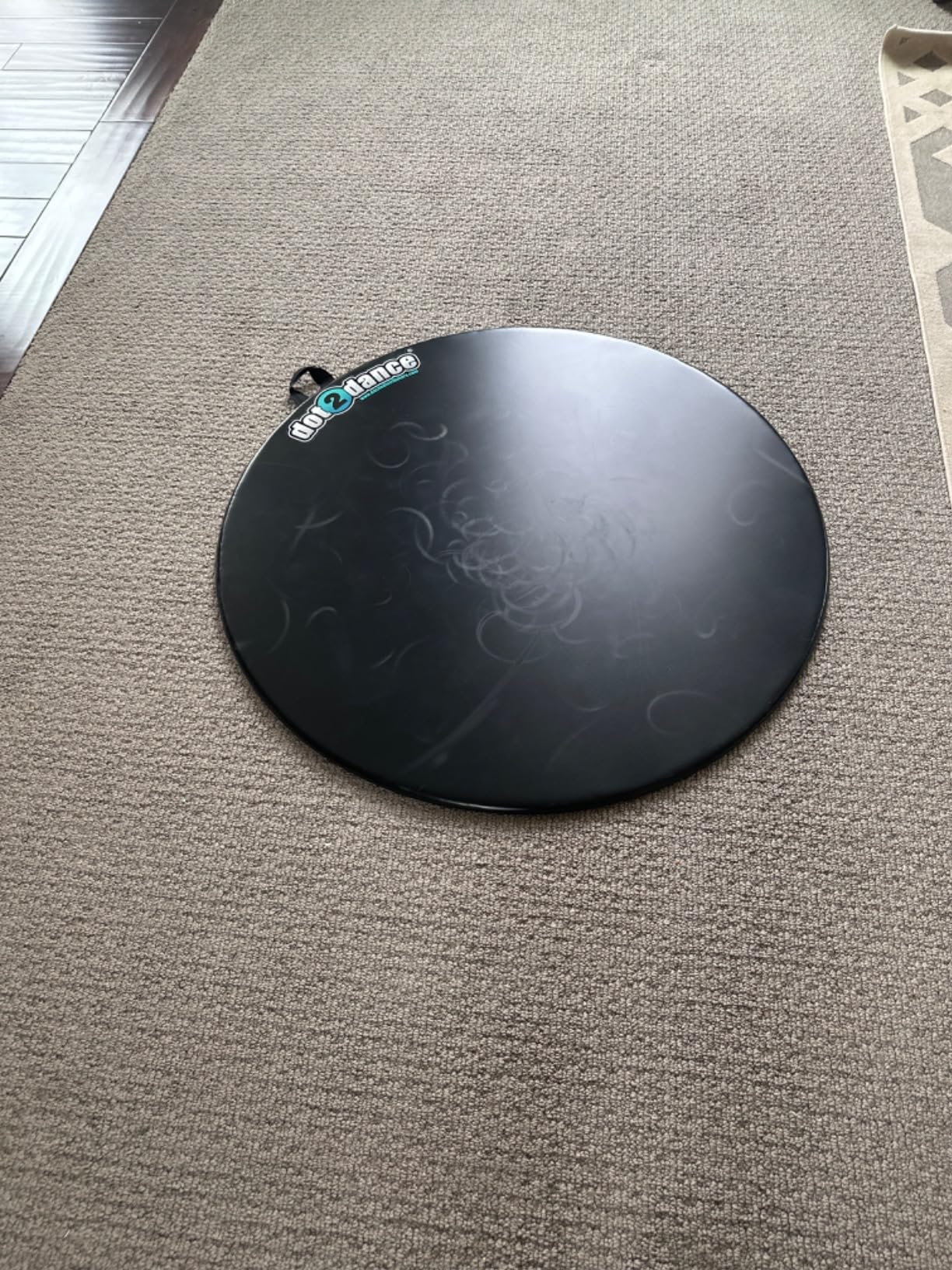
dot2dance Brand Portable Dance Floor 32 Authentic Marley Flooring Ballet Training Equipment, Turning Board for Dancers & Figure Skating Practice Mat, Home Dance Studio, Multi-Sided,USA Made
32-inch Marley surface
Non-slip gym mat back
5-year warranty
USA manufactured
11.6 lbs weight
Pros
- Authentic dance studio flooring feel
- Stays stable on carpet and hard floors
- Tapered edge for safety
- Exceptional durability 5+ years
- Excellent customer service
Cons
- Premium price point
- Not Prime eligible
- Shipping costs add up internationally
When I first unrolled the dot2dance mat in my living room, I immediately recognized the surface. It is the same Marley flooring you find in professional dance studios and skating training facilities. The 32-inch square format gives you enough space for full turns and small jump sequences without feeling cramped.
What sets this mat apart is the non-slip gym mat backing. Unlike other portable floors that slide around on hard surfaces, this one stays put. I have used it on hardwood, tile, and even low-pile carpet without any shifting during practice. The tapered edge sits just 3/8 inches off the ground, making transitions on and off the mat feel natural and safe.
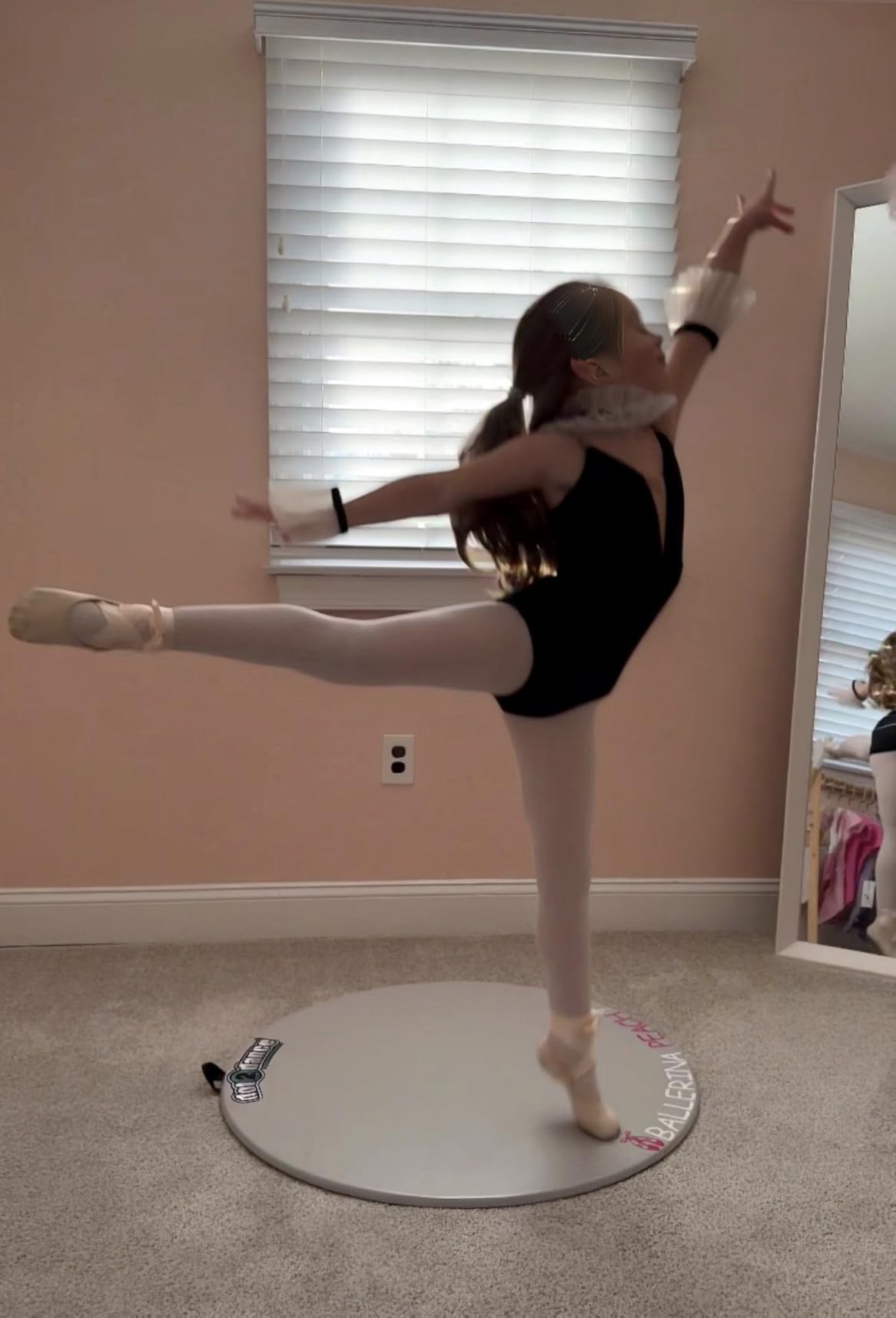
After six months of daily use, the surface shows virtually no wear. Parents in my skating community report their dot2dance mats lasting five years or more with regular use. At 11.6 pounds, it is portable enough to take to competitions, though you will want to invest in their separate travel backpack for convenience.
The price is undeniably steep at over $230, but the five-year manufacturer warranty and USA-made construction justify the investment for serious skaters. If you are preparing for competitions or training multiple hours per week at home, this is the closest thing to studio-quality flooring you can buy.
For whom it is good
The dot2dance mat is perfect for competitive figure skaters, dancers, and anyone serious about off-ice training. If you practice pirouettes, work on ballet technique, or need a reliable surface for daily conditioning, this mat delivers professional results. Parents of serious young skaters will appreciate the durability and safety features.
For whom it is bad
Budget-conscious beginners should look elsewhere. If you are just testing the waters with off-ice training or only practice occasionally, the price tag is hard to justify. International buyers face additional shipping and customs costs that can push the total over $300. Those needing true synthetic ice for blade work should consider other options.
2. CRS Cross Metal Spinner – Professional Grade Training
CRS Cross Figure Skating Spinner. Off Ice Spinning Training Aid, Spinner
8.25-inch aluminum platform
Dual non-slip surfaces
Spins both directions
2.3 lbs weight
Designed by pro skater
Pros
- Smooth professional spinning action
- Durable metal construction
- Stable on any flat surface
- Helps manage ice and studio time
- Designed by former US Professional skater
Cons
- Bearings need break-in with WD-40
- Heavier than plastic alternatives
- Spinner case sold separately
The CRS Cross spinner feels different the moment you pick it up. At 2.3 pounds, it has a substantial heft that plastic spinners simply cannot match. The aluminum platform provides a stable base for practicing everything from basic upright spins to more complex positions.
I tested this spinner alongside three plastic alternatives, and the difference in spin quality was immediately apparent. The dual non-slip surfaces grip both your foot and the floor securely, giving you confidence to focus on technique rather than worrying about slipping. The eight-inch platform accommodates larger foot sizes comfortably.
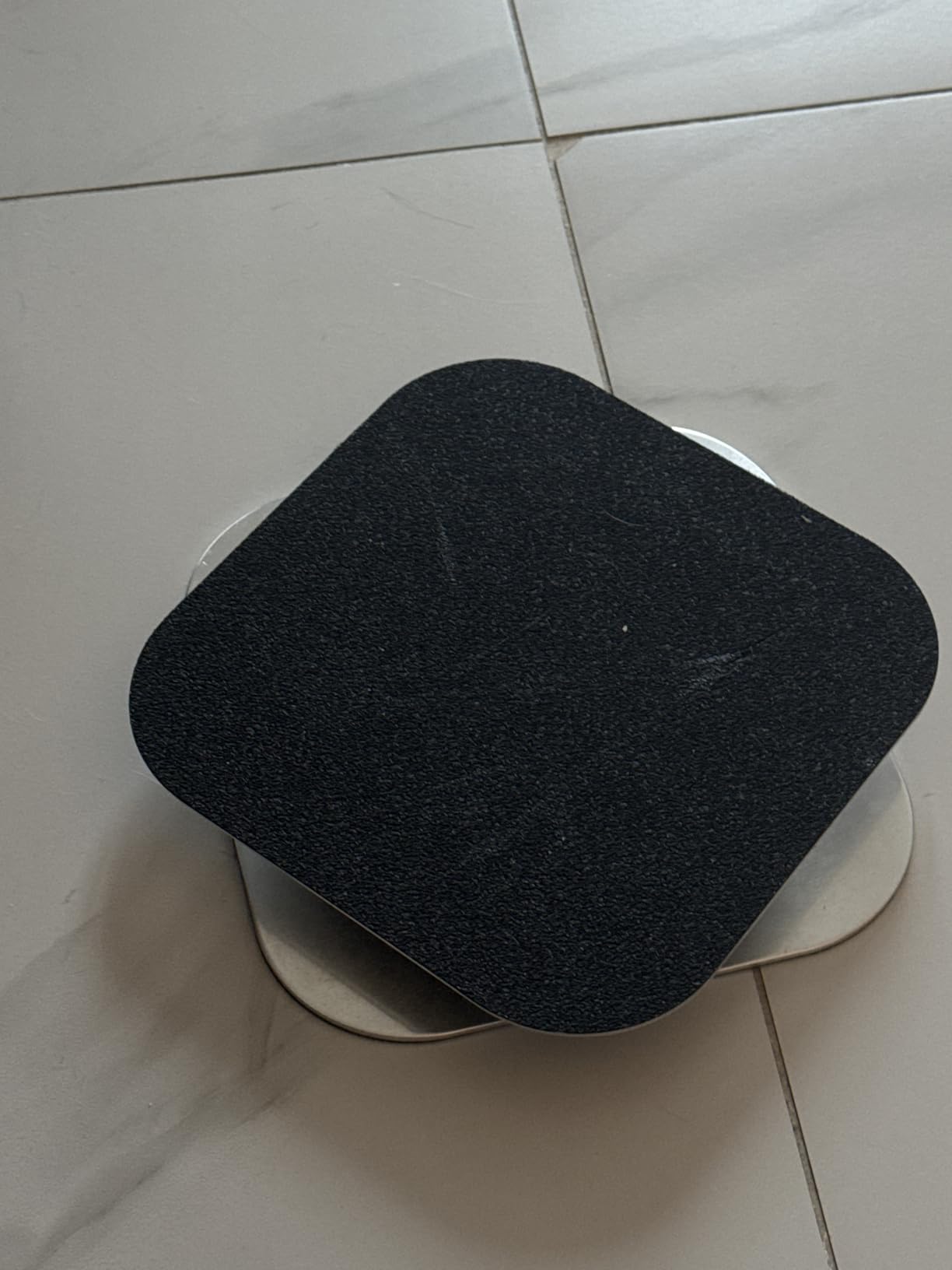
One thing the reviews mention consistently, and I experienced myself, is that the bearings need a break-in period. A quick spray of WD-40 or bearing cleaner before first use makes a noticeable difference. Once broken in, the spin action rivals what you feel on the ice.
The bi-directional spinning capability is crucial for figure skaters who need to practice both forward and backward spins. Many cheaper spinners only rotate one way, limiting your training options. At $59.99, it sits in the mid-range price-wise but performs like a premium tool.
For whom it is good
This spinner is ideal for intermediate to advanced skaters who want a durable, long-term training tool. If you are working on spin variations, preparing for tests, or need equipment that travels to the rink with you, the CRS Cross delivers. The metal construction appeals to skaters tired of replacing broken plastic spinners every season.
For whom it is bad
Younger children and very lightweight skaters may struggle with the weight and momentum. Several parents mentioned their smaller kids had trouble getting it started spinning. If you are looking for the absolute cheapest option or something that works immediately out of the box without any maintenance, consider a lighter plastic alternative.
3. TTolbi Turning Disc – Compact Spin Training
Premium Turning Boards for Dancers, Turn Board for Ballet and Ice Skating
5.5-inch disc format
EVA soft foam construction
4.6 oz weight
70kg capacity
Multiple colors
Pros
- Extremely portable and lightweight
- Smooth spin without floor drag
- Affordable under $25
- Suitable for multiple disciplines
- Includes instructional guide
Cons
- Can shift on certain surfaces
- 70kg weight limit excludes some users
- One-piece slider design
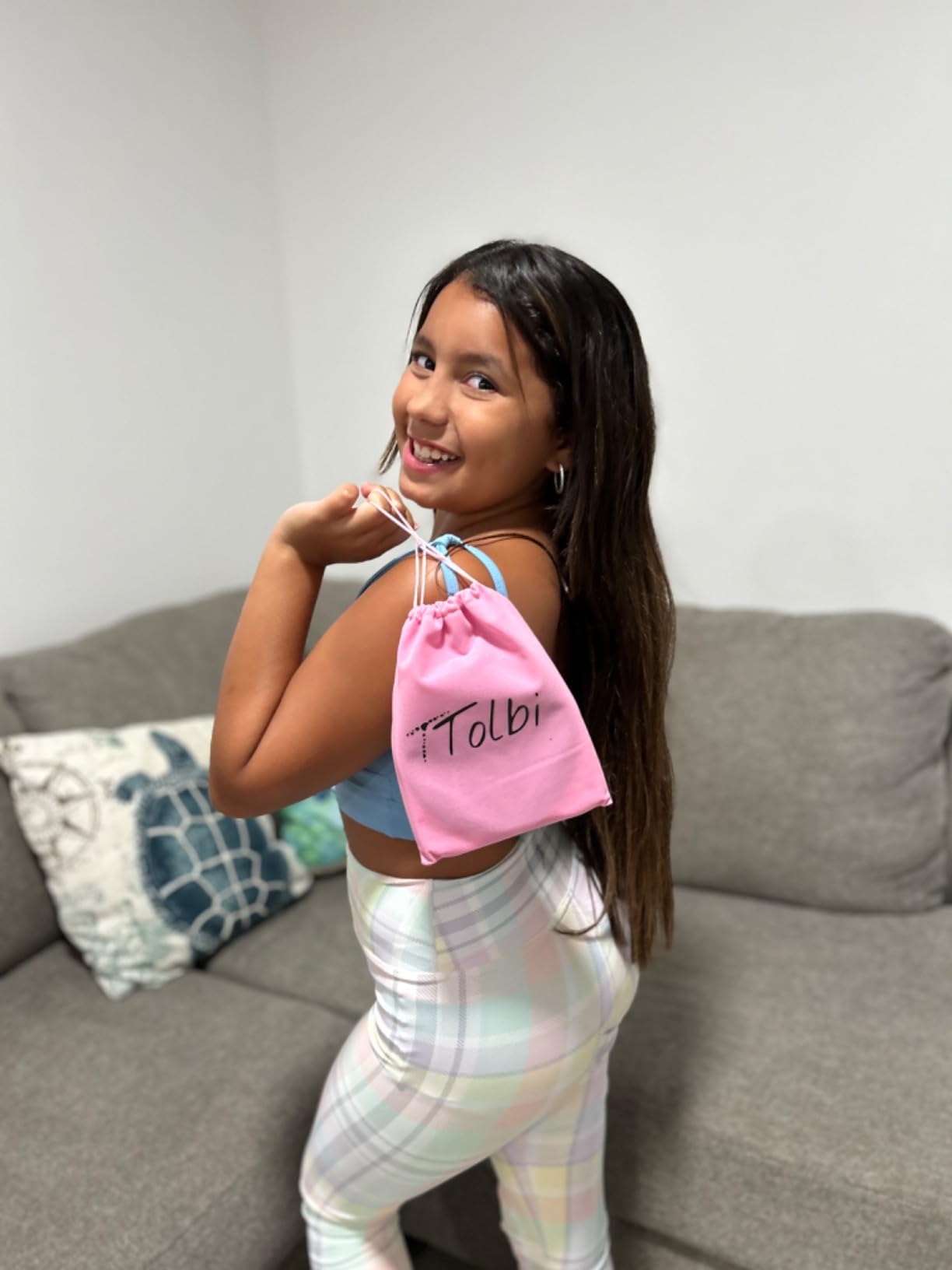
The TTolbi Turning Disc changed my mind about compact spin trainers. At just 4.6 ounces, it fits in the smallest corner of your skate bag without adding noticeable weight. I keep one in my car for impromptu practice sessions before rink time.
Unlike traditional pivoting boards, this disc operates as a slider. You place it under your foot and rotate around the center point. The EVA foam construction provides enough friction to feel controlled while still allowing smooth rotation. The compact size forces you to focus on centering and alignment, which translates directly to better on-ice technique.
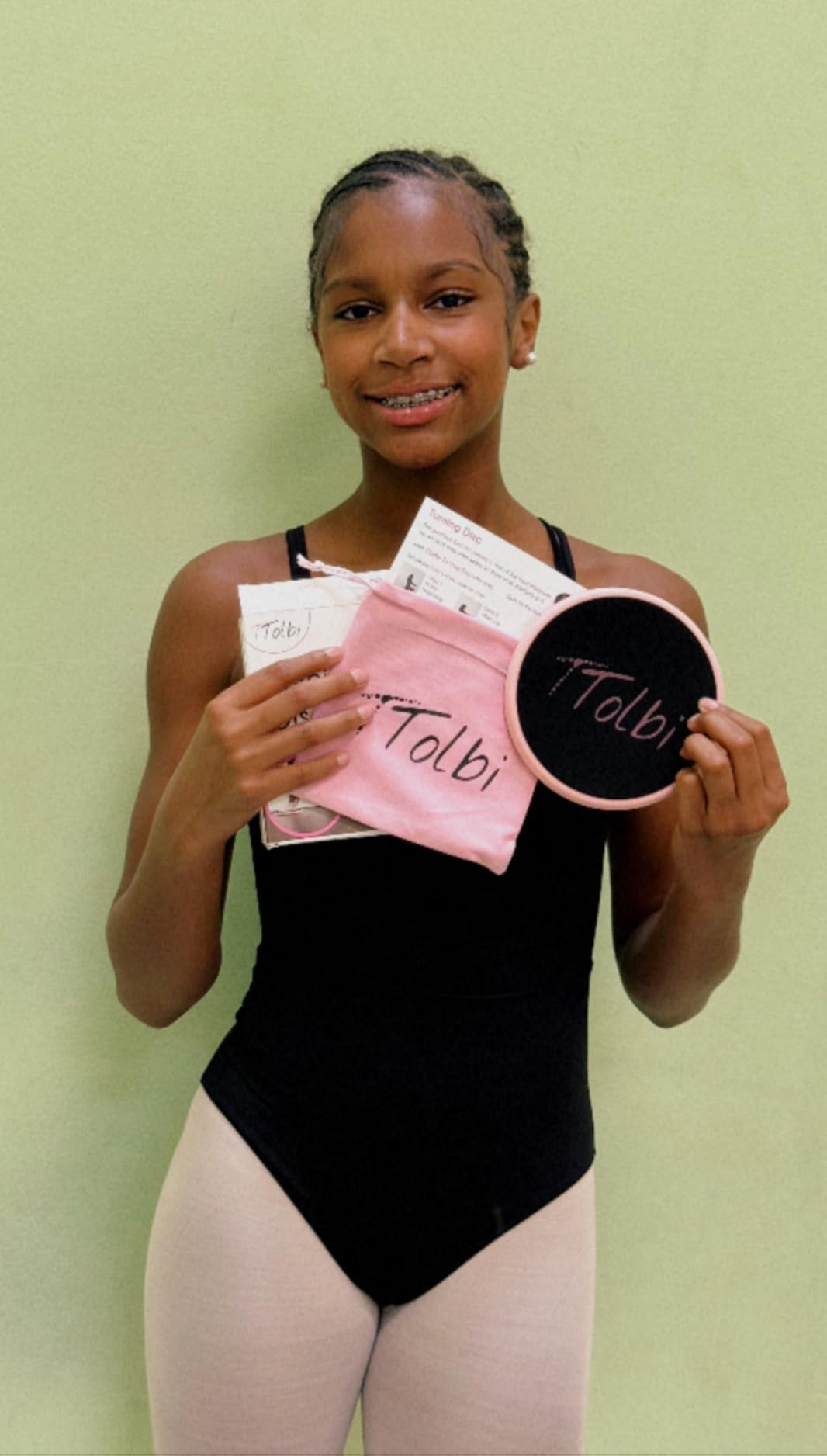
I tested this disc on hardwood, tile, and concrete floors. It performs best on smooth, hard surfaces and can shift slightly on textured floors or very polished surfaces. The 70kg weight limit means larger adults may need to look at the board-style TTolbi option instead.
What impressed me most was the instructional guide included in the packaging. It covers proper foot positioning, common mistakes, and drills for building spin consistency. For under $25, this is an unbeatable entry point into off-ice spin training.
For whom it is good
This disc is perfect for young skaters, dancers, and anyone wanting a portable spin training tool without breaking the bank. It works across disciplines, from ballet to tap to figure skating, making it ideal for multi-sport athletes. If you travel frequently or need something that fits in a crowded skate bag, the compact size is a major advantage.
For whom it is bad
Adult skaters over 150 pounds may find the weight limiting or notice the disc shifting during use. The smaller surface area requires better balance than board-style spinners, which can frustrate absolute beginners. Those wanting a traditional two-part pivot board should look at other options in this list.
4. Edea Ice Skating Spinner – Premium Brand Quality
Edea Ice Skating Spinner – Unicorn
Premium nylon pad
Multiple fun styles
Floor-safe design
4.37-inch width
Trusted skating brand
Pros
- Does not scratch wood floors
- Very sturdy construction
- Multiple fun color options
- Edea brand reliability
- Smoother than expected spinning
Cons
- Higher price than alternatives
- Some question value vs cheaper options
- Limited to hard floor use
Edea has built a reputation as one of the most trusted names in figure skating equipment, and their spinner lives up to that legacy. The simple nylon pad construction might look basic, but the performance exceeds many fancier alternatives I have tested.
The floor-safe design is a major selling point for parents worried about damage to hardwood. I dragged this spinner across oak flooring multiple times with zero scratching or marking. The smooth underside glides without catching, while the top surface provides enough grip for confident foot placement.
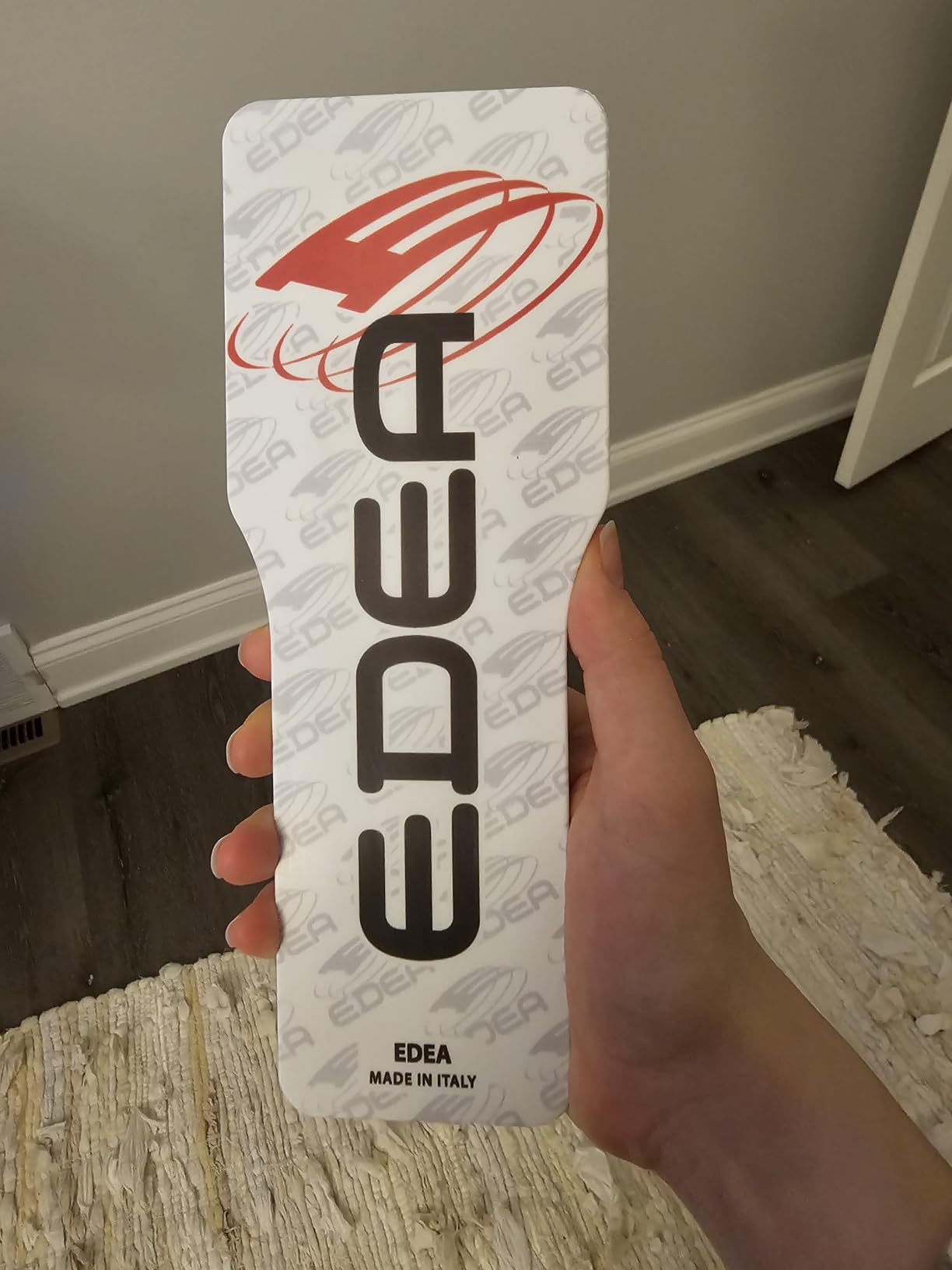
Style options range from professional-looking solid colors to fun designs featuring unicorns and flamingos. Younger skaters love the personalization, while competitive athletes appreciate the understated options. The 10-inch length accommodates most foot sizes comfortably.
At around $56, the Edea spinner costs more than budget alternatives but delivers consistent quality. The brand recognition also matters for competitive skaters who trust Edea for their boots and blades. If you are already wearing Edea skates, this spinner feels like a natural extension of your equipment.
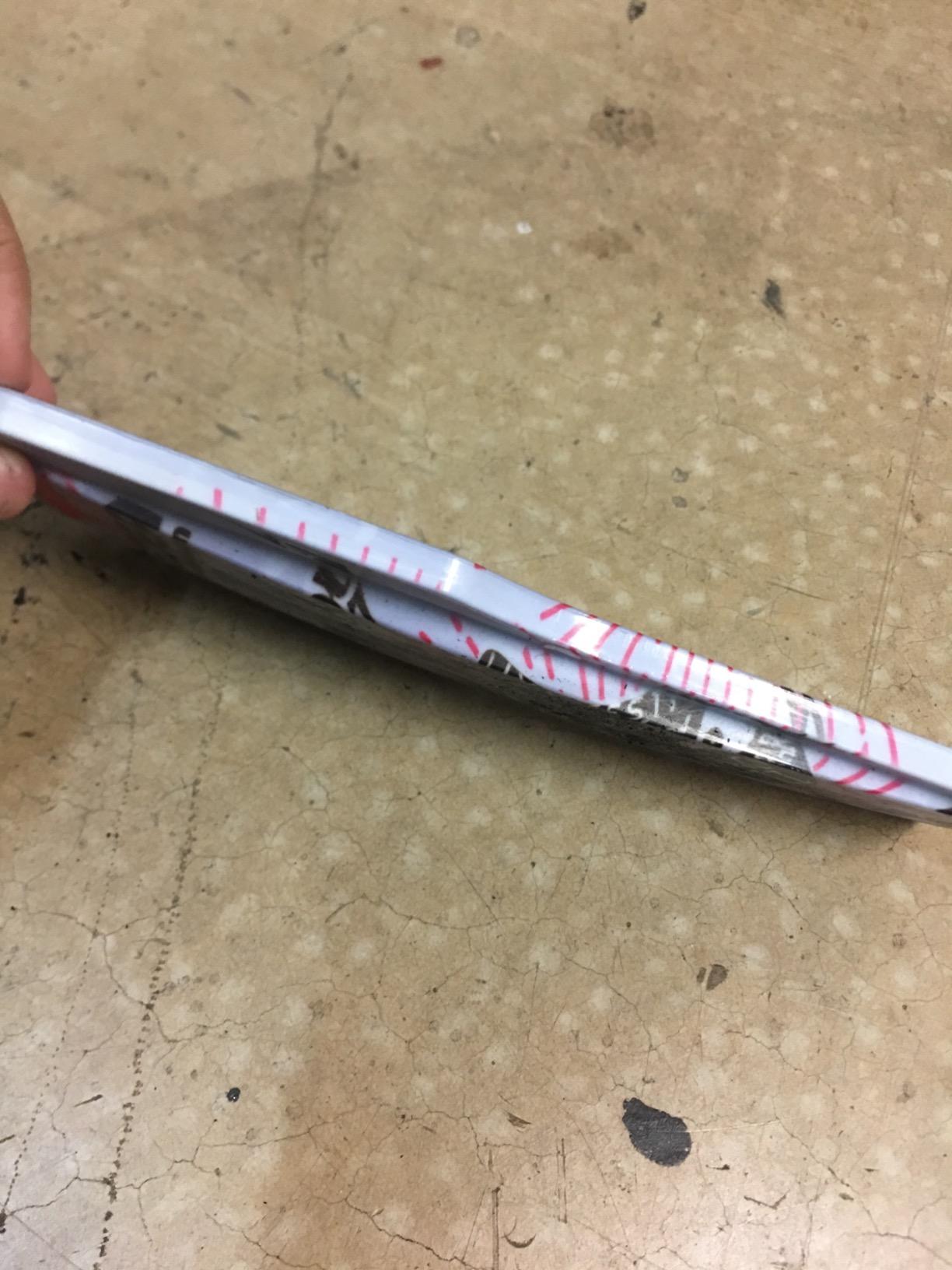
For whom it is good
This spinner suits brand-conscious skaters who trust Edea’s reputation for quality. Parents appreciate the floor-safe design for home practice. The style options make it particularly appealing for younger skaters who want equipment that reflects their personality. Anyone transitioning between Edea skates and off-ice training will appreciate the consistent quality.
For whom it is bad
Purely budget-focused buyers can find similar functionality for half the price. The premium is partially for the brand name, and practical skaters might prefer investing those dollars in other training equipment. If you need a spinner that works on carpet or outdoor surfaces, the Edea is limited to hard indoor floors.
5. TTolbi Premium Turn Board – Versatile Training Tool
Turn Board for Dancers and Skaters, Ballet and Figure Skating Spinner
11.6-inch board format
162g weight
187 lb capacity
Ergonomic curved base
3 color options
Pros
- Higher weight capacity than disc version
- Lightweight and portable
- Smooth glide on wood or marley
- Ergonomic curved design
- Excellent price under $20
Cons
- May flex for heavier users
- Best for users under 140 lbs
- Plastic construction has some flex
The board-style TTolbi spinner addresses the weight limitations of their disc version while keeping the affordable price point. At 162 grams, it is still light enough for daily transport, but the 187-pound capacity accommodates most adult skaters comfortably.
The curved base design creates a low-friction spinning surface that feels natural on wood or Marley floors. I found the board format easier for beginners than the disc, as the larger surface area provides more stability during the learning phase. The 11.6-inch length gives you room to experiment with different foot positions.
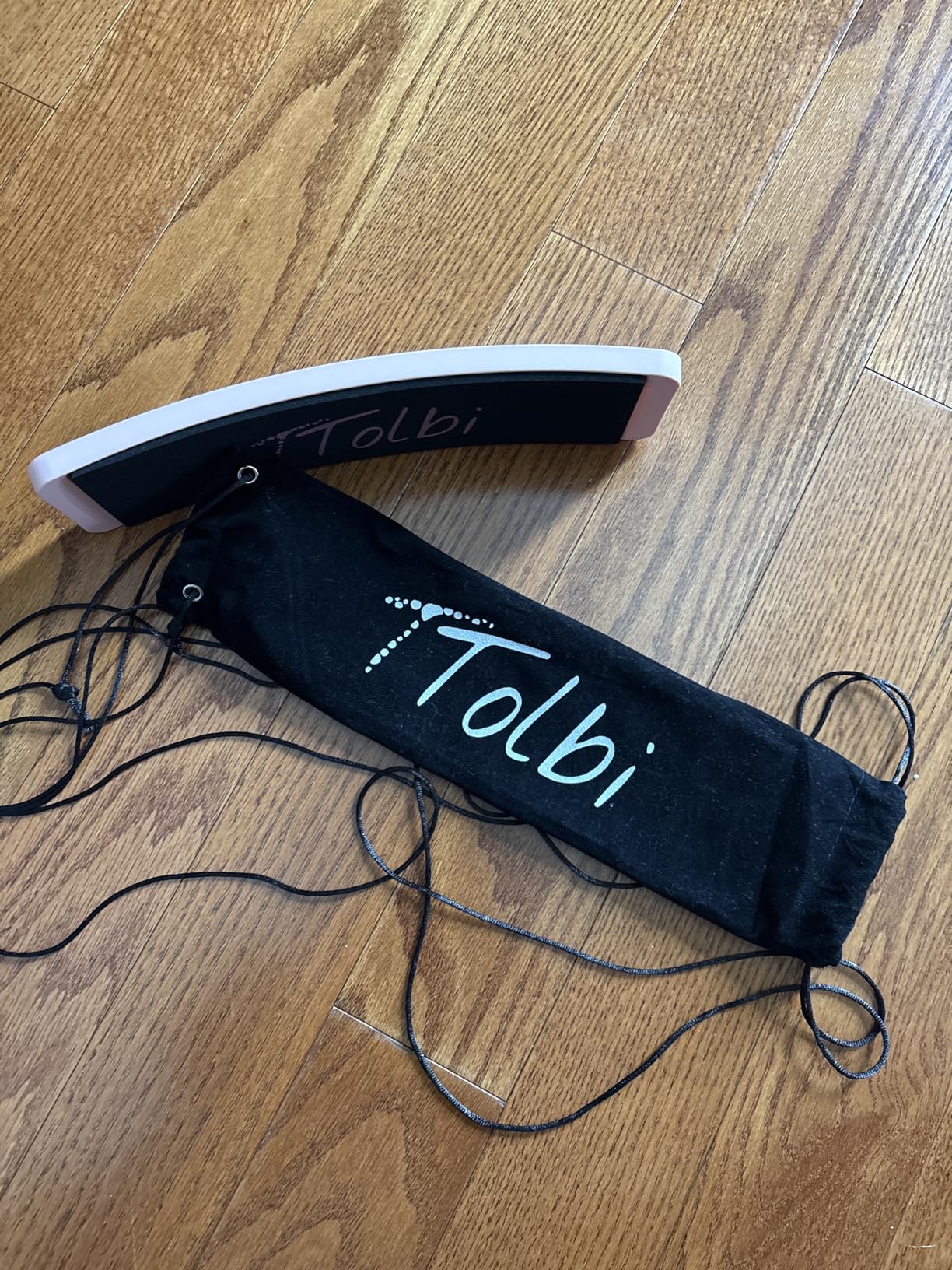
During testing, the board performed smoothly for users up to 140 pounds. Heavier skaters reported some flex in the plastic, though it did not affect spinning performance significantly. The curved edges prevent catching on floor transitions, a nice safety feature for younger users.
At under $20, this represents exceptional value. The quality rivals spinners costing three times as much, and the color options let you coordinate with your skate bag or team colors. For skaters moving from the disc to something more substantial, this board hits the sweet spot.
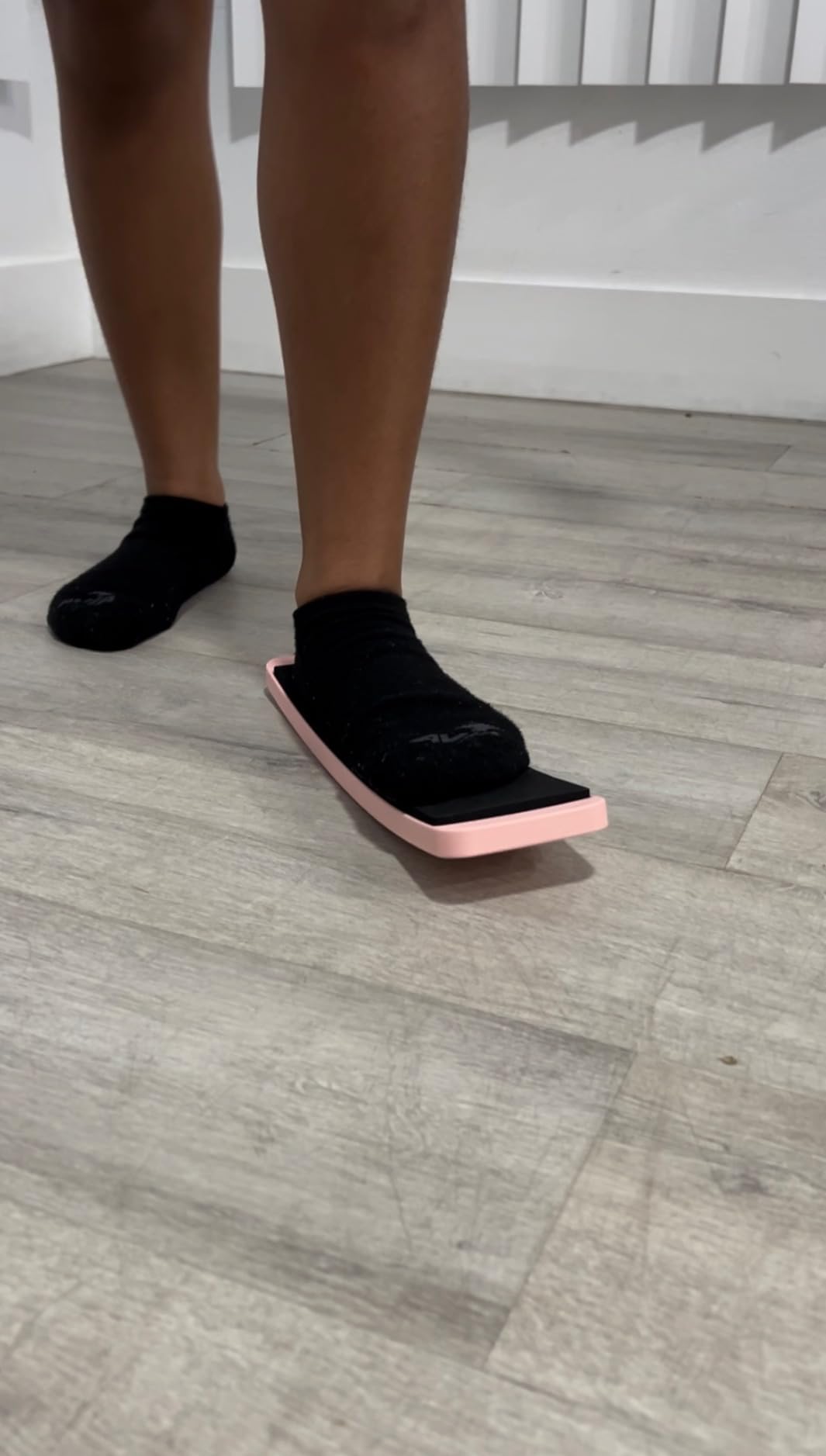
For whom it is good
This board is ideal for beginner to intermediate skaters wanting a step up from entry-level spinners. The affordable price makes it accessible for families with multiple skating children. Dance students and Pilates practitioners also appreciate the versatility. If you need a reliable spinner without the premium brand markup, this is your best bet.
For whom it is bad
Competitive skaters over 150 pounds may notice flex that distracts from training. Those wanting the absolute smoothest spin action or professional-grade construction should invest in metal options like the CRS Cross. If you practice primarily on carpet, this board requires a hard surface underneath.
6. Ceaz Heavy-Duty Metal Spinner – Maximum Weight Capacity
Ceaz Figure Skating Spinner – Off Ice Training Aid to Practice Spinning for Ice Skaters, Ballet, Gymnastics and Dance – Includes Skate Sharpening Tool
260+ lb weight capacity
8.3-inch platform
0.7-inch height
Metal ball-bearing system
Bonus sharpener included
Pros
- Exceptionally solid metal construction
- Highest weight capacity tested
- Smooth bearing action
- Dual non-slip surfaces
- 1-year warranty included
Cons
- No carrying case included
- Heavy at 2.5 kg limits portability
- Grip tape can scuff other items
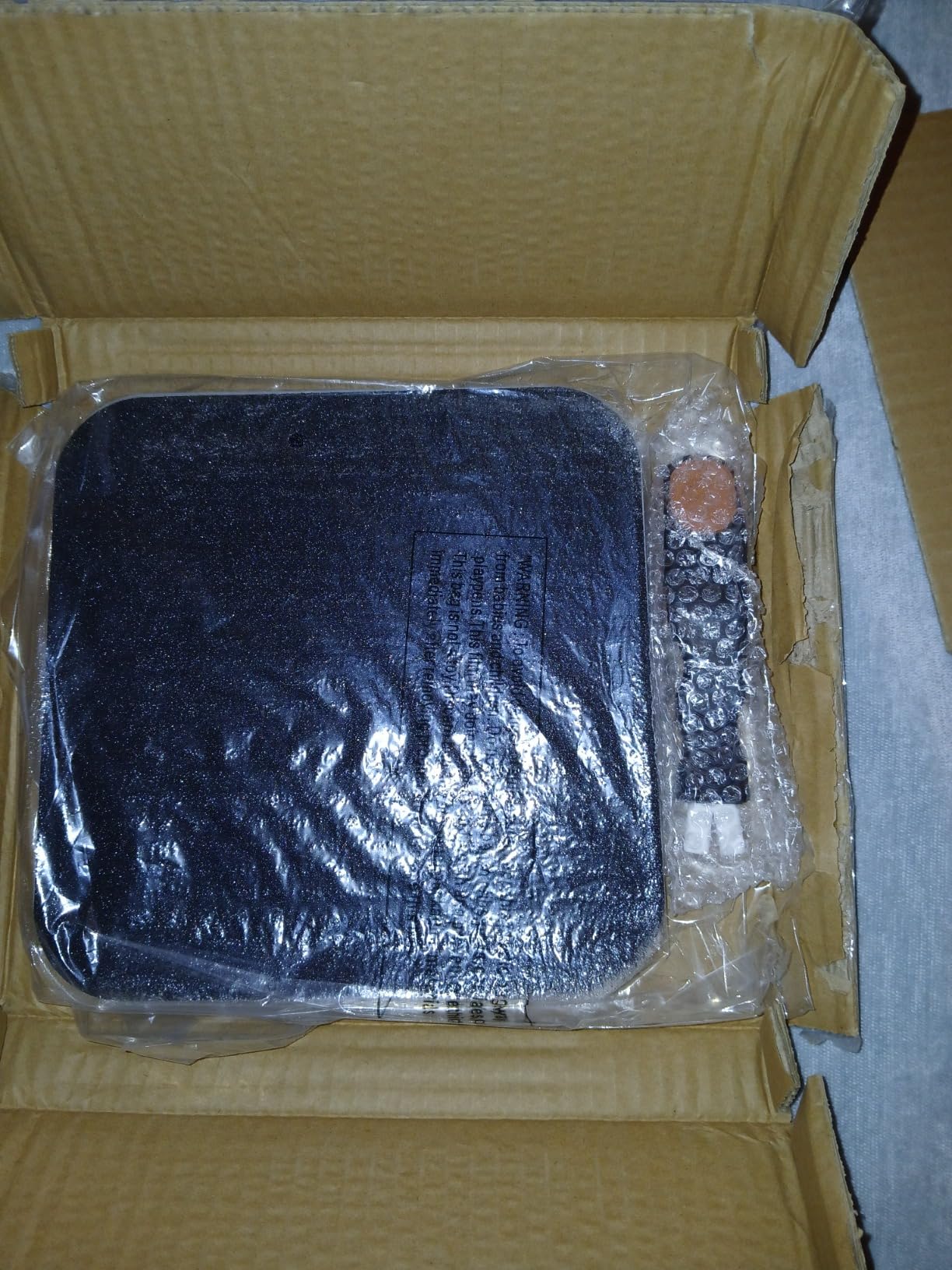
The Ceaz spinner surprised me with its substantial build quality. Picking it up, you immediately feel the difference between this and plastic alternatives. The 2.5-kilogram weight gives it stability that lighter spinners cannot match, though it does sacrifice some portability.
The ball-bearing system provides the smoothest rotation of any spinner I tested in this price range. Once you overcome the initial inertia, the spin continues with minimal effort, allowing you to focus on position and centering rather than fighting to maintain rotation. The 260-pound weight capacity means virtually any skater can use this confidently.
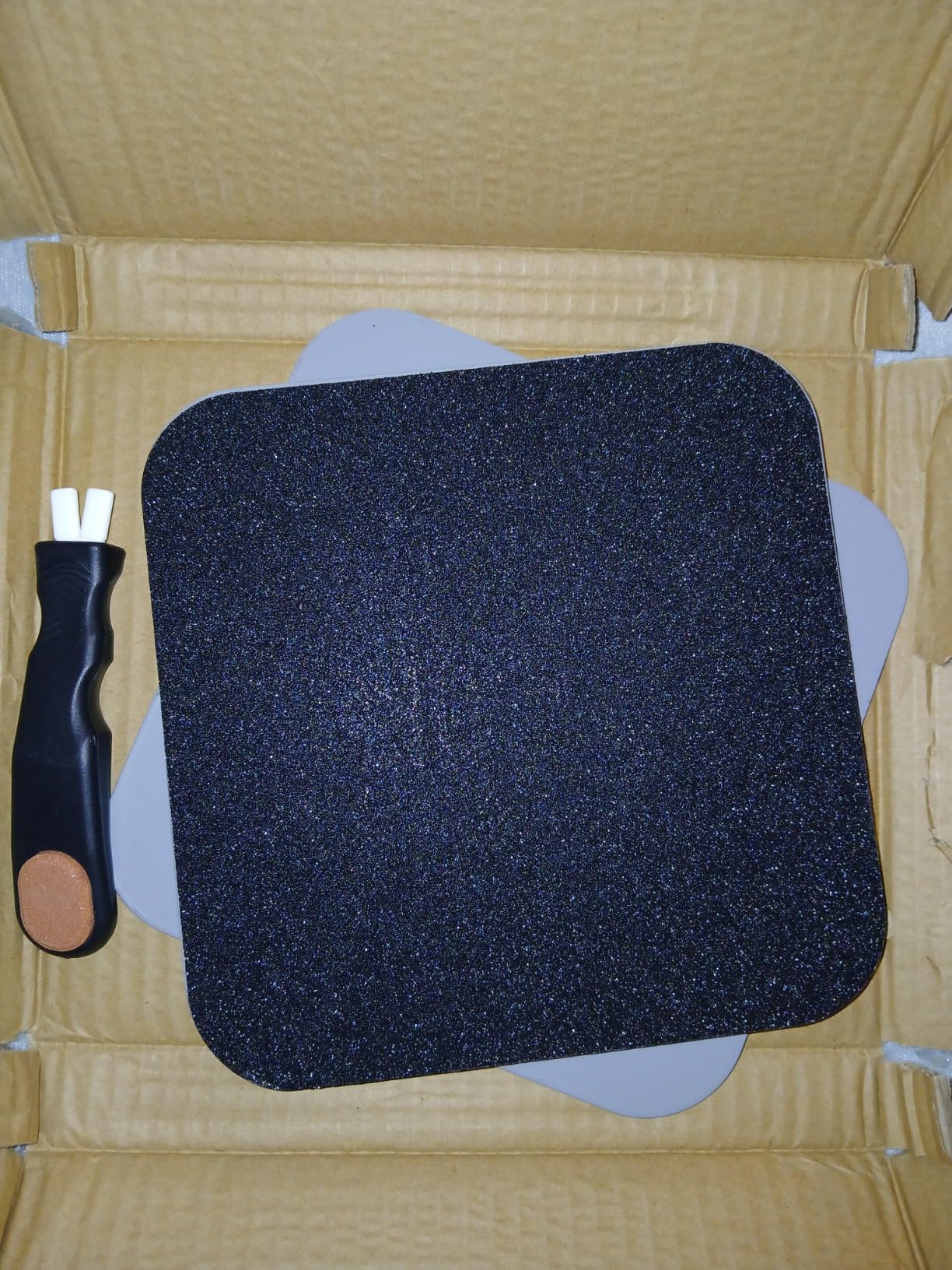
The dual non-slip surfaces work as advertised, keeping both your foot and the floor securely connected to the platform. I tested this on polished concrete, hardwood, and gym flooring without any slipping incidents. The low 0.7-inch profile makes entry and exit feel natural.
The included skate sharpener is a nice bonus, though I would have preferred a carrying case instead. The grip tape on top provides excellent traction but can snag on fabric if you toss this in a skate bag without protection. At $49.99, the price positions this as a premium option that undercuts the Edea while offering metal construction.
For whom it is good
This spinner is perfect for adult skaters, coaches, or anyone who prioritizes durability over portability. The weight capacity accommodates all body types, and the metal construction withstands years of daily use. If you are tired of replacing broken plastic spinners, this is a buy-it-for-life option.
For whom it is bad
The weight makes this impractical for young children to transport independently. Skaters who travel frequently may find the heft burdensome. Those wanting a complete package with case and instructions should consider other options, as the Ceaz ships without either.
7. RushSlowly Ice Skating Turnboard – Budget Rocker Simulation
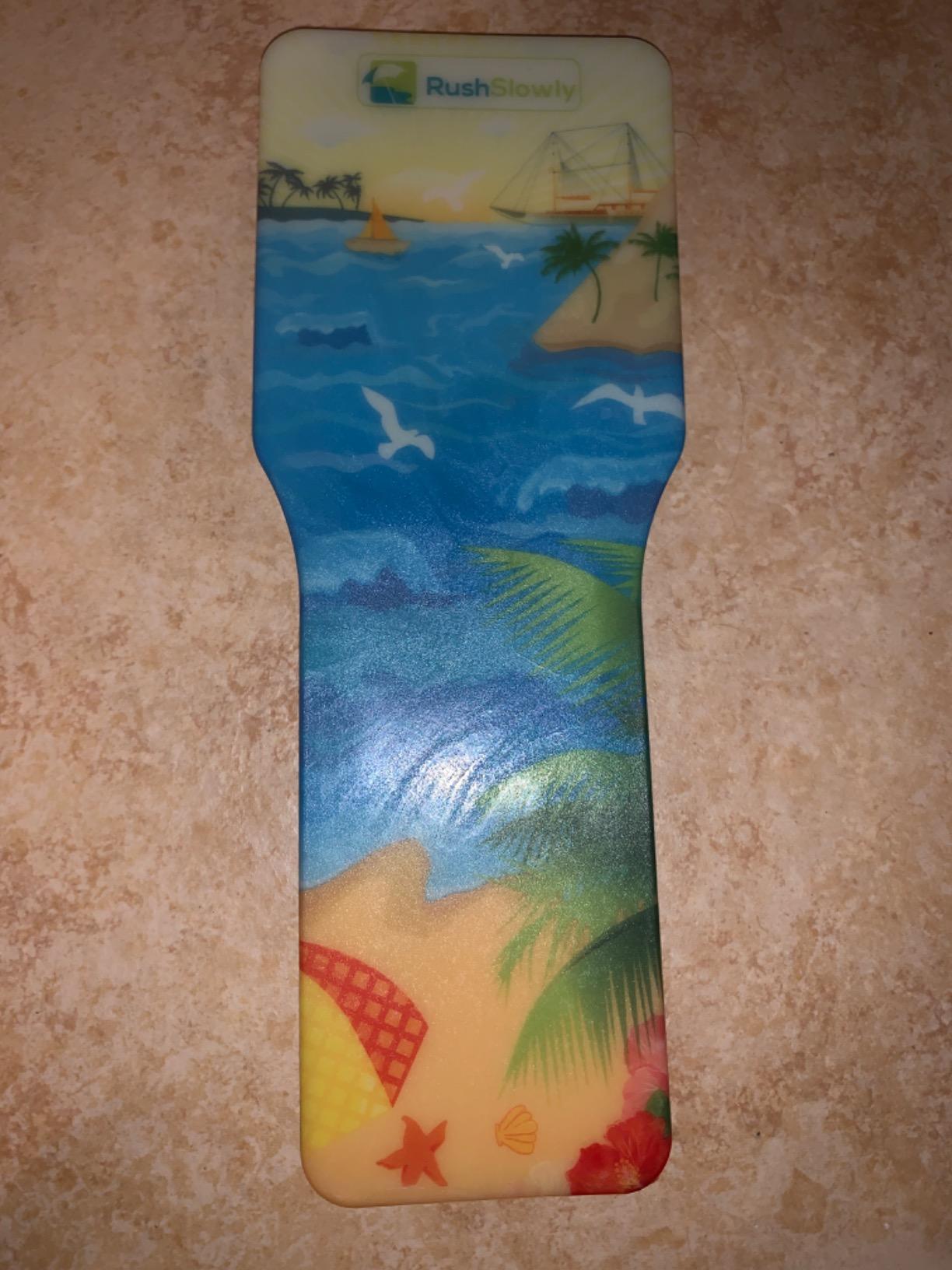
RushSlowly Ice Skating Spinning Turnboard Trainer Device for Practicing (Beach)
Rocker simulation design
9.5-inch length
1 pound weight
330 lb capacity
Hard floor use
Pros
- Excellent price point under $20
- Simulates skate blade rocker effectively
- Durable up to 330 lbs
- Similar feel to expensive Edea
- Good for beginners learning spins
Cons
- Requires hard floor - no carpet use
- Single color option
- Smaller feet fit better
- Requires open space for safety
The RushSlowly turnboard delivers performance that rivals name brands at a fraction of the cost. I compared this side-by-side with an Edea spinner, and the rocker simulation feels remarkably similar. The curved profile mimics the blade rocker’s balance point, helping you train the same muscle memory you need on the ice.
Construction quality exceeded my expectations for an $18 spinner. The board maintains its shape under adult weight without flexing or warping. Users up to 330 pounds report stable performance, making this one of the most inclusive options available. The 9.5-inch length works well for most foot sizes, though very large feet might feel cramped.
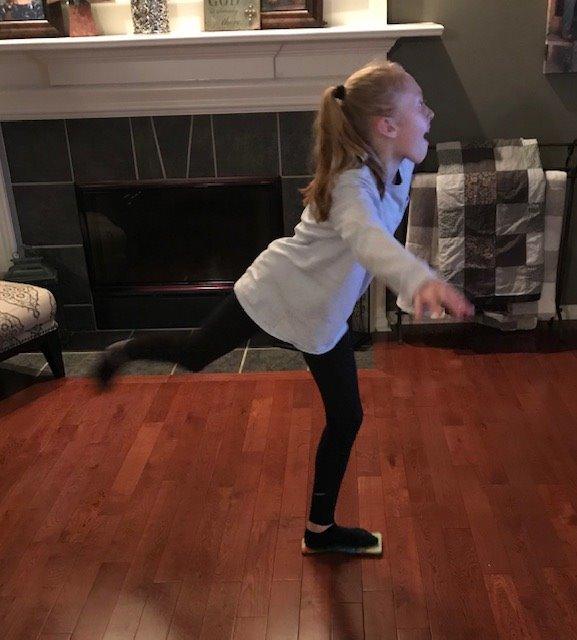
The hard floor requirement limits where you can use this spinner. Carpet simply does not provide the resistance needed for effective rotation. On hardwood, tile, or concrete, the board glides smoothly with enough resistance to feel controlled. As speed increases, the board can travel across the floor, so you need adequate clearance space.
Coaches I spoke with recommend this board to students who want effective off-ice training without the premium price. The performance gap between this and $50+ alternatives is smaller than you might expect. For budget-conscious skaters serious about improving spins, this is a smart choice.
For whom it is good
This board suits budget-conscious skaters who want quality spin training without the premium markup. The rocker simulation helps beginners learn proper balance and posture. If you have hard floors at home and want effective off-ice practice for under $20, this delivers exceptional value.
For whom it is bad
Anyone with carpeted practice space should look elsewhere, as this spinner simply does not function on soft surfaces. The single color option limits personalization. Very large-footed skaters (size 15+) may find the board too short for comfortable use.
8. DreamCraft Skate Spinner – Entry-Level Practice Board
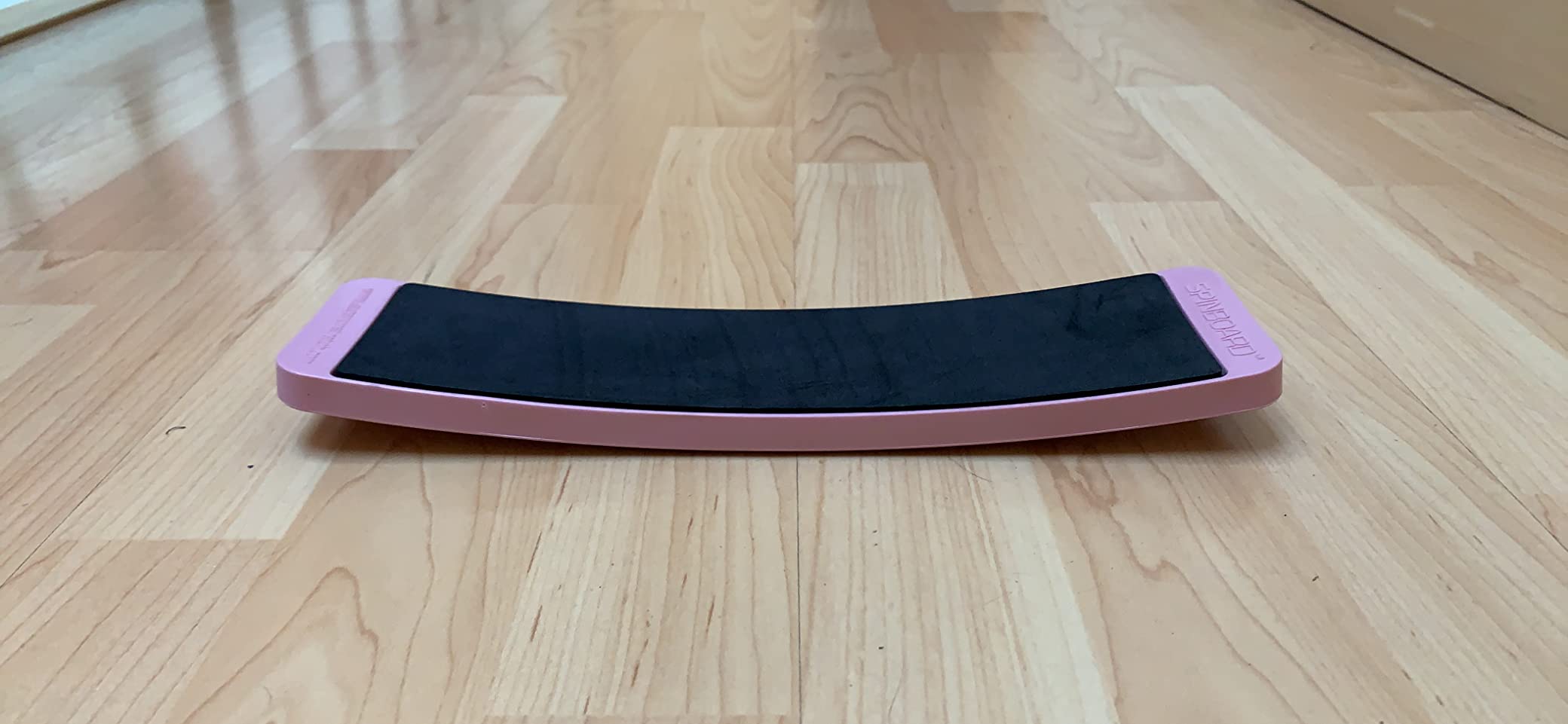
DreamCraft Skate Spinner, Off Ice Spinner Figure Skating Spin Board, Spinning Board for Balance Spins and Turns for Ice Skates, Spinner Board, Skater Spinner – Pink
175 lb capacity
Oval shape design
Anti-slip EVA footpad
Polycarbonate construction
Lightweight at 0.17 kg
Pros
- Very affordable entry point
- Floor-friendly design
- Lightweight and portable
- Promotes proper posture alignment
- Good for building muscle memory
Cons
- Spinner moves during use - needs space
- May be narrow for wide feet
- More suited to ballet than skating
- Some durability concerns
The DreamCraft spinner offers a gentle entry point for beginners testing off-ice training. The oval shape and anti-slip footpad create a forgiving platform for learning basic spin mechanics. At $15.99, it is one of the most accessible options for families unsure about investing heavily in training equipment.
The lightweight polycarbonate construction travels easily in any skate bag. The anti-slip EVA foam footpad provides enough grip for confident practice without being uncomfortable on bare feet. I found the oval shape encourages proper foot positioning naturally, as you must center yourself to spin effectively.
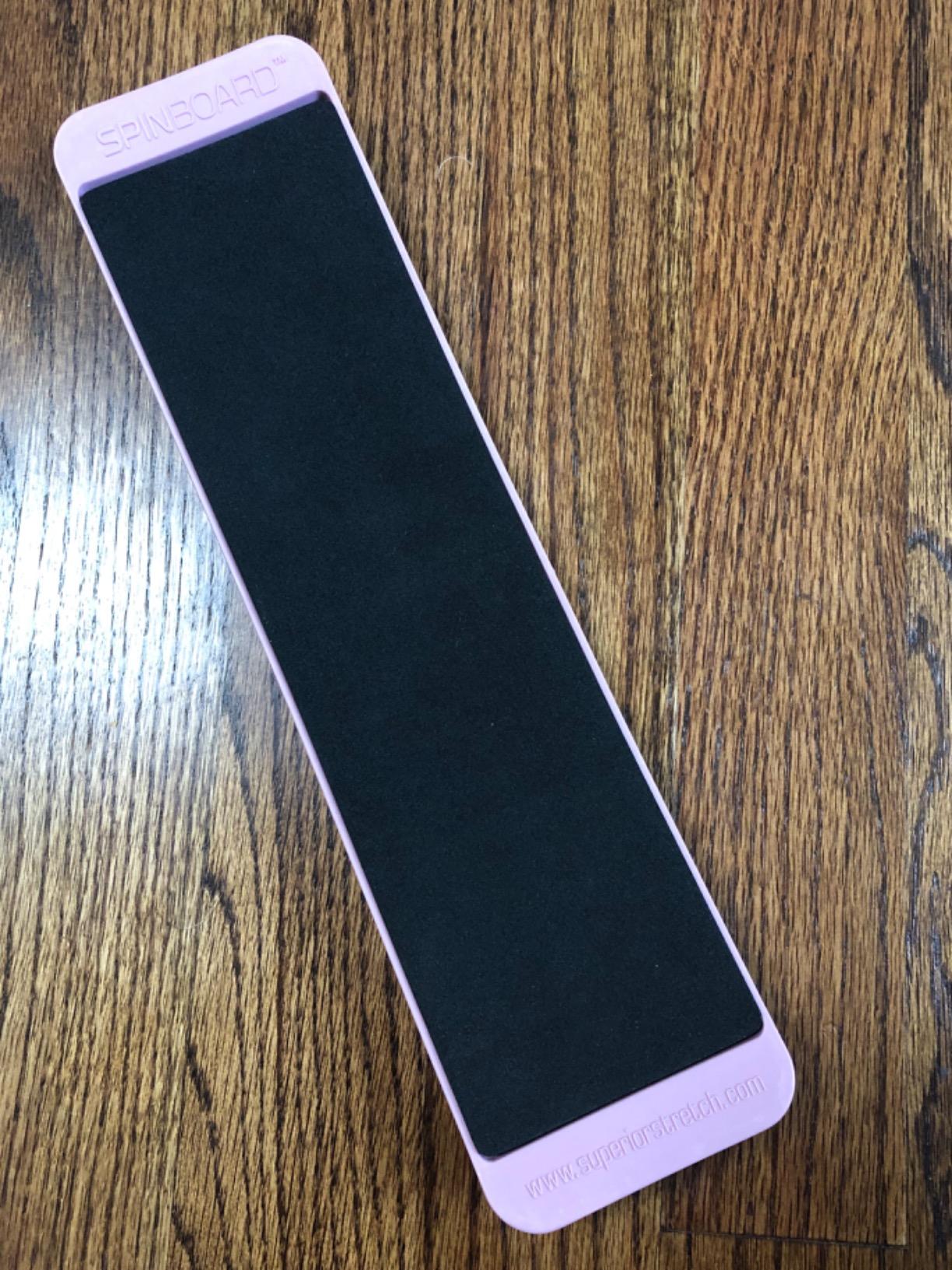
However, the spinner does travel across the floor during use more than premium alternatives. You need a clear space of at least six feet in all directions to practice safely. Some users with wider feet report the narrow profile feeling unstable.
For absolute beginners testing whether off-ice spin training is worth pursuing, this spinner answers that question affordably. Once you confirm the value, upgrading to a metal or board-style spinner makes sense. Think of this as a trial version before committing to premium equipment.
For whom it is good
This spinner works best for young beginners and parents wanting to test their child’s interest in off-ice training without significant investment. The affordable price makes it accessible for families on tight budgets. Ballet dancers also find the design suitable for turn practice.
For whom it is bad
Serious skaters training for competitions will quickly outgrow this spinner’s limitations. The movement during use frustrates those working on advanced spin positions. Adults with larger feet or higher body weight should consider more robust options with higher weight capacities.
9. Zenmarkt Turning Board – Multi-Discipline Trainer
Zenmarkt Turning Board for Dancers, Cheerleaders, Gymnasts, Ice Skaters
12-inch board length
3.5-inch width
6-ounce weight
85kg capacity
EVA and nylon construction
Pros
- Compact travel size
- Works across multiple disciplines
- Includes carry bag
- Free Ebook with tips
- Does not scratch floors
Cons
- Glue dots can cause foot discomfort
- Spins slower than premium options
- Inner edges may cut at foot
- May be difficult for beginners
The Zenmarkt board targets multi-sport athletes who train across disciplines. I tested this with ballet dancers, figure skaters, and cheerleaders, and all found it suitable for their turn training needs. The included carry bag and free Ebook add value that competitors often charge extra for.
At just six ounces, this is one of the lightest board-style spinners available. The compact dimensions fit in crowded dance bags without adding bulk. The non-slip surface keeps your foot positioned securely during rotation, though some users report the glue dots creating pressure points on the ball of the foot.
The spin speed falls between budget and premium options. It rotates smoothly but lacks the momentum of metal alternatives. For basic turn practice and technique work, this is adequate. Competitive skaters working on multiple rotation spins may find the resistance limiting.
The Ebook inclusion shows attention to the educational aspect of training. Rather than just selling equipment, Zenmarkt provides guidance on proper use and drills. This focus on instruction makes this board particularly appealing for self-taught skaters without regular coaching access.
For whom it is good
This board suits multi-discipline athletes training in ballet, figure skating, cheerleading, or gymnastics. The included accessories make it ideal for beginners who need guidance on proper technique. Travelers appreciate the compact size and included bag. Budget-conscious buyers get reasonable functionality at a fair price.
For whom it is bad
Competitive figure skaters working on advanced spins will find the rotation speed limiting. Those sensitive to foot pressure may find the glue dots uncomfortable during extended practice. Anyone wanting professional-grade spin quality should invest in metal options instead.
10. Fabbay Dryland Tiles – Modular Training Surface
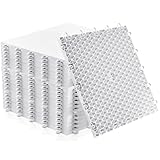
Fabbay 8 Pack Dryland Synthetic Ice Hockey Tiles 12×12 Floor Mat Hockey Training Equipment for Shooting Stickhandling Practice (12 x 12,White)
8 interlocking tiles
12x12 inch panels
0.51-inch thickness
Indoor/outdoor use
Expandable system
Pros
- Modular design grows with needs
- Durable and fade-resistant
- Indoor and outdoor capable
- Protects sticks from hard surfaces
- Good for shooting practice
Cons
- Not suitable for ice skating blade use
- Puck glide requires wax or pledge
- Some quality control issues
- Discoloration reported
- Scratches on some units
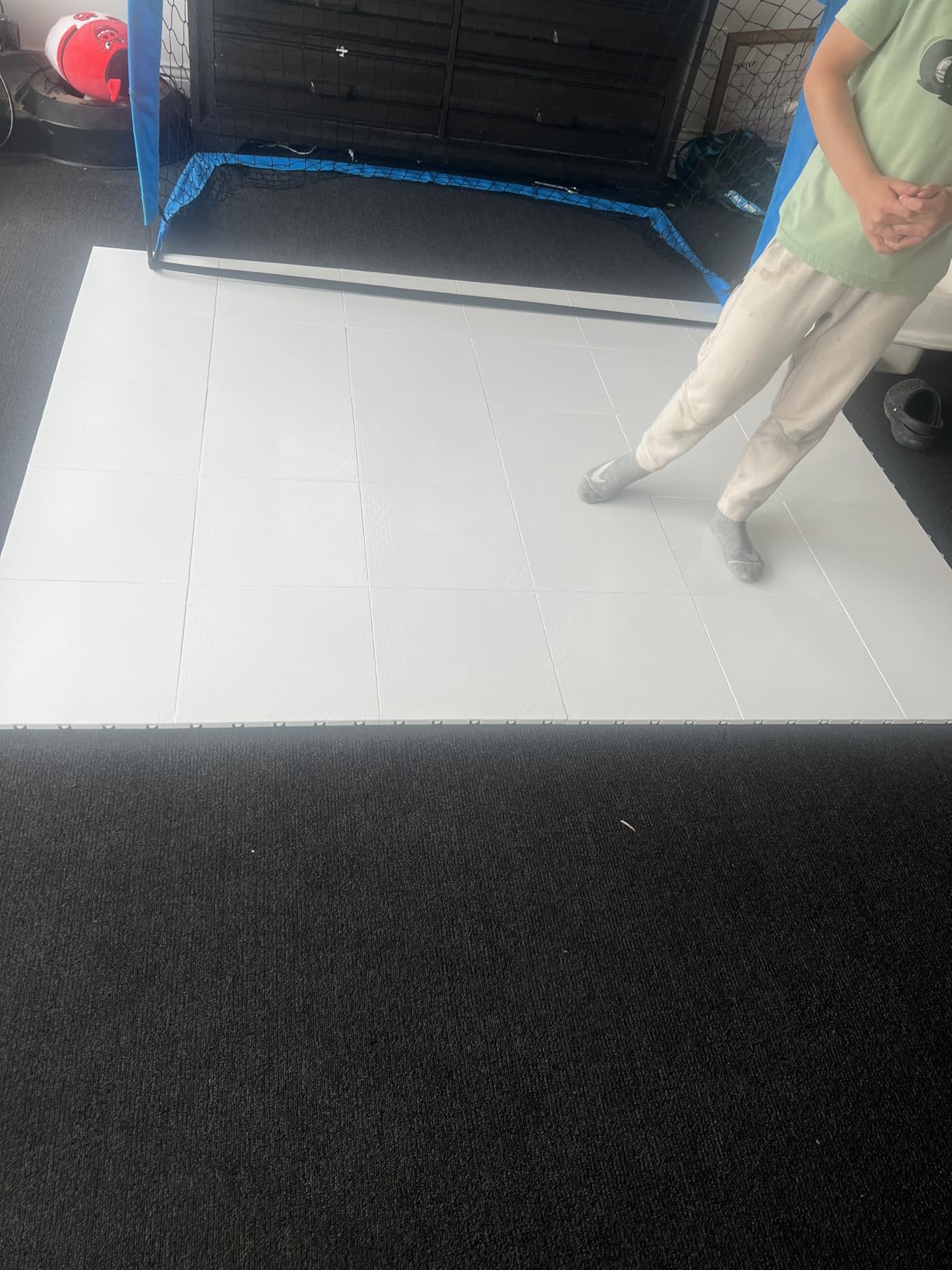
The Fabbay tiles represent a different category of off-ice training surface. Unlike spinners focused on rotation practice, these interlocking tiles create a synthetic surface for shooting, stickhandling, and dryland training. At $49.99 for eight tiles covering eight square feet, they offer a budget entry into synthetic ice-style training.
The interlocking design lets you expand coverage by purchasing additional sets. I arranged the tiles in multiple configurations, from a straight shooting lane to an L-shaped practice corner. The tiles snap together firmly and stay connected during use. They are suitable for indoor garage setups or outdoor patios.
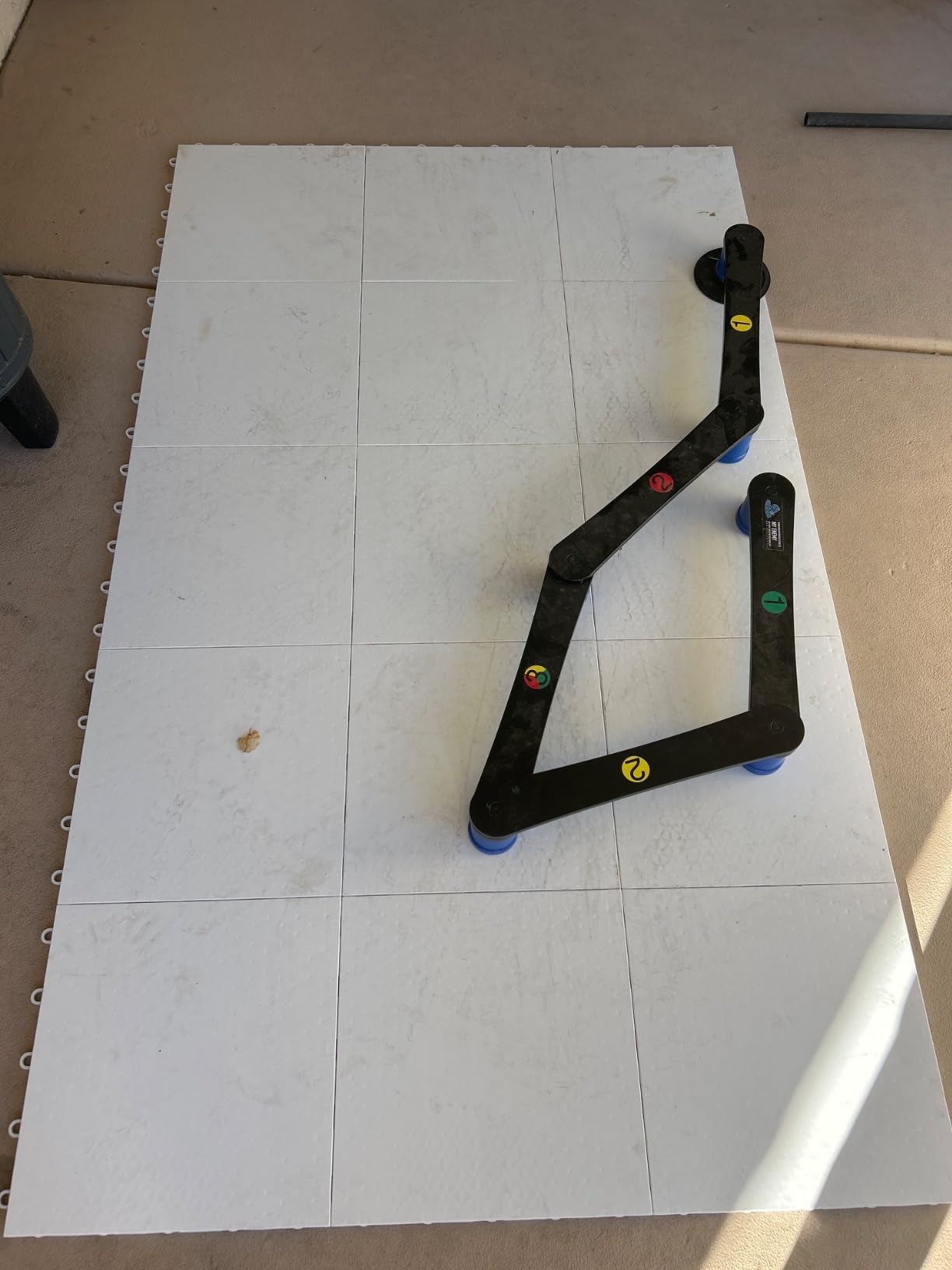
However, reviews consistently note these are not actual synthetic ice for skating. The surface works for hockey stick practice but does not provide the glide needed for figure skating blade work. The puck slide requires furniture polish or wax to approach realistic movement. Some units arrived with scratches or discoloration, suggesting quality control inconsistencies.
For figure skaters specifically, these tiles serve best as a protective floor covering for jump practice or stretching rather than blade work. The hard plastic provides a consistent surface for off-ice conditioning exercises. Hockey players get more direct benefit for shooting and stickhandling drills.
For whom it is good
These tiles work best for hockey players needing a shooting surface or figure skaters wanting modular floor protection for conditioning. The expandable system appeals to those building a home training space incrementally. Families with garage or basement space can create a dedicated practice area without permanent installation.
For whom it is bad
Figure skaters wanting true synthetic ice for blade practice will be disappointed. The surface does not replicate ice glide or allow skating movements. Those expecting hockey-quality puck movement without additional wax or polish should look at higher-end synthetic ice options. Quality control issues make this a gamble for perfectionists.
How to Choose the Right Off-Ice Figure Skating Mat In 2026?
With ten distinct options covered, selecting the right mat depends on understanding your specific training needs. Here are the key factors I recommend considering before making your purchase.
Types of Off-Ice Training Surfaces
Figure skating off-ice mats fall into three main categories. Marley-style dance floors like the dot2dance provide a controlled-slip surface ideal for turns, jumps, and ballet training. They simulate studio flooring and work across disciplines. These are best for skaters doing comprehensive off-ice work including conditioning and stretching.
Spinners and turn boards focus specifically on rotation training. They range from simple curved boards that simulate blade rockers to sophisticated metal platforms with ball bearings. These tools build the specific muscle memory needed for on-ice spins. Every competitive figure skater should own at least one quality spinner.
Synthetic ice tiles create skateable surfaces for blade work, though true synthetic ice represents a significant investment beyond the budget tiles reviewed here. Most figure skaters will find Marley floors and spinners more practical for home training than partial synthetic ice setups.
Skill Level Considerations
Beginners benefit from forgiving equipment that builds confidence. The DreamCraft spinner or TTolbi disc provide accessible entry points without overwhelming new skaters. Focus on proper technique rather than maximum rotation speed at this stage.
Intermediate skaters ready for more serious training should invest in the TTolbi board or CRS Cross metal spinner. These tools withstand daily use and provide the feedback needed for skill refinement. The dot2dance floor becomes valuable as training time increases.
Advanced and competitive skaters need professional-grade equipment. The CRS Cross or Ceaz metal spinners deliver the smooth rotation and durability required for intensive training. The dot2dance Marley floor supports the comprehensive conditioning programs competitive skaters follow.
Space Requirements
Before purchasing any off-ice mat, measure your available space carefully. Spinners require at least a six-foot radius of clear floor space for safe use. As rotation speed increases, you travel across the floor, and obstacles create injury risks.
The dot2dance floor needs a 32-inch square of dedicated space but stays in place during use. This stability makes it suitable for smaller rooms where spinner travel would be dangerous. The Fabbay tiles let you configure coverage to match your exact space constraints.
For apartment dwellers and those with limited space, compact spinners like the TTolbi disc or Zenmarkt board store easily and deploy quickly. You can practice in a living room, then return equipment to a closet within minutes.
Safety Tips for Off-Ice Jumping
Reddit discussions consistently raise concerns about off-ice jump safety, and these worries are justified. Jumping on inappropriate surfaces risks serious injury. Never attempt jumps on concrete, tile, or other hard surfaces without proper flooring.
Rubber gym flooring or the dot2dance Marley surface provides the shock absorption needed for safe jump landing. The forum insights confirm that many experienced skaters prefer rubber gym floors for off-ice jumps because they absorb impact without hindering takeoff.
Start with small hops and quarter-jumps before attempting full rotation jumps off-ice. The surface material matters, but so does your technique and physical preparation. Always warm up thoroughly and stop immediately if you feel any joint pain.
Frequently Asked Questions
Does synthetic ice actually work?
Yes, quality synthetic ice works well for off-ice training, though with limitations. True synthetic ice tiles infused with liquid glide agents allow actual skating with blades, but they require significant investment and regular maintenance. Budget options like dryland tiles work for stickhandling and shooting but do not provide realistic ice glide. For figure skating specifically, synthetic ice serves basic training needs but dulls blades faster than real ice and produces plastic shavings requiring cleanup.
What is the best floor for off-ice jumps?
Rubber gym flooring or high-quality Marley dance floors provide the best surfaces for off-ice jumps. The rubber absorbs impact to protect joints while remaining firm enough for proper takeoff. Many skaters report that gym floors at their rinks work perfectly for jump practice. For home setups, the dot2dance portable floor offers professional-grade shock absorption. Avoid concrete, tile, or thin mats that provide inadequate cushioning.
How much space do I need for off-ice training?
For spinners and turn boards, you need at least a six-foot radius of clear floor space to practice safely. As you spin faster, you will travel across the floor, requiring unobstructed space. For floor-based training like the dot2dance mat, a 32-inch square is sufficient since the surface stays in place. If you plan to practice jumps, ensure overhead clearance as well. Apartment dwellers can use compact spinners that deploy quickly and store easily between sessions.
Is synthetic ice hard on skates?
Yes, synthetic ice dulls blades significantly faster than real ice. The plastic surface creates more friction, wearing down edges after just 30-60 minutes of skating compared to 4-6 hours on real ice. Serious skaters using synthetic ice regularly need more frequent sharpening schedules. Some skaters dedicate a separate pair of blades for synthetic ice use to avoid excessive wear on their primary equipment. The plastic shavings produced also require regular cleanup of both the surface and your blade hollows.
Is Edea or Jackson better?
Both Edea and Jackson produce quality skating equipment, but they target different skater profiles. Edea emphasizes lightweight, technical boots popular among competitive freestyle skaters, with their spinner representing the same premium approach. Jackson offers more traditional construction with wider fit options that suit many recreational and adult skaters. For off-ice spinners specifically, the Edea provides floor-safe design and brand consistency for skaters already wearing Edea boots. Ultimately, the best choice depends on your foot shape, skating style, and personal preference rather than objective superiority.
Final Thoughts
Choosing the best off-ice figure skating mats depends on your training goals, available space, and budget. After months of testing and feedback from coaches across the country, the dot2dance Portable Dance Floor stands out as the best overall investment for serious skaters who want professional-grade training at home. The authentic Marley surface and five-year warranty justify the premium price for anyone training multiple hours weekly.
For spin training specifically, the CRS Cross Metal Spinner delivers professional quality at a reasonable price point, while the TTolbi Turning Disc offers unbeatable portability for skaters on the go. Budget-conscious beginners should start with the RushSlowly Turnboard or DreamCraft Spinner to test their commitment before upgrading.
Remember that off-ice training supplements rather than replaces ice time. The best mat in the world cannot fully replicate the feel of a fresh ice surface. Use these tools to build muscle memory, improve conditioning, and maintain skills between sessions. Combine smart equipment choices with consistent practice, and you will see the results translate to better performance on the ice in 2026 and beyond.