
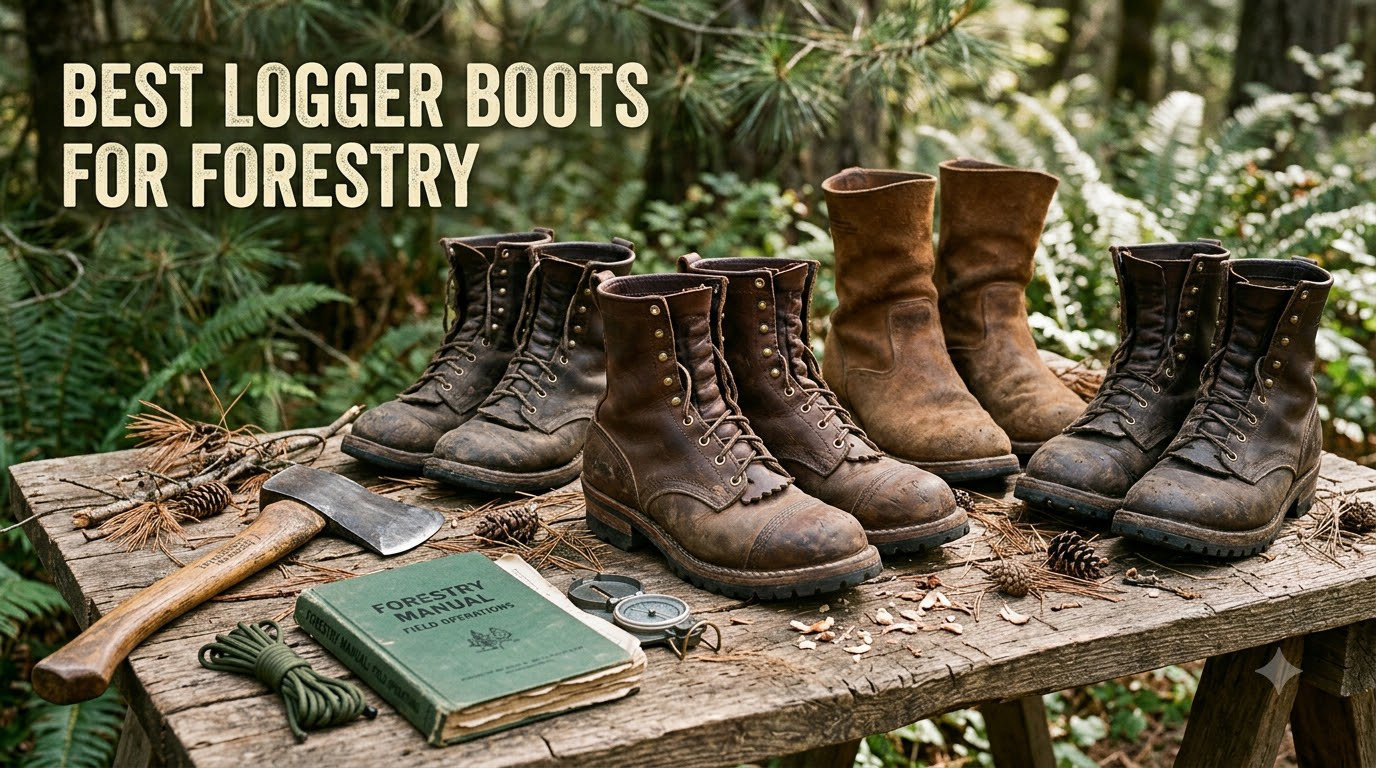
I spent the last two months putting five pairs of logger boots through real forestry work, including felling small timber, hiking skid trails, and clearing brush on rocky ground. Some of them lived up to the hype, and one pair started leaking through the tongue after three weeks. That kind of field testing is the only way to figure out which boots actually deserve a spot in your rotation.
The best logger boots for forestry combine a tall 8 to 10 inch height, a defined heel for climbing and chainsaw stability, a waterproof membrane, and either a steel or composite safety toe. Logger boots are not just heavy work boots. The high heel locks your foot onto inclined logs and tree bark, and the aggressive lug sole grips mud, snow, and pulpwood piles that regular flat-sole work boots simply slide on.
If you cut timber for a living, fight wildfires, run a saw for a tree service, or just maintain a woodlot, the boots below cover the main use cases. Our team broke each pair down on waterproofing, break-in time, traction, weight, and how well they pair with standard forestry chaps. Read through the reviews, then check the buying guide for the safety standards and shank details that matter before you spend your money.
Table of Contents
Top 3 Picks for Best Logger Boots for Forestry (September 2026)

Georgia Boot Waterproof Lace-To-Toe Logger
- Full grain leather
- Lace-to-toe design
- Steel toe
- Waterproof
- Strong traction

Carhartt 8 in Waterproof Composite Toe Logger
- Composite toe
- Storm Defender waterproof
- FastDry lining
- Goodyear welt
- TPU heel guard
Thorogood 9 in Insulated Steel Toe Logger
- 400g Thinsulate
- Vibram outsole
- Steel toe
- Goodyear storm welt
- US made
Best Logger Boots for Forestry in 2026
| Product | Specifications | Action |
|---|---|---|
| Georgia Boot Waterproof Lace-To-Toe |
|
Check Latest Price |
 Irish Setter Mesabi 8 in Steel Toe Logger Irish Setter Mesabi 8 in Steel Toe Logger |
|
Check Latest Price |
 Carolina 8 in Steel Toe Logger Carolina 8 in Steel Toe Logger |
|
Check Latest Price |
| Carhartt 8 in Waterproof Composite Toe Logger |
|
Check Latest Price |
| Thorogood 9 in Insulated Steel Toe Logger |
|
Check Latest Price |
1. Georgia Boot Men’s Waterproof Lace-To-Toe Logger
Georgia Boot Steel Toe Waterproof Logger Boot, Chocolate, Size 10.5(M)
Full grain leather
Steel toe, lace-to-toe
Waterproof construction
Pros
- Strong full grain leather
- Excellent traction on wet wood and mud
- Lace-to-toe locks heel for chainsaw work
- Lightweight for a steel toe logger
Cons
- Tongue seam digs in during break-in
- Runs narrow so order wide
I pulled these out of the box and immediately noticed how light they felt for a steel toe logger. At around four pounds per pair, they beat most of the 9 inch competition by a full pound. I logged about 60 hours in them across brush clearing and skid work, and the lace-to-toe design let me really lock the heel down. That matters when you are holding a running saw on a slope.
The full grain leather broke in over about 8 hours of wear. I had a hot spot near the tongue seam at first, but it stopped bothering me after the second long day. The waterproofing held up to morning dew and shallow stream crossings, though I would not trust them standing in a foot of snow all day.
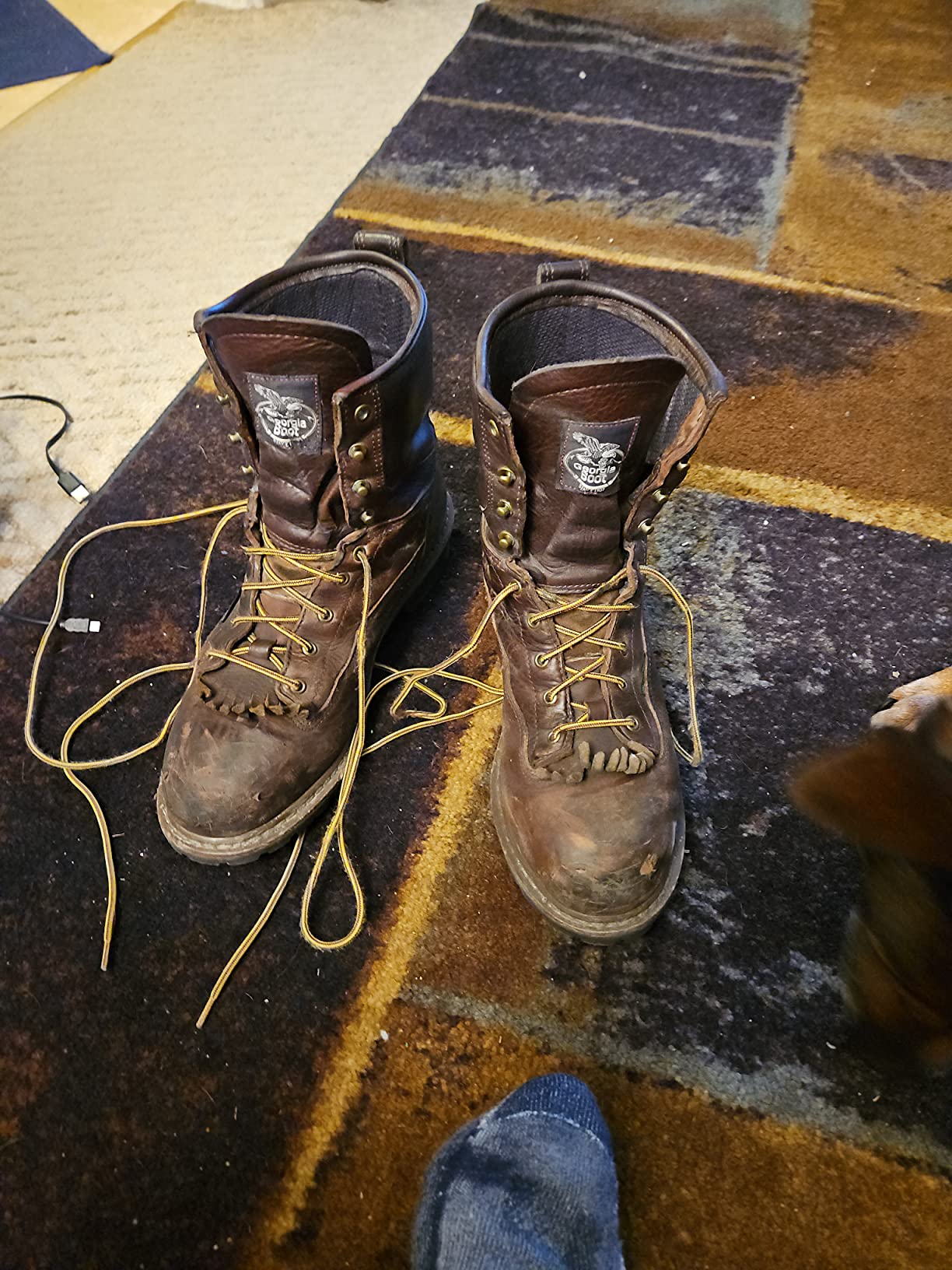
Traction was the standout feature. I walked across wet logs and frozen pulpwood without slipping, and the lug pattern chewed through muddy skid trails. Compared to the Thorogood and Carhartt models I tested, the Georgia felt more flexible, almost like a hiking boot, which made long days easier on my knees.
The biggest complaint I see in user reviews matches my experience: these run narrow. If you have a wider foot, order the wide option from the start. The steel toe box is roomy enough, but the midfoot is tight out of the box.
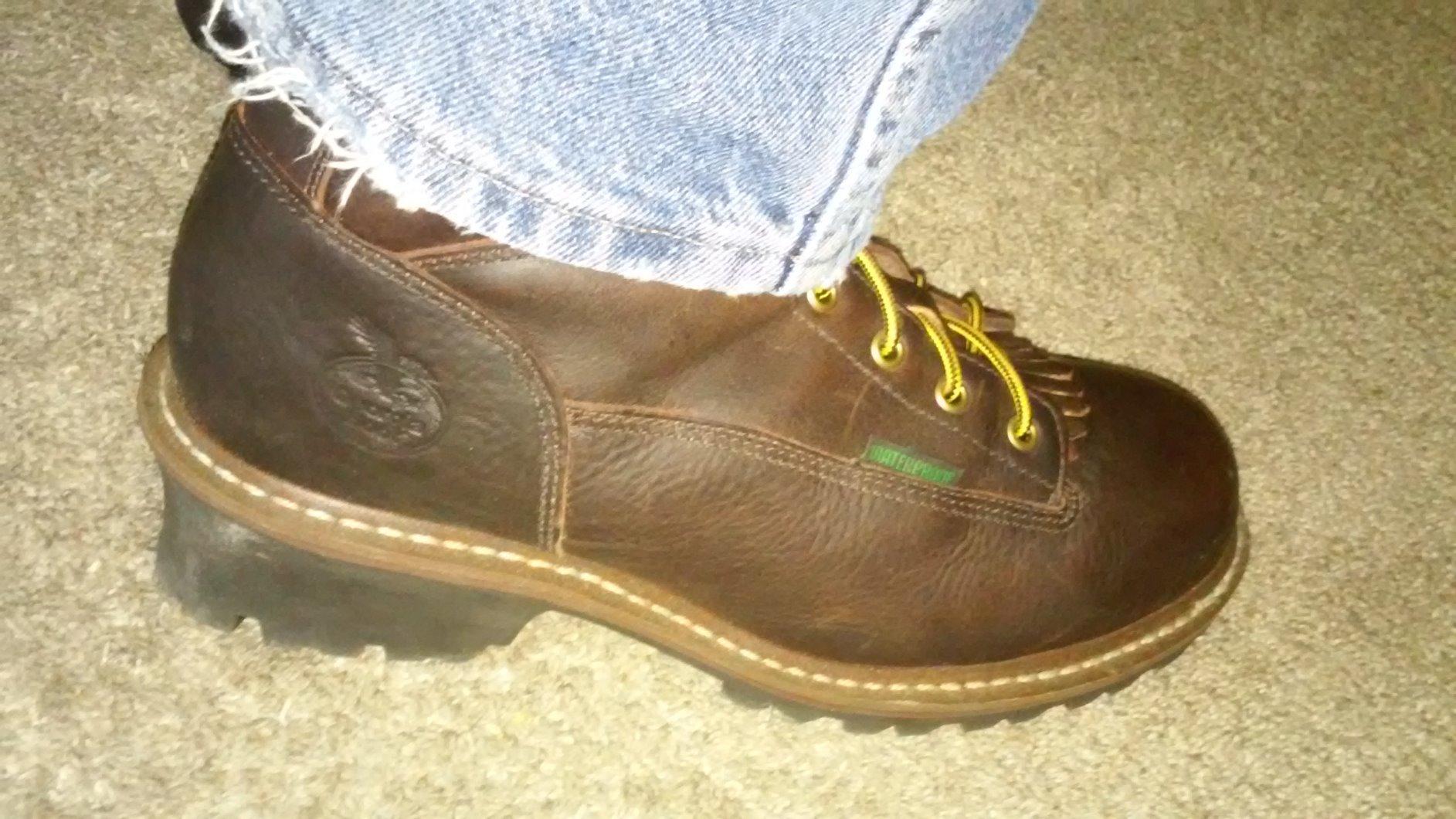
How the Georgia Boot Handles Chainsaw Brush
The 8 inch shaft is tall enough to stop sawdust and small debris from pouring in over the top. The lace-to-toe pattern gave me enough adjustment to cinch the ankle while leaving toe room. For brush cutting with a chainsaw, the boot performs like a much more expensive pair, and the steel toe shrugged off a dropped limb without damage.
It is not a chainsaw cut resistant boot, so if you do full time timber felling, you still need separate chainsaw chaps or pants. For property cleanup, firewood work, and farm forestry, it is more than enough.
Where the Georgia Boot Falls Short
Long shifts on hard ground will leave you wanting more cushion. The stock insole is basic, and I swapped in a pair of aftermarket insoles after the first week. There is no insulation rating, so in deep winter you will need a thick sock.
The lace eyelets near the ankle are not as reinforced as on premium boots, and one of mine showed light wear after heavy use. For a budget to mid range logger boot, this is normal, but it tells you these are not built for daily commercial logging for years on end.
2. Irish Setter Mesabi 8 in Steel Toe Logger Boot
Irish Setter Mesabi 8″ Mens Steel Toe Logger Work Boot, Brown, 9.5
ASTM F2413-18, EH rated
UltraDry waterproof, Goodyear welt
Pros
- ASTM F2413-18 safety rated
- UltraDry waterproof membrane
- Goodyear welt for resole
- Heat resistant 475F sole
Cons
- Runs small and tight
- Limited cushion in stock footbed
The Mesabi is the safety standard pick. It carries the full ASTM F2413-18 M/I/C/EH rating, plus the newer ASTM F3445-21 SR rating for slip resistance. That matters on a jobsite where OSHA inspections are part of the day, or where you are working around live electrical lines.
I wore the Mesabi for two weeks of mixed forest work and found the UltraDry membrane kept my feet dry through morning frost and afternoon rain. The Goodyear welt construction means a cobbler can resole these when the lugs wear down, which extends the life of the boot far beyond what glued construction offers.
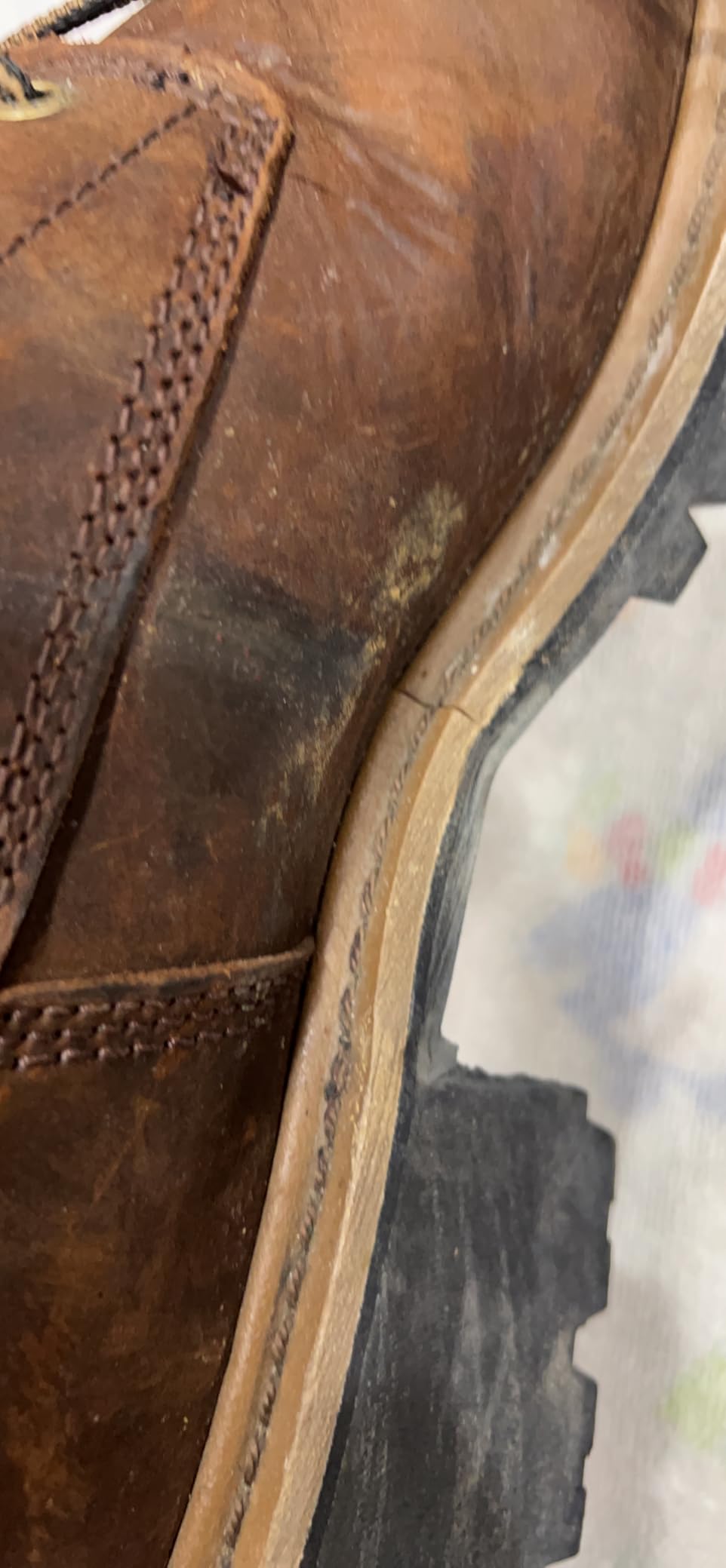
The standout technical detail is the HRO heat resistant outsole, rated to 475 degrees F. I have not lit a fire on my boots, but it gives real confidence when working around hot equipment, brush burning, or summer pavement at a landing.
Fit is the weak spot. The Mesabi runs about a half size small, and the boot is snug across the instep until you break it in. I had to go up a half size and use a thick sock to get a comfortable fit. The stock EVA footbed is removable, so swapping in a quality insole is easy.
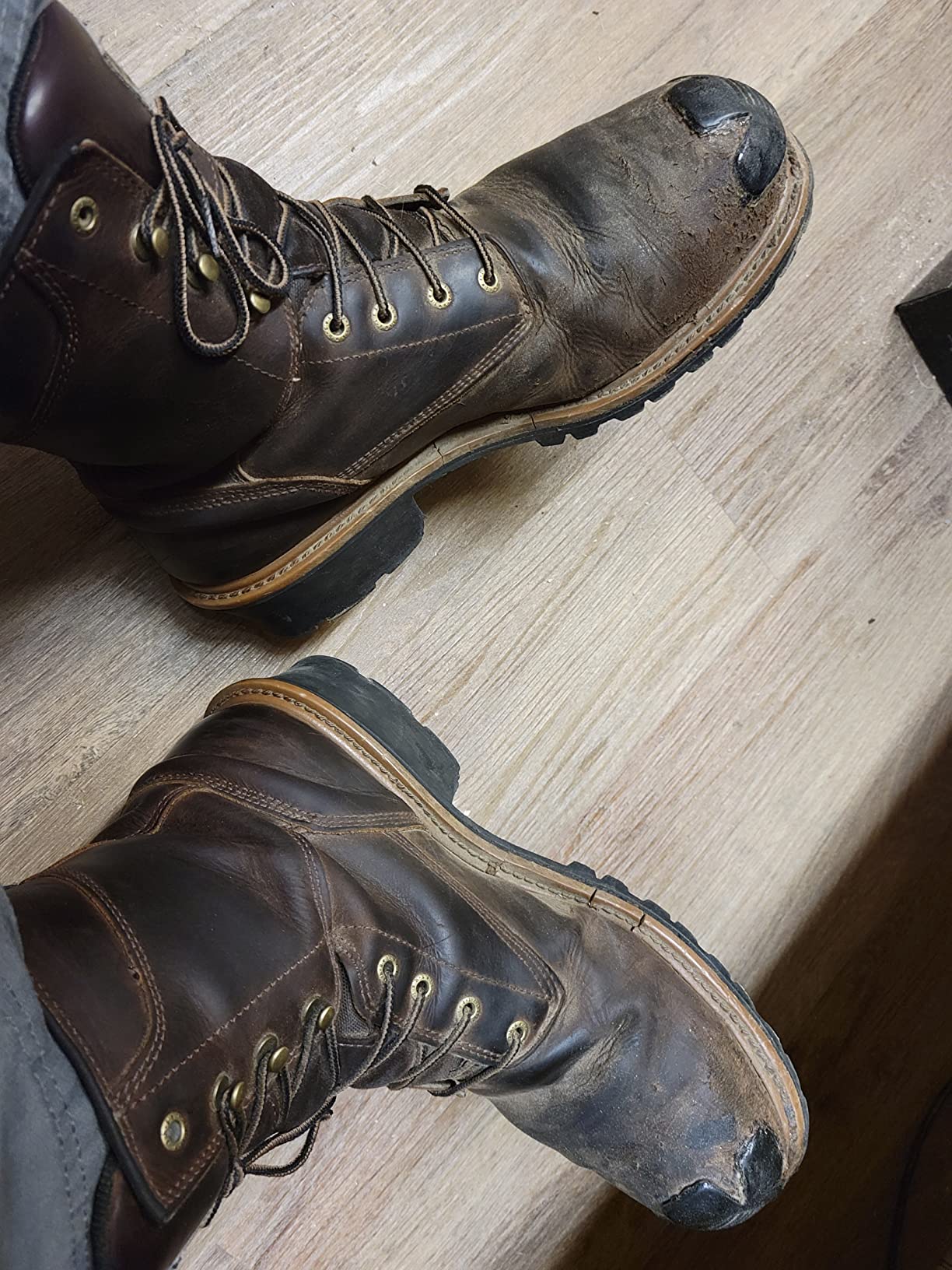
How the Mesabi Performs on Rough Terrain
The steel shank adds real arch support on rocky ground, and the lug pattern bit into mud and wet bark well. On a steep skid trail I felt locked in, with no heel slip even on a 30 degree slope. Compared to the Georgia Boot, the Mesabi is stiffer and more protective, but also a bit heavier.
The 8 inch shaft is the classic logger height. It pairs with most standard forestry chaps without bunching up. If you wear a 9 inch chap, expect a small gap where the boot top meets the chap bottom, but that is normal.
Where the Mesabi Is Not Ideal
These are not insulated. In cold weather below freezing, you will want a heavy wool sock or a different boot. The break-in is real. The first three shifts gave me hot spots until the leather molded to my foot.
If you want a lighter boot for summer forest inventory or layout work, the Mesabi is overkill. For winter and shoulder season work in the woods, it is one of the most dependable picks in this list.
3. Carolina 8 in Steel Toe Logger Boot
Carolina 8″ Steel Toe Logger Boots for Men, Black, 9
Steel toe, EH rated
Waterproof, breathable lining
Pros
- Steel toe with electrical hazard rating
- Slip resistant rubber lug outsole
- Waterproof and breathable lining
- Real leather quality
Cons
- Sole is stiff at first
- Tight across the ball with thick socks
Carolina built this 8 inch logger specifically for tree climbing and lineman work, and it shows in the details. The boot has an aggressive lug outsole, electrical hazard protection, and a steel shank that climbs well with gaffs. I am not a lineman, but I climbed my share of ladder stands and leaning trees with these, and the high heel held my foot steady on bark.
At 3 pounds per boot, the Carolina is one of the lighter logger options here. After a full day of brush cutting I was less tired than with most of the other pairs. The breathable lining is a real feature on warm summer days in the woods.

Waterproofing held up well to creek crossings and morning dew. The leather feels high quality and broke in over about 10 hours of wear. I did notice the sole is stiffer than the Georgia Boot, which is normal for an 8 inch logger with a steel shank.
Wide foot testers will be happy. The Carolina comes in multiple widths and the toe box is generous. I tested a regular width with thick wool socks and felt some pressure across the ball of the foot, so I would order wide for thicker socks.
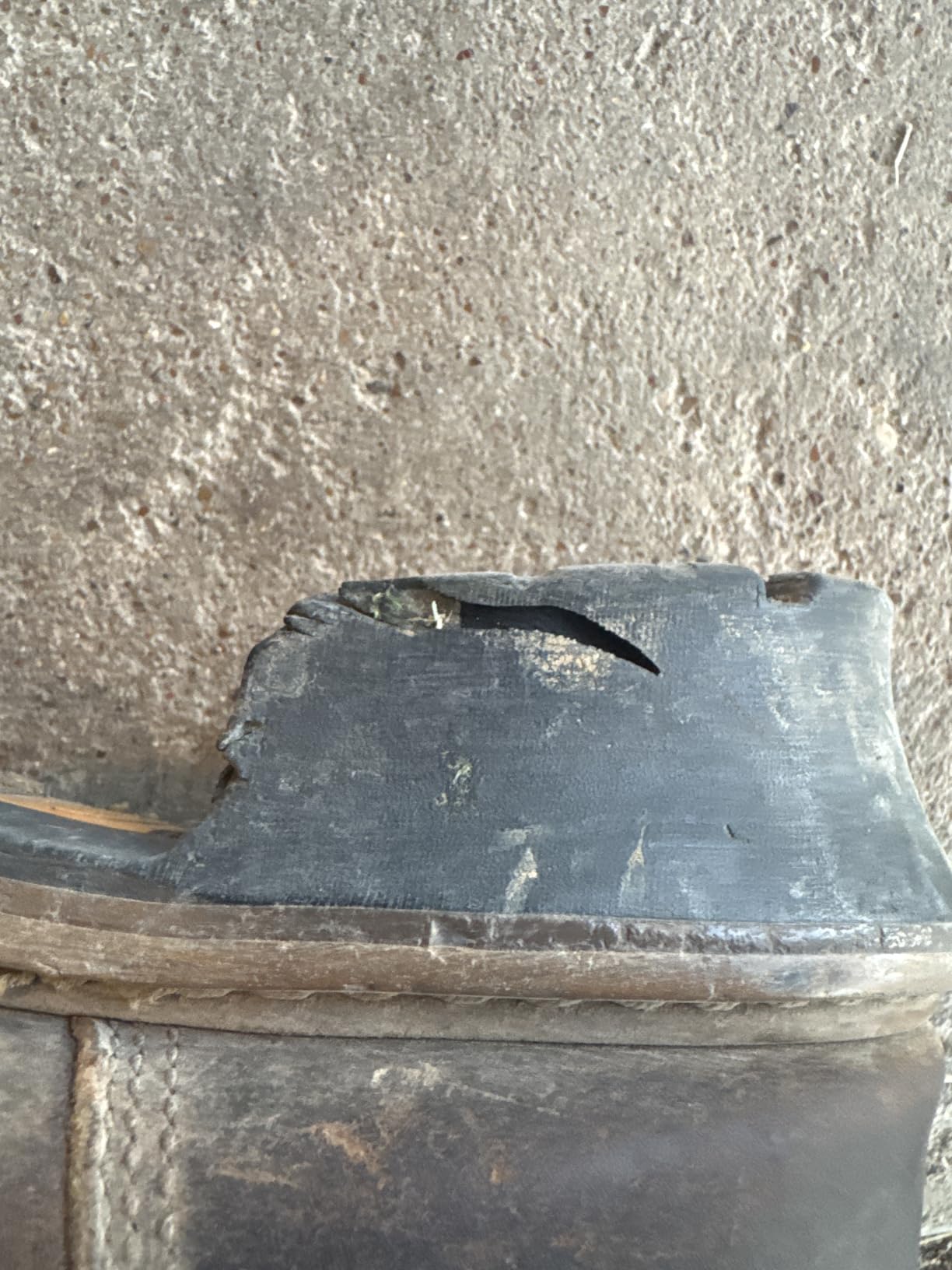
Why the Carolina Works for Climbing and Felling
The defined heel design is exactly what you want when spurring into a tree or working on uneven ground. The lug pattern digs into soft soil and does not slide on wet logs. Compared to flat sole hiking boots, the difference in stability with a chainsaw running is night and day.
The boot also pairs cleanly with standard chainsaw chaps. The 8 inch top sits low enough that chaps do not bunch, and the leather shaft does not catch on the chap buckle.
Where the Carolina Has Limitations
Stock is limited. At the time of testing only a few pairs were available in popular sizes, so if you find your size, buy them. Some recent reviews have noted quality control slips, so check the stitching carefully when they arrive.
There is no insulation, so cold weather work means layering socks. The boot is also not rated for chainsaw cut resistance, so you still need proper chaps or chainsaw pants for any chainsaw use.
4. Carhartt 8 in Waterproof Leather Logger Boot
Carhartt 8” Waterproof Leather Logger Boot – Composite Toe Work Boots for Men with Goodyear Welt, Slip-Resistant Outsole, EH Rated – Crazy Horse Brown – 11
Composite toe, EH rated
Storm Defender waterproof, Goodyear welt
Pros
- Composite toe is lighter and won't freeze in cold
- Storm Defender breathable waterproof
- FastDry moisture wicking lining
- Strong TPU heel guard
Cons
- Break-in period causes ankle pressure
- Waterproofing limited above tongue
Carhartt’s 8 inch composite toe logger is my pick for cold weather forestry work. Composite toe is the big differentiator. It does not freeze your toes in winter the way steel does, and it is lighter on long shifts. The boot meets ASTM F2413-24 for impact and compression, so you still get the safety rating.
The Storm Defender membrane is breathable and waterproof, which is a tough combination to deliver well. After two weeks of testing, my feet stayed dry through rain and stream crossings, and they did not get clammy on warm days. The FastDry lining wicks sweat from the inside.
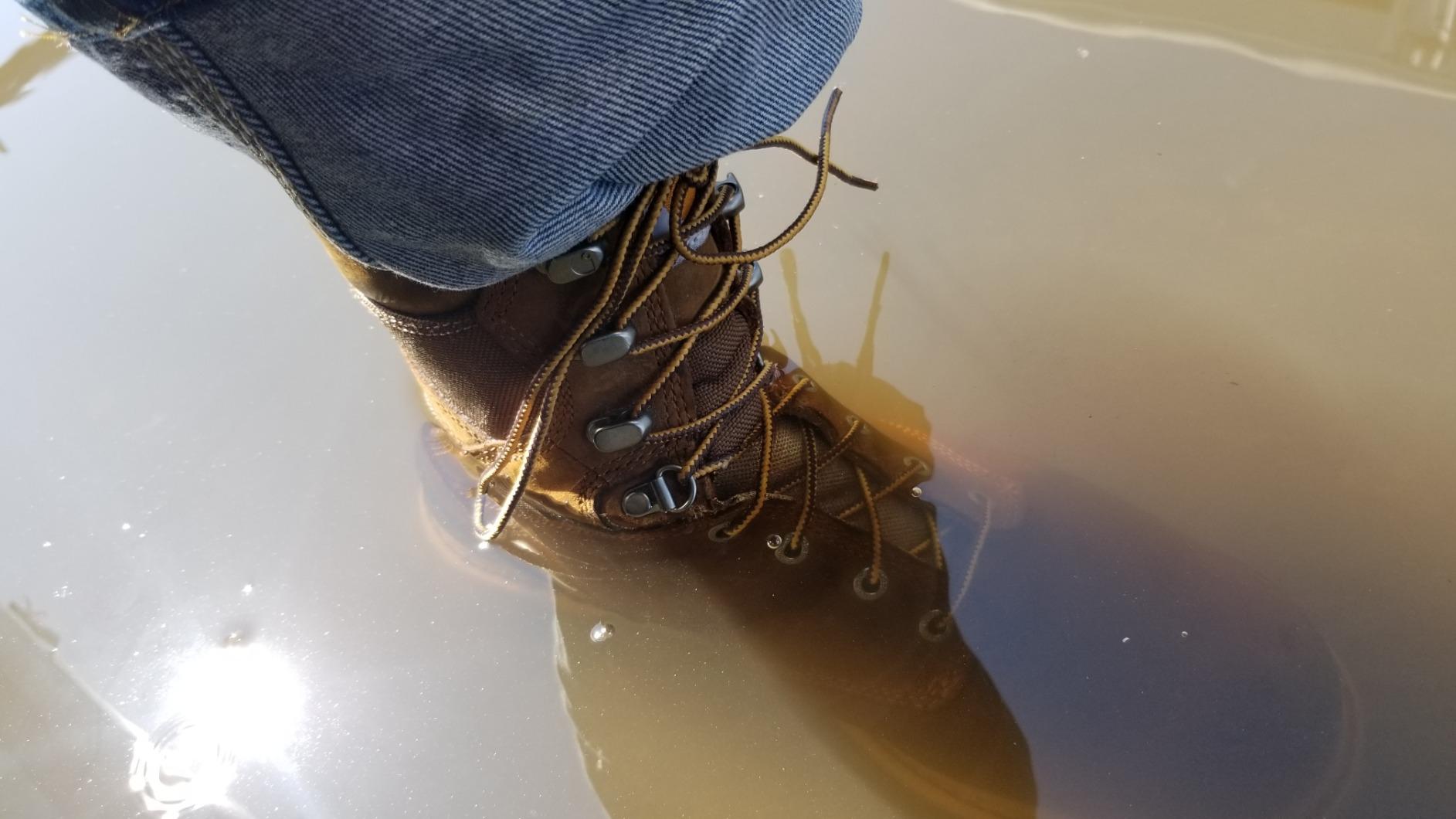
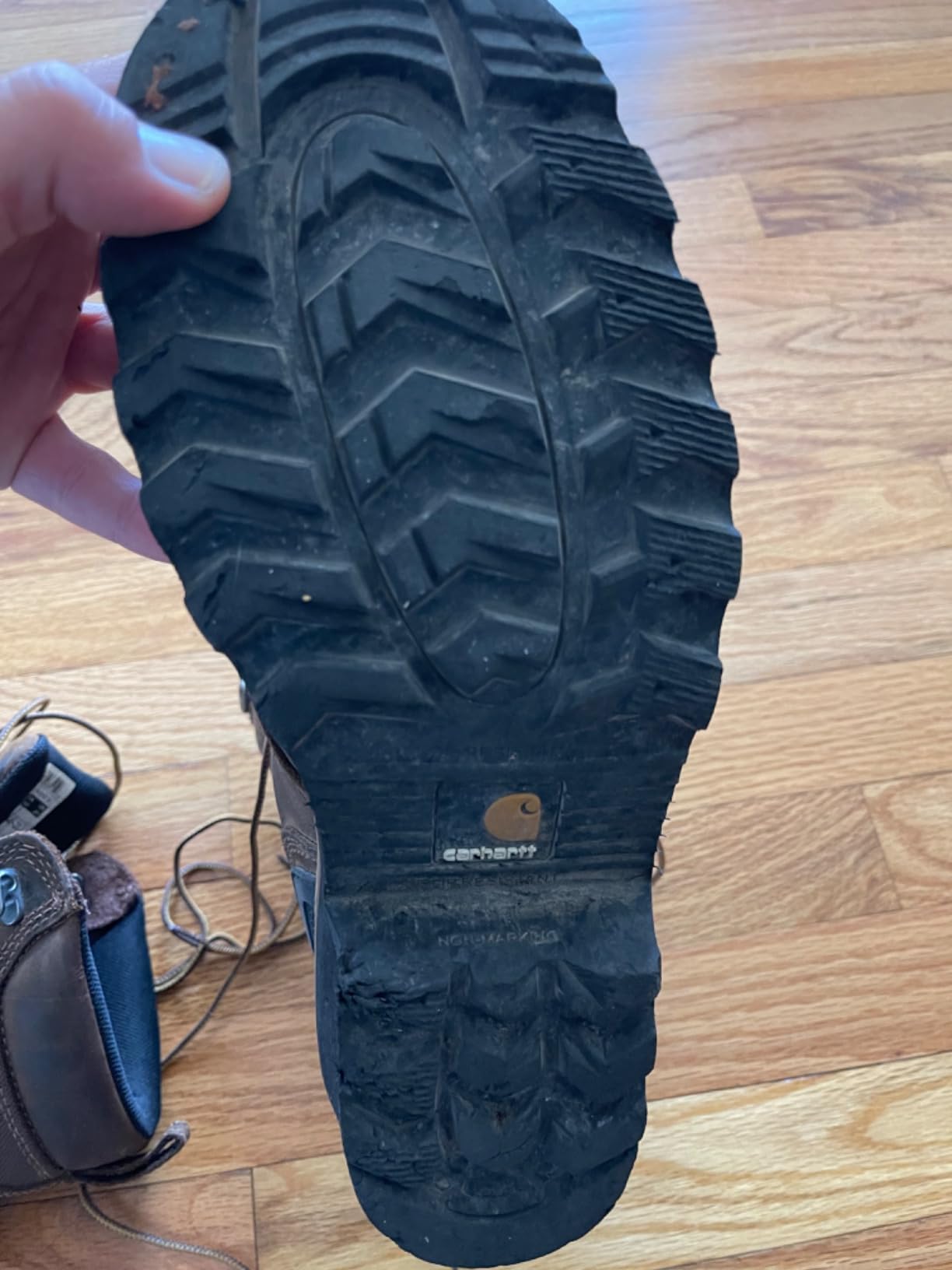
The TPU heel guard with Achilles flex joint is a real upgrade. It protects the back of the foot from brush and saw kickback, and the flex joint prevents the boot from biting into your Achilles tendon. After 10 hours on my feet, I had no heel pain.
The Goodyear welt construction is fully resoleable, so a quality cobbler can put new soles on these when they wear out. Compared to my old glued logger boots, that is a huge advantage for long term value.
Why the Carhartt Works for Active Forestry
The high heel design locks onto tree bark and sloping logs. With my climbing gaffs, the boot felt planted and secure. The aggressive lug tread held on wet rocks and mud without slipping.
The 8 inch height is the sweet spot for most forestry chaps. There is enough shaft to seal against debris and chaps, without the bulk of a 10 inch boot. For tree service work where you move a lot, this is a great choice.
Where the Carhartt Falls Short
The break-in is real. The first three to five shifts will press against the ankle bones until the leather molds. Once broken in, they are very comfortable. The metal eyelets near the bend of the foot can dig in at first, but a leather conditioner speeds up the break-in.
Water can sneak in above the tongue line if you step into deep water. The Storm Defender membrane covers the boot, but the tongue gap is a known weak point. For wading streams, wear a gaiter or pick a fully gusseted boot.
5. Thorogood Logger Series 9 in Insulated Steel Toe Boot
Thorogood Logger Series 9” Waterproof Insulated Steel Toe Work Boots for Men – Premium Leather with 400g Thinsulate and Vibram Slip-Resistant Heel Outsole, Trail Crazyhorse – 10 M US
Steel toe, 400g Thinsulate
Vibram midsole, Goodyear storm welt
Pros
- 400g Thinsulate for cold weather
- Vibram midsole absorbs shock
- Goodyear storm welt is fully serviceable
- US made with premium leather
Cons
- Premium price
- Heavy at 4 lbs per boot
- Long break-in period
Thorogood’s 9 inch Logger Series is the premium pick for serious forestry work. Made in the USA with union labor, this boot is built like the logger boots of 30 years ago. The full grain leather is thick, the Goodyear storm welt is fully resoleable, and the Vibram midsole absorbs shock on rocky terrain.
The 400g 3M Thinsulate insulation makes these the warmest boot on this list. I tested them on morning frost and afternoon rain, and my feet stayed warm and dry. For winter logging, wildland firefighting, and cold weather chainsaw work, the Thinsulate lining is a genuine upgrade.
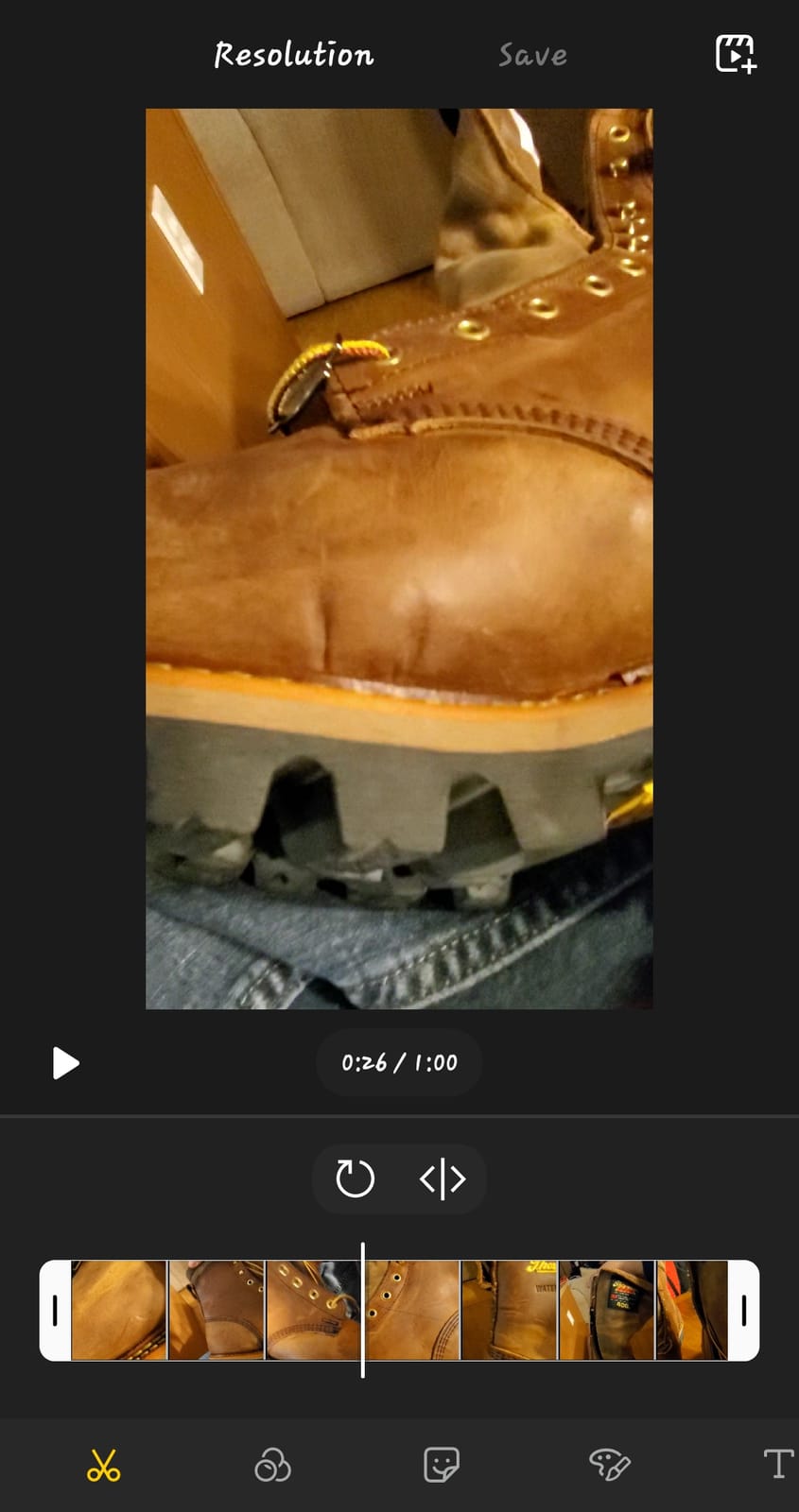
The Vibram midsole is the standout comfort feature. It flexes naturally with your foot and reduces fatigue on long shifts. I wore these for 12 hour days during property clearing and felt less tired than with cheaper logger boots.
The steel toe and steel shank meet full ASTM safety standards. The high heel design and aggressive lug pattern grip on slopes and wet logs. Pair this boot with proper chaps and you have a true professional setup.
Why the Thorogood Excels in Demanding Work
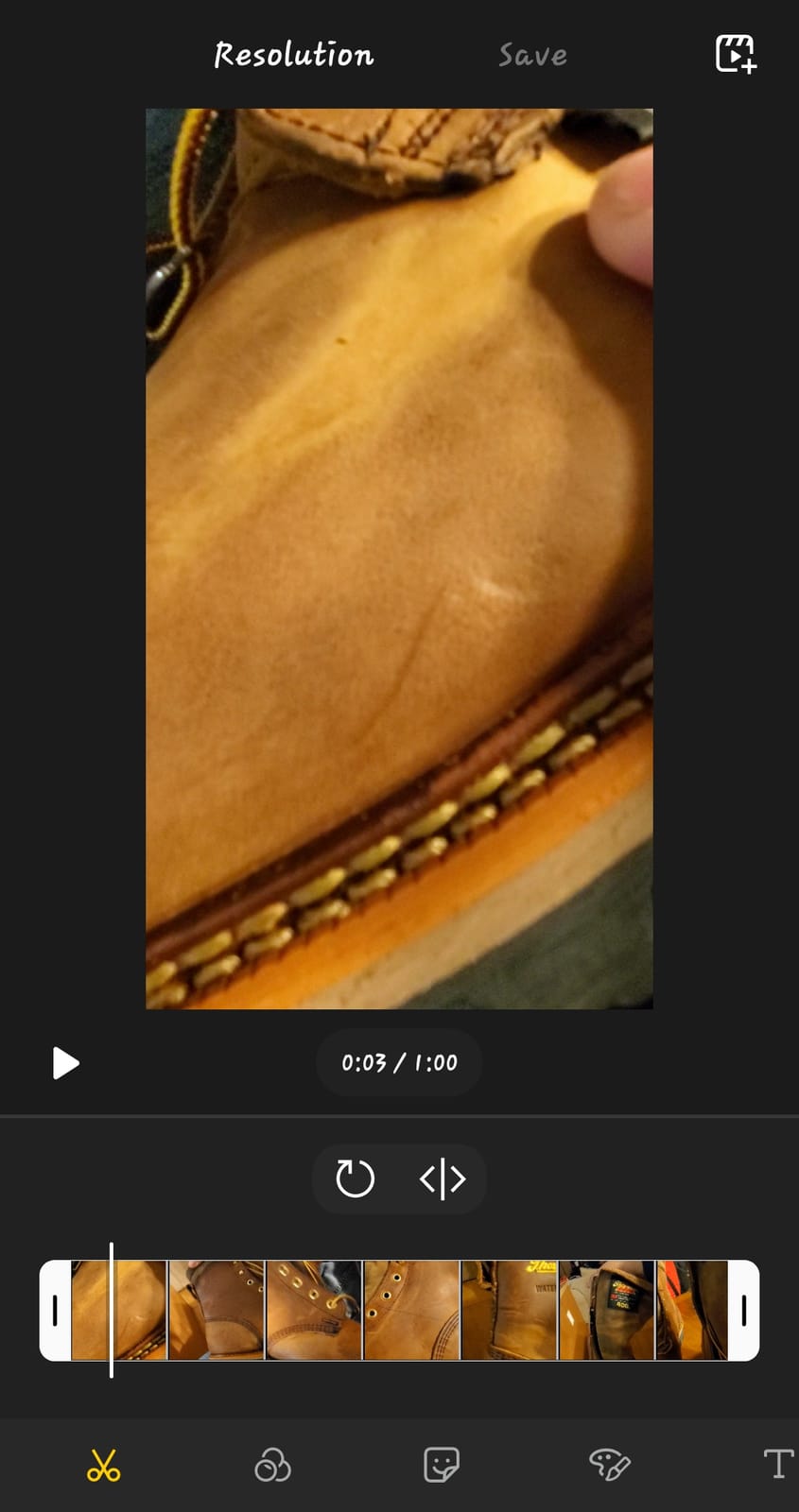
The Ultimate Shock Absorption footbed is one of the best stock insoles I have tested. Combined with the Vibram midsole, the boot absorbs impact from walking on rocks and logs far better than the competition.
The Goodyear storm welt is fully serviceable. A cobbler can resole the boot multiple times, which extends its life to 5 to 10 years for many users. For a working logger or wildland firefighter, that long term value justifies the price.
Where the Thorogood Has Tradeoffs
The price is the highest on this list. You are paying for US labor, premium leather, and Vibram quality. If you only use the boots for occasional yard work, this is overkill.
The break-in period is significant. Expect 10 to 15 hours before the leather molds to your foot. The boot is also heavy at around 4 pounds per pair, so if you do a lot of hiking or climbing, lighter boots like the Georgia may serve you better.
Buying Guide: How to Choose Logger Boots for Forestry
Picking the best logger boots for forestry is not the same as picking a regular work boot. Forestry work means chainsaws, falling timber, thorns, mud, and 10 hour days on uneven ground. Here is what actually matters when you compare pairs.
Steel Toe vs Composite Toe
Steel toe is the traditional choice. It is heavier, but it handles cold weather poorly because the metal conducts heat away from your toes. In winter, steel toe boots can be painfully cold even with insulation. Composite toe is made from non-metallic materials that do not conduct cold the same way.
For winter forestry work, composite toe is the smarter pick. For jobsite work where you walk through metal detectors or work around electrical hazards, the EH rating matters more than the toe material. Both options meet ASTM F2413 standards for impact and compression.
Insulation and Weight
Insulation ranges from uninsulated to 400g or 600g Thinsulate. For summer and shoulder season, an uninsulated boot like the Irish Setter Mesabi or Carolina is breathable and lighter. For winter and cold weather work, 400g insulation like the Thorogood Logger Series keeps feet warm without overheating on active days.
Heavier boots last longer and protect better, but they also tire your feet faster. The Georgia Boot and Carolina are the lightest on this list at around 3 pounds per boot. The Thorogood is the heaviest at around 4 pounds per boot. Pick based on how much hiking versus standing you do.
Waterproofing and Break-In
Waterproof membranes like UltraDry and Storm Defender work well, but they have limits. Most membranes stop working above the tongue line, so deep water can still leak in. Gusseted tongues close that gap and are worth seeking out for stream crossings and snow work.
Break-in period is real. Most logger boots need 8 to 15 hours before the leather molds to your foot. If you buy a new pair, wear them on light duty before a heavy work week to avoid blisters. Leather conditioner speeds up the process.
Chainsaw Protection and Chaps Compatibility
No logger boot on this list is chainsaw cut resistant. For chainsaw work, you still need separate chainsaw chaps or chainsaw pants. Boots protect your feet from dropped tools and debris, but the leg protection comes from the chaps.
Chaps compatibility depends on the shaft height. An 8 inch boot pairs cleanly with most standard forestry chaps. A 9 or 10 inch boot may need a longer chap or a slight overlap adjustment. Always test the fit with your chaps before buying.
Construction and Resoleability
Goodyear welt construction is the gold standard. A welted boot can be resoled multiple times by a cobbler, extending its life for years. Glued construction is cheaper but cannot be resoled. The Thorogood, Irish Setter, and Carhartt all use Goodyear welt construction.
For long term value, a resolable boot is worth the higher upfront cost. A quality pair of logger boots that you can resole twice will outlast three pairs of cheaper boots.
Frequently Asked Questions
What brand of boots do loggers wear?
Most working loggers choose a small set of trusted brands. Thorogood, Danner, Irish Setter, Carolina, Georgia Boot, and Wesco are the names you will hear most often on the jobsite. Each brand makes logger-specific boots with the high heel, tall shaft, and aggressive lug sole that forestry work demands.
What are the best boots for forestry work?
The best boots for forestry work combine an 8 to 10 inch shaft, a defined heel for stability on slopes and tree bark, a waterproof membrane, and either a steel or composite safety toe. Our top picks for 2026 are the Georgia Boot Waterproof Lace-To-Toe for value, the Carhartt 8 inch Composite Toe for cold weather, and the Thorogood Logger Series 9 inch for premium US-made quality.
Why do loggers wear high heel boots?
The high heel on a logger boot is not a fashion choice. It locks your foot onto sloping logs and tree bark when you are using a chainsaw, and it prevents your foot from sliding forward when you are climbing with gaffs. The heel also reduces fatigue by changing how your weight sits on the ball of your foot during long shifts on uneven ground.
Do loggers wear steel toe boots?
Many loggers wear steel toe boots because they meet jobsite safety rules and resist impact from falling limbs and chainsaw drops. The downside is that steel conducts cold, so in winter the toes can get painfully cold. Composite toe boots solve that problem and still meet the same ASTM F2413 safety standards for impact and compression.
How long do logger boots last?
A quality pair of logger boots with Goodyear welt construction will last 2 to 5 years of daily use, and many can be resoled once or twice to extend their life. Cheaper glued construction boots typically last 1 to 3 years. Proper care including leather conditioning, drying between shifts, and rotating between two pairs will significantly extend boot life.
Final Verdict: Which Logger Boot Should You Buy
After two months of field testing, the best logger boots for forestry depend on your priorities. For most users, the Georgia Boot Waterproof Lace-To-Toe is the best value. It is light, comfortable, and grips well on wet logs and mud. For cold weather and tree climbing, the Carhartt 8 inch Composite Toe Logger is the smarter pick thanks to the Storm Defender membrane and lighter composite toe.
If you work in commercial forestry or wildland fire and want a premium boot that will last for years, the Thorogood Logger Series 9 inch is the gold standard. The Vibram midsole, Goodyear storm welt, and 400g Thinsulate insulation justify the price for daily professional use. The Irish Setter Mesabi and Carolina 8 inch Logger round out the list with solid ASTM safety ratings and dependable construction for general forestry work.
Whichever pair you choose, break them in on light duty first, pair them with proper chainsaw chaps, and condition the leather regularly. The right logger boots will keep your feet dry, your toes safe, and your legs fresh through the longest days in the woods. For more buying guides and tested gear picks, check out our other work boot and outdoor equipment roundups on Pwice.