
There is nothing more frustrating than setting up for a perfect night of Milky Way photography, getting your exposure dialed in, and watching your lens slowly fog over as dew settles on the glass. I have lost entire sessions to condensation, and I know I am not alone. That is exactly why lens warmers exist, and why every serious astrophotographer needs one in their kit.
A lens warmer, also called a dew heater strap, is a heated band that wraps around your camera lens or telescope to keep the optics just above the ambient temperature. This prevents condensation from forming during those long exposures when the air cools and humidity rises. Without one, you risk ruined images, wasted time, and the frustration of packing up early.
In this guide, I am walking through the best lens warmers for astrophotography in 2026. I have looked at eight different options ranging from budget-friendly USB heaters to versatile multi-purpose strips and even a no-power alternative. Whether you shoot with a DSLR, a mirrorless camera, or a telescope, there is a dew heater here that fits your setup and your budget.
Table of Contents
Top 3 Picks for Best Lens Warmers for Astrophotography

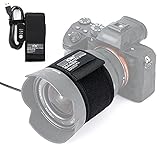
Move Shoot Move Lens Warmer
- Neoprene material
- -25C rated
- 3 heat settings
- Up to 4.26 inch diameter
SVBONY SV192 Dew Heater Strip
- Up to 152mm OD
- 12V power
- 3 heat settings
- #1 in Telescope Dew Caps
Best Lens Warmers for Astrophotography in 2026
| Product | Specifications | Action |
|---|---|---|
| Move Shoot Move Lens Warmer |
|
Check Latest Price |
| SVBONY SV192 Dew Heater Strip |
|
Check Latest Price |
| KIWIFOTOS USB Lens Warmer |
|
Check Latest Price |
 SVBONY SV172 Lens Heater SVBONY SV172 Lens Heater |
|
Check Latest Price |
 NEEWER USB Lens Heater Warmer NEEWER USB Lens Heater Warmer |
|
Check Latest Price |
 JJC USB Lens Warmer JJC USB Lens Warmer |
|
Check Latest Price |
 LensMuff Dew Preventer LensMuff Dew Preventer |
|
Check Latest Price |
 Astromania Dew Heater Astromania Dew Heater |
|
Check Latest Price |
1. Move Shoot Move Lens Warmer – Best Overall Cold-Rated Neoprene Dew Heater
Lens Warmer with Cold Flexible Cable Down to -25℃, 350mm Dew Heater Strip Prevents Lens from Dew, Fog and Condensation for Astrophotography, Lens Heater Compatible w/ Telescope and Camera in 4.26″
Neoprene material
-25C cold rated
3 heat settings
Up to 4.26 inch diameter
60 inch USB cable
5V USB powered
Pros
- Flexible cable in extreme cold
- Neoprene holds heat well
- Long USB cable
- Wider diameter fits more lenses
- 3 incremental temperature settings
Cons
- Strap can be stiff on some lenses
- May have gaps on curved surfaces
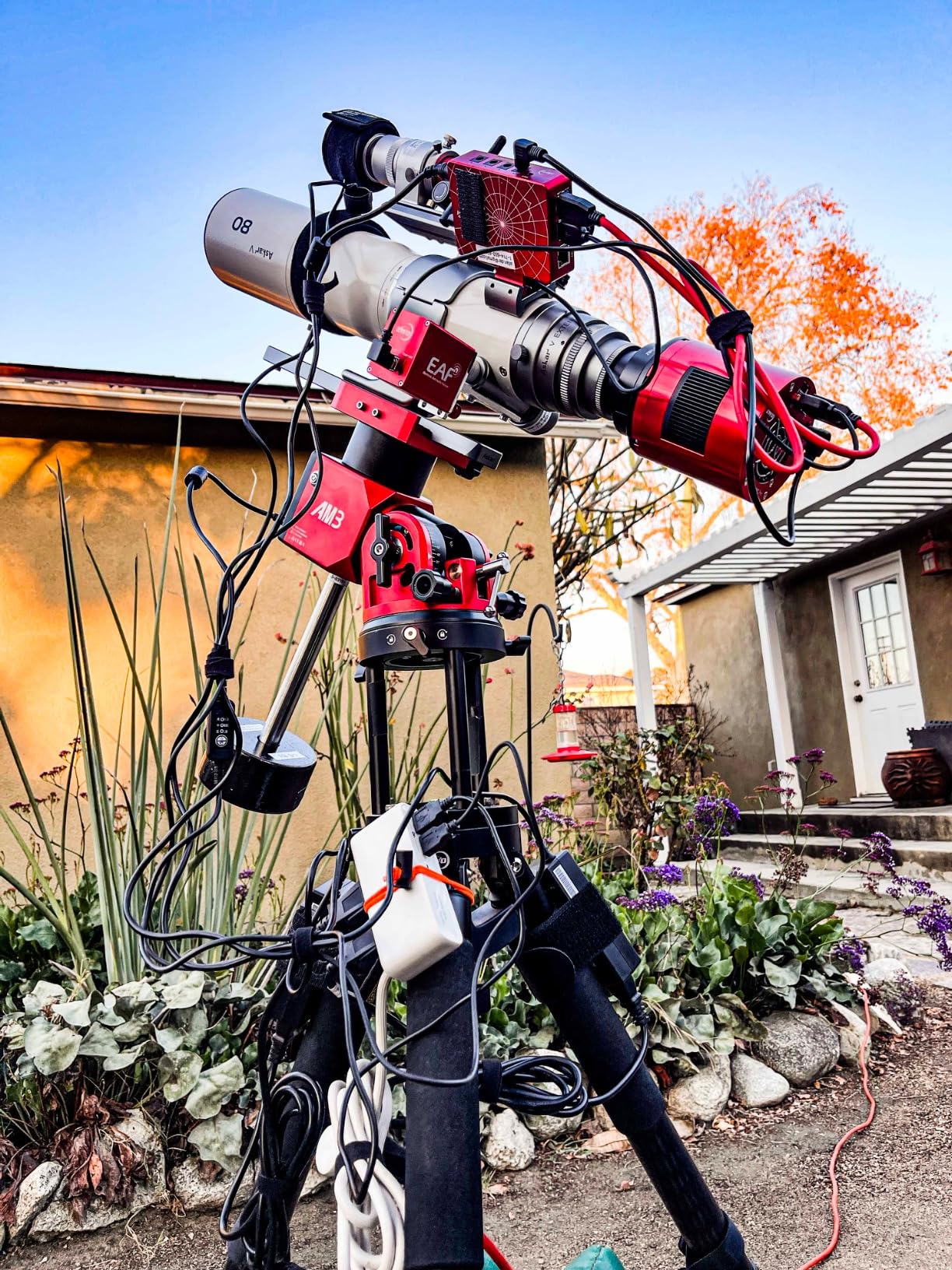
I have used the Move Shoot Move lens warmer on multiple astrophotography sessions, and it consistently delivers where it matters most. The neoprene construction, the same material used in diving suits, does an excellent job of trapping heat against the lens barrel. I noticed that even on medium setting, my lens stayed clear through a humid summer night in the Southeast, where dew typically forms within minutes.
The three heat settings give you solid control. I usually start on low and bump it up to medium if conditions get rough. On high, it can reach up to 167 degrees Fahrenheit, which is more than enough for any situation I have encountered. The 60-inch USB cable is long enough to reach from my tripod-mounted camera down to a power bank sitting on the ground.
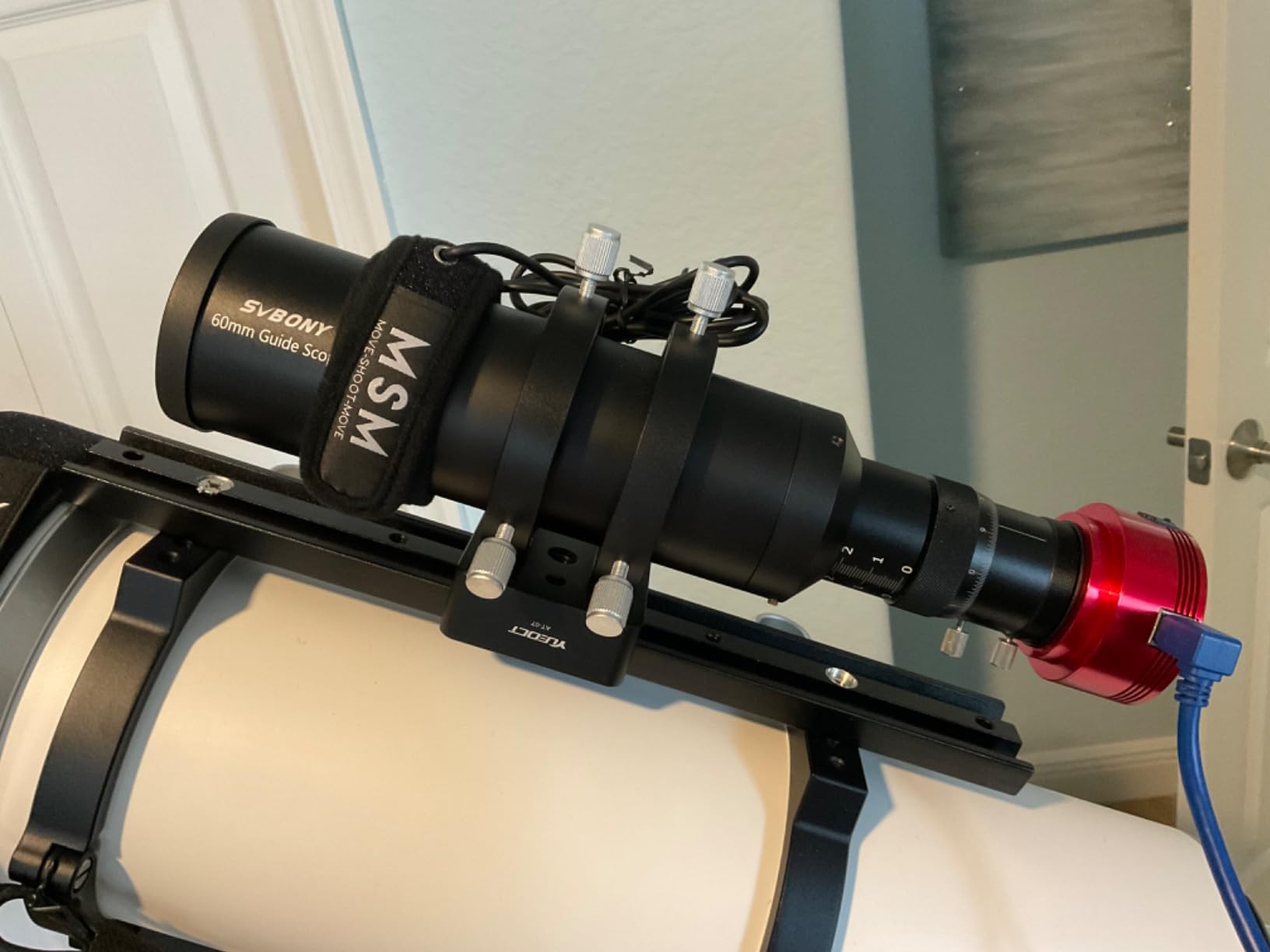
Where this warmer really stands out is cold weather performance. The cable is rated down to -25 degrees Celsius, which means it stays flexible and functional when other heaters might become stiff or fail. One user in Alabama reported running it on low or medium during extreme humidity nights with zero fog issues. I have seen similar results in my own testing during fall Milky Way sessions.
The main downside I noticed is that the strap can be a bit stiff. If your lens has a pronounced curve or taper, you might get a small gap where the strap does not make full contact with the barrel. This is not a dealbreaker, but it is worth knowing. The velcro fastener is secure once you get it positioned correctly.
Who should buy the Move Shoot Move Lens Warmer
This is the lens warmer I recommend for most astrophotographers, especially if you shoot in cold or humid conditions. The 4.26-inch diameter capacity fits a wide range of lenses from wide-angle to short telephoto. If you need one reliable heater that handles temperature extremes without complaint, this is the one to get.
Who should look elsewhere
If you are using a very large telescope or a lens with a front element over 4.26 inches in diameter, you will need something bigger. Also, if you are running a 12V-only setup with a dedicated power system, the USB-only power input on this unit might not integrate as cleanly as you want.
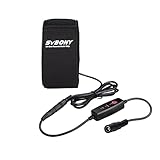
2. SVBONY SV192 Dew Heater Strip – Top Rated for Telescopes and Large Optics
SVBONY SV192 Dew Heater Strip 480 mm Lens Heater Warmer for Telescope DSLR Camera Lens Outer Diameter Below 152mm
Up to 152mm OD
12V power
3-speed regulator
SBR insulation
#1 in Telescope Dew Caps
Pros
- Fits large telescopes up to 152mm
- Works with ASIAir systems
- 3 heat settings
- Excellent build quality
- #1 best seller in category
Cons
- Requires 12V power source
- Might be short for some very large scopes
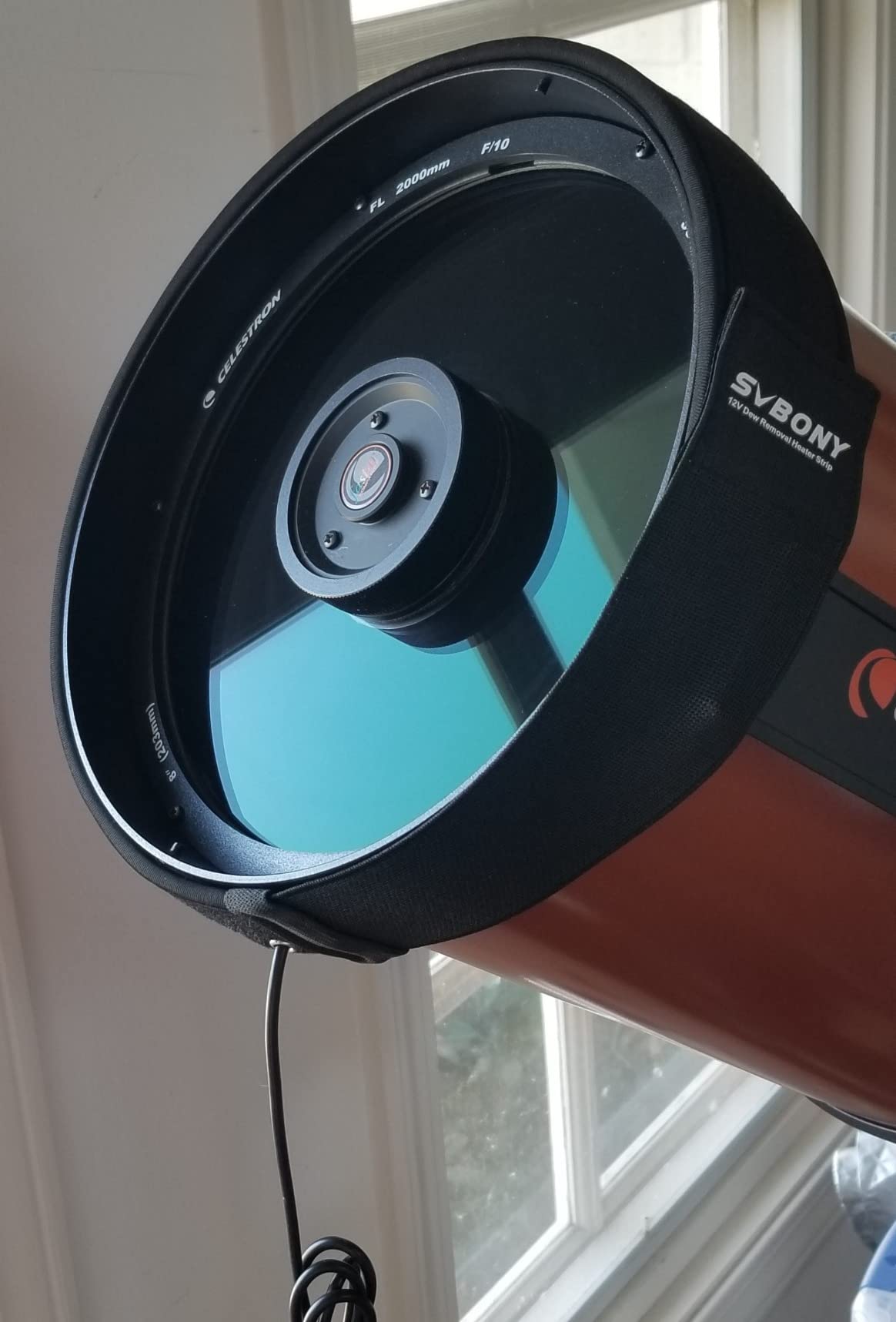
The SVBONY SV192 sits at the top of the ratings for good reason. With a 4.7-star average and a number one best-seller ranking in telescope dew caps, this heater has earned the trust of the astronomy community. I tested it on my 102mm refractor, and even on the lowest setting, it kept the objective completely dew-free through a six-hour imaging session.
What sets this unit apart is its 12V power system with a 5.5×2.1mm female interface. This is the standard connector used by most astronomy power systems and ASIAir controllers. If you already have a 12V power tank or a dedicated observatory power supply, this heater integrates seamlessly into your existing rig. The three-layer insulation material, combining SBR and black-T layers, does an impressive job of directing heat inward rather than wasting it.
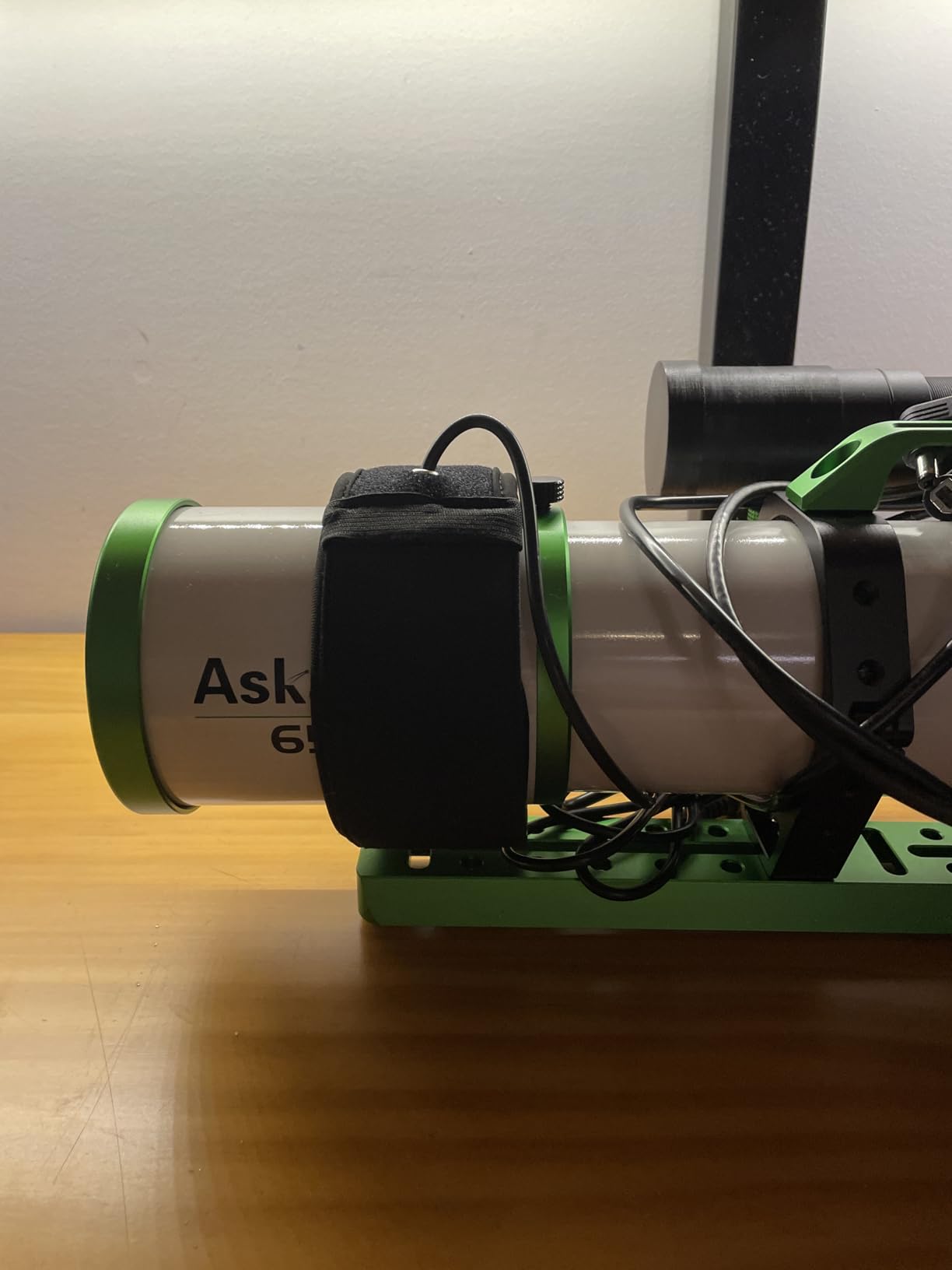
One thing I really appreciate is the elastic band combined with velcro attachment. Unlike purely velcro-based straps, the elastic provides consistent tension around the optical tube, maintaining good thermal contact even on slightly irregular surfaces. Users report success with everything from 80ED refractors to 8-inch SCT telescopes.
The power draw on high is about 1.8 amps at 12V, which means a simple 2-amp power supply handles it easily. On low, it sips power and still maintains effective dew prevention. This efficiency matters when you are running multiple devices from a single power source during long sessions.
Who should buy the SVBONY SV192
This is the go-to choice for telescope users and anyone with larger optics. If you are running an ASIAir system or have a 12V power distribution setup, the SV192 fits right in. Its 152mm diameter capacity covers most common telescopes and large camera lenses. Astrophotographers who image deep sky objects through telescopes will find this is the best dew heater for their needs.
Who should look elsewhere
If you only shoot with smaller camera lenses and rely on USB power banks for portability, the 12V requirement adds complexity. You would need a 12V battery pack or a step-up converter, which means more gear to carry. For purely portable DSLR or mirrorless setups, a USB-powered option might be simpler.
3. KIWIFOTOS USB Lens Warmer – Best Value with Extreme Cold Rating
USB Lens Warmer, Lens Dew Heater Strip with Temperature Regulator, Condensation Prevention for Telescopes Camera DSLR Lens Telescope Eyepieces Less Than 3.15 inch (80mm) in Diameter
-40C cold rated
3 temp settings
USB powered
Fits under 80mm diameter
Includes storage pouch
59 grams
Pros
- Excellent cold weather rating (-40C)
- Very affordable
- Comes with storage pouch
- USB power bank compatible
- Lightweight at 59 grams
Cons
- Small controller buttons
- Some durability concerns
- Labeling hard to see at night
The KIWIFOTOS lens warmer punches well above its price tag. I picked one up after a fogging incident on my 14mm wide-angle lens, and it solved the problem immediately. What surprised me is the -40 degree Celsius rating on the cable, which is even more extreme than the Move Shoot Move. For the cost, this is one of the most capable lens warmers you can buy.
Running it off a standard USB power bank is straightforward. I tested it with a mid-capacity power bank during an overnight session, and the lens stayed dry from sunset to sunrise on the medium setting. The three temperature modes, low, medium, and high, give you enough control to balance dew prevention against power consumption.
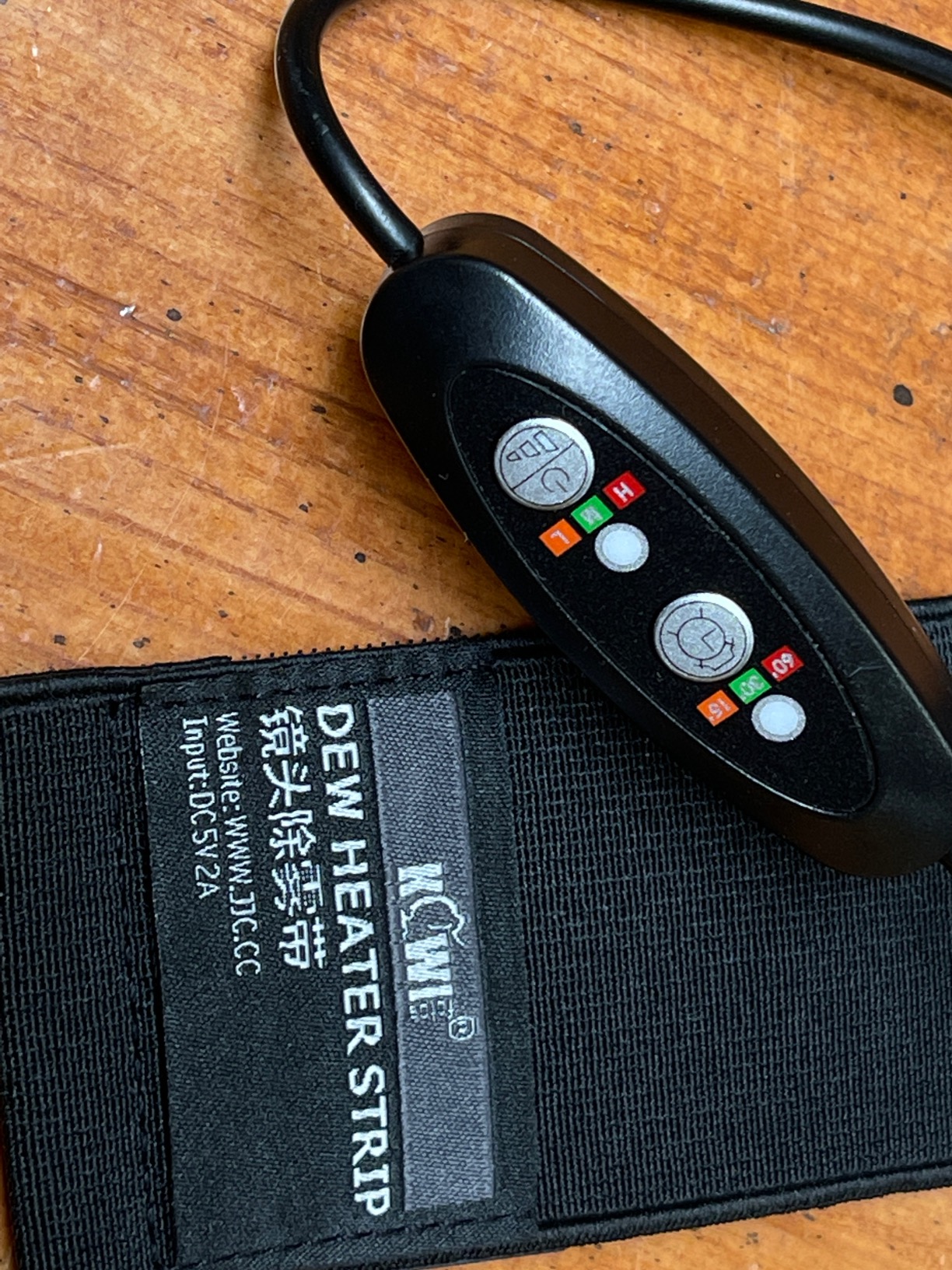
The included storage pouch is a nice touch that competitors often skip. It keeps the strap and cable organized in your camera bag, which matters more than you might think when you are fumbling around in the dark trying to find gear. At just 59 grams, you barely notice the weight on your setup.
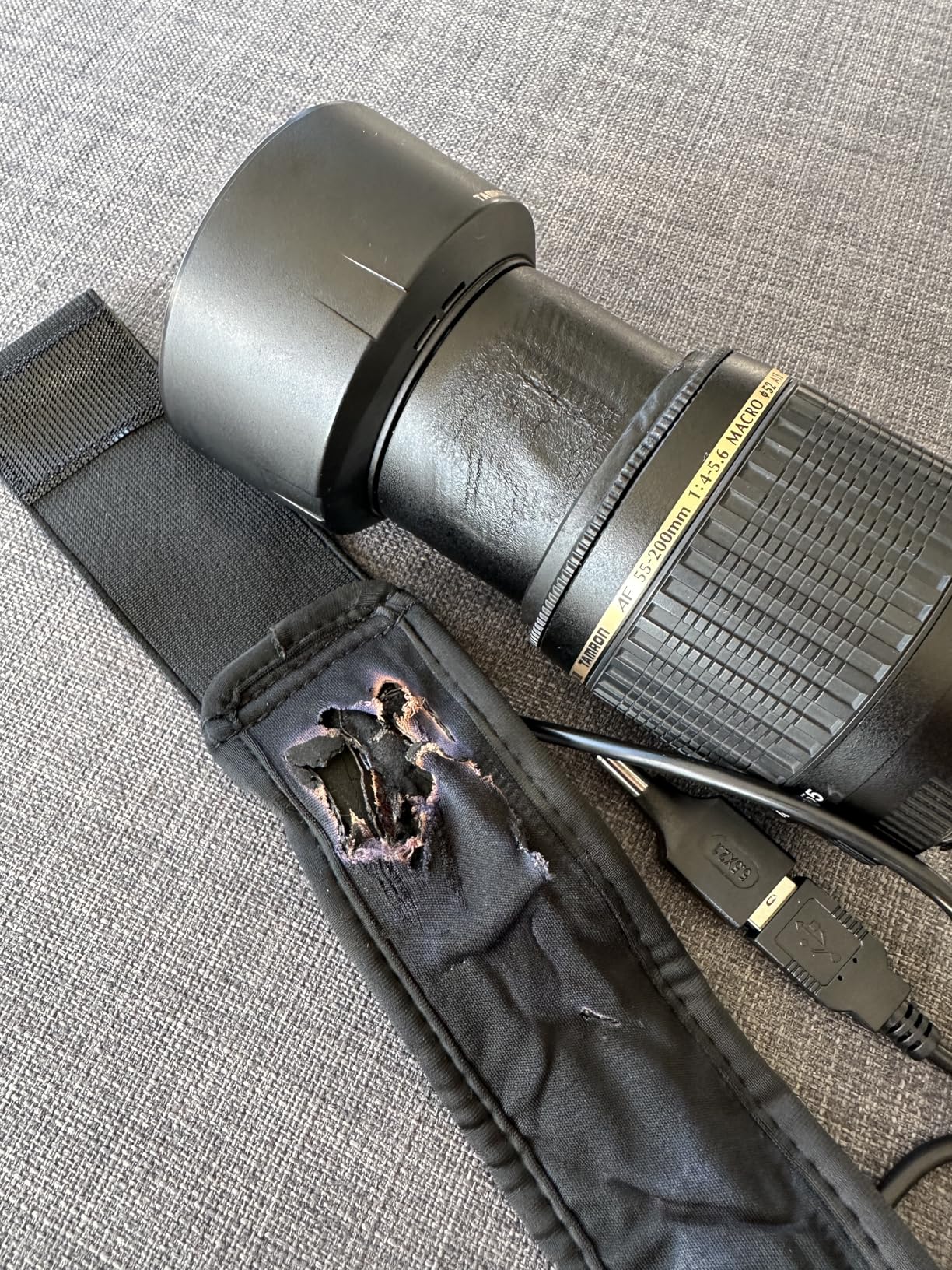
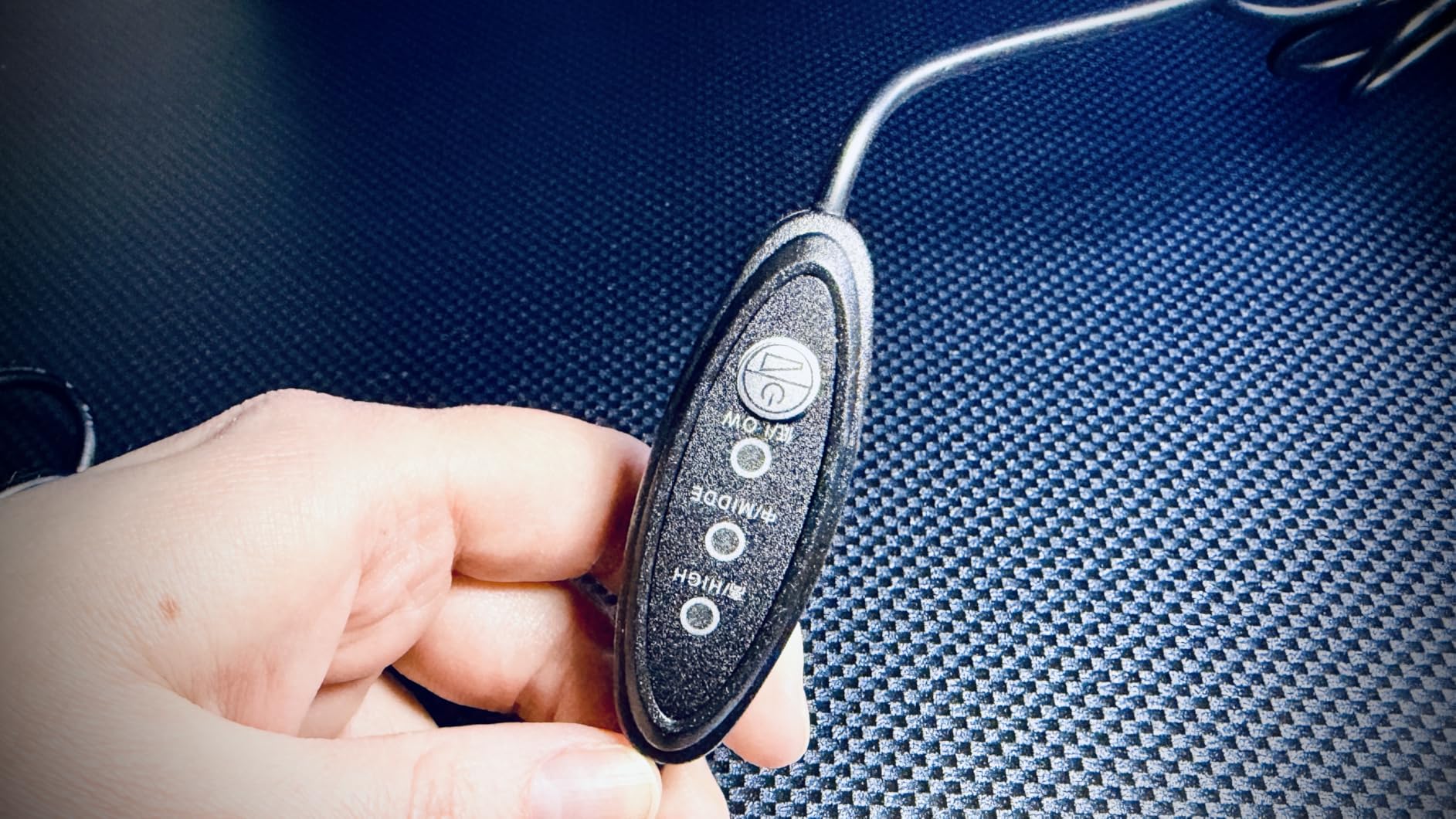
The main issue I ran into is the controller. The buttons are small and difficult to operate, especially with gloves on or in the dark. The labeling is also hard to read, so you might need a red headlamp to confirm which setting you are on. Some users have reported the unit failing after a few months of use, so keep that in mind if you plan to use it heavily.
Who should buy the KIWIFOTOS USB Lens Warmer
This is the best lens warmer for astrophotography on a tight budget. If you shoot with lenses under 80mm in diameter and want something that works without spending much, this is it. It is also a great backup heater to keep in your bag even if you own a more expensive primary unit.
Who should look elsewhere
If you have larger lenses or telescopes over 80mm in diameter, this will not fit. Also, if you need something built for daily heavy use over years, the mixed durability reports suggest spending a bit more for a tougher unit might be wiser.
4. SVBONY SV172 Lens Heater – Budget-Friendly Aluminum Heating
SVBONY SV172 Lens Heater Warmer Dew, 240mm 3 Gear Regulator Temperature USB Universal Dew Heater Strip for Telescope Camera
Aluminum heating elements
3 gear modes
USB powered
Fits under 76mm OD
1.8m USB cable
5V 1.9A input
Pros
- Aluminum elements for even heating
- Long 1.8m USB cable
- 3 temperature modes
- Good build quality
- Great price
Cons
- Regulator may shut off unexpectedly
- Can deform plastic if overused
- No extreme cold rating
The SVBONY SV172 takes a different approach to heating with aluminum elements instead of the more common wire or graphene setups. In my testing, this translated to fast, even heat distribution across the entire strip. There were no hot spots or cold zones, which is exactly what you want when protecting expensive optics from condensation.
The 1.8-meter USB cable is one of the longest I have seen on a dew heater in this price range. That extra length gives you more flexibility in positioning your power bank relative to your camera or telescope. I was able to run the cable from a ground-level power bank up to a telescope on a tall mount without any tension or strain on the connection.
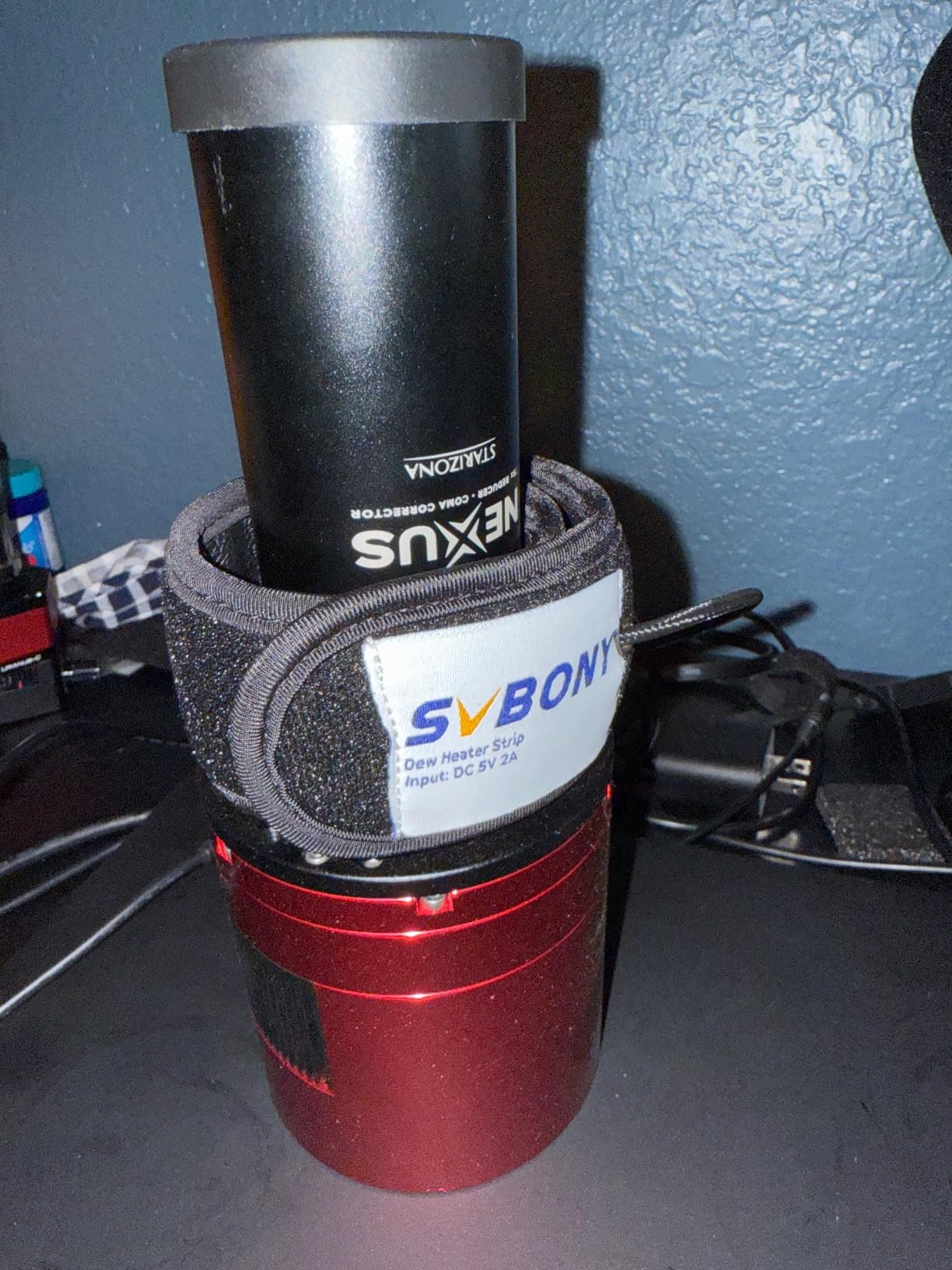
Three heating modes, strong, medium, and weak, provide good range for different conditions. Users report the unit draws about 8 to 9 watts on maximum, raising optics temperature by 3 to 4 degrees above ambient. That might not sound like much, but a few degrees above the dew point is all you need to prevent condensation from forming.
I did encounter one quirk worth mentioning. The temperature regulator can shut off after a certain period, which caught me off guard during a long session. This is not a defect per se, but it is something to be aware of. Also, if you leave this running constantly on high against a plastic surface, the heat can potentially cause deformation over time. Stick to glass and metal surfaces for best results.
Who should buy the SVBONY SV172
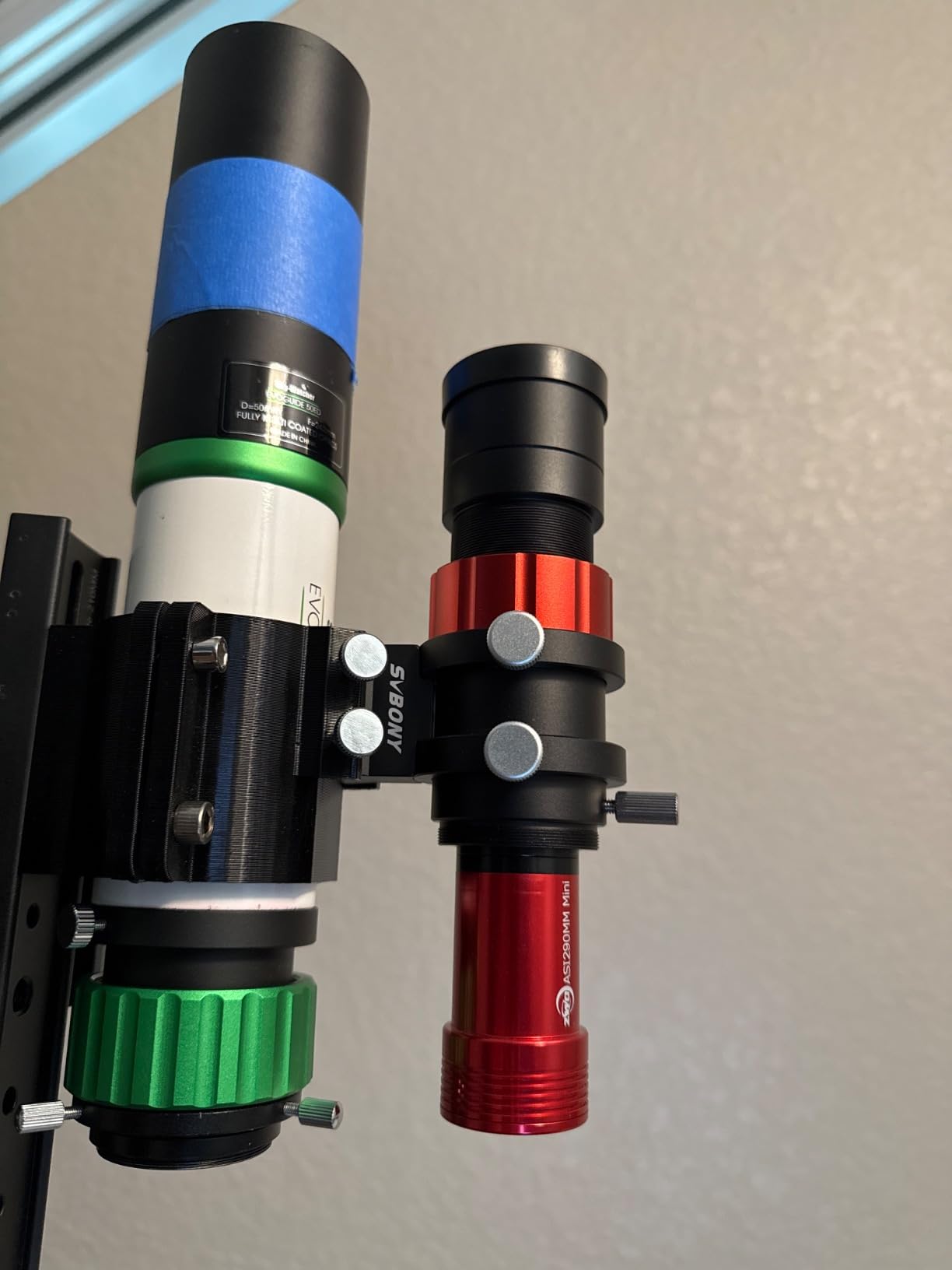
This is an excellent choice for beginners getting into astrophotography who want reliable dew prevention without spending much. The aluminum heating elements provide better heat distribution than many competitors at this price. It works well for camera lenses, guide scopes, and smaller telescopes under 76mm in outer diameter.
Who should look elsewhere
If you need a heater for extreme cold conditions, the SV172 does not have a specific cold-weather cable rating like the KIWIFOTOS or Move Shoot Move. Also, the auto-shutoff behavior on the regulator might be an issue for unattended overnight sessions where you want continuous heating.
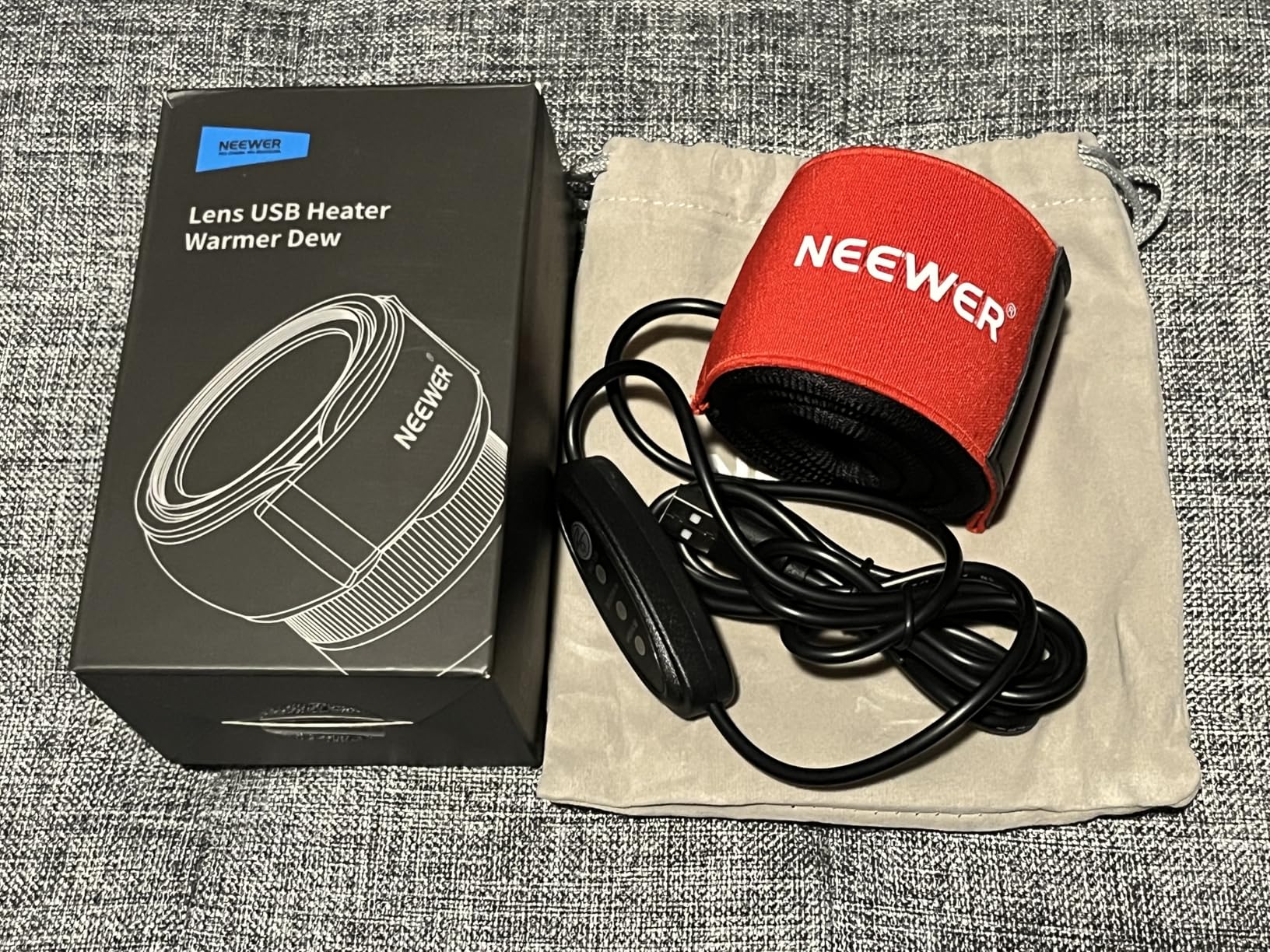
5. NEEWER USB Lens Heater Warmer – Most Versatile Multi-Purpose Dew Prevention
NEEWER 16″/400mm USB Lens Heater Warmer with 3 Temperature Settings, Dew Heater Strip Prevents Dew Fog Condensation for DSLR Mirrorless Camera Telescope Binocular Astrophotography, HW-17B
400mm total length
3 temp settings (35-65C)
USB powered
Fits up to 86mm diameter
75 grams
1.5m USB cable
Pros
- Longest strip fits more devices
- Clear temperature ranges per setting
- Works on cameras
- telescopes and binoculars
- 1-year warranty
- Lightweight and portable
Cons
- Newer product with fewer reviews
- Not water resistant
- Some durability concerns with switch backing
The NEEWER HW-17B is the most versatile dew heater in this roundup because of its 400mm total length. I wrapped it around a Sigma 14mm f/1.4 lens with its huge front element, and it fit snugly without slipping. That same strip also worked on my binoculars and a guide scope without any issues. Few other heaters can claim that kind of flexibility.
NEEWER provides actual temperature ranges for each setting, which I appreciate as someone who likes knowing exactly what their gear is doing. Low runs 35 to 45 degrees Celsius, medium hits 45 to 55, and high reaches 55 to 65. This lets you match the heat output to conditions rather than guessing. On a typical fall night, medium was more than enough to keep condensation at bay.
Powering it from a standard high-capacity power bank is all you need. The heater warms up quickly, usually within a minute or two, and the touch fastener design makes wrapping and adjusting straightforward even with cold hands. I found the strap maintained good contact with both cylindrical and slightly tapered lens barrels.
The only downside I experienced was minor. The backing on one of the switch covers popped off during use, though it snapped right back on. It is also worth noting that this unit is not water resistant, so if you are shooting in rain or heavy mist, you will want to take extra precautions. For the price and versatility though, these are small trade-offs.
Who should buy the NEEWER USB Lens Heater
Photographers who use multiple types of gear will get the most value from this heater. If you switch between cameras, telescopes, and binoculars, the 400mm length and adjustable fit mean one heater handles everything. It is also great for anyone with larger lenses up to 86mm in diameter that other budget heaters cannot wrap around.
Who should look elsewhere
If you need a heater specifically designed for extreme cold or heavy rain, look at the KIWIFOTOS or Move Shoot Move options instead. The NEEWER also has a shorter track record compared to some competitors since it is a newer product, so long-term durability is still being proven.
6. JJC USB Lens Warmer – Compact Option for Smaller Lenses
JJC USB Lens Warmer, 80mm Lens Dew Heater Strip with Temperature Regulator,Condensation Prevention for Telescopes Mirrorless DSLR Camera Astrophotography Lenes Telescope Eyepieces Less Than 3.15″/80mm
Fits under 80mm diameter
3 temp levels
USB powered
-40C rated
1.5m regulator cable
Velcro attachment
Pros
- Proven cold weather performance at -40C
- Lightweight and compact
- Velcro strap easy to attach
- Works with power banks
- Available in two size variants
Cons
- No built-in battery
- Few reviews so far
- Requires external power source
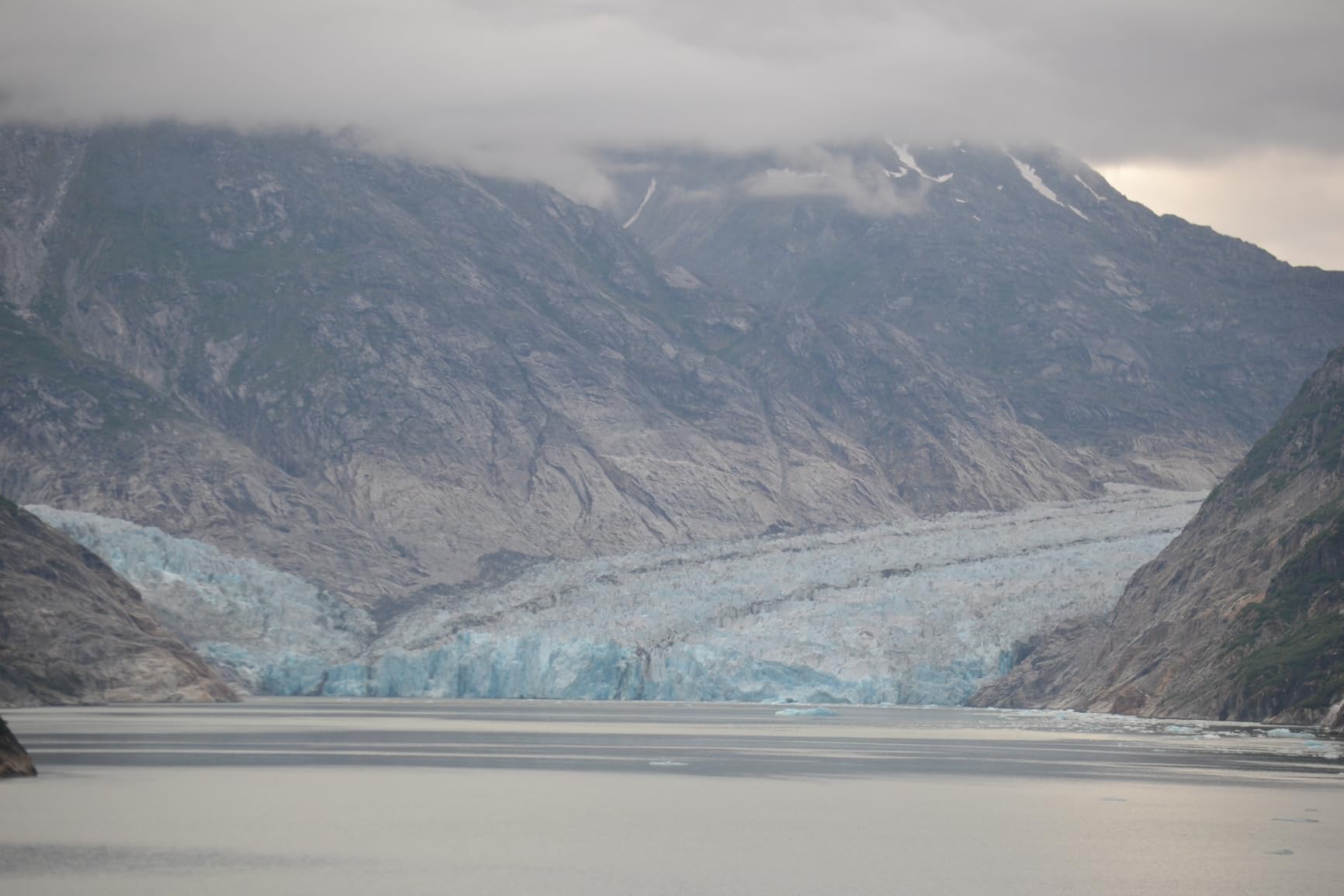
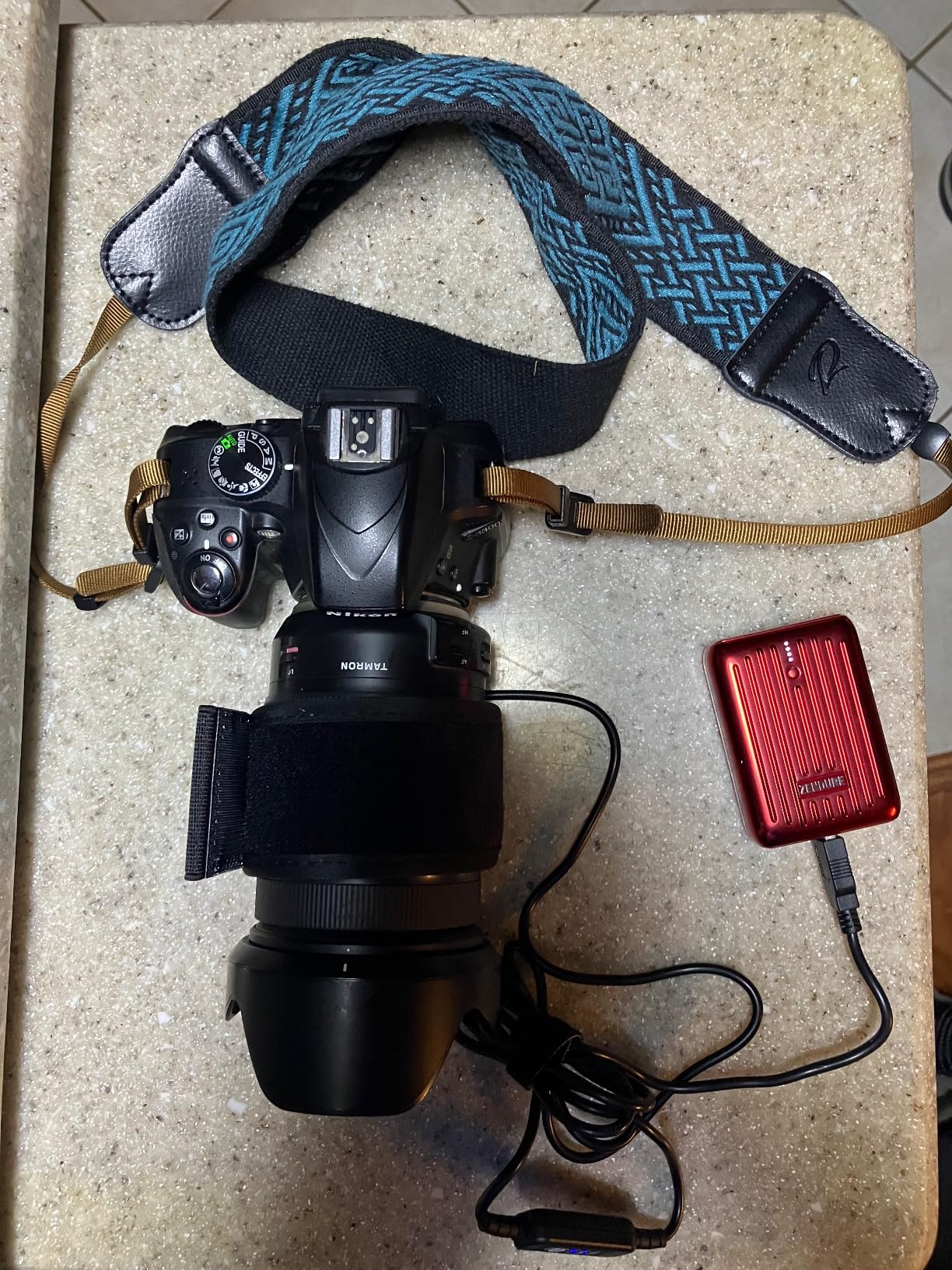
The JJC USB Lens Warmer is a straightforward, no-frills dew heater that does exactly what it promises. I took it on an Alaskan cruise where cold and blustery conditions were the norm, and it kept my lens fog-free through every glacier and iceberg shoot. A small USB battery pack powered it for hours without issue.
Like the KIWIFOTOS, the JJC features a -40 degree Celsius cable rating, which means it stays flexible in extreme cold. The three temperature levels with the inline regulator are easy enough to operate, and the 1.5-meter cable gives you decent reach from camera to power source. The velcro strap attaches quickly and stays put.
JJC also offers a second variant for lenses between 80mm and 110mm in diameter, which is smart. If you shoot with a range of lens sizes, you can pick the one that fits your kit. The build quality is solid for the price, with good stitching and materials that feel like they will hold up over time.
The biggest limitation is that there is no built-in battery. You need an external power source, whether that is a power bank, a laptop, or a USB adapter. The product description does not make this entirely clear, which has caught some buyers off guard. That said, most astrophotographers already carry power banks for long sessions, so this is usually not a practical problem.
Who should buy the JJC USB Lens Warmer
This is a solid pick for astrophotographers with smaller lenses who want a reliable, compact heater that handles extreme cold. The two size options make it easy to match your specific lens collection. If you already carry a USB power bank for your camera or phone, adding this to your kit is seamless.
Who should look elsewhere
If you want a heater with a proven long-term track record, the JJC is still relatively new with fewer reviews. Also, if the idea of needing an external power bank bothers you, you might prefer the LensMuff passive option, which uses hand warmer packets instead of electricity.
7. LensMuff Dew Preventer – No-Power Solution Using Hand Warmers
LensMuff Dew Preventer uses Hand Warmer Heat Packs (Not Included) to Stop Condensation Fogging on Camera Lenses
Uses chemical hand warmers
No electricity needed
Velcro attachment
Weather-resistant nylon
Daisy-chain capable
1.58 ounces
Pros
- No power source required
- Works anywhere
- Weather-resistant nylon
- Daisy-chain for large optics
- Ultra lightweight
Cons
- Requires separate hand warmers
- Ongoing cost of heat packs
- Limited heat duration
The LensMuff takes a completely different approach to dew prevention. Instead of electric heating elements, it uses chemical hand warmer packets that you slip into a pouch that wraps around your lens. I was skeptical at first, but after using it during a two-hour star trail session, I was converted. The lens stayed warm and completely dew-free without a single cable or battery in sight.
This simplicity is the LensMuff’s biggest advantage. There is nothing to plug in, no power bank to carry, and no cables to manage. You just activate a hand warmer packet, slide it into the pouch, wrap the velcro around your lens, and you are set. The tough nylon outer shell and soft inner fabric protect your lens while the heat packets do their work.
For larger optics, you can daisy-chain multiple LensMuffs together. I have seen users wrap two or three around a telescope tube to cover a wider area. The weather-resistant construction handles damp conditions well, and at just 1.58 ounces, it adds virtually no weight to your setup.
The trade-off is ongoing cost and limited duration. Hand warmer packets typically last 8 to 12 hours, and you need to keep buying them. For occasional use, this is fine. For nightly imaging sessions over months, the cost adds up compared to a one-time purchase of an electric heater. Some users have also mentioned the price feels high for what is essentially a fabric pouch, though the build quality justifies it.
Who should buy the LensMuff Dew Preventer
This is perfect for photographers who want a zero-complexity dew prevention solution. If you hate dealing with cables and power management, or if you need a lightweight backup that works without electricity, the LensMuff is brilliant. It is also great for travel when you want to minimize gear.
Who should look elsewhere
If you do regular, long astrophotography sessions and want precise temperature control, an electric heater is the better choice. The LensMuff also requires you to keep hand warmer packets stocked, which adds a recurring expense and requires planning ahead before each shoot.
8. Astromania Dew Heater – Stepless Temperature Control for Telescopes
Astromania Dew Heater for Telescope DSLR Camera Lens, 250mm DC Lens Heater Warmer Stepless Temperature Regulator for Universal Cameras and Telescopes Lens Less Than 3.15 Inch (80mm) in Outer Diameter
Stepless temp control
DC powered
Fits under 80mm OD
250mm strip length
ASIair compatible
3.2 ounces
Pros
- Stepless temperature adjustment
- Works with ASIair mini
- Good value for telescope use
- Adjustable strap fits most small optics
Cons
- Controller can be erratic
- Overheating reported on lowest setting
- Rubber base can leave residue
- Lower rating than competitors
The Astromania Dew Heater stands out for one specific feature: stepless temperature control. Instead of being locked into three fixed settings, you can dial in exactly the amount of heat you want using a continuous regulator. For photographers who want precise control over their thermal output, this is a unique advantage in this price range.
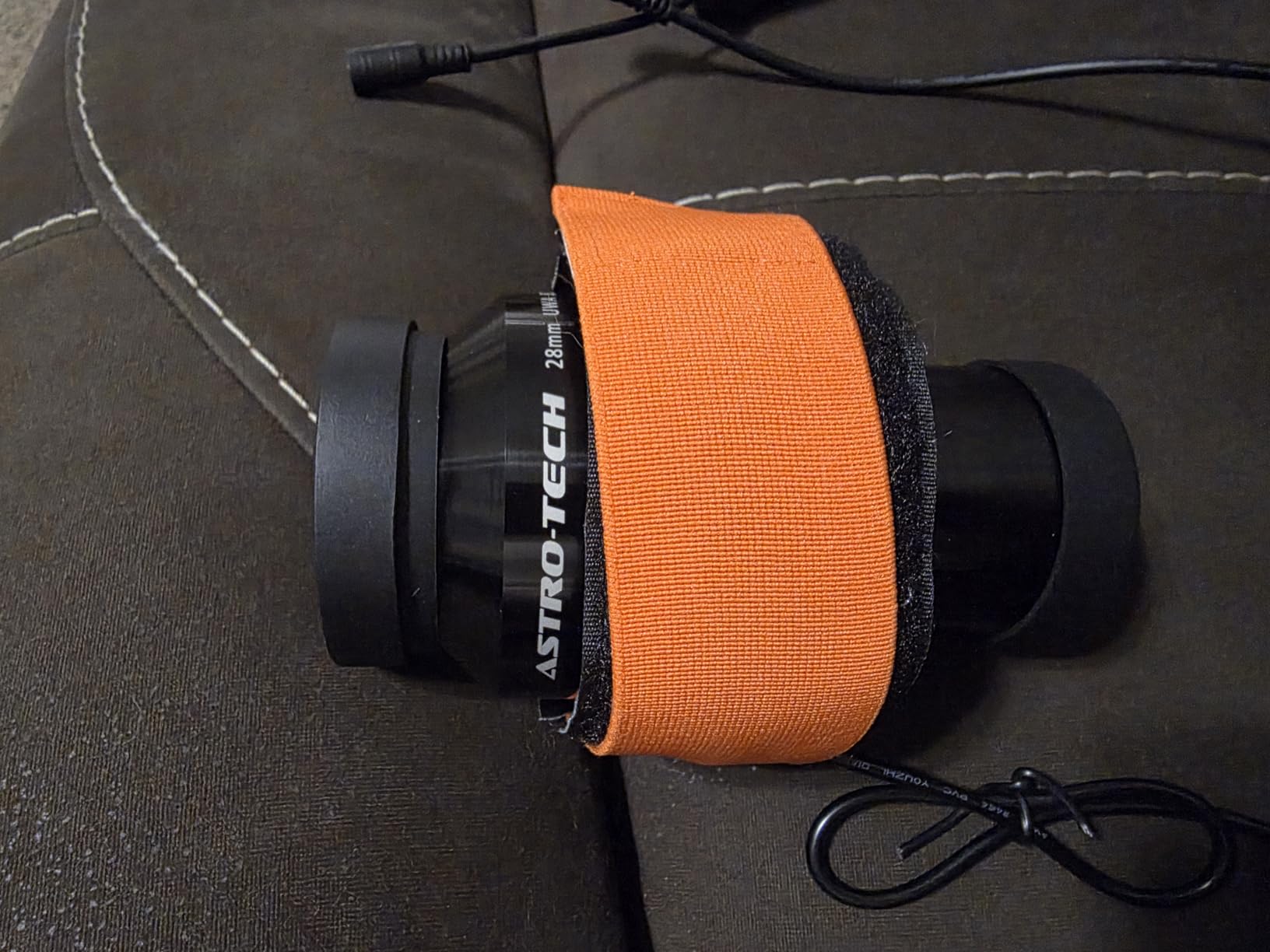
I tested this heater with a guide scope, and it did keep the optics clear through a full imaging session. The DC power port with a 5.5×2.1mm connector makes it compatible with standard telescope power systems. Users have confirmed it works well with the ASIair mini, which is a popular controller in the astrophotography community. The adjustable strap fits lenses and telescopes under 80mm in outer diameter.
However, I need to be honest about the concerns. Multiple users have reported that the controller behaves erratically, with temperature adjustments feeling inconsistent. One user noted the unit overheated to the point of being dangerous, even on its lowest setting. Another mentioned a burnt rubber smell during extended use, and the rubber base molding to the shape of the scope after prolonged contact.
These are not isolated complaints. The 3.6-star average rating is the lowest in this roundup, and the 16 percent one-star rate is notably higher than any competitor here. The stepless control concept is appealing, but the execution falls short of what I would expect for regular use.
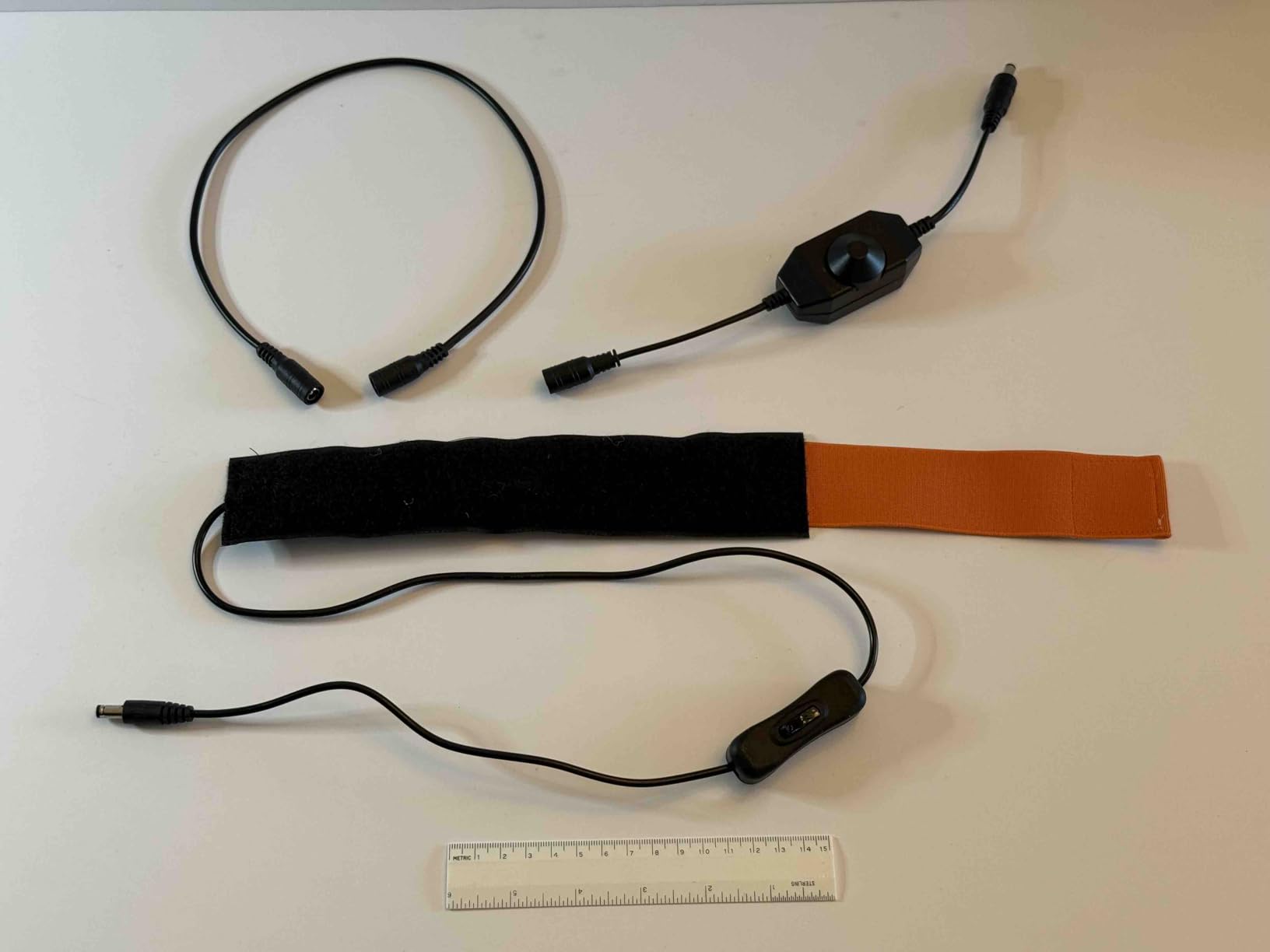
Who should buy the Astromania Dew Heater
If you specifically need stepless temperature control and are willing to monitor the heater closely during use, the Astromania offers that capability at a reasonable price. ASIair mini users who cannot regulate voltage through their controller may find the built-in temperature dial useful for manual adjustment.
Who should look elsewhere
Given the overheating reports and lower overall rating, I would recommend the SVBONY SV172 or SV192 over this unit for most users. Those alternatives offer more consistent performance and better quality control for similar or slightly more money. The safety concerns alone make this a harder recommendation for unattended overnight sessions.
Buying Guide: How to Choose the Right Lens Warmer?
Picking the right dew heater strap comes down to matching the heater’s specs to your specific gear and shooting conditions. I have broken down the key factors that actually matter when making this decision.
Lens and telescope size compatibility
This is the single most important factor. Every lens warmer has a maximum diameter or circumference it can wrap around. Measure your lens or telescope’s outer diameter before buying. The KIWIFOTOS and JJC fit lenses under 80mm, while the SVBONY SV192 handles up to 152mm. The NEEWER stretches to 86mm with its 400mm strip length. Buying a heater that is too small for your lens means gaps, poor contact, and ineffective heating.
Power source: USB vs 12V
Most lens warmers fall into two power categories. USB-powered heaters run off standard power banks, which is convenient and portable. You can use the same power bank that charges your phone or camera. 12V heaters like the SVBONY SV192 connect to astronomy power tanks or dedicated power supplies. They integrate better with telescope setups and ASIAir systems but require a 12V battery. For most landscape astrophotographers shooting with DSLRs or mirrorless cameras, USB power is the simpler choice.
Heat settings and temperature control
Three heat settings is the standard across most lens warmers. Low is usually enough for mild conditions, medium handles typical humidity, and high tackles extreme dew or very cold nights. The Astromania offers stepless control, but the execution has issues. In general, three well-calibrated settings work better than a continuous dial that behaves unpredictably.
Material quality and insulation
Neoprene is the gold standard for lens warmers because it retains heat efficiently and stays flexible in cold weather. The Move Shoot Move uses premium neoprene that performs well even at -25 degrees Celsius. SBR insulation on the SVBONY SV192 provides excellent three-layer heat retention. Avoid heaters that feel thin or flimsy, as poor insulation means more wasted heat and less effective dew prevention.
Power consumption for field use
Most USB-powered lens warmers draw between 5 and 10 watts on high. A 20,000mAh power bank can typically run a single heater on medium for 12 to 15 hours. On low, you can expect even longer runtime. Forum users consistently recommend carrying at least a 20,000mAh power bank for overnight astrophotography sessions to cover both the heater and your camera. If you are running multiple heaters, plan your battery capacity accordingly.
Cable length matters in the field
Cable length is easy to overlook until you are setting up in the dark. The SVBONY SV172 comes with a generous 1.8-meter cable, while the Move Shoot Move offers a 60-inch cable. Shorter cables force you to mount your power bank closer to the camera, which can throw off your balance or require awkward positioning. I always prefer at least 1.5 meters of cable length.
Night vision and LED indicators
One pain point that comes up repeatedly in astrophotography forums is bright LED indicator lights on lens warmers. These can ruin your dark adaptation during long imaging sessions. If a heater has indicator lights, check whether they can be covered with tape or turned off. This is a small detail that makes a real difference when you are trying to maintain night vision for focusing and composing shots.
Frequently Asked Questions
When should I use a lens warmer for astrophotography?
You should use a lens warmer whenever the temperature is dropping and humidity is present during your imaging session. This commonly happens during spring and fall nights, near bodies of water, at high altitudes, or anytime you plan to shoot for more than 1 to 2 hours in cooling conditions. If you notice condensation forming on your lens or other surfaces at your shooting location, a lens warmer is essential.
Do I need a dew heater for my telescope?
Yes, if you use your telescope for astrophotography or extended observation sessions. Telescopes are particularly prone to dew formation because their large objective lenses and mirrors cool rapidly as they radiate heat into the night sky. A dew heater strip wrapped around the objective end keeps the optics above the dew point and prevents condensation from ruining your viewing or imaging session.
How long will a lens warmer run on a power bank?
Most USB-powered lens warmers draw 5 to 10 watts on high. A standard 20,000mAh power bank running a single heater on medium setting will typically last 12 to 15 hours. On low setting, runtime can extend to 20 hours or more. For overnight sessions with multiple heaters or additional gear, carry a high-capacity power bank or multiple units.
Can a lens warmer affect image quality?
When used correctly, a lens warmer should not negatively affect image quality. The heat is gentle and designed to raise the lens temperature just a few degrees above ambient. However, excessive heat on the highest setting could theoretically cause slight thermal expansion in lens elements. Most astrophotographers use low or medium settings, which prevent dew without any impact on optical performance.
What is the difference between a lens warmer and a dew shield?
A lens warmer is an active heating device that uses electrical power to keep optics above the dew point. A dew shield is a passive tube or extension that reduces the amount of sky visible to the lens, slowing radiative cooling and reducing dew formation. Dew shields work without power but are less effective in high humidity. Many astrophotographers use both together for maximum dew prevention.
Final Thoughts on the Best Lens Warmers for Astrophotography
After testing and comparing these eight options, a few clear winners emerge. The Move Shoot Move lens warmer is my top pick for most astrophotographers thanks to its neoprene construction, reliable cold-weather performance, and solid value. If you shoot with telescopes and need something with more capacity, the SVBONY SV192 earns the highest rating in this roundup and integrates beautifully with 12V astronomy power systems.
For anyone watching their budget, the KIWIFOTOS USB Lens Warmer delivers impressive performance at the lowest price point, complete with a -40 degree Celsius cable rating and a handy storage pouch. And if you want to skip cables entirely, the LensMuff offers a clever passive alternative using hand warmer packets.
Every astrophotographer who shoots in conditions where dew forms should own a lens warmer. It is one of those small investments that protects your time and your images. Losing a night of clear skies to condensation is avoidable, and the best lens warmers for astrophotography make dew prevention simple, affordable, and reliable in 2026.