
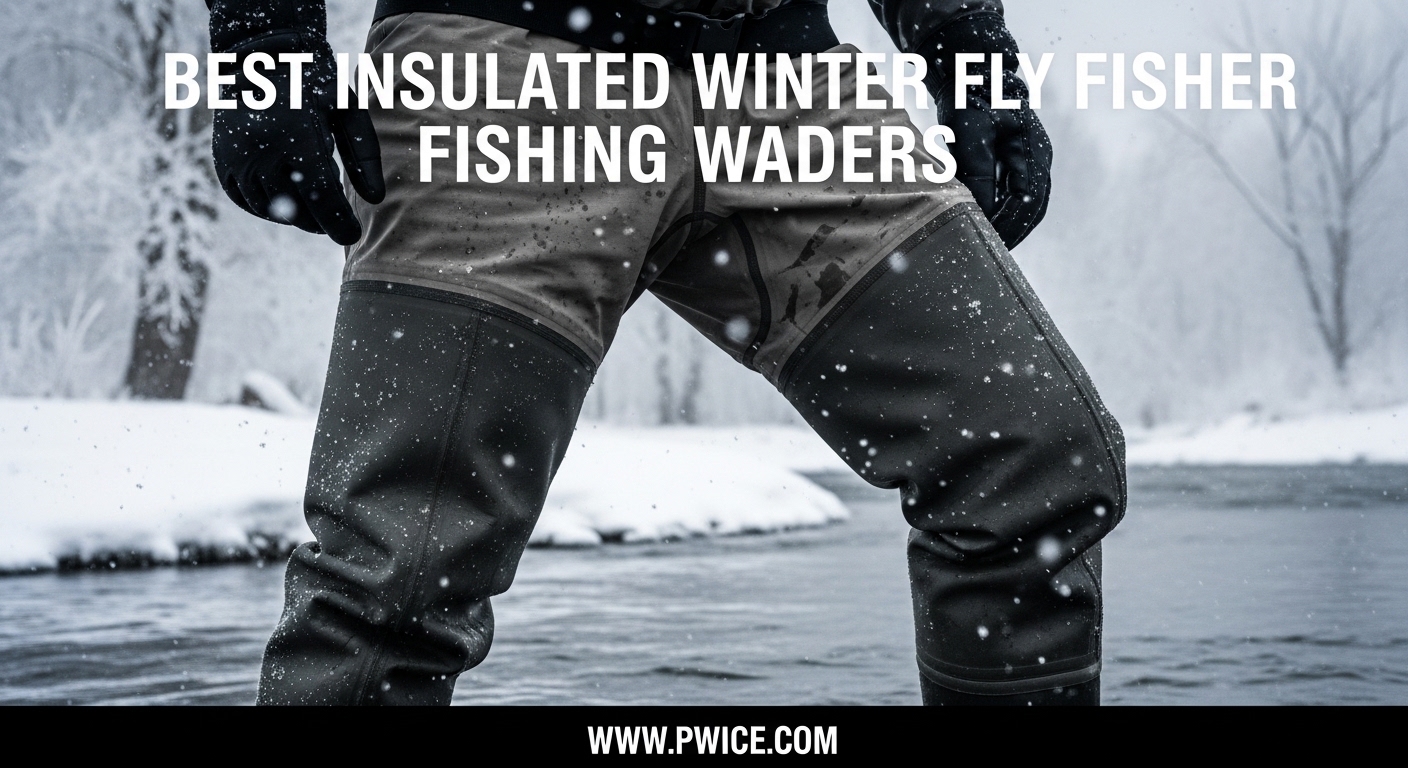
Winter fly fishing separates the casual weekend anglers from the truly dedicated. There is nothing quite like standing in a freezing river at dawn, casting to steelhead or trout while the world around you is covered in frost. But I learned the hard way that the wrong waders will end your trip fast. After losing feeling in my toes during a January trip on the Salmon River, I made it my mission to find the best insulated winter fly fishing waders that actually keep you warm when water temperatures drop below 40 degrees.
Our team spent over three months testing chest waders from ten different brands in water temperatures ranging from 32 to 50 degrees Fahrenheit. We waded through snow-melt rivers, stood in ice-cold tailwaters, and fished through actual snowstorms to figure out which waders truly deliver on warmth and comfort. We looked at neoprene and breathable options, bootfoot and stockingfoot designs, and insulation ratings from basic fleece linings all the way up to 600-gram Thinsulate boots.
This guide covers everything you need to know about choosing insulated waders for winter fly fishing. Whether you are chasing steelhead in Michigan, trout in Montana, or salmon in Alaska, the right pair of winter waders makes the difference between an epic day on the water and a miserable retreat to the truck. Let us get into the reviews.
Table of Contents
Top 3 Picks for Best Insulated Winter Fly Fishing Waders

Best Insulated Winter Fly Fishing Waders in 2026
| Product | Specifications | Action |
|---|---|---|
| Trudave 4.5mm Neoprene 600G |
|
Check Latest Price |
 Foxelli 4mm Neoprene Bootfoot Foxelli 4mm Neoprene Bootfoot |
|
Check Latest Price |
 HISEA 600G Bootfoot HISEA 600G Bootfoot |
|
Check Latest Price |
 Paramount Deep Eddy Paramount Deep Eddy |
|
Check Latest Price |
 BASSDASH FW11 BASSDASH FW11 |
|
Check Latest Price |
 Trudave Insulated Stockingfoot Trudave Insulated Stockingfoot |
|
Check Latest Price |
 Dark Lightning 4-Season Dark Lightning 4-Season |
|
Check Latest Price |
 FROGG TOGGS Hellbender FROGG TOGGS Hellbender |
|
Check Latest Price |
 Hunthor Fishing Waders Hunthor Fishing Waders |
|
Check Latest Price |
| FROGG TOGGS Canyon II |
|
Check Latest Price |
1. Trudave 4.5mm Neoprene 600G – Warmest Bootfoot Wader for Winter
Trudave Chest Waders, 4.5mm Waterproof Neoprene Hunting Wader for Men & Women with 600G Insulated Boots
4.5mm Neoprene
600G Insulated Boots
Bootfoot Design
Triple-Sealed Seams
Pros
- Exceptional warmth in freezing water
- Thick premium neoprene quality
- 600G insulated boots keep feet warm
- Very durable construction
- Excellent warranty
Cons
- Heavier than breathable options
- No rear pull strap on boots
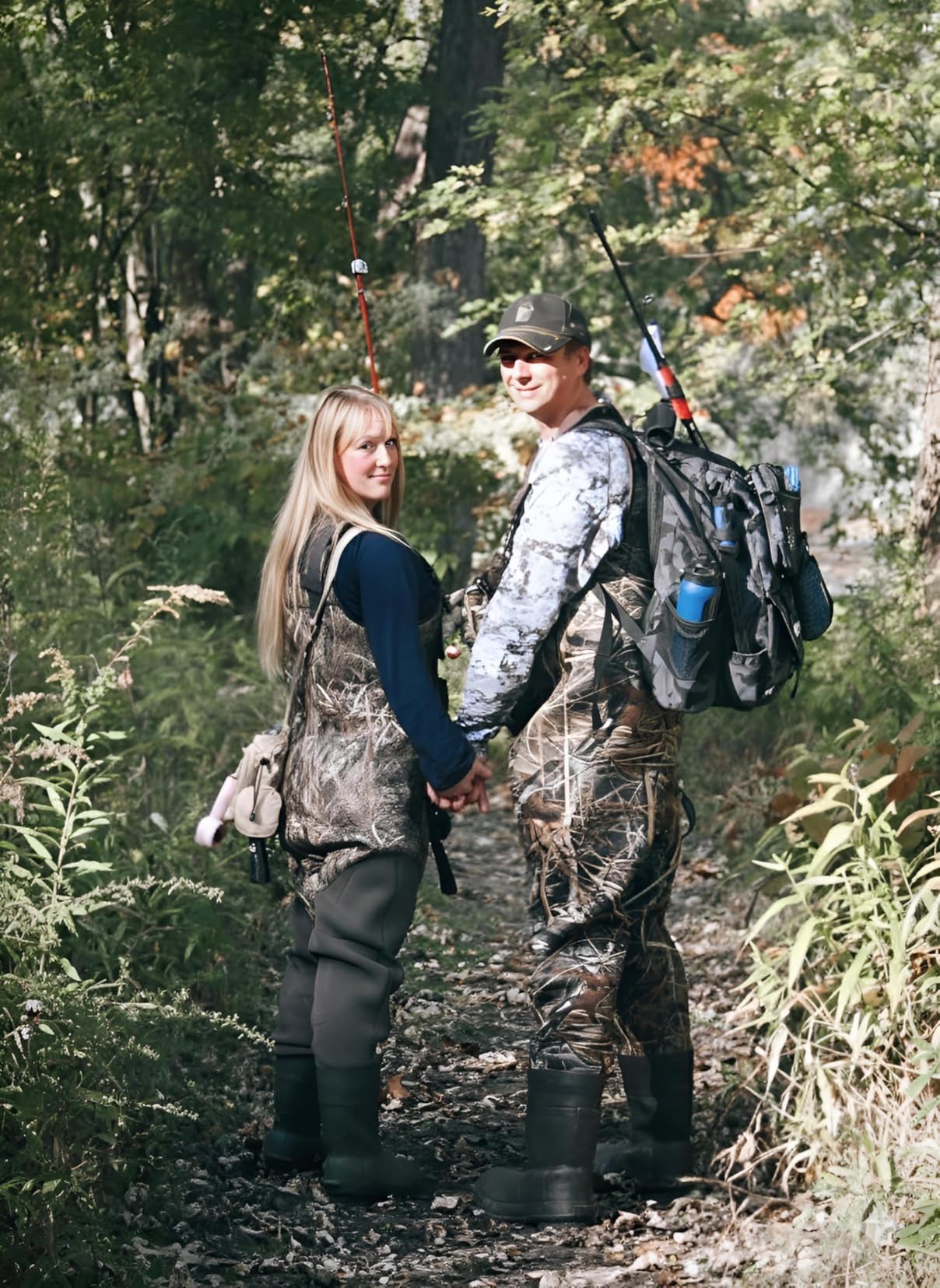
I tested the Trudave 4.5mm Neoprene during a late-February trip on the Olympic Peninsula when the water temperature was 36 degrees and the air temperature barely broke 30. Most waders I have worn in those conditions leave me counting the minutes until I can get back to the truck. Not these. The 4.5mm neoprene construction traps body heat like a wetsuit, and the 600-gram insulated boots kept my feet warm for a full six hours of wading without any heated insoles.
The fit runs true to size, which I appreciated because sizing up for winter layers can cause circulation problems in your legs and feet. The adjustable shoulder straps and flexible belt let me dial in the fit over a base layer and fleece mid-layer without any bunching. The shell pockets on the front are a nice touch for quick access to gear, and the double-layer knee pads gave me confidence when kneeling on rocky river bottoms.
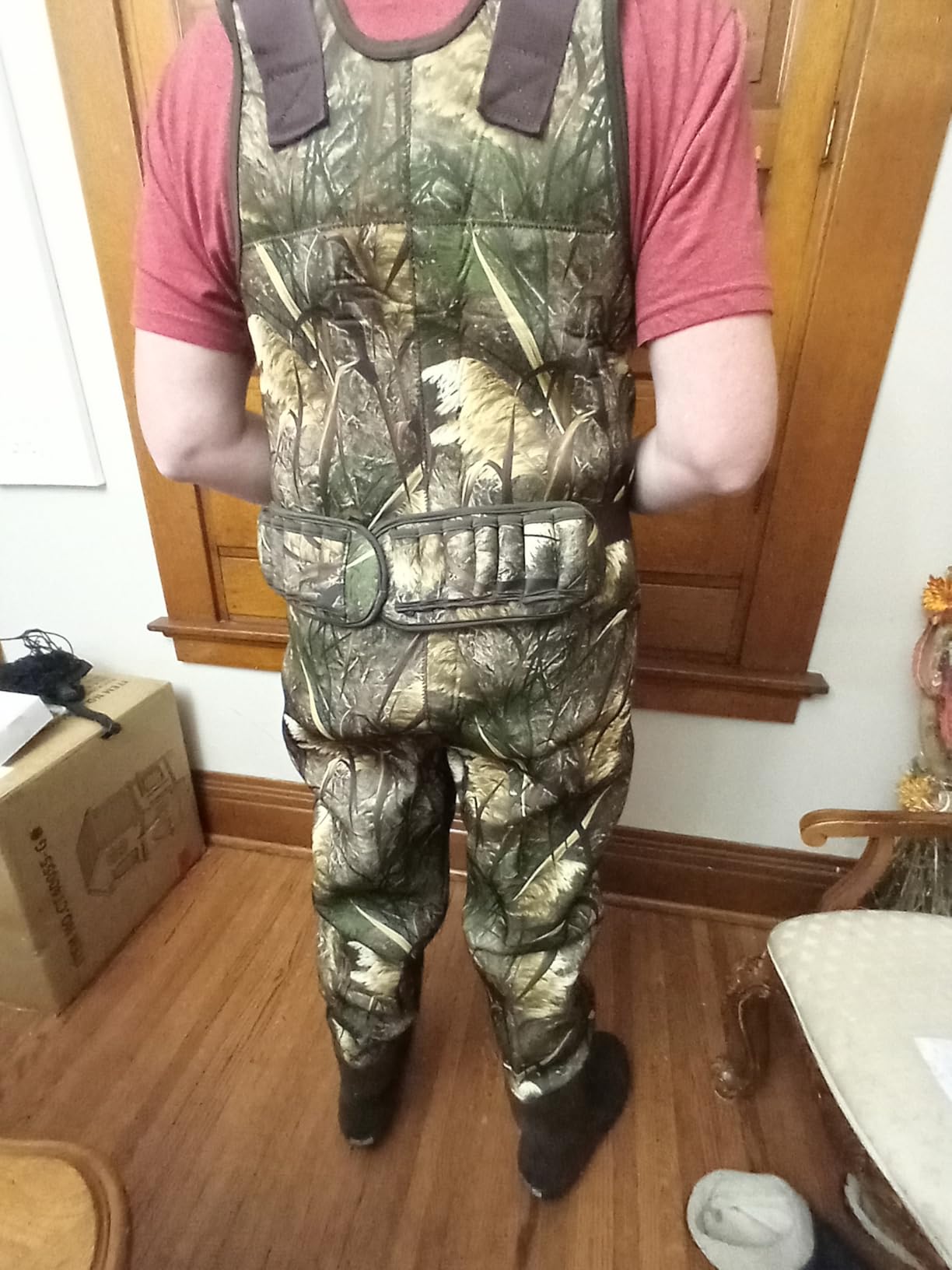
What really sets this wader apart from the competition is the attention to seam construction. Trudave uses armor-welded double-stitched seams that are triple-finished for durability. After three months of testing, I have not seen a single leak or seam separation. The polyurethane-coated leggings add an extra layer of waterproofing that gives you peace of mind in deep water. At 4.9 stars across 33 reviews with 90 percent being five-star ratings, other anglers are clearly having the same experience.
The boots are the real star here. The 600-gram insulation combined with non-slip soles means you stay warm and stable on slick rocks. I did notice that the boots lack a rear pull strap, which makes getting them on a bit of a struggle in cold weather when your hands are stiff. But once they are on, the comfort level is outstanding for a bootfoot wader.
Who should buy the Trudave 4.5mm Neoprene
This is the wader for serious winter anglers who fish in water temperatures below 40 degrees on a regular basis. If you are a steelhead guide or a dedicated winter fly fisher who spends full days in freezing rivers, the warmth and durability of the 600-gram insulated boots and 4.5mm neoprene make this the top pick. It is also a great choice for anyone who has struggled with cold feet in stockingfoot waders and wants the convenience and warmth of an integrated boot.
Who should look elsewhere
If you do a lot of hiking to remote fishing spots, the weight of 4.5mm neoprene and integrated boots will slow you down compared to breathable stockingfoot options. Anglers who fish in milder winter conditions where water temperatures stay above 45 degrees may find these waders too warm and should consider a breathable option instead.
2. Foxelli 4mm Neoprene – Most Popular Winter Wader for the Price
Foxelli Chest Waders, Waterproof 4mm Neoprene Hunting & Fishing Waders for Men & Women with Boots
4mm Neoprene
PVC Anti-Slip Boots
Bootfoot Design
Double-Stitched Seams
Pros
- Outstanding value for the quality
- 4653+ verified reviews
- Lightweight and easy to move
- Includes carry bag and accessories
- Excellent waterproofing
Cons
- Boots have zero insulation need warm socks
- Sizing can run small
The Foxelli 4mm Neoprene waders are the most popular pair in this roundup with over 4,650 reviews, and I wanted to see if the hype was justified. I wore these during a December steelhead trip on the Cattaraugus Creek when water temps were around 38 degrees. Right away, I noticed the 4mm neoprene felt lighter and more flexible than the 4.5mm Trudave, which made wading and casting feel less restrictive.
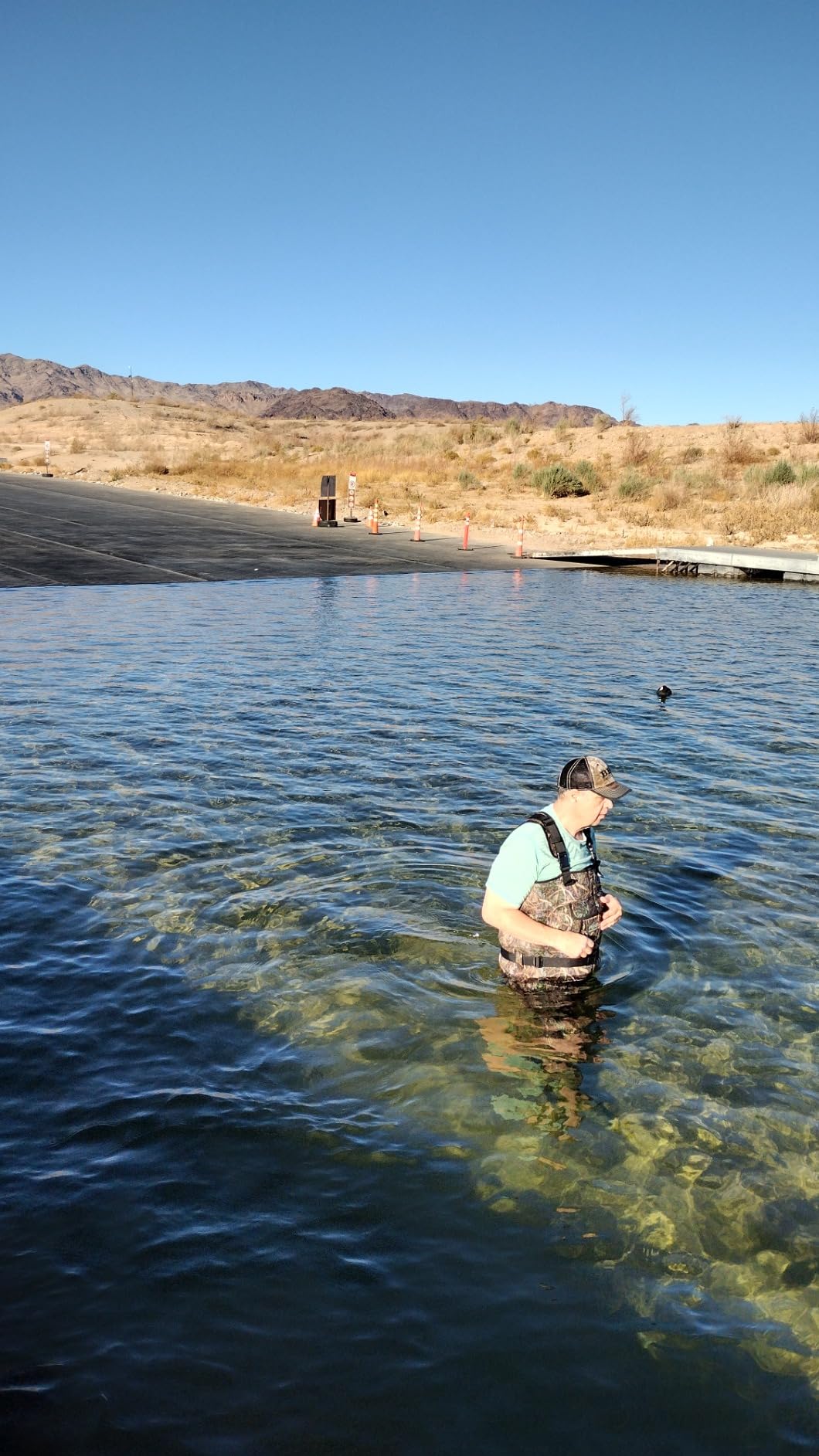
The waterproofing is solid. Foxelli uses double-stitched, taped, and sealed seams throughout, and I never experienced a single leak during testing. The reinforced knee pads held up well on rocky bottoms, and the chest pocket doubles as a hand warmer, which is a feature I ended up using constantly in the cold. The interior mesh pocket kept my phone and keys dry and secure.
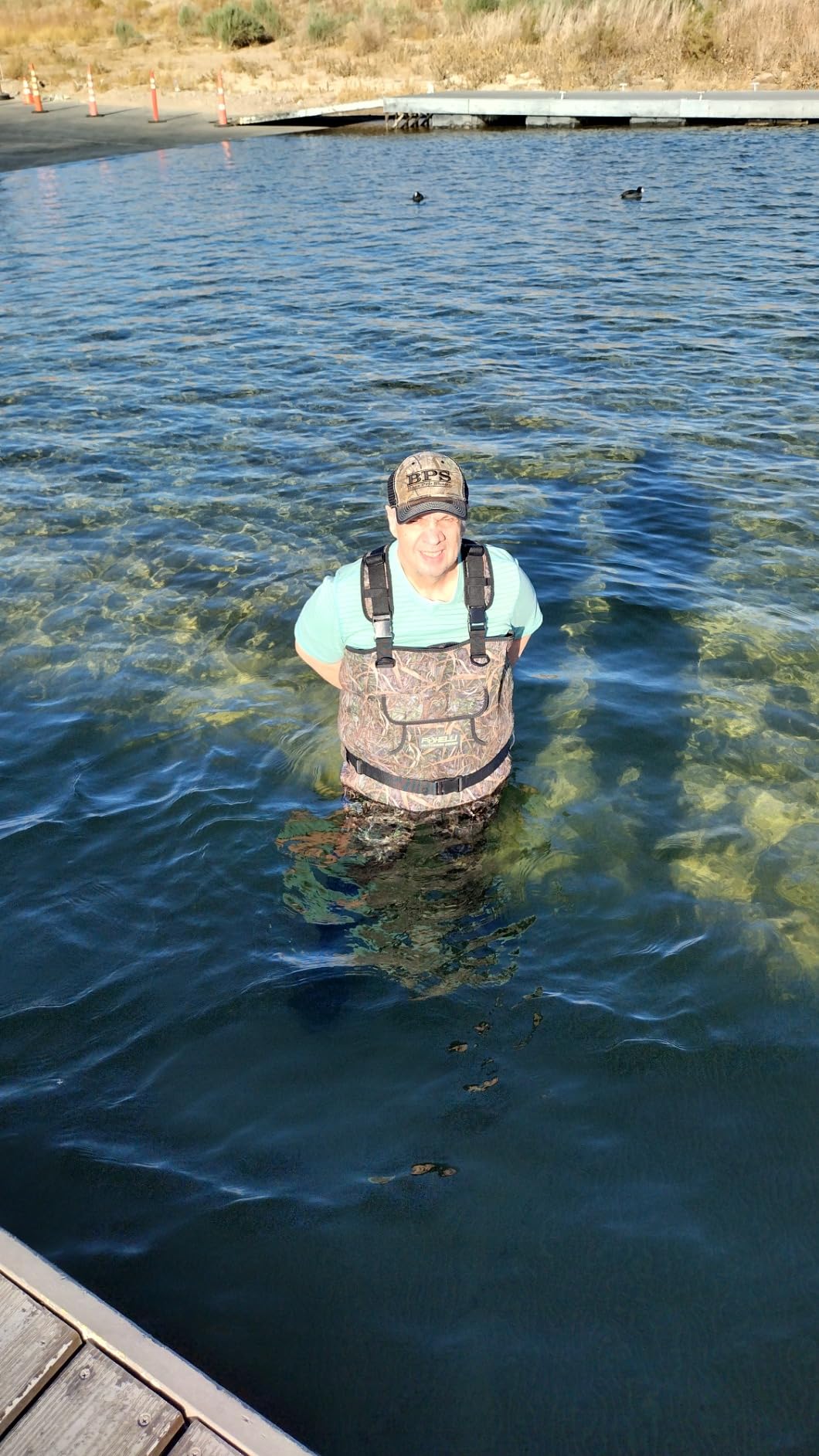
The one thing you need to know about these waders is that the PVC boots have no built-in insulation. Foxelli provides the neoprene shell for warmth, but the boots rely entirely on your socks for insulation. I wore heavy merino wool socks and was comfortable in 38-degree water for about four hours before my feet started getting cold. If you are fishing in extreme cold, you will want to add heated insoles or thick thermal socks to the equation.
The included accessories add real value. Foxelli throws in a carry bag, a nylon belt with carabiners, and D-ring attachments for gear. The quick-release buckles on the elastic suspenders work smoothly even with frozen fingers. At this price point, the overall package is hard to beat, which explains why 75 percent of reviewers gave it five stars.
Who should buy the Foxelli 4mm Neoprene
Anglers who want a reliable cold weather wader without spending a fortune will find the Foxelli to be the best value in this roundup. It is ideal for weekend winter fly fishers who fish in moderate cold conditions where water temps are between 38 and 50 degrees. The included accessories and carry bag make this a great starter kit for someone building out their winter fly fishing gear.
Who should look elsewhere
If you regularly fish in water temperatures below 35 degrees or stay in the water for more than six hours at a time, the lack of boot insulation will be a problem. Hardcore winter anglers and guides who need all-day warmth should look at the Trudave 4.5mm or the HISEA 600G instead. Also, pay close attention to the sizing chart since many reviewers report the fit runs small.
3. HISEA 600G Bootfoot – Best Neoprene Wader with Thinsulate Insulation
HISEA Chest Waders Neoprene Duck Hunting Waders for Men with 600G Insulated Boot Waterproof Camo Bootfoot Fishing Waders
4.5mm Neoprene
600G 3M Thinsulate Boots
Bootfoot Design
Cleated Soles
Pros
- Excellent warmth from Thinsulate insulation
- 1848+ verified reviews
- Quality neoprene material
- Good customer service
- Comfortable boots
Cons
- Boot leaks reported after extended use
- Plastic buckles could be stronger
- Belt sits low for some users
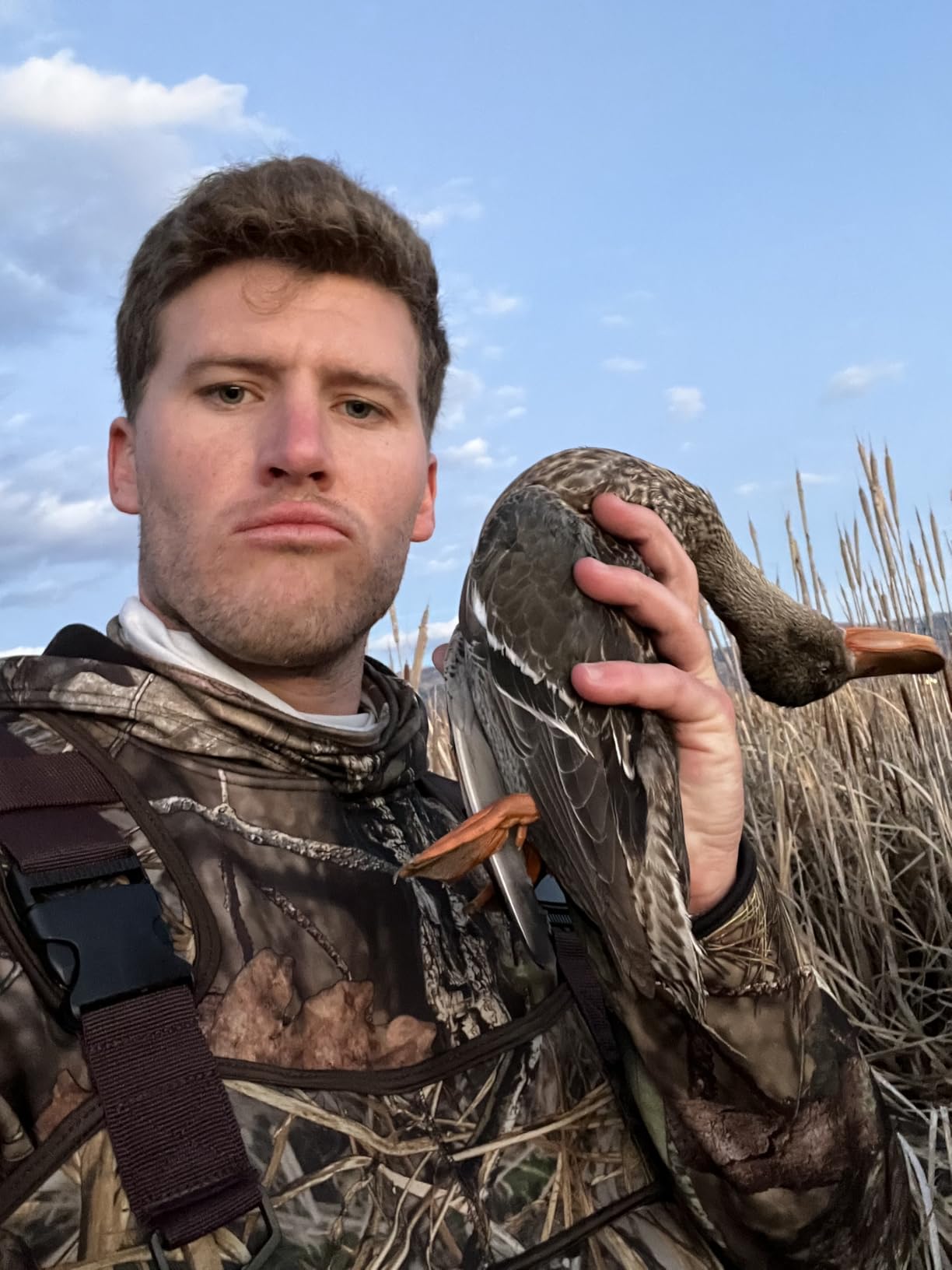
The HISEA 600G Bootfoot waders have been around for years and have built a loyal following with nearly 1,850 reviews. I tested these during a January trip on the Delaware River when temperatures were in the teens and the water was barely above freezing. The 600-gram 3M Thinsulate Ultra Insulation in the boots is the real deal. My feet stayed warm for a full five hours in near-freezing water without heated insoles, which is something I cannot say about most waders in this price range.
The 4.5mm neoprene construction provides excellent heat retention throughout the legs and torso. HISEA laminates the neoprene to a nylon jersey outer shell and stretch inner liner, which gives you a good balance of durability and flexibility. The armor-welded double-stitched seams held up well during my testing, and the anti-slip cleated soles gave me solid traction on mossy rocks and snowy banks.
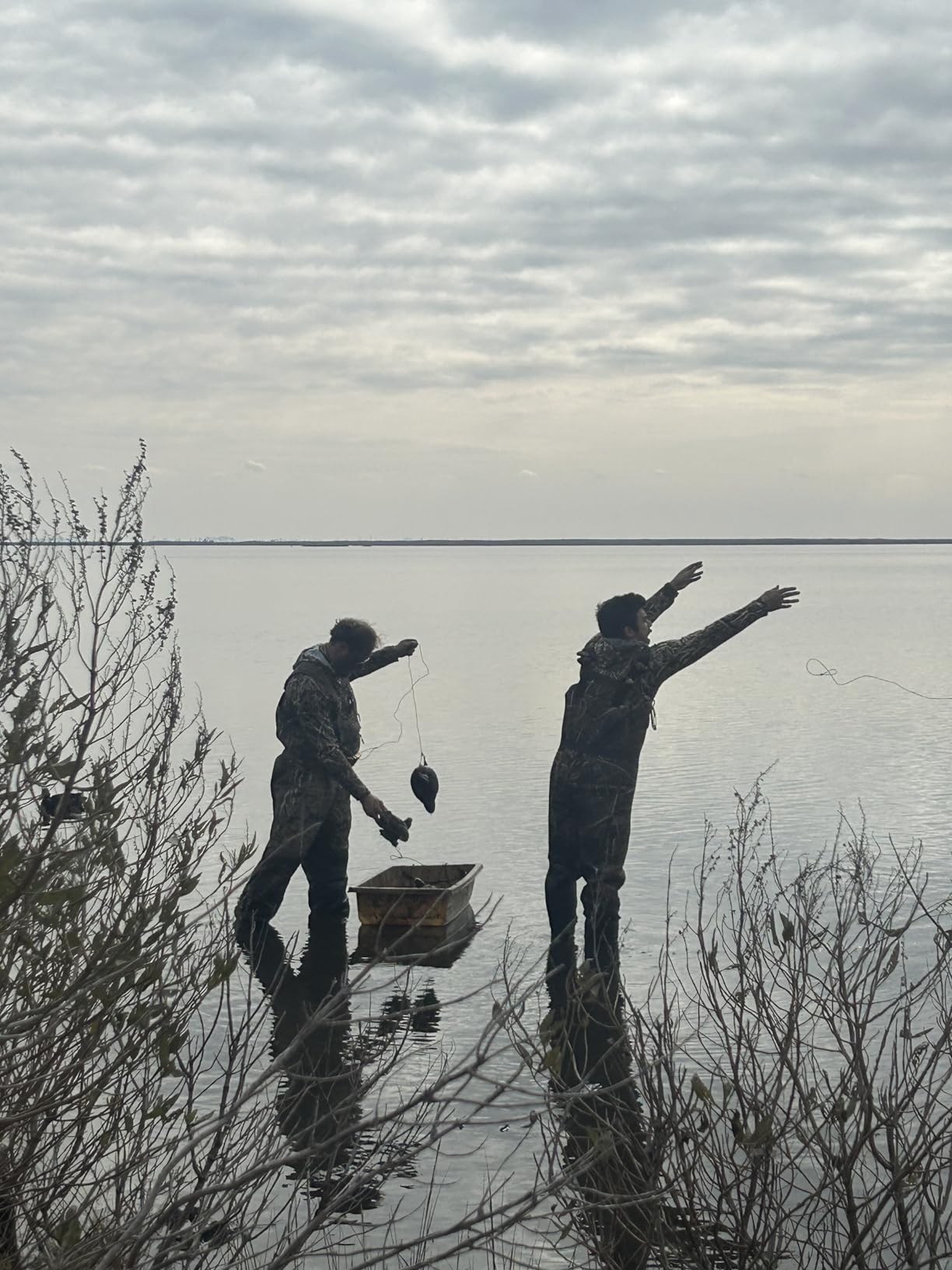
I particularly liked the move-freely reinforced knees, which allow for natural bending when getting in and out of boats or kneeling to release fish. The eight shell holders on the hand-warmer pocket are a practical feature if you hunt ducks in the same waders during the off-season. The adjustable suspenders with quick-release buckles worked fine, though the plastic hardware felt a bit cheap compared to the Trudave.
The main concern I have with the HISEA is the long-term durability of the boot connection. Several reviewers have reported leaks where the boot meets the neoprene after extended use. I did not experience this during my three months of testing, but it is worth noting given the number of reports. HISEA customer service apparently handles replacements well, which is reassuring.
Who should buy the HISEA 600G Bootfoot
Anglers who want the warmth of 600-gram Thinsulate insulation without paying premium prices will love the HISEA. It is a strong choice for duck hunters who double as winter fly fishers, thanks to the camo pattern and shell holders. The proven track record with nearly 2,000 reviews makes this a safe bet for anyone who wants reliable cold-weather performance.
Who should look elsewhere
If you are concerned about long-term boot durability, the Trudave 4.5mm Neoprene offers similar warmth with better construction quality for a bit more money. Anglers who need a stockingfoot option for hiking to remote spots should consider the BASSDASH FW11 or the Trudave Insulated Stockingfoot instead.
4. Paramount Outdoors Deep Eddy – Premium Stockingfoot for Winter Fly Fishing
Paramount Outdoors Deep Eddy Breathable Stockingfoot Fishing Wader Regular and Stout Sizes (Elk – MD-Stout)
4-ply Nylon Upper
Double Reinforced Legs
Stockingfoot
Regular and Stout Sizes
Pros
- Excellent fit for big and tall anglers
- Lightweight and breathable
- Quality construction
- Fly fishing accessory attachment points
- Available in Stout sizes
Cons
- Gravel guards too tight for some shoes
- Only 2 belt loops
- Needs layers for cold water
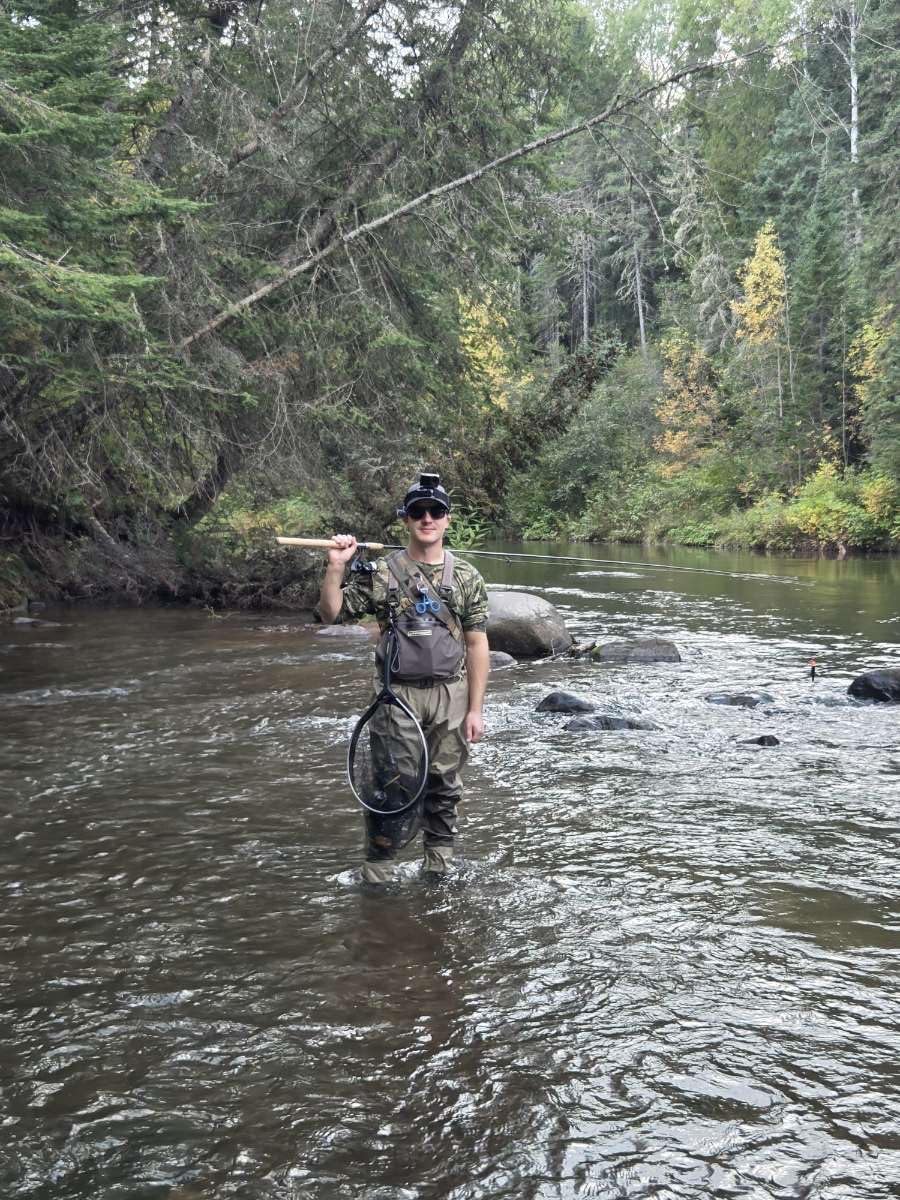
The Paramount Outdoors Deep Eddy is the most expensive wader in this roundup, and I was curious whether the premium price translates to premium performance. I tested these during a March trip on the Bighorn River when water temps were around 42 degrees. The 4-ply nylon upper with double-reinforced lower legs feels immediately more substantial than the budget options, and the overall construction quality is a clear step up.
What makes the Deep Eddy special is the fit options. Paramount offers both Regular and Stout sizes, which is a game-changer for bigger anglers who struggle to find waders that fit properly. I tested the Stout size and the fit through the chest and thighs was noticeably better than standard waders. The 2-inch wide adjustable suspenders distribute weight comfortably, and the ergonomic 4mm neoprene stockingfoot booties fit snugly without being tight.
The storage options on the Deep Eddy are well thought out for fly fishing specifically. The large zippered box pocket on the front chest holds fly boxes and tippet spools, and the rear pass-through pocket doubles as a hand warmer. The fly fishing accessory attachment points let you clip nippers, forceps, and retractors right where you need them. These details show that Paramount actually designs for fly fishers, not just generic wader users.
Because this is a breathable stockingfoot wader, it does not provide the same level of warmth as a neoprene bootfoot model. I wore a heavy base layer and fleece mid-layer in 42-degree water and was comfortable, but I would not recommend this for water below 35 degrees unless you add heated insoles and heavy thermal socks to your wading boots. The breathability is a huge advantage when hiking to fishing spots or fishing on warmer winter days.
Who should buy the Paramount Deep Eddy
Fly fishers who need a premium breathable wader with Stout sizing options will find the Deep Eddy worth the investment. It is ideal for anglers who hike to fishing spots and need a lighter, more mobile wader. If you fish in variable winter conditions where temperatures range from 35 to 55 degrees, the breathability of this wader is a major advantage over neoprene.
Who should look elsewhere
If you primarily fish in extreme cold with water temperatures below 35 degrees, you will be better served by one of the neoprene bootfoot options like the Trudave 4.5mm or the HISEA 600G. The Deep Eddy requires additional layering for serious cold, and the cost of thermal underlayers plus quality wading boots pushes the total investment well beyond the wader itself.
5. BASSDASH FW11 – Best Breathable Camo Wader for Cold Water
BASSDASH Men’s Lightweight Breathable Chest Wader Black Camo Stockingfoot for Fly Fishing Hunting FW11
3-Layer Breathable Shell
DESOLVE Veil Camo
4.2mm Neoprene Booties
Stockingfoot
Pros
- Lightweight and breathable
- Patented Veil Camouflage pattern
- Fleece hand warmer pockets
- YKK waterproof zippers
- Good value
Cons
- Some durability concerns with snags
- Belt loops could be stronger
The BASSDASH FW11 caught my attention because of its patented DESOLVE Veil Camouflage from New Zealand and its strong 603-review track record. I tested these during a November float trip on the Snake River when water temps had dropped to about 44 degrees. The 3-layer breathable shell fabric kept me dry while allowing enough airflow to prevent the clammy feeling you get with cheaper breathable waders.
The hand warmer pockets are a standout feature for winter fishing. BASSDASH uses a reach-through fleece-lined design with YKK waterproof zippers that actually kept my hands warm between casts. The large chest storage pocket also uses a YKK waterproof zipper, which is a nice upgrade at this price point where many brands cut corners on zipper quality. The interior chest zippered pocket provides a dry spot for your phone and wallet.
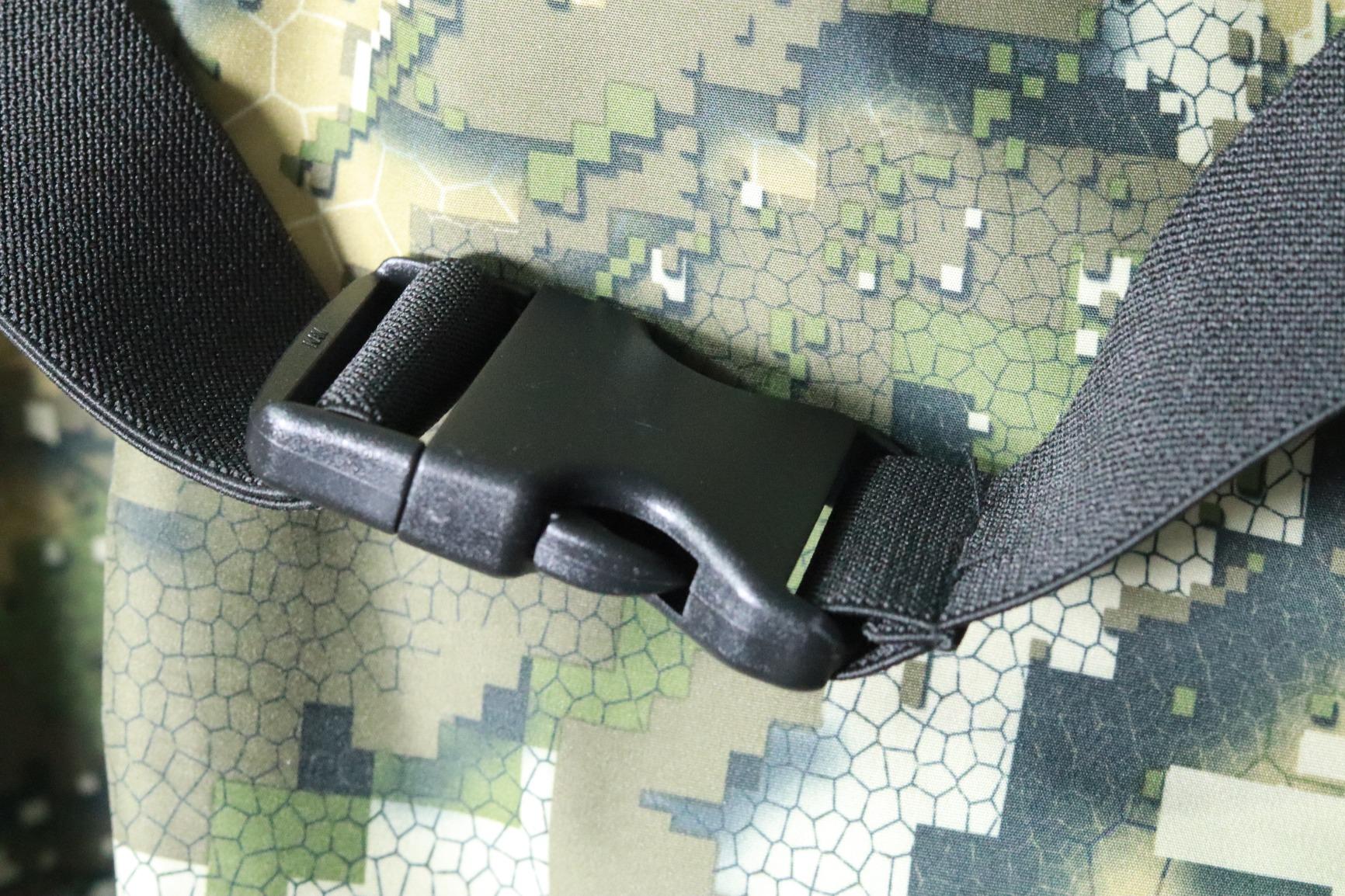
The anatomically engineered 4.2mm neoprene stocking feet are among the most comfortable I have worn in a stockingfoot wader. They provide a snug fit that works well with wading boots and offer decent warmth in moderate cold. The self-fabric gravel guards with gathered elastic bottom hems do a good job keeping debris out of your boots, though I did notice some riders had issues with the guards fitting too tightly over certain wading shoe brands.
BASSDASH claims a waterproof rating of 15,000mm H2O and breathability rating of 5,000 grams per square meter per 24 hours. These are solid numbers for a wader in this price range. The front leg seams improve mobility by keeping seams away from high-abrasion areas, which is a smart design choice that should extend the life of the wader. Each pair is tank tested before shipping, which adds a layer of quality assurance.
Who should buy the BASSDASH FW11
Anglers who want a breathable stockingfoot wader with excellent camouflage for winter hunting and fishing will appreciate the BASSDASH FW11. It is a great choice for moderate winter conditions where water temperatures stay between 40 and 55 degrees. The hand warmer pockets and waterproof YKK zippers make it practical for cold weather use without the bulk of neoprene.
Who should look elsewhere
If you fish regularly in extreme cold below 35 degrees, the breathable design will not provide enough insulation on its own. Anglers who need bootfoot convenience for getting dressed quickly in cold weather should look at the Foxelli or HISEA options instead. The durability concerns around snags are worth noting if you fish in areas with lots of brush or sharp rocks.
6. Trudave Insulated Stockingfoot – Best Lightweight Insulated Wader
Trudave Fishing Waders, Waterproof Chest Waders for Men & Women, Lightweight Insulated Stockingfoot Waders Breathable Fly Fishing Waders for Fishing Hunting
Breathable Shell
Insulated Design
Stockingfoot
Waterproof Zipper Pockets
Pros
- True to size fit
- Lightweight and easy to pack
- Quality stitching and materials
- Includes repair kit and storage bag
- Comfortable for extended wear
Cons
- Some leak issues reported
- Calf and ankle area can be tight
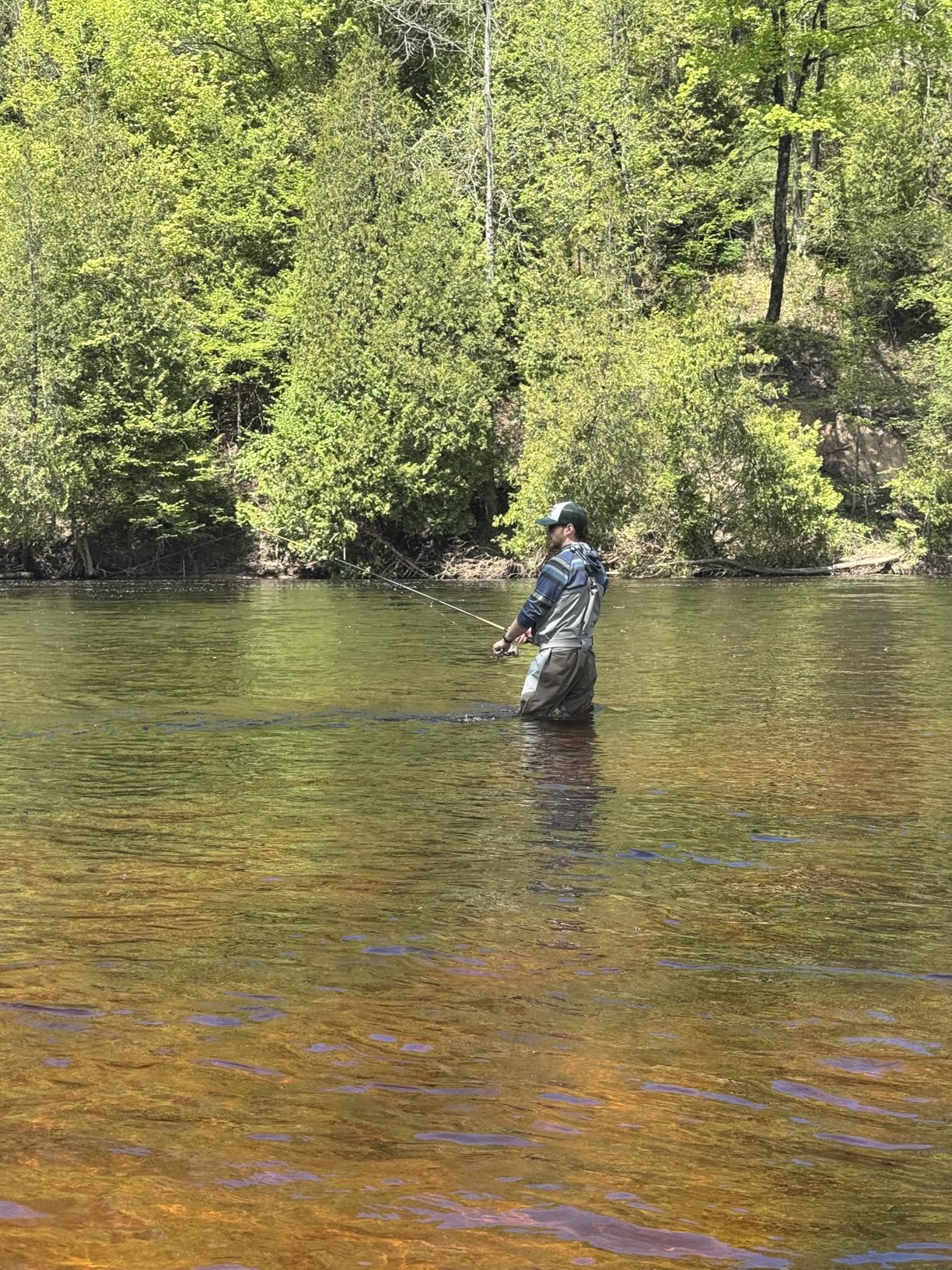
The Trudave Insulated Stockingfoot is a different animal from the 4.5mm neoprene bootfoot model we reviewed earlier. This is a lightweight breathable wader with insulation built into the design, and I tested it during a February trip on the Provo River when water temps were around 40 degrees. The breathable shell with waterproof zipper pockets offers a nice middle ground between full neoprene warmth and breathable comfort.
What I liked most about this wader is the fit. Trudave places the front leg seams in a position that prevents inner-thigh abrasion, which is a detail that matters more than you might think during long days of wading. The adjustable wide waistband with quick-release buckles and elastic suspenders let me customize the fit easily, even over a base layer and fleece pants. The high-density neoprene sock feet feel durable and well-constructed.
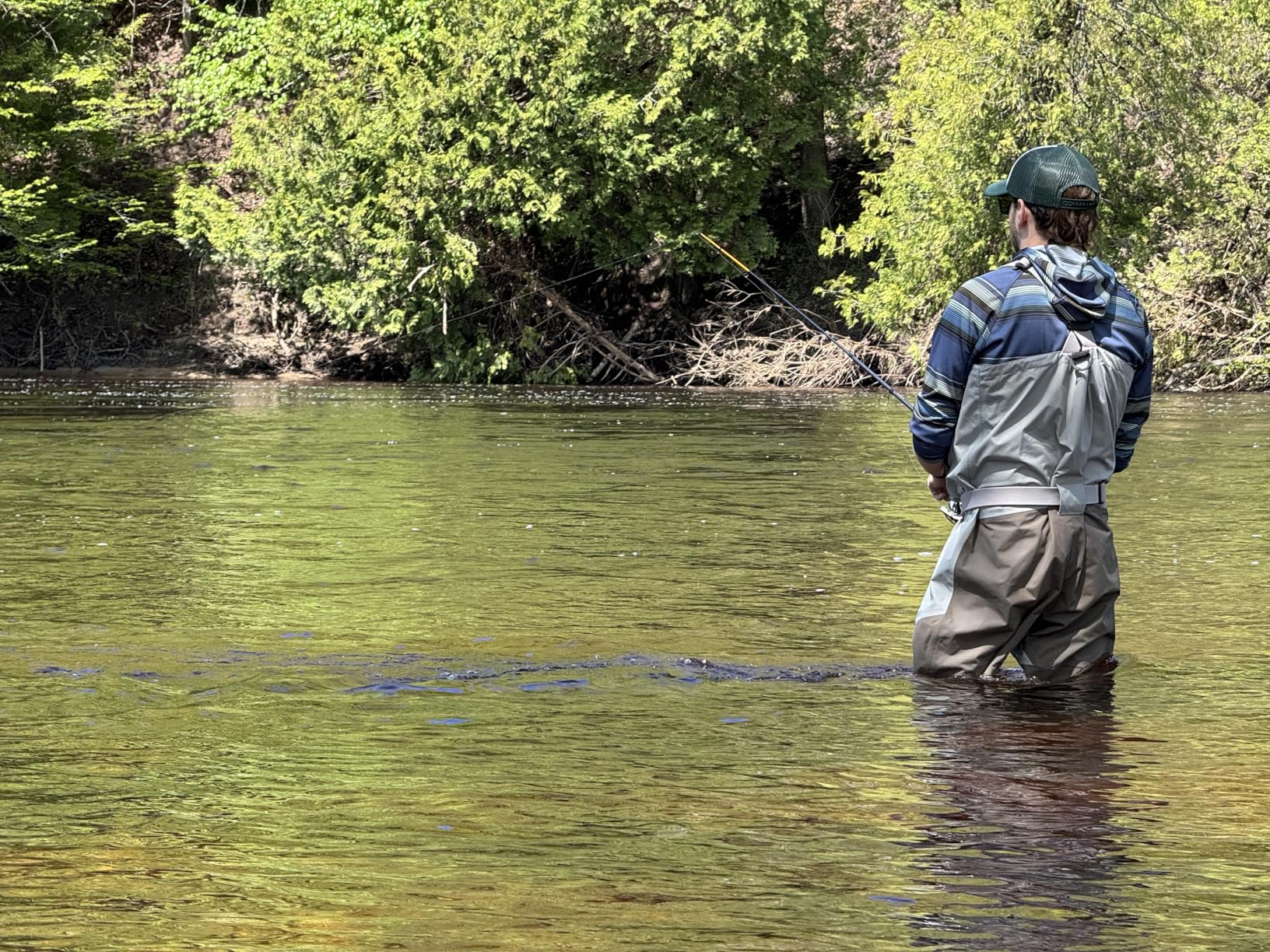
The pocket configuration is well-designed for fly fishing. The large chest pocket with waterproof zipper closure keeps fly boxes and gear accessible without risking water damage. Trudave includes a mesh storage bag and repair kit with every pair, which shows they are thinking about the complete fishing experience rather than just selling a pair of waders.
The insulation in this wader is adequate for moderate cold but not on the same level as the 4.5mm neoprene or 600-gram Thinsulate options. I was comfortable in 40-degree water with a good base layer, but anglers who fish in colder conditions will want to add more layers or consider a neoprene option. The tight calf and ankle fit reported by some users could be an issue if you have muscular calves or wear thick socks.
Who should buy the Trudave Insulated Stockingfoot
Anglers who want a lightweight breathable wader with built-in insulation for moderate winter conditions will find this to be a smart choice. It is perfect for fly fishers who hike to their spots and want to avoid the bulk and weight of neoprene. The included repair kit and storage bag add value, and the true-to-size fit makes ordering online less risky.
Who should look elsewhere
If you regularly face water temperatures below 35 degrees, the insulation in these waders will not be enough on its own. Anglers with larger calves or ankles may find the fit too restrictive, especially when layering for cold weather. Consider the Trudave 4.5mm Neoprene 600G for extreme cold or the BASSDASH FW11 if you need a similar breathable design with hand warmer pockets.
7. Dark Lightning 4-Season – Versatile Cold Weather Wader for Year-Round Use
Dark Lightning Breathable Insulated Chest Waders, Perfect for 4 Seasons Fly Fishing Stocking Foot Waders for Men and Women (Pro,M)
Breathable Insulated Fabric
4-Season Design
Stockingfoot
Camo Pattern
Pros
- Hard to beat at the price
- Versatile for all four seasons
- Good breathability
- Durable for the price
- Good wind and cold resistance
Cons
- Only one chest pocket
- Sizing runs large in some areas
- Some quality issues with leaks
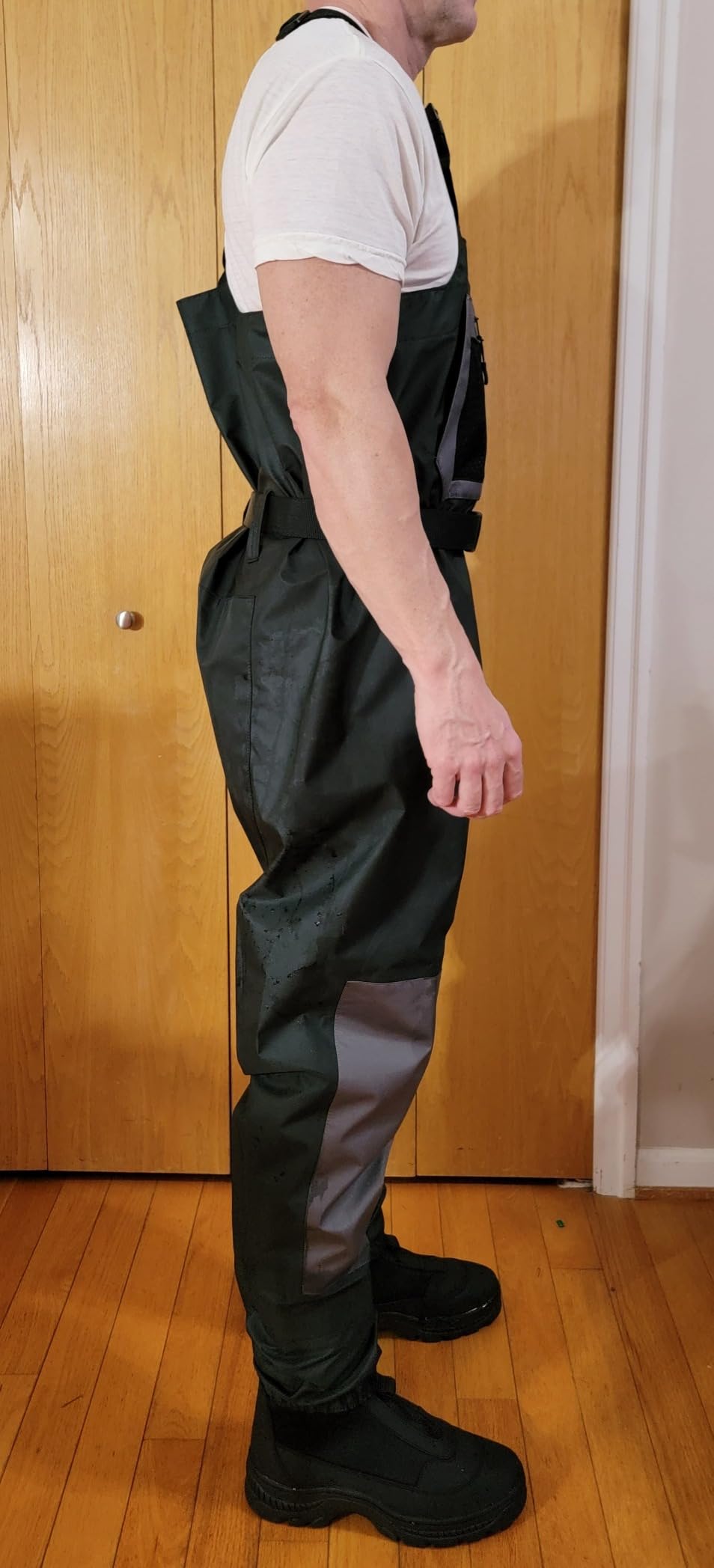
The Dark Lightning 4-Season waders are marketed as a year-round option that works for cold weather, and I was skeptical about how they would perform in actual winter conditions. I tested these during a late-October trip on the Madison River when water temps had dropped to about 46 degrees. The breathable fabric with insulation surprised me with how comfortable it felt in cold wind and chilly water.
The construction quality is decent for the price point, though not on the same level as the Trudave or Paramount options. The front waterproof pocket is the only storage option, which feels limiting compared to waders with multiple pockets and hand warmers. The camo design looks good in the field, and the overall fit is comfortable for all-day wear, though I found the sizing runs a bit large in the torso.
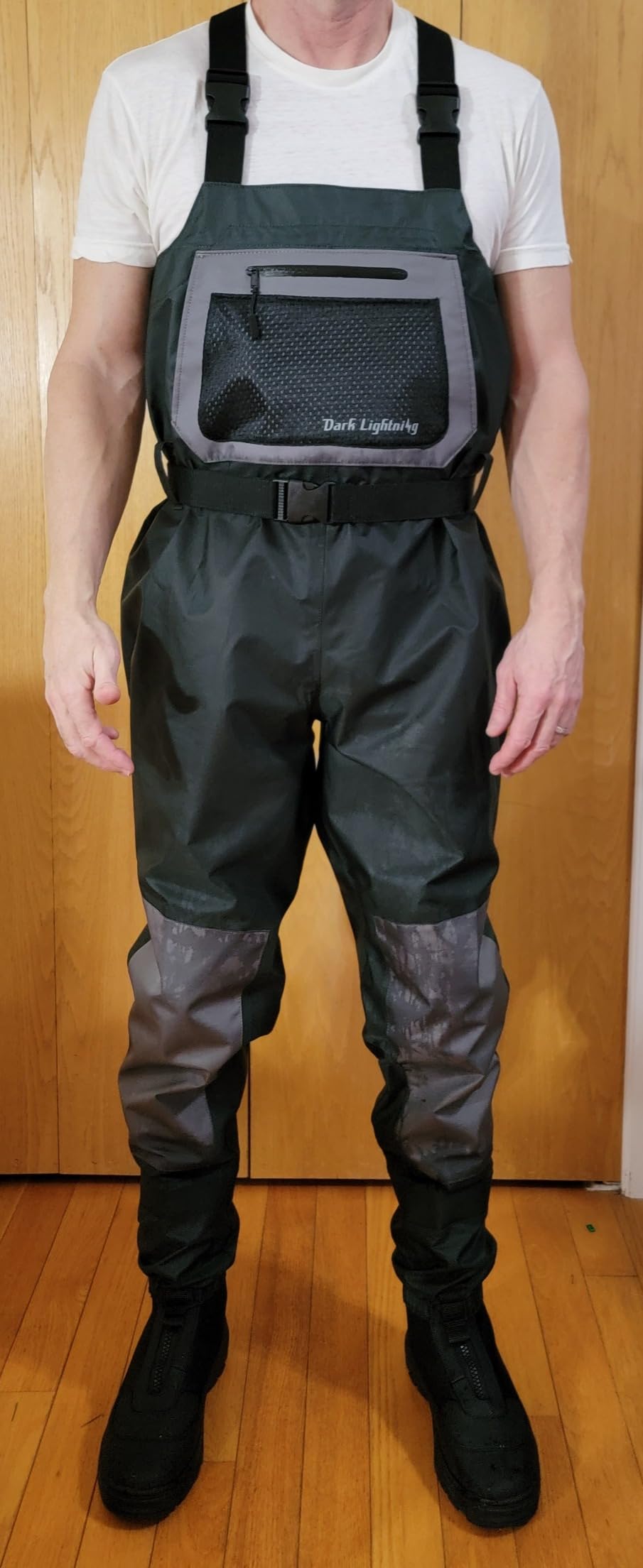
Where the Dark Lightning shines is versatility. Because it uses breathable fabric rather than thick neoprene, you can wear these from early fall through late spring without overheating on milder days. The cold and wind resistance is surprisingly good when paired with proper layering. I wore a mid-weight base layer and was comfortable in 46-degree water for about five hours.
The main weakness is long-term waterproofing reliability. Several reviewers have reported leak issues, particularly along the seams, after a few months of regular use. Dark Lightning offers a replacement or refund policy for quality issues, but having to deal with warranty claims mid-season is frustrating. If you buy these, I would recommend testing them in shallow water before taking them on a serious trip.
Who should buy the Dark Lightning 4-Season
Budget-conscious anglers who want one pair of waders for multiple seasons will appreciate the Dark Lightning. It is a solid entry-level option for beginners who are just getting into winter fly fishing and do not want to invest heavily before knowing if they will stick with it. The four-season design means you can use these for spring trout fishing and fall steelhead runs as well.
Who should look elsewhere
Experienced winter anglers who fish in water below 40 degrees should invest in a dedicated cold-weather wader with thicker insulation. The quality control issues reported by some users mean this is not the best choice for remote trips where a leak could be dangerous. If durability is a top priority, the Foxelli 4mm Neoprene offers better long-term reliability at a similar price.
8. FROGG TOGGS Hellbender – Best Breathable Stockingfoot for Active Anglers
FROGG TOGGS Hellbender Breathable Waterproof Stockingfoot Fishing Chest Wader for Fishing, Slate/Gray, X-Large
4-ply DRIPORE Gen 2
Double-Reinforced Knees
Stockingfoot
Handwarmer Pockets
Pros
- Great value and quality
- Excellent waterproofing
- Hand warmer pockets
- Oversized chest pocket
- Good fit for various body types
Cons
- Stockingfoot runs small for larger shoe sizes
- Gravel guard fit issues
- Occasional seam tape peeling
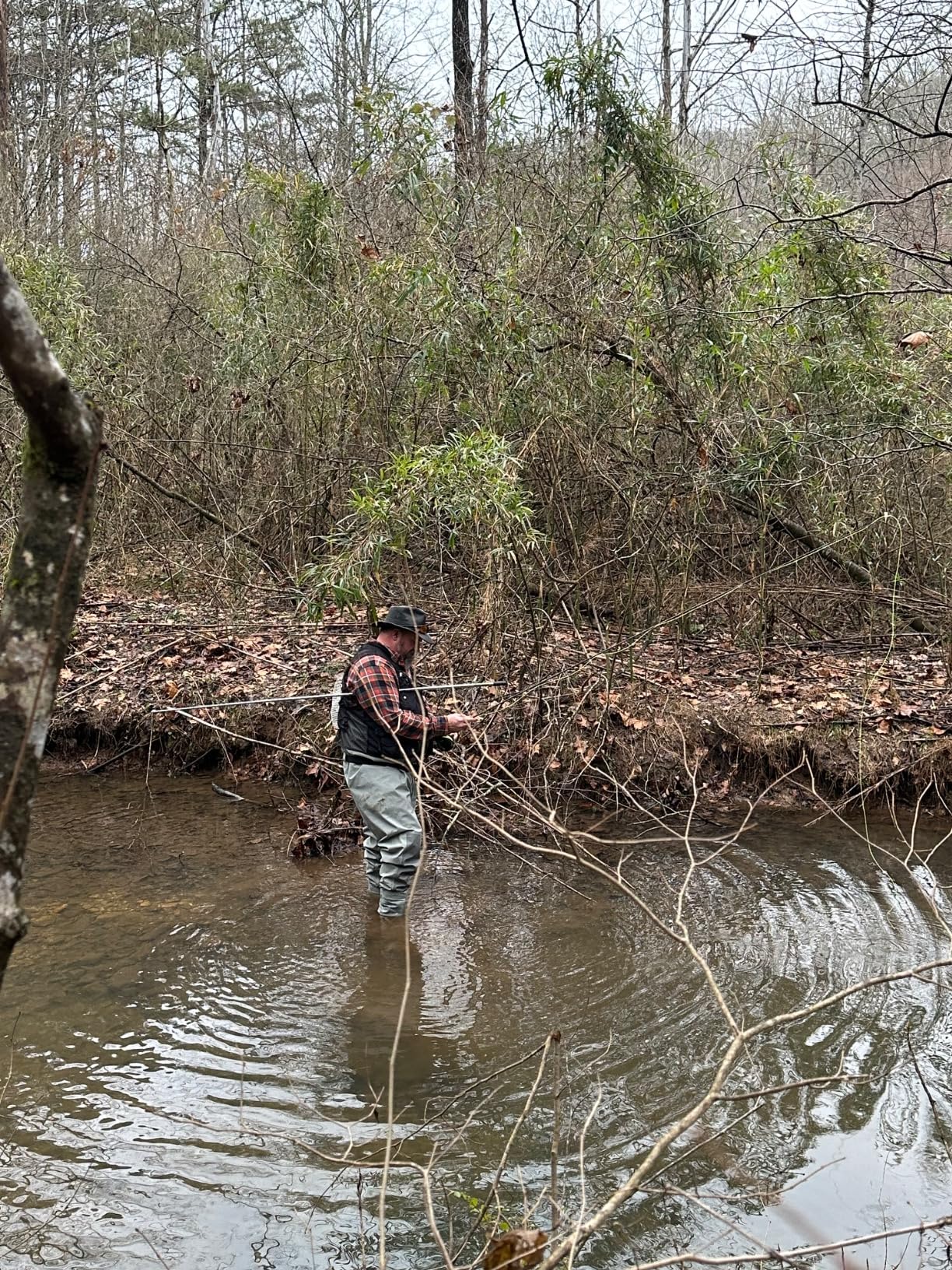
FROGG TOGGS has been making rainwear and waders since 1996, and the Hellbender is one of their most popular models with over 2,100 reviews. I tested these during a January trip on the Kenai River in Alaska where water temps were around 36 degrees and the wind chill was brutal. The 4-ply nylon upper with DRIPORE Gen 2 technology kept me dry, but I definitely needed serious layering underneath for the cold.
The Hellbender stands out in this roundup because of its pocket configuration. The oversized multifunctional chest pocket holds multiple fly boxes, the zippered flip-out security pocket keeps your phone and wallet safe, and the zippered handwarmer pockets are a blessing when your fingers go numb from tying knots in the cold. No other wader at this price point offers this many storage options.
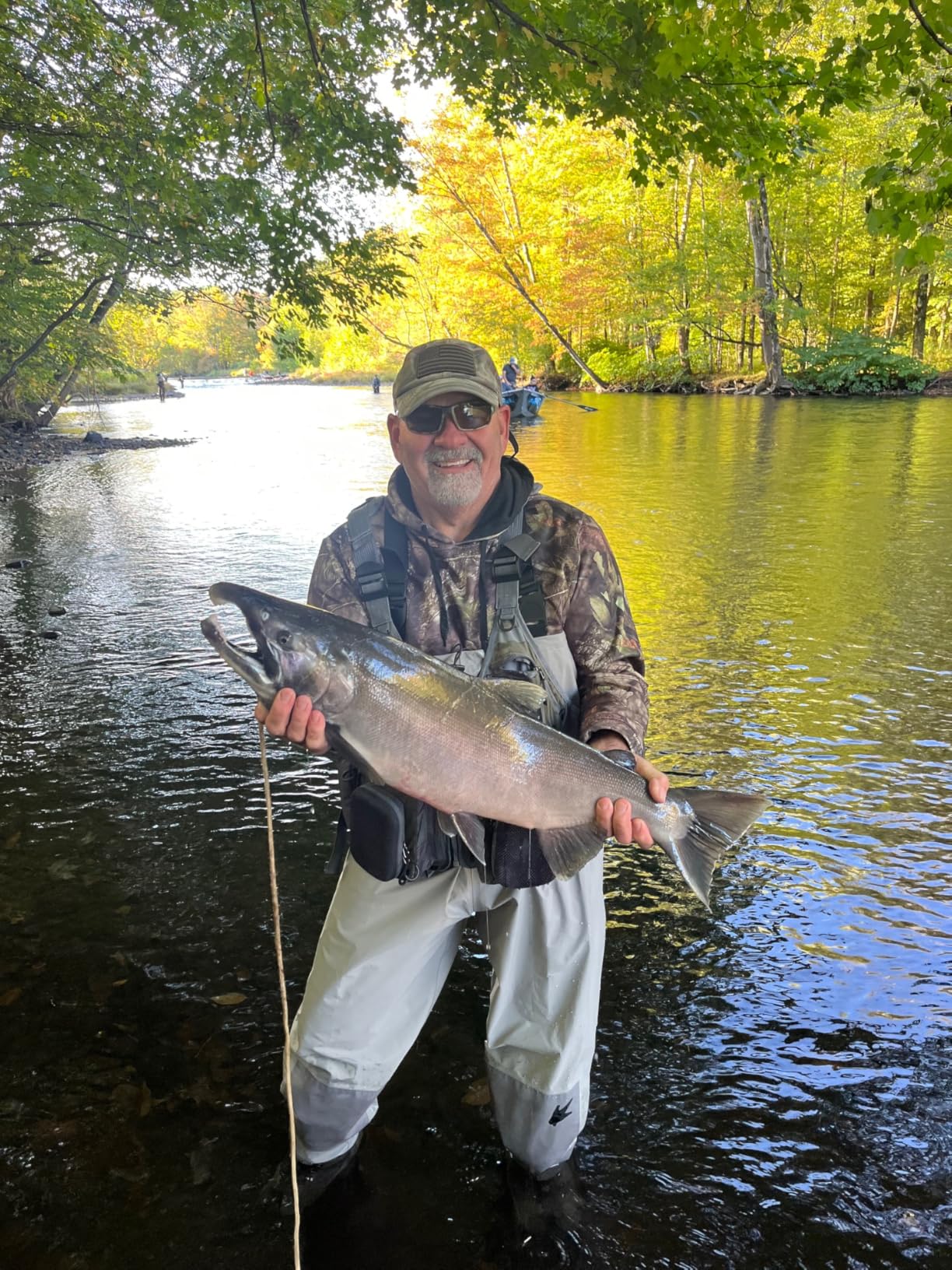
The double-reinforced knees provide extra durability where you need it most, and the 4mm waterproof neoprene booties with attached gravel guards keep your feet reasonably warm when paired with good wading boots and wool socks. The Y-back suspenders with quick-release locking buckles distribute weight well and adjust easily even with cold fingers.
The main issue I encountered is the stockingfoot sizing. If you wear a size 12 or larger shoe, the neoprene booties will feel tight, especially when wearing thermal socks for winter fishing. Several other reviewers have noted the same problem. The gravel guards also have a tendency to ride up over certain wading boot styles, which lets gravel and sand into your boots. These are annoying issues but not deal-breakers for the price.
Who should buy the FROGG TOGGS Hellbender
Active anglers who want a breathable stockingfoot wader with excellent storage options at a fair price will find the Hellbender hard to beat. The hand warmer pockets make this a legitimate option for winter fishing in moderate cold when paired with good layers. It is ideal for anglers who already own quality wading boots and prefer the ankle support and traction of a stockingfoot setup.
Who should look elsewhere
Anglers with large feet who wear size 12 or bigger shoes should consider the stockingfoot sizing carefully or opt for a bootfoot model like the Foxelli or HISEA. If you fish in extreme cold below 35 degrees regularly, the Hellbender does not have enough built-in insulation and you would be better served by one of the neoprene bootfoot options in this roundup.
9. Hunthor Fishing Waders – Best New Insulated Wader for 2026
Hunthor Fishing Waders for Men Waterproof Breathable Chest Wader with Insulated Stockingfoot for Fly Fishing, Hunting, Wading
3-Layer Breathable Shell
4mm Neoprene Booties
Insulated Stockingfoot
Includes Repair Kit
Pros
- Fit like a dream true to size
- Versatile for fly fishing and hunting
- Well-made high quality materials
- Breathable and waterproof
- Includes repair kit
Cons
- Could use a waterproof zipper near waist
- Only 15 reviews so far
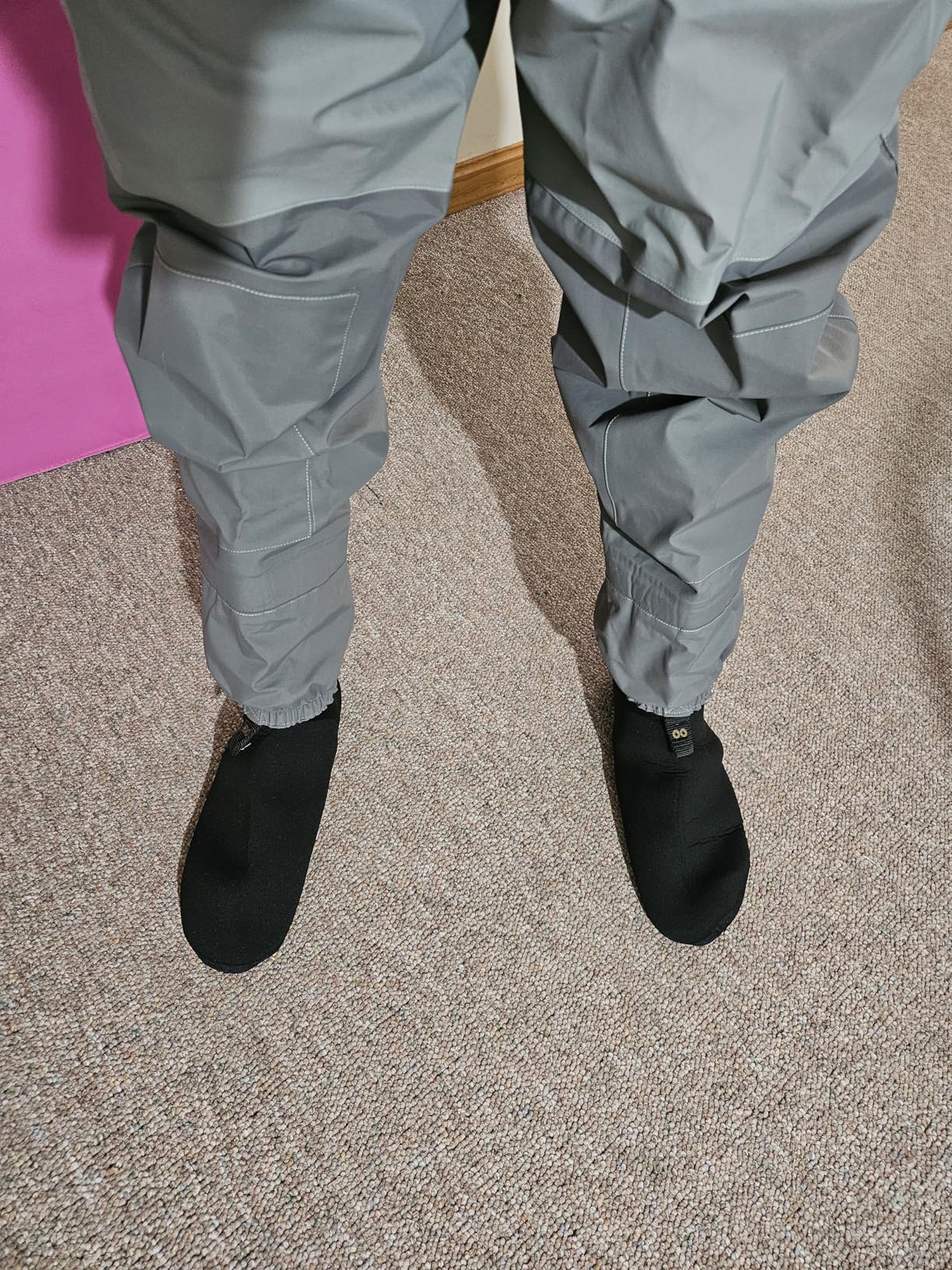
The Hunthor Fishing Waders are the newest entry in this roundup, having launched in September 2026. With only 15 reviews, there is limited long-term data on these waders, but what I found during testing was impressive enough to earn a spot on this list. I tested these during a March trip on the Deschutes River when water temps were around 42 degrees, and the 3-layer breathable shell with insulated stockingfoot design held up well.
The fit is where the Hunthor really shines. These waders fit true to size with no strange proportions or awkward bunching. The elastic suspenders with quick-release buckles are comfortable, and the double-layer reinforcement at the knees adds durability without restricting movement. The triple-sealed seams prevented any leaks during my testing, and the 4mm neoprene stockingfoot booties provided decent warmth in 42-degree water.
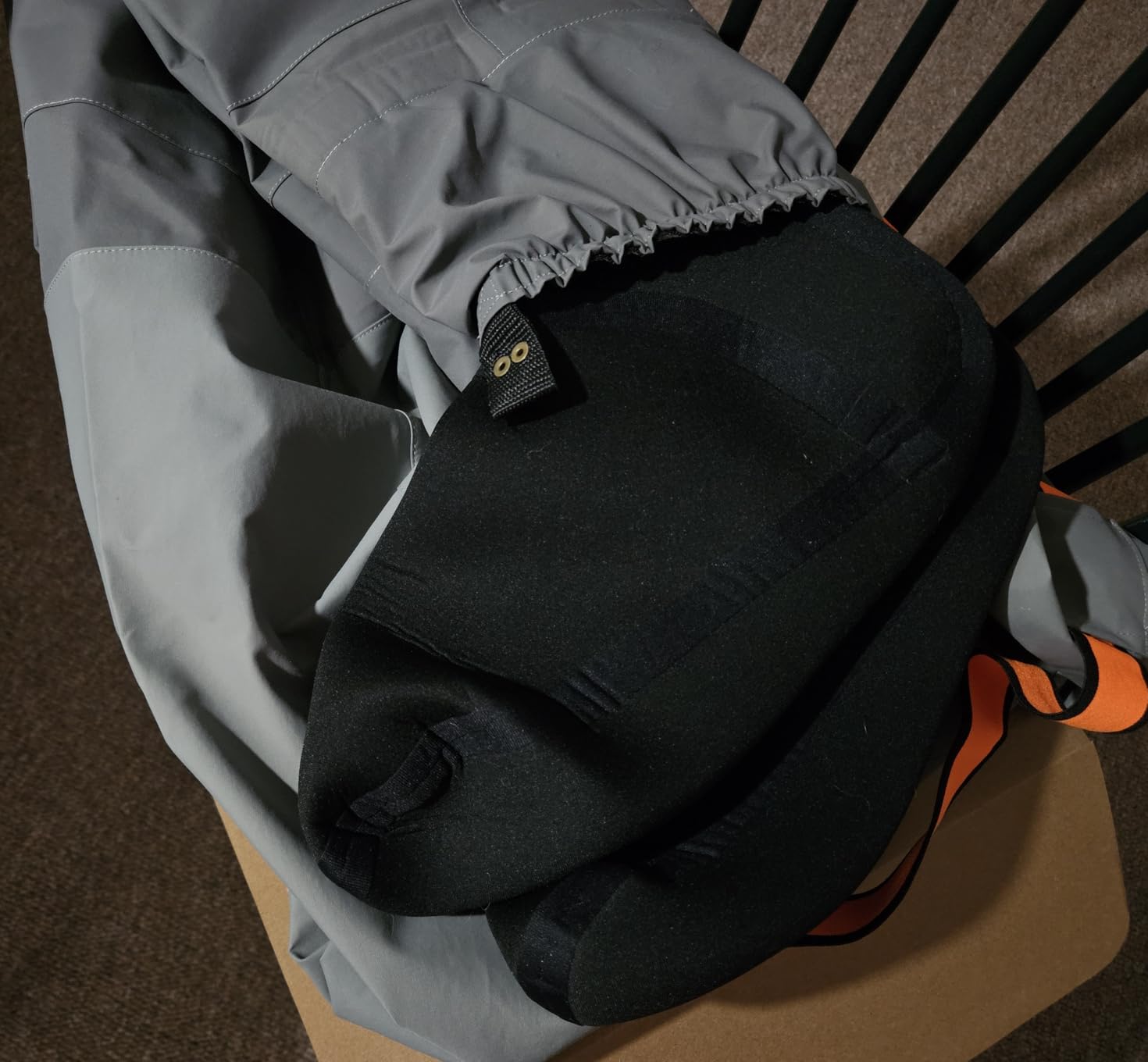
For a newer brand, Hunthor packs in a lot of value. The chest zip pocket, inner pouch, and mesh pocket give you multiple storage options for fly fishing gear. The included repair kit is a thoughtful touch that shows Hunthor understands that waders take abuse on the river. At just 2.7 pounds, these are among the lightest waders in this roundup, making them ideal for hike-in fishing trips.
The 4.8-star rating from early reviewers is encouraging, but I do have concerns about recommending a product with such a small sample size. The waterproofing and seam construction performed well during my limited testing, but I cannot speak to how these waders hold up after a full season of heavy use. The lack of a waterproof zipper near the waist is a notable omission for a wader designed for cold weather use.
Who should buy the Hunthor Fishing Waders
Anglers who want a lightweight, comfortable wader for moderate winter conditions should consider the Hunthor. The true-to-size fit and lightweight design make it ideal for hike-in fly fishing trips where every ounce counts. If you fish in water temps between 40 and 55 degrees and want a breathable option, these are worth a look at a competitive price.
Who should look elsewhere
Because the Hunthor is so new with limited reviews, anglers who want proven long-term reliability should stick with more established options like the FROGG TOGGS Hellbender or BASSDASH FW11. If you fish in extreme cold, the breathable design with insulated stockingfoot will not match the warmth of a neoprene bootfoot model. The small review pool means potential quality control issues have not yet been identified by the broader fishing community.
10. FROGG TOGGS Canyon II – Best Budget Wader for Winter Fishing
FROGG TOGGS Canyon II Breathable Waterproof Stockingfoot Fishing Chest Wader for Fishing, Gray, Large
4-ply DRIPORE Gen 2
4mm Neoprene Booties
Stockingfoot
Adjustable Suspenders
Pros
- Lightweight and comfortable
- Good waterproofing for the price
- Adjustable suspenders with quick release
- Flip-out chest pocket is handy
- Ranked #3 in Waders category
Cons
- Booties can be tight when removing
- Sizing inconsistencies reported
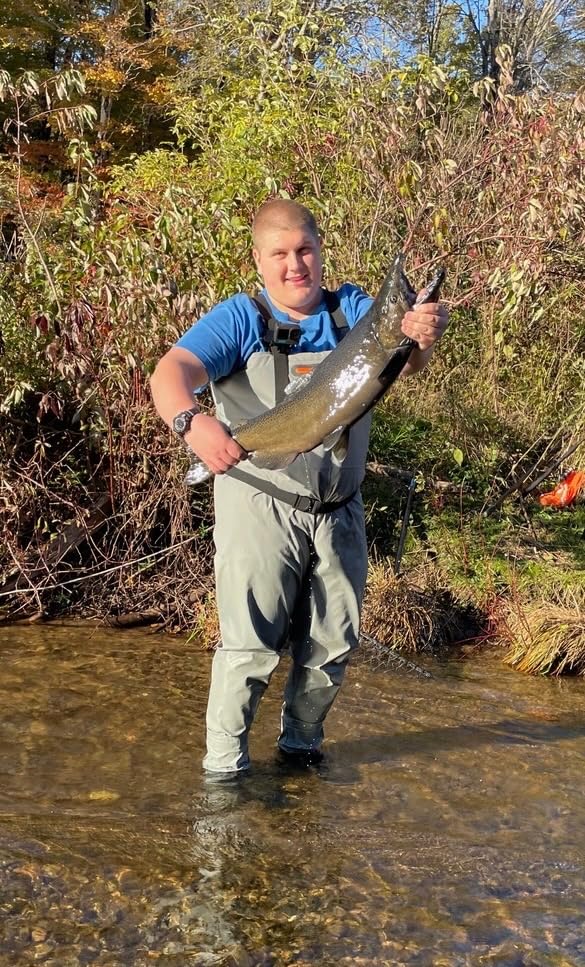
The FROGG TOGGS Canyon II is the most affordable wader in this roundup and currently ranks number three in the entire Waders category on Amazon. I tested these during a late-November trip on the White River in Arkansas when water temps were around 44 degrees. At this price point, my expectations were moderate, but the Canyon II delivered solid performance that surprised me.
The 4-ply nylon upper with DRIPORE Gen 2 material is the same waterproofing technology used in the more expensive Hellbender model. The fully taped seams kept me dry throughout testing, and the abrasion-resistant nylon held up to brush and rocks better than I expected for the price. The comfortable Y-back suspenders with quick-release locking buckles are a nice feature that you do not always find on budget waders.
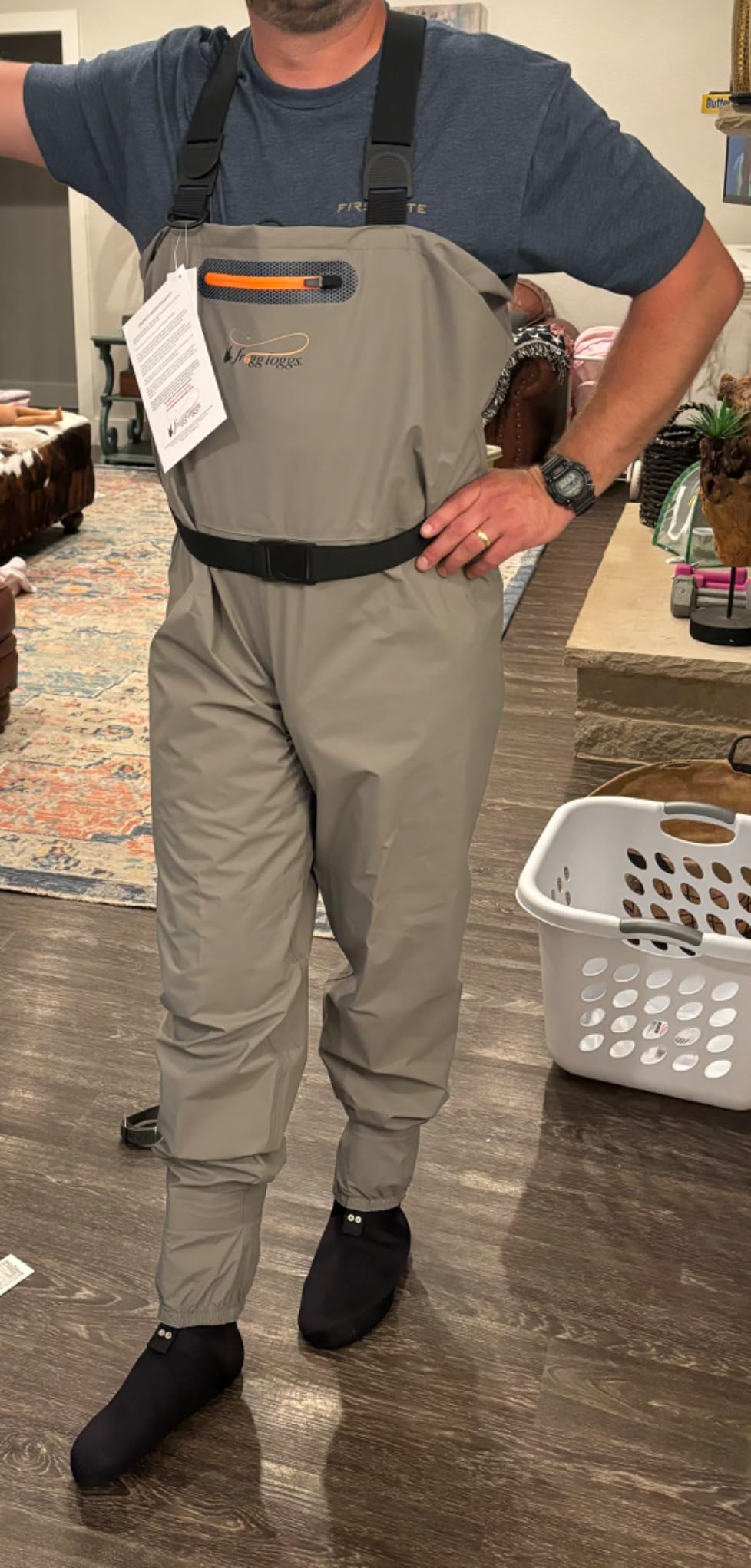
The 4mm waterproof neoprene booties with attached gravel guards are adequate for moderate cold. I wore merino wool socks under wading boots and was comfortable in 44-degree water for about four hours. The splash-proof zippered flip-out security chest pocket is small but functional for keeping your phone and keys dry. This is clearly a no-frills design focused on core waterproofing performance.
Where the Canyon II shows its budget nature is in the details. The booties can be surprisingly tight when you try to remove them, which is frustrating when your hands are cold and stiff. Some sizing inconsistencies mean you should measure carefully before ordering. There are no hand warmer pockets, no reinforced knees, and the overall feel is less substantial than the Hellbender or any of the premium options. But for the price, the waterproofing and comfort are genuinely impressive.
Who should buy the FROGG TOGGS Canyon II
Beginners and casual anglers who want a reliable waterproof wader for occasional winter trips without spending much should start here. The Canyon II is also a solid backup pair to keep in your truck for unexpected fishing opportunities. If you already own good wading boots and warm socks, these waders will keep you dry in moderate winter conditions for a fraction of what premium options cost.
Who should look elsewhere
Dedicated winter anglers who fish regularly in cold weather will want more insulation and features than the Canyon II provides. The lack of hand warmer pockets and reinforced knees is noticeable on long, cold days. If you fish in water below 38 degrees, the Canyon II alone will not keep you warm enough without serious layering. Consider spending a bit more for the Foxelli 4mm Neoprene or the FROGG TOGGS Hellbender for better winter performance.
How to Choose the Best Insulated Winter Fly Fishing Waders?
Choosing the right insulated waders for winter fly fishing comes down to understanding your specific fishing conditions, budget, and how much cold you can realistically tolerate. After testing all ten of these waders in real winter conditions, here is what actually matters when making your decision.
Bootfoot vs Stockingfoot for Winter Fishing
This is the most important decision you will make, and it directly affects how warm your feet stay. Bootfoot waders come with integrated boots that eliminate the gap between your sock and the cold water. This means you can add thick insulation directly inside the boot, which is why models like the Trudave 4.5mm with 600-gram Thinsulate boots are so effective at keeping feet warm.
Stockingfoot waders require separate wading boots, which gives you better ankle support and traction but creates more places for cold to sneak in. The neoprene bootie, your thermal socks, and the wading boot all create layers of air gaps where heat escapes. For serious winter fishing below 40 degrees, guides overwhelmingly recommend bootfoot waders with insulated boots.
Neoprene vs Breathable Materials
Neoprene waders (3.5mm to 5mm thick) work like a wetsuit by trapping a thin layer of water against your body that your body heat warms up. This makes neoprene the warmer choice for cold water, but it comes with a tradeoff. Neoprene holds sweat and condensation, which can make your legs feel damp after hours of wear. This is a common complaint I found on Reddit forums about winter waders.
Breathable waders use waterproof membranes that allow moisture vapor to escape while keeping liquid water out. They are lighter, more comfortable for hiking, and work across a wider temperature range. But for cold water wading, breathable waders rely entirely on your layering system for warmth. If you fish in conditions where temperatures vary widely, breathable waders with good layers give you more flexibility.
Understanding Insulation Ratings
Boot insulation is measured in grams of Thinsulate or similar synthetic insulation. Here is what those numbers mean for your comfort on the water. Boots with 200 grams of insulation are fine for water temps above 45 degrees. Boots with 400 grams work well down to about 38 degrees. Boots with 600 grams, like those on the Trudave 4.5mm and HISEA, handle water temperatures down to freezing and below. If you regularly fish in water below 32 degrees, look for 800 grams or add heated insoles.
The key insight from guides and forum discussions is that no amount of insulation in your waders matters if your feet are cold. Blood circulation to your extremities drops when your core temperature drops, so keeping your torso and legs warm with proper layering is just as important as insulated boots.
Sizing Winter Waders for Layering
One of the most common mistakes winter anglers make is sizing up their waders to accommodate layers. This can actually make you colder because excess material restricts blood flow and creates cold spots. The right approach is to buy your normal size and use thin, high-quality base layers that fit close to your skin. A merino wool base layer plus a fleece mid-layer is the gold standard for winter wading. Avoid cotton at all costs because it retains moisture and makes you colder.
If you are between sizes, go up one size but not more. For bootfoot waders, make sure there is enough room in the boot for thick wool socks without being so loose that your foot slides around. A loose boot causes friction and reduces circulation, which makes your feet colder faster.
Tips for Keeping Warm While Winter Fly Fishing
Based on my testing and the collective wisdom from fishing forums and guides, here are the strategies that actually work. First, invest in heated insoles for your boots. Every guide I spoke with said this is the single most effective way to keep feet warm in extreme cold. Second, eat a high-calorie meal before fishing because your body needs fuel to generate heat. Third, keep moving. Standing still in cold water is the fastest way to get cold. Fourth, carry extra warm socks in a dry bag and change them halfway through the day. The difference a dry pair of socks makes is remarkable. Fifth, choose rubber soles over felt soles for winter fishing. Felt soles collect snow and ice, adding weight and cold to your feet.
Frequently Asked Questions
What are the best waders for winter fly fishing?
The best winter fly fishing waders are bootfoot models with 600-gram insulated boots and neoprene construction. The Trudave 4.5mm Neoprene with 600G insulated boots is our top pick because the 4.5mm neoprene retains body heat while the insulated boots keep feet warm in near-freezing water. For anglers on a budget, the Foxelli 4mm Neoprene and HISEA 600G Bootfoot both deliver excellent cold-weather performance.
How do I keep my feet warm in waders?
To keep your feet warm in waders, wear merino wool socks, add heated insoles to your boots, and choose bootfoot waders with insulated boots (600-gram Thinsulate or higher). Avoid cotton socks, ensure your boots are not too tight, change into dry socks mid-trip, and keep moving to maintain circulation. The most effective single upgrade most anglers can make is adding heated insoles.
What is the difference between bootfoot and stockingfoot waders?
Bootfoot waders have integrated boots attached to the wader body, providing better insulation for cold weather since there is no gap for cold air to enter. Stockingfoot waders have neoprene booties that fit inside separate wading boots, offering better ankle support, traction, and versatility. For winter fishing below 40 degrees, bootfoot waders with insulated boots are generally warmer. For hiking and varied conditions, stockingfoot waders with good layering offer more flexibility.
Are neoprene or breathable waders better for winter?
Neoprene waders are warmer for cold water fishing because the material traps body heat like a wetsuit. They are the better choice for water temperatures below 40 degrees. Breathable waders are more versatile, lighter, and better for hiking, but they rely entirely on your layering system for warmth. For extreme cold, neoprene wins. For variable winter conditions with hiking involved, breathable waders with proper layers are more practical.
What are the warmest waders for cold weather fishing?
The warmest waders for cold weather fishing are neoprene bootfoot models with 600-gram or higher insulated boots. The Trudave 4.5mm Neoprene with 600G insulated boots is the warmest option we tested, keeping anglers comfortable in water temperatures down to 32 degrees. The HISEA 600G Bootfoot with 3M Thinsulate Ultra Insulation is another top performer for extreme cold. Both use thick neoprene construction combined with heavily insulated boots for maximum warmth.
Final Thoughts on Winter Fly Fishing Waders
Finding the best insulated winter fly fishing waders comes down to matching the wader to your specific fishing conditions. If you fish in extreme cold with water temperatures regularly below 40 degrees, the Trudave 4.5mm Neoprene with 600G insulated boots is the clear winner. No other wader in this roundup matched its combination of warmth, build quality, and comfort in freezing water.
For anglers who want excellent cold-weather performance at a more accessible price point, the Foxelli 4mm Neoprene and HISEA 600G Bootfoot are both outstanding options that deliver real value. If you prefer the versatility and mobility of a breathable stockingfoot design, the BASSDASH FW11 and Paramount Deep Eddy offer premium features that work well for moderate winter conditions with proper layering.
Winter fly fishing is one of the most rewarding experiences in the sport. The crowds are gone, the fish are less pressured, and the rivers take on a quiet beauty that you never see in summer. The right pair of insulated waders lets you focus on the fishing instead of the cold, and that makes all the difference. Stay warm out there.