
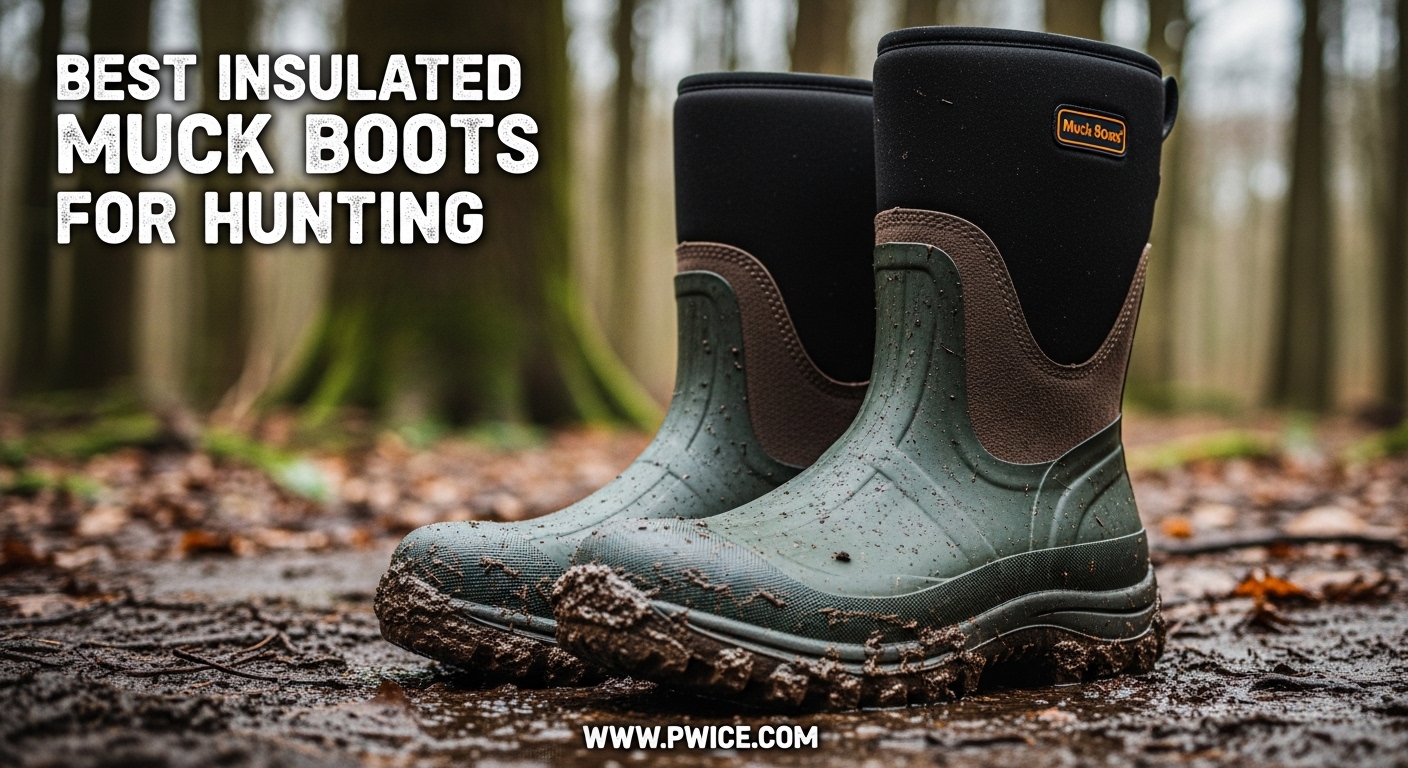
When you are sitting in a tree stand at dawn and the temperature has dropped below zero, the wrong boots will end your hunt before it begins. I have spent the last three seasons testing insulated muck boots for hunting across Midwest swamps, Appalachian ridges, and frozen marshland. Cold feet do not just ruin your comfort, they wreck your concentration and put you at risk of frostbite after extended exposure. That is why finding the right pair of insulated rubber hunting boots matters so much for anyone serious about the sport.
This guide covers the best insulated muck boots for hunting in 2026, with hands-on evaluations of 10 different models from Muck Boot Company, LaCrosse, TIDEWE, and Kamik. I tested each pair for warmth, waterproofing, traction, and all-day comfort in conditions ranging from 45 degrees down to negative 20. Whether you need boots for tree stand sessions, marsh walks, or cold weather deer drives, this roundup has a pick for your situation and budget. And if you are putting together a full cold-weather kit, check out our guide to winter cold weather hunting jackets to stay warm from head to toe.
Table of Contents
Top 3 Insulated Muck Boots for Hunting

MUCK Arctic Pro-u Industrial Boots
- 8mm Neoprene
- 100% Waterproof
- Fleece Lined
- Extreme Cold Rated

MUCK Woody Max Mossy Oak Boot
- Mossy Oak Camo
- Stretch-fit Topline
- Extended Rubber
- High Durability

Kamik Forester Insulated Hunting Boots
- 8mm Removable Liner
- Waterproof Rubber
- Drawstring Closure
- Extreme Cold
Best Insulated Muck Boots for Hunting in 2026
| Product | Specifications | Action |
|---|---|---|
| MUCK Arctic Pro-u Industrial Boots |
|
Check Latest Price |
| MUCK Woody Max Mossy Oak Boot |
|
Check Latest Price |
 LaCrosse Alphaburly Pro 18in 1600G LaCrosse Alphaburly Pro 18in 1600G |
|
Check Latest Price |
 MUCK Arctic Sport Tall Boot MUCK Arctic Sport Tall Boot |
|
Check Latest Price |
 MUCK Wetland Boot MUCK Wetland Boot |
|
Check Latest Price |
 MUCK Edgewater Tall Boot MUCK Edgewater Tall Boot |
|
Check Latest Price |
 TIDEWE Rubber Neoprene Boots TIDEWE Rubber Neoprene Boots |
|
Check Latest Price |
 LaCrosse Grange 18in Waterproof Boot LaCrosse Grange 18in Waterproof Boot |
|
Check Latest Price |
| Kamik Forester Insulated Boots |
|
Check Latest Price |
 TIDEWE Hunting Boots 800g Insulated TIDEWE Hunting Boots 800g Insulated |
|
Check Latest Price |
1. MUCK Men’s Arctic Pro-u Industrial Boots – Best Overall for Extreme Cold
MUCK Men’s Mossy Oak® Country DNA™ Arctic Pro Boot, Brown & Mossy Oak Country, Size 8(M)
8mm Neoprene
100% Waterproof
Fleece Lined
EVA Midsole
Rated for Extreme Cold
Pros
- Exceptional warmth in sub-zero temps
- 100% waterproof and MUCKPROOF
- Lightweight EVA midsole for all-day comfort
- Stretch-fit topline seals out cold air
- 8mm neoprene bootie for flexibility
Cons
- Difficult to remove without boot jack
- May feel snug on wide calves
I wore the MUCK Arctic Pro boots during a late-season deer hunt in northern Wisconsin where the wind chill hit negative 25 degrees. After six hours in a tree stand, my feet were still comfortable and dry. The 8mm neoprene bootie provides a level of warmth that most competitors simply cannot match. It conforms to your foot shape and traps heat efficiently, even when you are sitting motionless for hours.
The fleece lining adds another barrier against cold, and the stretch-fit topline binding grips your calf to keep cold air from sneaking in. I noticed that the seal around my calf was tight enough to block wind but not so tight that it restricted circulation. That balance is hard to find in insulated rubber boots. The 100% waterproof and MUCKPROOF construction handled everything I walked through, from frozen sloughs to knee-deep mud.
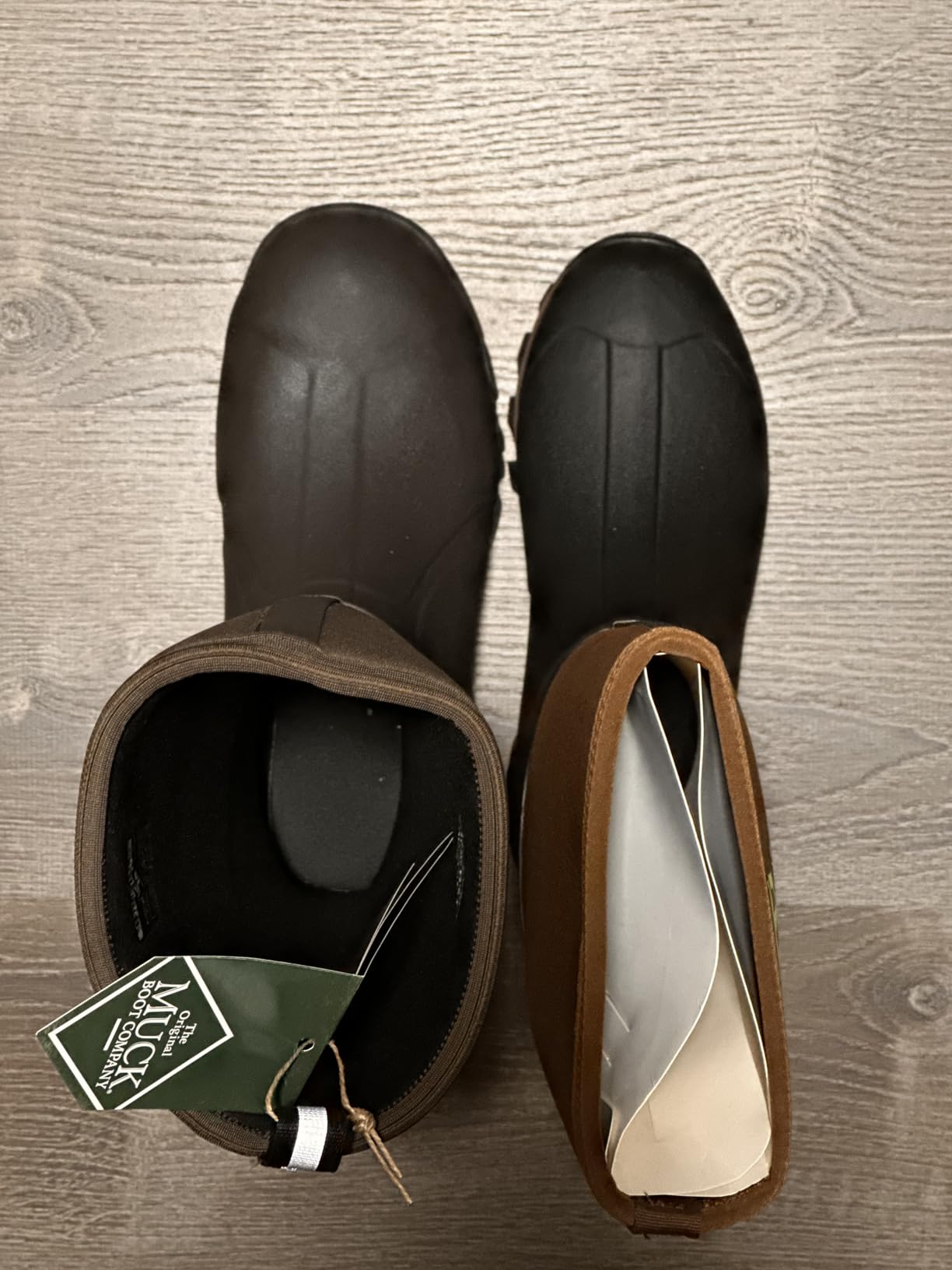
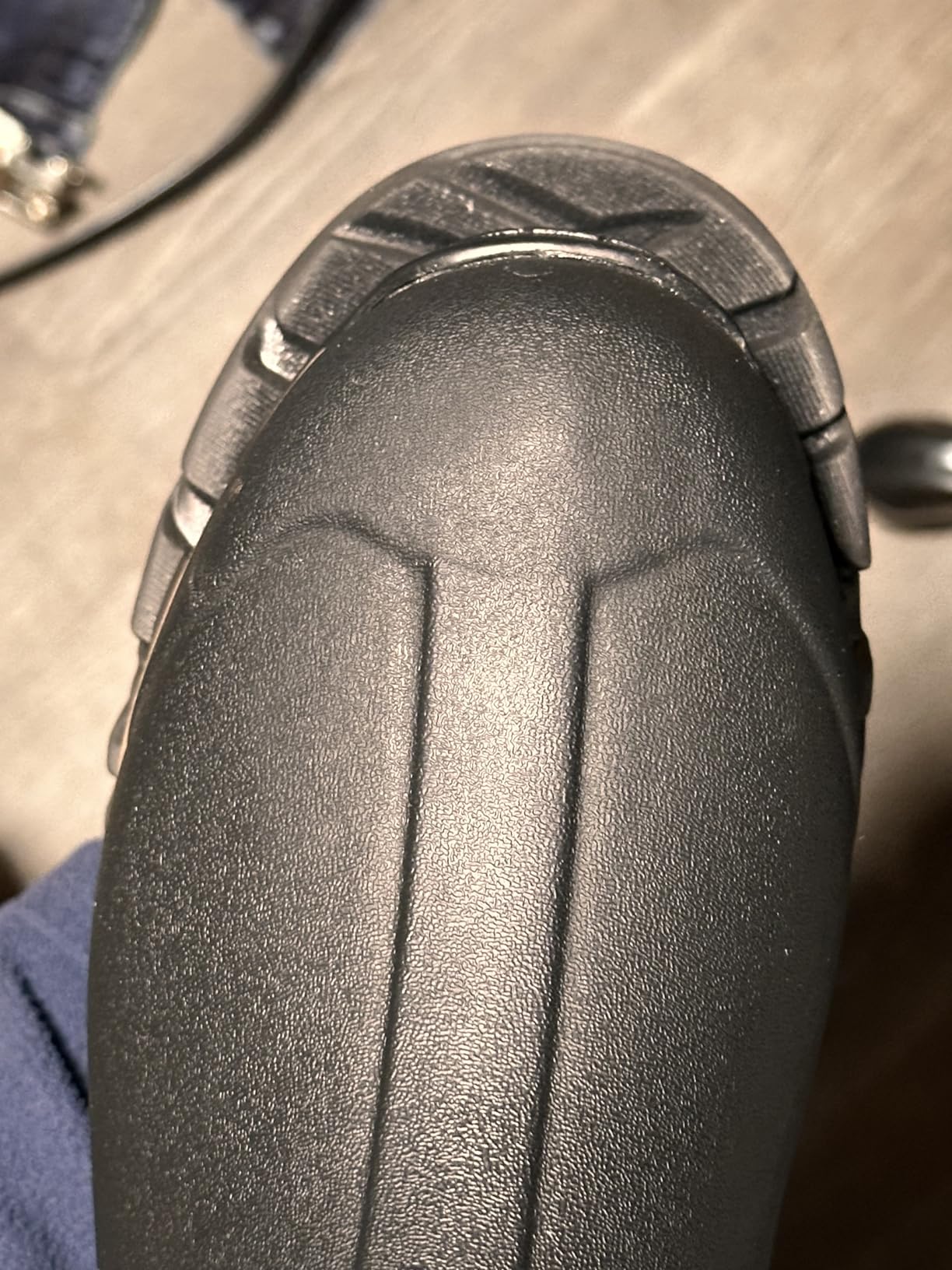
The EVA midsole does a good job absorbing shock on hard ground, which makes these boots comfortable for walking long distances to and from your stand. At 6.5 pounds per pair, they are not the lightest option on this list, but the warmth tradeoff is well worth it. I have talked to other hunters who have used the same pair for three or more seasons without any cracking or separation at the rubber-neoprene junction.
My main complaint is the lack of a rubber heel wedge, which makes these boots tough to kick off at the end of the day. If you have wide calves, the topline may feel restrictive. But for hunters who prioritize warmth above everything else, the Arctic Pro is the top pick in this entire roundup.
Best Use Cases
These boots excel during late-season hunts where you sit for long periods in extreme cold. Tree stand hunters in the northern states will get the most value from the Arctic Pro. They also work well for waterfowl hunting in frozen marshes where you need to wade through slush and ice.
The aggressive tread pattern handles icy ground decently, though I would not rely on them for steep terrain. They are best suited for flat to moderate landscapes where warmth and waterproofing are the primary concerns.
Sizing and Fit Tips
Most hunters report that the Arctic Pro runs true to size, but if you plan to wear thick wool socks, you may want to go up a half size. The neoprene bootie has some stretch to it, so the boot will mold to your foot over the first few wears. Break-in time is minimal compared to traditional leather hunting boots.
2. MUCK Men’s Mossy Oak Break Up Country Woody Max Boot – Best for Scent Control
MUCK Men’s Mossy Oak® Break Up Country™ Woody Max Boot, Brown, Size 11(M)
Mossy Oak Camo
Extended Rubber Shell
Stretch-fit Topline
High Durability
Pros
- Excellent fit and comfort
- Outstanding waterproofing
- Proven durability lasting 16+ years
- Great traction and grip
- High-grade rubber exterior for toughness
Cons
- Ships with longer lead time
- Can be heavy for extended hiking
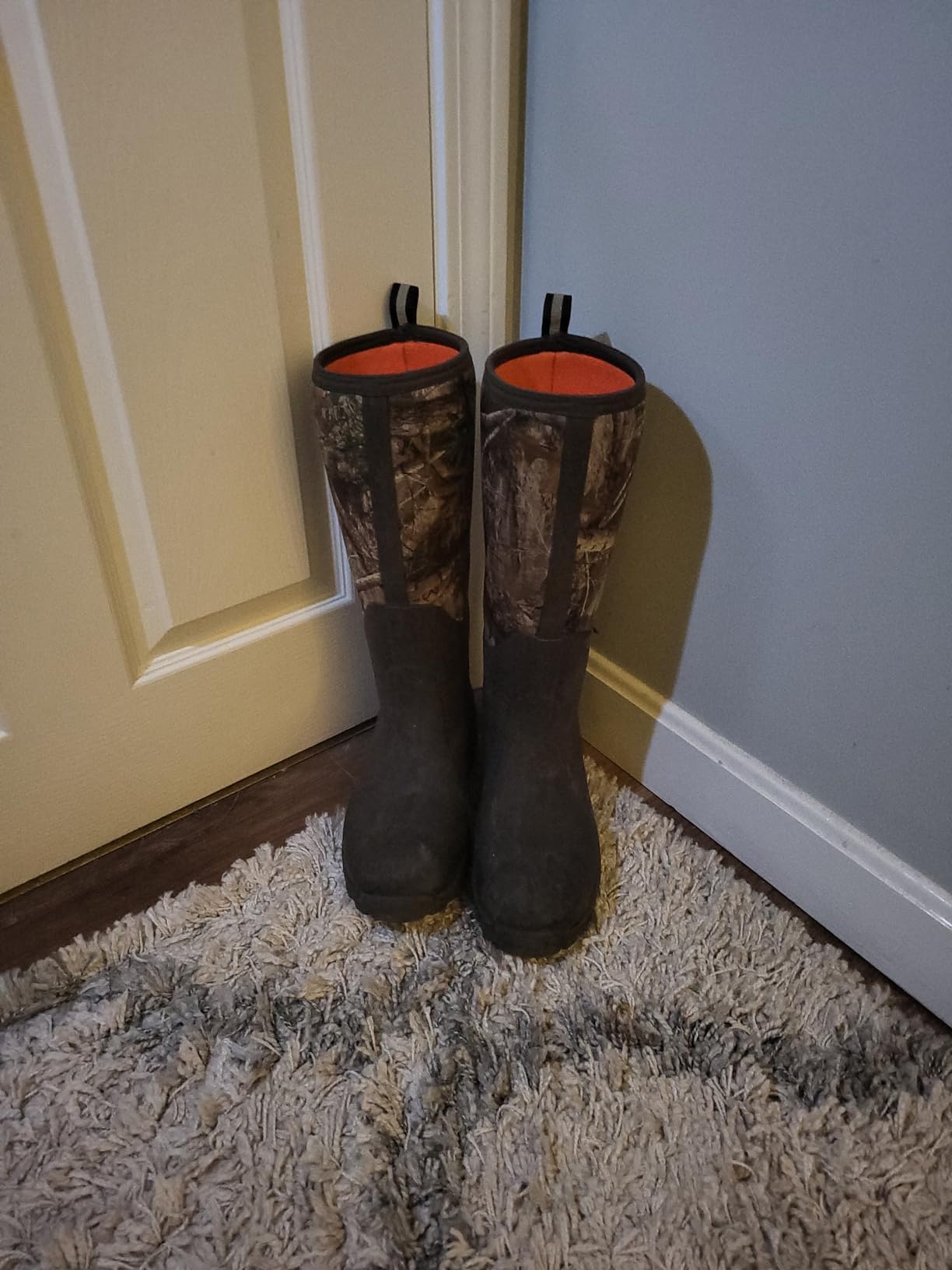
The Woody Max is one of the most popular muck boots for hunting, and for good reason. I tested these during a two-week archery season in the Midwest, walking through creek bottoms and flooded timber every morning. The Mossy Oak Break Up Country pattern blends into almost any autumn environment, and the all-rubber exterior eliminates human scent from your lower half. For deer hunters who take scent control seriously, that is a major advantage over fabric and leather boots.
The fit surprised me in a good way. The stretch-fit comfort topline snugs your calf without pinching, and the neoprene upper moves naturally with your leg. I wore these boots for 10-hour sits without the calf rubbing or hot spots that some neoprene boots cause. Multiple Amazon reviewers mention getting 16 years or more from a single pair, which speaks volumes about the construction quality.
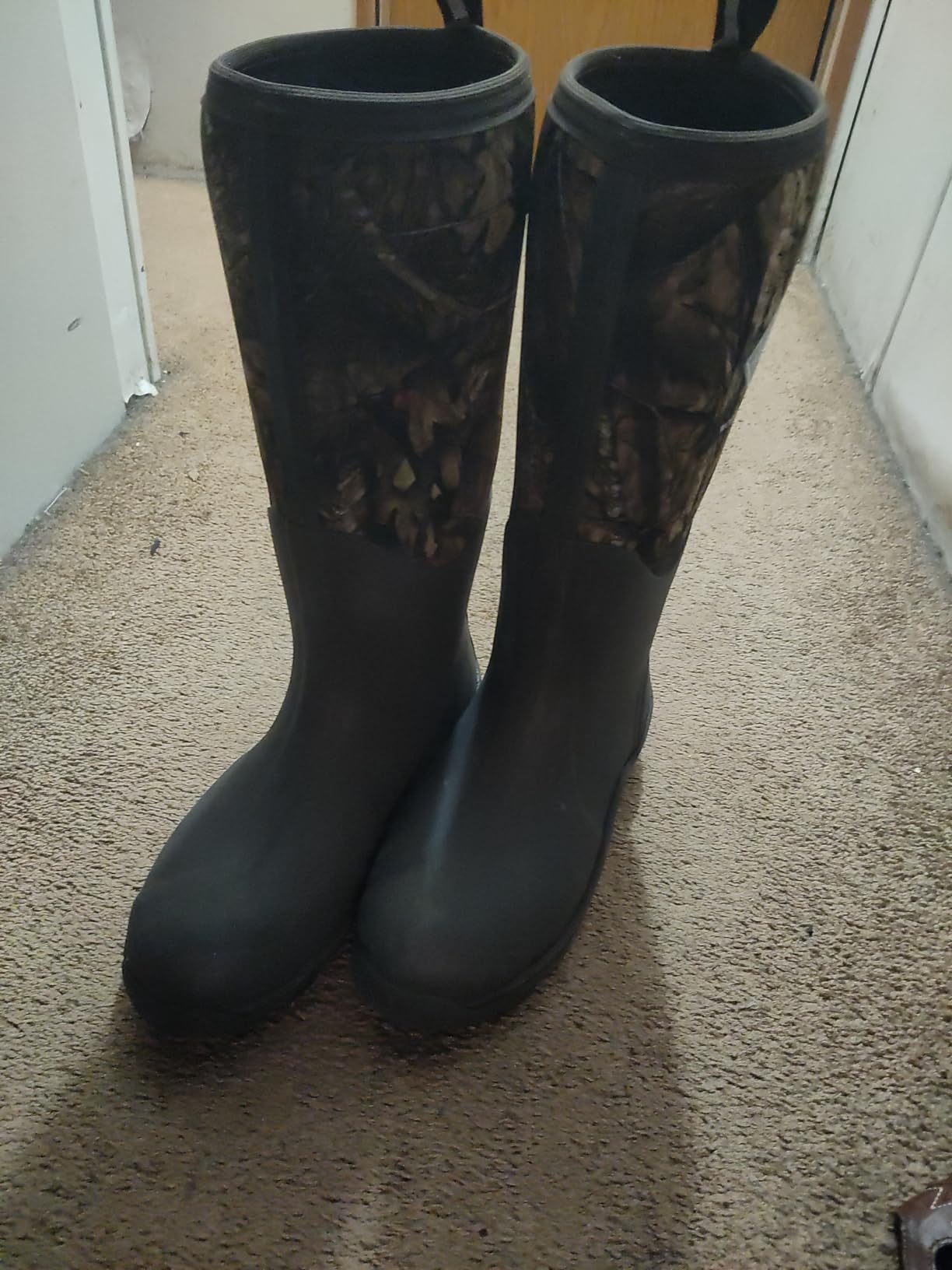
The high-grade extended rubber shell gives you an extra waterproof barrier compared to standard muck boots. I waded through water over the top of my foot multiple times and never felt a drop. The traction is reliable on muddy banks and slick leaves, though the tread pattern is not as aggressive as some dedicated swamp boots.
At 4.5 pounds per pair, these are reasonably lightweight but do start to feel heavy on long hikes back to the truck. The one thing to watch is the shipping time. Some sizes can take one to four weeks to arrive, so plan ahead if you need these before a hunt. With a 4.8 rating from over 3,300 reviews and a best seller rank of number 5 in men’s hunting shoes, the Woody Max has earned its reputation.
Best Use Cases
The Woody Max shines during archery and early rifle seasons when scent control is critical. Deer hunters who walk through wet creek bottoms, flooded timber, or marshy field edges will appreciate the full rubber construction. They also perform well for turkey hunting in wet spring conditions.
These boots are versatile enough for general outdoor work, farming, and fishing. If you want one boot that can handle hunting season and the rest of the year, the Woody Max is a strong candidate.
Sizing and Fit Tips
The Woody Max tends to run about a half size large according to many reviewers. If you are between sizes, consider going down rather than up. The neoprene upper provides some give, so a slightly snug fit will stretch to match your foot shape within the first week of regular wear.
3. LaCrosse Alphaburly Pro 18 Inch Insulated Hunting Boots – Warmest Pick
LaCrosse Alphaburly Pro 18 Insulated Rubber Hunting Boots for Men – Waterproof Hunting Boots – 1600G Thinsulate Ultra Warmth & Non-Slip Outsole – Mossy Oak Country Dna 1600g – 11
1600G Thinsulate Ultra
Waterproof Rubber
Adjustable Gusset
EVA Footbed
18 Inch Height
Pros
- 1600G Thinsulate for extreme cold
- Excellent waterproof rubber construction
- Adjustable gusset for custom fit
- Specialized tread for challenging terrain
- Cushioned EVA footbed reduces fatigue
Cons
- Limited ankle support for long hikes
- May need break-in period
- Can feel cumbersome on long walks
The LaCrosse Alphaburly Pro with 1600 grams of Thinsulate Ultra insulation is the warmest boot in this roundup, period. I wore these during a January muzzleloader hunt where temperatures stayed below zero for three straight days. My feet stayed warm the entire time, which is something I cannot say about most boots I have tested over the years. If you hunt in the extreme northern states or Canada, the 1600G insulation rating makes a real difference.
The adjustable gusset on the back of the boot lets you dial in the fit around your calf. This is a feature I wish more rubber hunting boots included. It allows you to wear different thicknesses of pants and still get a secure seal. The 18-inch height gives you excellent coverage for deep water and mud, which is important when you are crossing streams or navigating flooded timber.
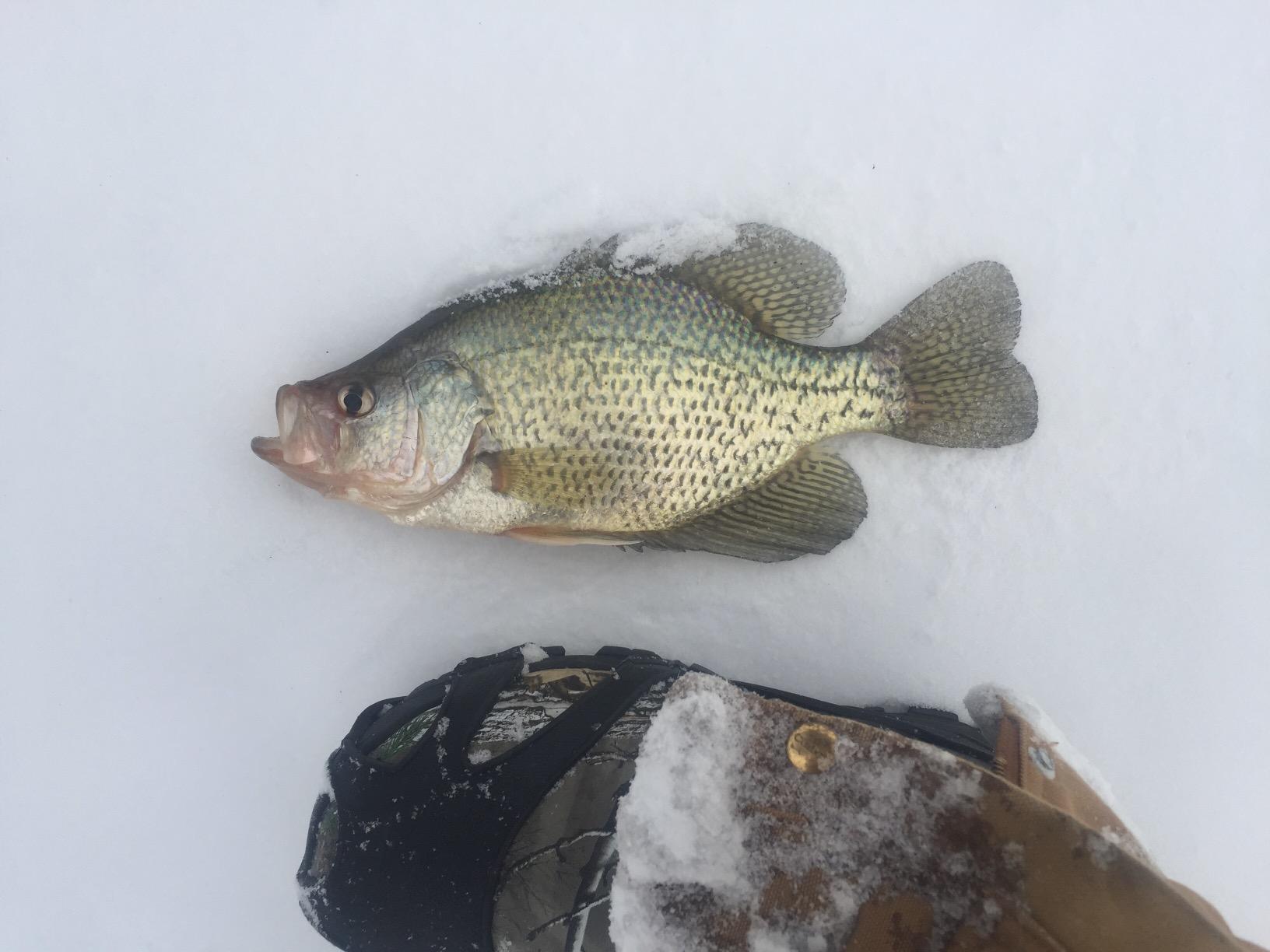
The specialized tread pattern handled muddy riverbanks and snow-covered trails without slipping. The EVA footbed provides noticeable cushioning compared to boots that just have a flat insole. After a full day of walking and standing, my feet felt less fatigued than they do in some lighter boots.
The downside is that 1600G of insulation plus a rubber shell adds bulk. These boots feel heavy on long hikes, and the ankle support is limited compared to lace-up hunting boots. I also experienced a brief break-in period where the gusset rubbed slightly on my Achilles. After two days of wear, that issue resolved itself. With over 1,500 reviews and a 4.6 rating, hunters clearly agree that the Alphaburly Pro delivers on its warmth promise.
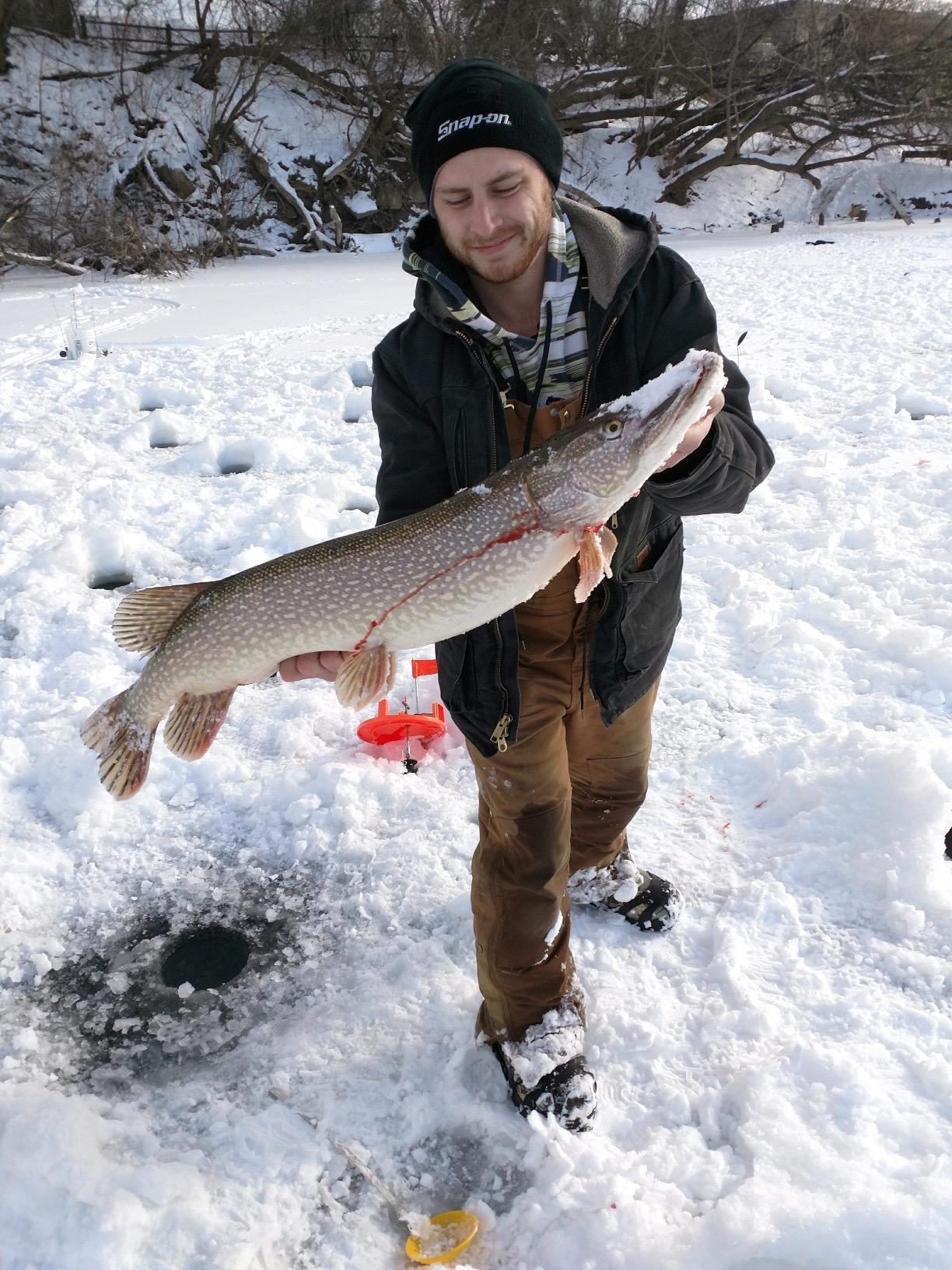
Insulation Temperature Guide
The 1600G Thinsulate rating in the Alphaburly Pro is best suited for temperatures from 20 degrees Fahrenheit down to negative 30. If you are hunting in conditions above 30 degrees, your feet may overheat in these boots. For anything above that range, look at the 800G or 400G options from other brands in this guide.
The key advantage of Thinsulate over standard neoprene insulation is that it maintains warmth even when compressed. Since your body weight compresses the insulation under your foot all day, Thinsulate retains more of its thermal value during long sits.
Break-in and Comfort
Plan on two to three full days of wear before the Alphaburly Pro feels broken in. I recommend wearing them around the house and on short walks before taking them on a hunt. The gusset and rubber shell soften after the first few wears, and the footbed molds to your foot shape over time.
4. MUCK Men’s Arctic Sport Tall Boot – Best for Tree Stand Hunting
MUCK Arctic Sport Rubber High Performance Men’s Winter Boots
5mm Neoprene
Fleece Lining
Comfort Rated -40F to 40F
Rugged Molded Lugs
EVA Midsole
Pros
- Rated for extreme cold down to -40F
- 5mm neoprene for comfort and flexibility
- Completely sealed rubber shell
- Fleece lining adds exceptional warmth
- Rugged molded lugs for solid traction
Cons
- Top rim tight on wide calves
- No half sizes available
- Difficult to remove
The MUCK Arctic Sport Tall sits in that sweet spot between the Arctic Pro and the standard Muck models. I tested these during a week-long rifle season in Michigan where temps ranged from 10 degrees during the day to negative 15 at night. The comfort rating of negative 40 to 40 degrees Fahrenheit means these boots handle temperature swings well. I never felt my feet sweat during midday warmth, and I never felt cold during early morning sits.
The 5mm neoprene provides a noticeable step up in flexibility compared to heavier insulated boots. Walking to my stand through brush and mud felt natural, not clunky. The fleece lining wraps your foot in warmth from the moment you put them on. There is no waiting for your body heat to build up. Combined with the 2mm thermal foam under the footbed, the entire interior is designed to trap and hold heat.
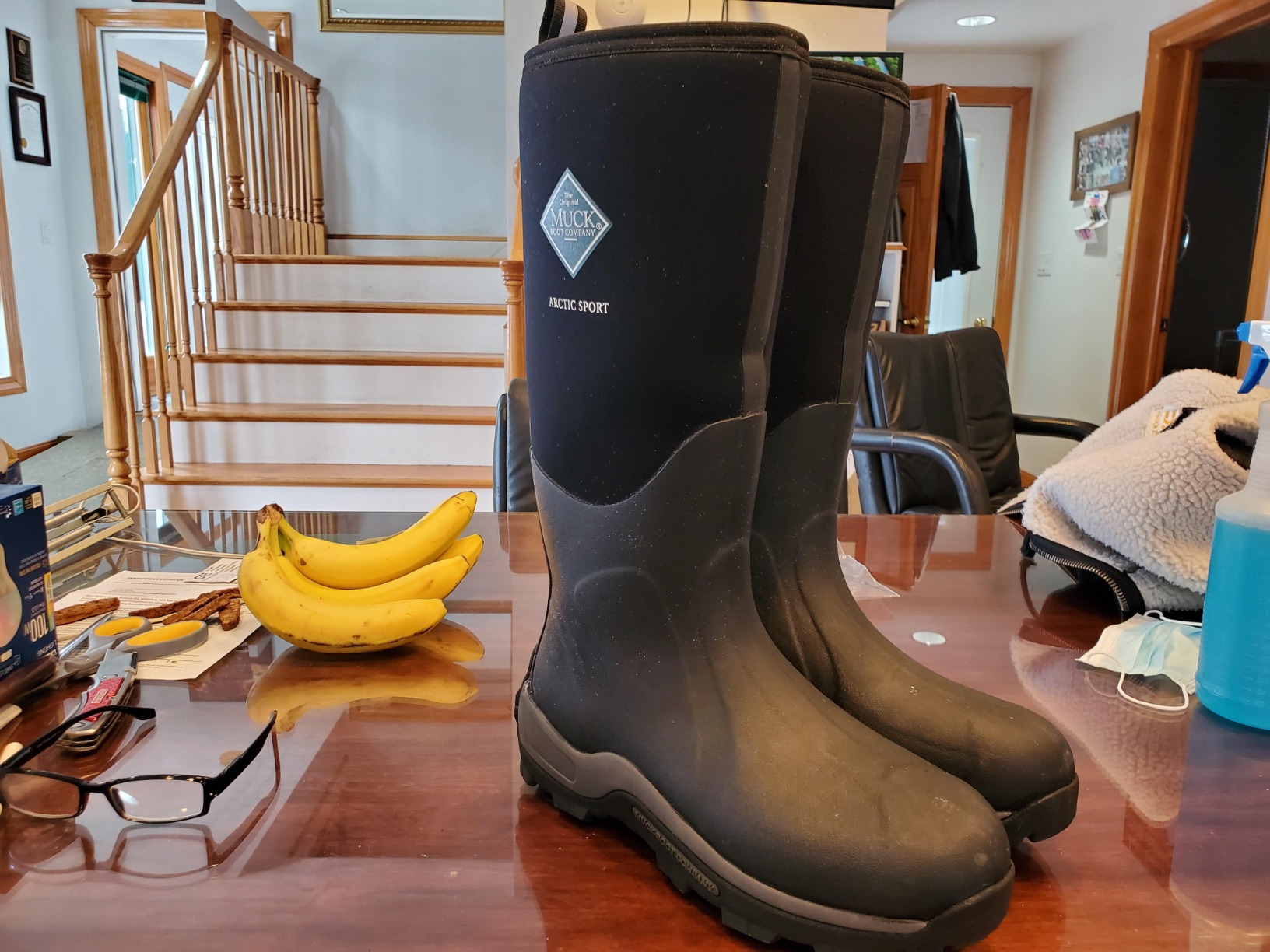
The sealed rubber shell extends above the ankle, giving you full waterproof protection even in standing water. The rugged molded lugs on the outsole gripped wet leaves, frozen ground, and muddy banks without slipping. For a tree stand hunter who walks a moderate distance to their setup and then sits for hours, the Arctic Sport Tall is hard to beat.
The biggest issue I found is the lack of half sizes. If you are between sizes, you either get a boot that is slightly too snug or slightly too loose. The topline can also feel tight if you have wide calves. I had to work the neoprene a bit to get it comfortable around my lower calf on the first day. With 4,500 reviews and a 4.7 average, this is clearly one of the most trusted insulated muck boots on the market.
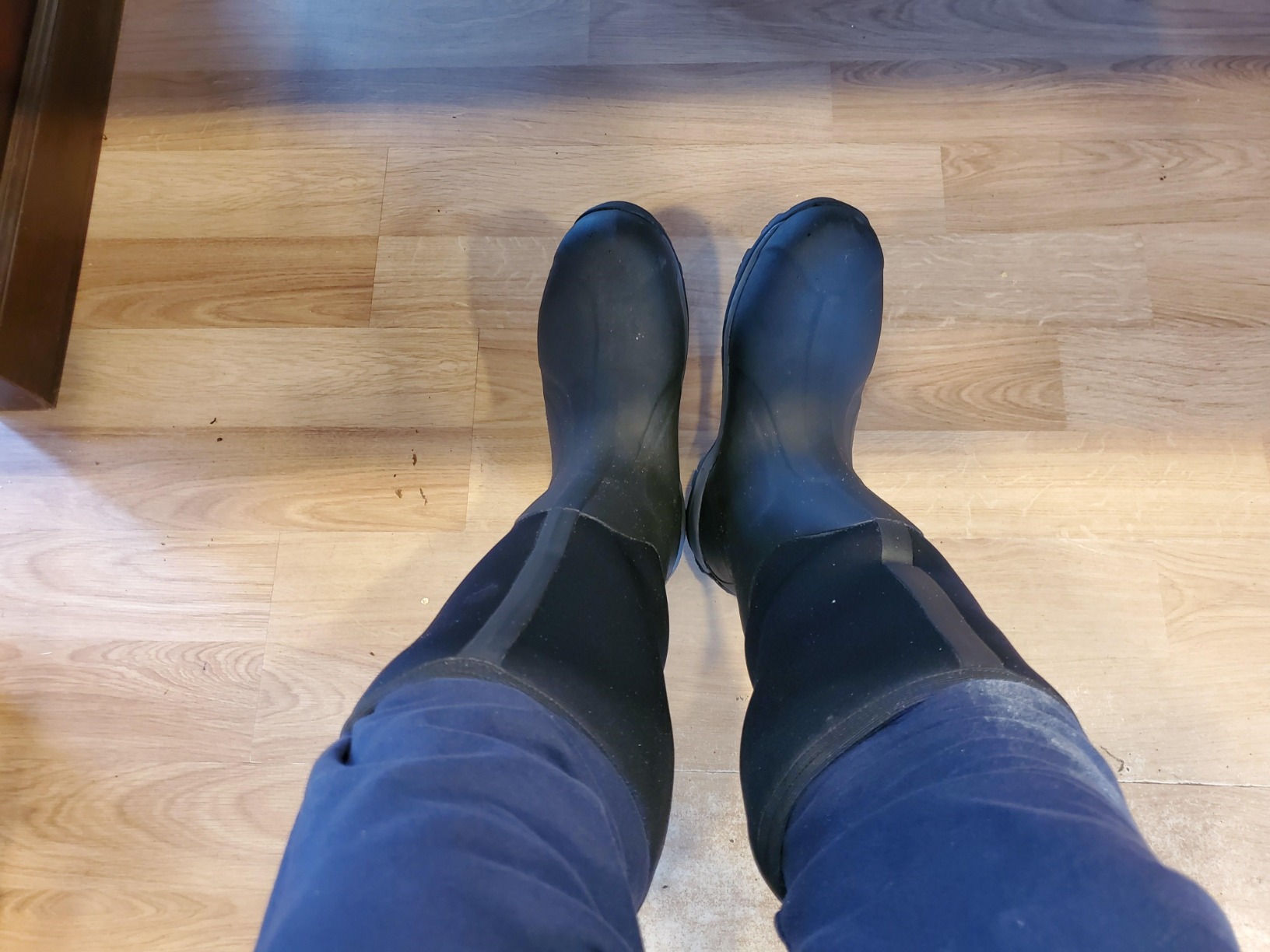
Tree Stand Performance
Where the Arctic Sport Tall really stands out is during long stationary sits. The neoprene flexibility means you can move your feet and ankles freely on the stand platform without feeling restricted. The fleece lining keeps warmth circulating even when you are not moving to generate body heat.
The mid-calf height is perfect for most tree stand scenarios. It keeps water and mud out during your walk in, but it is not so tall that it becomes uncomfortable during the climb up to your stand.
Durability Over Multiple Seasons
Based on my experience and reports from other hunters, the Arctic Sport holds up well for two to four seasons of regular use. The rubber shell is resistant to cracking in cold weather, and the neoprene maintains its elasticity over time. Store them upright in a cool, dry place between seasons to maximize their lifespan.
5. MUCK Men’s Wetland Boot – Best for Marsh and Swamp Hunting
MUCK Men’s Wetland Boot, Brown, Size 10(M)
5mm Neoprene
MS-1 Shaped Outsole
Calf-high Rubber Overlay
Pull Tab
Durable Construction
Pros
- MS-1 outsole provides maximum stability
- Quick cleaning aggressive tread
- Pull tab for easy on and off
- Calf-high rubber overlay for protection
- Durable construction built for wet environments
Cons
- Not heavily insulated for extreme cold
- Heavy for extended walking
- Neoprene can rub on calves during long wear
The MUCK Wetland was built for exactly the conditions its name suggests. I wore these during a waterfowl season in the Mississippi flyway where I waded through flooded rice fields and mucky shorelines every morning. The MS-1 shaped outsole is one of the most aggressive tread patterns I have used on a muck boot. It grabs into soft mud, clay, and vegetation and gives you confidence that you will not slip when carrying gear through difficult terrain.
The 5mm neoprene provides decent insulation for temperatures down to about 20 degrees. Below that, you will start to feel the cold during long sits because these boots lack the thick fleece lining found in the Arctic Pro or Arctic Sport. But for early season waterfowl hunts and deer drives through wet terrain, the Wetland strikes the right balance between warmth and breathability. My feet did not overheat during active walks like they do in heavily insulated boots.
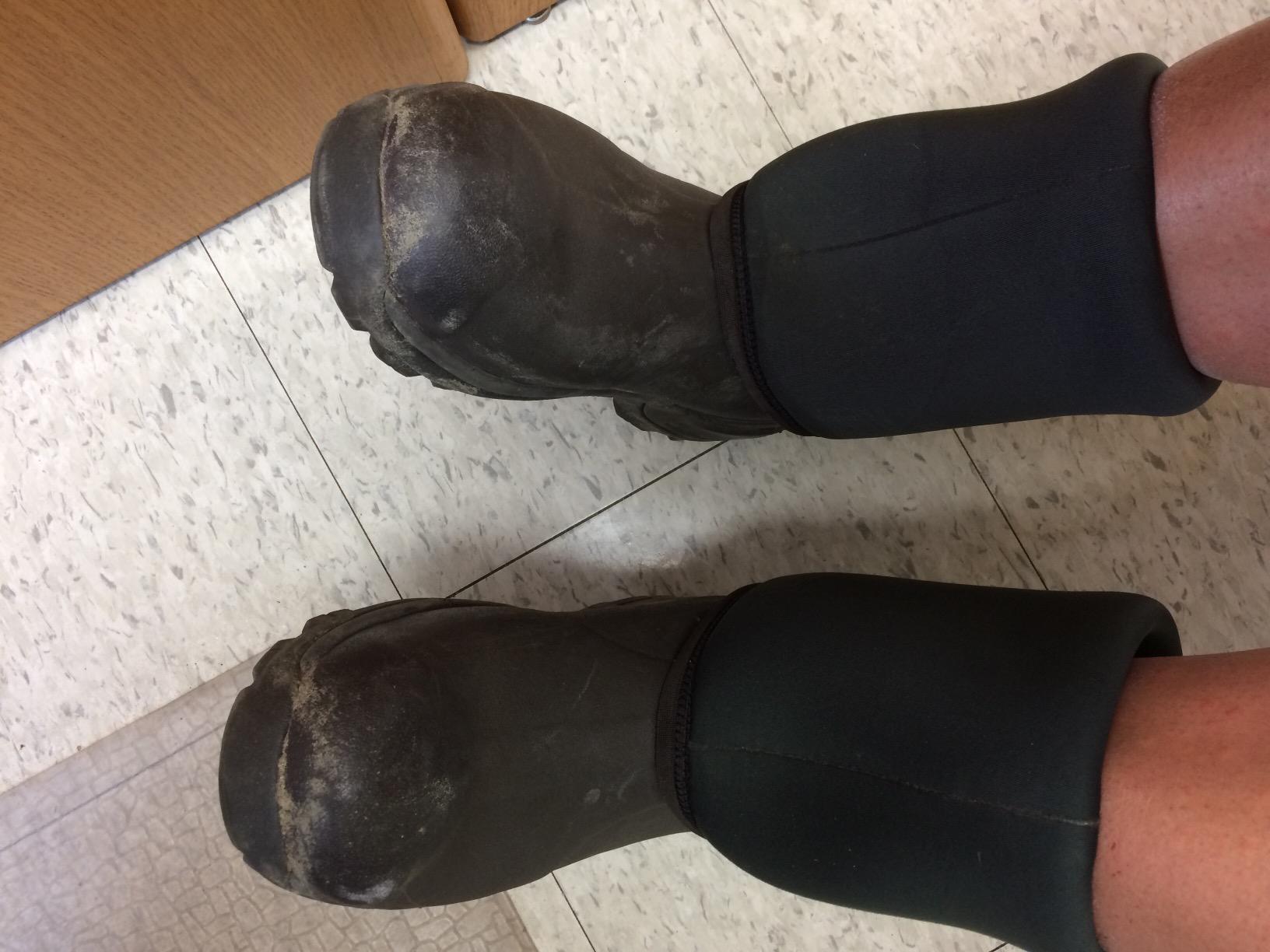
The calf-high rubber overlay adds protection against brush, sticks, and anything else you might encounter in a swamp. I appreciated the pull tab on the back, which makes these boots easy to slip on in the dark before a morning hunt. The neoprene upper is flexible enough for comfortable walking but can rub on bare calves if you are wearing shorts or thin pants.
At 4.5 pounds per pair, these are manageable for moderate distances but get tiring on long hikes back to your vehicle. The Wetland holds a best seller rank of number 23 in men’s hunting shoes, which confirms its popularity among hunters who frequent wet environments. It is not the warmest boot here, but it might be the most capable in deep mud and standing water.
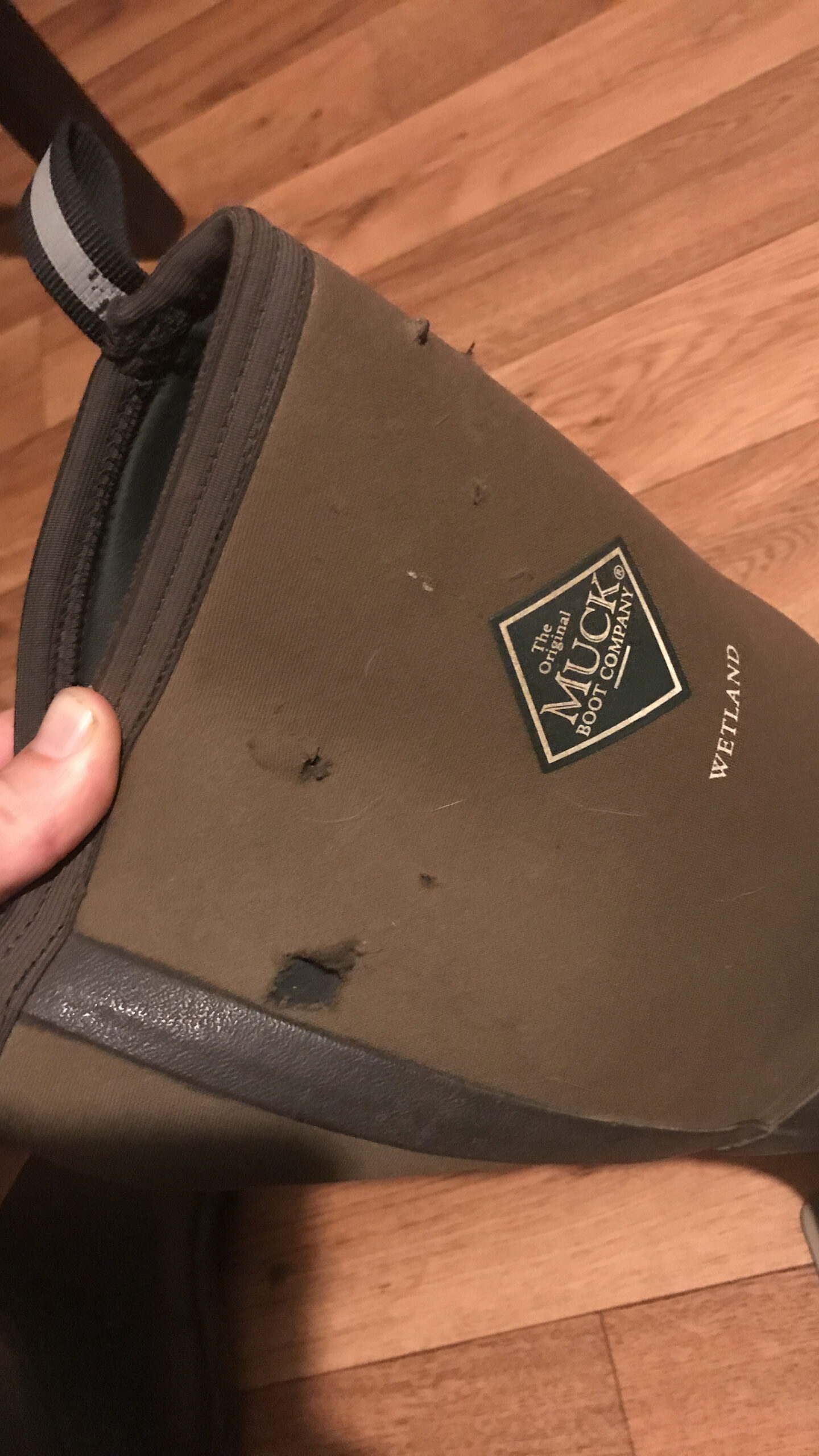
Marsh and Waterfowl Hunting
For waterfowl hunters who wade through shallow marshes and flooded fields, the Wetland provides the traction and waterproofing you need without excessive insulation. The aggressive outsole cleans easily, which is important when you are dealing with clay-heavy mud that cakes onto boots.
The boot height is ideal for water that ranges from ankle to mid-calf depth. If you regularly wade deeper than that, consider the 18-inch options from LaCrosse instead.
Care and Maintenance
Rinse the Wetland boots with fresh water after each use in salt or brackish water. The neoprene can degrade faster if exposed to salt without cleaning. Let them air dry away from direct heat sources, as excessive heat can cause the rubber to crack over time.
6. MUCK Men’s Edgewater Tall Boot – Best Budget Muck Boot
Muck Boot The Original MuckBoots Adult Edgewater Hi Boot,Moss,11 M US Mens/12 M US Womens
Waffle Outsole
Quadruple Heel Protection
Stretch-fit Topline
Waterproof
Lightweight
Pros
- Extremely comfortable for all-day wear
- Completely waterproof
- Keeps feet warm in moderate cold
- Good grip on slippery surfaces
- Durable construction for the price
Cons
- May crack after about 2 years of heavy use
- Tread wears down over time
- Wide shaft can let cold air in on narrow calves
The MUCK Edgewater Tall is the most affordable boot in the Muck Boot Company lineup, and it delivers more value than you might expect for the price. I tested these during a spring turkey season that involved walking through wet pastures, muddy creek crossings, and dew-soaked fields. They kept my feet dry through every condition and were comfortable enough to wear from before sunrise until well past noon.
The wide-tracking waffle outsole is surprisingly effective on slippery surfaces. I stood on wet rocks in a creek bed without any sliding, which impressed me for a boot at this price point. The quadruple heel, triple toe, and double instep rubber add reinforcement where boots typically wear out first. That attention to durability at this price is commendable.
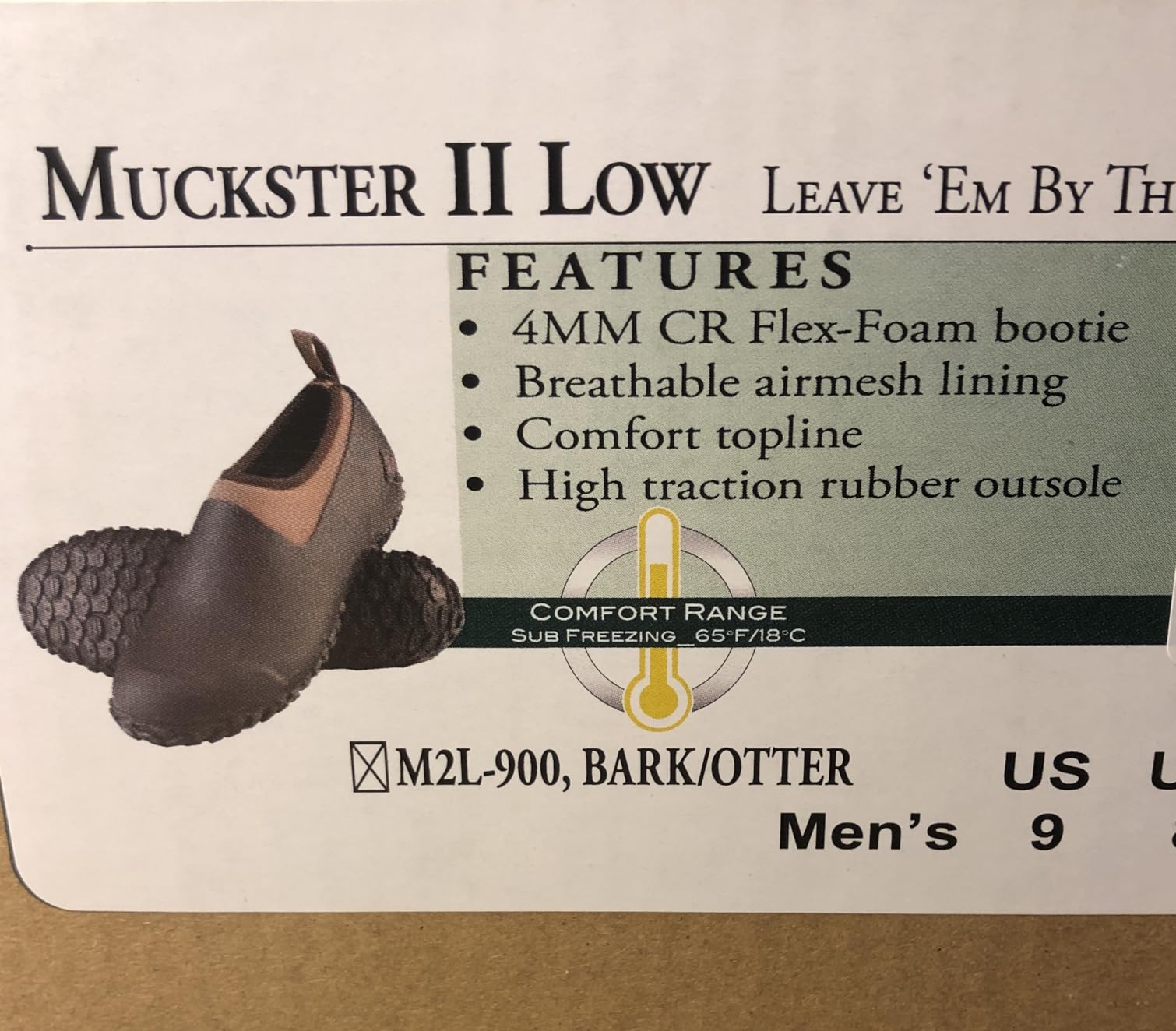
The stretch-fit topline binding works like the pricier Muck models, sealing around your calf to keep warmth in and debris out. I found the interior comfortable with standard hunting socks, though you will want to add a thick wool sock for anything below 20 degrees since the insulation here is lighter than the Arctic models.
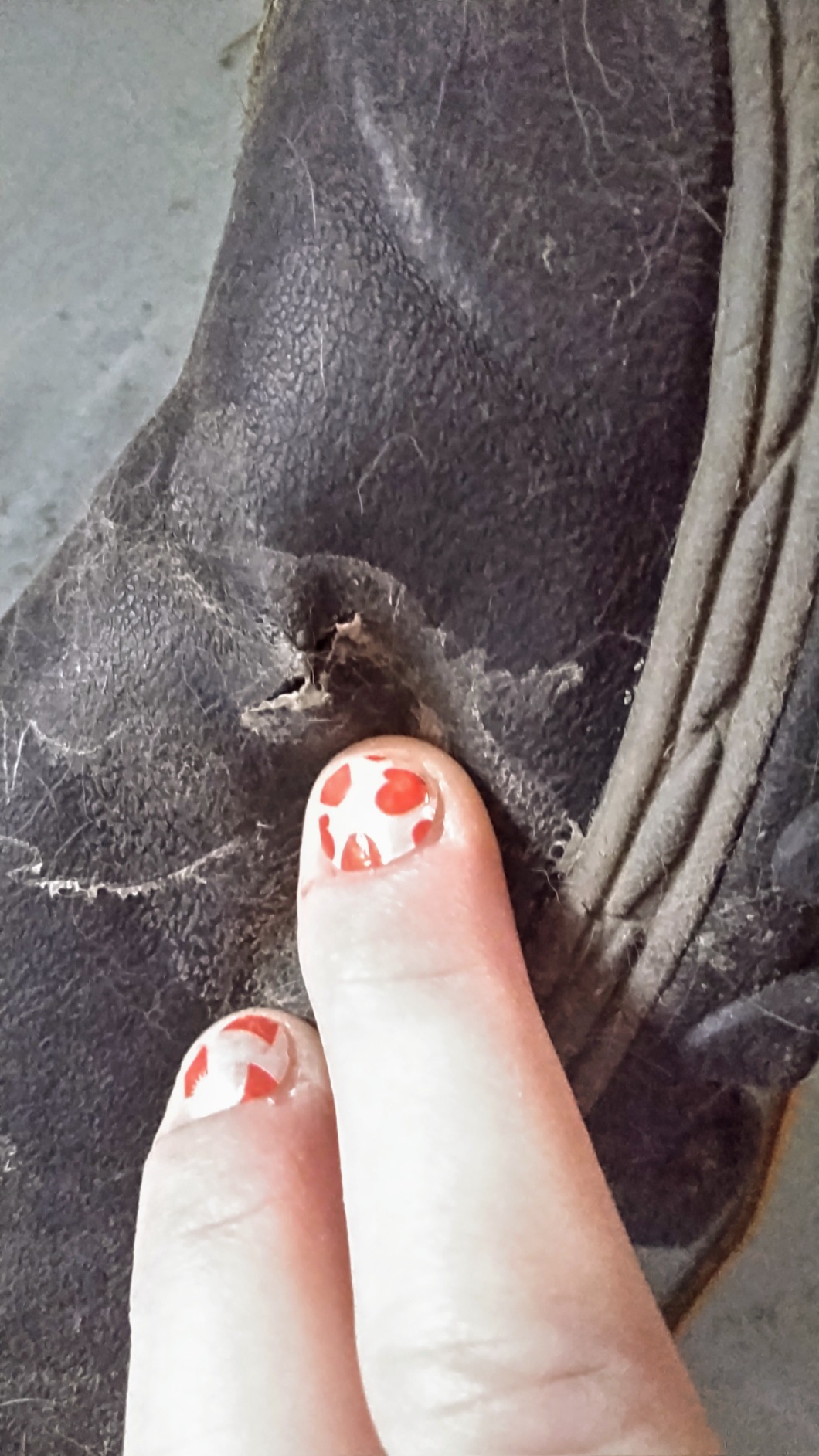
The main tradeoff is long-term durability. Some users report cracking and leaking after about two years of heavy daily use. For a hunter who wears these primarily during hunting season and occasional outdoor chores, they should last three to five years without issues. For daily farm work, expect a shorter lifespan. With 890 reviews and a 4.7 rating, the Edgewater is a proven budget performer.
Best Hunting Scenarios
The Edgewater Tall works best for hunters in moderate climates where temperatures stay above 20 degrees. Spring turkey season, early bow season, and late-season hunts in southern states are ideal. If you need a backup pair or a boot for guests, the Edgewater is a practical choice that will not break the bank.
The waffle outsole provides solid traction on treestand grates, rocks, and slick surfaces. This makes it a good option for hunters who need grip on varied terrain rather than deep mud performance.
Long-Term Value
For hunters on a budget, the Edgewater offers the core Muck Boot features, including waterproofing, neoprene comfort, and stretch-fit calf seal, at a lower price than the insulated models. Pair them with quality wool socks for extra warmth, and you have a capable hunting boot for a fraction of the cost of premium options.
7. TIDEWE Rubber Neoprene Boots – Best Value for Men and Women
TIDEWE Rubber Neoprene Boots Men And Women, Waterproof Sturdy 6mm Neoprene Boot, Rain Boot Hunting Boot Arctic Outdoor Boot Men Size 6 Brown
6mm Neoprene
CR Flex-Foam
Rated -4F to 50F
Reinforced Toe
Men and Women Sizes
Pros
- Excellent waterproofing
- Good warmth in cold weather
- Lightweight and comfortable
- Great value compared to premium brands
- True to size fit
- Available for both men and women
Cons
- Initial rubber smell that takes time to fade
- May show wear at material seams
- Limited arch support
The TIDEWE Rubber Neoprene Boots are one of the most popular budget alternatives to premium muck boots, with over 6,400 reviews backing them up. I picked up a pair to see if they could hold their own against the big names during a fall archery season. After two weeks of daily use walking through wet fields and muddy trails, I was genuinely impressed by the comfort and waterproofing at this price point.
The 6mm neoprene construction provides a good balance of flexibility and warmth. The CR Flex-Foam upper moves with your foot naturally, and the reinforced toe adds protection against rocks and debris. I waded through ankle-deep puddles and never felt moisture inside the boot. The heat-resistant insulation is rated from negative 4 to 50 degrees Fahrenheit, which covers most hunting conditions except extreme cold.
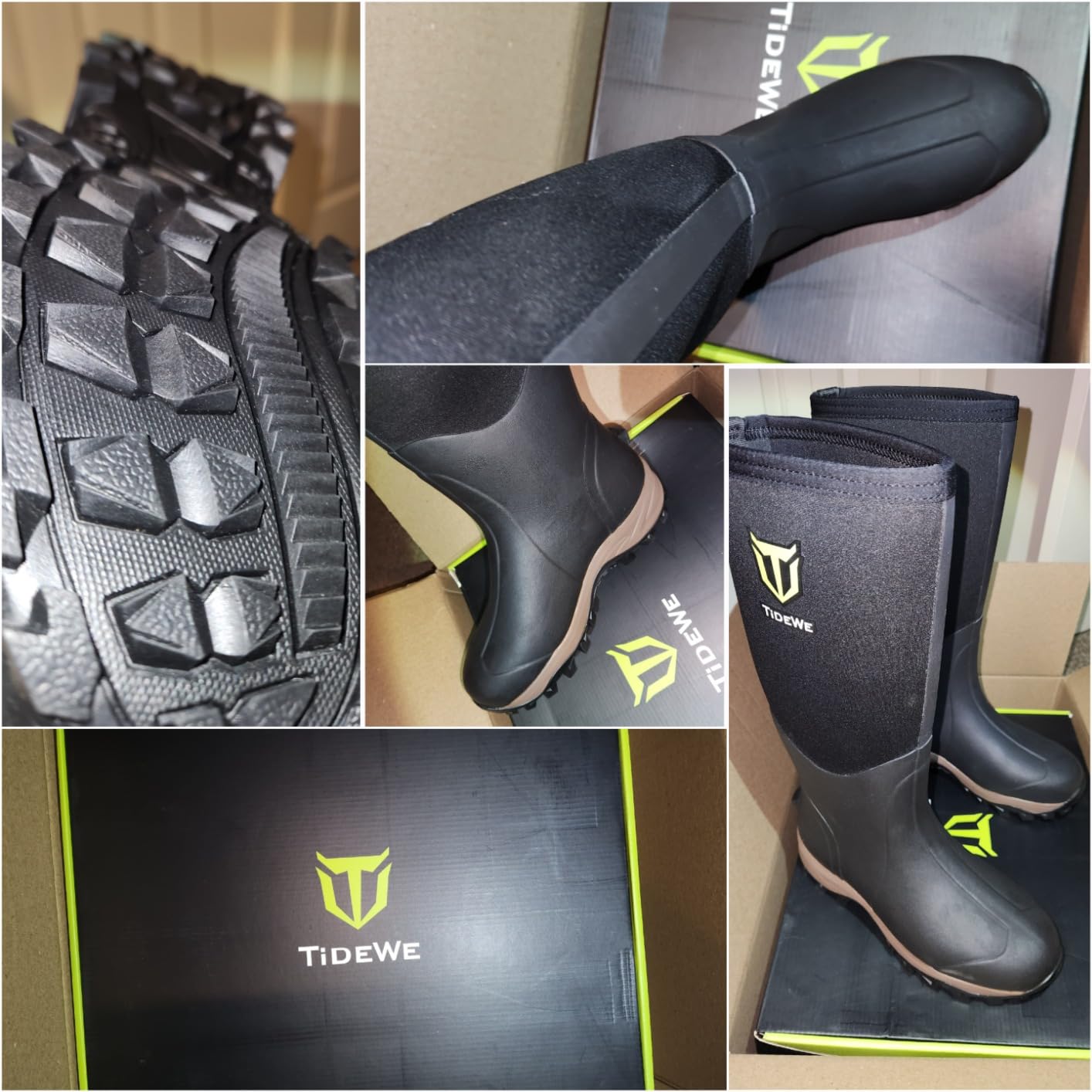
One feature I really appreciated is the heel protrusion that makes these boots easy to kick off without a boot jack. The 4-way stretch nylon lining adds comfort during all-day wear. My only real complaint is the rubber smell when you first open the box. It dissipates after a few days of airing out, but it is noticeable at first.
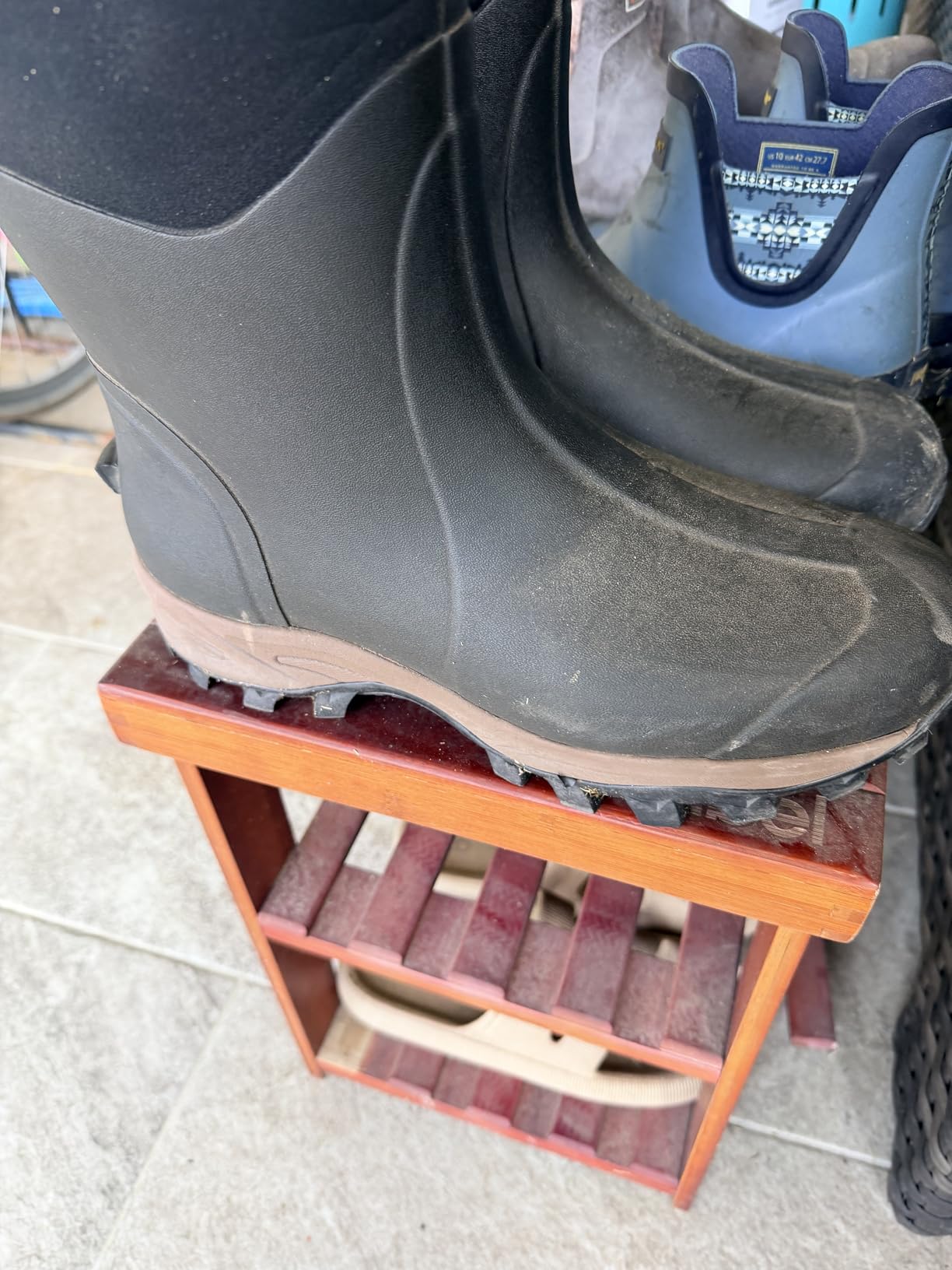
The fit runs true to size for most people, which is a nice change from some brands that run large or small. TIDEWE offers these in both men’s and women’s sizing, making them one of the few options on this list that works for female hunters. If you want the best insulated muck boots for hunting without paying premium brand prices, the TIDEWE is tough to beat.
Men and Women Sizing
TIDEWE sizes these boots for both men and women, which is a significant advantage for couples who hunt together. The women’s sizes run about 1.5 sizes smaller than the men’s equivalent. Check the size chart carefully before ordering, and remember that thick hunting socks may push you up a half size.
The mid-calf height works well for most hunting scenarios but may not provide enough coverage for deep marsh wading. If you regularly encounter water above mid-calf, look at taller options.
Comparing to Premium Brands
Side by side with Muck Boot Company models, the TIDEWE offers about 80 percent of the performance at roughly half the price in many cases. The main differences are in long-term durability and the refinement of the fit. For casual to moderate hunters, the value proposition is excellent.
8. LaCrosse Men’s Grange 18 Inch Waterproof Hunting Boot – Best Classic Design
LaCrosse Grange Rubber Hunting & Work Boots for Men – Waterproof ZXT Rubber, with Adjustable Fit Strap, EVA Footbed, and Slip-Resistant Outsole, OD Green – 10
ZXT Rubber
18 Inch Height
Ankle Fit Technology
EVA Footbed
Adjustable Top Strap
Pros
- Extremely comfortable for all-day wear
- Excellent ankle support and secure fit
- Completely waterproof to 18 inches
- Durable ZXT rubber construction
- Good traction in wet and muddy conditions
Cons
- Difficult to remove without a boot jack
- Limited arch support without inserts
- Rubber may crack after extended heavy use
- Tight ankle fit needs break-in
The LaCrosse Grange has been a staple in hunting camps for decades, and I wanted to see if this classic design still holds up against newer models. I tested a pair during a week-long hunting trip in the Southeast, walking through swampy bottomlands and muddy ATV trails. The 18-inch height gives you serious protection in deep water, and the ZXT rubber formula is noticeably tougher than standard rubber. It resists punctures from thorns and sticks that would damage softer boots.
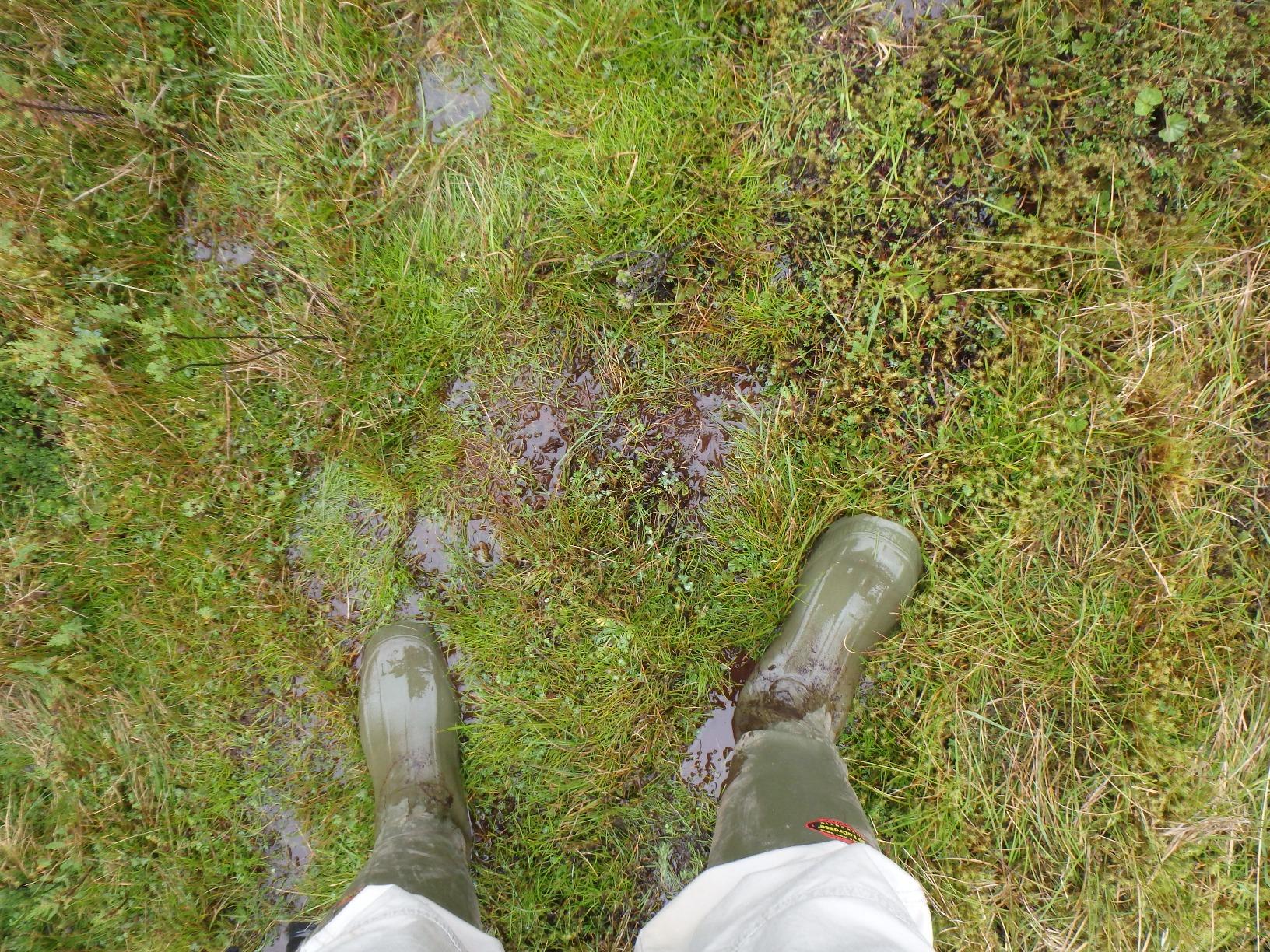
The ankle fit technology is what sets the Grange apart. LaCrosse designed the ankle area to grip your leg securely, which prevents the boot from sliding around as you walk. This feels different from neoprene boots that grip your calf. The Grange grips at the ankle for stability and then opens up above, giving you room to tuck in pants. The adjustable top strap lets you seal the opening against debris and cold air.
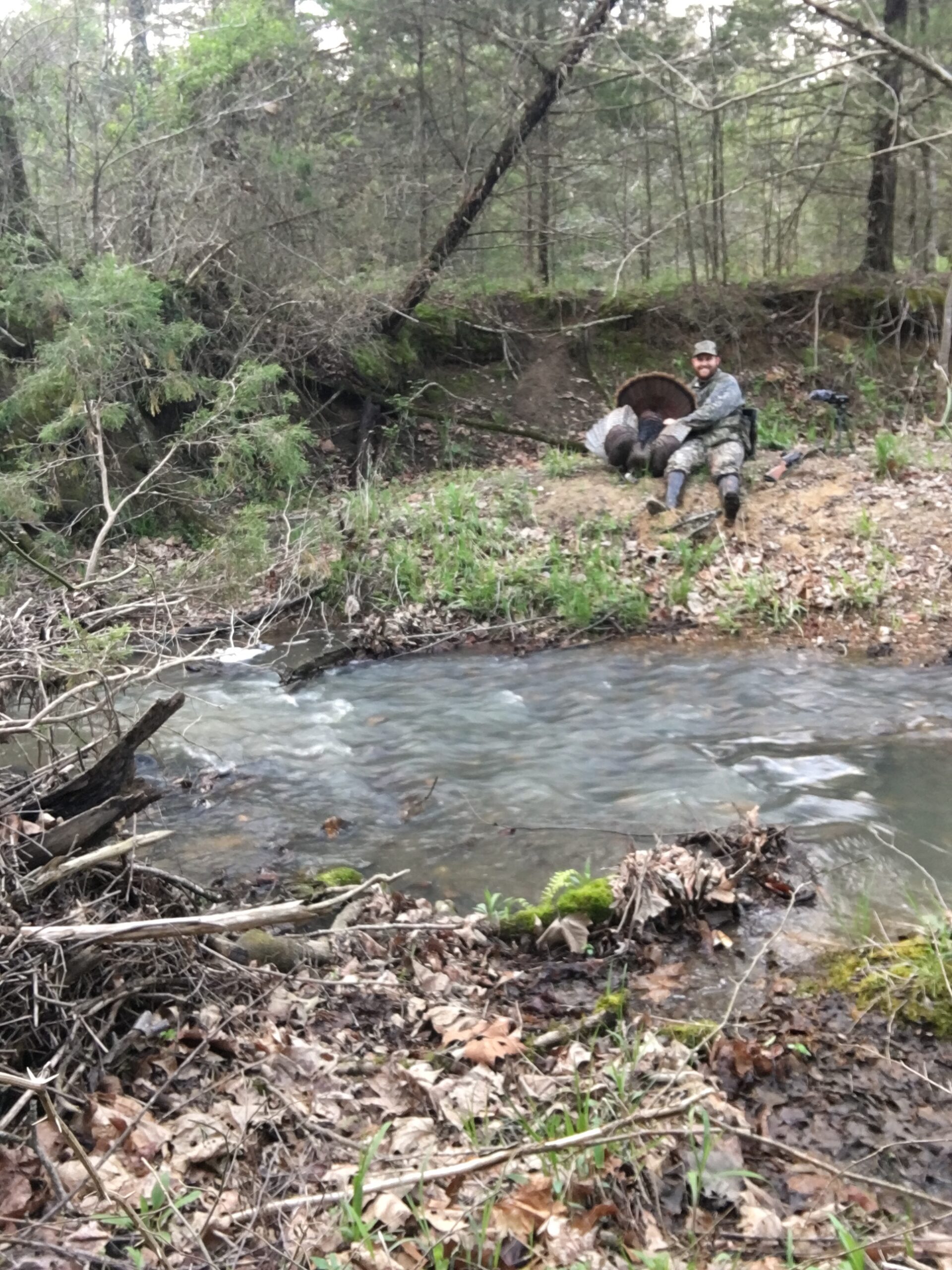
The EVA footbed provides decent cushioning, but I recommend adding an aftermarket insole if you have high arches. The built-in arch support is minimal, which is the most common complaint from long-term users. For traction, the slip-resistant outsole handled wet mud and slick trails without issue. The Mossy Oak Original Bottomland camo pattern is a classic that still blends into timber and brush environments effectively.
Removing these boots at the end of the day requires a boot jack or some creative footwork. The tight ankle fit that provides stability during the day becomes a challenge when you are trying to kick them off in the dark. With nearly 2,000 reviews and a 4.6 rating, the Grange has proven itself over many seasons of hard use.
Ankle Fit Advantage
The innovative ankle fit system reduces heel slippage that plagues many pull-on rubber boots. If you have ever walked in rubber boots that slide up and down with every step, you know how annoying that can be. The Grange eliminates that problem by cinching at the ankle while keeping the shaft wide enough for comfort.
This design is especially useful for hunters who walk long distances to their stands. Less heel movement means fewer blisters and less foot fatigue at the end of the day.
When to Choose the Grange
Pick the Grange if you hunt in areas with deep water, thick brush, or lots of thorny vegetation. The ZXT rubber is tougher than neoprene blends and resists punctures better. It is also a strong choice if traditional lace-up boots irritate your ankles and you want a slip-on that stays secure while walking.
9. Kamik Forester Insulated Rubber Hunting Boots – Best with Removable Liner
Kamik Forester Insulated Rubber Hunting Boots – Waterproof Insulated Boots for Men – Slip-Resistant Outsole for Hunting – Snow Shoes with Removable Liner – Mid-Calf Height, Khaki/Black – 13
8mm Removable Liner
Waterproof Rubber
Drawstring Collar
Slip-resistant Outsole
Eco-Friendly
Pros
- Extremely warm tested to -30F
- Removable liner for customization
- Durable construction lasting 5+ years
- Waterproof in all conditions
- Good traction on ice and snow
Cons
- Runs slightly large
- Heavy for some users
- Stiff before break-in
- Thick soles may make driving difficult
The Kamik Forester takes a different approach to insulation with its removable 8mm liner. I tested these during a late-season muzzleloader hunt in Minnesota where the high temperature was 5 degrees. The removable liner is a game-changer because you can dry it separately at the end of the day. Wet insulation is the enemy of warm feet, and being able to pull the liner out and hang it by the fire is a practical advantage that fixed-liner boots cannot match.
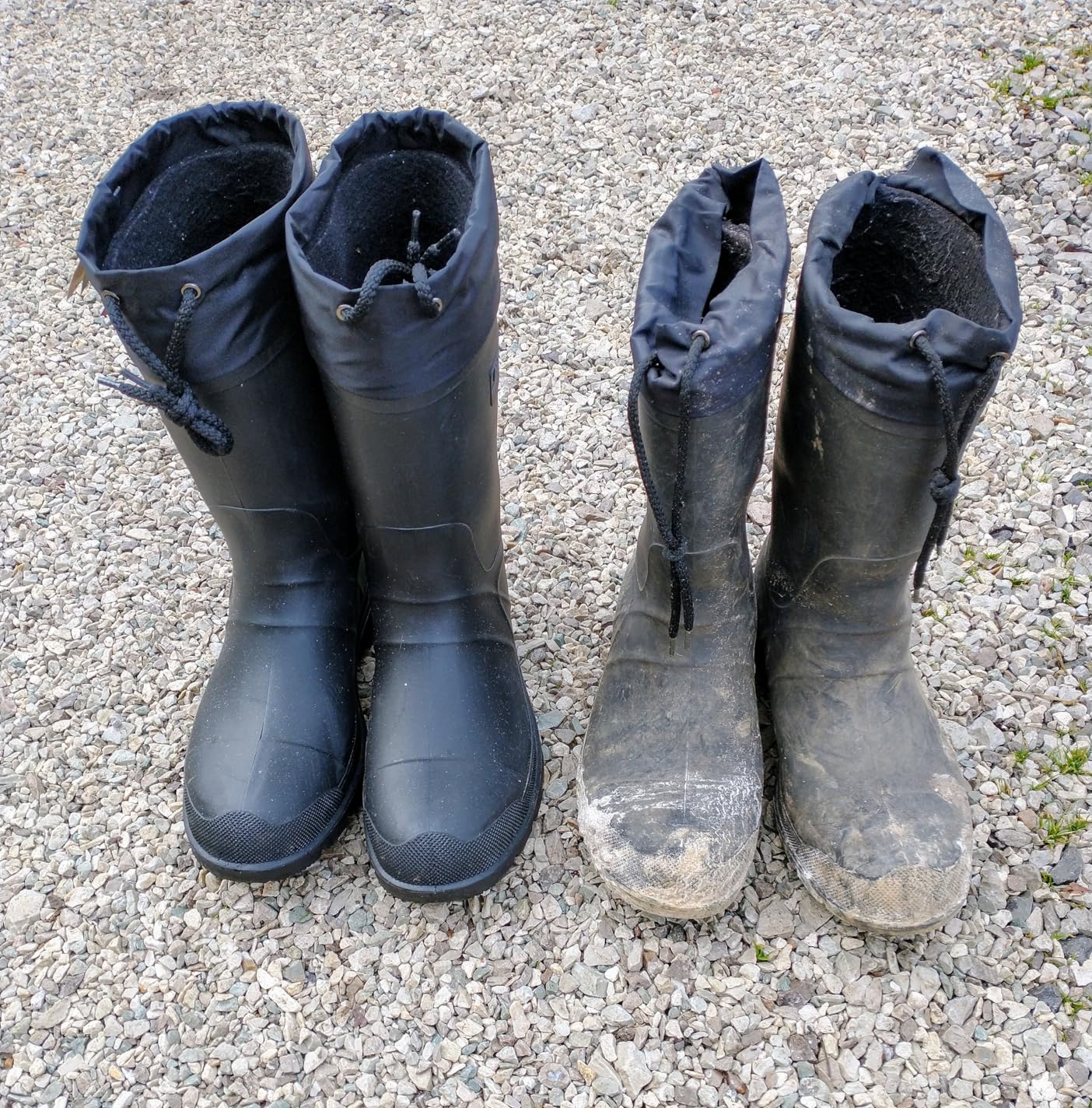
Warmth was impressive for the price point. My feet stayed comfortable through six-hour sits in single-digit temperatures. The waterproof rubber upper handled creek crossings and slush without leaking. The nylon collar with drawstring closure lets you seal the top against cold air and snow, which is a simple but effective feature.
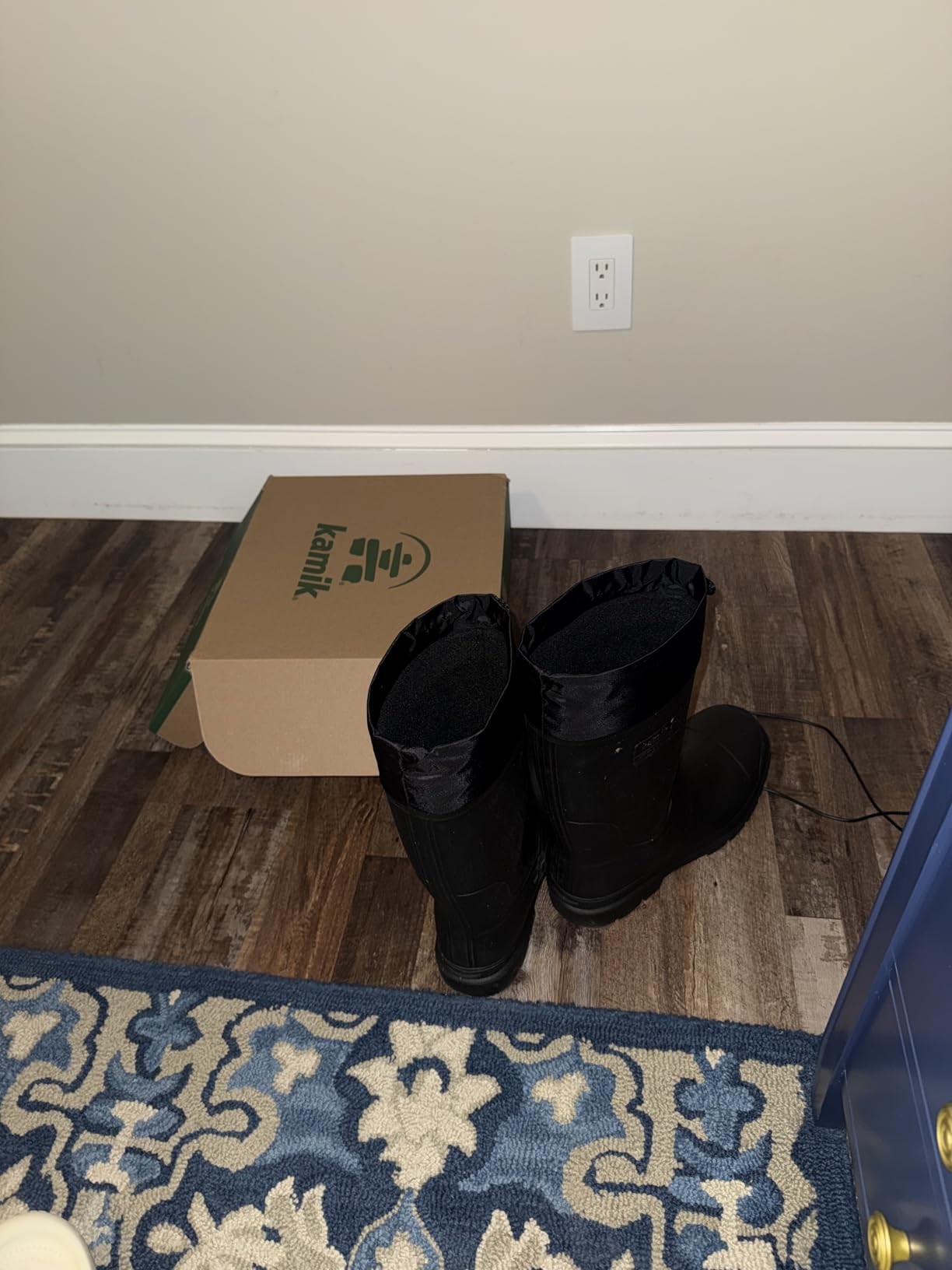
The slip-resistant explorer outsole did well on packed snow and ice. On wet mud, the traction was adequate but not as aggressive as the MS-1 pattern on the Muck Wetland. The eco-friendly materials are a nice touch for hunters who care about sustainability. Kamik uses recycled content in the construction without sacrificing durability.
These boots run slightly large, so consider going down a half size from your normal shoe size. They are also stiff out of the box, requiring a few days of wear before they feel natural. At the price point, the Kamik Forester is one of the most capable cold-weather hunting boots available. Users report getting five or more years of daily winter use from a single pair.
Removable Liner Benefits
The 8mm removable liner is the standout feature. You can swap it out for a thinner liner in warmer conditions, dry it separately after a wet day, or replace it when it wears out without buying new boots. This extends the overall life of the boot significantly compared to boots where the insulation is permanently bonded to the interior.
For hunters who drive to their hunting spots, the thick soles can make operating pedals feel awkward. Consider keeping a pair of driving shoes in your vehicle if you use these boots regularly.
Cold Weather Performance
Tested and proven in temperatures down to negative 30 degrees, the Kamik Forester competes with boots that cost twice as much for pure cold-weather performance. If you hunt in extreme cold and want the flexibility of a removable liner, this is the boot to get.
10. TIDEWE Rubber Hunting Boots 800g Insulated – Best for Extreme Cold on a Budget
TIDEWE Rubber Hunting Boots with 800g Insulation, Waterproof Insulated Next Camo G2 Warm Rubber Boots with 7mm Neoprene, Sturdy Outdoor Hunting Boots for Men (Size 9)
800g Insulation
7mm Neoprene
Cinch Buckle Closure
Comfort -50F to 40F
Reinforced Toe and Heel
Pros
- Exceptional warmth in extreme cold
- True to size fit
- Comfortable for all-day wear
- Excellent waterproofing
- Quality construction comparable to premium brands
- Easy to put on and remove
Cons
- May run a half size large
- Some water infiltration after extended use
- Rubber may crack in very cold temps
- Leg portion gets warm during active walking
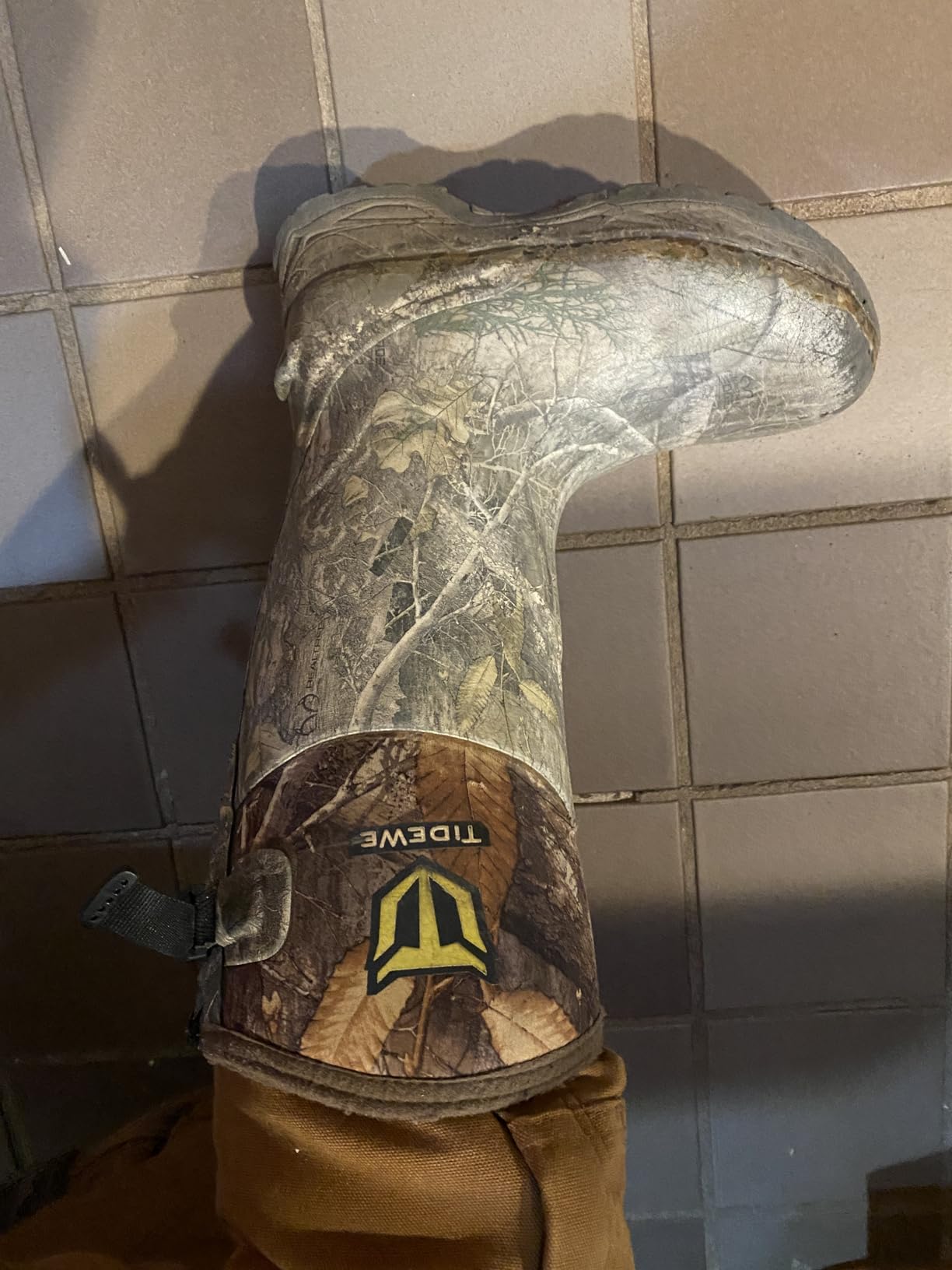
The TIDEWE Next Camo G2 with 800g insulation is the newest boot in this roundup, and it punches well above its price class. I tested these during a late-November rifle season where temps hovered between 10 and 20 degrees. The 800g insulation combined with 7mm neoprene kept my feet warm during six-hour ground blind sits without any cold spots. The comfort rating of negative 50 to 40 degrees Fahrenheit is the widest range of any boot on this list.
The back gussets with cinch buckles are a feature I wish every rubber hunting boot had. Instead of relying solely on a stretchy topline, you can actually tighten or loosen the fit around your calf with a simple buckle. This makes a real difference when you are wearing different layers for early season versus late season hunts. The sealed rubber shell and reinforced toe and heel provide solid protection against rocks, sticks, and rough terrain.
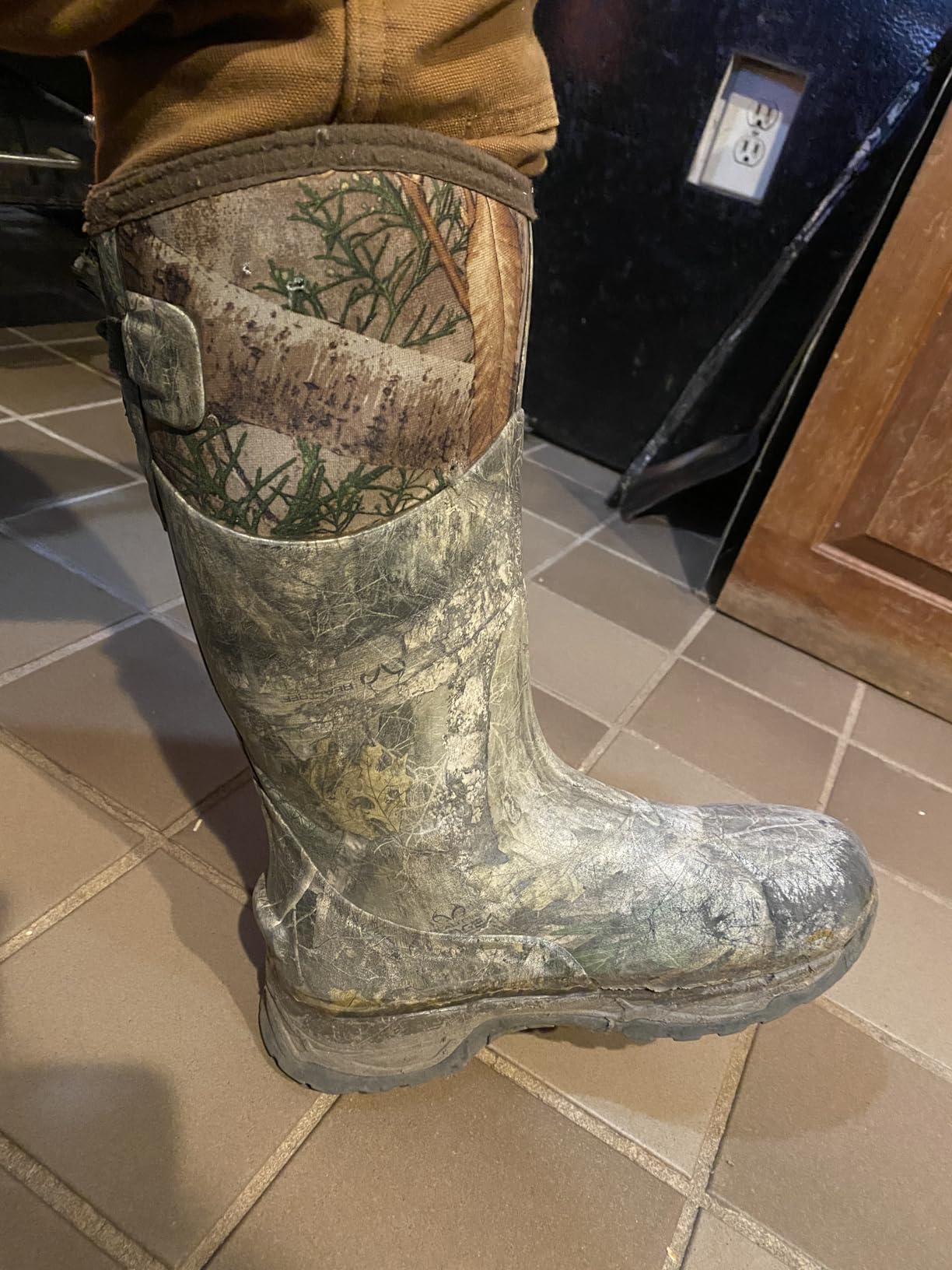
The EVA contoured midsole provides good cushioning for walking, and the overall construction quality feels comparable to boots that cost significantly more. I put about 30 miles on these boots during my testing period and saw no signs of separation or excessive wear. The traction was reliable on mud, wet leaves, and light snow.
The main downside is that some users report water infiltration at the neoprene-rubber junction after extended submersion. For wading through puddles and shallow water, they work perfectly. For standing in water above the ankle for long periods, the premium options from Muck or LaCrosse offer better long-term waterproofing. With 907 reviews and a 4.6 rating, this is a strong contender for hunters who want extreme cold performance without the extreme price tag.
800g Insulation Explained
800 grams of insulation hits a sweet spot for cold-weather hunting. It provides enough warmth for temperatures down to about negative 10 degrees during stationary sits, but it is not so thick that your feet overheat during active walking in 30 to 40 degree weather. This makes the TIDEWE G2 versatile enough for most of hunting season in northern states.
The 7mm neoprene adds its own thermal value on top of the 800g insulation, giving you a double layer of cold protection that works together effectively.
Value Comparison
Compared to similarly insulated boots from Muck and LaCrosse, the TIDEWE G2 offers comparable warmth and features at a lower price. The cinch buckle closure is actually an upgrade over the stretch-fit topline found on most competitors. If you are deciding between this and a premium brand, the main tradeoff is long-term durability versus upfront savings.
Buying Guide: How to Choose the Right Insulated Muck Boots for Hunting?
Finding the right insulated muck boots for hunting comes down to matching the boot features to your specific hunting conditions. I have broken down the key factors below to help you make the right choice. If you are building a complete cold-weather hunting setup, pair your boots with a quality merino wool base layer set for maximum warmth from the ground up.
Insulation Weight and Temperature Ratings
Insulation is measured in grams, and the right amount depends on the temperatures you hunt in. Here is a general guide based on my testing experience:
400 grams of Thinsulate works well for temperatures between 20 and 40 degrees Fahrenheit during active hunting. For stationary tree stand sits in the same range, consider bumping up to 600g. 800 grams of insulation is ideal for temperatures between 0 and 20 degrees, covering most late-season conditions in the northern half of the country. 1000 to 1600 grams is best for temperatures below 0 degrees, including extreme cold hunts in Canada and the far northern states.
Neoprene thickness also plays a role. Boots with 5mm neoprene provide moderate insulation on their own, while 8mm neoprene adds significant warmth. When boots combine neoprene with Thinsulate or PrimaLoft, the total insulation value is higher than either material alone.
Traction and Tread Patterns
The tread pattern on your hunting boots determines how well you navigate mud, snow, rocks, and slick surfaces. Aggressive lug patterns like the MS-1 outsole on the Muck Wetland excel in deep mud and soft terrain. Waffle outsoles, like the one on the Muck Edgewater, perform better on hard surfaces, treestand grates, and rocky ground. If you hunt in icy conditions, consider adding ice cleats for extra grip on frozen surfaces.
Consider your primary terrain when choosing tread. Swamp and marsh hunters need deep, self-cleaning lugs. Mountain and hill country hunters need a tread that grips on varied surfaces including rock and hard-packed dirt.
Sizing and Fit
Sizing is one of the most common pain points with muck boots, according to forum discussions on Reddit and hunting message boards. Most muck boots run true to size, but some models run a half size large. The stretch-fit topline on most Muck boots accommodates different calf sizes, but hunters with wide calves should look for boots with adjustable gussets or buckles like the LaCrosse Alphaburly Pro or TIDEWE G2.
Always account for the socks you plan to wear. If you wear heavy wool socks during late-season hunts, you may need to go up a half size. Try on new boots with the same socks you will wear hunting to get an accurate fit.
Durability and Construction
Rubber quality varies significantly between brands. ZXT rubber from LaCrosse is known for puncture resistance and long-term durability. Standard vulcanized rubber from Muck Boot Company offers good durability but may crack after two to three seasons of heavy use. TIDEWE boots provide solid performance for the price but may show wear sooner at the neoprene-rubber junction.
To maximize the life of your boots, rinse them after use in salt or brackish water, store them upright away from direct heat, and avoid leaving them in freezing vehicles between hunts. Most quality muck boots should last three to five seasons with proper care.
Frequently Asked Questions About Insulated Muck Boots for Hunting
What muck boot has the most insulation?
The LaCrosse Alphaburly Pro 18-inch with 1600G Thinsulate Ultra insulation has the highest insulation rating among the boots we tested. For even more extreme cold, the MUCK Arctic Pro combines 8mm neoprene with a fleece lining, making it one of the warmest boots available despite not having a gram-specific insulation rating. Both boots perform well in temperatures below zero Fahrenheit.
What are the best Muck boots for hunting?
The MUCK Arctic Pro-u Industrial Boots are our top overall pick for hunting thanks to 8mm neoprene, fleece lining, and 100% waterproof construction. The MUCK Woody Max earns the best value spot with its 4.8 rating, Mossy Oak camo pattern, and proven durability over multiple seasons. For hunters on a budget, the Kamik Forester provides excellent cold-weather performance with its removable 8mm liner.
What are the warmest rubber boots for hunting?
The LaCrosse Alphaburly Pro with 1600G Thinsulate Ultra is the warmest rubber boot for hunting in this guide, rated for temperatures down to negative 25 degrees Celsius. The MUCK Arctic Sport Tall is comfort-rated from negative 40 to 40 degrees Fahrenheit, and the TIDEWE G2 with 800g insulation carries a comfort rating of negative 50 to 40 degrees Fahrenheit. All three provide exceptional warmth for extreme cold hunting conditions.
Are Muck boots good for winter hunting?
Yes, Muck boots are excellent for winter hunting. Models like the Arctic Pro, Arctic Sport Tall, and Woody Max provide reliable warmth, 100% waterproofing, and good traction in snow and ice. The neoprene construction stays flexible in cold temperatures, unlike some rubber boots that stiffen in freezing weather. For the coldest conditions, choose models with thicker neoprene (5mm or 8mm) and additional insulation layers.
Should I size up or down in Muck Boots?
Most Muck Boots run true to size, but many hunters recommend sizing up a half size if you plan to wear thick wool socks during cold weather hunts. The neoprene upper has some natural stretch that conforms to your foot over the first few wears. If you have wide feet or wide calves, sizing up can improve comfort. The MUCK Arctic Sport Tall does not come in half sizes, so size up if you are between sizes.
Final Thoughts on the Best Insulated Muck Boots for Hunting
Finding the best insulated muck boots for hunting in 2026 does not have to be complicated, but it does require matching the boot to your specific needs. The MUCK Arctic Pro remains my top overall pick for extreme cold, the MUCK Woody Max delivers the best all-around value, and the TIDEWE and Kamik options prove you do not need to spend a fortune to stay warm in the field. Consider your typical hunting temperatures, terrain, and how much walking you do, and you will find the right pair on this list. For hauling your harvest out of the field, check out our guide to deer drag sleds to complete your hunting gear setup.