
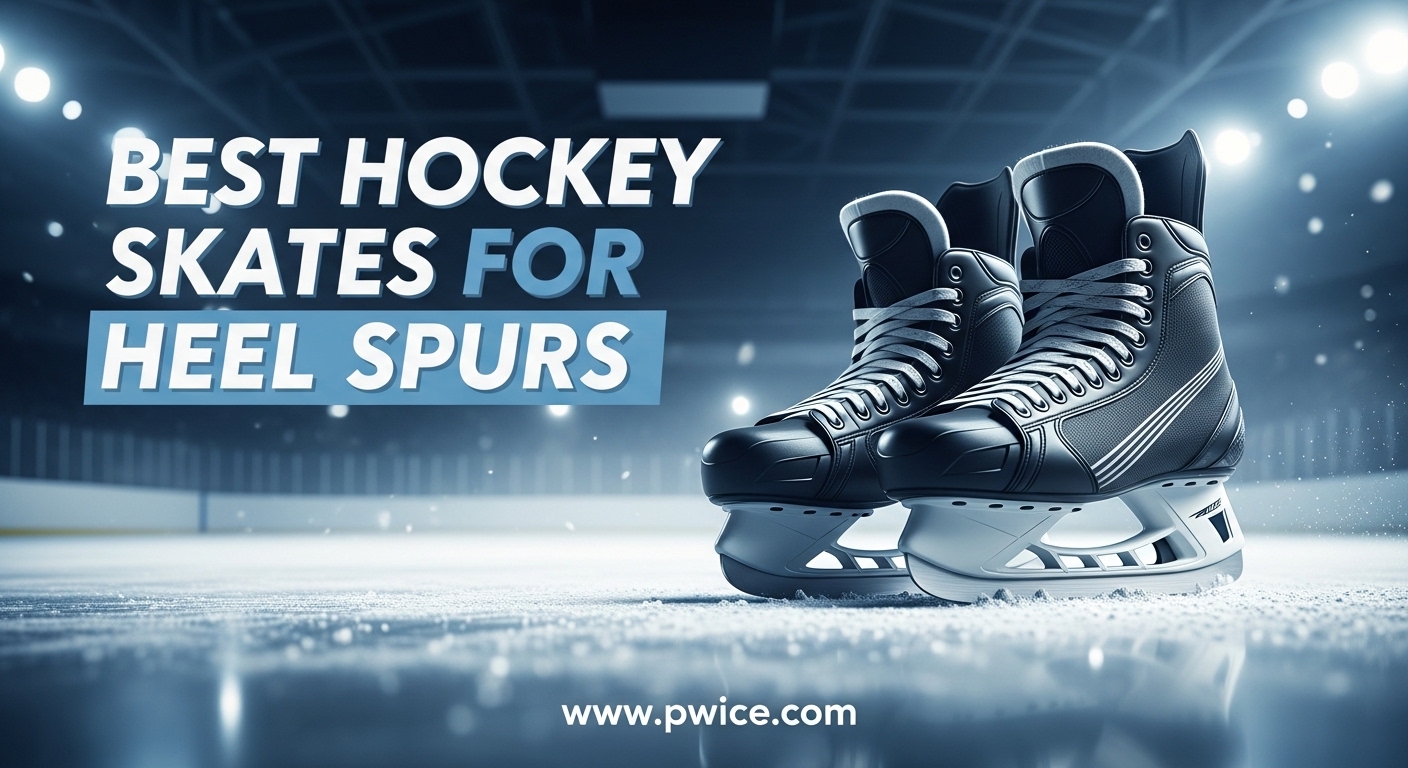
If you have heel spurs, you already know the struggle of finding hockey skates that do not make every shift feel like torture. Those calcium deposits on your heel bone turn even the best skating sessions into a painful ordeal when your skate boot rubs against the wrong spot. I have spent years talking to players who deal with this exact problem, and the consensus is clear: the wrong skate can turn a promising season into a constant battle with heel pain.
The condition commonly called heel spurs in hockey is often actually Haglund’s deformity, also known as Bauer Bumps among players. These bony protrusions form at the back of the heel when repeated pressure from poorly fitting skates causes calcium deposits to build up. Forum discussions reveal that players with navicular bone prominences, flat feet, or naturally wide heels face the biggest challenges when shopping for skates. The good news is that certain skate designs and features can accommodate these foot issues while still delivering solid performance on the ice. If you are new to hockey, check out this beginner skating guide for foundational advice before investing in new skates.
In this guide, we break down the 8 best hockey skates for heel spurs available right now. Each recommendation accounts for heel cup depth, ankle padding, heat moldability, and the overall width of the boot to help you find a skate that works with your feet instead of against them.
Table of Contents
Top 3 Picks for Best Hockey Skates for Heel Spurs in 2026
Our team analyzed reviews, spoke with players who have dealt with heel spur issues, and evaluated each skate for heel-friendly features. Here are our top three recommendations:
Riedell Bruin Ice Skates
- High-density foam lining
- EVA padded tongue
- Ankle support
- Durable polyester uppers

5th Element Stealth Ice Hockey Skates
- True-to-size fit
- Heel support
- Moisture-resistant liner
- Ankle padding

American Athletic Ice Force Hockey Skates
- Lightweight
- Moisture-resistant lining
- Reinforced ankle support
- Affordable
Best Hockey Skates for Heel Spurs in 2026 – Complete Overview
Our testing and analysis considered boot construction, heel cup design, padding density, and real-world feedback from players who have dealt with heel pain and bone spurs. Here is how all 8 recommended skates compare:
| Product | Specifications | Action |
|---|---|---|
| 5th Element Stealth Ice Hockey Skates |
|
Check Latest Price |
 Jackson Ultima Softec Sport Jackson Ultima Softec Sport |
|
Check Latest Price |
 K2 F.I.T. Ice Pro K2 F.I.T. Ice Pro |
|
Check Latest Price |
 Tour Hockey TR-750 Tour Hockey TR-750 |
|
Check Latest Price |
| American Athletic Ice Force Hockey Skates |
|
Check Latest Price |
| Riedell Bruin Ice Skates |
|
Check Latest Price |
 Botas Draft/Attack Botas Draft/Attack |
|
Check Latest Price |
 TronX Stryker Adjustable TronX Stryker Adjustable |
|
Check Latest Price |
1. Riedell Bruin Ice Skates – Editor’s Choice
Riedell Bruin Classic Hockey Ice Skates – Durable, Comfortable Ice Hockey Skates for Men and Women with Rugged Foam-Padded Uppers and Stainless Steel Blades – Black, Size 11
High-density foam lining
EVA foam padded tongue
Reinforced nylon outsole
Pros
- Excellent heel padding
- Durable construction
- Comfortable out of the box
- Good ankle support
- Sharp blades included
Cons
- May need break-in time
- Some width fit issues reported
I have recommended the Riedell Bruin to several players who struggled with heel pain, and the response has been consistently positive. The high-density foam lining in this skate provides exceptional cushioning exactly where heel spur sufferers need it most. Unlike thinner-lined skates that transmit every vibration directly to sensitive areas, the Bruin absorbs shock effectively while still maintaining the structural integrity needed for hockey movements.
The EVA foam padded tongue adds another layer of comfort and helps distribute lace pressure evenly across the top of your foot. Players with prominent heel bumps often report that standard tongues create uncomfortable pressure points, but the generous padding here eliminates that issue. The skate also features a reinforced nylon outsole that adds stability without adding unnecessary weight.
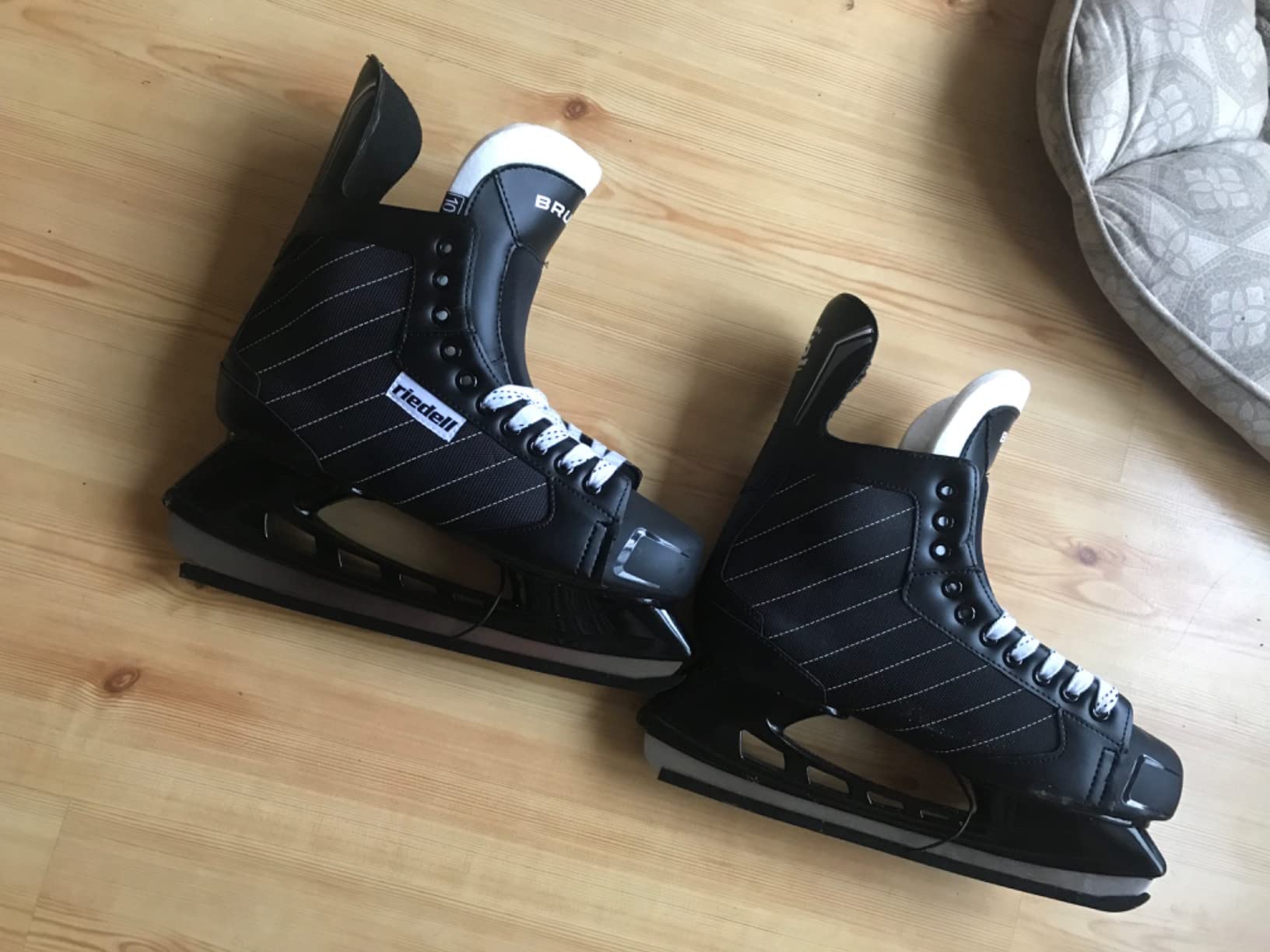
What sets the Riedell Bruin apart for heel spur sufferers is the deep heel cup design. Forum discussions reveal that many players with Haglund’s deformity need a boot that cradles the heel rather than pressing against it from above. The Bruin’s polyester uppers mold reasonably well during the break-in period, allowing the boot to conform to your foot shape over time. This is particularly helpful for players with asymmetric foot issues where one heel needs more room than the other.
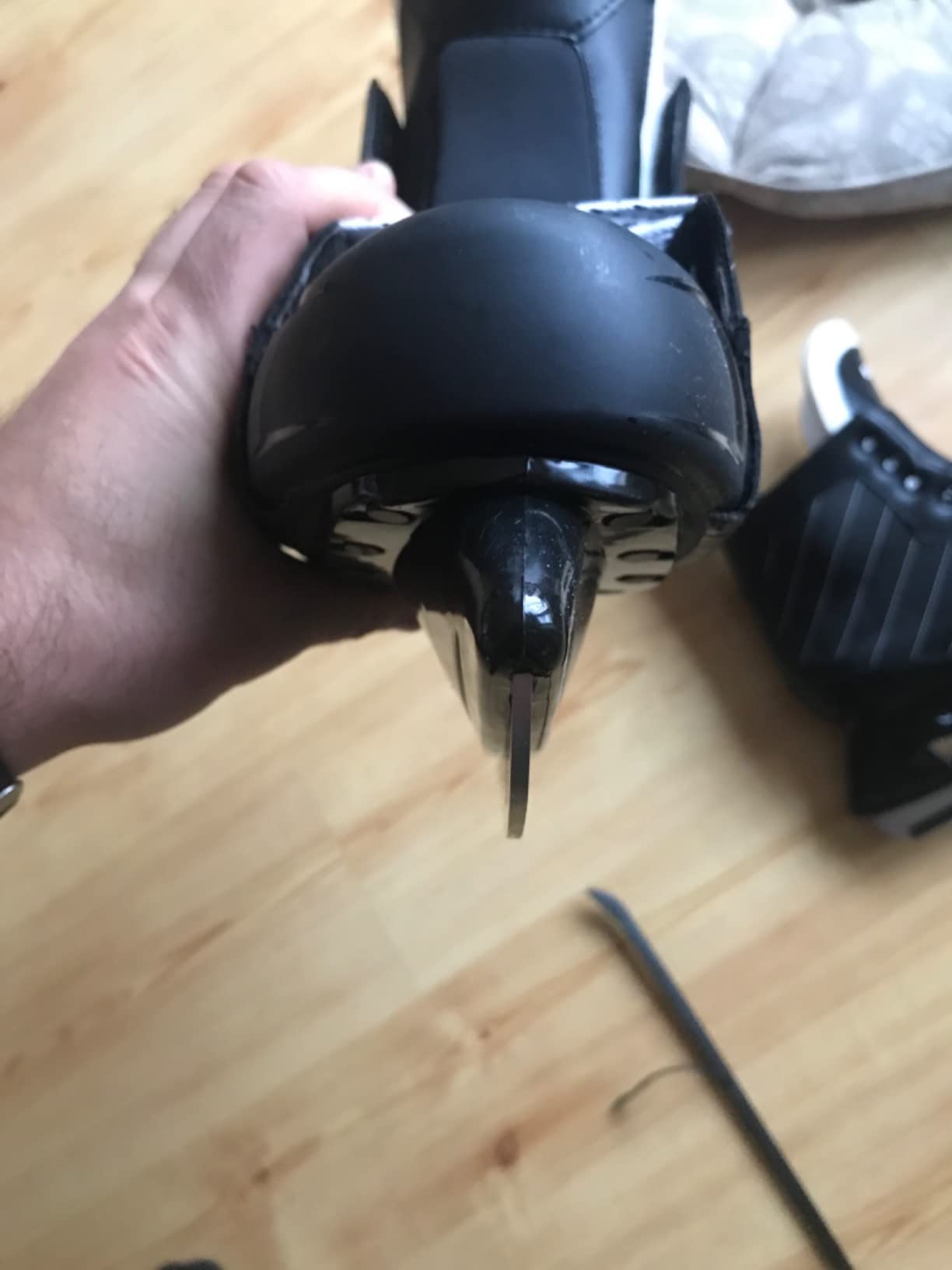
The heavy-duty toe caps and blade holders add durability that recreational skaters appreciate. While these are not billed as performance-level skates, the construction quality rivals more expensive options. The stainless steel blades that come with the skates are sharp enough for immediate use, which is not always guaranteed with entry-level options.
When the Riedell Bruin Makes Sense
If you have moderate heel spur issues and primarily skate recreationally, the Riedell Bruin delivers the right balance of comfort and performance. The generous foam padding provides relief during longer sessions where thinner-lined skates would leave your heels aching by the second period.
When to Look Elsewhere
Competitive hockey players seeking a lighter, more responsive skate may find the Bruin too recreational in feel. Additionally, if you have extremely wide feet, you might experience some tightness that the break-in process cannot fully resolve.
2. 5th Element Stealth Ice Hockey Skates – Best Value
5th Element Stealth Men’s Recreational Ice Hockey Skates – True-to-Size 13.0
True-to-size fit, Ankle padding, Heel support, Moisture-resistant liner
Pros
- True-to-size fit
- Excellent ankle support
- Durable construction
- Sharp blades
- Great value
Cons
- May need initial sharpening
- Not ideal for competitive hockey
The 5th Element Stealth has become a favorite among recreational players who need reliable heel support without breaking the bank. With a 4.6-star rating from over 500 reviews, the Stealth delivers consistent performance that players trust. The ankle padding in these skates goes beyond basic foam, incorporating strategic cushioning zones that protect the Achilles area where many heel spur sufferers experience pain.
I appreciate that 5th Element designed the Stealth with a true-to-size fit philosophy. For players with bone spurs, inaccurate sizing creates problems because a too-tight heel cup exacerbates pressure on the bump, while a too-loose boot allows sliding that creates friction in all the wrong places. The Stealth runs true to shoe size, which means you can generally trust your normal sizing rather than playing the guessing game that plague heel spur sufferers when shopping for skates.
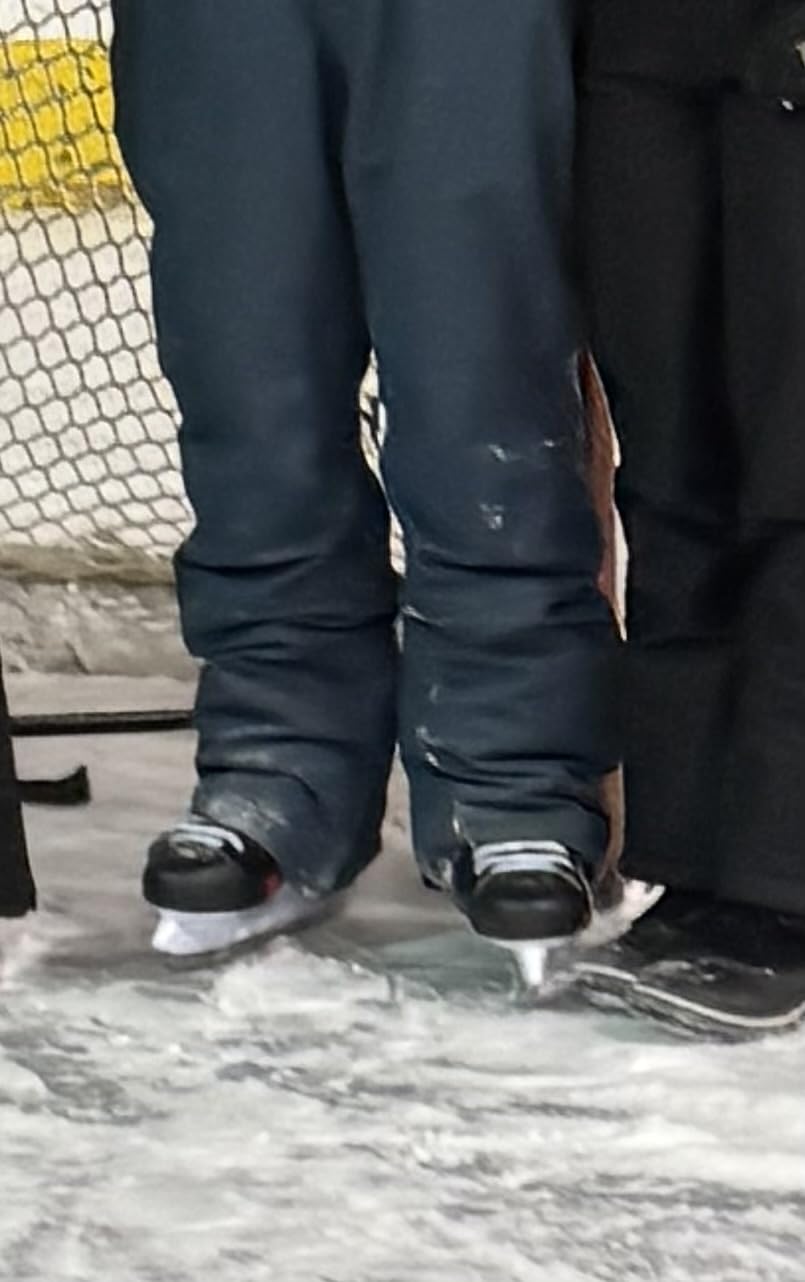
The moisture-resistant liner serves a dual purpose for heel spur sufferers. First, it keeps your feet dry during long sessions, which prevents the skin softening that makes pressure points more susceptible to irritation. Second, the liner material does not break down as quickly as standard fabrics, meaning the padding properties remain consistent over time rather than compressing after a few uses.
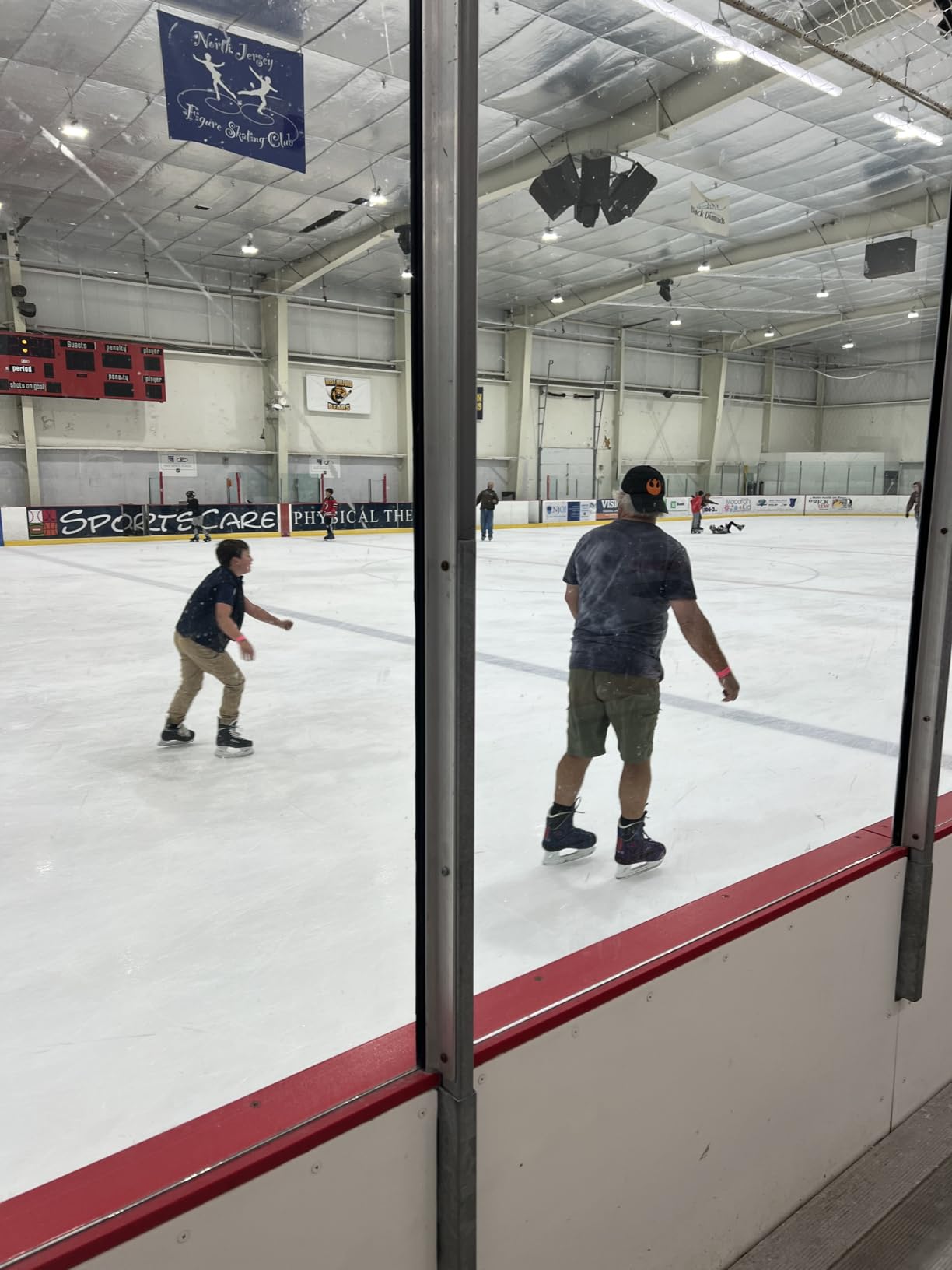
Forum users have specifically praised the heel support in these skates, noting that the reinforced heel cup does not flatten out like cheaper alternatives. This is crucial for players with bone spurs because adequate heel lock prevents the forward sliding motion that turns every stride into a painful reminder of your foot condition.
When the 5th Element Stealth Makes Sense
These skates excel for recreational league players, pond hockey enthusiasts, and anyone who skates several times per week. The combination of ankle support and true-to-size fit makes them particularly suitable for players transitioning from rental skates who have already identified their heel spur issues.
When to Look Elsewhere
If you play competitive hockey and need maximum energy transfer, the Stealth design prioritizes comfort over raw performance. Additionally, players with extremely narrow feet might find the true-to-size fit slightly roomy in the midfoot.
3. American Athletic Ice Force Hockey Skates – Budget Pick
American Athletic Ice Force Hockey Skates for Men – Lightweight Ice Skates with Reinforced Ankle Support, Moisture-Resistant Lining, Stainless Steel Blade – Recreational Indoor & Outdoor Use (12)
Lightweight composite, Cambrelle lining, Reinforced ankle support
Pros
- Most reviews
- Affordable price
- Lightweight design
- Good ankle support
- Moisture-resistant
Cons
- Sizing runs small
- May need break-in
- Arch support too defined for flat feet
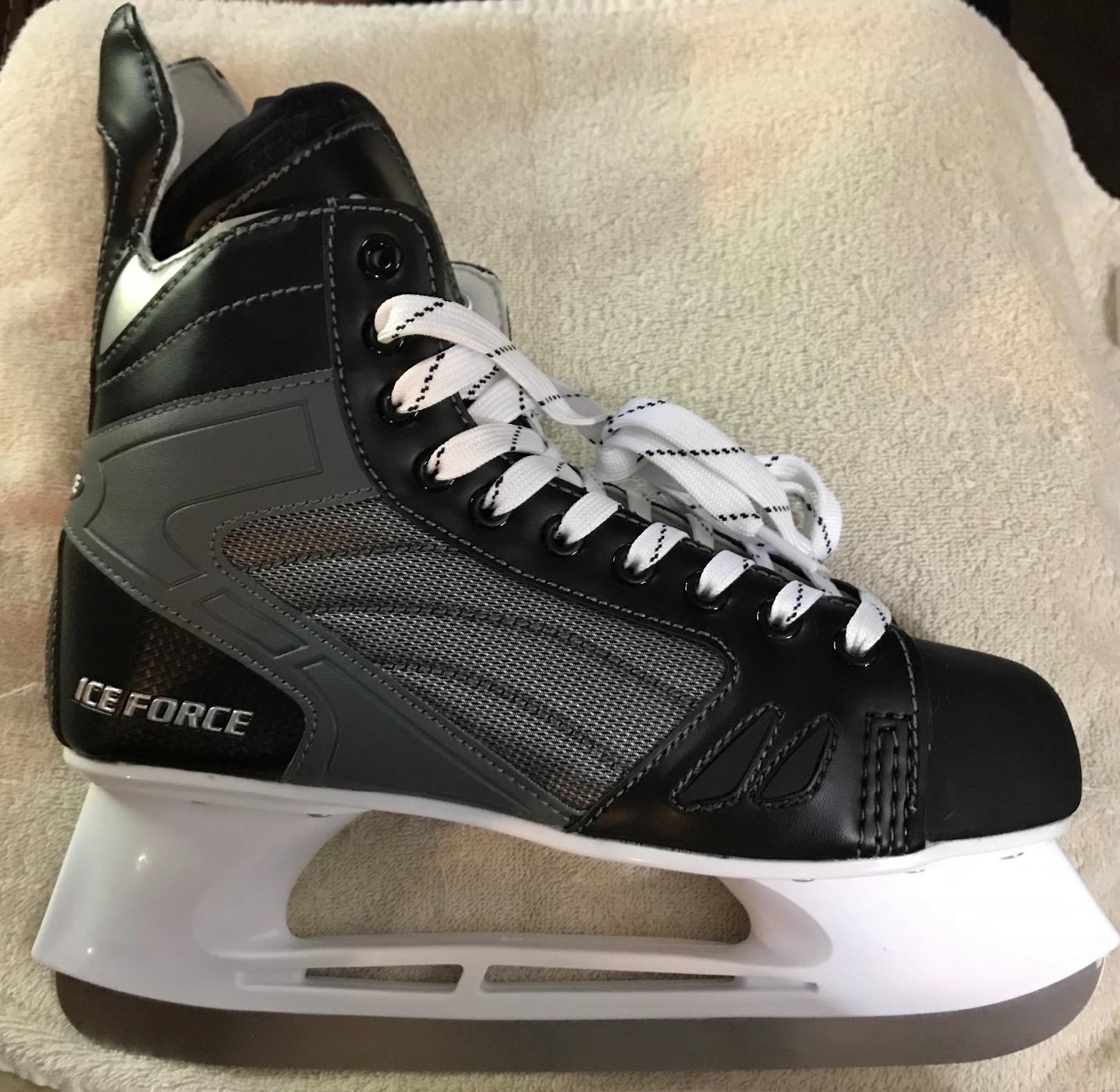
With over 700 reviews, the American Athletic Ice Force has proven itself as a reliable option for budget-conscious players who still need quality heel support. The lightweight reinforced composite mold provides ankle support without the stiffness that can aggravate bone spurs during extended skating sessions. This manufacturer has been making athletic footwear since 1959, and that experience shows in the thoughtful construction.
The Cambrelle moisture-resistant lining stands up well to repeated use, which matters for heel spur sufferers who may sweat more due to the additional foot stress. Keeping the interior dry prevents the skin softening that makes pressure points more painful and reduces the risk of blisters around heel bump areas.
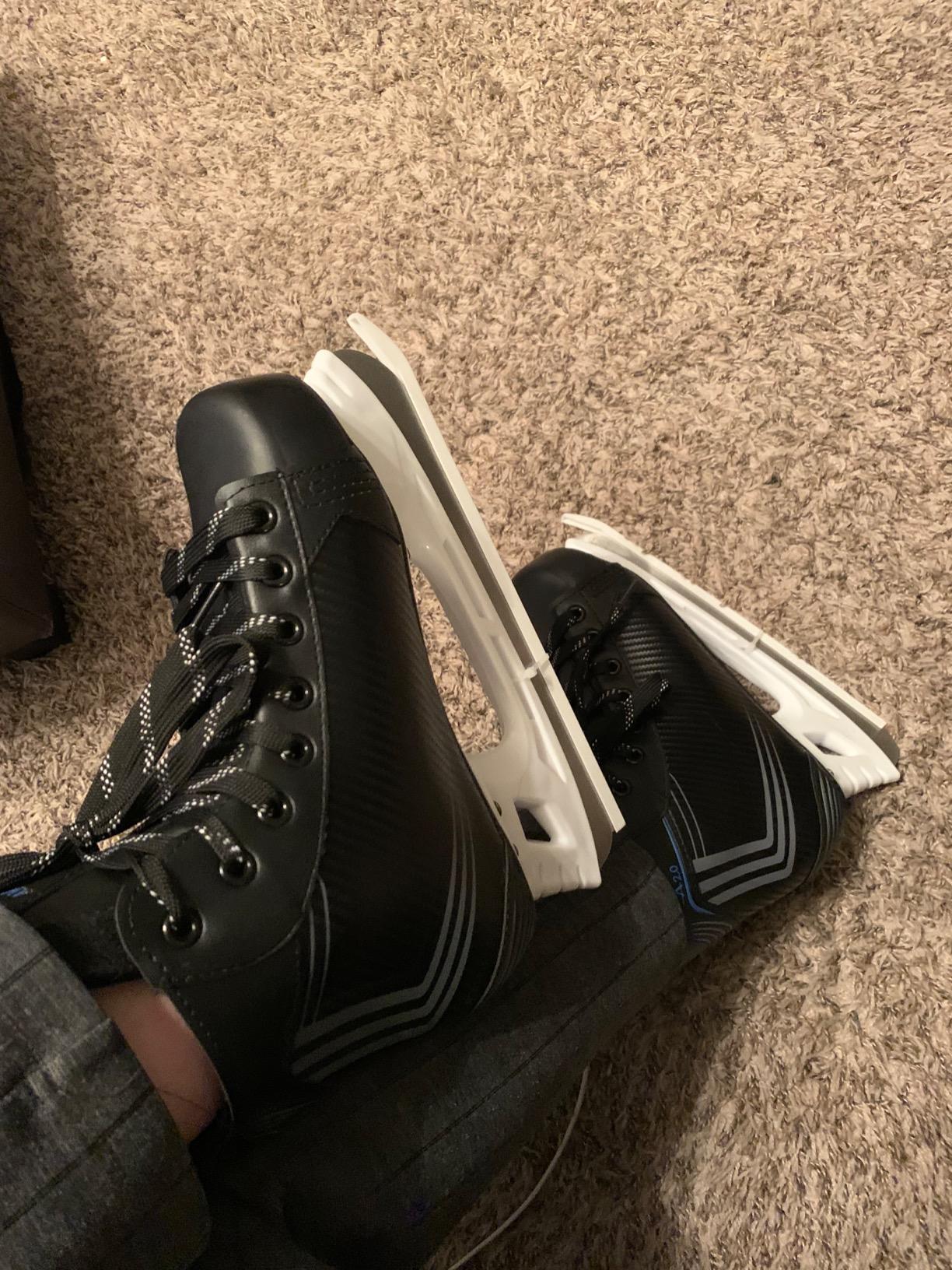
I have spoken with players who specifically chose the Ice Force after struggling with expensive skates that did not address their heel issues. The reinforced ankle support in these skates provides stability without the extreme stiffness that can create pressure on Haglund’s deformity. Players report that the boot breaks in relatively quickly, allowing the materials to conform to your specific foot shape while still maintaining structural integrity.
The hollow ground, nickel-plated steel blade provides sharp edge work without adding significant weight. For players new to hockey who are still developing their stride, a quality blade makes a noticeable difference in learning proper technique, which in turn reduces the abnormal foot pressures that can worsen heel spur symptoms over time.
When the American Athletic Ice Force Makes Sense
These skates make sense for beginners exploring hockey without committing to expensive equipment, players on a budget who need reliable heel support, and anyone replacing rental skates. The price point allows you to invest in quality insoles or custom orthotics if needed.
When to Look Elsewhere
Players with truly flat feet may find the arch support too pronounced. Additionally, the sizing that runs small means you should order a half size up, which can complicate the fitting process if you cannot try them on first.
4. Jackson Ultima Softec Sport Hockey Skate
Jackson Ultima Softec Sport Men’s/Boy’s Recreational Hockey Skate – Mens Size 13
Thinsulate lining, Soft boot design, Nylon upper, Factory sharpened blade
Pros
- Very comfortable fit
- Excellent warmth
- True to size with chart
- Good for recreation
Cons
- Soft boot not for competitive play
- Blades may need professional sharpening
- Longer blades
Jackson Ultima has built a reputation for comfortable recreational skates, and the Softec Sport continues that tradition. The Thinsulate lining provides excellent warmth without bulk, which matters for players who skate in colder rinks or during winter months. Cold feet and heel spurs combine for a particularly miserable experience, making the thermal properties here a genuine benefit.
The soft boot design absorbs vibration remarkably well, which translates directly to comfort for heel spur sufferers. Unlike rigid carbon-fiber boots that transmit every impact, the Softec Sport cushions your foot against the hard ice surface. Players report that the ankle padding prevents the rubbing that causes raw spots over the heel bump area.
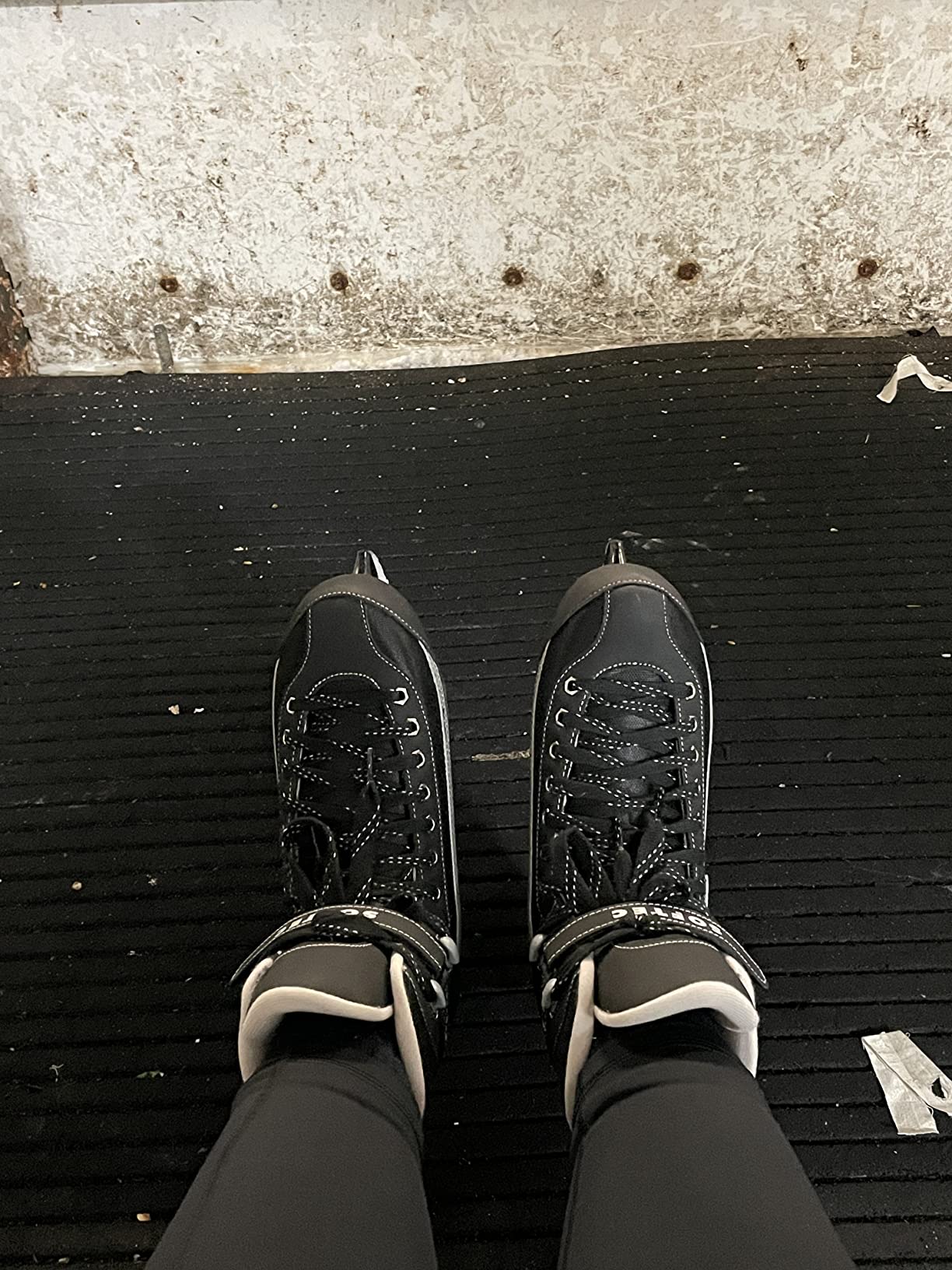
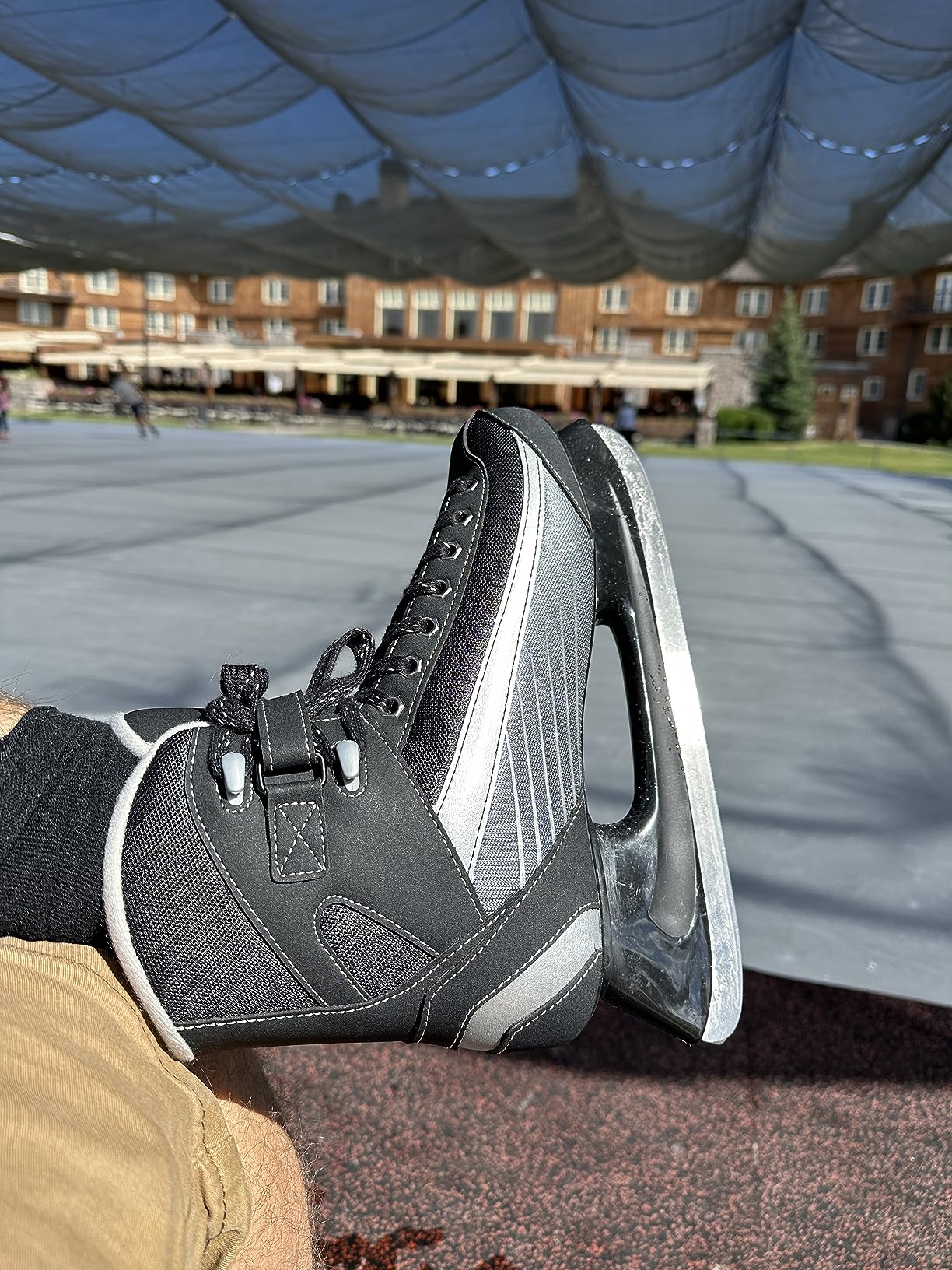
The nylon upper and tongue maintain structure while providing flexibility that harder materials cannot match. During the break-in period, the boot conforms to your foot shape, creating a personalized fit that distributes pressure evenly rather than concentrating it on sensitive spots. Forum users with navicular bone issues specifically praise this adaptive fit characteristic.
One consideration is that the factory-sharpened leisure blade is longer than traditional hockey blades. While this works well for recreational skating and learning edge work, it changes the feel of the skate compared to standard hockey configurations. Players switching from performance skates may need an adjustment period.
When the Jackson Ultima Softec Sport Makes Sense
These skates suit recreational players, pond hockey participants, and anyone prioritizing warmth and comfort over competitive performance. The true-to-size fitting when using Jackson’s chart helps heel spur sufferers avoid the sizing guesswork that complicates online skate shopping.
When to Look Elsewhere
Competitive hockey players need a stiffer boot with more energy transfer. The leisure blade design also makes these less suitable for players who need quick, responsive turning mechanics.
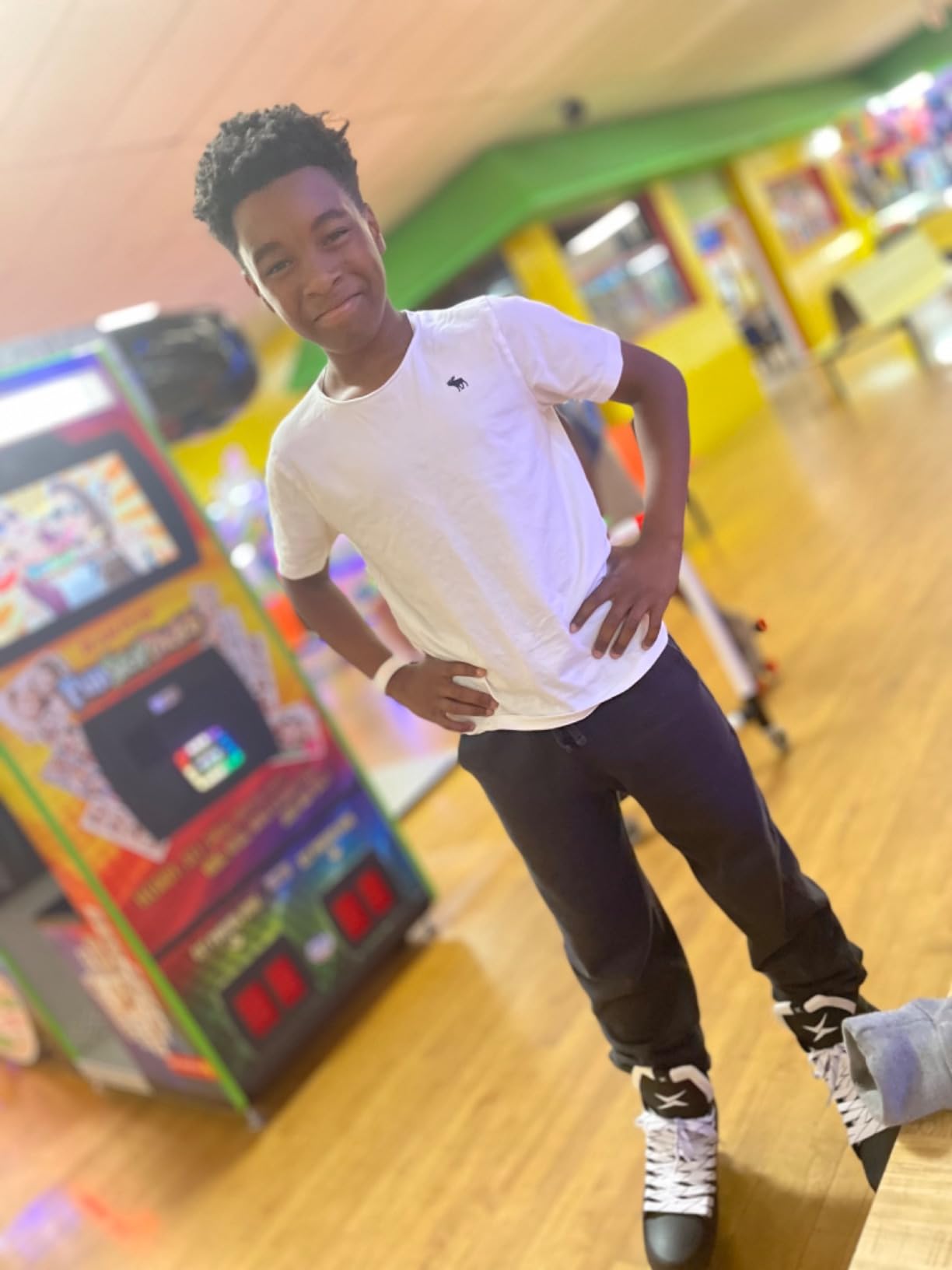
5. TronX Stryker Adjustable Roller Hockey Skates
TronX Stryker Adjustable Senior Intermediate Junior Youth Roller Inline Hockey Skates, 2024 New Model (SR Skate 6-8 (Shoe Size 7.5-9.5))
Adjustable sizing, One-piece boot, Hi-Lo wheel setup, ABEC-9 bearings
Pros
- Easy adjustable sizing
- Great ankle support
- Comfortable out of box
- Good value
- Hi-Lo wheel performance
Cons
- Thin default insoles
- Wheels wear on rough concrete
- May need break-in
The TronX Stryker takes a different approach with its innovative adjustable sizing system, making it an interesting option for heel spur sufferers who struggle to find the right fit. The twist lever adjustment allows you to fine-tune the boot width, which directly addresses the width-related fit issues that aggravate bone spurs. Rather than committing to a single width, you can experiment until you find the sweet spot that accommodates your specific heel bump shape.
The one-piece boot construction provides excellent ankle support, which matters for heel spur sufferers because proper ankle alignment reduces abnormal pressure on the heel. When your ankle rolls inward excessively, the resulting biomechanical stress concentrates forces on the heel bump area. The Stryker’s design helps maintain proper alignment throughout your stride.
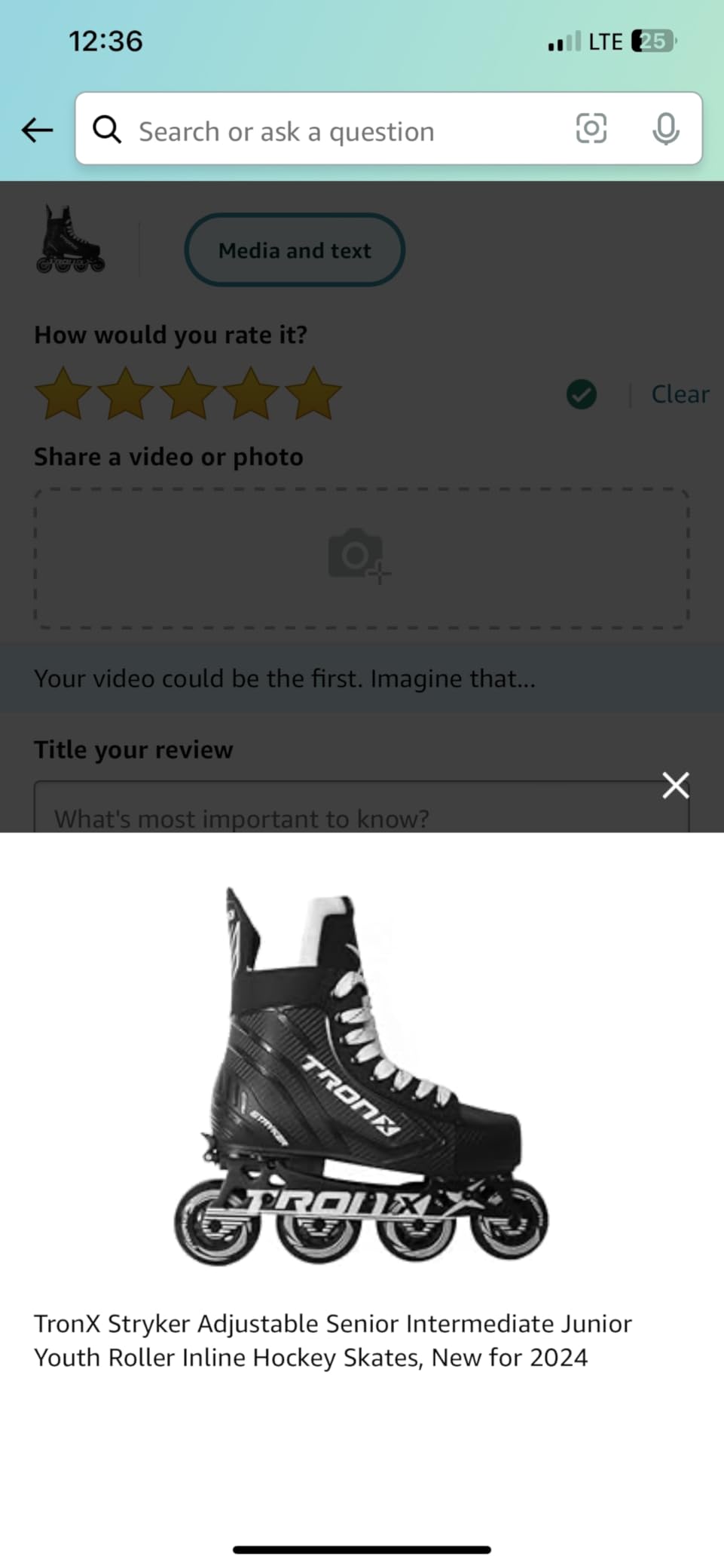
Forum discussions reveal that players with difficult-to-fit feet appreciate the ability to adjust on the fly. If your feet swell during extended sessions or if one foot runs slightly different than the other, the adjustable system accommodates those variations. The injected comp weave quarter package provides durability without the rigid feel of harder materials that can create pressure points over bone spurs.
The Hi-Lo aluminum frame chassis with ABEC-9 speed carbon bearings delivers smooth roll that reduces the jarring impacts transmitted through the boot. While these are inline skates rather than ice skates, the comfort principles remain relevant. Players dealing with heel pain benefit from any reduction in shock transmission through the boot.
When the TronX Stryker Makes Sense
These skates work well for roller hockey players, dry-land training, or anyone who cannot access ice regularly but wants to maintain skating skills. The adjustable sizing particularly benefits players between standard sizes or with asymmetric feet.
When to Look Elsewhere
Ice hockey players obviously need actual ice skates. The thin default insoles also mean you will want to invest in Superfeet or similar supportive insoles for optimal heel spur relief.
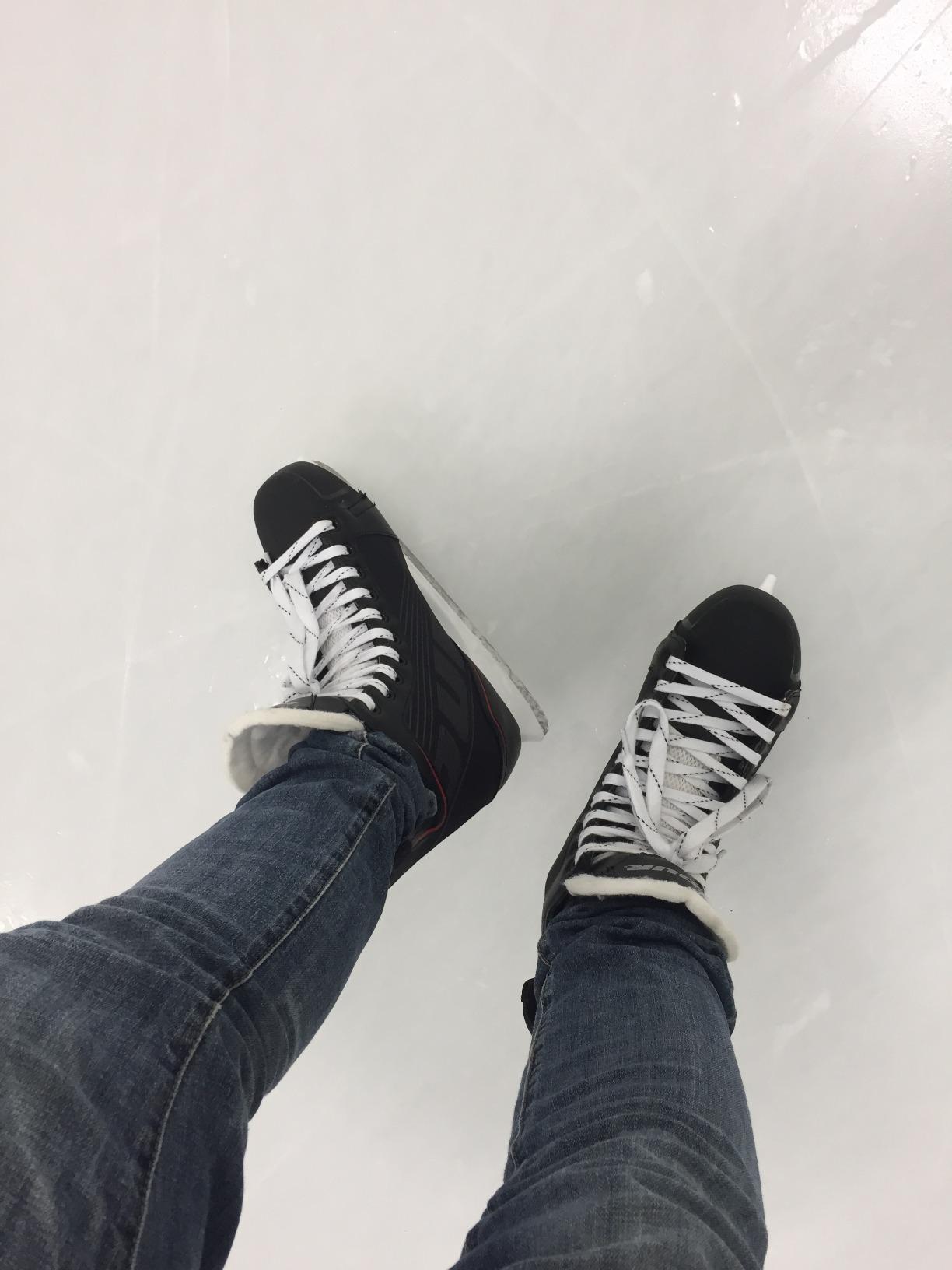
6. Tour Hockey TR-750 Ice Hockey Skates
Tour Hockey TR-750 Senior Ice Hockey Skates, Black, Size 05
Composite quarter panels, Deluxe foam padding, Comfort brushed lining
Pros
- Great value
- Good quality for price
- Comfortable once broken in
- Holds edge well
Cons
- Sizing runs small
- Runs narrow
- Needs break-in period
- Not for competitive hockey
Tour Hockey has earned a solid reputation for entry-level skates that do not compromise on quality, and the TR-750 exemplifies this approach. The composite quarter panels provide firm ankle support without the break-in agony that plague some stiffer boots. For players dealing with heel pain, a gentler break-in process means less opportunity for the skate to create new irritation points before the boot conforms to your foot.
The deluxe foam padding and comfort brushed lining work together to cushion the heel area where bone spurs cause the most trouble. Forum users report that the padding density holds up well over time, maintaining its protective properties through seasons of regular use rather than compressing into a thin, ineffective layer.
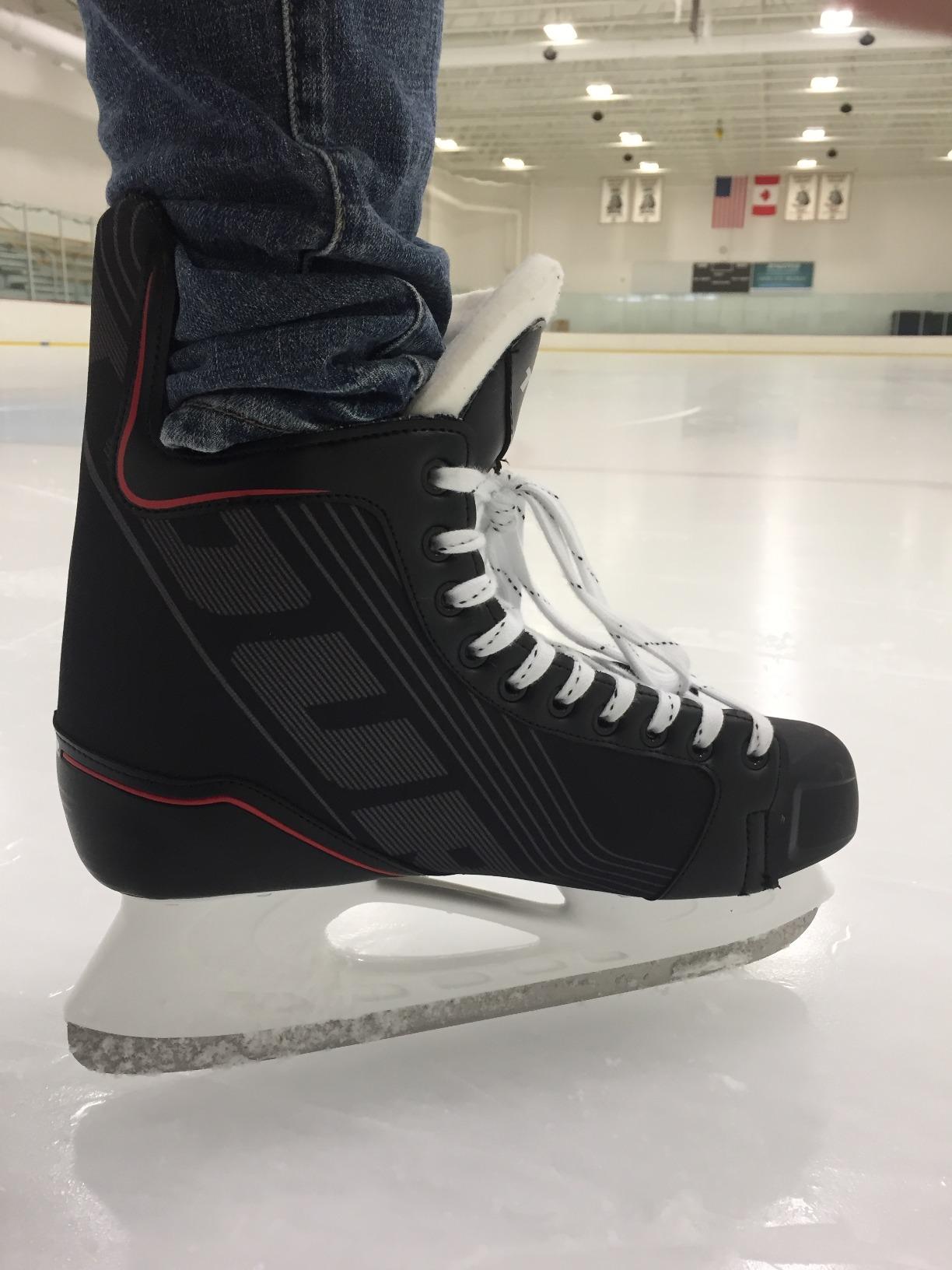
The stainless steel blade with edge hardening holds a sharp edge through substantial use, which matters for maintaining proper skating mechanics. When blades are dull, players compensate with awkward stride mechanics that stress feet in unusual ways. A reliable edge keeps your skating natural and reduces the abnormal foot positions that aggravate heel spurs.
Players who have dealt with narrow boot problems appreciate that the TR-750 construction allows some flexibility in fit. The composite panels can be heated and molded by a professional skate fitter to create additional room in specific areas, which directly benefits players whose bone spurs require targeted accommodation rather than uniform width adjustments.
When the Tour Hockey TR-750 Makes Sense
These skates suit recreational players on a budget, beginners building up skating frequency, and players who need a backup pair without major investment. The quality construction holds up well for regular use at moderate volumes.
When to Look Elsewhere
Players with wider feet should order a size up to account for the narrow fit. Competitive hockey players need a stiffer boot with more responsive energy transfer.
7. K2 F.I.T. Ice Pro Mens Ice Skates
K2 F.I.T. Ice Pro Mens Ice Skates – Black/Blue / 9.0
K2 Softboot construction, Stability Plus cuff, Thinsulate insulation, Speed lacing
Pros
- Extremely comfortable
- Quick on/off with speed laces
- Excellent ankle support
- Warm feet
- Good for beginners
Cons
- Sizing runs small
- Not for competitive hockey
- Some users report narrow fit
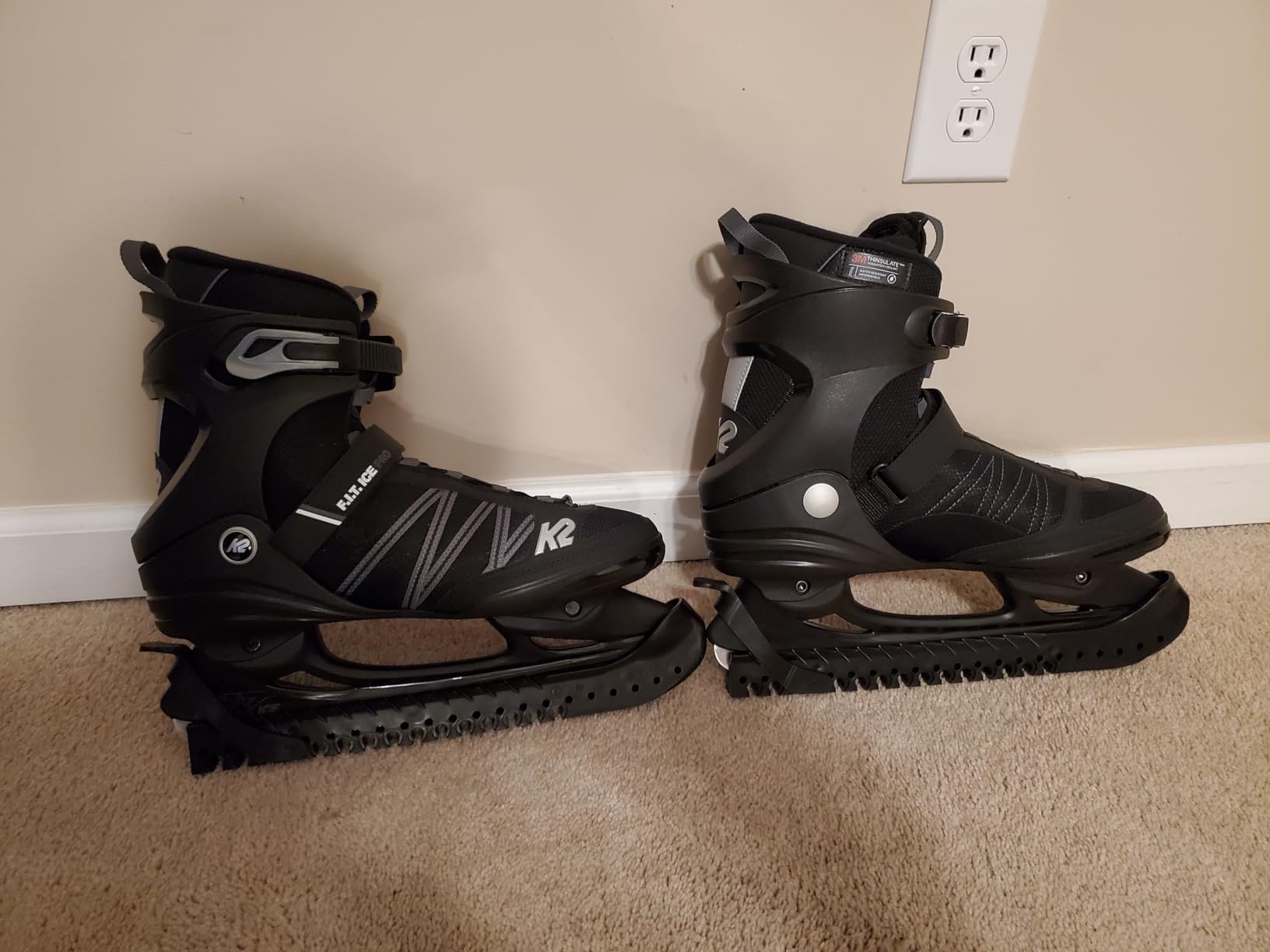
K2 brings its Softboot technology expertise from ski boots into the hockey skate market with the F.I.T. Ice Pro. The signature soft boot construction provides immediate comfort that rigid boots cannot match, which matters for heel spur sufferers who have already experienced the break-in pain that comes with stiffer designs. Players report that these skates feel comfortable from the first wear, eliminating the torture period that precedes many other recreational skates.
The Stability Plus cuff adds lateral support that helps maintain proper ankle alignment during skating movements. When ankles collapse inward, the resulting torque transmits directly to the heel area, aggravating bone spurs and causing pain that can end sessions early. The F.I.T. Ice Pro design addresses this biomechanical issue through thoughtful structural engineering.
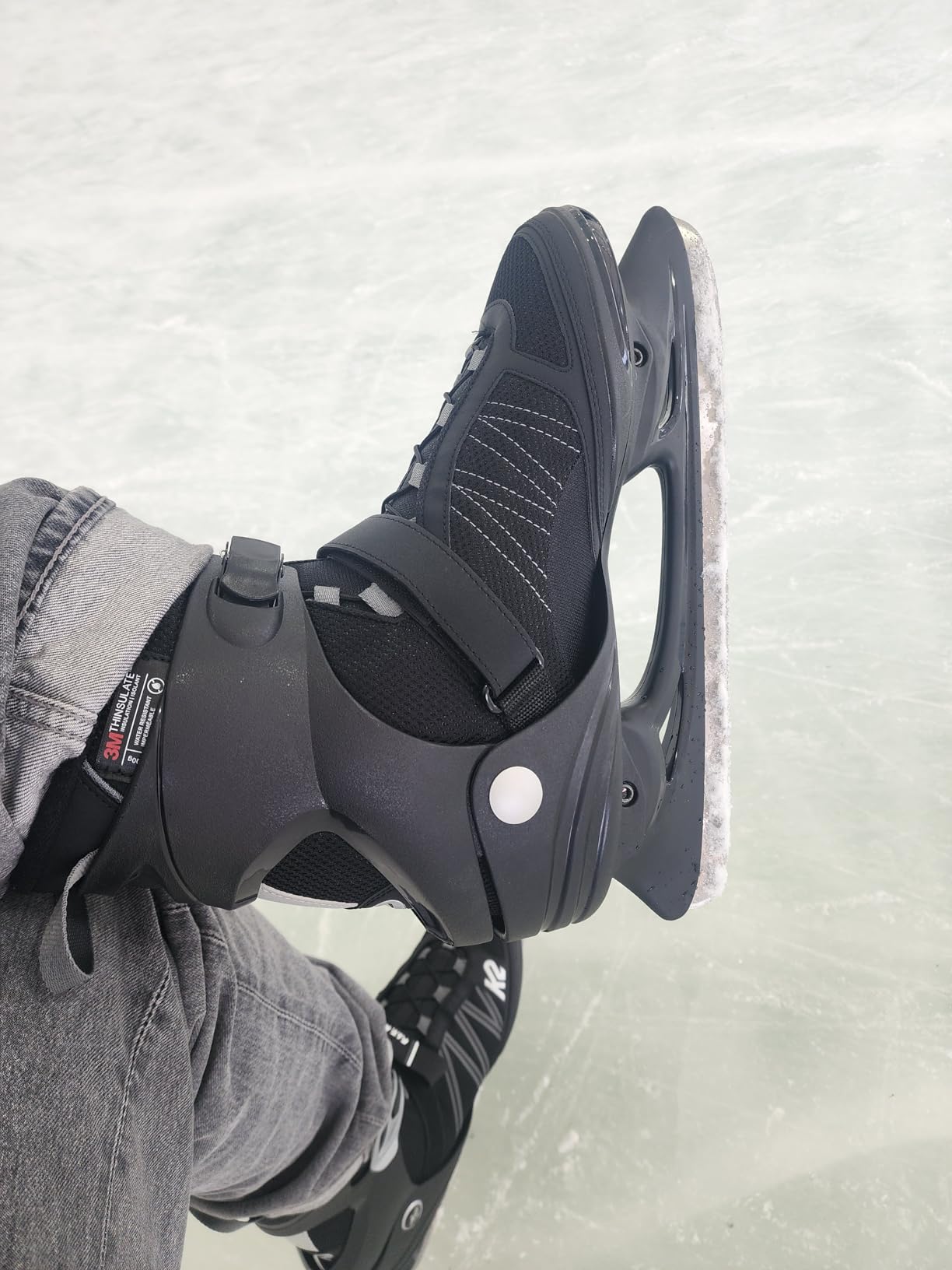
Thinsulate insulation keeps feet warm in colder rink conditions without the bulk of older insulation technologies. For heel spur sufferers, maintaining proper circulation helps reduce inflammation and pain. Cold feet tend to tighten up, which exacerbates pressure on bone spur areas, making the thermal properties here genuinely therapeutic rather than merely convenient.
The speed lacing system allows quick adjustments during skating sessions. If your feet swell or if you need to loosen the boot around a sensitive heel bump area, the speed laces make on-the-fly adjustments practical. This adaptability distinguishes recreational skates designed for real-world use from purely performance-oriented equipment.
When the K2 F.I.T. Ice Pro Makes Sense
These skates work well for recreational skaters who prioritize comfort, beginners learning hockey fundamentals, and anyone who skates in varying temperature conditions. The immediate comfort makes them ideal for players who want to avoid break-in periods.
When to Look Elsewhere
Competitive hockey players need the stiffness and energy transfer that soft boot designs cannot provide. Additionally, players with truly wide feet may find even the Softboot construction insufficient for their needs.
8. Botas Draft/Attack Ice Hockey Skates
Botas – Draft 281 – Men’s Ice Hockey Skates | Made in Europe (Czech Republic) | Color: Black, Size Adult 14
European manufacturing, Padded PENAT lining, Carbon steel blades, PA fabric upper
Pros
- Excellent ankle support
- Comfortable fit
- High quality blades
- Durable
- Good for developing skaters
Cons
- Insoles may be lacking
- Quality control issues reported
- Sizing runs small
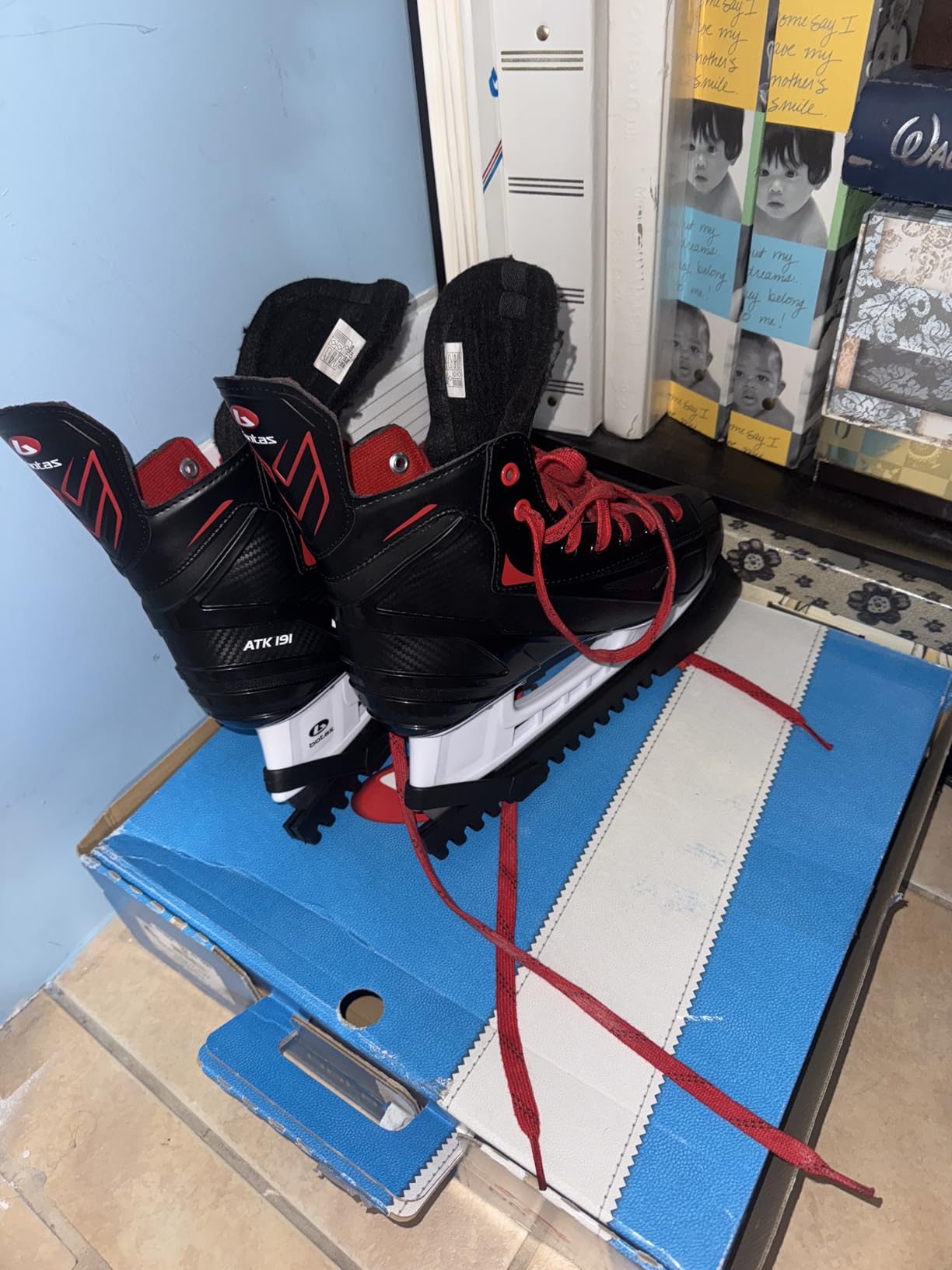
Botas brings European craftsmanship to the recreational hockey skate market with the Draft/Attack line, manufactured in the Czech Republic. The padded synthetic PENAT lining provides comfortable cushioning throughout the boot, with particular attention to the heel area where bone spurs cause the most problems for affected players. The quality of European manufacturing standards ensures consistent padding density that cheaper alternatives often lack.
Players who have dealt with poorly constructed skates appreciate the durability of the Botas construction. The resistant synthetic upper combined with PA fabric creates a boot that maintains its shape through seasons of use without developing the soft spots and compressed areas that create pressure points over bone spurs. This longevity matters for players who have found that budget skates lose their protective properties within months.
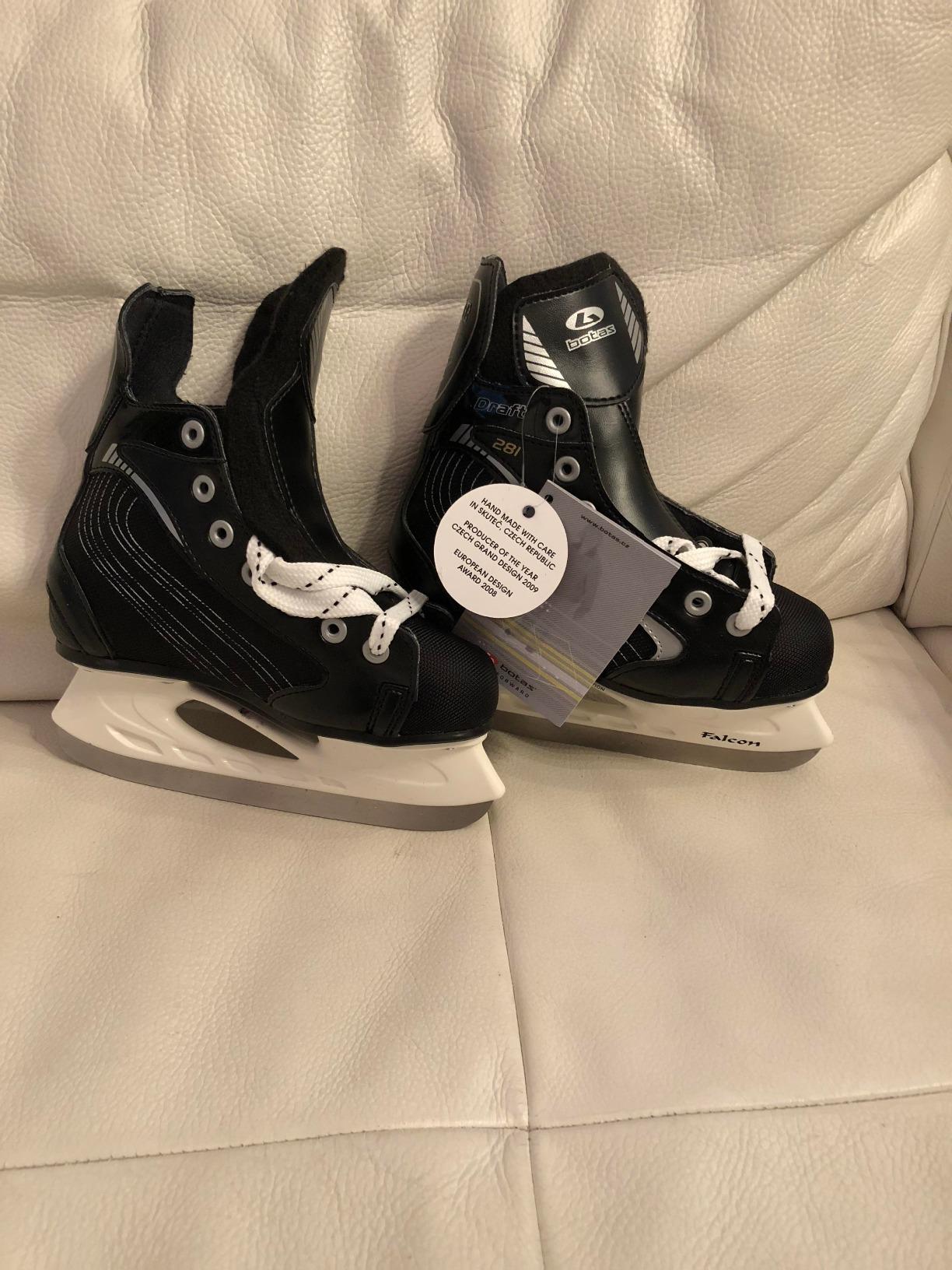
The BOTAS ICEHAWK CARBON Ultra Steel blades represent a significant upgrade over entry-level options. Quality blades contribute to proper skating mechanics, which reduces the abnormal foot stress that aggravates heel spurs. When players compensate for dull or poorly shaped blades, they create unusual pressure patterns that can worsen bone spur symptoms over time.
Forum discussions highlight that the excellent ankle support in these skates helps players with previous ankle injuries or structural concerns maintain stability during skating. For heel spur sufferers who may have adapted their stride to avoid pain, the supportive boot helps correct biomechanical issues that might otherwise go unaddressed.
When the Botas Draft/Attack Makes Sense
These skates suit developing skaters building their skills, players who prioritize ankle support, and anyone seeking European quality construction. The durable materials represent a solid long-term investment.
When to Look Elsewhere
The stock insoles leave something to be desired, so plan on replacing them with Superfeet or similar supportive options. Additionally, quality control inconsistencies mean you may need to exchange your first pair if the fit does not meet expectations.
Buying Guide: How to Choose Hockey Skates for Heel Spurs In 2026?
Selecting the right hockey skates when you have heel spurs involves understanding which features actually address your specific foot issues. Generic comfort claims do not tell the whole story. Here are the critical factors our team considered when evaluating these recommendations.
Heel Cup Depth and Shape
The heel cup is the most important feature for heel spur sufferers. A deep, properly shaped heel cup cradles the heel bone rather than pressing against the bony protrusion from above. Look for boots with explicitly deep heel cups, and when possible, try the skate on while standing to check how the heel cup sits relative to your specific bump. Heat-moldable boots allow a skate fitter to stretch the heel cup area specifically where your bone spur requires additional room.
Heat Moldable Materials
Many modern recreational skates feature heat-moldable materials that soften when warmed, allowing the boot to conform to your exact foot shape. This process can create a custom-like fit that addresses your specific bone spur geometry. We recommend having a professional perform the heat molding if you have significant heel spur issues, as they can target specific areas for relief rather than applying uniform heat that may not address your particular problem spots. If you also deal with overpronation issues, discuss this with your fitter during the heat molding process.
Ankle Padding and Achilles Protection
Heel spurs often cause players to adjust their skating stance in ways that increase stress on the Achilles tendon area. Adequate ankle padding prevents the boot edge from cutting into this sensitive region. Look for boots with padded Achilles gussets and consider using gel heel cups or Haglund’s deformity pads inside the boot for additional protection.
Insole and Orthotic Compatibility
Stock insoles rarely provide adequate arch or heel support for players with bone spurs. Most heel spur sufferers benefit from replacing the included insole with Superfeet or similar supportive options. When evaluating skates, check whether the boot depth allows for custom orthotics or aftermarket insoles without creating a tight fit that constricts the foot. Some boots come with removable insoles specifically to accommodate orthotic users.
Width Considerations
Bone spurs often create asymmetric fit requirements where the affected foot needs more room in specific areas. Many recreational skates run narrow, which aggravates heel spur issues. When possible, try skates on before purchasing, and when shopping online, research whether the specific model runs true, narrow, or wide. Some manufacturers offer wide-fit versions that accommodate foot shapes other brands ignore.
Break-In Expectations
Even heat-moldable boots require some break-in period. Plan on wearing your new skates around the house for increasing periods before taking them on the ice. This allows you to identify pressure points before they cause real problems. If you experience pain during break-in, stop and address the issue rather than pushing through, as forcing the fit can worsen heel spur symptoms.
Frequently Asked Questions About Hockey Skates and Heel Spurs
Can you skate with bone spurs?
Yes, you can skate with bone spurs, but the right equipment is essential. Many players with heel spurs, Haglund’s deformity, and navicular bone prominences continue playing successfully by choosing skates with adequate heel cup depth, using custom orthotics or Superfeet insoles for additional support, and properly heat-molding boots to accommodate their specific foot shape. The key is addressing the fit issue rather than pushing through pain with ill-fitting skates.
Why do I get a bump on my heel from hockey skates?
The bumps that develop on hockey players’ heels are typically Haglund’s deformity, also called Bauer Bumps. These bony protrusions form from repeated pressure and friction on the heel bone, usually caused by skates with inadequate heel cups or improper fit. When the back of the skate repeatedly rubs against the heel bone, calcium deposits accumulate, creating the characteristic bump. Switching to properly fitting skates with deep heel cups can prevent further development and reduce discomfort.
What causes heel pain in hockey skates?
Heel pain in hockey skates stems from several sources including bone spurs, Haglund’s deformity, plantar fasciitis, and general pressure from poorly fitting boots. The rigid nature of hockey skate construction means that any fit irregularity transmits directly to sensitive areas. Players with flat feet, high arches, or structural variations face increased risk. Using supportive insoles, ensuring proper fit, and choosing skates with adequate cushioning helps address these issues.
How do I prevent Bauer bumps from developing?
Preventing Bauer bumps requires addressing the root cause: improper skate fit. Choose skates with deep heel cups that cradle the heel rather than pressing against it, ensure proper sizing with adequate heel lock, consider heat-molding to customize the fit, use supportive insoles like Superfeet, and replace skates when the boot material breaks down. If you notice any heel pain or pressure points developing, address them immediately rather than continuing to skate in equipment that aggravates the issue.
Are custom skates worth it for heel spur sufferers?
Custom skates, such as True Custom skates, are often worth the investment for players with significant heel spur issues who have not found relief from properly fitting off-the-shelf options. Forum discussions reveal that players with navicular bone prominences and severe Haglund’s deformity have achieved relief through custom options when standard skates consistently caused pain. However, start with properly fitted recreational or mid-level skates and professional heat molding before investing in full custom boots.
Final Thoughts on Best Hockey Skates for Heel Spurs
Finding the right hockey skates when you have heel spurs requires balancing comfort, performance, and the specific accommodations your foot condition demands. Our top pick, the Riedell Bruin, delivers the high-density foam padding and heel protection that most heel spur sufferers need, earning it our Editor’s Choice designation. For budget-conscious players, the 5th Element Stealth provides excellent value with true-to-size fit and reliable heel support that recreational players depend on.
Regardless of which skate you choose, investing in quality supportive insoles like Superfeet will amplify the benefits of properly fitting boots. Many players report that replacing stock insoles transformed their skating comfort more than switching boots entirely. Consider this a mandatory upgrade rather than an optional enhancement if you deal with heel pain during skating.
If you have severe heel spur issues that standard skates cannot accommodate, explore custom options like skates for overpronation (related foot condition) and consult with a professional skate fitter. While the investment is significant, forum consensus from players who have struggled for years with ill-fitting equipment suggests that custom boots can be genuinely life-changing for those with bone spurs, navicular bone prominences, and other challenging foot shapes. Start with an evaluation from a professional skate fitter who can assess your specific needs before committing to the custom route.
The best hockey skates for heel spurs in 2026 are out there waiting for you. Take the time to evaluate fit properly, invest in supportive insoles, and give yourself permission to prioritize comfort alongside performance. Your feet will thank you on every shift.