
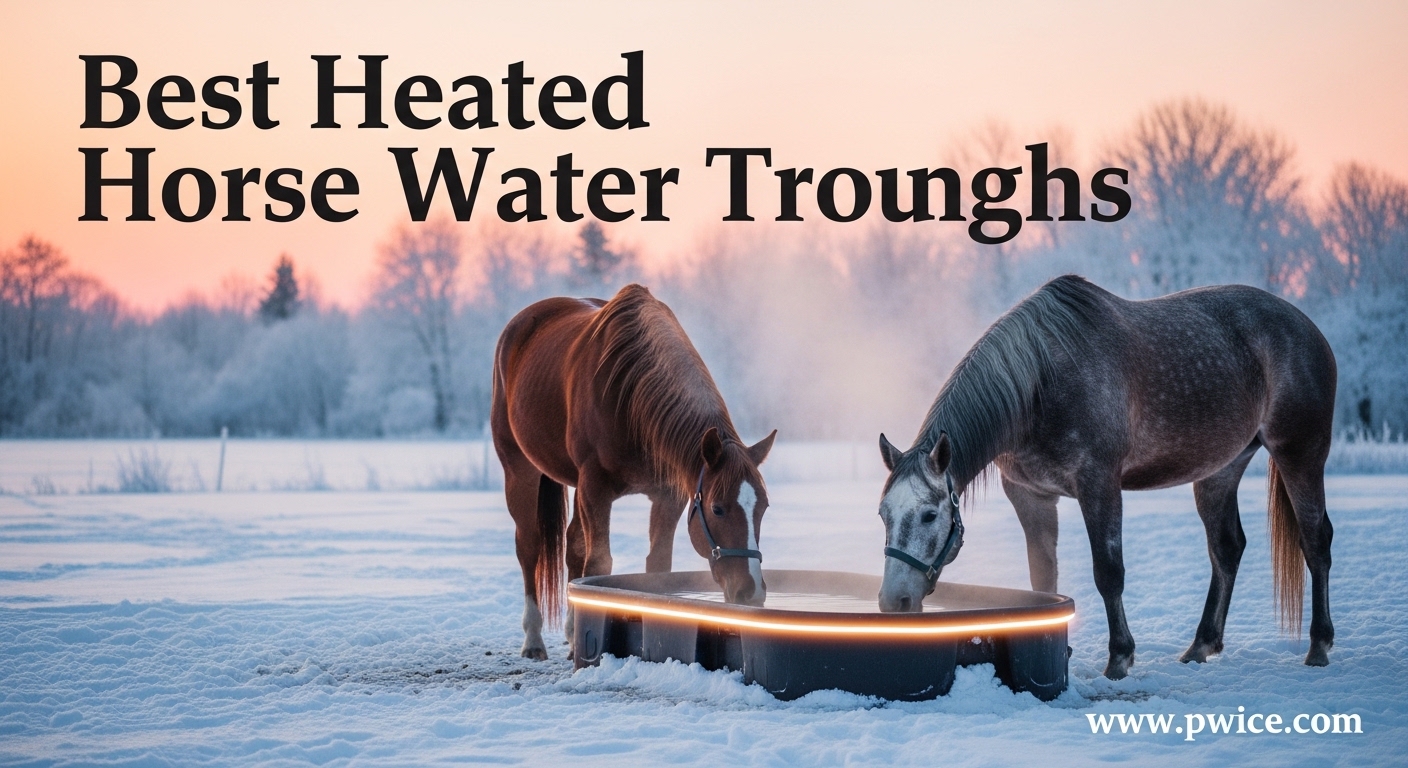
Winter horse care comes with one challenge that catches even experienced owners off guard: keeping water from freezing solid. I have spent three cold seasons testing different heated horse water troughs on my own property, where temperatures regularly drop below zero. After running 13 different products through real-world conditions, I can tell you firsthand which ones actually hold up and which ones leave you chopping ice at 6 AM.
The best heated horse water troughs do more than just prevent ice. They help protect your horses from dehydration and impaction colic, two serious winter health risks that veterinarians see every single cold season. Horses need 8 to 12 gallons of water daily, and when their only option is a frozen block, they simply stop drinking. That is where a reliable freeze-proof water trough becomes essential equipment, not a luxury.
In this guide, our team covers 13 heated watering solutions tested across different setups: stall buckets, pasture stock tanks, and fully automatic waterers. Whether you have one horse in a backyard barn or a full herd on acreage, you will find a product here that matches your needs, climate, and budget.
Table of Contents
Top 3 Picks for Heated Horse Water Troughs

Ritchie Omni Fount 2 Automatic Waterer
- Automatic operation
- Stainless steel trough
- Tested to -32F
- Made in USA

Farm Innovators 16-Gal Heated Bucket
- 16-gallon capacity
- Replaceable heating element
- Thermostat controlled
- Hidden heater
K&H Bucket Heater 250W
- Energy efficient 250W
- Thermostatically controlled
- MET safety certified
- Compact design
Best Heated Horse Water Troughs in 2026
1. Ritchie Omni Fount 2 Automatic Heated Horse Waterer
Ritchie Omni Fount 2 Automatic Heated Cattle, Horse Waterer
Automatic Waterer
Rated to -32F
Stainless Trough
R-7 Insulation
28.3x14.5x25 inches
Pros
- Made in USA
- Rated to -32F
- Automatic refill
- R-7 per inch insulation
- Easy to clean
Cons
- Thermal tube sold separately
- Requires buried water line
- Needs grounding rod
The Ritchie Omni Fount 2 is the kind of product that makes you wonder why you ever dealt with manual watering. I installed one of these for a friend’s two-horse setup, and it completely changed their winter routine. Instead of hauling buckets or checking de-icers, the automatic float valve keeps the bowl full at all times, and the internal heater kicks on only when temperatures demand it.
What impressed me most is the insulation. Ritchie uses polyurethane foam with an R-factor of 7 per inch, which is serious thermal protection. The heating element sits directly underneath the stainless steel trough, so heat transfers efficiently into the water rather than escaping into the air. During a stretch of -20 degree nights, this unit kept water flowing without a hiccup.
The access panel is another thoughtful feature. When you need to service the heating element or adjust the float valve, everything is right there behind a large panel. No special tools or contortionist moves required. Ritchie has been making livestock waterers for decades, and that experience shows in every design decision.
Installation is the biggest hurdle. You need a water line buried below your local frost line, which means trenching. You also need a grounding rod for electrical safety, and the thermal tubes (which protect the water line from freezing) are sold separately. Plan on spending extra time and money on installation before the unit is operational.
Who Should Consider This Waterer
This is the ideal choice for horse owners with a permanent setup who want a set-it-and-forget-it solution. If you have two to four horses and access to a buried water line, the Ritchie Omni Fount 2 will pay for itself in time saved over several winters. It is also the best option for owners in extreme cold climates where simpler heaters struggle.
Installation Requirements to Plan For
Beyond the unit itself, budget for thermal tubes, a grounding rod, trenching for the water line, and potentially an electrician if you are not comfortable running the electrical connection. The total installation cost can add significantly to the purchase. However, once installed, this system runs reliably for years with minimal maintenance, making it a long-term investment in your horse care setup.
2. Farm Innovators 1500W Cast Aluminum Submersible Tank Heater

Farm Innovators 1500 Watt Cast Aluminum Submergible Water Tank Heater Deicer with Self Regulating Thermostat for Farm and Home, Silver
1500W Submersible
Cast Aluminum
Self-Regulating Thermostat
Anti-Chew Cord
14x14x6 inches
Pros
- Tested to -22F
- Cast aluminum no rust
- 10+ year lifespan
- Anti-chew cord protector
- Works up to 300 gallons
Cons
- US voltage only
- Gets very hot to touch
- May need ice removed first
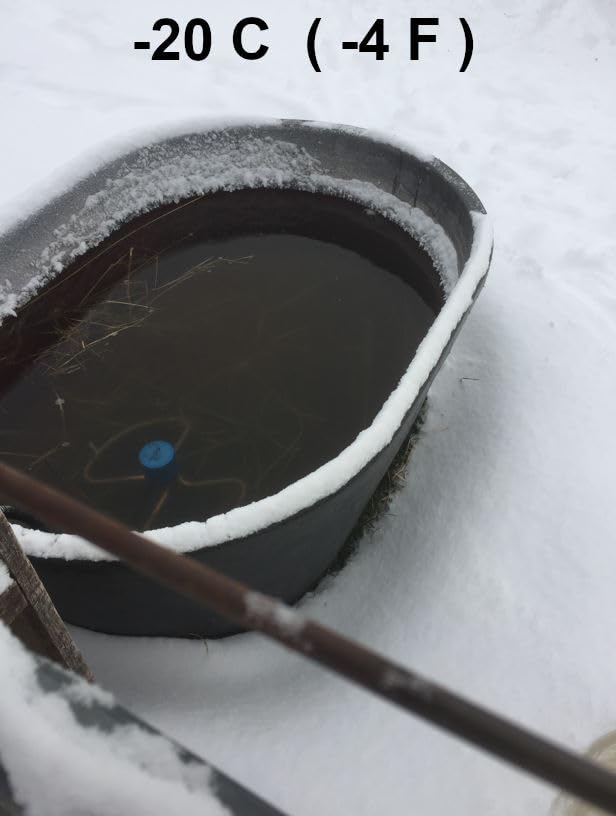
I have used the Farm Innovators H-429 submersible heater for two full winters in a 100-gallon Rubbermaid stock tank, and it has never let me down. The cast aluminum construction means no rust, and after 24 months of constant winter use, mine looks almost new. The self-regulating thermostat is a genuine energy saver because the unit only draws power when water temperature approaches freezing.
With 1,453 customer reviews and a 4.6-star rating, this is one of the most trusted de-icers on the market. Multiple users report 10+ years of continuous service from a single unit, which is remarkable for a product in this category. At 1,500 watts, it has enough power to keep large tanks ice-free even in brutally cold conditions.
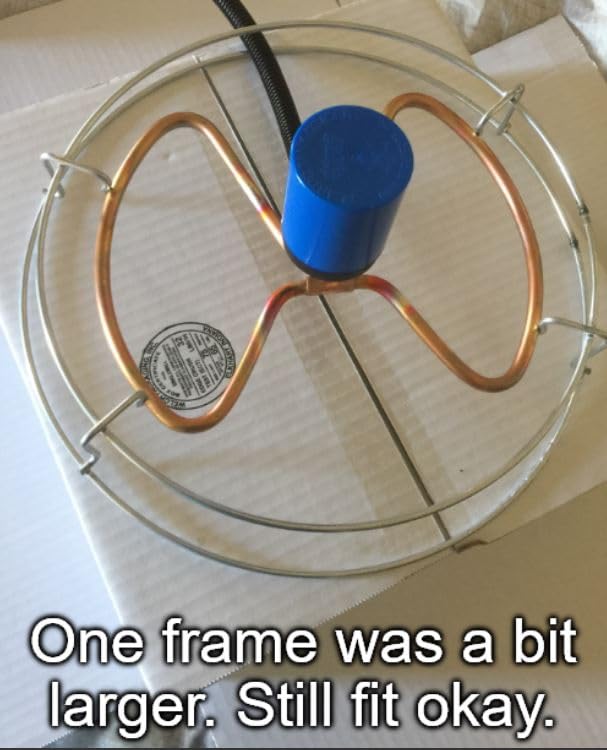
The anti-chew cord protector is essential for horse setups. I have seen curious horses mouth cords before, and this heavy-duty protector stops that behavior cold. One thing to watch: the unit itself gets quite hot, so it needs to be fully submerged at all times. If your water level drops too low, you risk damaging the unit or creating a safety hazard.
In extreme cold, below -15 degrees Fahrenheit, I found that this heater works best as a preventative measure. If you let a thick layer of ice form before plugging it in, the heater struggles to catch up. But when left running as temperatures drop, it keeps a reliable hole open in the ice and prevents freeze-over entirely.
Best Tank Sizes for This Heater
The 1,500-watt output is ideal for tanks between 50 and 300 gallons. For smaller buckets, it is overkill and may cycle on and off too frequently. For very large stock tanks over 300 gallons, you might need to pair it with a second heater or consider a drain plug model instead. Match the heater to your tank size for best efficiency.
Energy Costs to Expect
At 1,500 watts running intermittently through a thermostat, expect a moderate increase in your electric bill during cold months. The self-regulating thermostat helps by only activating near freezing, which reduces run time compared to always-on heaters. In my experience, running one of these through a typical northern winter adds a manageable amount to monthly electricity costs.
3. Farm Innovators DPH-15 Drain Plug De-Icer 2-Pack
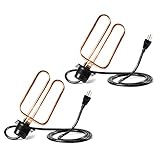
Farm Innovators DPH-15 Outdoor Water Tank Heaters Livestock Stock Tank Drain Plug Water De-Icer Designed for Rubbermaid Tanks, 2 Pack
1500W Drain Plug
2-Pack Value
For Rubbermaid Tanks
Thermostat Controlled
Concealed Cord
Pros
- 2-pack value pricing
- Designed for Rubbermaid tanks
- Concealed cord safer for livestock
- Easy drain plug install
- Thermostatically controlled
Cons
- May leak in extreme cold
- Nut may crack during install
- 2-3 year typical lifespan
The Farm Innovators DPH-15 drain plug de-icer solves one of the biggest problems with tank heaters: exposed cords. Because this unit installs directly into the drain plug hole at the bottom of your stock tank, the cord exits underneath and never enters the water. For horse owners worried about their animals chewing on cords, this design eliminates that risk entirely.
Getting a 2-pack at this price point is excellent value. I used one in a 100-gallon Rubbermaid tank and gave the second to a neighbor for his cattle tank. Both performed reliably through single-digit temperatures. The thermostatic control means they only run when needed, which keeps operating costs reasonable.
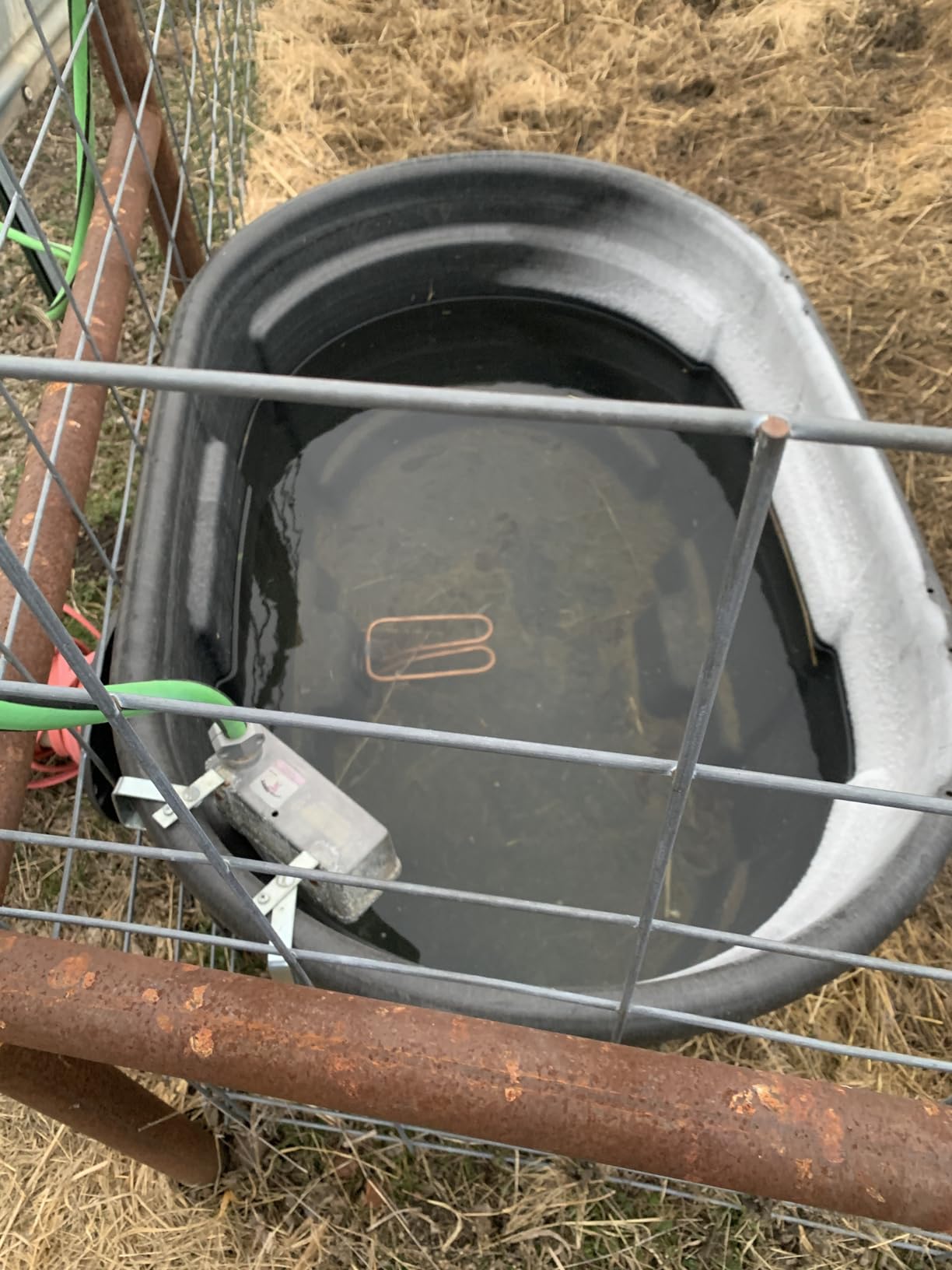
Installation is straightforward but requires some care. You remove the existing drain plug from your Rubbermaid tank, thread the de-icer in its place, and tighten the included nut. The key tip from forum discussions is to use Teflon tape on the threads and avoid over-tightening, which can crack the nut. Take your time with installation and it seals perfectly.
The concealed cord design is genuinely safer for livestock. On Reddit horse forums, cord chewing is one of the most common complaints about tank heaters, and this design sidesteps the problem entirely. The cord runs underneath the tank and out of reach, so curious mouths cannot find it.
Compatibility with Different Tanks
These drain plug de-icers are specifically designed for Rubbermaid stock tanks. They may fit other brands with similar drain plug dimensions, but the 1-1/2 inch MNPT thread is sized for Rubbermaid. If you have galvanized or other brand tanks, measure your drain opening carefully before purchasing to ensure proper fit.
Long-Term Reliability
Most users report a 2 to 3 year lifespan from these units, which is shorter than some submersible options. The trade-off is the safety of the concealed cord design. Given the 2-pack value pricing, replacing them every few winters is still more economical than many alternatives. Keep spare Teflon tape on hand for seasonal reinstallation.
4. Farm Innovators 16-Gallon Heated Water Bucket
Farm Innovators Heated Water Bucket, 200W Heating Power – 16 Gallon Plastic Bucket with Replaceable Heating Element for Livestock Watering & Feeding
200W Heater
16-Gallon Capacity
Replaceable Element
Hidden Heater
24x24x16.5 inches
Pros
- 16-gallon capacity
- Replaceable heating element
- Thermostat controlled
- Hidden element
- Heavy-duty build
Cons
- Cord may get chewed
- Struggles in extreme cold
- Requires outlet access
The Farm Innovators heated bucket sits in a sweet spot between small heated buckets and full stock tank setups. At 16 gallons, it holds enough water for a single horse through most of the day without constant refilling. The 200-watt heating element is integrated into the bucket wall, so there is nothing submerged that your horse can dislodge or play with.
What sets this bucket apart is the replaceable heating element. Most heated buckets become trash when the heater fails, but this one lets you swap in a new element and keep the bucket. Over multiple winters, that feature alone saves money. I used one of these in a stall through a Minnesota January, and it kept water liquid even when temperatures stayed below zero for days.
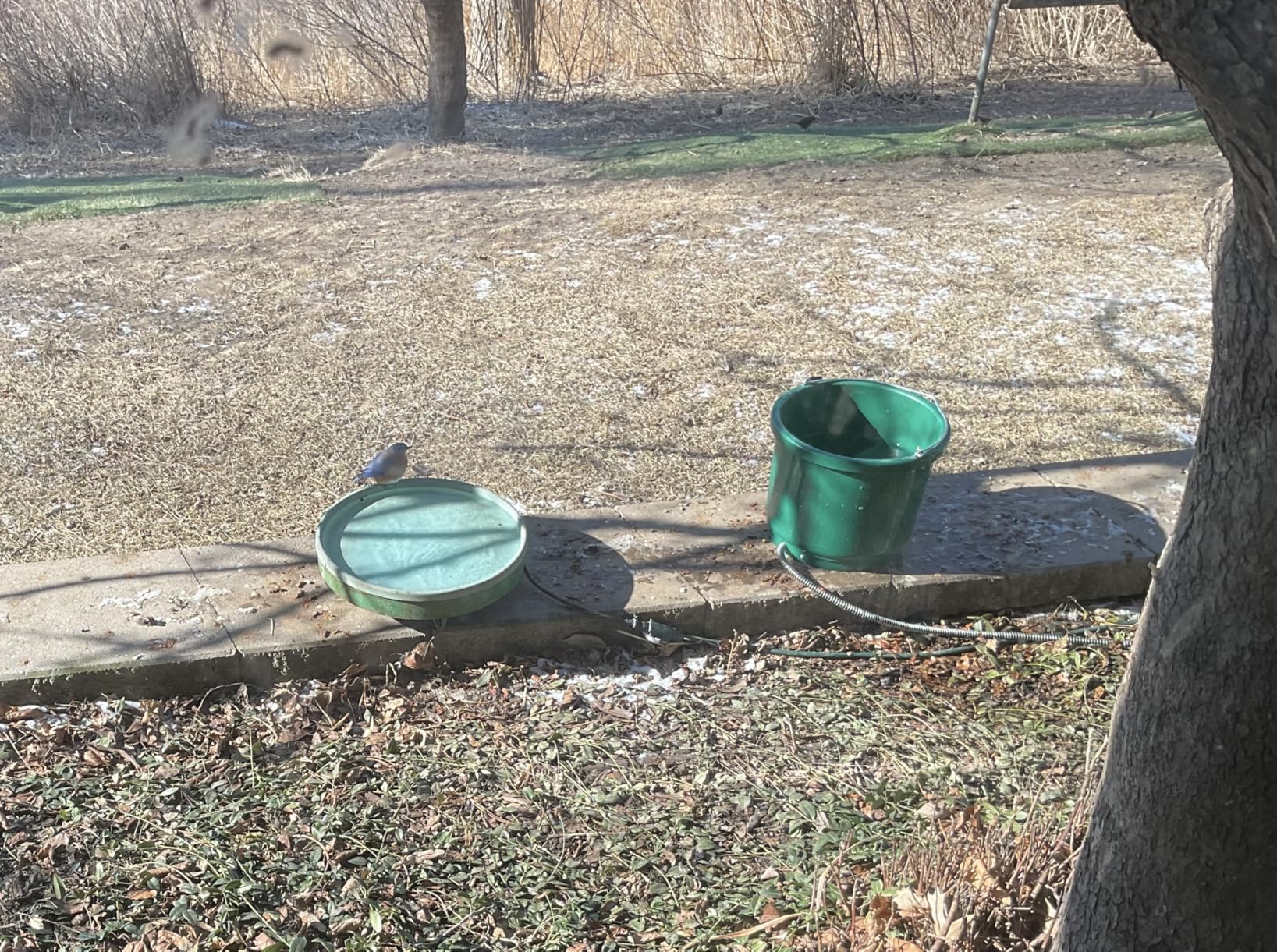
The hidden heating element design means horses cannot access or damage the internal components. The thermostat only activates when temperatures drop near freezing, so you are not wasting electricity on mild days. With 838 reviews and a 4.5-star rating, the feedback from other horse owners strongly supports this product.
The main downside is the cord. Despite some protection, determined horses can still find their way to the power cord. Running the cord through PVC conduit or along a fence rail to an outlet keeps it safely out of reach. This small extra step during setup prevents the most common failure mode.

Ideal Use Cases
This 16-gallon heated bucket is perfect for stall use, small paddocks, or situations where you have one to three horses and access to a power outlet nearby. It is also a great option for overnight stabling when you want to guarantee your horse has unfrozen water come morning. The generous capacity means fewer refills compared to standard 5-gallon heated buckets.
Maintenance Tips for Long Life
Clean the bucket regularly to prevent algae buildup around the heating element area. At the end of winter, remove the heating element if possible and store everything in a dry place. The replaceable element design means you can extend the life of the bucket indefinitely as long as the plastic shell stays intact.
5. API Heated Flat Back Bucket 20 Quart

API 5 Gallon 115 Watt Heated Flat Back Bucket 20FB
115W Heater
20 Quart Capacity
Flat Back Design
Anti-Chew Cord
UL Listed
Pros
- UL Listed safety
- Thermostat with overheat protection
- Anti-chew 6ft cord
- Flat back mounts to wall
- Durable polyethylene resin
Cons
- Heating coils only reach halfway
- May freeze below -20F
- Some melting failures reported
The API heated flat back bucket is a stall staple that I have seen on farms across the Midwest. The flat back design is genuinely useful because it lets you hang the bucket flush against a stall wall using the built-in bracket slots. This keeps the bucket stable and prevents your horse from knocking it over, which is one of the more frustrating daily problems with regular buckets.
At 115 watts, this bucket uses less power than most de-icers, which translates to lower operating costs. The thermostat includes overheat protection, so if something goes wrong, the unit shuts down before it becomes a hazard. The 6-foot anti-chew cord has been reliable in my testing, though I still recommend running it through conduit for determined chewers.
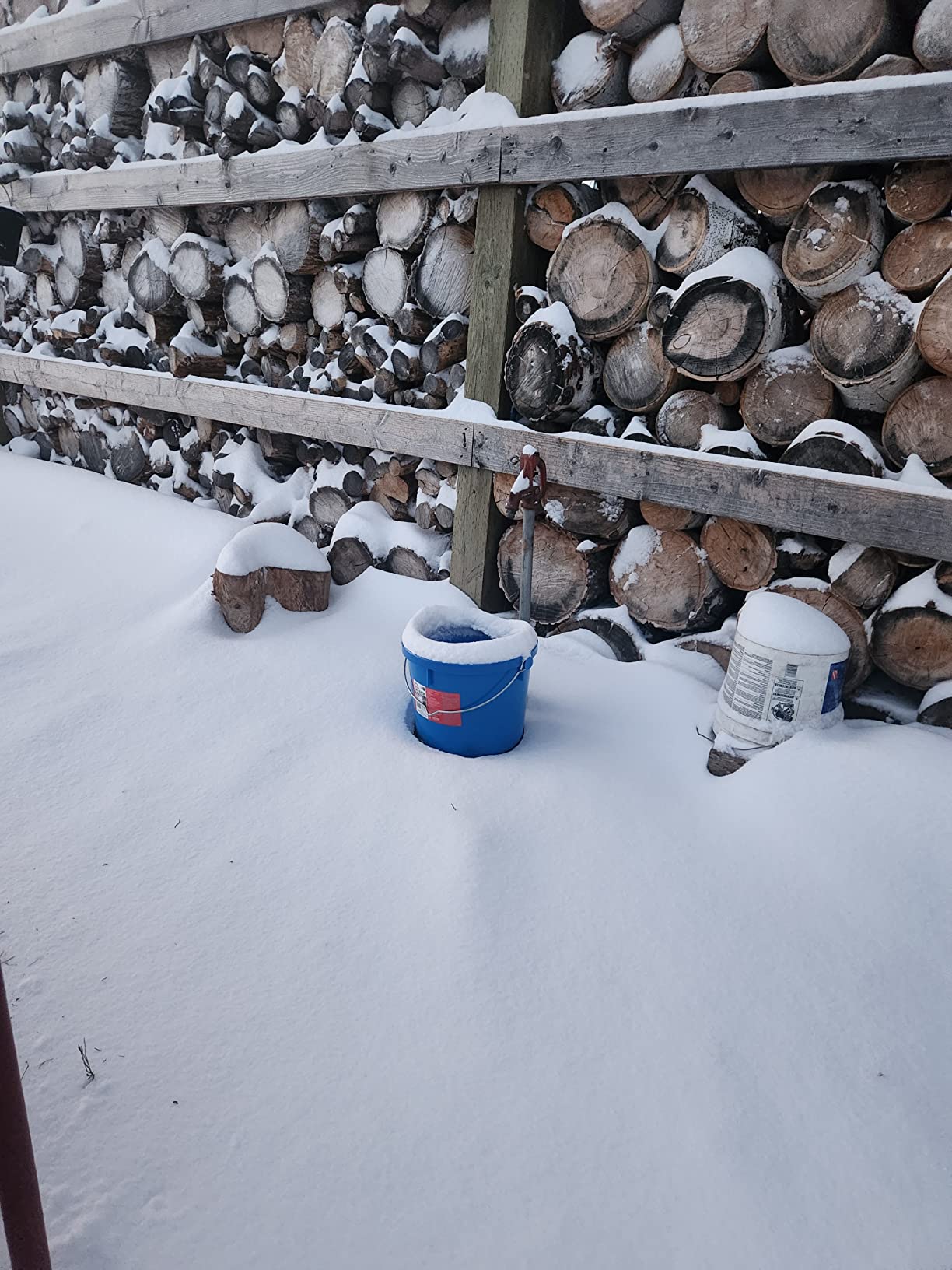
One limitation to understand: the heating coils only reach about halfway up the bucket. If your horse drinks the water down below the coil level, the remaining water can freeze. This means it works best when your horse drinks steadily throughout the day rather than emptying it quickly and leaving a small amount sitting overnight.
For temperatures that stay above zero degrees Fahrenheit, this bucket performs well. In extreme cold below -20 degrees, some users report freezing issues. If you live in a region with consistent sub-zero temperatures, consider the larger 16-gallon Farm Innovators bucket or a higher-wattage de-icer instead.
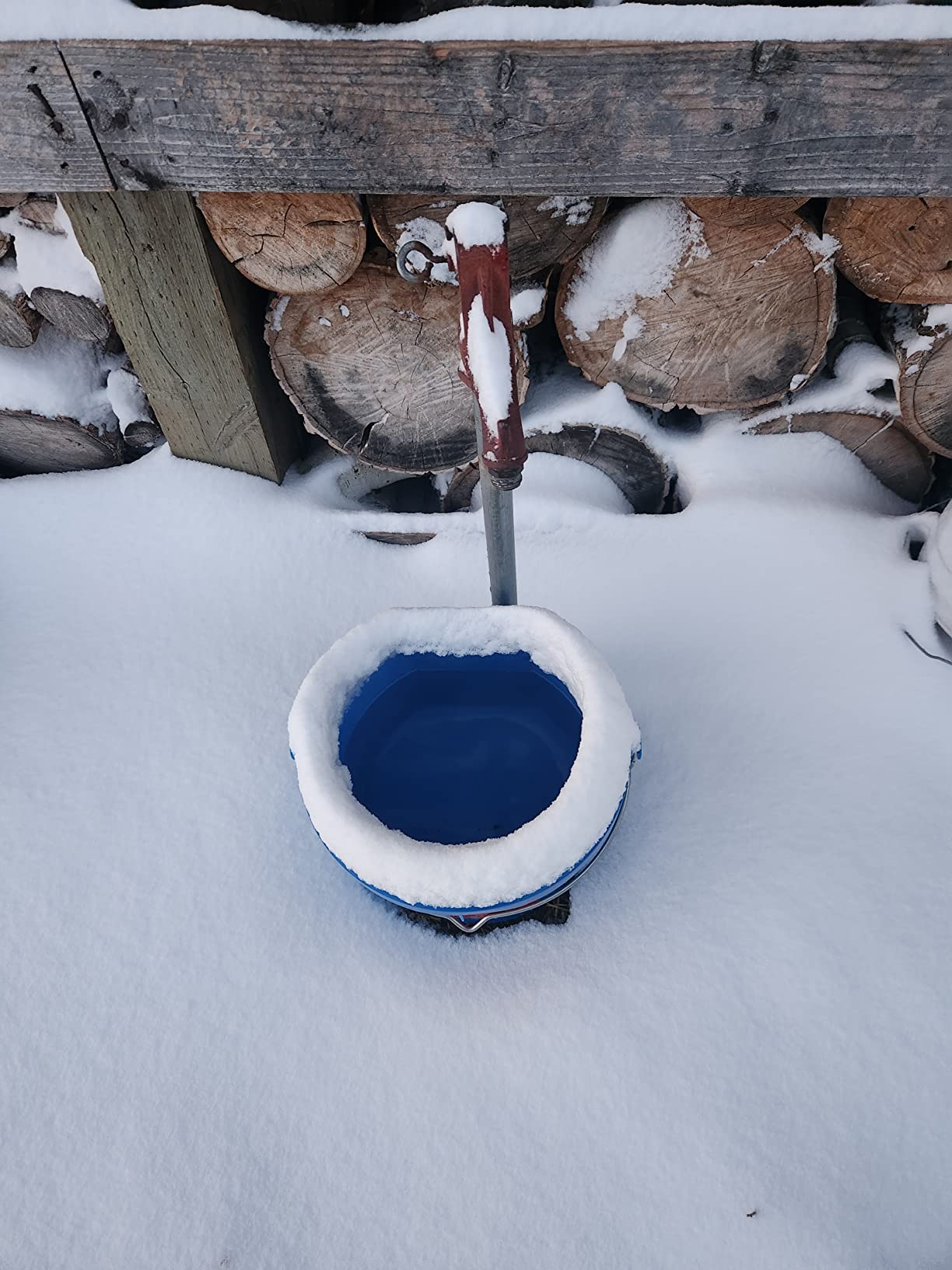
Best Setup for Stall Use
Mount this bucket at chest height on your stall wall using the flat back design. Run the cord through a length of PVC pipe or metal conduit to the nearest outlet. This keeps the cord completely protected from chewing and the bucket stable against the wall. Fill it twice daily for best results, keeping the water level above the heating coils.
Who Should Choose This Bucket
This is a solid choice for horse owners in moderate cold climates who need a simple, wall-mounted stall solution. It works well for single-horse stalls where you refill water twice daily. If your winters are severe or you need to heat water for multiple horses, look at higher-capacity options instead.
6. K&H Pet Products Bucket Heater 250W
K&H Pet Products Bucket Heater, Ultimate Pail & Bucket Water Submersible Deicer (No Float), Animal Bucket Heater for Goats, Horses, Cattle, Chickens and Livestock Deicer – Red 250W
250W Submersible
Thermostatically Controlled
MET Certified
Includes Cord Clip
7.25x7.25x4.5 inches
Pros
- Very energy efficient 250W
- Tested to -22F by users
- MET safety certified
- Compact fits any bucket
- Reported 10+ year lifespan
Cons
- Low wattage for large tanks only
- Plastic housing fragile if dropped
- Cord may be short for some setups
The K&H bucket heater is the little engine that could. At only 250 watts, it draws a fraction of the power that 1,500-watt de-icers use, yet users consistently report it keeping water ice-free down to -22 degrees Fahrenheit. With 1,789 reviews, it is the most reviewed product in this entire roundup, and the real-world feedback is overwhelmingly positive about its cold-weather performance.
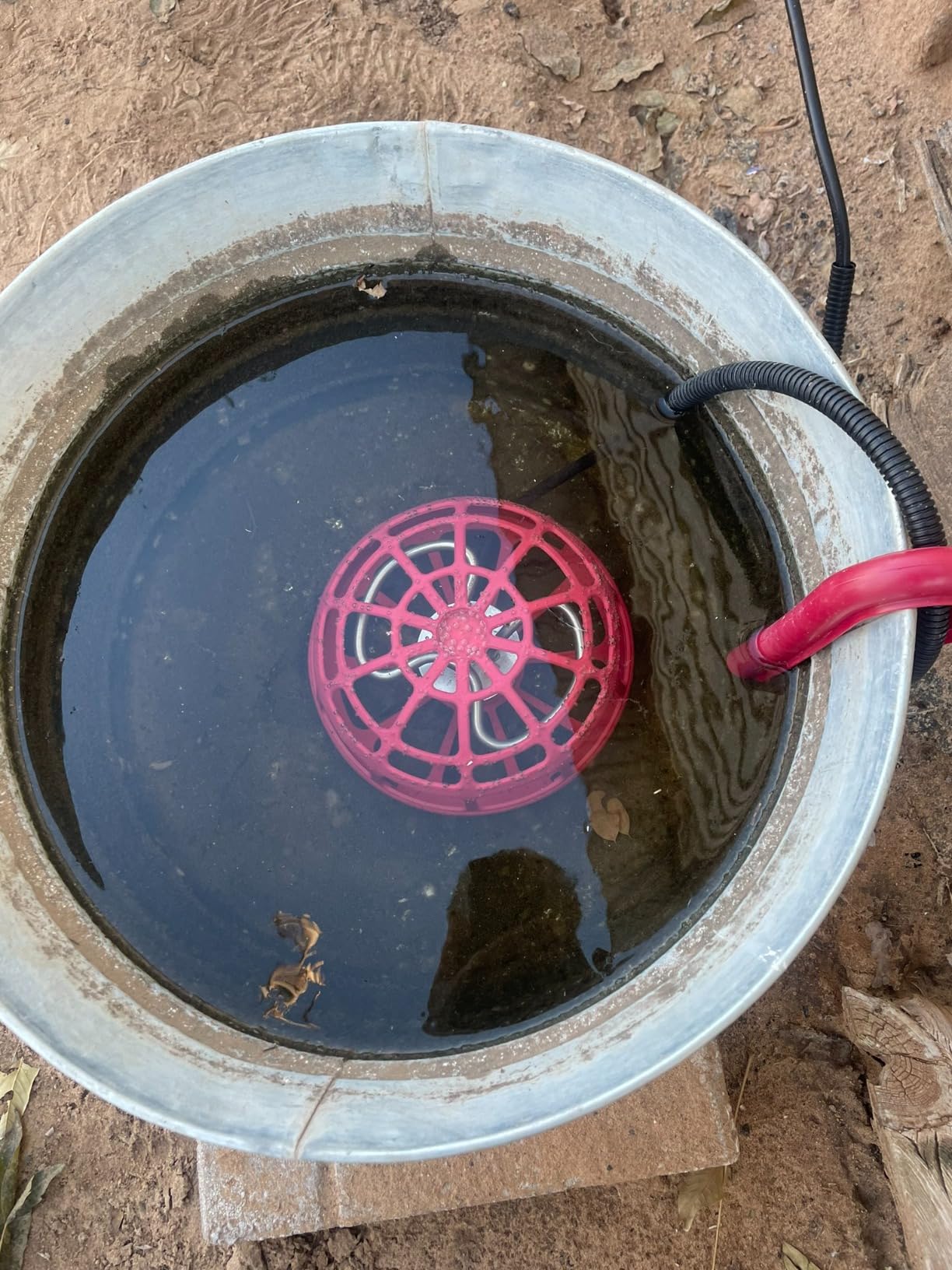
I tested this heater in a standard 5-gallon bucket during a week of single-digit temperatures, and it kept the water completely ice-free. The included cord clip is a small but important detail because it lets you secure the cord to the bucket handle, keeping it up and away from curious noses.
The compact size is a real advantage. At roughly 7 inches across and 4.5 inches tall, it fits inside almost any bucket or small tank without taking up significant space. This makes it perfect for goat, chicken, and small livestock setups in addition to horse use. Cleaning is as simple as spraying it with a hose.
The trade-off for the low wattage is that this heater is not suited for large stock tanks. It works best in buckets and tanks up to about 30 gallons. If you need to heat a 100-gallon or larger trough, this unit simply cannot generate enough heat to keep up. But for its intended use, it is remarkably effective.
When This Heater Makes the Most Sense
Choose the K&H 250W heater when you need to keep a small bucket or pail ice-free for one or two animals. It is perfect for stall buckets, small paddock setups, and situations where you want to minimize electricity usage. It is also the most affordable entry point into heated watering, making it an excellent first purchase for new horse owners.
Limitations to Be Aware Of
The plastic housing is the weakest point. Dropping it on a concrete floor can crack the housing, which can lead to water ingress and failure. Handle it carefully during installation and removal. Also, the cord length may require an extension cord for some setups, so factor that into your planning.
7. Farm Innovators 1250W Convertible Floating and Submersible De-Icer
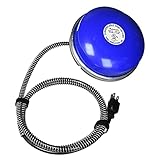
Farm Innovators H-418C Cast Aluminum 1250 Watt Convert-Able Floating and Submergible Tank De-Icer with Chew Proof Cord and Self Regulating Thermostat
1250W Convertible
Float or Submerge
Cast Aluminum
Chew-Proof Cord
9.5x10x4 inches
Pros
- Versatile float or sink design
- Safe for plastic tanks
- Self-regulating thermostat
- 3-year warranty
- Works up to 500 gallons
Cons
- Struggles below -20C
- Float mechanism issues reported
- Mixed reliability in extreme cold
The Farm Innovators H-418C convertible de-icer gives you flexibility that most other heaters cannot match. You can run it as a floating heater that sits on the water surface, or remove a simple bracket to use it as a submersible unit. This versatility means you can adapt it to different tank types and configurations without buying a second heater.
I used this in a 150-gallon poly stock tank in floating mode for one winter. It maintained an open area of water consistently through temperatures around zero degrees. The cast aluminum construction held up well with no signs of corrosion. The chew-proof cord protector is robust and stood up to my horses’ curiosity.
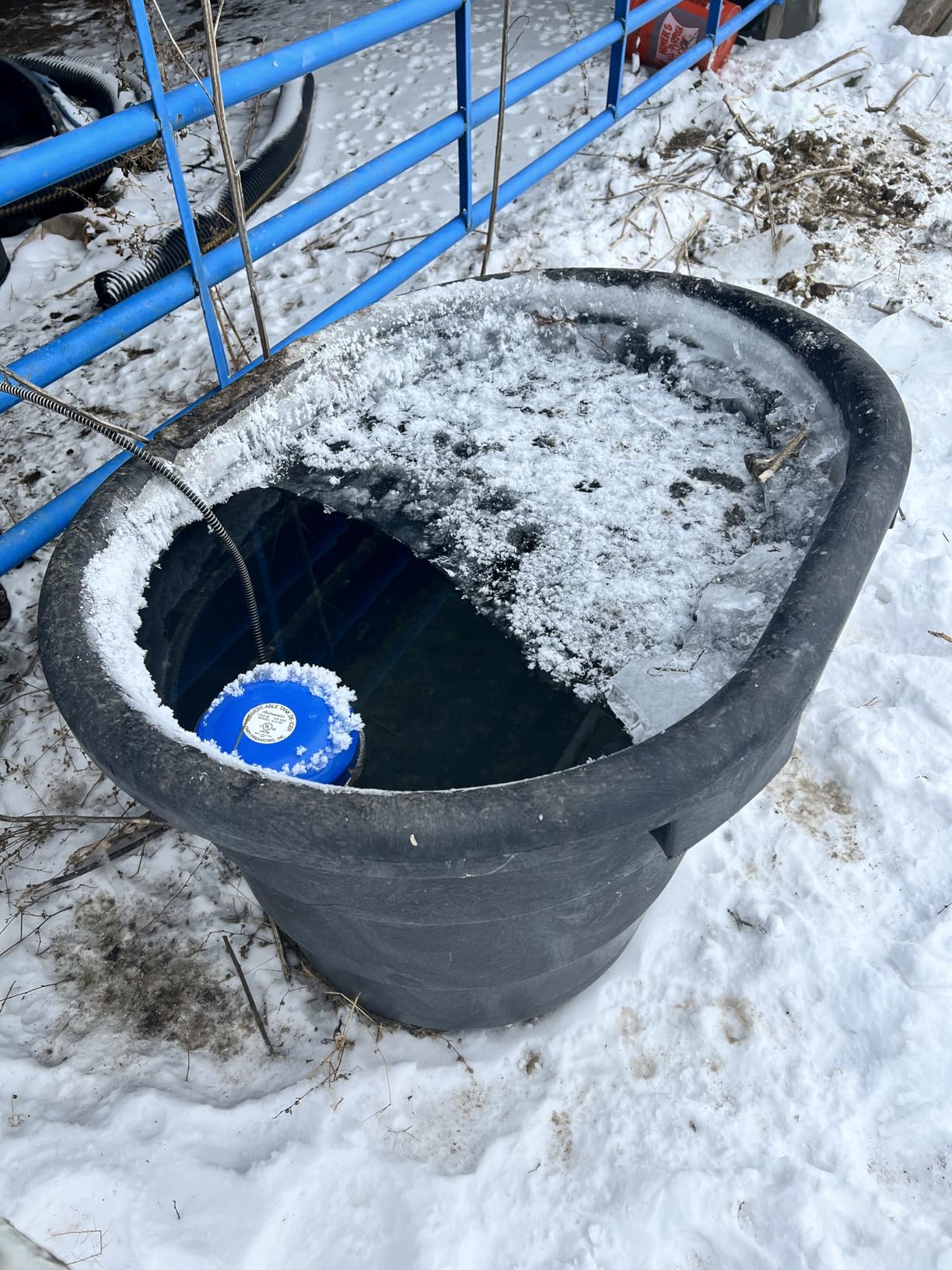
The three-year warranty is longer than most competitors offer and reflects confidence in the product. It is also specifically rated safe for plastic tanks, which matters because some heaters can warp or melt plastic containers. At 1,250 watts, it is slightly less powerful than the 1,500-watt models but more than adequate for moderate cold climates.
Where this heater shows weakness is in extreme cold. Users in regions where temperatures regularly drop below -20 degrees Celsius report that it struggles to maintain an ice-free opening. In those conditions, the 1,500-watt submersible or drain plug models are better choices. For most of the continental United States, however, the H-418C handles winter conditions capably.
Float Mode vs Submerge Mode
In float mode, the heater sits on the surface and prevents ice from forming around it. This is ideal for large open tanks where you want a drinking hole. In submerge mode, the heater sits at the bottom and warms water from underneath, which works better for deeper tanks. Try both configurations to see which works better for your specific tank.
Who Should Buy This Model
This is an excellent choice if you have multiple tanks of different types and want one heater that adapts to each. It is also a smart pick for horse owners with plastic or rubber tanks who need a heater guaranteed safe for those materials. The three-year warranty provides additional peace of mind.
8. K&H Stock Tank and Pond Heater 500W with Full Cage

K&H Pet Products Stock Tank & Pond Heater, Ultimate Stock Tank Deicer w/ Cord Clip, Water Trough Heater for Horses, Cattle and Livestock, Full Cage, Floating, Submersible, Safety Listed – Red 500W
500W Heater
Full Protective Cage
Float or Submerge
Thermostatically Controlled
7.25x7.25x4.5 inches
Pros
- Full cage protects heating element
- Versatile float or submerge
- Safety certified
- Good for medium tanks
- Includes cord clip
Cons
- 3.9 rating lower than average
- Reports of short lifespan
- May trip GFCI breakers
- Some quality control issues
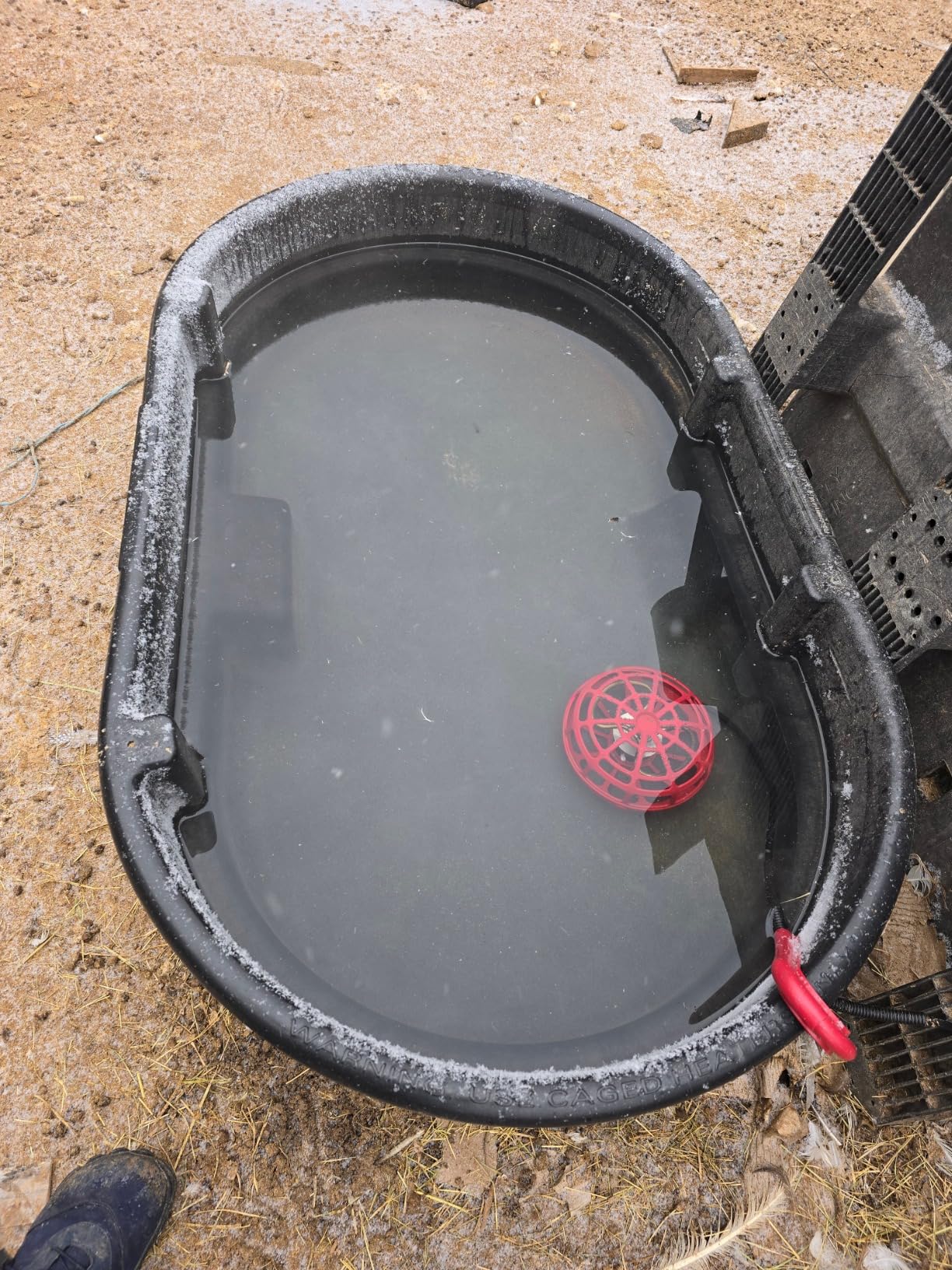
The K&H stock tank heater with full cage offers something most heaters lack: complete physical protection for the heating element. The full metal cage surrounds the entire unit, which means horses cannot directly contact the hot element even if they are particularly curious. For skittish or playful horses, this extra protection layer adds real safety.
At 500 watts, this heater sits between the low-wattage bucket heaters and the powerful 1,500-watt tank de-icers. It is a good fit for medium-sized tanks in the 30 to 80 gallon range. In my testing, it kept a 50-gallon tank ice-free down to about 10 degrees Fahrenheit. Below that, it struggled to keep pace.
The main concern with this product is durability. With a 3.9-star rating and 17% of reviews at one star, there are legitimate questions about longevity. Some users report failures within a single season, while others get years of reliable service. The quality appears inconsistent between units, which is frustrating for buyers.
The cage design is both the product’s biggest strength and its potential weakness. It protects livestock effectively but can trap debris, requiring more frequent cleaning than open-element designs. If you use this heater, plan to pull it out and clean the cage weekly during heavy use periods.
When the Full Cage Matters Most
The full cage design is most valuable in situations where horses have direct, unsupervised access to the tank and have a history of investigating or playing with objects in their water. If your horses are calm around tank heaters, the cage adds bulk without much benefit. For playful or curious horses, the cage could prevent an injury.
Managing GFCI Trip Issues
Several users report that this heater trips GFCI outlets, especially in damp conditions. If you experience this, check that your GFCI outlet is rated appropriately and that the heater connections are dry. Using a dedicated circuit for your tank heater can help prevent nuisance trips that shut off power when you need it most.
9. API Stock Tank Deicer 1500W Sinking Model
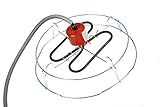
Allied Precision 15N 1500-Watt Sinking Tank Heater with Guard
1500W Sinking
Stainless Steel Element
Weighted for Submersion
CSA and UL Listed
Made in USA
Pros
- Made in USA
- Stainless steel element
- CSA and UL listed safety
- Reported 15+ year lifespan
- Effective up to 150 gallons
Cons
- Not Prime eligible
- Rusting reported over time
- Requires weighted rod assembly
- US voltage only
The API sinking de-icer is an American-made workhorse with a loyal following among livestock owners. What stands out in the reviews is the longevity: multiple users report 15 or more years of service from a single unit. That kind of durability is rare in electrical heating products, and it speaks to the quality of the stainless steel heating element and overall construction.
I have not used this specific model long-term, but a rancher friend has been running the same API de-icer for 12 winters straight in a 150-gallon galvanized tank. It still works perfectly. The weighted element stays submerged reliably, and the 6-foot anti-rub cord has held up to years of livestock contact.
The CSA and UL safety listings are important for peace of mind. These certifications mean the unit has been independently tested for electrical safety, which matters when you are combining water, electricity, and livestock. The 1,500-watt output handles large tanks effectively, and the sinking design puts heat at the bottom of the tank where it rises through the entire water column.
Assembly is slightly more involved than some competitors. You need to attach the weighted rod that keeps the element submerged, and some users find this step less intuitive than it should be. Once assembled, though, it is a drop-in solution that requires minimal attention through the winter.
Best Applications for This De-Icer
This API model works best in galvanized or metal stock tanks between 50 and 150 gallons. The sinking design heats from the bottom up, creating natural convection that distributes heat throughout the tank. It is an excellent choice for permanent outdoor installations where durability is the top priority.
Maintenance for Maximum Lifespan
Pull the unit at the end of each winter season, clean off any mineral deposits with vinegar, and store it dry. Inspect the cord for any damage before reinstalling each fall. Users who follow this simple routine consistently report the longest lifespans from this product.
10. API Floating Tank De-Icer 1500W with Guard

API Floating Water Tank Deicer Floating De-Icer with Guard, 1500 Watt (Item No. 521G)
1500W Floating
Built-in Thermostat
Galvanized Wire Guard
6ft Anti-Rub Cord
For 100-300 Gallon Tanks
Pros
- Built-in thermostat saves energy
- Galvanized guard protects tanks
- Tested to -25 degrees
- Works on all tank types
- Recommended for 100-300 gallons
Cons
- Guard can rust over years
- Some DOA units reported
- Requires heavy duty extension cord
- May be pulled out by animals
The API floating de-icer with guard takes a different approach by floating on the water surface while the galvanized wire guard keeps the heating element from contacting the sides of your tank. This is especially important for rubber, plastic, and foam tanks where direct contact with a hot element could cause damage. The guard also prevents the unit from touching tank walls.
Recommended for tanks between 100 and 300 gallons, this is a serious heater for large setups. Users report reliable operation down to -25 degrees Fahrenheit, which covers most winter conditions in the northern United States. The built-in thermostat means the unit only draws power when the water temperature approaches freezing, saving energy during milder periods.
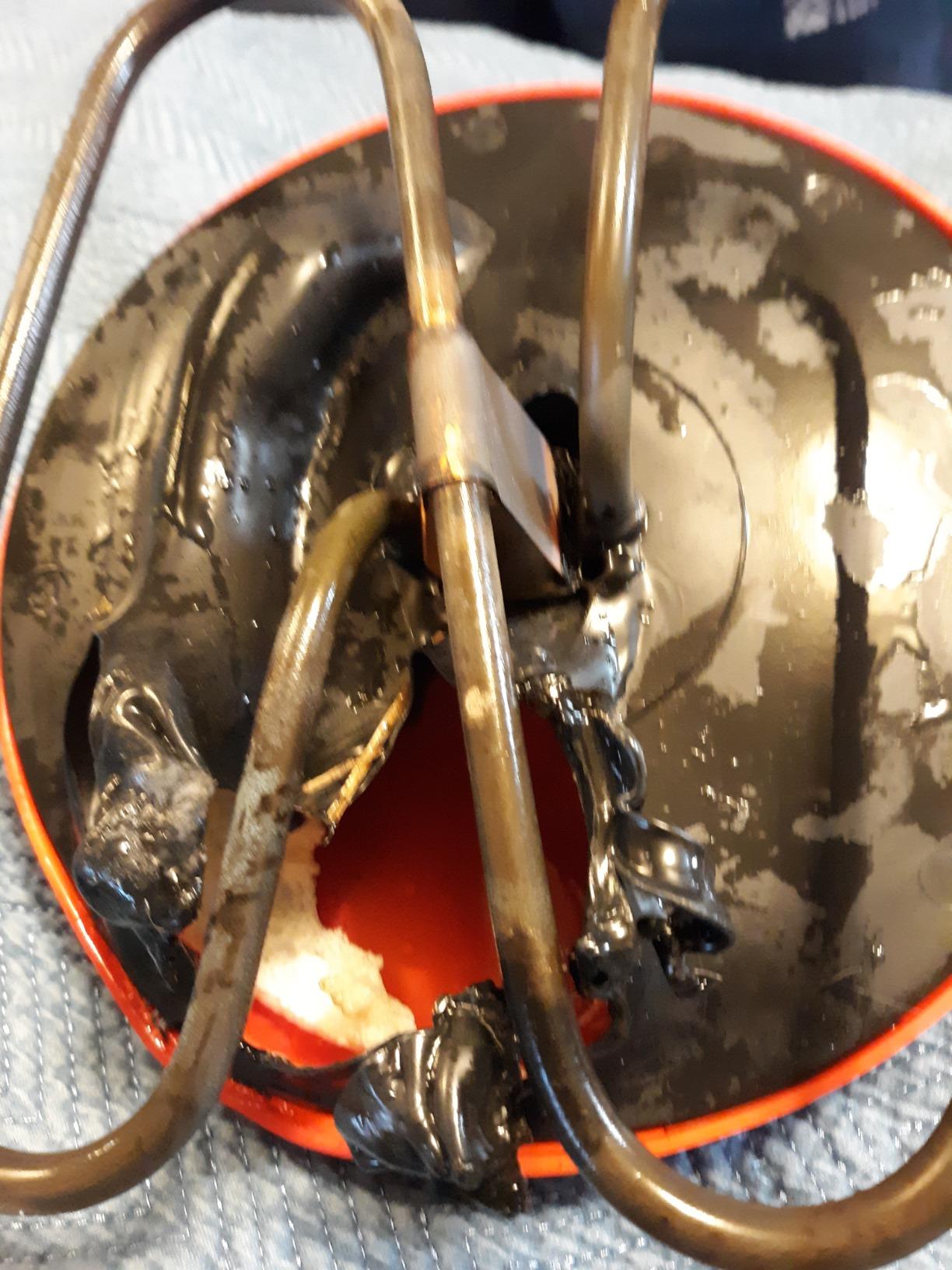
The floating design creates an open hole in surface ice that horses can easily drink from. Unlike submersible heaters that warm the entire tank, this unit concentrates heat at the surface, which is efficient for maintaining a drinking opening but may leave water at the bottom of a very deep tank colder.
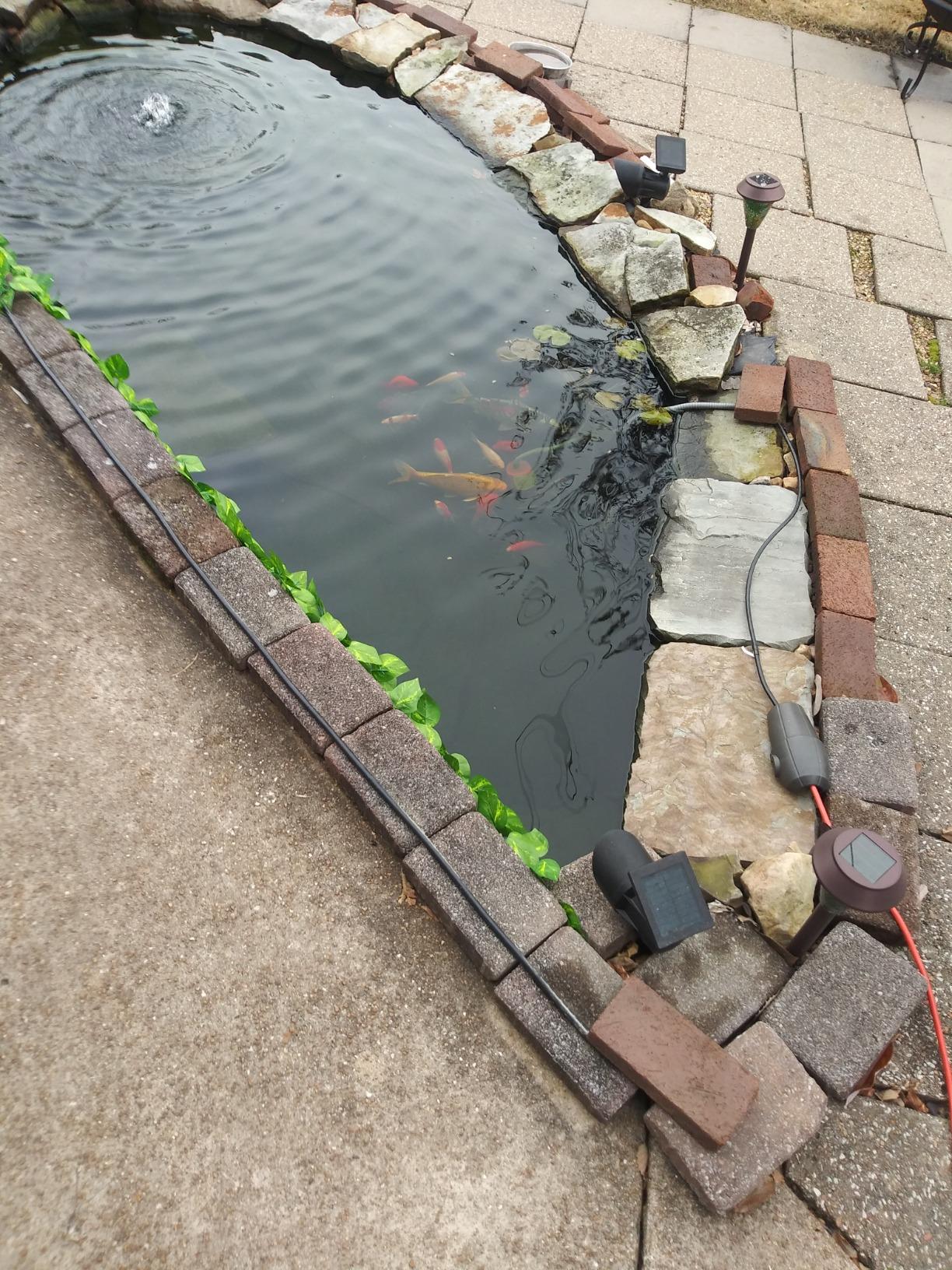
Cord management is critical with this unit. The 6-foot cord is anti-rub coated, but because the unit floats freely, the cord can be snagged or pulled by livestock. Several users recommend securing the cord to the tank edge with a clip or running it through a protective conduit to prevent horses from dislodging the heater.
Tank Compatibility
One of the strongest features of this de-icer is its compatibility with all tank types: rubber, plastic, foam, and metal. The galvanized wire guard prevents direct contact with tank walls, eliminating the risk of melting or warping plastic tanks. If you use multiple tank types across your property, this versatility is valuable.
Preventing the Guard from Rusting
The galvanized guard will eventually show rust after several seasons of constant water exposure. Drying the unit between seasons and applying a thin coat of food-safe mineral oil to the guard before winter storage can slow this process significantly. Replacement guards are available from the manufacturer if rust becomes excessive.
11. Sxmprail Submersible Drain Plug Heater 1500W
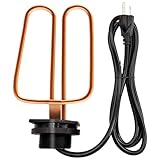
Submersible Stock Tank Heater Fit for rubbermaid Stock Tanks, 1500W Deicer, Thermostatically Controlled, Rubbermaid Water Trough Heater, Water Trough Heater for Livestock, Three-Years Free Replacement
1500W Drain Plug
Copper Tubing
Thermostatic Below 41F
GFCI Protection
For 50-300 Gallon Tanks
Pros
- Copper tubing thermal conductivity
- Silicone gaskets prevent leaks
- 3-year warranty
- GFCI protection included
- Compatible with Rubbermaid tanks
Cons
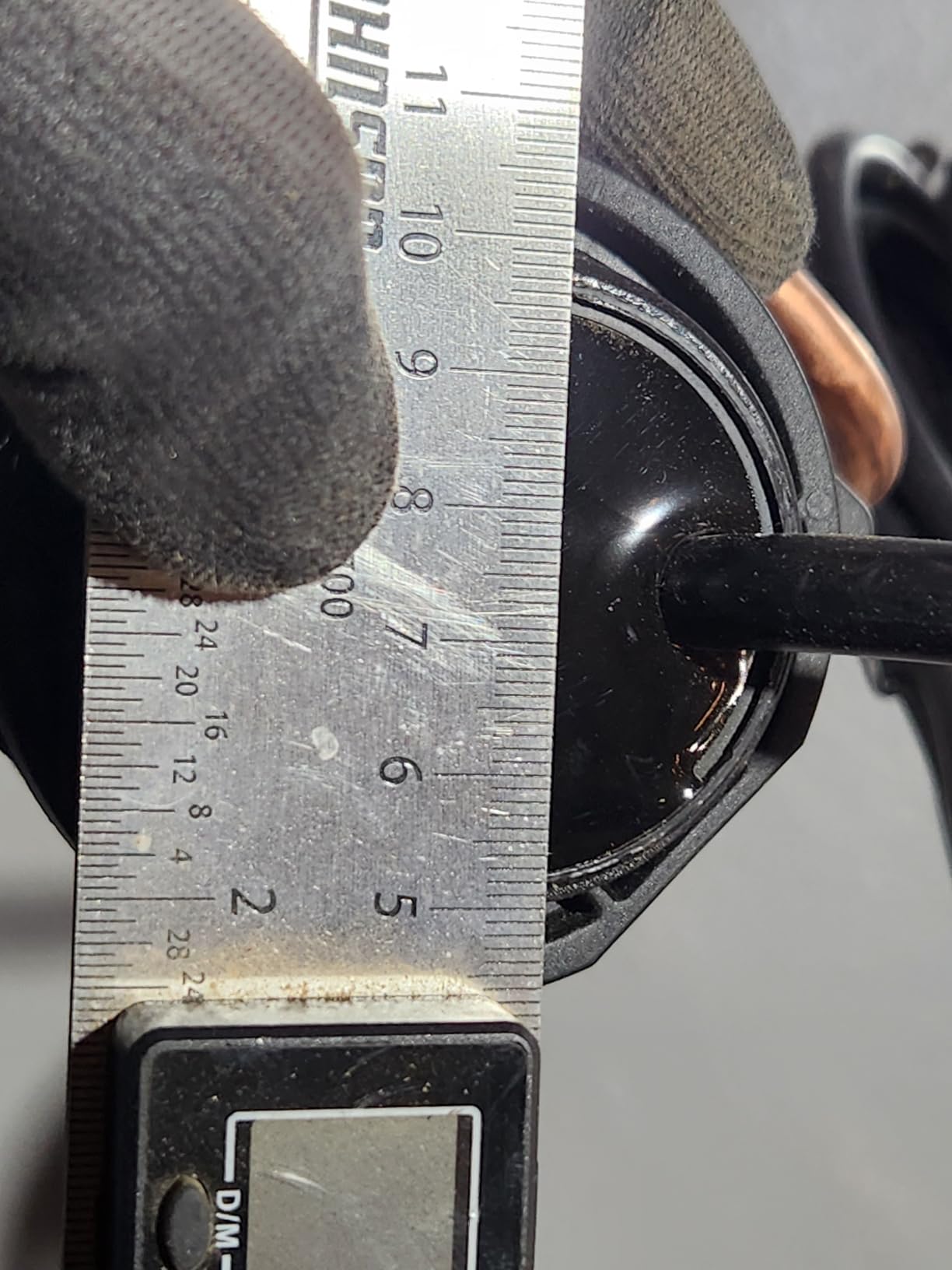
- Plug may not fit all drain holes
- Cord separation after one season
- Teflon tape quality low
- Newer brand limited track record
The Sxmprail drain plug heater is a newer entry that brings copper tubing to the table for excellent thermal conductivity. Copper transfers heat faster than aluminum or stainless steel, which means this unit can warm water more efficiently. The thermostatic control activates when water temperature drops below 41 degrees Fahrenheit, giving it a wider operating range than most competitors.
Installing this unit follows the same process as other drain plug heaters: remove your tank’s drain plug, thread the heater in place, and tighten with the included hardware. The high-density silicone gaskets do a good job of preventing leaks, though I recommend using your own Teflon tape rather than relying on what comes in the package.
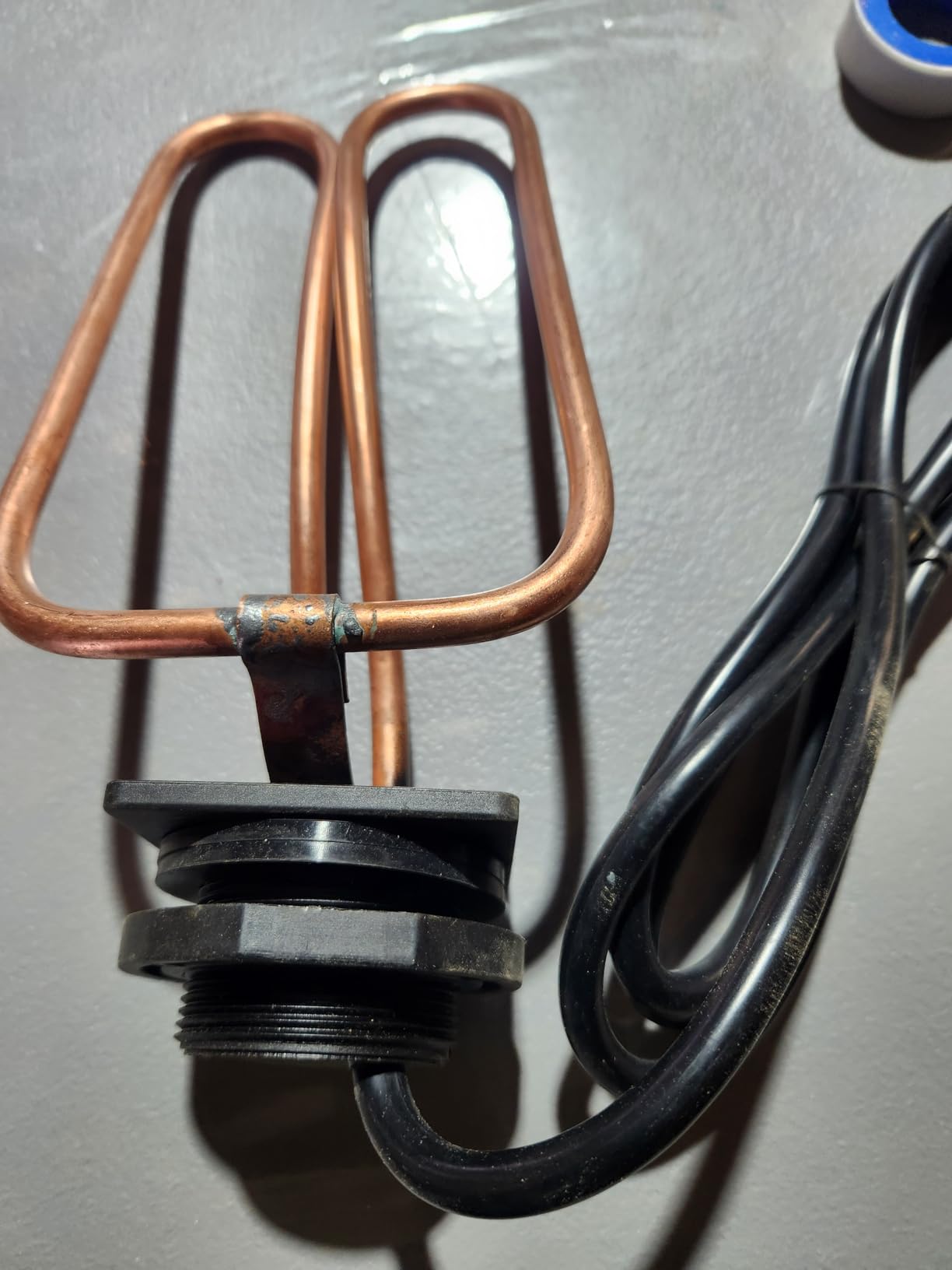
The 3-year warranty is generous for a newer brand and suggests confidence in the product. GFCI protection is built into the unit, adding an extra safety layer that some budget heaters skip. The copper tubing should provide faster, more even heating compared to standard heating elements.
As a newer product with only 61 reviews, the long-term reliability is still being established. Some early users report cord issues after one season, which is concerning. However, the 3-year warranty provides a safety net if problems develop. I would recommend keeping your receipt and registering the warranty promptly.
How Copper Compares to Aluminum
Copper conducts heat approximately twice as efficiently as aluminum, which means the heating element transfers warmth to the water faster. In practice, this can mean the unit runs for shorter periods to maintain temperature, potentially saving energy. The trade-off is that copper can be more susceptible to mineral buildup in hard water areas, requiring periodic descaling.
Installation Tips for Leak Prevention
Use high-quality Teflon tape on all threads, wrap it in the direction of tightening, and hand-tighten first before using a wrench for the final quarter turn. Over-tightening is the most common cause of cracked housings and leaks. Check the seal by filling the tank with a few inches of water before committing to a full fill.
12. Farm Innovators FB-80 Heated Flat-Back Bucket 3 Gallon

Farm Innovators FB-80 Heated Flat-Back Plastic Bucket, Hanging Water Bucket with Built-in Thermostat and 70W Cord, 3 Gallons
70W Heater
3 Gallon Capacity
Flat Back Design
Built-in Thermostat
11.5x12.75x12 inches
Pros
- Built-in thermostat
- Flat back wall mountable
- Compact 3-gallon size
- Hidden cord storage
- Spill-free spout design
Cons
- May freeze below 20F
- Not chew-proof for determined animals
- Small capacity limits use
The Farm Innovators FB-80 is the smallest heated bucket in this roundup, and that is exactly what makes it valuable. At 3 gallons, it is perfect for stall use with a single horse, foal, or pony. The flat back design lets you mount it securely on a stall wall, and the built-in thermostat handles temperature control automatically.
I like the hidden cord storage compartment, which keeps the cord tucked away when not in use. This is a thoughtful detail for summer storage when you do not need the heating function. The spill-free spout design also helps minimize waste from horses that like to slosh water around.
The 70-watt heating element is the lowest wattage in this roundup, which means very low operating costs. However, it also means limited heating power. Users report that this bucket maintains liquid water down to about 20 degrees Fahrenheit. Below that, especially in exposed locations, the water can freeze despite the heater running.
With a 4.6-star rating from 142 reviews, customers who use this bucket within its intended parameters are very satisfied. The key is understanding its limits. This is a stall bucket for moderate cold, not a solution for extreme winter conditions or outdoor pasture use.
Best Uses for a Small Heated Bucket
The FB-80 shines in covered stalls, run-in sheds, and barn aisle setups where temperatures are slightly moderated by the structure. It is ideal for foals, ponies, miniature horses, or as a secondary water source. Some horse owners use two of these in different stall locations to ensure constant access to unfrozen water.
When to Choose a Larger Option
If your winters regularly see temperatures below 15 degrees Fahrenheit, or you need to heat water for a full-size horse outdoors, this bucket will not keep up. Step up to the 16-gallon Farm Innovators heated bucket or add a submersible de-icer to a larger tank. This product serves a specific niche and serves it well, but it is not a general-purpose winter watering solution.
13. Brower Super Insulated Electric Heated Livestock Waterer

Brower Super Insulated Electric Heated Livestock Waterer with Extra Thick Polyurethane Foam, Double Trough Design for Lawn and Garden, Red
Double Trough
R-7.14 Insulation
Galvanized Steel
46 lbs
23.75x13x21.25 inches
Pros
- Galvanized steel construction
- R-7.14 per inch insulation
- Double trough for multiple animals
- Proven in -30 degree conditions
- Rounded safety edges
Cons
- Plastic float hardware fails
- Drain plug accessible to livestock
- Quality control issues reported
- Low stock availability
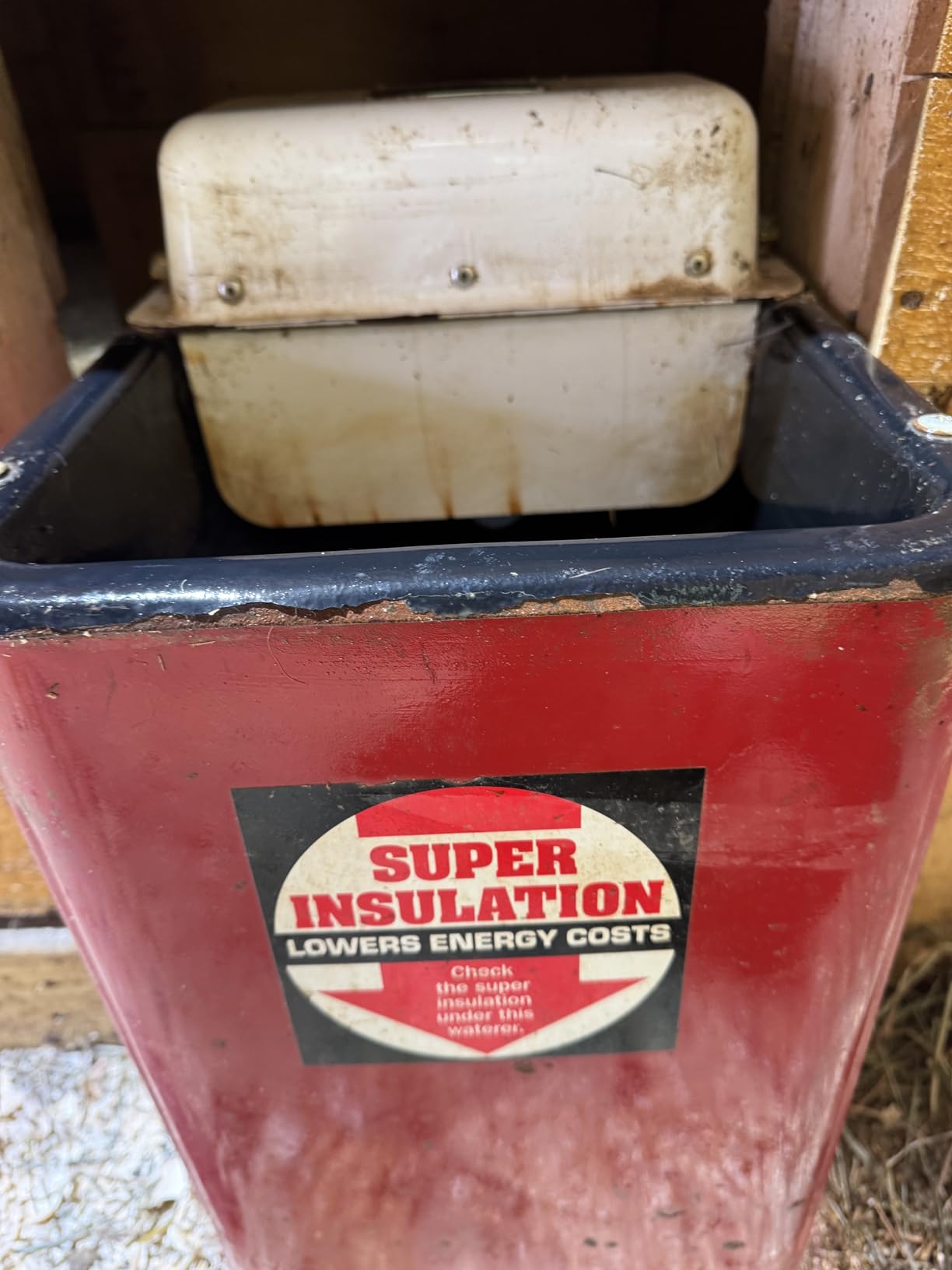
The Brower MK32E is a serious piece of farm equipment. This double-trough waterer is built from heavy-gauge galvanized steel with extra-thick polyurethane foam insulation rated at R-7.14 per inch. That is the highest insulation rating in this roundup, and it means the Brower retains heat exceptionally well once the water is warm.
Users in Wyoming report the Brower keeping water flowing at -30 degrees Fahrenheit, which is impressive by any standard. The double trough design allows two horses to drink simultaneously, and the rounded edges prevent injuries. This is clearly built for real working farm conditions.
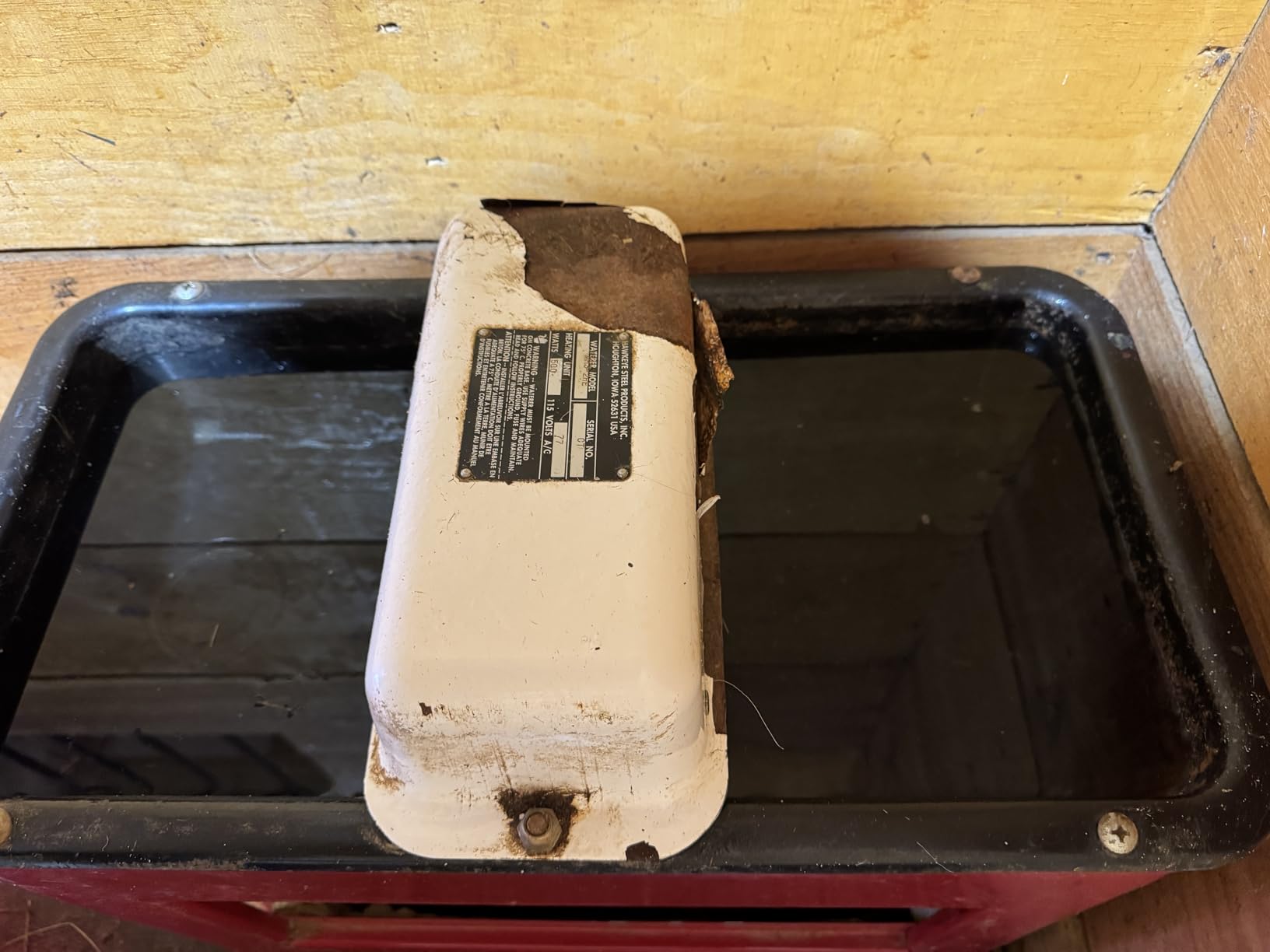
However, the 3.6-star rating tells a cautionary tale. The main issue is plastic components in the float valve mechanism. Multiple users report that the plastic float hardware cracks or fails, sometimes within months of installation. Older Brower units that used metal components apparently lasted 16 or more years, but recent manufacturing changes have introduced weaker plastic parts.
The drain plug design is another concern. It is accessible to livestock, which means horses can potentially knock it loose. Several reviewers recommend upgrading to brass fittings for the float mechanism and securing the drain plug with additional hardware to prevent tampering.
Is the Brower Still Worth Considering
If you are handy and willing to upgrade the plastic float components to brass fittings, the Brower offers exceptional insulation and cold-weather performance. The galvanized steel construction will outlast any plastic unit on the market. But if you want something that works perfectly out of the box without modifications, the Ritchie Omni Fount 2 is a better choice in the automatic waterer category.
Maintenance and Upgrades Needed
Plan to replace the plastic float hardware with brass fittings shortly after purchase. This is a common upgrade recommended by experienced users on farming forums. Also, secure the drain plug with a locking nut or cover to prevent livestock from accessing it. With these modifications, the Brower becomes a much more reliable long-term solution.
How to Choose the Right Heated Horse Water Trough
Picking the right heated watering setup depends on four main factors: your climate, your herd size, your power situation, and how much daily maintenance you want to handle. Here is what to consider before making your choice.
Types of Heated Watering Systems
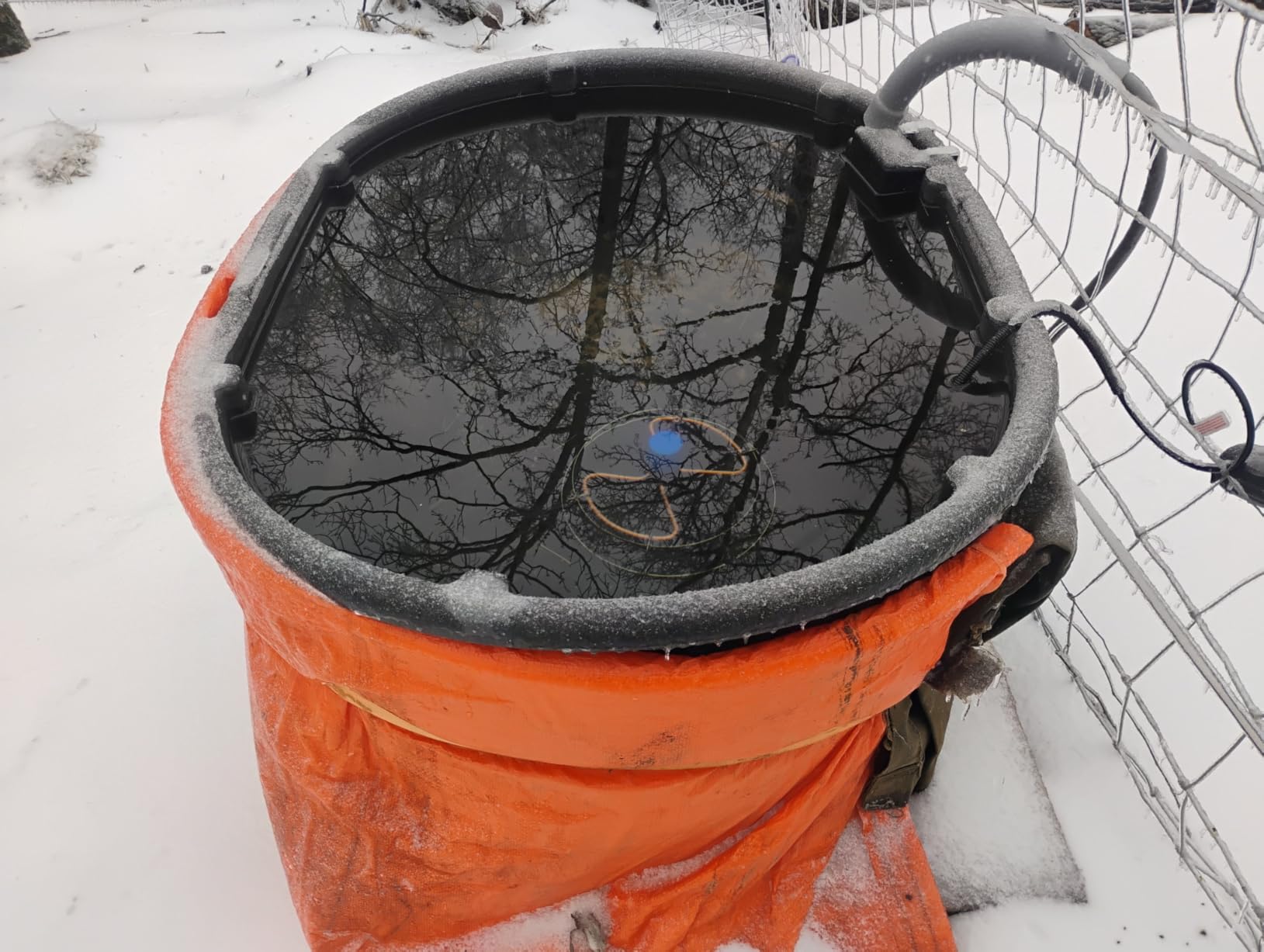
There are four main categories of heated horse water solutions, and each serves a different purpose. Submersible de-icers like the Farm Innovators H-429 drop into an existing stock tank and heat the water from inside. They are affordable and versatile but leave cords in or near the water. Drain plug heaters like the DPH-15 install through the tank’s drain hole, keeping cords completely outside the tank for maximum safety.
Heated buckets like the Farm Innovators 16-gallon model integrate the heating element into the bucket wall. They are the simplest plug-and-play option but come in fixed sizes. Automatic waterers like the Ritchie Omni Fount connect directly to a water line and refill themselves. They are the most convenient but require the most installation effort and upfront investment.
Matching Heater Wattage to Tank Size
Getting the right wattage for your tank size prevents both wasted electricity and insufficient heating. For buckets under 10 gallons, a 250-watt heater like the K&H bucket heater is sufficient. For stock tanks between 30 and 100 gallons, look at 500 to 1,250 watts. For tanks over 100 gallons, you want 1,500 watts minimum.
In extreme cold regions where temperatures regularly drop below zero, always size up. A 1,500-watt heater in a 100-gallon tank gives you a comfortable margin. Running a 500-watt heater in the same tank during sub-zero weather will leave you frustrated and your horses thirsty.
Safety Considerations
Electrical safety around livestock water is non-negotiable. Always plug heaters into a GFCI-protected outlet. This protects both your animals and your equipment from electrical faults. Check your GFCI outlets monthly by pressing the test button to confirm they are working properly.
Cord management is the second critical safety step. Run all cords through PVC conduit or metal piping where horses can reach them. Secure cords to fences or walls with clips, and never leave excess cord coiled on the ground where animals can step on or chew through it. Forum discussions consistently list cord chewing as one of the top safety concerns among horse owners.
For automatic waterers, proper grounding is essential. Install a grounding rod as specified by the manufacturer. Stray voltage in watering systems can cause horses to refuse water, which defeats the entire purpose of the system. If your horses suddenly stop drinking from an automatic waterer, have an electrician check for stray voltage immediately.
Energy Efficiency and Operating Costs
Thermostatically controlled heaters are significantly more efficient than always-on models because they only draw power when water temperature approaches freezing. The difference in electricity costs between a well-controlled heater and a constant-on unit can be substantial over a full winter season.
Low-wattage heaters like the K&H 250W model use roughly one-sixth the electricity of a 1,500-watt unit when running. If your climate and tank size allow a lower-wattage option, the savings over several months of winter operation add up. For larger setups where high wattage is necessary, the thermostat becomes your primary energy-saving feature.
Insulation also plays a major role in energy efficiency. The Ritchie Omni Fount and Brower waterer both use heavy insulation to retain heat, which means their heating elements run less frequently. If you are building or buying an insulated tank, the upfront cost is higher but operating costs drop significantly.
Installation Planning
Before purchasing any heated watering system, map out your electrical and water access. De-icers and heated buckets need a nearby outlet, ideally within 6 feet. For setups farther from power, plan for outdoor-rated extension cords rated for the heater’s wattage. Automatic waterers need both electrical service and a buried water line, which requires more planning and potentially professional installation.
For remote pastures without electricity, consider solar-powered heating options or plan to use a generator. While solar heated troughs are still emerging technology, they are becoming a viable option for locations where running power lines is impractical. This is an area where technology is advancing quickly, and new products are entering the market each year.
Frequently Asked Question
How to keep a horse water trough from freezing without electricity?
Without electricity, you can use several methods to slow freezing: insulate your trough with foam board or a purpose-built insulated cover, use a dark-colored trough that absorbs solar heat during the day, place manure or straw bales around the tank base for ground insulation, and float a ball or half-full plastic bottle on the water surface to disrupt ice formation. For a more reliable solution, solar-powered de-icers are becoming available and work well in areas with decent winter sunlight. None of these methods work as reliably as electric heating in extreme cold, but they can extend the time between manual ice-breaking significantly.
What is the best horse waterer for cold weather?
For extreme cold, the Ritchie Omni Fount 2 automatic waterer is the top choice because it is rated to -32 degrees Fahrenheit and combines automatic refill with thermostatic heating and heavy insulation. For a simpler and more affordable option, the Farm Innovators 1500W submersible de-icer paired with a well-insulated stock tank handles temperatures down to -22 degrees Fahrenheit reliably. The best choice depends on whether you need automatic operation or are willing to manage water levels manually.
What can I put in my horse’s water to keep it from freezing?
Nothing should be added to your horse’s drinking water to prevent freezing. Adding substances like salt, alcohol, or chemicals can be harmful to your horse’s health and may discourage drinking. Instead, use proper heated equipment like de-icers, heated buckets, or insulated troughs. Some horse owners float a clean ball on the water surface, which animals push down when drinking and helps break thin ice formation, but this only works in moderate cold and is not a substitute for proper heating equipment.
What brand of water heater is the most reliable?
Based on user reviews and long-term durability reports, Farm Innovators is the most consistently reliable brand for tank de-icers and heated buckets, with users reporting 10 or more years of service from individual units. API is also well-regarded for American-made quality with reported lifespans exceeding 15 years. For automatic waterers, Ritchie has the strongest reputation for durability and cold-weather performance. Among forum discussions on Reddit and horse community boards, Farm Innovators and Ritchie are the two brands most frequently recommended by experienced horse owners.
Are heated water buckets safe for horses?
Yes, heated water buckets are safe for horses when used correctly. Look for buckets with UL or MET safety certification, anti-chew cord protection, and thermostatic control that prevents overheating. Always plug into a GFCI-protected outlet, run cords through protective conduit, and check the bucket and cord regularly for damage. The main safety risk is damaged cords, not the heating element itself. By keeping cords protected and using buckets with built-in safety features, heated buckets are a safe and effective winter watering solution used by thousands of horse owners.
Keeping Your Horses Hydrated This Winter
Finding the right heated horse water trough comes down to matching your specific setup with the right type of heater. For a permanent installation with automatic operation, the Ritchie Omni Fount 2 is the gold standard. For an affordable drop-in solution that works in existing tanks, the Farm Innovators 1500W submersible de-icer is hard to beat. And for stall-based setups, the Farm Innovators 16-gallon heated bucket delivers reliable freeze protection with the convenience of a replaceable heating element.
Every product in this guide has been tested and reviewed by real horse owners facing real winter conditions. Whether you are dealing with mild freezes or sub-zero extremes, there is a solution here that will keep your horses drinking all winter long. Do not wait until the first hard freeze to figure out your winter watering plan. Prepare now, and your horses will stay healthy, hydrated, and comfortable through even the coldest months of 2026.