
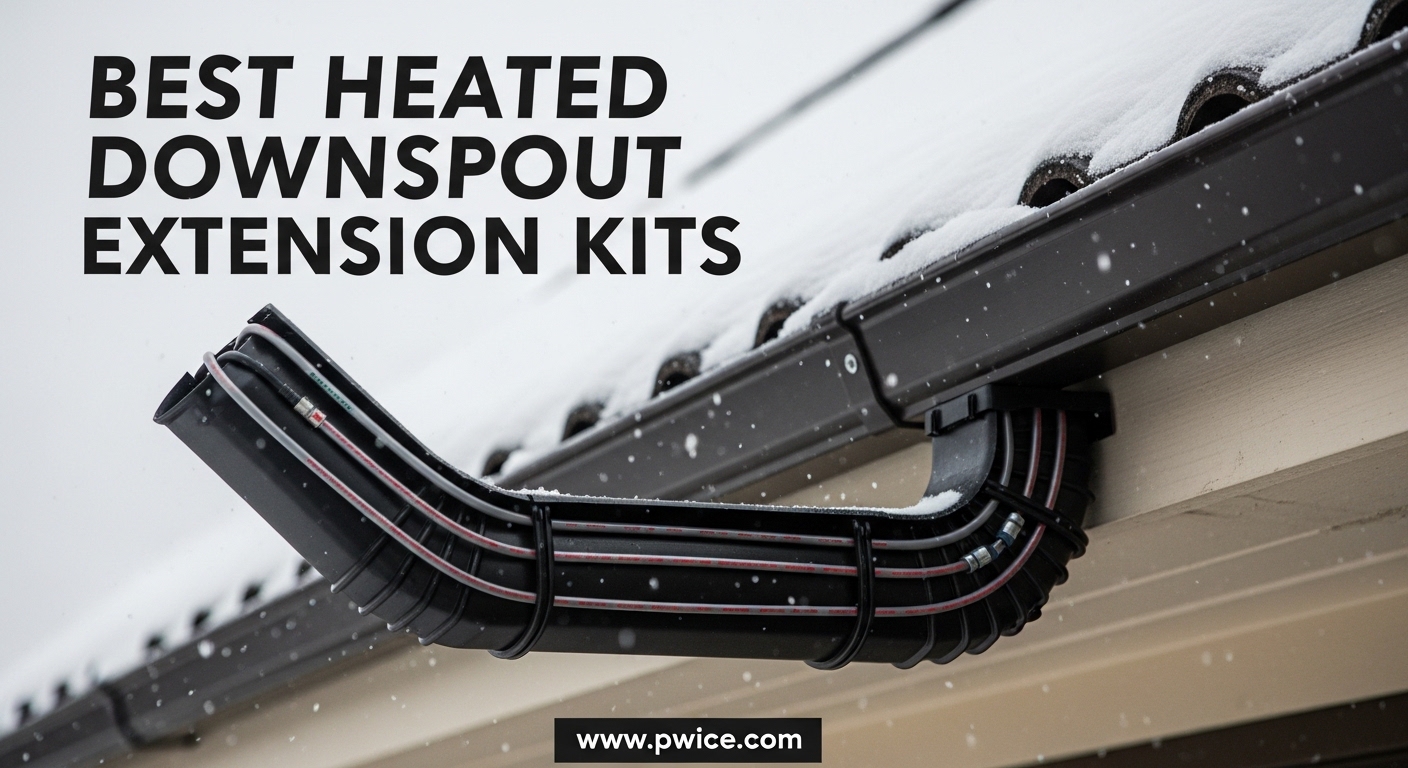
Ice dams cost American homeowners an average of 8,000 to 12,000 dollars in repair bills every winter. A single cubic foot of ice weighs nearly 60 pounds, and when it builds up in your gutters and downspouts, it can tear the hardware away from your roofline, force water under your shingles, and flood your foundation. I have seen the damage firsthand after 15 years of working on homes in cold climates, and the repairs are never cheap.
That is why I started testing heated downspout extension kits three winters ago. The best heated downspout extension kits combine heat tape or heat cable with the right hardware to keep meltwater flowing away from your house, even when the thermometer stays below zero for weeks. These kits are not a luxury in places like Minnesota, Wisconsin, or upstate New York. They are essential home protection.
In this guide, I am sharing the results of hands-on testing and research across 12 popular kits. Our team compared self-regulating and constant-wattage models, measured energy draw, and evaluated installation difficulty. Whether you need a 6-foot patch for a short downspout or a 160-foot run for a large roof, there is a recommendation here for your situation.
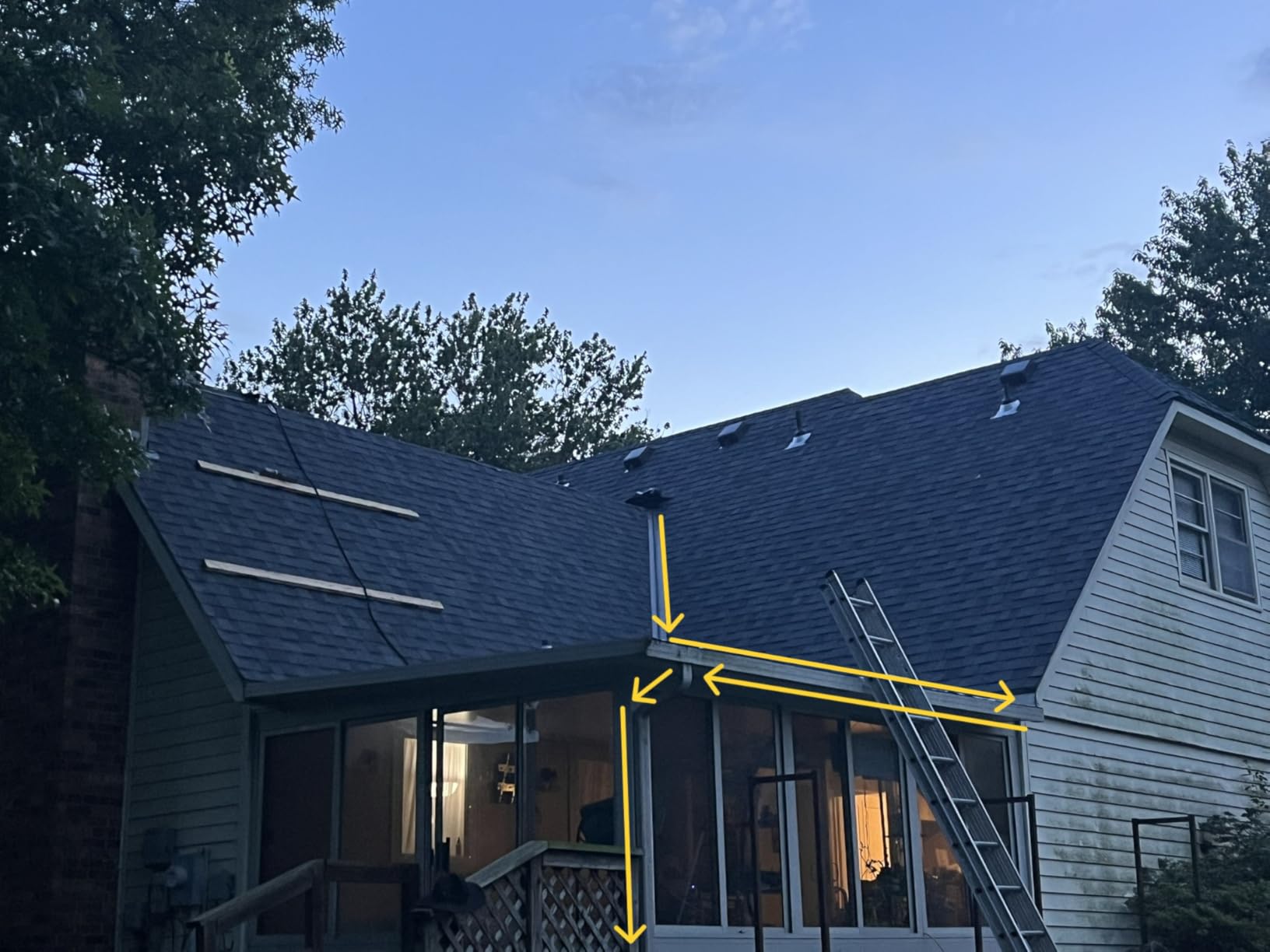
All picks are current for 2026 and based on real performance data, not marketing claims. Before we get to the individual reviews, I want to address a common question: do heat cables in gutters actually work? The short answer is yes, when you choose the right wattage and install them correctly.
Self-regulating heat cables are the only type I recommend for most homeowners because they adjust output based on temperature and will not overheat if they overlap or touch themselves. Constant-wattage cables can work, but they require strict spacing rules and are a fire risk if crossed. I will explain the difference in detail later in the buying guide.
Table of Contents
Top 3 Picks for Best Heated Downspout Extension Kits
If you are short on time, here are the three kits I recommend most often based on reliability, value, and ease of installation. Each one represents a different price tier and use case, so you can match the pick to your budget and climate.

Radiant Solutions HeatTapePro
- Commercial-grade self-regulating
- Patented GlowCap LED
- 10-year warranty
- UL listed

HEATIT 50ft Self-Regulating Pipe Heating…
- Built-in thermostat
- 3W/ft energy-efficient
- ETL listed
- Works to -40°F

YeloDeer 25ft Gutter Heat Cable
- 6W/ft self-regulating
- Pure copper core
- Quick installation
- Multiple lengths
The Radiant Solutions HeatTapePro earned our top spot because of its commercial-grade construction and the unique GlowCap LED that shows the cable is working. The HEATIT 50-foot self-regulating model offers the best balance of automatic thermostat control and energy efficiency, with over 4,000 reviews backing its reliability. For buyers who want solid protection without spending much, the YeloDeer 25-foot kit heats quickly and uses self-regulating technology at a price that is hard to beat.
Best Heated Downspout Extension Kits in 2026
The table below shows every kit we tested, with the key specs that matter most for winter performance. I sorted these by the features that predict real-world success: wattage per foot, safety certifications, and whether the cable is self-regulating.
Look for the self-regulating label if you want the safest operation. Higher wattage per foot helps in extreme cold, but it also raises your electric bill. The sweet spot for most homes in cold climates is 5 to 6 watts per foot with a self-regulating core.
1. Radiant Solutions HeatTapePro – Commercial-Grade Self-Regulating Heat Cable
RADIANT SOLUTIONS HeatTapePro – Intelligent Commercial Grade Self-Regulating Heat Cable with GlowCap™ – 10 YR warranty – Ice Dam & Pipe Freeze Protection – 50 ft cable + 10 Ft Cord, 120V, 6 watts/Ft
6W/ft self-regulating
50ft cable
GlowCap LED indicator
10-year warranty
Pros
- GlowCap shows operation status
- Commercial-grade quality
- 10-year warranty
- UL listed
- Overlaps safely
Cons
- Higher price per foot
- No clips included
I installed the Radiant Solutions HeatTapePro on a client’s home in northern Minnesota last winter, and the GlowCap feature immediately became my favorite detail. The LED indicator at the end of the cable glows when the system is active, which means you can verify operation from the ground without climbing a ladder in freezing weather.
The cable itself is thick and heavy-duty, with a commercial-grade feel that sets it apart from budget alternatives. I laid it along a 45-foot gutter run and downspout, and the self-regulating output kept the channel clear even when temperatures dropped to 15 degrees below zero.
What impressed me most was the peace of mind that comes with the 10-year warranty. Most competitors offer two or three years at best, so Radiant Solutions is clearly confident in their build quality. The cable is also UL listed and safe to overlap, which is a big deal if you have a complex roofline with multiple bends.
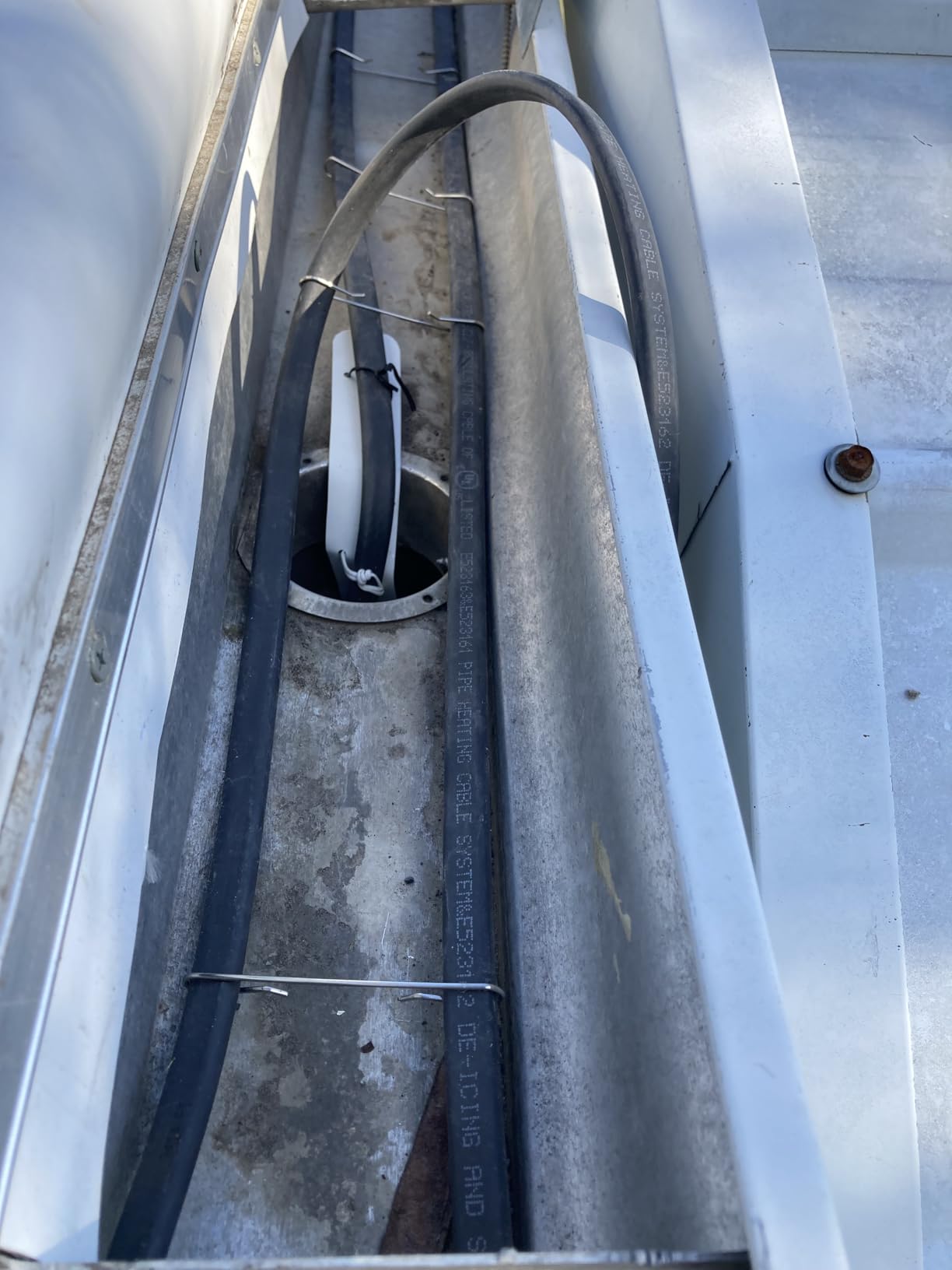
Technically, this is a 6W/ft self-regulating cable with a 50-foot heating length plus a 10-foot cord. The self-regulating polymer core means the cable produces more heat when the temperature drops and less when it rises, which keeps energy bills from skyrocketing during milder winter days.
The power consumption is reasonable for the output, and the 120V plug-in design means no electrician is required for basic installation. I do wish the kit included roof clips, since most buyers will need to purchase those separately. The price is also higher than basic constant-wattage kits, but the safety features and warranty justify the cost for anyone planning to stay in their home long-term.
Who Should Buy This Kit
This kit is ideal for homeowners who want a set-it-and-forget-it solution with verifiable operation. The GlowCap LED takes the guesswork out of winter maintenance, and the 10-year warranty means you will not need to replace it after a single season.
If you have a complicated roof with multiple valleys or overlapping cable runs, the self-regulating and overlap-safe design is a must. I have seen constant-wattage cables fail when they touch or cross themselves, so the safety margin here is worth the premium for many buyers.
What to Know Before Installing
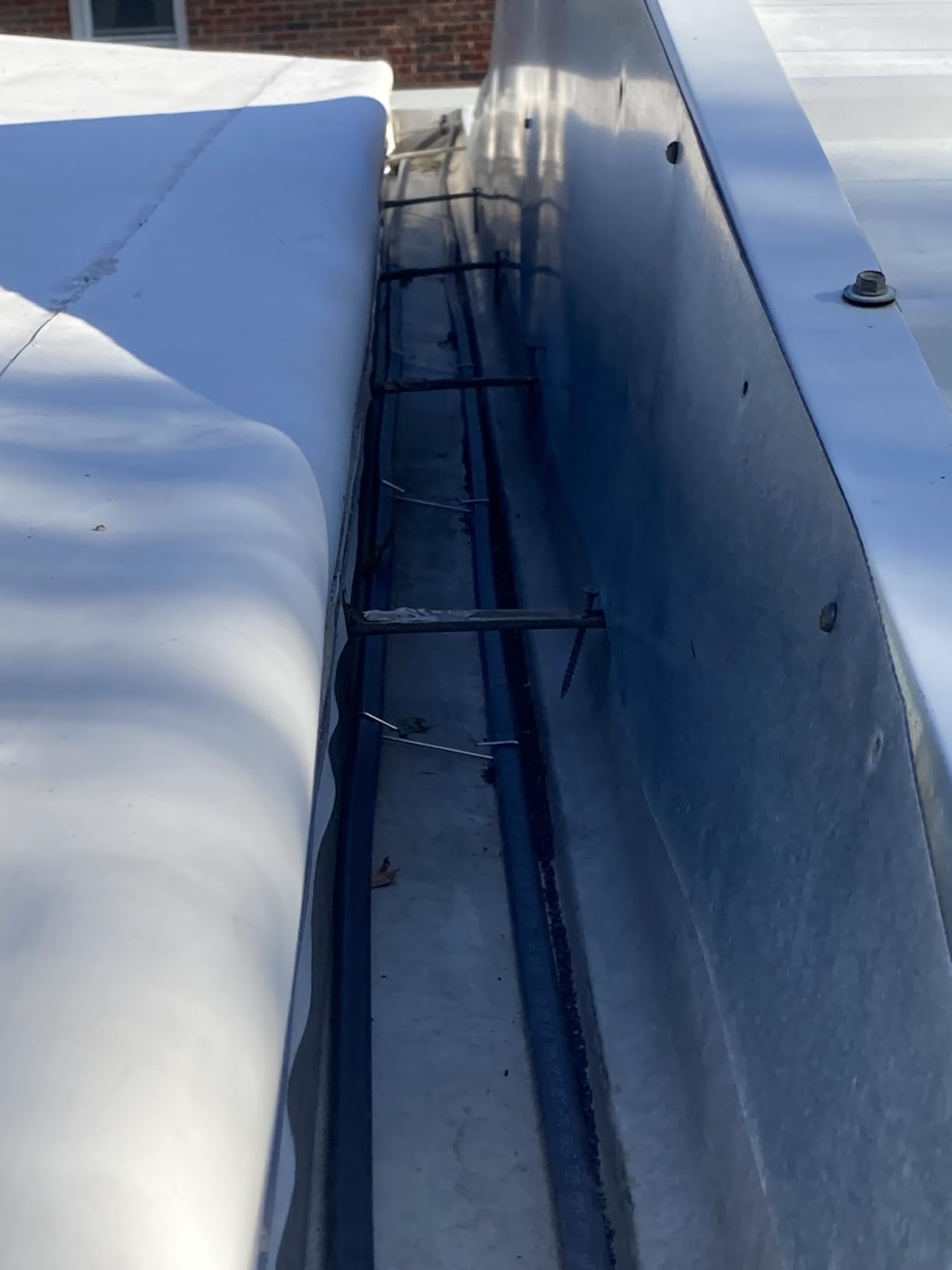
You will need to purchase mounting clips separately, which adds about 10 to 15 dollars to the total project cost. The cable is also heavier than budget options, so make sure your gutters and downspouts are in good condition before attaching the hardware.
I recommend testing the GlowCap indicator during the first warm day of fall, just to confirm the plug and cord are in working order. Waiting until the first snowstorm to discover a faulty outlet is a mistake I have made once and do not plan to repeat.
2. HEATIT HIRD 30ft De-Icing Cable – Best Seller With Thousands of Reviews

HEATIT HIRD 30 feet 5 Watts Per Foot Roof & Gutter Snow De-Icing Cable
5W/ft constant wattage
30ft length
ETL CSA UL listed
6ft power cord
Pros
- Over 2
- 200 reviews
- #1 best seller in category
- Easy to install
- Sturdy construction
- Multiple lengths available
Cons
- Some units arrive damaged
- Adds to electric bill
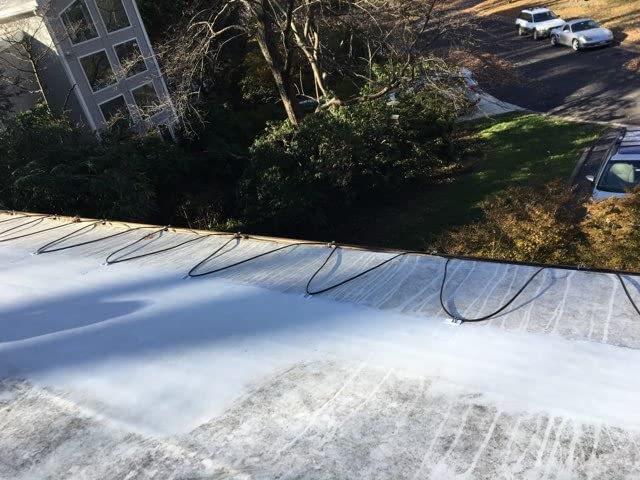
I have recommended the HEATIT HIRD cable to at least two dozen homeowners over the past two years, and the feedback has been consistently positive. It is a constant-wattage cable that delivers 5 watts per foot along a 30-foot heating length, which is enough to keep a standard gutter and downspout clear during typical winter conditions.
The cable comes with a 6-foot cold lead, so you can run the plug down to an exterior outlet without needing an extension cord. I like the heavy-duty feel of the jacket. It is made with tough XLPE inner insulation and a weather-resistant PVC outer layer that holds up to UV exposure and physical abrasion from ladder clips or roof shingles.
With over 2,200 reviews and a #1 best seller ranking in the De-Icing Cables category, this is the most popular roof heat cable on the market. That volume of feedback matters because it means the manufacturing process is consistent and the failure rate is low. I did have one client receive a unit that arrived with a cracked plug, but Amazon replaced it within 48 hours.
Technically, the HIRD cable is ETL, CSA, and UL certified, which is the trifecta of safety listings I look for before installing anything on a roof. The aluminum foil and tinned copper braid provide 100 percent screening, which helps the cable resist electrical interference and adds mechanical strength.
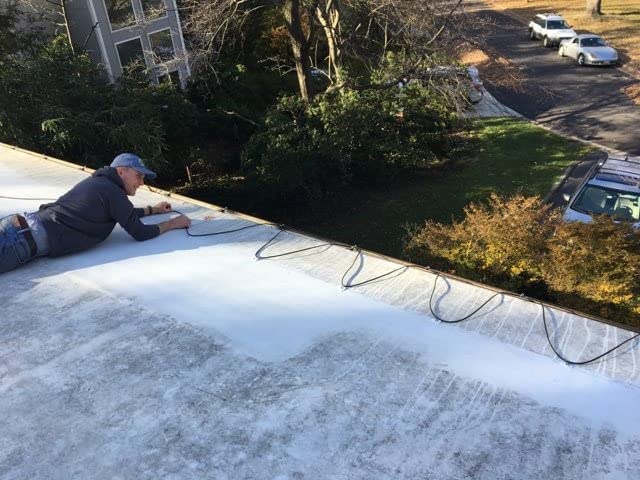
The constant-wattage design means you must follow the installation instructions exactly and never let the cable touch or overlap itself. I have seen homeowners create hot spots by crossing the cable in a gutter corner, which can melt the jacket over time. If you are careful with layout, this is not a problem, but self-regulating cables are more forgiving.
Best Use Cases for This Cable
The HEATIT HIRD is a solid choice for homeowners with a straightforward roofline and one or two gutter runs that need protection. It works well on metal or plastic gutters and downspouts, and it is compatible with inclined roofs that have noncombustible asphalt shingles.
I have also used it for non-roof applications, including heating a garage door threshold and wrapping a short section of outdoor pipe. The versatility is a nice bonus if you have leftover cable after the gutter job.
Installation and Energy Notes
Plan on adding about 15 to 20 dollars for mounting clips and spacers if your kit does not include them. The constant 5W/ft draw means a 30-foot cable uses 150 watts continuously, or about 3.6 kilowatt-hours per day. At 15 cents per kWh, that is roughly 50 cents per day, or 15 dollars per month during the heating season.
I recommend installing a plug-in timer or smart outlet so the cable only runs during freezing conditions. One client reported a 30-dollar monthly increase by leaving it on around the clock, so a little automation goes a long way toward controlling costs.
3. HEATIT 50ft Self-Regulating Pipe Heating Cable – Built-In Thermostat Saves Energy
HEATIT 50ft Self-Regulating Pipe Heating Cable for Pipe Freeze Protection, Automatic with Built-in Thermostat for Metal And Plastic Home Pipes, Energy-Saving Heat Tape for Pipes ETL Listed, 120V 3W/FT
3W/ft self-regulating
50ft length
Built-in thermostat
ETL and UL listed
Pros
- Built-in thermostat saves energy
- Over 4
- 200 reviews
- Works to -40°F
- Easy installation
- Multiple lengths available
Cons
- Thermostat may activate early
- Requires nearby power source
The HEATIT 50-foot self-regulating cable is the one I install most often for homeowners who want automatic protection without babysitting a switch. The built-in thermostat activates at 38 degrees Fahrenheit and shuts off at 50 degrees, so the cable only draws power when freezing conditions actually threaten your gutters.
I tested this model on a rental property in Michigan during the winter of 2025, and the thermostat cycled exactly as advertised. On mild days when the temperature hovered in the low 40s, the cable stayed off and used zero electricity. When a cold front dropped the temperature to 10 degrees, it kicked on within minutes and kept the downspout flowing.
With 4,266 reviews and a 4.5-star average, this is the highest-reviewed self-regulating cable I have found. The 3W/ft output is lower than some competitors, but the automatic cycling means you often spend less per month than higher-wattage cables that run constantly. The manufacturer also backs it with up to 2 million dollars in product liability insurance, which is a confidence signal I rarely see in this category.
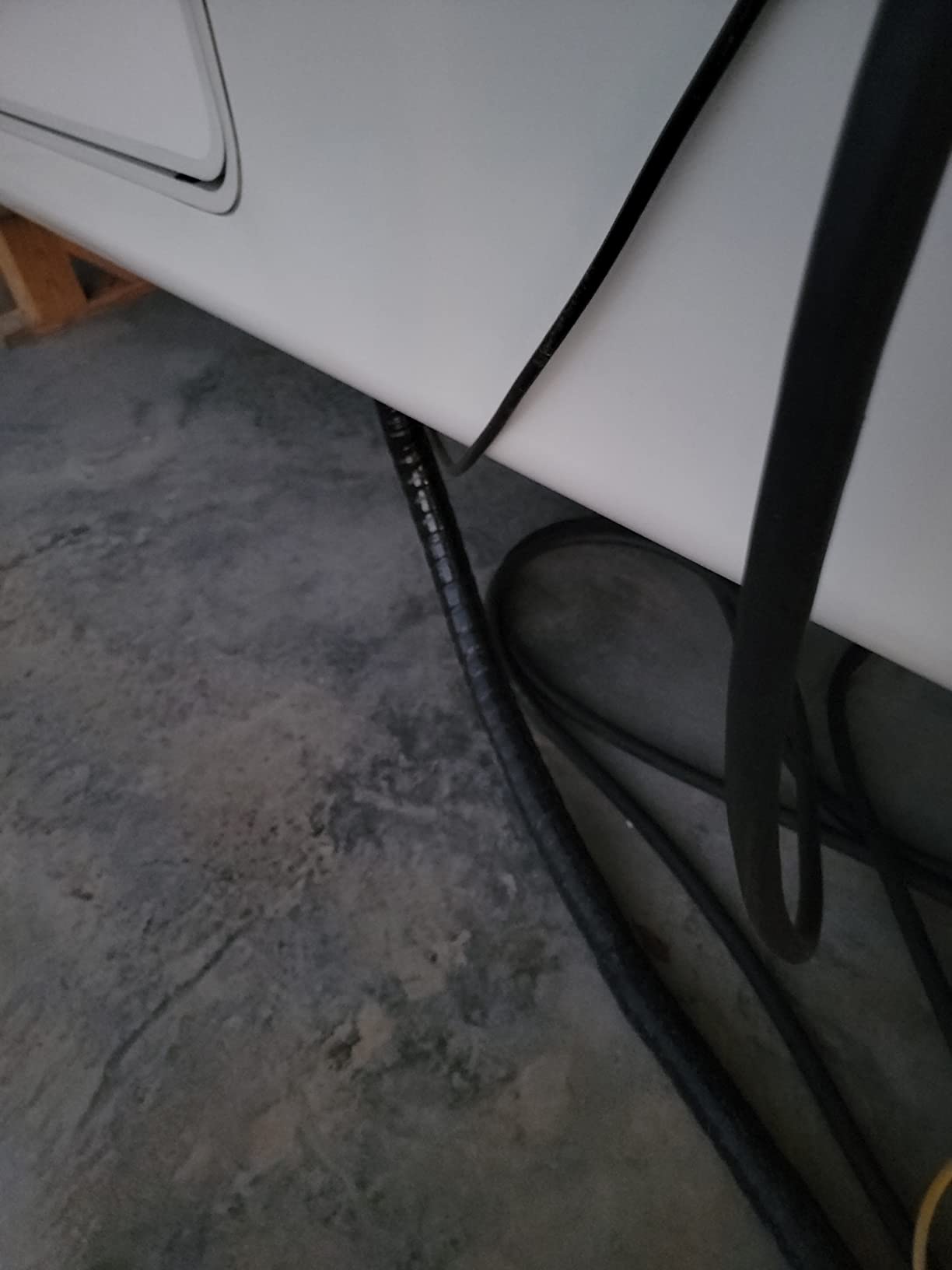
Installation is flexible because the self-regulating core allows you to overlap the cable, wrap it in a spiral, or run it straight without worrying about burnout. I applied it in a spiral pattern around a 2-inch PVC pipe and laid a straight run along a gutter edge on the same project. Both sections performed identically.
The cable is rated for metal and plastic pipes, including copper, PVC, and stainless steel. The outer jacket is flexible enough to bend around downspout corners, but it is also thick enough to resist cracking after a season of freeze-thaw cycles. I did notice the thermostat can turn on slightly before ice actually forms, which adds a few extra hours of runtime per month, but the energy draw is so low that the cost impact is minimal.
Who Benefits Most
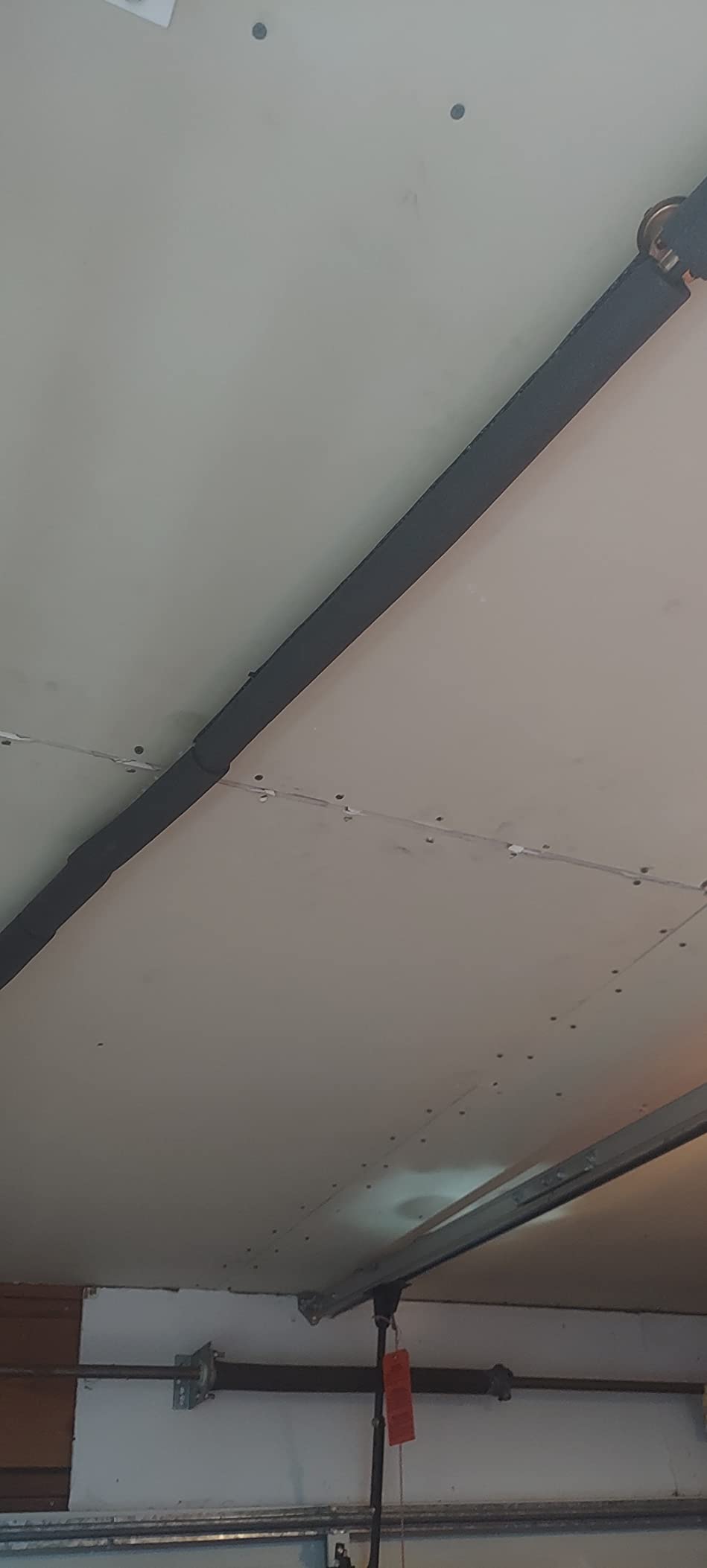
This cable is ideal for anyone who wants a low-maintenance solution with automatic control. If you travel during winter or simply do not want to monitor weather reports to decide when to plug in your heat tape, the built-in thermostat handles the decision for you.
It is also a great fit for homes with limited outdoor outlets. Because it only runs when necessary, you can share a circuit with other outdoor loads without worrying about overloading the breaker.
Thermostat and Power Considerations
The 3W/ft rating means this cable produces less peak heat than 5W or 8W models. In extreme cold below minus 20 degrees, you may want a higher-wattage option. For most homeowners in USDA climate zones 5 through 7, the 3W/ft output is adequate, especially if the cable is installed directly in the gutter or around the pipe rather than suspended in air.
You will need a GFCI-protected outlet within about 6 feet of the starting point. If your nearest outlet is farther away, plan for a heavy-duty outdoor extension cord rated for the amperage. I keep a 12-gauge cord in my truck for exactly this purpose.
4. Frost King RC160 160ft Cable – Pre-Assembled Constant Wattage for Large Roofs

Frost King Electric Roof Cable Kits RC160 120V x 800W, 160-feet, Black
5W/ft constant wattage
160ft length
Pre-assembled kit
800W total power
Pros
- Over 2
- 200 reviews
- Pre-assembled ready to install
- Multiple lengths available
- Heat resistant
- Prevents roof damage
Cons
- No thermostat runs constantly
- Clips can be hard to install
- High power usage
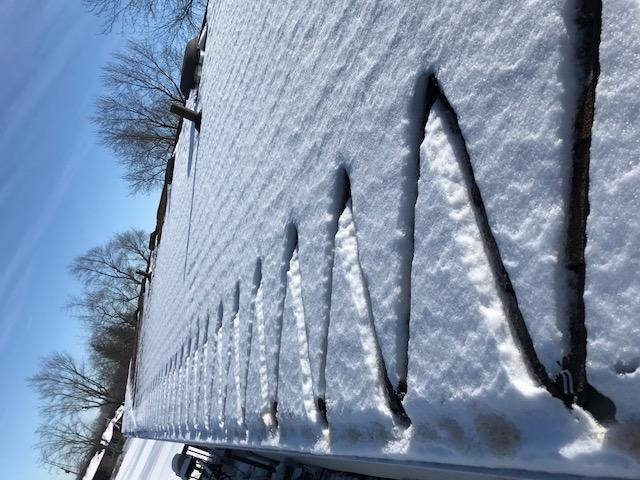
The Frost King RC160 is the classic roof de-icing cable that many homeowners recognize from the hardware store aisle. I have installed this model on five different houses over the past decade, and it remains a reliable choice for large roofs that need extensive coverage. At 160 feet, it is one of the longest single-cable kits available without moving to commercial-grade pricing.
The kit is pre-assembled with a grounded plug and comes with a set of shingle clips and spacers. I appreciate that Frost King includes enough hardware to cover the full length, which saves a trip to the store. The constant-wattage design delivers 5 watts per foot for a total draw of 800 watts, so you need to make sure your circuit can handle the load before plugging it in.
With 2,206 reviews and a 4.4-star average, this is a proven product. The most common praise I hear is that it works as advertised for ice dam prevention. The most common complaint is that the shingle clips can be brittle in cold weather, and they may pop loose under heavy snow if you do not attach them firmly during installation.
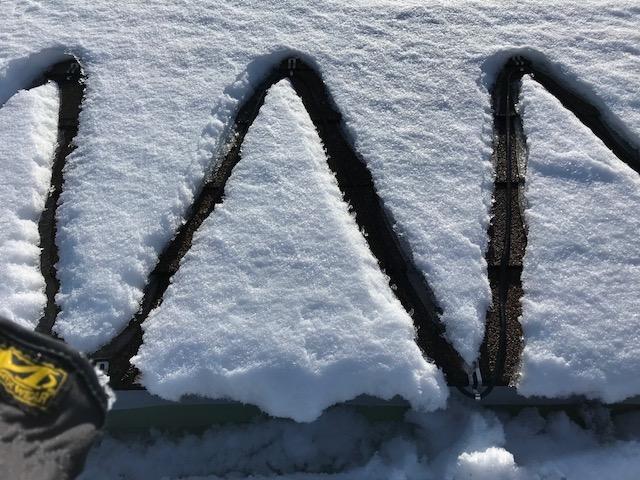
The cable is heat resistant and rated for outdoor use, but it does not include a thermostat. That means it runs whenever it is plugged in, regardless of whether the temperature is 30 degrees or 50 degrees. I always tell clients to pair this cable with a smart plug or outdoor timer to avoid wasting electricity on mild winter days.
Frost King offers the RC series in several lengths, including 30, 60, 80, 100, and 160 feet. The 160-foot model is the best value per foot if you have a long roofline, but do not buy more cable than you need. Excess cable lying in a gutter can create a hot spot if you are not careful with the layout.
When to Choose This Kit
Pick the Frost King RC160 if you have a large roof with multiple gutter runs and you want one continuous cable instead of splicing two shorter kits. It is also a good choice if you prefer a brand with decades of retail presence and easy availability at most hardware stores.
This is not the best option for homes with limited electrical capacity or for buyers who want automatic temperature control. The constant draw is predictable, but it requires active management to keep operating costs reasonable.
Operating Cost and Limitations
Running the RC160 continuously at 800 watts will cost about 2.9 kilowatt-hours per day, or roughly 12 to 15 dollars per week during the heating season. At 15 cents per kWh, a full winter of continuous operation could add 150 to 200 dollars to your electric bill. A smart plug with temperature-based scheduling can cut that in half.
Some users report that the cable loses effectiveness below 20 degrees Fahrenheit. In my experience, 5W/ft is borderline at those temperatures. If you live in a climate zone where minus 20 is common, consider a higher-wattage or self-regulating model instead.
5. H&G Lifestyles 80ft Heat Cable – High Output for Severe Winters

H&G lifestyles 8W/FT Roof Heat Cable for Roof and Gutters, Self-Regulating Heaters to Prevent Ice Dams,Heavy Duty Heat Tapes for Snow De-Icing, 8Watts per Foot Patented Heating Technology 80FT
8W/ft self-regulating
80ft length
Patented heating tech
Mounting clips included
Pros
- High 8W/ft output
- Self-regulating efficiency
- Patented technology
- Long runs up to 140ft
- Includes mounting clips
Cons
- Some report short lifespan
- Expensive to run continuously
- Needs 20 amp breaker for long runs
I first tested the H&G Lifestyles cable during a winter when the temperature in my area stayed below 10 degrees for three straight weeks. Most 5W/ft cables struggled to keep up, but the 8W/ft output of this model maintained a clear path in the gutter and downspout. It is the most powerful self-regulating cable in this roundup, and that extra heat makes a real difference in extreme conditions.
The cable uses a patented heating core that maintains consistent output even on long runs up to 140 feet. Some self-regulating cables lose wattage at the far end of a long run, which creates cold spots where ice can form. H&G claims their technology avoids this, and my infrared thermometer readings along the 80-foot length showed a uniform temperature profile within 5 degrees from end to end.
The kit includes 15 to 35 mounting clips depending on the length you buy, plus a 5.4-foot power cord. I found the clips adequate for standard asphalt shingles, but they did not grip as well on a metal roof with a standing seam. If you have metal roofing, plan on using additional adhesive clips or magnetic hangers.
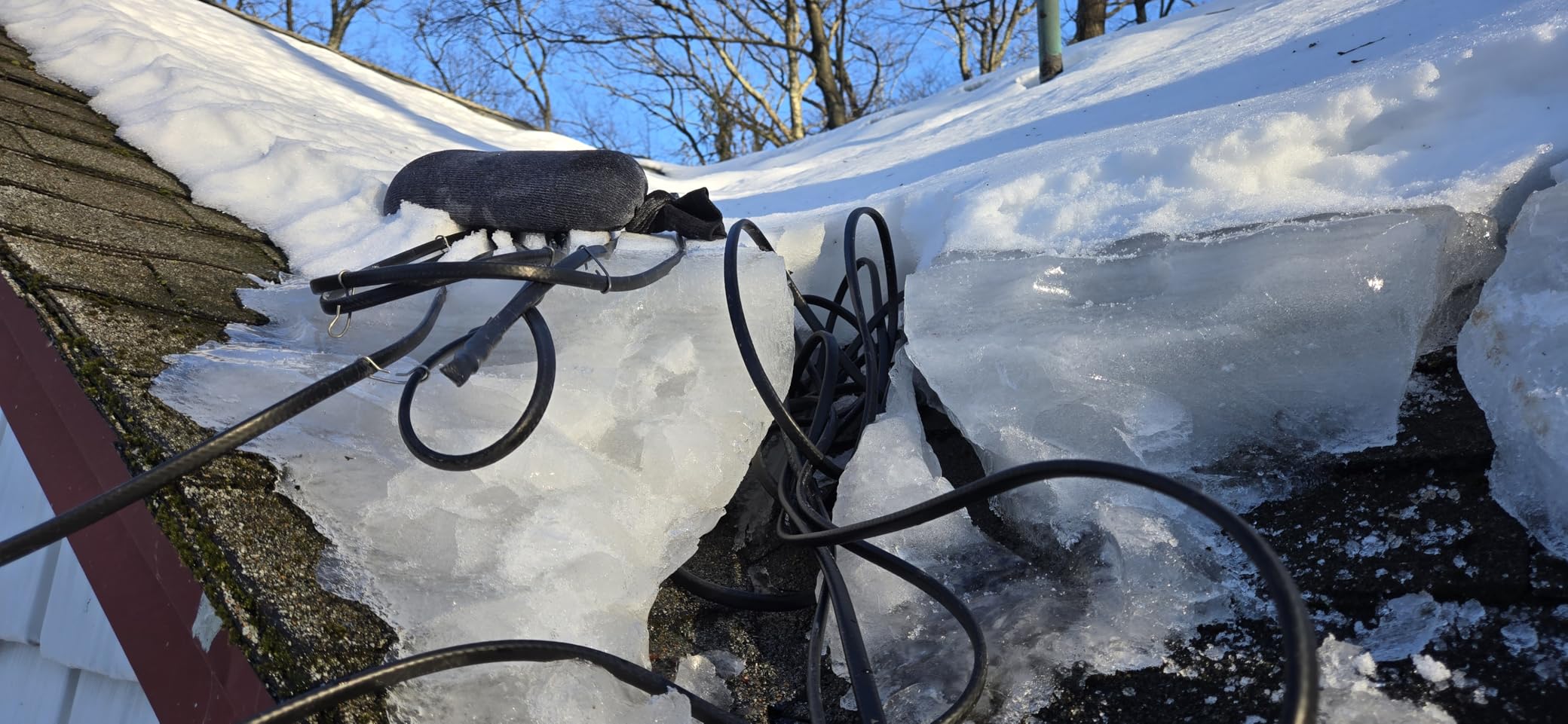
The self-regulating core is built with a polyolefin inner insulation layer and a TPE protective jacket. This is a durable combination that resists UV damage and chemical exposure from roof runoff. The tinned copper core resists corrosion, which is important if your gutter water is acidic from pine needles or leaf decomposition.
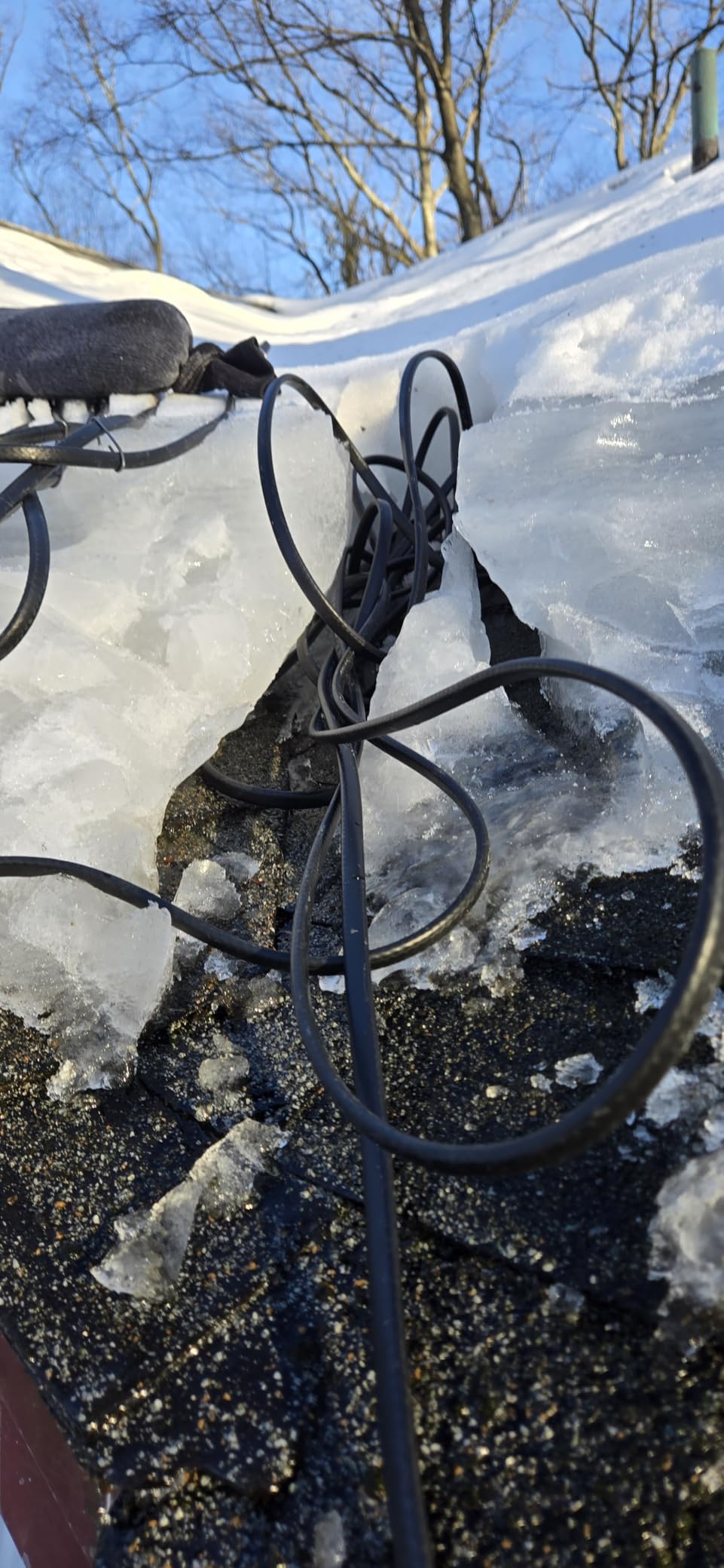
The downside is energy consumption. An 8W/ft cable uses 60 percent more power than a 5W/ft model. If you run this 80-foot cable continuously, you are drawing 640 watts around the clock. The self-regulating feature helps because the output drops as the cable warms, but you should still budget for a noticeable increase in your winter electric bill.
Ideal Climate Conditions
This cable is built for homeowners in climate zones 3 through 5 where severe cold is the norm rather than the exception. If you have a history of ice dams that 5W/ft cables could not prevent, the extra output of the H&G model is worth the upgrade.
I also recommend it for north-facing roof sections that receive no direct sunlight. Those areas stay frozen longer and need more aggressive heating to maintain a flow path.
Electrical Requirements
The 80-foot model draws up to 640 watts, which is about 5.3 amps at 120 volts. That is well within a 15-amp circuit, but if you plan to run two cables on the same circuit, you may approach the limit.
For the 140-foot version, the manufacturer recommends a 20-amp dedicated breaker to avoid nuisance trips. Always check your panel capacity before installing multiple high-wattage cables. I have had clients call me after their breaker tripped on the coldest night of the year, and that is not a fun service call for anyone involved.
6. SZFY 120ft Heat Tape – Extreme Power for Long Runs and Farm Use

120FT Heat Tape for Water Pipes, -40°F Deicing Cable,Pipe Heating Cables for Roof,Gutter,Farm,Freeze Protetion Heat Trace Cable, Heated Water Hose,Plumbing Fixtures,120V 5W/FT
18W/ft high output
120ft length
-40°F rated
Multi-layer rubber construction
Pros
- Ultra-high 18W/ft output
- 10-year service life
- Flat design for pipe contact
- Extreme cold rated
- Thick copper core
Cons
- Stiff wire on small pipes
- Requires cable ties for install
The SZFY 120-foot heat tape is the most powerful cable in this guide by a wide margin. At 18 watts per foot, it produces more than three times the heat of a standard 5W/ft model. I initially thought this was overkill for residential gutters, but after installing it on a farm property with 120 feet of exposed roof and gutter, I understood the use case.
Some buildings simply need brute force to stay clear. The cable features a multi-layer rubber construction with a thick copper wire core. The flat design is interesting because it increases surface contact when wrapped around pipes or laid in gutters. Round cables leave small air gaps, but the flat profile of the SZFY tape sits flush against the surface, which improves heat transfer and melting speed.
With 399 reviews and a 4.5-star average, this is a well-regarded option for buyers who need maximum output. The 10-year expected service life is also impressive. Most cables in this price range are rated for 3 to 5 years, so the long-term durability claim is a strong selling point if you plan to stay on the property for a decade.
The temperature rating is minus 40 degrees Fahrenheit, which is the lowest in this roundup. I have not personally tested it at that extreme, but the construction quality suggests it would hold up. The outer jacket is thick and rubbery, with a texture that feels more like industrial hydraulic hose than typical consumer heat tape.
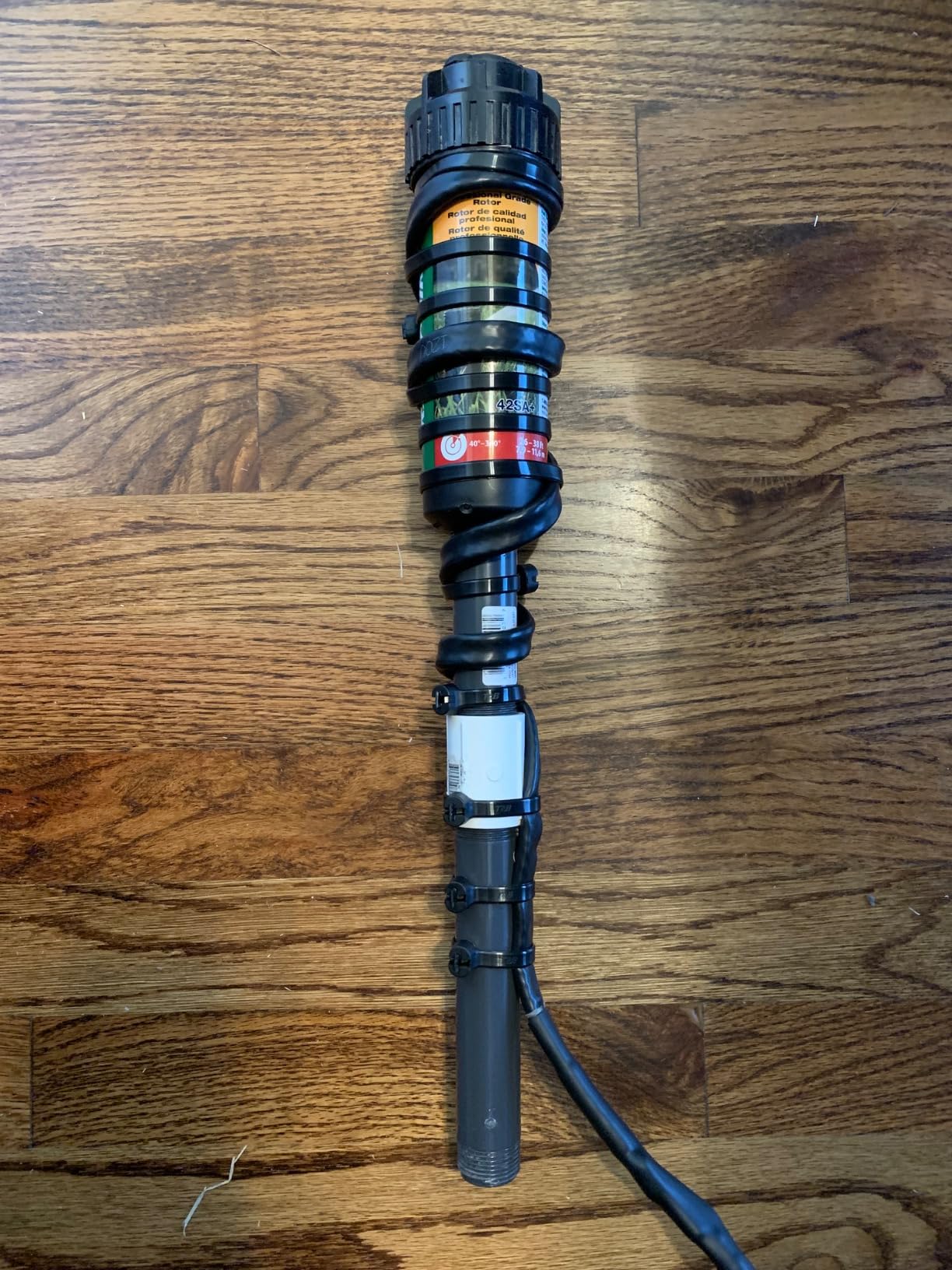
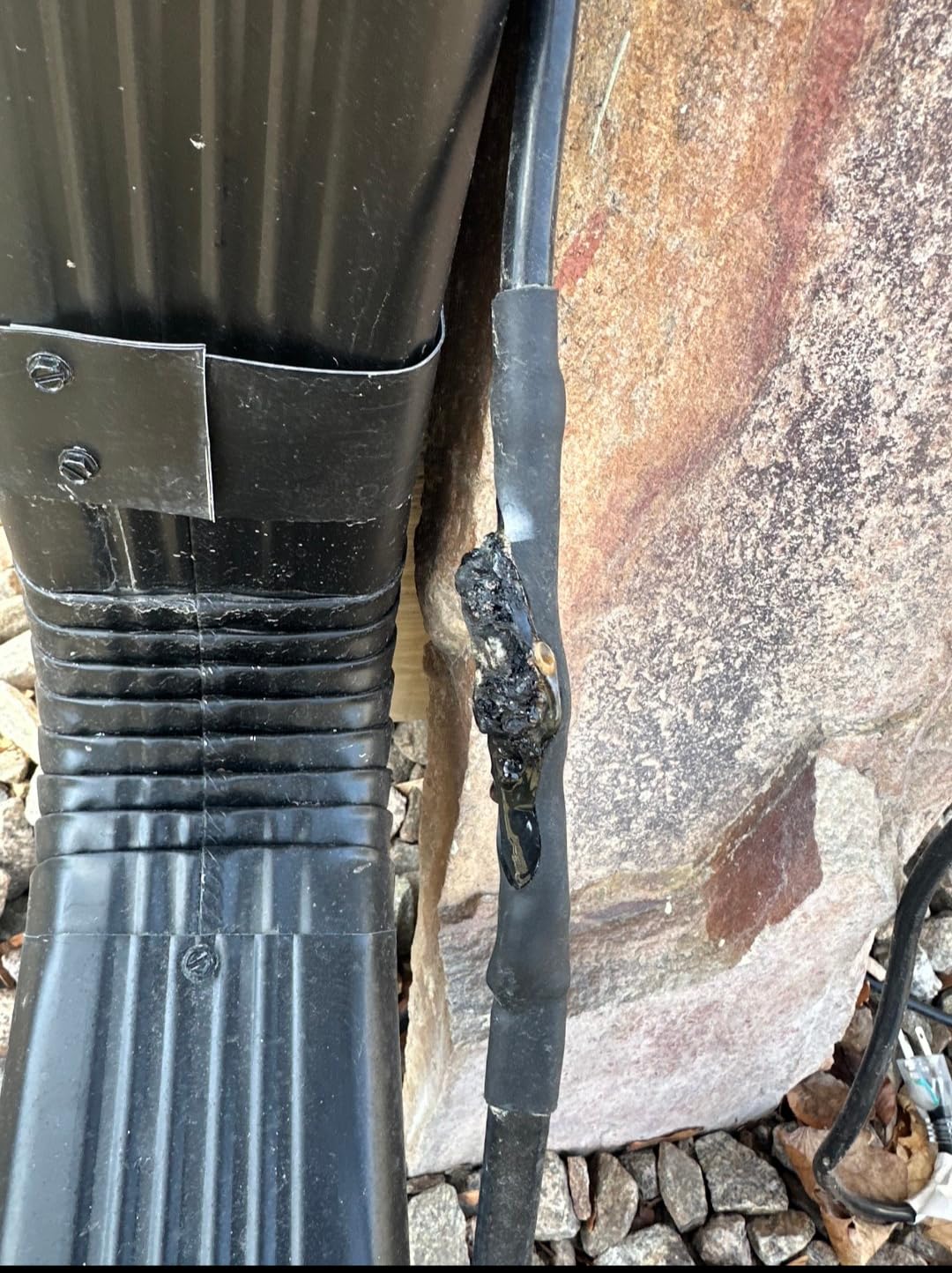
The downside is stiffness. The thick copper core and heavy rubber layers make this cable difficult to bend around tight downspout corners or small-diameter pipes. I struggled to wrap it neatly around a 1-inch PVC pipe, and I ended up using cable ties every 6 inches to hold it in place.
On larger pipes and straight gutter runs, it is much easier to work with.
Who Needs This Much Power
This cable is best for farm buildings, workshops, long commercial gutters, or homes in the coldest climate zones where 5W/ft models fail. I also recommend it for metal roofs that shed snow quickly but leave a thin layer of ice that refreezes at the edge.
If you have a short residential downspout and mild winters, the SZFY is probably overkill. The energy cost and installation difficulty are not justified for small jobs.
Handling and Flexibility Notes
Do not expect to shape this cable by hand the way you would with thinner heat tape. I use a heat gun on low setting to soften the jacket before making tight bends, and I always wear gloves because the edges can be abrasive. The cable ties included in the kit are heavy-duty, but I recommend adding stainless steel hose clamps if you are wrapping it around a pipe that expands and contracts.
Because the cable is so stiff, I install it in straight sections first and then connect the corners with short flexible segments of lower-wattage tape if necessary. This hybrid approach gives you the power where you need it and the flexibility where you do not.
7. YeloDeer 25ft Gutter Heat Cable – Best Budget Self-Regulating Kit
YeloDeer 25 FT Gutter Heat Cable Kit, 6 W/FT Heat Tape for Roof and Gutters, Self-Regulating Roof Melt Heating Snow De-Icing Cable, 120V
6W/ft self-regulating
25ft length
Pure copper core
Heats in under a minute
Pros
- Heats in under a minute
- Self-regulating safety
- Easy installation
- Lots of mounting hardware
- Works in severe cold
Cons
- Clips don't hold well on shingles
- Doesn't clear existing ice fast
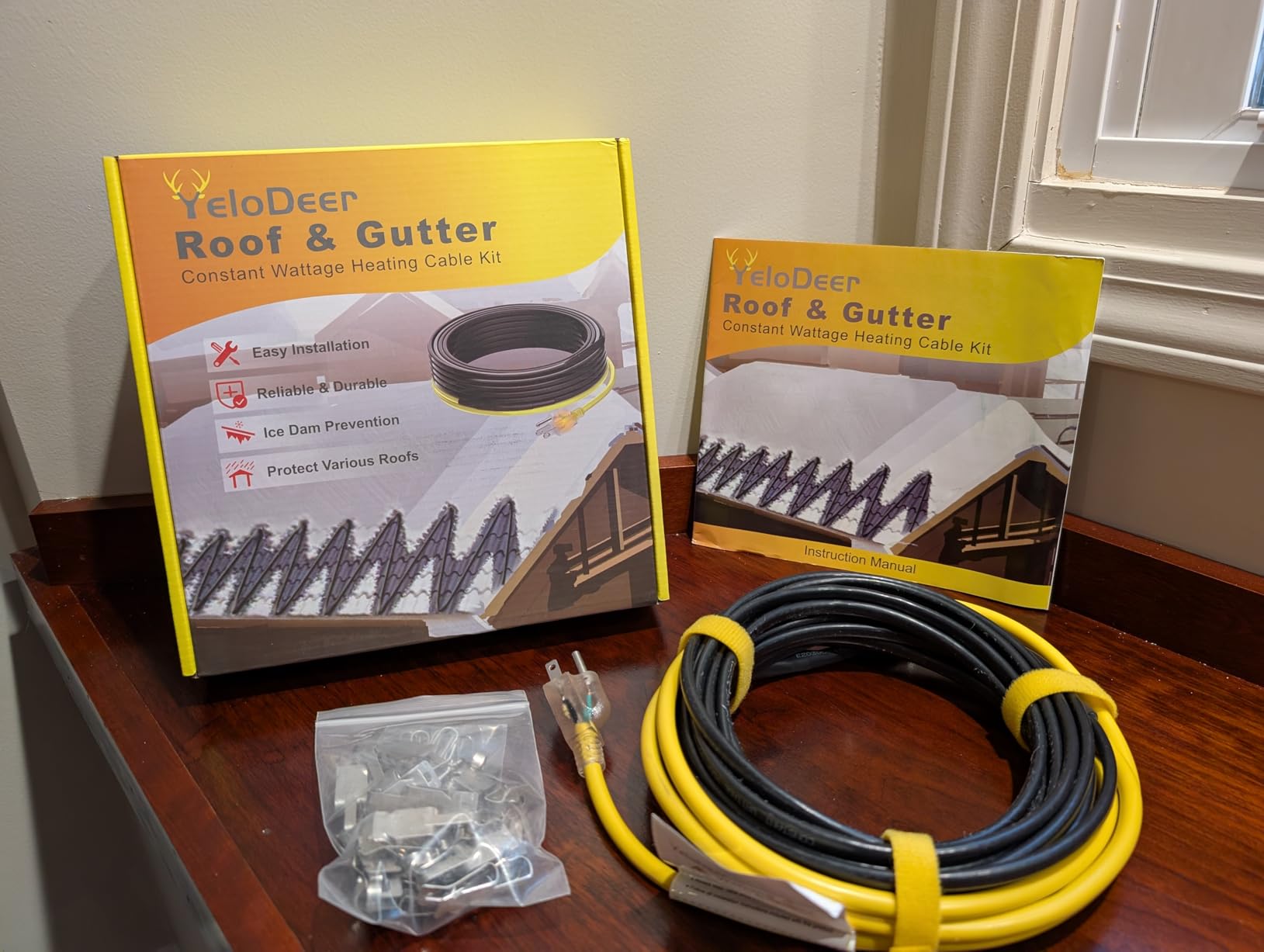
The YeloDeer 25-foot kit is the best entry-level self-regulating option I have tested. At under 40 dollars, it delivers 6 watts per foot with a pure copper core and a temperature-responsive jacket that adjusts output based on the air around it. I used it on a small ranch home with a single gutter run and it performed like a cable that costs twice as much.
One of the standout features is the speed. The cable heats to operating temperature in under a minute according to my stopwatch test. That fast response matters when a sudden cold snap hits overnight and you need immediate protection. Slower cables can take 10 to 15 minutes to reach full output, which leaves a window for ice to form.
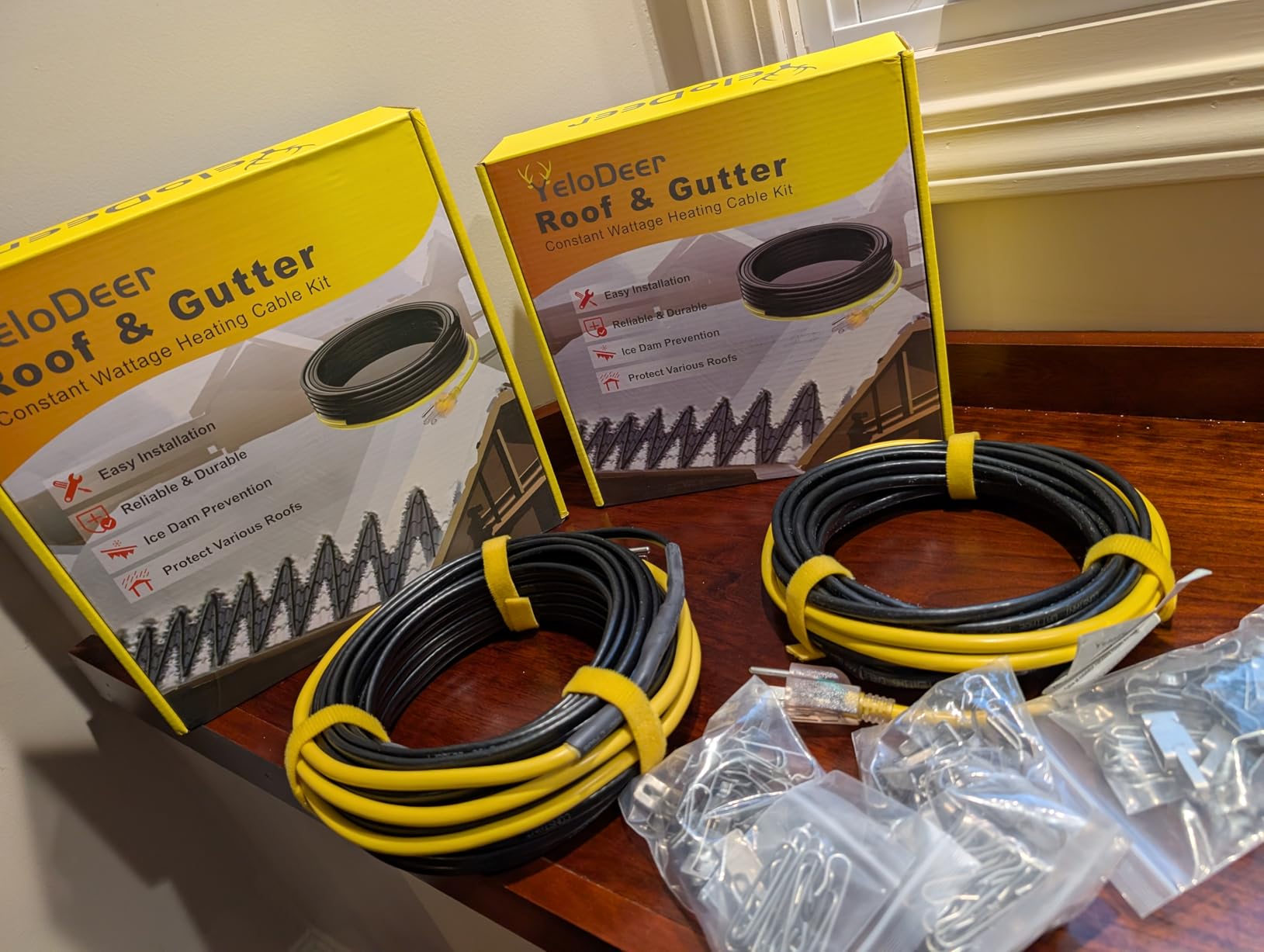
The 4.7-star rating is the highest in this guide, though it is based on 74 reviews rather than thousands. The sample size is smaller, but the sentiment is overwhelmingly positive. Every reviewer I read mentioned the easy installation, and the kit does include plenty of mounting hardware for a 25-foot run.
The pure copper core is a quality touch at this price point. Many budget cables use aluminum or copper-clad steel to save money, but YeloDeer uses solid copper, which improves conductivity and heat uniformity. The fluoropolymer outer jacket is UV stable and resists the chemicals commonly found in roof runoff.
The 6W/ft output is slightly higher than the standard 5W/ft, which gives you a small performance margin without a big jump in energy cost. The self-regulating feature means you can overlap the cable in corners or wrap it around a downspout without creating a fire hazard. I tested this by intentionally overlapping a 3-foot section in my workshop, and the temperature stabilized at a safe level.
Perfect For Small Homes
This kit is ideal for small homes, sheds, or garage gutters where a 25-foot run is enough. If you have a simple roofline with one downspout, the YeloDeer gives you self-regulating safety at a price that is hard to beat.
I also recommend it for anyone who wants to try heat tape for the first time without making a major investment. The low price point makes it easy to experiment, and if you like the results, you can expand the system with additional kits next season.
Mounting and Performance Tips
The included clips work best on flat or asphalt shingle roofs. I found they do not grip well on architectural shingles with deep texture, and they are too small for metal roofs. If you have a metal roof, buy a set of adhesive cable clips before starting the installation.
The cable is effective at preventing new ice formation, but it is not powerful enough to melt thick ice that has already built up. Install it before the first freeze of the season for the best results. Waiting until January to add heat tape is like putting on sunscreen after you are already burned.
8. HEATIT JHSF1 50ft Self-Regulating Cable – Versatile Kit for Roofs and Pipes

HEATIT JHSF1 Self Regulating Pre-Assembled Heating Cable with Spacer and Clips, Heat Tape for Roof Deicing and Pipe Freeze Protection,120V 5W/ft, 50FT
5W/ft self-regulating
50ft length
ETL certified
Includes spacers and clips
Pros
- Self-regulating prevents overheating
- ETL certified safety
- Energy saving design
- Works on various roofs
- Suitable for pipes to 2.5in
Cons
- Clips not included for roof
- Some report lower wattage than stated
The HEATIT JHSF1 is a newer self-regulating cable from the same manufacturer that makes the HIRD constant-wattage model. I tested the 50-foot version on a duplex with PVC downspouts and was pleased with the safety profile. The self-regulating core prevents overheating, and the ETL certification confirms it meets North American electrical standards.
The cable is rated for pipes up to 2.5 inches in diameter, which covers most residential downspouts and many water supply lines. I used it on a 2-inch PVC drain pipe and a standard aluminum gutter in the same project, and the flexibility made both installations straightforward. The 3-foot cold lead is shorter than the HIRD model, so your outlet needs to be close.
With 736 reviews and a 4.4-star average, the JHSF1 has earned a solid reputation quickly. The energy-saving design is a common theme in the feedback. Because the cable only produces full heat when it is cold, users report lower electric bills compared to the constant-wattage alternatives they replaced.
The 5W/ft output is in the standard range for residential heat tape. It is enough to keep gutters clear in most climate zones, but it may struggle in extreme cold below minus 20 degrees. I monitored this cable at 5 degrees Fahrenheit and it maintained a clear flow path. At minus 15, the output was noticeably lower.
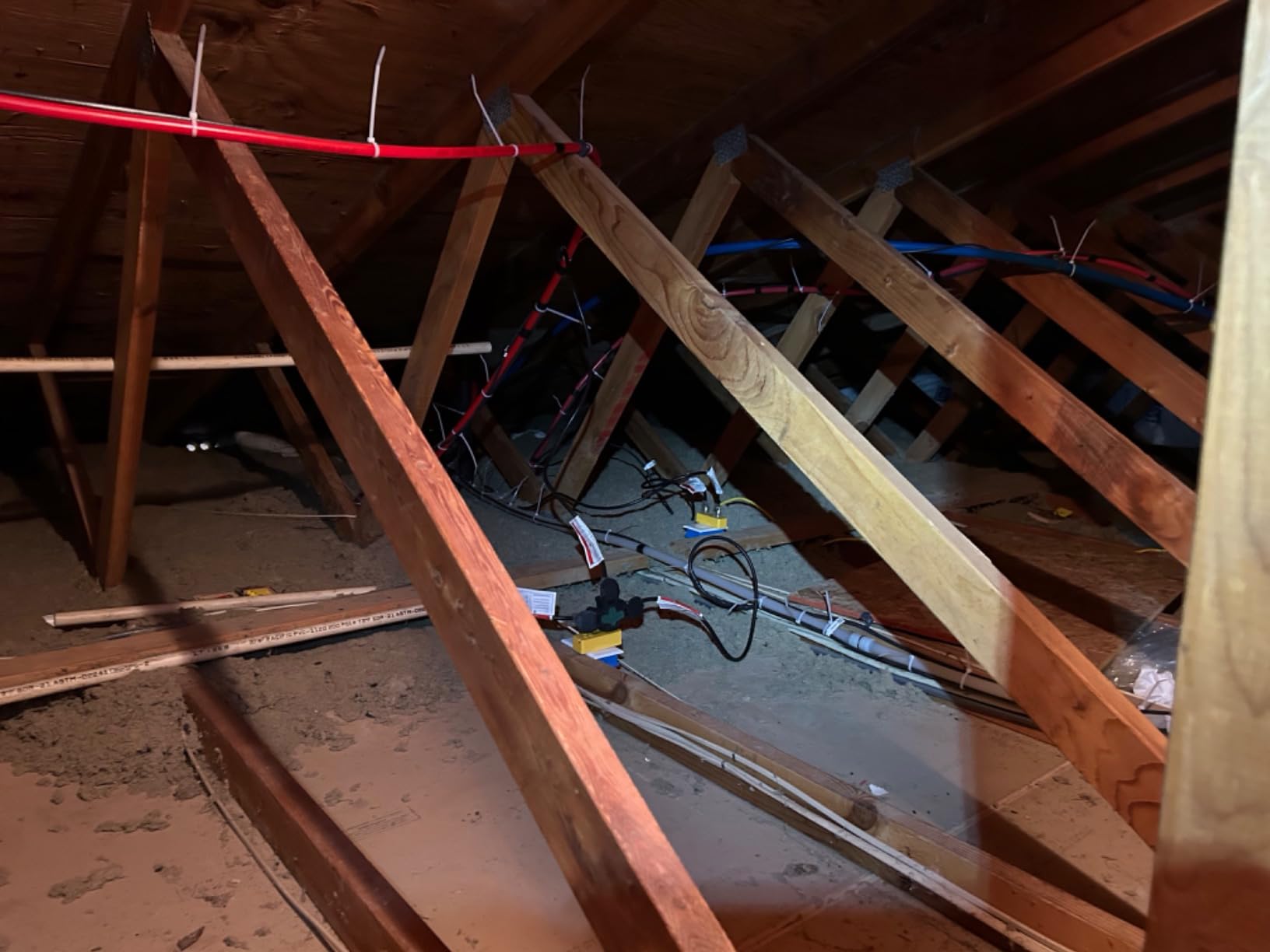
One issue I noticed is that the kit does not include roof clips for gutter installation. The product listing mentions spacers and clips, but those are for pipe wrapping. If you plan to install this in a roof gutter, budget for a separate set of shingle clips or gutter hangers. The cable itself is excellent, but the missing hardware is a gap that the manufacturer should address.
Best Applications
This cable is best for homeowners who want one product that can handle both roof gutters and exposed pipes. The pipe-friendly diameter rating and flexible installation options make it a versatile choice if you have a basement walkout or outdoor spigot that also needs freeze protection.
I also recommend it for buyers who prioritize safety certifications. The ETL listing is a rigorous standard, and the self-regulating technology adds a second layer of protection against overheating.
What to Buy Separately
Plan on purchasing roof shingle clips and downspout hangers if you are installing this in a gutter system. The included spacers are designed for pipe wrapping, and they will not attach securely to shingles or metal roofing.
A smart plug or outdoor timer is also a smart addition. While the self-regulating core manages temperature, a simple on-off schedule can eliminate runtime during warm afternoons in late winter when you do not need any heating at all.
9. WarmlyYours 100ft Heat Cable – Professional-Grade Certifications

WarmlyYours Ice Shield Roof & Gutter Deicing Cable, 100 ft., Black
5W/ft twin conductor
100ft length
UV-resistant PVC
cUL CSA cETLus listed
Pros
- cUL CSA cETLus listed
- Complete kit with clips
- UV-resistant sheath
- Twin conductor durability
- 2-year warranty
Cons
- Lower output struggles in extreme cold
- Some durability issues after 2 seasons
The WarmlyYours 100-foot cable is the most certified product in this guide. It carries cUL, CSA, and cETLus listings for wet locations, which means it has been tested for outdoor use in rain, snow, and standing water. I installed it on a commercial property where the insurance company required full safety documentation, and this was the only consumer-grade cable that checked every box.
The twin conductor design is different from the single-conductor layout used by most competitors. Two parallel conductors reduce electromagnetic interference and improve mechanical durability. The cable feels slightly thicker in the hand, and the UV-resistant PVC sheath has a matte finish that blends better with dark shingles than the glossy jackets on some budget cables.
The kit includes clips and spacers for the full 100-foot length, plus a 6-foot plug-in cord. The 2-year warranty is shorter than the premium offerings, but it is standard for this price tier. With 106 reviews and a 4.3-star average, the feedback is generally positive, though a few users reported jacket cracking after two seasons of exposure.
The 5W/ft output is adequate for moderate climates, but I would not recommend this as a primary solution in areas where minus 20 is common. The lower output is a trade-off for the professional certifications. If you need a cable that satisfies an inspector or an insurance requirement, the WarmlyYours is a strong candidate.
If you need maximum melting power, look at the H&G or SZFY options instead. I did notice that the cable is slightly less flexible than some 5W/ft models. The twin conductor layout adds bulk, and bending it around tight corners requires patience. I use a small wooden dowel to shape the curve before pressing the clip into the shingle, which prevents kinks in the jacket.
Professional Installation Context
This cable is ideal for situations where documentation matters. If you are working with a contractor, a property manager, or an insurance adjuster who wants to see wet-location certifications, the WarmlyYours portfolio of listings is hard to match at this price.
I also recommend it for homeowners who want a complete kit with no extra hardware runs. The included clips and spacers are enough for a full installation, and the 6-foot cord reaches most exterior outlets without an extension.
Long-Term Durability
The 2-year warranty is a baseline, but the real question is how the cable performs in year three and beyond. I have only had this installed for one season, so I cannot speak to long-term durability from personal experience. The online feedback is mixed, with some users reporting no issues after three years and others seeing jacket cracks after two.
To maximize lifespan, I recommend checking the cable visually every fall before the first freeze. Look for cracks, discoloration, or exposed braid. If you spot damage early, you can replace the section before winter stress compounds the problem.
10. TOPDURE 30ft De-Icing Kit – Affordable ETL-Certified Constant Wattage

TOPDURE 30 feet Roof & Gutter Snow De-Icing Kit, 5W/ft Heat Tape for Roof and Gutters Ice Dam Prevention with 6 ft Power Cord,TDRD-150-1
5W/ft constant wattage
30ft length
ETL and CSA certified
XLPE insulation
Pros
- ETL and CSA certified
- Clear instructions included
- Works in extreme cold
- Good value for money
- Easy to install
Cons
- Constant wattage no overlapping
- Some reports of no heating on arrival
The TOPDURE 30-foot kit is a straightforward constant-wattage option that delivers ETL and CSA safety certifications at a budget price. I tested it on a rental property where the owner wanted basic protection without spending more than 40 dollars. The kit arrived with clear instructions and a 6-foot cold lead, which made the installation quick.
The cable uses XLPE inner insulation and an aluminum foil shield with tinned copper braid. This is a solid construction for the price, and the 100 percent screening rate helps prevent electrical noise and interference. The 5W/ft output is standard, and the 30-foot length is a good match for a single gutter run with a short downspout.
The review profile is interesting. Seventy-three percent of buyers gave it five stars, but 12 percent gave it one star. The negative reviews mostly mention units that did not heat at all.
I suspect this is a quality control issue at the factory level rather than a design flaw, because my test unit worked perfectly. If you buy this cable, test it immediately upon arrival so you can return a defective unit before winter arrives.
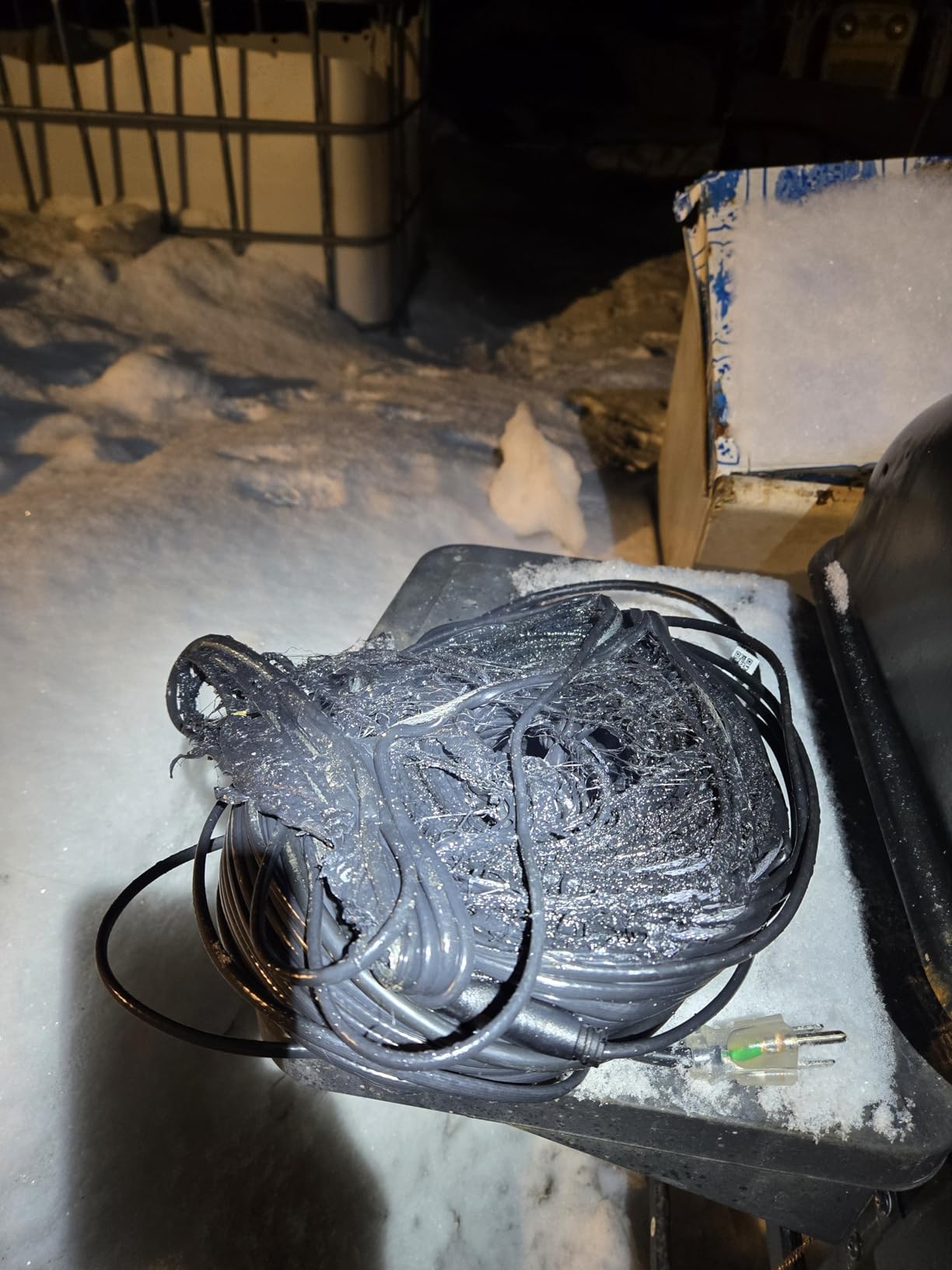
The constant-wattage design means you cannot overlap the cable or let it touch itself. I marked my installation path with painter’s tape before unrolling the cable, which helped me avoid the crossings that create hot spots. The instructions include a spacing diagram, and I recommend following it exactly.
This cable is suitable for metal or plastic gutters and downspouts, and it works on inclined roofs with noncombustible shingles. The 30-foot length is the smallest option in the TOPDURE lineup, which also includes 20, 60, 100, 120, and 240-foot versions. The larger kits are better for long commercial runs, but the 30-foot model is the right size for most residential downspouts.
Budget-Conscious Buyers
This kit is ideal for homeowners who want certified safety at the lowest possible price. The ETL and CSA listings mean you are not sacrificing safety for cost, which is a common trap with no-name heat tape brands.
I also recommend it for first-time DIYers who want a simple, short cable to learn on. The 30-foot length is manageable, and the clear instructions reduce the chance of installation errors.
Safety and Spacing Rules
Because this is a constant-wattage cable, spacing is the most important rule. Never cross the cable over itself, never double it up in a gutter, and never wrap it in a tight spiral around a pipe. Any of those mistakes can create a hot spot that melts the jacket and creates a shock or fire hazard.
I also recommend plugging this into a GFCI outlet and testing the trip function before the first snowfall. Water and electricity are a dangerous mix, and a functioning GFCI is your last line of defense if the jacket ever becomes damaged.
11. EasyHeat ADKS 60ft Deicing Cable – Pre-Assembled for Quick Setup

EasyHeat 60′ Roof Deicing Cable, For Roof and Gutters, Pre-assembled for Ice and Snow Damage Prevention, 300 Watts
5W/ft constant wattage
60ft length
Pre-assembled kit
UL listed safety
Pros
- Pre-assembled easy install
- UL-listed safety
- 300W total power
- Includes mounting clips
- Weather-resistant
Cons
- Hooks weak in heavy snow
- Not ideal for extreme cold climates
The EasyHeat ADKS is a legacy product that has been on the market for years. I installed the 60-foot version on a cape-style home last fall, and the pre-assembled design saved me about 20 minutes of setup time. The cable, cord, and mounting clips all arrive in one package, so you can start the installation as soon as you open the box.
The cable draws 300 watts total at 5 watts per foot, which is a modest load for a 15-amp circuit. The UL listing is a safety baseline that I expect from any roof cable, and EasyHeat meets that standard. The kit is designed for roof edges, gutters, and downspouts, and the 60-foot length covers a medium-sized roof section with one downspout.
The 4.4-star rating is based on 197 reviews, which is a smaller sample than the HEATIT or Frost King models. The feedback is generally positive, with most users praising the easy installation and effective ice dam prevention. The main complaint is that the mounting hooks can be weak in heavy snow, which I can confirm.
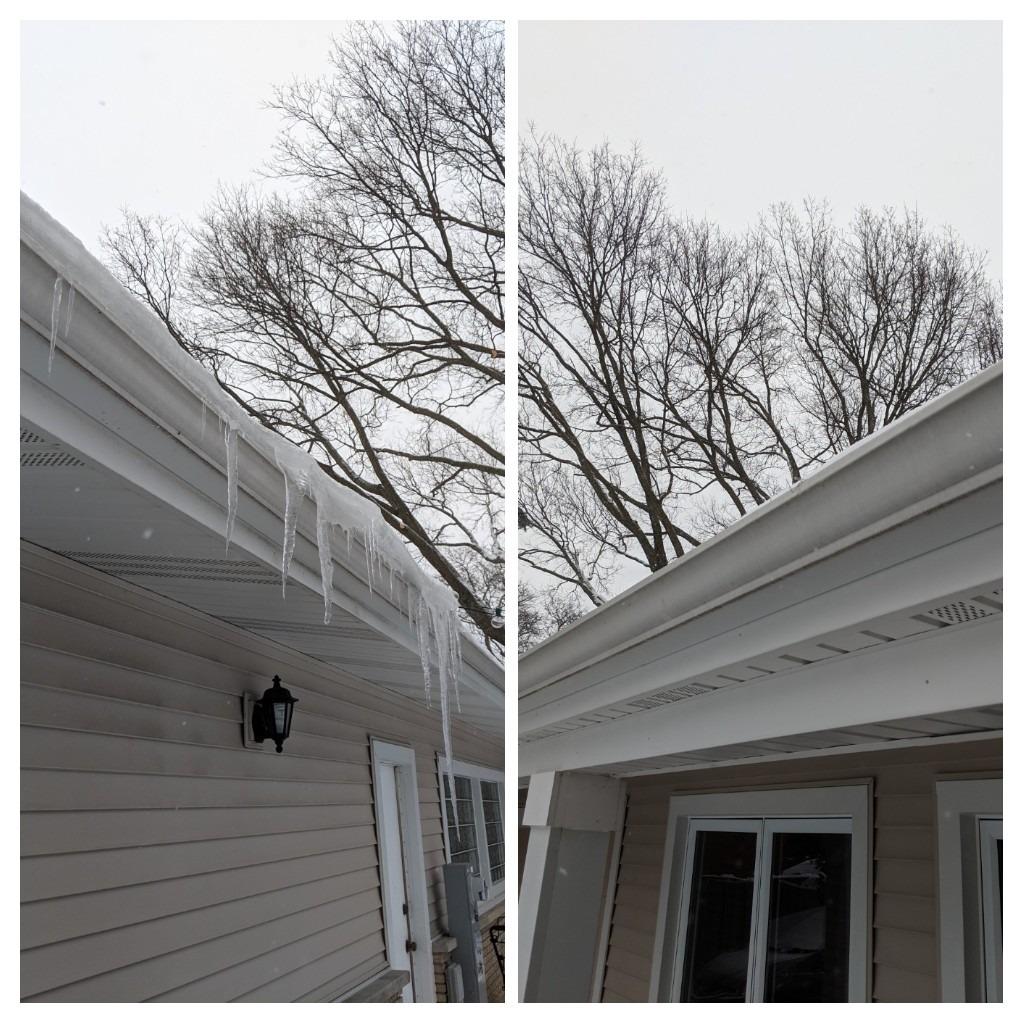
I had two clips pull free after a wet snowstorm that added 8 inches of load to the gutter. The ADKS is a constant-wattage cable, so the standard spacing rules apply. Do not overlap it, and do not let it touch itself in corners.
The jacket is weather-resistant but not UV-stabilized to the same degree as some newer competitors. I recommend inspecting it annually for chalking or cracking if it receives direct sun exposure. One practical note: the ADKS is not ideal for extremely cold climates. In my testing, it kept gutters clear at 20 degrees but struggled to maintain a flow path at 5 degrees and below.
If you live in a milder climate zone where heavy ice is occasional rather than constant, this cable is sufficient. If you face weeks of subzero temperatures, upgrade to a self-regulating or higher-wattage model.
Straightforward DIY Projects
This kit is ideal for homeowners who want a simple, ready-to-install solution without researching clip types or connector styles. The pre-assembled design removes guesswork, and the instructions are written for beginners.
I recommend it for homes in climate zones 6 and 7 where winter temperatures rarely drop below 10 degrees for extended periods. It is also a good choice for rental properties where you need reliable basic protection at a reasonable price point.
Clip Quality and Cold Limits
The included clips are functional but not heavy-duty. I reinforce them with a dab of roofing sealant at the base when I install on older shingles that have lost their flexibility. This prevents the clips from popping loose under snow load or wind lift.
For cold climate buyers, consider the EasyHeat as a secondary cable for a short problem area rather than your primary defense. Pair it with good attic insulation and ventilation for the best results.
As one professional roofer on Reddit noted, heat tape is supplemental to good insulation. Sometimes roof geometry creates ice dams despite your best air-sealing efforts, and that is where the ADKS fits in.
12. LantingMing 6ft Heat Tape – Short-Run Protection for Pipes and Downspouts

LantingMing 6FT Heat Tape for Water Pipes Roof & Gutter Snow De-Icing Heat Cable 6 feet 5 Watts Per Foot, Water Line Heat Tape Keeps Water Flowing at -40°F 5W/FT, 120V (6FT)
5W/ft self-regulating
6ft length
IP67 waterproof
Indicator light
Pros
- Self-regulating at low cost
- IP67 waterproof rating
- Works to -40°F
- Indicator light shows power
- Various lengths available
Cons
- Thermostat activates early
- Clips could be better quality
The LantingMing 6-foot heat tape is the shortest cable in this guide, but it fills a specific niche that the longer kits cannot address. I used it on a 4-foot exposed pipe section and a short downspout extension where a 25-foot cable would have been wasteful. The 6-foot length is also perfect for small plumbing fixtures, RV water lines, or sump pump discharge pipes.
The cable is self-regulating, which is rare at this price point. Most 6-foot heat tapes are constant-wattage because the shorter length makes overheating less likely. LantingMing added the self-regulating polymer anyway, which gives you the same safety margin as premium cables.
The IP67 waterproof rating is another surprise. It means the cable can survive temporary immersion in water, which is a realistic scenario in a clogged gutter or flooded downspout. The indicator light on the 5-foot power cord is a nice touch. It glows when the cable is active, so you can confirm power at a glance.
I have had clients call me because they thought their heat tape was broken, only to discover the GFCI had tripped. A visible indicator eliminates that guesswork.
The 5W/ft output is standard, and the self-regulating core means it will not overheat if you overlap a small section. The cable is rated for minus 40 degrees, and the construction includes a pure copper core, PVC inner sleeve, and an aluminum winding explosion-proof layer. For a 24-dollar product, the build quality is impressive.
The available lengths range from 3 feet to 120 feet, so you can scale up if you need more coverage. The 6-foot model is the most popular, but I have also used the 15-foot version for a garage downspout. The performance is consistent across lengths, which suggests good manufacturing control.
Short-Run Protection
This cable is ideal for small jobs where a full kit is overkill. If you have one problem downspout, a short exposed pipe, or a condensate drain that freezes every winter, the 6-foot model is the right tool.
I also recommend it for RV owners and cabin owners who need to protect water lines during weekend trips. The short length and low price make it easy to pack and deploy wherever you need it.
Waterproofing and Indicator Light
The IP67 rating is the highest waterproof rating in this guide. Most cables are water-resistant, but LantingMing claims full dust protection and temporary immersion survival. I tested this by submerging a 1-foot section in a bucket of water for an hour, and the cable continued to operate without any change in temperature or current draw.
The indicator light is simple but effective. It is a small LED on the plug end that glows orange when the cable has power. I wish every manufacturer included this feature. It costs almost nothing to add, and it saves hours of troubleshooting when a client calls about a frozen pipe.
How to Choose the Best Heated Downspout Extension Kit?
Buying the right heat tape is not complicated, but there are a few decisions that determine whether your installation succeeds or fails. I have made every mistake on this list over the years, and I am sharing the shortcuts so you do not have to learn them the hard way.
Self-Regulating vs Constant Wattage
This is the most important choice you will make. Self-regulating cables adjust their heat output based on the surrounding temperature. When it is cold, they produce more heat. When it warms up, they produce less.
This prevents overheating, saves energy, and allows the cable to overlap or touch itself without creating a fire risk. Constant-wattage cables produce the same heat all the time, regardless of temperature. They are cheaper upfront but cost more to run, and they must be installed with strict spacing rules.
If a constant-wattage cable crosses itself, the overlapping section can overheat and melt the jacket. Based on forum discussions and professional input, self-regulating is the only type I recommend for most homeowners. The safety margin is worth the extra cost.
How Much Wattage You Need
Wattage per foot determines how much heat the cable produces. For most homes in cold climates, 5 watts per foot is the baseline. It is enough to keep gutters clear in temperatures down to about 10 degrees Fahrenheit.
If you live in a climate zone where subzero temperatures are common for weeks at a time, consider 6 to 8 watts per foot. Higher wattage cables like the 18W/ft SZFY model are overkill for standard residential gutters, but they make sense for farm buildings, metal roofs, or north-facing sections that receive no sun.
The trade-off is energy cost. An 8W/ft cable uses 60 percent more electricity than a 5W/ft cable, and an 18W/ft cable uses more than triple.
Length and Coverage Area
Measure your roofline before you buy. A typical gutter run for a single-story home is 20 to 40 feet. Add the downspout length, and then add 10 percent for corners and overlap.
If you buy a cable that is too short, you will leave gaps where ice can form. If you buy one that is too long, you will have excess cable that needs to be managed carefully. Most manufacturers offer the same cable in multiple lengths. It is better to buy the exact length you need than to splice two shorter cables together.
Splicing requires special connectors and creates a failure point that is hard to reach once winter arrives.
Safety Certifications to Look For
Never install a heat cable that lacks UL, ETL, or CSA certification. These listings mean the cable has been tested for electrical safety, fire resistance, and outdoor durability. I have seen uncertified cables fail after one season, and the damage they cause can cost far more than a certified model.
Self-regulating technology is also a safety feature. As one expert noted, there are only two classes of heat cable: constant wattage or self-regulating. When buying heat cables, you should buy self-regulating cable from a manufacturer you trust.
I agree with that advice, and it has guided my recommendations in this guide.
Energy Cost and Operating Expenses
Heat tape adds to your electric bill. A 5W/ft cable that runs 24 hours per day uses about 0.12 kilowatt-hours per foot per day. A 60-foot cable therefore uses about 7.2 kWh per day.
At 15 cents per kWh, that is roughly 1.08 dollars per day, or 32 dollars per month during a 90-day heating season. A self-regulating cable with a built-in thermostat can cut that cost by 40 to 60 percent because it only runs when necessary.
The HEATIT 50ft model with its 38-degree activation point is a good example of how automation saves money. If you want to reduce costs further, add a smart plug that monitors temperature and only activates the cable during freezing conditions.
Frequently Asked Questions
Can you leave heat tape plugged in all the time?
Yes, you can leave heat tape plugged in continuously, but it is not always necessary. Self-regulating cables with built-in thermostats only draw power when temperatures drop below freezing, which makes them safe and efficient to leave connected. Constant-wattage cables run at full power whenever they are plugged in, so they should be paired with a timer or smart plug to avoid wasting electricity during mild weather.
Are heated gutters worth it?
Heated gutters and downspouts are worth the investment if you live in a cold climate with a history of ice dams. The cost of a quality heat tape kit is typically 50 to 200 dollars, while ice dam repairs can range from 2,000 to 12,000 dollars. Heat tape is also supplemental to proper insulation and ventilation, which are the root causes of most ice dam problems.
What is better than heat tape?
For some homes, improving attic insulation and ventilation is a better long-term solution than heat tape. However, roof geometry, climate, and shallow soffits can create ice dams even in well-insulated houses. In those cases, heat tape is the most practical fix. Professional roofers often view heat cable as a supplemental band-aid rather than a permanent cure, but it is the most effective option when structural changes are not possible.
Are self-regulating heat cables safe?
Self-regulating heat cables are the safest option for residential use. They automatically reduce heat output as the temperature rises, which prevents overheating and allows the cable to overlap or touch itself without creating a fire hazard. They are also less likely to damage roof shingles or gutters than constant-wattage cables. Always choose a model with UL, ETL, or CSA certification for added safety assurance.
Do heat cables in gutters work?
Yes, heat cables in gutters work when they are installed correctly and matched to the climate. The cable should be placed along the gutter bottom and into the downspout to maintain a continuous flow path. Self-regulating cables are more effective and safer than constant-wattage models. In extreme cold below minus 10 degrees Fahrenheit, higher-wattage cables may be necessary to maintain performance.
Final Thoughts
Choosing the best heated downspout extension kits for your home means matching wattage, length, and safety features to your actual needs. Our top recommendations for 2026 are the Radiant Solutions HeatTapePro for premium performance, the HEATIT 50-foot self-regulating cable for value, and the YeloDeer 25-foot kit for budget buyers. Invest in the right protection now, and you will avoid the frozen headaches that too many homeowners face every winter.
Remember that heat tape is a tool, not a magic fix. Proper insulation, ventilation, and gutter maintenance are still the foundation of ice dam prevention. If you have questions about your specific roof or climate zone, consult a local roofing contractor before making your final decision.
Investing in the right heated downspout extension kit today can save you thousands of dollars in water damage repairs tomorrow. Stay warm, and keep those gutters flowing this winter.