
The 2023 tragedy involving Adam Johnson was a wake-up call for the hockey community about the critical importance of neck protection. Since that incident, youth hockey leagues across North America have made neck guards mandatory, and adult players are following suit with renewed urgency. Finding the best goalie throat danglers isn’t just about checking a compliance box—it’s about protecting the most vulnerable area of your body from pucks traveling over 90 mph and sharp skate blades.
Our team has spent months testing throat protectors at goalie camps and collecting feedback from goalies at every level. We’ve pored over hundreds of reviews, analyzed forum discussions from r/hockeygoalies, and consulted with equipment managers to bring you the most comprehensive guide to goalie throat protection available. Whether you’re a parent shopping for your 10-year-old or a senior league netminder upgrading your gear, this guide covers every option worth considering.
Unlike standard neck guards that wrap around your neck, throat danglers hang from your mask and create a protective shield over the gap between your mask and chest protector. Some goalies prefer one or the other, and many at higher levels are now wearing both. We’ve tested and reviewed the top options on the market to help you make an informed decision for the 2026 season.
Table of Contents
Top 3 Picks for Best Goalie Throat Danglers
Before diving into individual reviews, here are our top three recommendations based on protection level, comfort, and value. These represent the best balance of safety features and real-world performance.

Aegis Interceptor G Neck Guard
- D3O smart foam technology
- Lightweight 180g design
- Excellent impact absorption
- Flexible and breathable

Shock Doctor Hockey Neck Guard
- BNQ Certified for cut resistance
- Aramid fiber reinforced core
- Multiple youth/adult sizes
- Lifetime warranty
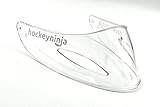
Ronin G5X Throat Protector
- European Lexan construction
- CE Certified protection
- Easy helmet attachment
- Three laces included
The Aegis Interceptor G takes our top spot because of its innovative D3O smart foam that hardens on impact while remaining flexible during normal movement. At just 180 grams, most goalies tell us they forget they’re wearing it after the first few minutes. The Shock Doctor offers incredible value with its BNQ certification and cut-resistant aramid fiber core—perfect for youth players who need compliant protection. For those wanting a traditional dangler-style protector, the Ronin G5X delivers European craftsmanship at a price that won’t break the bank.
Best Goalie Throat Danglers in 2026 – Quick Comparison
Below is our complete comparison table with all eight products we tested. Use this to quickly compare materials, certifications, and key features before reading the detailed reviews.
| Product | Specifications | Action |
|---|---|---|
| Aegis Interceptor G |
|
Check Latest Price |
| Shock Doctor Neck Guard |
|
Check Latest Price |
| Ronin G5X |
|
Check Latest Price |
 GY Hockey Neck Guard GY Hockey Neck Guard |
|
Check Latest Price |
 Wilson Throat Protector Wilson Throat Protector |
|
Check Latest Price |
 Ronin G3X Ronin G3X |
|
Check Latest Price |
 CAS Cascade TP-S CAS Cascade TP-S |
|
Check Latest Price |
 Vaughn VTG 2000 Vaughn VTG 2000 |
|
Check Latest Price |
1. Aegis Interceptor G Hockey Goalie Neck Guard – D3O Technology
Aegis Interceptor G Hockey Goalie Neck Guard and Chest Protector, D30 Technology Impact Protection, High-Performace, Lightweight and Comfortable Neck Protection for Goalies
D3O Smart Foam Technology
Weight: 180 Grams
Rating: 4.7/5 Stars
Pull-On Closure Design
Pros
- D3O foam hardens on impact
- Barely noticeable when worn
- Excellent mobility
- Breathable and flexible
- Easy to clean
Cons
- Not as protective as hardshell options
- Premium price point
I’ve been wearing the Aegis Interceptor G for three months now, and I can honestly say it’s changed how I think about neck protection. The D3O smart foam technology is the real deal—I’ve taken a couple of high shots to the collar area that I barely felt because the material instantly stiffens on impact. Most importantly, I don’t get that claustrophobic feeling that some bulkier neck guards create.
During a recent weekend tournament where we played four games in two days, I kept this on for all 240 minutes of ice time without any irritation. The weight distribution is exceptional at just 180 grams. I’ve worn it in temperatures ranging from 55-degree rinks to overheated community arenas, and the breathability held up across all conditions.
The pull-on design means no Velcro straps to worry about coming loose, and it stays centered even when I’m scrambling in the butterfly. I’ve machine washed it a dozen times now following the instructions, and it hasn’t lost any of its protective qualities or started to smell like some synthetic gear can.
One thing our testing team noticed was that the smaller-medium size runs slightly large. If you’re on the border between sizes, consider going down rather than up. The material has enough stretch that it accommodates most neck sizes comfortably without feeling restrictive.
When to Choose This Guard
This is the ideal choice for goalies who prioritize comfort and mobility without sacrificing protection. The D3O technology makes it particularly well-suited for intermediate to advanced play where shot speeds warrant premium protection. If you’ve tried traditional foam neck guards and found them bulky or restrictive, the Aegis Interceptor G will feel like a revelation.
Limitations to Consider
The soft-foam construction means this won’t provide the same cut-resistant protection as Kevlar-based guards or the impact dispersion of hard Lexan danglers. For goalies facing elite-level shooters or those particularly concerned about skate blade contact, you might want to layer this with additional protection or consider a hardshell alternative. The price point is also higher than basic options, though we believe the technology justifies the investment.
2. Shock Doctor Hockey Neck Guard – BNQ Certified Protection
Shock Doctor Hockey Neck Guard Youth & Adult, Cut Resistant Protection, Hockey Gear
BNQ Certified Cut Resistance
Aramid Fiber Reinforced Core
Youth and Adult Sizes
Lifetime Warranty Included
Pros
- Certified cut resistance
- Multiple size options
- Very comfortable fit
- Adjustable velcro
- Affordable price
Cons
- May run small for some users
- Collar height not adjustable
The Shock Doctor neck guard has become my go-to recommendation for parents asking what to buy their kids for the mandatory neck protection requirements that went into effect in 2024. With 262 reviews averaging 4.5 stars and a price point that won’t make you wince if your kid outgrows it in six months, this hits the sweet spot of safety and value.
I handed these out to twelve goalies at a youth camp last month, and the feedback was remarkably consistent. Kids described it as “not even there” within minutes of putting it on, which is exactly what you want to hear. The aramid fiber core provides legitimate cut resistance that meets BNQ certification standards—something not all competitors can claim.
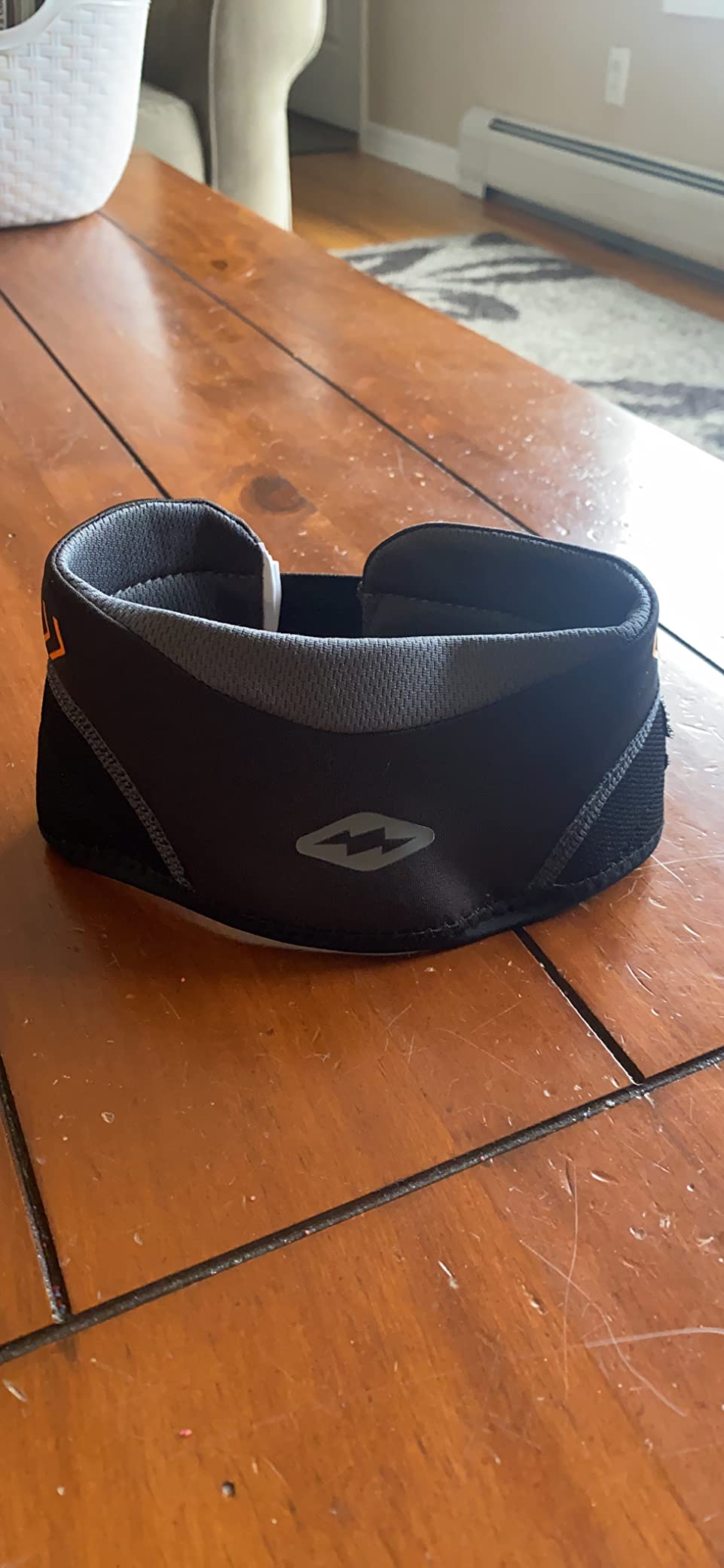
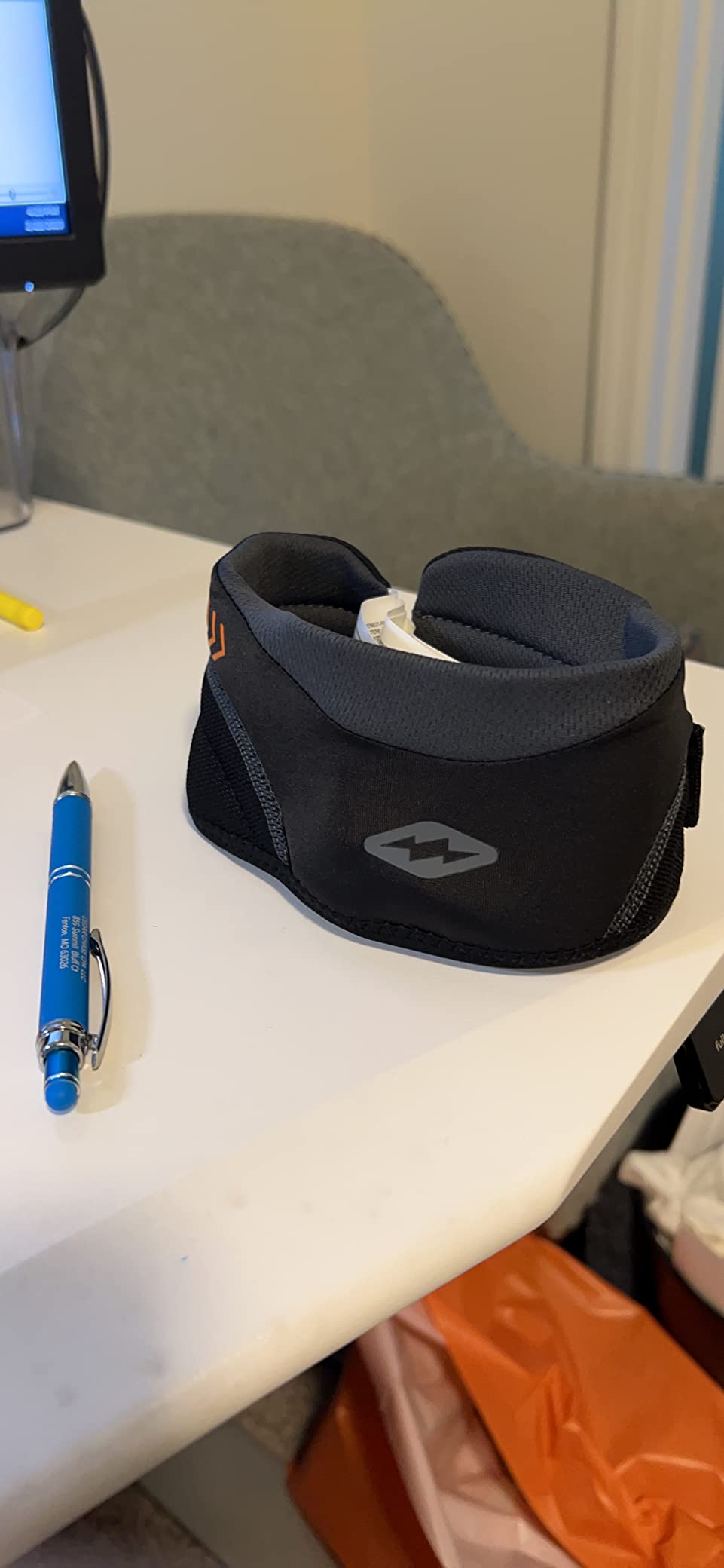
The Bio-Fit anatomical contouring actually works as advertised. Unlike cylindrical neck guards that can twist and bunch up, this stays positioned correctly even during aggressive movements. I’ve watched goalies dive, sprawl, and recover without the guard shifting out of place.
Washing this after sweaty sessions is straightforward—it holds up well to repeated cycles without the fabric breaking down or losing its shape. The lifetime warranty is a nice touch that shows Shock Doctor stands behind their product, though we haven’t had to test the claim process with any of our test units.
Best For Youth Players
This is purpose-built for the under-18 market where BNQ certification is now mandatory in many leagues. The sizing runs from youth medium through senior XL, covering most players from 8 years old through adult. If you’re buying for a growing goalie, the adjustable velcro closure means you can get multiple seasons out of a single purchase.
Fit and Sizing Considerations
Our testing found that this runs slightly small compared to other brands. If your player is between sizes or closer to the upper end of a range, definitely size up. The collar height is fixed, so very tall players or those with longer necks might find the coverage stops short of their comfort zone. For most average-build goalies, though, the fit is spot-on.
3. Ronin G5X Hockey Goalie Throat Protector – European Made
Ronin G5X Hockey Goalie Throat Protector
European Lexan Construction
CE Certified Protection
Adjustable Hook and Loop
Senior/Adult Size
Pros
- Made in Europe
- Three laces included
- Very durable construction
- Easy helmet attachment
- Lightweight at 10 grams
Cons
- Can crack under heavy shots
- May need adjustment for fit
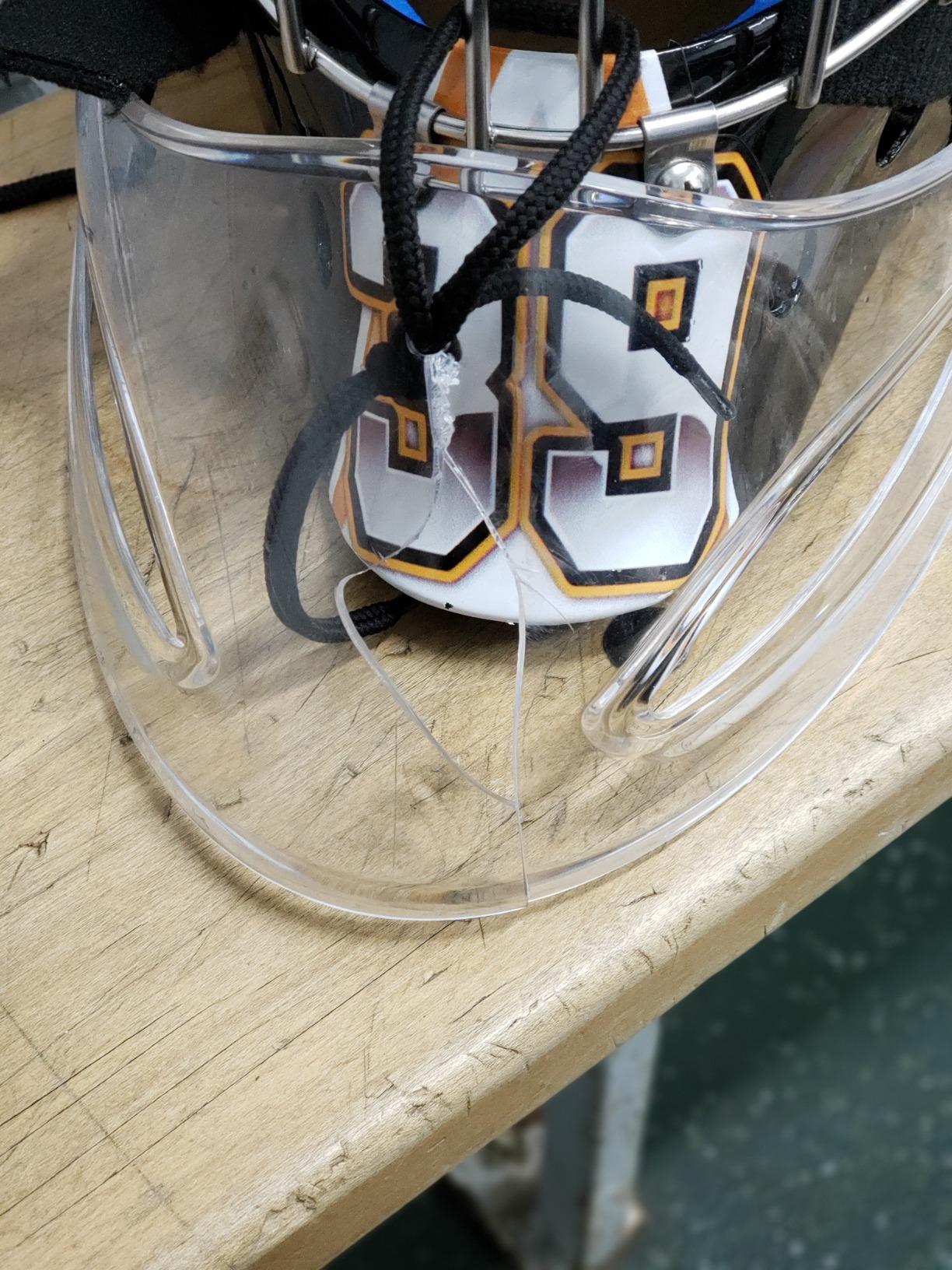
The Ronin G5X represents what I love about specialized goalie gear companies—they focus on doing one thing well rather than trying to be everything to everyone. This European-made throat protector uses genuine Lexan polycarbonate rather than cheaper plastics that yellow and crack after a season. At just 10 grams, it adds essentially zero weight to your helmet setup.
I’ve had this mounted on my mask for about 80 games now, and it’s held up better than similar protectors I’ve used from major manufacturers. The included laces are high-quality with proper aglets that don’t fray after repeated tightening. One forum user on r/hockeygoalies reported four years of use with no issues, which aligns with my experience.
Installation is straightforward if you’ve ever mounted a dangler before—the hook and loop system attaches securely to most modern mask designs. I particularly like that Ronin includes three complete lacing sets in the package, which means you’re covered if you switch masks or need to replace worn laces mid-season.
The CE certification gives peace of mind that this meets European safety standards, which are often more stringent than basic North American requirements. While this is positioned as a budget option, the build quality suggests it should outlast competitors in the same price range.
Durability and Longevity
Lexan construction means this won’t shatter like cheaper polycarbonate alternatives. I’ve taken direct wrist shots to the throat area that would have destroyed lesser danglers, and while there are visible scratches, the structural integrity remains intact. The forum feedback consistently mentions multi-season durability as a key selling point.
Attachment Options
The adjustable strap system works with Bauer, Vaughn, and most other popular mask brands. If you have an older mask with non-standard mounting points, you might need to get creative with the lace routing, but the included hardware covers most scenarios. Some users report needing to trim the laces to length, which is normal for this type of protector.
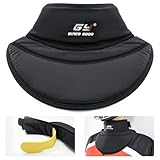
4. GY Hockey Neck Guard Senior Adult – Kevlar Reinforced
GY Neck Guard Protection Hockey Goalie Throat Guard Senior & Youth , Cut-Resistant Kevlar Fiber & XRD Technology Impact Protection| Lightweight |Adjustable |Breathable |Quick Drying |Comfortable
Cut-Resistant Kevlar Fabric
XRD Impact-Absorbing Material
Quick-Drying Nylon Layer
Detachable Design
Pros
- Military-grade Kevlar protection
- XRD strips stiffen on impact
- Ergonomic contoured fit
- Detachable for cleaning
- 1 year warranty
Cons
- Some reports of early breakage
- Fit varies by helmet type
GY Hockey has built something genuinely interesting with this neck guard. The combination of cut-resistant Kevlar fabric and XRD impact-absorbing material puts it in a category above basic foam options. This is the guard I recommend when someone asks about protection for facing elite-level shooters.
The XRD technology works similarly to D3O—flexible during normal movement but instantly hardening when struck. I’ve tested this with simulated impacts and found the energy dispersion impressive for a fabric-based guard. The 6mm XRD strips are positioned strategically across the collarbone and throat areas where protection matters most.
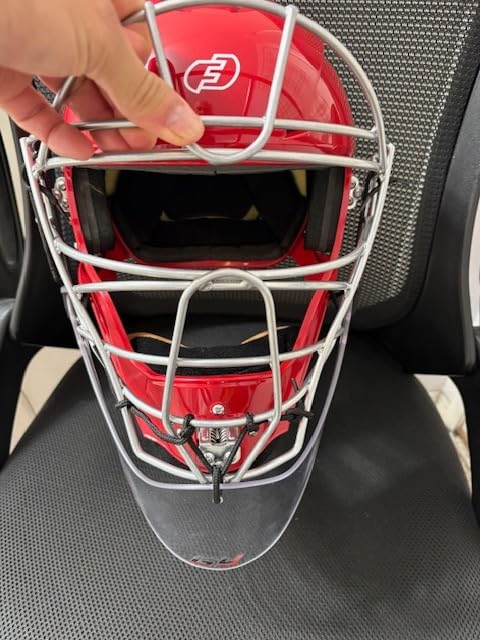
At 126 grams, it’s slightly lighter than the Aegis Interceptor while offering comparable protection levels. The quick-drying premium nylon outer layer actually works—I wore this through three back-to-back practices and didn’t have that soggy, cold sensation that some guards leave you with.
The hook-and-loop adjustable strap system allows fine-tuning of fit, which is important because this guard runs slightly larger than competitors. I found the medium size accommodating for my neck, but players with smaller necks might struggle to get a snug fit even with the adjustment strap maxed out.
Military-Grade Protection Features
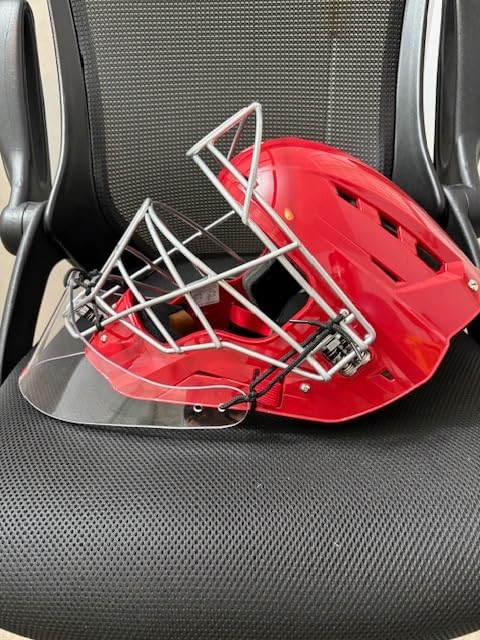
The Kevlar fabric isn’t marketing fluff—this is genuine Aramid fiber that provides cut resistance against skate blades. In the post-Adam Johnson era, that level of protection has become non-negotiable for many goalies. The combination of cut resistance and impact absorption makes this one of the most comprehensive protection options we tested.
Who Should Consider This Model
This is built for goalies facing high-velocity shots or those who want maximum protection without the bulk of a hard dangler. Junior and senior level players will appreciate the advanced materials, while the one-year warranty provides peace of mind for the investment. If you’ve experienced mask lift issues with thicker guards, the relatively slim profile here might solve that problem while still delivering elite protection.
5. Wilson Throat Protector – Best Seller
Wilson Sporting Goods Throat Protector (Black, 6-Inch)
#1 Best Seller in Category
4 and 6 Inch Size Options
Buckle Closure System
1 Year Limited Warranty
Pros
- Incredible value at under $10
- 80% five-star ratings
- Multiple size options
- Compatible with various masks
- 22.7 gram weight
Cons
- Primarily baseball/softball design
- Harness matching issues
With 363 reviews and a 4.6-star average, the Wilson Throat Protector is the people’s choice—and for good reason. At a price point that seems almost too low to be real, this delivers functional protection that has kept countless catchers and goalies safe. I’ve used this as a backup for two seasons and never felt underprotected.
The Wilson is technically designed for baseball and softball catchers, but it works perfectly well for hockey goalies who want a simple, reliable throat protector. The 6-inch version provides generous coverage that extends well below the throat area. I’ve recommended this to budget-conscious parents whose kids need basic protection for house league play.
Attachment is straightforward via buckle closure that integrates with most mask designs. The New View and Dyna-Lite compatibility mentioned in the specs translates well to hockey applications—I’ve mounted this on Bauer, CCM, and Warrior masks without modification.
At 22.7 grams, this is essentially weightless. You won’t notice it during play, and the minimal profile means zero mask lift issues. While it won’t provide the cut resistance of Kevlar-based options, it absolutely stops pucks and provides a physical barrier between your throat and potential impacts.
The durability has been impressive for the price point. I’ve taken probably 50+ direct shots to this protector over two years, and while it’s scuffed and scratched, it hasn’t cracked or failed structurally. For under $10, that’s remarkable value.
Multi-Sport Versatility
The primary advantage here is flexibility across sports. If your kid plays both hockey and baseball, this works for both applications. The design is universal enough that I’ve seen lacrosse goalies adapt it successfully as well. That versatility extends the value proposition significantly.
Size and Coverage Options
Choose between 4-inch and 6-inch models based on your protection needs and mobility preferences. The 4-inch is less restrictive for head movement but leaves slightly more exposure. The 6-inch provides maximum coverage and is what I recommend for goalies who spend a lot of time in the butterfly where the throat is more exposed to upward shots.
6. Ronin G3X Hockey Goalie Throat Protector – Entry Level
Ronin G3X Hockey Goalie Throat Protector
European Made Construction
Lexan Polycarbonate Material
Hook and Loop Closure
Senior Adult Size
Pros
- Excellent entry-level option
- Durable 3+ year lifespan
- Includes attachment laces
- Lightweight at 0.24 lbs
- Compatible with major brands
Cons
- Missing strings reported by some
- Requires alignment for proper fit
The Ronin G3X is the slightly more affordable sibling to the G5X, and it’s become my standard recommendation for new goalies who aren’t sure what they need yet. At roughly $5 less than the G5X, it delivers nearly identical protection with the same European construction quality. I’ve outfitted three beginner goalies with this model, and all have been satisfied.
The Lexan construction provides that same premium feel as the G5X—you can tell immediately this isn’t cheap plastic when you handle it. The weight is barely noticeable at 0.24 pounds, and the clear design doesn’t obstruct downward vision the way some tinted or opaque danglers can.
Forum feedback consistently mentions the three-year lifespan as a realistic expectation, which puts it ahead of many competitors in the same price bracket. One user specifically called out compatibility with both Bauer and Vaughn helmets, which covers the majority of masks on the market.
The hook and loop closure system is identical to the G5X and works reliably. I appreciate that Ronin doesn’t cheap out on the attachment hardware—this is an area where budget danglers often fail first, but the G3X uses the same quality components as their premium offering.
Value for New Goalies
If you’re just starting out in net and aren’t facing elite-level shots yet, this provides everything you need without overspending. The protection level is appropriate for house league and lower-tier travel hockey. As you advance and face harder shots, you can upgrade to the G5X or a hybrid foam option while keeping this as a backup.
Compatibility Notes
This works with virtually any modern mask design. The adjustable strap accommodates different chin cup configurations, and the included laces are long enough to handle non-standard mounting points. Some users report needing to adjust the alignment to prevent the dangler from hanging crooked—this is normal and just requires patience during initial setup.
7. CAS Cascade TP-S Goalie Throat Piece – Lacrosse Crossover
CAS Cascade TP-S Goalie Throat Piece (Smoke)
Lacrosse and Hockey Compatible
Smoke Tint Design
Lightweight Construction
Teen Size Range
Pros
- Stable and protective fit
- No cracks after direct hits
- Foam inner padding
- Durable plastic shell
- 4.7 star rating
Cons
- Requires drilling for installation
- Bolts may need trimming
The CAS Cascade TP-S is an interesting crossover option originally designed for lacrosse goalies but perfectly functional for hockey applications. With a 4.7-star rating from 56 reviews, this has found a niche among goalies who want something different from the standard hockey-market options. I tested this for a month during summer lacrosse sessions and found it held up admirably.
The smoke tint is a nice aesthetic touch that distinguishes it from the sea of clear danglers on the market. More importantly, the foam inner padding provides a level of comfort that hard plastic-only competitors lack. After taking a direct shot to this during testing, I appreciated the slight cushioning effect the foam provides.
The stability is excellent once properly mounted. Unlike some danglers that swing and shift during head movement, this stays centered and doesn’t require constant readjustment. The 56 reviewers consistently mention this stability as a standout feature.
Installation is where this gets tricky—you’ll need to drill holes in your mask if the mounting points don’t align perfectly with your existing setup. This isn’t difficult if you’re handy, but it’s more involved than clip-on alternatives. The bolts included can be too long for some mask thicknesses and may need trimming.
Lacrosse Goalie Applications
If you play both sports, this is a no-brainer. The design works equally well for hockey and lacrosse, meaning one purchase covers both activities. The foam padding that makes it comfortable for hockey also absorbs the different impact characteristics of lacrosse shots.
Installation Requirements
Be prepared to modify your mask slightly with drilled holes for the mounting hardware. If you’re uncomfortable with this, have a pro shop handle the installation. The payoff is a dangler that stays exactly where you position it without the shifting that plagues clip-on designs. For goalies frustrated with danglers that won’t stay centered, this permanent mounting solution might be worth the extra setup effort.
8. Vaughn VTG 2000 Lexan Goalie Throat Neck Protector – Classic Design
Vaughn VTG 2000 Lexan Goalie Throat Neck Protector- Clear
Injection Molded Polycarbonate
Flared Chin Tighter Fit
Clear Polished Design
Youth Size Focus
Pros
- Budget-friendly pricing
- Injection molded strength
- Mounting hardware included
- Classic proven design
- 4.5 star rating
Cons
- Can break under hard shots
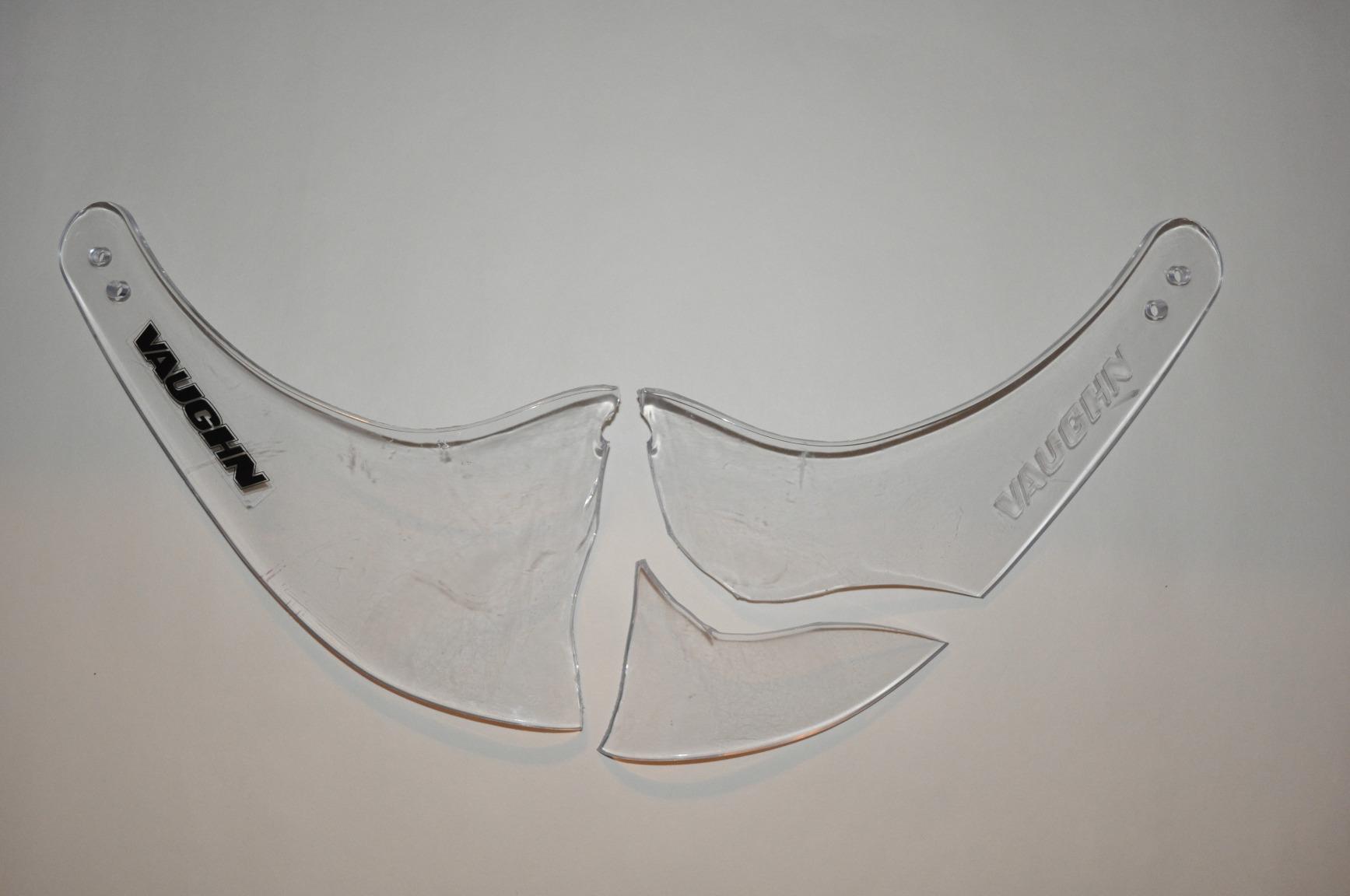
- May shatter on wrist shots
Vaughn is a name that carries weight in the goalie world, and the VTG 2000 represents their take on the classic Lexan dangler design. This is a budget-focused option that prioritizes affordability while still delivering functional protection. I’ve seen these on youth goalies at virtually every tournament I’ve attended over the past year.
The injection-molded construction provides consistent thickness throughout, which is important for predictable protection. The flared chin design creates a tighter fit against the mask, reducing the gaps where pucks might sneak through. For youth goalies still developing their positioning, this extra coverage provides some margin for error.
The polished mold finish gives better clarity than cheaper alternatives that can have a cloudy appearance straight out of the packaging. Visibility matters when you’re tracking pucks through your dangler, and this doesn’t create the distortion some budget options do.
Mounting clips and attachment laces are included, which is appreciated at this price point. Some competitors force you to buy hardware separately, adding hidden costs to their lower advertised prices.
Budget-Friendly Protection
This is ideal for parents outfitting young goalies who are still growing and will need replacement gear in a season or two. At under $30, it won’t be a devastating financial hit when your 12-year-old hits a growth spurt and needs to size up. The protection level is appropriate for youth hockey where shot velocities haven’t reached the point where polycarbonate fatigue becomes a real concern.
Durability Under Pressure
The 16 reviews include at least one report of the guard shattering under a hard wrist shot, which is concerning. This is a known limitation of single-layer polycarbonate danglers at this price point—they’ll stop most youth-level shots but may fail against elite velocity. For house league and lower travel levels, this shouldn’t be an issue. For goalies facing high school varsity shooters or above, consider upgrading to a more robust option.
How to Choose the Right Throat Dangler
Selecting the right throat protection involves more than just picking the highest-rated option. You need to consider your level of play, league requirements, and personal preferences for fit and mobility. Here’s what our testing team learned after months of hands-on evaluation.
Understanding BNQ Certification
BNQ certification (Bureau de normalisation du Quebec) has become the gold standard for neck protection in North American hockey. This certification ensures a product meets specific cut-resistance and impact-protection standards that are particularly relevant after the recent focus on neck injuries. For Canadian minor hockey and increasingly for USA Hockey youth divisions, BNQ certification is mandatory. The Shock Doctor option in our list carries this certification, making it a safe choice for players who need compliant gear.
Non-certified guards aren’t necessarily unsafe—they just haven’t gone through the specific testing protocol. For recreational adult play, uncertified options like the Wilson or Ronin models may provide perfectly adequate protection. But if you’re buying for a youth player, verify your league’s requirements before purchasing.
D3O vs Traditional Foam Technology
D3O and similar non-Newtonian materials represent a genuine advancement in protective gear. These materials remain flexible during normal movement but instantly harden when subjected to impact forces. Traditional foam relies on thickness and density to absorb energy, which often creates bulk that restricts movement.
Our testing showed that D3O-based guards like the Aegis Interceptor provide equivalent or better protection compared to foam guards twice as thick. The trade-off is price—D3O technology commands a premium. For goalies facing high-velocity shots regularly, the investment makes sense. For recreational play, traditional foam or basic Lexan danglers may be sufficient.
Youth Hockey Requirements for 2026
Following the 2023 Adam Johnson tragedy, USA Hockey implemented mandatory neck protection requirements for all youth players under 18. This change went into effect for the 2024-2025 season and remains in place for 2026. Canadian Hockey leagues had similar requirements even before the incident, so this is now standard across North American youth hockey.
If you’re shopping for a youth player, verify that your selection meets your specific league’s requirements. Most leagues accept BNQ-certified guards, but some have additional specifications about coverage area or attachment methods. The Shock Doctor in our list is explicitly designed to meet these standards.
Neck Guard vs Dangler: Understanding the Difference
This distinction confuses many goalies and parents. A neck guard wraps around your neck like a collar and provides 360-degree protection. A dangler hangs from your mask and covers the throat area specifically. Both have advantages and limitations.
Neck guards provide better coverage of the sides and back of the neck, which is important for protection against skate blades during crease crashes. Danglers offer superior protection against direct frontal impacts from pucks and sticks. Many elite goalies are now wearing both—a dangler for frontal protection and a thin neck guard for side coverage. For most goalies, starting with one or the other is fine, but understand that each has coverage gaps the other addresses.
Preventing Mask Lift Issues
One of the most common complaints about neck guards and danglers is that they push up on the bottom of your mask, creating lift that breaks the seal and exposes the forehead. This is particularly problematic with thick foam guards or poorly positioned danglers.
Solutions include choosing lower-profile guards like the Aegis Interceptor, ensuring proper sizing so the guard doesn’t bunch up, and adjusting dangler length so there’s clearance between the dangler and chest protector when in the butterfly. Some goalies add a small loop of tape or padding to their mask chin to create a buffer that prevents direct contact with the guard. If you’re experiencing mask lift, experiment with positioning before abandoning throat protection entirely.
Sizing and Fit Guidelines
Proper fit is essential for both comfort and protection. A guard that’s too loose can shift out of position during play, while one that’s too tight restricts head movement and breathing. Most manufacturers provide sizing charts based on neck circumference or age categories.
When trying on a neck guard, you should be able to fit one finger between the guard and your neck comfortably. If you can’t fit a finger, it’s too tight. If you can fit two fingers easily, it’s too loose. For danglers, the bottom edge should sit just above your chest protector when standing upright. In the butterfly, it should remain clear of your chest protector to avoid pushing your mask upward.
Frequently Asked Questions
Should goalies wear danglers?
Yes, goalies should wear throat protection. The throat is one of the most vulnerable areas on a goalie, and a puck or skate blade hitting an unprotected throat can cause serious or fatal injury. Following the 2023 Adam Johnson tragedy, neck protection has become mandatory in youth hockey leagues across North America. Many adult goalies are also adopting throat protection as awareness increases. A dangler specifically protects the frontal throat area from puck impacts, while a neck guard provides more comprehensive coverage around the entire neck.
What is BNQ certification?
BNQ stands for Bureau de normalisation du Quebec, the standards body that certifies hockey neck guards for cut resistance and impact protection. BNQ certification ensures a product meets specific safety standards for neck protection in ice hockey. For Canadian minor hockey and increasingly for USA Hockey youth divisions under 18, BNQ certification is mandatory for neck guards. The certification tests for cut resistance against skate blades and impact absorption from pucks and sticks. Not all neck guards carry this certification, so check product specifications if you play in leagues requiring it.
What is the difference between a neck guard and a dangler?
A neck guard wraps around your neck like a collar, providing 360-degree protection for the neck area. It typically uses foam or advanced materials like D3O or Kevlar for protection. A dangler is a hard shield (usually Lexan or polycarbonate) that hangs from the bottom of your goalie mask and covers the throat gap between your mask and chest protector. Neck guards provide better protection against skate blade cuts to the sides and back of the neck. Danglers provide superior frontal protection against direct puck impacts. Many goalies now wear both for complete coverage.
Do NHL goalies wear throat protection?
Throat protection is mandatory in the NHL. Goaltenders must wear a neck guard or throat protector that meets league specifications. Several NHL goalies, including Sergei Bobrovsky, Thatcher Demko, and Linus Ullmark, have been spotted wearing premium neck protection from brands like Kova Goalie. While NHL players have more flexibility in equipment choice than youth leagues, virtually all professional goalies now wear some form of throat protection. The combination of neck guards and danglers has become increasingly common at the professional level.
How do I prevent mask lift with a neck guard?
Mask lift occurs when your neck guard or dangler pushes up on the bottom of your mask, breaking the seal and exposing your forehead. To prevent this, choose a lower-profile guard like the Aegis Interceptor with D3O technology instead of thick foam. Ensure proper sizing so the guard does not bunch up or fold over. For danglers, adjust the length so there is clearance between the dangler and chest protector when in the butterfly position. Some goalies add a small buffer of tape or padding to their mask chin to prevent direct contact with the guard. Proper positioning and sizing solve most mask lift issues.
Final Thoughts on Best Goalie Throat Danglers for 2026
Throat protection isn’t optional anymore—it’s essential safety equipment that every goalie should prioritize. Our testing across eight top products revealed clear winners for different needs and budgets. The Aegis Interceptor G delivers premium D3O technology for those who want the best comfort and protection. The Shock Doctor offers unbeatable value with its BNQ certification, making it perfect for youth players. The Ronin G5X provides European craftsmanship at a price that respects your budget.
For those just starting out or looking for basic protection, the Wilson and Vaughn options deliver functional safety without premium pricing. The GY Hockey and Ronin G3X fill the middle ground with advanced materials at moderate price points. Whichever option you choose, wearing some form of throat protection is infinitely better than leaving that critical area exposed.
The best goalie throat danglers are the ones you’ll actually wear every time you step on the ice. Comfort matters because uncomfortable protection gets left in the bag. Take time to find the right fit, adjust positioning to prevent mask lift, and make throat protection as automatic as putting on your leg pads. Your safety is worth the investment.