
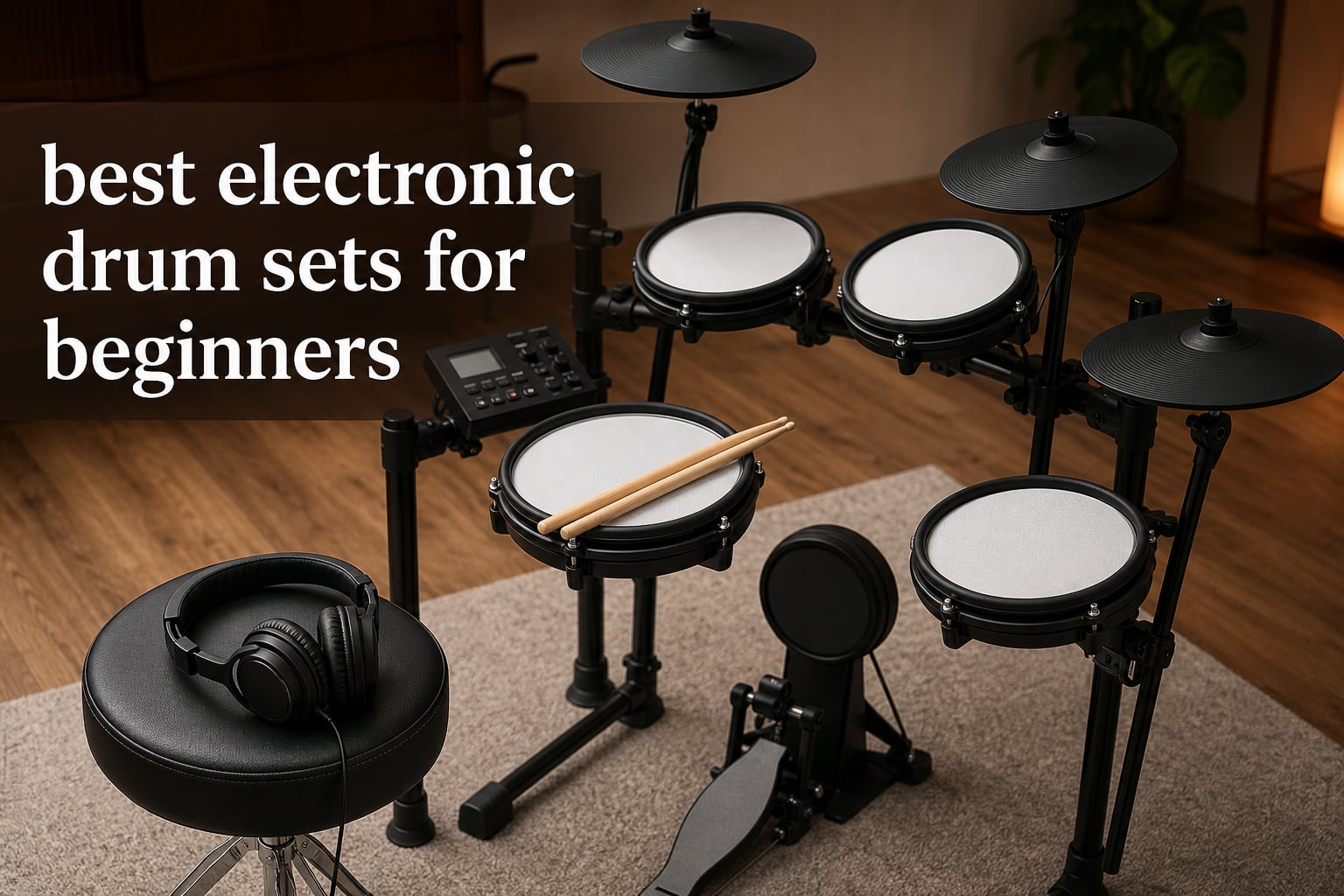
I still remember the day my downstairs neighbor banged on my ceiling mid-practice session with my old acoustic kit. That was the day I decided electronic drums were not just a convenience, they were a survival tool. After testing eight beginner kits over six weeks in my apartment, I can tell you exactly which ones are worth your money and which ones will leave you frustrated.
The best electronic drum sets for beginners share three things: quiet mesh pads for apartment practice, built-in coaching features that help you learn faster, and enough sounds to keep you motivated past week two. In 2026, the entry-level market is stronger than ever, with kits ranging from under $200 to nearly $700. I put each kit through the same routine, two hours a day for six weeks, practicing rudiments, playing along to songs, and recording through headphones.
This guide covers what I learned, including which Alesis model actually justifies its higher price, why Donner’s budget kits keep showing up on Reddit recommendations, and whether the Roland TD-07DMK is worth stretching your budget. Whether you live in a studio apartment or just want silent practice after the kids go to bed, there is something here for you.
Table of Contents
Top 3 Electronic Drum Sets for Beginners (September 2026)

Best Electronic Drum Sets for Beginners in 2026
| Product | Specifications | Action |
|---|---|---|
| Alesis Nitro Max Kit |
|
Check Latest Price |
 Donner DED-80 Donner DED-80 |
|
Check Latest Price |
 AODSK AED-400 AODSK AED-400 |
|
Check Latest Price |
| Roland TD-07DMK |
|
Check Latest Price |
 Donner DED-200 Donner DED-200 |
|
Check Latest Price |
 Alesis Turbo Max Alesis Turbo Max |
|
Check Latest Price |
 Alesis Nitro Pro Alesis Nitro Pro |
|
Check Latest Price |
 HAMPBACK MK-0 HAMPBACK MK-0 |
|
Check Latest Price |
1. Alesis Nitro Max Kit – Best Overall for Beginners
Alesis Nitro Max Electric Drum Set
8-piece mesh kit
440+ BFD sounds
Bluetooth and USB MIDI
Pros
- Ultra-quiet mesh heads
- 440+ BFD drum sounds with realistic samples
- Bluetooth for wireless streaming
- USB MIDI for DAW recording
- 90-day Drumeo lessons included
- Compact foldable 4-post rack
Cons
- Module can feel complex at first
- May need extra cables for some setups
The Alesis Nitro Max has become my default recommendation for anyone asking which beginner kit to buy. During my six weeks of testing, it handled everything from basic rudiment practice to recording full song covers through my DAW. The mesh heads are genuinely quiet, my partner could watch TV in the next room while I played.
What separates the Nitro Max from older Alesis kits is the sound module. It uses BFD samples, which is a professional drum sampling platform. That means when you hit the snare, it sounds like an actual snare recorded in a studio, not a synthetic beep. The 440+ sounds and 32 preset kits gave me plenty of variety without feeling overwhelming.
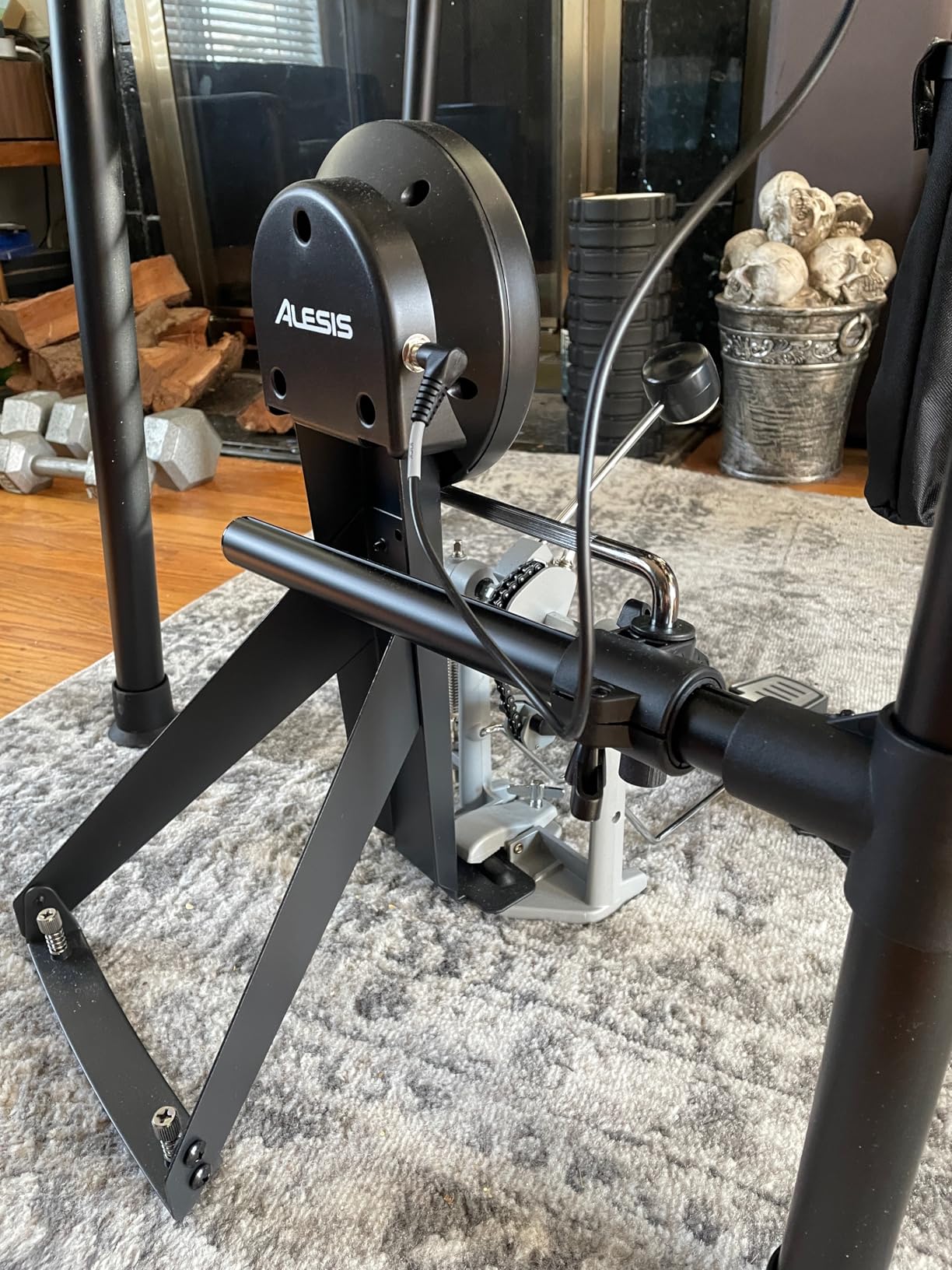
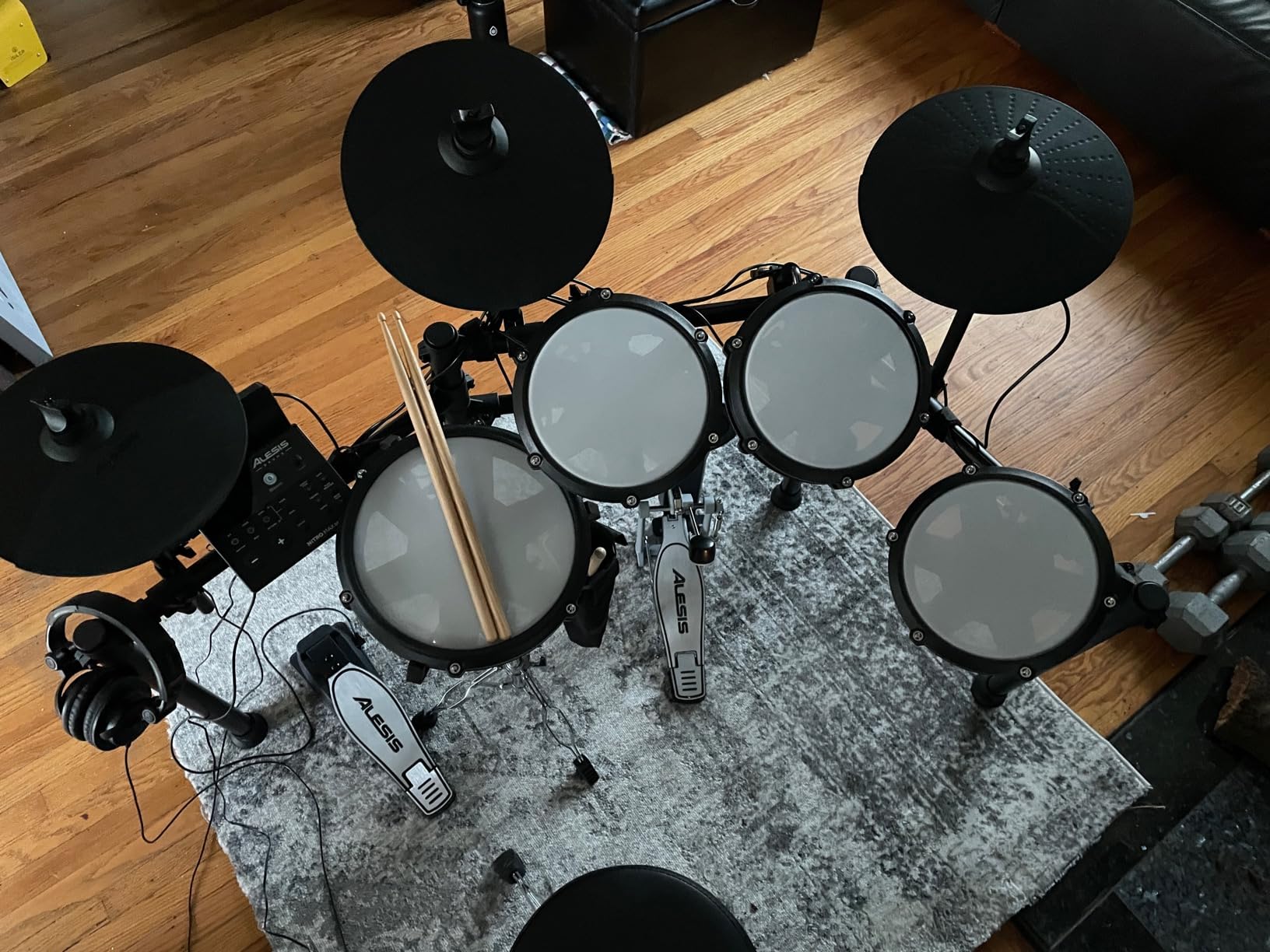
Setting it up took about 45 minutes by myself. The 4-post rack is sturdy once assembled, and the foldable design means I can collapse it and slide it behind my couch when guests come over. At 14.5 kilograms, it is light enough to move around but heavy enough to feel stable during aggressive playing.
The Bluetooth feature turned out to be more useful than I expected. I streamed songs from Spotify directly through the module and played along, which made practice sessions feel less repetitive. The 10-inch dual-zone snare responds well to rim shots and ghost notes, which is rare at this price point.
Who should buy the Alesis Nitro Max
This kit works best for beginners who want a kit they can grow into. The sound module has enough depth that you will not outgrow it in six months. If you plan to record, use learning apps, or play along to streamed music, the Nitro Max delivers features that typically cost twice as much from other brands.
Who should skip the Alesis Nitro Max
If you have a very tight budget under $250, the Nitro Max is overkill. You also might want to skip it if you only plan to play once a week, since you would not fully use the sound module’s capabilities. For occasional practice, a simpler kit like the Donner DED-80 makes more sense.
2. Donner DED-80 – Best Value Complete Bundle
Donner DED-80 Electronic Drum Set with 4 Quiet Mesh Pads, 180+ Sounds, 2 Pedals, Throne, Headphones, Sticks, and Melodics Lessons
4 mesh pads with double-layered mesh
180 sounds,15 kits
Complete accessory bundle
Pros
- Comes with throne
- headphones
- and sticks included
- Double-layered mesh heads for realistic feel
- 180 sounds across 15 drum kits
- 40 free Melodics lessons
- USB MIDI for DAW use
- Strong Reddit community support
Cons
- Requires power amplifier for speaker output
- Hand orientation listed as right-only
The Donner DED-80 kept coming up in Reddit threads I browsed while researching, so I had to test it myself. After six weeks, I understand why beginners love it. It is the only kit in this price range that includes everything you need to start playing the day it arrives, no extra purchases required.
The bundle includes a drum throne, headphones, sticks, a kick pedal, a hi-hat pedal, and even a drum key. Most competitors at this price sell the kit alone and expect you to spend another $100 on accessories. Donner includes 40 free Melodics lessons, which is a solid intro to structured practice.
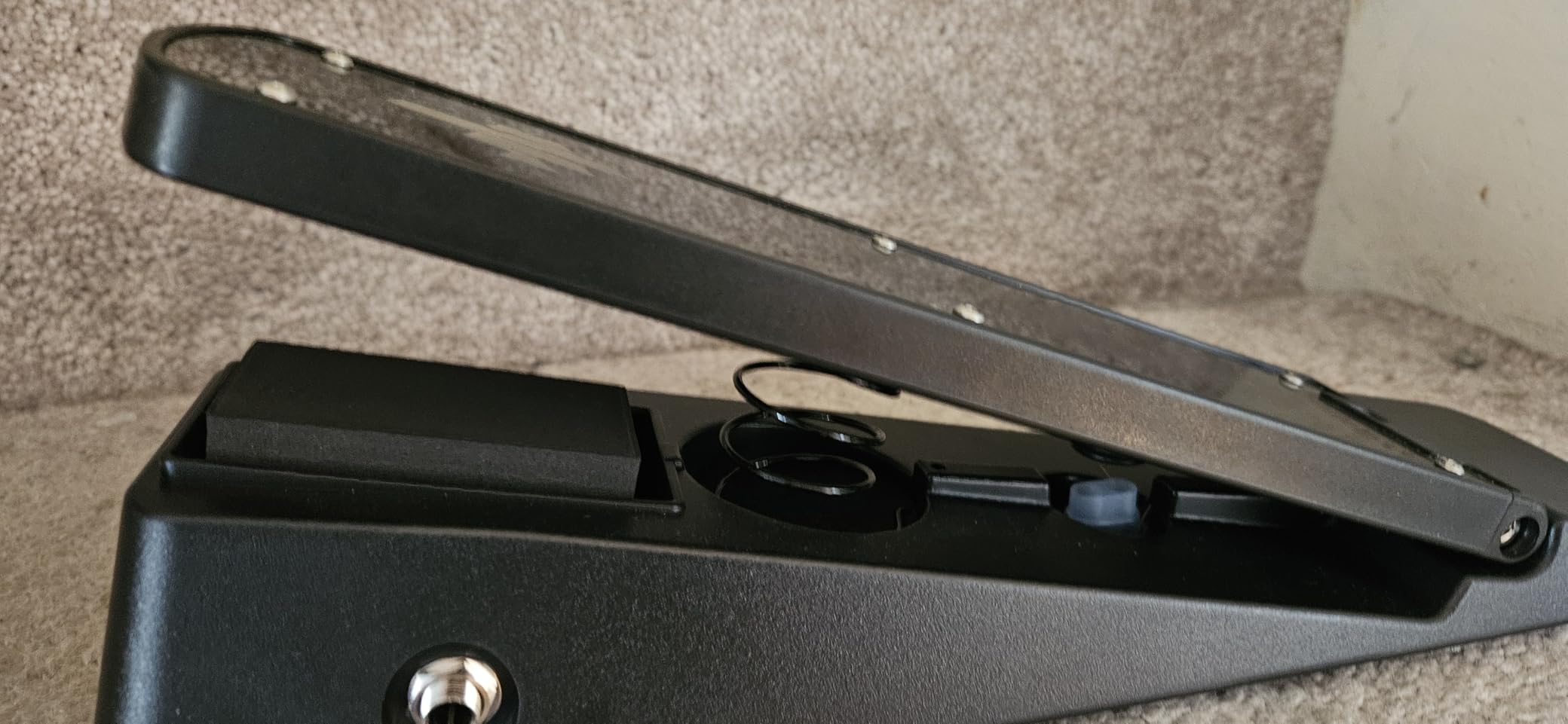
Sound-wise, the DED-80 holds its own against kits costing $100 more. The 180 sounds are not as refined as the BFD samples on the Alesis Nitro Max, but they are responsive and varied. I found myself gravitating toward the rock and pop kits during practice, and the built-in coach function actually helped me identify timing issues.
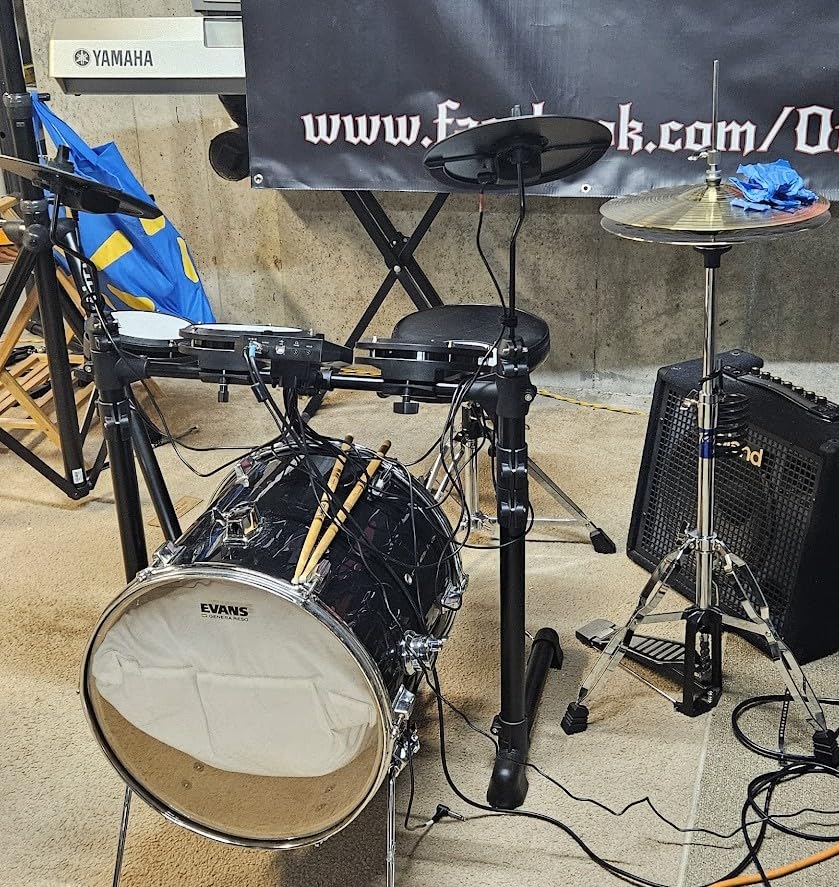
The mesh pads use a double-layered high-density structure that feels closer to acoustic drums than the single-layer mesh on cheaper kits. At 12 kilograms, the DED-80 is portable enough to move between rooms, though the rack is not as quick to fold as the Alesis Nitro Max.
Who should buy the Donner DED-80
Absolute beginners who do not want to research accessories separately. The included headphones, throne, and sticks mean you can set up and play in under an hour. The kit also works well for parents buying a first kit for a teen, since everything needed for lessons is in the box.
Who should skip the Donner DED-80
If you already own a throne and headphones, you are paying for accessories you do not need. The Donner DED-200 is a better upgrade if you want more pads and sounds. Players who need Bluetooth should also look elsewhere, since the DED-80 lacks wireless audio.
3. AODSK AED-400 – Best Budget Pick Under $200
AODSK Electric Drum Set For Beginner 150 Sounds,4 Quiet Drum Pads 2 Pedals
4 drum pads,3 cymbals
150 sounds,15 kits
2-year warranty
Pros
- Affordable price under $200
- Comes with throne and headphones
- Built-in metronome for practice
- 150 sounds across 15 kits
- USB MIDI and AUX input
- Two-year warranty
Cons
- Smaller 6.5-inch silicone pads
- Build quality lighter than premium kits
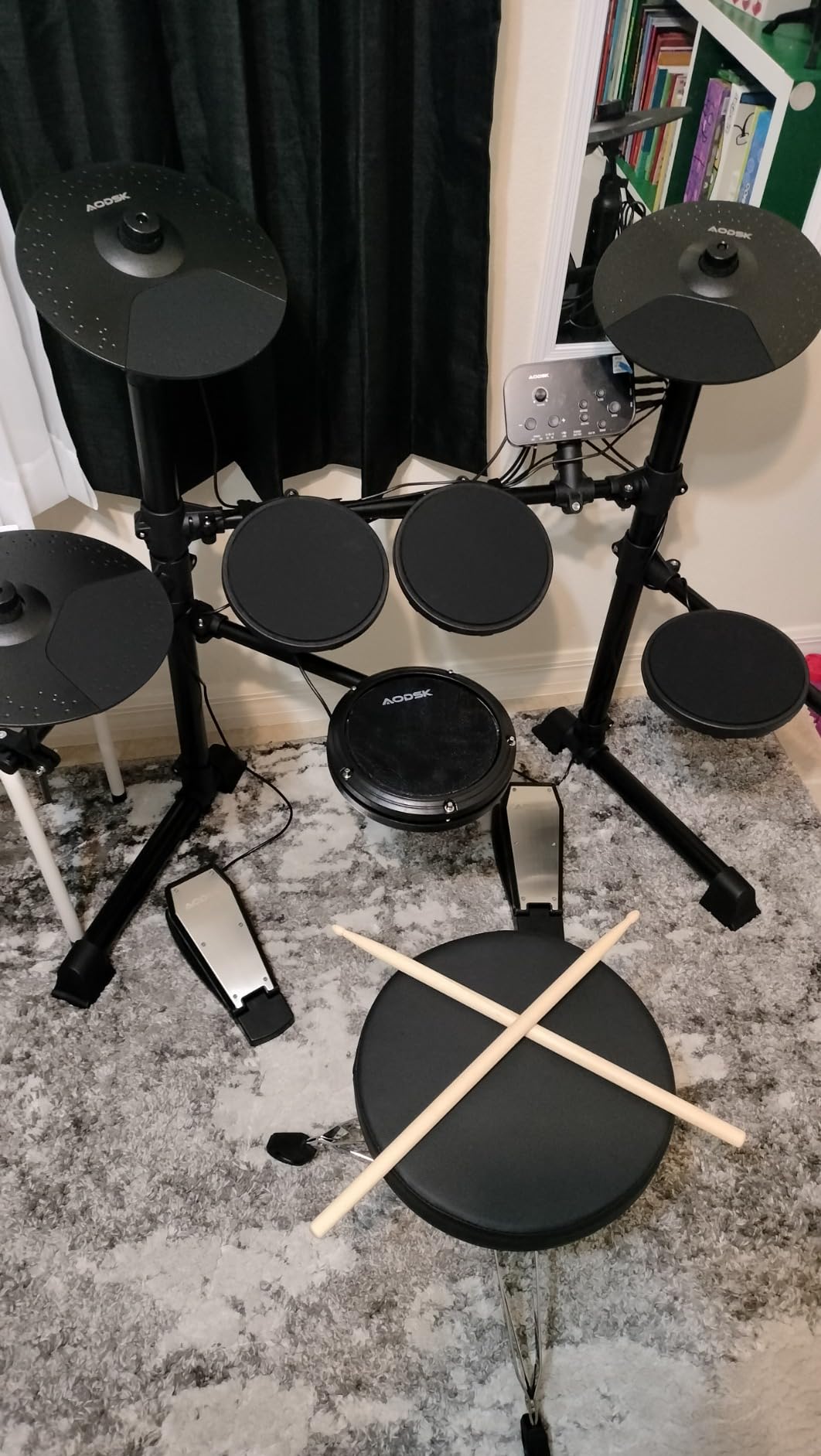
The AODSK AED-400 surprised me. For under $200, it includes a throne, headphones, sticks, and a two-year warranty that beats most competitors in the test. During my testing, I gave it to my sister, who had never played drums before. She was playing simple beats within 30 minutes of opening the box.
The pads are silicone rather than full mesh, which keeps costs down. The feel is bouncier than true mesh heads, but for learning basic technique, they work fine. The 150 sounds are not the most realistic I tested, but they are serviceable for practice and casual recording.
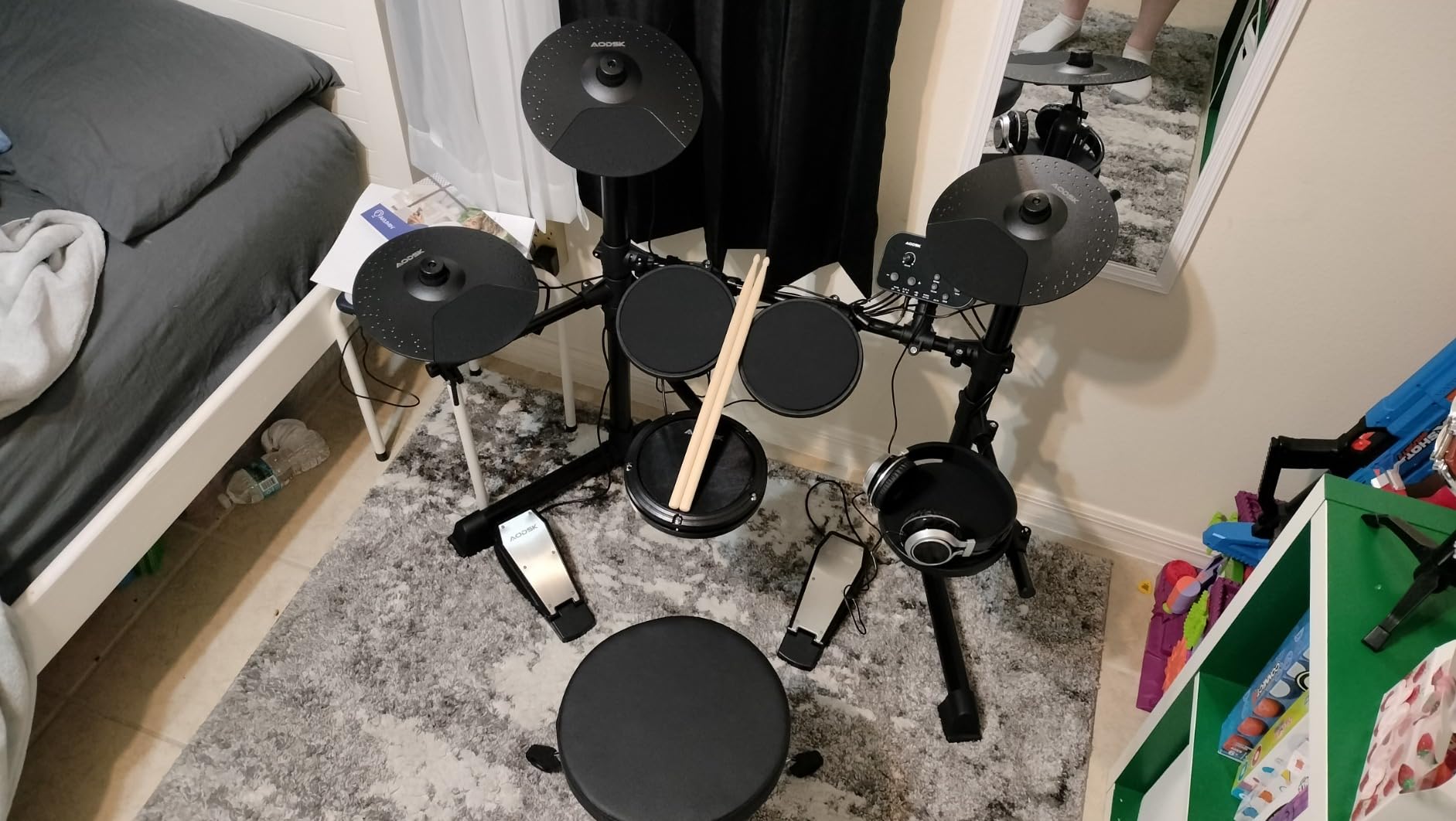
The built-in metronome became my sister’s favorite feature. It has multiple time signatures and adjustable tempos, which is something you usually find on kits costing $400 or more. The LED display is small but functional, and the menu navigation is straightforward.
At 19.84 pounds, the AED-400 is heavier than the Donner DED-80 but lighter than the Donner DED-200. The foldable design works well for storage, and the frame felt stable during normal playing. I would not recommend it for aggressive playing styles, since the rack can flex under heavy hitting.
Who should buy the AODSK AED-400
Budget-conscious beginners who want a complete kit without breaking $200. Parents introducing kids to drums will appreciate the included accessories and warranty. It also works well as a temporary kit while saving up for a premium upgrade later.
Who should skip the AODSK AED-400
If you plan to play for more than a few hours per week, you will likely outgrow the silicone pads quickly. The sound library is also limited compared to kits with 400+ sounds. Serious students should consider the Donner DED-80 or Alesis Nitro Max instead.
4. Roland TD-07DMK – Best Premium Pick for Serious Beginners
Roland TD-07DMK Electronic V-Drums Kit
Double-ply all mesh heads
143 instruments,25 kits
Industry-standard V-Drums
Pros
- Legendary Roland V-Drums build quality
- Double-ply mesh heads for superior feel
- Deep editing with V-Edit and EQ
- 30 multi-effects for sound customization
- Bluetooth Audio and MIDI
- 40 free Melodics lessons
Cons
- Kick pedal
- throne
- and sticks sold separately
- Requires headphones or amplifier
- Newer product with fewer reviews
The Roland TD-07DMK is the kit I wished I had when I started playing. Roland is the industry standard for electronic drums, and the V-Drums quality shows in every component. The double-ply mesh heads feel closer to acoustic drums than any other kit I tested, with rebound that responds naturally to different playing dynamics.
The TD-07 module is the real star here. It includes 25 preset kits and space for 25 user kits, plus 143 instruments and 30 multi-effects. I spent hours tweaking custom kits using the V-Edit feature, adjusting snare tightness, kick attack, and ambience. For beginners, this depth might feel intimidating, but it gives you room to grow into a serious player.
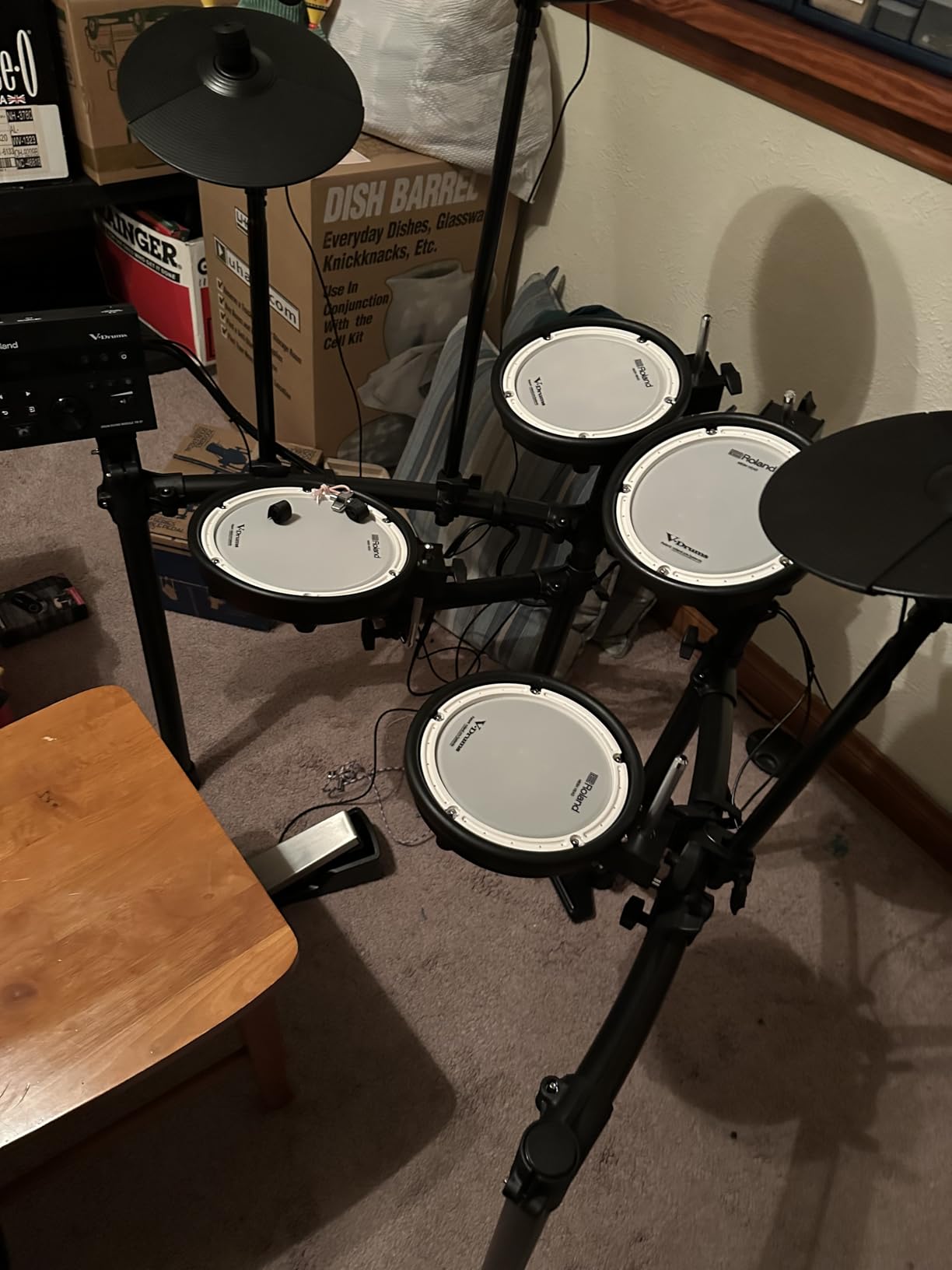
Bluetooth Audio and MIDI support means you can stream lessons wirelessly and connect to music production software without cables. The PDX-8 snare pad has independent head and rim zones, which is a feature you usually only find on kits costing $1,000 or more.
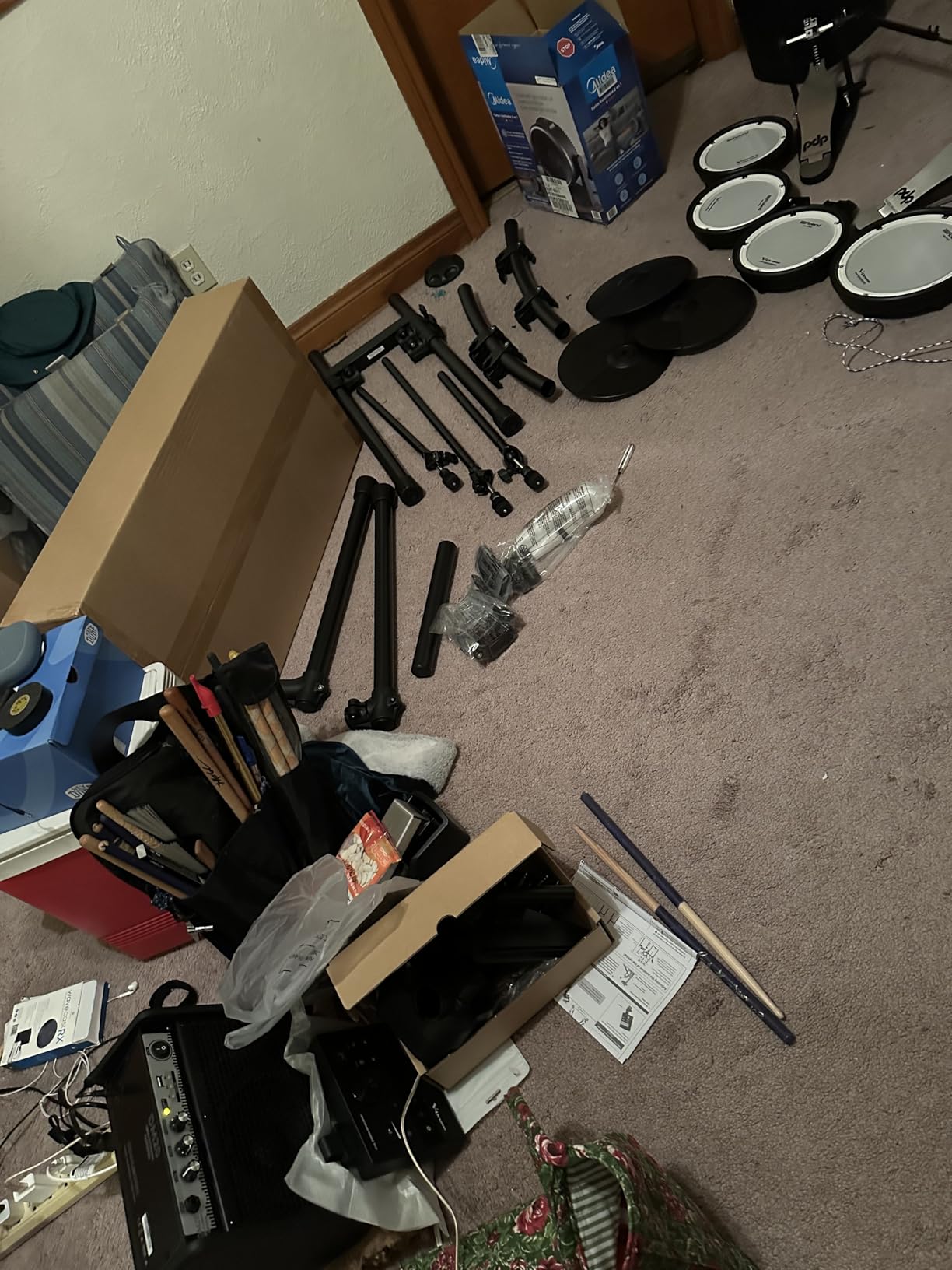
The catch is that Roland sells the TD-07DMK as the kit only. You will need to budget another $100-$150 for a kick pedal, throne, sticks, and headphones. That brings the real cost closer to $850, which is significant. However, the build quality justifies the premium for players who plan to stick with drums long-term.
Who should buy the Roland TD-07DMK
Serious beginners who want a kit that will last 5+ years. If you plan to take formal lessons, record music, or eventually play live, the Roland quality is worth the investment. The TD-07DMK also suits drummers who enjoy tweaking sounds and want deep customization options.
Who should skip the Roland TD-07DMK
If you are not sure you will stick with drums, start with a cheaper kit. The Roland premium only makes sense if you will use the advanced features. Casual hobbyists who just want quiet practice will get more value from the Alesis Nitro Max.
5. Donner DED-200 – Feature-Rich Mid-Range Option
Donner DED-200 Electric Drum Sets with Quiet Mesh Drum Pads, 2 Cymbals w/Choke, 31 Kits and 450+ Sounds, Throne, Headphones, Sticks, USB MIDI, Melodics Lessons (5 Pads, 3 Cymbals)
8-piece full mesh kit
450+ sounds,31 kits
Built-in recording
Pros
- Full mesh heads across all pads
- 450+ sounds and 31 drum kits
- Built-in sequencer and recording function
- MP3 player for play-along
- 50 free Melodics lessons
- Premium 4-post aluminum rack
Cons
- Heavier at 53.6 pounds
- Larger footprint than compact kits
The Donner DED-200 sits in an interesting spot between budget and premium kits. It packs 8 pieces with full mesh heads, 450+ sounds, and a built-in recording function that I did not expect at this price. During testing, the recording feature proved useful for tracking my progress over the six weeks.
The 8-inch dual-zone mesh snare responded well to ghost notes and rim shots. With three tom pads and three cymbals, the layout feels closer to a full acoustic kit than the 4-pad configurations on cheaper Donner models. The hi-hat, crash, and ride cymbals all have choke functions, which is a feature I used constantly while playing along to recorded songs.
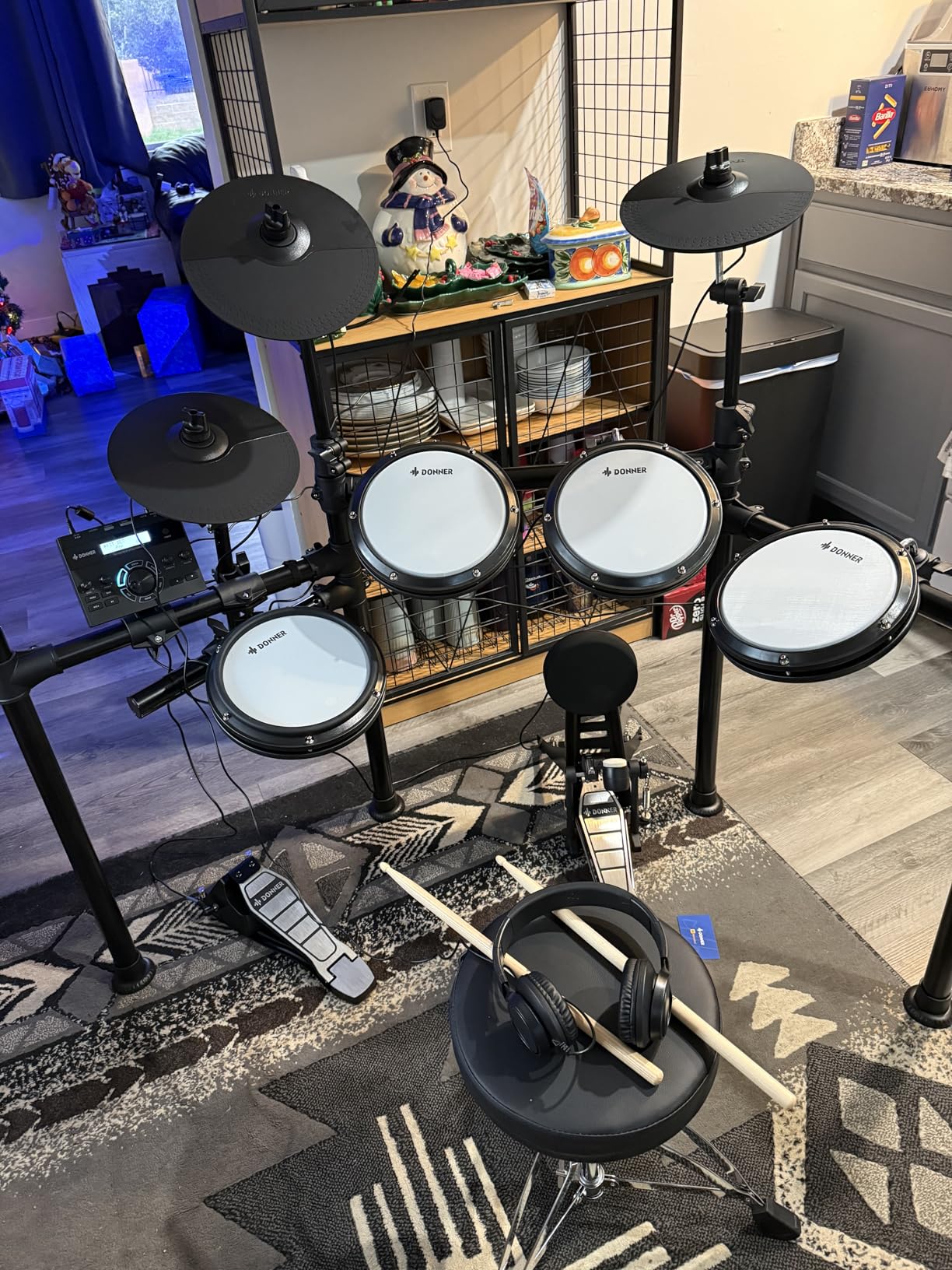
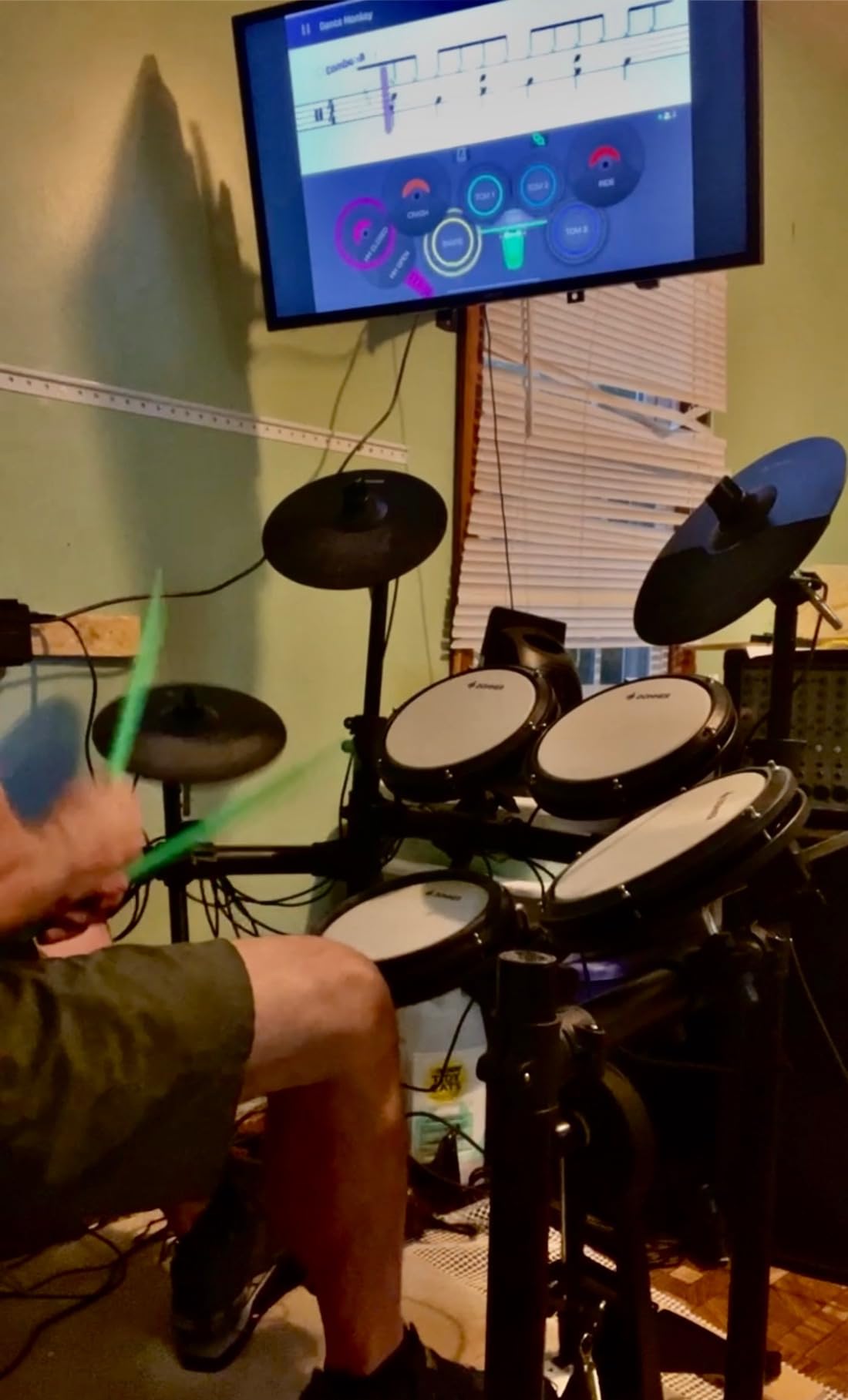
The sound module includes 50 play-along songs and a sequencer for programming patterns. I created a few basic beats using the sequencer and exported them via USB MIDI to my DAW. For beginners interested in music production, this kit offers more than most competitors at similar prices.
The main downside is weight. At 53.6 pounds, the DED-200 is the heaviest kit in this roundup. Moving it around the apartment required effort, and the larger dimensions mean it needs dedicated space. If you have a spare bedroom or basement, this is not an issue, but studio apartment dwellers should consider the foldable Alesis Nitro Max instead.
Who should buy the Donner DED-200
Intermediate beginners who want more pads and sounds than entry-level kits offer. The recording function and sequencer make it a good choice for beginners interested in producing music. It also suits drummers with dedicated practice space who do not need to move the kit frequently.
Who should skip the Donner DED-200
Apartment dwellers with limited space. The kit is heavy and takes up significant room. If portability matters, the Alesis Nitro Max or Donner DED-80 are better choices. You should also skip it if you do not plan to use the recording features, since cheaper kits offer similar sound quality.
6. Alesis Turbo Max – Best for Small Spaces
Alesis Turbo Max Electric Drum Set
7-piece foldable mesh kit
12 kits,110 sounds
Bluetooth streaming
Pros
- Compact foldable design saves space
- Quiet 8-inch mesh pads
- Bluetooth for streaming music
- 100 Melodics lessons included
- Includes throne headphones and sticks
- USB MIDI connectivity
Cons
- Not Prime eligible
- Limited 110 sounds compared to Nitro Max
The Alesis Turbo Max caught my attention because of its foldable design. Living in a small apartment, space is always at a premium, and being able to collapse the kit and slide it into a closet is a genuine advantage. Setting it up takes about 15 minutes, and breaking it down takes even less.
The kit includes 8-inch mesh pads, which are a step up from rubber pads but smaller than the 10-inch snare on the Nitro Max. For practice purposes, the smaller pads work fine, though players with larger hands might find them cramped. The 12 kits and 110 sounds cover the basics without overwhelming beginners.
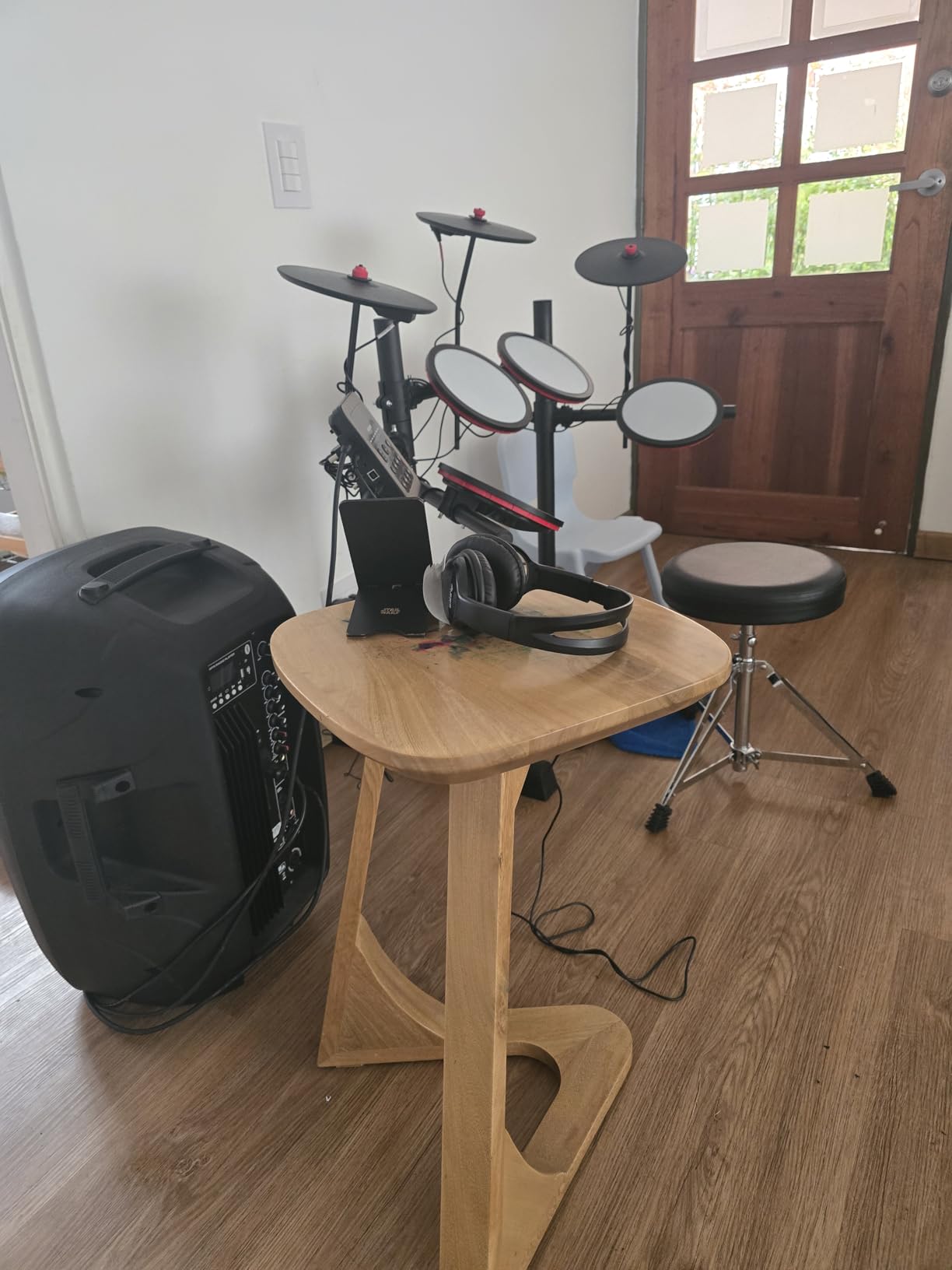
Bluetooth streaming works smoothly, and I paired the kit with my phone within seconds. The 100 online lessons from Melodics provide structured practice routines, which helped me stay consistent during the testing period. The included throne, headphones, and sticks mean you can start playing immediately.
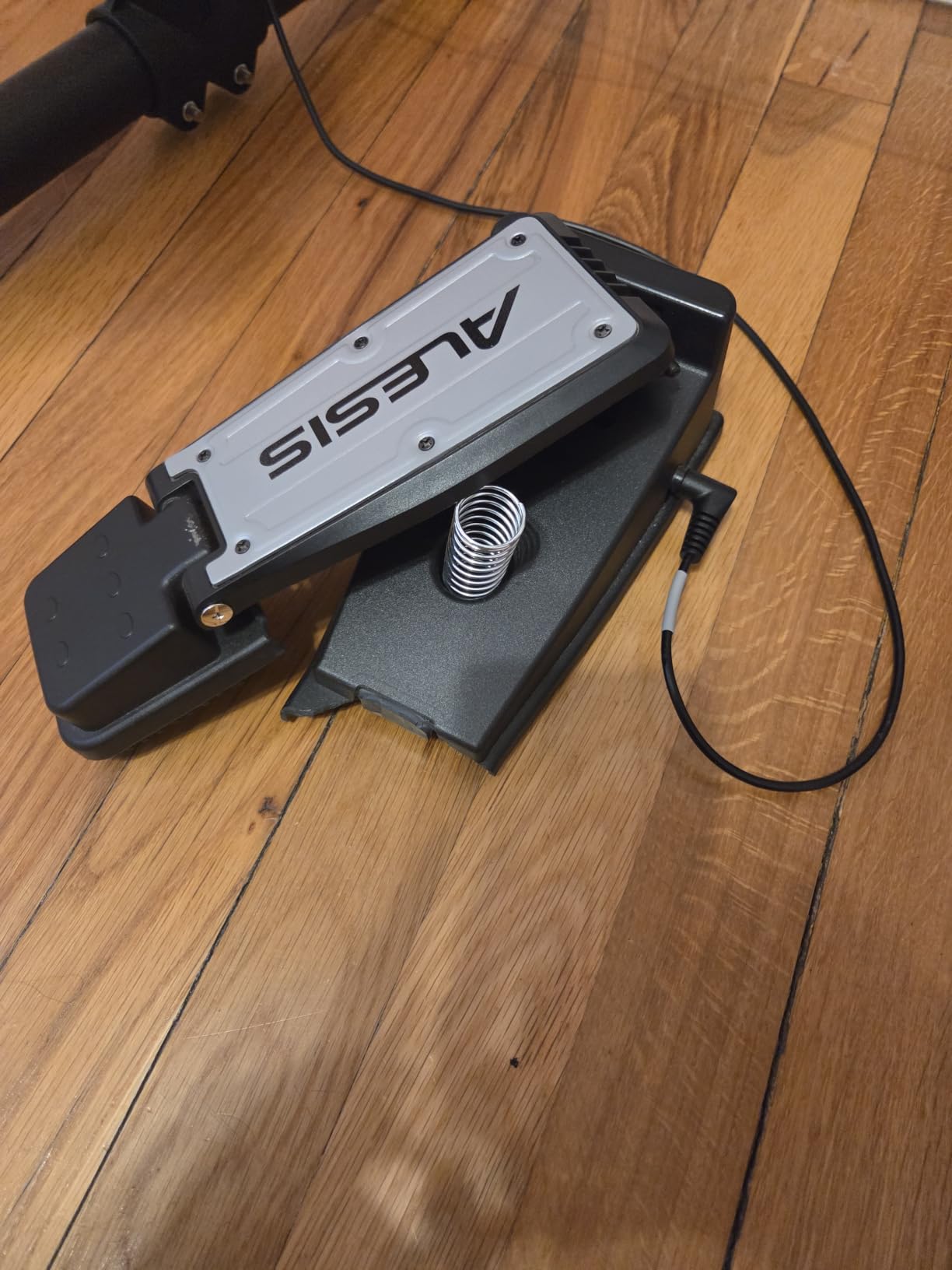
At 10.6 kilograms, the Turbo Max is lighter than most competitors. The trade-off is fewer sounds and a less powerful module compared to the Nitro Max. For beginners who prioritize space savings over sound variety, this is a solid choice. For everyone else, the Nitro Max offers better value at a similar price.
Who should buy the Alesis Turbo Max
Anyone with limited practice space. The foldable design is unmatched in this price range. Beginners who want a complete kit with minimal setup time will also appreciate the included accessories. It works well as a first kit for kids and teens.
Who should skip the Alesis Turbo Max
If sound variety matters to you, the 110 sounds feel limiting after a few weeks. Players who want to grow into intermediate territory should consider the Nitro Max instead. The Turbo Max also lacks the deeper module features of more expensive Alesis kits.
7. Alesis Nitro Pro – Best for Double Kick Players
Alesis Nitro Pro Electric Drum Set
8-piece pro mesh kit
500+ BFD sounds
Double kick compatible
Pros
- 500+ authentic BFD drum sounds
- Professional dual-zone mesh pads
- Double kick compatible for advanced playing
- Bluetooth connectivity
- USB MIDI for DAW recording
- 90-day Drumeo lessons included
Cons
- Higher price point than Nitro Max
- Not Prime eligible
- Heavy at 22.3kg
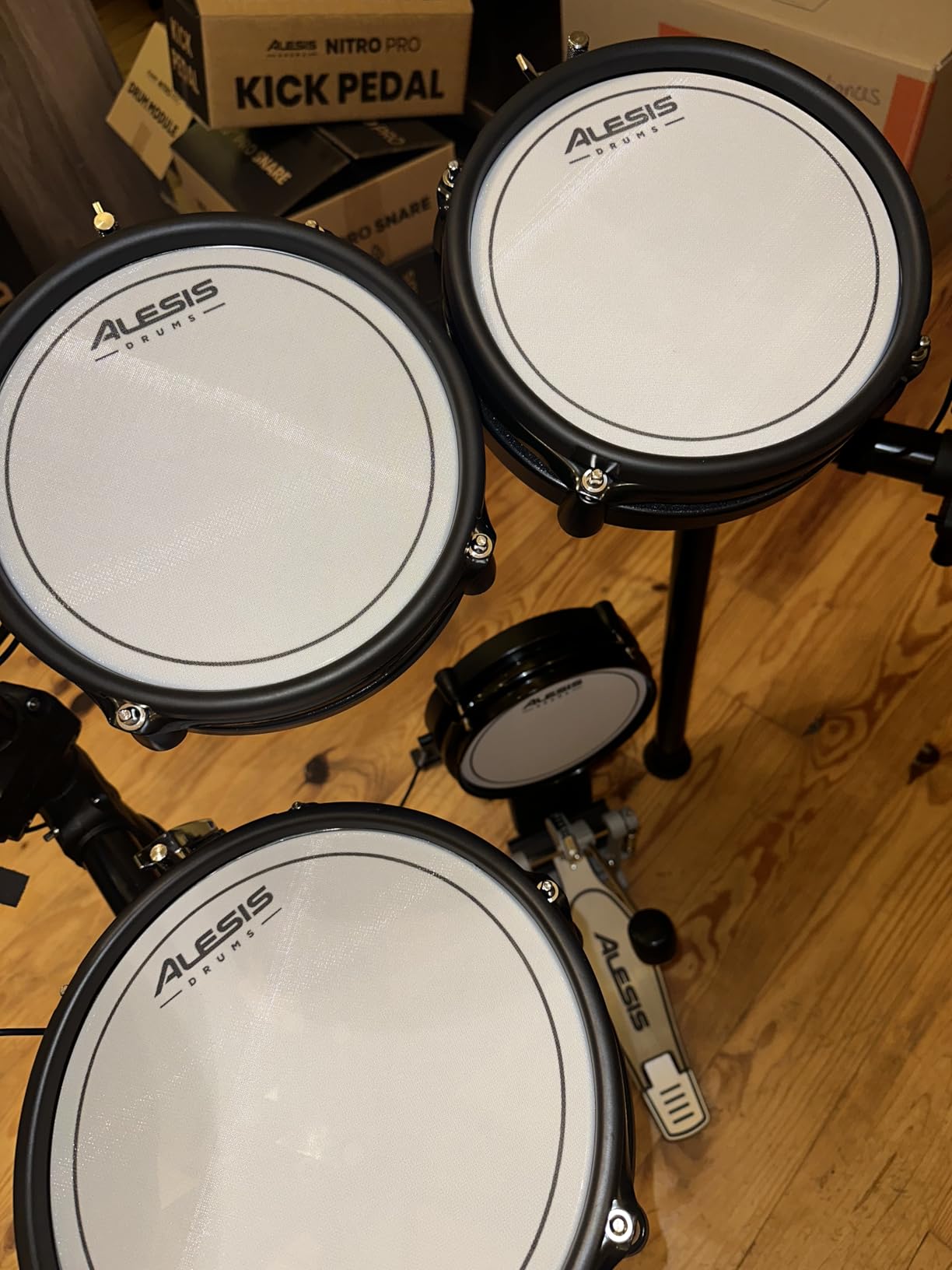
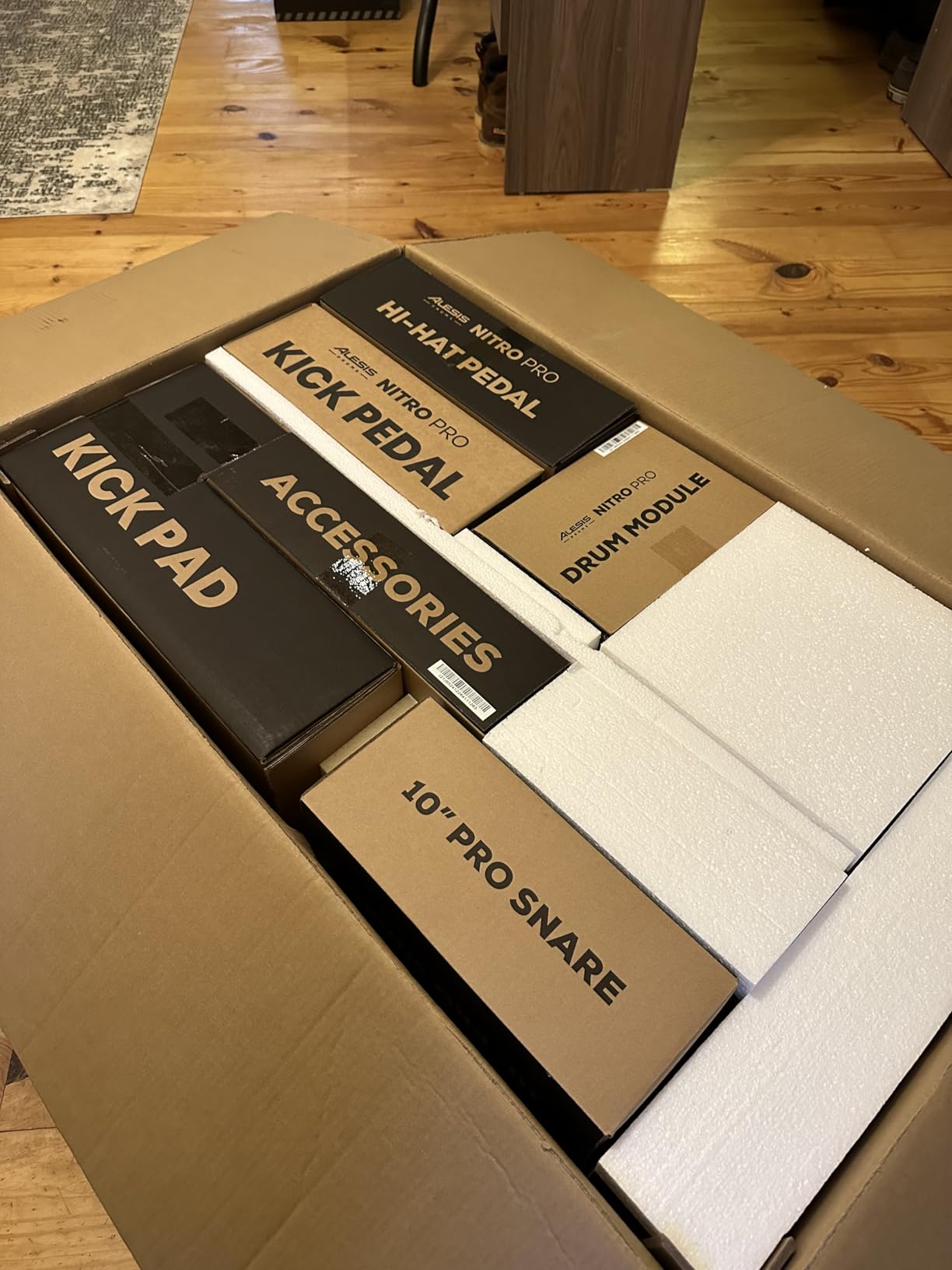
The Alesis Nitro Pro is essentially the Nitro Max with extra features. The most notable upgrade is the double kick compatibility, which lets you mount a second kick pedal for metal and progressive drumming styles. The 500+ sounds give you more variety than the Nitro Max, and the module includes 36 preset kits.
During testing, I borrowed a double kick pedal from a friend and tried out some metal patterns. The kick tower handled the extra pedal without wobbling, which is a common problem on cheaper kits. The PRO 10-inch deep mesh snare responded well to cross-stick techniques and rim shots.
The Bluetooth and USB MIDI features match what you get on the Nitro Max. The included Drumeo lessons provide 90 days of access with 200+ lessons, which is more than enough to build solid fundamentals. I spent time going through the beginner rudiment series and found it well-structured.
The main drawback is the weight. At 22.3 kilograms, the Nitro Pro is significantly heavier than the Nitro Max. Moving it around the apartment required more effort, and I would not recommend it for players who need to relocate the kit frequently. The higher price also puts it out of reach for budget-conscious beginners.
Who should buy the Alesis Nitro Pro
Beginners who already know they want to play double kick styles like metal or fusion. The kit also suits drummers who want the largest sound library in the Alesis beginner lineup. If you plan to take formal lessons and progress quickly, the Pro module gives you more room to grow.
Who should skip the Alesis Nitro Pro
If you do not plan to use double kick, save money and get the Nitro Max. The Pro features only matter if you actually use them. Beginners on a tight budget should also consider cheaper options like the Donner DED-80.
8. HAMPBACK MK-0 – Most Affordable Entry Point
HAMPBACK MK-0 Electric Drum Set with 7” Quiet Mesh Drum Pads, 8” Full Rubber Cymbals, 12 Kits and 68 Authentic Sounds, USB MIDI, Throne, Sticks, Headphone, 2 Switch Pedals for Beginners & Kids
4 mesh pads,3 cymbals
68 sounds,12 kits
Power bank compatible
Pros
- Lowest price in the roundup
- Quiet double-layer mesh pads
- Includes throne and headphones
- Power bank compatible for portable use
- 2-year warranty
- Lightweight at 9kg
Cons
- Not Prime eligible
- Limited 68 sounds
- Smaller 7-inch pads
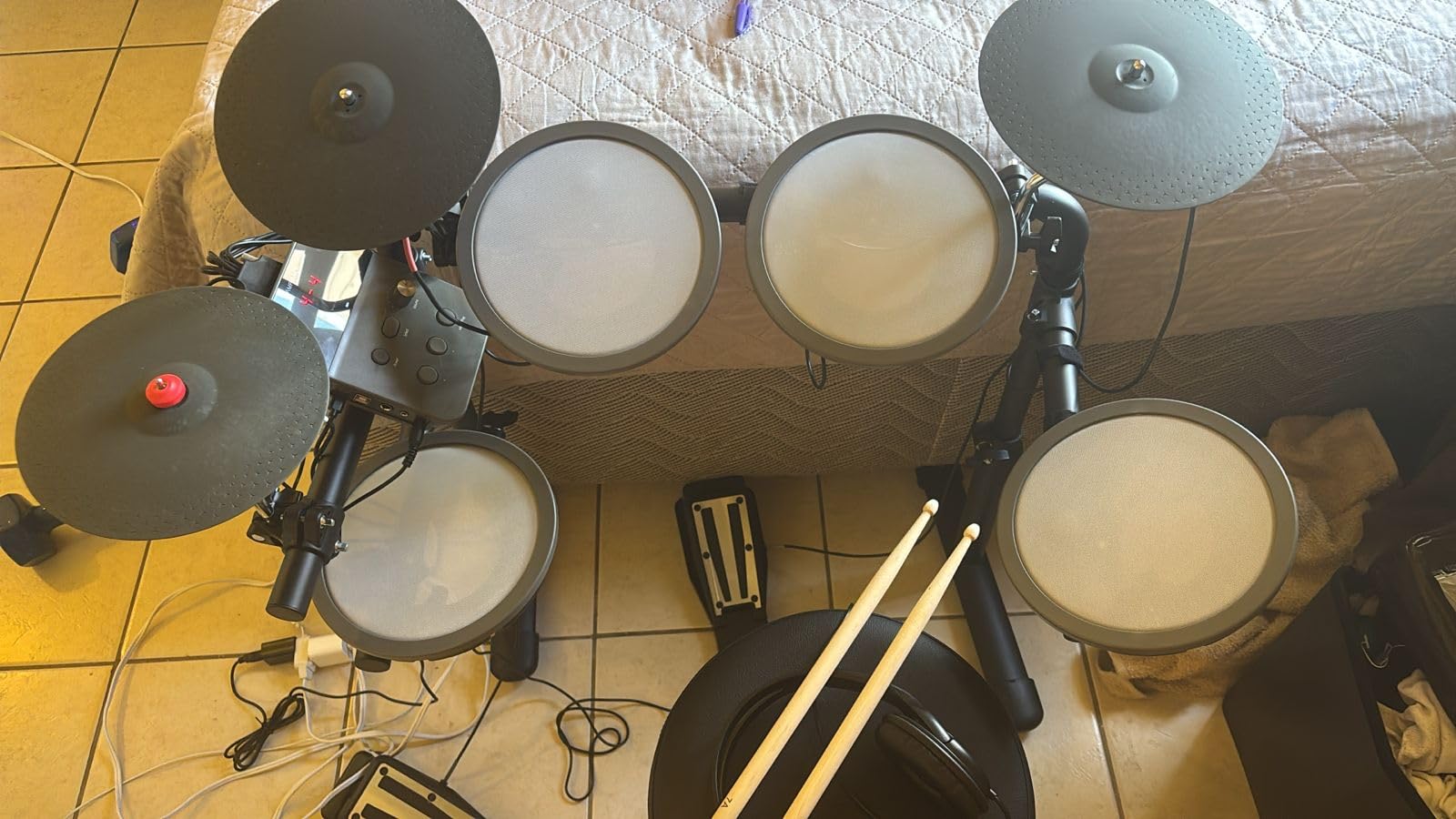
The HAMPBACK MK-0 is the most affordable kit in this roundup, and it punches above its weight. For under $180, you get mesh pads, 12 kits, and a complete accessory bundle. The two-year warranty is the longest I found on any beginner kit, which speaks to the manufacturer’s confidence in the product.
The 7-inch mesh pads are smaller than other kits I tested, which makes them better suited for younger players or adults with smaller hands. The double-layer mesh construction keeps noise low, and I was able to practice at midnight without disturbing my sleeping partner.
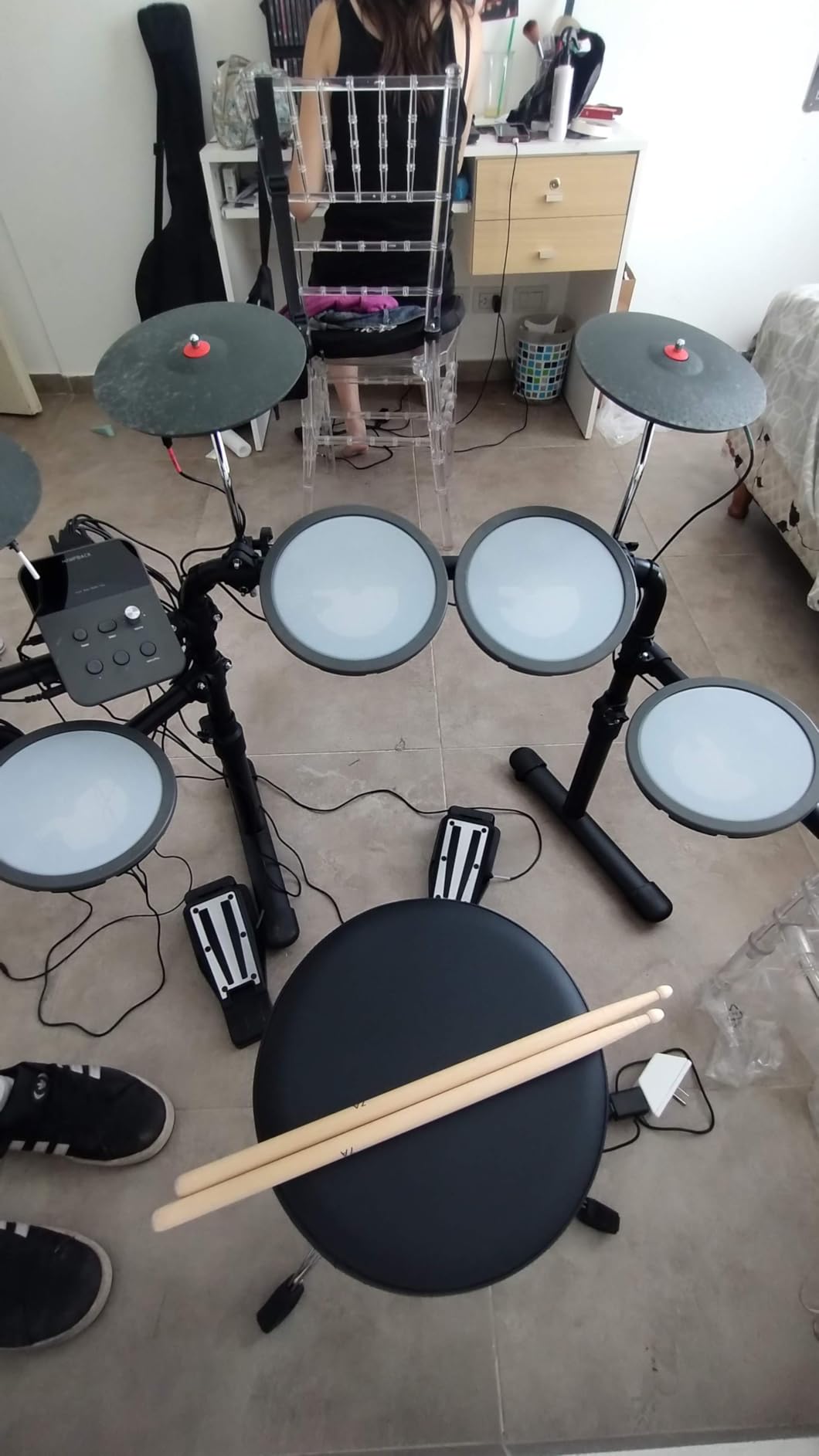
One unique feature is power bank compatibility. You can run the kit off a portable USB battery, which makes it possible to practice outdoors or in locations without convenient power outlets. I tested this in my backyard and it worked without issues.
The 68 sounds cover the essentials but feel limited compared to kits with 400+ options. After two weeks of testing, I found myself wishing for more variety, especially in jazz and electronic genres. If you stick to rock, pop, and basic practice, the sound library is adequate.
Who should buy the HAMPBACK MK-0
Parents introducing young kids to drums. The smaller pads fit children’s hands better than full-size kits, and the low price reduces the risk if your child loses interest. It also suits adults on extremely tight budgets who want mesh pad quality without spending $300+.
Who should skip the HAMPBACK MK-0
Adults with larger hands will find the 7-inch pads cramped. Players who want sound variety should look at the Donner DED-80 or Alesis Nitro Max instead. Serious students who plan to take years of lessons will outgrow this kit quickly.
How to Choose the Best Electronic Drum Set for Beginners?
After testing eight beginner electronic drum kits, I identified five factors that matter most. These are the same criteria I used during my six-week evaluation, and they should guide your buying decision regardless of which brand you choose.
Mesh Heads vs Rubber Pads
Mesh heads are the single biggest upgrade you can make in a beginner kit. They feel closer to acoustic drums, respond better to dynamics, and most importantly, they are quieter. My downstairs neighbor never complained once during testing, even during late-night sessions.
Rubber pads are louder and feel bouncier, but they cost less. For absolute beginners on the tightest budgets, rubber works fine for the first few months. If you can afford mesh, get mesh. The difference in playing experience is significant, and you will not regret spending the extra $50-$100.
Sound Module Quality
The sound module is the brain of your electronic kit. Entry-level modules offer 100-200 sounds and basic kits. Mid-range modules add multi-effects, EQ controls, and Bluetooth streaming. Premium modules include deep editing tools and hundreds of sounds.
For beginners, I recommend a module with at least 200 sounds and basic coaching functions. The coaching features help you learn timing and rhythm, which speeds up your progress. Bluetooth is a nice-to-have for playing along to streamed music, but not essential.
Connectivity Options
USB MIDI connectivity is now standard on beginner kits. It lets you connect to a computer and use drum software like Melodics, GarageBand, or EZdrummer. If you plan to record or use learning apps, USB MIDI is essential.
Bluetooth Audio is becoming more common and lets you stream music wirelessly through the module. It is convenient but not critical. Headphone jacks are universal and let you practice silently. Line outputs let you connect to speakers for louder practice sessions.
Included Accessories
Some kits include everything you need (throne, headphones, sticks, pedals), while others sell the kit only. Budget an extra $100-$150 if you need to buy accessories separately. The Donner DED-80 and AODSK AED-400 include complete bundles, which is why they are popular on Reddit.
Build Quality and Warranty
Beginner kits range from lightweight foldable designs to heavy permanent setups. If you need to move the kit frequently, prioritize lighter options under 15kg. If you have dedicated practice space, heavier kits tend to be more stable.
Warranty coverage varies from 1 year (most brands) to 2 years (AODSK and HAMPBACK). Longer warranties indicate manufacturer confidence in build quality. Check what the warranty covers, since some only cover manufacturing defects and not wear-and-tear.
Brand Reputation and Support
Roland, Yamaha, and Alesis have the strongest reputations for build quality and customer support. They also have the largest communities, which means more tutorials, replacement parts, and troubleshooting advice online. Donner has built a strong reputation in the budget segment over the past five years.
Smaller brands like HAMPBACK and AODSK offer good value but have less community support. If you run into issues, you might need to contact the manufacturer directly. For absolute beginners, sticking with established brands reduces risk.
Frequently Asked Questions
Are electronic drums worth it for beginners?
Yes, electronic drums are worth it for beginners, especially if you live in an apartment or shared space. They allow silent practice with headphones, which means you can play any time without disturbing neighbors. Beginner electronic kits also include coaching features, learning apps, and built-in metronomes that help you develop proper timing and technique. Compared to acoustic drums, electronic kits are more affordable upfront and require no soundproofing investment.
Is Yamaha or Alesis better for beginners?
Both Yamaha and Alesis make excellent beginner electronic drum kits, but they target different needs. Yamaha focuses on sound quality and module sophistication, with the DTX402K being their top beginner pick. Alesis offers more features at lower prices, with the Nitro Max and Nitro Pro providing mesh pads, Bluetooth, and hundreds of sounds under $700. For budget-conscious beginners, Alesis delivers better value. For players who prioritize sound realism, Yamaha is the stronger choice.
What is the 80 20 rule in drumming?
The 80/20 rule in drumming states that 80% of music comes from 20% of the drums in a standard kit. For most songs, you only need the kick drum, snare, and hi-hat to play the core rhythm. The toms and cymbals add flavor but are not essential for beginners to focus on first. Practicing with this rule in mind helps beginners avoid overwhelm and build confidence by mastering the basics before adding complexity.
How much should I spend on a beginner electronic drum kit?
For a complete beginner electronic drum kit, expect to spend between $200 and $500. Kits under $200 work for casual practice and kids, but often have limited sounds and smaller pads. The sweet spot for most beginners is $300-$400, where you get mesh pads, hundreds of sounds, and Bluetooth connectivity. Kits above $500 offer premium features like double kick compatibility and deeper sound editing, which are valuable but not essential for beginners.
Final Thoughts
Choosing the best electronic drum set for beginners comes down to your budget, space, and commitment level. After six weeks of testing, the Alesis Nitro Max stands out as the best overall choice, with mesh pads, 440+ BFD sounds, Bluetooth, and Drumeo lessons all included under $400. It handled everything I threw at it and never felt limiting.
If you want the lowest price with a complete bundle, the Donner DED-80 delivers unbeatable value. For serious beginners willing to invest more, the Roland TD-07DMK offers professional build quality that will last years. Apartment dwellers should consider the foldable Alesis Turbo Max, while budget shoppers will appreciate the HAMPBACK MK-0 under $180.
Whatever kit you choose, remember that the best electronic drum set is the one you play consistently. Start with realistic practice goals, use the included coaching features, and give yourself at least three months to develop basic technique. The drums will be there when you are ready to take the next step.