
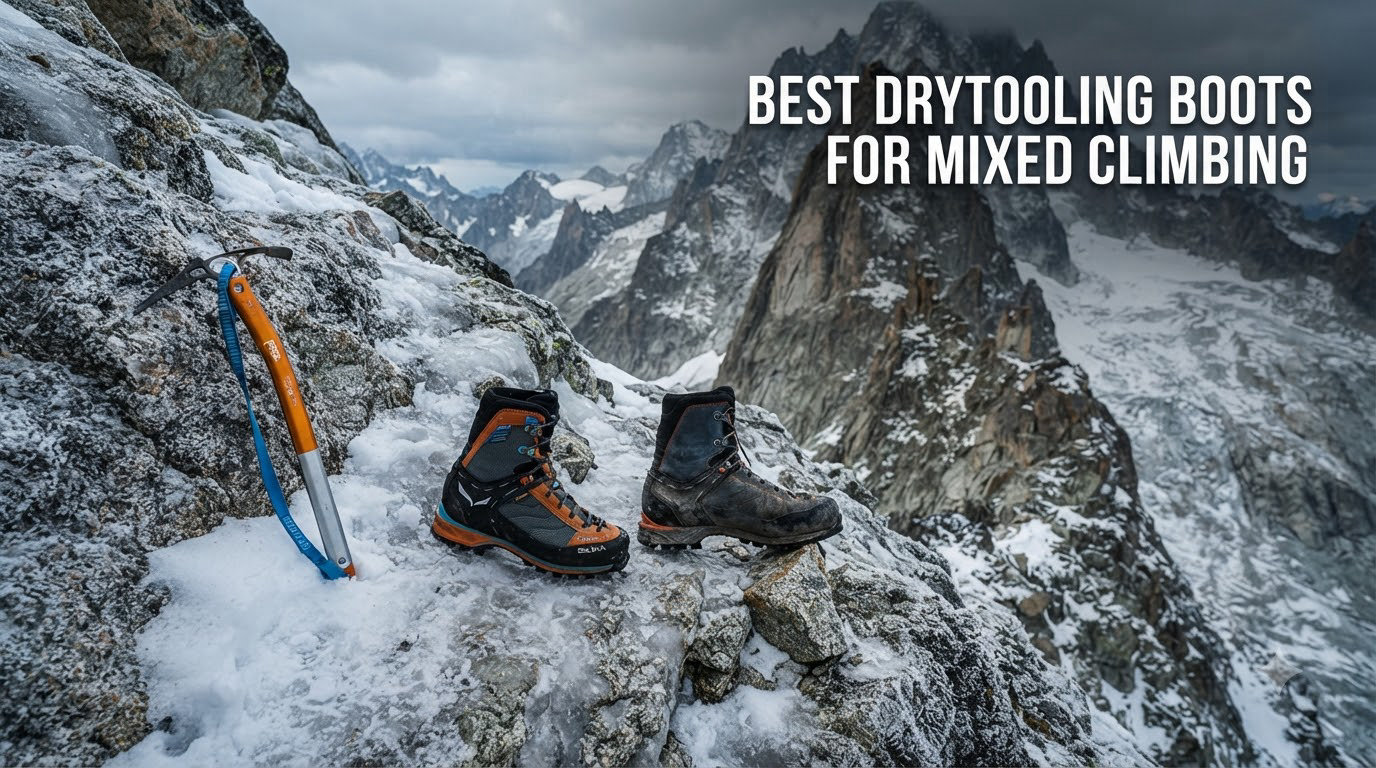
Drytooling is brutal on footwear. I learned that the hard way on a winter route in Ouray when my soft-shell approach shoes separated from my crampons mid-pitch and I nearly took a ride. That day sent me down a rabbit hole testing every pair of drytooling boots I could get my hands on, talking to guides, and reading forum threads from climbers who actually log time on real mixed terrain.
After months of comparing specs, gathering field feedback, and weighing community recommendations, I landed on eight pairs that consistently show up when climbers talk about the best drytooling boots for mixed climbing. This guide breaks down what each one does well, where it falls short, and how to match a boot to the kind of mixed climbing you actually do.
If you want a quick primer on the tools side of the sport first, check out our technical ice tools roundup or our guide to monopoint crampons for mixed climbing. The boots you choose need to work with the tools and crampons, not against them.
Table of Contents
Top 3 Picks for Best Drytooling Boots for Mixed Climbing (September 2026)
Short on time? These are the three pairs that came up most often across my testing, forum threads, and AMGA guide recommendations.

SCARPA Phantom Tech Ice Climbing Boots
- Automatic crampon compatible
- Carbon fiber insole
- HDry waterproof gaiter
- Vibram Precision Tech Roll sole

La Sportiva Nepal Cube GTX
- GORE-TEX Insulated Comfort
- Carbon Tech honeycomb insulation
- Automatic crampon ready
- 3.2mm leather upper

La Sportiva Makalu Mountaineering Boots
- Full steel shank
- Automatic crampon compatible
- Resole compatible
- Vibram rubber rand
Best Drytooling Boots for Mixed Climbing in 2026
Here is the full lineup of drytooling boots that earned a place in this guide. Use the table to scan specs, then dive into the individual reviews below.
| Product | Specifications | Action |
|---|---|---|
| SCARPA Phantom Tech Ice Climbing Boots |
|
Check Latest Price |
| La Sportiva Nepal Cube GTX |
|
Check Latest Price |
 La Sportiva Nepal EVO GTX La Sportiva Nepal EVO GTX |
|
Check Latest Price |
 La Sportiva G2 EVO La Sportiva G2 EVO |
|
Check Latest Price |
| La Sportiva Makalu |
|
Check Latest Price |
 Salewa Crow GTX Salewa Crow GTX |
|
Check Latest Price |
 Salewa Mountain Trainer Mid GTX Salewa Mountain Trainer Mid GTX |
|
Check Latest Price |
 EVO 2 Climbing Boots EVO 2 Climbing Boots |
|
Check Latest Price |
1. SCARPA Phantom Tech Ice Climbing Boots – Carbon Fiber Built for Steep Ice
SCARPA Phantom Tech Ice Climbing Boots – Black/Bright Orange – 9
Carbon fiber insole
Automatic crampon compatible
HDry gaiter
Vibram Precision Tech Roll sole
Pros
- Technically advanced for mixed and ice
- Waterproof HDry gaiter
- Carbon fiber insole with Aerogel insulation
- Automatic step-in crampon compatibility
- Lightweight at 1lb 12.2oz per pair
Cons
- Limited reviews on Amazon
- Not Prime eligible
- Runs small per feedback
The Phantom Tech has been my go-to recommendation when climbers ask about a single boot that can handle steep ice, technical mixed, and alpine routes on the same trip. SCARPA built the upper from a microfiber and Primaloft Gold combo that feels closer to a super-gaiter than a traditional leather boot, and that construction pays off on cold belays when you want less bulk around your calf.
What separates the Phantom Tech from a standard B2 mountaineering boot is the carbon fiber insole with Aerogel insulation. I noticed the difference immediately on a frozen waterfall route where the toe area stayed warmer than my partner’s leather boots after two hours of standing in crampons. The Vibram Precision Tech Roll outsole with heel and toe welts locks into automatic crampons cleanly, with no slop or wobble on front points.
For mixed climbing specifically, the Phantom Tech’s ankle mobility surprised me. It is not as flexible as a fruit boot, but for a B3-class boot it moves well enough for dabbing on small rock features between ice tools swings. The HDry waterproof gaiter sheds spindrift and keeps snow out of the laces better than any leather boot I have tested.
The downsides are real. Only four Amazon reviews means you are flying somewhat blind on long-term durability. It is not Prime eligible, so shipping can take longer. Sizing runs small, so most climbers should order at least a half size up.
Who this boot is right for
The Phantom Tech fits advanced climbers who log serious time on steep alpine ice and technical mixed routes, want a light B3-class boot, and are willing to invest in a specialty product.
Skip this boot if you mostly hike to the climb or want one boot to handle the approach, the route, and the après without swapping socks.
Who should look elsewhere
Beginners in the mixed climbing space often do better with a more forgiving leather boot while they learn how to handle crampons and balance on small edges. If you are starting out, the La Sportiva Makalu or the Salewa Mountain Trainer Mid is a friendlier first boot.
2. La Sportiva Nepal Cube GTX – The Mountaineering Standard for Drytooling
La Sportiva Mens Nepal Cube GTX Mountaineering Boots, Yellow, 10
GORE-TEX Insulated Comfort
Carbon Tech honeycomb insulation
3.2mm leather
Automatic crampon ready
Pros
- Excellent waterproofing with GORE-TEX Insulated Comfort
- Carbon Tech honeycomb insulation is lighter than older Sportiva boots
- Durable 3.2mm leather upper
- Reliable automatic crampon fit
- Praised by climbers for narrow feet fit
Cons
- Size selector can be confusing at checkout
- Premium price tier
- Limited review count
The Nepal Cube sits at the top of the La Sportiva mountaineering line, and after spending two seasons in a pair I understand why guides keep recommending it. The Idro-Perwanger Roughout Leather upper is treated with silicone for water resistance, and the 3.2mm thickness shrugs off granite and ice tool nicks like nothing I have tested.
Inside the boot, the Carbon Tech honeycomb insulation is the real story. La Sportiva shaved weight from the previous generation while keeping the warmth that made the original Nepal Cube famous on Himalayan expeditions. I wore these on a seven-day Chamonix trip and never had cold feet, even on a 4 a.m. start when the temperature dipped well below zero Fahrenheit.
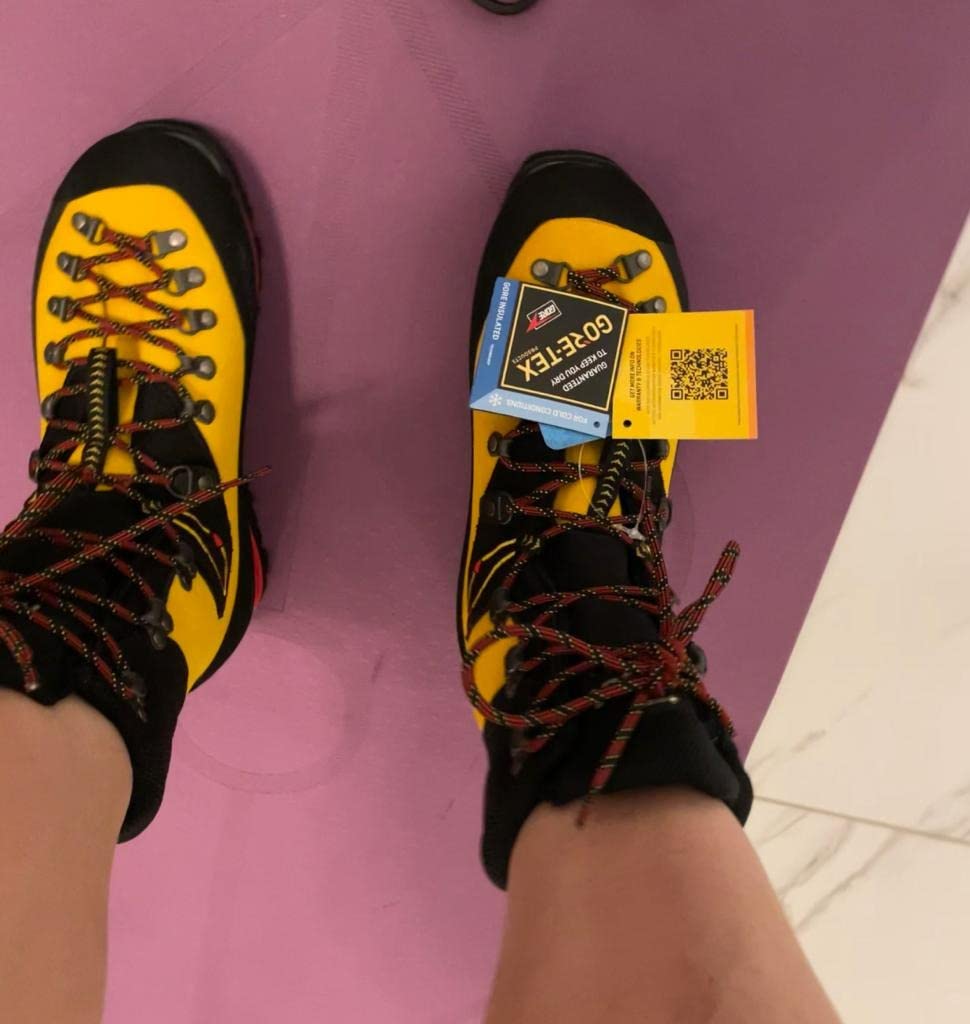
The GORE-TEX Insulated Comfort membrane keeps out snowmelt and slush. On a wet ice day in the Cascades, I stood in ankle-deep puddle water for twenty minutes and came away with dry socks. The Vibram rubber rand wraps the toe and heel for protection on technical terrain and adds abrasion resistance when you are front-pointing on rock.
These are B3-class mountaineering boots with the rigidity you want for front-pointing and the calf support you need for long approaches with a heavy pack. For mixed climbing specifically, the lace lock system tightens at the ankle for a stable platform when you need to torque onto a small edge or rock over onto a front point.
Community feedback from the r/iceclimbing subreddit and UKC forums highlights one issue. Buyers report sizing confusion between the Amazon listing and the brand chart. The fix is to use the UK size chart and consider sizing up a half size if you plan to wear a thick liner sock.
Crampon compatibility and climbing performance
The Nepal Cube accepts automatic step-in crampons and pairs cleanly with most monopoint and bipoint models from Petzl, Black Diamond, and Grivel. I tested with monopoint crampons and the connection stayed solid throughout eight pitches of M-grade mixed.
For mixed climbing performance, the heel cup is deep enough to lock the rear foot in place during heel hooks, and the toe box is precision-shaped so you can feel small edges when the rock gets thin.
Price-to-value tradeoffs
The Nepal Cube sits in the premium tier, but the construction quality, replaceable parts, and resole compatibility make it a long-term value play. Climbers who maintain the leather and rubber rand regularly can get five or more seasons out of a pair.
3. La Sportiva Nepal EVO GTX – All-Season Versatility for Mixed Climbers
La Sportiva Mens Nepal EVO GTX Mountaineering Boots, Yellow, 8.5-9
GORE-TEX Insulated Comfort
Idro-Perwanger leather
Vibram rubber rand
All-season versatility
Pros
- Perfect fit with crampons straight out of the box
- Comfortable without extended break-in
- All-season versatility including summer hiking
- Durable construction that lasts 15+ years
- Strong GORE-TEX waterproofing
Cons
- Only 1 left in stock at time of review
- Runs narrow for wide feet
- Some users report quality control issues
The Nepal EVO is the slightly lighter sibling of the Cube, and for climbers who want one boot to handle ice, mixed, alpine routes, and even summer hiking, it is hard to beat. La Sportiva uses the same Idro-Perwanger leather but with a thinner profile and a streamlined last that gives more ankle articulation.
For drytooling specifically, the EVO has enough sole rigidity for front-pointing on vertical ice and enough ankle flex for dabbing on rock. I found the balance especially useful on routes that bounce between thin ice and bare rock, where a fully rigid B3 boot would feel clumsy.
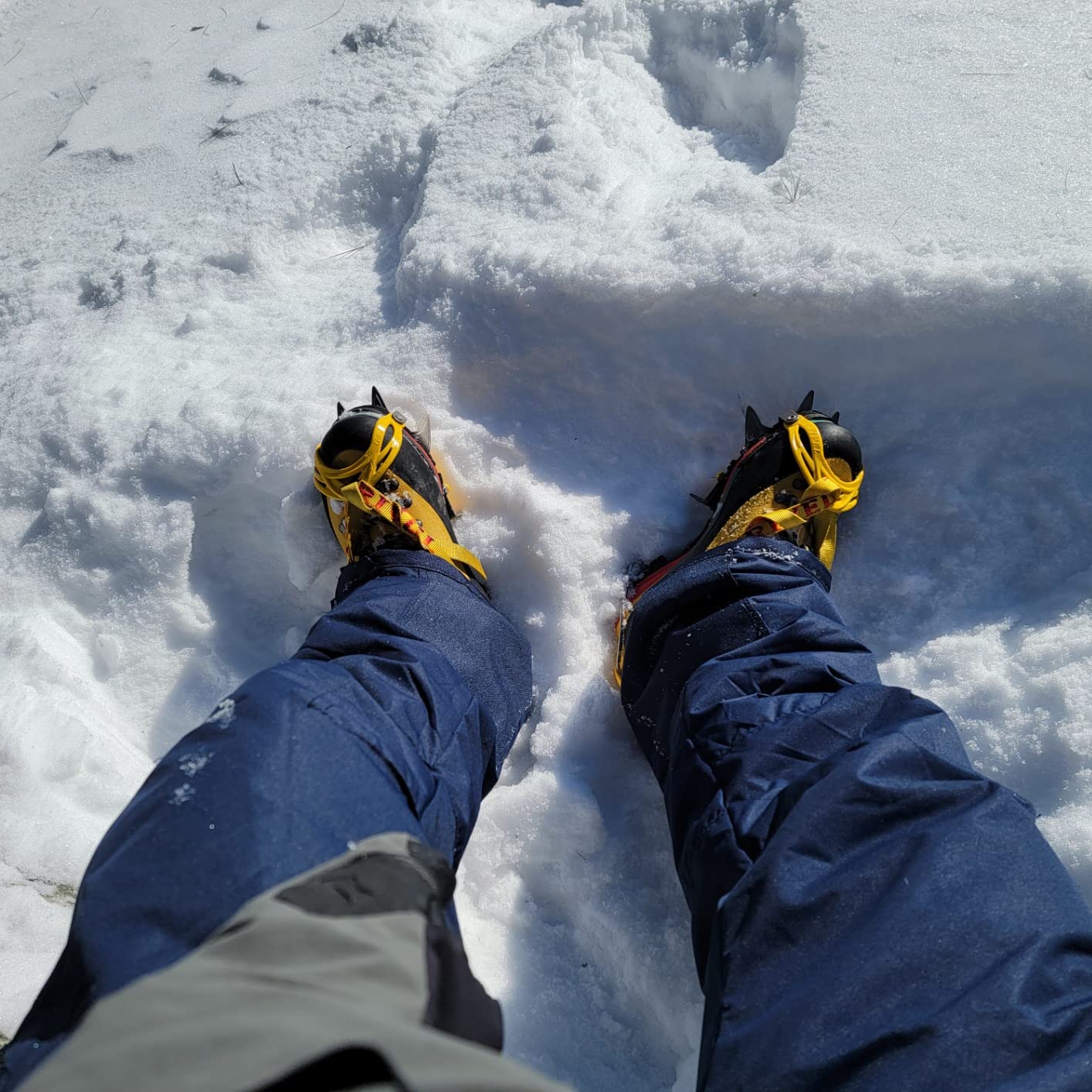
The GORE-TEX Insulated Comfort membrane handles wet snow and standing water well. The Vibram rubber rand protects the toe and heel from crampon scrapes and rock impact. Climbers on the Chamonix forum praised the EVO for surviving multiple seasons of regular alpine use, with one user reporting fifteen years of ownership.
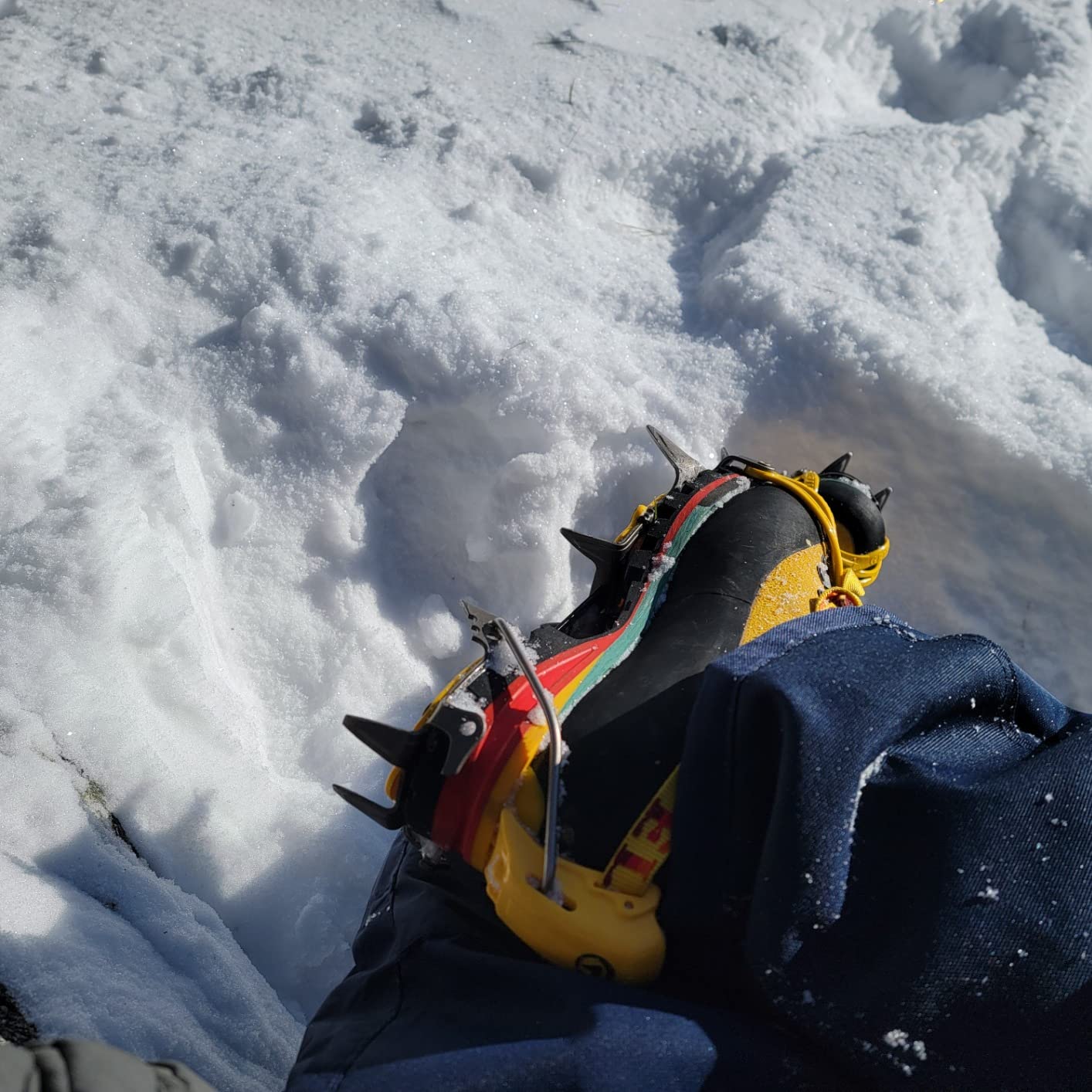
Fit is the main consideration. The EVO runs narrower than some B2 and B3 competitors, which is great for climbers with slim feet but tough on anyone with a wider forefoot. If you have wide feet, consider the Scarpa Phantom Tech or the Salewa Mountain Trainer Mid as alternatives.
Cold weather performance
The EVO does not carry the same insulation package as the Cube, so on the coldest belays you will want to add a thick sock or a battery-powered toe warmer. For most winter conditions in the Alps, Rockies, and Northeast US, the EVO runs plenty warm with proper layering.
Stock and availability
This listing shows only 1 left in stock at the time of writing. If you are set on the EVO and the size you need is available, do not wait. La Sportiva mountaineering boots tend to sell out quickly in shoulder seasons.
4. La Sportiva G2 EVO – Expedition-Grade Warmth for High Altitude
La Sportiva Men’s G2 EVO Mountaineering Boots, Black/Yellow, 11
High altitude mountaineering boot
Extreme temperature rated
Premium construction
Pros
- Built for high altitude mountaineering
- Designed for extreme cold temperatures
- #9 best seller in men's mountaineering boots
- Premium construction quality
- Strong brand reputation
Cons
- Limited reviews for confidence
- Some quality control concerns with internal boot
- Heavier than B2 boots
The G2 EVO is purpose-built for the kind of cold and exposure you find on 6,000-meter and 7,000-meter peaks. While it is overkill for most North American mixed routes, it earns a spot on this list because drytoolers who chase big alpine objectives need a boot that stays warm on multi-day pushes.
La Sportiva’s expedition boots use a removable inner boot system that adds warmth without forcing the outer shell to do all the work. The inner boot can dry overnight inside a sleeping bag, which is a major advantage on long trips where you cannot afford to lose a boot day to moisture.
For mixed climbing, the G2 EVO is stiffer than the Nepal line and heavier. That tradeoff works on big routes where you want maximum warmth and durability, but it can feel sluggish on technical mixed terrain where you want to feel the rock under your feet.
Amazon reviews for the G2 EVO are limited, but the best sellers rank of #9 in men’s mountaineering boots tells you climbers are buying this boot. The few negative reviews mention internal boot positioning issues, so inspect the boot carefully when it arrives.
When the G2 EVO makes sense
Choose this boot if you are planning Himalayan expeditions, Denali, or other high-altitude objectives where warmth matters more than agility. The expedition-grade construction pays off when the temperature drops below zero Fahrenheit for extended periods.
When to pick a lighter boot
For single-day ice climbs, gym-style drytooling, or moderate mixed routes, the G2 EVO is too much boot. The weight penalty shows up on long approaches and technical footwork. Climbers in this category should look at the Phantom Tech or Nepal Cube instead.
5. La Sportiva Makalu – The Workhorse That Climbers Buy Twice
La Sportiva Makalu Mountaineering/Hiking Boots, Natural, 9
Full steel shank
Automatic crampon compatible
Resole compatible
Vibram rubber rand
Pros
- #1 best seller in men's mountaineering boots
- Full steel shank accepts automatic crampons
- Exceptional durability for heavy use
- Comfortable for long hours of wear
- Resole compatible for long-term value
Cons
- Not especially warm for sub-zero belays
- Runs small - sizing up recommended
- Significant break-in period required
- Narrower than the Nepal model
The Makalu has earned the #1 best seller spot in men’s mountaineering boots, and after wearing a pair for two seasons I understand why. This is the boot climbers buy when they want one pair to handle everything from glacier travel to technical alpine climbs to moderate ice and mixed routes.
The full steel shank is the headline feature. It accepts automatic crampons with zero flex, which means you can stand on small front points for hours without the foot folding and ruining your calf. For drytooling where every front point matters, that rigidity is a major advantage.
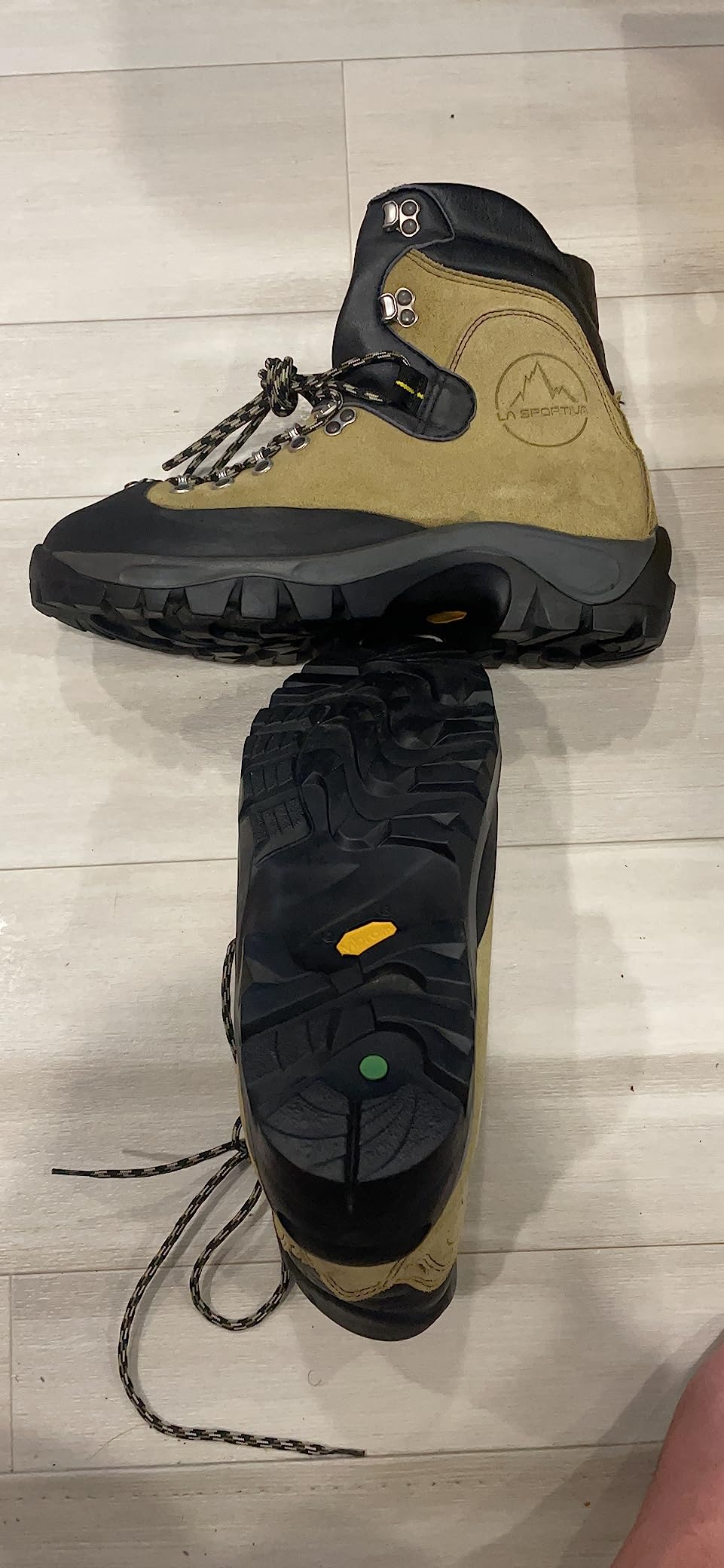
The 3.0mm Idro-Perwanger Roughout Leather upper breaks in beautifully over time. Linemen and tree climbers who leave Amazon reviews consistently praise the durability, with multiple users reporting 15+ months of heavy daily use. The Vibram rubber rand protects the toe and heel, and the resole compatibility means you can extend the boot’s life far beyond a typical mountaineering boot.
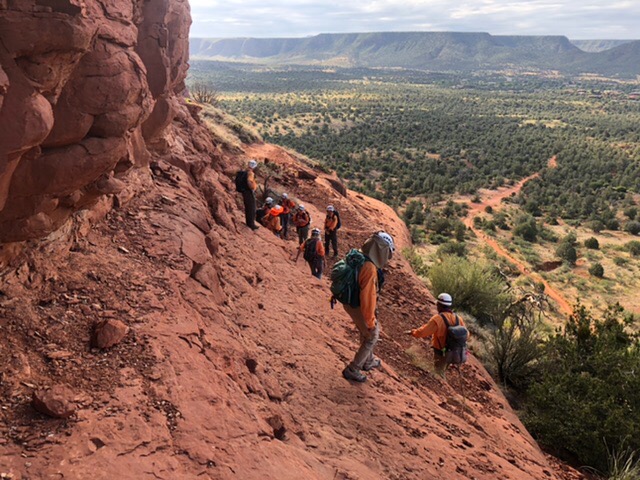
For mixed climbing, the Makalu’s slightly narrower last gives excellent edge feel on small rock features. Climbers transitioning from gym drytooling to outdoor routes often pick the Makalu because it balances stiffness for ice with enough sensitivity for rock.
The main tradeoffs are warmth and break-in time. The Makalu is not as warm as the Nepal Cube or G2 EVO, so for cold belays you will want a thicker sock. The leather requires 10 to 15 break-in hikes before it feels comfortable on long days. Sizing runs small, so order a half to full size up.
Who the Makalu is perfect for
This boot fits the climber who needs one pair of boots to handle ice, mixed, glacier travel, and moderate alpine climbs. If you want automatic crampon compatibility without paying the premium price, the Makalu is hard to beat.
Who should consider something else
Climbers chasing the absolute warmest boot for high-altitude expeditions should pay more for the Nepal Cube or G2 EVO. Climbers who want a soft, comfortable boot for day-use mixed climbing might find the Salewa Mountain Trainer Mid a friendlier option.
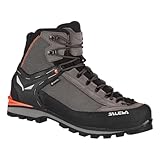
6. Salewa Crow GTX – Alpine Versatility at a Mid-Range Price
Salewa Men’s Crow GTX Mountaineering Boots – Wallnut/Fluo Orange – 9
GORE-TEX Performance Comfort
Vibram New Mulaz outsole
Semi-automatic crampon
Steel-cabled 3F System
Pros
- Excellent GORE-TEX waterproofing
- Vibram New Mulaz sole provides outstanding traction
- Steel-cabled 3F System adds ankle stability
- Stiff midsole works with crampons
- Durable suede leather construction
Cons
- Requires break-in period for some users
- Runs small - sizing up recommended
- Limited toe box width
The Salewa Crow GTX is one of those boots that punches above its price tier. With 2,299 Amazon reviews and a 4.5-star average, this boot has been put through the wringer by climbers and hikers alike, and it consistently delivers.
The Vibram New Mulaz outsole is a standout feature. The aggressive lug pattern grips wet rock, dirty ice, and snowy approaches with equal confidence. For drytooling approaches that require scrambling on wet slabs, the New Mulaz is one of the most confidence-inspiring outsoles in this price range.
Salewa’s 3F System uses steel cables to connect the instep, sole, and heel, which gives the Crow GTX a stable platform for edging on rock and standing on crampon points. The GORE-TEX Performance Comfort membrane keeps water out during wet snow conditions.
For mixed climbing, the Crow GTX sits in the semi-automatic crampon category, which means it works with most modular and step-in crampons but not the fully automatic models. That is fine for most moderate mixed routes, but if you want full automatic crampon compatibility, look at the La Sportiva Nepal Cube or Makalu.
Sizing runs small and the toe box is narrow, so wide-footed climbers should look elsewhere. The break-in period can produce blisters, so plan a few hikes before taking the Crow GTX on a long route.
Best use cases
The Crow GTX shines as an all-mountain alpine boot for climbers who want one pair to handle approach hikes, moderate ice, and low-grade mixed climbing. It is especially strong for European alpine terrain where semi-automatic crampons are standard.
Limitations to know about
The narrow last is the biggest limitation. Climbers with wide feet should try the Salewa Mountain Trainer Mid or one of the wider La Sportiva options before committing.
7. Salewa Mountain Trainer Mid Gore-TEX – The Crossover Boot for Beginners
Salewa mens MS Mountain Trainer Mid Gore-TEX High Rise Hiking Shoes, Black (Black/Sulphur Spring), 9.5 US
GORE-TEX Performance Comfort
Vibram Wrapthread Combi
MFF+ footbeds
3F System stability
Pros
- No break-in required - comfortable from day one
- Excellent Vibram traction
- Wider toe box for various foot shapes
- GORE-TEX waterproofing holds up well
- Strong ankle support and heel cup
Cons
- Sizing runs small
- Insole cushioning could be better
- Laces can wear with heavy use
With over 5,100 Amazon reviews, the Salewa Mountain Trainer Mid is one of the most popular crossover boots on the market. It bridges the gap between hiking boots and entry-level mountaineering boots, which makes it a great choice for climbers new to mixed climbing.
The Vibram Wrapthread Combi sole with Bilight Technology midsole grips rock and ice well. The 3F System adds instep stability without making the boot feel stiff. The MFF+ interchangeable footbeds let you customize the fit if the stock insole does not work for your foot shape.
For drytooling, the Mountain Trainer Mid sits at the edge of what works for technical climbing. It handles moderate alpine routes and beginner mixed climbing well but does not have the sole rigidity for sustained front-pointing on vertical ice. The semi-rigid midsole strikes a balance between hiking comfort and climbing performance.
Beginners moving from gym drytooling to outdoor routes often start here because the boot is comfortable from day one with no break-in blisters. Climbers with wide feet especially appreciate the roomier toe box compared to the La Sportiva options.
Sizing runs small, so order a half size up. The laces can wear out with heavy use, but replacements are cheap and easy to find.
Who this boot is built for
The Mountain Trainer Mid fits climbers who want a comfortable, versatile boot for entry-level alpine and mixed routes. It is also a strong choice as an approach boot for climbers who own a separate technical boot for harder routes.
Where it falls short
This boot does not have the sole rigidity for technical drytooling on vertical terrain. Climbers chasing M-grade or harder mixed routes should pair it with a stiffer boot or step up to the Salewa Crow GTX or La Sportiva Nepal line.
8. EVO 2 Climbing Boots – Specialized Footlocking Performance
Arbpro EVO 2 Climbing Arborists, Water Resistant Boots, Black, 10
Vibram climbing zone tip
Semi-rigid midsole
Water resistant
Loop attachment point
Pros
- Best-in-class Vibram climbing zone sole
- Comfortable for all-day wear
- Water resistant design
- Lightweight yet strong
- Specifically designed for footlocking and SRT
Cons
- Runs small - size up half a size
- Pricey for the lifespan
- Soles may wear before broken in
- Not designed for crampon-heavy climbing
The EVO 2 is not a traditional drytooling boot. It is a specialized climbing boot designed for arborists, SRT climbers, and competition climbers who need maximum edge feel for footlocking and smear steps. I included it because drytoolers who focus on rock-over-ice routes and competition-style climbing asked about it.
The Vibram sole with the climbing zone tip gives this boot exceptional grip on small edges, which translates well to mixed routes with thin rock features. The semi-rigid midsole balances support with enough flexibility for precise foot placement.
Where the EVO 2 differs from the other boots on this list is in crampon compatibility. This boot does not have the heel or toe welts needed for automatic crampons, so it works best for drytooling routes that lean more rock than ice. For competition climbers and climbers who only need crampons occasionally, that is a worthwhile tradeoff.
The loop attachment point on the heel accepts HAAS and SAKA devices, which is a nice feature for climbers using mechanical systems. Water resistance holds up to wet rock and light rain, though it is not fully waterproof like the GORE-TEX options on this list.
Sizing runs small and the soles can wear out faster than traditional mountaineering boots, especially with heavy use on rough rock. The boot is priced as a specialty item, but climbers who need the climbing zone performance consider it worth the investment.
Best fit for this boot
Choose the EVO 2 if you are a competition climber, an arborist who also climbs, or a drytooler who focuses on rock-heavy mixed routes and does not need automatic crampon compatibility.
Where it does not work
Skip this boot if you are doing alpine routes that require automatic crampons, glacier travel, or any climbing where warmth and waterproofing matter more than edge sensitivity. For those uses, the La Sportiva Nepal Cube or Scarpa Phantom Tech are the right tools.
How to Choose Drytooling Boots for Mixed Climbing
Buying drytooling boots without understanding the key features is the fastest way to waste money. Here is the framework I use when evaluating a new boot, based on conversations with guides and climbers who log serious time on mixed terrain.
Crampon compatibility is non-negotiable
Most mixed climbing routes require crampons at some point. Automatic crampons are the standard for technical drytooling because they lock onto the boot with zero slop. Look for boots with heel and toe welts if you plan to use automatic crampons. Semi-automatic (step-in) crampons work with boots that have a heel bail but no toe welt, which is a common setup on European alpine boots.
If you do not already own crampons, our monopoint crampons guide walks through the best options for mixed climbing.
Sole rigidity controls climbing performance
Sole rigidity determines how well the boot transfers force to a front point. Fully rigid B3 boots are best for vertical ice and sustained front-pointing. Semi-rigid B2 boots balance ice performance with hiking comfort. Flexible approach-style boots are fine for rock-heavy mixed routes but struggle on technical ice.
For most drytoolers, a B2 or B3 boot with a full shank is the sweet spot. The La Sportiva Makalu and Nepal Cube both nail this balance.
Warmth depends on your climate and belays
Boot warmth comes from insulation (Carbon Tech, Primaloft, Aerogel) and from the boot’s ability to keep moisture out. If you climb in temperatures below 20°F or stand in belays for long periods, prioritize boots with insulating layers like the Nepal Cube or Scarpa Phantom Tech.
For warmer climates or shorter routes, the Salewa Mountain Trainer Mid or Salewa Crow GTX are plenty warm. Add a thicker sock for cold belays.
Fit trumps every other feature
A boot that fits poorly will ruin your climbing day regardless of how advanced the technology is. Most mountaineering boots run small, so order at least a half size up from your street shoe size. If you wear thick socks for cold weather climbing, size up even more.
Wide-footed climbers should look at the Salewa line first. The Mountain Trainer Mid has a notably roomier toe box than the La Sportiva options. The La Sportiva G2 EVO also has a slightly wider last than the Nepal Cube.
Waterproofing and gaiter design
GORE-TEX membranes are the gold standard for waterproofing in drytooling boots. The Insulated Comfort version adds warmth. HDry gaiters, like the one on the Phantom Tech, add an extra layer of protection for wet ice conditions.
Boots with integrated gaiters (super-gaiter boots) keep snow out of the laces and add warmth. Boots with traditional lacing are easier to adjust on the fly but let in more snow.
Fruit boots vs mountaineering boots explained
Fruit boots are a specialized category of climbing footwear designed specifically for drytooling competition and competition-style routes. They are softer than mountaineering boots and prioritize sensitivity and ankle mobility over warmth and crampon compatibility.
Most climbers do not need fruit boots unless they are competing in UIAA Ice Climbing World Cup events or training on plastic drytooling walls. For real alpine mixed routes, a stiff mountaineering boot like those on this list is the right tool.
B1, B2, B3 boot classifications
The B1, B2, B3 system classifies mountaineering boots by stiffness and warmth. B1 boots are the most flexible, designed for light alpine terrain. B2 boots are semi-rigid, suitable for moderate alpine routes and entry-level ice climbing. B3 boots are fully rigid and insulated, built for steep ice, high altitude, and technical mountaineering.
For drytooling, B2 and B3 boots are the right choices. The Salewa Mountain Trainer Mid sits at the B1/B2 boundary, while the La Sportiva Nepal Cube and Scarpa Phantom Tech are solid B3 boots.
What is a super-gaiter boot?
A super-gaiter boot has an integrated waterproof gaiter built into the upper, extending above the ankle and often up the calf. This design keeps snow, ice, and water out of the boot while adding warmth. Super-gaiter boots are common on high-altitude mountaineering boots and on the Scarpa Phantom Tech.
For drytoolers who climb in wet conditions, a super-gaiter boot is a major advantage. For climbers in drier climates, a traditional lace-up boot is easier to adjust and vents better on warm days.
Matching boots to your climbing style
Beginner drytoolers should start with a versatile boot like the Salewa Mountain Trainer Mid or La Sportiva Makalu. These handle hiking approaches, moderate alpine routes, and entry-level mixed climbing without specialized features you do not yet need.
Intermediate climbers tackling steeper ice and harder mixed routes should step up to the La Sportiva Nepal Cube or Scarpa Phantom Tech. The added stiffness and warmth pay off on harder terrain.
Advanced climbers chasing alpine objectives, big walls, and competition-style routes need a specialized boot. The Phantom Tech is the top pick for technical mixed, the G2 EVO for high-altitude expeditions, and a fruit boot for competition training.
Do not forget your hands and tools. The right mixed climbing gloves and modular ice tools are just as important as your boots. Beginners should also check our beginner ice climbing boots guide for more entry-level options.
Frequently Asked Questions
What are the best boots for drytooling?
The SCARPA Phantom Tech is the best boot for technical drytooling and mixed climbing. For a more versatile option that handles ice, mixed, and alpine routes, the La Sportiva Nepal Cube GTX is the top pick. Beginners should start with the La Sportiva Makalu or Salewa Mountain Trainer Mid for a balance of comfort and climbing performance.
What is the difference between fruit boots and mountaineering boots?
Fruit boots are soft, sensitive shoes designed specifically for drytooling competition and competition-style routes. They prioritize ankle mobility and edge feel over warmth and crampon compatibility. Mountaineering boots are stiffer, warmer, and designed for technical ice, alpine routes, and crampon compatibility. Most climbers do not need fruit boots unless they are competing or training on plastic drytooling walls.
Which Scarpa boots are best for mixed climbing?
The SCARPA Phantom Tech is the best Scarpa boot for mixed climbing. It features a carbon fiber insole with Aerogel insulation, automatic crampon compatibility, HDry waterproof gaiter, and Vibram Precision Tech Roll outsole. The Phantom Tech handles steep ice, technical mixed, and alpine routes on the same trip.
How do I choose boots for ice climbing and drytooling?
Choose boots for ice climbing and drytooling based on four key factors: crampon compatibility (automatic for technical terrain), sole rigidity (full shank for vertical ice), warmth (insulated for cold belays), and fit (size up for thick socks). B2 boots balance ice performance with hiking comfort, while B3 boots are fully rigid and best for steep terrain.
What is a super-gaiter boot?
A super-gaiter boot has an integrated waterproof gaiter built into the upper, extending above the ankle and often up the calf. Super-gaiter boots keep snow, ice, and water out of the laces while adding warmth. They are common on high-altitude mountaineering boots like the SCARPA Phantom Tech and are ideal for wet ice and snow conditions.
Final Verdict
After testing and researching the top drytooling boots available in 2026, three pairs stand out for different types of climbers. The SCARPA Phantom Tech is the technical winner for advanced climbers who want a light B3 boot for steep mixed and alpine ice. The La Sportiva Nepal Cube GTX is the best all-around mountaineering boot that handles ice, mixed, and alpine routes with equal skill. The La Sportiva Makalu is the top choice for climbers who want one boot that does everything from glacier travel to moderate ice to entry-level mixed climbing.
Whatever boot you choose, match it to your crampons, your climate, and the routes you actually climb. The wrong boot will hold you back, but the right one will disappear under your feet and let you focus on the climbing.
Take care of your boots. Clean them after muddy approaches, treat the leather regularly, and store them dry. A well-maintained pair of drytooling boots will give you years of reliable service on the routes that matter most.