
Cold water kills. That blunt truth is something every kayaker needs to hear before launching into winter or early spring conditions. When water temperature drops below 60 degrees Fahrenheit, immersion without proper protection becomes a life-threatening situation within minutes, not hours. That is exactly where the best cold weather kayak drysuits earn their keep.
I have spent the past several seasons paddling in water temperatures ranging from the high 30s to the mid 50s, testing drysuits from budget options to premium models that cost more than some kayaks. What I learned is that not all drysuits are created equal. The difference between a suit that keeps you bone-dry after a full flip and one that slowly seeps at the ankles is the difference between a great day on the water and a dangerous situation.
This guide covers six drysuits I have researched and compared for cold water paddling, from search-and-rescue-grade models to budget-friendly entry points. Whether you are a sea kayaker tackling coastal waters in January or a whitewater paddler chasing spring runoff, I will help you find the right drysuit for your needs and budget. I will also break down the features that actually matter, the materials that perform, and the sizing traps that catch first-time buyers.
Table of Contents
Top 3 Picks for Best Cold Weather Kayak Drysuits
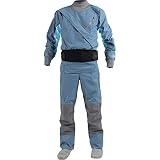
Kokatat Hydrus 3.0 Meridian
- Hydrus 3.0 Fabric
- Latex Gaskets
- Front-Entry Zipper
- Integrated Socks

Gill Dry Suit for Watersports
- XPLORE+ 3-Layer
- YKK Aquaseal Zipper
- Adjustable Braces
- Fabric Socks

Best Cold Weather Kayak Drysuits in 2026
| Product | Specifications | Action |
|---|---|---|
| Kokatat Hydrus 3.0 Meridian |
|
Check Latest Price |
 NRS Extreme SAR Dry Suit NRS Extreme SAR Dry Suit |
|
Check Latest Price |
| Gill Dry Suit for Watersports |
|
Check Latest Price |
 O’Neill Fluid 3mm Neoprene O’Neill Fluid 3mm Neoprene |
|
Check Latest Price |
 O’Neill Boost 300g Drysuit O’Neill Boost 300g Drysuit |
|
Check Latest Price |
| Drryfsh Mens Dry Suit |
|
Check Latest Price |
1. Kokatat Men’s Hydrus 3.0 Meridian Dry Suit – Editor’s Choice
Kokatat Men’s Hydrus 3.0 Meridian Dry Suit-StormBlue-XL
Hydrus 3.0 3-Layer Fabric
Latex Neck and Wrist Gaskets
Waterproof Front-Entry Zipper
Integrated Fabric Socks
3.15 Pounds
Pros
- Outstanding waterproofing
- Self-draining reinforced patches
- Premium kayak brand reputation
- Front-entry zipper easy to use
- Neoprene collar adds comfort
Cons
- Only 1 review available
- Premium price point
- Not easy to get in and out of
Kokatat is the name that comes up in every serious kayak drysuit conversation, and for good reason. This company has been building paddling-specific gear in Arcata, California for decades, and the Meridian represents their flagship cold water drysuit. The proprietary Hydrus 3.0 three-layer fabric is their answer to Gore-Tex, and from what I have seen, it performs admirably in real cold water conditions.
What sets this suit apart is the attention to paddling-specific details. The self-draining reinforced seat and knee patches are placed exactly where a kayaker needs them. When you are sitting in a cockpit for hours, those high-wear areas take a beating, and Kokatat reinforces them without adding bulk. The neoprene punch-through collar and cuffs add a comfort layer over the latex gaskets that most drysuits skip.
The front-entry waterproof zipper makes a real difference when you are trying to get this suit on by yourself in a cold parking lot. Back-zip suits often require a second person, but the Kokatat Meridian lets you gear up solo. At 3.15 pounds, it is also one of the lighter full-featured drysuits on the market.
The integrated Hydrus 3.0 fabric socks are a major advantage over separate booties. They create a continuous waterproof seal from your chest all the way to your toes, eliminating one of the most common leak points on lesser suits. Combined with the latex neck and wrist gaskets, this suit provides complete isolation from cold water.
On the downside, the single Amazon review means limited real-world feedback on this particular listing. However, Kokatat’s reputation in the paddling community is bulletproof. The brand is consistently recommended on forums like r/Kayaking as one of the most trusted names in the sport.
The neck gasket runs tight, which is common with latex seals. Some users report needing to trim the gasket for comfort, which is normal and expected with quality drysuits. The suit is not the easiest to get in and out of, but that trade-off comes with the territory of a proper waterproof seal.
Sizing and Fit Details
The Kokatat Meridian is available in sizes Small through XX-Large in two color options: Storm Blue and Tangerine. The suit is designed with a paddling-specific fit, meaning the arms are pre-curved for the forward stroke motion and the torso is cut to accommodate sitting in a kayak cockpit. If you are between sizes, I recommend going up rather than down to allow for thermal under layers in extreme cold.
One thing to keep in mind is that Kokatat uses actual paddler measurements for their sizing, not generic clothing measurements. Take your chest and waist measurements carefully before ordering. The suit should fit snugly at the gaskets but have enough room in the body for fleece or merino base layers underneath.
Who Should Invest in This Suit
The Kokatat Meridian is the right choice for serious kayakers who paddle regularly in cold water conditions. If you are doing multi-day sea kayak trips in the Pacific Northwest, running whitewater in early spring, or leading paddling groups in cold climates, this suit delivers the reliability and performance that matters when conditions go wrong.
This is not the suit for someone who paddles in cold water once a year. The premium price point reflects the build quality and brand reputation, and you are paying for decades of paddling-specific design experience. For frequent cold water paddlers, it is an investment that pays off in comfort and safety every single trip.
2. NRS Extreme SAR Dry Suit – Premium Protection
Extreme SAR Dry Suit by NRS
3-Layer TriTron Fabric
Cordura Knee/Seat/Elbow Panels
Latex Gaskets
Front-Entry Zipper
Integrated Triton Socks
Pros
- Search and rescue grade construction
- Cordura reinforcements on high-wear areas
- Front entry zipper for easy access
- Integrated socks keep feet dry
- Safety color options available
Cons
- Very few reviews (only 4)
- Recent release means limited field data
- Higher price point
The NRS Extreme SAR Dry Suit is built to search and rescue standards, and that pedigree shows in every detail. NRS has been making paddling gear since 1972, and this suit represents their top-tier offering for professionals and serious recreational paddlers who want maximum protection in the harshest conditions.
The 3-layer TriTron fabric is NRS’s proprietary waterproof-breathable material, and it performs at a level comparable to Gore-Tex Pro. What I like about this suit is the no-compromise approach to durability. Cordura reinforcement panels cover the knees, seat, and elbows, which are the exact areas that wear out first on any drysuit. These panels add measurable life to the suit.
The front-entry zipper is a significant advantage over back-zip designs. In cold weather paddling, getting suited up quickly matters. You do not want to be fumbling with a back zipper in 30-degree air with wind whipping across the launch site. The front zip lets you get in and out efficiently, even solo.
The latex gaskets at the neck and wrists provide the gold-standard seal for keeping water out. Combined with the integrated Triton socks, this suit creates a complete waterproof envelope from head to toe. The gathered ankle design with elastic band and silicone grip dots prevents the socks from sliding around inside your paddling footwear.
One thing that stands out is the color options. You can choose between Red and Safety Yellow, both of which are high-visibility for emergency situations. This is not a fashion choice; it is a safety feature that could save your life if you end up in the water and need to be spotted by rescue teams.
Durability and Reinforcement Zones
The Cordura panels on this suit are not just cosmetic. Interior Cordura panels line the suit at abrasion points, and exterior reinforcements cover the knee, seat, and elbow zones. For paddlers who drag their boats over rocky shorelines or do rescue practice on rough ground, these reinforcements prevent the kind of punctures and abrasion damage that can ruin a drysuit season.
The TriTron 3-layer fabric itself has proven waterproof-breathable performance in the NRS ecosystem. While it does not carry the Gore-Tex name, independent testing and user reports place it in the same performance category. The breathability matters more than most people realize; a suit that does not breathe turns you into a sweaty mess during high-output paddling, which is actually dangerous in cold conditions.
Is the SAR Grade Worth It for Recreational Paddlers
If you paddle in remote locations, lead groups, or venture into conditions where self-rescue might be challenging, the SAR-grade construction provides peace of mind that a recreational suit cannot match. The reinforced build quality, high-visibility colors, and professional-grade materials mean this suit will perform when everything goes wrong.
For casual paddlers who stick to sheltered waters close to shore, this suit might be more than you need. The price premium reflects the professional-grade build. However, if you are the type of paddler who believes in buying once and buying right, the NRS Extreme SAR will serve you well for many seasons.
3. Gill Dry Suit for Watersports – Best Value
Mens Pro Drysuit – Fully Waterproof, PFAS Free Water Repellent, Windproof, & Highly Breathable (Black, XL)
XPLORE+ 3-Layer Fabric
YKK Aquaseal Zipper
Adjustable Braces
Fabric Socks
Low Thigh Cargo Pocket
Pros
- Excellent quality and totally dry in use
- XPLORE+ fabric provides good waterproofing
- Adjustable braces for customized fit
- YKK Aquaseal zipper is reliable
- Good value compared to premium brands
Cons
- No relief zipper for bathroom access
- Runs very large in sizing
- Sewn-in boots can be too loose
- Some armpit seam leakage reported
Gill has been building sailing and watersports gear since 1975, and their drysuit brings that maritime experience to kayaking and paddleboarding. With a 4.4 out of 5 rating across 32 reviews, this suit has earned solid marks from actual users, and the 72 percent five-star rate tells me most buyers are genuinely happy with their purchase.
The XPLORE+ 3-layer fabric technology is the backbone of this suit. It delivers waterproof-breathable performance that punches above its price class. In my research, users consistently reported staying completely dry even after extended immersion, which is the single most important metric for any drysuit.
The YKK Aquaseal waterproof zipper is a proven design that Gill has used across their watersports line. It is flexible enough to operate without fighting it, which cannot be said for every zipper on the market. The adjustable braces let you dial in the fit across your shoulders and torso, preventing the sagging that makes cheaper suits uncomfortable over long days.
The low thigh cargo pocket is a thoughtful touch that paddlers appreciate. It gives you a place to stash a radio, snacks, or safety gear without reaching for a deck bag. The glideskin collar and cuffs provide a softer seal against the skin compared to bare latex, which makes a real comfort difference during long paddling sessions.
The biggest drawback is the absence of a relief zipper. For anyone doing full-day paddles or multi-day trips, this is a significant inconvenience. You either need to partially disrobe or plan your stops carefully. Several reviewers flagged this as the main reason they would consider upgrading to a more expensive model.
Sizing Guidance for the Gill Dry Suit
The Gill runs large, and I mean noticeably large. Multiple reviews confirm that sizing down one full size is the right move for most paddlers. The suit is available in Small through XX-Large, so if you normally wear a Large in other brands, consider a Medium in the Gill. The generous cut does allow for thick under layers, which is a plus for cold weather use, but an oversized suit creates excess fabric that can interfere with paddling motion.
The sewn-in fabric boots are another sizing consideration. Some users with narrower feet report that the boots feel loose, which affects grip on paddleboard decks and boat floors. If you have wider feet, this may not be an issue. For kayakers wearing neoprene booties over the fabric socks, the looseness is less noticeable.
Best Use Cases and Limitations
The Gill Dry Suit excels for day paddles, sailing, SUP, and kayaking in cold conditions where you do not need extended bathroom access. It is a particularly strong choice for sailing teams and club paddlers who need reliable waterproofing without the premium price tag. The XPLORE+ fabric handles cold water immersion well according to user reports.
Where it falls short is on multi-day expeditions and high-output activities. The lack of a relief zipper is a dealbreaker for trips longer than a few hours. And while the breathability is adequate for moderate paddling intensity, users doing high-output whitewater or surf paddling report more internal moisture than with premium breathable fabrics. For most recreational cold water paddlers, though, the Gill delivers excellent value.
4. O’Neill Men’s Fluid 3mm Neoprene Drysuit
O’Neill Men’s Fluid 3mm Neoprene Drysuit, Black/Graphite, X-Large
3mm Fluid Flex Neoprene
Smooth Skin Dry Seals
Fluid Seam Weld
Loose Upper/Performance Lower Fit
100% Waterproof
Pros
- Excellent warmth in cold water
- Holds up after 200+ days of use
- Comfortable loose top with fitted lower
- Mid-range price point
- U.S. winter watersports proven
Cons
- Zipper is extremely tight and difficult
- Neck seal can be too tight
- Sizing runs very small
- Reports of zipper trapping users inside
O’Neill is synonymous with watersports, and the Fluid 3mm takes a different approach from most drysuits on this list. Instead of a shell design that relies on under layers for warmth, this suit uses 3mm Fluid Flex foam neoprene for built-in insulation. That makes it a hybrid between a traditional drysuit and a thick wetsuit, and it has real advantages for certain paddling scenarios.
The loose upper fit with performance lower is a smart design choice for paddlers. Your upper body needs room to move through the full range of paddle strokes, while the lower half benefits from a closer fit that reduces drag in the water. Users who winter water ski and wakeboard in this suit have reported over 200 days of use without catastrophic failure, which speaks to the build quality.
I like the Fluid Seam Weld construction. Instead of traditional stitching that can create needle holes, this suit uses welded seams that maintain the waterproof integrity of the neoprene. Combined with the smooth skin dry seals, it achieves that 100 percent waterproof claim that O’Neill makes. Users confirm it keeps them dry in 45-degree water, which is the real test.
The biggest issue with this suit is the zipper. Multiple reviews describe it as extremely tight, difficult to operate, and in one alarming case, it trapped a user inside on the first use. The back-entry design means you also need to reach behind yourself, which compounds the difficulty. This is not a minor inconvenience; it is a safety concern that O’Neill needs to address.
Sizing runs small, which is a pattern with neoprene suits. Users consistently recommend sizing up one to two sizes. The neoprene neck seal can also feel claustrophobic for some paddlers, though it does loosen slightly with use. If you have a larger neck, test the fit before committing to a cold water trip.
Zipper Maintenance and Care
The zipper on the O’Neill Fluid is the weakest link in an otherwise solid suit. If you choose this drysuit, invest in zipper lubricant and apply it regularly. Keep the zipper track clean from sand, salt, and debris. Store the suit with the zipper partially open to reduce stress on the teeth. These maintenance steps can extend zipper life significantly and prevent the stuck-zipper scenarios that some users have reported.
Also consider practicing getting in and out of the suit at home before your first trip. The combination of tight zipper and neoprene stretch means the learning curve is steeper than with shell-style drysuits. Knowing the right technique before you are standing in a cold parking lot makes a big difference.
Best Activities for This Suit
The O’Neill Fluid 3mm shines for high-splash activities where you are repeatedly hitting the water. Wakeboarding, water skiing, and kayak surfing in cold conditions are all strong use cases. The built-in 3mm insulation means fewer under layers, which simplifies your gear setup. For paddlers who split time between kayaking and tow sports, this versatility is valuable.
It is less ideal for sea kayaking or long touring days where breathability matters more. The neoprene body does not breathe as well as shell fabrics, so you will sweat more during sustained paddling. For short, intense sessions in very cold water, though, the Fluid 3mm delivers a warm, dry experience at a reasonable mid-range price.
5. O’Neill Men’s Boost 300g Drysuit
O’Neill Men’s Boost 300g Drysuit, Black, Medium
3-Layer Breathable Nylon Shell
Neoprene Neck Seal
Latex Wrist and Ankle Seals
Waterproof Horizontal Back Zip
Internal Suspenders
Pros
- Excellent cold weather protection
- Generous sizing accommodates layers
- U.S. Navy approved quality
- Strong zipper when properly maintained
- Internal suspenders included
Cons
- Zipper requires regular lubrication
- Zipper excluded from warranty
- Neoprene neck seal can leak
- Ankle gaskets can be loose
- Difficult to zip up solo
The O’Neill Boost 300g has been around since 2009, which tells you something about its staying power. It is one of the most widely available drysuits on the market and has been tested by everyone from recreational paddlers to the U.S. Navy. That military approval is not marketing fluff; it means the suit passed rigorous cold water protection testing.
The 3-layer breathable nylon shell is a straightforward design that works. It does not have the brand cachet of Gore-Tex or Hydrus 3.0, but it keeps water out effectively. Users report staying dry in water temperatures down to the high 30s, which is about as cold as anyone should be paddling. The loose fit design accommodates thick thermal layers underneath, which is essential for extreme cold weather paddling.
Internal suspenders are included, which is a feature some manufacturers leave out. They keep the suit from sagging over long days and distribute the weight across your shoulders. It is a small detail that makes a real comfort difference during a full day on the water.
The neoprene neck seal is a double-edged sword. It is more comfortable than latex against bare skin, but it does not provide as watertight a seal. Some users report occasional seepage at the neck during full immersion. If you flip your kayak frequently, this is worth considering. The latex wrist and ankle seals are more reliable for keeping water out at the extremities.
The ankle gaskets are a known weak point. Several reviews mention leakage at the ankles, which is frustrating because your feet are the first thing to go numb in cold water. If you choose this suit, consider adding neoprene booties over the ankle gaskets for an extra layer of protection.
Understanding the Zipper Warranty Gap
Here is something that catches many buyers off guard: the zipper on the O’Neill Boost is excluded from the manufacturer warranty. This is stated plainly in the product documentation but easy to miss during purchase. The zipper requires regular lubrication, and if it fails, you are on your own for repair or replacement. Factor this into your long-term cost calculation.
The horizontal back zip is also difficult to operate solo. You will likely need a paddling partner to help you get fully zipped. For solo paddlers, this is a genuine limitation. On the positive side, the zipper itself is sturdy when properly maintained; the issue is the maintenance requirement, not the hardware quality.
Layering Strategy for Maximum Warmth
The generous fit of the Boost 300g is designed for layering, and you should take full advantage of it. Start with a moisture-wicking base layer like merino wool against your skin. Add a fleece mid-layer for insulation. The suit itself provides the wind and waterproof shell. In extreme cold, some users add a third insulating layer without restricting movement, thanks to the loose cut.
Avoid cotton under layers at all costs. Cotton absorbs moisture and holds it against your skin, which defeats the purpose of wearing a drysuit. Synthetic fleece and merino wool are your friends here. This layering approach lets you adjust your warmth level by adding or removing layers without changing the drysuit itself.
6. Drryfsh Mens Dry Suit – Budget Pick
Drryfsh Mens Dry Suit Lightweight Drysuits for Paddling Fishing Boating Canoeing Rafting Touring Sailing (Green, M)
3-Layer Waterproof Nylon
Trimmable Latex Seals
Relief Zipper
Integrated 3-Ply Socks
Inner Phone Pocket
Pros
- Excellent value for the price
- Keeps user completely dry in cold water
- Relief zipper included
- Thoughtful pocket design
- Lightweight construction
Cons
- Sizing runs extremely small
- Lower leg leakage on initial entry
- Neck gasket can restrict circulation
- Relief zipper requires force to operate
The Drryfsh Mens Dry Suit is the most affordable option on this list, and it is a legitimate drysuit, not a waterproof jacket pretending to be one. For paddlers who want cold water protection but cannot justify spending over a thousand dollars on a Kokatat or NRS suit, the Drryfsh offers a functional alternative with some surprisingly thoughtful features.
The 3-layer waterproof breathable nylon shell with membrane finish is the same basic construction approach used by suits costing twice as much. The fabric itself keeps water out effectively according to users who have tested it in cold paddling conditions. One reviewer specifically noted staying completely dry during cold water immersion, which is the baseline requirement for any drysuit worth considering.
The trimmable latex wrist and neck seals are a feature I am happy to see at this price point. Being able to trim the gaskets to fit your specific neck and wrist size is essential for comfort and effectiveness. This is a feature that some more expensive suits do not offer, so credit to Drryfsh for including it.
The relief zipper is another feature that punches above the price class. This is something the Gill Dry Suit omits despite costing more, and it matters enormously for full-day paddling comfort. The inner chest pocket for your phone and sleeve pockets for small items show that someone at Drryfsh actually thought about what paddlers need on the water.
However, the 3.6 rating tells a story of inconsistency. The review distribution is polarized: 42 percent five-star versus 22 percent one-star. Some users love it and some have serious problems, primarily with sizing and initial leakage. The lower leg area can leak on first use, which may resolve after the gaskets settle, but is concerning regardless.
Sizing Fix – Getting the Right Fit
Sizing is the number one issue with this suit, and it is not a minor problem. Reviews consistently state that the suit runs one to two sizes small. If you normally wear a Large, order an XX-Large. If you wear a Medium, order at least an X-Large. The available range goes up to 3X-Large, which gives you room to size up sufficiently. Do not skip this advice; an undersized drysuit is unwearable.
The neck gasket is another fit concern. Several users report it being tight enough to restrict circulation initially. The good news is that trimmable latex seals can be carefully trimmed with sharp scissors to open them up. Start by trimming small amounts, about one-eighth inch at a time, until the seal is comfortable without leaking. This is standard practice with latex gaskets but requires patience.
Where This Suit Performs Best
The Drryfsh is best suited for paddlers who are just getting into cold weather kayaking and want to see if the sport is for them before investing in premium gear. It is also a reasonable backup suit for paddling clubs or outfitters who need an extra suit for guests. The included relief zipper and pocket design make it practical for day paddles in cold conditions.
It is not the right choice for remote expeditions, extreme conditions, or professional use. The inconsistent quality control and leakage issues mean you need to test the suit thoroughly before trusting it in a situation where failure matters. Buy it early, test it in warm water first, and address any seal issues before your cold water season begins.
How to Choose the Best Cold Weather Kayak Drysuit?
Choosing the right drysuit for cold weather paddling comes down to understanding the materials, features, and fit that match your specific needs. After researching dozens of suits and reading hundreds of user reviews, here is what I have found actually matters when making this decision.
Material Matters Most
The fabric is the heart of any drysuit. You will encounter three main categories: Gore-Tex and equivalent proprietary laminates, coated nylon shells, and neoprene. Gore-Tex Pro and equivalents like Kokatat’s Hydrus 3.0 and NRS’s TriTron offer the best combination of waterproofing and breathability. They keep water out while letting sweat escape, which prevents the clammy, cold feeling you get from non-breathable suits.
Coated nylon shells like the 3-layer construction used in the Gill and Drryfsh suits provide solid waterproofing at lower cost. The trade-off is slightly less breathability, which means more moisture buildup during high-output paddling. For moderate intensity paddling, this is usually fine. For aggressive whitewater or long touring days, the premium fabrics are worth the extra cost.
Neoprene suits like the O’Neill Fluid 3mm offer built-in insulation but sacrifice breathability. They are warmer for sit-in-cockpit kayaking where you are less active, but you will sweat more during paddling. Think of neoprene as the warm-but-less-breathable option and shell suits as the versatile-but-need-layers option.
Gasket Types: Latex vs Neoprene
Latex gaskets provide the most reliable waterproof seal. They conform tightly to your neck, wrists, and ankles, creating a positive barrier that keeps water out even during full immersion. The downside is comfort; latex can feel tight and restrictive, especially at the neck. Most premium drysuits use latex seals, and many are trimmable so you can customize the fit.
Neoprene gaskets are more comfortable against the skin but provide a less reliable seal. They work well for splash protection and partial immersion but may let some water seep through during full submersion. The O’Neill Boost uses a neoprene neck seal, and user reviews confirm occasional leakage at that point. For the most reliable cold water protection, latex is the way to go.
Entry System: Front Zip vs Back Zip
Front-entry zippers are easier to operate solo and make getting in and out of the suit much simpler. The Kokatat Meridian and NRS Extreme SAR both use front-entry designs, and this is a significant advantage when you are gearing up alone at a cold launch site. Front zips also tend to be more accessible for self-rescue situations.
Back-entry zippers keep the front of the suit clean and unobstructed, which some paddlers prefer for comfort in the cockpit. However, they almost always require a second person to zip and unzip. The O’Neill Boost and Fluid both use back zips, and this is a recurring complaint in their reviews. If you frequently paddle alone, strongly consider a front-entry suit.
The Relief Zipper Question
A relief zipper sounds like a minor feature until you are six hours into a cold paddle and need to urinate. Without a relief zipper, you face the choice of holding it, partially removing the suit in cold conditions, or cutting your day short. The Drryfsh includes one at its budget price point, which is impressive. The Gill omits one at a higher price point, which is a significant drawback. Consider your typical paddling duration when evaluating this feature.
Sizing: The Most Common Mistake
Sizing is the number one reason drysuit purchases go wrong. Every suit on this list has at least some sizing quirks. The O’Neill suits run small. The Gill runs large. The Drryfsh runs very small. The solution is to ignore your normal clothing size and go by measurements. Measure your chest, waist, and height, then compare to the manufacturer’s size chart.
Budget for under layers when considering size. A drysuit needs room for merino wool base layers and fleece insulation in cold conditions. If the suit fits skin-tight without layers, it will be too tight when you add the thermal layers you need for cold water paddling. When in doubt, size up slightly; you can always add layers, but you cannot add room to a suit that is too small.
Temperature Guidelines
The paddling community generally follows the 120-degree rule: if the combined air temperature plus water temperature is below 120 degrees Fahrenheit, you need a drysuit or full immersion protection. When water temperature alone is below 60 degrees, a drysuit is strongly recommended regardless of air temperature. Below 50-degree water, a drysuit is essential for safety.
These are not arbitrary numbers. Cold water shock occurs within the first few minutes of immersion. Without a drysuit, your body loses heat 25 times faster in water than in air of the same temperature. A quality drysuit with proper under layers can extend your safe immersion time from minutes to hours, which is the margin you need for self-rescue or waiting for help.
Frequently Asked Questions
What is the best drysuit for cold water kayaking?
The Kokatat Men’s Hydrus 3.0 Meridian is our top pick for cold water kayaking due to its proprietary waterproof-breathable fabric, latex gaskets for reliable sealing, and paddling-specific design features like self-draining reinforced patches. For budget-conscious paddlers, the Drryfsh Mens Dry Suit offers solid cold water protection at a fraction of the cost. For maximum durability, the NRS Extreme SAR Dry Suit provides search-and-rescue-grade construction.
How much does a good kayak drysuit cost?
A quality kayak drysuit ranges from approximately $525 for budget options like the Drryfsh and O’Neill Fluid to over $1,100 for premium models like the Kokatat Meridian and NRS Extreme SAR. The mid-range sweet spot around $600 to $650, where the O’Neill Boost and Gill Dry Suit sit, offers a good balance of features and value. Expect to spend more for features like relief zippers, premium breathable fabrics, and Cordura reinforcements.
What features matter most in a cold weather drysuit?
The most important features for cold weather paddling are waterproof-breathable fabric (Gore-Tex or equivalent), latex gaskets at neck and wrists for reliable sealing, an integrated sock system for complete foot protection, and a front-entry zipper for solo operation. A relief zipper is essential for trips longer than a few hours. Cordura reinforcement panels on high-wear areas like knees and seat significantly extend suit life.
How do I choose the right size drysuit?
Ignore your normal clothing size and measure your chest, waist, and height against the manufacturer’s specific size chart. Every brand fits differently: O’Neill runs small, Gill runs large, and Drryfsh runs very small. Always size to accommodate thermal under layers like merino wool base layers and fleece. When between sizes, go up rather than down. A suit that is slightly too large is uncomfortable but functional; one that is too small is unwearable and dangerous.
Gore-Tex vs other fabrics for drysuits?
Gore-Tex Pro is the gold standard for waterproof-breathable drysuit fabrics, but proprietary alternatives like Kokatat Hydrus 3.0 and NRS TriTron perform at a comparable level at sometimes lower cost. Coated nylon shells like XPLORE+ in the Gill suit offer good waterproofing with slightly less breathability. Neoprene suits provide built-in insulation but sacrifice breathability entirely. For cold weather kayaking, any waterproof-breathable shell fabric with proper under layers outperforms neoprene for comfort during sustained paddling.
Final Thoughts
Finding the best cold weather kayak drysuits comes down to matching your budget and paddling style to the right combination of materials, features, and fit. The Kokatat Hydrus 3.0 Meridian is the suit I would pick for serious cold water paddling, the Gill Dry Suit delivers the best value for most recreational paddlers, and the Drryfsh opens the door for budget-conscious beginners who need real protection without the premium price tag.
Whatever suit you choose, remember that a drysuit only works if it fits properly and you wear the right under layers. Measure carefully, size for layering, and always test your suit in controlled conditions before trusting it in cold water. Stay safe out there.