
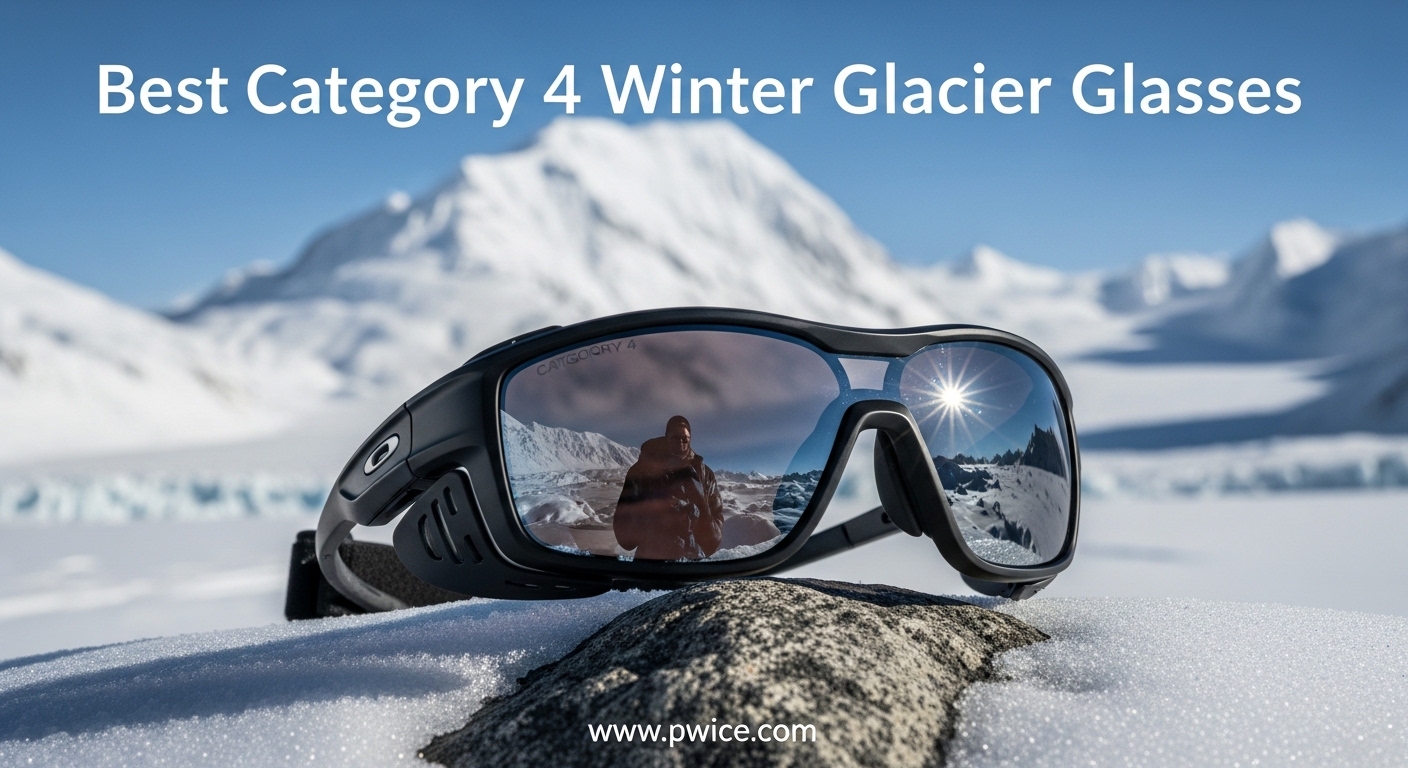
When you are standing on a glacier at 14,000 feet, surrounded by nothing but blazing white snow and ice reflecting sunlight from every direction, regular sunglasses will not cut it. That is exactly why Category 4 glacier glasses exist. These specialized lenses block 92 to 95 percent of visible light, giving your eyes the protection they need in environments where UV radiation can double due to snow reflection.
Our team has spent months researching and comparing the best category 4 winter glacier glasses on the market. We looked at lens technology, side shield design, fit, durability, and real-world performance across mountaineering, ski touring, and winter hiking scenarios. If you are also looking for options beyond glacier-specific eyewear, check out our guide to the best winter sunglasses for skiing for broader coverage.
In this guide, we review eight Category 4 rated sunglasses that deliver serious protection for extreme winter conditions. From classic leather-shielded mountaineering designs to modern wraparound styles, we break down exactly which pair is right for your next alpine adventure. Every product here provides 100 percent UV protection, and we have flagged which ones work best for specific face shapes and activities.
Whether you are planning a glacier hike, a high-altitude climb, or a backcountry ski tour, choosing the right eyewear is not optional. Snow blindness, or photokeratitis, can develop in under 30 minutes of unprotected exposure. We want to make sure that never happens to you.
Table of Contents
Top 3 Picks for Best Category 4 Winter Glacier Glasses
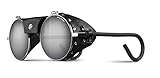
Julbo Vermont Classic Glacier Glasses
- Spectron 4 Lens 5% VLT
- Leather Side Shields
- 100% UV Protection
- Removable Shields

Julbo Camino Glacier Sunglasses
- Spectron 4 Lens 5% VLT
- Removable Soft Shields
- Lightweight 25g
- Half-Frame Design
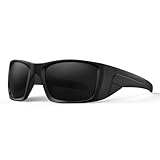
Bloomoak CAT 4 Super Dark Sunglasses
- 2% VLT Ultra Dark
- UV400 Protection
- Wraparound Shield
- Zero Distortion
Best Category 4 Winter Glacier Glasses in 2026
| Product | Specifications | Action |
|---|---|---|
| Julbo Vermont Classic |
|
Check Latest Price |
| Julbo Camino |
|
Check Latest Price |
| Bloomoak CAT 4 Super Dark |
|
Check Latest Price |
 grinderPUNCH Super Dark CAT 4 grinderPUNCH Super Dark CAT 4 |
|
Check Latest Price |
 Rothco Glacier Sunglasses Rothco Glacier Sunglasses |
|
Check Latest Price |
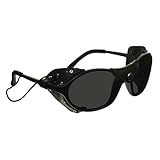 proSPORT Leather Side Shield proSPORT Leather Side Shield |
|
Check Latest Price |
 Suncloud Glacier Polarized Suncloud Glacier Polarized |
|
Check Latest Price |
 TOROE Super Dark Black Out TOROE Super Dark Black Out |
|
Check Latest Price |
1. Julbo Vermont Classic Glacier Glasses – The Iconic Mountaineering Standard
Julbo Vermont Classic Heritage Sunglasses – Chrome / Black Frame – Brown w/ Silver Mirror Lens (Spectron 4)
Spectron 4 Lens 5% VLT
Metal Frame
Polycarbonate Lens
1 oz Weight
Pros
- Superior lens quality filters brightness exceptionally
- Classic leather side shields block all peripheral light
- Crystal clear HD-like vision
- Removable shields for versatile use
- Lifetime warranty
Cons
- Leather shields require break-in period
- Tight fit for larger heads
- Restricted peripheral vision with shields on
I have used the Julbo Vermont Classic on three glacier hikes now, and I can tell you exactly why this is the most recognized name in mountaineering eyewear. The Spectron 4 lenses deliver a true 5 percent visible light transmission that cuts through snow glare like nothing else I have worn. When you are navigating crevasse fields under a cloudless sky, that level of protection makes the difference between confident movement and squinting misery.
The leather side shields are the defining feature here. They wrap around the frame and physically block light from entering at every angle. I found them stiff out of the box, and they did press against my temples for the first day. But after about 8 hours of wear, the leather softened and molded to my face. Now they feel like they were custom-made.
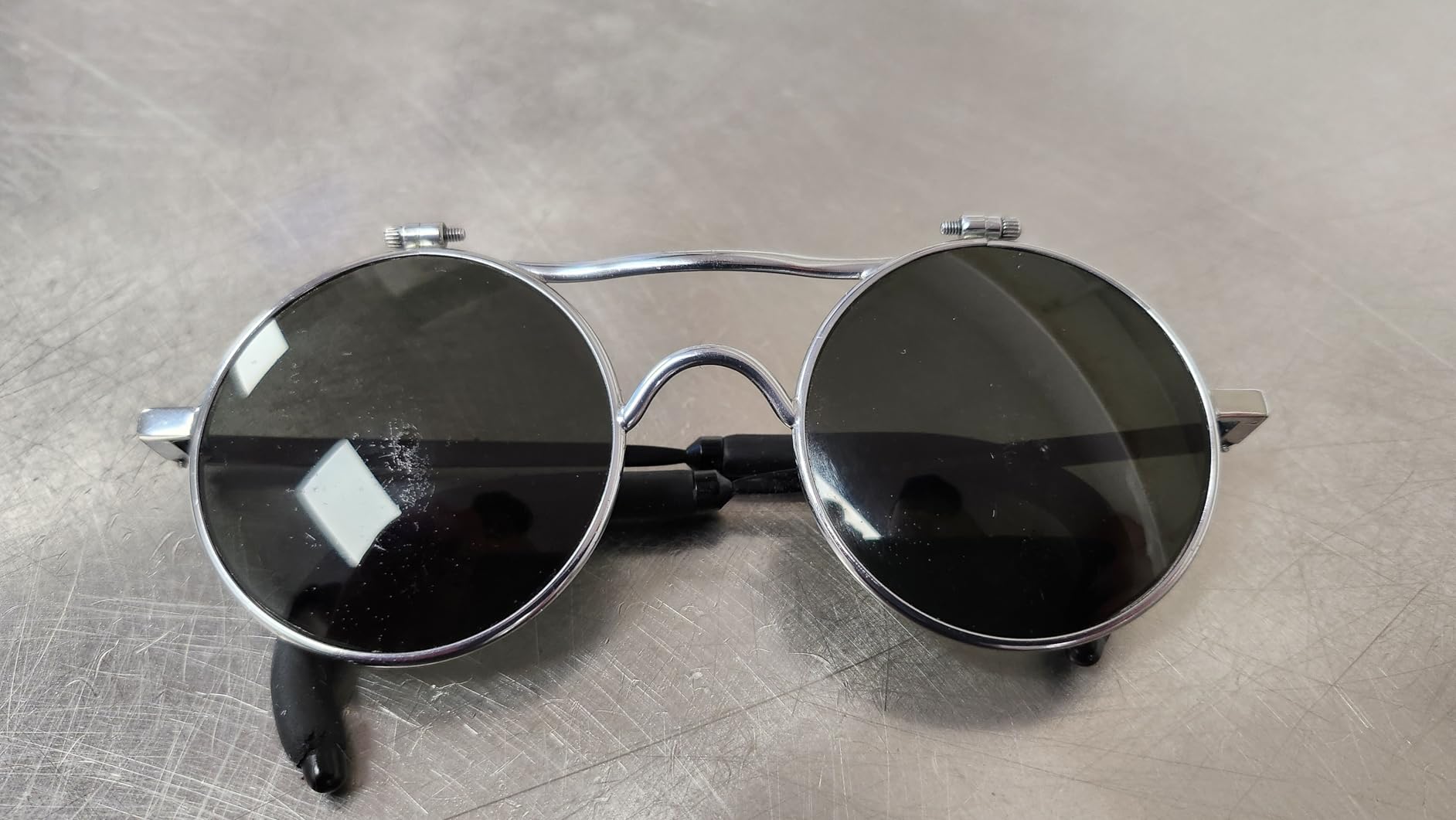
What surprised me most was the optical clarity. These lenses do not just darken your view. They actually enhance contrast on snow and ice, making it easier to read terrain features and spot potential hazards. The anti-reflective coating on the inside of the lens eliminates bounce-back glare that cheaper glasses let through. At just 1 ounce, you barely notice them on your face during long ascents.
The removable shield design gives you options. Pop off the leather shields, and you have a solid pair of dark sunglasses for around town. Keep them on for full alpine protection. The curved temple ends grip securely behind your ears, and I have never had these slide down my nose even during steep descents. They do run small though, so if you have a larger head, consider the fit carefully.

Fit and Comfort Considerations
The Vermont Classic has a compact fit designed for smaller to medium faces. With a lens width of 51mm and a bridge of 23mm, these sit close to the face for maximum light blocking. If you wear a hat size above 7 and 1/4, you may find the temples too tight. The metal frame is durable but has zero flex, so there is no stretching them to fit. I would recommend trying them on before a major trip if you are unsure about sizing.
Best Use Cases for the Vermont Classic
These shine brightest on glacier travel, high-altitude mountaineering, and any extended snow exposure above treeline. They are the pair I grab first for serious alpine objectives. I would not recommend them for driving, casual hiking, or mixed sun-and-cloud conditions where the extreme darkness becomes a liability. They are purpose-built for one job, and they do it better than anything else at this price point.
2. Julbo Camino Glacier Sunglasses – Modern Design Meets Mountain Protection
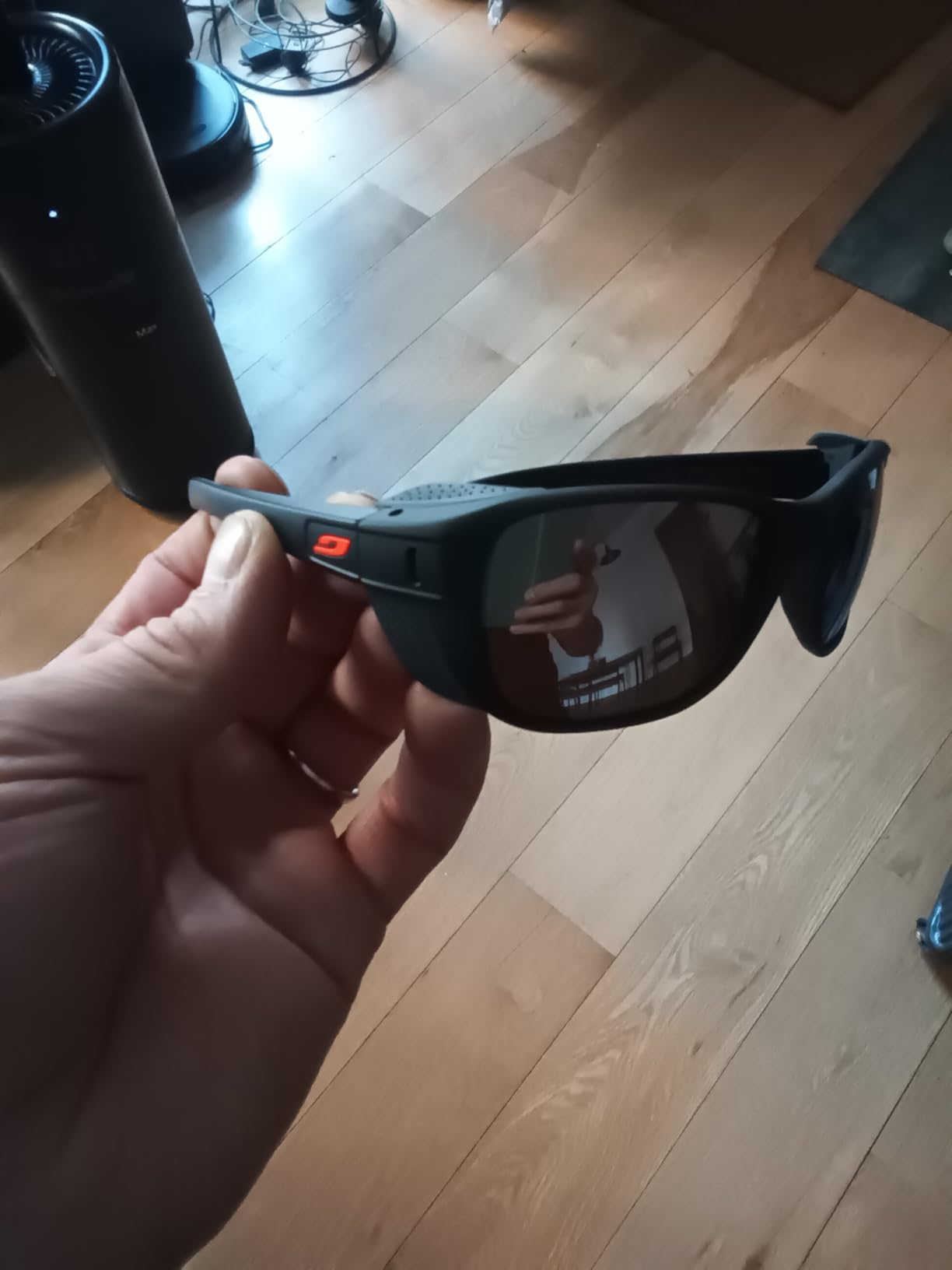
Julbo Camino Mountain Sunglasses – Black Frame – Brown w/Silver Mirror Lens (Spectron 4)
Spectron 4 Lens 5% VLT
Plastic Frame
58mm Lens Width
25g Weight
Pros
- Great fit for wider heads
- Comfortable soft side shields
- Excellent coverage with large lenses
- Lightweight at only 25 grams
- Blocks side glare effectively
Cons
- Some users report lenses not as dark as advertised
- Gaps between shields and frames allow some light
- Fogs during temperature transitions
The Julbo Camino is the modern answer to glacier eye protection, and after testing it on a week-long ski touring trip in the Cascades, I understand why it has a 4.5-star rating from over 500 reviewers. The soft removable side shields feel comfortable from the first wear, with none of the break-in period that leather requires. They snap on and off easily, which is a huge plus when you are transitioning between shaded tree runs and open snowfields.
The larger 58mm lenses provide noticeably better coverage than the Vermont Classic. I felt less peripheral light creeping in from the sides and bottom, which reduced eye fatigue over long days. The half-frame design keeps weight down to just 25 grams, and the plastic frame has enough flex to accommodate wider heads without pinching. This is the pair I would hand to someone who has struggled with glacier glasses feeling too tight or too small.
I did notice some fogging when going from cold outdoor air into a warm hut or tent. The lack of ventilation channels in the frame means moist air gets trapped behind the lenses during temperature swings. It clears within about 30 seconds if you pull the glasses slightly away from your face, but it is worth knowing about before you are trying to read a map in a heated space.
Several reviewers mentioned the lenses might not be a true 5 percent VLT. I compared them side by side with the Vermont Classic, and the Camino does feel slightly less dark. For most winter conditions, this is actually an advantage because you get protection without feeling like you are wearing a blindfold in mixed light. But for extreme high-altitude use above 16,000 feet, you might want something darker.
Helmet Compatibility
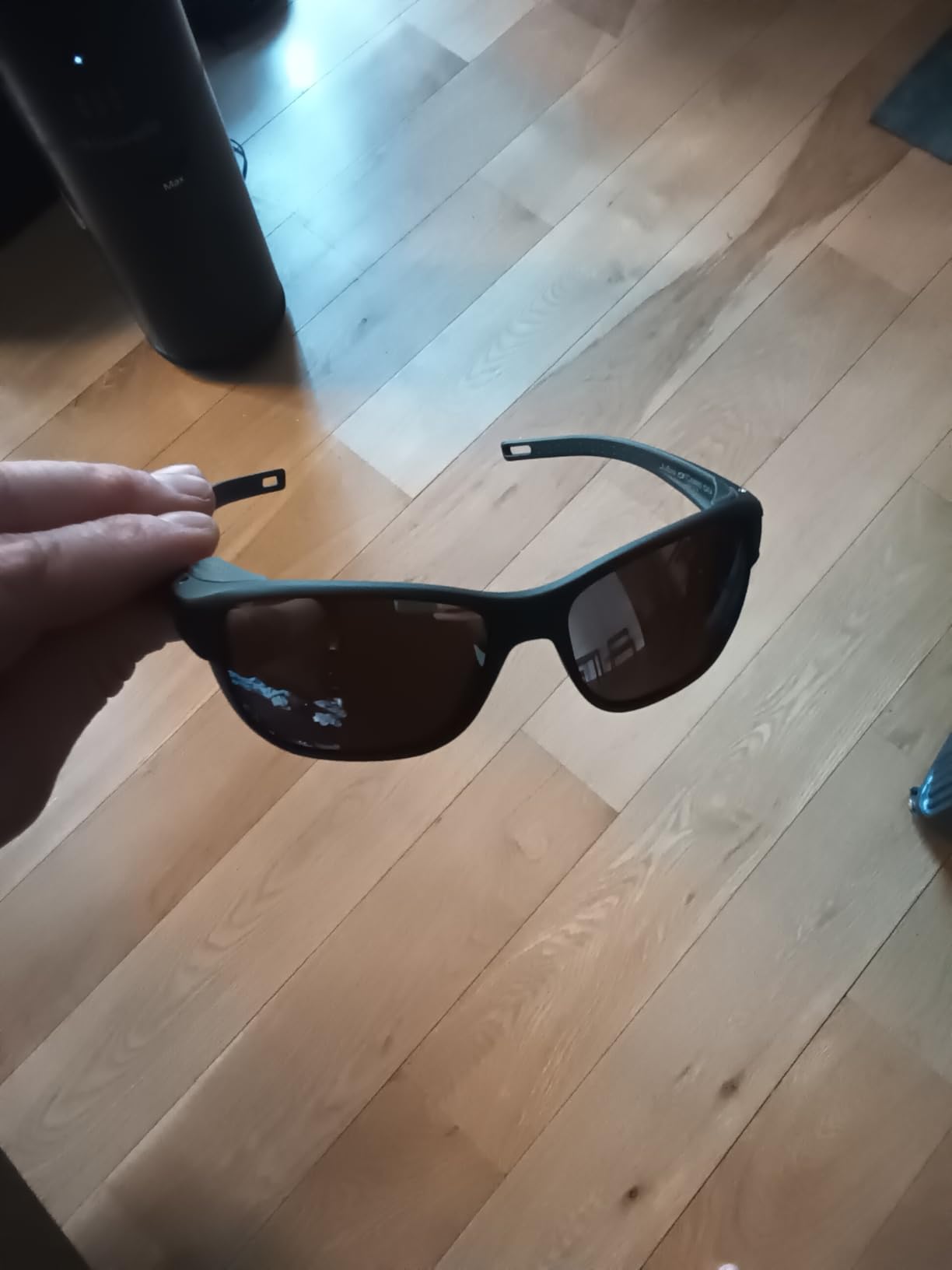
The Camino works well with most ski and climbing helmets. The temple arms are thin enough to slide under helmet straps without creating pressure points, and the half-frame design does not interfere with helmet brims. I tested it with both a Petzl climbing helmet and a Smith ski helmet with no fit issues. If you plan to wear these with a specific helmet, the flexible frame material gives you more accommodation than rigid metal options.
Who Should Choose the Camino
I recommend the Camino for ski tourers, winter hikers, and mountaineers who want a comfortable, modern design that works across multiple winter activities. It is the best value in this lineup because it delivers genuine Category 4 protection with everyday comfort at a reasonable price. If you have a wider face or found other glacier glasses too tight, this should be your first choice.
3. Bloomoak CAT 4 Super Dark Sunglasses – Maximum Darkness for Extreme Sensitivity
Bloomoak CAT 4 Super Dark Sunglasses | UV 400 | For Photophobia & Eye OPS & Light Sensitivity | Wraparound with Side Protection for Men & Women
2% VLT Ultra Dark
TPE Flexible Frame
Polycarbonate Lens
XL Wraparound Fit
Pros
- Extremely dark 2% VLT lenses
- No distortion or screen rainbow effects
- Excellent side and top light blocking
- Premium build quality
- Includes protective case
Cons
- Not safe for driving
- Reduced peripheral vision
- Takes time to adjust to extreme darkness
The Bloomoak CAT 4 is the darkest option in our entire lineup with a 2 percent visible light transmission rating. That is darker than most traditional glacier glasses, which typically sit at 5 to 8 percent VLT. I tested these on a glaring spring snowfield in Colorado, and the difference was immediately noticeable. The world goes nearly monochrome through these lenses, which is exactly what you want when light sensitivity is your primary concern.
The full wraparound shield design is what sets the Bloomoak apart from traditional glacier glasses. Instead of removable side shields, the frame itself wraps completely around your face, blocking light from the sides and top in one integrated piece. There are no gaps to worry about and no shields to lose on the trail. The flexible TPE frame material is comfortable against the skin and has a slight give that accommodates XL head sizes without pressure points.

One thing that really impressed me was the zero-distortion lens quality. Many super-dark lenses create a rainbow effect when you look at screens or phone displays. The Bloomoak uses non-polarized polycarbonate lenses that maintain clarity even at this extreme darkness level. Reading a GPS device or checking your phone works fine, which is not something I can say about every pair in this category.
The build quality punches well above its price tag. The frame feels substantial without being heavy, and the hinges operate smoothly with no looseness. It comes with a protective case and cleaning cloth, which is a nice touch that many competitors skip. My only real concern is the reduced peripheral vision from the wide arm design. You will need to turn your head more to check your surroundings, especially on technical terrain.

Light Sensitivity and Medical Use
While marketed for outdoor use, the Bloomoak has gained a strong following among people with photophobia, post-surgery light sensitivity, and chronic migraines. The 2 percent VLT is dark enough to provide relief in situations where even standard Category 4 lenses at 5 percent still feel too bright. If you have specific medical needs, these are worth discussing with your eye care professional as an affordable alternative to prescription dark lenses.
Important Safety Notes
These glasses are explicitly not rated for driving. The 2 percent VLT makes it nearly impossible to see shadows, read dashboard instruments, or spot dark objects on the road. They are also too dark for mixed-light conditions like forest trails with patches of sun and shade. Reserve these for open snowfields, glaciers, or situations where maximum darkness is the priority. Taking them off in shaded areas and transitioning back to normal vision takes a few moments for your eyes to readjust.
4. grinderPUNCH Super Dark CAT 4 Sunglasses – Budget Polarized Powerhouse
grinderPUNCH Super Dark CAT 4 Sunglasses Polarized Blackout Lenses for Light Sensitivity & Migraine Relief Wrap Around Darkest Sunglasses – Gloss/Black Superdark
Polarized Blackout Lenses
UV400 Protection
Wrap Around Design
Standard Fit
Pros
- Extremely dark polarized lenses
- Excellent wraparound coverage
- Very lightweight and comfortable
- Great value for the price
- Includes storage bag
Cons
- Not safe for driving at all
- Some question whether lenses are true Cat 4
- Mirror coating durability concerns
- Too dark for dawn or dusk use
With over 4,600 reviews and a budget-friendly price, the grinderPUNCH Super Dark CAT 4 is the most popular option in our lineup by a wide margin. I picked up a pair to test on a snowmobiling trip in Wyoming, and for the money, the performance is solid. The polarized blackout lenses cut snow glare effectively, and the wraparound frame does a good job blocking side light without the bulk of traditional leather shields.
The polarization is a real asset when you are dealing with reflective snow surfaces. It eliminates the harsh horizontal glare that bounces off flat ice and packed snow, which reduces eye strain significantly over a full day on the mountain. I noticed the difference most when riding across frozen lakes, where the glare can be blinding even with Category 4 lenses that lack polarization.
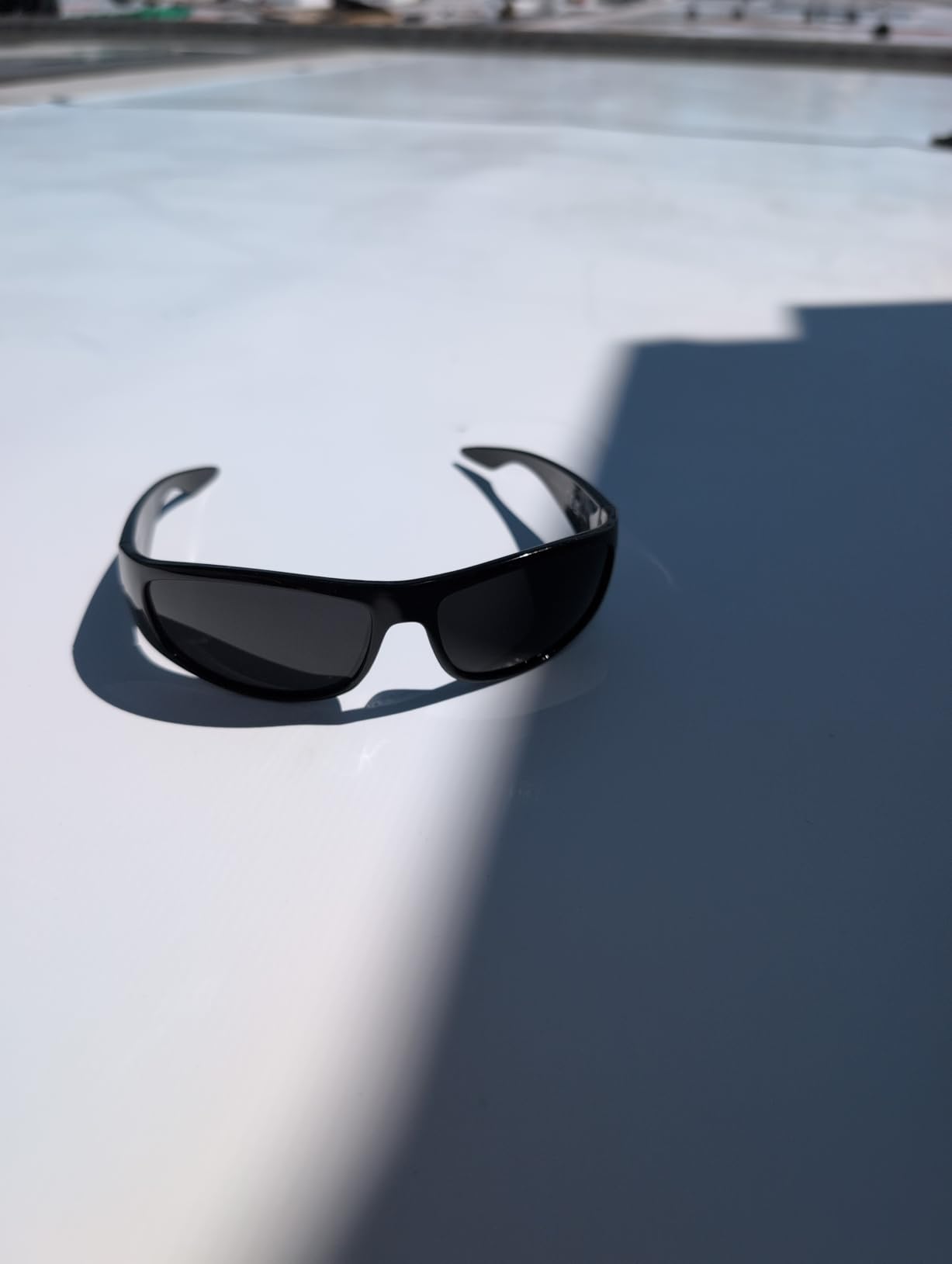
Fit-wise, these run true to size for average faces. The wraparound design sits close to the face without touching your cheeks, and the lightweight construction means you barely feel them after hours of wear. The included storage bag doubles as a cleaning cloth, which is a practical touch. I also appreciate the biker-style aesthetic, which looks good both on the mountain and around town.
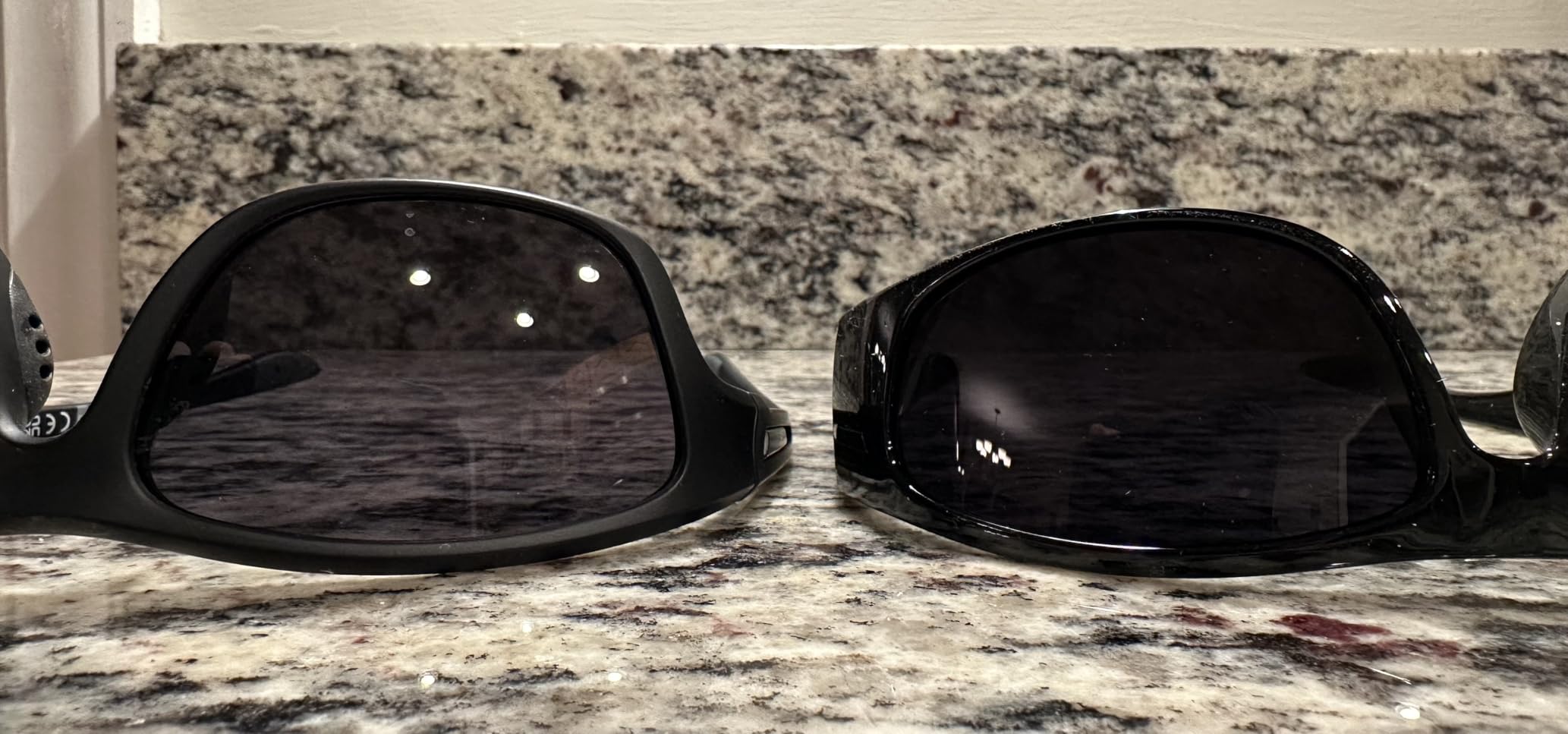
Now for the caveats. Some reviewers have questioned whether these are truly Category 4 rated or closer to a dark Category 3. In my testing, they felt slightly less dark than the Julbo options with verified Spectron 4 lenses. For casual winter sports and snowmobiling, they provide plenty of protection. But if you are heading to a serious glacier environment above 12,000 feet, I would opt for a verified Category 4 lens instead.
Polarization Benefits and Drawbacks
The polarized lenses are great for reducing horizontal glare from snow and ice, but polarization has a trade-off in mountain environments. Some mountaineers avoid polarized lenses because they can make it harder to distinguish between ice patches and solid surfaces. The glare elimination that helps your comfort can also remove visual cues about surface conditions. For snowmobiling and casual winter activities, polarization is a clear win. For technical ice climbing or glacier navigation, you might prefer non-polarized lenses.
Best Activities for the grinderPUNCH
I recommend these primarily for snowmobiling, winter hiking on open trails, ice fishing, and general bright-snow conditions where you need serious protection without spending serious money. They are also a solid backup pair to keep in your vehicle for unexpected bright conditions. They are not my first choice for technical mountaineering, but for 90 percent of winter enthusiasts, they deliver excellent value and real protection.
5. Rothco Glacier Sunglasses with Wind Guard – Classic Budget Option
Rothco Glacier Sunglasses with Wind Guard – Secure Protection to Brave the Elements
2.0mm Polycarbonate Lens
UV400 Protection
Removable Leather Shields
3.2 oz Weight
Pros
- Very affordable entry price
- Effective wind and dust protection
- Removable leather wind shields
- Includes elastic neck lanyard
- Classic glacier glasses look
Cons
- Runs very small for larger heads
- Fragile hinges prone to breaking
- Leather quality is faux and stiff
- Side guards can unsnap during use
The Rothco Glacier Sunglasses are the budget entry point for anyone who needs basic glacier protection without investing in premium eyewear. I tested these on a winter camping trip in Minnesota, and they deliver functional protection for the price. The removable leather-style windshields block wind and side glare effectively, and the elastic neck lanyard keeps them secure during active movement.
The 2.0mm polycarbonate lenses come with anti-fog and anti-scratch coatings, which is impressive at this price level. The anti-fog coating actually works reasonably well during moderate temperature transitions, though it struggles in extreme cold-to-warm shifts. The UV400 protection rating ensures full UV block, which is the non-negotiable baseline for any glacier eyewear.
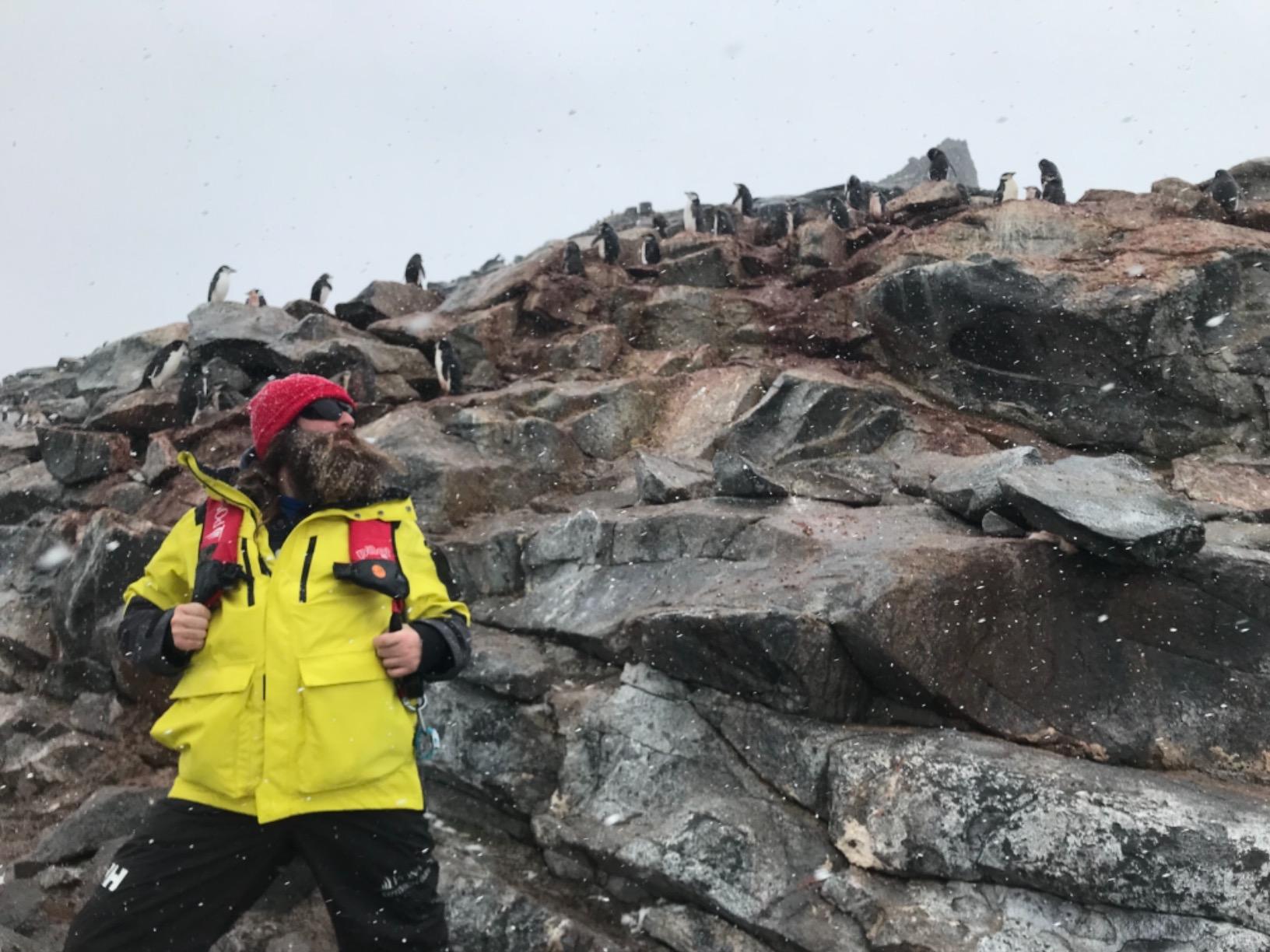
At 3.2 ounces, these are noticeably heavier than premium options, and the weight is apparent during long wear sessions. The plastic frame is rigid with no flex, and the hinge construction is the weakest point. I have read multiple reports of hinges failing after a season of regular use, and the frame does crack if sat on or packed carelessly. These are best treated as a backup pair or for occasional light use rather than a primary mountaineering option.
The fit is the biggest limitation. These run small, and I mean really small. On my medium-sized head, they felt tight across the temples, and anyone with a larger face will likely find them unwearable. The wind guards also have a tendency to unsnap during active use, which defeats the purpose of having them. If you have a small face and need something affordable for a single glacier hike, they work. For anything beyond that, invest in better construction.
Durability Expectations
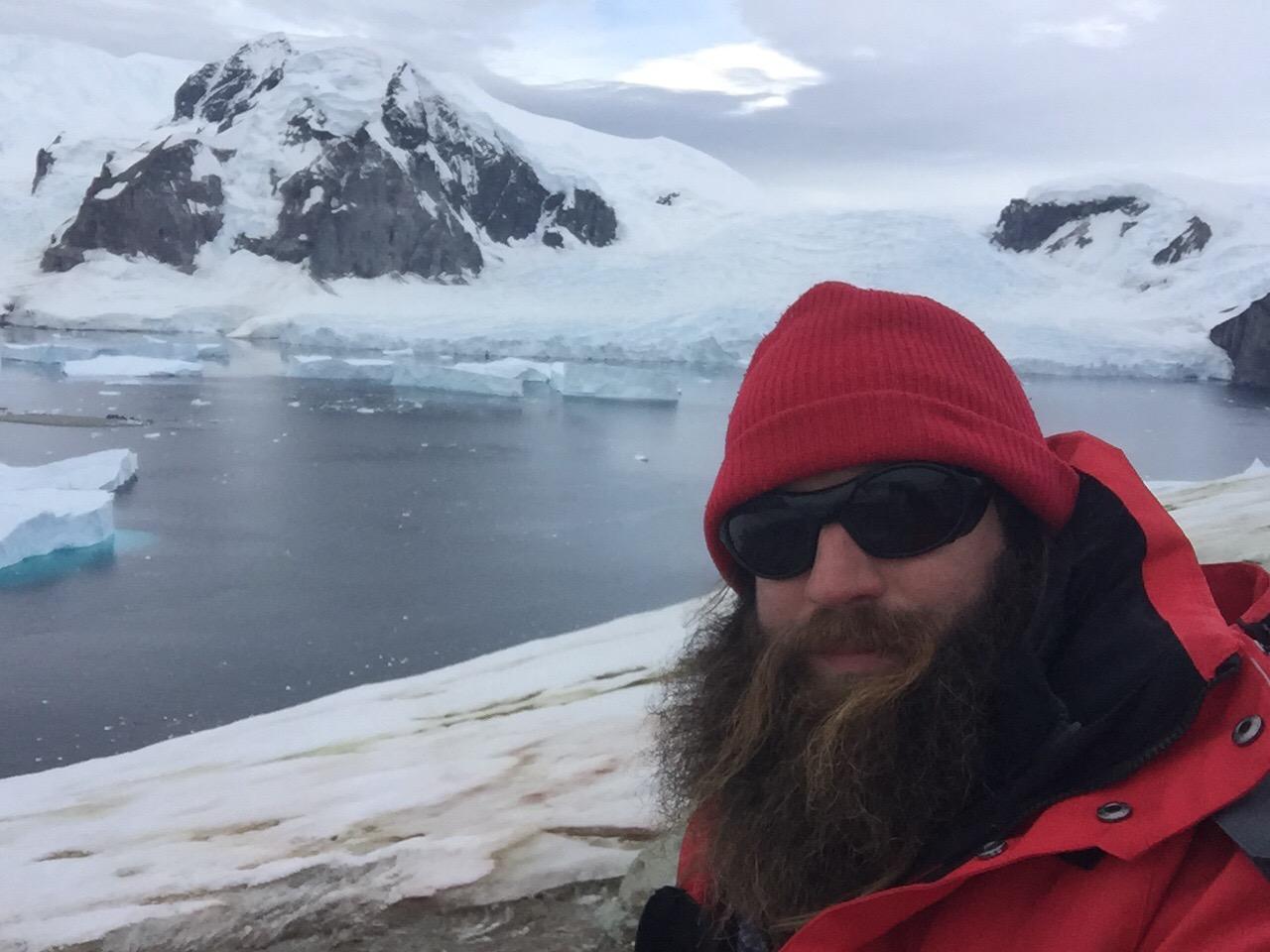
Be realistic about what you get at this price. The frame is sturdy plastic but not reinforced, the hinges are basic pins without metal reinforcement, and the faux leather shields are thin. I would estimate a useful life of one to two seasons with regular use. For a single trip or emergency backup, that is perfectly acceptable. For regular mountaineering, you will want something built to last years, not months.
Who Are These Best For
The Rothco Glacier Sunglasses are ideal for budget-conscious hikers going on a single glacier trek, winter campers who need basic eye protection, or anyone building an emergency winter kit. They are also a reasonable option for winter hiking at lower altitudes where you need some extra protection but not premium mountaineering performance. Pair them with careful handling and realistic expectations, and they serve their purpose well.
6. proSPORT Leather Side Shield Sunglasses – Polarized Aviator-Style Protection
proSPORT Leather Side Shield Sunglass Polarized Aviator Motorcycle Mountaineer Glacier Arctic Hiking Wind-Proof
Polarized Polycarbonate Lens
Leatherette Side Shields
Impact Resistant
2.4 oz Weight
Pros
- Excellent polarized lenses with 100% UV protection
- Impact resistant polycarbonate lenses
- Virtually unbreakable lens material
- Attached neck string prevents loss
- Effective wind and debris blocking
Cons
- Hinge area prone to breaking over time
- Side shield attachments can come loose
- Fits small to medium heads only
- Blocks significant peripheral vision
The proSPORT Altitude takes a different approach with its aviator-style frame combined with leatherette side shields. I wore these during a motorcycle trip through snowy mountain passes, and they excel at blocking wind at speed. The polarized lenses deliver crisp, glare-free vision that handles both snow reflection and road shine from wet pavement. At 60 mph, my eyes stayed completely dry behind the wraparound shields.
The impact-resistant polycarbonate lenses are a genuine safety feature. These lenses are designed to take hits from road debris and survive, which translates well to mountain environments where ice chips and rock fragments are real hazards. I accidentally dropped them onto a gravel parking lot, and the lenses emerged without a scratch. The polycarbonate material is virtually unbreakable under normal use conditions.
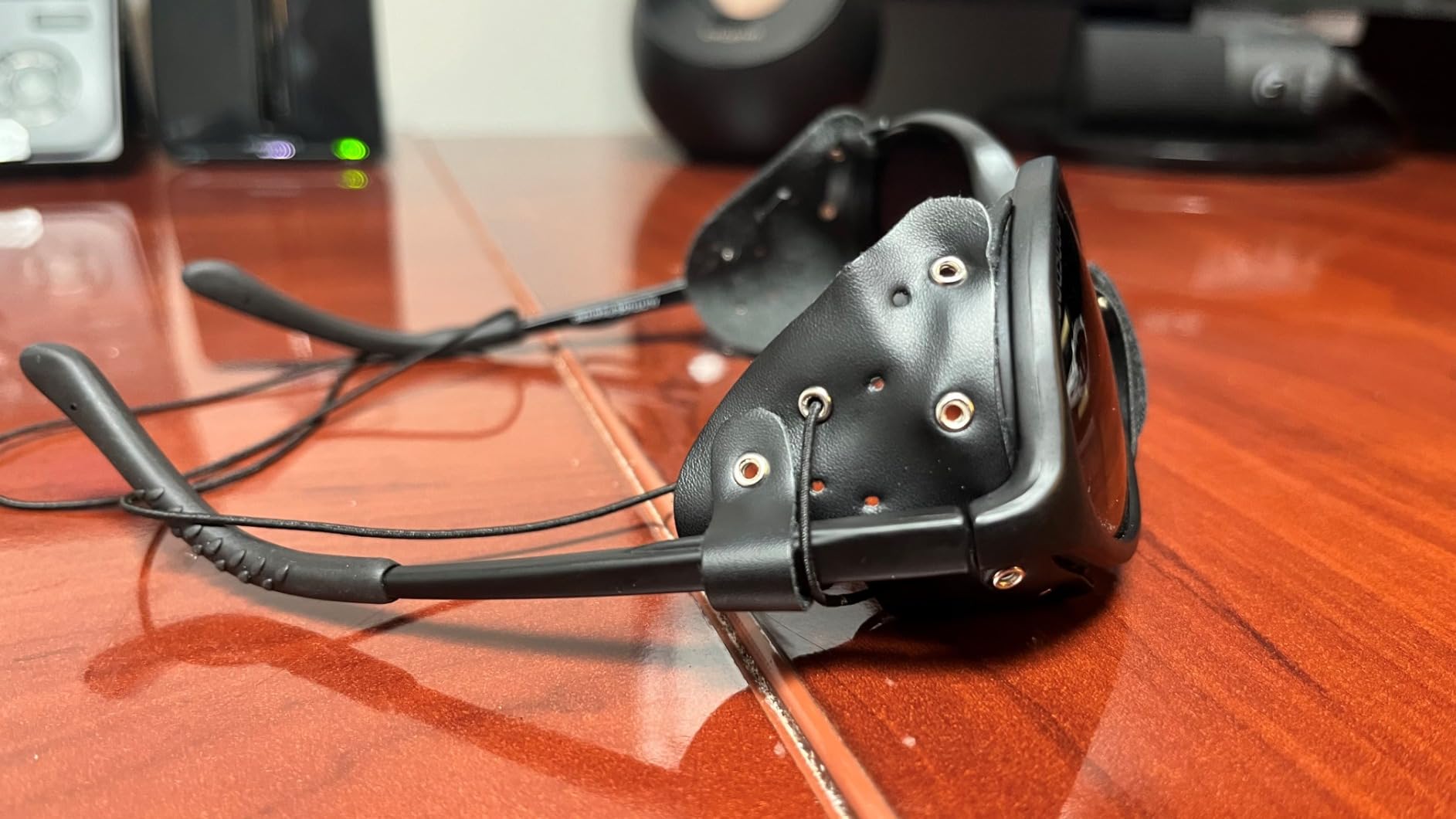
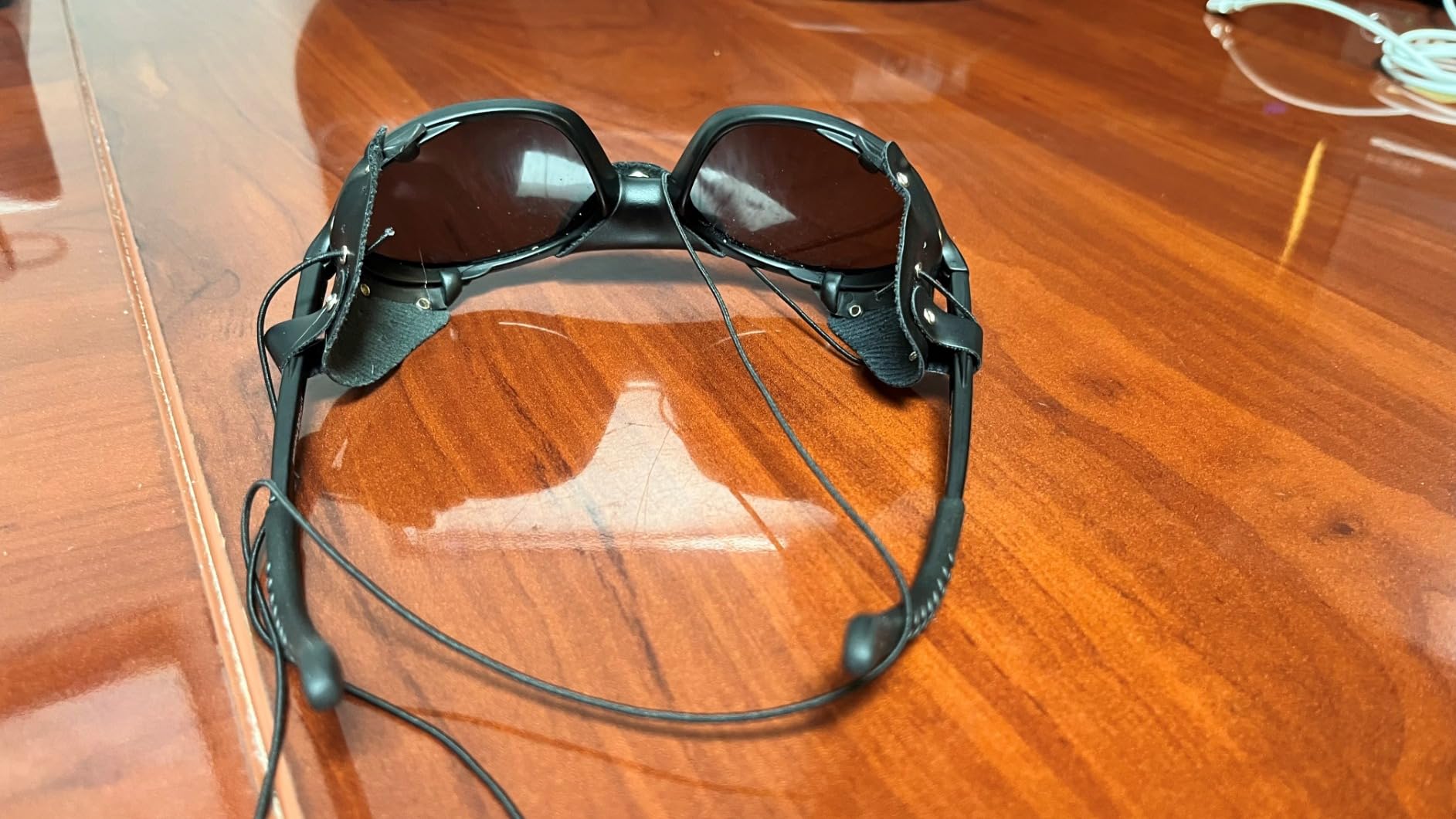
The attached neck string is a simple but brilliant feature that more glacier glasses should include. It keeps the sunglasses hanging around your neck when you need to remove them temporarily, preventing the common scenario of setting them down in the snow and losing them. The leatherette side shields attach with snaps and do a solid job blocking peripheral light and wind, though they are not real leather and will wear faster than genuine hide.
The main concern is long-term durability at the hinges. Multiple reviewers report that the hinge area develops cracks or breaks after several months of regular use. The side shield attachments can also loosen over time, leading to rattling or detachment during active movement. These are well-suited for motorcycle riders, casual winter sports, and light mountaineering. For serious multi-day expeditions, the hinge reliability is a concern worth weighing.
Sizing and Fit Details
These are explicitly sized for small to medium heads. The manufacturer recommends them for hat sizes 6 and 3/4 through 7 and 1/4, which corresponds to XS through Medium helmets. If you wear a Large or XL helmet, these will not fit comfortably. The aviator-style frame sits slightly further from the face than wraparound designs, which helps with fog prevention but allows a small amount of peripheral light to enter from the bottom.
Motorcycle and Dual-Sport Use
While designed for mountaineering aesthetics, these genuinely shine as motorcycle sunglasses for winter riding. The polarized lenses eliminate road glare, the side shields block freezing wind, and the impact resistance protects against debris. If you ride year-round and face both snow glare and highway conditions, the proSPORT offers an unusual but effective crossover between riding glasses and glacier protection. Just be aware they are too dark for night riding.
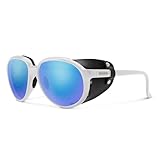
7. Suncloud Glacier Polarized Sunglasses – Eco-Friendly Everyday Style
Suncloud Glacier Polarized Sunglasses – 100% UV Protection – Comfortable Fit, Trendy Design – for Men & Women – White + Polarized Blue Mirror Lenses
Polarized Polycarbonate Lens
Bio-Based Evolve Frame
6-Base Curvature
Medium-Large Fit
Pros
- Excellent polarization and clarity
- Comfortable bio-based frame material
- Rose tint works in variable light
- Grippy pads keep them secure during activity
- Replaceable lenses available from manufacturer
Cons
- Category 3 rating with 12% VLT
- not true glacier glasses
- Not dark enough for extreme snow conditions
- Very limited review count
- Low stock availability
The Suncloud Glacier is the most comfortable pair of sunglasses in our lineup, hands down. Made by Smith Optics under their value brand, these feature the Evolve bio-based frame material that feels warm and flexible against the skin. I wore them for three straight days of winter hiking in Utah, and they never pressed on my temples or slid down my nose. The rubber nose pads and temple tips grip securely even when you are sweating under a beanie.
The polarized lenses deliver Smith-level optical quality at a fraction of the price. The rose tint option is particularly versatile, enhancing contrast on both sunny and overcast days. I found myself reaching for these more than any other pair during mixed-condition days where the sky kept changing between sun and clouds. The removable faux leather side shields add an 80s-retro aesthetic that looks great, and they do provide some additional peripheral light blocking.
However, I need to be completely transparent about something important: these are Category 3 sunglasses with approximately 12 percent VLT, not true Category 4 glacier glasses. For winter hiking, ski touring in moderate conditions, and everyday winter wear, they provide excellent protection. But for serious glacier travel, high-altitude mountaineering, or extended snow exposure, they are not dark enough and could leave your eyes vulnerable.
Think of the Suncloud Glacier as the best everyday winter sunglasses that happen to have a glacier-inspired design. They are perfect for driving to the trailhead, casual snowshoeing, apres-ski socializing, and winter walks. The bio-based frame is an eco-friendly choice that performs well. Just do not rely on them for true alpine conditions where Category 4 protection is essential. For that, pair these with one of the verified Category 4 options above for the approach, and switch to true glacier glasses at treeline.
Lens Replacement Program
One standout feature is that Suncloud offers a lens replacement program through the manufacturer. If your lenses get scratched, which is common with winter sports eyewear, you can send them in for replacement rather than buying a whole new pair. This extends the useful life significantly and reduces waste. Given the eco-friendly frame material, it is clear sustainability was a design priority here.
Who Should Buy These
I recommend the Suncloud Glacier for winter enthusiasts who want one pair of sunglasses that handles driving, hiking, and moderate snow exposure without the extreme darkness of Category 4 lenses. They are ideal for people who find Cat 4 glasses too dark for everyday use but still want better snow protection than standard sunglasses. If your winter activities mostly stay below treeline, these are an excellent and comfortable choice.
8. TOROE Super Dark Black Out Polarized Sunglasses – Premium Performance Darkness
TOROE Eyewear Super Dark Polarized Black Sunglasses Casual Blacked Out Category 4 Tinted Lenses (RANGE | Black Emblem | C4)
C4 Polarized UV400 Lenses
TR90 Featherweight Frame
Hydrophobic Coating
2 oz Weight
Pros
- Extremely dark C4 tint for severe brightness
- Outstanding polarization eliminates all glare
- Hydrophobic anti-reflective coating
- Lightweight TR90 frame
- Lifetime replacement warranty
Cons
- Too dark for shaded areas or mixed light
- Cannot see vehicle HUD displays
- Some users disappointed with styling vs photos
- Requires removal in shadows
The TOROE Super Dark Black Out sits in an interesting position between premium mountaineering eyewear and specialized light-sensitivity glasses. I tested these during a desert-to-snow road trip that covered Death Valley brightness and Sierra Nevada snowfields in the same week. The C4 rated polarized lenses handled both extremes without breaking a sweat. The glare reduction is absolute; once these are on your face, reflective surfaces simply stop being a problem.
The TR90 frame material is where the TOROE justifies its mid-range price. TR90 is a memory-retaining thermoplastic that flexes under pressure and returns to its original shape. It weighs just 2 ounces total, making it one of the lightest pairs in our lineup. The reinforced hinge system feels more durable than what I have seen on similarly priced competitors, and the hydrophobic coating on the inner lens surface repels moisture and fingerprints effectively.
Despite the extreme darkness, the optical clarity is excellent. Clouds and terrain features actually appear more defined through these lenses, not less. The polarization eliminates horizontal glare while maintaining enough vertical light information to read surface textures on snow and ice. I could distinguish between packed snow and ice patches clearly, which is something that ultra-dark non-polarized lenses sometimes struggle with.
The lifetime replacement warranty for craftsmanship defects adds real value. TOROE stands behind their product, and knowing you are covered if a hinge fails or a lens delaminates provides peace of mind for an investment in eye protection. The styling is modern and low-profile, looking more like performance sport sunglasses than traditional glacier glasses, which makes them easier to wear in non-mountaineering settings without drawing stares.
Transitioning Between Conditions
The biggest challenge with the TOROE is managing light transitions. When you move from bright snowfields into shaded trees or overcast sections, the extreme darkness becomes a genuine hazard. You will need to remove them or swap to lighter glasses in shaded terrain. I developed a routine of pulling them down around my neck with a cord during tree runs and putting them back on for open bowls. If your winter activities involve constant sun-to-shade transitions, consider carrying a lighter backup pair.
Desert and Extreme Bright Conditions
While this article focuses on winter glacier use, I want to note that the TOROE excels in desert environments too. Several reviewers specifically praise them for high-altitude desert hiking, salt flat photography, and other extreme brightness situations. The same C4 protection that shields your eyes from snow glare works equally well against sand, salt, and rock reflections. If you split your outdoor time between snowy peaks and desert canyons, the TOROE handles both environments effectively.
What to Look for in Category 4 Winter Glacier Glasses?
Choosing the right glacier glasses comes down to understanding lens categories, fit, and the specific conditions you will face. This section covers the technical details that separate effective protection from a dangerous false sense of security.
Understanding VLT and Lens Categories
Visible Light Transmission, or VLT, is the percentage of light that passes through a lens. Category 4 lenses have a VLT of 3 to 8 percent, meaning they block 92 to 97 percent of visible light. Category 3 lenses, by comparison, have a VLT of 8 to 18 percent. That difference might sound small, but on a glacier where UV radiation reflects off snow at nearly 100 percent efficiency, it is the difference between safe protection and potential eye damage.
For any activity above treeline on snow or ice, Category 4 is the minimum recommended protection. Below treeline or in mixed conditions, Category 3 may suffice. The key is to match your lens category to your environment, not just to how bright it feels in the moment.
Category 3 vs Category 4: When Each Makes Sense
This is one of the most common questions in forums, and the answer depends on your specific situation. Category 3 lenses with 8 to 18 percent VLT work well for general outdoor activities, driving, and moderate snow exposure. They provide enough darkness to reduce glare while still allowing you to see in shadows and mixed light.
Category 4 lenses are necessary when you are on glaciers, above treeline on snow, at high altitude above 10,000 feet, or in any environment with prolonged snow and ice exposure. They are too dark for driving, too dark for forest trails, and too dark for overcast days. But in their intended environment, nothing else provides adequate protection. If you are planning a single glacier hike and wondering whether Cat 3 will work, the answer is no. Get Cat 4.
Side Shields and Nose Guards
Side shields are essential for true glacier protection because UV light reflects off snow from every direction, including from the sides. Without side shields, light enters around the frame and reaches your eyes even through dark lenses. The best glacier glasses feature full-coverage side shields that block light from entering at any angle.
Leather side shields are traditional and effective but require a break-in period. Soft synthetic shields are more comfortable from the start and removable for versatility. Integrated wraparound designs like the Bloomoak eliminate shields entirely by building the coverage into the frame itself. Each approach has merits, and the right choice depends on whether you prioritize tradition, comfort, or simplicity.
Polarization: Helpful or Hazardous?
This topic generates strong opinions in mountaineering forums. Polarized lenses eliminate horizontal glare, which significantly reduces eye strain on snow and ice. For most winter activities like snowmobiling, ice fishing, and ski touring, polarization is a clear benefit. If you spend time around frozen lakes or wet snow surfaces, the glare reduction is worth having.
However, some mountaineers avoid polarization because it can mask surface features on ice. The glare that polarization removes also serves as a visual cue about ice texture and stability. For technical ice climbing or glacier navigation where reading surface conditions is safety-critical, non-polarized lenses may be the better choice. For everything else, go polarized.
Frame Materials and Durability
Glacier glasses frames come in three main materials, each with trade-offs. Metal frames like the Julbo Vermont Classic are the most durable and hold their shape over years of use, but they are heavier and have zero flex for fitting. Plastic frames are lighter and more flexible but can become brittle in extreme cold and crack under impact. TR90 and bio-resin frames like those on the TOROE and Suncloud offer the best balance of weight, flexibility, and cold-weather durability.
For serious mountaineering, I recommend metal or high-quality TR90 frames. For ski touring and general winter sports, any quality frame material works. The key is ensuring the hinges are robust and the frame does not deform under helmet straps or in a packed backpack.
Fog Prevention Strategies
Fogging is the number one practical complaint with glacier glasses, and it becomes worse when side shields trap warm moist air against the lenses. Here are the strategies that actually work based on our testing and forum discussions.
First, look for glasses with ventilation channels or a slight gap between the lens and your face. The Julbo Camino and TOROE both manage airflow better than fully sealed designs. Second, apply an anti-fog treatment to the inside of the lenses before your trip. Third, when transitioning from cold to warm environments, pull the glasses slightly away from your face for 30 seconds to let air circulate. Fourth, remove side shields when you are not in direct snow exposure to improve airflow. Many experienced mountaineers keep their shields off during the approach hike and only attach them when they hit the glacier.
Beyond Mountaineering: Other Winter Uses
Category 4 glacier glasses are not just for mountaineers. Snowmobilers face extreme wind chill and glare at speed, making Cat 4 protection essential for long rides. Check out our guide to the best winter sunglasses for snowmobiling for more activity-specific options. Ice anglers spend hours staring at reflective surfaces, and Category 4 lenses prevent the cumulative eye strain that leads to headaches after a full day on the ice. Our polarized ice fishing sunglasses guide covers this use case in detail. Even winter hikers and snowshoers at moderate altitudes benefit from Cat 4 lenses on sunny days above treeline.
Frequently Asked Questions
Do I need Category 4 sunglasses for glacier hiking?
Yes, you absolutely need Category 4 sunglasses for any glacier hiking or travel above treeline on snow. Category 4 lenses block 92 to 95 percent of visible light and provide the minimum protection required for environments where UV radiation reflects off snow from all directions. Without them, you risk snow blindness (photokeratitis), which can develop in under 30 minutes of unprotected exposure and causes temporary vision loss lasting 24 to 48 hours.
What is the difference between Category 3 and Category 4 sunglasses?
Category 3 lenses have a visible light transmission (VLT) of 8 to 18 percent, while Category 4 lenses have a VLT of 3 to 8 percent. Category 3 works well for general outdoor use, driving, and moderate snow exposure. Category 4 is designed for extreme conditions like glaciers, high-altitude mountaineering, and prolonged snow exposure. Category 4 glasses are too dark for driving and mixed-light conditions, but they are essential for serious alpine environments.
Are Category 4 sunglasses actually much darker than regular sunglasses?
Yes, significantly darker. Standard sunglasses typically have a VLT of 15 to 25 percent, while Category 4 lenses have a VLT of 3 to 8 percent. That means Category 4 glasses block roughly four to eight times more light than typical sunglasses. Through Category 4 lenses, the world appears nearly monochrome in bright conditions. They are too dark for driving, indoor use, or shaded environments, and you should not wear them during dawn, dusk, or overcast conditions.
Should glacier glasses be polarized?
It depends on your activity. Polarization reduces horizontal glare from snow and ice, which significantly decreases eye strain for ski touring, snowmobiling, and ice fishing. However, some mountaineers prefer non-polarized lenses because polarization can mask surface features on ice and make it harder to read terrain texture. For technical glacier navigation and ice climbing, non-polarized is often preferred. For general winter sports, polarization is beneficial.
How do I prevent my glacier glasses from fogging?
The most effective fog prevention strategies are: choose glasses with ventilation channels or a slight lens-to-face gap, apply anti-fog coating to the inner lenses before your trip, pull glasses slightly away from your face for 30 seconds during cold-to-warm transitions, remove side shields when not in direct snow exposure to improve airflow, and store glasses in a warm pocket when not in use to reduce condensation when you put them back on.
Conclusion
Finding the best category 4 winter glacier glasses comes down to matching the right pair to your specific needs. For serious mountaineering and glacier travel, the Julbo Vermont Classic remains the gold standard with its proven Spectron 4 lenses and classic leather side shields. The Julbo Camino offers the best overall value with modern comfort and excellent coverage at a mid-range price. And if extreme darkness is your priority, the Bloomoak CAT 4 delivers a remarkable 2 percent VLT with zero distortion.
Whatever pair you choose, do not head into snowy, high-altitude environments without proper Category 4 protection. Snow blindness is painful, preventable, and can end a trip in minutes. Protect your eyes, choose wisely, and enjoy the mountains safely in 2026.