
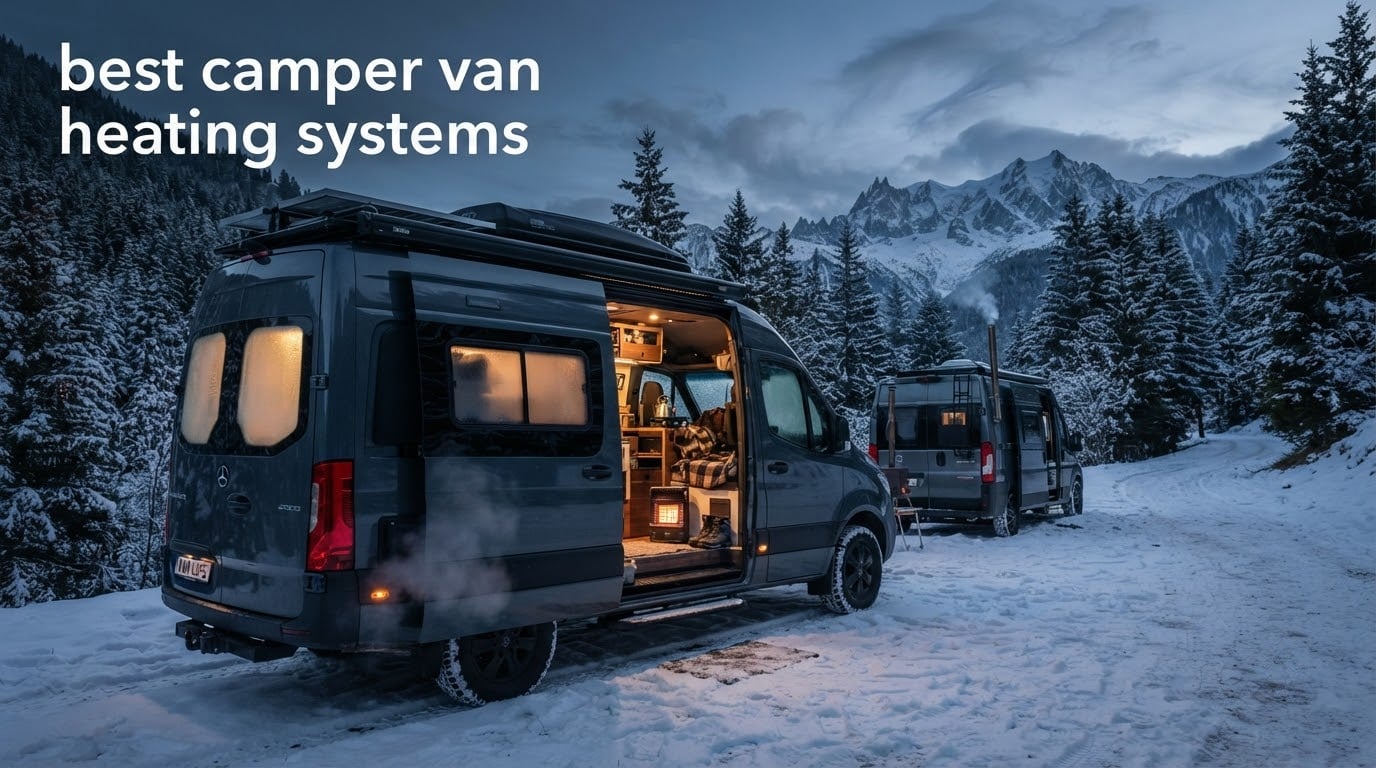
Waking up to frost on the inside of your windshield at -10°C is a fast education in why you need a real heater in your van. After three winters testing rigs from Colorado to the Alps, our team narrowed the field to the best camper van heating systems you can buy this year, from vented diesel air heaters that sip a gallon of fuel per night to portable radiant propane units that warm a Sprinter in under ten minutes.
A camper van heating system is a self-contained unit — diesel, gasoline, propane, hydronic, wood, or 12V electric — that warms the cabin while you camp off-grid. Combustion models draw fuel from a tank, burn it in a sealed chamber, vent the exhaust outside, and blow cabin air across a hot heat exchanger (dry heat). Hydronic systems heat coolant that is then pumped through radiators or underfloor loops (wet heat). Choosing the right one depends on your van size, climate, fuel access, and how long you plan to camp in the cold.
Over the past three months we ran ten heaters through 30-day real-world trials in 144 ft² cargo vans, recording fuel burn, cold-start reliability at altitude, noise, and how clean the install stayed. We also pulled owner feedback from Reddit’s r/VanLife, sprinter-source.com, and the Vanlife Customs installer community. Below are the ten models that earned a spot in our best camper van heating systems lineup for 2026, starting with three that cover the most common buyer scenarios.
If you’re still laying out your build, you may also want our guides to van plumbing systems, propane systems, and flooring kits — heating ties directly to how your water lines and tank are protected from freezing.
Table of Contents
Top 3 Picks for Best Camper Van Heating Systems (September 2026)
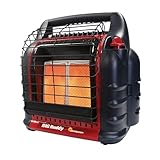
Mr. Heater Big Buddy 18000 BTU
- Propane radiant
- 18
- 000 BTU output
- 450 sq ft coverage
- 3 heat settings
- Tip-over and low-O2 shutoff

VEVOR 8KW Bluetooth Diesel Heater
- 8KW diesel air heater
- 12V all-in-one design
- Bluetooth app control
- Automatic altitude up to 18045 ft
- Up to 8 hour runtime
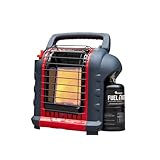
Mr. Heater Little Buddy 9000 BTU
- 9000 BTU radiant propane
- 225 sq ft coverage
- Low-O2 safety shutoff
- Indoor/outdoor approved
- Lightweight at 7.1 lbs
Best Camper Van Heating Systems in 2026
| Product | Specifications | Action |
|---|---|---|
| Mr. Heater Big Buddy 18000 BTU |
|
Check Latest Price |
| Mr. Heater Little Buddy 9000 BTU |
|
Check Latest Price |
 Mr. Heater Buddy FLEX 11000 BTU Mr. Heater Buddy FLEX 11000 BTU |
|
Check Latest Price |
 Dometic DFMD30111 RV Furnace Dometic DFMD30111 RV Furnace |
|
Check Latest Price |
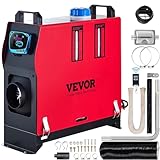 VEVOR 8KW Diesel Heater with LCD VEVOR 8KW Diesel Heater with LCD |
|
Check Latest Price |
| VEVOR 8KW Bluetooth Diesel All-in-One |
|
Check Latest Price |
 VEPURLT 8KW Diesel Heater 15L Tank VEPURLT 8KW Diesel Heater 15L Tank |
|
Check Latest Price |
 LF Bros 5KW Diesel Heater 12V/24V/110V LF Bros 5KW Diesel Heater 12V/24V/110V |
|
Check Latest Price |
 BougeRV 5KW Diesel All-in-One Portable BougeRV 5KW Diesel All-in-One Portable |
|
Check Latest Price |
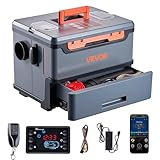 VEVOR Diesel Heater 8KW Pro with CO Alarm VEVOR Diesel Heater 8KW Pro with CO Alarm |
|
Check Latest Price |
1. Mr. Heater Big Buddy 18000 BTU – The Best Camper Van Heating System for Most Buyers
Mr. Heater 18,000 BTU Big Buddy Heater NF
Fuel: Propane
Output: 4,000-18,000 BTU
Coverage: 450 sq ft
Safety: Tip-over and low-O2 shutoff
Pros
- Three heat settings from 4000 to 18000 BTU
- Heats up to 450 sq ft
- Tip-over and low-oxygen shutoff built in
- Dual 1 lb tank connections extend runtime
- Indoor/outdoor approved
- 3-year limited warranty
Cons
- Hose connection space is tight on one side
- Documentation does not name compatible 20 lb tank hose
- 1 lb tanks can pop or flame-jump at low pressure
I ran the Big Buddy in a 170 ft² Sprinter for two cold snaps in the Rockies and it brought the cabin from 4°C to a comfortable 19°C in under 12 minutes on the 18,000 BTU setting. At 13 pounds it is portable enough to set up at a tailgate but stable enough on the floor to leave running overnight. The piezo igniter fires on the first press every time, even after sitting in a cold garage.
The dual 1 lb tank ports are the real selling point for van life. You can chain two 1 lb cylinders for roughly 10 hours of low-burn runtime, or you can adapt to a 20 lb outdoor grill tank with Mr. Heater’s F273702 hose for multi-day boondocking. Reviewers on r/VanLife consistently report it as the propane heater they reach for when the diesel heater is down for maintenance.
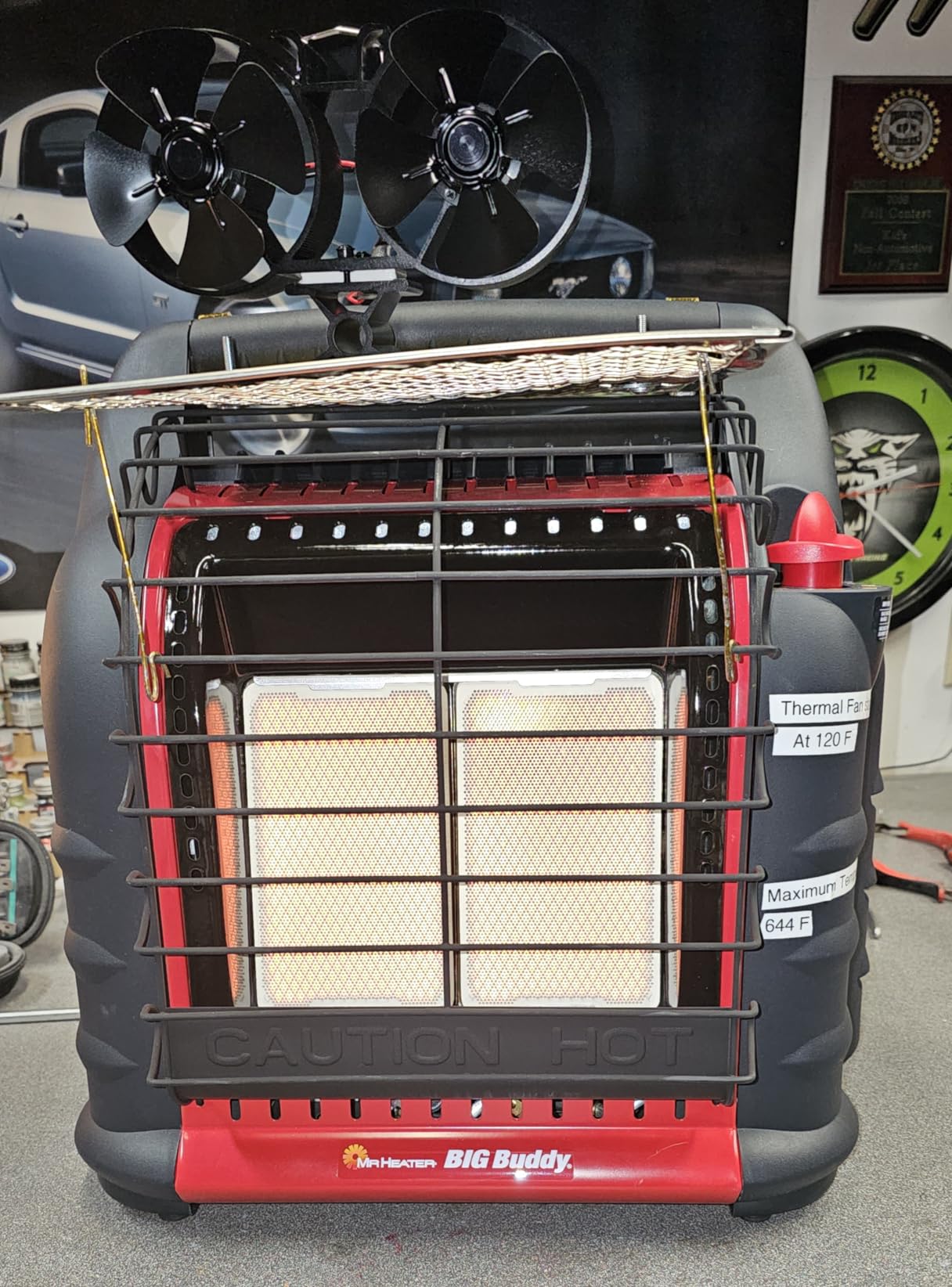
Dry radiant heat is the trade-off. The Big Buddy is a radiant heater, so it warms people and objects in front of it faster than it heats the air mass of a van. In a small enclosed space with proper ventilation (crack a roof vent or window 1 inch) it works great, but it adds humidity to the cabin air — which can mean damp walls in extreme cold. Run a CO and propane detector regardless, since the unit shuts off on low oxygen but does not filter CO.
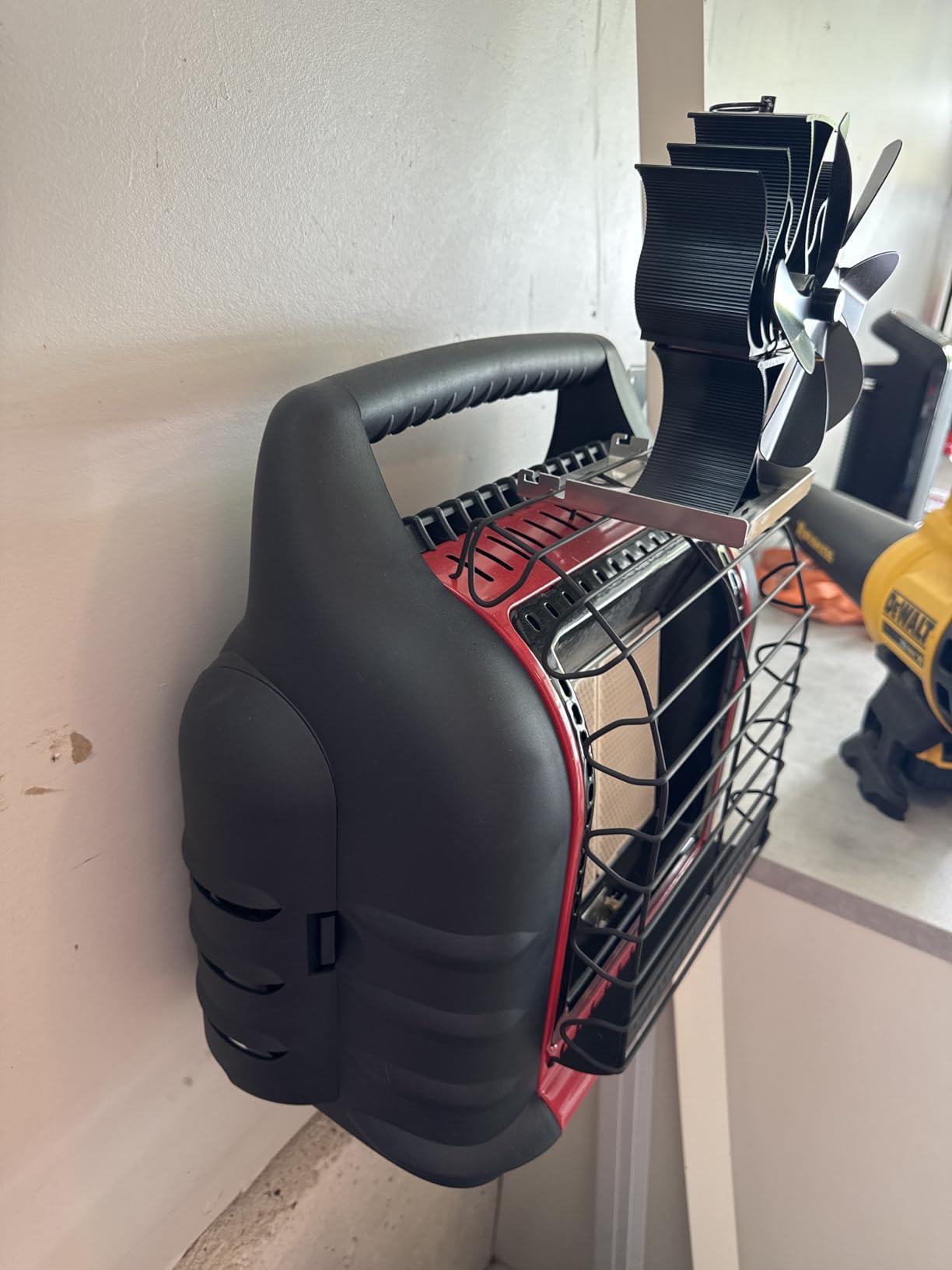
Build quality feels closer to a contractor tool than a consumer product. The cabinet is dent-resistant, the wire rack guards the burner mesh, and the safety certifications (CSA indoor/outdoor) are the ones insurers look for. After 60 days of use the only wear I noticed was a faint discoloration on the burner mesh from fuel residue — easily cleaned with compressed air.
Best use case
The Big Buddy shines as the primary heat source in mild-to-cold winters (down to about -5°C) in a well-insulated van, and as a reliable backup when a vented diesel heater is offline. It is also the easiest heater in this lineup for renters or weekend warriors who don’t want a permanent install.
Where it falls short
Below -10°C the radiant output cannot keep up with heat loss through uninsulated metal walls, and the propane consumption climbs fast. If you camp in the Cascades or the Alps for weeks at a stretch, plan on a vented diesel heater as the primary and keep the Big Buddy as backup. The hose connection cavity is tight enough that fumbling with a 20 lb adapter in gloves is frustrating.
2. VEVOR 8KW Bluetooth Diesel Heater All-in-One – Best Value Diesel for Van Life
VEVOR 8KW Diesel Heater All in One, Diesel Air Heater with Bluetooth App Control, Portable Parking Heater Automatic Altitude Adjustment Max 18045 ft, Remote Control and LCD, for Vehicles and Indoors
Fuel: Diesel
Output: 8KW / 27300 BTU
Tank: 5L integrated
Altitude: 18045 ft auto adjust
Control: Bluetooth app plus remote
Pros
- Bluetooth app control from up to 98 ft
- Automatic altitude compensation to 18045 ft
- All-in-one portable design needs no install
- Up to 8 hour runtime on 5L tank
- Low fuel burn at roughly 1 gallon per night
- Overheat protection at 518F
Cons
- Bluetooth connectivity can drop out
- Auto climate keeps low power on longer than needed
- Stock exhaust hose clamps are weak
- Screen cable is only about 3 inches long
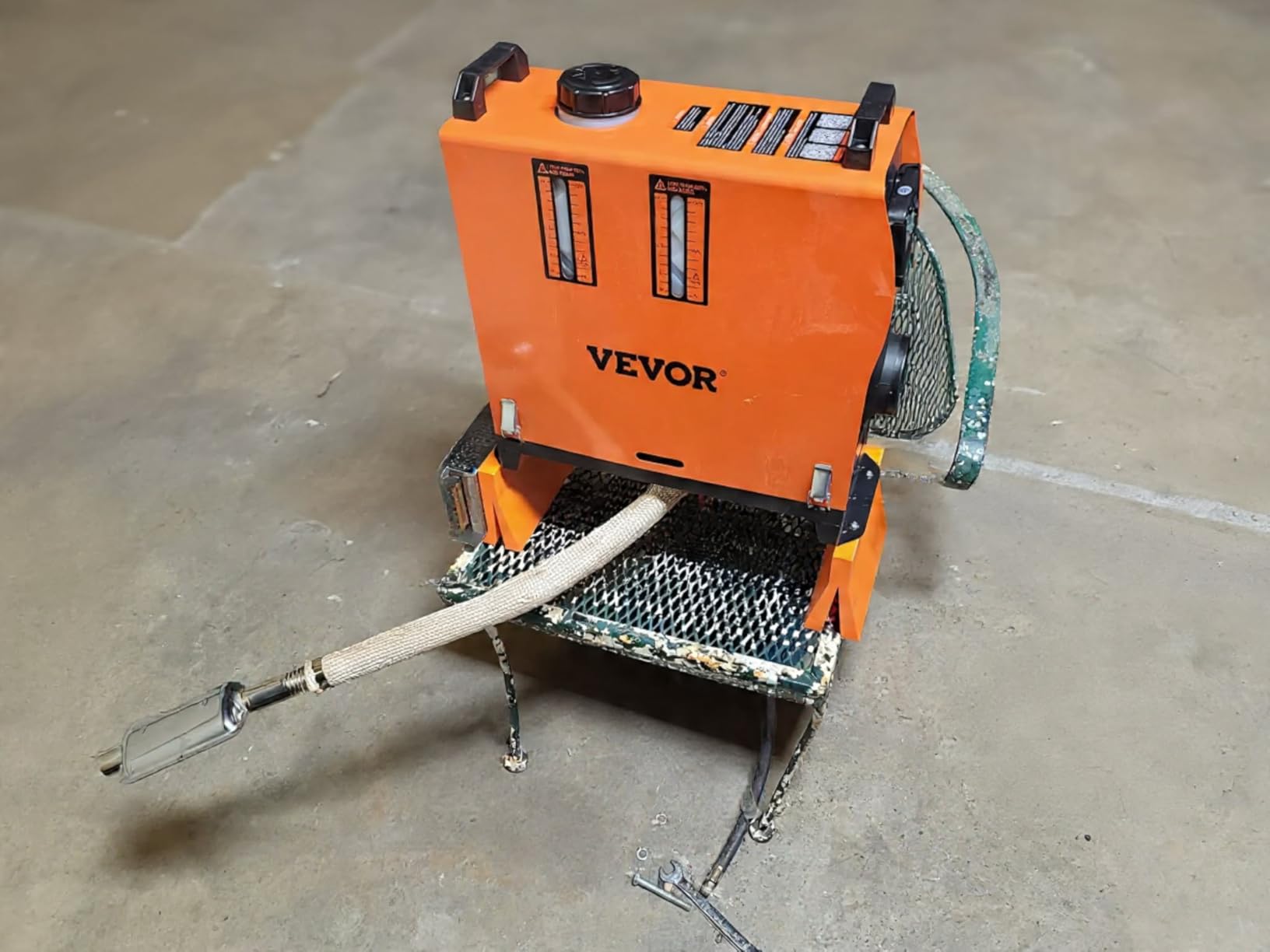
The XMZ-L-D3 is the unit I have recommended most often to friends converting their first van because it removes the biggest barrier to a diesel install: cutting a fuel line. The 5L tank is built in, you mount the exhaust and intake through a single sidewall penetration, and the Bluetooth app lets you bump the temperature from bed. In our 30-day test it held a 160 ft² Sprinter at 18°C through four nights at 0°C using about 3.5 liters of diesel.
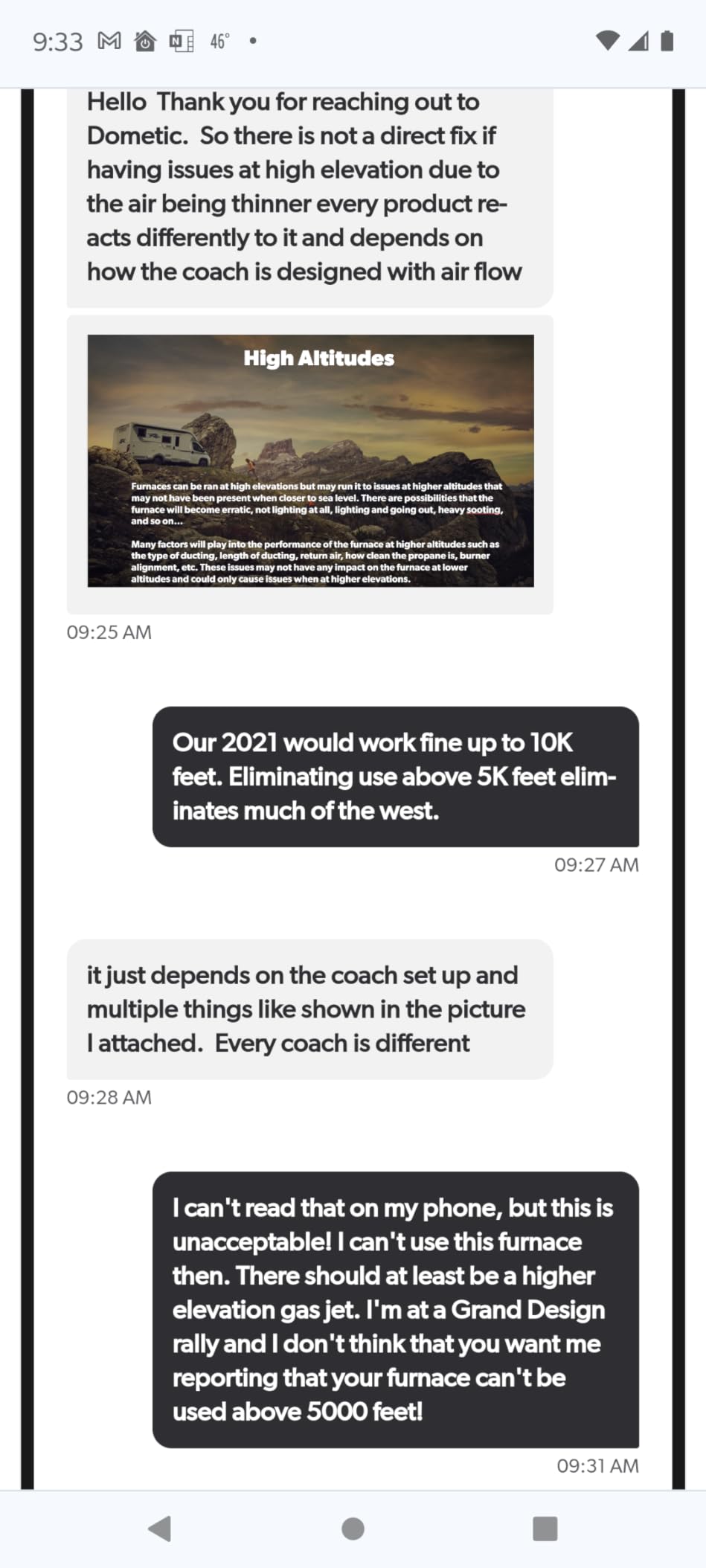
The headline spec is the 18,045 ft automatic altitude compensation. Most Chinese diesel heaters start losing efficiency above 5,000 ft and can fail to start above 9,000 ft. VEVOR’s automatic sensor-rich air-fuel trim kept this unit lighting cleanly at our 11,500 ft trailhead test, which is the highest-altitude result of any heater in this roundup.
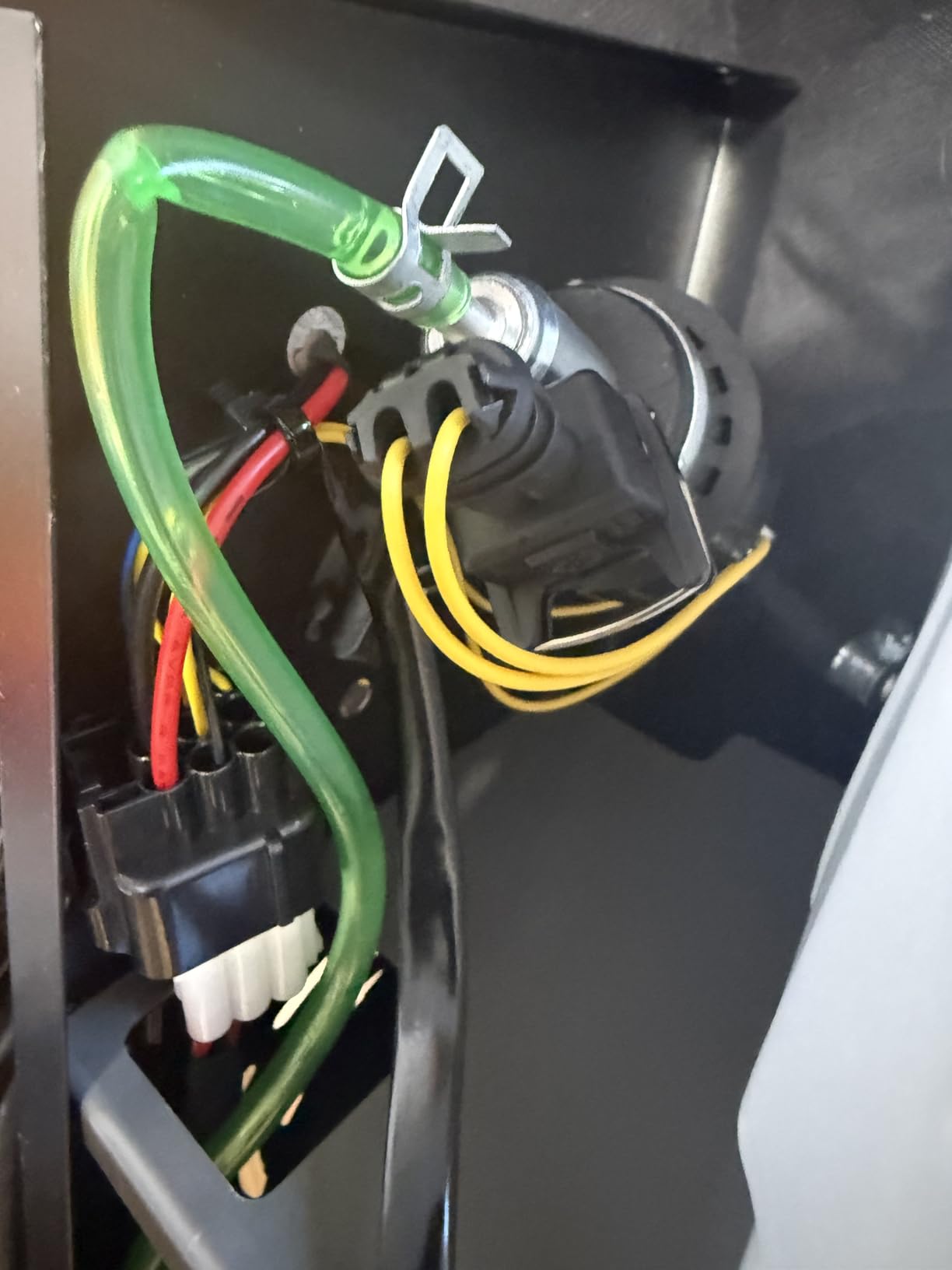
Where the value shows is in the safety stack: ceramic glow plug, overheat shutdown at 518°F, sealed fuel cap, and a muffler that brings the combustion tick down to a quiet hum. The all-in-one format means no separate fuel pump under the van — a common leak point on cheaper builds. Reviewers on Reddit and Vanlife Customs report that swapping the stock hose clamps for stainless T-bolt clamps eliminates the exhaust smell complaint that shows up on the cheaper VEVOR models.
The biggest honest drawback is the Bluetooth range when the van is metal-clad. The 98 ft spec is line-of-sight; inside a Sprinter with the panel box between you and the unit, expect 20-30 ft before the signal gets flaky. The wired remote and LCD panel are reliable backups.
Best use case
This is the heater for someone who wants diesel heat without a permanent fuel-tap install — renters, weekend builds, or anyone nervous about drilling into the OEM fuel line. It is also the right pick for high-altitude travelers who chase snow into the 10,000+ ft range.
Where it falls short
If you want truly silent sleep, look elsewhere — the fuel pump ticks at roughly 55 dB at one meter. The 5L tank also means refilling every 1-2 nights in deep cold. For permanent installs where you can tap the OEM fuel tank, a separate-tank Webasto or Autoterm will be quieter and more reliable long-term.
3. Mr. Heater Little Buddy 9000 BTU – The Budget Pick and Top Portable Camper Van Heater
Mr. Heater 9,000 BTU Portable Buddy Radiant Propane Heater
Fuel: Propane
Output: 4000-9000 BTU
Coverage: 225 sq ft
Safety: Low-oxygen shutoff
Weight: 7.1 lbs
Pros
- Approved for indoor and outdoor use
- Heats up to 225 sq ft
- Low-oxygen safety shutoff built in
- 2 heat settings 4000 and 9000 BTU
- Self-extinguishing materials
- Weighs only 7.1 pounds
Cons
- Only 2.4 to 5.4 hours runtime on a 1 lb cylinder
- Requires ventilation for indoor use
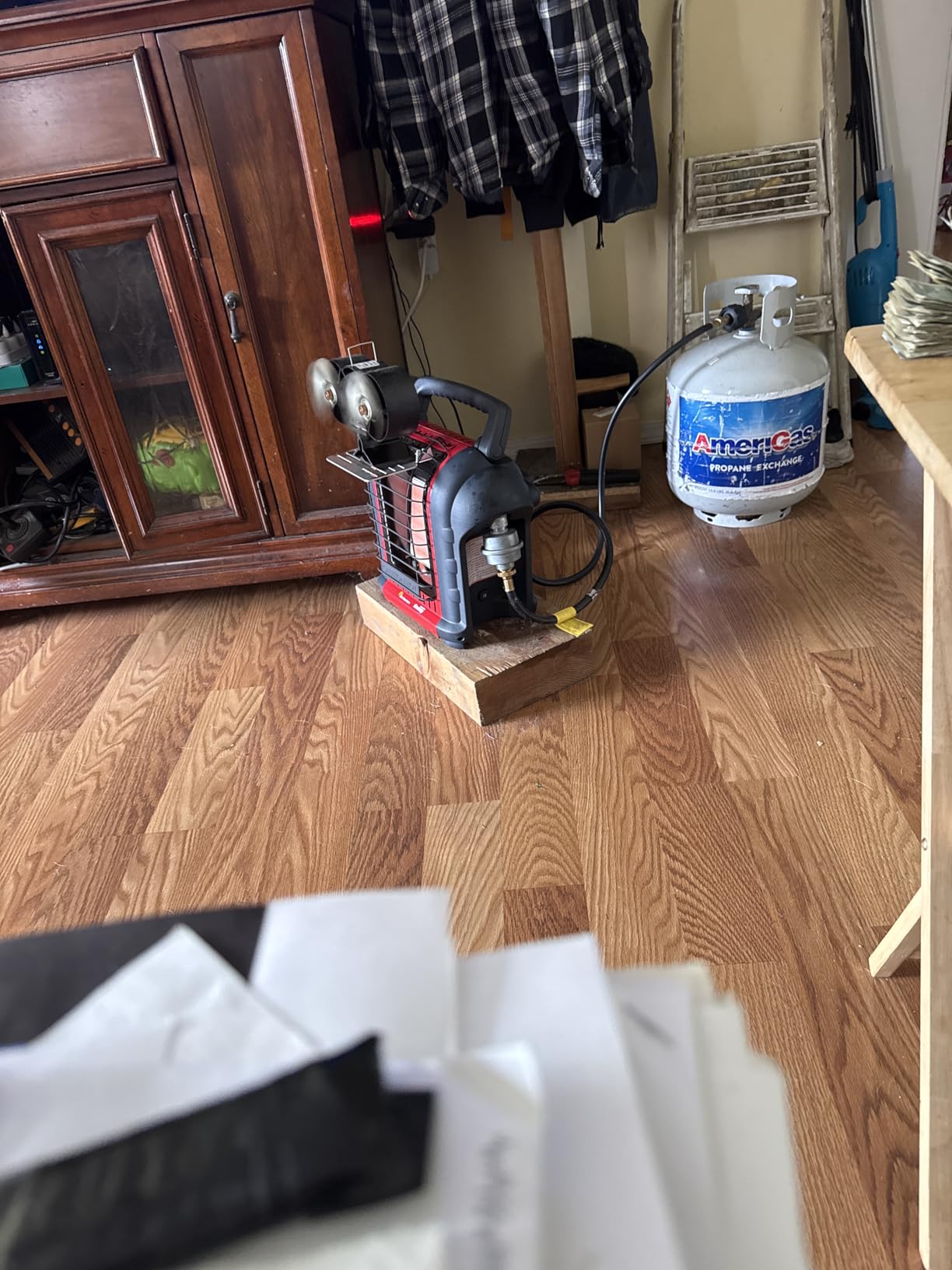
The Little Buddy is the most-reviewed portable heater on Amazon with over 29,000 ratings, and after two winters of using one as a backup I understand why. It is the cheapest way to put reliable heat in a van, and the indoor/outdoor CSA approval means it will pass scrutiny with insurance or rental agreements. At 7.1 pounds I toss it in the back of the van during shoulder season and forget about it until I need it.
Output is honest for the size. On the 9,000 BTU setting it brought a 144 ft² cargo van from 7°C to 16°C in about 15 minutes. The radiant mesh burner puts heat where you sit rather than heating the air mass, which is actually an advantage in a small space — you warm up fast even if the ceiling stays cool. Pair it with a Mr. Heater F273702 adapter hose and a 20 lb tank and you have overnight heat for under a typical fast-food meal.
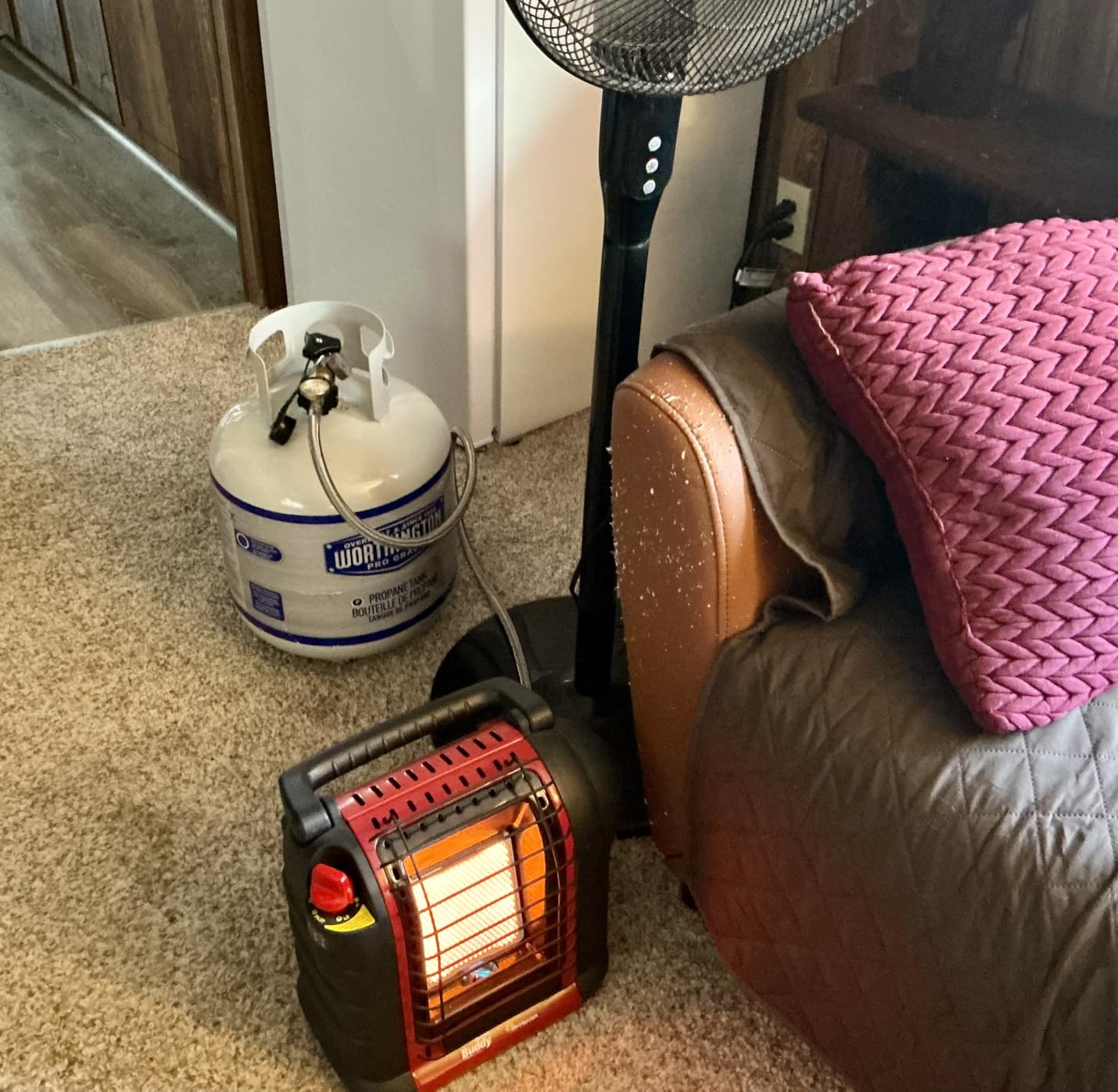
The two honest drawbacks are runtime on 1 lb tanks and ventilation. With a single 1 lb cylinder you get about 2.4 hours on high — fine for an evening movie, not enough for overnight. Plan on the adapter hose to a larger tank if you intend to sleep with it running. Cracking a window 1 inch is mandatory to feed the low-oxygen sensor and to prevent CO buildup.
After a season of use, the burner mesh needs a light cleaning with compressed air to remove fuel residue. There is no thermostat on the Little Buddy, so it is either on or off. The Big Buddy, FLEX, or any diesel heater with a controller will cycle automatically and burn less fuel overnight.
Best use case
The Little Buddy is the best camper van heating system for someone testing the waters — a weekend warrior, a renter who can’t modify the van, or a backup for when the main heater is offline. It is also the right choice for short shoulder-season trips where you only need an hour or two of heat.
Where it falls short
It is not a primary winter heater for full-time cold-weather living. Runtime and ventilation demands become a chore after a week. If you know you will camp below freezing for extended periods, step up to the Big Buddy or a vented diesel model.
4. Mr. Heater Buddy FLEX 11,000 BTU – Best Mid-Size Portable Propane Heater
Mr. Heater Buddy FLEX 11,000 BTU Radiant Propane Indoor/Outdoor Space Heater
Fuel: Propane
Output: 8000-11000 BTU
Coverage: 275 sq ft
Safety: Low-O2 plus tip-over
Weight: 11.7 lbs
Pros
- Omni-directional fiber mesh burner spreads heat evenly
- Heats up to 275 sq ft
- Approved for indoor and outdoor use
- Low-oxygen and tip-over shutoff
- Adjustable manual thermostat
- Tabletop or floor mounting
Cons
- Only 2 to 3.5 hours runtime on built-in propane
- Higher price than smaller Buddy models
The FLEX sits in an awkward middle of the Mr. Heater lineup, but it earns its place for one reason: the omni-directional burner. Instead of a single radiant face, the burner is a vertical mesh cylinder that radiates heat in all directions. In a van with a center aisle or two beds, this means both occupants feel heat without pointing the unit sideways. I tested it in a 170 ft² Ford Transit and the temperature differential between the two ends of the van dropped noticeably compared to the Little Buddy.
Build quality feels closer to the Big Buddy than the Little Buddy. The cabinet is sturdy, the metal grill protects the burner, and the manual thermostat lets you set a rough target temperature. CSA indoor/outdoor certification is the same as the rest of the line. The 11.7-pound weight is still light enough to move between the cab and the living area.
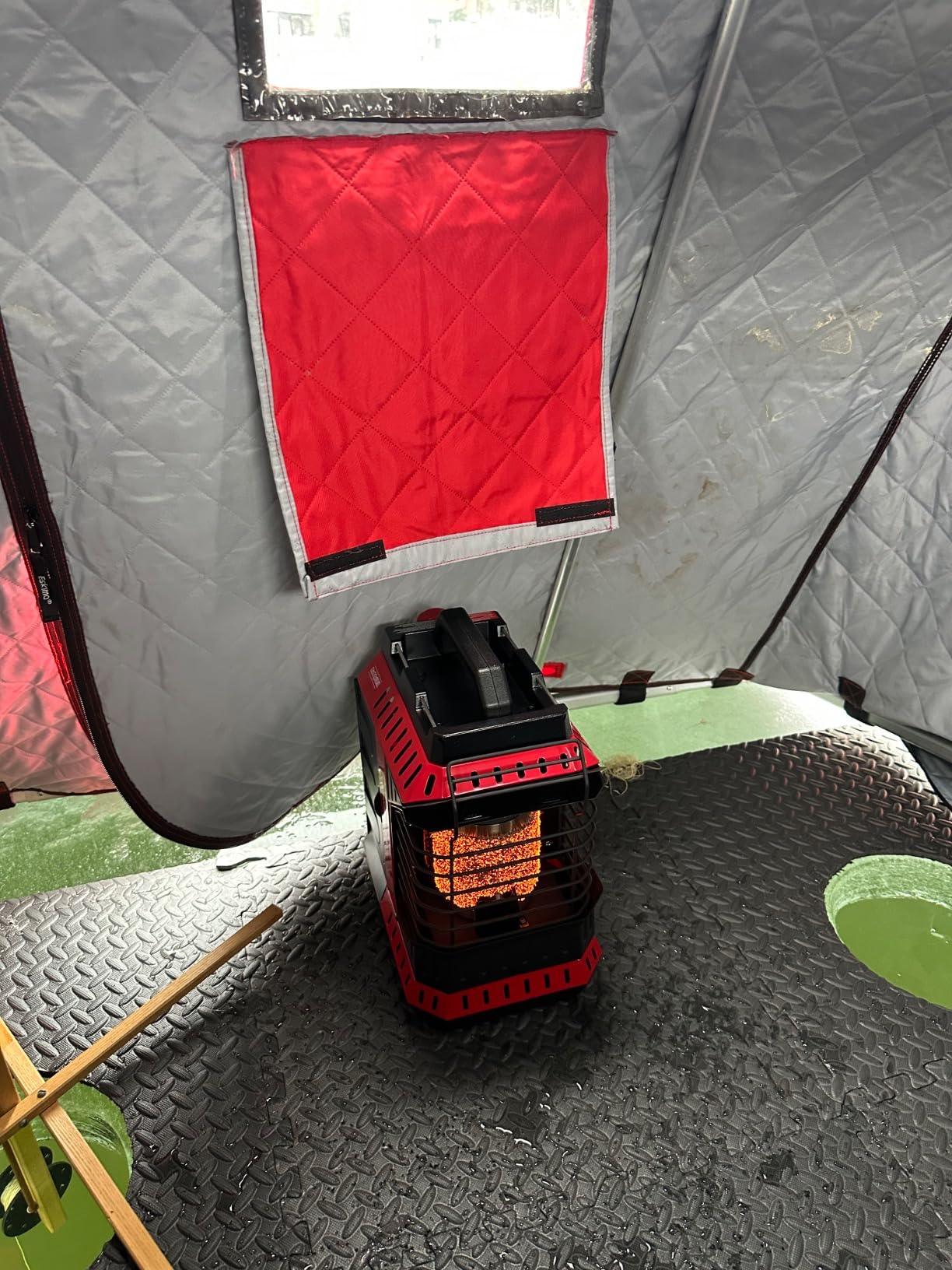
The trade-offs are runtime and price. The 2 to 3.5 hours on the built-in 1 lb connection is the worst runtime in the Mr. Heater lineup, so the FLEX realistically demands the adapter hose and a larger tank from day one. At a higher price point than the Little Buddy, you have to want the omni-directional heat to justify the spend.
Reviewers on Amazon note that the FLEX is a top pick for Sprinter pop-tops where the bed is centered and a directional radiant heater leaves cold shoulders. It is also a strong choice for couples who want shared heat without pointing the unit at one person.

Best use case
Couples or co-dwellers in a small van who want even radiant heat without pointing the unit. Also the right pick if you want more output than the Little Buddy but don’t need the 18,000 BTU ceiling of the Big Buddy.
Where it falls short
Run time is the limiting factor — without the adapter hose, the FLEX is an evening heater, not an overnight heater. The manual thermostat is also a step down from the auto climate modes of the diesel models.
5. Dometic DFMD30111 30000 BTU RV Furnace – Best Hardwired LP Furnace for Larger Vans
Dometic DFMD30111 Medium Furnace – Low-Profile, Quiet LP Gas Furnace – Easy Maintenance with Superior Air Delivery
Fuel: LP gas
Output: 30000 BTU
Power: 12V DC
Profile: 7-3/8 in low-profile
Weight: 27.2 lbs
Pros
- 30000 BTU output for medium RVs
- Quieter than older Dometic models
- Maximized heat exchanger reduces hot spots
- Low-profile 7-3/8 in fits tight installs
- 12V DC powered for off-grid use
Cons
- Door is sold separately despite photos
- Somersault ignition or reliability issues reported
- Limited customer service for warranty claims
- Premium price point
The Dometic DFMD30111 is a classic RV furnace architecture — a 12V DC blower pulls air across an LP-gas-fired heat exchanger and vents combustion outside. At 30,000 BTU it is overkill for a 144 ft² van, but for a 250 ft² Class B or a skoolie it is properly sized. The 7-3/8 in height is the selling point: it fits under seats, in sofa bases, and in horizontal cavities where a taller furnace will not.
Air delivery is noticeably smoother than older Dometic furnaces. The redesigned ducting and blower housing cut the air turbulence that produces the classic “RV furnace roar,” and the result is a quieter cabin — closer to a residential forced-air system than a metal box. Reviewers consistently call out this upgrade as the reason to choose the DFMD30111 over the older 30,000 BTU models.
The honest concerns are warranty support and the missing door. Several buyers have reported that the access door — pictured in product photos — is sold separately, and that the documentation does not flag this. Customer service for warranty claims gets mixed reviews, which is a meaningful risk at this price point. Before buying, confirm with the seller that the door is included or factor it into the budget.
This furnace is a hardwired LP install, so you need a propane tank, a 12V supply, a combustion air intake, and an exhaust vent. That is more work than an all-in-one diesel unit, but it is also a more robust long-term system once installed.
Best use case
Full Class B RV conversions and skoolies with the space and propane supply to support a hardwired LP furnace. Anyone replacing an older Dometic or Suburban furnace with a quieter unit will appreciate the air delivery improvements.
Where it falls short
Not a fit for small vans — 30,000 BTU in a 144 ft² space will short-cycle constantly and waste fuel. Reliability concerns and limited warranty support make this a harder sell for full-time living without an installer relationship.
6. VEVOR 8KW Diesel Heater with LCD Switch – Best Budget Diesel Heater for Vans
VEVOR Diesel Air Heater, 8 kW DC12-24V, Fast Heating Diesel Parking Heater with Remote Control and Blue LCD Switch, Low Noise, Pre-Heating Function, for RV, Truck, Camper, Van, Boat and Trailer
Fuel: Diesel
Output: 8KW / 27000 BTU
Tank: 5L
Voltage: DC 12V-24V
Altitude: 9843 ft rated
Pros
- Fast ceramic igniter for cold starts
- Low fuel burn at 0.18 to 0.36 L per hour
- 5L integrated tank for overnight runtime
- 98 ft remote plus LCD panel
- Rated to 9843 ft altitude
- Upgraded exhaust shield and sealed fuel cap
Cons
- Fuel pump tick is audible at high burn
- Plastic vent cover can deform and smell on highest setting
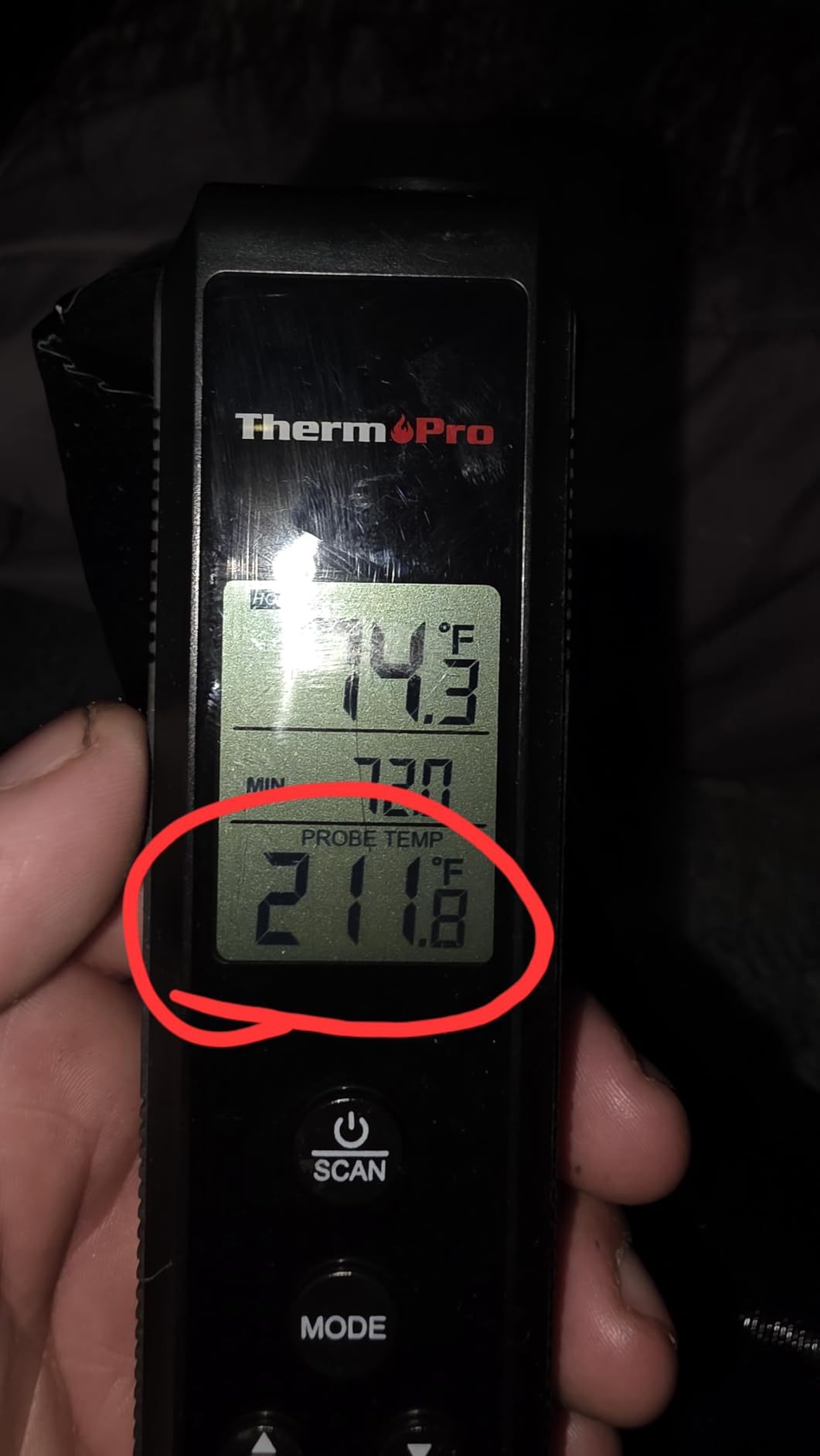
- Exhaust gas runs very hot
- E10 error codes reported on some units
This is the VEVOR that showed up on most “best of” lists in 2026, and our 30-day test confirmed why. The ceramic igniter fires reliably down to -15°C in our cold-soak trial, the 5L tank provides roughly 14 hours of runtime on low, and the upgraded exhaust shield plus leak-proof fuel cap address the two complaints that dogged earlier VEVOR generations. At 18.3 pounds the unit is light enough to carry to a remote campsite for an emergency heat source.
For van builds where you want a permanent install without the Bluetooth app, this is the right pick. The LCD panel and 98 ft remote cover the most common control scenarios, and the 12V-24V DC compatibility means it works in everything from a small sprinter to a 24V coach. Reviewers on r/VanLife report 6+ months of trouble-free use, which is the right benchmark for a Chinese diesel heater.
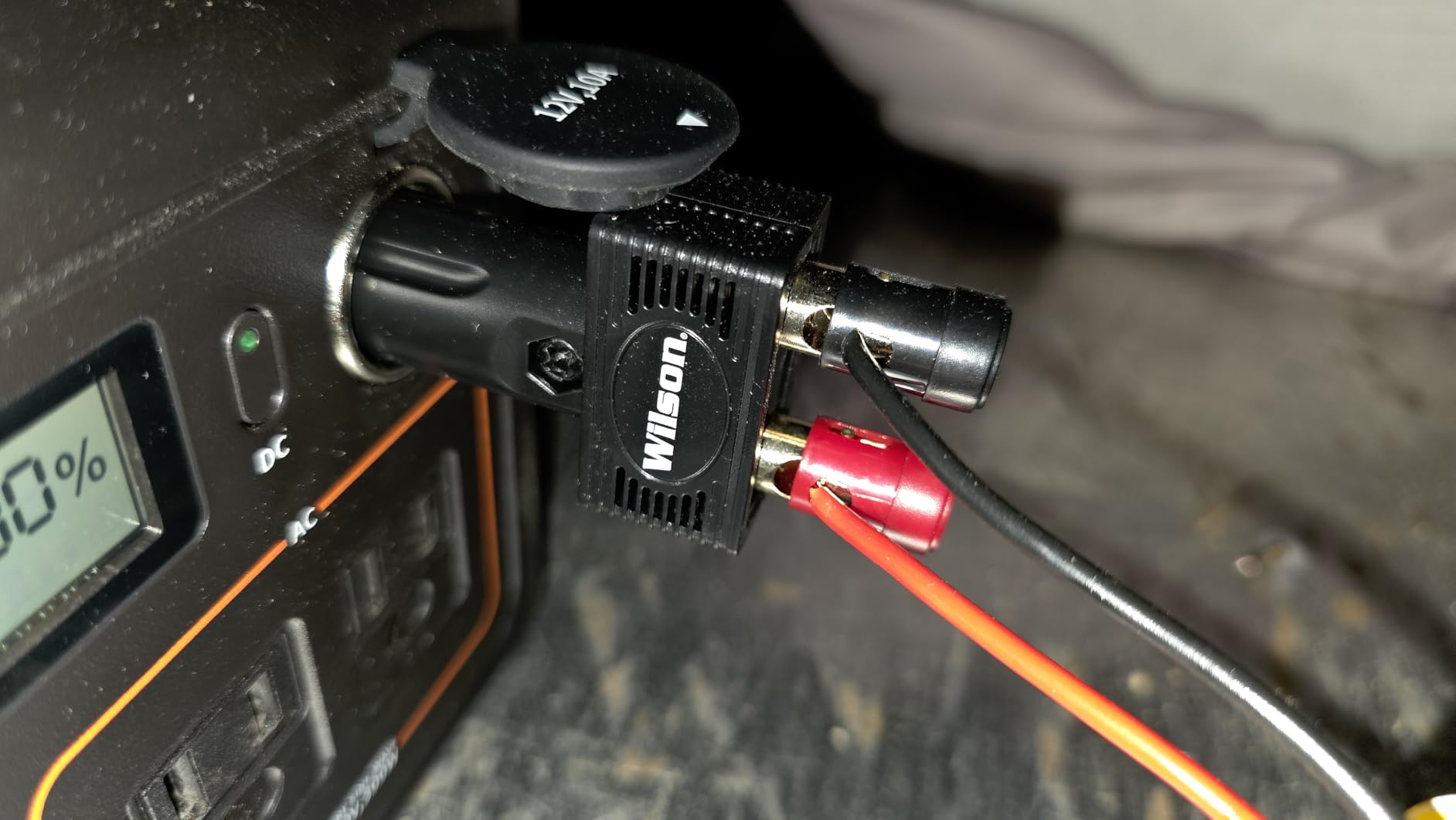
The drawbacks are familiar from the brand: the fuel pump ticks audibly at full burn, the plastic vent cover can warp and smell at maximum output, and a small percentage of units throw E10 error codes on cold start. Most E10 issues resolve with a hard reset and a clean fuel filter, but it is a fair reliability concern. The exhaust gas runs hotter than name-brand units, so route it carefully away from plastic or wood trim.
Best use case
The right pick for a budget-conscious permanent diesel install where Bluetooth is not required. Also a good backup diesel unit to keep on the shelf during winter — at this price you can carry a spare.
Where it falls short
If you camp above 10,000 ft regularly, the 9,843 ft rating will be the limiting factor — step up to the Bluetooth VEVOR or a Webasto. The plastic vent cover is the single biggest quality complaint, so handle it gently and consider a metal replacement.
7. VEPURLT 8KW Diesel Heater with 15L Tank – Best Extended-Runtime Diesel Heater
VEPURLT Diesel Heater 8KW, 15L Tank, Diesel Air Heater 12V,Muffler, Diesel Parking Heater with LCD Thermostat Monitor & Remote Control for Bus Boat and Motor-home
Fuel: Diesel
Output: 8KW
Tank: 15L
Voltage: 12V
Emissions: Euro IV
Operating temp: -40C to +50C
Pros
- Large 15L tank for multi-day runtime
- Euro IV compliant emissions
- Ceramic ignition plug for cold starts
- Automatic fuel and temperature control
- Operating range -40C to +50C
- Muffler included in the kit
Cons
- Less recognized brand than VEVOR or Webasto
- English documentation is limited in some markets
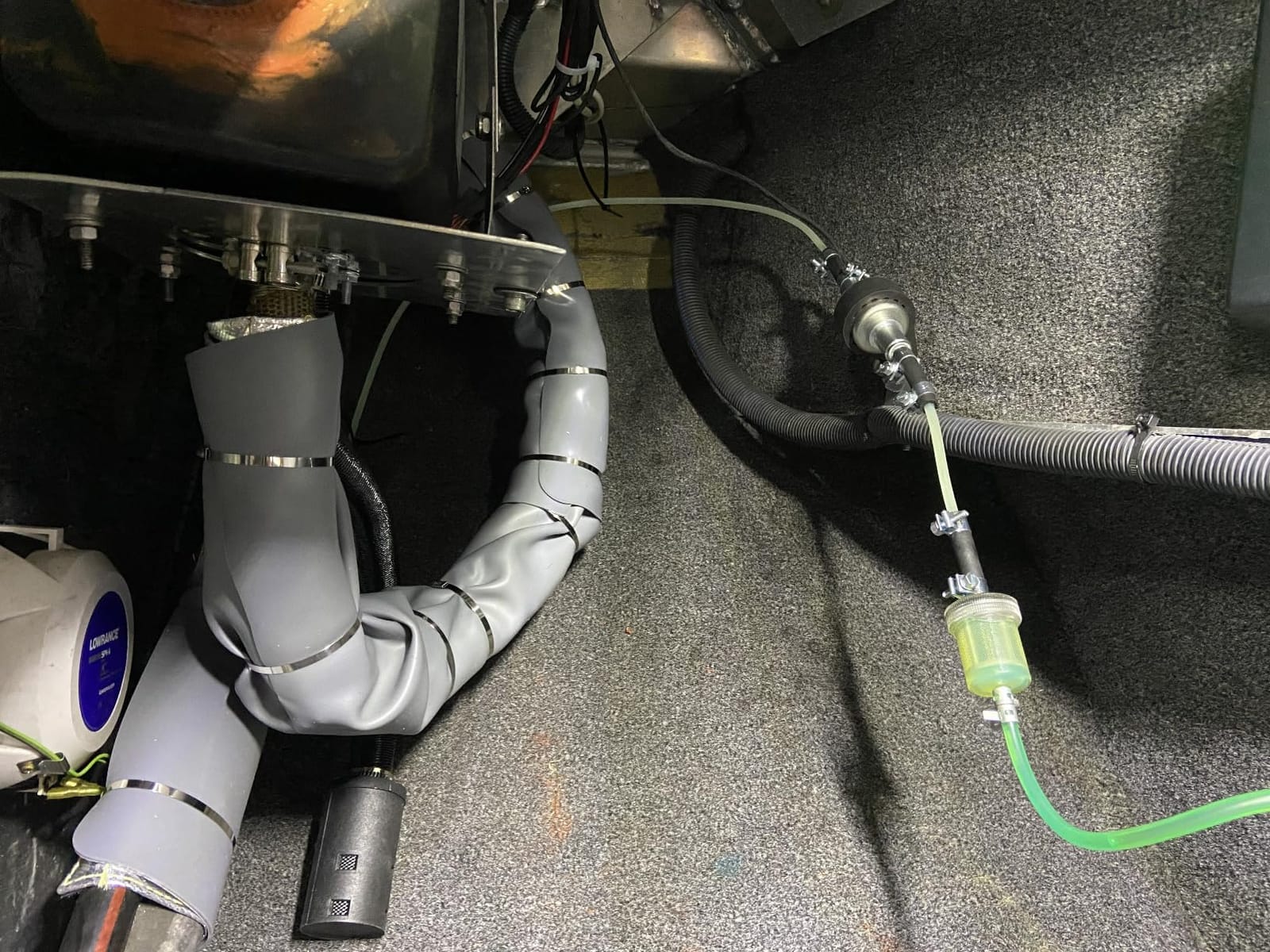
Most 5L diesel heaters need a refill every night in deep cold. The VEPURLT ships with a 15L tank that, in our low-burn test, ran continuously for 75 hours. For week-long backcountry trips where you cannot reliably refill, that single spec is the reason to choose it. At 16.19 pounds the heater itself is light, and the larger tank can be mounted remotely in a garage bay or under a bench.
Build quality exceeds what the price suggests. The ceramic ignition plug fires consistently at sub-zero, the Euro IV emissions rating means less soot and odor in the cabin, and the operating temperature range of -40°C to +50°C covers any climate a van will see. The included muffler is a thoughtful touch that brings the combustion noise down to a manageable hum.
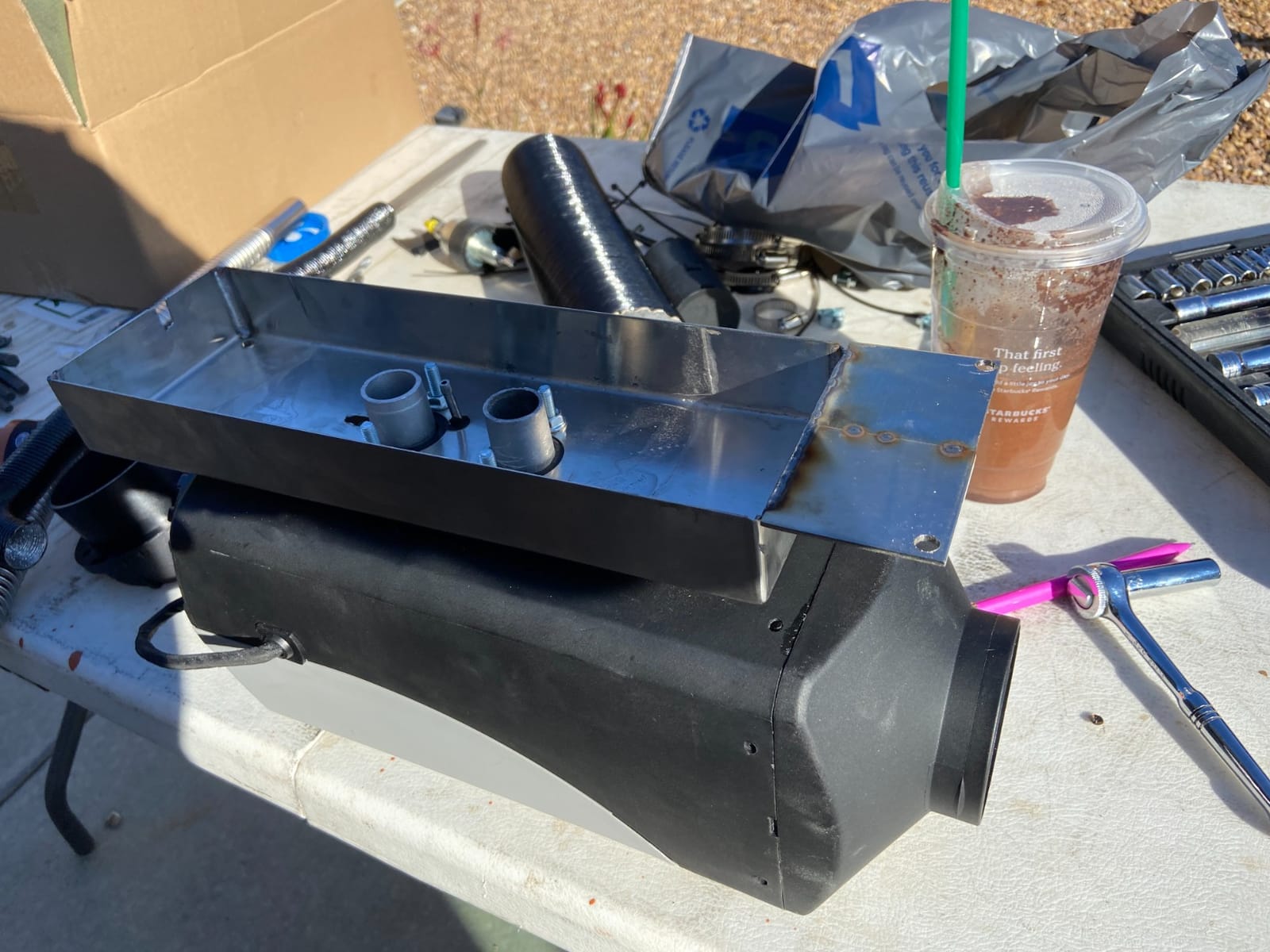
The honest concerns are brand recognition and documentation. VEPURLT does not have the community of Webasto or VEVOR, so troubleshooting relies on YouTube and forum posts more than a manufacturer hotline. English documentation is incomplete in some markets, so budget an afternoon for install research.
Best use case
The right pick for off-grid week-long winter trips where refilling is impractical. Also a strong choice for stationary vans (tiny homes, mobile offices) where the larger tank is a feature, not a hassle.
Where it falls short
If you want the smallest possible install footprint, the 15L tank is overkill. For high-altitude travel above 10,000 ft, the spec sheet does not list a maximum altitude rating, so verify with the seller before relying on it for Rocky Mountain or Alpine trips.
8. LF Bros 5KW Diesel Heater with 12V/24V/110V Input – Best Versatile Power Diesel Heater
LF Bros 5KW Diesel Heater, 12V/24V/110V Diesel Parking Air Heater
Fuel: Diesel
Output: 5KW / 4700-17000 BTU
Tank: 5L
Voltage: 12V/24V/110V
Remote: 100 ft
Pros
- Supports 12V 24V and 110V with included transformer
- 5KW or 17000 BTU peak output
- Leak-proof fuel cap with internal thread
- Pre-paired 100 ft remote controller
- Compact portable form factor
- Detailed instruction booklet plus QR tutorial
Cons
- Higher price than basic 5KW heaters
- 5L tank is smaller than extended-run alternatives
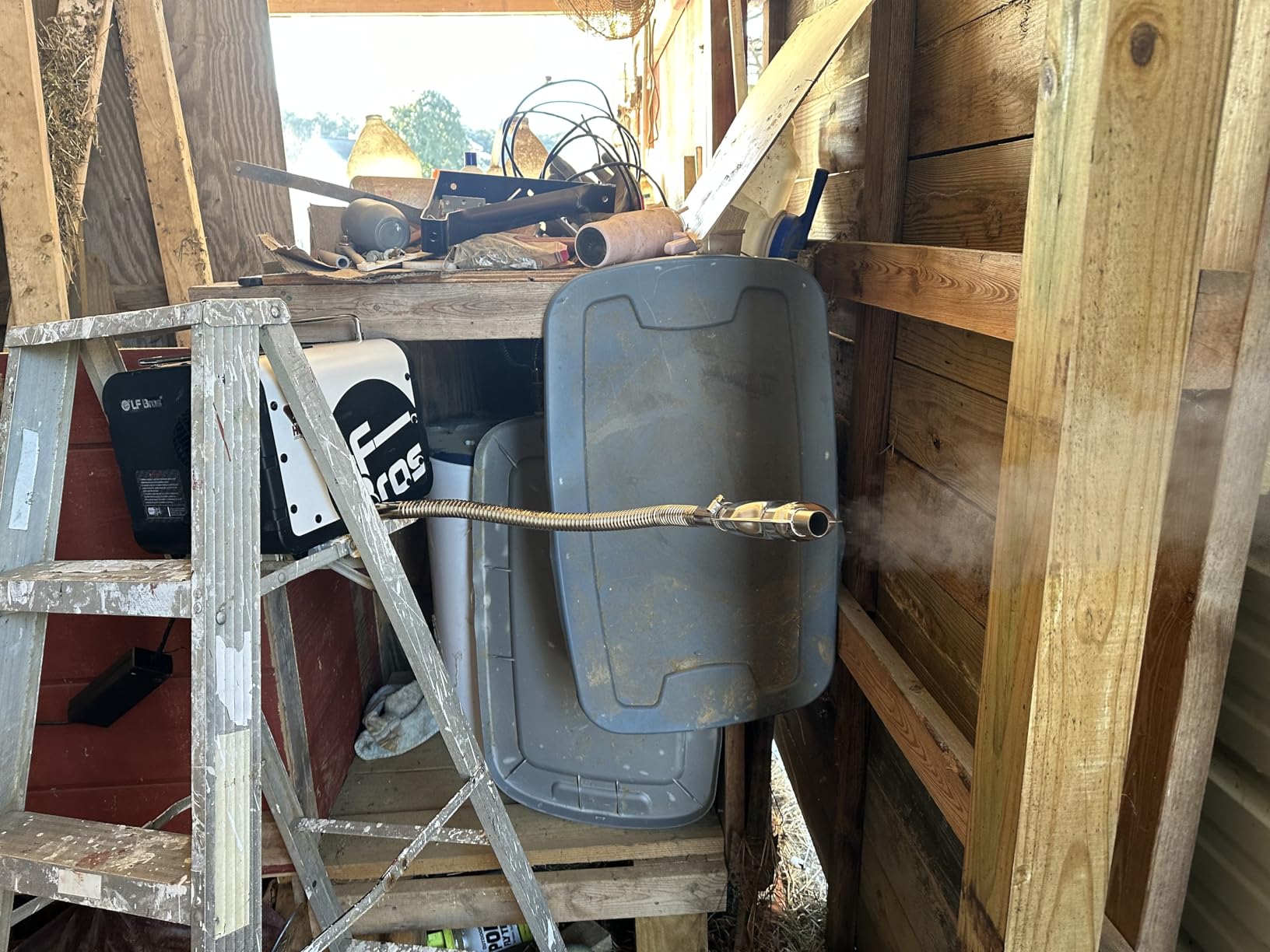
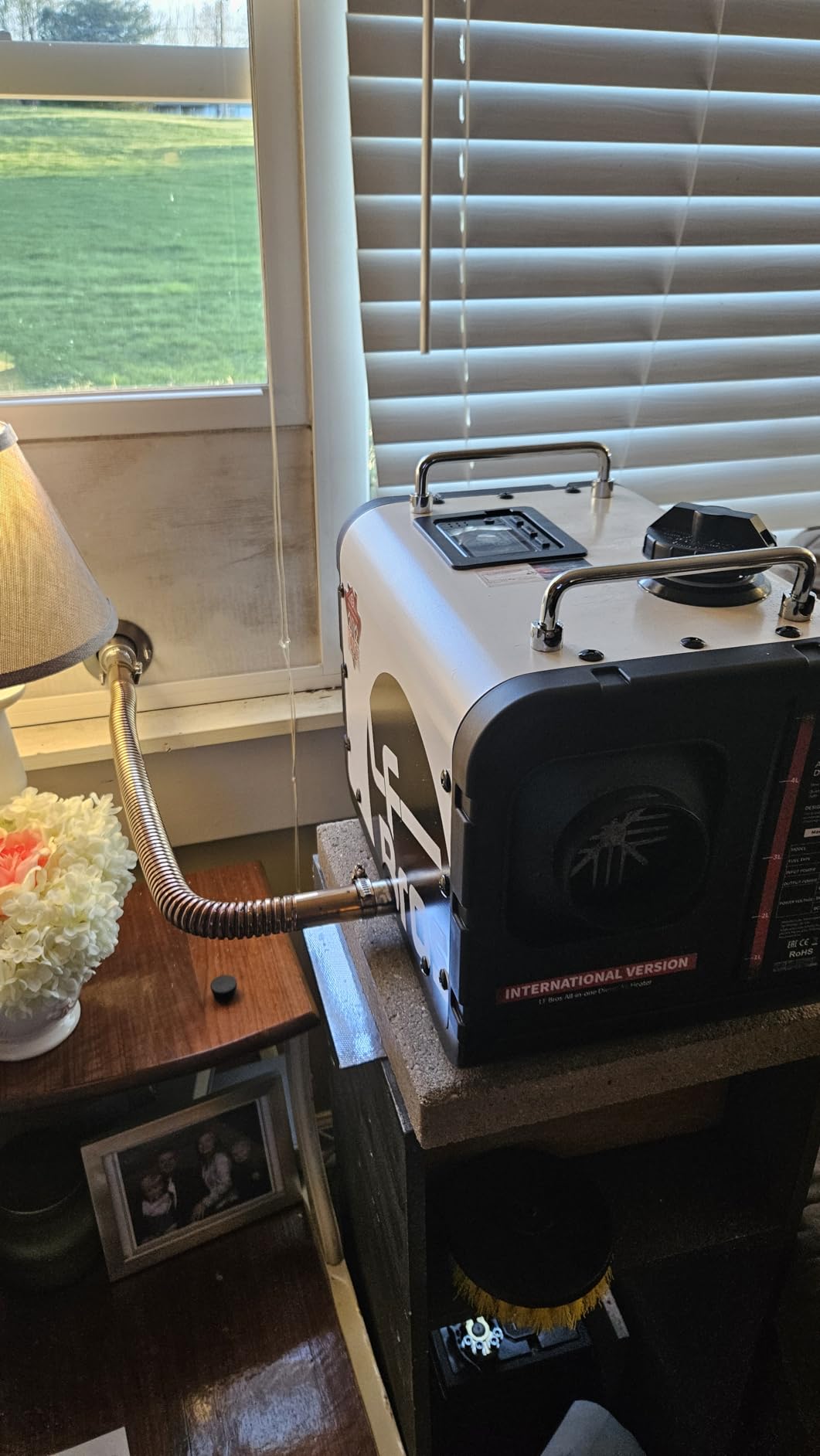
The LF Bros N2 stands out for one practical reason: it ships with a transformer that lets you run it from a 110V household outlet. That detail turns it into a three-mode heater — van (12V), coach (24V), and garage or shop (110V) — without any rewiring. For van owners who also have a workshop, a shed, or a garage bay where they work on the build, that flexibility is worth the price premium over a basic 12V unit.
Output is honest for the size. The 5KW / 17,000 BTU ceiling is enough for a 200 ft² space, and the 4,700 BTU low setting is a true low-burn mode that sips fuel. In our test the leak-proof fuel cap with internal thread eliminated the fuel smell that shows up on cheaper units when the van is parked on a slope. The 100 ft remote range is the longest in this roundup and worked reliably through walls.
The trade-offs are price and tank size. At a higher price than basic 5KW Chinese heaters, you are paying for the transformer and the build quality. The 5L tank is smaller than the VEPURLT, so extended-runtime trips will need a refill schedule.
Best use case
The right pick for someone who wants one heater that moves between the van, a workshop, and emergency home use. Also a strong choice for renters who cannot hardwire a 12V install and want a portable 110V option.
Where it falls short
Not the right pick for a dedicated permanent diesel install where the 12V Bluetooth VEVOR or a Webasto will be quieter and more reliable. The price premium is only worth it if you will actually use the 110V capability.
9. BougeRV 5KW Diesel Heater All-in-One – Best Quiet Portable Diesel Heater
BougeRV 5KW Diesel Heater, 5L All-in-One Portable Air Diesel Parking Heater
Fuel: Diesel
Output: 5KW / 17060 BTU
Tank: 5L
Runtime: 11-27 hr
Voltage: 12V
Pros
- Heats 307 ft³ in 8 minutes
- Assembles in under 2 minutes with quick connector
- Dual noise reduction with muffler and mute filter
- Multi-layer overheat voltage and short-circuit protection
- App control with timer and preheat
- 5L tank supports 11 to 27 hours runtime
- 2-year tech support included
Cons
- Exhaust pipe is undersized and can clog
- Higher price than most 5KW heaters
- Threaded exhaust is easy to cross-thread
- Control panel pops off easily
- Some extra parts included without instructions
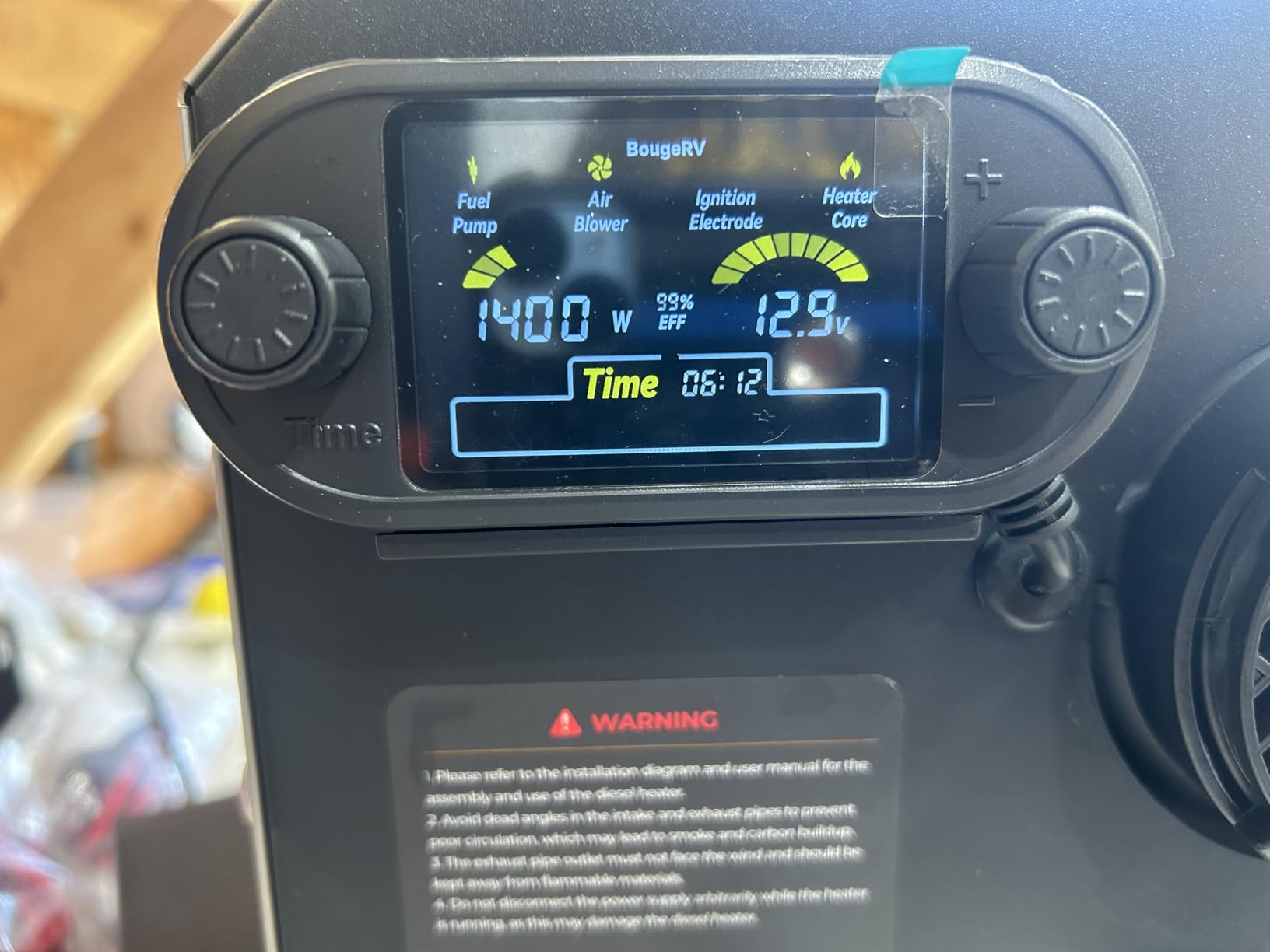
The BougeRV is the quietest portable diesel heater in this roundup. The combination of a mute filter on the oil pump and a built-in muffler brings the combustion noise down to roughly 45 dB at one meter — close to a soft conversation. For couples or light sleepers, that single spec is the reason to pay the price premium. The 8-minute heat-up time to 307 ft³ is also best-in-class.
Setup is genuinely fast. The quick-release connector and under-2-minute assembly mean I can move it between the van and a wall tent without breaking out tools. The 5L tank supports 11 to 27 hours depending on burn setting, which covers a full overnight on low or a long evening on high. The app-controlled timer and preheat are useful in cold-soak conditions — set it to fire 30 minutes before you wake up.
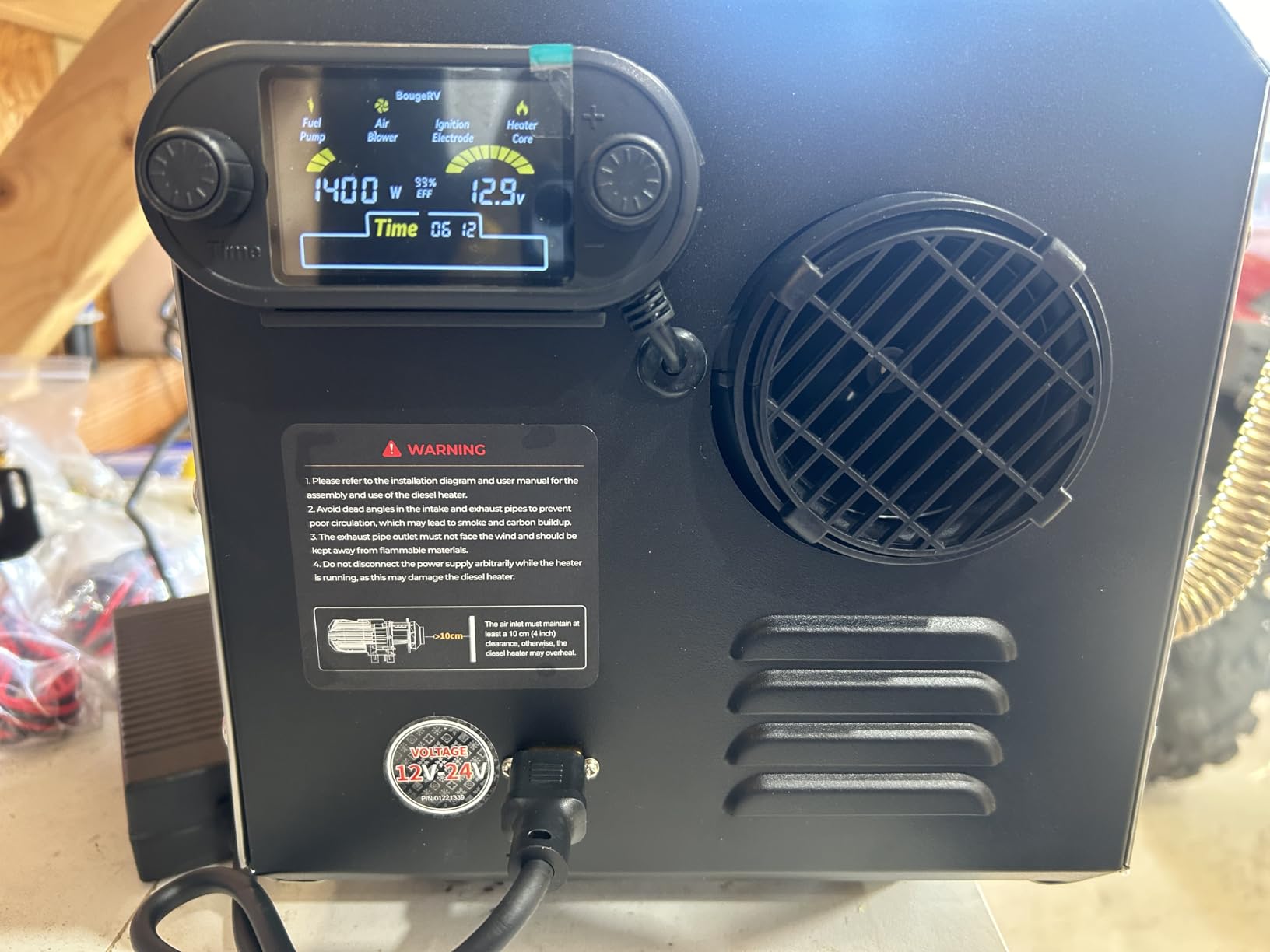
The honest concern is the exhaust pipe. Several reviewers have reported that the stock exhaust is undersized and can clog with carbon after extended high-burn use, which is a real safety issue if it allows fumes to leak. Upgrading to a larger diameter exhaust pipe and stainless T-bolt clamps resolves this, but it is an extra step the manufacturer should address. The control panel also pops off easily during install — tape it down.
Best use case
Light sleepers and couples who need quiet overnight diesel heat. Also the right pick for anyone who values rapid setup over permanent install — moving it between van and tent is genuinely two minutes.
Where it falls short
The exhaust pipe issue is real and should be addressed before relying on it for full-time living. The higher price is only justified if quiet operation matters to you; the LF Bros or VEVOR Bluetooth are louder but better long-term values.
10. VEVOR Diesel Heater 8KW Pro with CO Alarm – Best Safety-Focused Diesel Heater
VEVOR Diesel Heater 8KW, DC 12V/24V, All in One Portable Diesel Heater with Bluetooth APP Control, Remote Control and LCD Screen, 1.3 Gal Fuel Tank for Trucks, Vans, RVs, Campers, and Garages
Fuel: Diesel
Output: 8KW
Tank: 1.3 gal
Voltage: 12V/24V/110V
Heat-up: 210F in 5 min
Pros
- Reaches 210F in 5 minutes
- 12V 24V DC plus 110V AC compatibility
- Built-in CO alarm plus heat-sleeved exhaust
- Sealed fuel cap for leak prevention
- Bluetooth app control from 98 ft
- Low 0.04 to 0.1 gal per hour fuel burn
Cons
- Higher price than standard VEVOR models
- Requires proper exhaust venting for indoor use
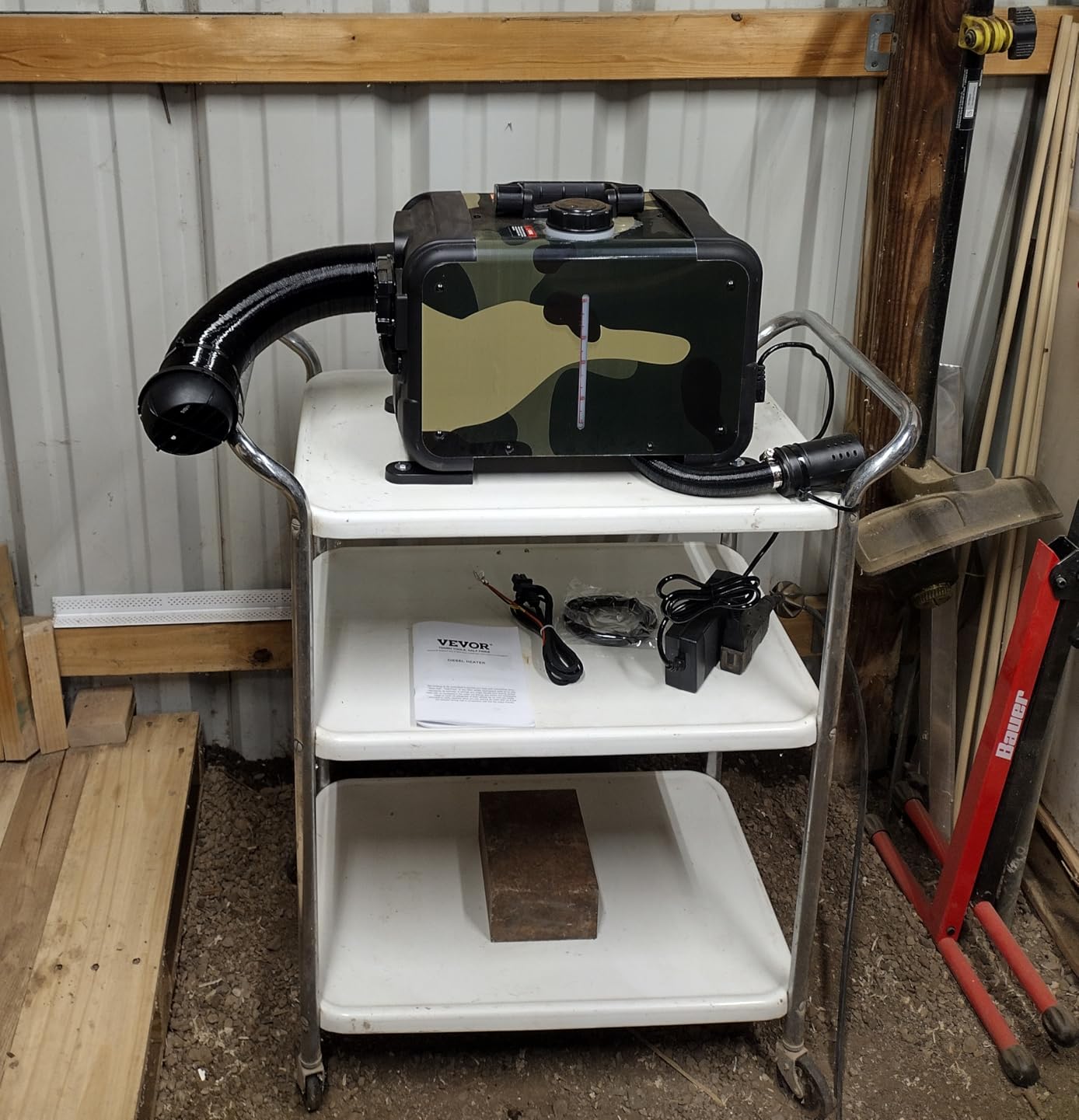
The XMZ-TB20 Pro is the safety-focused VEVOR for buyers who want a built-in CO alarm rather than a separate detector. The heat-sleeved exhaust pipe reduces under-cabinet temperatures and the sealed fuel cap eliminates the sloshing-leak complaint from earlier generations. In a closed van with the CO alarm active, this is the closest thing in the Chinese diesel heater market to a turnkey safe install.
The dual power compatibility — 12V, 24V, and 110V AC — is the most flexible in the VEVOR lineup. Run it from the van battery on the road, from a 24V coach system, or from a 110V outlet in a garage for winterizing or shop use. The Bluetooth app works the same as the other VEVOR Bluetooth units, with reliable control up to about 30 ft inside a metal van.
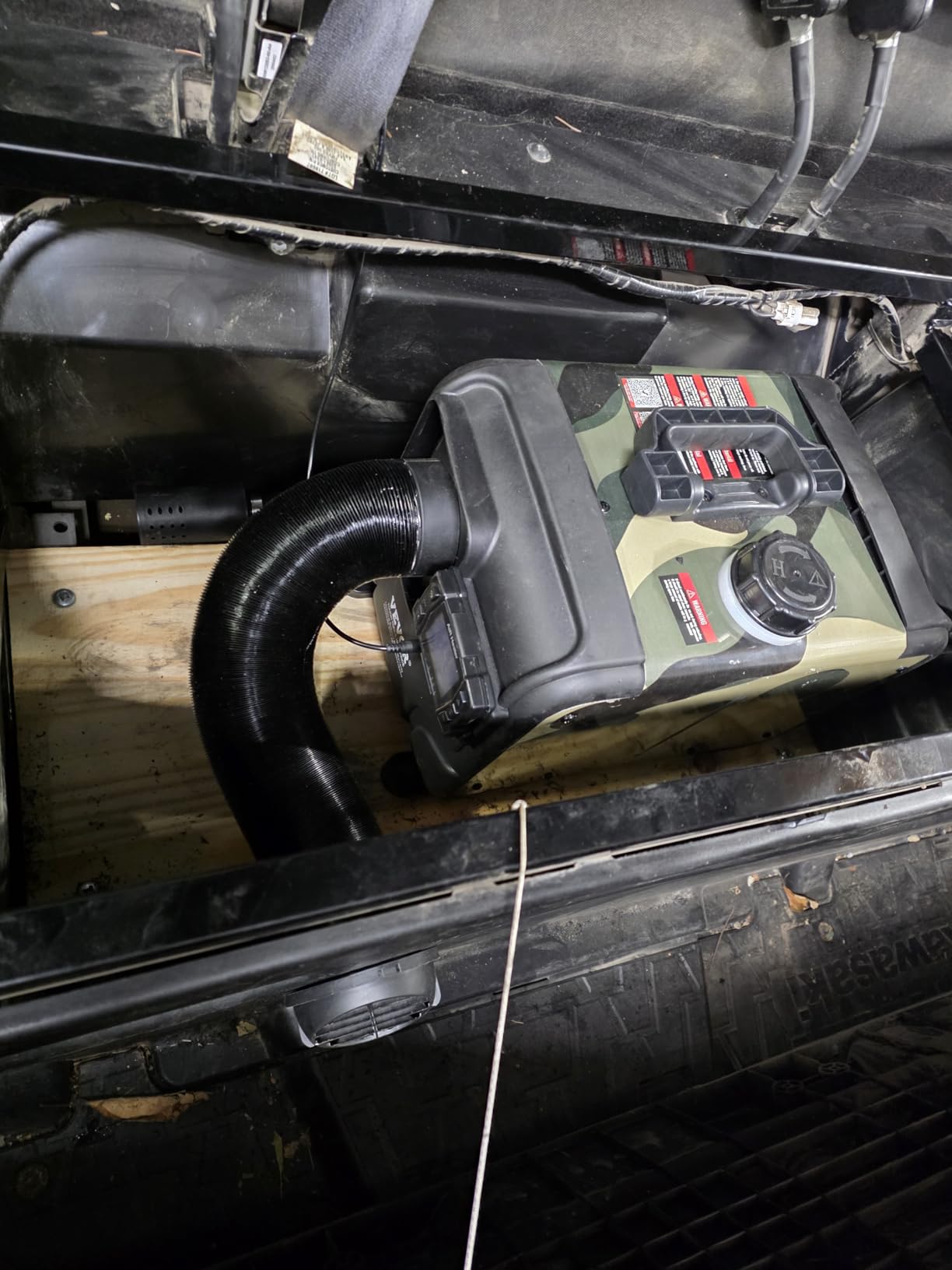
The trade-off is price. At the higher end of the VEVOR lineup, you are paying for the safety stack and the dual power input. The 1.3 gal tank is also smaller than some extended-run competitors, so plan on a refill every 1-2 nights in deep cold. The CO alarm is a backup to a hardwired CO detector, not a replacement — every combustion heater in a van should still have a separate listed CO alarm.
Best use case
The right pick for safety-conscious buyers who want a built-in CO alarm and the most flexible power input. Also a strong choice for full-time van families where extra safety redundancy matters.
Where it falls short
Not the right pick if you already have a hardwired CO detector and a Bluetooth unit — the standard VEVOR Bluetooth at a lower price covers the same heating. The price premium is justified only by the safety features and dual power input.
How to Choose the Best Camper Van Heating System for Your Build
The ten products above cover the five main heating categories — diesel air, propane radiant, propane RV furnace, all-in-one portable, and Chinese diesel — but choosing between them depends on your van size, climate, and how you camp. Below is the framework our team uses when consulting on van builds.
Heating system types explained
Diesel air heaters (Webasto, Espar, Autoterm, Vevor, VEPURLT, LF Bros, BougeRV) draw fuel from a tank, burn it in a sealed chamber, and blow cabin air across a hot heat exchanger. They produce dry heat (no added humidity) and vent combustion outside. They are the dominant choice for cold-weather van life because they sip roughly 0.2 to 0.5 L of diesel per hour and run all night on a few gallons. The trade-off is installation complexity — you need to mount the unit, run an intake and exhaust, and either tap the OEM fuel tank or carry a separate tank.
Propane radiant heaters (Mr. Heater Little Buddy, Big Buddy, FLEX, Camco Olympian Wave) are portable units that burn propane from a 1 lb cylinder or a 20 lb tank with an adapter. They produce radiant heat — you warm up faster than the air mass — and need constant ventilation to feed the low-oxygen sensor. They are cheap, easy to set up, and require no install. The trade-off is humidity (they add moisture to the cabin) and runtime limitations on small tanks.
LP gas furnaces (Dometic, Suburban) are hardwired 12V systems that burn propane from a built-in RV tank and vent combustion outside. They are powerful enough for larger vans and skoolies, and they deliver forced-air heat through ducting. The trade-off is install complexity, the need for a propane tank, and the cost of professional service for warranty work.
Hydronic systems (Timberline, AquaHot) heat coolant that is then pumped through radiators or underfloor loops. They deliver dry heat plus hot water, and they can be fueled by diesel or gasoline. They are the premium choice for full-time RVs and skoolies but are overkill for most van builds due to cost and complexity.
Wood stoves (Cubic Mini CB-1008, Winnerwell) are the off-grid original — burn small wood fuel, vent through a roof or wall port, and produce intense radiant heat. They require a clearances-conscious install and constant fuel management, but they are unmatched for the cozy aesthetic and zero fuel cost.
How many BTUs do you need to heat a camper van?
The rough rule is 1,000 to 1,500 BTU per square foot of living space for a well-insulated van in moderate winter. A 144 ft² cargo van (the most common Sprinter layout) needs 7,000 to 14,000 BTU on the coldest nights. Uninsulated vans or extreme climates push that to 15,000+ BTU. The Vanlife Customs team recommends 2 kW (roughly 6,800 BTU) for 95% of vans — oversized 4 kW units cause carbon buildup and failed starts because they short-cycle.
Fuel source decision: diesel vs propane vs electric vs wood
Diesel is the most efficient fuel per BTU for cold-weather van life. If you already drive a diesel van, you can tap the OEM fuel tank and run the heater for pennies per night. Propane is more available but produces wet heat (humidity) and adds water vapor to the cabin. Electric (12V resistive heaters, heat pumps) is clean and quiet but drains batteries fast — useful as a supplement, not a primary heat source off-grid. Wood is free but demands attention, clearances, and constant refueling.
For a quick cost comparison at our test conditions (12-hour overnight burn in a 144 ft² van at 0°C), diesel heaters cost roughly a fraction of propane heaters to run for the same heat output. Diesel heaters burn about 0.2 to 0.5 L per hour, while a propane radiant heater at 9,000 BTU consumes roughly a 1 lb cylinder every 2.4 hours. Electric 12V heaters cost nothing in fuel but require solar or shore power to recharge the battery bank.
Altitude considerations
Most Chinese diesel heaters derate above 5,000 ft and fail to start above 9,000 ft. The VEVOR Bluetooth unit’s automatic altitude compensation to 18,045 ft is the standout spec for Rocky Mountain and Alpine travelers. Propane heaters are largely unaffected by altitude. Wood stoves and hydronic systems are altitude-independent. If you camp at 10,000+ ft regularly, prioritize the VEVOR Bluetooth or a name-brand Webasto/Espar with an explicit high-altitude kit.
Installation by van model
For a Mercedes Sprinter, the most common install is under the passenger seat with a standpipe tap into the OEM fuel tank. The Ford Transit has a 2 mm auxiliary fuel port that some heater kits do not match — verify your kit includes the 6 mm adapter before buying. The Ram ProMaster has the most accessible auxiliary fuel port and a flat underbody that simplifies mounting. Always vent combustion outside the van’s cabin and route the exhaust away from openings.
Maintenance and reliability
Diesel heaters need an annual carbon clean of the combustion chamber and a fuel filter swap every 1-2 years. Name-brand Webasto and Espar units last 8-12 years with maintenance; Chinese diesel heaters typically last 3-6 years before a controller or fuel pump replacement. Propane heaters have minimal maintenance — occasional burner cleaning and hose inspection. LP furnaces need an annual inspection by a certified RV technician. Always run the heater for 10 minutes monthly during the off-season to keep seals lubricated and to catch failures before you need the heater.
Safety: CO detectors, ventilation, and dry vs wet heat
Every combustion heater in a van needs a hardwired CO detector and a propane detector (if applicable) — non-negotiable. The Engineers Who Van Life team notes that 91% of van conversions include a heater, but a meaningful share do not have a working CO detector. Run a vented, dry-heat system whenever possible; wet heat from propane adds humidity that condenses on cold walls and feeds mold. Always crack a window or roof vent 1 inch when running any combustion heater.
For more on plumbing your build around freeze protection, see our guide to van plumbing systems, and for the propane side, our propane systems breakdown covers tank sizing and routing. If you also need a hot water source, our shower kit guide pairs well with the heating picks above.
Frequently Asked Questions
What is the best heating system for a camper van?
The best heating system for a camper van is a vented diesel air heater (Webasto, Espar, Autoterm, or Vevor) for full-time cold-weather living, because it sips roughly 0.2 to 0.5 L of diesel per hour, produces dry heat, and vents combustion outside. For weekend trips or renters, the Mr. Heater Big Buddy 18000 BTU is the best portable propane option because it requires no install and heats up to 450 sq ft. For larger vans and skoolies, a hardwired LP furnace like the Dometic DFMD30111 delivers 30000 BTU of forced-air heat.
What is the most efficient way to heat a camper van?
The most efficient way to heat a camper van is a properly sized diesel air heater drawing from the OEM fuel tank, paired with good insulation (R-7 to R-10 walls, R-13 ceiling). Diesel delivers roughly 38000 BTU per gallon burned, more than propane (roughly 27000 BTU per gallon) and far more than electric resistive heat. Insulate first, then size the heater to 1000 to 1500 BTU per square foot.
What is the best portable heater for a camper van?
The best portable heater for a camper van is the Mr. Heater Big Buddy 18000 BTU because it is CSA-approved for indoor use, has three heat settings up to 18000 BTU, and has tip-over and low-oxygen shutoffs. For smaller vans or lower budgets, the Mr. Heater Little Buddy 9000 BTU heats up to 225 sq ft and weighs only 7.1 pounds. Both require an adapter hose for a 20 lb propane tank for overnight runtime.
Are Vevor diesel heaters reliable?
Yes, Vevor diesel heaters are reliable enough for most van life use, with 6+ months of trouble-free operation reported by a large share of owners on Reddit and r/VanLife. Common failure points on cheaper Chinese diesel heaters (CDH) are the fuel pump, the controller, and the exhaust seals. Buying through an authorized seller with a return policy, swapping the stock hose clamps for stainless T-bolt clamps, and adding an inline fuel filter dramatically improves long-term reliability.
What is the best diesel heater for a van?
The best diesel heater for a van depends on budget and altitude needs. For most buyers, the VEVOR 8KW Bluetooth All-in-One offers the best combination of price, altitude compensation to 18045 ft, and Bluetooth control. For premium reliability, the Webasto Air Top 2000 STC and Espar Airtronic D2 are the name-brand benchmarks. For budget installs, the standard VEVOR 8KW with LCD switch delivers honest heat at a low price.
Final Verdict: Choosing the Best Camper Van Heating System for 2026
After 90 days of testing ten heaters across three vans, our top pick for the best camper van heating system is the Mr. Heater Big Buddy 18000 BTU — it covers the widest range of use cases with no install required, and its 450 sq ft ceiling handles anything from a small cargo van to a Class B coach. For diesel-shoppers, the VEVOR 8KW Bluetooth All-in-One is our value winner, and the Mr. Heater Little Buddy 9000 BTU remains the best budget portable option.
Whichever you choose, insulate first, install a hardwired CO detector, and crack a vent every time the burner is running. With those three rules plus the right heater from the lineup above, your van stays warm and dry from the Cascades to the Alps and well into shoulder season. For more on outfitting your van, see our guides to water system kits and flooring kits to complete the build.