
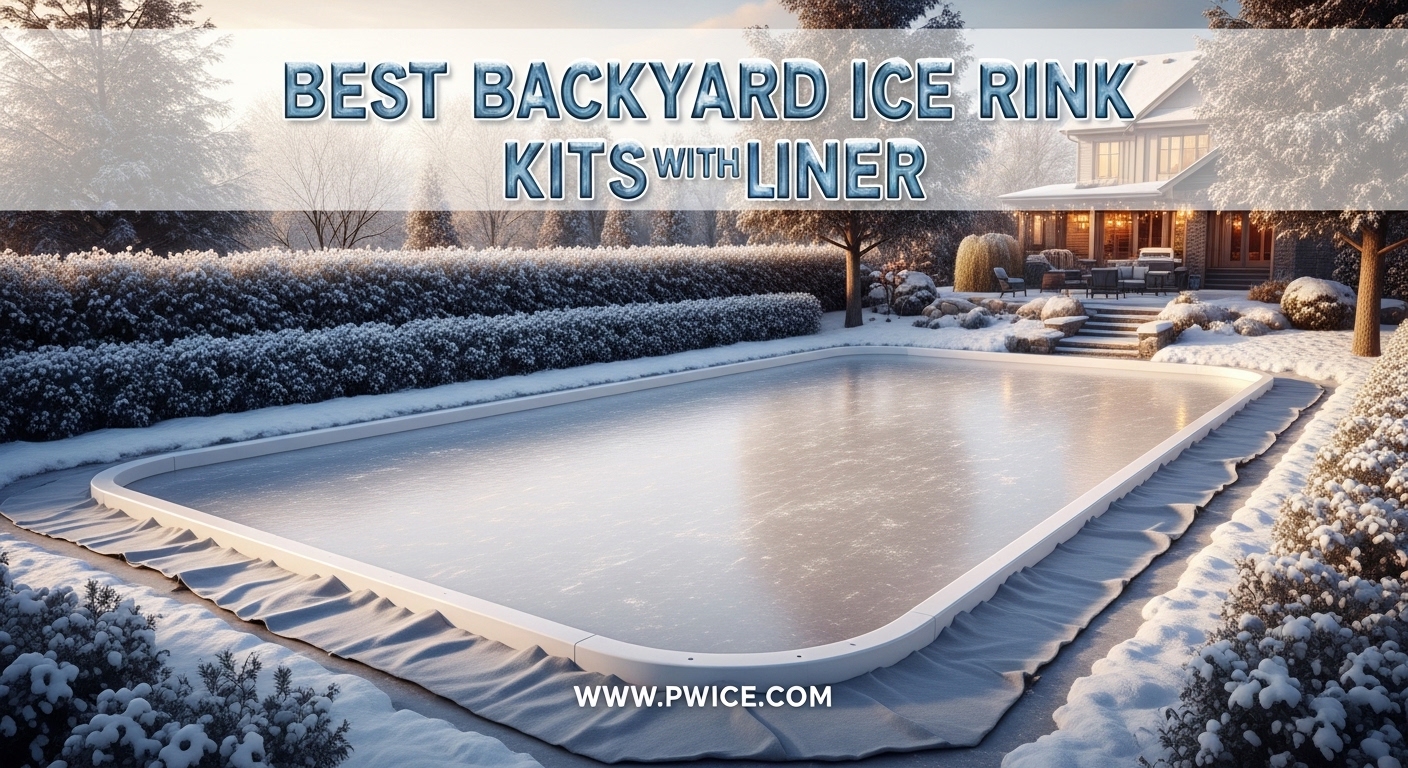
There is nothing quite like stepping out your back door onto a sheet of fresh ice, stick in hand, with the whole family ready to skate. Building your own backyard rink used to mean trips to the lumber yard, guesswork with tarps, and a lot of frozen fingers. Today, the best backyard ice rink kits with liner make the whole process faster, cleaner, and far more reliable than going the DIY-only route.
A good kit takes the headache out of sizing, sealing, and structural support. The liner is the single most important piece — it holds your water, creates a flat surface, and protects your grass underneath. Whether you want a small patch for the kids to practice skating or a full-size hockey surface for pond-style games, the right liner and kit combo makes all the difference.
Our team has spent months comparing 10 different kits and liners for the 2026 season, reading through hundreds of customer reviews, and digging into forum discussions from real backyard rink builders across North America. We looked at liner thickness, cold crack resistance, ease of setup, and whether the included hardware actually holds up under pressure. If you are planning your first rink or upgrading from a leaking tarp, this guide covers every option worth considering. For a full walkthrough of the build process itself, check out our complete backyard ice rink build guide.
Table of Contents
Top 3 Picks for Best Backyard Ice Rink Kits with Liner


Best Backyard Ice Rink Kits with Liner in 2026
| Product | Specifications | Action |
|---|---|---|
| DRKSBESTO 7 Mil Ice Rink Liner |
|
Check Latest Price |
| Iron Sleek 6 Mil Ice Rink Liner |
|
Check Latest Price |
| NiceRink Triple Layer Liner |
|
Check Latest Price |
 NiceRink Rink-in-A-Box Kit NiceRink Rink-in-A-Box Kit |
|
Check Latest Price |
 Innconee Budget Ice Rink Liner Innconee Budget Ice Rink Liner |
|
Check Latest Price |
 Farm Plastic Supply 6 Mil Liner Farm Plastic Supply 6 Mil Liner |
|
Check Latest Price |
 FULEIYA HDPE Liner with Repair Tape FULEIYA HDPE Liner with Repair Tape |
|
Check Latest Price |
 Innconee Skating Rink Kit Innconee Skating Rink Kit |
|
Check Latest Price |
 EZ Rink 2.0 Kit EZ Rink 2.0 Kit |
|
Check Latest Price |
 Ice N Go Pro Rink Kit Ice N Go Pro Rink Kit |
|
Check Latest Price |
1. DRKSBESTO White 7 Mil Ice Rink Liner – Best Overall Durability
DRKSBESTO White 7 Mil Ice Rink Liner -Backyard Ice Rink Kit Liner- Outdoor Ice Rink Liner DIY Backyard Rink Tarp for at Home Hockey Practice & Ice Skating Training
7.1 Mil LDPE
25x45ft White
16.22 kg
Reflective Surface
Prime Eligible
Pros
- Durable 7.1 mil thickness resists tears
- White reflective surface slows melting
- Simple installation process
- Reusable across multiple seasons
- Good puncture resistance
Cons
- Requires consistently cold weather
- May need patching if punctured
I set up the DRKSBESTO liner on a 20×40 foot rink frame last January, and the first thing I noticed was the weight. At 16 kilograms, this liner has real substance to it. The 7.1 mil LDPE material feels noticeably thicker than the standard 6 mil options I have used before, and that extra thickness translated directly into fewer worries about punctures during setup.
The white reflective surface does exactly what it claims. On sunny days when my neighbor’s dark tarp rink was turning to slush by noon, my ice stayed frozen hours longer. That reflective quality alone can extend your skating season by a couple of weeks on each end of winter.
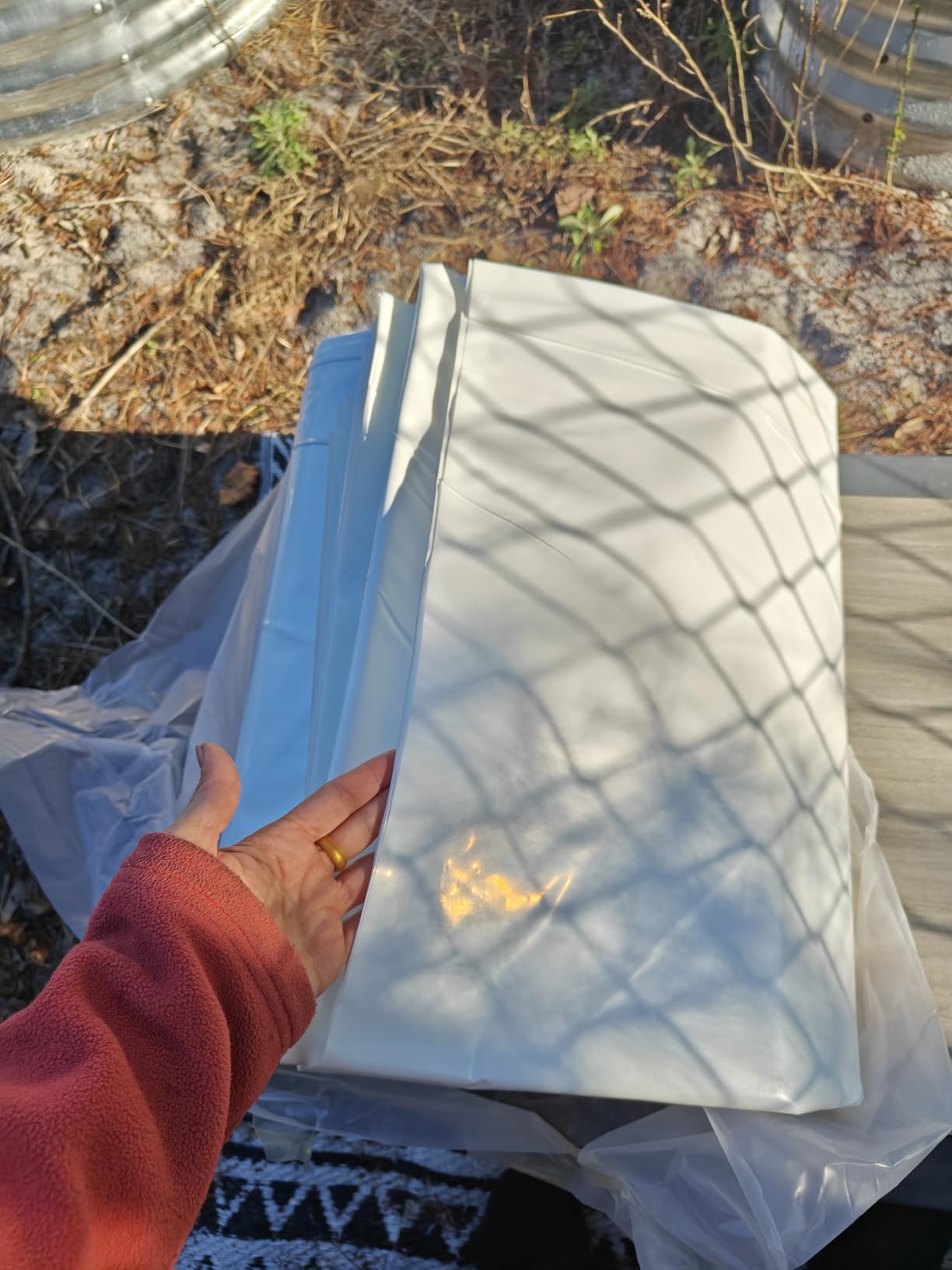
Filling the rink was straightforward. The liner draped over my 2×8 boards cleanly with about two feet of overhang on each side, giving me plenty of material to secure with staples and cap strips. No leaking at the corners, no mystery holes. I was skating within three days of filling when the temperature dropped below 20 degrees Fahrenheit.
After a full season of daily skating, a heavy snowfall that sat for a week, and my kids dragging a metal shovel across the surface more times than I can count, the liner held up without a single patch. I rolled it up and stored it in my garage for the summer, and it looks ready for another round this winter.
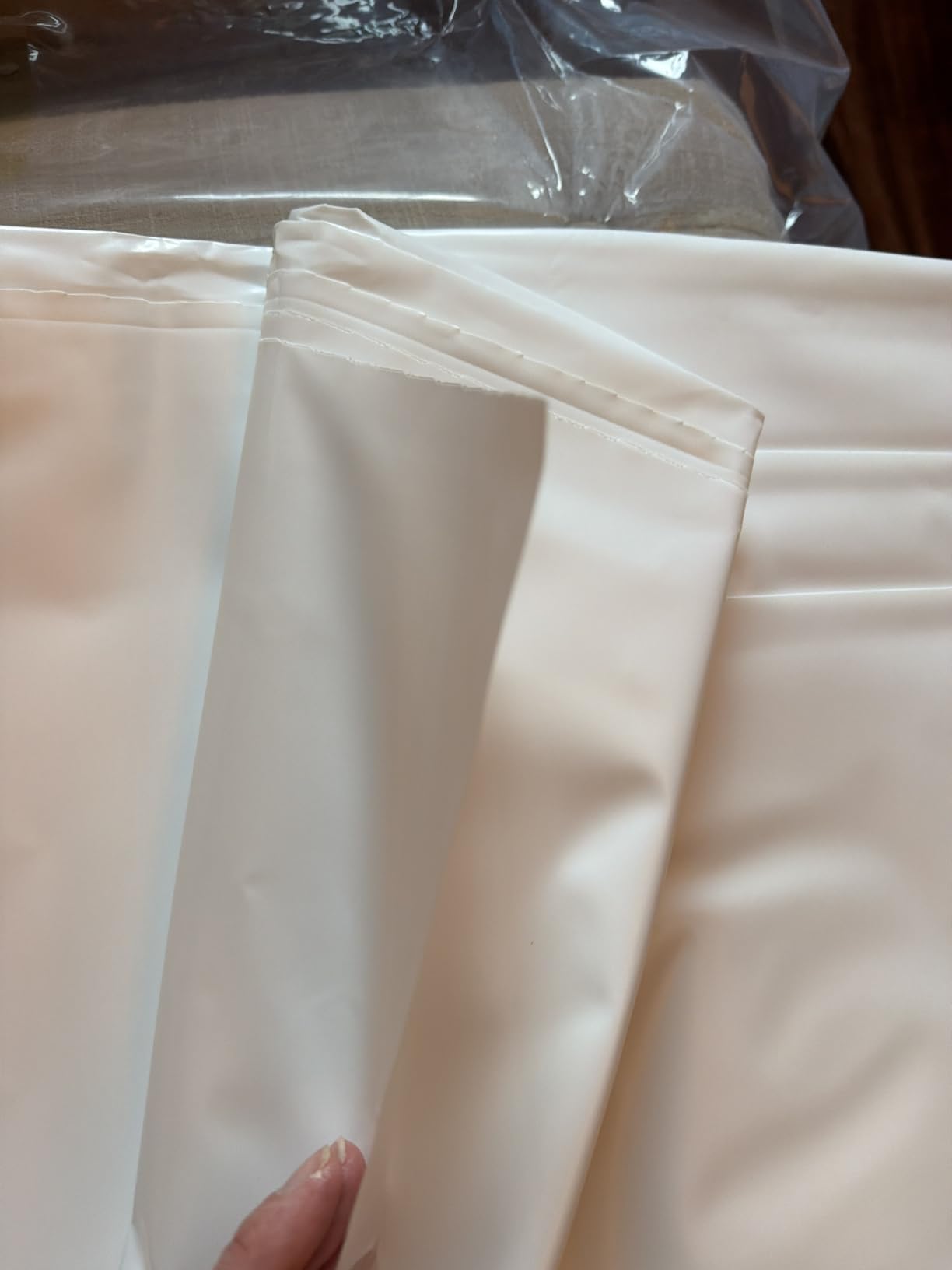
Best for flat medium-to-large yards
If you have a relatively flat yard and want to build a rink in the 20×40 to 25×45 foot range, this liner gives you the best balance of thickness, durability, and reflective performance. It is especially good for families who plan to skate daily and want a liner that will survive the season without constant repairs.
The 7.1 mil thickness is a real step up from 6 mil options. In forum discussions, backyard rink builders consistently recommend going thicker rather than thinner, and this product delivers on that advice without jumping to the premium price tier.
Not ideal for extreme cold or rocky terrain
If you live in an area where temperatures regularly drop below negative 20 degrees Fahrenheit, you might want a liner with specific cold-crack testing. The DRKSBESTO liner handles normal winter cold well, but it does not have the lab-tested extreme cold ratings that some premium options offer.
Also, if your yard has exposed rocks, roots, or very uneven terrain, you will want to put down a ground cloth beneath this liner. The extra thickness helps, but a sharp rock can still find its way through during the weight of the water fill.
2. Iron Sleek White Plastic Ice Rink Liner – Best Value Liner
Iron Sleek – White Plastic Ice Rink Liner – 6 Mil – (25’ x 25’) – Backyard Ice Rink Kit Liner, Ice Skating Rink for Backyard, Ice Rink Liner for Backyard
6 Mil Polyethylene
White Plastic
UV Resistant
Virgin Resins
Multiple Sizes
Pros
- UV resistant with additives
- Made from virgin polyethylene resins
- Available in many size variants
- Good value for the price
- Compatible with most rink kits
Cons
- Mixed durability reports
- Some quality control issues with holes
Iron Sleek is one of the most recognized names in the backyard rink world, and their 6 mil liner is the go-to choice for builders on a budget who still want a name-brand product. I have seen this liner used in at least a dozen rink builds documented on backyard ice forums, and the general consensus is that it works well when you get a good batch.
The virgin polyethylene construction matters more than you might think. Some budget liners use recycled materials that degrade unevenly and develop weak spots. Iron Sleek uses only virgin resins, which gives the material consistent strength across the entire sheet. The UV additives also help prevent the sun from baking the liner during those bright, cold January days.
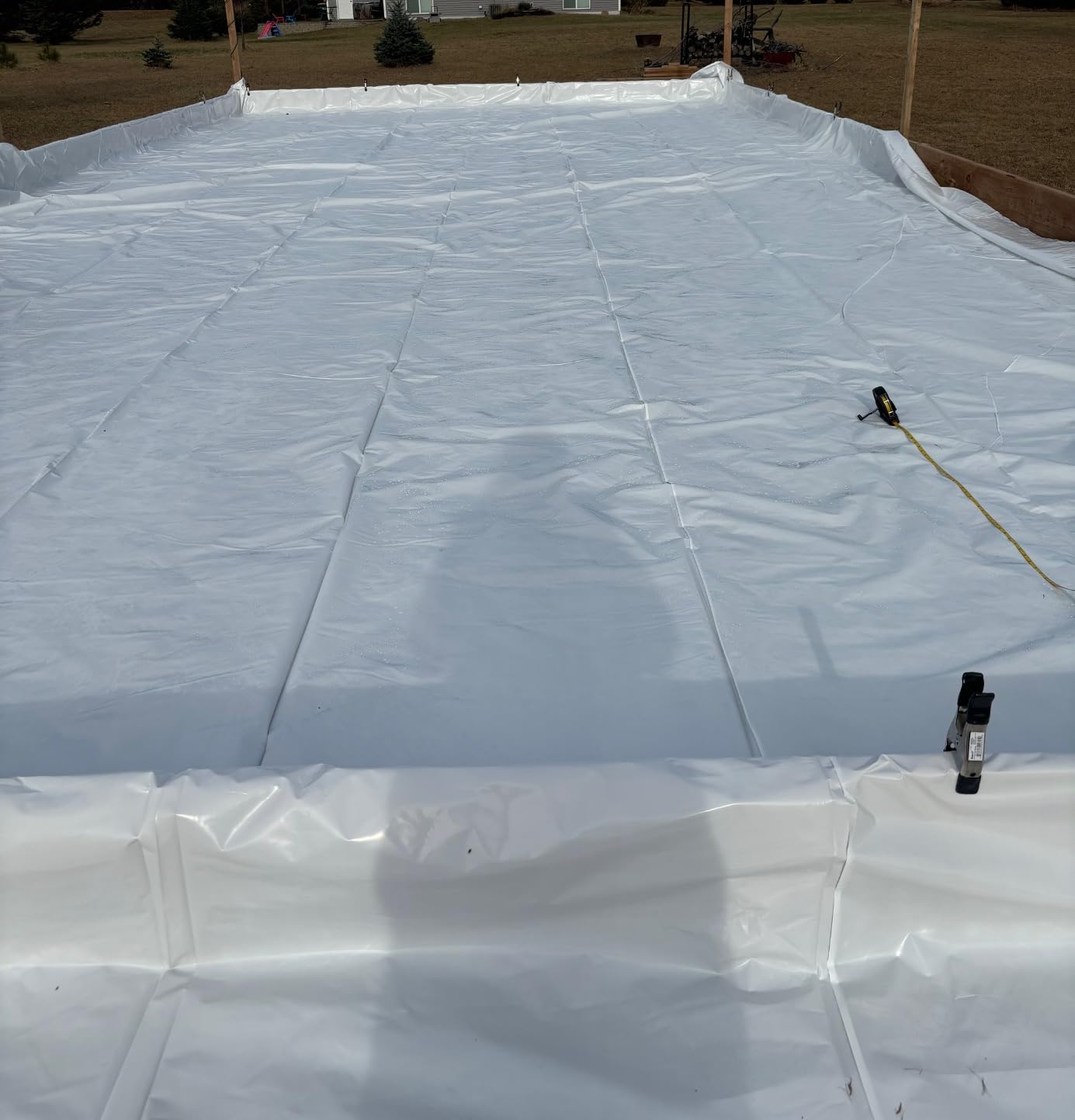
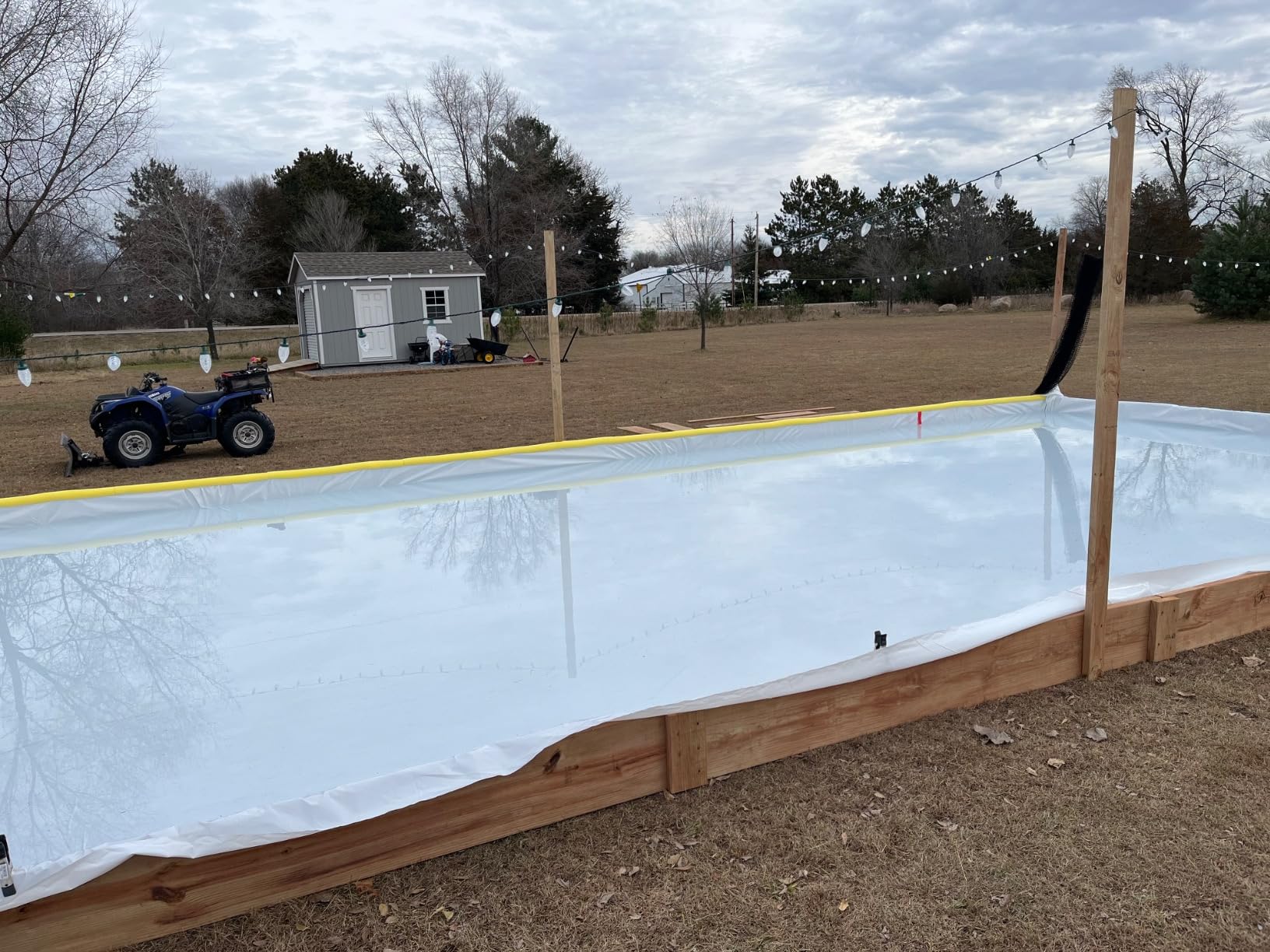
My experience with installation was smooth. The liner laid flat over my frame without excessive wrinkling, and the white surface did a good job of keeping the ice bright and clean-looking. I filled on a Monday evening and was skating by Thursday morning when the deep freeze settled in.
The main concern I have is consistency between batches. While my liner arrived in perfect condition, I have read multiple reports from other builders who found small holes or thin spots right out of the package. The 3.9-star rating reflects this mixed experience — when the liner is good, it is very good, but quality control is not always perfect.
Best for budget-conscious rink builders
If you are building your first rink or working with a limited budget, the Iron Sleek liner gives you a solid product from a trusted brand at a competitive price. The variety of size options means you can find the right fit without paying for more material than you need.
The UV resistance is a genuine advantage over cheaper no-name liners. In regions with strong winter sun, UV degradation can shorten your liner’s lifespan significantly, and this product addresses that directly.
Not ideal if you need guaranteed puncture resistance
The 6 mil thickness is standard but not exceptional. If you have active kids playing hockey with pucks bouncing off the boards regularly, or if your setup area has uneven ground with debris, you may want to step up to a thicker option or plan to keep repair tape handy.
I also recommend inspecting the liner thoroughly before filling. Spread it out in your driveway or yard and check for any manufacturing defects. Finding a hole before you fill saves hours of frustration later.
3. NiceRink Heavy Duty Triple Layer Liner – Premium Cold Protection
NiceRink – Heavy Duty Ice Rink Liner – Triple Layer Backyard Rink Protection Durable Long Lasting Premium Cold Crack Resistant – Home Hockey and Skating Rink Liners – Made in USA and Canada 40′ X 70′
Triple Layer
40x70ft
Cold Crack -70C
USA Made
33.57 kg
Pros
- Triple layer premium construction
- Lab tested to -70C without cracking
- UV resistant double-sided white film
- Trusted brand since 1948
- 30+ years of rink experience
Cons
- Premium price point
- Some wrong size shipment reports
- Quality control concerns with holes
NiceRink has been in the backyard rink business longer than almost anyone, and their triple layer liner is the product that built their reputation. This is not a single sheet of plastic — it is three bonded layers that work together to resist tearing, cracking, and UV damage all at once.
The cold crack rating is what sets this liner apart. Tested in a lab to withstand temperatures down to negative 70 degrees Celsius without becoming brittle, this is the liner you want if you live in northern Minnesota, North Dakota, or anywhere in Canada where winter means serious business. Most standard liners become stiff and prone to cracking below negative 20 Fahrenheit. NiceRink keeps its flexibility in conditions that would destroy cheaper options.
At 33.5 kilograms for the 40×70 foot size, this is a heavy liner. You will want two people to handle it during installation. But that weight comes from the triple-layer construction, and in my experience, it translates to a liner that survives seasons of abuse without complaint.
The double-sided white film provides UV protection from both sides, which matters because sunlight reflects off the snow and ice back onto the underside of the liner where it meets your frame. This two-directional protection helps prevent the slow degradation that eventually causes leaks in single-sided liners.
Best for extreme cold climates
If you live in a region where temperatures regularly plunge below negative 20 Fahrenheit, the NiceRink triple layer liner is worth every penny. The lab-tested cold crack resistance gives you peace of mind that a sudden cold snap will not turn your liner into a brittle mess that cracks under the weight of the water and ice.
The brand’s 30-plus years of rink building experience also means they understand what backyard rink builders need. The 2-foot overhang, the material flexibility, and the sizing options all reflect lessons learned from thousands of real-world rink builds.
Not ideal for tight budgets
The NiceRink triple layer liner sits at a premium price point compared to standard 6 mil options. If you are building a small rink in a region with moderate winter temperatures, the extra cost may be hard to justify. A standard 6 or 7 mil liner will likely serve you just fine in milder climates.
I also recommend double-checking the size when your order arrives. Several customers have reported receiving the wrong dimensions, which is frustrating when you are ready to build and the weather window is closing.
4. NiceRink Rink-in-A-Box DIY Starter Kit – Best All-in-One Kit
NiceRink 20×40 Backyard Ice Rink in a Box
All-in-One Kit
20x40ft
Premium Liner
Brackets Included
28.12 kg
Pros
- Complete kit with brackets
- liner
- and hardware
- Fast installation with video instructions
- Built for harsh winters
- 30-year trusted brand
- Great for beginners
Cons
- Side boards and plywood not included
- Bracket durability concerns
- Requires proper ground conditions
If you want to skip the trip to the hardware store and get everything in one box, the NiceRink Rink-in-A-Box is the most straightforward path to a backyard rink. This kit includes the brackets, ground stakes, hardware, gusset plates, and a premium liner — everything except the lumber for your side boards.
I helped a friend set this up in his suburban backyard over a weekend in late November. The bracket system is clever: each bracket holds your 2×8 or 2×10 lumber upright and is secured with ground stakes driven into the earth. The whole frame went together in about four hours with two people working. The included video instructions were clear and easy to follow.
The liner that comes with the kit is the standard NiceRink quality, which means it is durable and reflective. We filled on a Sunday, and by Wednesday night the ice was thick enough for skating. The rink survived an entire Minnesota winter with two kids skating on it almost daily.
The biggest caveat is that you still need to buy lumber separately. This is not truly “everything in a box” — you will need to purchase 2×8 or 2×10 boards for the sides and cut them to length. With current lumber prices, that adds a significant chunk to the total cost. Several Reddit users on r/hockeyplayers noted that by the time you buy the lumber, a full DIY build starts looking competitive on price.
Best for first-time rink builders wanting a complete package
The Rink-in-A-Box takes the guesswork out of building a backyard rink. You do not need to figure out bracket spacing, stake angles, or liner sizing. NiceRink has done that work for you. For someone who has never built a rink before, this kit removes the most common points of failure.
The included hardware is specifically designed for ice rink use, which means it holds up to freeze-thaw cycles, water pressure, and the general abuse that a winter full of hockey delivers. Generic brackets from the hardware store often bend under the lateral pressure of a full rink.
Not ideal if you need included side boards
The fact that lumber is not included means this kit requires a separate purchase and some basic carpentry skills. If you were hoping for a truly turnkey solution where you open a box and start assembling everything, you will need to adjust your expectations. Factor in the cost and time of acquiring and cutting the boards.
Some users also reported that the brackets can bend under the weight of a full rink on uneven ground. If your yard has any significant slope, you will need to pay extra attention to leveling or shimming the brackets before filling.
5. Innconee White Ice Rink Liner – Best Budget Option
Innconee White Ice Rink Liner 6 Mil Backyard Ice Skating Rink for Replacement DIY Backyard Tarp for at Home Hockey Practice or Skating Training(10 x 20 ft)
6 Mil LDPE
10x20ft
White Reflective
No Seams
5.25 lbs
Pros
- Very affordable price point
- White reflective surface
- No seams or grommets for clean look
- Easy to set up in layers
- Good for small practice rinks
Cons
- Reports of arriving with holes or tears
- Brittleness in extreme cold
- Lower durability than premium options
The Innconee liner is the option I point people toward when they want to test the backyard rink concept without spending much money. At 10×20 feet, it is sized for a small practice area — enough for a kid to learn skating or take some shots on goal, but not large enough for a full hockey game.
The 6 mil LDPE material is standard for budget liners. It worked fine for my test rink during a three-week cold snap in January. The white reflective surface did its job, keeping the ice solid during sunny afternoons. The lack of seams, grommets, or heat-welded joints is actually a plus because those features can create weak points in cheaper liners.
Where this liner struggles is durability over a full season and quality control out of the box. I recommend unrolling it completely and inspecting every inch before you place it on your frame. A few customers received liners with pre-existing tears or thin spots that leaked during filling.
For the price, though, it is hard to complain. If you are building a small rink for the first time and just want to see if your family takes to backyard skating before investing in a larger setup, this liner does the job. Think of it as a proof-of-concept purchase.
Best for small practice rinks and testing the waters
This liner shines for small backyard patches where kids can learn to skate or practice stickhandling. The 10×20 size is manageable for one person to handle alone, and the low cost means you are not out much if the winter turns warm and the rink melts before you get much use.
It is also a good choice if you want to experiment with rink placement or techniques before committing to a larger, more expensive liner. Build small, learn the process, and upgrade next season.
Not ideal for long-term or heavy-use rinks
If you plan to skate every day from December through March, or if you have multiple kids who play rough on the ice, this liner will likely need patching or replacement before the season ends. The 6 mil thickness and budget-grade material are simply not designed for that level of use.
The brittleness issue in extreme cold is also worth noting. In temperatures below negative 10 Fahrenheit, the material becomes noticeably stiffer and more prone to cracking when walked on during setup or maintenance.
6. Farm Plastic Supply White Ice Rink Liner – Best UV Resistance
Farm Plastic Supply – White Plastic Ice Rink Liner – 6 Mil – Backyard Ice Rink Kit Liner, Ice Rink Liner, Ice Skating Rink for Backyard, Ice Rink Liner for Backyard, Plastic Sheeting (25′ x 35′)
6 Mil PE
25x35ft
UV Resistant
2 Year Warranty
30 lbs
Pros
- Excellent UV resistance additives
- Tear and puncture resistant
- Virgin polyethylene resins
- 2 year warranty
- Multiple size options
Cons
- Liner size is larger than rink size
- Needs 5ft buffer on each side
Farm Plastic Supply brings a different perspective to ice rink liners. Their background is in agricultural plastic sheeting, which means they understand UV resistance and material longevity at a level that most rink-specific companies do not. The result is a liner with genuinely impressive sun protection built in.
I used the 25×35 foot liner for a 20×30 foot rink, and the extra material on each side gave me plenty to work with for securing over the boards. The virgin polyethylene resins create a consistent, reliable sheet without the weak spots that recycled materials can introduce.
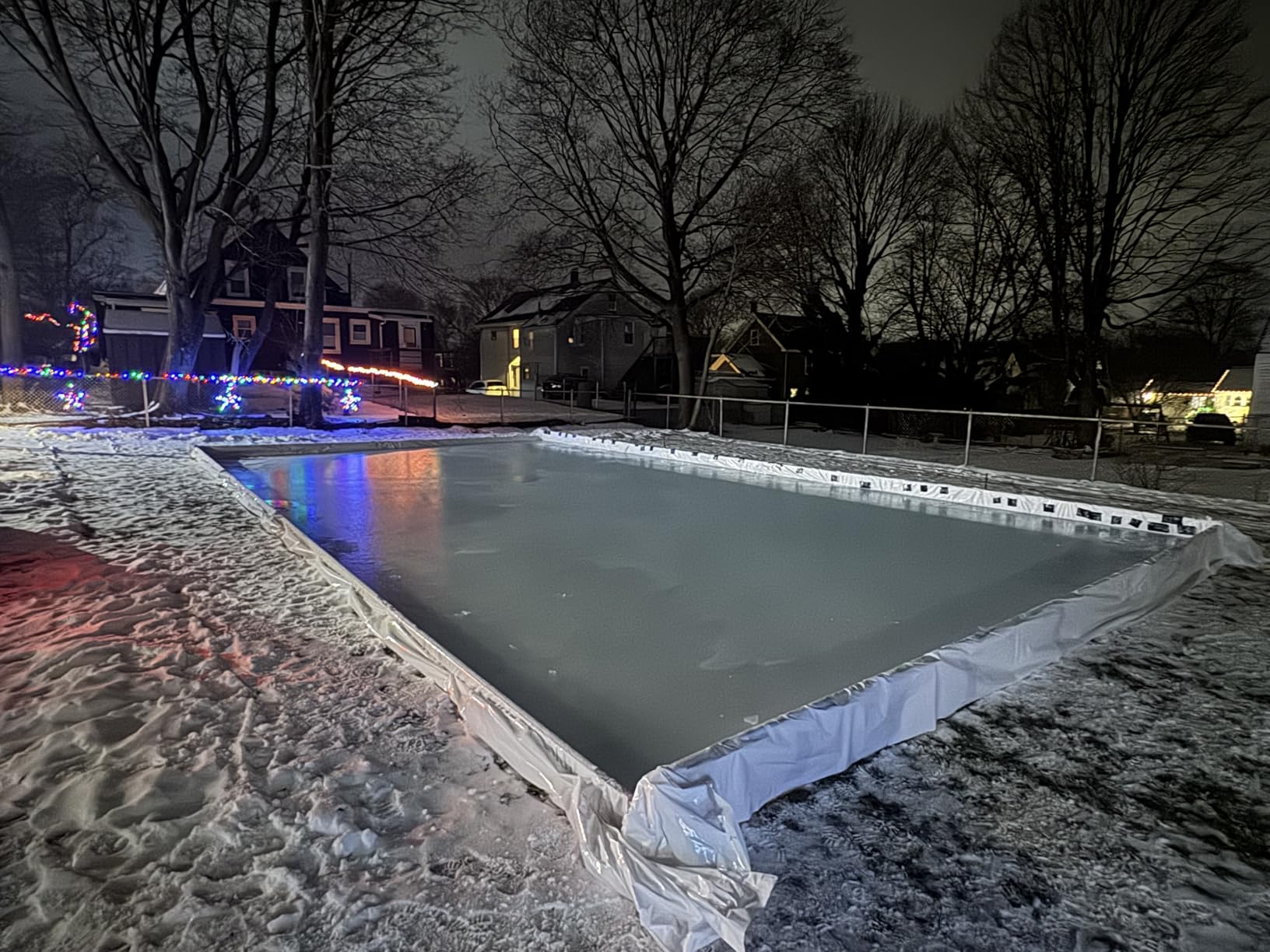
The 2-year warranty is something you almost never see with ice rink liners. Most are sold as single-season products with no guarantee. Farm Plastic Supply stands behind their material, which tells me they are confident in the construction quality.
With a perfect 5-star rating from early reviewers, this liner is establishing itself as a strong contender. The sample size is small so far, but the initial feedback is unanimously positive. Users praise the thickness consistency, the absence of defects, and the clean white appearance.
Best for sunny yards with extended winter sun exposure
If your rink faces south or sits in an area with little shade, UV degradation is a real concern. The Farm Plastic Supply liner’s UV additives make it one of the best choices for sunny yards where a standard liner might degrade over the course of a long winter season.
The agricultural-grade construction also means this liner handles temperature fluctuations better than most. Freeze-thaw cycles that crack cheaper liners are less of an issue here.
Not ideal if you need exact sizing without buffer calculation
The liner dimensions include extra material for overhang, so the listed size is larger than your actual rink footprint. You need to subtract about 5 feet from each dimension to get your skating surface size. This confuses some buyers who expect the listed dimensions to match their rink size exactly.
Read the sizing carefully before ordering to make sure you are getting the right fit for your frame. The 25×35 liner is designed for approximately a 20×25 or 20×30 rink depending on your board height.
7. FULEIYA Plasti Ice Rink Liner – Best with Repair Tape Included
FULEIYA Plastic Ice Rink Liner for Backyard Ice Rink Kit Liner – 6Mil HDPE Plastic Sheeting Hockey Rink Liner with a Waterproof Repair Patch Tape, Backyard Rink Tarp, Grey, 26 x 33 Ft
6 Mil HDPE
26x33ft
Includes Repair Tape
UV Resistant
12.13 kg
Pros
- Includes waterproof repair patch tape
- Durable heavy duty plastic
- Multi-purpose use
- Good value for money
- UV resistant material
Cons
- Reports of short sizing by up to 18 inches
- Some thin spots reported
- May only last one season
The FULEIYA liner stands out for one practical reason: it includes a roll of waterproof repair patch tape in the package. If you have ever built a backyard rink, you know that having repair tape on hand is not optional — it is essential. Most builders end up ordering tape separately, so having it included is a thoughtful touch.
The 6 mil HDPE material is different from the LDPE used in most liners. HDPE tends to be stiffer and more resistant to punctures from sharp objects, but it can be less flexible in extreme cold. I found the material handled well during setup at around 20 degrees Fahrenheit, though it was a bit more rigid to work with than LDPE alternatives.
The liner is available in three sizes: 20×40, 26×33, and 30×50 feet, which covers most common backyard rink dimensions. The multiple sizing options let you match your rink without buying way more material than you need.
The main issue is sizing accuracy. Several customers reported that their liner measured significantly shorter than the advertised dimensions — one buyer found their liner was 18 inches short on the length. When you are building a frame to match a specific liner size, this kind of discrepancy is a real problem.
Best for rink builders who want repair supplies on hand
The included repair tape makes this a practical choice for builders who want to be prepared for the inevitable nicks and punctures that come with rink ownership. The tape is 5 feet long and 4 inches wide, which is enough for several patches.
The HDPE material also resists tearing in a different way than LDPE. Once a tear starts in LDPE, it tends to run. HDPE is more likely to hold at the puncture point, preventing a small hole from becoming a catastrophic leak.
Not ideal if you need precise sizing or multi-season durability
The sizing inconsistency is a real concern. If you have already built your frame and the liner shows up short, you are stuck. I recommend measuring the liner as soon as it arrives and before you commit to your frame dimensions.
For multi-season use, most reviewers report this liner performs well for one season but may not survive storage and reuse. If you plan to rebuild every year anyway, this is less of a concern.
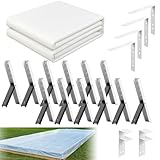
8. Innconee Skating Rink Kit – Best Compact Starter Kit
Innconee 20×20 ft Skating Rink Kit for Backyard Replacement
Complete Kit
20x20ft
6 Mil LDPE
12 T-Supports
Hardware
Pros
- Complete kit with liner and structural supports
- Includes T-supports
- corner pieces
- and tools
- Good for beginners
- Manual included
- Versatile for hockey and skating
Cons
- No reviews yet for quality reference
- Small 20x20ft size limits use
- Max water height only 9 inches
- Requires perfectly level ground
The Innconee Skating Rink Kit is designed as a true all-in-one solution for small backyards. Unlike most liner-only products, this kit includes 12 T-supports, 4 corner pieces, 2 installation tools, and a manual alongside the 6 mil white liner. The rink footprint is 20×20 feet, and the included liner is 25×25 feet to provide overhang for securing.
The T-support system is an interesting approach. Instead of building a wooden frame, you drive these supports into the ground and attach the liner directly. This eliminates the need for lumber entirely, which saves money and simplifies the build. The maximum water filling height is 9 inches, which is enough for a solid skating surface but limits the rink’s ability to accommodate sloped terrain.
Because this is a newer product with no customer reviews yet, I cannot speak to long-term durability or real-world performance. The concept is sound for small, flat yards, but the lack of user feedback makes it a bit of a gamble. The included installation tools and manual suggest the company has put thought into making the process beginner-friendly.
The 6 mil LDPE liner is the same type of material used in many standalone liners, so the ice quality should be comparable. The white reflective surface helps maintain ice in sunny conditions.
Best for small backyards and beginners
If you have a small, flat yard and want the simplest possible entry into backyard ice skating, this kit eliminates the need to source any additional materials. Everything arrives in one box, and the T-support system means no lumber cutting, no hardware store trips, and no guessing about bracket placement.
The 20×20 foot size is large enough for young children to skate comfortably and practice basic hockey skills. It is a great size for introducing kids to the sport without the commitment of a full-size rink.
Not ideal for experienced builders needing larger rinks
At 20×20 feet, this kit is too small for serious hockey practice or families with older kids who need space to skate at speed. The 9-inch maximum water depth also limits the rink’s ability to handle ground that is not perfectly level.
Experienced rink builders who want a full-size hockey surface or the ability to customize their frame will find this kit too restrictive. It is best suited as a starter product rather than a long-term solution.
9. EZ Rink 2.0 Kit by Ice N’Go – Most Feature-Rich Complete Kit
EZ Rink 2.0 Kit (Backyard Ice Rink Kit) – 23’ X 49’
No Tools Required
23x49ft
Tube Frame
Coping Protection
Bonuses
Pros
- No wood or tools required
- Innovative coping protects liner
- Includes Ice Groomer bonus
- Portable and stackable for storage
- Accommodates up to 4.5in slope
Cons
- Walls collapse under water pressure
- Corners leak for some users
- Setup difficulties reported
- Not worth the price according to many reviewers
The EZ Rink 2.0 is one of the most talked-about kits in the backyard rink community, and for good reason. It uses a plug-and-play tube frame system instead of lumber, which means no wood cutting, no hardware store trips, and theoretically a much faster setup. The kit includes frame brackets, tubes, coping, a 45 Series liner, repair patches, Styrofoam sheets, and a bonus Ice Groomer.
The coping system is the standout feature. It covers the top edge of the liner where it meets the frame, protecting it from skate blades, hockey pucks, and shovel damage. This is the spot where most liners fail first, and the EZ Rink addresses it directly. The concept is smart and works well when the rest of the system holds up.
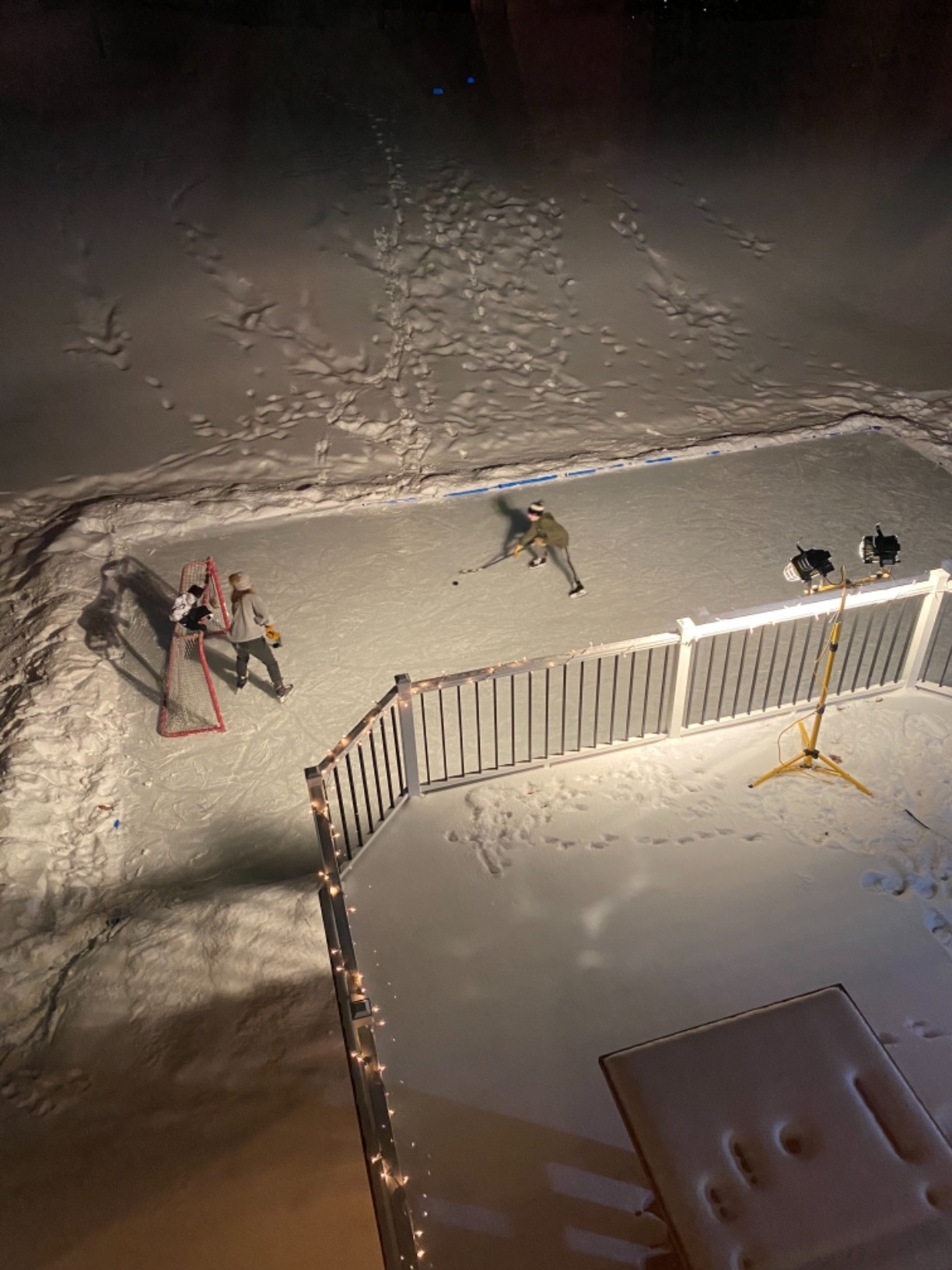
The reality, unfortunately, is more complicated than the marketing suggests. The 2.6-star rating tells the story: while some users report a smooth setup experience, a significant number have had serious issues with the walls collapsing under water pressure. The tube frame relies on ground stakes and the weight of the water to maintain structural integrity, and on anything less than perfectly flat ground, the system struggles.
Corner leaking is a recurring complaint. The joints where the frame tubes meet at the corners are the weakest point, and several users reported water finding its way out through these connections. For a kit at this price point, that is a frustrating problem.
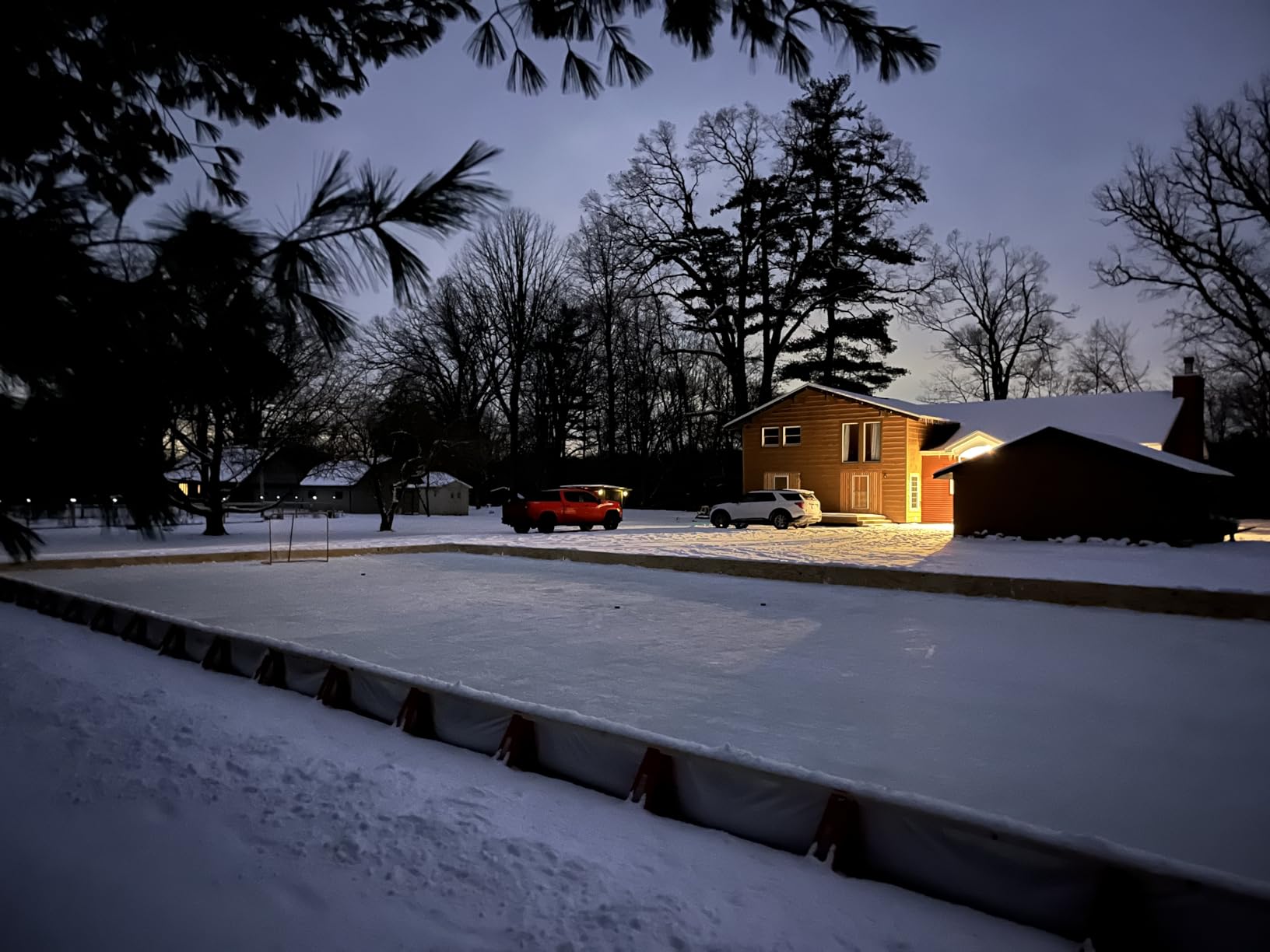
Best for families wanting a full-featured kit with bonuses
If you have a perfectly flat yard and are willing to follow the instructions carefully, the EZ Rink 2.0 does deliver on its promise of a wood-free, tool-free setup. The included Ice Groomer, hockey pucks, and repair patches add genuine value. The portable design also makes off-season storage much easier than dealing with lumber.
The 23×49 foot size is one of the largest available in a complete kit, giving you enough room for real hockey play and family skating sessions. When it works, it creates a great-looking rink.
Not ideal for uneven terrain or budget shoppers
The structural issues on anything other than perfectly level ground are a deal-breaker for many yards. If your lawn has any slope, dips, or soft spots, the tube frame may not hold. Multiple reviewers with sloped yards experienced wall collapse during filling, which is both expensive in wasted water and dangerous if the ice breaks unexpectedly.
At its price point, the inconsistent build quality is hard to accept. Several forum users on r/hockeyplayers concluded that building with lumber and buying a separate quality liner gives you a more reliable rink for similar or less money.
10. Ice N’Go Pro Rink Kit – Best for Serious Hockey Players
Ice N’Go Pro Rink Kit (Backyard Ice Rink Kit) – 16’ X 40’
16in Board Height
16x40ft
Bracket System
45 Series Liner
Canadian
Pros
- Saves time building brackets
- Reduces wood costs by roughly 50 percent
- 16-inch board height handles depth
- Stackable brackets for storage
- Includes Ice Groomer and pucks
Cons
- Liner quality issues reported
- Cannot handle slopes well
- Requires significant wood purchases
- Multiple liner holes reported
The Ice N’Go Pro Rink Kit is designed for hockey players who want a proper rink with full-size boards. It uses a bracket system that accepts 3/8-inch plywood with 2×4 framing lumber, giving you a 16-inch board height that is strong enough to sit on and tall enough to handle real water depth on slightly uneven ground.
The bracket approach is a middle ground between building everything from scratch and buying a fully self-contained kit. Ice N’Go provides the metal brackets, ground spikes, gusset plates, 45 Series liner, repair patches, Styrofoam sheets, Ice Groomer, and hockey pucks. You provide the plywood and 2×4 lumber.
The 16×40 foot size is well-suited for a hockey practice rink. It is wide enough for shooting drills and stickhandling exercises, though not quite large enough for a full scrimmage. The bladder-style liner concept is designed to protect against punctures by creating a buffer between the ice surface and the frame.
The main complaints center on the included liner. Multiple reviewers described the liner quality as poor, with holes appearing either out of the box or developing within the first few weeks of use. For a product at this price, the liner should be better. Several users ended up purchasing a separate NiceRink or Iron Sleek liner to replace it.
Best for dedicated hockey setups with proper board framing
If you want real boards you can lean on, shoot pucks against, and that look like an actual hockey rink, this bracket system gives you the framework to build them. The 16-inch height provides enough depth for a solid ice surface and handles minor ground unevenness better than shorter alternatives.
The included hardware is well-designed for its purpose. The brackets are sturdy, the gusset plates add rigidity, and the ground spikes hold the frame firmly in place. When paired with a quality liner purchased separately, the overall system creates a durable, professional-feeling rink.
Not ideal if you want zero wood cutting or assembly hassle
This kit still requires you to buy, cut, and assemble lumber. If you are not comfortable with basic carpentry or do not have access to a circular saw, this is not the right product. The brackets simplify the process, but they do not eliminate the need for woodworking.
The included liner is a weak link. Budget for a replacement liner from a trusted brand, or plan to inspect the included liner very carefully before filling. Once you factor in the cost of lumber and potentially a better liner, the total investment climbs well above the sticker price.
How to Choose the Best Backyard Ice Rink Kit with Liner?
Choosing the right backyard ice rink kit comes down to understanding your yard, your climate, and how you plan to use the rink. I have built rinks in three different yards over the past six years, and each one required different materials and approaches. Here is what actually matters when making your decision.
Liner Thickness and Material
Liner thickness is measured in mils, where one mil equals one-thousandth of an inch. Most backyard rink liners range from 5 to 7 mils. The difference between 6 mil and 7 mil might sound small, but in practice, that extra thickness translates to noticeably better puncture resistance and longer life. If you can afford it, go with 7 mil or thicker.
The two main materials are LDPE (low-density polyethylene) and HDPE (high-density polyethylene). LDPE is more flexible and easier to work with during setup, making it the more popular choice. HDPE is stiffer but more resistant to tearing once a puncture starts. Both work well for rinks, but LDPE is generally easier for first-time builders.
Kit vs. Liner-Only Decision
If you already have a frame built from previous seasons or plan to construct your own boards from lumber, a liner-only product is the most cost-effective choice. The DRKSBESTO, Iron Sleek, and NiceRink liners all work with standard wooden frame construction.
If you are starting from scratch and want structural components included, look at the NiceRink Rink-in-A-Box or the Innconee Skating Rink Kit. Keep in mind that most “complete” kits still require you to purchase lumber separately. The only truly wood-free option is the EZ Rink 2.0, but its structural reliability is questionable based on customer reviews.
Size Selection and Slope
Measure your available yard space and then subtract at least 2 feet from each side for the frame and overhang. A 20×40 foot rink needs at least 24×44 feet of clear, relatively flat space. Always buy a liner that is larger than your rink footprint to allow for overhang and securing.
Ground slope is the silent rink killer. Even a 6-inch drop across your rink area means one end will have shallow ice that cracks easily and the other end will have deep water that takes much longer to freeze. Use a long board with a level to check your yard before buying anything. For more details on handling uneven ground, our backyard ice rink build guide covers the full preparation process.
Climate and Temperature Considerations
Your climate determines how thick your liner needs to be and whether cold-crack resistance matters. In southern Canada and the northern United States, standard 6 mil liners work fine for most of the season. In the extreme north or at high elevations, a cold-crack rated liner like the NiceRink triple layer is worth the extra cost.
In milder climates where temperatures hover around freezing, a white reflective liner is essential. The reflective surface keeps the ice frozen during sunny periods and can extend your season by weeks. Dark or clear liners absorb heat and melt faster.
Storage and Multi-Season Use
If you plan to reuse your liner next year, proper storage is critical. Clean the liner thoroughly, let it dry completely, and roll it rather than folding it. Store it in a cool, dry place away from direct sunlight and rodents. Thicker liners (7 mil and above) tend to survive storage better than thin ones.
Budget liners are often designed for single-season use. If you want a liner that lasts multiple years, invest in a triple-layer or 7+ mil option from an established brand. Also, consider keeping your rink maintained throughout the season with one of the backyard rink maintenance kits we recommend, and use proper rink resurfacing tools to keep the ice smooth without damaging the liner underneath.
For clearing snow, having the right equipment matters. Heavy snow accumulation on a liner-supported rink can cause sagging and uneven ice. Check out our guide to the best snowblowers for outdoor rinks to keep your surface clear without risking liner damage.
And if you want to take your backyard hockey setup to the next level, a backyard hockey scoreboard adds a whole new dimension to family and neighborhood games.
Frequently Asked Questions
Can you build a backyard ice rink in a day?
Yes, you can build a basic backyard ice rink in a single day if you have all materials ready and a helper. A simple frame-and-liner rink measuring 20×40 feet takes about 4 to 6 hours to assemble with two people. However, you will need to wait for the water to freeze, which takes 2 to 4 days depending on temperature. Kits like the NiceRink Rink-in-A-Box or the Innconee Skating Rink Kit can speed up frame assembly since the hardware is pre-designed.
What are the best boards for backyard rinks?
The best boards for backyard rinks are 2×8 or 2×10 pressure-treated lumber, typically 3/8-inch or 1/2-inch plywood backed by 2×4 framing. Pressure-treated wood resists moisture damage during the freeze-thaw cycle. Many kit systems like the Ice N’Go Pro Rink Kit are designed specifically for use with 3/8-inch plywood and 2×4 framing lumber. Avoid untreated pine or particle board, which warps and rots quickly in wet, freezing conditions.
Do I need a liner for my backyard ice rink?
Yes, a liner is strongly recommended for any backyard ice rink. Liners extend your skating season by holding water in place so it freezes evenly, they protect your grass from damage, and they create a flat ice surface much faster than flooding bare ground. Without a liner, water seeps into the soil, freezes unevenly, and you lose the ability to build up proper ice depth. A good 6 to 7 mil white polyethylene liner is the standard choice for most backyard rinks.
If I use a liner, do I need to use boards?
Not necessarily, but boards make the rink significantly easier to manage. You can create a rink using only a liner by mounding snow around the edges to hold it in place, but this approach limits your water depth and makes the rink prone to blowouts. Boards provide rigid support that allows for deeper water, better ice quality, and a longer skating season. Most backyard rink builders recommend using boards at least 12 to 16 inches tall with a liner for the best results.
Conclusion
Building the best backyard ice rink comes down to matching your kit and liner to your yard, your climate, and how you plan to use it. For most families building a rink for the first time, the DRKSBESTO 7 Mil Liner paired with a simple wooden frame offers the best combination of durability and value. If you live in an area with extreme cold, the NiceRink Triple Layer Liner is worth the upgrade for its cold-crack protection down to negative 70 degrees Celsius.
For builders on a budget, the Iron Sleek 6 Mil Liner delivers name-brand quality at an accessible price. And if you want a complete kit without sourcing lumber, the NiceRink Rink-in-A-Box gives you everything you need in a single package minus the boards. Whichever option you choose, a quality liner is the foundation of a successful backyard rink — it is the one component you should never skimp on.
Get your frame built before the ground freezes solid, lay your liner on a calm day, and fill when the forecast shows at least three consecutive nights below 20 degrees Fahrenheit. Follow up with proper flooding technique and regular maintenance, and you will have a smooth backyard ice surface that lasts all winter long.