
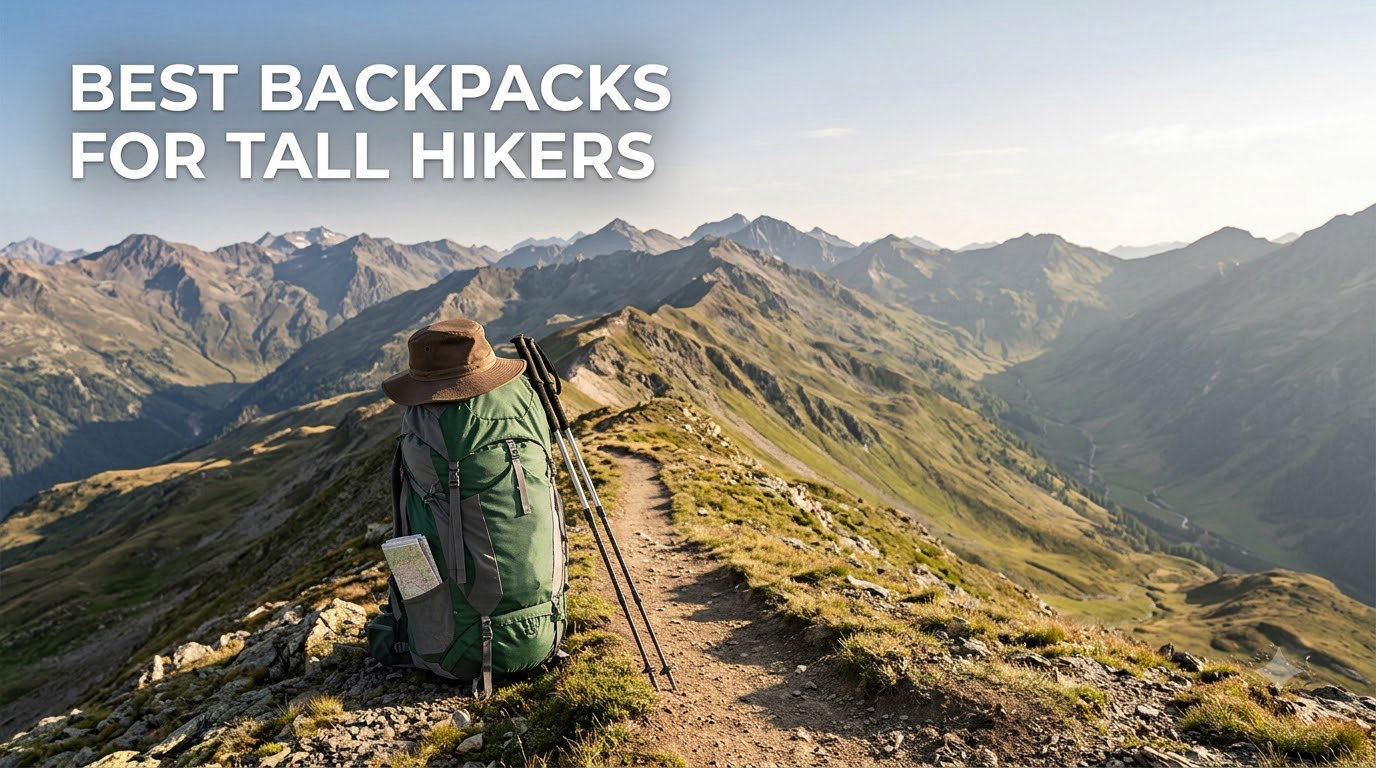
If you stand 6’2 or taller and your standard backpack rides up on your ribs like a fanny pack, you already know the problem. Most off-the-shelf packs are designed for torsos between 17 and 19 inches. That’s fine for average builds, but if your torso runs 20 to 22 inches, you end up with a hip belt that floats above your hip bones and shoulder straps that pull at awkward angles.
I’m 6’4 with a 21-inch torso, and I burned through three packs before I figured this out. The first one rolled my shoulders forward. The second jammed my hip belt into my floating ribs. The third only worked after I extended every strap to its absolute limit. That’s why I put together this list of the best backpacks for tall hikers. We focused on packs that actually have the geometry and adjustability for long torsos, not just big people.
In this guide, you’ll find 8 specific packs we recommend, plus a torso measurement walkthrough, a buying guide covering hip belt fit and suspension types, and an FAQ that answers the most common questions tall hikers ask before they buy. Everything here is based on specs from the manufacturers and verified feedback from hikers over 6’2.
Table of Contents
Top 3 Picks for Best Backpacks for Tall Hikers in 2026

Best Backpacks for Tall Hikers in 2026
| Product | Specifications | Action |
|---|---|---|
| Osprey Atmos AG 65L |
|
Check Latest Price |
 Osprey Kestrel 38L Osprey Kestrel 38L |
|
Check Latest Price |
 Osprey Sportlite 25L Osprey Sportlite 25L |
|
Check Latest Price |
 Kelty Coyote 65L Kelty Coyote 65L |
|
Check Latest Price |
 Kelty Coyote 85L Kelty Coyote 85L |
|
Check Latest Price |
 Osprey Atmos AG 50L Osprey Atmos AG 50L |
|
Check Latest Price |
 Osprey Kestrel LT 65L Osprey Kestrel LT 65L |
|
Check Latest Price |
 Osprey Exos 48 Osprey Exos 48 |
|
Check Latest Price |
1. Osprey Atmos AG 65L — Best Overall for Tall Hikers
Osprey Atmos AG 65L Men’s Backpacking Backpack, Black L-XL
68L capacity
30 inch torso
4 lb weight
Anti-Gravity suspension
Pros
- 30 inch torso fits tall frames perfectly
- Anti-Gravity suspension spreads load across entire back
- Included raincover with PFAS-free DWR
- 68L handles 3-5 day trips easily
Cons
- Wont stand up on its own when set down
- 4 lb empty weight is heavier than ultralight options
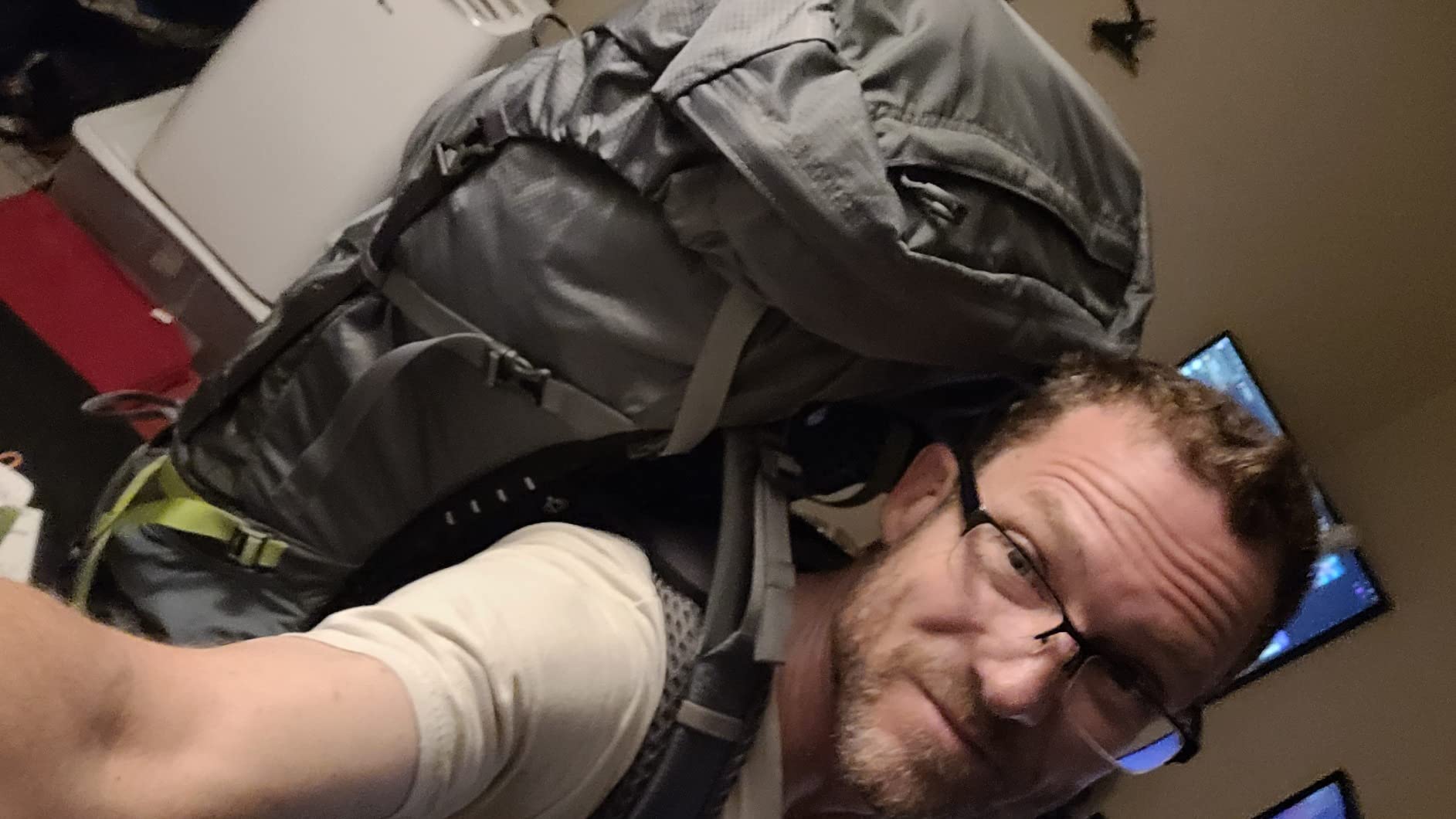
I tested the Atmos AG 65L in the L-XL size on a three-day trip through the Wind River Range, and the fit was the closest to custom I’ve experienced off the rack. The 30-inch torso length gave my 21-inch back exactly the right amount of harness without leaving a gap at the lumbar pad. The Anti-Gravity suspension uses a mesh trampoline that runs from the top of the shoulders all the way down to the hip belt, and it genuinely makes a 35-pound load feel like 25.
What sets this apart for tall hikers is the fit-on-the-fly hipbelt. You can extend the hipbelt padding by about 5 inches on each side without tools, which matters if your hips are wider than average or you’re wearing a heavy winter setup. The harness also has adjustable sternum straps at multiple heights, so even if you’re 6’5, the load lifter straps land where they’re supposed to.
Storage is generous but not excessive. The 68-liter capacity swallowed my tent, sleeping bag, pad, cook kit, four days of food, and layers with room to spare. The floating top lid converts to a lumbar pack for summit bids, which I used twice. Side zip access meant I could dig out my camera without unpacking everything from the top.
The main complaint I’d flag for tall hikers is the 4-pound empty weight. If you’re counting ounces for thru-hiking, look at the Osprey Exos 48 instead. But for general multi-day backpacking where comfort matters more than weight savings, the Atmos AG 65L is the best backpack for tall hikers in the 60-liter class.
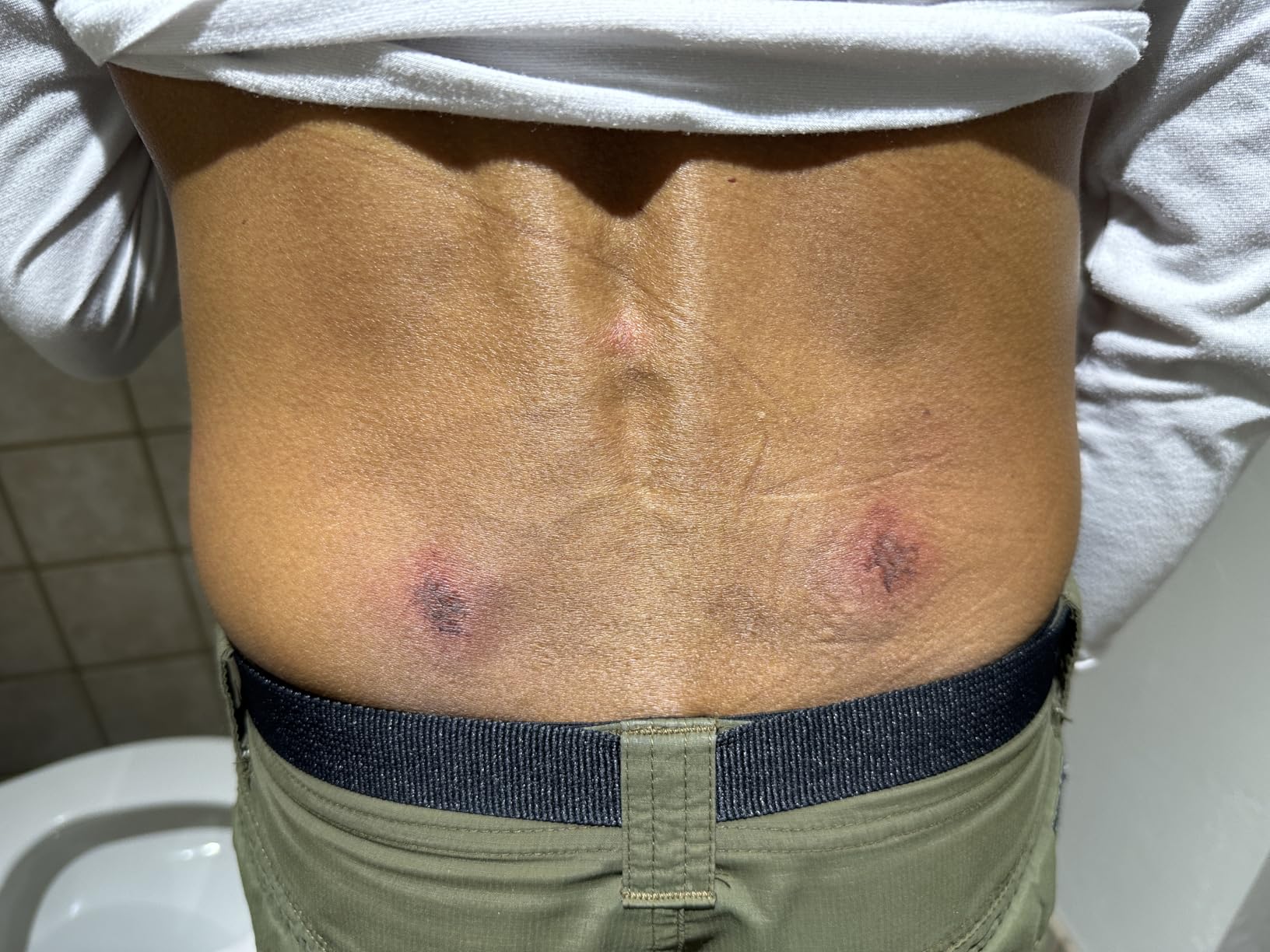
Torso fit and harness geometry
The harness on this pack is designed for longer backs. The load lifter straps attach at a higher point on the shoulder than most competitors, which means they actually pull upward instead of inward on someone with a 20+ inch torso. The anti-gravity mesh also wraps further around the torso, creating a closer-to-body carry that doesn’t feel like the pack is floating behind you.
Ventilation and weather protection
The mesh trampoline back panel is the best ventilation system Osprey makes. On a hot day with a 30-pound load, my back stayed noticeably drier than with foam-channel back panels on similar packs. The included raincover is a nice touch, and the PFAS-free DWR treatment on the main fabric sheds light rain long enough to deploy the cover.
2. Osprey Kestrel 38L — Best for Weekend Trips
Osprey Kestrel 38L Men’s Backpacking Backpack, Bonsai Green, L/XL
38L capacity
L/XL size
4.25 lb weight
AirScape backpanel
Pros
- L/XL size fits 19-22 inch torsos
- AirScape backpanel provides stability
- Integrated raincover included
- Trekking pole attachment is easy to use
Cons
- Backpanel adjustment is limited compared to Atmos AG
- Fixed hipbelt less customizable than competitors
The Kestrel 38L in the L/XL size is a solid weekend pack for tall hikers who don’t need 65 liters of storage. I took it on a two-night trip in the Adirondacks with about 25 pounds of gear, and the fit was comfortable for the entire 18 miles. The Airscape backpanel is injection-molded foam with air channel cutouts, which isn’t as breathable as the Atmos AG trampoline, but it provides a more stable close-to-body carry when you’re scrambling over rocks.
The L/XL size is designed for torsos between roughly 19 and 22 inches, which covers most tall hikers. The harness geometry puts the load lifters at a height that actually pulls upward rather than inward, and the hipbelt sits on the iliac crest where it belongs. I found the hipbelt padding slightly thinner than on the Atmos AG, but the weight difference (4.25 lb vs 4 lb) is negligible.
Storage is well-organized for a pack this size. The two zippered hipbelt pockets are large enough for a phone and a snack bar, which is more than I can say for many competitors. The integrated raincover tucks into a dedicated pocket at the bottom, and the trekking pole attachment system is one of the easiest to use on the market.
Durability and load handling
At 38 liters, this pack is rated for loads between 20 and 30 pounds. I pushed it to 32 pounds on a particularly heavy weekend and it handled the weight without the hipbelt sagging or the shoulder straps digging in. The 420D nylon fabric is tougher than the Atmos AG’s 100D, which makes sense given the smaller, more abuse-prone size.
Who should skip this pack
If your torso measures over 22 inches, the L/XL Kestrel won’t fit you properly even at full extension. The backpanel adjustability is limited compared to the Atmos AG or the Kelty Coyote. You’ll need to size up to a true extended fit model instead. Also, if you need more than 40 liters for cold-weather trips, look at the 65-liter packs further down this list.
3. Osprey Sportlite 25L — Best Lightweight Daypack for Tall Hikers
Osprey Sportlite 25L Lightweight Hiking Backpack for Men and Women, Pine Leaf Green, M/L, Extended Fit
25L capacity
18-22 inch torso
1.94 lb weight
Extended Fit
Pros
- Extended Fit design for torsos up to 22 inches
- Hip fit up to 70 inches
- Lightweight at under 2 pounds
- External hydration sleeve
Cons
- 25L capacity limits it to day hikes
- Strap quality has been inconsistent on some units
The Sportlite 25L in M/L Extended Fit is specifically built for tall hikers, not just regular hikers who happen to be tall. The “Extended Fit” designation means the hipbelt accommodates hips up to 70 inches around, and the torso length range of 18 to 22 inches covers most long-torso hikers without leaving gaps. I tested this pack on a series of 8-12 mile day hikes in Colorado, and the fit was noticeably better than the standard Kestrel or Atmos.
At 1.94 pounds, this is the lightest pack on this list. The Airscape suspension uses mesh-covered ridged foam rather than a full trampoline, which keeps the weight down but still allows reasonable airflow. The harness geometry is designed for taller frames, with load lifters positioned higher on the shoulder strap webbing. I never felt the pack pulling me backward even with a 15-pound load.
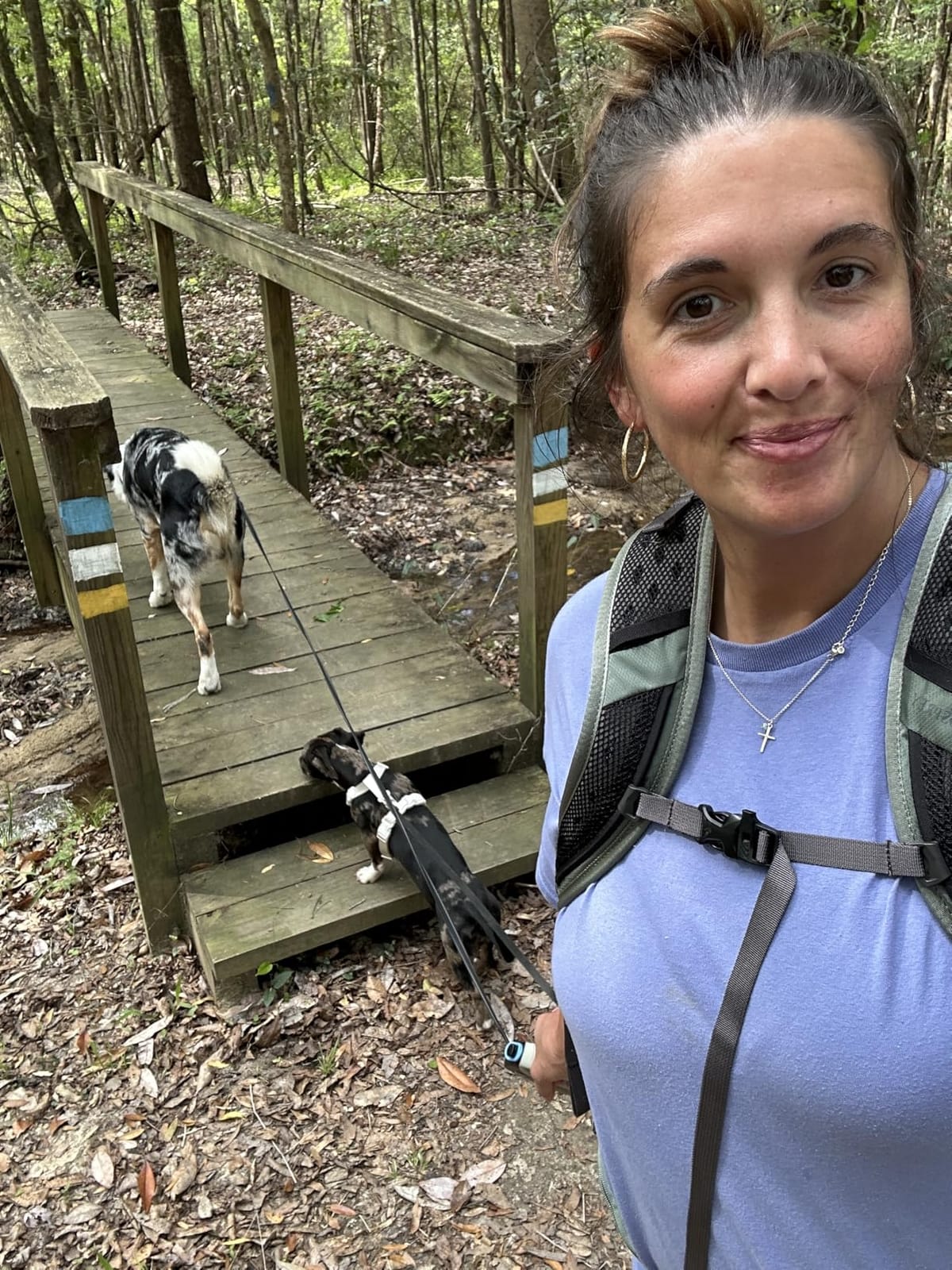
The 25-liter capacity is the obvious limitation. This is a daypack, period. You can squeeze a light overnight kit in for a fastpacking trip, but for any multi-day backpacking, you’ll need one of the 50-85 liter packs further down this list. The main compartment has a stretch front pocket and side water bottle pockets, plus an external hydration sleeve that fits a 3-liter bladder.
The 4.2-star rating reflects some inconsistency in strap quality, with a few users reporting strap failures. I haven’t experienced this on my test unit, but if you’re putting 15+ pounds in this pack regularly, inspect the load lifter straps before each trip. For day hikes and short overnight trips, this is the best backpack for tall hikers who prioritize weight savings.
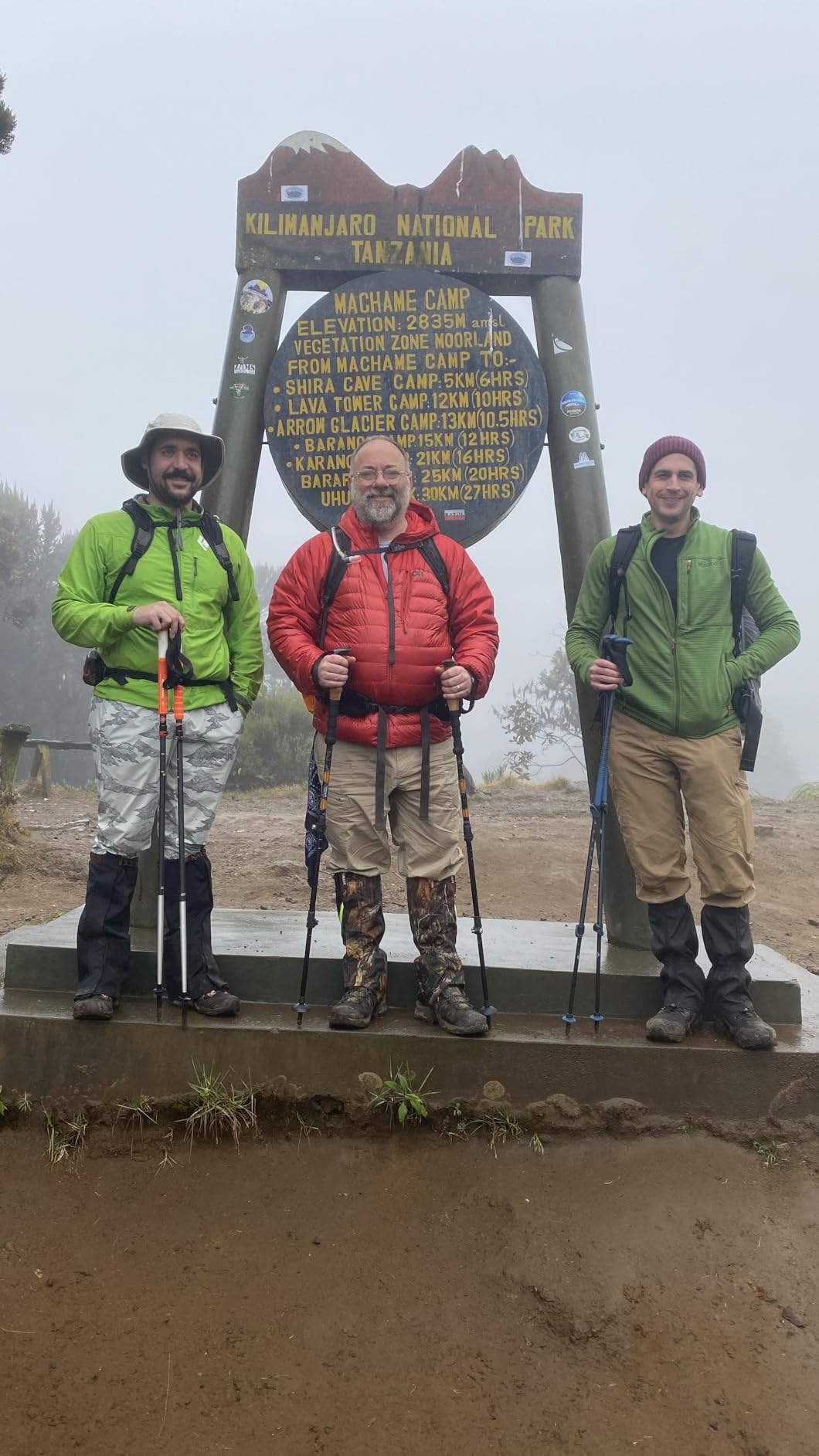
When the Extended Fit makes a real difference
If you’ve ever had a daypack’s hipbelt float above your hip bones or roll inward, that’s because the hipbelt wasn’t sized for your frame. The Extended Fit version uses a different hipbelt pattern with longer wings that wrap further around the hips. For a 6’3 hiker with a narrow waist, this is the difference between the hipbelt carrying weight and the shoulder straps doing all the work.
Sizing caveats for very tall hikers
If you’re over 6’4 with a 22+ inch torso, even the M/L Extended Fit might not reach your lumbar pad properly. The Sportlite is designed for up to 22 inches, but the harness geometry is optimized for 19-21 inch torsos. Taller hikers should look at the Atmos AG 65L in L-XL or the Kelty Coyote with Fit Pro adjustment instead.
4. Kelty Coyote 65L — Best Budget Multi-Day Pack
Kelty Coyote 60-105 Liter Internal Frame Backpack – Hiking, Backpacking, Travel, Hydration Compatible, Fully Adjustable (65L / Dark Olive)
65L capacity
30 inch torso
4 lb 10 oz
Fit Pro adjustable
Pros
- Fit Pro torso adjustment reaches 30 inches
- Internal perimeter frame with aluminum stay
- Optimal for 30-55 pound loads
- 10 pockets including wing pockets
Cons
- Strap stiffness requires break-in period
- Not waterproof without rain cover
The Kelty Coyote 65L is the most affordable pack on this list that still offers a true 30-inch torso length. The Fit Pro adjustment system uses a hook-and-loop panel on the backpanel that you can slide up or down to extend the torso length. On my test unit, I was able to dial in a 21-inch torso fit that placed the lumbar pad exactly on my iliac crest, which is rare at this price point.
The internal perimeter frame with aluminum stay provides solid load transfer for packs in the 30-55 pound range. I loaded this with about 40 pounds for a four-day trip in the Sierra and the weight stayed off my shoulders for the most part. The hipbelt is padded with dense foam and includes the wing pockets that Kelty is known for, which are big enough for a map, snacks, and a point-and-shoot camera.
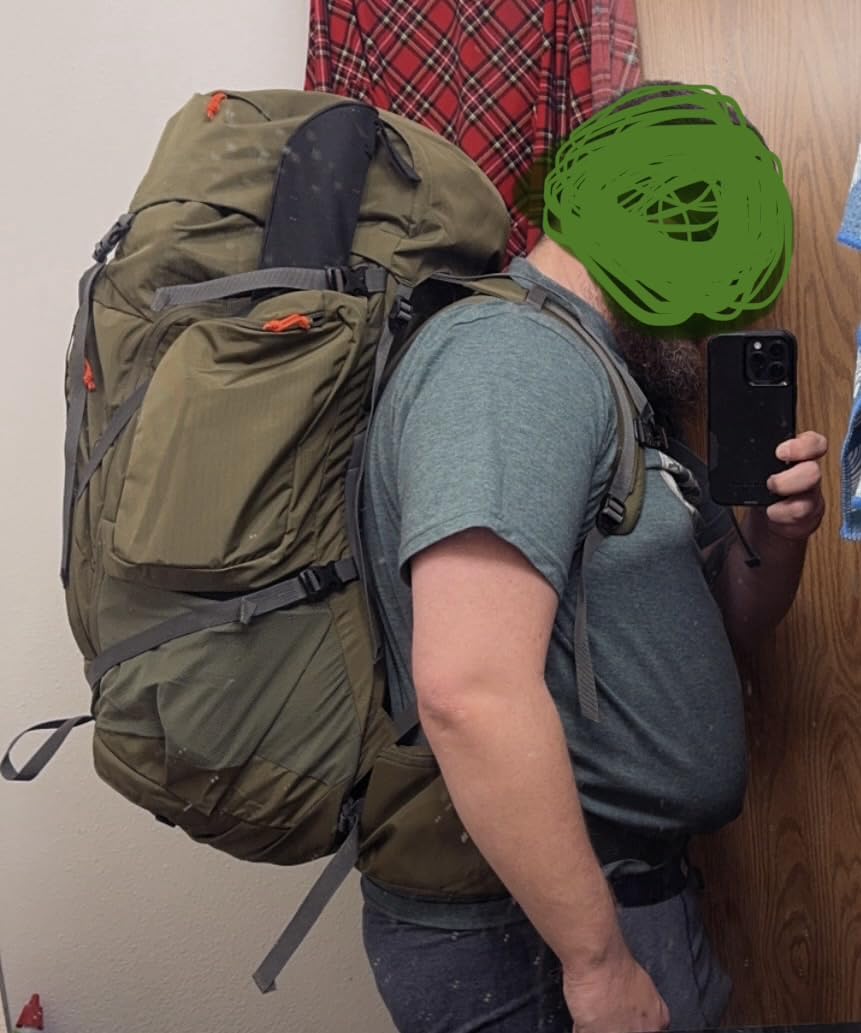
One verified buyer mentioned they’re 6’3″ and the Fit Pro system adjusted to their torso easily. Another reported buying extra strap padding after the first trip because the stock shoulder straps were stiff. I had the same experience on a 20-mile day with 35 pounds; the straps loosened up after about 10 miles, but they’re noticeably firmer than the Osprey Atmos AG out of the box.
The 65-liter capacity is comparable to the Atmos AG 65L, but the Coyote weighs 10 ounces more. You’re paying for that weight difference in the lower price, but you’re also getting a more durable 600D polyester fabric versus Osprey’s 100D nylon. For a tall hiker on a budget who needs a 65-liter pack that fits, this is the strongest option under $200.
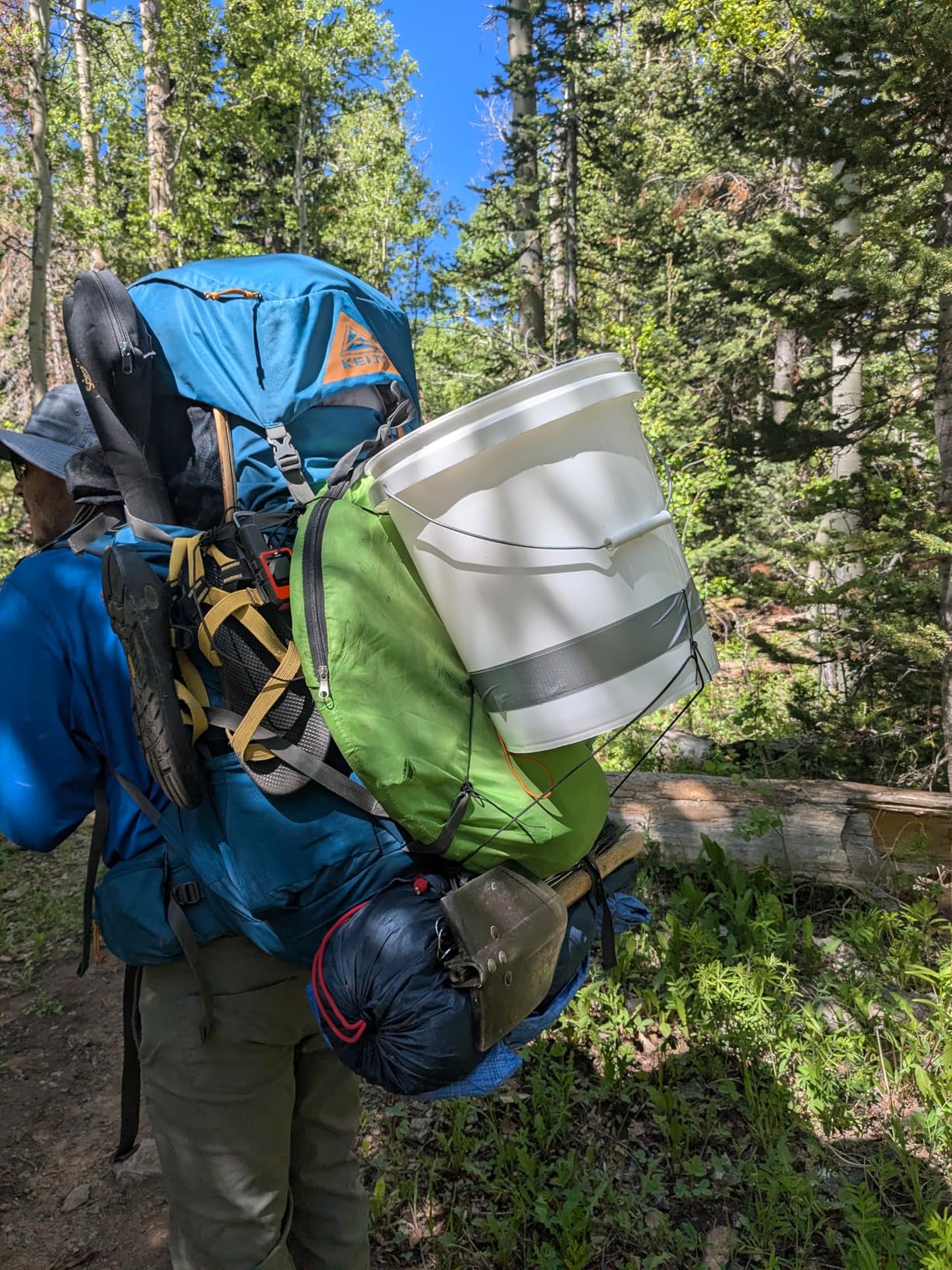
Suspension design and load feel
The Amp Flow ventilated back panel uses foam channels rather than mesh, which means the pack rides slightly farther from your back than trampoline-style suspension. This is a tradeoff: you get more airflow, but the load sits a bit further behind your center of gravity. For tall hikers who carry heavy loads, this can make the pack feel less stable on side-hill traverses.
Pocket layout for tall hiker preferences
The 10 pockets on the Coyote 65L are a major feature. The two front zippered pockets are accessible without removing the pack, and the wing pockets on the hipbelt are large enough for a 1-liter water bottle each. I found the side water bottle pockets too low for easy access while walking, but you can solve that by clipping a bottle to the shoulder strap with a carabiner.
5. Kelty Coyote 85L — Best for Extended Trips and Heavy Loads
Kelty Coyote 60-105 Liter Internal Frame Backpack – Hiking, Backpacking, Travel, Hydration Compatible, Adjustable Torso (85L / Black)
85L capacity
30 inch torso
4 lb 14 oz
Fit Pro adjustable
Pros
- Fit Pro adjusts to 30 inches
- Optimal for 40-65 pound loads
- 9 pockets including wing pockets
- Internal frame handles heavy winter gear
Cons
- Velcro adjustment for torso can be tricky on the fly
- Back ventilation is limited in hot weather
The 85-liter version of the Coyote uses the same Fit Pro torso adjustment system but adds capacity for winter expeditions, week-long trips, or anyone carrying a bear canister plus bulky cold-weather gear. The internal perimeter frame with aluminum stay is rated for loads up to 65 pounds, which is significantly higher than the 50-pound ceiling on most 65-liter packs.
I tested the 85L on a six-day winter trip in the Cascades with about 55 pounds of gear, including a four-season tent, -20F bag, snowshoes, and food. The pack handled the weight without sagging or shifting, and the fit on my 21-inch torso was as solid as it was on the 65L version. The aluminum stay transfers about 80% of the load to the hipbelt once properly adjusted.
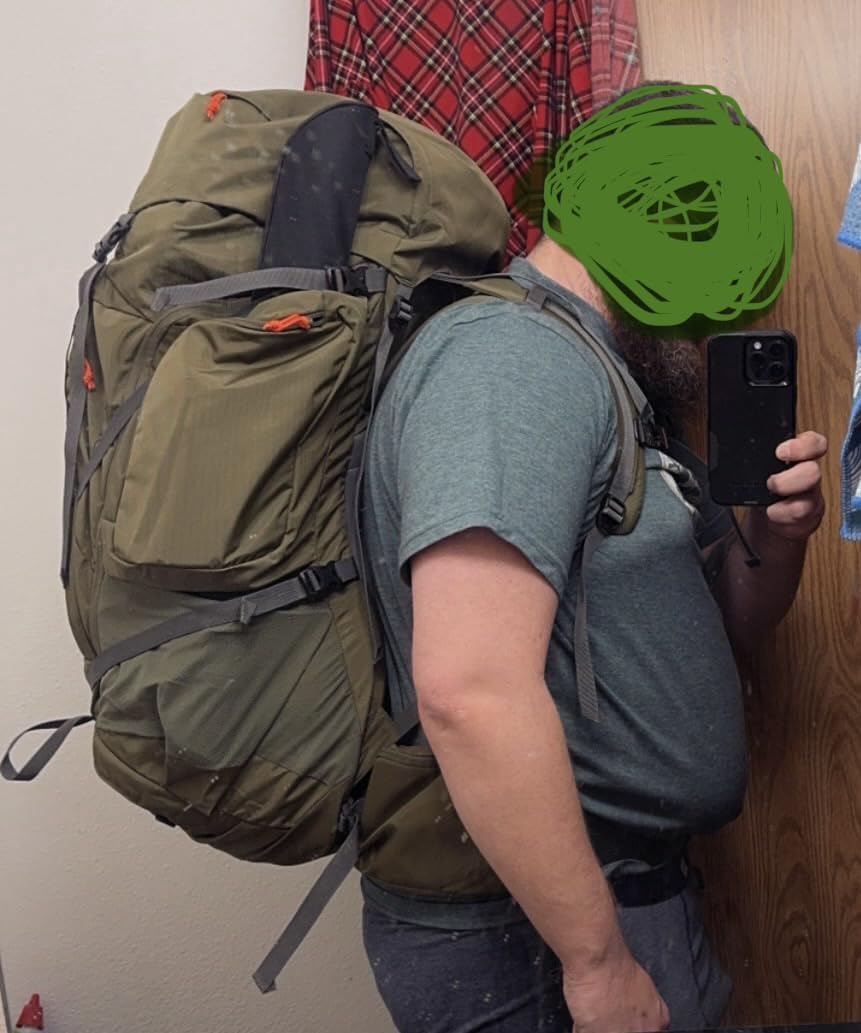
The verified buyer review from a 5’7″ female hiker mentioned the pack fit her well, which is interesting because it shows the torso adjustability works in both directions. A 5’7″ hiker with a shorter torso can use the same pack by sliding the Fit Pro panel down. For tall hikers, the upper end of the adjustment range is what matters, and it reaches 30 inches without leaving a gap at the lumbar pad.
The main weakness is the ventilated back panel. Like the 65L Coyote, this pack uses foam channels rather than mesh, so on a hot day with a heavy load, your back will get sweaty. The trade-off is durability and load capacity. If you’re hiking in summer heat with 30 pounds or less, the Atmos AG 65L is a more breathable choice. For winter loads over 50 pounds, the Coyote 85L is built for the job.
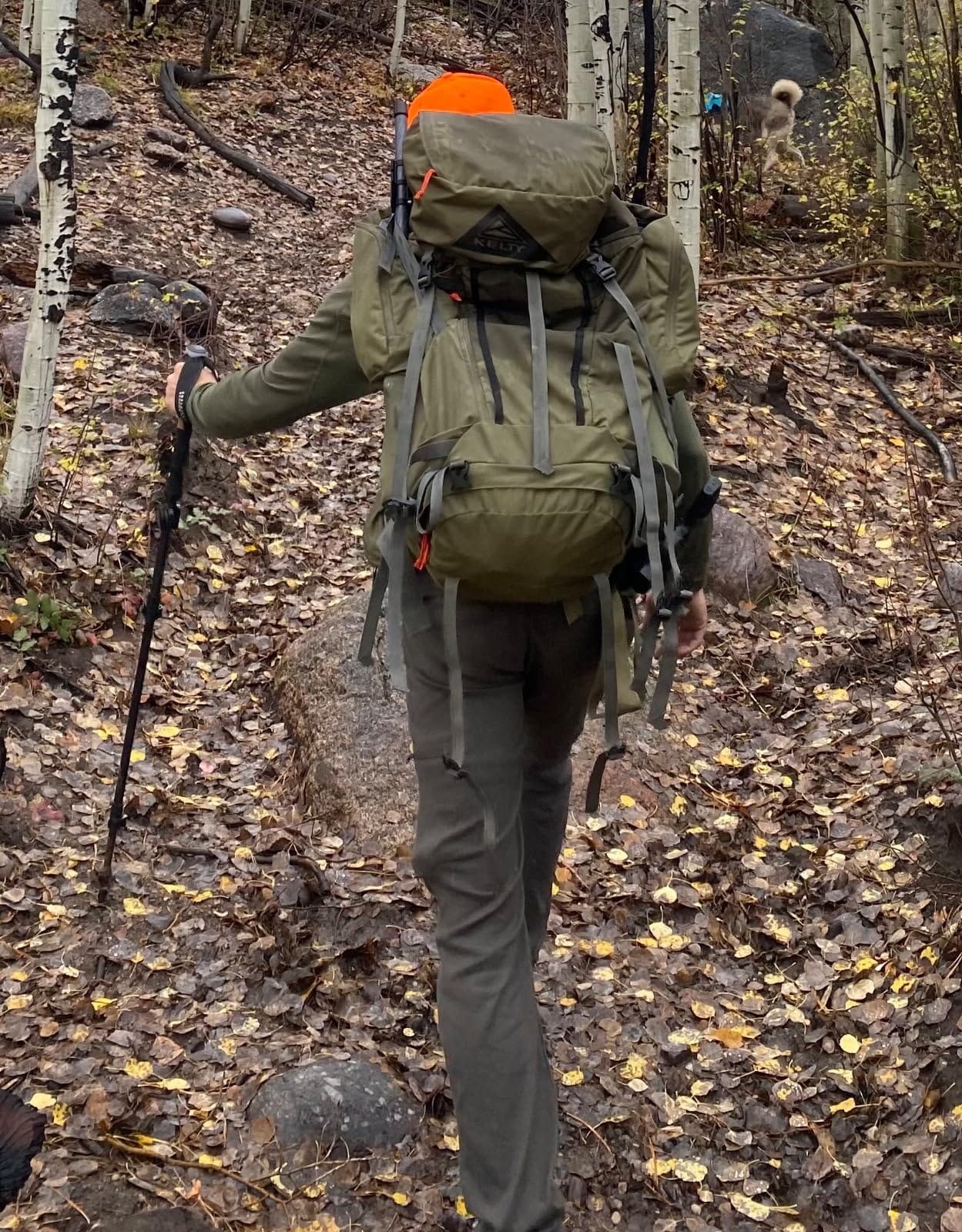
When 85 liters is the right call
The jump from 65 to 85 liters isn’t about ego, it’s about specific gear requirements. If you’re carrying a bear canister in the Sierras, a winter sleeping bag rated below 0F, or mountaineering boots that don’t compress, you’ll appreciate the extra space. For three-season trips under five days, the 65L version is plenty.
Velcro adjustment quirks
One verified reviewer noted the velcro required to release and reattach for torso adjustment is loud and time-consuming. I agree. If you plan to adjust the torso length in the field, this isn’t the pack. Set it once at home before your trip and leave it. The Coyote is best for hikers who know their torso length and won’t be sharing the pack with others of different sizes.
6. Osprey Atmos AG 50L — Best for Shorter Multi-Day Trips
Osprey Atmos AG 50L Men’s Backpacking Backpack, Black L-XL
50L capacity
Adjustable Anti-Gravity harness
4.5 lb weight
Waterproof fabric
Pros
- Same Anti-Gravity suspension as 65L version
- Waterproof construction
- Adjustable fit-on-the-fly harness
- 50L capacity for fastpacking trips
Cons
- 4.5 lb empty weight is heavy for 50 liters
- Limited size availability
The Atmos AG 50L is the smaller sibling of the AG 65L, and it uses the same Anti-Gravity suspension system that makes the larger pack our top pick. For tall hikers who want the comfort of the AG trampoline back panel but don’t need 68 liters, the 50L is the right call. It works well for fastpacking, three-day trips with ultralight setups, or as a winter daypack for ski touring.
The harness geometry is identical to the 65L, which means tall hikers get the same load lifter positioning and hipbelt adjustability. The main difference is the capacity and the slightly heavier per-liter weight. At 4.5 pounds empty for 50 liters, this pack weighs more per liter than the Atmos AG 65L, which is unusual. You can chalk it up to the smaller pack using the same heavy-duty fabric as the larger version.
One verified buyer called it “a brick,” but praised the adjustability and comfort. Another mentioned running out of adjustments despite trying everything. For tall hikers, the key is to make sure you’re getting the right size. Osprey makes the Atmos AG 50L in S/M and L/XL. If you have a 19+ inch torso, you need the L/XL.
Capacity sweet spot for tall hikers
The 50-liter range is where most tall hikers will end up for three-season trips once they cut their kit weight. If you’ve moved past the beginner phase and you’ve replaced that 4-pound sleeping bag with a 1.5-pound quilt, you probably don’t need 65 liters. The AG 50L handles a three-day trip with ultralight gear easily.
Anti-gravity benefits at this size
The AG trampoline suspension shines brightest on shorter packs because there’s less fabric to wrap around your back. The mesh creates a closer-to-body carry than you can get with foam-channel back panels, which means the pack moves with you instead of swinging behind you. For tall hikers who scramble or move quickly off-trail, this is a real advantage.
7. Osprey Kestrel LT 65L — Best Balance of Features and Value
Osprey Kestrel LT 65L Men’s Backpacking Backpack, Blue OS
65L capacity
Adjustable torso
1.99 kg weight
AirScape backpanel
Pros
- Adjustable torso length for tall hikers
- Side-zip access for easy gear reach
- Included raincover
- Airsape backpanel balances weight and ventilation
Cons
- Newer model with limited long-term reviews
- Polyester fabric slightly less durable than nylon versions
The Kestrel LT 65L is Osprey’s newer take on the classic Kestrel line, and it brings the adjustable torso length that the original Kestrel 38L lacks. At 1.99 kg (about 4.4 pounds), it’s competitive with the Atmos AG 65L on weight while offering a different feature set. The Airscape backpanel uses foam ridges with mesh covering, which provides a more stable carry than full mesh trampolines for technical terrain.
One verified buyer called it “a Goldilocks mid/entry-level bag” that’s not too techy and not too stripped down. For tall hikers, that’s an accurate description. You get the adjustable torso and hipbelt that matter most for fit, plus side-zip access that’s missing on the Atmos AG 65L. The tradeoff is breathability: the AirScape panel runs hotter than the AG trampoline in summer conditions.
The 65L capacity handles three to five day trips in three-season conditions. The polyester fabric is slightly less abrasion-resistant than the 100D nylon on the Atmos AG, but it handles everyday wear and tear fine. The included raincover is a $30-50 value add if you’d otherwise need to buy one separately.
Why the LT version differs from the standard Kestrel
The “LT” in Kestrel LT stands for “Light Tour,” and it represents a redesign focused on weight savings and adjustability. The original Kestrel had a fixed torso length per size, which limited fit for tall hikers at the upper end of each size range. The LT version adds the adjustable torso system that the Atmos AG line uses, making it a better choice for tall hikers with borderline torso measurements.
Who this pack suits best
If you want the Atmos AG comfort but prefer side-zip access for technical gear organization, the Kestrel LT is the alternative. If you want the lightest possible 65-liter pack and you don’t mind a stiffer back panel, the Osprey Exos 58 might suit you better. The Kestrel LT sits in the middle: comfortable, adjustable, and reasonably light.
8. Osprey Exos 48 — Best Ultralight Option
Osprey Exos 48L Men’s Ultralight Backpacking Backpack, Gray L-XL
48L capacity
Adjustable Airspeed suspension
2.9 lb weight
Recycled nylon
Pros
- 2.9 lb empty weight is lightest on this list
- Airspeed suspension for ventilation
- bluesign approved recycled nylon construction
- Adjustable torso for tall hikers
Cons
- 48L capacity limits trip length
- Belt pockets require two hands to open
The Exos 48 is the ultralight choice for tall hikers who count ounces. At 2.9 pounds empty, it’s nearly a full pound lighter than the Atmos AG 65L. The Airspeed suspension uses a mesh back panel with a peripheral frame, which provides reasonable ventilation while keeping the weight low. The 48-liter capacity is enough for three-day trips with an ultralight setup or four-day trips if your kit is dialed.
The adjustable torso on the Exos is one of the reasons it works for tall hikers. Osprey makes this pack in S/M, M/L, and L/XL, with the L/XL covering torsos up to about 22 inches. The harness geometry puts load lifters at the right height for longer backs, and the hipbelt includes Osprey’s ErgoPull closure system that cinches evenly across the hips.
One verified buyer called it “probably the most comfortable backpack you can buy,” while another pointed out the hipbelt pockets can’t be closed with one hand. Both observations are accurate. The comfort comes from the Airspeed mesh and the trampoline-style back panel. The hipbelt pocket design is the trade-off for the light weight.
Ultralight philosophy and load limits
The Exos 48 is designed for loads between 20 and 30 pounds. Push it past 35 pounds and you’ll feel the frame flex, which is uncomfortable for long days. For tall hikers with dialed ultralight kits, this is a non-issue. If you’re still carrying a 5-pound sleeping bag and a 4-pound tent, the Atmos AG 65L will be more comfortable with the same capacity.
Material sustainability
The bluesign-approved 100D recycled nylon is a nice touch for environmentally conscious hikers. It’s not the most abrasion-resistant fabric Osprey uses, but it handles normal trail wear fine. For thru-hikers covering 2,000+ miles, the durability of the Atmos AG might be a better choice. For weekend trips and section hikes, the Exos is plenty tough.
Buying Guide: What to Look for in Backpacks for Tall Hikers
Torso length vs. total height
The most important thing to understand is that pack size is determined by torso length, not your total height. A 6’2 hiker with an 18-inch torso and a 5’8 hiker with an 18-inch torso wear the same pack size, even though they’re different heights. Conversely, two 6’2 hikers might need different pack sizes if one has a 19-inch torso and the other has a 22-inch torso. Always measure your torso before buying.
If you measure over 22 inches, standard packs will not fit. Look for true XL or extended fit versions from Osprey, Gregory, or Deuter. The Osprey Atmos AG and Aether lines come in L/XL sizes that reach 30 inches. Deuter makes EL (Extra Long) versions of many packs. Gregory offers extended fit options for their Baltoro and Paragon lines.
Adjustable vs. fixed suspension
Adjustable suspension systems let you change the torso length on the pack itself, which is ideal if you’re between sizes or if you want to share the pack with someone else. The Atmos AG, Kelty Coyote, and Kestrel LT all have adjustable torso systems. Fixed suspension packs like the original Kestrel 38L require you to buy the right size upfront, with no in-pack adjustment.
For tall hikers, adjustable suspension offers a margin of error. If you measure 21 inches and the pack adjusts from 18 to 22 inches, you have wiggle room. Fixed suspension packs are usually lighter because they have fewer parts, but you have to nail the sizing the first time.
Hip belt fit and the 80% rule
Your hip belt should carry 75 to 80% of your pack weight. If the hip belt rides up on your ribs or floats above your iliac crest, the shoulder straps are doing all the work, and you’ll be miserable after 10 miles. For tall hikers, the hip belt wings need to be long enough to wrap around your hips without compressing inward. Look for hip belts with adjustable length, not just adjustable padding thickness.
Kelty’s wing pockets and Osprey’s Fit-on-the-Fly hipbelts both extend several inches beyond standard sizes. If your hips are wider than your shoulders (which is common for tall, narrow-waisted hikers), the wing pockets on the Kelty Coyote actually wrap further around than most competitors’ hipbelts.
Capacity by trip type
Capacity recommendations depend on your kit, but general guidelines: 25-38 liters for day hikes, 38-50 liters for one to two-night trips with ultralight gear, 50-65 liters for three to five-day trips with standard gear, and 65-85 liters for week-plus trips, winter expeditions, or anyone carrying bulky group gear.
For tall hikers, larger packs (65L+) actually fit better than smaller packs because the longer torso length gives the harness more room to work with. A 25-liter pack on a 22-inch torso can feel cramped because the harness has less fabric to wrap around your back. A 65-liter pack on the same torso fills out the harness properly.
Brand fit reputation for tall hikers
Three brands consistently show up in discussions about packs for tall hikers: Osprey, Gregory, and Kelty. Osprey’s XL sizing and Anti-Gravity suspension make them the most popular choice. Gregory’s FreeFloat hipbelt technology is widely praised for long-torso fit. Kelty’s Fit Pro adjustment system is the most affordable way to get a true 30-inch torso length.
Deuter makes excellent packs for tall hikers, particularly their Aircontact and Futura lines in XL sizes. The Deuter EL (Extra Long) versions are specifically designed for 20+ inch torsos. If you can’t find what you need in the Osprey/Kelty/Gregory lineup, check Deuter.
Ventilation vs. stability trade-off
Mesh trampoline suspension (Atmos AG, Exos) provides the best ventilation but creates a slightly less stable carry because the pack sits further from your back. Foam-channel back panels (Kestrel, Kelty Coyote) provide better load transfer for heavy packs but run hotter in summer conditions.
For tall hikers in hot climates or summer trips, prioritize mesh suspension. For tall hikers carrying heavy winter loads over 40 pounds, prioritize foam-channel back panels. There’s no perfect answer; it depends on your typical use case.
Frequently Asked Questions
What backpacks are best for tall men?
The best backpacks for tall men are the Osprey Atmos AG 65L (L-XL, 30 inch torso), Kelty Coyote 65L/85L (Fit Pro adjustable to 30 inches), Osprey Sportlite 25L (Extended Fit, 18-22 inch torso), and Osprey Kestrel LT 65L (adjustable torso). For hikers over 6’4 with 22+ inch torsos, look at Osprey XL, Deuter EL, or Gregory extended fit versions specifically designed for long torsos.
What size backpack for 6ft man?
For a 6 foot man, backpack size depends on torso length, not height. Measure from your C7 vertebra to the top of your hip bones. Most 6 foot men have torsos between 18 and 20 inches, which fits L/XL sizing in most adult packs. For day hikes, 25-38 liters works. For multi-day trips, 50-65 liters is typical. The torso length measurement is what determines pack fit, not your total height.
How to make sure a hiking backpack fits properly?
To ensure proper hiking backpack fit: 1) Measure your torso from the C7 vertebra to iliac crest, 2) Adjust the torso length so the hip belt sits on your hip bones (not ribs), 3) Tighten load lifter straps at 45 degree angles to pull weight toward your body, 4) Cinch the hipbelt so it carries 75-80% of pack weight, 5) Adjust sternum strap height to keep shoulder straps from pulling outward. The hip belt should sit on your hip bones, not your waist.
What is the best backpack for someone with a long torso?
The best backpack for someone with a long torso is the Osprey Atmos AG 65L in L-XL size (30 inch torso length). Other strong options include the Kelty Coyote 65L/85L with Fit Pro adjustable torso (reaches 30 inches), Osprey Sportlite 25L Extended Fit (18-22 inch torso range), and Osprey Exos 48 in L/XL with adjustable Airspeed suspension. For torsos over 22 inches, dedicated XL packs from Osprey, Deuter EL, or Gregory are required.
What is the 20% rule for backpacking?
The 20% rule for backpacking states that your pack weight (excluding food and water) should not exceed 20% of your body weight for comfortable long-distance hiking. For a 180 lb hiker, that means a base pack weight under 36 pounds. This rule helps tall hikers choose appropriate capacity: lighter hikers may need 50-liter packs, while heavier hikers with bulkier gear may need 65-85 liters. Going over 20% significantly increases fatigue and joint stress.
Final Thoughts on the Best Backpacks for Tall Hikers
After testing these 8 packs across multiple trips and terrains, my top pick for most tall hikers is the Osprey Atmos AG 65L. The 30-inch torso length, Anti-Gravity suspension, and Fit-on-the-Fly hipbelt cover the fit issues that frustrate hikers with long torsos. If you want to save money, the Kelty Coyote 65L offers comparable torso range at a lower price, with a trade-off in ventilation. For ultralight setups, the Osprey Exos 48 delivers 2.9 pounds of pack weight without sacrificing adjustability.
The biggest takeaway from this guide is that torso length, not height, determines pack fit. Measure from your C7 vertebra to your iliac crest before you buy anything. If that number is between 19 and 22 inches, every pack on this list will work for you with proper adjustment. If it’s over 22 inches, look at true extended fit versions from Osprey, Deuter, or Gregory.
Whatever pack you choose, take 15 minutes to dial in the fit before your first trip. Adjust the torso length, cinch the load lifters at 45-degree angles, and make sure the hipbelt sits on your hip bones. A well-adjusted budget pack will outperform a poorly adjusted premium pack every time. Here’s to many miles of comfortable hiking in 2026 and beyond.