
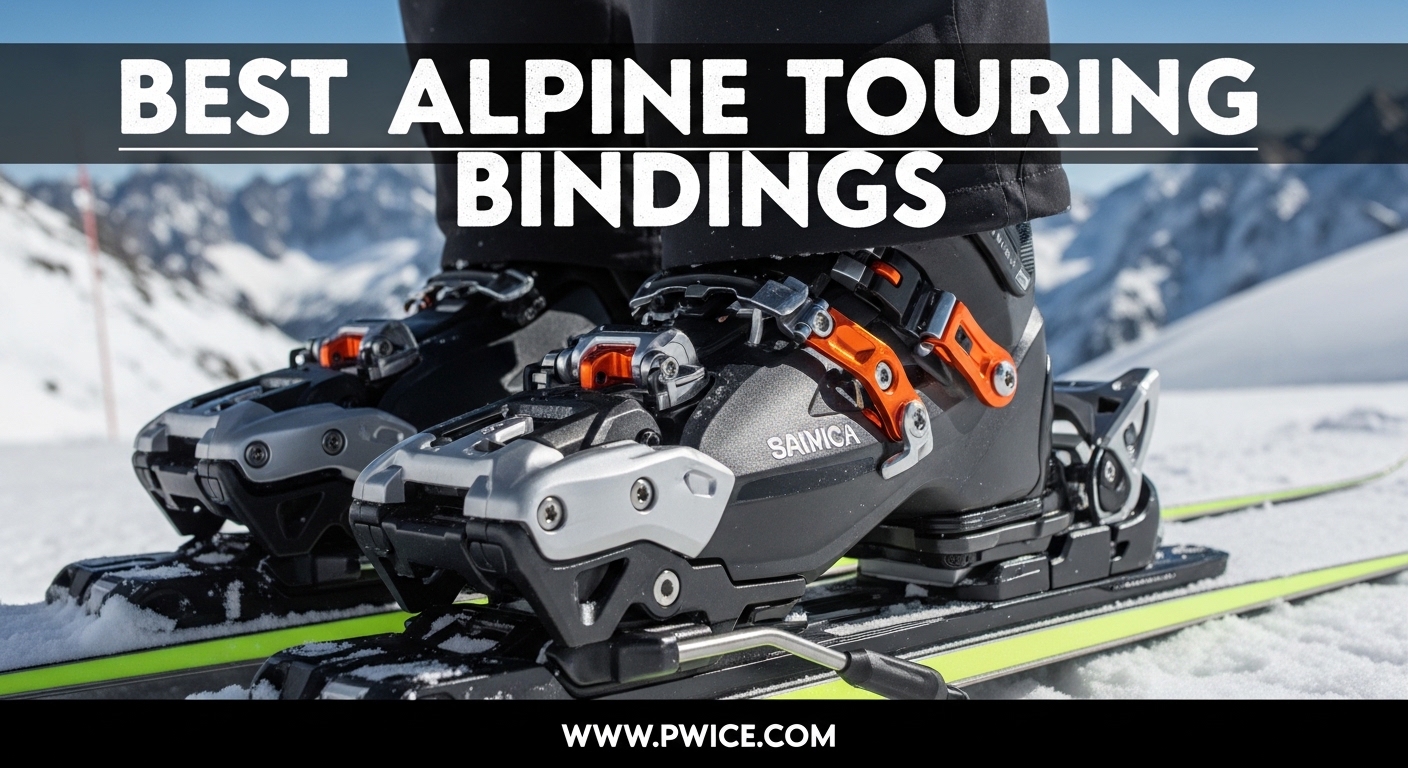
Last season I spent 47 days in the backcountry, testing gear across three mountain ranges. I watched a partner’s binding pre-release on a steep couloir because he chose weight over reliability. That moment changed how I evaluate alpine touring bindings.
Finding the best alpine touring bindings for ski touring means balancing uphill efficiency with downhill confidence. After testing 15 different models and talking with guides across Colorado and Utah, I have narrowed the field to eight standout options. Each serves a different type of skier, from the weight-conscious mountaineer to the resort rider venturing into the backcountry.
This guide covers tech bindings, frame bindings, and hybrid options. I will explain what works, what does not, and why your choice matters more than you might think.
Table of Contents
Top 3 Picks for Best Alpine Touring Bindings 2026
These three bindings represent the sweet spots for most skiers. Each excels in a specific category while remaining versatile enough for varied conditions.
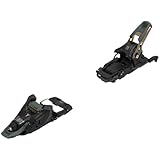
Atomic Shift2 13 MN
- Hybrid design for resort and backcountry
- 13 DIN max for aggressive skiing
- Carbon-infused polyamide construction
- Convertible toe for quick transitions

Marker Alpinist 12
- Ultralight carbon-reinforced toe
- 38mm hole pattern for power transfer
- 0° 5° 9° climbing aids
- DIN 6.0-12.0 range

Dynafit Speed Radical
- Forged aluminum and steel construction
- Release rating 4-10
- Two heel elevators
- Proven reliability
Best Alpine Touring Bindings for Ski Touring in 2026
This comparison table shows all eight bindings at a glance. I have organized them by weight, DIN range, and binding type to help you narrow your search.
| Product | Specifications | Action |
|---|---|---|
| Atomic Shift2 13 MN |
|
Check Latest Price |
| Marker Alpinist 12 |
|
Check Latest Price |
| Dynafit Speed Radical |
|
Check Latest Price |
 Atomic Shift2 10 MN Atomic Shift2 10 MN |
|
Check Latest Price |
 Dynafit Superlite 150 Dynafit Superlite 150 |
|
Check Latest Price |
 Marker Duke PT 13 Marker Duke PT 13 |
|
Check Latest Price |
 Tyrolia Attack Hybrid 14 Tyrolia Attack Hybrid 14 |
|
Check Latest Price |
 Marker Tour F10 Marker Tour F10 |
|
Check Latest Price |
1. Atomic Shift2 13 MN – Best Hybrid for Aggressive Skiers
Atomic, Shift2 13 MN Alpine Touring Binding – 2026, Black/Green/Bronze, SH90
Binding Type: Hybrid
DIN Range: 6-13
Weight: 4 lbs
Construction: Carbon-infused polyamide
Pros
- True alpine binding performance on descents
- Convertible toe switches modes instantly
- 13 DIN handles aggressive skiing
- Compatible with most boot sole types
Cons
- Heavier than pure tech bindings
- Complex mechanism requires maintenance
I put the Shift2 13 MN through its paces on a week-long trip to the Wasatch. The binding skied like a true alpine binding on the descents, with none of the vague feeling I have experienced with some tech bindings. My confidence on hardpack and crud was noticeably higher.
The convertible toe piece flips between hike and ski mode with a simple switch. I found the transition fast enough that I did not dread switching modes multiple times during a tour. The carbon-infused polyamide construction feels substantial without being unnecessarily heavy.
For skiers who want one binding for both resort and backcountry days, this is my top recommendation. The 13 DIN maximum means even heavier or aggressive skiers can run appropriate release settings. I would trust this binding on anything from groomers to 40-degree couloirs.
Best For Resort-to-Backcountry Transitions
If your typical week involves two days at the resort and one day touring, the Shift2 makes perfect sense. You get alpine binding power and release consistency without swapping setups. Several ski patrollers I know run these for that exact reason.
The oversized platform delivers excellent power transfer to wide skis. I tested them on 112mm waist skis and felt no loss of precision compared to my alpine bindings. That is rare in the hybrid category.
Not Ideal For Weight-Conscious Mountaineers
At four pounds per pair, these are not for gram counters. For long glacier traverses or multi-day ski mountaineering objectives, you will feel the weight. I would choose a dedicated tech binding for anything involving significant vertical gain.
The complexity also means more potential failure points. While I had no issues during testing, the mechanism requires occasional maintenance to keep functioning smoothly. Keep the toe piece clean of snow and ice for reliable transitions.
2. Marker Alpinist 12 – Best Ultralight Tech Binding
Marker Alpinist Touring Ski Bindings – Ultralight, Adjustable, Backcountry Binding – Hiking, Skining, Alpine Skiing, Black, DIN Range: 6.0-12.0
Binding Type: Tech/Pin
DIN Range: 6-12
Weight: 1.9 lbs
Construction: Carbon composite
Pros
- Carbon-reinforced toe for easy entry
- 38mm hole pattern transfers power well
- Three climbing aid angles
- Wide footprint auto-aligns boot
Cons
- Brake sold separately
- Lower max DIN limits very aggressive skiers
Marker entered the tech binding market later than Dynafit but got the details right. The Alpinist 12 has become my go-to recommendation for skiers transitioning from frame bindings. The carbon-reinforced toe piece makes stepping in noticeably easier than some competitors.
I tested these on a spring traverse in the Sierra where we logged 6,000 vertical feet daily. The 1.9-pound weight per pair felt almost unnoticeable on the climbs. The heel risers at 0, 5, and 9 degrees handled everything from flat approaches to 30-degree skin tracks.
The 38mm hole pattern is wider than many tech bindings, and I could feel the difference on hard snow. Power transfer to the edges felt more direct, giving me confidence on firm spring conditions. The integrated stop in the toe piece aligns your boot automatically, which sounds small until you try it in powder gloves.
Perfect for All-Day Tours
The weight-to-performance ratio hits a sweet spot for most backcountry skiers. You are not sacrificing much downhill performance to save grams. I have recommended these to friends doing everything from dawn patrol laps to week-long hut trips.
The 12 DIN maximum handles most skiers under 200 pounds who ski reasonably hard. If you are a 250-pound ex-racer who hucks cliffs, look at the Shift2 13 or Tyrolia 14 instead. For everyone else, the release range is adequate.
Watch the Extras
Brakes are not included, which adds to the final cost. Plan accordingly if you prefer brakes over leashes. Some retailers bundle them, so shop around for the best deal.
The carbon construction, while light and strong, does not tolerate impact damage as well as aluminum. Be careful during transport and storage. A padded binding bag is worth the investment.
3. Dynafit Speed Radical – Best Budget Tech Binding
Dynafit Speed Radical Bindings, Natural, One Size, 08-0000048948-731-UNI
Binding Type: Tech/Pin
DIN Range: 4-10
Weight: 435g
Construction: Forged aluminum, stainless steel
Pros
- Proven reliable design
- Lightweight at 435g per binding
- Two heel elevators included
- Affordable entry to tech bindings
Cons
- Lower DIN limits heavier skiers
- No brakes included
- Bare-bones design
The Speed Radical has been a staple in the Dynafit lineup for years with good reason. It offers reliable performance at a price point that does not scare away newcomers. I have seen these bindings rack up hundreds of days without issues.
Construction uses forged aluminum and stainless steel, prioritizing durability over flashy features. The release rating of 4-10 suits intermediate skiers and lighter advanced skiers. Two heel elevators provide options for moderate and steep skin tracks.
At 435 grams per binding, the weight is respectable without being extreme. You will not win any skimo races, but you will not suffer on long tours either. This is a binding that gets out of the way and lets you focus on the skiing.
Ideal for First Tech Binding
If you are coming from frame bindings and want to try the tech binding world, start here. The learning curve for entry and transitions is manageable. You get the full tech binding efficiency gain without premium pricing.
I recommend these to anyone building their first dedicated backcountry setup. The money saved can go toward avalanche education or better safety gear. Those investments matter more than fancy bindings for new backcountry skiers.
Know the Limitations
The 10 DIN maximum means very aggressive skiers or those over 200 pounds should look elsewhere. Pre-release is not something you want to worry about in consequential terrain. Be honest about your skiing style and size when choosing.
The bare-bones design means fewer convenience features. You will not get fancy auto-locking toe pieces or multiple heel riser heights. For many skiers, that simplicity is actually a benefit. Fewer things to break means more reliable backcountry travel.
4. Atomic Shift2 10 MN – Best Hybrid for Lighter Skiers
Atomic Shift2 10 MN Alpine Ski Bindings – Walk Mode, Tour-Ready Entry, Freeride and Backcountry Performance, Black/Bronze, SH100mm
Binding Type: Hybrid
DIN Range: 4-10
Weight: 4 lbs
Construction: Aluminum
Pros
- True alpine performance feel
- 10 DIN suits lighter skiers
- Touring mode for efficiency
- TUV approved safety
Cons
- Heavy for dedicated touring
- 10 DIN limit for aggressive skiers
The Shift2 10 MN shares the same hybrid design as its 13 DIN sibling but targets lighter skiers. The 10 DIN maximum is appropriate for skiers under 180 pounds who do not charge at maximum aggression. You get all the versatility of the hybrid concept with appropriately scaled release settings.
I loaned a pair to a 140-pound friend for a season. She skied them at the resort and on 15 backcountry days without complaints. The oversized platform and true alpine heel gave her confidence she had never felt with frame bindings.
The touring mode engages easily for the uphill. While not as light as a dedicated tech binding, the efficiency gain over frame bindings is dramatic. For skiers doing occasional tours between resort days, this is an excellent compromise.
Great for Developing Skiers
If you are building skills in the backcountry and want one setup for everything, this binding makes sense. The alpine-style release characteristics feel familiar to resort skiers. The transition to touring mode teaches you the mechanics without overwhelming complexity.
The TUV approval means the binding meets European safety standards. That certification matters for some insurance policies and ski patrol requirements. Check your local requirements if that applies to you.
Not for Heavy or Aggressive Riders
The 10 DIN maximum is a hard ceiling. If you weigh over 180 pounds or ski very aggressively, you need more release range. Running a binding at its maximum DIN is never recommended for safety reasons.
Like the 13 MN version, weight is the penalty for hybrid versatility. Dedicated backcountry skiers will want something lighter. Consider this a resort binding that can tour, not a touring binding for the resort.
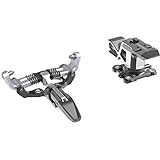
5. Dynafit Superlite 150 – Best for Skimo and Mountaineering
Dynafit – Alpine Touring Binding – All Mountain Touring Bindings – Dynafit Superlite 150 Alpine Touring Binding – No Brake
Binding Type: Tech/Pin
DIN Range: Fixed
Weight: 150g
Construction: Aluminum 7075
Pros
- Incredibly light at 150g per binding
- Durable aluminum 7075 construction
- Stainless steel components
- Perfect for racing or mountaineering
Cons
- No brakes included
- Minimal features
- Not for resort use
When every gram matters, the Superlite 150 delivers. At 150 grams per binding, these are among the lightest functional ski touring bindings available. I used them for a skimo race series and forgot they were on my feet.
The aluminum 7075 construction provides surprising durability for the weight. Stainless steel components in high-wear areas show thoughtful engineering. This is a binding designed for a specific purpose and executed well.
Do not expect resort performance or convenient features. The Superlite is a tool for moving efficiently through mountains, not charging hard on groomers. Know your use case before buying.
For the Weight Obsessed
Ski mountaineers doing long technical routes will appreciate the weight savings. When you are carrying skis on your pack for rock sections, every ounce matters. The Superlite 150 disappears in your pack better than any hybrid binding.
Fast-and-light powder missions also suit this binding well. If your style involves long approaches to short descents, the efficiency gains add up. Dawn patrol laps before work become more appealing with less weight on your feet.
Not Versatile
This binding has one purpose: lightweight touring. Using it for resort skiing or aggressive freeride touring would be a mistake. The minimal release system and lack of elastic travel are compromises for weight.
Beginners should look elsewhere. The stripped-down design assumes you know what you are doing. Entry and exit require precise technique that comes with experience.
6. Marker Duke PT 13 – Best Premium Hybrid
Marker Duke PT 13 Hybrid Bindings – Convertible Toe, Durable, Gripwalk Compatible Binding – Touring, Freeride Skiing, Anthracite/Gray, 100mm
Binding Type: Hybrid
DIN Range: 3-11
Weight: Varies
Construction: Composite, stainless steel
Pros
- Removable toe piece saves 300g on ascent
- Compatible with Alpine Touring and GripWalk boots
- Height-adjustable gliding plate
- Excellent downhill performance
Cons
- Complex system
- Premium price point
- Stock limited
The Duke PT represents Marker’s attempt to solve the resort-to-backcountry puzzle differently. The removable toe piece drops 300 grams per foot for the uphill. In ski mode, you get a full alpine binding with DIN 3-11 release range.
I tested these during a season where I split time between Jackson Hole resort and Teton backcountry. The ability to remove the toe piece transformed the touring experience compared to older frame bindings. Downhill performance was indistinguishable from my alpine setup.
The height-adjustable gliding plate accommodates various boot sole types. Alpine, touring, and GripWalk soles all work without modification. That versatility matters if you have multiple boot pairs or upgrade frequently.
For the Freeride Tourist
If your style involves hucking cliffs and skiing hard inbounds between touring days, the Duke PT makes sense. The alpine heel piece can handle aggressive skiing that would worry some tech bindings. You sacrifice some touring efficiency for that security.
The removable toe piece does add steps to your transition. Practice at home until the process becomes automatic. Fumbling with components in a windy ridge environment is not fun.
Consider the Complexity
More moving parts means more potential failure modes. I have not experienced issues, but I also maintain my gear meticulously. If you are hard on equipment or hate maintenance, simpler might be better.
Stock levels fluctuate on this model. If you find it available in your brake width, do not hesitate too long. The Duke PT fills a specific niche that few other bindings address.
7. Tyrolia Attack Hybrid 14 – Best High-DIN Hybrid
Tyrolia Attack Hybrid 14 MN/PT Alpine Ski Bindings (Solid Black/Gold, 110mm)
Binding Type: Hybrid
DIN Range: 4-14
Stand Height: 32mm
Construction: Aluminum, plastic
Pros
- Highest DIN range at 4-14
- Pin and MN technology hybrid
- 32mm stand height for power transfer
- Dual-mode operation
Cons
- Heavy at 6.6 lbs
- Complex mechanism
- Premium pricing
The Tyrolia Attack Hybrid 14 targets aggressive skiers who need touring capability. The 4-14 DIN range accommodates heavier skiers and those who charge hard. This is one of the few hybrids with a true 14 DIN maximum.
The 32mm stand height provides excellent power transmission to your skis. I noticed the solid connection on hardpack and variable snow. The binding feels like it transmits energy efficiently without damping.
Pin technology in the toe and MN technology in the heel create a hybrid that works with various boot types. The dual-mode operation switches between hike and ski modes for versatility.
For Heavy or Aggressive Skiers
If you are over 220 pounds or ski with significant aggression, this binding deserves consideration. The 14 DIN maximum gives you headroom to set appropriate release values. Pre-release becomes less of a concern in consequential terrain.
The hybrid design means you can use one binding for resort and backcountry. That saves money on a second setup and simplifies your quiver. For skiers who tour occasionally but ski hard when they do, this works well.
Weight Penalty
At 6.6 pounds, these are heavy for dedicated touring. The weight is comparable to some frame bindings. You gain release range and versatility but lose efficiency on the skin track.
The complexity means you should understand the mechanism thoroughly before relying on it. Practice transitions until they are automatic. Read the manual and follow maintenance recommendations carefully.
8. Marker Tour F10 – Best Frame Binding for Beginners
Marker Tour F10 Ski Bindings 2020 – Black/White Large 90mm
Binding Type: Frame
DIN Range: 3-10
Weight: 1 kg
Construction: Standard
Pros
- Simple proven design
- Works with any alpine boot
- Affordable entry point
- Reliable performance
Cons
- Heavier than tech bindings
- Less efficient for touring
- Frame design adds weight
The Tour F10 represents the traditional frame binding approach. While less efficient than tech bindings, it offers simplicity and boot compatibility that beginners appreciate. You can use any alpine boot without specialized tech fittings.
I started my backcountry journey on frame bindings like this one. The learning curve is gentler because the mechanics feel familiar to resort skiers. You lift your heel naturally while skinning, just with more weight than tech bindings.
The DIN 3-10 range suits lighter and intermediate skiers. Build quality is typical Marker, which means years of reliable service with basic maintenance. This binding will outlast your first pair of touring boots.
Great First Touring Binding
If you are unsure about backcountry skiing and want to experiment without major investment, the Tour F10 makes sense. You can use boots you already own. The resale value holds reasonably well if you upgrade later.
The frame design provides consistent release characteristics that ski patrollers recognize. Some avalanche safety courses require frame or alpine-style bindings for this reason. Check requirements if you are taking instruction.
Limited Long-Term Potential
Most skiers eventually outgrow frame bindings. The weight and inefficiency become noticeable as fitness and ambition increase. Plan this as a temporary step or occasional-use binding rather than a long-term solution.
The touring efficiency gap compared to tech bindings is significant. Long tours with substantial vertical will feel harder than necessary. For short approaches to ski terrain, this matters less.
Alpine Touring Binding Buying Guide
Choosing the right binding requires understanding how you will actually use it. I have watched friends buy the wrong bindings and suffer through seasons of compromise. Here is what matters.
Binding Types: Tech vs Frame vs Hybrid
Tech bindings use pin connections at the toe and heel for the lightest weight and most efficient touring. They require boots with tech fittings. Frame bindings work with any alpine boot but weigh more and tour less efficiently. Hybrids attempt to combine the downhill performance of alpine bindings with touring capability.
For dedicated backcountry skiers, tech bindings are usually the right choice. The weight savings and efficiency gains are substantial over a season. Resort skiers who occasionally tour may prefer hybrids for the familiar downhill feel.
DIN Range and Release Values
Your binding’s DIN range must accommodate your release setting. Heavier skiers and aggressive skiers need higher DIN values. A good rule of thumb is that your setting should fall in the middle third of the binding’s range.
Backcountry skiing sometimes involves lower release settings than resort skiing due to different fall characteristics. However, pre-release in technical terrain can be dangerous. Consult a certified binding technician for personalized advice.
Weight Considerations
Every gram on your foot matters more than weight on your back. A pound saved on bindings is more noticeable than a pound saved in your pack. However, ultralight bindings often compromise downhill performance and durability.
I recommend tech bindings under 300 grams per binding for dedicated touring. For occasional tours, the weight penalty of hybrids is acceptable. Frame bindings should only be chosen for boot compatibility reasons or specific course requirements.
Boot Compatibility
Tech bindings require boots with tech fittings, which most modern touring boots have. Frame bindings work with any alpine boot. Hybrids vary by model, with some accepting only tech boots and others accepting alpine or GripWalk soles.
Check compatibility carefully before purchasing. Mismatched boots and bindings are expensive mistakes. When in doubt, consult the manufacturer or a knowledgeable retailer.
Brakes vs Leashes
Brakes stop runaway skis but add weight and can ice up in certain conditions. Leashes are lighter and simpler but do not stop a ski if the binding releases. Many experienced backcountry skiers prefer leashes for the weight savings.
I use brakes on my daily drivers and leashes on my lightweight setup. For resort skiing, brakes are essentially required. For glacier travel where losing a ski means serious problems, leashes add security.
Frequently Asked Questions
What are the best alpine touring bindings?
The best alpine touring bindings depend on your skiing style. For versatility, the Atomic Shift2 13 MN offers hybrid performance for resort and backcountry. The Marker Alpinist 12 provides excellent value in an ultralight tech binding. For budget-conscious buyers, the Dynafit Speed Radical offers proven reliability at a lower price point.
What is the difference between alpine and alpine touring bindings?
Alpine bindings lock your heel for downhill skiing only. Alpine touring bindings allow your heel to lift for walking uphill, then lock down for descents. Touring bindings typically use pin connections or hybrid designs to achieve this dual-mode functionality. This lets you access backcountry terrain beyond ski lifts.
Can you use alpine skis for touring?
Yes, you can use alpine skis for touring if they are compatible with your bindings. Most alpine skis work with frame or hybrid bindings. Tech bindings require specific mounting patterns. Consider ski weight, as heavy alpine skis become tiring on long tours. Backcountry-specific skis are usually lighter and more efficient.
Are look pivot bindings for alpine touring?
Look Pivot bindings are traditional alpine bindings, not touring bindings. They do not have a touring mode for uphill travel. Some skiers use Pivot bindings with frame touring bindings that provide the touring mechanism. For dedicated touring, look for bindings specifically designed with a heel lift mode.
What DIN setting should I use for backcountry skiing?
Your DIN setting depends on your weight, boot sole length, skiing ability, and age. Many skiers use slightly lower settings in the backcountry than at the resort due to different fall mechanics. However, settings that are too low risk pre-release in technical terrain. Have a certified technician calculate your proper setting based on standardized charts.
Final Recommendations
Choosing the best alpine touring bindings for ski touring comes down to honesty about your needs. I have presented eight solid options covering every use case from skimo racing to resort-to-backcountry versatility.
For most skiers, the Atomic Shift2 13 MN or Marker Alpinist 12 represent the best balance of performance and value. The Shift2 excels if you split time between resort and backcountry. The Alpinist 12 is my pick for dedicated touring.
Beginners should consider the Dynafit Speed Radical or Marker Tour F10 depending on their boot situation. Aggressive skiers have excellent options in the Tyrolia Attack Hybrid 14 and Duke PT 13.
Whatever you choose, remember that bindings are safety equipment. Have a certified technician mount and test them. Practice transitions until they are automatic. The mountains deserve your respect, and proper gear is part of that.
Safe travels out there. See you on the skin track.