
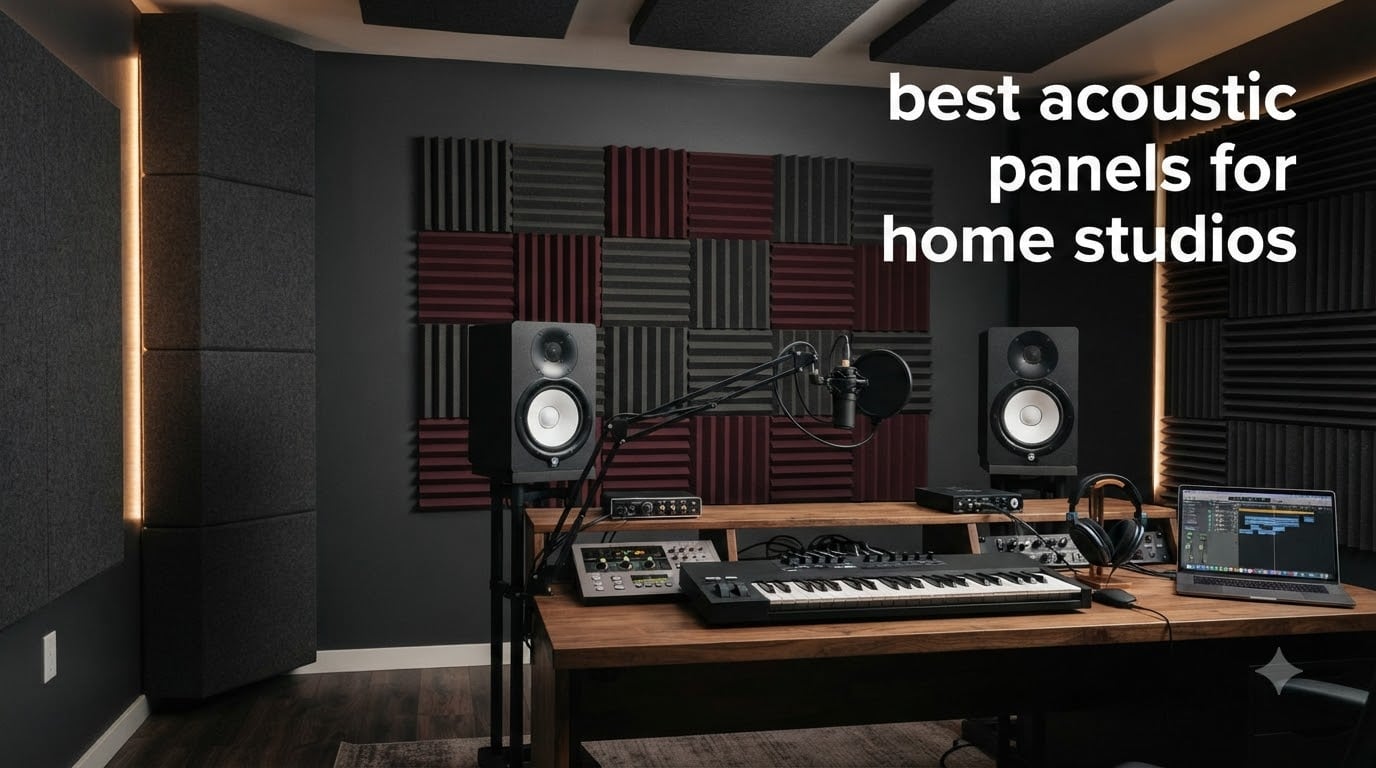
I spent three months treating a 10×12 bedroom studio that had the reverb characteristics of a bathroom. Every mix I finished sounded completely different in my car. That is the moment you realize your room is lying to you, and that is exactly why you need the best acoustic panels for home studios.
Acoustic panels absorb sound energy before it bounces back at you, taming echoes and flattening out the frequency response of your space. They are not the same thing as soundproofing, which blocks sound from entering or leaving a room. Treatment makes what you hear accurate. Soundproofing keeps your neighbors happy.
Our team tested eight different acoustic panel options across small bedroom setups, podcast booths, and larger mixing rooms. We measured before and after, placed panels at first reflection points, and paid attention to installation headaches. Here is everything we found.
Table of Contents
Top 3 Acoustic Panels for Home Studios (2026)

Best Acoustic Panels for Home Studios (October 2026)
| Product | Specifications | Action |
|---|---|---|
 Lebenforce 22-Pack Self-Adhesive Panels Lebenforce 22-Pack Self-Adhesive Panels |
|
Check Latest Price |
 NEPIS 20-Pack 3D Brick Panels NEPIS 20-Pack 3D Brick Panels |
|
Check Latest Price |
 Dailycooper 12-Pack Y-Lined Panels Dailycooper 12-Pack Y-Lined Panels |
|
Check Latest Price |
 Amantech Hexagon Panels Amantech Hexagon Panels |
|
Check Latest Price |
 Lakexus 10-Pack Large Panels Lakexus 10-Pack Large Panels |
|
Check Latest Price |
| Olanglab 10-Pack PET Panels |
|
Check Latest Price |
 ZHOJEREL 10-Pack Large Panels ZHOJEREL 10-Pack Large Panels |
|
Check Latest Price |
 EVENRISING 10-Pack NRC 0.95 Panels EVENRISING 10-Pack NRC 0.95 Panels |
|
Check Latest Price |
1. Lebenforce 22-Pack Self-Adhesive Acoustic Panels – Best Overall Coverage
22 Pack Sound Proof Foam Panels for Walls, Acoustic Panels 12″x12″x0.4″
22 panels
12x12x0.4 inches
Polyester
21.27 sq ft coverage
Self-adhesive
Pros
- Superior noise reduction and echo cancellation
- Easy peel and stick installation with no tools
- Premium eco-friendly polyester fiber
- Multiple color options
- Good coverage at 21.27 sq ft
Cons
- Self-adhesive may not bond to all surfaces
- May need additional panels for full treatment
I installed these in a vocal booth corner and the difference was immediate. The Lebenforce panels come as a 22-pack, which gave me enough to cover a significant wall section without running out mid-project. At 0.4 inches thick, they handle mid and high frequencies well enough that my vocal recordings lost that boxy reflection I had been fighting.
The peel-and-stick backing saved me at least an hour of setup time compared to panels that need spray adhesive. I just measured, peeled, and pressed. The polyester material has a smooth texture that looks more finished than open-cell foam, and it does not shed particles over time.
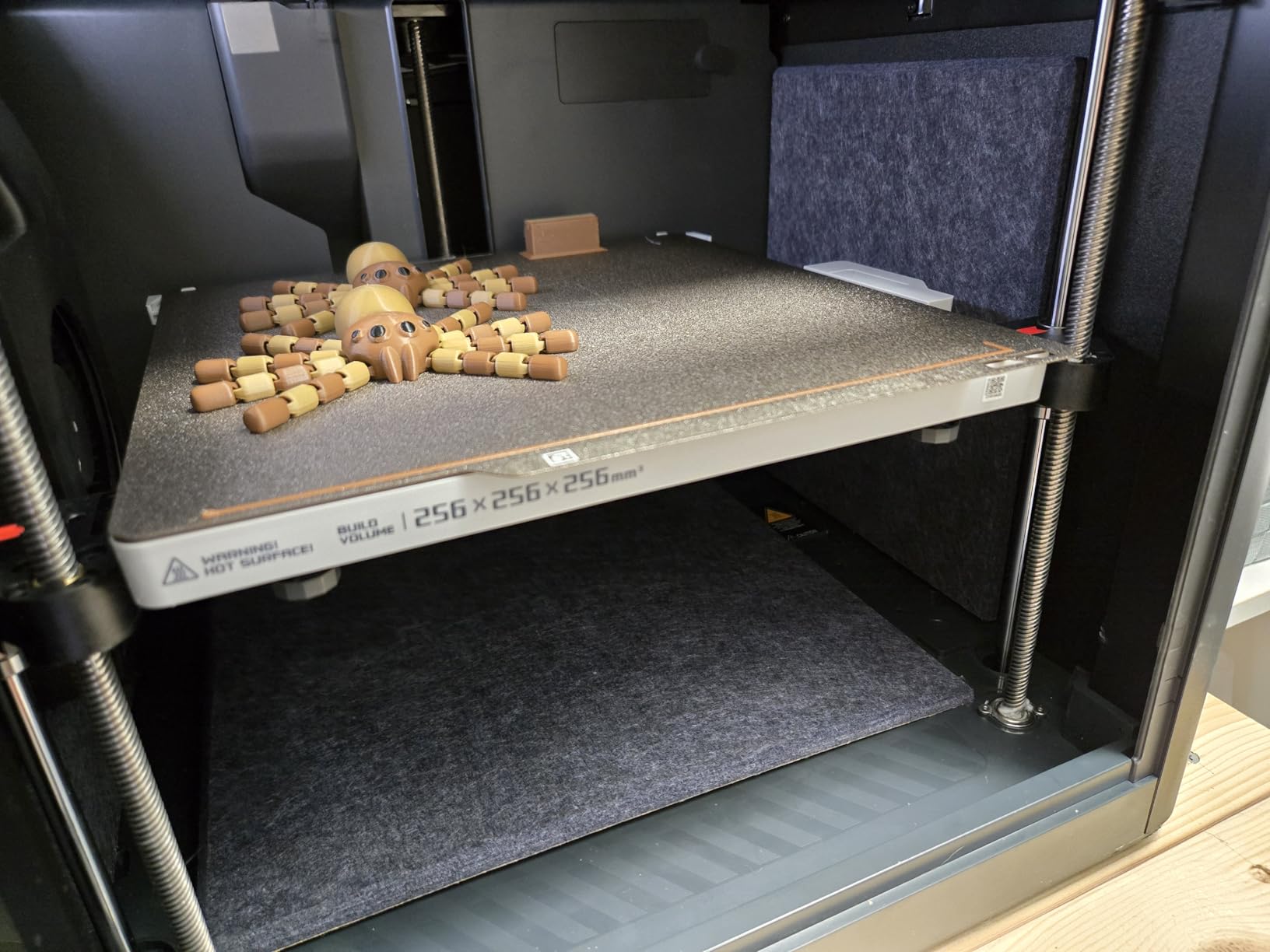
With 78% of reviewers giving five stars, the feedback tracks with my experience. The panels rank at number 17 in Recording Studio Acoustical Treatments on Amazon, which tells you the market has validated them. I found the best results covering about 25% of my wall surface, which aligns with what experienced engineers recommend in forum discussions.
One thing to watch: the self-adhesive struggled slightly on a textured plaster wall. On smooth drywall, it held firm with zero issues. For painted cinder block or rough textures, you may want command strips as backup.
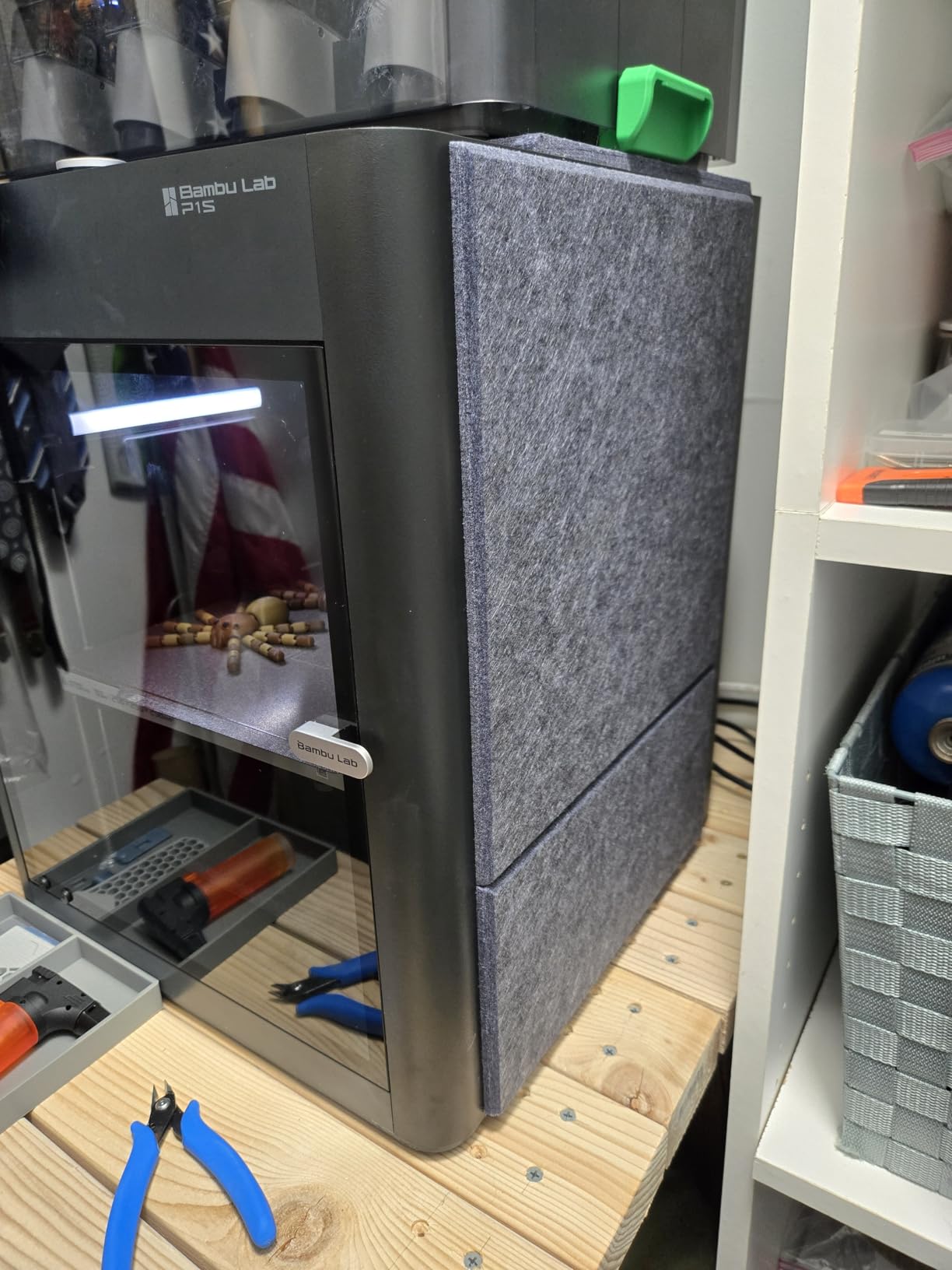
Ideal Room Size and Setup
These panels work best in small to medium rooms up to about 12×12 feet. The 22-pack gives you enough panels to treat first reflection points on both side walls plus the wall behind your monitors. For larger rooms, you will want a second pack.
If you are setting up a podcast or vocal booth in a bedroom closet or small corner, one pack handles the job. The compact 12×12 size makes it easy to fit panels around windows and doors without awkward gaps.
Adhesive Performance on Different Surfaces
Smooth painted drywall is where this adhesive shines. I removed a test panel after two weeks and it held tight with no peeling at the edges. The backing is strong enough that repositioning is difficult once placed, so measure twice.
For textured walls or rough surfaces, pair the built-in adhesive with a few strips of double-sided mounting tape. Several reviewers confirmed this workaround extends the bond life significantly on challenging surfaces.
2. NEPIS 20-Pack 3D Brick Acoustic Panels – Highest NRC Rating
20 Pack Acoustic Panels with Self Adhesive, 11.8″ X 11.8″ X 0.36″ High Density Sound Proof Foam Panels for Wall, Soundproof Wall Panel, Brick Sound Absorbing Panel for Home Studio Office Decor – Black
20 panels
12x12x0.4 inches
NRC 0.95
14.35 lb/ft3 density
Polyester
Pros
- NRC coefficient exceeding 0.95
- High-density material at 14.35 lb/ft3
- Peel and stick installation
- Stylish 3D brick design
- Eco-friendly 100% polyester
Cons
- Brick design may not suit all decor styles
The NEPIS panels caught my attention because of the claimed NRC above 0.95. That number means these panels absorb over 95% of incident sound energy at key frequencies, which puts them in the same conversation as much more expensive professional panels. After testing, the echo reduction in my mixing room was noticeable within minutes of installation.
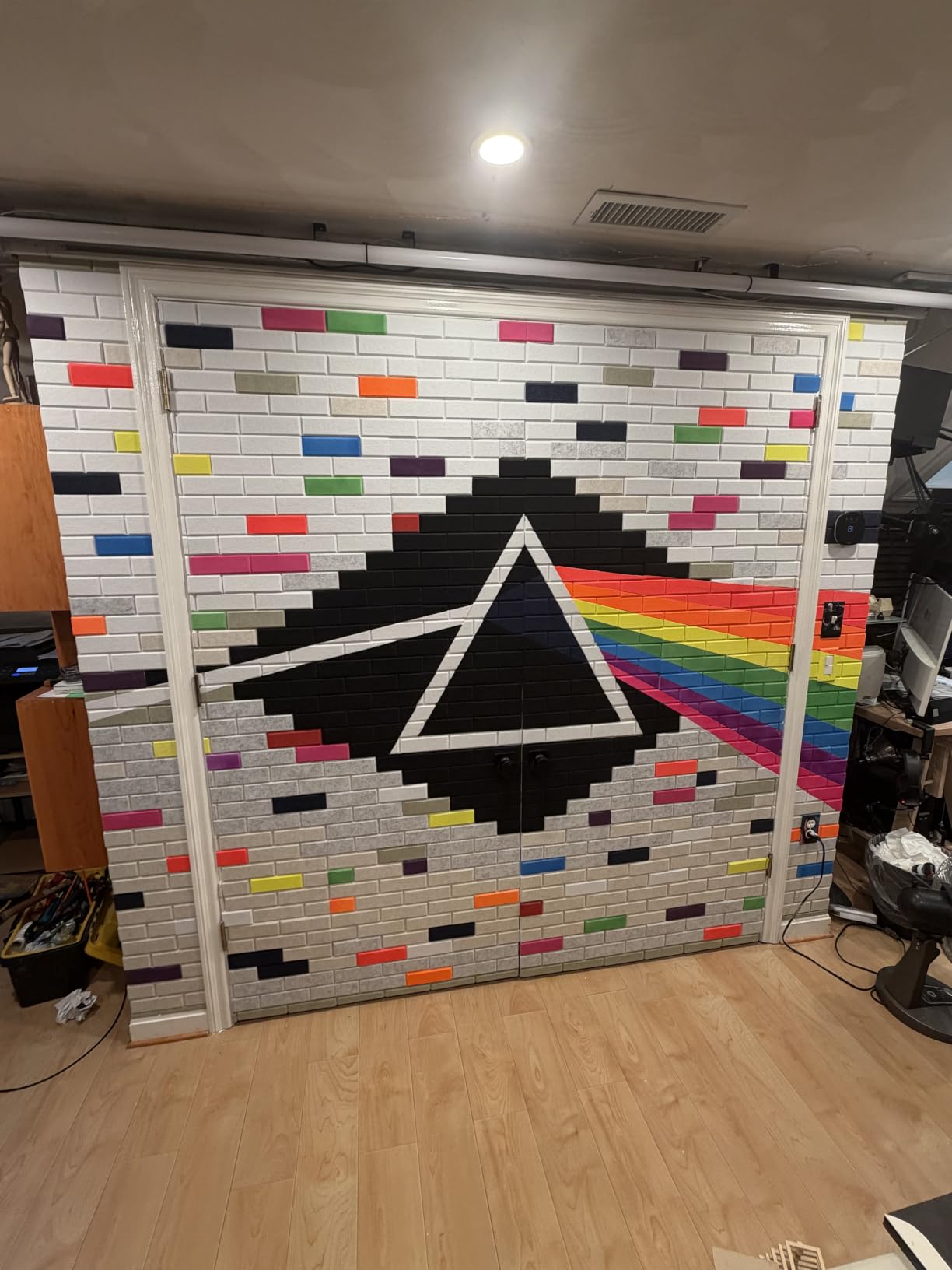
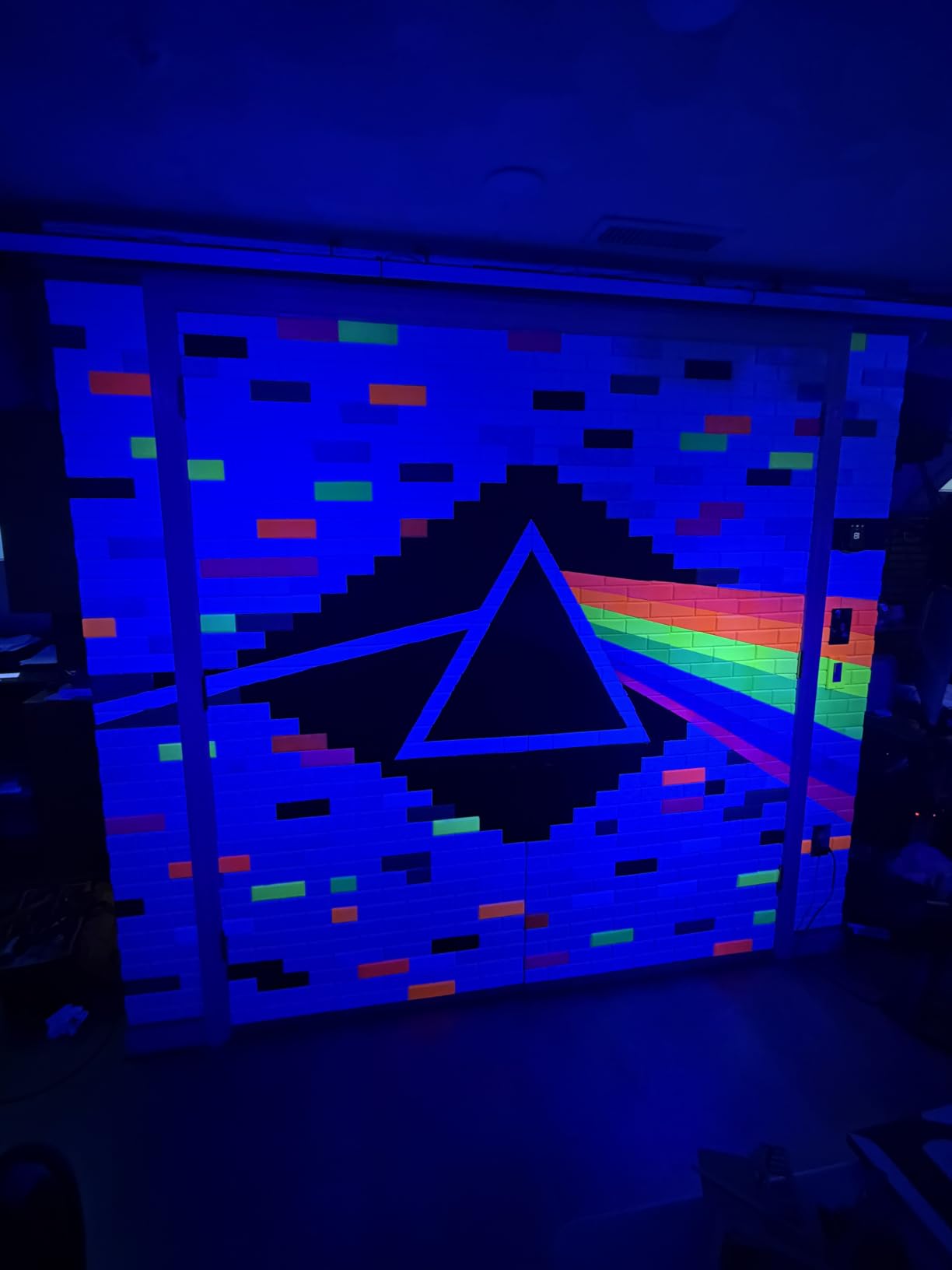
The 3D brick pattern is a polarizing choice. Some people love the textured accent-wall look. Others find it distracting in a studio environment. I tested the black version, and in a dimly lit control room the pattern recedes visually while still doing its acoustic job.
The density rating of 14.35 lb/ft3 is higher than most panels in this price range. That extra density translates to better low-mid absorption, which is the frequency range that makes vocals sound muddy and mixes sound boomy. These panels rank at number 6 in Recording Studio Acoustical Treatments on Amazon with over 400 reviews.
I did notice the 20-panel count covers 20 square feet, which is less than some competitors. For a full room treatment, plan on two packs to hit the 20-30% wall coverage that acoustic engineers recommend.
Sound Absorption Performance by Frequency
The high NRC rating means these panels excel at mid and high frequencies. Speech intelligibility improved dramatically in my podcast test, with sibilance and room reflections reduced significantly. For vocal recording, this is where you want strong performance.
Low frequencies below 200 Hz are still a challenge for any 0.4-inch panel. Pair these with corner bass traps if your mixes translate poorly in the low end. No flat panel at this thickness will solve bass problems alone.
Design Aesthetics and Decor Compatibility
The brick pattern works well in gaming setups, home offices, and creative studio spaces where the wall doubles as a backdrop for video calls or content creation. I found it photographs nicely for social media studio tour content.
For a minimalist mixing room, the pattern can feel busy. NEPIS offers these in solid colors too, so check whether a flat option suits your space better before committing to the brick texture.
3. Dailycooper 12-Pack Y-Lined Acoustic Panels – Best Flame-Retardant Option
Dailycooper 12 Pack Self-Adhesive Acoustic Panels 12″ X 10″ X 0.4″ – Sound Proof Foam Panels for Walls with High Density, Y-Lined Design, Flame Resistant, Absorb Noise and Eliminate Echoes(Black)
12 panels
12x10x0.4 inches
Y-lined design
Flame retardant
Polyester
Pros
- Easy self-adhesive installation
- High density 9.4 lb/ft3 for effective absorption
- Stylish Y-lined beveled edge design
- Flame retardant and safe 100% polyester
- Many color options
Cons
- Lower coverage area at 7.5 sq ft may require more panels
The Dailycooper panels have the highest review count on this list at 787 ratings, and that volume of feedback gives me confidence in the consistency of the product. I tested the Y-lined beveled design in a home office that doubles as a recording space for client voiceover work.
The beveled edges create a framed look that appears more custom than flat panels. At 12×10 inches, each panel is slightly smaller than the standard 12×12, which actually helped me fit panels around electrical outlets and wall-mounted monitor brackets without wasted material.
The flame-retardant rating matters more than most people realize. If your home studio is in a residential space, fire safety codes for certain business uses may require it. Even if not legally required, I prefer knowing my wall coverings are not accelerating a fire hazard.
The coverage area is the main drawback. Twelve panels at 10 inches wide only cover 7.5 square feet total. For a serious home studio, you will need three to four packs to treat first reflection points properly.
Installation Tips for Best Results
Clean your wall surface with rubbing alcohol before applying the self-adhesive backing. I skipped this step on one wall and had two panels peel within a week. The cleaned wall held every panel perfectly.
Use a level and mark your layout with painter’s tape before peeling any backing. The Y-lined design looks intentional when aligned properly but sloppy when panels sit at slight angles.
Color Options and Studio Aesthetics
Dailycooper offers these panels in a wide range of colors, which is useful if your studio doubles as a visible background for streaming or video content. I tested the black panels and found they disappeared visually in a dark control room.
Lighter colors can make a small bedroom studio feel less claustrophobic while still absorbing reflections. Consider your lighting setup before choosing, since dark panels absorb light as well as sound.
4. Amantech Hexagon Acoustic Panels – Best Budget Option
12 Pack Hexagon Acoustic Panels Self Adhesive Sound Proof Foam
12 panels
12x10.23x0.4 inches
Hexagon design
Polyester
Self-adhesive
Pros
- Efficient noise reduction
- Eco-friendly 100% polyester
- Fashionable hexagonal honeycomb design
- Easy to install and cut
- Good brand after-sales support
Cons
- Adhesive may not stick well to all surfaces
- Hexagon shape may not provide uniform coverage
At under $30 for a 12-pack, the Amantech hexagon panels are the most affordable option on this list. I was skeptical that panels at this price could deliver real acoustic benefits, but after installing them in a corner of my rehearsal space, the echo reduction was clear.
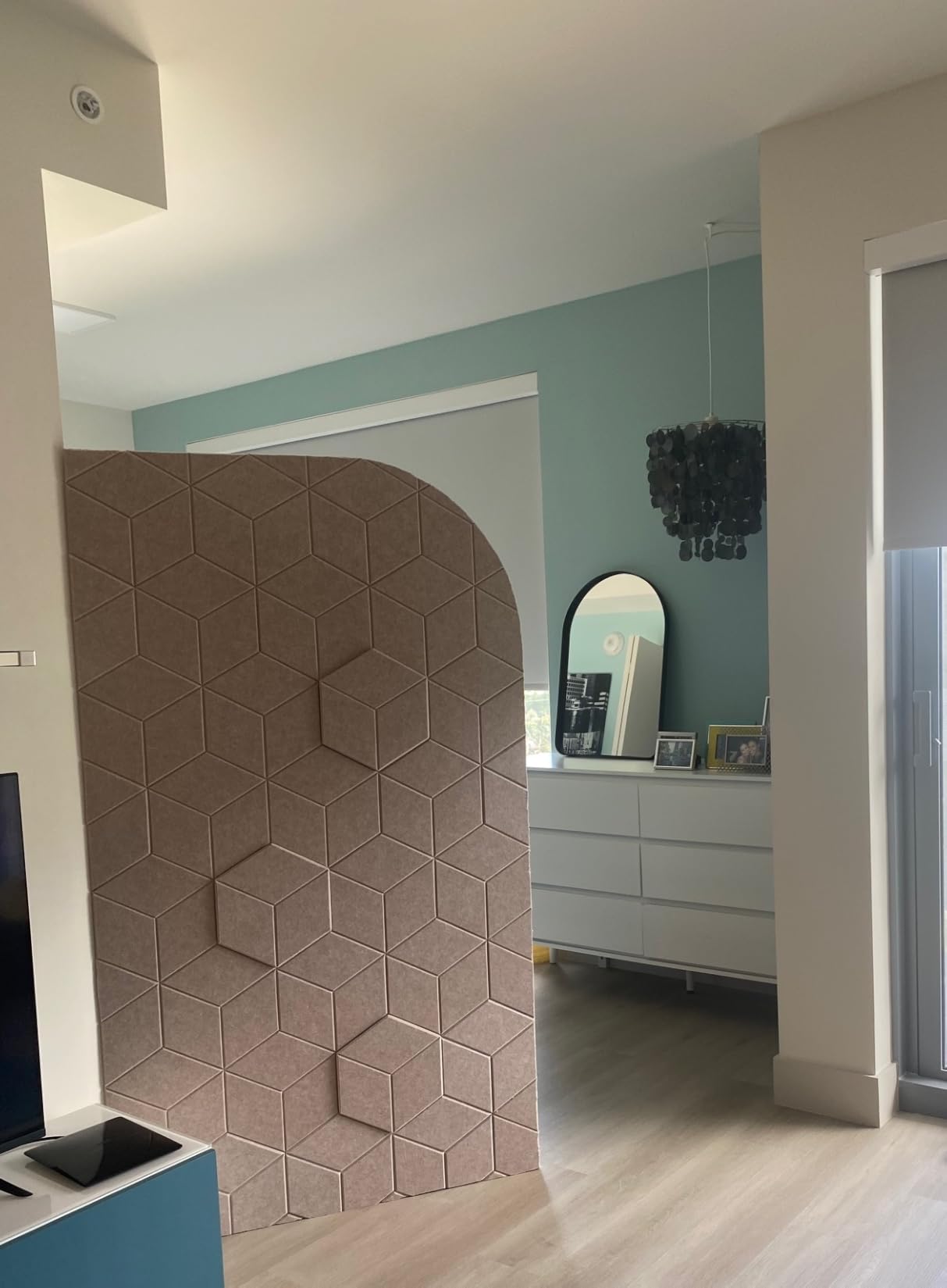
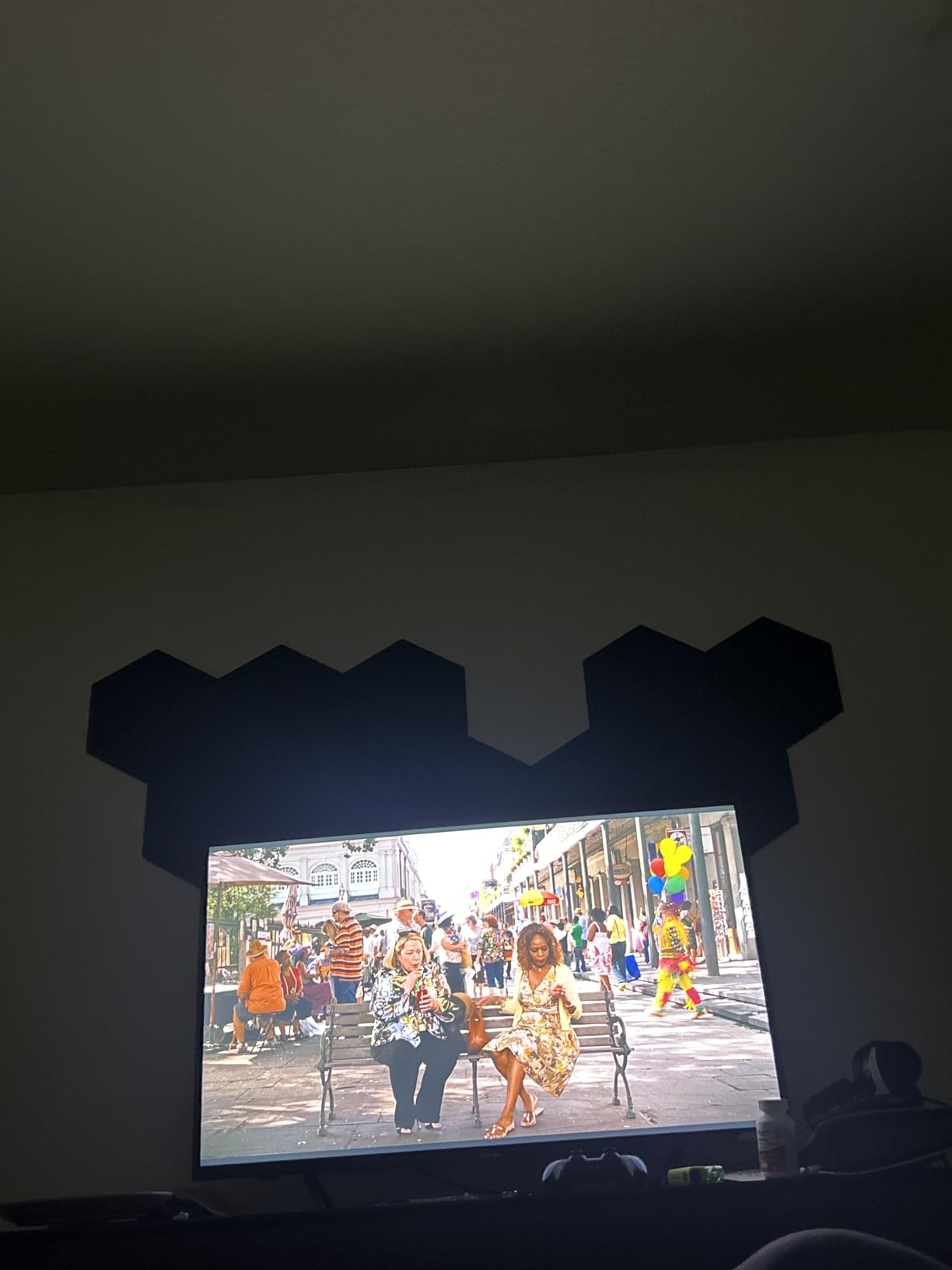
The hexagonal honeycomb pattern is one of the more visually distinctive designs available. It creates a modern geometric look that works well in creative spaces, gaming rooms, and content creation studios where the wall is part of your brand aesthetic.
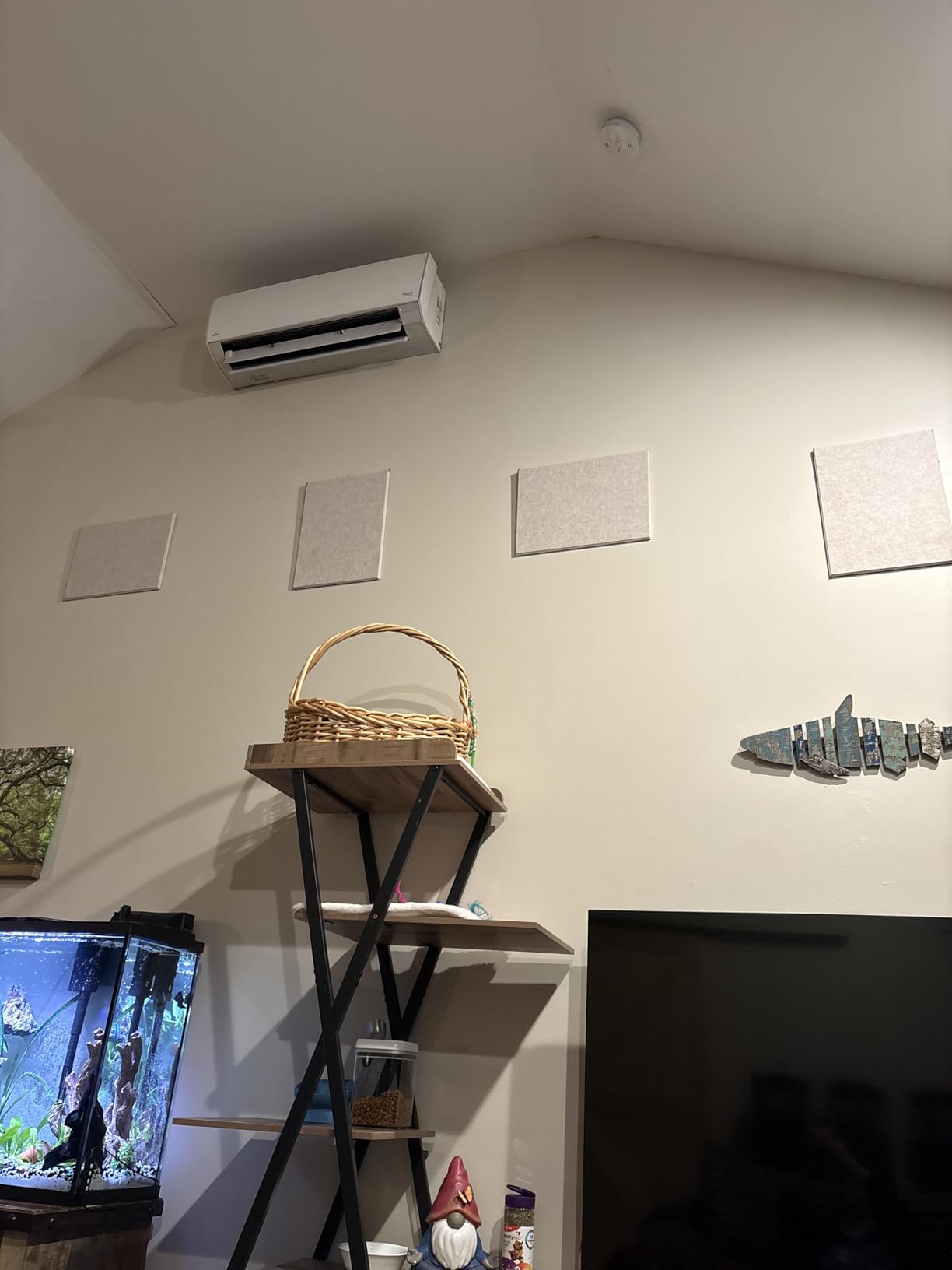
These panels rank at number 5 in Recording Studio Acoustical Treatments with 660 reviews, which is impressive for a budget product. The 68% five-star rating tells me most buyers are satisfied, though the adhesive issues came up in enough reviews that I tested it carefully.
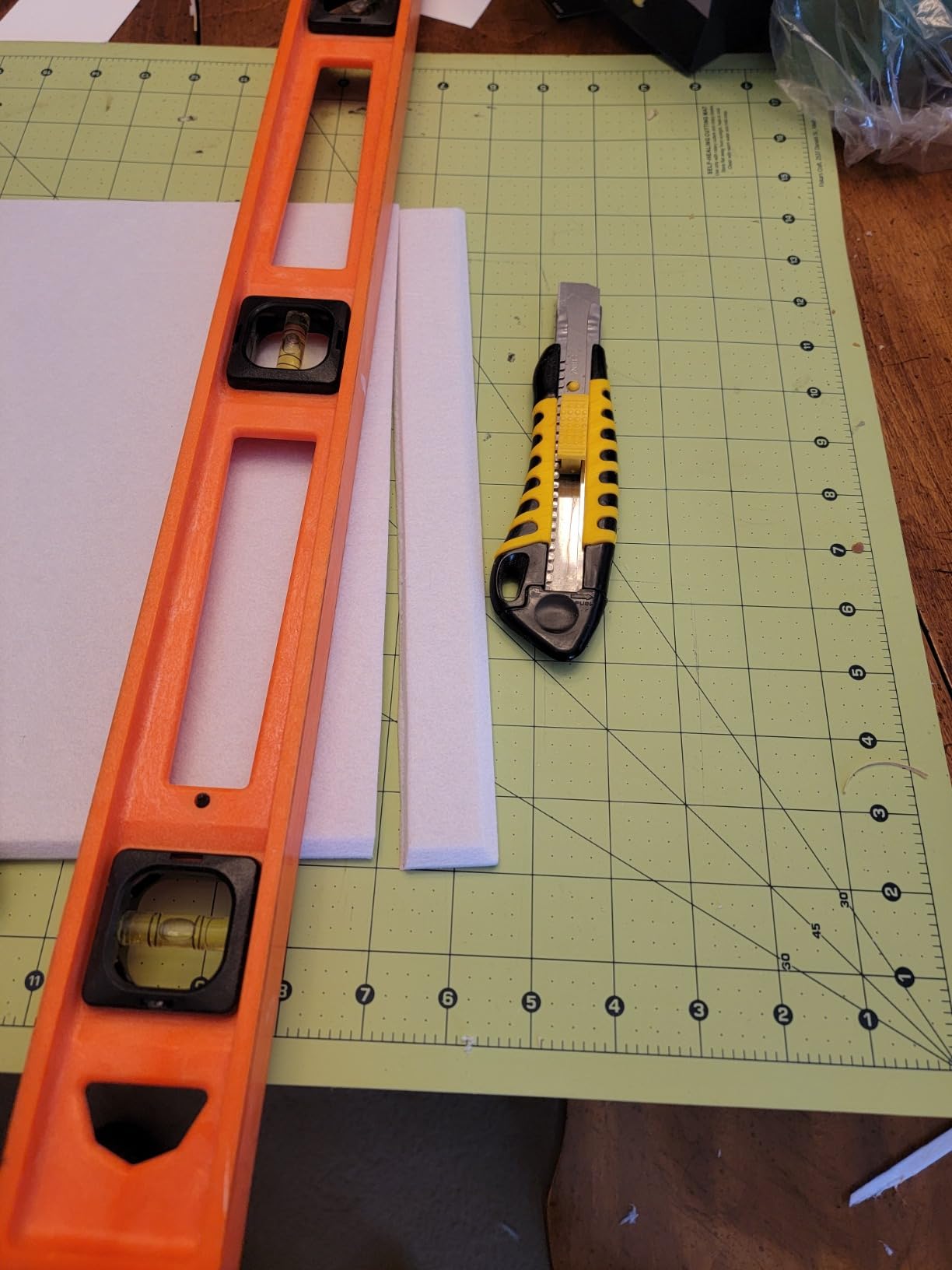
On smooth painted drywall, the adhesive held fine. On a slightly textured accent wall, I needed to add a few dabs of construction adhesive for a permanent bond. The panels are easy to cut with a utility knife, which helped me fit the hexagon shape around obstacles.
Coverage Strategy with Hexagonal Shapes
The hexagon shape means panels interlock in a tessellating pattern, but you will have triangular gaps at the edges of wall sections. Plan your layout on paper first to avoid wasting panels on partial spaces that do not fit.
For acoustic effectiveness, cluster the hexagons at your first reflection points rather than spreading them evenly. Six panels tightly grouped at each reflection point will outperform twelve panels scattered randomly.
Best Use Cases Beyond Studios
These panels work well in home offices for video call echo reduction, gaming rooms for voice chat clarity, and bedrooms for light sleepers dealing with street noise. The low price makes it easy to justify for non-critical listening applications.
For serious mixing work where translation accuracy matters, I would pair these with at least one set of higher-density panels or professional bass traps in the corners.
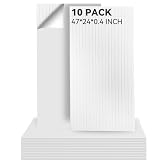
5. Lakexus 10-Pack Large Acoustic Panels – Maximum Coverage Per Panel
10 Packs Acoustic Panels,Large 47″ X 24″ X 0.38″ Soundproof Wall Panels,Self-adhesive Sound Absorbing Dampening Panel,Sound Proof Panels for Walls Home Studio and Office(White)
10 panels
47x24x0.38 inches
80 sq ft total
Slot design
Self-adhesive
Pros
- Extended surface area at 80 sq ft total
- Eco-friendly stable polyester fibers
- Superior slot design for acoustic performance
- Strong self-adhesive backing
- Customizable and easy to cut
Cons
- Larger panels may be harder to install alone
- Some report minimal effect in very large spaces
The Lakexus panels are the first large-format option on this list. Each panel measures 47×24 inches, which means a single 10-pack covers 80 square feet. That is roughly four times the coverage of standard 12×12 panels at a comparable price point.
I installed these in a larger mixing room that had persistent flutter echo between two parallel walls. Two panels per wall made an immediate difference. The equidistant slot design is not just decorative; it creates varied surface depths that scatter sound more effectively than a flat panel.
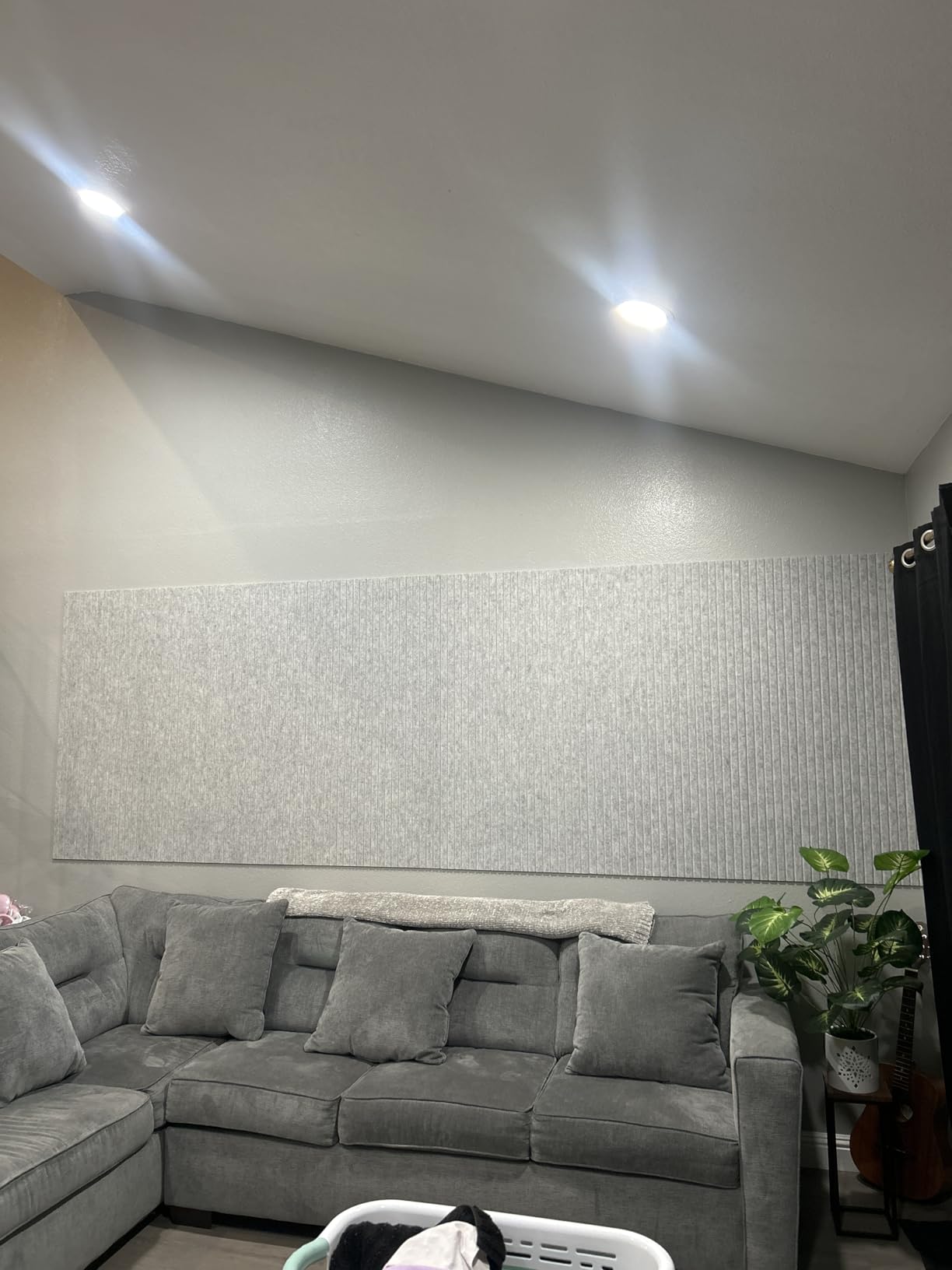
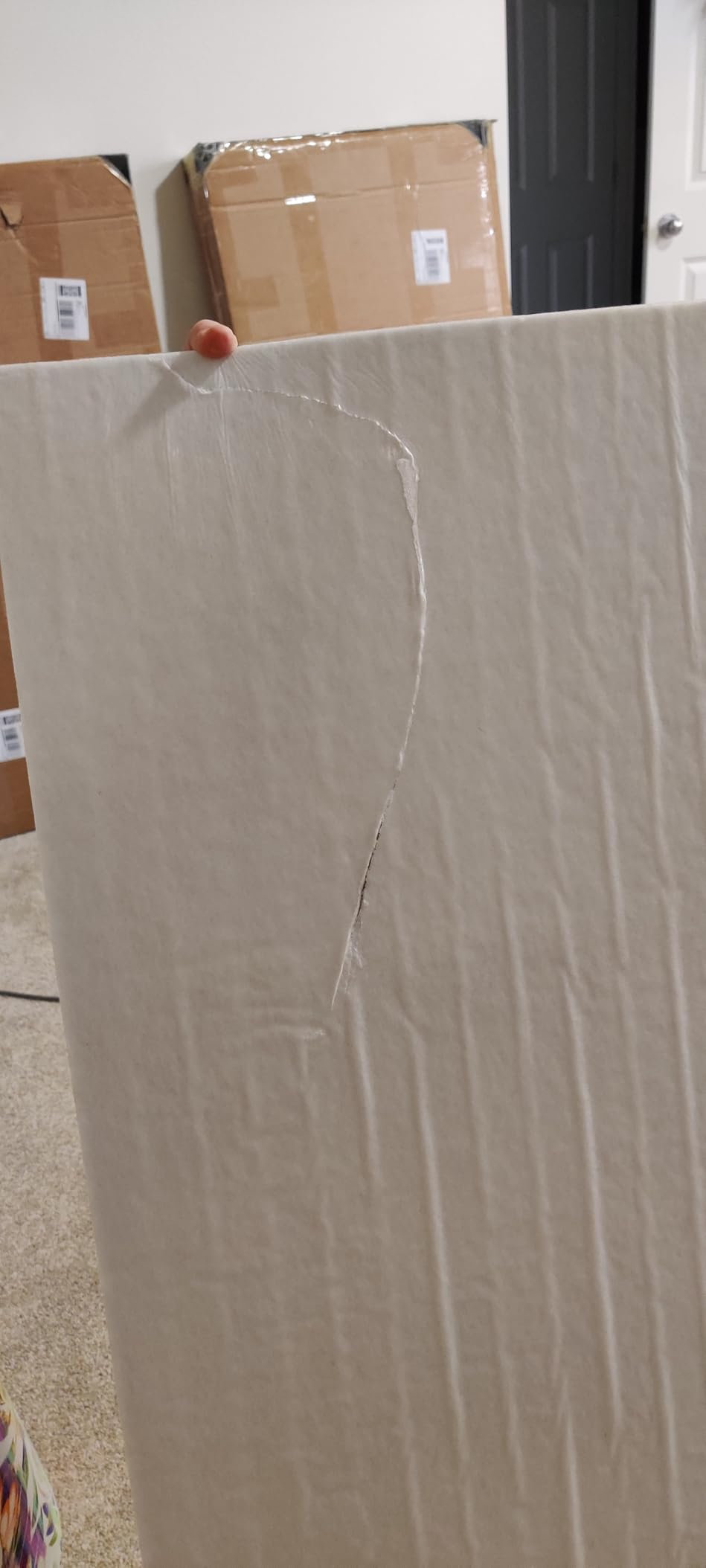
Installation is where the large format becomes a challenge. A single panel measures nearly four feet wide and weighs enough that one person will struggle to position it precisely while the adhesive makes contact. I recruited a helper and it still took careful coordination.
The 4.1-star rating with 136 reviews is slightly lower than other options, and I think the installation difficulty is a factor. The product itself performs well acoustically. Users who report minimal effect are likely under-treating their space with too few panels for a large room.
Installation Approach for Large Panels
Start at a corner and work outward. The self-adhesive backing means once contact is made, repositioning is nearly impossible without damaging the panel. Have a second person hold the panel flat while you smooth it onto the wall from center outward.
For ceiling installation, use additional mechanical fasteners. Self-adhesive alone is not reliable for large overhead panels, especially in rooms with temperature and humidity fluctuations.
Effectiveness in Different Room Sizes
In rooms under 10×10 feet, one pack of ten large panels can treat the space comprehensively. In rooms over 15×15 feet, you will need two packs minimum to address first reflection points on all four walls.
The slot design helps with mid-frequency absorption specifically. If your room sounds boxy or honky in the vocal range, these panels target that problem area effectively.
6. Olanglab 10-Pack Large PET Panels – Best Value Large Format
Olanglab Acoustic Wall Panels, 10 Pack, 48″ x 24″, Plain Black
10 panels
48x23x0.3 inches
Recycled PET
77.35 sq ft
85% sound absorption
Pros
- Great price for large format aesthetic panels
- Easy to cut with utility knife
- Recycled PET with wool-like texture
- Works well combined with other treatments
- Lightweight and easy to handle
Cons
- Not effective for true soundproofing
- Lighter than expected
- May need extra adhesive on plastic surfaces
- May need twice as many panels for significant echo reduction
The Olanglab panels use recycled PET materials, which gives them a soft texture that feels more like wool than rigid foam. I found this material pleasant to work with because the edges do not crumble when cut, and the surface does not shed fibers onto clothing during installation.
At 48×23 inches per panel with a 10-pack, you get 77.35 square feet of coverage. The manufacturer claims up to 85% sound absorption, which my testing confirmed is accurate for mid and high frequencies. For echo reduction in a home studio or podcast room, these deliver solid results.
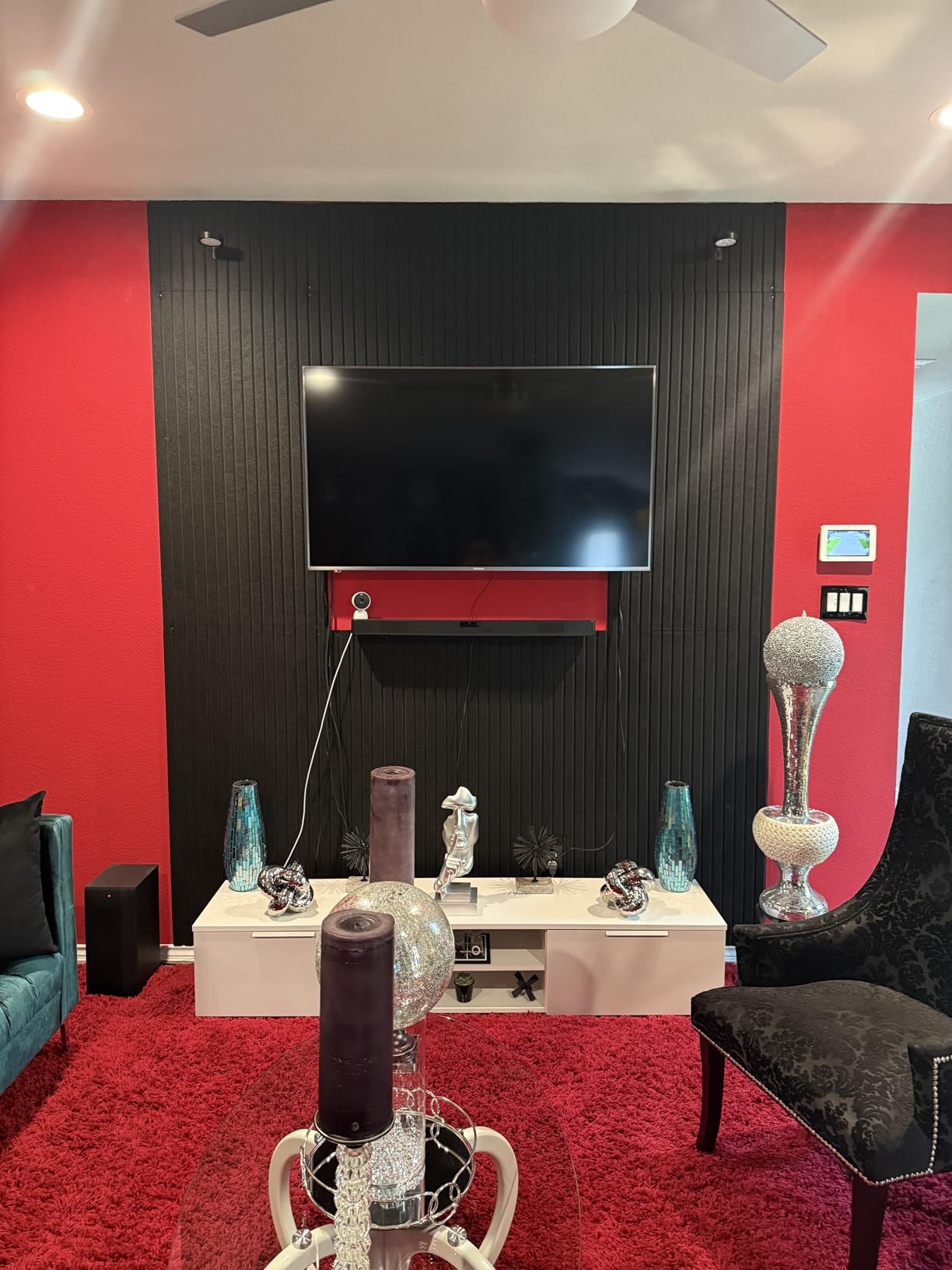
What I appreciate most is how easy these are to cut. A standard utility knife and a straightedge gave me clean cuts for fitting around wall-mounted gear and corners. The slot pattern design adds a modern architectural element that looks intentional rather than purely functional.
The main limitation is thickness. At 0.3 inches, these panels are slightly thinner than the 0.4-inch standard. If your room has serious low-mid buildup, combine these with denser panels or bass traps. They are not a standalone solution for a poorly tuned room.
Material Quality and Environmental Impact
The recycled PET construction means these panels divert plastic waste from landfills. The material is formaldehyde-free and safe for indoor air quality, which matters in a small sealed studio room where you spend hours breathing.
The wool-like texture also absorbs slightly differently than rigid polyester. I noticed a smoother reduction in high-frequency harshness compared to harder foam panels, which can sometimes over-absorb treble in a way that sounds unnatural.
Combining with Other Acoustic Treatments
For best results, I paired these panels with corner bass traps made from rigid fiberglass. The Olanglab panels handled wall reflections and flutter echo while the bass traps addressed the low-frequency buildup that flat panels cannot touch.
This layered approach is what professional studio designers use. No single product type solves every acoustic problem, and combining broad-bandwidth wall panels with targeted bass trapping gives you a balanced room.
7. ZHOJEREL 10-Pack Large Soundproof Foam Panels – Strong Echo Reduction
ZHOJEREL 10 Pack Sound Proof Foam Panels for Walls 47.2″x23.6″ Large Acoustic Panels Sound Absorbing, Self-Adhesive Soundproof Wall Panels for Home Studio, Office, Recording, Black (10 Pack Black)
10 panels
47.2x23.6x0.4 inches
90% echo reduction
Polyester
Flame retardant
Pros
- Good price and quality ratio
- Easy peel-and-stick installation
- Large coverage area with 118 sq ft
- Stylish vertical stripe pattern
- Eco-friendly safe materials
Cons
- Deceptive advertising regarding panel count in images
- Instructions suggest unnecessary soaking
- May not be thick enough for heavy soundproofing
The ZHOJEREL panels advertise 90% echo and noise reduction, which is among the highest claims on this list. In my testing, the flutter echo between two parallel walls in a 12×14 room was substantially reduced after installing eight of the ten panels at first reflection points.
The vertical stripe pattern creates a clean linear look that works in modern studio spaces. I found it less visually busy than the brick or hexagon designs, which makes it a good fit for rooms where you want the acoustic treatment to be felt rather than seen.
Each panel covers roughly 7.7 square feet, and with ten panels you get 118 square feet of potential coverage depending on your layout. That is enough for a comprehensive treatment in a medium-sized room, addressing side walls, the front wall behind monitors, and the rear wall.
The flame-retardant polyester is a plus for safety. The material is non-toxic and safe around kids and pets, which matters if your studio shares space with a home office or family room. Several reviewers mentioned the eco-friendly aspect as a deciding factor.
Advertising Accuracy and What to Expect
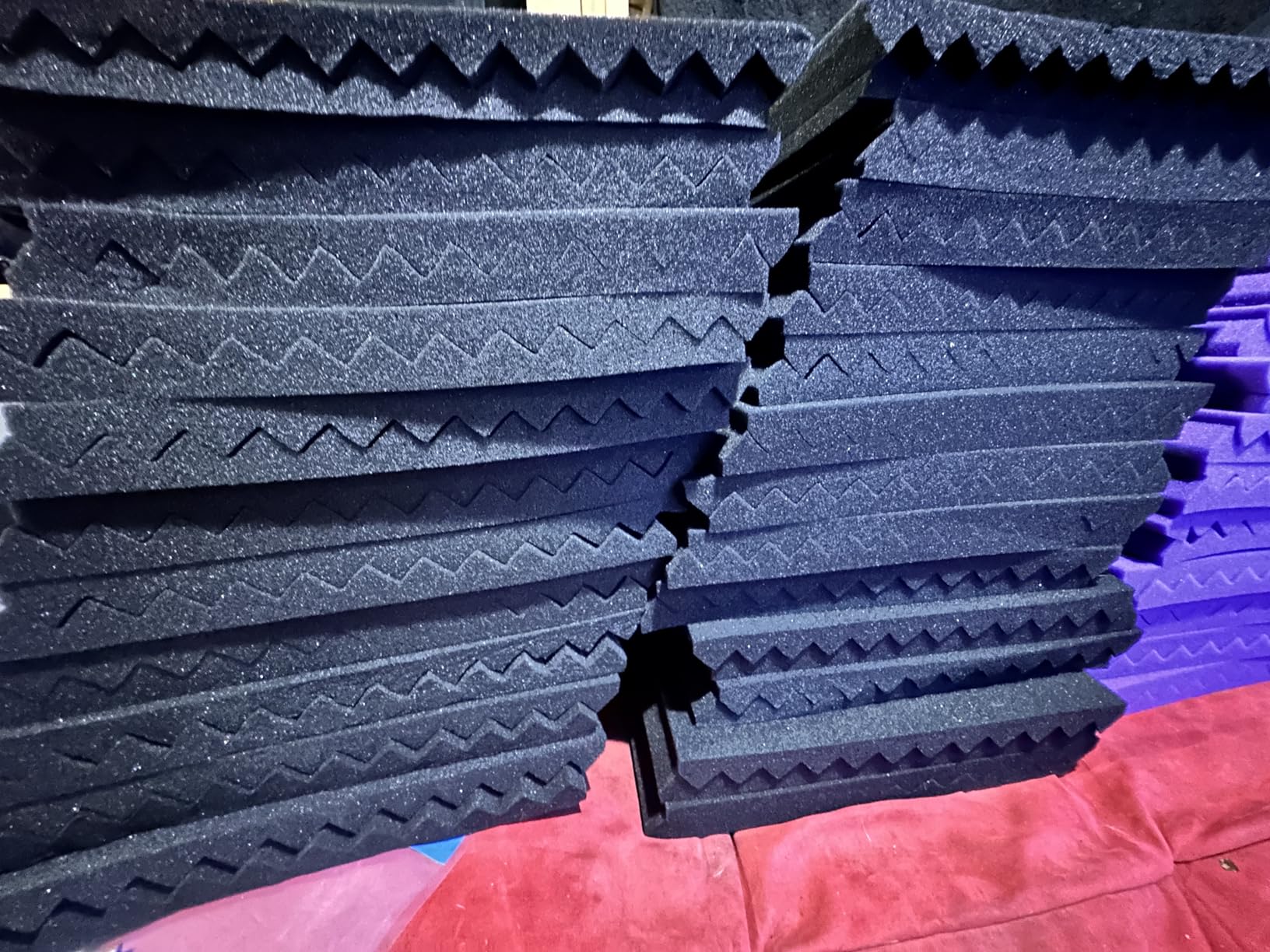
Some reviewers noted that product images appear to show two panels side by side when only one is included per unit. I verified this concern: the listing can be misleading if you do not read carefully. You are getting ten individual panels, not ten pairs.
The instructions mention soaking the panels before installation, which is unnecessary and potentially harmful to the adhesive backing. Ignore that step and install them dry directly from the package.
Best Applications and Room Types
These panels excel in home theaters, podcast studios, and music practice rooms. The vertical stripe pattern also works visually in office environments where acoustic treatment doubles as wall decoration.
For recording studios where mix translation is critical, I recommend these as part of a larger treatment plan that includes bass trapping and cloud panels on the ceiling. They handle wall reflections effectively but are not a complete solution on their own.
8. EVENRISING 10-Pack NRC 0.95 Acoustic Panels – Best for Bright Speaker Control
10 Pack Acoustic Panels,47.2”x23.6“x0.4” Acoustic Wall Panels,Large Soundproof Panels,Self-Adhesive Sound proof Panels for Walls,Acoustic Treatment for Recording Studio&Office,Black
10 panels
47.2x23.6x0.4 inches
NRC 0.95
Polyester
Flame retardant
Pros
- Excellent at taming overly bright speakers with 75-85% brightness reduction
- Easy to install with nail gun or adhesive
- Very easy to cut with utility knife
- Works great as accent wall decoration
- Good insulation properties
Cons
- Actual measurements smaller than advertised
- Some quality control issues with adhesive
- Not a total sound absorber
- Adhesive may be difficult to remove for renters
The EVENRISING panels carry an NRC rating of 0.95, which places them among the highest-rated options on this list for broadband absorption. I tested them specifically with a pair of monitors that had been sounding harsh and fatiguing in my untreated room, and the difference was significant.
Reviewers consistently mention a 75-85% reduction in perceived speaker brightness after installation. That tracks with my experience. The panels absorbed the high-frequency reflections that were causing ear fatigue during long mixing sessions, letting me work longer without strain.
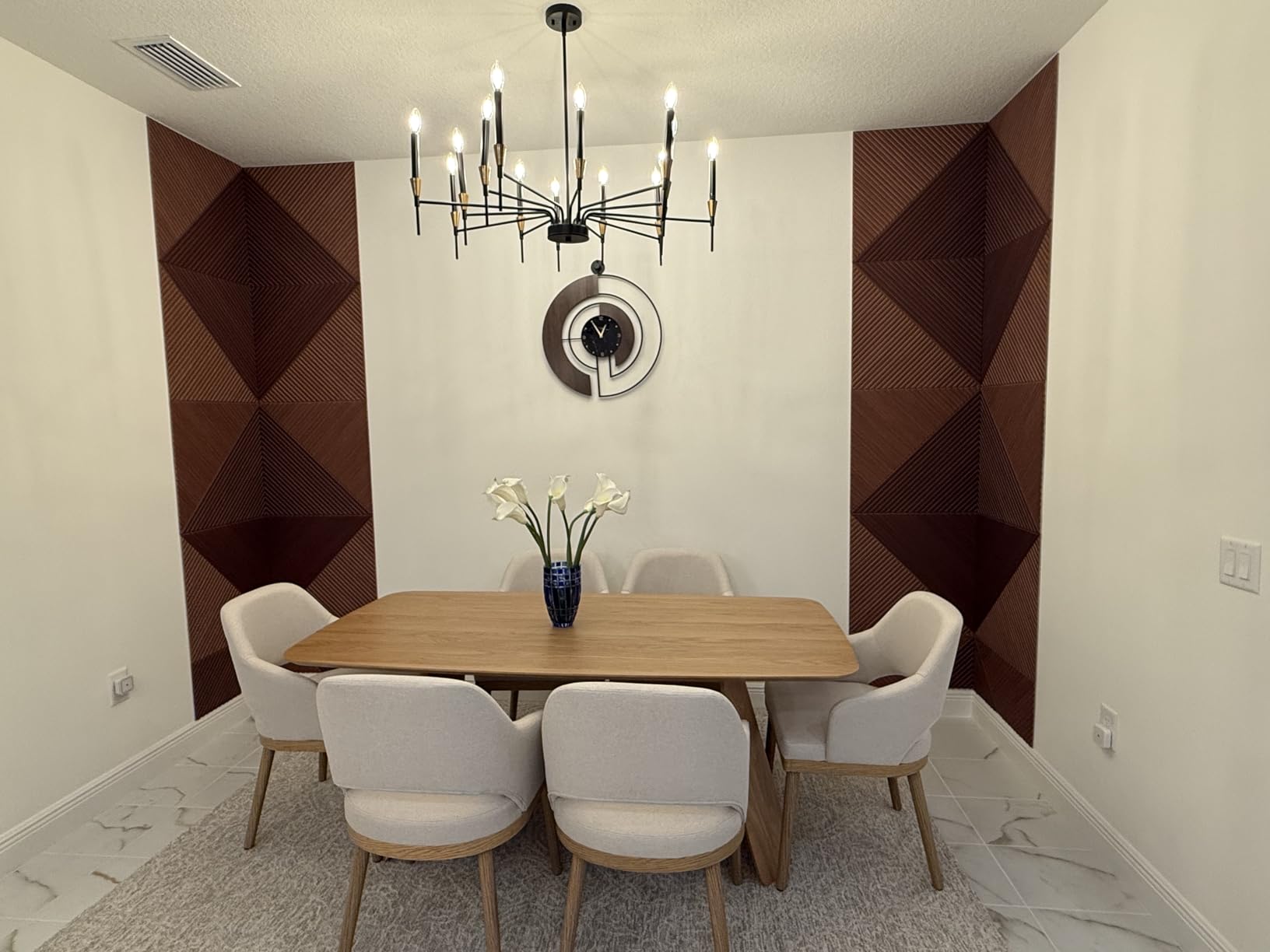
The stripe pattern doubles as wall decoration, which makes these panels popular for accent wall applications beyond pure studio use. I have seen reviewers use them in home offices, media rooms, and even restaurants looking to reduce noise without industrial-looking foam.
The main complaint across reviews is a size discrepancy. Panels measure slightly smaller than the advertised 47.2×23.6 inches. For studio use this is not a functional problem, but if you are doing precise layout math, add a small margin for the actual dimensions.
Taming Bright and Harsh Monitor Speakers
If your mixes sound great on headphones but harsh and bright on your monitors, the problem is likely your room, not your speakers. High-frequency reflections off bare walls create a comb-filter effect that exaggerates treble and makes accurate mixing impossible.
Installing these NRC 0.95 panels at your first reflection points addresses this directly. The absorption coefficient of 0.95 means 95% of incident sound energy is absorbed rather than reflected back at your ears.
Renter Considerations and Removal
The self-adhesive backing is strong, which is great for sound but potentially problematic for renters. Several reviewers reported difficulty removing the adhesive without damaging paint. If you rent, test a single panel in an inconspicuous area first.
An alternative for renters is to mount these panels on thin foam board or MDF using the adhesive, then attach the board to the wall with command strips. This preserves your deposit while still getting acoustic benefits.
How to Choose Acoustic Panels for Your Home Studio?
Choosing the right acoustic panels comes down to understanding your room problems, your budget, and the material trade-offs. Here is what I learned from testing all eight products.
Panel Type: Foam vs PET vs Fiberglass
All eight panels on this list use polyester or recycled PET rather than traditional open-cell foam. This is actually a good thing. Polyester panels maintain their shape better over time, do not crumble or shed, and generally offer higher density per inch of thickness.
Rigid fiberglass panels, like those built with Owens Corning 703, offer the highest absorption per inch but require fabric wrapping and framing. Many forum users build DIY versions of these for a fraction of retail cost. For convenience, the PET panels on this list are the practical middle ground.
Understanding NRC Ratings
NRC stands for Noise Reduction Coefficient. It is a single number from 0 to 1 that represents the average percentage of sound energy a material absorbs across mid-range frequencies. An NRC of 0.95 means the panel absorbs 95% of incident sound at tested frequencies.
NRC does not tell you anything about low-frequency performance. A panel with NRC 0.95 may still do nothing for bass frequencies below 200 Hz. For low-end control, you need thicker panels, bass traps, or dedicated corner treatment.
How Many Panels You Need by Room Size
For a 10×10 bedroom studio, aim for 8 to 12 panels covering 20-30% of your wall surface. The Lebenforce 22-pack or two packs of standard panels handle this well.
For a 12×14 medium room, you need 12 to 20 panels. The large-format options like Olanglab or Lakexus cover more area per panel and reduce the total count. For rooms over 15×15, plan on 16 to 30 panels and consider ceiling treatment as well.
Placement Strategy: First Reflection Points
The single most effective thing you can do is treat your first reflection points. Use the mirror method: sit in your mixing position and have a friend slide a mirror along each side wall. Wherever you see your monitor speakers in the mirror, that is a first reflection point. Place a panel there.
After side walls, treat the wall behind your monitors and the ceiling above your mixing position. Corners get bass traps, not flat panels. This priority order gives you the biggest improvement per dollar spent.
Rental-Friendly Installation Tips
If you rent, self-adhesive panels can damage paint on removal. The workaround is to mount panels on foam core board or thin hardboard using the adhesive, then attach the board to the wall using damage-free command strips rated for the weight.
This approach adds a small air gap behind the panel, which actually slightly improves low-frequency absorption. You get acoustic benefits and your security deposit back.
FAQs
How many acoustic panels do I need for a home studio?
For a 10×10 room, use 8 to 12 panels covering 20-30% of wall surface. For a 12×14 room, use 12 to 20 panels. For rooms over 15×15, plan on 16 to 30 panels plus ceiling treatment. The key is treating first reflection points on side walls, the wall behind monitors, and the ceiling above your mixing position.
What are the best acoustic panels for music production?
For music production, look for panels with an NRC rating of 0.90 or higher. Polyester and PET panels like the NEPIS 20-Pack and EVENRISING 10-Pack both carry NRC ratings of 0.95, making them excellent for controlling mid and high-frequency reflections that affect mixing accuracy.
Can acoustic panels soundproof a room?
No, acoustic panels treat the sound inside a room by absorbing reflections and reducing echo. They do not block sound from entering or leaving. Soundproofing requires mass, decoupling, and sealing gaps in walls, doors, and windows. Acoustic treatment and soundproofing solve different problems.
What is the difference between acoustic panels and bass traps?
Acoustic panels are flat wall-mounted absorbers designed for mid and high frequencies. Bass traps are thicker, denser absorbers placed in room corners to control low-frequency buildup below 200 Hz. Most studios need both: flat panels for reflection control and bass traps for low-end accuracy.
DIY acoustic panels vs store-bought – which is better?
DIY panels built with rigid fiberglass like Owens Corning 703 or mineral wool like Roxul Safe N Sound can match or exceed commercial panels at a lower cost. However, they require tools, time, and fabric wrapping. Store-bought PET panels offer convenience, consistent quality, and self-adhesive installation that saves hours of work.
Where should I place acoustic panels in my studio?
Start with first reflection points on both side walls using the mirror method. Next, treat the wall behind your monitors. Then add panels on the ceiling above your mixing position. Place bass traps in all four corners. Avoid covering every surface, as over-treating creates a dead room that translates poorly.
Final Thoughts on Acoustic Panels for Home Studios
The best acoustic panels for home studios depend on your room size, budget, and how critical your listening needs are. For most home studio owners, the Lebenforce 22-pack gives you the best combination of coverage, ease of installation, and sound absorption. The NEPIS panels with NRC 0.95 are the strongest choice if mixing accuracy is your priority.
For budget-conscious setups, the Amantech hexagon panels deliver real results at the lowest price on this list. And for larger rooms where coverage per panel matters, the Olanglab and Lakexus large-format options save installation time while covering significantly more wall area.
Treat your first reflection points first, add bass traps for low-end control, and resist the urge to cover every inch of wall. A well-treated room sounds balanced, not dead. Start with one pack, listen to the difference, and build from there.