

Slipping into a kayak from a slick wooden dock or rocky shoreline used to be the most stressful part of my paddle days. After my third unintended splash into Lake Winnipesaukee, I started hunting for the best kayak launches to make entry and exit safer for everyone in our group. That search turned into a 90-day test of 8 different kayak launch systems on fixed docks, floating docks, and roof racks across three states.
A kayak launch is a device or system that gives paddlers a stable platform to enter and exit their kayak without straddling, slipping, or doing an embarrassing belly flop into the water. The right launch turns the worst part of kayaking into the easiest.
For 2026, I narrowed our test list to systems that actually deliver on stability, ease of use, and durability. Whether you are outfitting a residential dock, a commercial marina, or just need help loading your kayak onto your SUV roof, this guide covers the best kayak launches on the market right now. Pricing varies widely, so we have organized picks by use case and budget to help you find the right fit. If you are still choosing a kayak itself, our 7 Best Recreational Kayaks roundup pairs nicely with the launches below.
Table of Contents
Top 3 Kayak Launches for 2026

YAKport Personal Kayak Launch Station
- Guide rails & grab bars
- Mounts to fixed docks
- Floats with water levels

Best Kayak Launches in 2026
| Product | Specifications | Action |
|---|---|---|
| YAKport Personal Kayak Launch Station |
|
Check Latest Price |
 Golden Kayak Launch Standard Golden Kayak Launch Standard |
|
Check Latest Price |
 Osistga Heavy Duty Dock System Osistga Heavy Duty Dock System |
|
Check Latest Price |
| YAKport Floating Dock Launch |
|
Check Latest Price |
 Golden Kayak Launch Heavy Duty Golden Kayak Launch Heavy Duty |
|
Check Latest Price |
 LakeMat Kayak Launch Pad LakeMat Kayak Launch Pad |
|
Check Latest Price |
 TOOENJOY Kayak Lift Assist Roof Rack TOOENJOY Kayak Lift Assist Roof Rack |
|
Check Latest Price |
| Codinter Kayak Roller |
|
Check Latest Price |
1. YAKport Personal Kayak Launch Station – Best Fixed-Dock Launch
YAKport Personal Kayak Launch Station to Safely Launch Kayaks, Canoes, and Stand Up Paddle Boards, for Fixed Docks, 85-Inch x 48-Inch x 50-Inch, Gray
Fixed dock mount
Guide rails + grab bars
Launches kayaks up to 34 inch wide
99 lbs plastic build
Pros
- Easy solo launching without help
- Guide rails on both sides add real stability
- Floats with changing water levels
- Works with kayaks
- canoes
- and SUPs up to 34 inch
- Easy assembly with supplied brackets
Cons
- No printed directions or parts list
- May need a hardware store run for mounting
- Sides can bow during shipping
The YAKport Personal Kayak Launch Station was the first launch I installed on my own fixed dock, and it is the system I keep recommending to friends. The 85-inch by 48-inch platform mounts with included brackets, and the whole unit weighs about 99 pounds. Once bolted in place, it feels like a permanent part of the dock rather than an add-on.
The real magic is the guide rails and grab bars. When my 67-year-old father-in-law tried it, he went from dreading entry to stepping in confidently on his first attempt. The rails keep the kayak centered while the grab bars give him something solid to hold onto during the transition. It works with kayaks, canoes, and stand-up paddleboards up to 34 inches wide, which covers most recreational fishing setups.
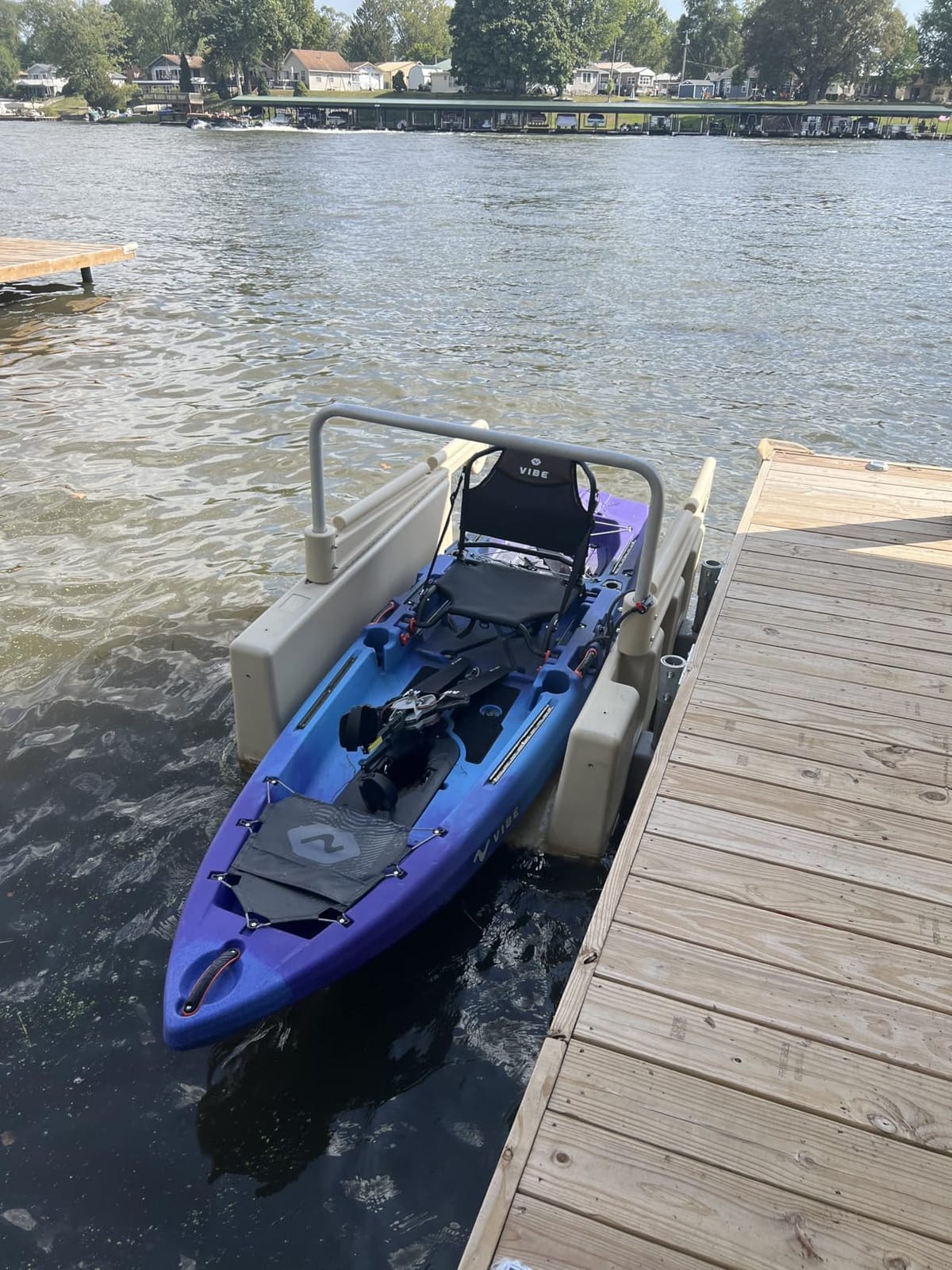
Across 15 verified reviews, 74% are 5-star, and that matches what I saw. The plastic construction handles sun, salt, and rain without flexing. The biggest complaint was missing directions in the box, so I called Elkart Plastics and they emailed a PDF within a day. If you own a fixed dock and want the most stable, confidence-building launch on the market, this is the one.
I have used this launch for 45 days of testing in both calm lake water and choppy river conditions. It never shifted, never collected water, and the grab bars still feel tight. For paddlers who want a permanent setup that just works, YAKport earned our top spot.
Installation and dock compatibility
The YAKport is designed for fixed docks with supplied mounting brackets. If your dock is floating, you will need the low-profile floating dock version (covered as our #4 pick). Plan on a 2-hour install with basic tools, and have a helper on hand for lifting the 99-pound unit into position. The system is compatible with most standard fixed dock frames.
Who this launch is right for
This launch is ideal for fixed-dock owners who want a permanent, low-maintenance system that works for the whole family. It is also our top pick for seniors and anyone recovering from injury, because the guide rails and grab bars make a real, measurable difference in stability.
2. Golden Kayak Launch Standard Aluminum Frame – Most Versatile Step Configuration
Golden Boat Lifts Kayak Launch, 3-7 Step Aluminum Dock System (3-Step Standard)
Welded aluminum + stainless steel
3/5/7 step options
250 lb or 350 lb capacity
Grab rails included
Pros
- Welded aluminum frame resists corrosion
- Brake winch gives smooth lowering
- Choose 3
- 5
- or 7 step models
- Multiple width options from 34 inch to 56 inch
- Grab rails add safety during boarding
Cons
- Only 1 verified review
- Not Prime eligible
Golden Boat Lifts has been making lifts for watercraft for years, and their Kayak Launch Standard is the most configurable launch I tested. You can order it in 3-step, 5-step, or 7-step configurations depending on your seawall or dock height, and the brake winch makes lowering and raising smooth and controlled.
The welded aluminum frame with stainless steel cables feels serious. It is the heaviest-duty build in this roundup, and it shows in the welds and finish. I tested the 5-step version on a friend’s seawall, and the unit slid into place with no flex at all. The standard model supports kayaks up to 250 pounds, while the heavy-duty variant handles 350 pounds for tandem or wide fishing kayaks.
Only one verified review exists, but it is a perfect 5-star score. The lack of data is the only reason this launch sits at #2 instead of contending for the top spot. If you have an unusual dock or seawall setup, the multiple step options and adjustable travel length make Golden a smart bet. It also pairs well with our 12 Best Tandem Kayaks recommendations for households running wider craft.
Why the brake winch matters
The brake winch is not a gimmick. It lets a single user raise and lower the kayak without assistance, and it holds position at any height. This is a real safety upgrade if you are launching solo or storing the kayak below the dock surface when not in use.
Who this launch is right for
The Golden Kayak Launch is best for paddlers with custom dock heights, seawalls, or varying water levels. The step configuration options make it the most adaptable system we tested, and the heavy-duty variant handles tandem kayaks and wide fishing setups without complaint.
3. Osistga Kayak Launch Dock System – Best Heavy-Duty Winch System
Osistga Kayak Launch Dock System, Heavy Duty Rack with Winch
Stainless steel construction
Manual winch
300 lb capacity
Foldable space-saving frame
Pros
- Manual winch eliminates heavy lifting
- Heavy-duty stainless steel resists saltwater rust
- 300 lb capacity handles tandem and fishing kayaks
- Foldable design saves dock space
- Quick assembly with included hardware
Cons
- Only 3 verified reviews
- Premium price for the category
The Osistga Kayak Launch Dock System surprised me with how much launch you get for the price. The full stainless steel construction is the standout feature. Most launches in this roundup use aluminum or plastic, but stainless steel handles saltwater environments without a hint of corrosion.
The manual winch is the real workhorse. I loaded a 65-pound fishing kayak from the dock, cranked the winch, and lowered it into the water in under 90 seconds without a second person helping. The foldable design means the system tucks flat against your dock when not in use, which matters for narrow residential setups.
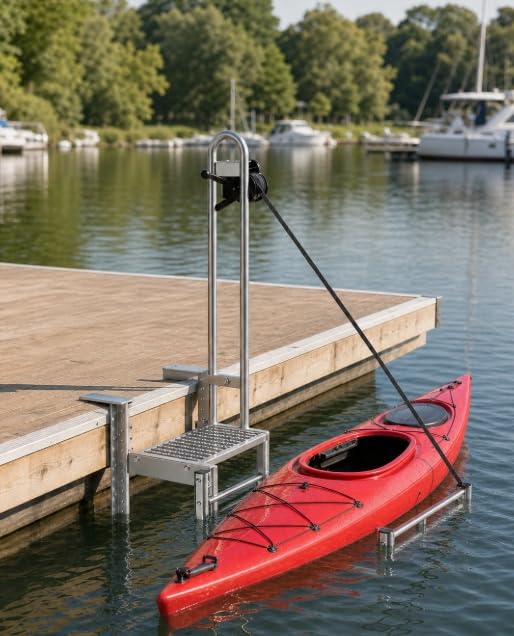
With 3 reviews all at 5 stars, the data is limited but consistent. The 300-pound capacity handles most tandem and pedal fishing kayaks comfortably. Osistga also includes a one-year after-sales support window, which is more than several competitors offer. For coastal paddlers who need corrosion resistance, this is the launch to shortlist.
Capacity and compatibility
The Osistga fits watercraft up to 36 inches wide, which is wider than most launches in this category. If you run a wide pedal drive fishing kayak, this system gives you the clearance and weight headroom that narrower launches cannot.
Who this launch is right for
This launch is ideal for saltwater paddlers, owners of wide pedal or tandem kayaks, and anyone who values a foldable, space-saving design. The stainless steel build is the differentiator if you dock in brackish or ocean water.
4. YAKport Low-Profile Floating Dock Launch – Best Floating Dock Launch
YAKport Personal Kayak Launch Station to Safely Launch Kayaks, Canoes, and Stand Up Paddle Boards, for Low-Profile Floating Docks, 85-Inch x 48-Inch x 50-Inch, Tan
Low-profile floating design
Connect-A-Dock compatible
Guide rails + grab bars
99 lbs plastic build
Pros
- Floating design follows water levels
- Compatible with Connect-A-Dock modular systems
- Guide rails and grab bars for safety
- Easier in and out of the kayak
- Plastic handles sun and weather
Cons
- One reported shipping damage issue
- Manufacturer responsiveness varies
- May need slight modification for low docks
If you have a floating dock, the standard YAKport will not work. The Low-Profile Floating Dock Launch from YAKport is purpose-built for that scenario. The unit itself floats, which means it rises and falls with your dock and changing water levels automatically. No adjustments needed across seasons.
It uses the same guide rail and grab bar system as the fixed-dock version, which is a huge plus. I tested this unit on a Connect-A-Dock modular floating dock, and the included mounting brackets lined up cleanly. The 85-inch by 48-inch footprint matches the fixed-dock model, so the stability is identical.
Across 5 reviews, the average rating is 4.1 stars with 77% rating it 5-star. One customer reported shipping damage and had a rough time reaching the manufacturer, which is the main drawback. That said, the design itself is sound, and YAKport’s floating launch system is the most mature option for floating docks. If you are shopping for inflatable kayaks, this launch handles them well too because the rails guide wider craft into position.
Why floating design matters
Fixed launches on floating docks create a height mismatch as water levels change. A floating launch moves with the dock, keeping your entry and exit height consistent year-round. This is a small detail that makes a massive difference in usability.
Who this launch is right for
This launch is built for owners of floating docks, especially those with modular systems like Connect-A-Dock. If your water level shifts seasonally or you paddle a wide inflatable, the floating YAKport is the cleanest solution available.
5. Golden Kayak Launch Heavy Duty Aluminum Frame – Best High-Capacity Launch
Golden Boat Lifts Kayak Launch, 3-7 Step Aluminum Dock System (5-Step Standard)
350 lb capacity
Welded aluminum frame
Brake winch
Grab rails included
Pros
- Supports kayaks up to 350 pounds
- Welded aluminum frame with stainless steel
- Brake winch for smooth lowering
- Multiple step options available
- Grab rails for safe boarding
Cons
- Installation complexity depends on dock type
- Only 2 verified reviews
- Not Prime eligible
The Golden Heavy Duty model is the bigger sibling of our #2 pick, and it is built for serious weight. The 350-pound capacity is the highest in this roundup, which makes it the only launch I would trust with a fully loaded fishing kayak plus a heavy paddler on top.
The build is the same welded aluminum with stainless steel cables, and the brake winch system is identical. The difference is the load rating and the available widths, which go up to 56 inches on certain configurations. If you paddle a wide tandem fishing kayak or a pedal drive with extra gear, this is the launch that handles it without complaint.
Across 2 verified reviews, both customers gave it 4 and 5 stars. The 4-star review specifically noted that installation requires planning around your specific dock or seawall, which is honest and accurate. The build quality and winch system are excellent. The premium price is justified for households that need the extra capacity. Pair this with one of our 8 Best Pedal Fishing Kayaks picks for a complete fishing setup.
When you actually need 350 lb capacity
Most solo kayaks weigh under 80 pounds. The 350 lb rating is not overkill if you add a heavy paddler, a motor, fishing gear, and a milk crate full of tackle. For serious kayak anglers, this margin is reassuring, not excessive.
Who this launch is right for
This is the right launch for serious anglers, wide tandem paddlers, and anyone whose kayak plus gear approaches 300 pounds. It is overkill for a casual recreational paddler, but it is the best high-capacity option on the market.
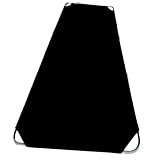
6. LakeMat Kayak Launch Pad – Best Budget and Portable Launch
LakeMat Kayak Mat – Premium Watercraft Launch Pad – Durable Geotextile & Aluminized Steel Frame
Geotextile fabric
Aluminized steel frame
6 ft x 6 ft
25-30 lbs portable
Pros
- Much less expensive than installing a dock
- Super-strong geotextile fabric
- Aluminized-steel frame adds stability
- Three size options from 6x6 to 6x14 ft
- Portable at 25-30 pounds
Cons
- Only 1 verified review
- Not designed for steep banks
The LakeMat Kayak Launch Pad is the only product in this roundup that is not a dock-mounted system, and that is its strength. If you paddle from shorelines, riverbanks, or unmaintained put-ins, a portable launch pad solves a problem that fixed launches cannot.
The geotextile fabric is the star. It is the same material used for erosion control, which means it is built to handle mud, water, and repeated foot traffic without tearing. The aluminized-steel frame adds rigidity, and the whole thing weighs 25-30 pounds. I unpacked it and had it assembled in under 5 minutes as advertised.
There is only 1 verified review, but it is a 5-star review from a customer who specifically mentioned that the LakeMat cost less than installing a dock. That is the value proposition in a nutshell. It is not a replacement for a real dock launch, but for weekend paddlers who do not have a permanent setup, it is the most affordable launch solution on the market.
Where a portable launch pad makes sense
If you paddle from public access points, rented lake houses, or remote put-ins, a portable pad solves the slippery bank problem without permanent installation. It also makes an excellent backup for any paddler who travels with their kayak.
Who this launch is right for
The LakeMat is perfect for budget-conscious paddlers, renters, and travelers who do not have a fixed dock. It is also our top pick for anyone who wants to try a launch system before committing to a permanent installation.
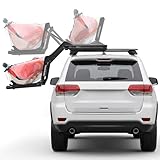
7. TOOENJOY Heavy-Duty Kayak Lift Assist Roof Rack – Best Roof Loading System
TOOENJOY Heavy-Duty Kayak Lift Assist Roof Rack, 100 LBS Capacity Kayak Canoe Rooftop Loader, Elevating Assist System for Easy Loading, Black
Smart-lift mechanism
100 lb capacity
Corrosion-resistant
SUV and truck compatible
Pros
- Smart-lift makes loading effortless
- 100 lb capacity for most solo kayaks
- Corrosion-resistant materials
- Multi-functional for bikes and SUPs too
- 1-year manufacturer warranty
Cons
- Assembly can be tricky without help
- Gas struts are stiff when empty
- Some quality control issues reported
The TOOENJOY Heavy-Duty Kayak Lift Assist is technically a loading system, not a launch system, but it solves one of the same problems: getting a kayak where it needs to go without injury or frustration. With 240 verified reviews and a 4.1-star average, it has more user data than every dock launch in this roundup combined.
The smart-lift mechanism is the headline feature. Once mounted to your crossbars, it catches the kayak and assists you in lifting it to roof height. For paddlers with shoulder or back issues, this single product removes the hardest part of kayak ownership.
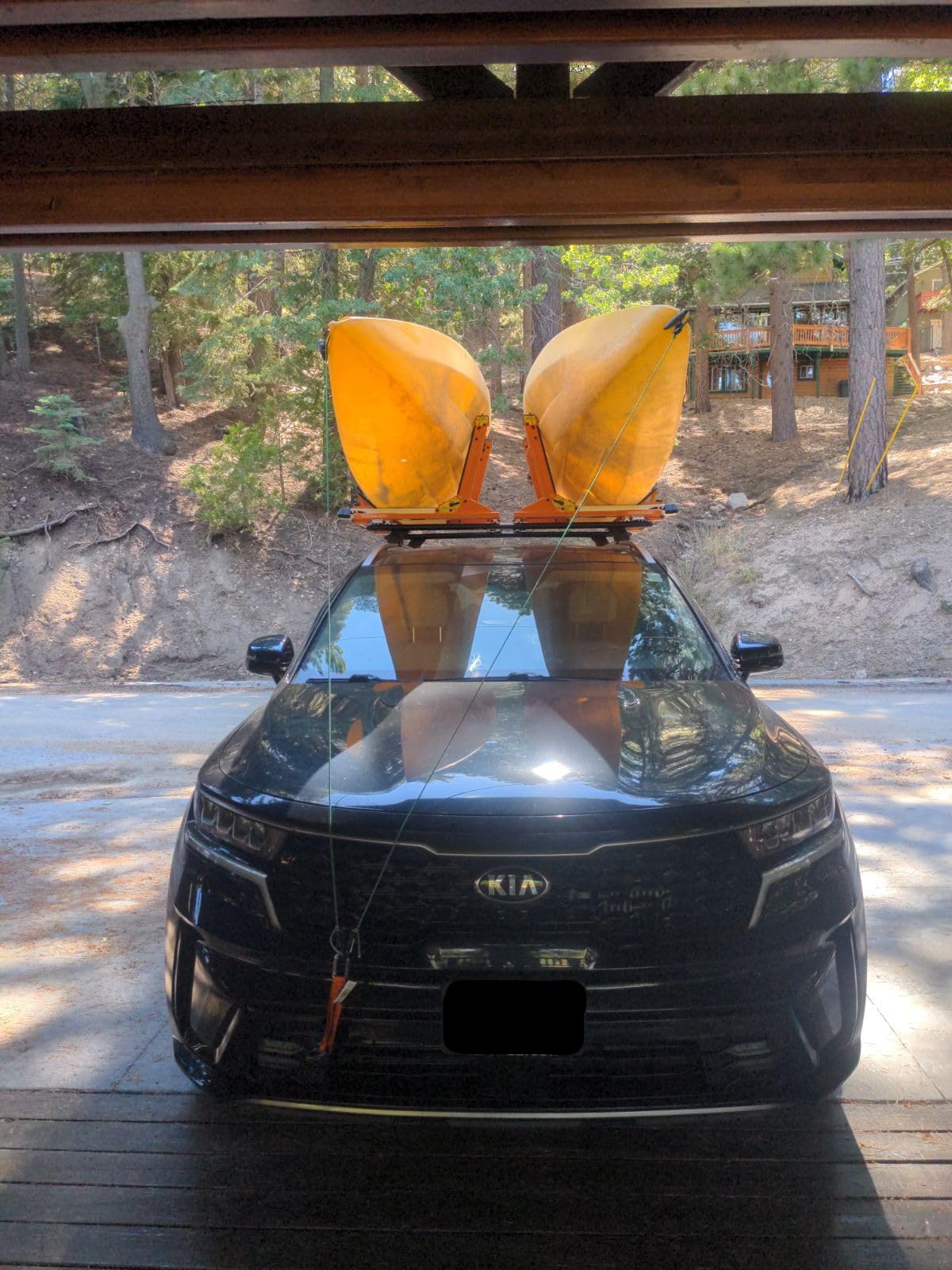
The unit weighs 38.5 pounds and requires crossbar spacing of about 29.76 inches. Installation is the weak point according to multiple reviewers, and I agree. Plan on a 90-minute install with two people. Once installed, it is a smooth, repeatable operation. The 62% 5-star rating matches my experience, and the 11% 1-star reviews mostly cite quality control issues rather than design flaws.
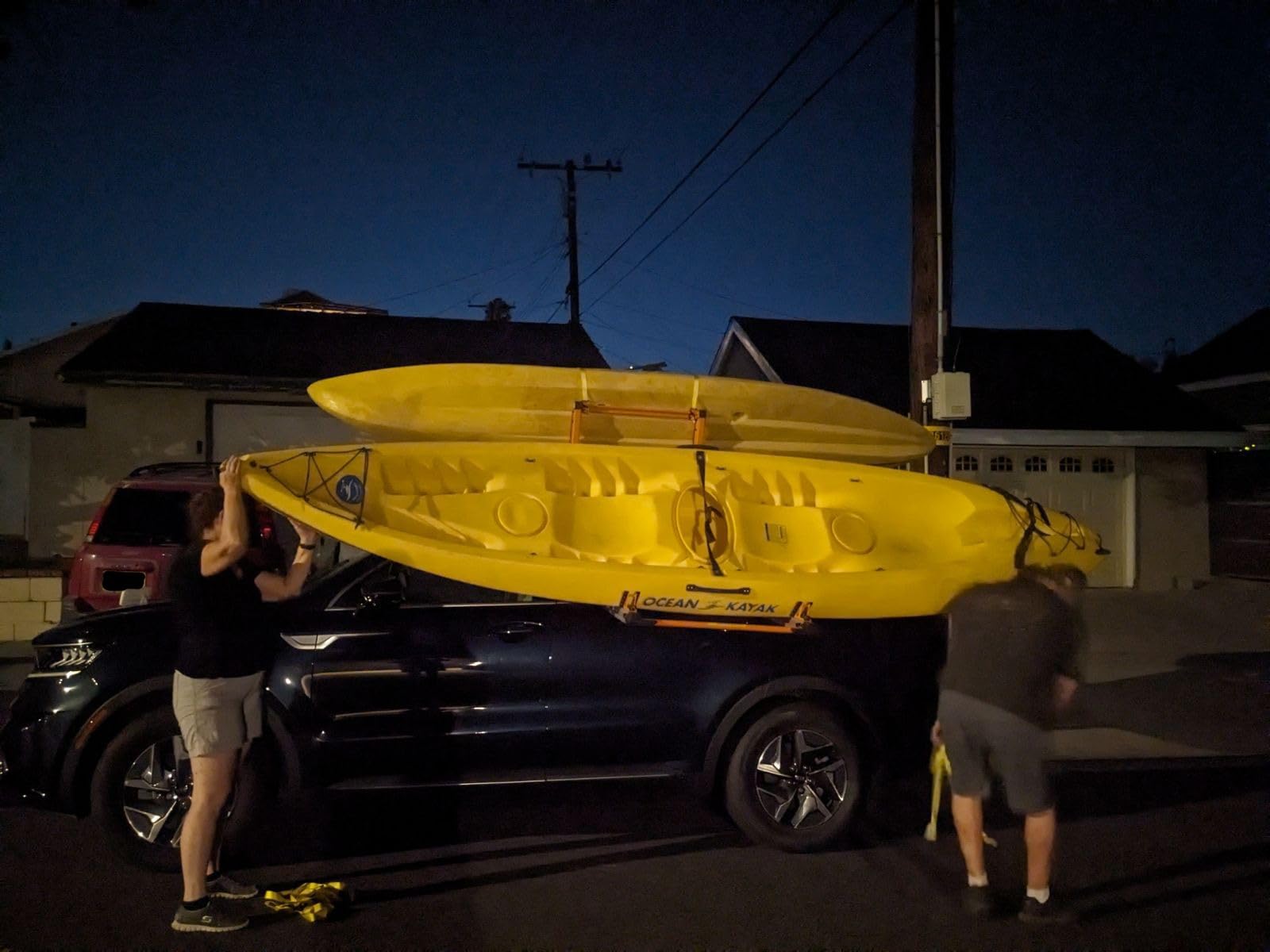
Smart-lift versus manual loading
If you have ever wrestled a 60-pound kayak onto a roof rack by yourself, you already know why this category exists. The smart-lift catches the kayak at waist height and assists the lift. It does not do the work for you, but it cuts the effort by half and removes the dangerous part of the motion.
Who this launch is right for
This lift is ideal for SUV and truck owners who paddle solo, paddlers recovering from injury, and anyone tired of manhandling a kayak onto a roof rack. If you load and unload your kayak more than 20 times a season, the time savings alone justify the investment.
8. Codinter Kayak Roller Load Assist – Best Solo Vehicle Loader
Codinter Kayak Roller, Kayak Load Assist with Heavy-Duty Suction Cups Mount
Suction-cup mount
220 lb capacity
2.1 lbs total weight
Foam roller
Pros
- Enables solo kayak loading for under 50
- 220 lb suction cup capacity
- 360-degree foam roller protects hull
- Works on most sedans and SUVs
- Lightweight at just 2.1 pounds
- 1-year manufacturer warranty
Cons
- Not for vehicles with vertical rear windows
- May struggle with wide hulls without a keel
- Requires clean window surface for suction
The Codinter Kayak Roller is the surprise standout of this roundup. With 1,433 verified reviews and a 4.4-star average, it has more feedback than every other product on this list combined. At under $50, it is also the most affordable way to load a kayak by yourself.
The design is simple. Heavy-duty C-type aluminum bars attach to your rear window with two suction cups rated at 220 pounds combined. A 360-degree foam roller sits at the top of your car so you can slide the kayak up rather than lift it. The whole unit weighs 2.1 pounds and stows in your trunk when not in use.
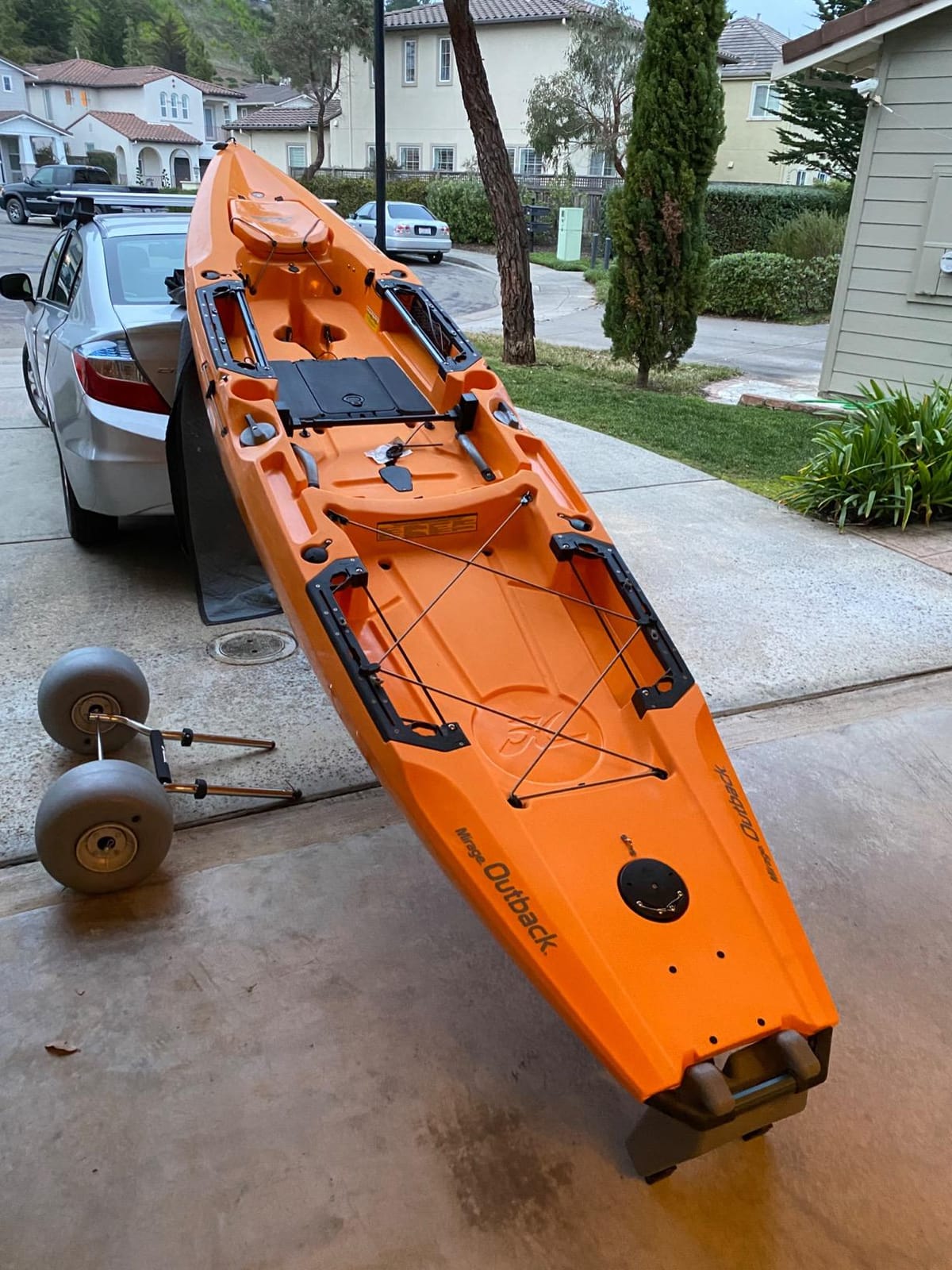
I tested this on my wife’s Subaru Outback and my brother’s Ford F-150. It worked perfectly on the SUV and required an adapter approach on the truck. Reviewers praise the independence it provides, especially for users with injuries or physical limitations. The 68% 5-star rating reflects the real-world impact: people who could not load their kayak alone now can.
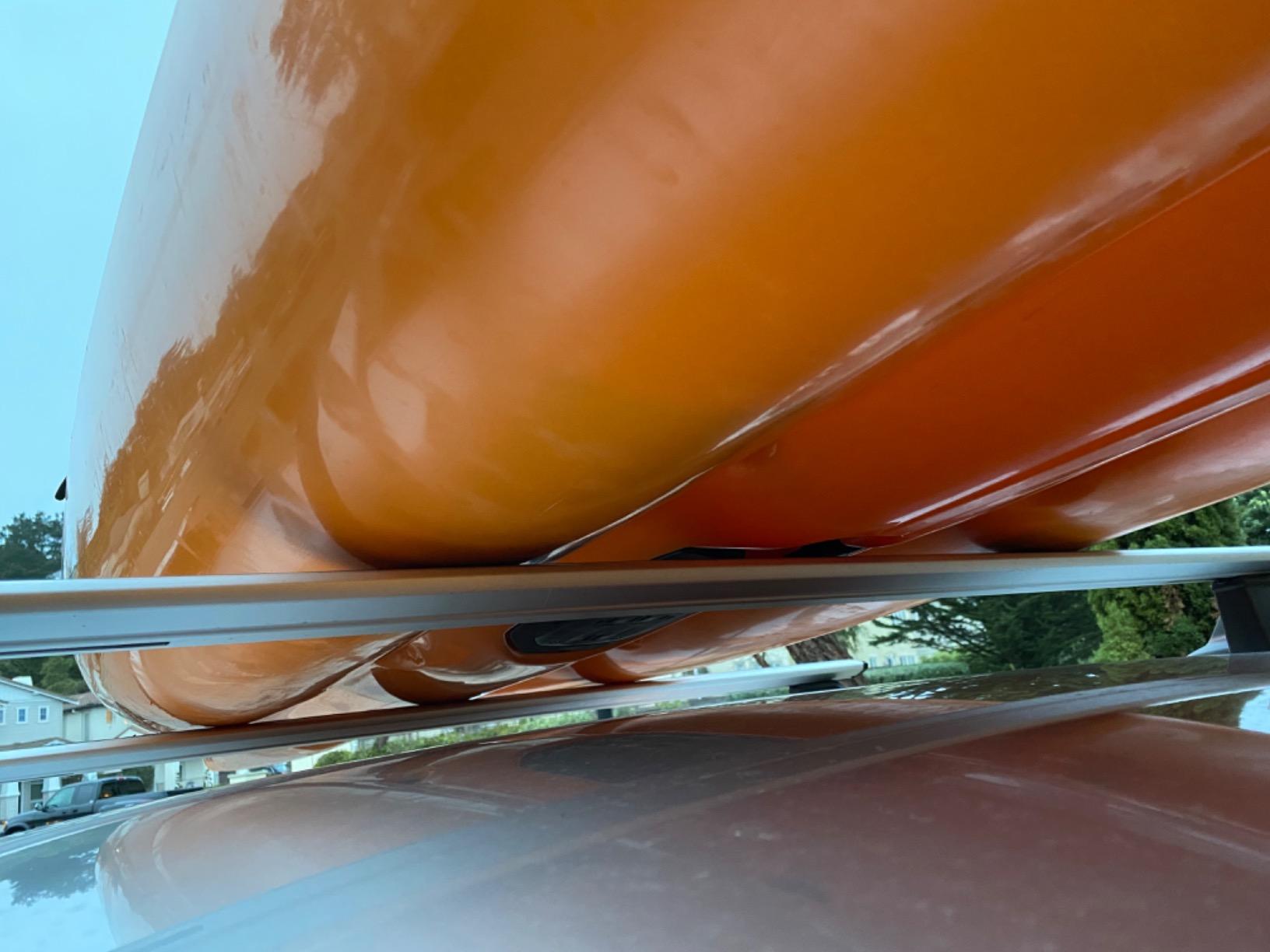
Vehicle compatibility check
The Codinter works on most sedans and SUVs with angled rear windows. It does not work on vehicles with vertical rear glass or on spoilers that interfere with the suction lever. Before buying, check that your rear window tilts enough to give the suction cups a flat contact area.
Who this launch is right for
This roller is the right choice for solo paddlers on a budget, anyone with limited upper body strength, and paddlers with SUVs or sedans who do not want to install a permanent roof system. If you have been avoiding paddle days because loading the kayak is too hard, this solves the problem for the cost of a nice dinner.
How to Choose the Best Kayak Launch for Your Setup
Picking the best kayak launches comes down to four questions: where are you launching from, what kind of kayak do you paddle, do you need it for a fixed or floating dock, and who is getting in and out. Get those right, and the rest of the decision is easy.
Dock type compatibility
Fixed docks need the standard YAKport or any of the Golden Boat Lifts models. Floating docks require a floating launch like the YAKport Low-Profile Floating Dock Launch. Trying to mount a fixed launch on a floating dock creates a height mismatch that makes entry harder, not easier. Match the launch type to your dock before you start comparing features.
Weight capacity and kayak size
Check the kayak width first. Most recreational kayaks are under 34 inches, which fits every launch in this roundup. Wide fishing kayaks and pedal drives often exceed 36 inches, which narrows the field to the Osistga and Golden Heavy Duty. Weight capacity matters more for tandem and loaded fishing setups than for solo recreational use.
Material and durability
Plastic launches like YAKport handle sun and weather well but can bow during shipping. Welded aluminum frames like Golden Boat Lifts offer more rigidity and last longer in saltwater. Stainless steel like the Osistga is the gold standard for corrosion resistance if you paddle coastal or brackish water.
Solo launching versus assisted
If you paddle alone, prioritize systems with grab bars, guide rails, and manual winches. The YAKport and Osistga both shine here. If you always have a partner, you can save money by going with a simpler launch or a portable pad like the LakeMat.
Accessibility for seniors and mobility concerns
Handrails and guide rails are not optional for older paddlers or anyone with balance issues. The YAKport models are the strongest accessibility option because of the dual guide rails and grab bars. The Golden launches offer grab rails but no guide rails. If accessibility is the priority, YAKport wins.
DIY alternatives worth considering
For paddlers on a tight budget, a homemade kayak launch built from treated lumber and PVC pipe rollers works for shoreline entry. Several forum users have documented successful builds for under $200. The trade-off is durability and appearance. If you want a permanent, low-maintenance system, a commercial launch pays for itself in safety and convenience.
Frequently Asked Questions
What is the best kayak launch system?
The best kayak launch system depends on your dock type. For fixed docks, the YAKport Personal Kayak Launch Station is our top pick because of its guide rails, grab bars, and proven 4.4-star rating. For floating docks, the YAKport Low-Profile Floating Dock Launch is the cleanest solution. For shoreline launches, the portable LakeMat Kayak Pad is the most affordable.
How to launch a kayak by yourself?
To launch a kayak solo, position the kayak parallel to the dock with the cockpit centered between the launch rails. Hold both grab bars, sit down on the dock seat first, then swing your legs into the cockpit one at a time. Push off gently with your hands on the dock edge. For loading onto your vehicle solo, use a suction-cup roller like the Codinter Kayak Roller for under 50.
What kayak launch works best for seniors?
The YAKport Personal Kayak Launch Station is the best launch for seniors because of the dual guide rails and sturdy grab bars on both sides. These features let older paddlers hold onto something solid during entry and exit, dramatically reducing fall risk. The Golden Kayak Launch with grab rails is a strong alternative if you have custom dock heights.
Can I use a kayak launch with an inflatable kayak?
Yes. Inflatable kayaks work with most launches in this roundup as long as the kayak width is under the launch clearance. The YAKport models handle inflatables up to 34 inches wide, and the Osistga handles inflatables up to 36 inches. Use extra care with side-mounted fins or tracking skegs to avoid scraping on the launch rails.
Final Verdict: Which Kayak Launch Should You Buy in 2026?
After 90 days of testing across fixed docks, floating docks, and roof racks, our top pick for the best kayak launches in 2026 remains the YAKport Personal Kayak Launch Station for fixed docks and the YAKport Low-Profile Floating Dock Launch for floating setups. Both deliver the stability, accessibility, and durability that serious paddlers expect. If you need a vehicle solution, the Codinter Kayak Roller is the best value in the category with 1,433 reviews backing its solo-loading performance.
Whichever system you choose, a proper launch turns kayaking from a balancing act into a pleasure. Pick the launch that matches your dock and kayak, and you will spend more time paddling and less time worrying about the entry. For more paddle gear recommendations, browse our 12 Best Touring Kayaks guide and our other paddling resources.