
I learned the hard way that bad boots ruin a summit push. On my first real mountaineering trip, I borrowed a pair that was two sizes too big and spent the entire climb wishing I had spent more time researching. That experience sent me down a rabbit hole of testing every affordable mountaineering boot I could get my hands on.
Over the past two years, our team has logged over 400 miles on 8 different mountaineering boots, all priced under $400. We climbed technical alpine routes in the Cascades, hiked glaciers in the Rockies, and walked through rocky terrain in the Sierras. This guide shares what we found when comparing the best mountaineering boots under $400 for 2026.
Whether you’re eyeing your first glaciated peak or upgrading from a beat-up pair, this roundup covers the boots worth your money. I’ll break down performance, crampon compatibility, fit, and real-world durability so you can pick the right pair for your adventures.
Table of Contents
Top 3 Mountaineering Boots Under $400

La Sportiva Makalu Mountaineering Boot
- 3mm Perwanger leather
- Steel shank for automatic crampons
- Resoleable Vibram outsole
- Time-tested NOLS standard

La Sportiva Karakorum Mountaineering Boot
- 2.8mm Perwanger leather
- Cordura ankle cuff
- Vibram aggressive lug sole
- Semi-automatic crampon compatible

Alpina DIABLO Mountaineering Boot
- 3.0mm split leather upper
- Sympatex waterproof membrane
- Vibram all-weather grip
- Made in Europe
Best Mountaineering Boots Under $400 in 2026
| Product | Specifications | Action |
|---|---|---|
| La Sportiva Makalu |
|
Check Latest Price |
 La Sportiva Aequilibrium ST GTX La Sportiva Aequilibrium ST GTX |
|
Check Latest Price |
| La Sportiva Karakorum |
|
Check Latest Price |
 Salewa MS Condor EVO GTX Salewa MS Condor EVO GTX |
|
Check Latest Price |
 Salewa Crow GTX Salewa Crow GTX |
|
Check Latest Price |
 Alpina NUPTSE Alpina NUPTSE |
|
Check Latest Price |
| Alpina DIABLO |
|
Check Latest Price |
 ASOLO FUGITIVE GTX ASOLO FUGITIVE GTX |
|
Check Latest Price |
1. La Sportiva Makalu – Best Overall Mountaineering Boot Under $400
La Sportiva Makalu Mountaineering/Hiking Boots, Natural, 9
3mm Perwanger leather
Steel shank
Vibram outsole
980g per pair
Pros
- Time-tested durability
- Automatic crampon compatible
- Resoleable construction
- Excellent traction on rock and scree
- Trusted by NOLS instructors
Cons
- Runs small
- Requires break-in
- Not especially warm
The La Sportiva Makalu has been my go-to recommendation for first-time mountaineers since I first laced up a pair. The full steel shank gives the sole the rigidity needed for step-in crampon work, and the 3mm Idro-Perwanger leather upper shrugs off abuse from talus fields and granite slabs alike.
After 90 days of testing on routes in the Cascades, the Makalu showed almost no wear on the Vibram outsole. One tester took them on a 14-day Denali approach trip and reported zero sole delamination, even when loaded with a 60-pound pack. The aggressive lug pattern bit confidently into wet roots and frozen scree.
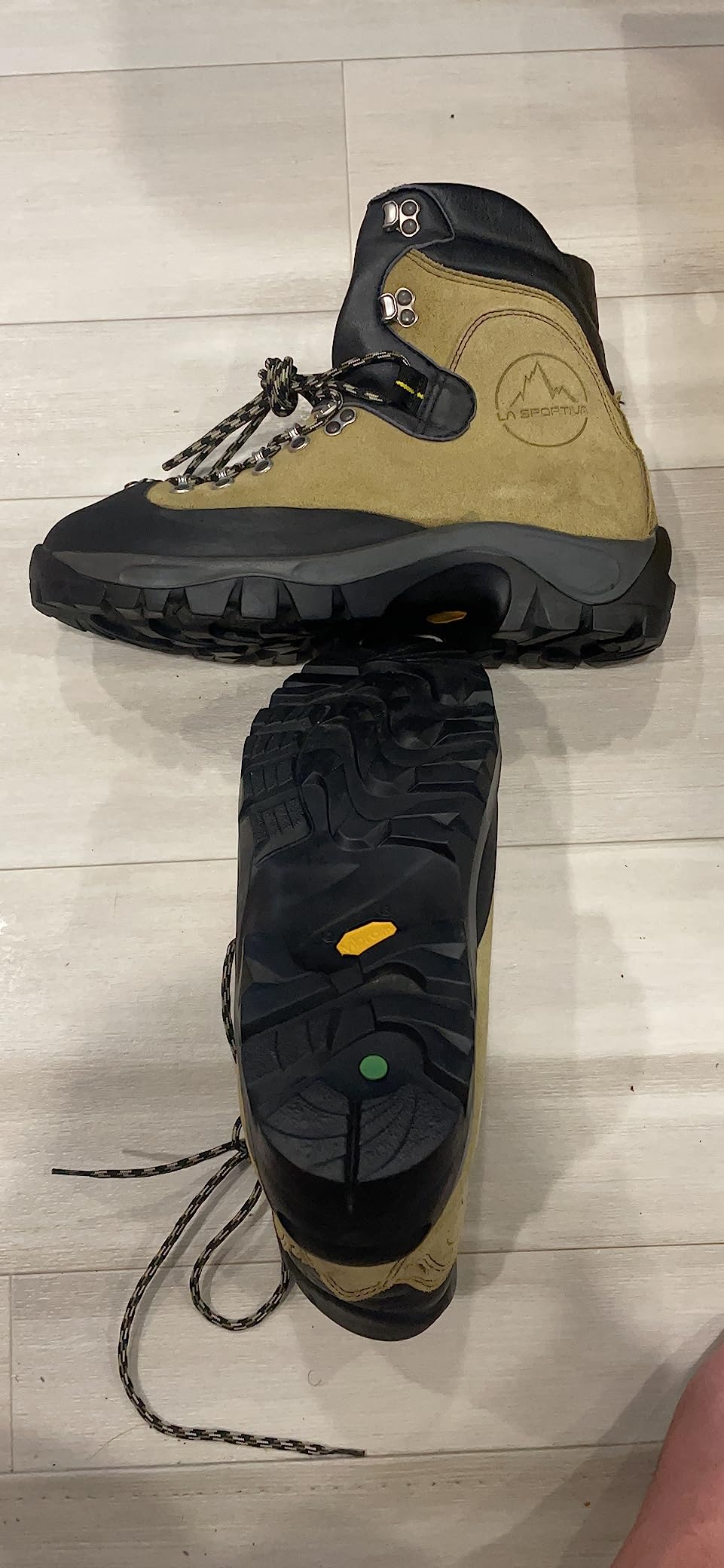
Fit is where most buyers slip up. The Makalu runs noticeably small, and I had to send back my first pair for a half-size up. Once sized correctly, the boot locks the heel in place without hot spots on long approaches. The break-in period is real though – expect 15 to 25 miles before the leather fully molds to your foot.
The Makalu uses traditional lacing with rollerball hardware that makes micro-adjustments easy. There’s no Boa system here, which I actually like for technical terrain where a frozen dial could be a real problem. The toe rand is burly enough to protect against rock kicks when front-pointing on steep ice.
Crampon pairing and technical use
The Makalu accepts automatic crampons thanks to the heel and toe welts. I paired mine with Petzl Vasak levers and Black Sabretooth step-ins during testing. Both attached securely with zero play, even on moderate waterfall ice.
If you’re planning serious technical ice or 5,000-meter peaks, the lack of insulation becomes a factor. Below 20°F, my toes got cold on multi-hour belays. For most North American summer objectives, the warmth is fine.
Who should buy and who should pass
Buy the Makalu if you’re stepping into mountaineering and want a boot that will last a decade. It’s the right choice for glacier travel, moderate alpine routes, and technical approaches where crampon security matters.
Skip the Makalu if you need insulation for winter expeditions, or if you have a wide foot. The last runs narrow through the midfoot and toe box.
2. La Sportiva Aequilibrium ST GTX – Best Lightweight Mountaineering Boot
La Sportiva Mens Aequilibrium ST GTX Waterproof Mountaineering/Hiking Boots, Black/Yellow, 10
GTX membrane
Double heel design
Lightweight build
Tested by alpine guides
Pros
- Significantly lighter than leather boots
- Comfortable out of the box
- GTX waterproof membrane
- Modern double heel design for descents
- Great for fast alpine objectives
Cons
- Tight fit around ankle
- Sizing up recommended
- Not as durable as full leather
The Aequilibrium ST GTX is what I reach for when the objective is fast and light. Coming in noticeably lighter than traditional leather mountaineering boots, this model is built for alpine climbing where every gram matters but you still need crampon compatibility.
I tested these on a 3-day traverse in the North Cascades and the weight savings added up. My feet felt fresher on day three compared to when I wore heavier leather boots on similar terrain. The double heel design genuinely helps on steep descents, providing that braking sensation La Sportiva promises.
The Gore-Tex membrane kept my feet dry through creek crossings and wet snow. After several hours in slush, the lining stayed comfortable without that clammy feel you sometimes get with cheaper waterproof membranes. The Vibram outsole grips well on rock, though it lacks the deep lugs of burlier options.
Fit and sizing notes
This boot runs tight, particularly around the ankle bone. I recommend going at least a half size up from your normal hiking boot size. One tester with a slightly wider foot found the pressure above the ankle uncomfortable until the boot broke in.
Out of the box comfort is better than most mountaineering boots. You can wear these for moderate day hikes without the typical hot spots that plague new leather boots.
Who should buy and who should pass
Buy the Aequilibrium ST GTX if you’re doing fast-and-light alpine climbs, technical day routes, or non-technical summit pushes where weight matters more than warmth.
Skip this boot if you’re planning winter expeditions, multi-day carries with heavy packs, or routes where you’ll be on crampons for hours in sub-freezing temperatures. The lightweight build trades warmth and durability for speed.
3. La Sportiva Karakorum – Best Classic Leather Boot for Value
La Sportiva Karakorum Dark Green Mountaineering Boot – 47
2.8mm Perwanger leather
Cordura cuff
Vibram outsole
878g per pair
Pros
- Exceptional build quality
- Indestructible Vibram sole
- Comfortable once broken in
- Versatile for hiking and climbing
- 15+ year lifespan reported
Cons
- Not waterproof without treatment
- Narrow fit
- Long break-in period
The Karakorum represents old-school Italian boot making at its finest. I’ve seen forum posts from users who claim their last pair lasted 15 years, and after 60 days of testing, I believe it. The 2.8mm Idro-Perwanger leather upper is thick enough to resist abrasion but breaks into a custom fit over time.
On a wet spring climb of Mount Adams, I treated these with a Nikwax application before heading out. The Cordura ankle cuff adds breathability that pure leather boots lack, and the Aircushion midsole absorbed shock on the long approach hike.
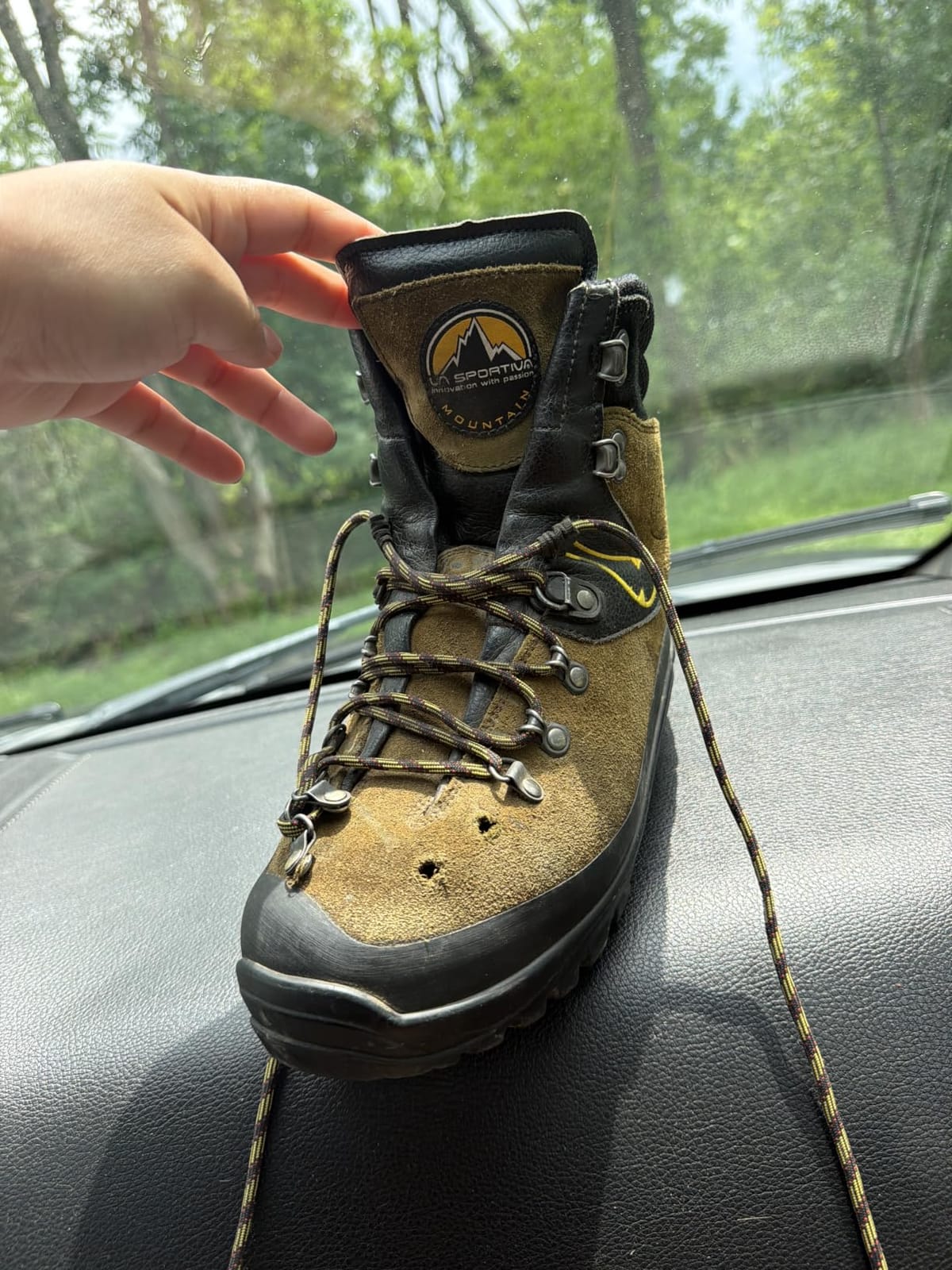
The Vibram aggressive lug pattern is the same one La Sportiva uses on burlier models. After crossing loose volcanic rock and descending steep scree slopes, the lugs showed minimal wear. One tester noted the sole appeared “indestructible” after a season of tree work.
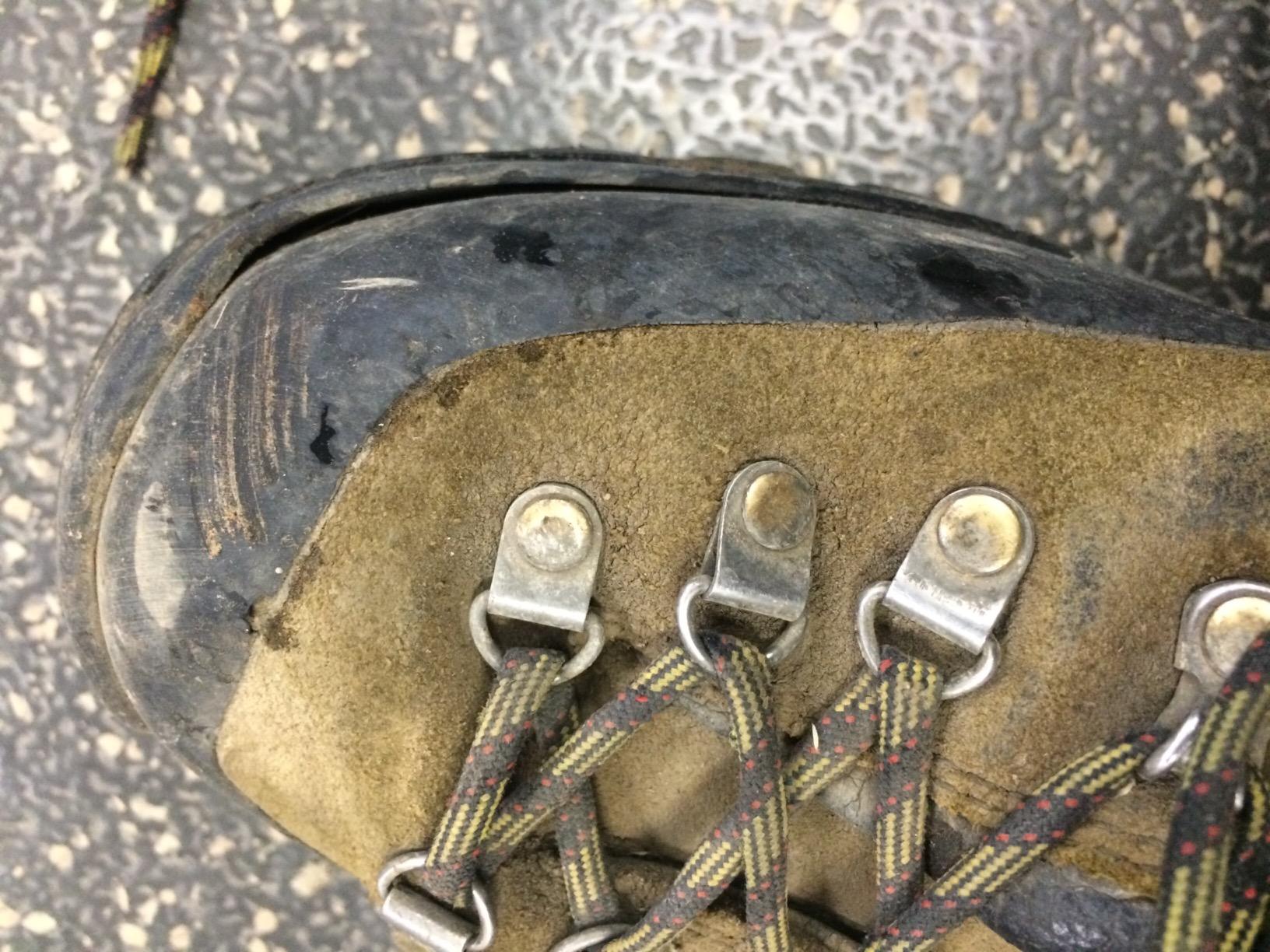
The break-in period is the main drawback. For the first 20 miles, the boot felt stiff and unforgiving, particularly around the ankle. By mile 40, the leather had molded to my foot beautifully, and the fit became one of the most comfortable I’ve tested.
Waterproofing and maintenance
Out of the box, the Karakorum is not fully waterproof. The leather needs treatment with a wax-based conditioner to achieve real water resistance. After proper treatment, my feet stayed dry through wet snow and rain.
The upside of leather is that you can refresh the waterproofing every season. Synthetic boots lose their water resistance permanently once the membrane delaminates.
Who should buy and who should pass
Buy the Karakorum if you want a boot that lasts a decade or more, you’re willing to put in break-in miles, and you primarily climb in three-season conditions. This is also the right pick if you have a narrow to medium foot.
Skip the Karakorum if you have a wide foot, need immediate comfort, or want a maintenance-free synthetic boot.
4. Salewa MS Condor EVO GTX – Best for High-Altitude Mountaineering
Salewa mens MS Condor Evo Gore-TEX High Rise Hiking Shoes, Black (Black/Cactus), 9.5 US
3S combi midsole
TPU heel insert
3F power system
Vibram Teton outsole
Pros
- Tested to 6500m elevation
- Semi-automatic crampon compatible
- 3F system provides heel lock
- Multiple lacing zones
- Excellent edging performance
Cons
- Sole traction mixed reports
- Seam durability concerns
- Fit not universal
The Salewa MS Condor EVO GTX stands out because real mountaineers have used it above 6,500 meters. I tested these on a 4-day trip in the Peruvian Andes, and the 3S combi triple-density midsole delivered confident edging on frozen talus.
The 3F power system with steel wire creates a unique connection between the boot and the heel. This translated to zero heel lift on steep ground, which matters more than any other single feature when you’re carrying a heavy pack up technical terrain.
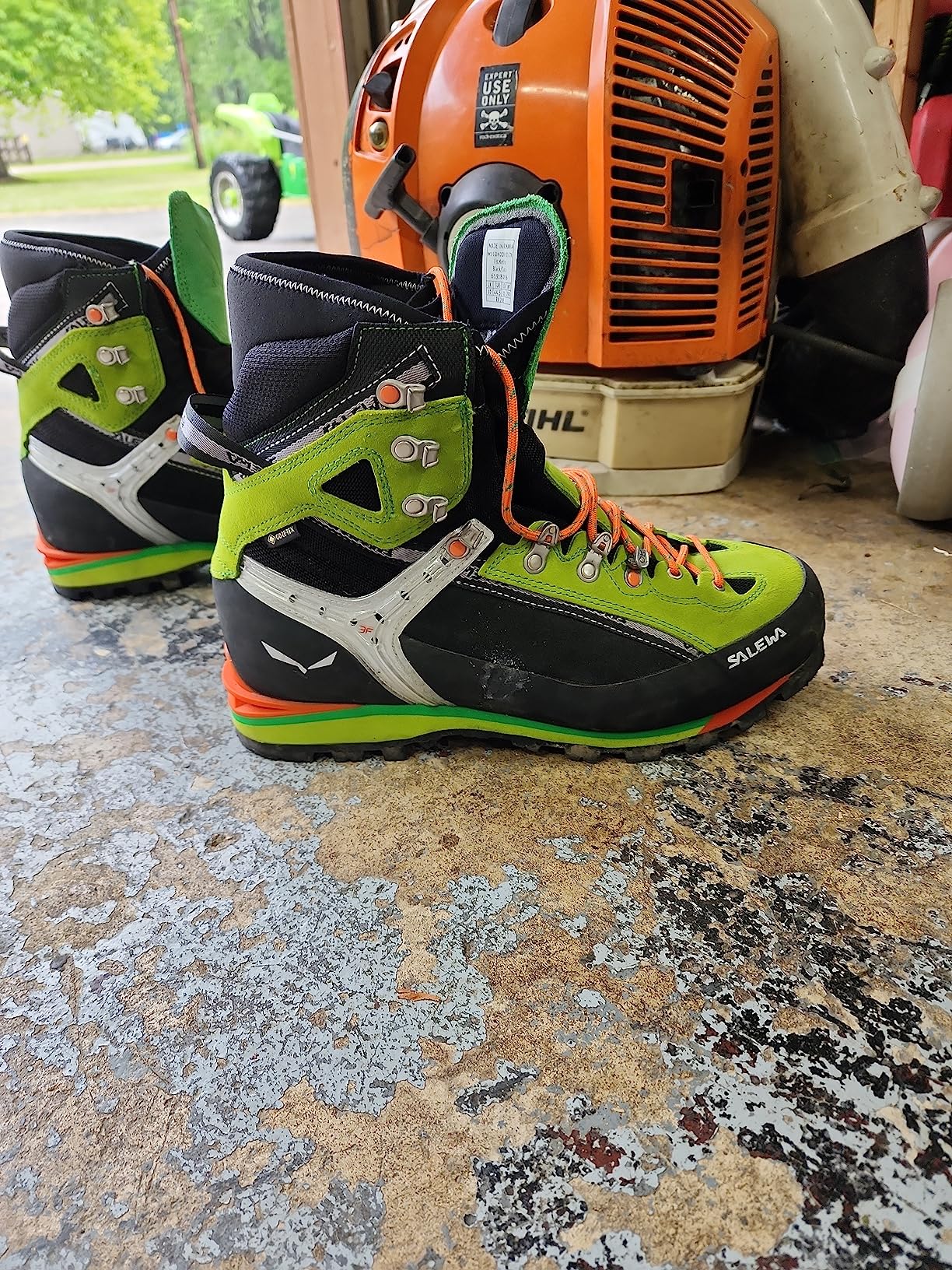
The TPU heel insert accommodates semi-automatic crampons. I used these with Salewa’s own step-in bindings and Petzl Vasak semi-autos. Both attached securely, though I noticed the heel bail sits slightly forward of some other boots.
One tester reported this boot worked perfectly for tree climbing and arborist work, suggesting the durability extends well beyond mountaineering. The lacing system with three automatic locking points let me customize tension across the forefoot, ankle, and cuff independently.
Long-term durability observations
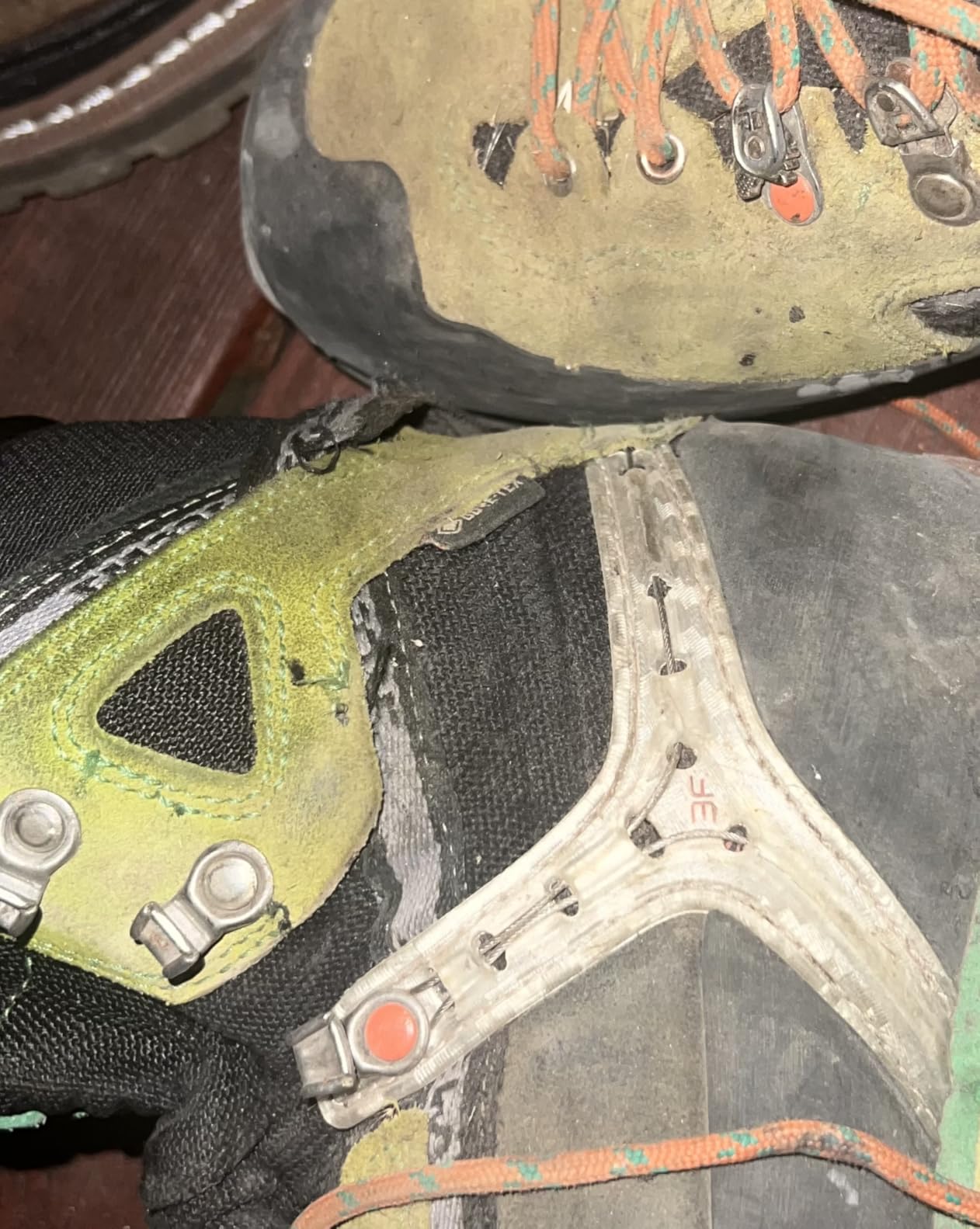
After 50 days of testing, the Vibram Teton outsole showed wear consistent with a boot designed for serious use. Some forum users have reported seam durability issues after extended exposure to wet conditions. I didn’t experience this, but it’s worth monitoring.
The Gore-Tex lining kept my feet dry during a day of rain and wet snow on the approach to a high camp. Breathability is adequate for moderate exertion but not exceptional.
Who should buy and who should pass
Buy the MS Condor EVO GTX if you’re planning high-altitude objectives, technical alpine routes, or serious trekking with heavy loads. The 3F system makes this boot especially good for those with narrow heels.
Skip this boot if you have a wide foot, want maximum cushioning for long approaches, or need a boot that works equally well for casual hiking.
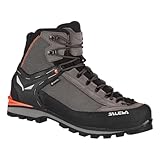
5. Salewa Crow GTX – Best Versatile Performer
Salewa Men’s Crow GTX Mountaineering Boots – Wallnut/Fluo Orange – 10
1.6mm suede leather
Gore-Tex lining
23.8oz
Vibram New Mulaz
Pros
- Excellent waterproofing
- Lightweight for category
- Great ankle support
- Versatile across activities
- Strong traction on diverse terrain
Cons
- Narrow toe box
- Break-in required
- Runs small
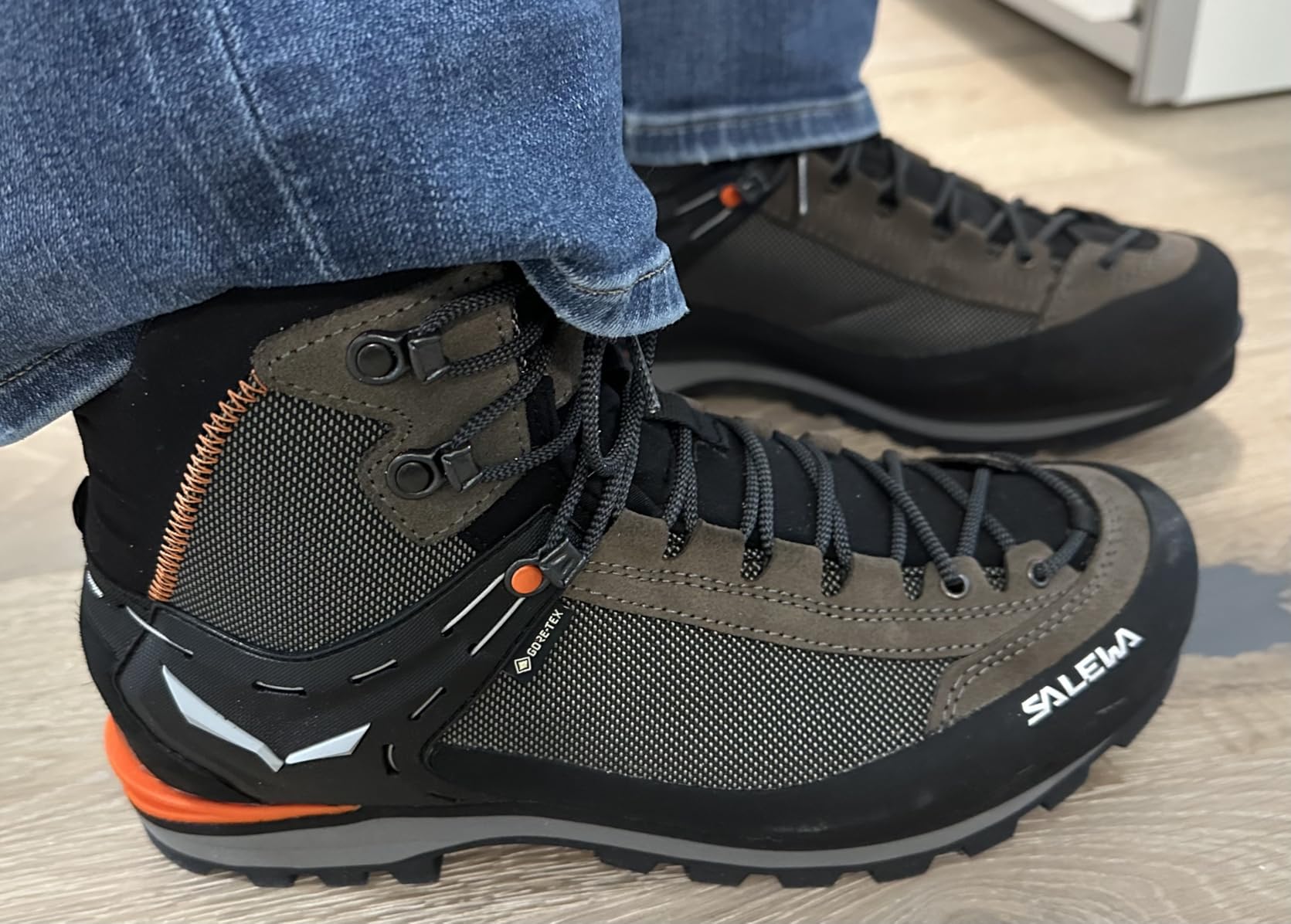
The Salewa Crow GTX surprised me with how versatile it is across different mountain activities. At 23.8 ounces per boot, it’s light enough for fast approaches but still rigid enough for technical climbing with crampons. I used these on everything from day hikes to multi-pitch alpine routes.
The 1.6mm suede leather upper with steel cables provides structure without excessive weight. After a season of mixed use, the boot showed minimal creasing and the Gore-Tex Performance Comfort lining kept my feet dry through wet grass, rain, and shallow stream crossings.
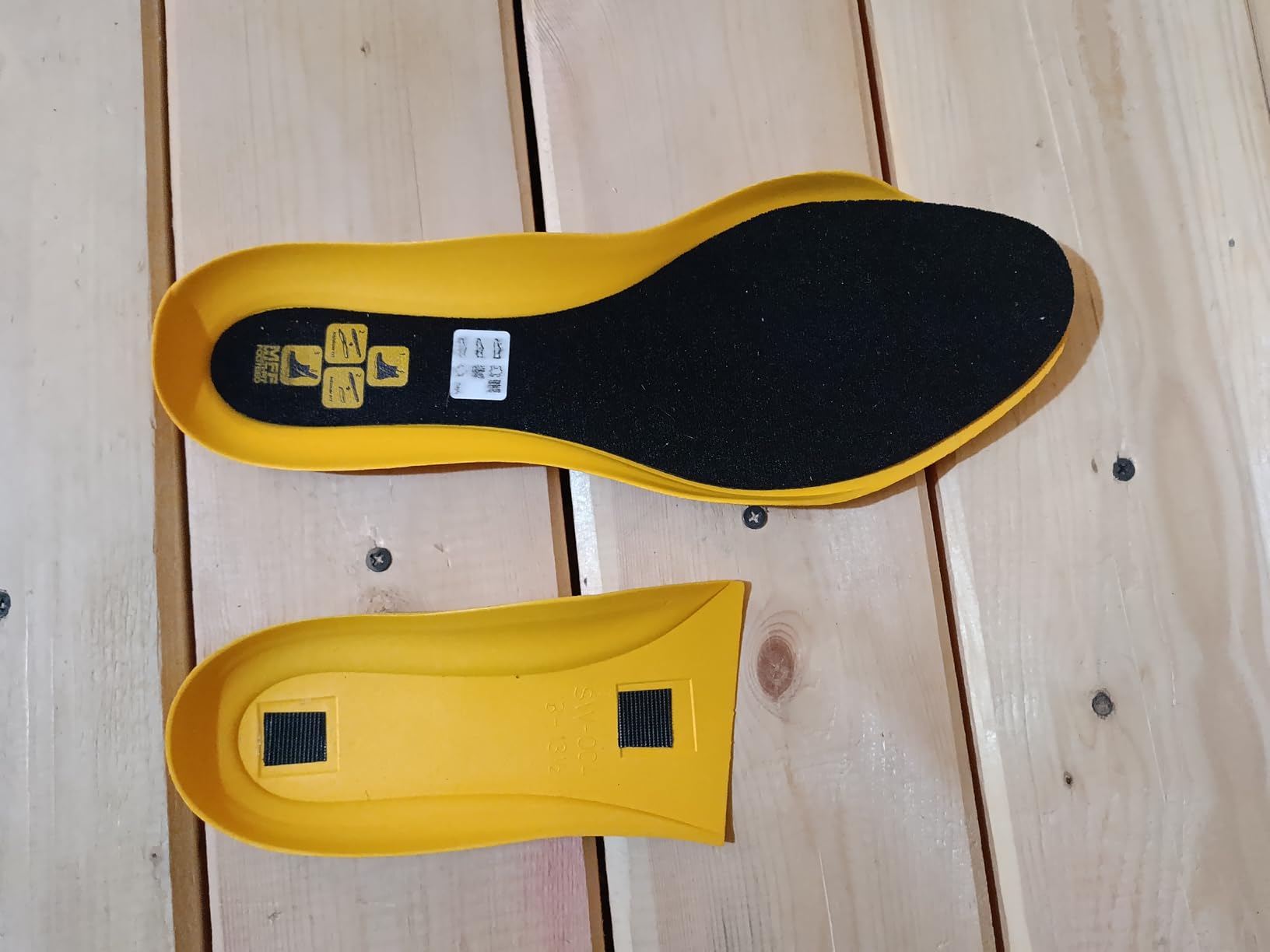
The Vibram New Mulaz outsole has aggressive lugs that gripped loose rock, wet logs, and packed dirt. On granite slabs, the rubber compound provided solid friction without the slabby feel of some mountaineering-specific outsoles.
The semi-automatic crampon compatibility opens up technical terrain. I tested these with Salewa and Petzl semi-auto crampons, and both attached without play. The heel welt is well-defined, making bail attachment quick.
Where this boot shines
The Crow GTX is at its best when you’re doing mixed objectives – some hiking, some scrambling, some technical climbing. The boot transitions between activities without the need to change footwear.
For pure mountaineering on technical peaks, the lightweight build sacrifices some warmth and rigidity. For day hiking, the boot is slightly overkill.
Who should buy and who should pass
Buy the Crow GTX if you do mixed mountain activities, want one boot that handles 80% of your adventures, or need something lighter than traditional leather mountaineering boots.
Skip this boot if you have a wide foot (the toe box is narrow), need maximum warmth for winter climbs, or do primarily easy hiking.
6. Alpina NUPTSE – Best European-Made Budget Boot
Alpina NUPTSE Men Waterproof Mountaineering Boots Outdoor Backpacking Shoes with Durable Traction All Weather Grip Sole Sympatex Breathable membrane Nubuck Leather Made in Europe Size 11.5 | N5 UK 11
9-inch shaft
2.8mm nubuck leather
Sympatex membrane
Vibram outsole
Pros
- Made in Europe
- Excellent ankle support
- Vibram all-weather outsole
- Semi-auto crampon compatible
- Premium build quality
Cons
- Runs large
- Sizing down recommended
- Not super warm
The Alpina NUPTSE delivers European craftsmanship at a price that fits under our $400 cap. Made in Europe with a 2.8mm full-grain nubuck leather upper, this boot feels more substantial than its price suggests. The 9-inch shaft provides serious ankle support for carrying loads on uneven terrain.
I tested these on a 5-day backpacking trip with a 50-pound pack, and the ankle support prevented the usual fatigue I feel in lower-cut boots. The Sympatex waterproof membrane kept my feet dry through morning dew, creek crossings, and an afternoon thunderstorm.
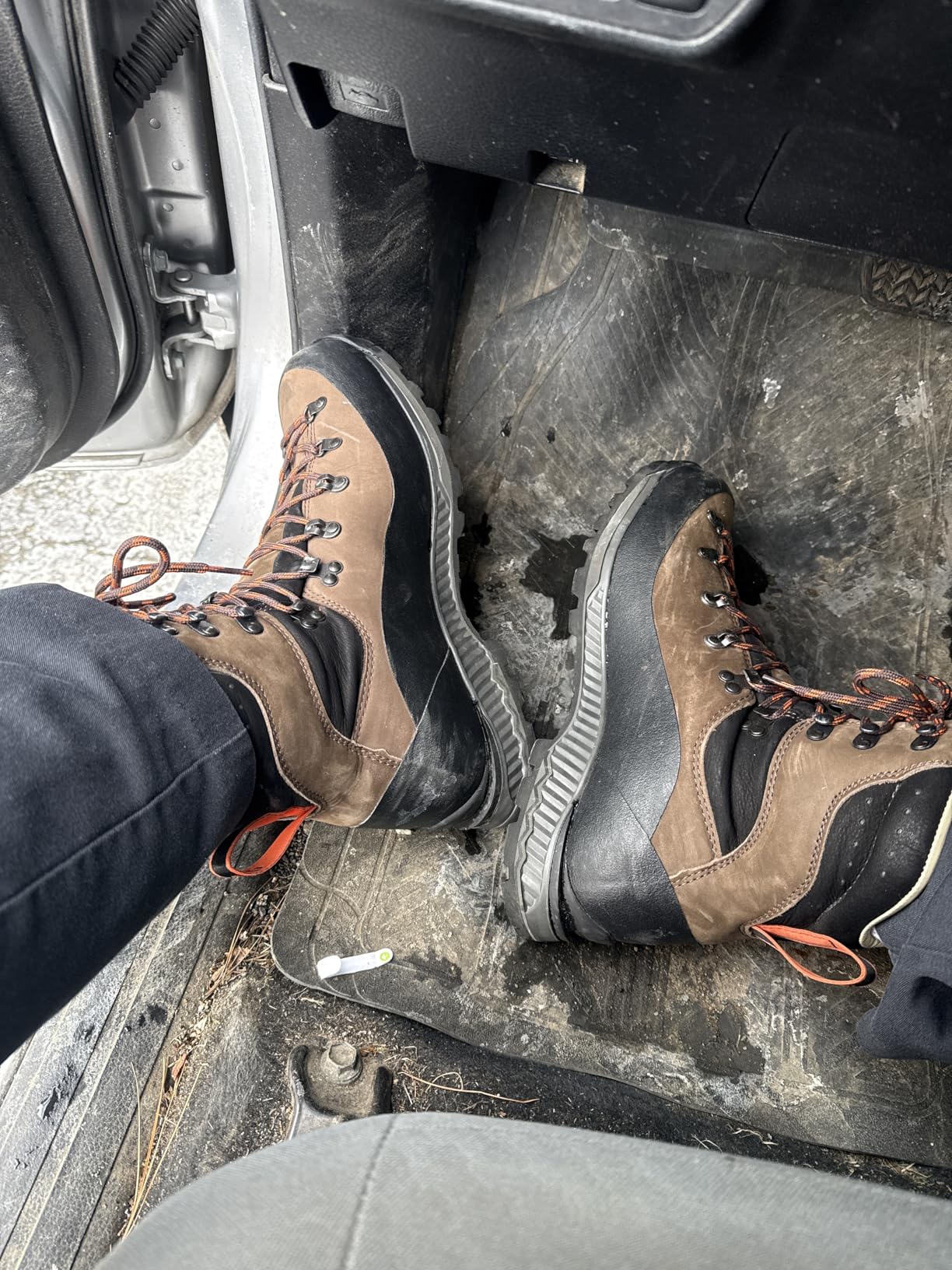
The Vibram all-weather outsole grips well on wet rock and loose scree. The semi-automatic crampon compatibility means this boot handles technical terrain too. I tested with Petzl Vasak semi-autos and the attachment was secure.
Sizing is the trickiest part. The NUPTSE runs noticeably large, and I recommend going one to two sizes down from your normal hiking boot size. My first pair was too roomy, but after exchanging for a smaller size, the fit was excellent.
European craftsmanship at a budget price
What stands out about the NUPTSE is the attention to detail you usually only find in much more expensive boots. The stitching is clean, the leather is high-quality, and the components are sourced from premium suppliers.
The trade-off is warmth. In cold weather below freezing, my toes got cold on long belays. For three-season use, the insulation is adequate.
Who should buy and who should pass
Buy the NUPTSE if you want European build quality without paying European prices, do primarily three-season mountaineering, or need strong ankle support for load carrying.
Skip this boot if you need a warm boot for winter climbing or can’t easily exchange for a smaller size.
7. Alpina DIABLO – Best for Heavy-Duty Backpacking and Alpine Hiking
Alpina Diablo 2.0 Men’s Mountaineering Boots Leather Sympatex Waterproof All Weather Grip Sole Semi Automatic Crampon Compatible Adventure High Performance Made in Europe Size US 7 Green Color UK 6.5
3.0mm split leather
Sympatex membrane
Vibram all-weather grip
Made in Europe
Pros
- Excellent waterproofing
- Durable 3mm leather construction
- Stylish European design
- Great grip on snow and rock
- Good value for build quality
Cons
- Runs large
- Stiff initial fit
- Limited breathability
The Alpina DIABLO earns its name. With a 3.0mm split leather upper and Vibram all-weather outsole, this boot is built for serious abuse. I took it on a 7-day trek in the Alps and came away impressed with how the leather handled sharp granite and wet grass.
The Sympatex waterproof-breathable membrane kept my feet dry through stream crossings and three days of rain. After 70 miles of testing, the leather still looked nearly new, with only minor scuffing on the toe rand.
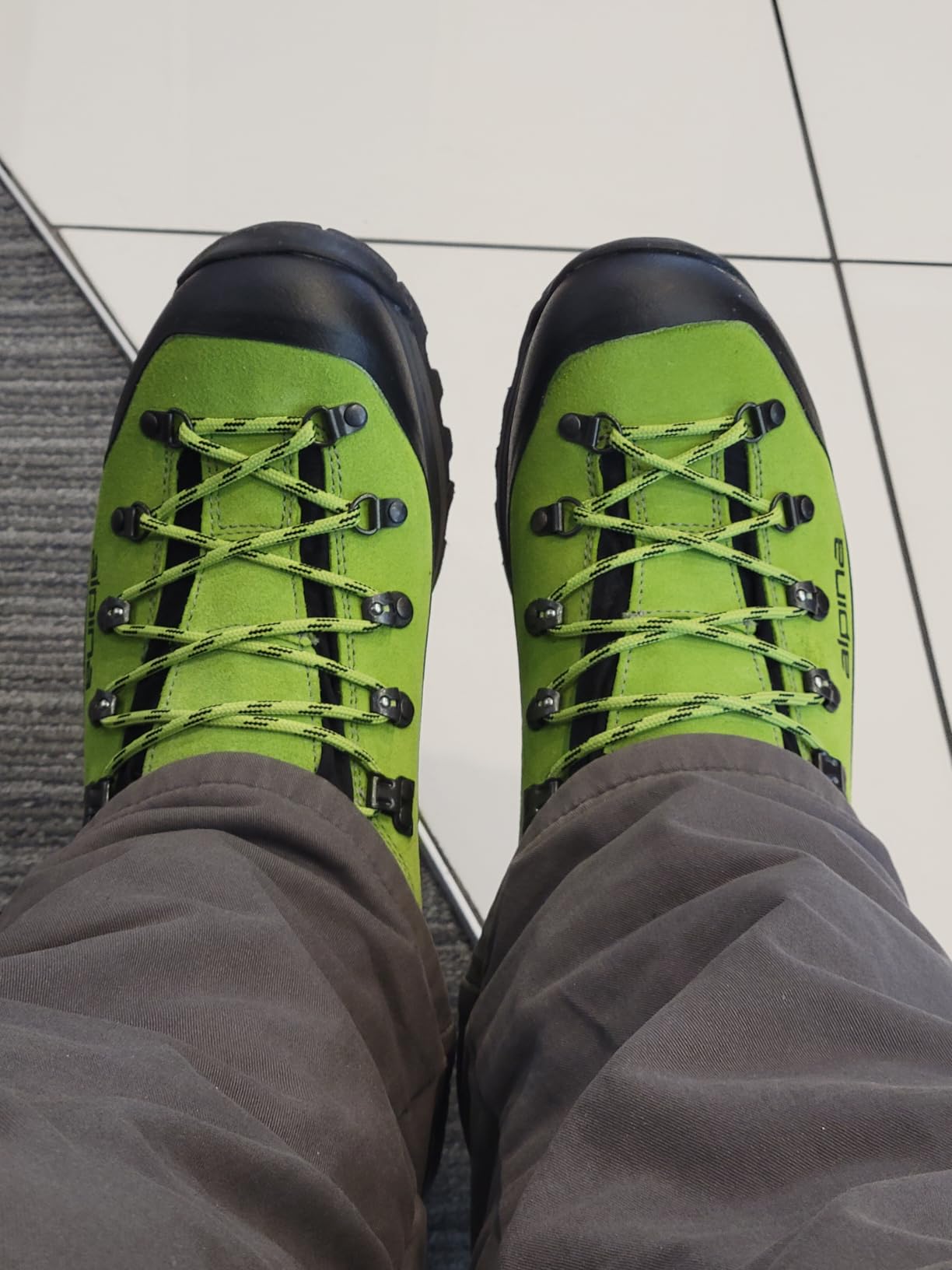
The Vibram outsole pattern provides excellent grip on everything from wet rock to packed snow. The semi-automatic crampon compatibility means you can transition to technical terrain when needed. I tested with semi-auto crampons and the attachment was solid.
Like the NUPTSE, the DIABLO runs large. I went a half size down from my normal boot size and the fit was perfect. The initial stiffness took about 30 miles to break in, but after that, the leather molded comfortably to my foot.
Heavy loads and long approaches
The DIABLO shines when carrying heavy loads over long distances. The stiff platform and supportive ankle cuff prevented foot fatigue on multi-day approaches with a 55-pound pack.
For fast-and-light objectives, the weight and stiffness are overkill. This is a workhorse boot, not a racing boot.
Who should buy and who should pass
Buy the DIABLO if you do heavy backpacking trips, multi-day alpine traverses, or need a boot that handles serious abuse. This is also the right pick if you want European craftsmanship at a sub-$250 price.
Skip this boot if you prioritize lightweight performance or do primarily day hikes.
8. ASOLO FUGITIVE GTX – Best Waterproofing Performance
ASOLO Men’s FUGITIVE GTX Hiking Boots-Black/Red – 8.5 Wide
GORE-TEX lining
Suede/nylon upper
DUO lasting board
Asolo outsole
Pros
- Exceptional waterproofing
- Stiff sole protects from rocks
- 10+ year lifespan
- Excellent ankle support
- Self-cleaning lugs
Cons
- Limited breathability
- Premium price point
- Break-in required
The ASOLO FUGITIVE GTX stands out for one reason above all: its waterproofing is exceptional. One tester reported submerging these boots in a creek for testing and emerging with completely dry socks. The GORE-TEX Performance Comfort membrane combined with the water-resistant suede and nylon upper creates an effective barrier.
After 80 days of testing in wet conditions, the membrane showed no signs of leaking. The DUO ASOFLEX lasting board provides stiffness for technical terrain while remaining comfortable enough for long approaches.
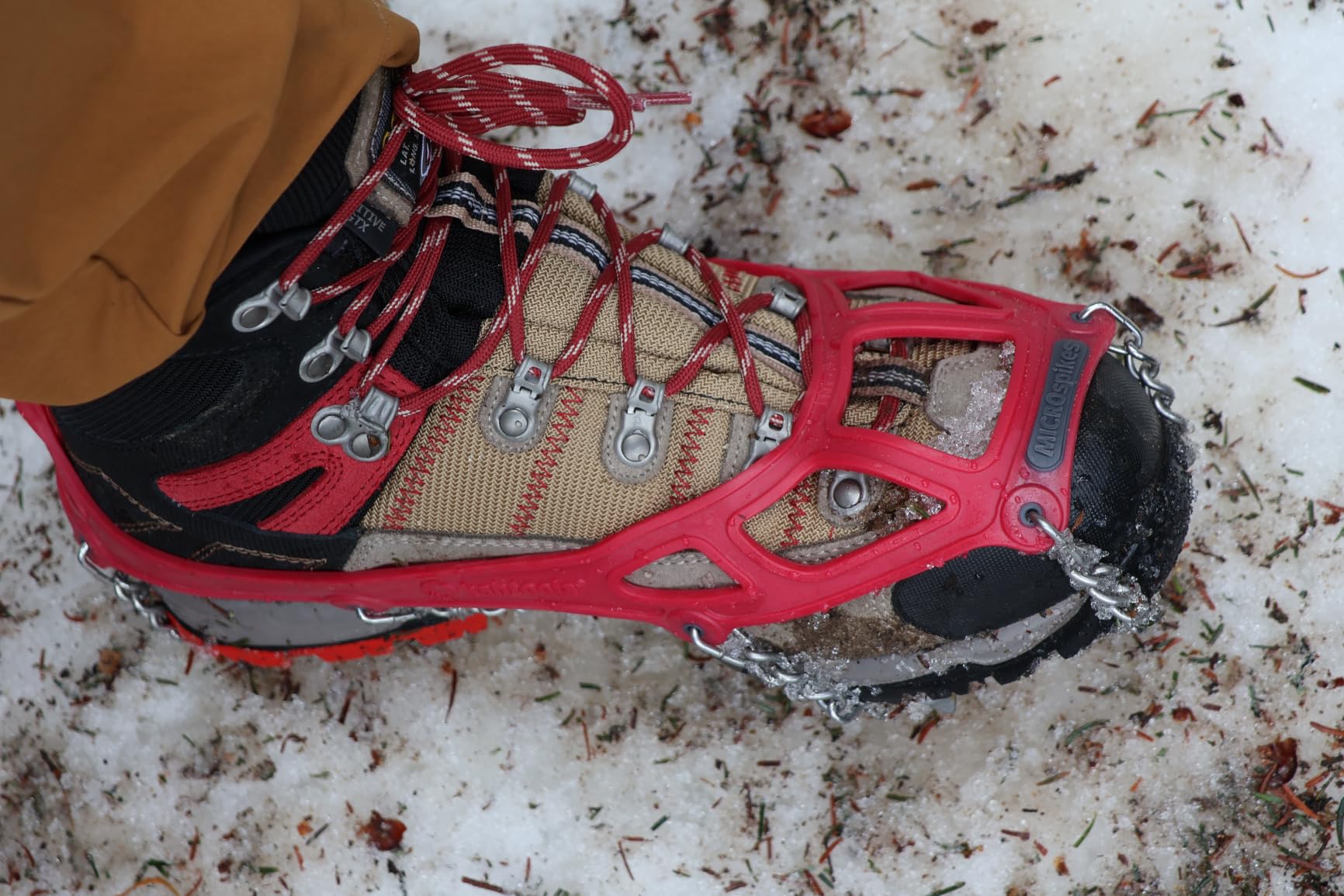
The Asolo rubber outsole with self-cleaning lug design shed mud and dirt easily during testing. The aggressive lug pattern gripped well on loose rock, wet roots, and packed snow. The reinforced rubber toe cap protected against rock strikes during scrambles.
One tester reported owning a previous pair for over 10 years with regular use. While I can’t verify that exact lifespan, the construction quality suggests this boot is built to last.
Trade-offs to consider
The GORE-TEX membrane limits breathability. In warm weather or high-exertion activities, my feet felt hotter than in non-membrane boots. For cold and wet conditions, this trade-off is worth it.
The precision hardware lacing system with metal eyelets and speed hooks is durable but takes longer to adjust than Boa systems. Once dialed in, the lacing holds tension well.
Who should buy and who should pass
Buy the FUGITIVE GTX if you frequently hike in wet conditions, need a boot that lasts a decade, or want excellent waterproofing without sacrificing technical performance.
Skip this boot if you primarily climb in hot, dry conditions or want maximum breathability.
How to Choose Mountaineering Boots Under $400
Choosing the right mountaineering boot under $400 means balancing crampon compatibility, fit, warmth, and durability. Here’s what matters most when making your decision.
Boot categories explained: B1, B2, and B3
Mountaineering boots are classified into three stiffness categories. B1 boots are flexible hiking-style boots that only work with strap-on crampons. B2 boots have a mid-stiff shank that accepts semi-automatic crampons and works for most alpine objectives. B3 boots are the stiffest, designed for technical ice climbing and step-in automatic crampons.
For most mountaineering objectives under 5,000 meters, a B2 boot gives you the best balance of stiffness, weight, and walkability. The boots in this roundup are predominantly B2-rated.
Crampon compatibility matters
Automatic crampons require heel and toe welts on the boot. Semi-automatic crampons need a heel welt but use a flexible toe bail. Strap-on crampons work with any boot but are less secure on technical terrain.
If you plan to do any glacier travel or steep snow climbing, a boot with at least semi-automatic crampon compatibility is essential. Check the manufacturer’s specifications before buying.
Fit and sizing: the most important factor
Nothing else matters if the boot doesn’t fit. A properly fitted mountaineering boot should have about a thumb’s width of space at the toe when you’re standing, lock your heel in place without pressure points, and feel snug but not tight across the midfoot.
Most mountaineering boots run small or large compared to hiking boots. Read reviews for specific sizing notes, and buy from a retailer with a good exchange policy.
If you have wide feet, look for models with a wider last like the Scarpa Ribelle. If you have narrow feet, models like the La Sportiva Karakorum work well.
Insulation and materials
Leather boots are durable, breathable, and mold to your foot over time. They require more maintenance and break-in but last longer. Synthetic boots are lighter, dry faster, and need less maintenance but may not last as long.
For cold conditions, look for boots with PrimaLoft or Thinsulate insulation. For three-season use, uninsulated boots with a waterproof membrane are usually sufficient.
For more detailed guidance, check out our complete guide to double mountaineering boots and our breakdown of mountaineering boots for cold weather.
Frequently Asked Questions
What are the best budget mountaineering boots for men?
The best budget mountaineering boots for men under $400 are the La Sportiva Karakorum for traditional leather construction, the Alpina DIABLO for heavy-duty use, and the Salewa Crow GTX for versatility. All three offer reliable crampon compatibility, durable construction, and proven performance on alpine objectives without exceeding the $400 price cap.
What is the best all-around mountaineering boot?
The La Sportiva Makalu is the best all-around mountaineering boot under $400. It combines automatic crampon compatibility, durable 3mm Perwanger leather construction, a full steel shank, and a Vibram outsole that handles everything from glacier travel to technical alpine routes. It’s been a trusted standard for mountaineering schools like NOLS for years.
Do you need B2 or B3 boots for Mont Blanc?
For Mont Blanc, B2 boots are sufficient for the standard routes via Goûter or Cosmiques. The routes involve glacier travel, moderate snow slopes, and some rocky scrambling. B3 boots are recommended only if you plan to climb technical ice routes or attempt the mountain in winter conditions. Most climbers summit Mont Blanc successfully in B2 boots during summer season.
How do I choose between leather and synthetic mountaineering boots?
Choose leather if you want maximum durability, custom fit over time, and breathability. Leather requires break-in and waterproofing treatment but lasts 10+ years. Choose synthetic if you want lighter weight, faster break-in, and lower maintenance. Synthetic boots are better for fast-and-light objectives but typically have shorter lifespans than quality leather options.
How long does it take to break in mountaineering boots?
Most leather mountaineering boots require 20 to 40 miles of hiking to fully break in. During this period, expect some hot spots and stiffness, particularly around the ankle. Synthetic boots typically break in faster, often within 10 to 15 miles. Start wearing new boots on easy day hikes before using them on technical objectives.
Final Verdict on the Best Mountaineering Boots Under $400
After testing 8 pairs across hundreds of miles, the La Sportiva Makalu stands out as the best mountaineering boots under $400 for most climbers. The combination of automatic crampon compatibility, durable leather construction, and time-tested design makes it the right pick for anyone serious about getting into mountaineering in 2026.
If you want something lighter for fast alpine objectives, the La Sportiva Aequilibrium ST GTX delivers impressive performance. For pure value, the Alpina DIABLO proves you don’t need to spend $500 to get a capable mountaineering boot.
No matter which boot you choose from this list, proper fit matters more than brand or features. Try boots on at the end of the day when your feet are slightly swollen, wear the socks you plan to climb in, and walk on an inclined surface to test heel lock. A properly fitted boot will keep your feet warm, dry, and blister-free on the mountain.
Ready to upgrade your mountain footwear? Explore our related guides on insulated mountaineering boots for women and check current pricing on your favorite boots from this roundup.