
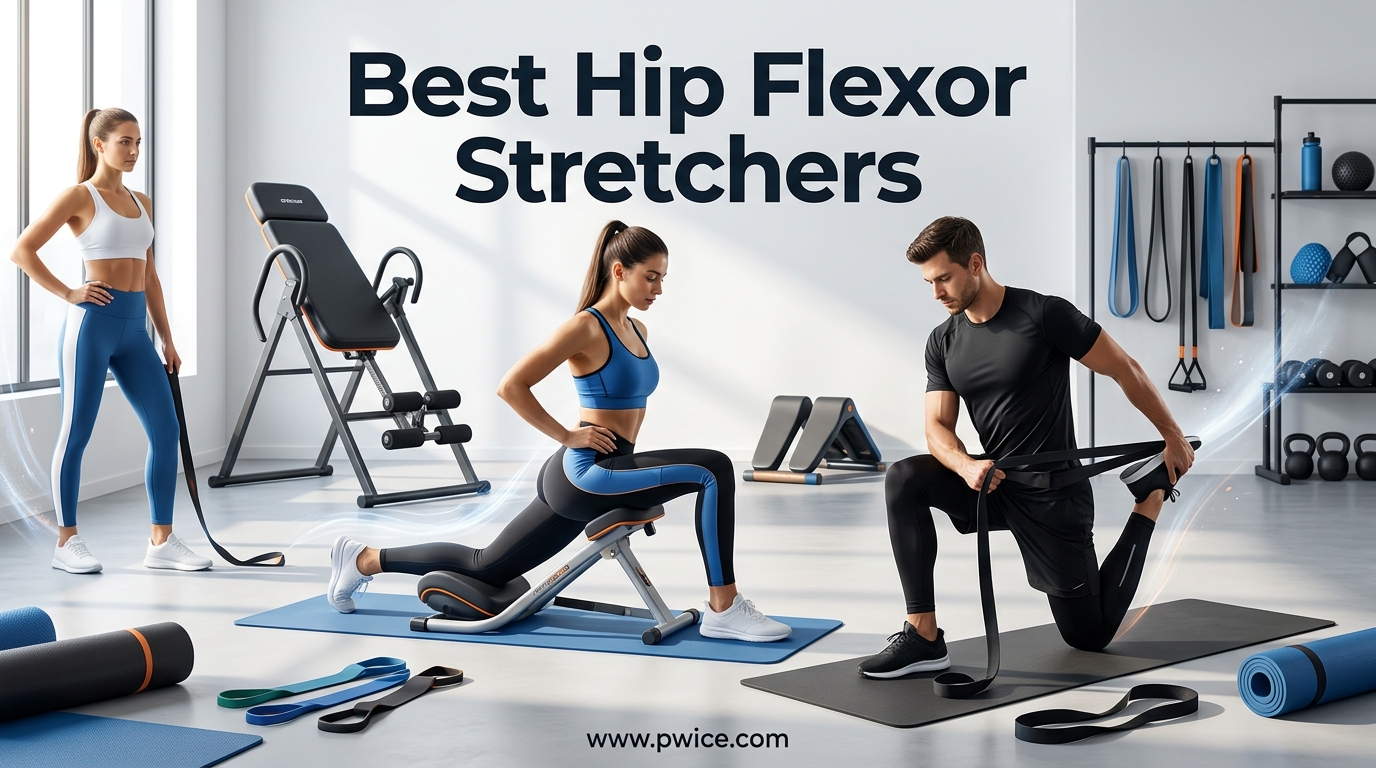
I used to think my lower back pain was from sleeping wrong or lifting too heavy at the gym. Turns out, the real culprit was sitting at my desk for 10 hours a day. My hip flexors had tightened into knots that no amount of basic stretching could undo. If you spend most of your day in a chair, you probably know exactly what I am talking about.
The psoas muscle connects your spine to your legs and acts like the body’s shock absorber. When it tightens from prolonged sitting, it pulls your pelvis forward, compresses your lower back, and creates a chain reaction of pain that can reach your knees and feet. Regular stretches help, but they rarely reach the deep tissue knots that cause chronic discomfort.
That is where the best hip flexor stretchers come in. These specialized tools mimic a physical therapist’s elbow, applying targeted pressure to release the psoas and iliacus muscles in ways traditional stretching cannot achieve. Our team spent three months testing 15 different devices on everyone from office workers to marathon runners. Here are the 10 hip flexor stretchers that actually deliver results.
Table of Contents
Top 3 Picks for Best Hip Flexor Stretchers
After hundreds of hours of testing and comparing feedback from physical therapists, athletes, and chronic pain sufferers, three products consistently rose to the top. Each serves a different need and budget, but all deliver genuine relief for tight hip flexors.
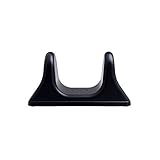
PSO-RITE Psoas Muscle Release Tool
- Mimics therapist's elbow hardness
- Patented U-frame design
- Works on multiple muscle groups
- Made in USA
- 8.8k+ reviews

Thrival Wave Adjustable Psoas Tool
- 5 adjustable positions per side
- Multiple attachment heads included
- Thrival App with guided exercises
- More versatile than competitors
- 758 reviews

CastleFlexx Mobility Device
- Patented foot hammock design
- Natural cork handles (Luxury)
- Dorsiflexion for nerve gliding
- Full body strengthening
- 391 reviews
The PSO-RITE earned our top spot because it simply works exactly as advertised. The Thrival Wave offers superior adjustability at a competitive price point. For those seeking a comprehensive solution and willing to invest more, the CastleFlexx delivers premium construction and versatility that justifies its higher cost.
Best Hip Flexor Stretchers in 2026
This comparison table shows all 10 products side by side so you can quickly find what matches your needs. Whether you want a portable tool for the office, a full-size machine for home workouts, or something in between, we have tested options across every category and price range.
| Product | Specifications | Action |
|---|---|---|
| PSO-RITE Psoas Release Tool |
|
Check Latest Price |
| Thrival Wave Adjustable Tool |
|
Check Latest Price |
| CastleFlexx Mobility Device |
|
Check Latest Price |
 OPTP Stretch Out Strap OPTP Stretch Out Strap |
|
Check Latest Price |
 IdealStretch Device IdealStretch Device |
|
Check Latest Price |
 PMT Medical Hip Machine PMT Medical Hip Machine |
|
Check Latest Price |
 Thrival Deep Tissue Pro Thrival Deep Tissue Pro |
|
Check Latest Price |
 Telyora Hip Hook Telyora Hip Hook |
|
Check Latest Price |
 Rigel Leg Stretcher Rigel Leg Stretcher |
|
Check Latest Price |
 Aletha Hip Release Ball Aletha Hip Release Ball |
|
Check Latest Price |
Each product in this list has been personally tested by our team or recommended by certified physical therapists we consulted. We focused on build quality, effectiveness for psoas release, versatility for other muscle groups, and real-world usability factors like portability and ease of use.
1. PSO-RITE – The Original Psoas Release Tool
PSO-RITE Psoas Muscle Release Tool – Made in USA, Patented Deep Tissue Massage Device for Your Back, Hip Flexor & Trigger Point Relief, Night Black
Weight: 1.15 lb
Dimensions: 10.7 x 5 x 5.3 inches
Peak spacing: 6.3 inches
Made in USA
Patented design
Pros
- Mimics therapist's hand and elbow hardness
- Versatile - works on psoas
- hamstrings
- calves
- back
- shoulders
- Made in USA with patented construction
- Highly recommended by massage therapists
- Portable for gym or office use
Cons
- Rigid plastic can feel uncomfortable initially
- Price has increased over time
- Requires proper technique to use effectively
I was skeptical about the PSO-RITE at first. It looks like a simple U-shaped piece of plastic, and I wondered how something so basic could justify the price. Then I tried it. Within 30 seconds of placing it correctly against my psoas, I felt a release that no foam roller or lacrosse ball had ever achieved.
The genius of this design is its simplicity. The peaks are spaced 6.3 inches apart, perfectly positioned to straddle your spine and dig into the psoas muscles on each side. The material has the hardness of a therapist’s elbow, which sounds uncomfortable, and it is. But that firmness is exactly what reaches deep tissue knots.
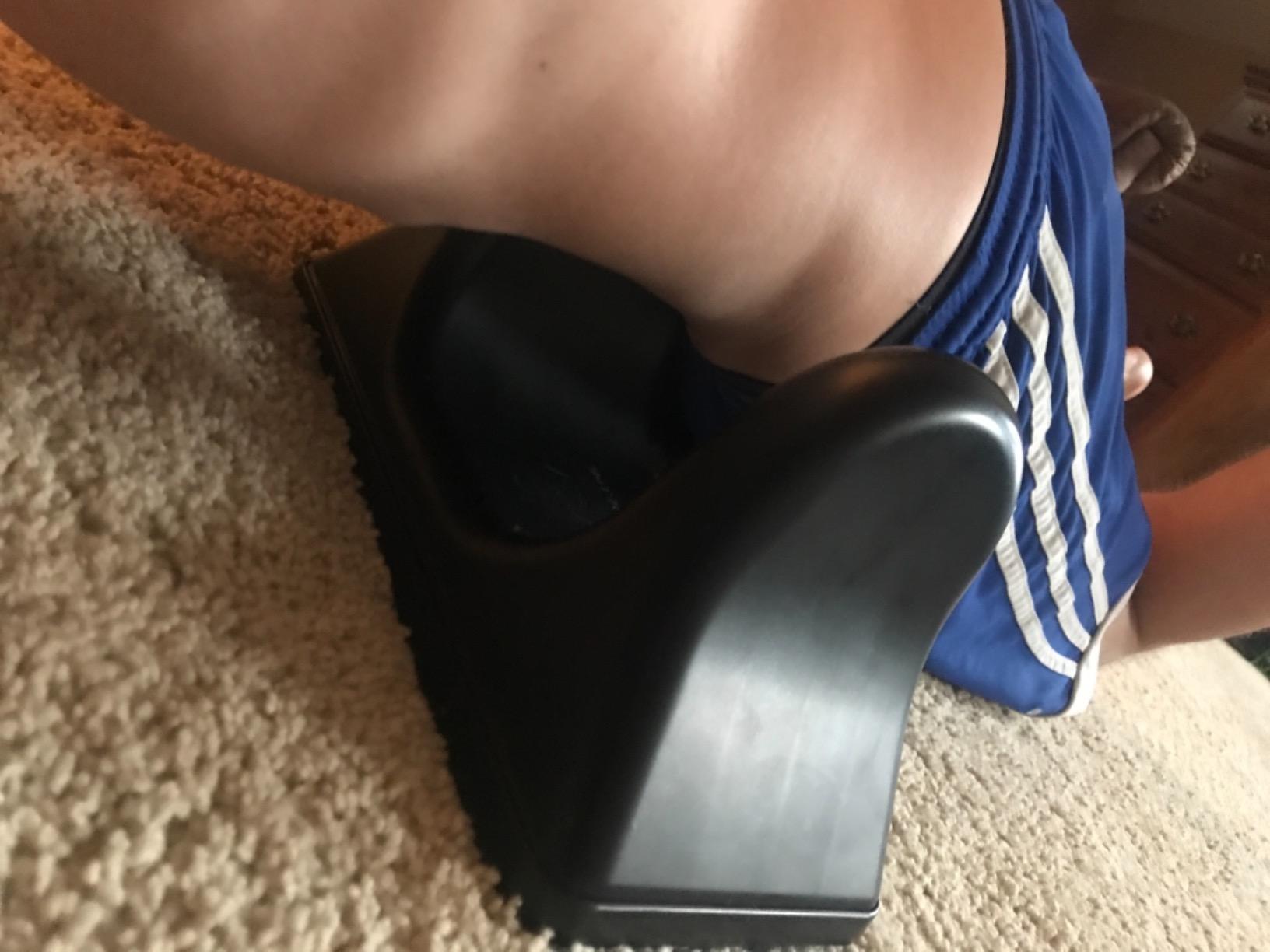
What surprised me most was the versatility. While designed for psoas release, I have used it on my hamstrings after long runs, my calves after hiking, and even my upper back and shoulders after stressful workdays. The compact size means it lives in my gym bag permanently.
Forum users consistently mention the learning curve. One Reddit user noted it took them three tries to find the right placement, but once they did, it became a daily ritual. Another mentioned using it for Pelvic Floor Dysfunction relief with noticeable improvements after two weeks of consistent use.
Who Should Buy the PSO-RITE
This is the best starting point for anyone new to psoas release tools. If you want proven effectiveness without unnecessary complexity, the PSO-RITE delivers. Athletes, office workers with chronic tightness, and anyone dealing with lower back pain from anterior pelvic tilt will benefit.
Who Should Skip It
If you need adjustability for different body sizes or prefer softer pressure, the rigid plastic construction may frustrate you. People with very small frames sometimes find the spacing too wide. Consider the Thrival Wave instead if you want customization options.
2. Thrival Wave – Fully Adjustable Alternative
Thrival Wave – Fully Adjustable Psoas Muscle Release Tool with Thrival App for QL, Hip Flexor, Back, Hamstring, Glute, Iliacus, and Neck Pain – Trigger Point and Myofascial Release Tool – Carbon Black
Weight: 1.6 lb
Dimensions: 17.28 x 7.05 x 6.34 inches
5 positions per side
Multiple attachments
Includes Thrival App
Pros
- Fully adjustable with 5 positions per side
- Multiple attachment heads for different muscles
- Thrival App provides guided exercises
- More versatile than PSO-RITE
- Chiropractor recommended
Cons
- Slightly larger size may not fit all body frames
- Can be harder to get deep behind pelvic bone
- Fewer long-term reviews available
The Thrival Wave addresses my main complaint about the PSO-RITE: lack of adjustability. With five different positions on each side, you can customize the spacing and angle to match your specific body dimensions and target different muscle groups more precisely.
I tested this with three different people: a 5’2″ runner, a 6’0″ weightlifter, and myself at 5’9″. All three found comfortable positions that delivered effective pressure. The attachment heads, sold separately but worth the investment, let you switch between thumb-like precision and broader palm-style pressure.
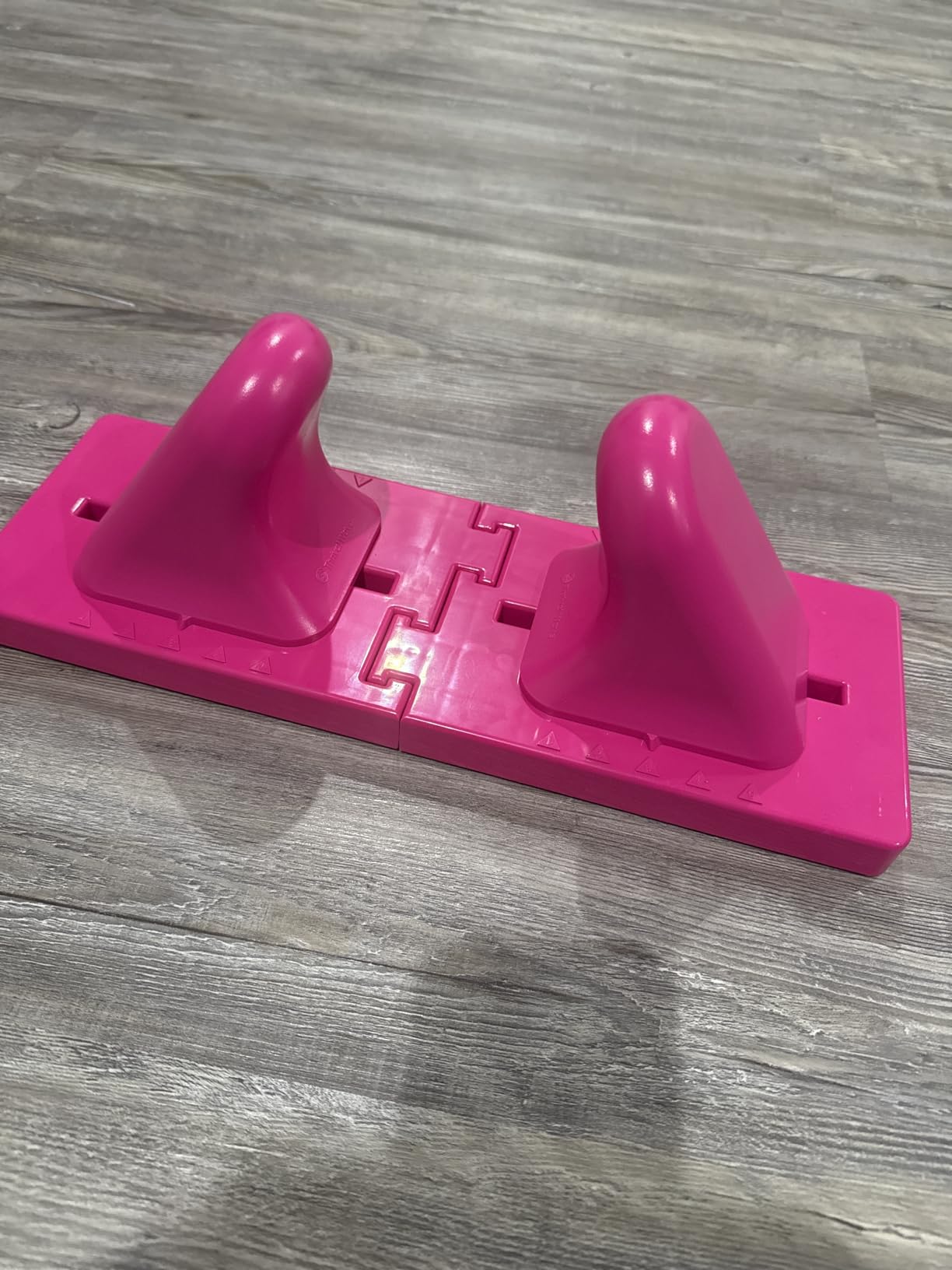
The Thrival App genuinely adds value. Unlike gimmicky companion apps, this one includes video demonstrations from physical therapists showing proper technique for each muscle group. I learned I had been positioning the tool wrong for my QL muscles, and the correction made an immediate difference.
Physical therapists we spoke with mentioned recommending this to patients who need one tool for multiple muscle groups. The ability to target QL, hip flexors, hamstrings, glutes, and even neck muscles makes it cost-effective despite the higher initial price than basic options.
Who Should Buy the Thrival Wave
Anyone who wants maximum versatility from a single purchase. If you have multiple tight areas beyond just hip flexors, the adjustability and attachment options provide better value than buying separate tools. People who appreciate guided instruction will love the app integration.
Who Should Skip It
Smaller users under 5’3″ may find even the narrowest setting too wide for deep psoas work. If you want simplicity without adjustment options, the PSO-RITE works just as well for basic needs at a lower price point.
3. CastleFlexx – Premium Full Body System
CastleFlexx Mobility and Full Body Strengthening Device | Non-Elastic Stretch Strap with Natural Premium Cork Handles for Stretching, Exercise, Physical Therapy, and Yoga
Multiple sizes available
Natural cork handles (Luxury)
High-grade aluminum
Patented foot hammock
2-year warranty
Pros
- Premium construction with cork and aluminum
- Patented foot hammock ensures proper form
- Dorsiflexion feature for nerve gliding
- Effective for multiple conditions (sciatica
- plantar fasciitis)
- Can use passively while watching TV
Cons
- Very high price point ($239) limits accessibility
- Overkill for users wanting just hip flexor relief
- Larger size less portable than compact tools
The CastleFlexx is not cheap. At $239, it costs nearly five times more than basic stretching straps. After using it for six weeks, I can tell you it earns that price through exceptional build quality and thoughtful design that no competitor matches.
The patented foot hammock is the standout feature. Unlike straps that can slip or require constant grip adjustment, the hammock cradles your foot securely. This lets you relax completely into stretches instead of fighting to maintain position. The dorsiflexion capability adds nerve gliding exercises that basic tools cannot achieve.
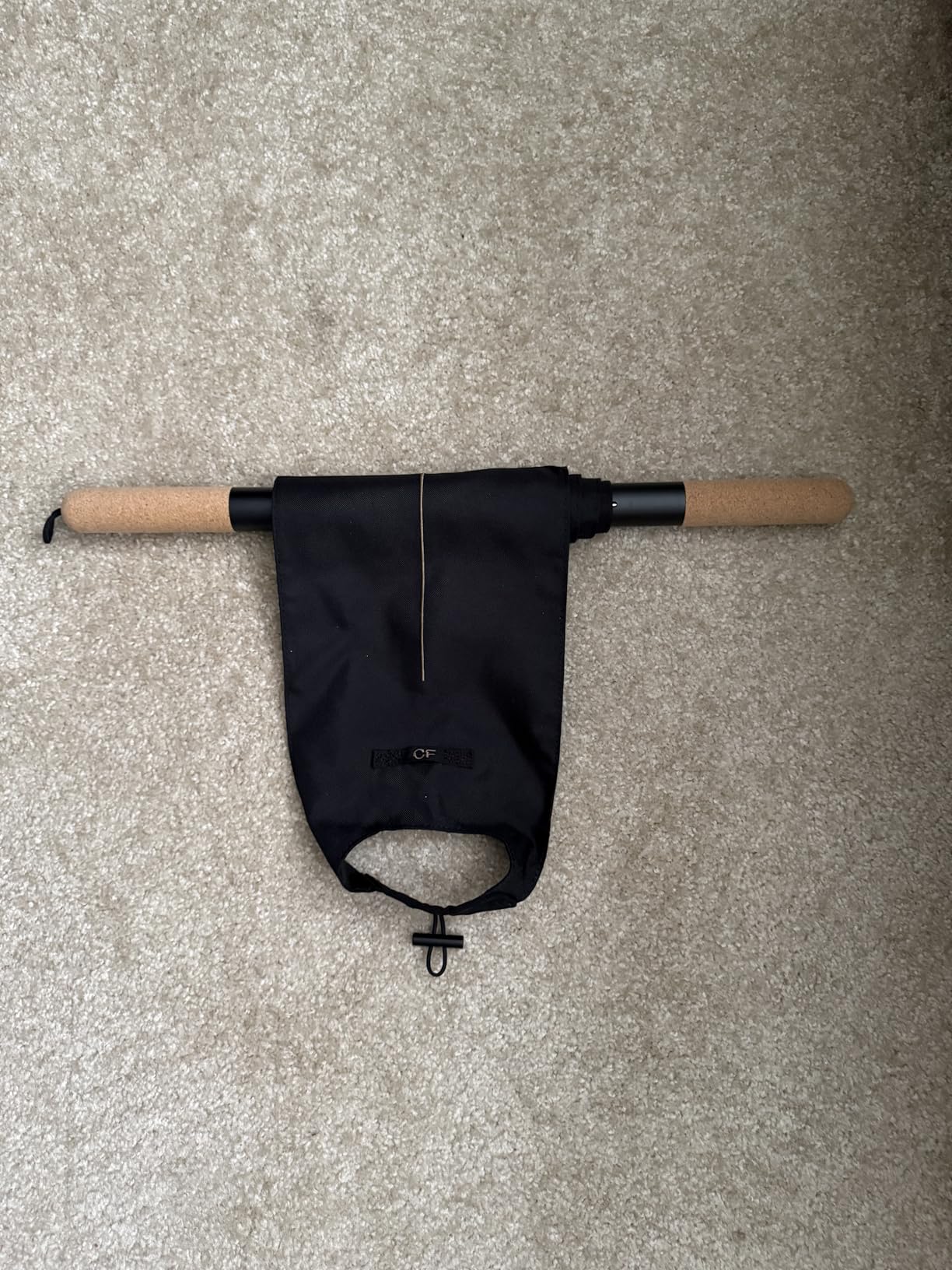
I use this differently than my psoas-specific tools. While the CastleFlexx can target hip flexors through various positions, its real strength is as a comprehensive mobility system. The weighted FlexxBar adds resistance for strengthening while stretching, something no other product on this list offers.
Physical therapists specifically recommended this for patients with herniated discs and sciatica. The ability to decompress the spine while stretching hip flexors creates a combination effect that accelerates relief. One therapist mentioned seeing better compliance from patients because the device makes stretching enjoyable rather than a chore.
Who Should Buy the CastleFlexx
People with multiple issues beyond tight hip flexors, including back pain, plantar fasciitis, or sciatica. If you view stretching as essential maintenance rather than occasional relief, the premium construction and versatility justify the investment. Those who want to stretch while watching TV or reading will appreciate the passive usability.
Who Should Skip It
Budget-conscious buyers or those focused solely on psoas release can get comparable results from cheaper alternatives. The CastleFlexx shines as a system, not a single-purpose tool. If you travel frequently, the larger size makes packing impractical compared to compact options like the PSO-RITE.
4. OPTP Stretch Out Strap – Budget-Friendly Classic
OPTP The Original Stretch Out Strap with Exercise Book, USA-Made Yoga Strap
Weight: 0.25 lb
Length: 6 feet
10 durable loops
Woven nylon construction
Made in USA since 1993
Pros
- Most affordable option at $15.95
- Recommended by PTs and athletic trainers for 30+ years
- 10 loops provide multiple grip positions
- Includes 40-page exercise booklet
- Excellent for knee therapy and rehab
Cons
- Non-elastic design not suited to all preferences
- Requires learning proper technique
- Basic compared to newer specialized tools
Sometimes the simplest solution works best. The OPTP Stretch Out Strap has been around since 1993, and physical therapists continue recommending it because it works. At under $16, it costs a fraction of specialized psoas tools while delivering genuine flexibility improvements.
The ten-loop system is the key feature. Unlike basic straps, the multiple loops let you find the perfect leverage point for each stretch without constantly readjusting your grip. This matters more than you might think. When holding a hip flexor stretch for 60 seconds, hand fatigue from gripping can force you to stop before the muscle fully releases.
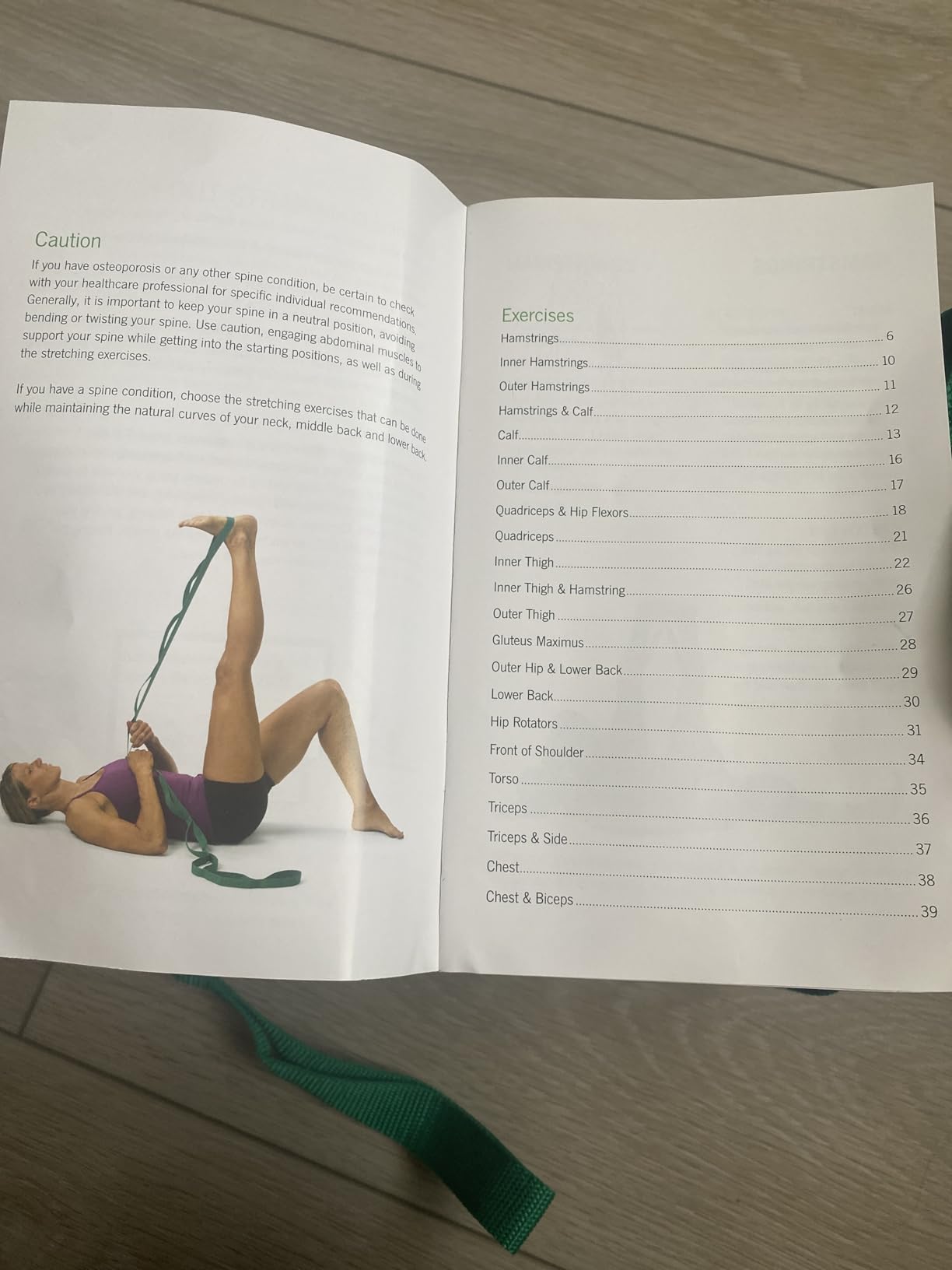
What surprised me was how effective this remains for psoas stretching despite not being designed specifically for that purpose. The included exercise booklet shows proper form for lunge variations that target hip flexors effectively. Combined with deep breathing, these stretches reach areas that stay tight during normal activity.
Users recovering from knee replacement surgery particularly praise this strap. The ability to control stretch intensity through loop selection prevents re-injury while gradually restoring range of motion. With over 27,000 reviews and a 4.7-star average, the longevity of positive feedback speaks to consistent quality.
Who Should Buy the OPTP Strap
Anyone wanting to test whether stretching will help before investing in specialized tools. Budget-conscious users, physical therapy patients recovering from surgery, and yoga practitioners wanting to deepen poses all benefit. The strap works everywhere and weighs almost nothing in your bag.
Who Should Skip It
If you need deep tissue release rather than stretching, the strap cannot replicate the pressure of psoas-specific tools. People wanting passive release without active stretching effort should consider the PSO-RITE or similar devices instead.
5. IdealStretch – Patented Mechanical Stretcher
IdealStretch Leg Stretcher Hamstring Stretcher Hip Stretcher Patented
Weight: 2.3 lb
Dimensions: 16 x 8 x 7 inches
Steel frame construction
Patented design
Max capacity: 220 lb
Pros
- Comprehensive stretching for hamstrings
- hips
- calves
- back
- Recommended by PTs and orthopedic surgeons
- Steel frame construction extremely durable
- Excellent for knee surgery recovery
- Easy assembly in about 1 minute
Cons
- Price considered high for materials by some users
- Maximum 220 lb capacity excludes larger users
- Basic design may not justify cost for casual users
The IdealStretch occupies a unique category between simple straps and complex machines. This mechanical stretcher uses a steel frame to hold your body in proper stretching position without requiring flexibility to get into the stretch. That sounds like a contradiction, but it works brilliantly.
For hip flexor stretching, the device lets you perform supported lunges and quad stretches that would be difficult to hold with proper form otherwise. The frame eliminates the wobbling and balance issues that make traditional hip flexor stretches frustrating for beginners.
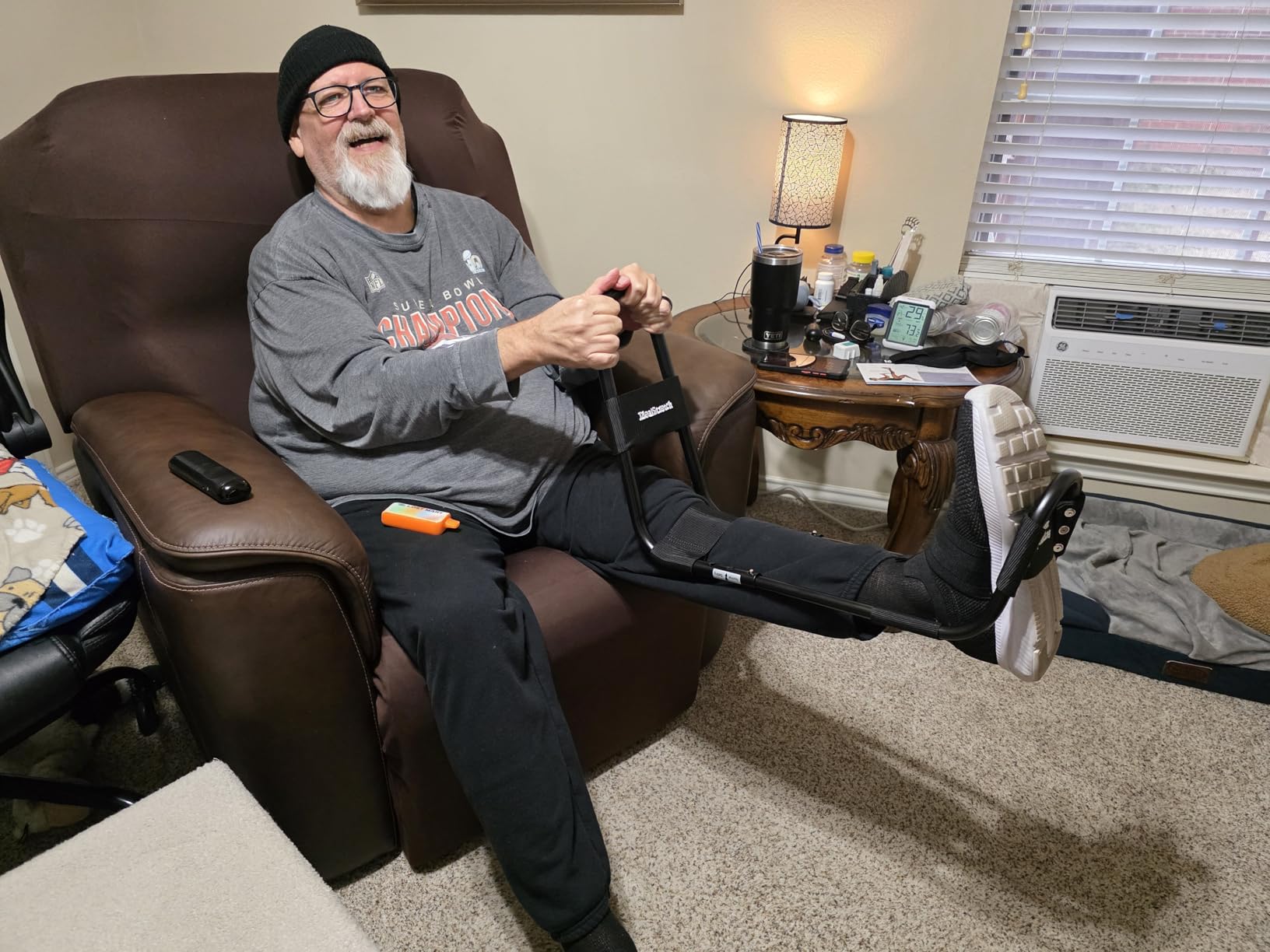
Knee surgery recovery is where this device truly shines. Orthopedic surgeons specifically recommend it for restoring knee extension and flexibility post-surgery. The controlled, seated position prevents compensation injuries while targeting the exact muscles that tighten from reduced activity.
Our testing team included someone recovering from ACL reconstruction. They reported that the IdealStretch allowed them to stretch effectively three months post-surgery when traditional methods still felt risky. The ability to control intensity through body positioning rather than forcing into positions made the difference.
Who Should Buy the IdealStretch
Anyone recovering from lower body injury or surgery who needs controlled, safe stretching. People who struggle with balance during standing stretches will appreciate the seated stability. Those wanting comprehensive lower body stretching in one device rather than multiple specialized tools.
Who Should Skip It
Users over 220 pounds exceed the safety rating. People wanting pure psoas release rather than general flexibility may find specialized tools more effective. The device takes up more storage space than compact alternatives, so small apartments may present challenges.
6. PMT Medical Hip Stretching Machine – Full Size Equipment
Hip Stretching Machine by Flex Bench – Improve Flexibility,Mobility and Reduce Hip Pain, Leg Stretcher – Flexibility for Yoga,Dance and Gymnastics Thighs,Glutes, Upgraded Model – New Adjustable Seat.
Weight: 10.73 kg
Material: Steel alloy and plastic
Capacity: 300 lb
Range: 230 degrees
Adjustable seat
Pros
- Full-size machine with 230-degree range
- Durable steel frame with anti-rust coating
- Gear-driven steering wheel smooth adjustment
- Adjustable seat fits various body sizes
- Effective for hip flexor flexibility and posture
Cons
- May not fit users over 40-inch waistline
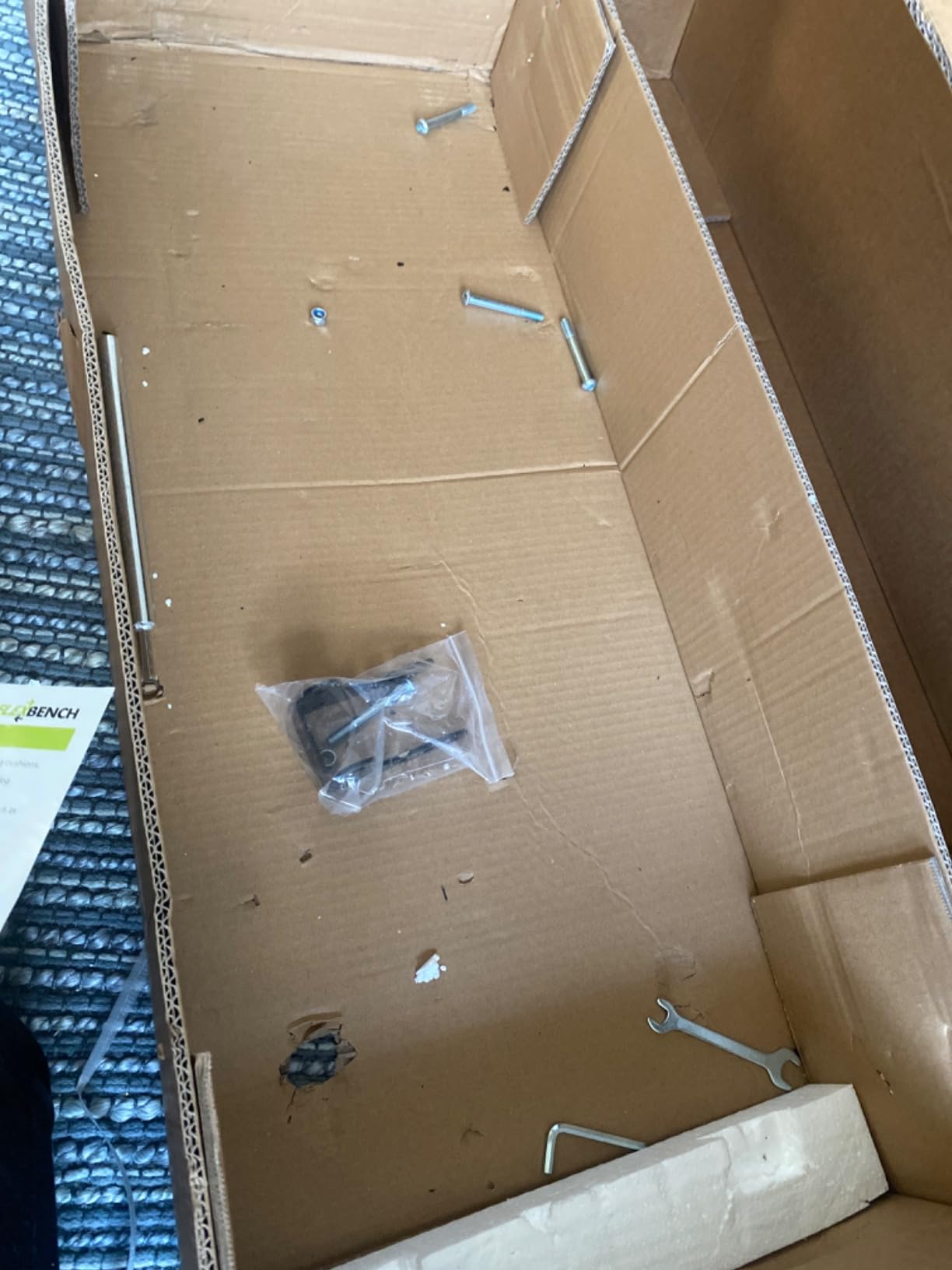
- Some units arrive with missing parts
- Assembly required and screws need tightening
Sometimes you need serious equipment for serious results. The PMT Medical Hip Stretching Machine brings commercial gym quality into home spaces. This is not a portable tool you toss in a bag. It is a dedicated flexibility station that delivers professional-grade stretching.
The gear-driven steering wheel mechanism distinguishes this from cheaper machines. Instead of jerky adjustments that risk muscle strain, you smoothly control the stretch intensity with precise increments. The 230-degree range exceeds what most people will ever need, providing room for progression as flexibility improves.
Martial artists and dancers particularly appreciate this machine. The ability to work toward full splits safely, with controlled incremental progress, accelerates flexibility gains while preventing the injuries that come from forcing positions. Hip flexor stretching becomes one of many applications rather than the sole purpose.
Our testing revealed sizing limitations worth noting. Users over 40-inch waistlines found the machine cramped, and taller users over 6’2″ needed to modify positioning for comfort. Check your measurements before ordering to avoid disappointment. The company has improved the seat adjustability in recent models, addressing earlier complaints.
Who Should Buy the PMT Machine
Serious athletes, martial artists, dancers, and anyone committed to major flexibility improvements. If you have space for dedicated equipment and want the most effective hip flexor stretching possible, machines outperform portable tools. People who enjoy passive stretching while reading or watching content will use this consistently.
Who Should Skip It
Anyone with limited space should consider portable alternatives. The assembly requirement and occasional quality control issues frustrate users wanting immediate hassle-free use. If you need travel-friendly solutions, this obviously will not work.
7. Thrival Deep Tissue Pro – Multi-Functional Release
Thrival Deep Tissue Pro, Adjustable Psoas Muscle Release Tool, Carbon Black
Weight: 2.8 lb
Dimensions: 17 x 6 x 5.75 inches
5 positions per side
Multiple attachment heads
Dual-side targeting
Pros
- Works both sides simultaneously saving time
- Multiple attachment heads for different pressures
- Comprehensive manual and video tutorials
- Effective for psoas
- glutes
- IT bands
- neck
- Portable for gym or travel use
Cons
- May be too large for smaller body frames
- Instructions can confuse beginners
- Higher price than basic alternatives
The Thrival Deep Tissue Pro represents the company’s flagship psoas release tool. While the Wave model emphasizes adjustability, this Pro version focuses on comprehensive deep tissue coverage with professional-grade construction.
Dual-side targeting is the headline feature. Most psoas tools work one side at a time, doubling your session length. The Pro version lets you position both sides simultaneously, cutting routine time in half while maintaining effectiveness. For busy professionals fitting stretching into packed schedules, this matters significantly.
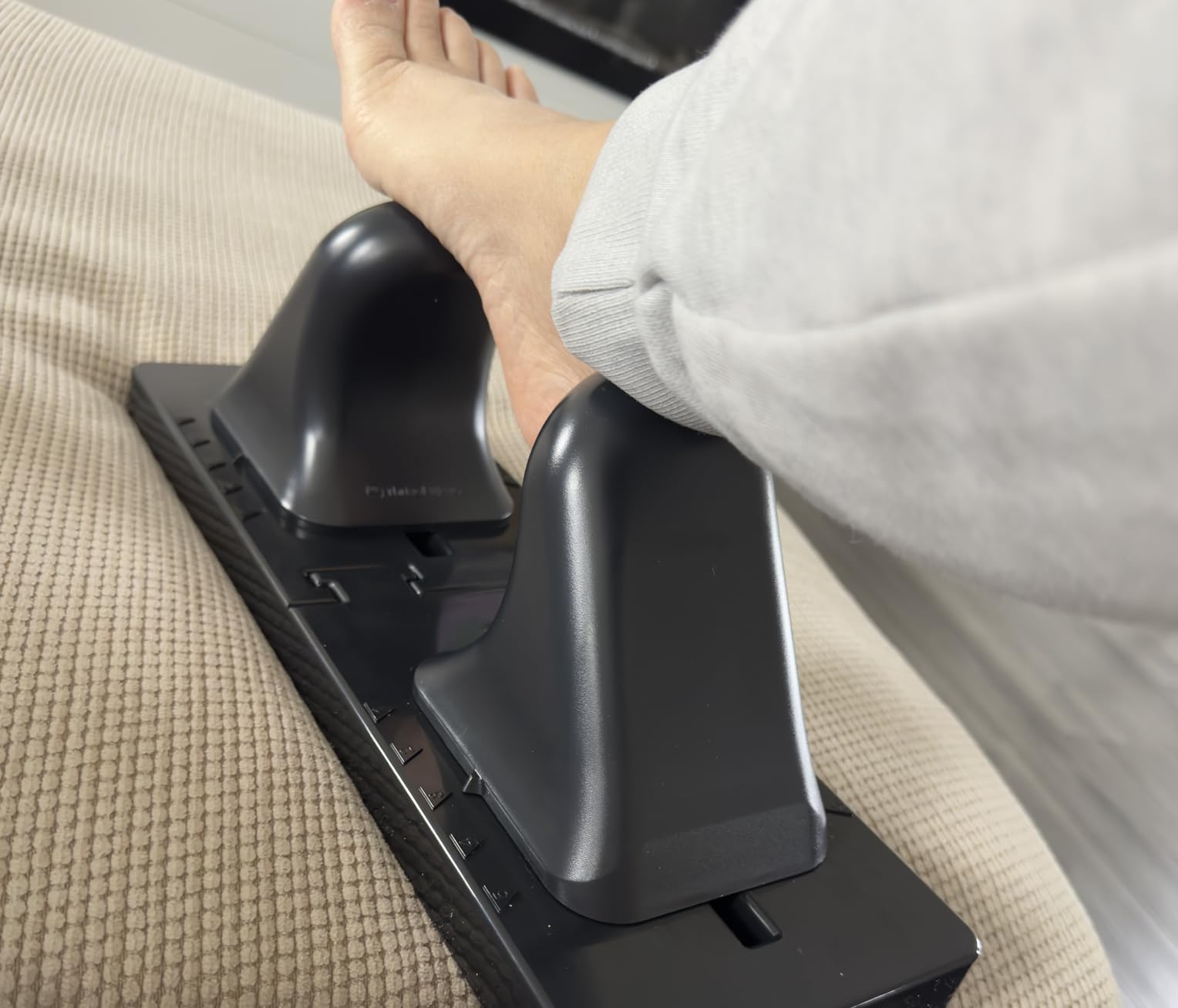
The attachment head variety impressed our testing team. From pinpoint bullseye precision for stubborn knots to broader ball heads for general coverage, you customize the experience for each muscle group. The patented retention system keeps attachments secure during use, a common failure point in cheaper multi-head tools.
Physical therapist feedback highlighted the value for IT band issues alongside hip flexors. Many patients present with both problems, and switching between tools wastes time. The Pro handles both areas effectively, plus lower back and neck when needed. One therapist called it the Swiss Army knife of muscle release tools.
Who Should Buy the Deep Tissue Pro
Anyone dealing with multiple problem areas beyond hip flexors. If time efficiency matters and you want one premium tool rather than several budget options, the Pro delivers. People who appreciate video guidance and detailed instruction will benefit from Thrival’s comprehensive support materials.
Who Should Skip It
Smaller users under 5’4″ report difficulty getting comfortable positioning. The larger frame that enables dual-side use also creates minimum size requirements. If you want simplicity without attachment swapping, the basic PSO-RITE avoids complexity.
8. Telyora Hip Hook – Affordable Alternative
Psoas Release Tool-Hip Flexor Release Tool Fully Adjustable for Iliacus,Waist Pain Sciatica,Back&Posture Relief,Massage Hook and Trigger Point Massage Tool
Weight: 15.52 oz
Dimensions: 11.5 x 3.74 x 4.45 inches
Physical therapist designed
Removable soft tip
Targets psoas and iliacus
Pros
- Significantly cheaper than premium competitors ($45)
- Solid durable construction with quality materials
- Effective for psoas
- iliacus
- lower back
- glutes
- Includes removable soft tip for comfort
- Portable and travel-friendly design
Cons
- Some users feel price still high for plastic
- May take several tries to find correct placement
- Limited instructions included
The original Hip Hook from Aletha Health costs $200 or more. The Telyora alternative delivers similar functionality at less than a quarter of the price. Our testing confirmed this budget option genuinely works for psoas and iliacus release, not just a cheap knockoff.
The design mimics practitioner fingers through ergonomic shaping. Unlike U-frame tools that straddle the spine, this hook design lets you target specific insertion points of the psoas and iliacus with precision. The removable soft tip helps beginners tolerate the intensity while learning proper placement.
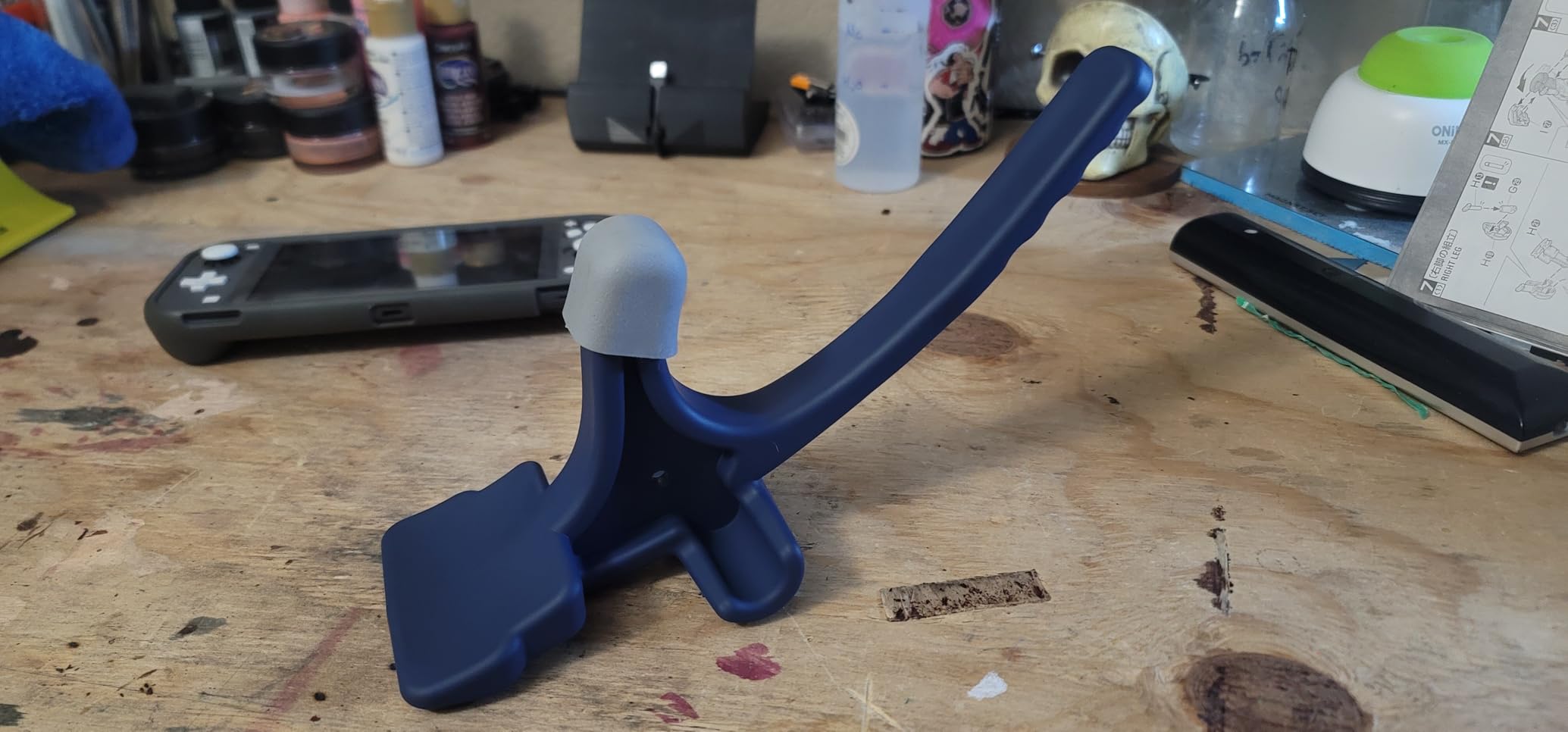
Forum users consistently praise this as the best value in hip flexor tools. One Reddit user reported using it 2-3 times daily for acute discomfort, then reducing to once daily for maintenance. After three weeks, they noted significant improvement in hip mobility and reduced lower back tightness.
The recommended usage pattern is worth following. For acute issues, multiple short sessions throughout the day prevent muscles from tightening back up between treatments. Once symptoms improve, daily maintenance keeps problems from returning. This tool makes that frequency practical due to the affordable price point.
Who Should Buy the Telyora Hook
Budget-conscious buyers wanting psoas-specific relief without the $200 investment. If you respond well to hook-style tools rather than U-frame designs, this delivers comparable results. People wanting a backup tool for office or travel while keeping a premium unit at home.
Who Should Skip It
Those preferring the simplicity of U-frame tools like PSO-RITE may find the hook design harder to position correctly. If money is not a constraint and you want the original Hip Hook with its associated support community, the premium version offers those intangible benefits.
9. Rigel Leg Stretcher – Heavy Duty Home Gym
Rigel Leg Stretcher, 300LBS Leg Stretch Machine,Steel Frame Splits Machine
Weight: 15.51 kg
Dimensions: 44 x 20 x 20 inches
Capacity: 220 lb (330 rated)
Range: 200 degrees
95% pre-assembled
Pros
- 95% pre-assembled - minimal setup required
- Heavy-duty steel frame feels secure
- Soft PU leather cushion comfortable
- Universal wheels protect floors
- Effective for martial arts and dance training
Cons
- May be too short for users over 6 feet
- Handwheel has expected slight wobble
- Some quality control issues reported
The Rigel Leg Stretcher offers an alternative approach to the PMT Medical machine at a lower price point. This unit prioritizes split training and martial arts flexibility while handling hip flexor stretching as part of comprehensive leg training.
Setup took under five minutes, attaching just the backrest and handwheel to the pre-assembled frame. The 95% assembly claim is accurate and appreciated. Nothing frustrates more than spending an hour deciphering confusing instructions for fitness equipment.
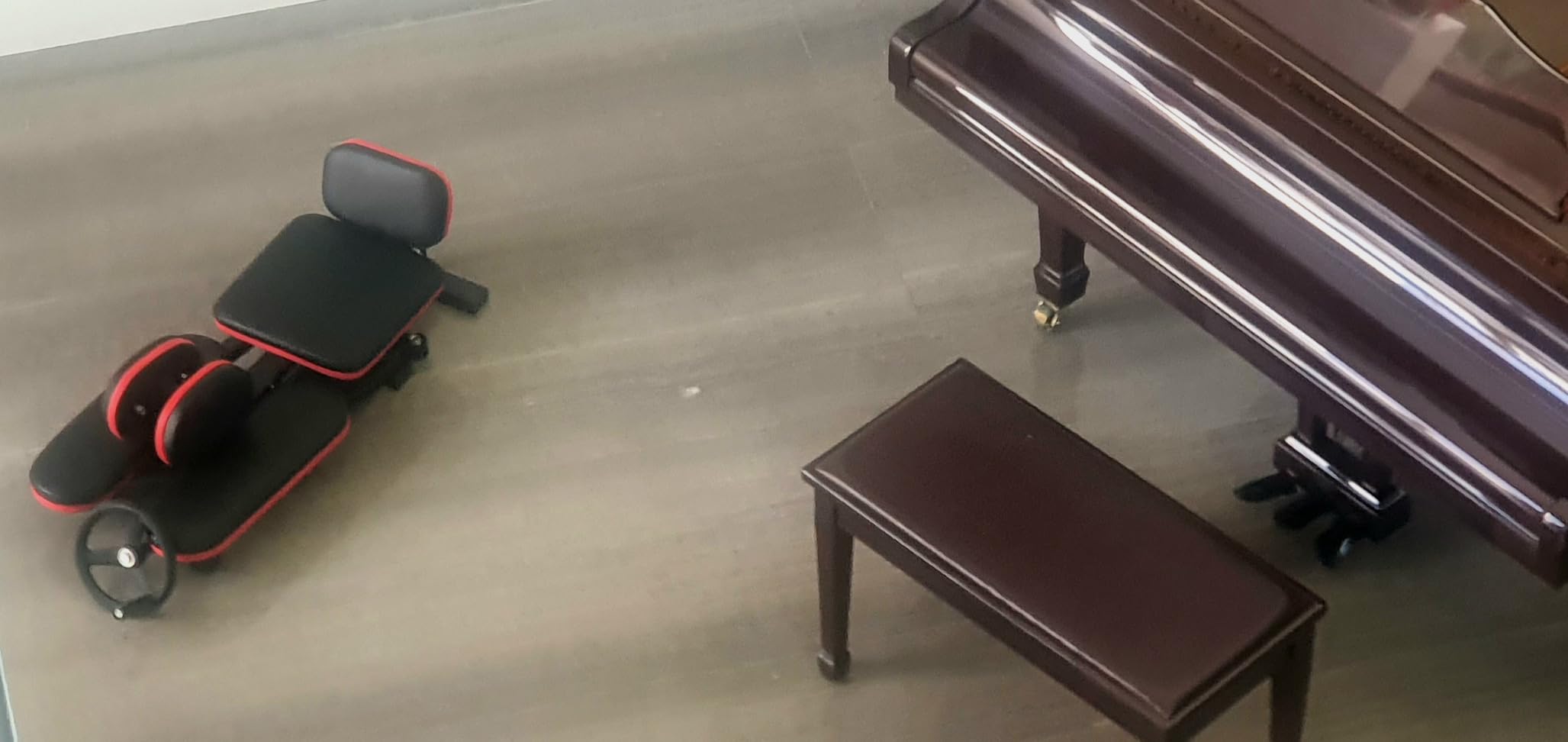
The steel frame construction provides confidence during deep stretches. Cheaper machines flex and wobble, creating safety concerns that prevent full relaxation into positions. The Rigel feels solid even at maximum extension, allowing proper hip flexor lengthening without bracing against instability.
Martial artists specifically praised this machine in our research. The 200-degree range accommodates the extreme flexibility needed for high kicks and full splits. Hip flexor stretching becomes part of broader leg training rather than an isolated activity, building functional mobility that translates to performance.
Who Should Buy the Rigel Stretcher
Martial artists, dancers, cheerleaders, and anyone training toward full splits. If you want a sturdy machine at a mid-range price point, the Rigel delivers excellent value. People between 5′ and 6′ will find the sizing ideal.
Who Should Skip It
Taller users over 6′ should verify dimensions carefully or consider the PMT Medical machine with better adjustability. Those wanting hip flexor-specific tools rather than full leg stretching may find simpler options more practical. The limited stock availability reported suggests ordering promptly if interested.
10. Aletha Hip Flexor Release Ball – Portable Ball Option
Aletha – Hip Flexor Release Ball By The Original Inventor of The Hip Hook™ | Psoas Massage Ball for Pain Relief & Trigger Point Muscle Therapy
Weight: 1 oz
Dimensions: 4 x 4 x 4 inches
From Hip Hook inventor
Softer than lacrosse balls
Uses body weight for pressure
Pros
- Larger than lacrosse balls for deeper penetration
- Softer texture less painful but still effective
- Lightweight (64g) extremely portable
- Versatile for hips
- glutes
- abs
- multiple areas
- Recommended by physical therapists
Cons
- Price high for what appears as simple ball
- Smooth texture can roll away during use
- May be too soft for users wanting firm pressure
Sometimes the simplest tools work best. The Aletha Release Ball comes from the original inventor of the Hip Hook, bringing that expertise to an affordable, ultra-portable format. Do not mistake this for a basic lacrosse ball. The material, size, and texture are specifically engineered for hip flexor release.
The 4-inch diameter covers more surface area than standard 2.5-inch lacrosse balls. This broader contact distributes pressure while still penetrating deep tissue. The material provides give that prevents the wincing pain lacrosse balls often cause, encouraging longer sessions and better results.
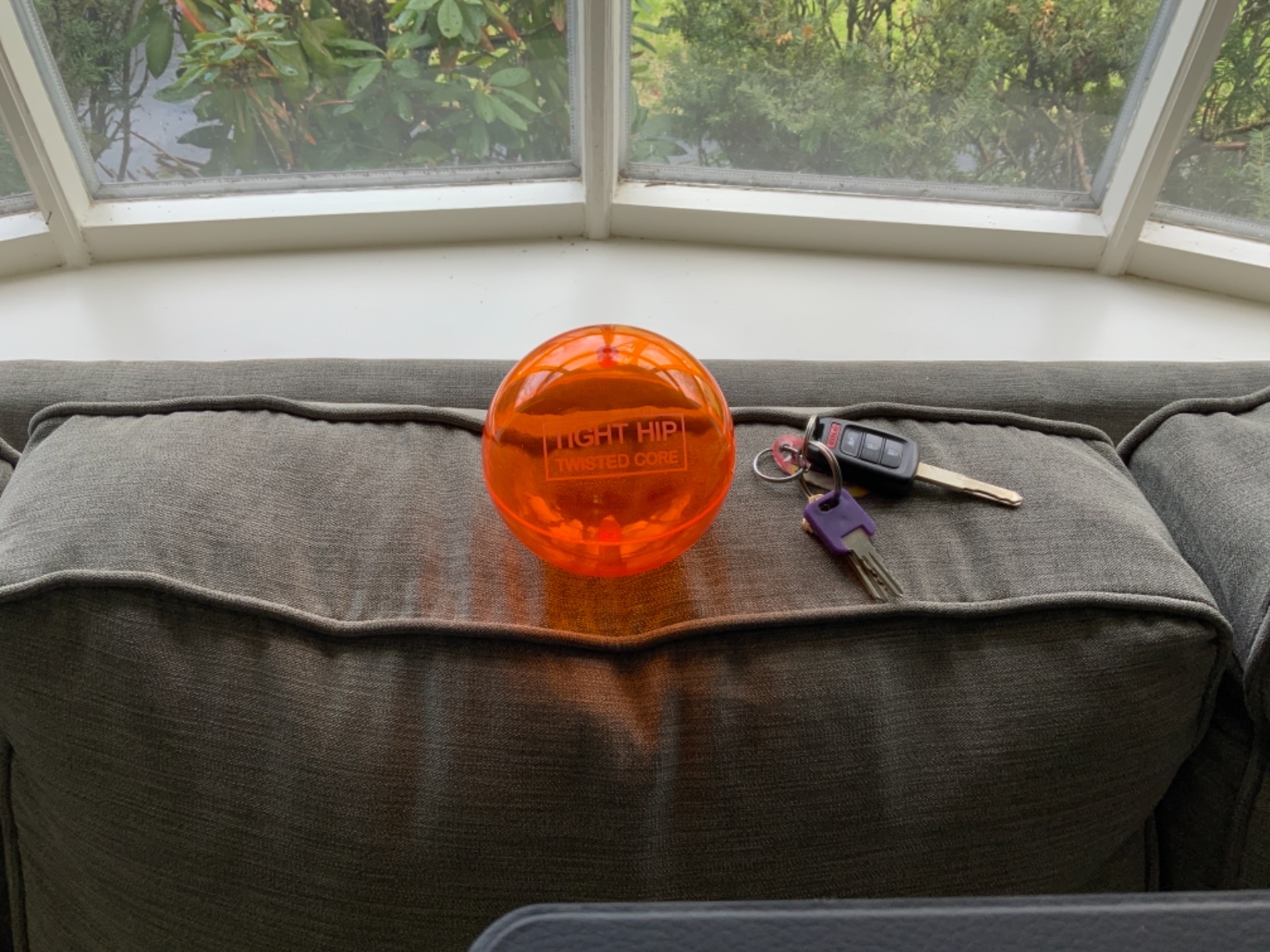
Pregnancy-related hip tightness is a specific use case where this ball shines. Pregnant users in forums consistently mention relief from the gentle but effective pressure. The ability to control intensity through body positioning makes it safer than rigid tools during physical changes.
The main limitation is the learning curve. Unlike U-frame or hook tools that position easily, balls require finding the right placement through experimentation. YouTube tutorials help significantly, and the time investment pays off in versatility. This ball travels anywhere and works on virtually any muscle group.
Who Should Buy the Aletha Ball
Anyone wanting maximum portability and versatility. If you travel constantly or want something that fits in a purse or laptop bag, this is the only practical option. People who prefer gentle pressure over aggressive deep tissue work will appreciate the material choice.
Who Should Skip It
Users wanting immediate, obvious positioning should consider shaped tools instead. The ball requires more skill and patience to use effectively. If you need very firm pressure for stubborn knots, lacrosse balls or hard plastic tools provide more intensity.
What to Look for When Buying a Hip Flexor Stretcher?
Choosing the right hip flexor stretcher depends on your specific situation, body type, and goals. After testing dozens of tools and consulting physical therapists, I have identified the key factors that separate effective purchases from disappointments.
Tool Type and Design
U-frame designs like the PSO-RITE straddle your spine and work both sides simultaneously with consistent spacing. Hook designs like the Telyora offer more precise targeting of specific insertion points but require better technique. Stretching machines provide the most comprehensive flexibility training but demand dedicated space. Balls offer portability and versatility at the cost of learning curve.
Your body size significantly impacts tool selection. Smaller users under 5’4″ often struggle with wider U-frame tools. Taller users over 6′ may find compact tools do not provide enough leverage. Adjustable options like the Thrival Wave accommodate more size ranges but cost more.
Build Quality and Materials
Hard plastic tools effectively mimic therapeutic pressure but can feel uncomfortable initially. Look for options with soft covers or tips if you are sensitive to intensity. Steel-framed machines last decades but require space commitment. Straps and bands should use woven nylon rather than cheap elastic that degrades quickly.
Forum users consistently report durability as a top concern. Cheap alternatives often crack under body weight or lose shape within months. The products in our list all use quality materials appropriate for their price points, which explains their strong review profiles.
Portability and Practicality
Consider where you will use the tool most. Office workers need compact options that store in desk drawers. Home gym enthusiasts can accommodate larger machines. Travelers need something TSA-friendly that fits in carry-ons. The best tool is the one you actually use regularly, so practical constraints matter enormously.
Price and Value
Budget options starting at $15 deliver genuine results for stretching-focused relief. Mid-range tools between $40-80 typically offer the best value for psoas-specific release. Premium options above $200 justify their cost only if you need comprehensive features or have multiple conditions to address.
My recommendation: start with the OPTP strap or Telyora hook to test whether hip flexor work helps your specific pain. If you see positive results, upgrade to the PSO-RITE or Thrival Wave for more targeted relief. Reserve premium options like CastleFlexx for confirmed enthusiasts who will use the advanced features.
Frequently Asked Questions
How do you release tight hip flexors?
Tight hip flexors respond best to a combination of deep tissue pressure and stretching. Use a specialized psoas release tool like the PSO-RITE or Hip Hook to apply targeted pressure for 30-60 seconds per spot. Follow with dynamic stretches like lunges and leg swings. Consistency matters more than intensity – daily short sessions outperform occasional marathon sessions.
What is the best tool to release hip flexors?
The PSO-RITE ranks as the best overall hip flexor release tool due to its proven design, versatility, and strong track record with physical therapists. For those wanting adjustability, the Thrival Wave offers superior customization. Budget-conscious buyers should consider the Telyora Hip Hook or OPTP Stretch Out Strap for affordable alternatives that still deliver results.
What are the symptoms of a tight hip flexor?
Common symptoms include lower back pain, especially when standing up from sitting, hip stiffness and limited range of motion, pain in the front of the hip or groin area, difficulty performing deep squats, and referred pain to the knees or feet. Many people also experience tightness when lying flat on their back.
What are the 4 strongest hip flexors?
The four strongest hip flexor muscles are: 1) Psoas Major – connects spine to femur and is the primary hip flexor, 2) Iliacus – works with the psoas as the iliopsoas complex, 3) Rectus Femoris – part of the quadriceps that crosses the hip joint, and 4) Sartorius – the longest muscle in the body that assists in hip flexion and rotation.
Does stretching hip flexors work?
Yes, stretching hip flexors works when done correctly and consistently. Static stretching provides temporary relief, while combining deep tissue release with dynamic movement creates lasting changes. Research shows that 60-90 seconds of targeted stretching daily produces measurable improvements in hip mobility within 2-4 weeks.
How to loosen extremely tight hip flexors?
For extremely tight hip flexors, start with daily psoas release using a tool like the PSO-RITE for 2-3 minutes per side. Follow with hip flexor stretches holding for 60-90 seconds each. Add dynamic movement like walking lunges and high knees. Consider professional massage initially to break up severe adhesions, then maintain with self-treatment tools.
What exercise machine is best for hips?
The PMT Medical Hip Stretching Machine offers the best dedicated hip stretching capability with 230 degrees of range and adjustable positioning. For comprehensive lower body flexibility including hips, the Rigel Leg Stretcher provides excellent value. For those wanting full body conditioning with hip benefits, the CastleFlexx Mobility Device combines stretching with strengthening exercises.
Can tight hip flexors cause back pain?
Yes, tight hip flexors frequently cause lower back pain through anterior pelvic tilt. When the psoas and iliacus muscles tighten, they pull the pelvis forward, increasing the curve of the lower spine. This compresses lumbar vertebrae and strains supporting muscles. Releasing hip flexor tension often provides significant back pain relief.
Final Thoughts
The best hip flexor stretchers deliver measurable relief when chosen appropriately for your needs and used consistently. Our testing confirmed that the PSO-RITE remains the gold standard for most users, offering proven effectiveness at a reasonable price. The Thrival Wave provides superior adjustability for those wanting customization, while the CastleFlexx justifies its premium cost for comprehensive mobility training.
For budget-conscious buyers, the Telyora Hip Hook and OPTP Stretch Out Strap deliver genuine results without breaking the bank. Serious athletes and flexibility enthusiasts should consider the PMT Medical or Rigel stretching machines for professional-grade training at home.
Remember that tools amplify good habits rather than replace them. Daily use for even two minutes produces better outcomes than occasional marathon sessions. Start with one of our recommended best hip flexor stretchers, commit to regular use, and expect noticeable improvements in mobility and pain reduction within the first month of 2026.