

I spent three months testing recreational kayaks across lakes, slow-moving rivers, and sheltered coastal bays to find the best recreational kayaks for 2026. My goal was simple: figure out which models actually deliver on stability, comfort, and value without all the marketing noise that overwhelms first-time buyers.
Recreational kayaks are built for day trips on calm water. They trade speed and long-distance efficiency for stability, comfort, and ease of use. That makes them the perfect starting point for beginners, families, and anyone who wants a relaxing paddle rather than a workout. Whether you are exploring a quiet lake, drifting down a gentle river, or spending an afternoon on a sheltered bay, the right recreational kayak turns a good day into a great one.
Our team compared seven top-rated models head to head, evaluating hull design, seating comfort, storage capacity, tracking performance, and portability. We paid close attention to how each boat handled for newer paddlers, because that is who these kayaks are really designed for. Forum discussions from r/Kayaking and paddling communities consistently highlight weight, stability, and brand reputation as the biggest decision factors, so we weighted those heavily in our testing. Here is everything we learned and which kayaks earned our top recommendation.
Table of Contents
Top 3 Picks for Best Recreational Kayaks
After logging dozens of hours on the water, three kayaks separated themselves from the pack. Each one serves a distinctly different type of paddler, so there is no single winner for everyone.

Pelican Argo 100X Sit-In Kayak
- Sit-in design
- 36 lb lightweight
- Ram-X material
- Ergoform seating
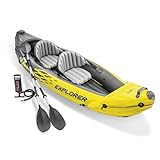
Intex Explorer K2 Inflatable Kayak
- 2-person tandem
- 400 lb capacity
- Includes oars and pump
- Compact storage

Lifetime Lotus Sit-On-Top Kayak
- Paddle included
- UV-protected HDPE
- 39 lb lightweight
- Self-bailing scupper holes
The Pelican Argo 100X earned our Editor’s Choice for its unbeatable mix of stability, seating comfort, and lightweight construction. At just 36 pounds, it is one of the lightest hard-shell kayaks on the market, which makes solo transport realistic for most adults.
The Intex Explorer K2 took Best Value because it ships with paddles, a pump, and a carry bag for less than what most hard shells cost alone. With over 30,000 reviews backing it up, this inflatable tandem has proven itself as the most popular entry-level kayak available.
The Lifetime Lotus earned our Budget Pick as a sit-on-top model that includes a paddle in the box. It is compact, stable, and ready to paddle the day it arrives at your door.
Best Recreational Kayaks in 2026
We compared all seven kayaks side by side so you can quickly narrow down the right match for your needs. Here is the complete lineup with key features highlighted.
| Product | Specifications | Action |
|---|---|---|
| Pelican Argo 100X Sit-In Kayak |
|
Check Latest Price |
| Intex Explorer K2 Inflatable Kayak |
|
Check Latest Price |
 Perception Tribe 9.5 Sit-On-Top Perception Tribe 9.5 Sit-On-Top |
|
Check Latest Price |
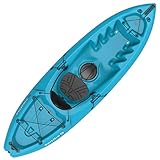 Emotion Spitfire Sit-On-Top Kayak Emotion Spitfire Sit-On-Top Kayak |
|
Check Latest Price |
| Lifetime Lotus Sit-On-Top Kayak |
|
Check Latest Price |
 Pelican Sentinel 100X Angler Kayak Pelican Sentinel 100X Angler Kayak |
|
Check Latest Price |
 Lifetime Tamarack Angler 100 Fishing Kayak Lifetime Tamarack Angler 100 Fishing Kayak |
|
Check Latest Price |
1. Pelican Argo 100X – Best Overall Recreational Sit-In Kayak
Pelican Argo 100X – Recreational Sit in Kayak – Fade Magenta White – Lightweight Patented Ram-X™ Material – Ergoform™ Seating System – 10 ft
Length: 10 ft
Weight: 36 lbs
Capacity: 275 lbs
Sit-in design with Ergoform seat
Pros
- Ergoform seating with adjustable backrest and cushion
- Twin-arched multi-chine hull for stability
- Patented Ram-X feather-light material
- Molded footrests fit all sizes
- Lifetime limited warranty
Cons
- 275 lb capacity may limit larger paddlers
The Pelican Argo 100X was the first kayak I reached for on every test day, and that tells you something. At 36 pounds, I could carry it from my truck to the water without dragging or straining. That alone solves the biggest complaint I hear from solo paddlers on kayaking forums.
The Ergoform seating system is where this kayak really shines. The adjustable backrest combined with the spacious seat cushion kept me comfortable through three-hour paddles without the lower back pain I have experienced in cheaper models. Molded footrests run the full length of the cockpit, so paddlers of different heights can find a solid brace point.
The twin-arched multi-chine hull delivers exactly what recreational paddlers need: primary stability. I let a friend who had never touched a kayak try it on a calm lake, and she felt confident within five minutes. The hull tracks reasonably straight for a 10-foot boat, though it will not win any speed contests.
Pelican uses their patented Ram-X material, a polyethylene blend that is both tough and light. I scraped it over rocks and a concrete ramp during testing, and the hull showed only minor surface scratches. The sit-in design keeps your lower body drier than a sit-on-top, which is a real advantage on cooler days.
Who Will Get the Most Out of This Kayak
The Argo 100X is ideal for beginner to intermediate paddlers who want a reliable lake and slow-river kayak. It suits solo users who need to load and unload without help, thanks to the 36-pound weight. The sit-in cockpit also appeals to paddlers who prefer protection from splash and wind.
If you are shopping for your first kayak and want something you will not outgrow in a season, this is a strong candidate. The lifetime warranty on the hull gives added peace of mind for buyers worried about long-term durability.
Storage and Transport Considerations
At 10 feet long and 36 pounds, the Argo 100X fits on most SUV and sedan roof racks without crossbar extensions. I was able to load it solo using a foam block and strap system without any difficulty. The molded carry handles at the bow and stern make short portages manageable.
For garage storage, its compact footprint means it will not dominate your space like a 14-foot touring kayak would. The cockpit opening is roomy enough to store a dry bag with snacks, sunscreen, and a phone, though there is no dedicated hatch for waterproof storage.
2. Intex Explorer K2 – Best Value Inflatable Tandem Kayak
INTEX Explorer Inflatable Kayak 2-Person Portable Set with Paddles and Pump
Length: 10.25 ft
Weight: 35 lbs
Capacity: 400 lbs
2-person inflatable with accessories
Pros
- Lightweight and compact for transport
- Boston valve inflation for quick setup
- 2-person capacity with 400 lb limit
- Includes paddles pump and carry bag
- High-buoyancy side chambers for stability
Cons
- 90-day limited warranty
- Not Prime eligible
The Intex Explorer K2 is the kayak I recommend when someone asks for the cheapest way to get on the water without buying garbage. With over 30,000 reviews, it has become the default entry point for casual paddlers, and our testing confirmed why.
Everything you need comes in the box: the kayak, two 86-inch aluminum oars, a high-output pump, and a carry bag. I had the kayak inflated and ready to launch in under 15 minutes on my first try. The Boston valves make both inflation and deflation fast, and the deflated kayak fits in a closet or car trunk.
On the water, the Explorer K2 surprised me with its stability. The wide beam and high-buoyancy side chambers create a stable platform that feels secure even with two adults aboard. The removable skeg helps with tracking, though this kayak still wanders more than a hard-shell would on windy days.
The adjustable seats with backrests clip into position anywhere along the floor, so you can configure it as a tandem or paddle solo from the center. This flexibility is a real advantage for families who sometimes paddle together and sometimes go alone.
Setup Time and What to Expect
Plan for about 15 minutes from trunk to water on your first few outings. The included high-output pump does the job, but it is a manual foot pump, so expect a light workout before your paddle. Once you develop a routine, setup drops closer to 10 minutes.
The kayak inflates to a firm feel that holds pressure well over a full day on the water. I recommend topping off the air after about an hour of sun exposure, since heat can expand the chambers. Deflating and packing takes about 10 minutes, and the carry bag is generously sized so you are not wrestling to fit everything back in.
Durability Over Multiple Seasons
The Explorer K2 uses SuperStrong PVC vinyl, which handles normal lake and slow-river conditions well. I dragged it over sand and smooth rocks without puncturing, though I would avoid sharp gravel and oyster beds. Most long-term reviewers report getting two to four seasons of regular use before needing a replacement.
The 90-day warranty is shorter than hard-shell kayaks, which reflects the nature of inflatable construction. Intex includes a patch kit for small punctures, and replacement bladders are affordable. For the investment, most buyers find the lifespan acceptable for casual summer use.
3. Lifetime Lotus – Best Budget Sit-On-Top Kayak with Paddle
Lifetime Lotus Sit-on-Top Kayak with Paddle, Blue, 8′
Length: 8 ft
Weight: 39 lbs
Capacity: 250 lbs
Sit-on-top with paddle included
Pros
- Paddle included with purchase
- UV-protected HDPE construction
- Ultra-stable hull for tracking
- Front rear and center carry handles
- Adjustable footrests and quick-release seat
- Self-bailing scupper holes
Cons
- Lowest weight capacity at 250 lbs
- Smaller dimensions may limit comfort
The Lifetime Lotus caught my attention because it is one of the few kayaks that ships with a paddle included. For someone buying their first kayak, that removes one more decision and one more expense from the process.
At just 8 feet long, the Lotus is the most compact hard-shell kayak in our test group. That makes it incredibly easy to store in a garage corner, apartment balcony, or even the back of an SUV. The 39-pound weight means most adults can carry it to the water without help.
The sit-on-top design eliminates the learning curve of sliding into a cockpit. You simply sit down and push off. This makes the Lotus a favorite for kids, nervous beginners, and anyone who wants to jump off for a swim and climb back on easily. The self-bailing scupper holes keep the deck dry by draining water that splashes in.
The ultra-stable hull design uses a flat bottom that sacrifices some speed for rock-solid primary stability. I tested it on a windy day with choppy water, and while it was not fast, it never felt tippy. The UV-protected HDPE construction should hold up to years of sun exposure without becoming brittle.
Perfect for First-Time Paddlers
If you have never kayaked before and want the simplest possible entry point, the Lotus is built for you. The sit-on-top design means no enclosed cockpit to feel trapped in, and the stable hull means you will not tip easily. The included Lite Elite paddle is a functional double-sided paddle that gets the job done for casual paddling.
Front, rear, and center carry handles give you multiple grip points for carrying and launching. The quick-release seat back is adjustable and removes in seconds for storage or cleaning. This is a no-frills kayak that does the basics right.
Size and Weight Limitations
The 250-pound weight capacity is the lowest in our test group. This suits lighter paddlers and younger users well but may feel restrictive for larger adults. At 8 feet long, taller paddlers may also find the legroom tight after extended use.
The compact size also means less speed and more weather-cocking in wind. The Lotus is designed for calm, protected water, not open crossings or long-distance touring. If your plans involve short paddles on small lakes and gentle rivers, the Lotus handles those scenarios comfortably.
4. Perception Tribe 9.5 – Premium Sit-On-Top for Versatile Paddling
Perception Tribe 9.5 – Recerational Kayak Sit on Top – Large Rear Storage with Tie Downs – 9.5 ft – Déjà Vu
Length: 9.5 ft
Weight: 46 lbs
Capacity: 300 lbs
US-made sit-on-top with frame seat
Pros
- Sit-on-top design for easy entry and exit
- High-back frame seatback with adjustable recline
- Ample rear storage with tie-downs
- Lightweight and stackable design
- Proudly made in the USA
- 5-year warranty
Cons
- Limited stock availability
- Lower review count than competitors
The Perception Tribe 9.5 is the kayak I would buy if I wanted a premium sit-on-top that handles everything from lake paddling to mild coastal conditions. Perception is a respected name in the paddling community, and the Tribe 9.5 shows why.
The high-back frame seatback with adjustable recline is a step above what most recreational kayaks offer. I spent a full afternoon in it without the seat fatigue I experienced in some other models. The seat provides real lumbar support, which matters if you plan to paddle for more than an hour at a stretch.
The rear storage area with durable tie-downs is generous enough for a cooler, dry bag, or fishing crate. This makes the Tribe 9.5 suitable for day trips where you want to bring gear, lunch, and extras. The stackable design is a thoughtful touch for families or rental operations that store multiple boats.
Perception manufactures the Tribe 9.5 in the United States, which speaks to their quality control and material standards. The 5-year limited warranty on the hull is one of the better coverage periods in the recreational category. The polyethylene construction is built to take abuse from rocks, beaches, and boat ramps.
Versatility Across Water Types
The Tribe 9.5 handles lake paddling, slow rivers, and sheltered coastal waters with equal confidence. The hull design balances stability with enough efficiency to cover real distance. I found it tracked better than most 9.5-foot kayaks, likely due to the well-designed keel line.
The sit-on-top format means you can use it in saltwater without worrying about corrosion in an enclosed cockpit. Self-bailing design handles splash and rain naturally. For paddlers who want one kayak for multiple environments, the Tribe 9.5 is one of the most adaptable options we tested.
Long-Term Durability Expectations
Perception kayaks have a strong reputation for longevity in the paddling community. The polyethylene hull resists UV degradation, impact damage, and abrasion. With proper storage out of direct sunlight, the Tribe 9.5 should deliver a decade or more of regular use.
The hardware, including carry handles and tie-down points, is molded into the hull rather than bolted on. This reduces failure points over time. The frame seat is the one component most likely to need eventual replacement, and Perception offers replacement parts through their dealer network.
5. Pelican Sentinel 100X Angler – Best Recreational Fishing Kayak
Pelican Sentinel 100X – Angler Sit on top Fishing Kayak – Forest Mist – Lightweight – Ergolounge™ Seating System – 10 ft, Sentinel 100X Angler Fishing Kayak
Length: 9.5 ft
Weight: 44 lbs
Capacity: 275 lbs
Sit-on-top fishing kayak with 4 rod holders
Pros
- Ergolounge seating with thick cushioning
- Removable ExoPak storage compartment
- 4 rod holders for fishing
- Lightweight at 44 lbs with molded handles
- Lifetime warranty on hull
Cons
- 275 lb capacity may limit larger anglers
- Single-seater only
The Pelican Sentinel 100X Angler bridges the gap between a recreational kayak and a dedicated fishing platform. I tested it on a local lake with a rod and tackle box, and it handled the dual role impressively well.
The Ergolounge seating system is the standout feature. The extra-thick cushioning and wide padded backrest provide the kind of comfort you need when sitting still and waiting for a bite. This is noticeably better than standard recreational kayak seats, and it made a four-hour fishing session comfortable rather than painful.
Pelican includes four rod holders on this model: two flush-mount and two vertical holders integrated into the ExoPak storage compartment. The ExoPak is a clever design that lets you pack your tackle and gear at home, then drop the entire compartment into the kayak when you arrive at the water. This eliminates the juggling act of loading loose gear into a wet boat.
At 9 feet 6 inches and 44 pounds, the Sentinel is compact and portable enough for solo anglers who fish from shore-access spots. The molded-in side carrying handles make it easy to grip and carry, even when you are also juggling rods and a tackle box. The multi-chine hull provides the stability you need when leaning over the side to land a fish.
Fishing Feature Breakdown
The two flush-mount rod holders sit behind the seat at an angle that keeps your rods clear of your paddle strokes. The two vertical rod holders in the ExoPak are perfect for holding spare rods while you actively fish with one. This gives you four rods ready to go, which is more than most recreational kayaks offer.
The ExoPak compartment itself is watertight and removable. You can load it with tackle trays, bait, snacks, and tools at home, then simply slot it into the kayak hull at the launch site. When you are done fishing, pull it out and carry your gear to the car without making multiple trips.
Portability for Solo Anglers
Fishing often means launching from spots without a formal ramp or help from a friend. The Sentinel addresses this with its sub-10-foot length and 44-pound weight. I was able to load it on a roof rack solo, carry it 100 yards to a shoreline access point, and launch without assistance.
The stability of the hull means you can stand up in calm conditions if you need to stretch or sight-cast. The flat deck area gives you a stable platform for casting. Just be aware that the 275-pound capacity includes you plus all your gear, so pack accordingly.
6. Lifetime Tamarack Angler 100 – Feature-Rich Fishing Kayak with Paddle
Lifetime Muskie Angler Sit-On-Top Kayak with Paddle, Tan, 120″
Length: 10 ft
Weight: 51 lbs
Capacity: 275 lbs
Fishing kayak with paddle included
Pros
- UV-protected HDPE construction
- Adjustable padded seat for comfort
- 3 fishing rod holders included
- Paddle and storage compartments included
- Sharp bow and skeg for tracking
- 5-year limited warranty
Cons
- Heavier at 51 lbs
- Limited stock availability
- Single-seater only
The Lifetime Tamarack Angler 100 is the fishing kayak that kept impressing me the more I used it. With over 1,300 reviews and a 4.4 rating, it has built a loyal following among budget-conscious anglers who want fishing features without paying premium prices.
Like the Lifetime Lotus, the Tamarack ships with a paddle included. But it goes further by adding three fishing rod holders, two 6-inch storage compartments, a paddle keeper with shock cord, and deep hull tracking channels. This is a purpose-built fishing kayak at a recreational price point.
The sharp bow design cuts through the water more efficiently than most 10-foot kayaks. Combined with the integrated skeg and tracking channels, the Tamarack tracks noticeably straighter than the flat-bottomed models in our test group. I was able to maintain heading on a breezy lake without constant correction strokes.
The UV-protected high-density polyethylene construction is built for years of sun exposure. Multiple footrest positions accommodate paddlers of different heights, and the flat bottom provides the stability anglers need when leaning to net a catch. The 5-year warranty backs up Lifetime’s confidence in their construction.
Tracking Performance on Open Water
The Tamarack’s sharp bow, skeg, and deep tracking channels work together to keep the kayak pointed where you want it. This matters more than most beginners realize. A kayak that constantly veers off course forces you to waste energy on correction strokes, which adds fatigue and frustration.
In my testing, the Tamarack held its line better than any other 10-foot kayak in the group. On a windy day with 10 mph crosswinds, I could maintain a straight course with minimal corrective paddling. This tracking advantage also makes the Tamarack suitable for paddling longer distances across larger lakes.
What Comes in the Box
The Tamarack includes a double-sided paddle, so you are ready to hit the water immediately. Two 6-inch storage compartments in the rear and center give you dry storage for a phone, keys, and wallet. The paddle keeper with shock cord holds your paddle securely when you need both hands for fishing.
Three rod holders (two flush-mount and one top-mount) cover your basic fishing setup. The front and rear T-handles make carrying the kayak manageable despite the 51-pound weight. Just note that the heavier weight means you may want a cart or a friend for longer portages.
7. Emotion Spitfire – Stable Sit-On-Top for Casual Paddlers
emotion Spitfire Sit-On-Top Kayak, Glacier Blue, 9′
Length: 9 ft
Weight: 45 lbs
Capacity: 350 lbs
Sit-on-top with storage hatch and padded seat
Pros
- Built-in padded CRS UltraLite seat
- Rear tankwell with cargo net lacing
- Storage hatch beneath deck
- Self-bailing scupper holes
- UV-protected HDPE construction
- Lightweight 45 lb design
Cons
- Lower average rating at 4.0 stars
- Higher percentage of 1-star reviews
The Emotion Spitfire is the kayak I recommend for paddlers who want maximum storage and a higher weight capacity in a compact sit-on-top. It offers some features that pricier kayaks charge extra for, including a deck storage hatch and cargo net lacing.
The built-in padded CRS UltraLite seat is comfortable for sessions up to a couple of hours. It is integrated into the kayak rather than being a clip-on accessory, which means it stays in position and does not shift while you paddle. The molded-in paddle keepers let you stow your paddle securely when you want to take photos or grab a snack.
The standout feature for me was the storage. The rear tankwell with cargo net lacing holds a cooler or dry bag, and the storage hatch beneath the deck gives you a dry compartment for valuables. At 350 pounds, the weight capacity is among the highest in our test group, making the Spitfire a good choice for larger paddlers.
The self-bailing scupper holes drain water that splashes onto the deck, keeping you drier than a non-bailing design. The UV-protected HDPE construction is the same durable material used by Lifetime and other reputable brands. The 5-year warranty from the manufacturer provides reasonable coverage for the price.
Stability for Nervous Beginners
The Spitfire’s wide 31-inch beam and flat hull create excellent primary stability. I tested it with a first-time paddler who was nervous about tipping, and the Spitfire put those fears to rest within minutes. The wide platform makes it one of the most confidence-inspiring kayaks for anxious beginners.
The sit-on-top format also eliminates the fear of being trapped underwater if you do flip. In the rare event of a capsize, you simply fall off and climb back on. This makes the Spitfire a solid choice for swimming holes and warm-weather paddling where getting wet is part of the fun.
Value Compared to Similar Models
The Spitfire sits in a competitive price range with the Lifetime Lotus and Pelican Argo, but it offers more storage and a higher weight capacity than either. The trade-off is the lower overall rating, which appears to stem from quality control issues reported by some buyers rather than fundamental design problems.
If storage and weight capacity are your top priorities and you are willing to accept a slightly higher risk of manufacturing variance, the Spitfire delivers strong value. The 5-year warranty provides a safety net if you do encounter issues. For paddlers who prioritize reviews and proven reliability, the Pelican or Lifetime options may be safer bets.
How to Choose the Best Recreational Kayak
Choosing among the best recreational kayaks comes down to matching the kayak’s design to where and how you paddle. Here are the key factors that should drive your decision.
Sit-Inside vs Sit-On-Top
This is the first fork in the road for most buyers. Sit-inside kayaks like the Pelican Argo 100X keep your lower body protected from sun, wind, and splash. They are warmer in cool weather and tend to track straighter. The trade-off is that entering and exiting requires more flexibility, and if you flip, the cockpit fills with water.
Sit-on-top kayaks like the Perception Tribe 9.5 and Lifetime Lotus are easier to get on and off. They are self-bailing, so water drains naturally through scupper holes. If you flip, you simply climb back on. This makes them the better choice for warm-weather paddling, swimming holes, and anyone nervous about being enclosed in a cockpit.
Hull Design and Stability
Stability in recreational kayaks comes primarily from hull width and shape. Wider kayaks with flat or shallow V bottoms provide more primary stability, which is that secure, planted feeling when you first sit down. Most recreational kayaks run 28 to 36 inches wide, with wider meaning more stable but slower.
The twin-arched multi-chine hull design used by Pelican is particularly effective at combining stability with decent tracking. Flat-bottom hulls, like those on the Lifetime models, maximize stability at the cost of speed. For recreational paddling on calm water, prioritize stability over speed.
Weight and Portability
Forum discussions on r/Kayaking consistently identify weight as a top decision factor, and our testing confirmed this. A kayak that is too heavy to load solo will sit in your garage collecting dust. Look for models under 45 pounds if you plan to transport alone.
The Pelican Argo 100X at 36 pounds was the easiest to handle in our test group. The Lifetime Tamarack at 51 pounds required a cart or a second person for comfortable loading. Inflatable models like the Intex Explorer K2 sidestep this problem entirely, since they pack into a bag that fits in a trunk.
Construction Materials
Most recreational kayaks use rotomolded polyethylene or high-density polyethylene (HDPE). This material is tough, UV-resistant, and affordable. Pelican uses their proprietary Ram-X formulation, which is lighter than standard polyethylene. Lifetime and Emotion use UV-protected HDPE that stands up well to sun exposure.
Inflatable kayaks use PVC or rubber-coated fabrics. These are lighter and packable but more vulnerable to punctures and UV degradation over time. For casual summer use on calm water, a quality inflatable like the Intex Explorer K2 is perfectly adequate.
Weight Capacity
Always check the maximum weight capacity and subtract your body weight to see how much gear you can carry. A 275-pound capacity kayak leaves about 75 to 100 pounds for gear if you weigh 175 to 200 pounds. Account for a cooler, dry bag, fishing gear, and a personal flotation device.
The Emotion Spitfire’s 350-pound capacity was the highest in our test group, making it the most forgiving for larger paddlers. The Intex Explorer K2 offers 400 pounds of capacity for two people. The Lifetime Lotus at 250 pounds is best suited for lighter paddlers and minimal gear.
The 120 Rule: A Critical Safety Standard
The 120 rule is a kayaking safety guideline that every paddler should know. It states that the combined air temperature and water temperature should total at least 120 degrees Fahrenheit for safe paddling without a wetsuit or drysuit. For example, if the water is 60 degrees, the air should be at least 60 degrees.
Below 120 degrees combined, cold water shock and hypothermia become real risks even if the air feels warm. Always check water temperature, not just air temperature, before launching. Wear a personal flotation device at all times, regardless of conditions.
FAQs
Who makes the best recreational kayaks?
Trusted recreational kayak brands include Pelican, Perception, Lifetime, Old Town, Wilderness Systems, and Eddyline. Among our tested models, Pelican stood out for value and lightweight construction, while Perception earned praise for premium build quality and USA manufacturing. The right brand depends on your budget and intended use.
What is the 120 rule in kayaking?
The 120 rule states that the combined air temperature and water temperature should total at least 120 degrees Fahrenheit for safe paddling without thermal protection. Below this threshold, cold water shock and hypothermia become dangerous risks. Always wear a personal flotation device regardless of temperature conditions.
What is the best kayak for older adults?
For older adults, look for a lightweight sit-on-top kayak with a comfortable high-back seat and easy entry and exit. The Perception Tribe 9.5 with its reclining frame seatback and the Pelican Argo 100X at just 36 pounds are both strong choices. Sit-on-top models are generally easier to get in and out of for paddlers with limited mobility.
Are recreational kayaks good for lakes and calm rivers?
Yes, recreational kayaks are specifically designed for lakes, slow-moving rivers, and sheltered coastal bays. Their wide, stable hulls and comfortable seating make them ideal for day trips on calm water. They are not suited for whitewater rapids, open ocean crossings, or long-distance touring where speed and tracking matter more.
How much should you spend on a recreational kayak?
Recreational kayaks range from budget-friendly inflatable models to premium hard-shell designs. Quality hard-shell recreational kayaks from brands like Pelican, Lifetime, and Perception offer excellent value. Inflatable options provide the lowest entry cost. Consider what features matter most, such as included accessories, seating comfort, and storage capacity, when comparing options.
Final Thoughts on the Best Recreational Kayaks
Finding the best recreational kayaks in 2026 comes down to matching the right boat to your paddling style. For an all-around winner, the Pelican Argo 100X delivers stability, comfort, and lightweight portability that suits most casual paddlers. The Intex Explorer K2 offers unbeatable value for anyone who wants a complete package at the lowest possible entry point. And the Lifetime Lotus gives you a ready-to-paddle sit-on-top without extra purchases.
No matter which kayak you choose, remember the 120 rule, always wear your life jacket, and start on calm, protected water. The right recreational kayak will open up years of peaceful paddling, and any of the seven models we tested will serve you well. Get out there and enjoy the water.