
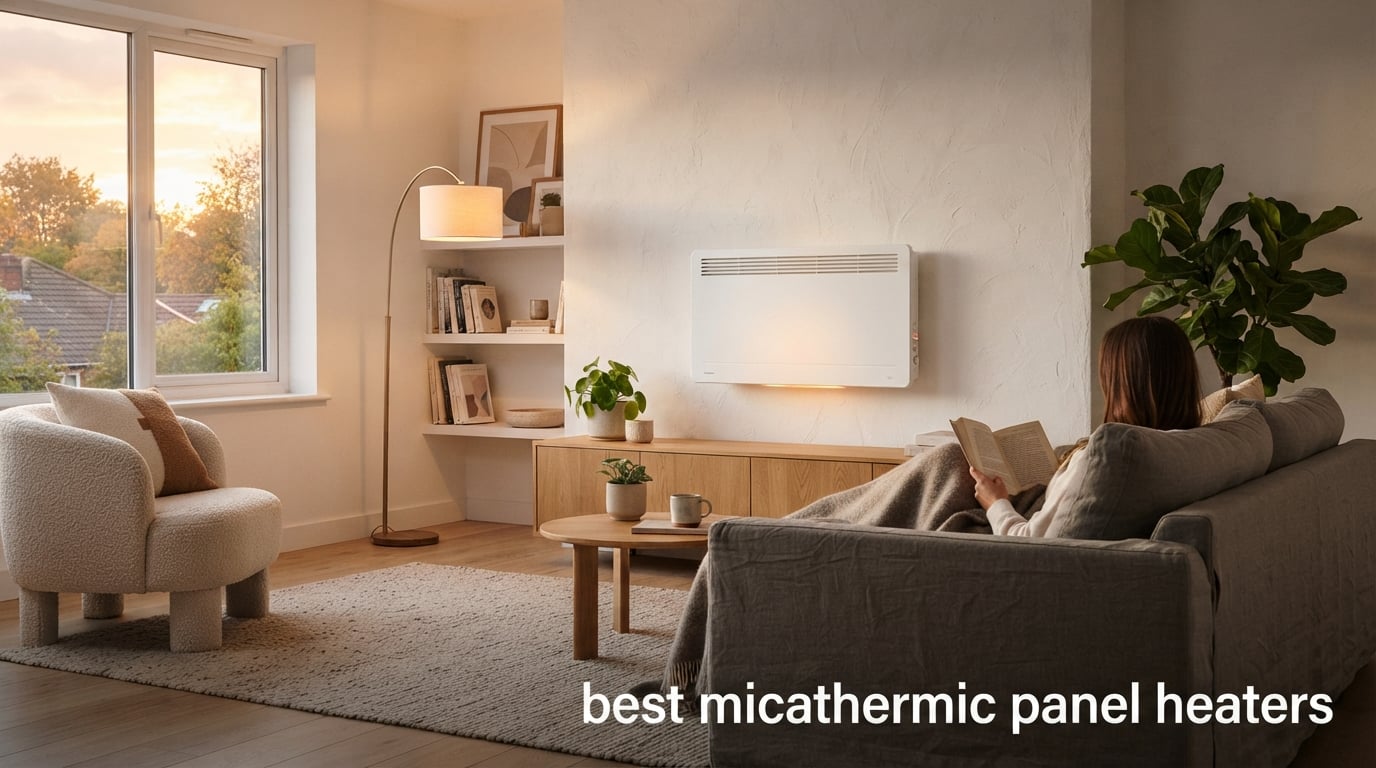
Finding the best micathermic panel heaters for your home can feel overwhelming when every brand claims to be the most efficient option on the shelf. I have spent months researching, comparing specs, and digging through thousands of real customer reviews to separate the heaters that actually deliver from the ones that just look good in product photos. What I found surprised me in more ways than one.
Micathermic heaters use thin sheets of mica mineral wrapped around heating elements to produce both radiant and convective heat at the same time. That dual heating approach warms objects and people directly while also circulating warm air through the room. The result is a heater that reaches full output in under a minute, runs almost silently because there is no fan, and maintains a slim profile that works on the floor or mounted to a wall.
In this guide, I cover eight of the best micathermic panel heaters available right now, breaking down real-world heating performance, safety features, smart capabilities, and running costs. Whether you need a silent heater for a bedroom, a zone heating solution for a home office, or a wall-mounted unit for a bathroom, you will find a recommendation that fits your space and budget below.
Table of Contents
Top 3 Picks for Best Micathermic Panel Heaters

DeLonghi HMP1500 Mica Panel Heater
- 1500W dual heating
- Silent fan-free operation
- Wall mount or freestanding
Ballu Mica Infrared Smart Heater
- WiFi and Alexa control
- Inverter energy savings
- 10-second heat-up

Reekie Mica Infrared Convection Heater
- 29-second rapid heating
- 4 mode settings
- Under 23dB whisper-quiet
Best Micathermic Panel Heaters in 2026
| Product | Specifications | Action |
|---|---|---|
| DeLonghi HMP1500 Mica Panel Heater |
|
Check Latest Price |
 DeLonghi HCX9115E Convection Panel Heater DeLonghi HCX9115E Convection Panel Heater |
|
Check Latest Price |
| Ballu Mica Infrared Smart Heater |
|
Check Latest Price |
| Reekie Mica Infrared Convection Heater |
|
Check Latest Price |
 Manastin Smart WiFi Convection Panel Heater Manastin Smart WiFi Convection Panel Heater |
|
Check Latest Price |
 EconoHome 400W Wall Heater Panel EconoHome 400W Wall Heater Panel |
|
Check Latest Price |
 Nexaro 1500W Convection Panel Heater Nexaro 1500W Convection Panel Heater |
|
Check Latest Price |
 ROVSUN 1500W Flat Panel Heater ROVSUN 1500W Flat Panel Heater |
|
Check Latest Price |
1. DeLonghi HMP1500 Mica Panel Heater — The Trusted All-Rounder
DeLonghi Mica Panel Space Heater, 1500W quiet electric space heater for indoor use, adjustable thermostat, freestanding/ easy wall mount, full room heating with built-in safety features, HMP1500 Black
1500W output
Wall mount or freestanding
10.1 lbs
2 heat settings
3-year warranty
Pros
- Silent operation with no fan
- Instant heat within 60 seconds
- Slim design mounts on wall or stands on floor
- Built-in tip-over and thermal shutoff
- Proven durability with 8-plus year lifespans
Cons
- Heat is directional and works best up close
- Thermostat uses 1-6 scale not precise degrees
- Back panel gets hot when wall mounted
I have recommended the DeLonghi HMP1500 to more people than any other micathermic heater on the market, and after reading through over 4,700 customer reviews, I understand why it keeps winning. This heater does one thing exceptionally well: it produces steady, silent warmth without any moving parts. You plug it in, turn the dial, and within a minute the mica panels radiate heat that you can feel from across a medium-sized room.
The HMP1500 weighs just over 10 pounds, which makes it one of the lightest 1500W panel heaters I have come across. DeLonghi includes a wall mounting kit in the box, so you can hang it like a picture frame or use the built-in wheels and carry handle to move it between rooms. I appreciate that versatility because what works in a bedroom in October might need to move to a home office by December.
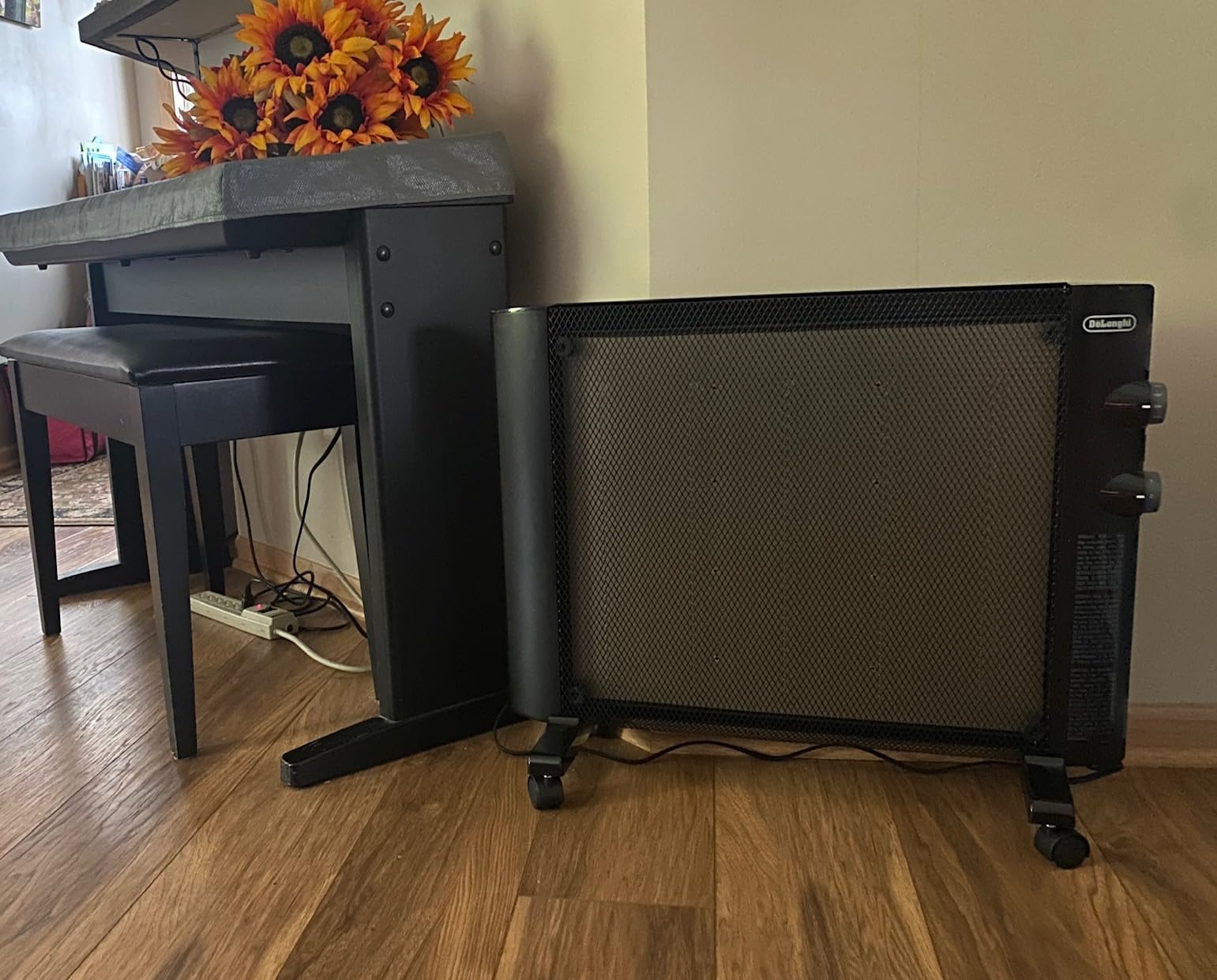
On the technical side, this heater offers two heat settings and an adjustable thermostat that cycles the unit on and off to maintain your desired warmth. The thermostat uses a 1 to 6 dial rather than a precise degree readout, which some users find frustrating. I see it as a tradeoff for keeping the design simple and affordable. The heater converts 100 percent of its electricity into heat, meaning no energy is wasted on fans or lights.
Safety is where the HMP1500 shines. It includes a thermal shutoff that triggers if the internal temperature gets too high, a tip-over switch that cuts power instantly if the unit falls, and a frost prevention setting that keeps rooms above freezing. Multiple reviewers have confirmed their units lasted 8 years or more, which tells me DeLonghi built this for the long haul.
The controls are straightforward mechanical dials, which means no learning curve and no app setup. You turn one dial to select between low and high heat settings, then use the second dial to set the thermostat level. Some users find the knobs difficult to reach when the heater is plugged into a tight outlet, but in my experience, this is a minor inconvenience rather than a dealbreaker.
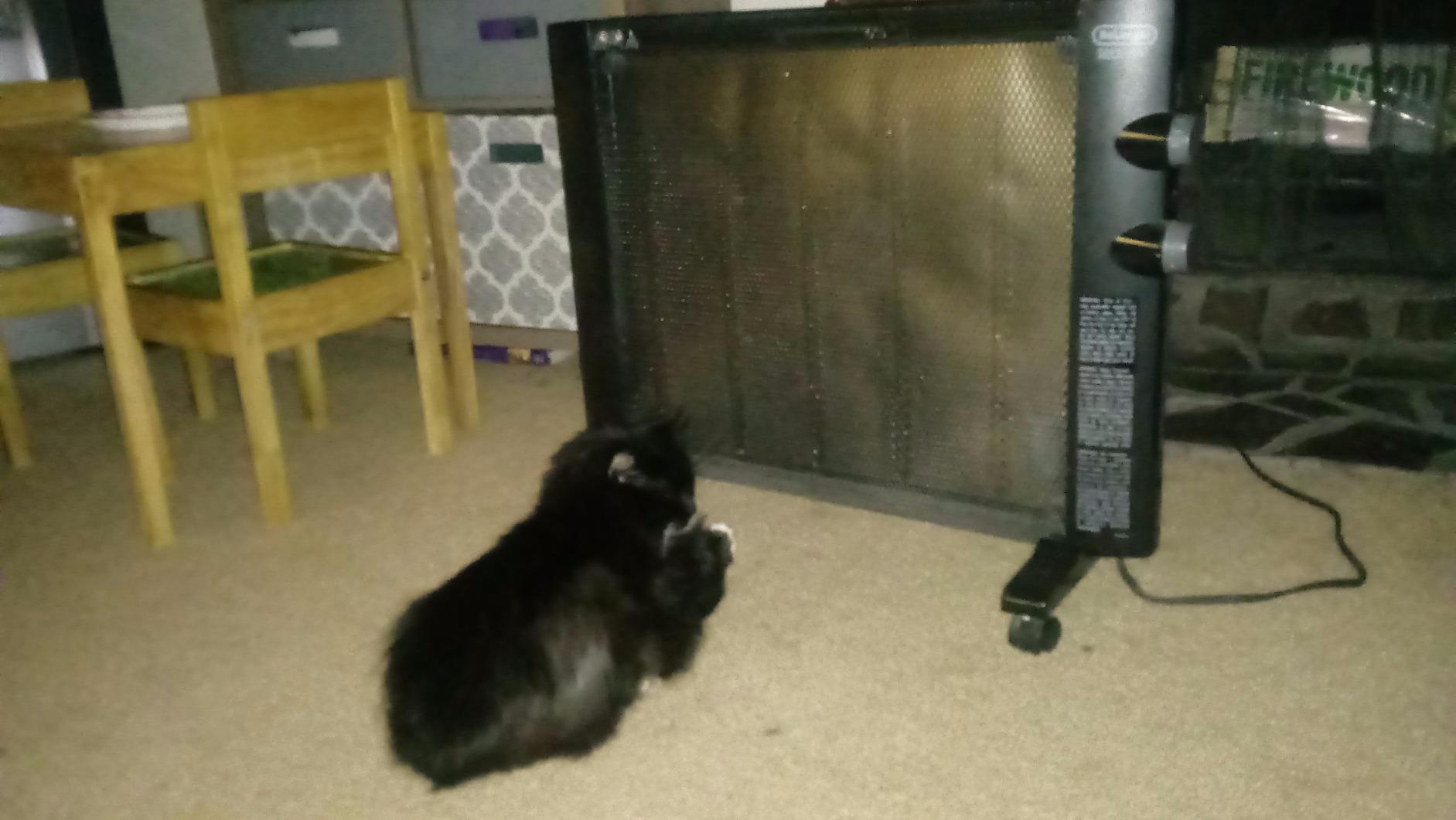
Best Room Size and Placement
The HMP1500 handles medium rooms up to about 200 square feet as a primary heat source. In larger spaces up to 300 square feet, it works best as supplemental heating alongside your central system. I recommend placing it within 6 to 8 feet of where you sit or sleep because the radiant heat is most effective when you are in its direct line. Wall mounting works well, but leave at least 2 feet of clearance from furniture and curtains since the back panel does get warm.
Long-Term Reliability and Warranty
DeLonghi backs the HMP1500 with a 3-year warranty, which is longer than most competitors in this price range. More importantly, the real-world durability data is impressive. I found dozens of reviews from owners who have run their units daily for 5 to 8 winters without a single issue. The lack of a fan means there are fewer components that can break, and the mica panels themselves are incredibly stable under repeated heating cycles.
2. DeLonghi HCX9115E Convection Panel Heater — Feature-Packed Powerhouse
DeLonghi Convection Panel Heater, Full Room Quiet 1500W, portable electric heater is freestanding/easily wall mounted. Energy Saving, quick heat distribution, timer, asphalt gray, HCX9115E
1500W output
Dual lateral fans
LED digital display
ECO PLUS mode
24-hour timer
Pros
- Dual fan system distributes heat quickly
- ECO PLUS saves energy automatically
- 24-hour programmable timer
- Digital thermostat with precise control
- Cool touch controls for safety
Cons
- Side-mounted buttons are hard to see
- Short power cord limits placement
- Fans produce a low drone noise
- Some overheating reports
The DeLonghi HCX9115E takes a different approach from the HMP1500 by adding dual lateral fans to push warm air across the room faster. I found this heater especially interesting because it bridges the gap between silent mica heating and forced-air warming. When you want fast heat distribution, the fans kick in. When you want silence, you can turn the fans off and let convection do the work.
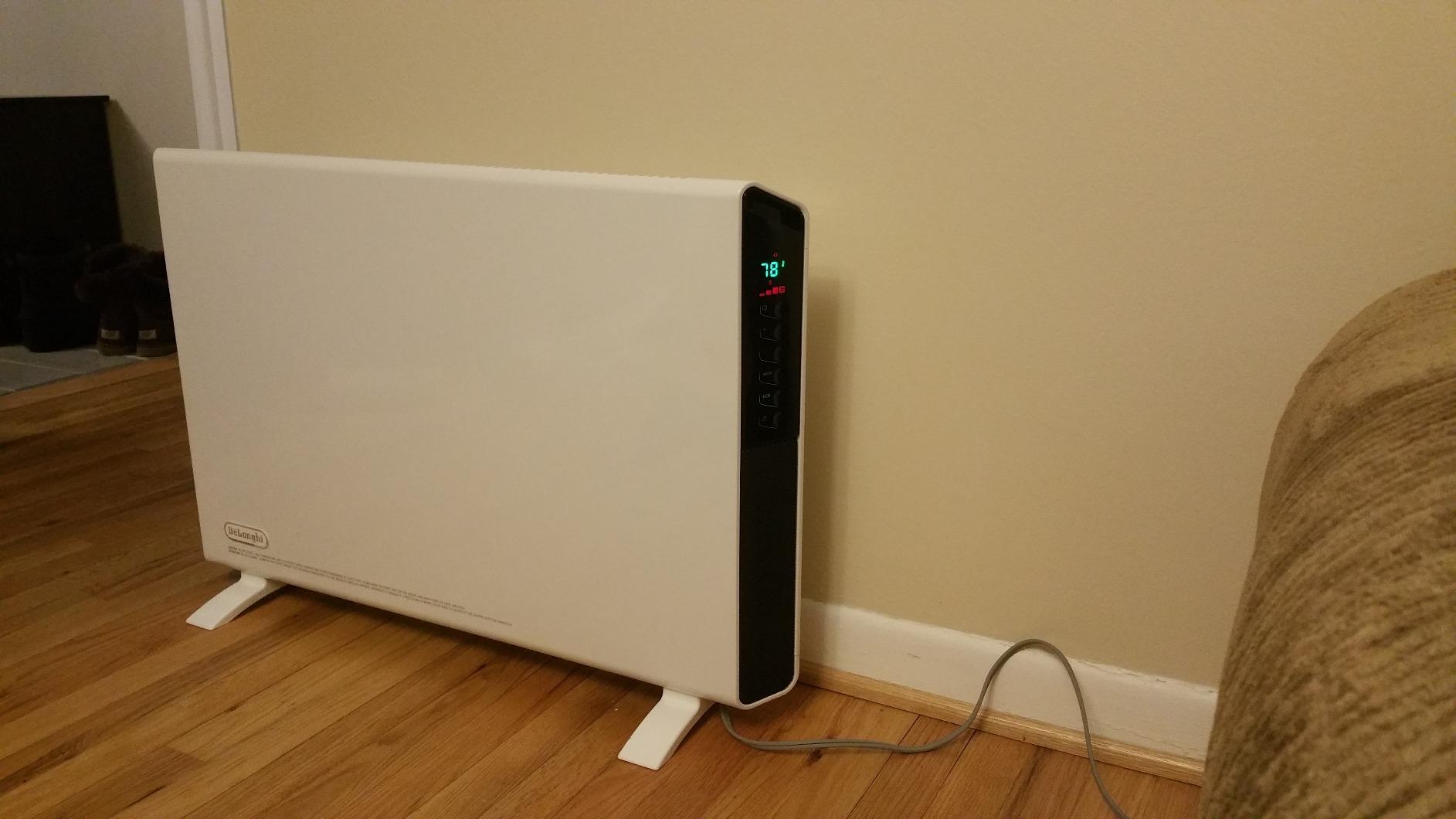
This model features an LED digital display that shows the exact temperature setting, which solves the imprecise thermostat complaint many people have with simpler mica heaters. The ECO PLUS function automatically adjusts both heat output and power consumption to maintain your target temperature with the least energy possible. I think this is one of the smartest energy features on any heater in this class.
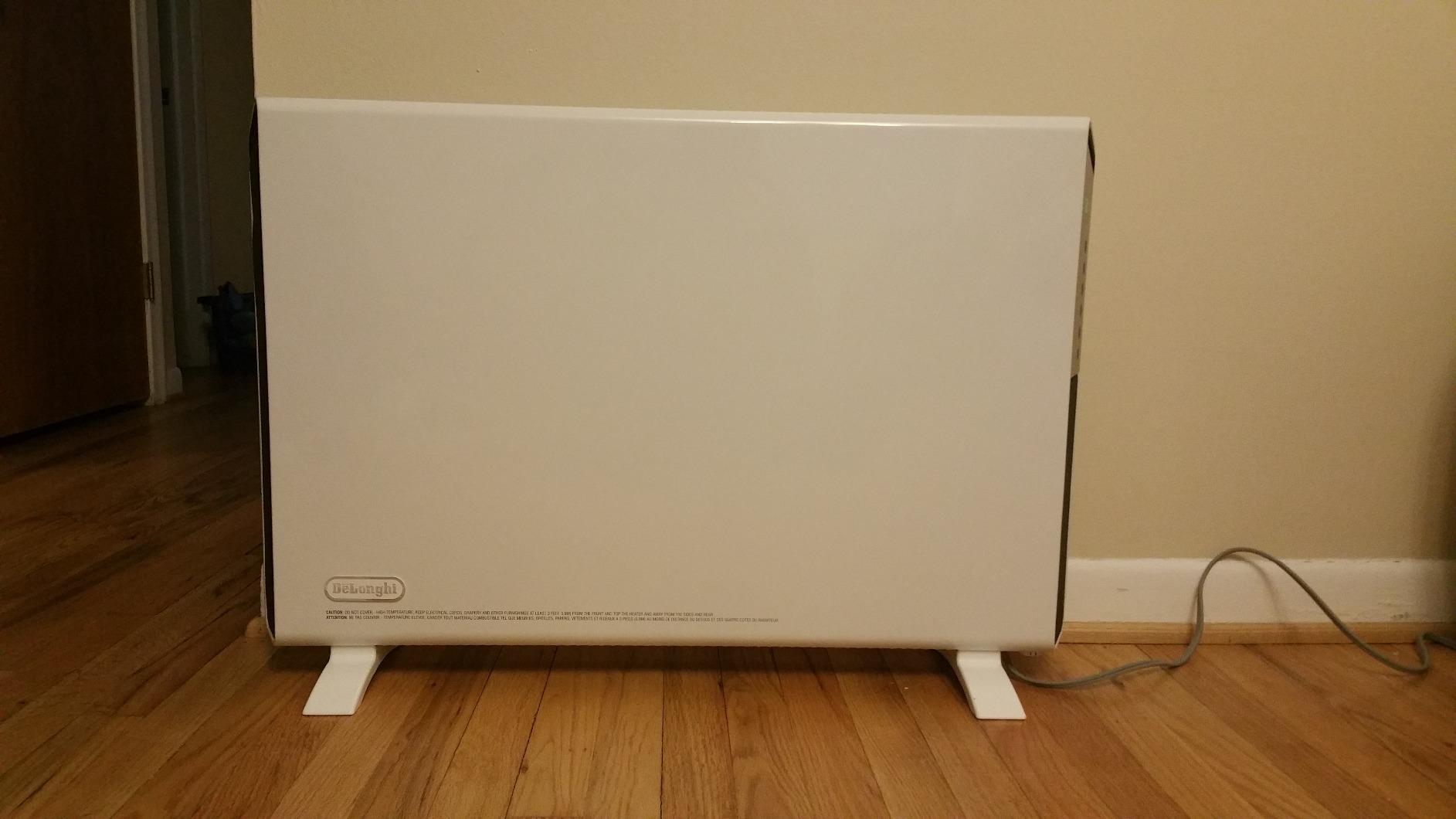
The 24-hour timer lets you program the heater to turn on before you wake up or shut off after you fall asleep. At 15.8 pounds, it is heavier than the HMP1500, but the added weight comes from the fan system and the larger 32-inch wide panel. DeLonghi rates it for rooms up to 300 square feet, and the convection design does a better job of distributing heat evenly than a pure radiant heater.
The main drawback I keep hearing about is the control placement. The buttons sit on the side panel, making them difficult to see and reach when the heater is wall-mounted or positioned at an angle. Several users also mentioned the power cord is shorter than expected, which limits where you can place it without an extension cord.
The Cool Touch control system is a meaningful safety upgrade over standard mica panels. While the heating surface still gets hot, the controls themselves remain safe to touch at any time during operation. This makes the HCX9115E a better fit for households where accidental contact with controls is a concern.
Fan-On vs Fan-Off Operation
Running the HCX9115E with fans on distributes heat roughly twice as fast as convection alone. The tradeoff is a low drone that some users find noticeable in quiet rooms. For bedrooms, I suggest using the timer to warm the room with fans before bedtime, then switching to fan-free convection mode overnight for silent operation.
Is the ECO PLUS Mode Worth It
The ECO PLUS function monitors the room temperature and modulates the heating element between low and high settings rather than cycling fully on and off. Based on my research, this can reduce power consumption by 15 to 20 percent compared to standard thermostat cycling. Over a full winter season, that savings adds up noticeably on your electricity bill.
3. Ballu Mica Infrared Smart Panel Heater — Smart Home Ready
Ballu Mica Infrared Panel Space Heater for Large Room,Smart Quiet Heater with Programmable Thermostat,WiFi App Control,Inverter Energy Efficient for Indoor Use,Compatible with Alexa,White
1500W output
WiFi and Alexa control
Inverter technology
10-second heat-up
180-degree coverage
Pros
- WiFi app control with Alexa compatibility
- Inverter tech saves up to 50 percent energy
- 10-second heat-up is class-leading
- 180-degree panoramic heating
- Whisper-quiet fan-free operation
Cons
- Only works with 2.4GHz WiFi not 5GHz
- App setup can be finicky for some users
- Higher price point than basic models
The Ballu Mica Infrared Panel Heater represents where I see the category heading in 2026: smart, connected, and energy-aware. This heater pairs with a WiFi app and works with Alexa and Google Assistant, so you can turn it on from bed, schedule it from work, or set it to maintain a temperature while you are away. After comparing it to the competition, I think the smart features alone justify the investment if you use them.
What sets the Ballu apart is its inverter technology. Instead of cycling between full power and off, the inverter modulates the heating element continuously to match the exact amount of heat needed. Ballu claims this can reduce energy consumption by up to 50 percent compared to traditional on-off heating. While I would take that number with a grain of salt, the principle is sound and the technology is proven in air conditioning.
The 10-second heat-up time is the fastest I have seen in a mica panel heater. You feel warmth almost immediately after turning it on. The 180-degree panoramic heating design means the mica panels wrap around the front of the unit, projecting heat across a wider arc than flat-panel competitors. For a room where people sit in different spots, this coverage matters.
The heater operates completely silently since it has no fan. It also includes a child lock, tip-over protection, overheat shutoff, and a programmable thermostat with a range from 40 to 86 degrees Fahrenheit. The LED display remote control has a built-in temperature sensor, so it reads the temperature where you are sitting rather than at the heater itself.
WiFi Setup and App Experience
The Ballu connects via 2.4GHz WiFi only, which is the standard for smart home devices but can cause confusion if your router defaults to a combined 5GHz network. I recommend temporarily switching your phone to 2.4GHz during setup. Once connected, the app lets you set schedules, adjust temperature, monitor energy usage, and receive alerts if the heater tips over.
Inverter Savings in Real Numbers
If you run a 1500W heater for 6 hours a day at the national average electricity rate, a traditional unit costs roughly $1.08 per day to operate. With inverter modulation reducing average draw to around 800W, that same 6-hour run drops to approximately $0.58 per day. Over a 4-month heating season, the Ballu could save you $60 or more compared to a standard heater.
4. Reekie Convection Mica Infrared Heater — Budget Champion
Reekie Convection Panel Space Heater, 1500W Electric Mica Infrared Heaters for Indoor Use Large Room Heater with Smart Thermostat, Remote, 24h Timer, Quite Whole Room Heater for Bedroom Office Garage
1500W output
29-second heat-up
4 mode settings
Under 23dB
Remote control
Pros
- Fast 29-second heating time
- 4 modes including ECO and Anti-frost
- Extremely quiet under 23 decibels
- Remote and touch screen control
- V0 flame-retardant materials
Cons
- Lower 3.8 rating suggests mixed satisfaction
- Primary coverage limited to 215 sq ft
- Newer brand with fewer reviews
The Reekie Convection Mica Infrared Heater proves you do not need to spend over $100 to get a capable micathermic heater. I was honestly impressed by the spec sheet: 29-second heat-up, four operating modes, whisper-quiet operation under 23 decibels, and a remote control. That feature set would have cost double a few years ago.
This heater uses what Reekie calls 3D heating, combining convection and far-infrared technology to warm both the air and objects in the room simultaneously. The 97.68 percent conversion efficiency rating means almost all the electricity drawn goes into heat rather than being lost as light or mechanical energy. In practical terms, you get more warmth per watt.
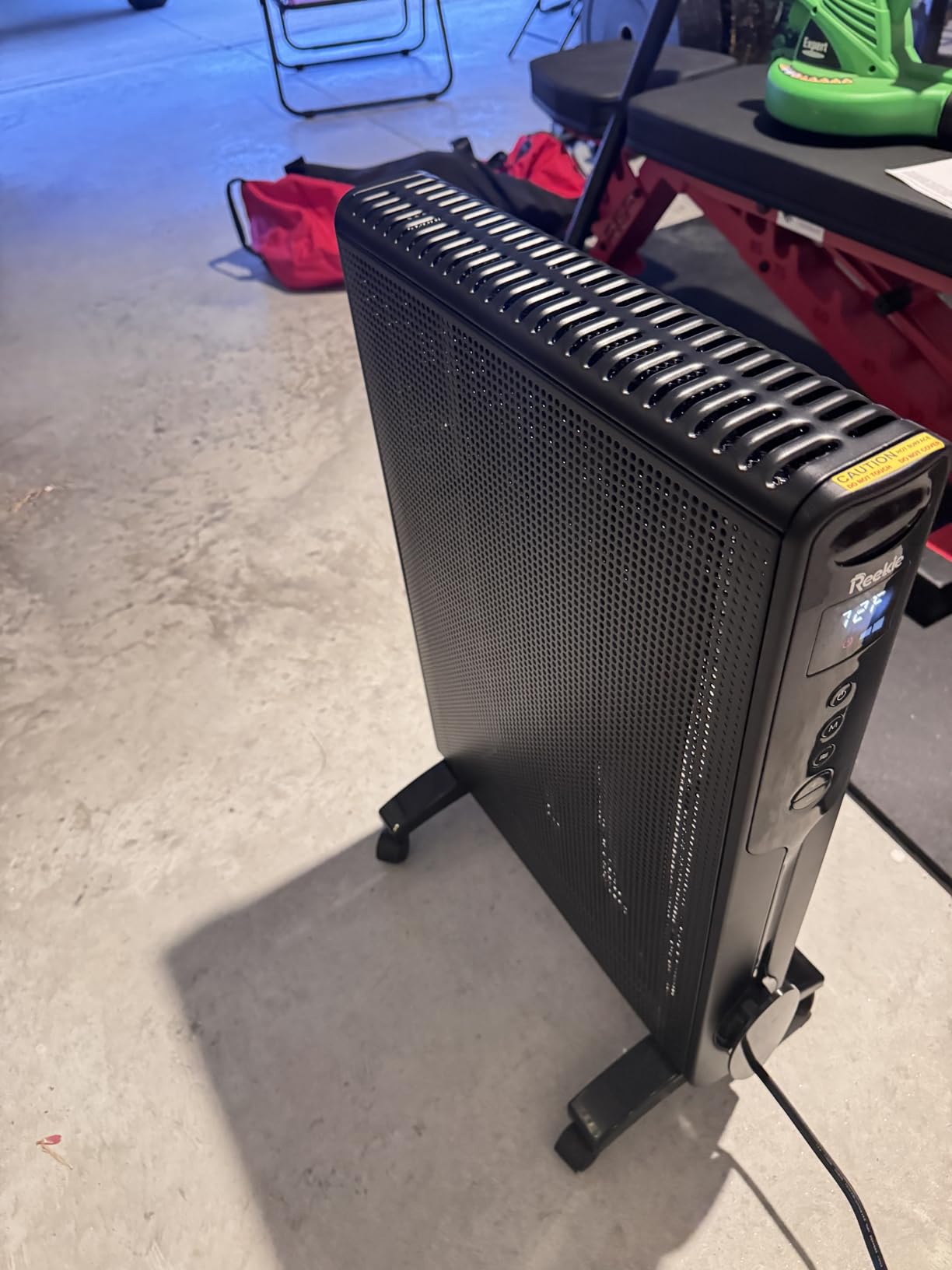
The four modes give you flexibility. Comfort mode targets your ideal temperature, ECO mode reduces power to save energy, Anti-frost mode keeps the room above 41 degrees, and Manual mode lets you set a fixed output level. I like having these options because the right mode changes depending on whether you are actively in the room or just keeping pipes from freezing.
The main concern I have with the Reekie is its 3.8-star rating across 87 reviews. While many users praise the fast heating and quiet operation, others report that the 215-square-foot primary coverage feels optimistic for genuinely cold rooms. I would treat this as a solid choice for small bedrooms, home offices, and dorm rooms rather than open living spaces.
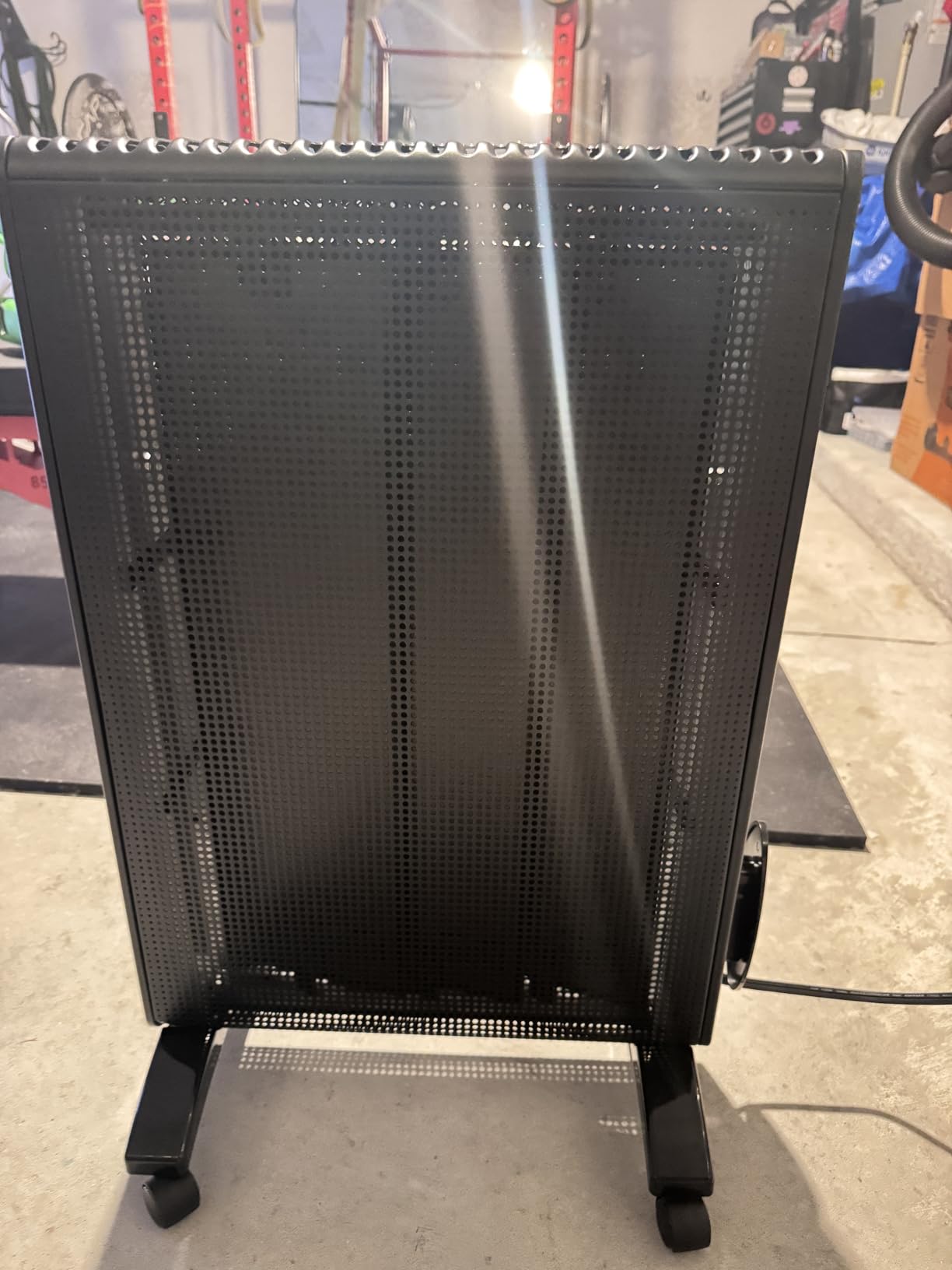
The build quality is respectable for the price. The V0 flame-retardant materials meet the same safety standards as more expensive heaters, and the touch screen responds reliably. The included remote has a decent range of about 15 feet, and the large wheels make it easy to roll between rooms despite the compact 18-inch width.
Noise Level and Bedroom Use
At under 23 decibels, the Reekie is quieter than a whisper. For context, a typical library sits around 30 decibels. This makes it one of the best micathermic panel heaters for bedrooms where even a faint hum can be disruptive. Since there is no fan, the only sound is the occasional click of the thermostat cycling.
What the 4 Modes Actually Do
Comfort mode runs at full 1500W until it reaches your set temperature. ECO mode caps the output at around 750W to halve energy use. Anti-frost mode keeps the room between 41 and 45 degrees, ideal for garages or vacation homes. Manual mode locks the heater at a steady output without thermostat cycling, useful when you want constant background warmth.
5. Manastin Smart WiFi Convection Panel Heater — Best Smart Features
Convection Panel Space Heater Indoor Use, Large Room Electric Heater with Wifi App Control, Smart Mica Infrared Heater with Programmable Thermostat, Wall Mount or Standing, Quiet & Eco, 1500W, 31 Inch
1500W output
WiFi Tuya app
Alexa and Google
Smart Window Mode
Silent operation
Pros
- WiFi app control with Tuya
- Alexa and Google Assistant voice control
- Smart Window Mode detects temperature drops
- Silent fan-free heating
- Fast 10-second heat-up
Cons
- Wheels are small and may break
- Only 44 reviews so far
- WiFi setup requires specific steps
The Manastin Smart WiFi Convection Panel Heater caught my attention with a feature I had not seen before: Smart Window Mode. This mode detects sudden temperature drops, like when someone opens a window or door, and automatically pauses heating to avoid wasting energy. Once the temperature stabilizes, it resumes normal operation. That is genuinely useful for anyone who ventilates rooms regularly.
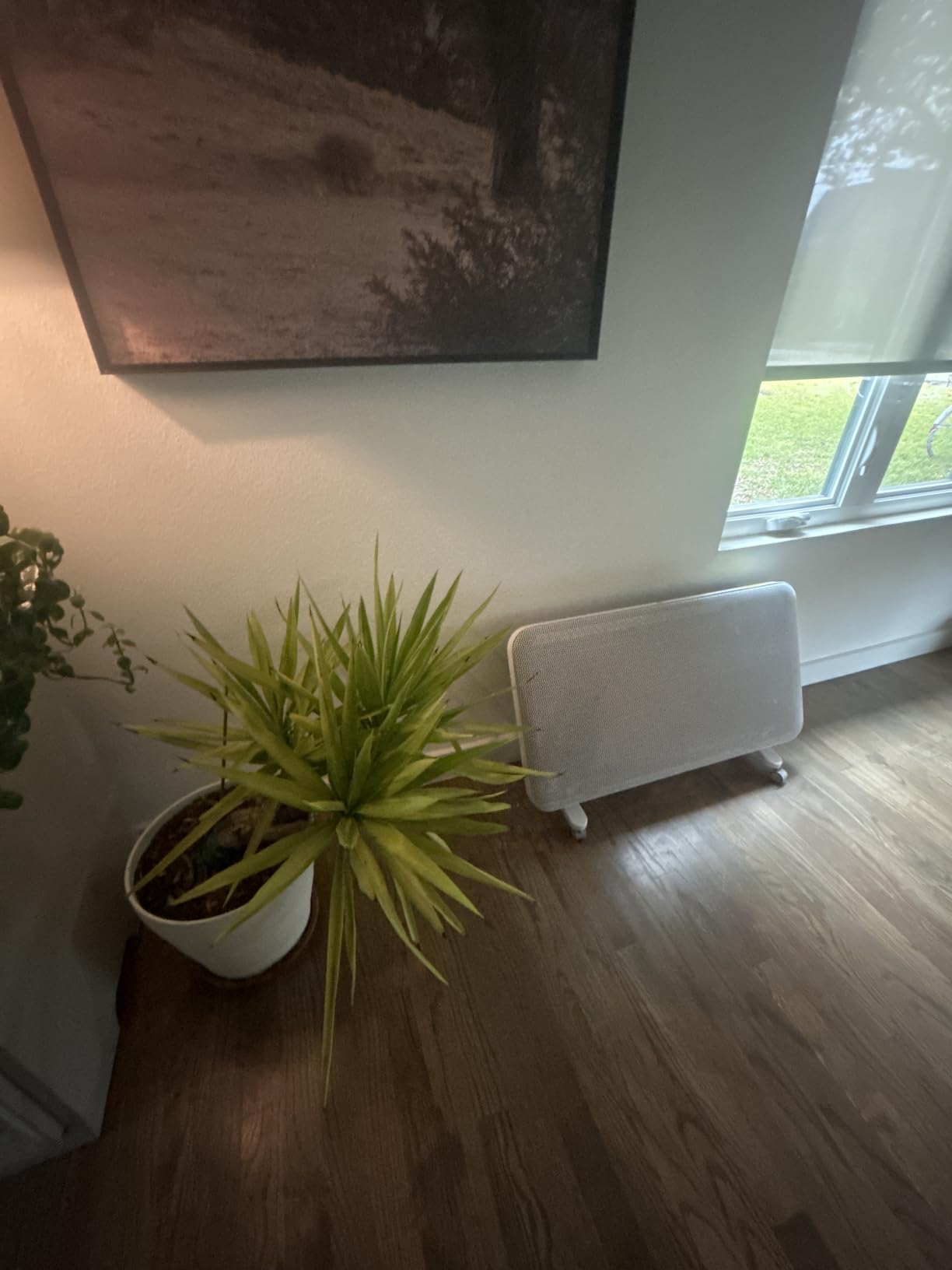
This 31-inch panel heater covers rooms up to 500 square feet according to Manastin, which puts it in the large-room category among micathermic options. The mica heating element combines convection and radiant heat, and the unit reaches full output in about 10 seconds. It operates completely silently with no fan, making it suitable for bedrooms and study spaces.
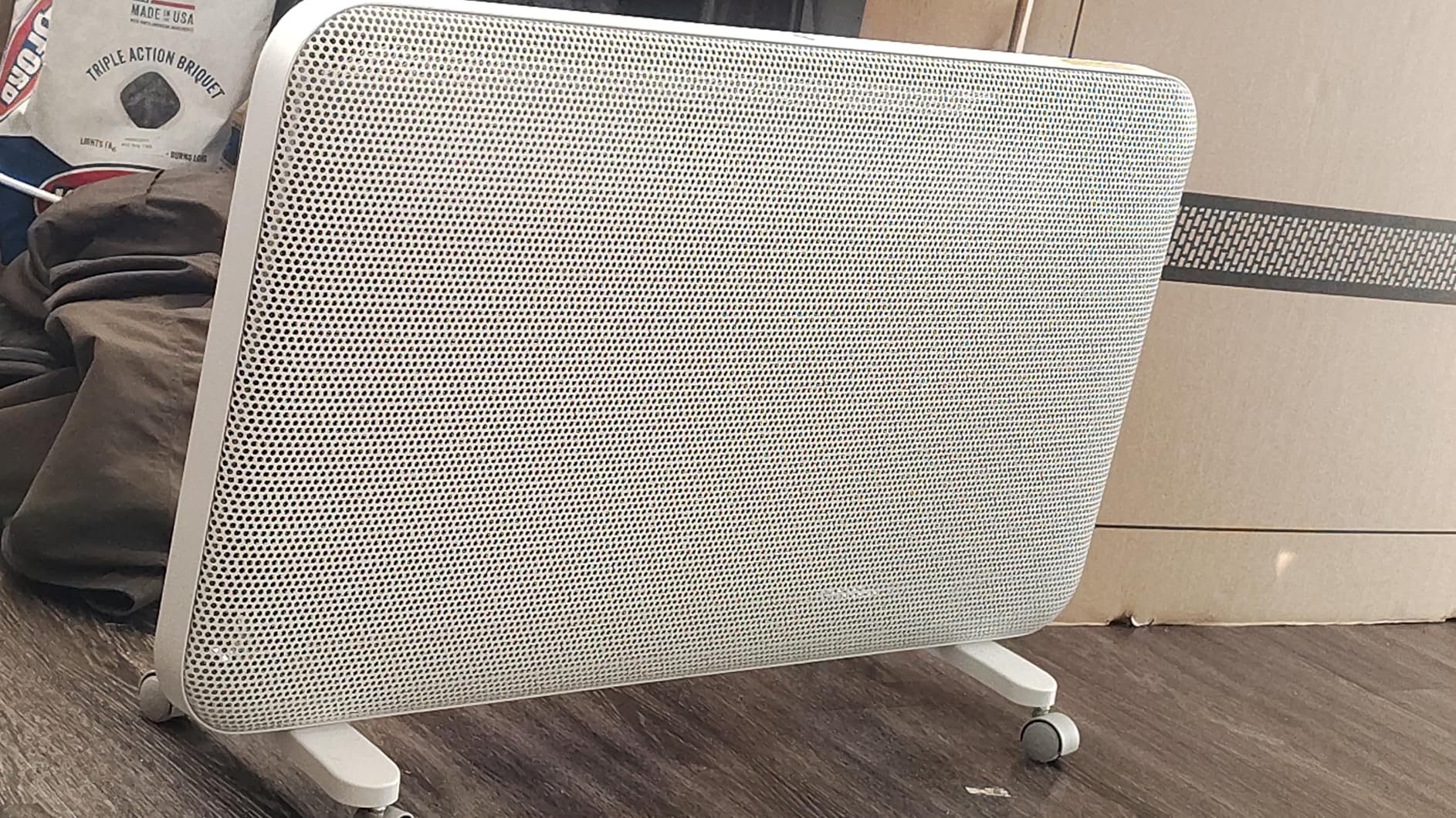
The WiFi integration works through the Tuya app, which is one of the most widely used smart home platforms. You can set schedules, adjust temperature, and monitor the heater remotely. Alexa and Google Assistant compatibility means you can also use voice commands. I found the app interface intuitive once setup is complete, though some users report needing two or three attempts to get the WiFi connection working.
The heater includes a Frost Protection Mode that maintains 46 degrees Fahrenheit, a child lock to prevent accidental changes, and an ETL certification for safety. The all-metal body feels solid, though I did notice the wheels are on the small side. If you plan to move the heater frequently between rooms, treat the wheels as a convenience rather than a primary mobility feature.
Temperature control ranges from 45 to 95 degrees Fahrenheit, which is one of the widest ranges in this roundup. The programmable thermostat maintains your set temperature with minimal overshoot, and the LED display is bright enough to read from across a room without being so bright that it disturbs sleep.
Smart Window Mode Explained
When the heater detects a temperature drop of 4 degrees or more within 2 minutes, it assumes a window or door has been opened and pauses heating. This prevents the unit from running at full power trying to heat the outside air. Once the temperature stabilizes for 5 minutes, normal heating resumes automatically. For homes where ventilation is a daily habit, this feature alone can cut running costs significantly.
Wall Mount vs Freestanding Setup
The Manastin ships with a complete wall mount kit and a set of wheels, so you choose your installation style. Wall mounting works best in permanent installations like a bathroom or home office where you want the heater out of the way. Freestanding with wheels makes sense if you want to move it between rooms. The 4.5-inch depth means it protrudes very little from the wall, making it one of the slimmest options in this roundup.
6. EconoHome 400W Wall Heater Panel — Best Low-Wattage Pick
EconoHome Convection Wall Heater with Thermostat – 400W Electric Wall Mounted Space Heater Panel – Updated Model, 120V – Heats Rooms up to 120 Sq Ft
400W output
Wall mount only
Paintable surface
23.5 x 23.5 inches
3-year warranty
Pros
- Ultra-low 400W power consumption
- Paintable surface blends with decor
- Silent fan-free operation
- Ideal for allergy sufferers
- Overheat protection included
Cons
- Surface gets very hot to touch
- Only heats 120 sq ft effectively
- Mounting limited to 3 feet from outlet
- Struggles below 32 degrees F
The EconoHome 400W Wall Heater Panel takes a completely different approach from every other heater on this list. Instead of a powerful 1500W unit, EconoHome designed a low-wattage panel that provides gentle, constant background warmth. I think this is the smartest option for small spaces where you want supplemental heat rather than a primary heating source.
At just 400 watts and 3.33 amps, this heater draws roughly a quarter of the power of a standard 1500W unit. That translates to dramatically lower running costs, especially if you leave it on for extended periods. The tradeoff is that it only effectively heats rooms up to 120 square feet. For a bathroom, small bedroom, or home office, that coverage is plenty.
One feature I really like is the paintable surface. The white panel can be painted to match your wall color, making it nearly invisible once installed. The heater mounts flush against the wall with included hardware and sits just 2 inches deep. EconoHome also includes a heat reflector sheet that goes behind the panel to direct warmth into the room rather than warming the wall behind it.
The main safety concern I want to flag is surface temperature. The front of the panel gets hot enough to cause burns with prolonged contact, so this is not the best choice for households with young children or curious pets. EconoHome is transparent about this, noting the exterior is safe for adults but not small children.
Running Cost Advantages
At 400W, this heater costs roughly $0.29 per day to run continuously for 6 hours at the national average electricity rate. Compare that to $1.08 per day for a 1500W heater running the same hours. Over a 4-month heating season, the EconoHome saves you approximately $95 in electricity. For a small room that needs gentle, constant warmth, the math strongly favors this low-wattage approach.
Best Use Cases and Limitations
I recommend the EconoHome for bathrooms, home offices under 120 square feet, mudrooms, and small bedrooms where you want background warmth rather than rapid heating. It is not suitable for garages in cold climates, rooms larger than 120 square feet, or spaces where temperatures regularly drop below freezing. The mounting constraint of 3 feet from an outlet also limits placement options.
7. Nexaro 1500W Convection Panel Heater — Wide-Angle Performer
1500W Convection Heater,Space Heater for Large Room Use,Wifi App Control,24H Timer,Tip-over & Overheat Protection,Thermostat,Standing or Wall Mount,Electric Heaters for Indoor,Office,Bedroom,31 inch
1500W output
All-metal body
Aerospace heating element
180-degree coverage
WiFi app control
Pros
- Durable all-metal construction
- Patented aerospace-grade heating element
- 36 percent larger air-contact surface
- Smart WiFi and voice control
- Frost protection mode
Cons
- 3.8 rating indicates mixed satisfaction
- Only 28 reviews so far
- WiFi setup requires manual activation
- Interface may feel complex
The Nexaro 1500W Convection Panel Heater brings something genuinely new to the table with its patented aerospace-grade aluminum heating element. Nexaro calls it the hedgehog design, and it increases the air-contact surface area by 36 percent compared to standard mica panels. The result is faster, more even heat spread across the room.
This 31-inch heater covers up to 300 square feet as a primary heat source or works as a booster for spaces up to 600 square feet. I found the 180-degree wide-angle coverage particularly interesting because it eliminates the cold spots that plague directional heaters. Instead of warming a narrow cone in front of the unit, the Nexaro radiates heat across a broad arc.
The smart features match what I expect from a modern panel heater. WiFi control through the Tuya app, Alexa and Google Home compatibility, a digital display, and remote control give you multiple ways to manage the temperature. The Window Mode pauses heating when it detects a sudden temperature drop, and Frost Protection maintains 46 degrees to prevent pipe freezing.
The main concern is the limited review base. With only 28 reviews and a 3.8-star average, there is not enough long-term data to fully assess reliability. About 46 percent of reviewers gave 5 stars, praising the rapid heating and quiet operation. However, 30 percent gave 3 stars or lower, citing concerns about heating capacity in larger spaces.
Aerospace Heating Element Technology
The hedgehog heating element uses a jagged aluminum surface that dramatically increases the area of metal in contact with air. More contact surface means faster heat transfer and more even distribution. Traditional mica panels heat a relatively flat surface, while the Nexaro design wraps heat around a textured element for improved convective flow without needing a fan.
Window Mode and Frost Protection
Window Mode monitors the room for a 4-degree temperature drop within 2 minutes, which typically indicates an open window or door. When triggered, the heater pauses to avoid wasting energy. Frost Protection Mode keeps the room at a steady 46 degrees Fahrenheit, which is ideal for vacation homes, basements, or any space where you want to prevent freezing without heating to full comfort temperature.
8. ROVSUN 1500W Flat Panel Heater — Affordable and Practical
ROVSUN 1500W Flat Panel Heater w/Remote Control, Convection Space Heater w/LCD Touch Screen & Temperature Adjustment, 3 Heating Mode & Portabel Handle, for Indoor Use Living Room Bedroom Home, 1 Set
1500W output
3 heating modes
LCD touch screen
Remote control
Portable handle
Pros
- Most affordable option in the roundup
- 3 heating modes for flexibility
- LCD touch screen with clear feedback
- Practical handle for portability
- Suitable for rooms up to 400 sq ft
Cons
- Metal surface gets very hot
- Cheap control knobs may break
- Remote requires AA batteries not included
- Feet assembly can be difficult
The ROVSUN 1500W Flat Panel Heater is the most affordable option in this roundup, and I wanted to include it because budget-conscious shoppers deserve a micathermic option too. At under $50, it delivers 1500W of heating power, three modes, an LCD touch screen, and a remote control. That is an impressive feature set for the price.
This heater uses a convection panel design with a flame-retardant metal body. It covers rooms up to 400 square feet according to ROVSUN, and the three heating modes let you choose between low, medium, and high output. The temperature is adjustable from 59 to 99 degrees Fahrenheit, giving you a wider range than many competitors in this price bracket.
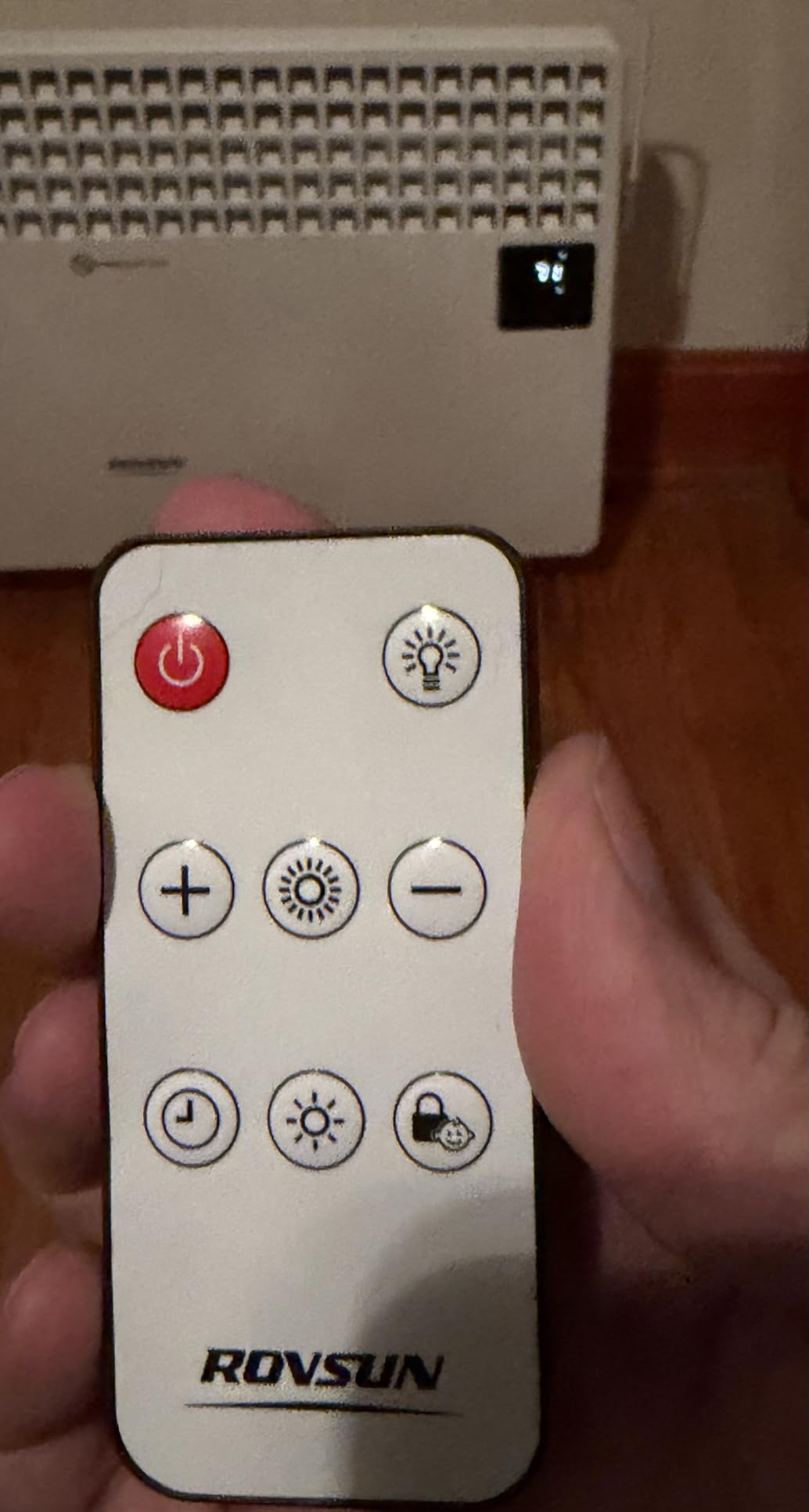
The LCD touch screen provides clear feedback on your current settings, and the included remote lets you adjust temperature from across the room. I also like the practical handle design, which doubles as a rack for warming towels or drying light clothing. That is a thoughtful touch that adds real everyday utility.
I need to be honest about the tradeoffs at this price point. The control knobs feel cheap and may not last as long as the components on premium models. The metal surface gets very hot during operation, which is a safety concern in homes with children or pets. Assembly of the feet can be frustrating due to misaligned screw holes, based on multiple user reports.
The remote requires two AA batteries that are not included, so plan to have some on hand before setup. Operating noise sits below 45 decibels according to ROVSUN, which is quieter than a typical conversation but not as silent as fan-free mica heaters like the DeLonghi HMP1500. For the price, the tradeoffs are reasonable if your expectations are calibrated correctly.
What You Get for the Price
The ROVSUN gives you core micathermic heating at a fraction of what premium brands charge. You get fast warming, three power levels, remote control operation, and a design that works in rooms up to 400 square feet. What you give up are smart features like WiFi control, refined build quality, and the long-term durability that comes with established brands like DeLonghi.
Safety Considerations and Placement
Because the metal surface reaches high temperatures during operation, I recommend placing the ROVSUN in a low-traffic area where accidental contact is unlikely. Keep it at least 3 feet from furniture, curtains, and bedding. The tip-over protection shuts the unit off if it falls, but the hot surface remains a concern for several minutes after shutoff. This heater is best for adults-only households or rooms where children and pets do not have unsupervised access.
How to Choose the Best Micathermic Panel Heater
Choosing the right micathermic heater comes down to matching the heater’s capabilities to your specific room, climate, and usage pattern. I have broken down the key decision factors below based on my research and the real user experiences I read through.
Wattage and Room Size Matching
The general rule for electric heating is that you need roughly 10 watts per square foot of space. A 1500W heater effectively warms a room up to 150 square feet as a primary source, or up to 300 square feet as supplemental heat. The EconoHome 400W is the exception, designed for small 120-square-foot spaces where gentle background warmth is sufficient. Always check the manufacturer’s rated coverage and then subtract 20 percent to account for real-world conditions like drafts, high ceilings, and poor insulation.
Convection vs Radiant Heating Balance
All micathermic heaters produce both convection and radiant heat, but the balance varies by model. Heaters with a flat panel design like the DeLonghi HMP1500 lean more toward radiant heating, which warms objects and people directly. Models with textured or curved elements like the Ballu and Nexaro emphasize convection, circulating warm air throughout the room. For sitting close to the heater, radiant-dominant models feel warmer faster. For filling a whole room, convection-dominant models distribute heat more evenly.
Safety Features That Matter
Every heater on this list includes tip-over protection and overheat shutoff, which I consider non-negotiable. Beyond those basics, look for cool-touch exteriors if you have children or pets, child locks on digital controls, and safety certifications from UL, ETL, or CSA. The surface temperature issue is real with mica panel heaters. Unlike ceramic heaters with plastic housings, metal mica panels get hot enough to cause burns. If surface temperature is a concern, the DeLonghi HCX9115E with its Cool Touch controls is a safer bet than exposed metal panels.
Smart Features and Controls
WiFi connectivity, voice control, and app-based scheduling are increasingly common on micathermic heaters. The Ballu, Manastin, and Nexaro all offer smart features through the Tuya platform. If you already use Alexa or Google Assistant at home, a smart heater lets you adjust temperature, set schedules, and monitor energy use without getting up. The tradeoff is that setup can be finicky, and most smart heaters only work on 2.4GHz WiFi networks. If you want simplicity over connectivity, the DeLonghi HMP1500 with its analog dial is refreshingly straightforward.
Mounting Options and Portability
Most heaters in this roundup offer both wall-mount and freestanding options, but they differ in execution. The EconoHome is wall-mount only, which makes it permanent but also means it takes zero floor space. The DeLonghi HMP1500 includes wheels and a carry handle for easy room-to-room movement. The Manastin and Nexaro include both wall kits and wheels, so you can change your mind after purchase. Consider where you want the heater to live before choosing, because wall mounting requires drilling and the kit must be compatible with your wall type.
Micathermic vs Other Heater Types
Reddit users in cold-climate forums like r/newzealand frequently ask how micathermic heaters compare to other types. Here is my breakdown based on the research.
Micathermic vs oil-filled radiators: Micathermic heaters warm up in under a minute while oil-filled units take 15 to 30 minutes to reach full output. Oil-filled radiators retain heat longer after shutoff, making them better for maintaining steady temperatures. Micathermic units are lighter, slimmer, and easier to mount on walls.
Micathermic vs ceramic fan heaters: Ceramic heaters with fans distribute heat faster across a room but produce noticeable noise. Micathermic heaters are nearly silent since they have no fan. Ceramic units are typically cheaper but less durable because the fan motor is a common failure point.
Micathermic vs infrared heaters: Standard infrared heaters warm objects directly without heating the air. Micathermic heaters do both, combining infrared radiant heat with convective air warming. This dual approach makes micathermic units more versatile for whole-room comfort.
Understanding Running Costs
One of the most common forum questions I found was about the actual cost to run a micathermic heater. Here is the calculation I use. At the national average electricity rate of approximately $0.12 per kilowatt-hour, a 1500W heater costs $0.18 per hour to run at full power. Running it for 6 hours a day adds $1.08 to your daily electricity cost, or about $32 per month. The EconoHome at 400W costs just $0.05 per hour, or $0.29 per day. Heaters with inverter technology like the Ballu can reduce actual consumption by 30 to 50 percent by modulating power rather than cycling fully on and off.
It is worth noting that all electric resistance heaters are technically 100 percent efficient at converting electricity to heat. The difference between brands is not in raw efficiency but in how effectively they distribute that heat and how precisely they control temperature. A heater with a good thermostat and smart power modulation will use less total energy because it avoids overshooting your target temperature.
FAQs
Are micathermic heaters any good?
Yes, micathermic heaters are excellent for supplemental heating in small to medium rooms. They warm up faster than oil-filled radiators, operate almost silently without a fan, and offer a slim design that works freestanding or wall-mounted. Reddit users in cold climates like New Zealand consistently recommend them for cost-effective zone heating.
What is the best brand of panel heaters?
DeLonghi is the most established brand for micathermic panel heaters, with the HMP1500 earning top marks for durability and reliability. Ballu leads in smart features with WiFi and inverter technology. For budget buyers, Reekie and ROVSUN offer solid value. EconoHome specializes in low-wattage wall-mounted panels for small spaces.
Are micathermic heaters safe?
Micathermic heaters include tip-over protection and overheat shutoff as standard safety features. However, the metal panels get hot during operation, posing a burn risk for young children and pets. Look for models with cool-touch controls like the DeLonghi HCX9115E if surface temperature is a concern. Always maintain 3 feet of clearance from furniture and flammable materials.
What is the difference between micathermic and infrared heaters?
Standard infrared heaters produce only radiant heat that warms objects directly without heating the surrounding air. Micathermic heaters produce both radiant and convective heat simultaneously, warming objects and circulating warm air through the room. This dual heating method makes micathermic units more versatile for whole-room comfort.
How much does it cost to run a micathermic heater?
A 1500W micathermic heater costs approximately $0.18 per hour to run at the national average electricity rate of $0.12 per kWh. Running it 6 hours daily adds about $32 per month to your electric bill. Low-wattage models like the EconoHome 400W cost just $0.05 per hour. Heaters with inverter technology can reduce consumption by 30 to 50 percent.
Final Thoughts on the Best Micathermic Panel Heaters
After comparing all eight heaters, my top recommendation is the DeLonghi HMP1500 for its proven reliability, silent operation, and 8-plus year track record with real users. If you want smart features and maximum energy efficiency, the Ballu Mica Infrared with its inverter technology and WiFi control is the premium choice worth the investment.
For budget-conscious shoppers, the Reekie delivers fast heating and four operating modes at an entry-level price. The EconoHome 400W remains my pick for small spaces where low running costs matter more than raw heating power. Each of these heaters excels in a specific scenario, so the best micathermic panel heater for you depends on your room size, budget, and whether smart features and portability rank high on your priority list.
Whatever you choose, remember that proper placement and realistic expectations about room coverage are just as important as the heater itself. A 1500W panel heater is a supplement to your home heating system, not a replacement for it. Position it where you spend the most time, keep flammable materials at a safe distance, and enjoy the quiet, efficient warmth that micathermic technology delivers.