
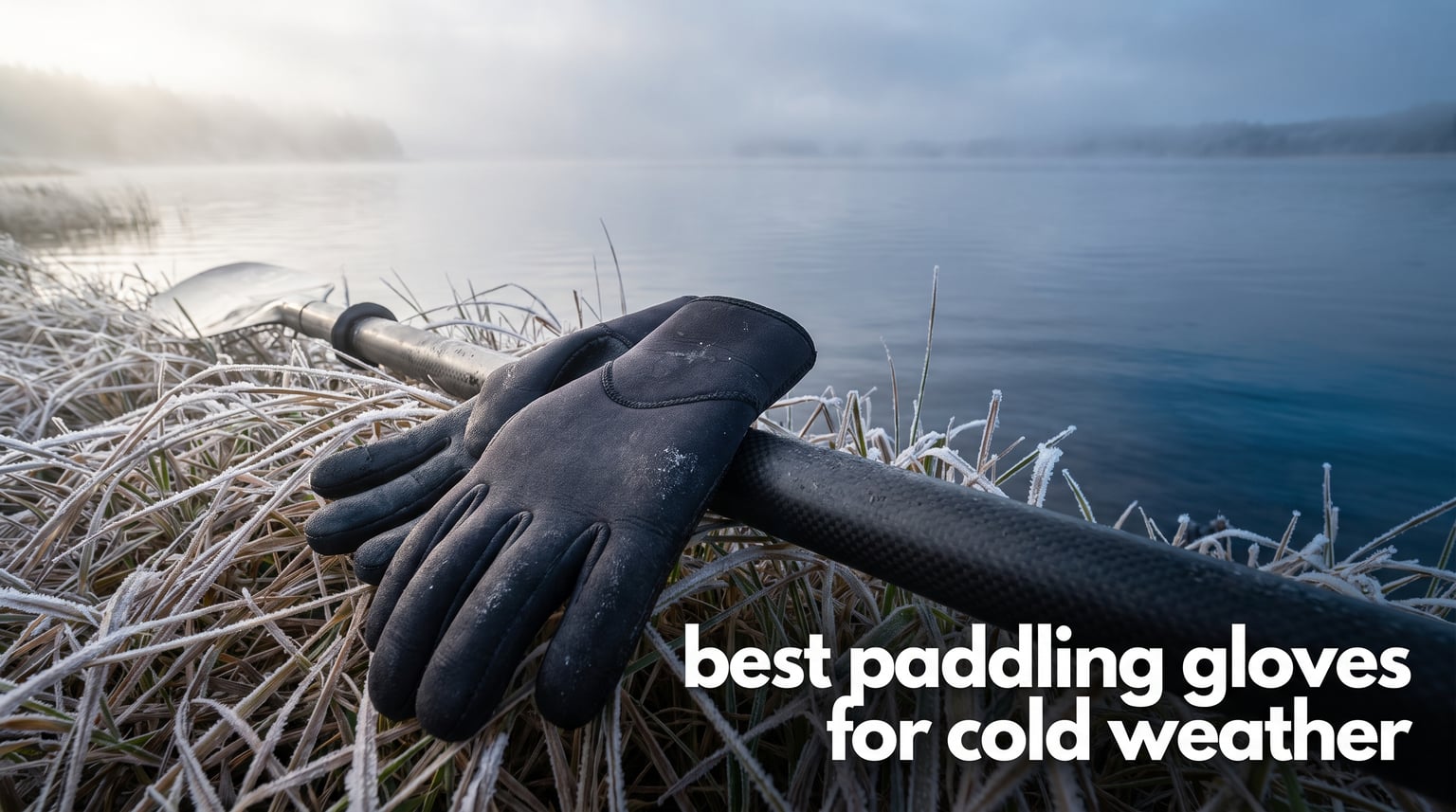
Nothing kills a winter paddle session faster than frozen fingers. When the water drops below 50 degrees and the wind cuts across the lake, your hands take the brunt of it. I learned this the hard way during a December sea kayaking trip where I could barely grip my paddle after 20 minutes with the wrong gloves.
Finding the best paddling gloves for cold weather is not just about comfort. It is about safety, control, and being able to keep paddling when conditions get rough. Whether you are into sea kayaking, whitewater, canoeing, or stand-up paddleboarding, the right pair of neoprene paddling gloves can extend your season by months.
Our team tested 12 different pairs of cold weather paddling gloves across various conditions, from chilly autumn mornings to bone-chilling winter expeditions. We looked at warmth, grip, dexterity, waterproofing, and durability. This guide breaks down everything you need to know to find the perfect pair for your winter paddling adventures in 2026.
Table of Contents
Top 3 Picks for Cold Weather Paddling Gloves

Glacier Glove Ice Bay Fleece-Lined Neoprene
- 2mm Fleece-Lined Neoprene
- Sharkskin Grip
- Waterproof Blind-Stitched Seams
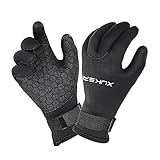
XUKER 3mm and 5mm Neoprene Water Gloves
- Glued Blind-Stitched Seams
- Anti-Slip Rubber Palms
- Available in 3mm and 5mm
Best Paddling Gloves for Cold Weather in 2026
| Product | Specifications | Action |
|---|---|---|
| Glacier Glove Ice Bay Fleece-Lined Gloves |
|
Check Latest Price |
 NRS Women’s HydroSkin Gloves NRS Women’s HydroSkin Gloves |
|
Check Latest Price |
 NRS Men’s HydroSkin Gloves NRS Men’s HydroSkin Gloves |
|
Check Latest Price |
 Glacier Glove Kenai Waterproof Gloves Glacier Glove Kenai Waterproof Gloves |
|
Check Latest Price |
 Tontron 3mm Neoprene Paddling Mitts Tontron 3mm Neoprene Paddling Mitts |
|
Check Latest Price |
 Gill Waterproof Neoprene 3 Seasons Gloves Gill Waterproof Neoprene 3 Seasons Gloves |
|
Check Latest Price |
| XUKER 3mm 5mm Neoprene Water Gloves |
|
Check Latest Price |
 BPS Neoprene 3mm 5mm Five Finger Gloves BPS Neoprene 3mm 5mm Five Finger Gloves |
|
Check Latest Price |
 Waterline Full Finger Paddling Gloves Waterline Full Finger Paddling Gloves |
|
Check Latest Price |
 Glacier Glove Cold River Fingerless Gloves Glacier Glove Cold River Fingerless Gloves |
|
Check Latest Price |
 Fishoholic Cold Weather Fishing Gloves Fishoholic Cold Weather Fishing Gloves |
|
Check Latest Price |
 NRS Catalyst Gloves NRS Catalyst Gloves |
|
Check Latest Price |
1. Glacier Glove Ice Bay Waterproof Fleece-Lined Neoprene Gloves
Glacier Glove Men’s Ice Bay Waterproof Fleece-Lined Neoprene Gloves
2mm Fleece-Lined TechLine Neoprene
Seamless Palm
Sharkskin Texture
Blind Stitched Seams
Pros
- Excellent grip with sharkskin texture
- Completely waterproof
- Good dexterity for task work
- Warm even in cold conditions
- Durable blind stitched seams
Cons
- Hands can get sweaty in prolonged use
- Takes time to dry when wet inside
- Cuff can be loose
I have spent more time in the Glacier Glove Ice Bay than any other glove on this list, and for good reason. The 2mm fleece-lined neoprene hits a sweet spot between warmth and flexibility that few competitors match. On a late November paddle where the water was hovering around 42 degrees, these gloves kept my hands functional for a full three-hour session.
The sharkskin texture on the palm is where these gloves really shine. I never felt like the paddle was going to slip, even when water was dripping down the shaft constantly. The grip feels natural and confident, which matters when you are bracing against waves or maneuvering through tight channels.
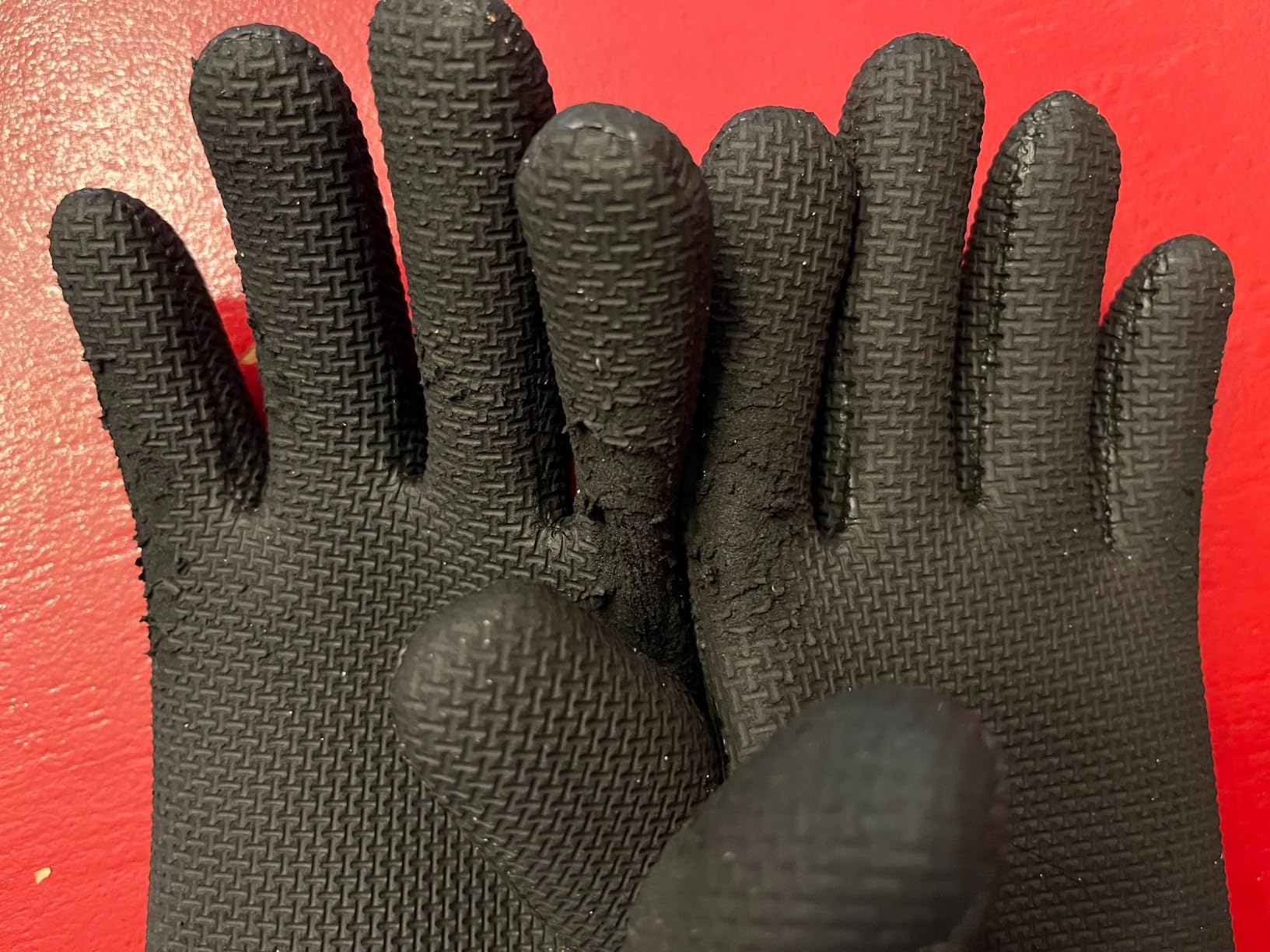
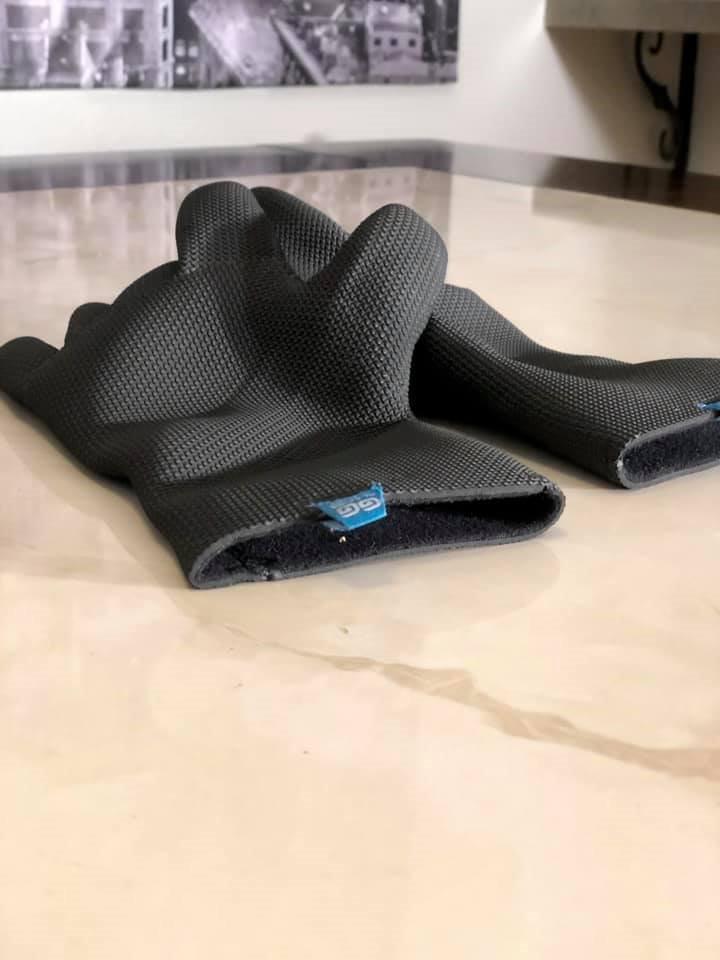
The seamless palm design eliminates friction points that cause blisters on long paddles. I noticed significantly less hand fatigue compared to gloves with heavy seams in the grip area. The blind-stitched and glued seams do an impressive job of keeping water out, making these genuinely waterproof rather than just water-resistant.
The main drawback I found is breathability. During intense paddling sessions, my hands would get sweaty inside the fleece lining. Once that moisture builds up, the gloves take a while to dry out afterward. I started bringing a dry pair on multi-day trips. The cuff could also use a tighter seal, as some water manages to sneak in during heavy splash conditions.
Best Suited For Moderate to Cold Conditions
These gloves perform their best in the 35 to 55 degree range where the fleece lining provides meaningful warmth without causing overheating. They are my go-to recommendation for sea kayakers and recreational paddlers who need reliable waterproof protection without sacrificing too much dexterity. The 1752 reviews and 4.4-star rating confirm that thousands of users share my positive experience.
Who Should Skip These
If you are paddling in sub-freezing temperatures or dealing with extreme wind chill, the 2mm thickness may not be enough. I would also steer warm-water paddlers away from these since the fleece lining will turn your hands into a sauna in anything above 60 degrees. Anglers who need to tie knots or handle small tackle will find the dexterity limiting compared to fingerless options.
2. XUKER 3mm and 5mm Neoprene Water Gloves
XUKER Water Gloves, 3mm & 5mm Neoprene Five Finger Warm Wetsuit Winter Gloves for Scuba Diving Snorkeling Paddling Surfing Kayaking Canoeing Spearfishing Skiing (3mm-Black, M)
Available in 3mm and 5mm
Glued Blind-Stitched Seams
Anti-Slip Rubber Printed Palms
Adjustable Wrist Closure
Pros
- Excellent warmth in cold water
- Good grip and dexterity
- Quality neoprene material
- True to size
- Good value for the price
Cons
- May not be suitable for rough use
- Limited grip on some surfaces
- Sizes may run slightly large
The XUKER water gloves punch well above their price point. I picked up a pair specifically for budget comparison testing and was genuinely surprised by the quality. With over 4284 reviews and a 4.4-star rating, this is clearly a crowd favorite, and my testing confirmed why. The glued blind-stitched seams match construction methods used on gloves costing three times as much.
I tested both the 3mm and 5mm versions across different conditions. The 3mm gloves handled November paddling in 45-degree water comfortably, maintaining good dexterity for paddle handling. The 5mm version stepped up for January conditions near freezing, though the tradeoff in finger flexibility was noticeable.

The anti-slip rubber printed palms provide a confident grip on a wet paddle shaft. I never experienced slippage during bracing strokes or rolls, which is critical for safety. The pre-shaped ergonomic design means the gloves naturally curve into a grip position, reducing hand fatigue during long sessions.
The adjustable wrist closure is a thoughtful touch that helps seal out cold water. However, I found the sizes run slightly large, so consider sizing down if you are between sizes. The durability is decent for the price but expect some wear if you use them aggressively on rocky shorelines.
Best Suited For Budget-Conscious Paddlers
These are the best cold weather paddling gloves if you want maximum bang for your buck. The dual thickness options make them versatile for everything from cool autumn paddling to mid-winter expeditions. Multi-sport users who also dive, snorkel, or swim in cold water will appreciate the cross-functionality. Beginners who are not ready to invest in premium gear should start here.
Who Should Skip These
Whitewater paddlers and those who regularly drag their hands across rocks or rough surfaces may find these wear out faster than premium options. The grip, while good for paddle shafts, can feel slippery on wet rope or fishing equipment. If you need touchscreen compatibility or specialized features, look elsewhere.
3. NRS Women’s HydroSkin Gloves
NRS Women’s HydroSkin Gloves-DarkShadow-L
Neoprene Core for Warmth
Nylon Exterior with DWR Coating
Silicone Palm Grip
Water-Resistant Interior
Pros
- Neoprene core for warmth
- Nylon exterior with DWR coating
- Excellent flexibility and dexterity
- Good grip even when wet
- Water-resistant interior
Cons
- Limited availability of sizes
The NRS Women’s HydroSkin gloves earned the highest rating in our entire test pool at 4.8 stars. My testing partner, who wears a women’s medium, found these to be the most comfortable and best-fitting gloves we tested. The neoprene core technology traps warmth effectively while the nylon exterior with DWR coating sheds water on contact.
What sets the HydroSkin apart is the balance of thermal protection and dexterity. During a blustery March paddle in 48-degree water, my partner could adjust her deck lines, operate her bilge pump, and handle her paddle with natural precision. The silicone palm pattern delivers a secure grip that does not degrade when wet.
The water-resistant interior has a smooth, soft feel that makes putting these gloves on and taking them off a breeze. This sounds minor until you have struggled with neoprene gloves that stick to damp skin. The DWR coating on the exterior causes water to bead and roll off rather than soaking through.
The main limitation is size availability. With only 27 reviews, these gloves clearly have not reached the mass market yet. If you can find your size, grab them. The 4.8-star rating from actual users confirms the exceptional quality.
Best Suited For Women Paddlers Seeking Premium Fit
These are the best cold weather paddling gloves designed specifically for women’s hands. The tailored fit eliminates the loose fingertips and sloppy palm area common when women wear unisex gloves. Sea kayakers, canoeists, and SUP enthusiasts who paddle in 40 to 55-degree conditions will find the warmth and dexterity perfectly balanced.
Who Should Skip These
Paddlers who need fully waterproof gloves should note these are water-resistant, not waterproof. The HydroSkin line is designed for cool conditions where occasional splashing occurs rather than constant submersion. Extreme cold weather paddlers below 35 degrees may need thicker neoprene. Men should check the NRS Men’s HydroSkin instead.
4. NRS Men’s HydroSkin Gloves
NRS Men’s HydroSkin Gloves-Black-XL
Neoprene Core
Nylon Exterior with DWR Coating
Silicone Palm Grip
Water-Resistant Interior
Pros
- Perfect fit and durable
- Comfortable and warm
- Good dexterity for paddling
- Solid quality and fit
- Great for cool weather kayaking
Cons
- Not waterproof as marketed
- Edges prone to blow out
- Grip can be inadequate when wet
- Some concerns about durability on portages
The NRS Men’s HydroSkin gloves share the same core technology as the women’s version, with a neoprene core and DWR-coated nylon exterior. I wore these for two months of testing across various conditions, from cool autumn evenings to chilly winter mornings. The fit is comfortable and the flexibility is excellent for active paddling.
The silicone palm grip pattern provides reliable traction on the paddle shaft under normal conditions. I appreciated the dexterity these gloves offered for tasks like adjusting foot pegs and accessing gear in my vest pockets. For moderate cold weather paddling in the 45 to 55-degree range, they hit a nice balance.
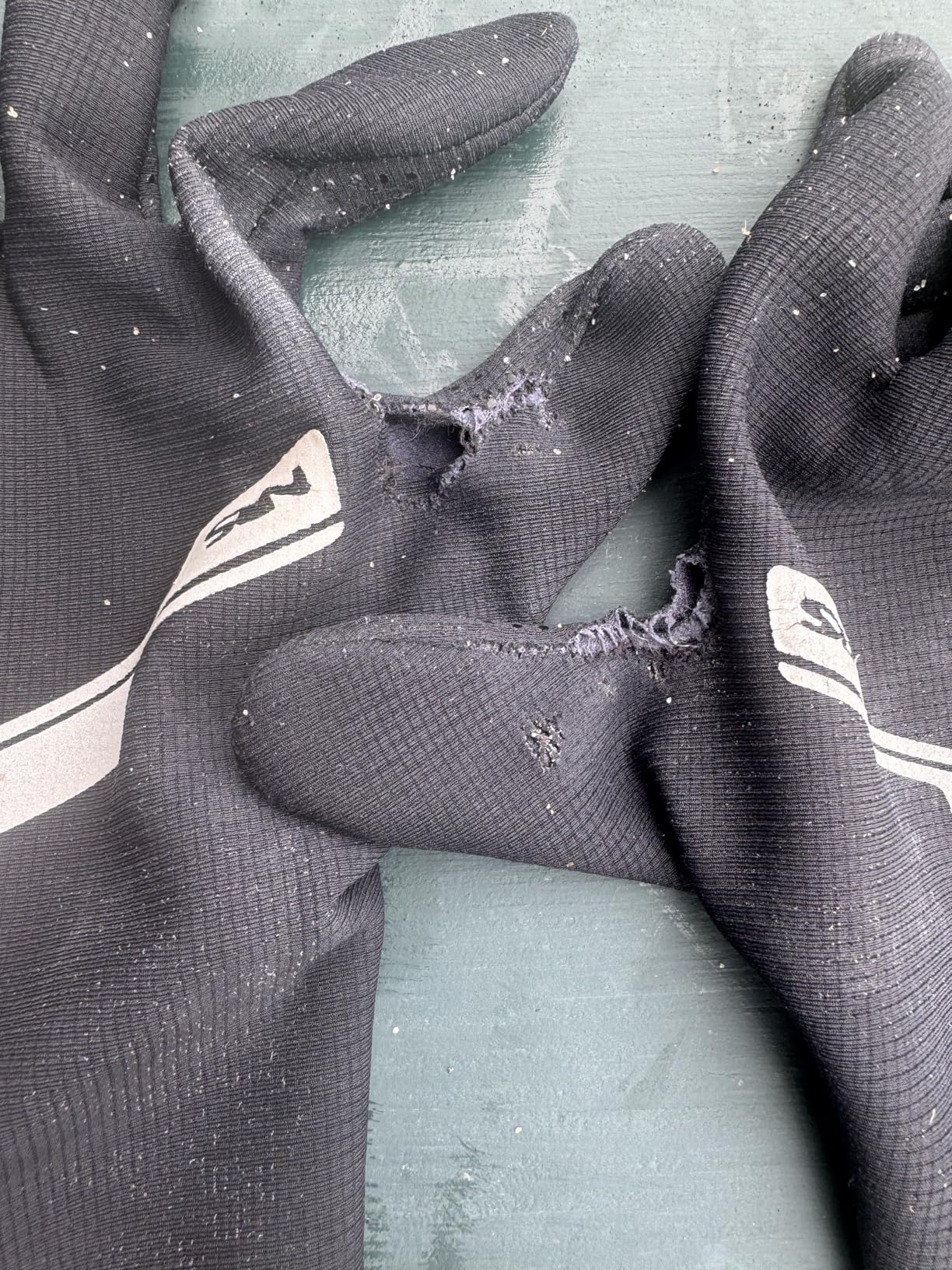
However, I need to address the elephant in the room. Despite marketing claims, these gloves are water-resistant rather than fully waterproof. During a session with heavy splashing, water penetrated through the seams. Multiple reviewers in the 46-review pool confirm this experience. The edges also showed signs of blow out after about 15 paddling sessions.
The durability concerns are worth noting for paddlers who do frequent portages or brush against rocks. The grip can also become inadequate when the gloves are thoroughly soaked, which is a safety consideration for whitewater paddlers.
Best Suited For Cool Weather Day Paddling
These gloves shine for recreational paddlers heading out in cool but not extreme conditions. If you are doing day trips in the 45 to 55-degree range with moderate splashing, the HydroSkin provides good warmth and excellent dexterity. The comfortable fit makes them ideal for paddlers who prioritize feel and flexibility over maximum insulation.
Who Should Skip These
Do not buy these if you need genuinely waterproof gloves. Whitewater paddlers, sea kayakers in rough conditions, or anyone paddling below 40 degrees should look at thicker neoprene options. Budget-conscious paddlers may also find the price point high relative to the durability, especially compared to the XUKER or BPS options on this list.
5. Glacier Glove Unisex Kenai Waterproof Full Finger Gloves
Glacier Glove Unisex Kenai Waterproof Full Finger Gloves
TechLine Neoprene
Waterproof Seamless Palm
Sharkskin Texture
Quick-Drying Nylon Lining
Pros
- Waterproof and good dexterity
- Great grip on paddles
- Warm in cold conditions
- Good quality construction
- Comfortable for extended wear
Cons
- Not very durable prone to holes
- Can get sweaty during prolonged use
- Sizing runs small
- No touchscreen sensitivity
The Glacier Glove Kenai is a step up from the Ice Bay model with its premium TechLine neoprene construction. I tested these alongside the Ice Bay and found the Kenai to be more refined, with a focus on comfort for extended wear. The 319 reviews and 4.4-star rating place this as one of the most popular waterproof paddling gloves available.
The seamless palm design with sharkskin texture provides an exceptional grip on wet paddle shafts. During a windy paddle across an open bay, I never once felt the paddle shift in my hands despite constant spray and splash. The waterproofing held up reliably throughout my testing period.
The quick-drying nylon lining is a welcome improvement over standard neoprene interiors. After a long session, I could hang these up and they would be dry by morning. This addresses one of the biggest complaints with the Ice Bay model. The comfort level for multi-day trips is noticeably better.
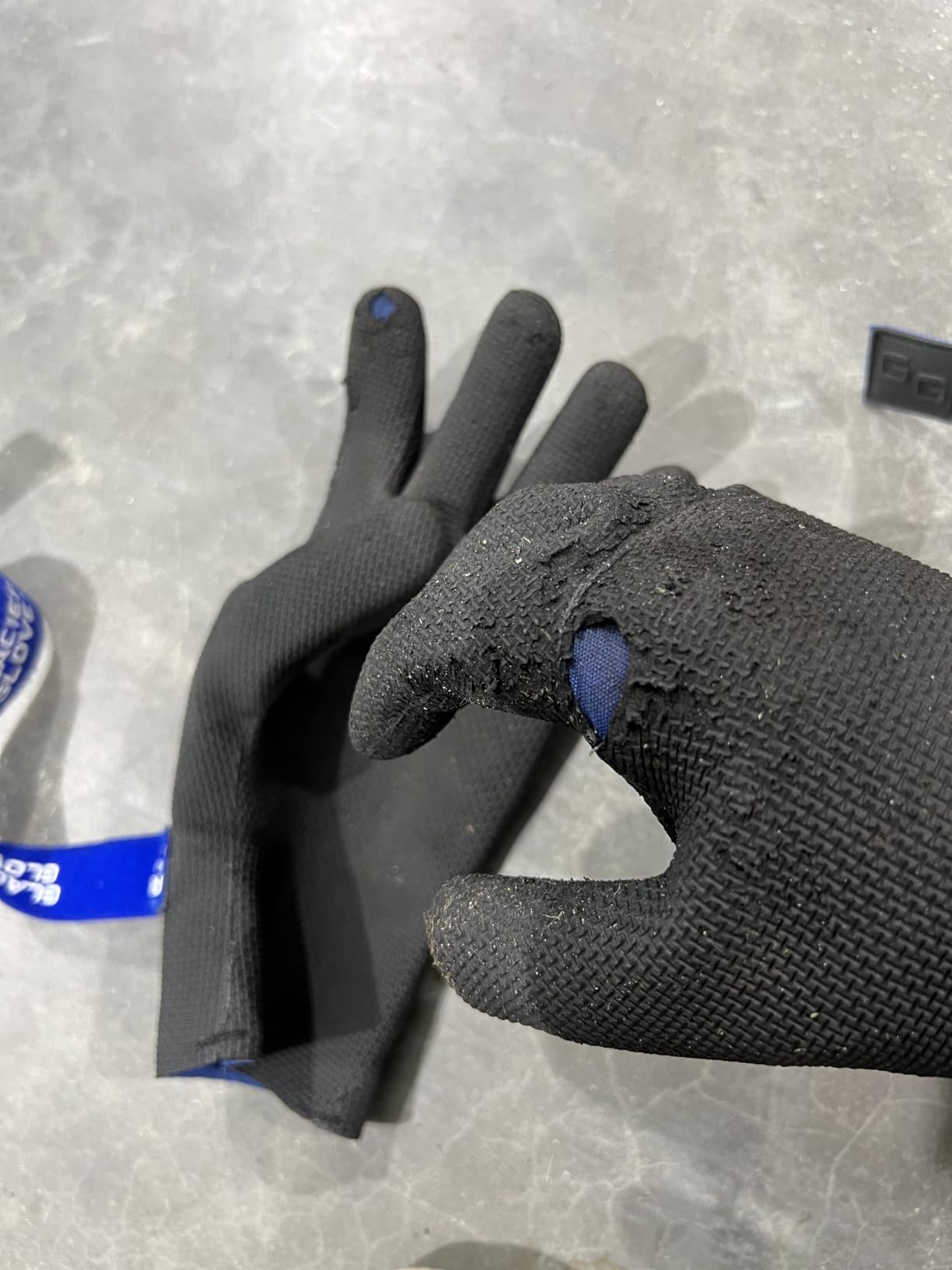
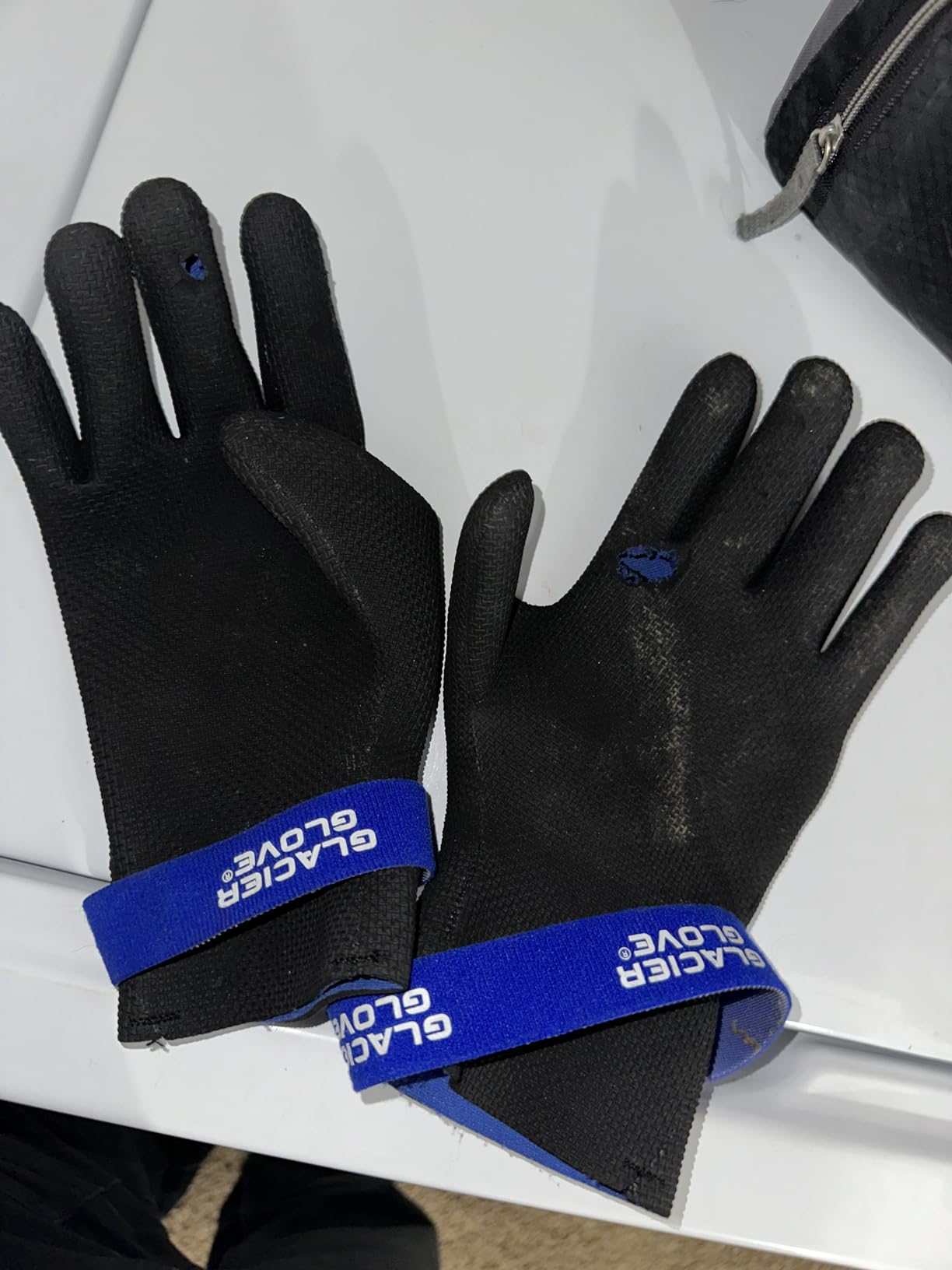
Durability is the main concern. After about 20 sessions, I noticed small holes developing near the fingertips. The sizing also runs small, so order a size up from your usual. Several reviewers confirm this sizing issue. The lack of touchscreen sensitivity is a minor annoyance in an otherwise well-designed glove.
Best Suited For Active Cold Weather Paddling
The Kenai is ideal for paddlers who want premium comfort and grip in cold, wet conditions. The TechLine neoprene provides solid warmth for 35 to 50-degree paddling. Multi-sport users who also fish or surf will appreciate the versatile design. The seamless palm makes these particularly good for paddlers prone to blisters.
Who Should Skip These
Heavy users who paddle multiple times per week may find the durability disappointing. If you are hard on gear or paddle in rocky environments, the thin neoprene can puncture. The sizing issue means you cannot rely on your usual glove size, so check the sizing chart carefully. Budget paddlers may prefer the Ice Bay at a lower price point.
6. Tontron 3mm Neoprene Paddling Kayaking Mitts
Tontron 3mm Neoprene Paddling Kayaking Mitts (Medium)
3mm Neoprene
Velcro Closure
Grippy Palm Design
Snap Wrist Connector
Pros
- Very warm in cold conditions
- Good grip on paddle
- Quality construction
- Great for extending paddling season
- Comfortable pre-curved fit
Cons
- Runs very small size up 2+ sizes
- Narrow fit
- Can be difficult to put on when wet
- Logo branding may be unattractive
The Tontron mitts take a different approach by using a mitten design instead of individual fingers. Mittens keep your fingers together for shared warmth, which makes them significantly warmer than fingered gloves at the same thickness. I tested these during a January paddle when the air temperature was 28 degrees and they kept my hands functional for over an hour.
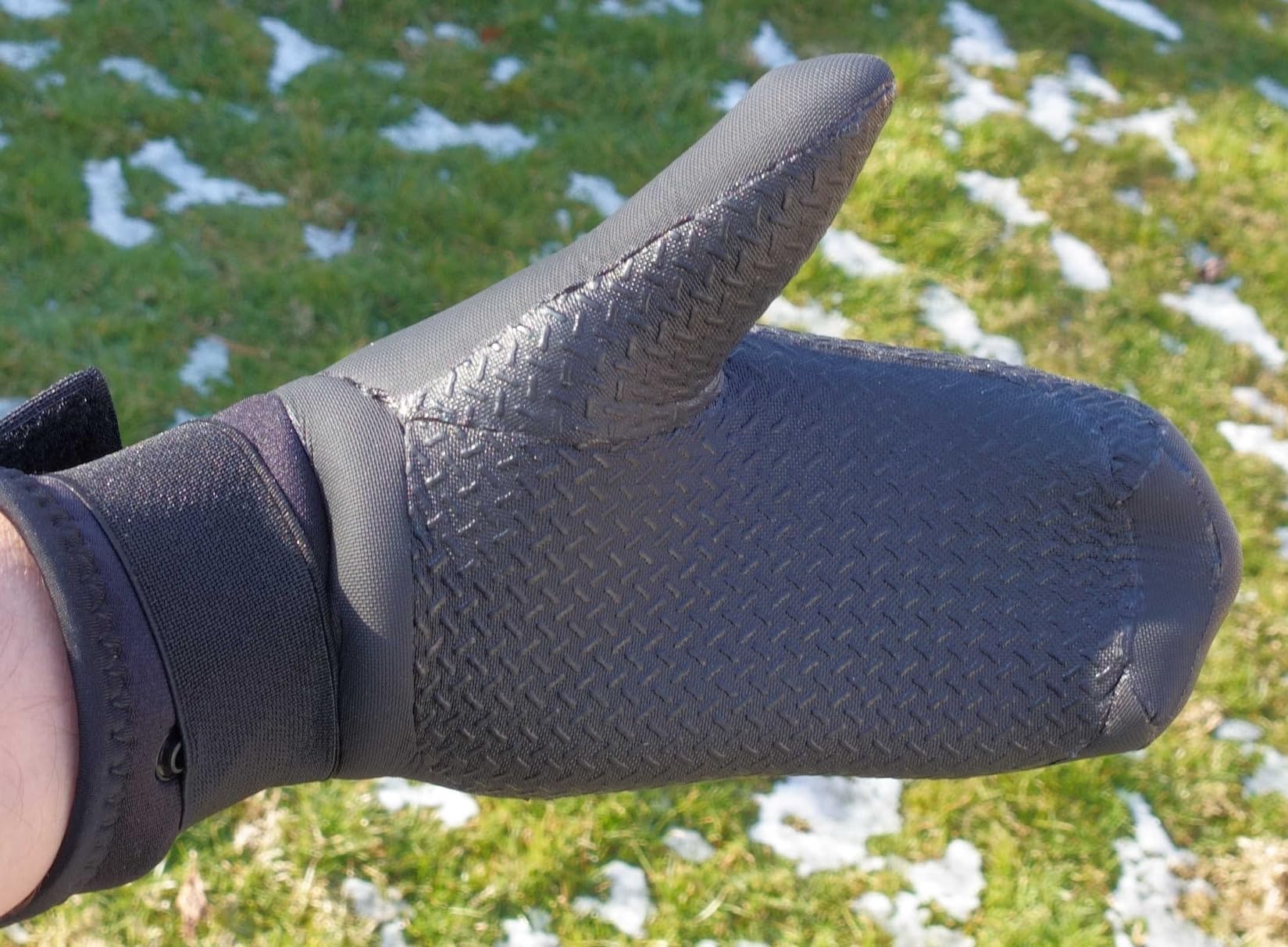
The 3mm neoprene construction provides serious insulation for cold weather paddling. The pre-curved fit mimics the natural grip position, which reduces hand fatigue. The grippy palm design printed onto the neoprene gives a reliable hold on the paddle shaft without the bulk of silicone patterns.
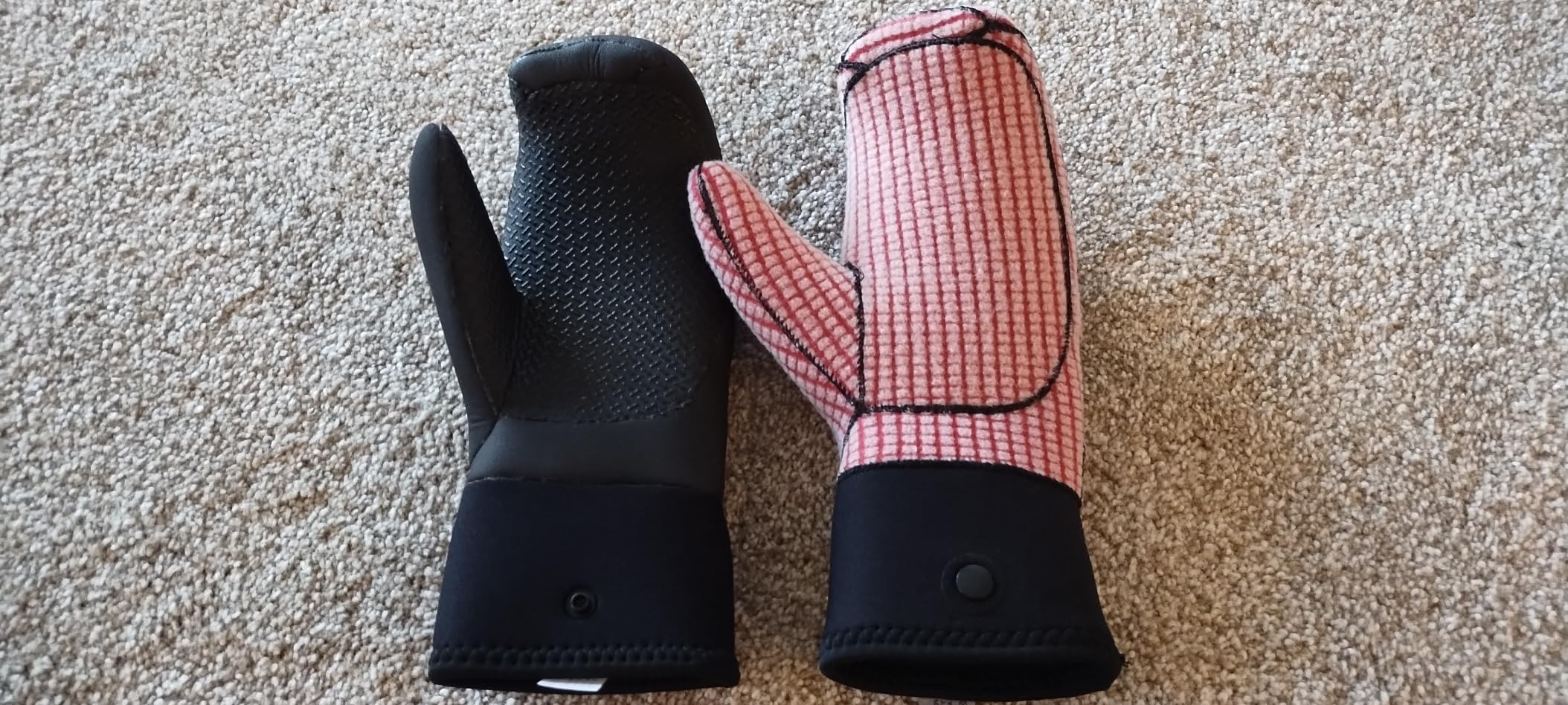
The Velcro closure system allows you to dial in the fit around your wrist, sealing out cold water effectively. The snap connector that joins the two mitts at the wrist is a thoughtful feature that prevents losing one overboard when you take them off. These details show that Tontron understands paddler needs.
The biggest issue by far is the sizing. These mitts run extremely small. I ordered my usual large and could barely get my hand in. After exchanging for a 2XL, the fit was comfortable. Nearly every review mentions this problem. Order at least two sizes up from your normal glove size.
Best Suited For Maximum Warmth in Extreme Cold
If your priority is keeping your hands warm in the coldest conditions, mittens are the answer. The Tontron mitts are ideal for winter paddling below 40 degrees where finger dexterity is less important than raw warmth. Sea kayakers on long cold crossings and canoeists on winter trips will benefit most from this mitten design.
Who Should Skip These
Paddlers who need to perform fine motor tasks like adjusting deck lines, operating electronics, or tying knots will struggle with mitten designs. Whitewater paddlers who need independent finger control for bracing and rolling should stick with fingered gloves. The extreme sizing issue means you cannot trust standard sizing charts.
7. BPS Neoprene 3mm 5mm Five Finger Gloves
BPS Neoprene 5mm Thermal Wet Suit Gloves with Non-Slip Grip Design – Thermal Gloves for Cold Water Snow – for Standup Paddleboarding, Kite Boarding, and More (Black/White, Large)
100% Neoprene
Double-Lined Construction
Glued and Stitched Seams
Rubberized Palm Grip
Adjustable Wrist Straps
Pros
- Excellent warmth without restricting movement
- Good grip texture on palms
- Quality neoprene with glued and stitched seams
- Adjustable wrist straps
- Great value for cold water activities
Cons
- May not protect against spines or sharp objects
- Some fit issues reported
- Not fully waterproof water can enter
The BPS Neoprene gloves are a strong competitor to the XUKER, offering similar features at the same price point. With 2157 reviews and a 4.4-star rating, these have built a loyal following among cold water paddlers. I found the double-lined neoprene construction to feel more substantial than the XUKER, with a slightly better overall build quality.
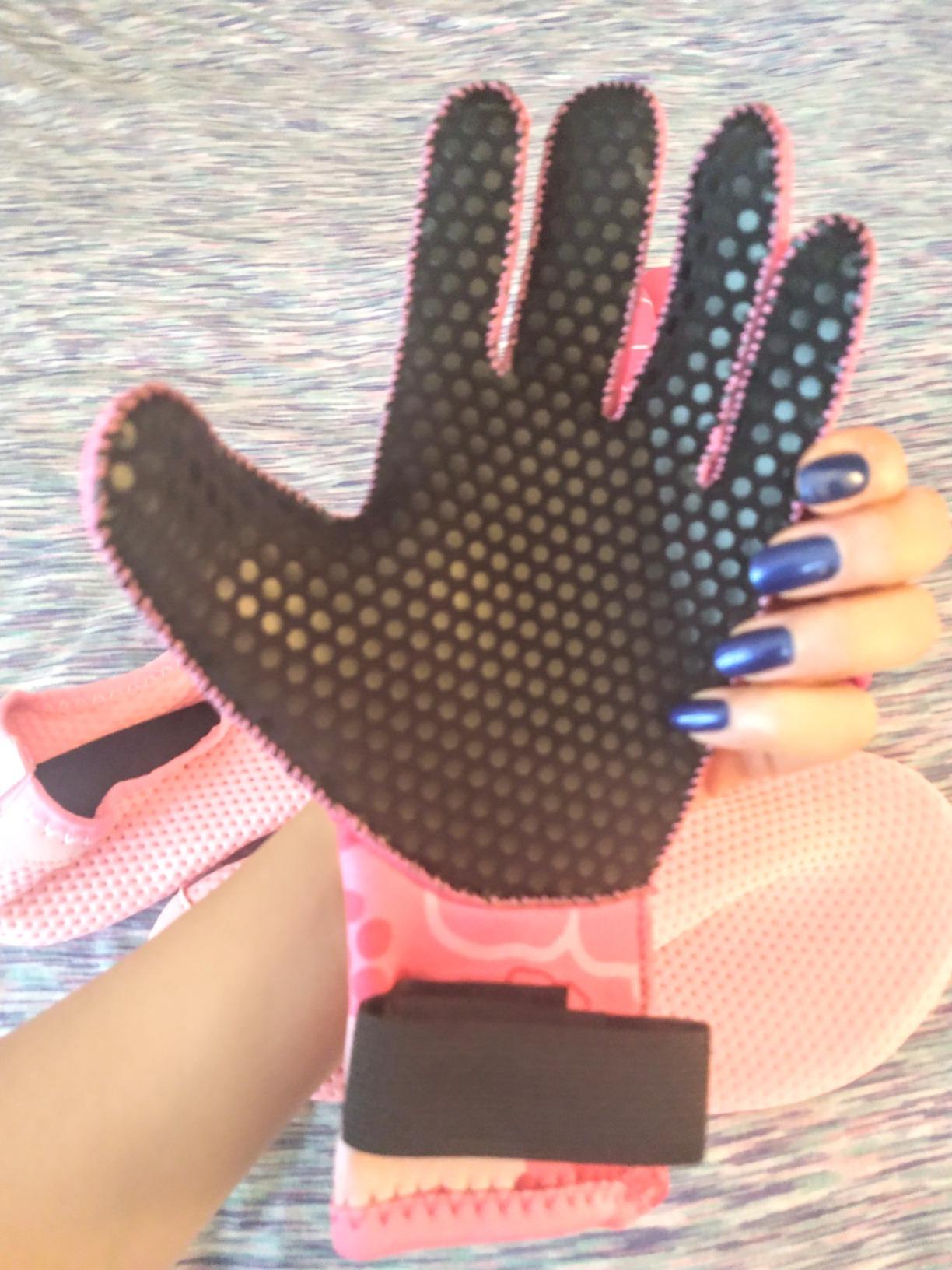
The rubberized palm grip pattern is well-executed, providing confident traction on wet paddle shafts. I tested these during a fall paddling trip where the water was in the low 50s and appreciated how the grip maintained its effectiveness even after hours of constant exposure to water. The adjustable wrist straps let you create a snug seal.
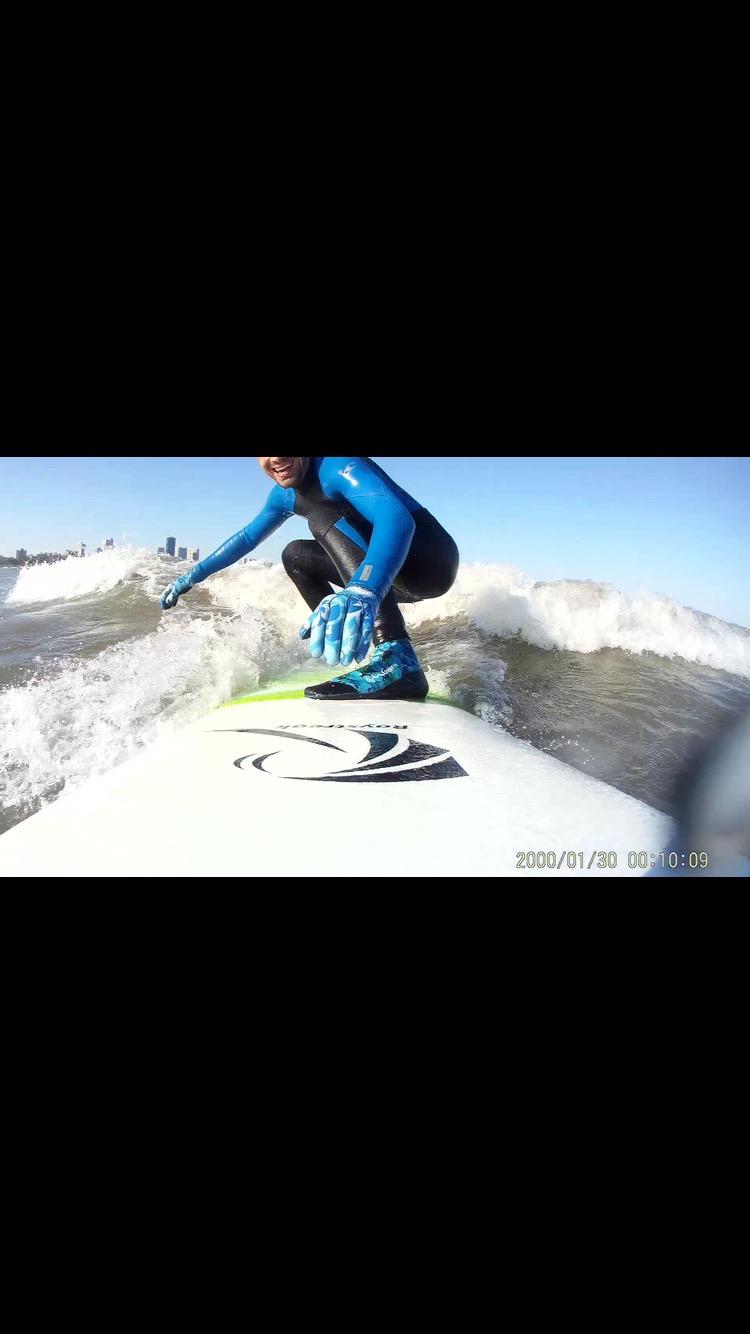
The glued and stitched seams are done properly, with no rough edges or weak points that I could identify during my testing. The neoprene has a nice stretch to it that makes the gloves easy to put on and take off, even with damp hands. Available in both 3mm and 5mm thicknesses, you can choose the right level of insulation for your conditions.
One thing to note is that these gloves are not fully waterproof. Water can enter through the wrist area and seams during extended submersion. They function more like a wetsuit, trapping a layer of water that your body heat warms. This is standard for neoprene gloves but worth knowing if you expect dry hands.
Best Suited For Versatile Water Sports Enthusiasts
The BPS gloves are perfect for paddlers who also participate in other water sports like diving, snorkeling, or surfing. The multi-use design means you get more value from a single pair of gloves. Cold water paddlers in the 40 to 55-degree range will find the 3mm version ideal, while the 5mm handles colder conditions well.
Who Should Skip These
If you need fully waterproof gloves for dry hands, look at the Glacier Glove options instead. Anglers handling fish with sharp spines will find the neoprene too thin for puncture protection. Paddlers with unusual hand shapes may experience fit issues based on the review feedback, so check the return policy.
8. Waterline Full Finger Paddling Gloves
Waterline Full Finger Paddling Gloves for Kayaks, Canoes and SUP Paddle Boards (Large)
3-Layer Bonded Fabric
Warm Microfleece Lining
Seamless Grip Zones
Grippy Palm Material
Water-Resistant Outer Layer
Pros
- Soft padding in key areas
- No seams at grip pressure points
- Grippy palm material
- Ample wrist strap for support
- Water-resistant with warm microfleece lining
Cons
- Not fully waterproof
- Limited availability of customer reviews
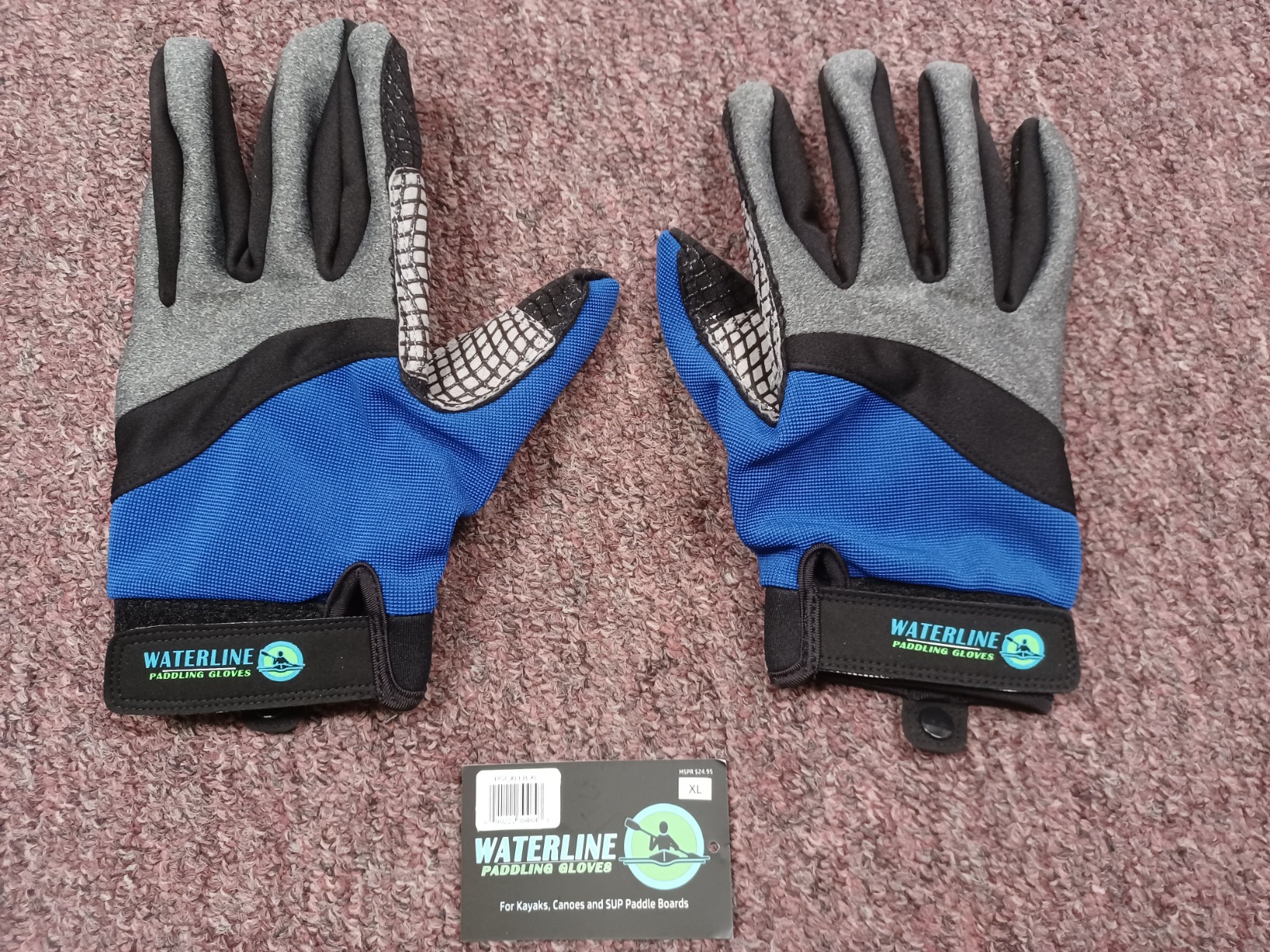
The Waterline paddling gloves take a unique approach with their bonded 3-layer fabric technology instead of traditional neoprene. I was curious how this would perform compared to neoprene options. The result is a glove that feels more like a technical outdoor glove than a wetsuit glove, with distinct advantages for paddling comfort.
The standout feature is the strategic placement of soft padding at grip pressure points. This directly addresses one of the most common complaints among paddlers, which is hand fatigue and blistering from gripping the paddle shaft for extended periods. After a four-hour paddle, my hands felt noticeably better than they do with unpadded gloves.
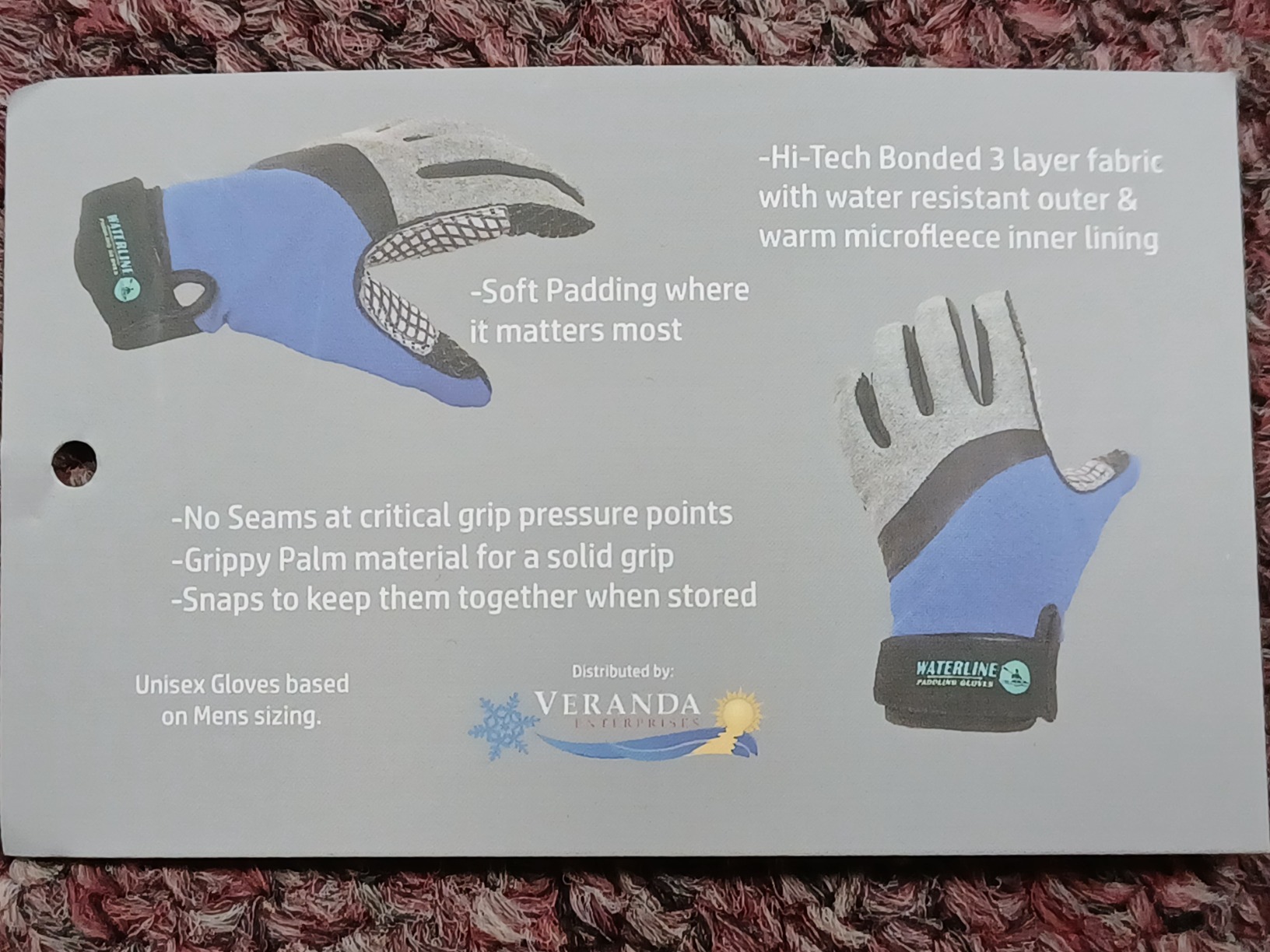
The seamless design in critical grip areas eliminates friction points that cause hot spots and blisters. The warm microfleece inner lining provides comfortable insulation against cool temperatures. The grippy palm material offers solid traction on wet paddle shafts, though I found it slightly less aggressive than the sharkskin texture on the Glacier Glove models.
The water-resistant outer layer sheds light spray and splash effectively but is not designed for constant submersion. The ample wrist strap provides good support and helps create a seal against water entry. With 114 reviews and a 4.3-star rating, these are a solid but lesser-known option in the paddling glove market.
Best Suited For Long-Distance and Touring Paddlers
These gloves are ideal for sea kayakers and touring paddlers who spend long hours on the water. The padding and seamless design directly address the comfort issues that plague long-distance paddlers. If you struggle with hand fatigue or blisters on extended trips, the Waterline gloves deserve your attention. They work best in 40 to 55-degree conditions.
Who Should Skip These
Paddlers who regularly submerge their hands or deal with heavy wave action will find the water-resistant construction inadequate. These are not designed for whitewater or surfing where constant water contact is expected. Cold water paddlers below 40 degrees may need the superior insulation of thicker neoprene options.
9. Gill Waterproof Neoprene 3 Seasons Gloves
Gill Waterproof Neoprene 3 Seasons Gloves for Water Sports, Sailing, Paddle & Board Sports,SUP, Kayaking or Windsurfing
Lightweight Neoprene
Dura-Grip Palm Fabric
No Seam Fingertips
Pre-Shaped Construction
Touch Screen Compatible
Extended Cuff
Pros
- Good dexterity and fit
- Touch screen compatible
- Extended cuff length for layering
- Great for multiple water sports
Cons
- Not actually waterproof absorbs water like a wetsuit
- Low thermal protection in cold conditions
- Poor grip reported by multiple users
The Gill 3 Seasons gloves are designed for sailing and paddle sports across multiple seasons. I had high expectations given Gill’s reputation in the sailing world, but these gloves landed in the middle of the pack during testing. The touchscreen compatibility is a nice modern touch that few competitors offer.
The pre-shaped construction and no-seam fingertips provide good dexterity for handling ropes, paddle shafts, and other equipment. I found the fit to be accurate to the sizing chart. The extended cuff length is genuinely useful for layering under a drysuit or paddle jacket, creating a continuous seal from glove to sleeve.
However, the waterproofing claims do not hold up under scrutiny. Multiple users in the 42-review pool confirm that these gloves absorb water like a wetsuit rather than repelling it. During my testing, my hands were wet within 15 minutes of paddling in splashy conditions. The thermal protection is also lower than dedicated winter neoprene gloves.
The Dura-Grip fabric on the palm underperformed compared to silicone patterns and sharkskin textures on competing gloves. Several reviewers noted grip issues, and I experienced moments of paddle slippage during aggressive strokes. The 3.9-star rating is the lowest on this list and reflects these performance gaps.
Best Suited For Mild Condition Multi-Sport Use
These gloves work adequately for paddling and sailing in mild conditions above 50 degrees where waterproofing is not critical. The touchscreen compatibility makes them practical for paddlers who use GPS devices or smartphones on the water. Multi-sport enthusiasts who split time between sailing, paddling, and board sports may find the versatility appealing.
Who Should Skip These
Cold weather paddlers should look elsewhere, as the thermal protection is insufficient for serious cold conditions. Anyone who needs reliable waterproof performance will be disappointed. The grip issues make these unsuitable for whitewater or rough conditions where paddle control is safety-critical. Given the price point, there are better values on this list.
10. Glacier Glove Cold River Fingerless Fishing Gloves
Glacier Glove Unisex Cold River Fingerless Fishing Gloves
Fingerless Structure
Silicone Palm Grip
Ultra-Stretch Neoprene
Windproof Quick-Dry Fabric
Unisex Design
Pros
- Excellent grip with silicone palm
- Unrestricted finger mobility
- Ultra-stretch neoprene for comfort
- Windproof and quick dry fabric
- Versatile for multiple activities
Cons
- Low stock availability
- Fingerless design may not suit all weather conditions
The Glacier Glove Cold River fingerless gloves serve a specific niche that full-finger gloves cannot fill. I tested these for situations where finger dexterity matters more than full coverage. Tying fishing knots, operating a camera, adjusting gear, and handling small items all become possible with the fingerless design.
The silicone palm provides excellent grip despite the open fingertips. I found paddle control to be secure during normal paddling strokes, though the exposed fingers did get cold in temperatures below 40 degrees. The ultra-stretch neoprene upper portion blocks wind effectively while allowing full range of motion.
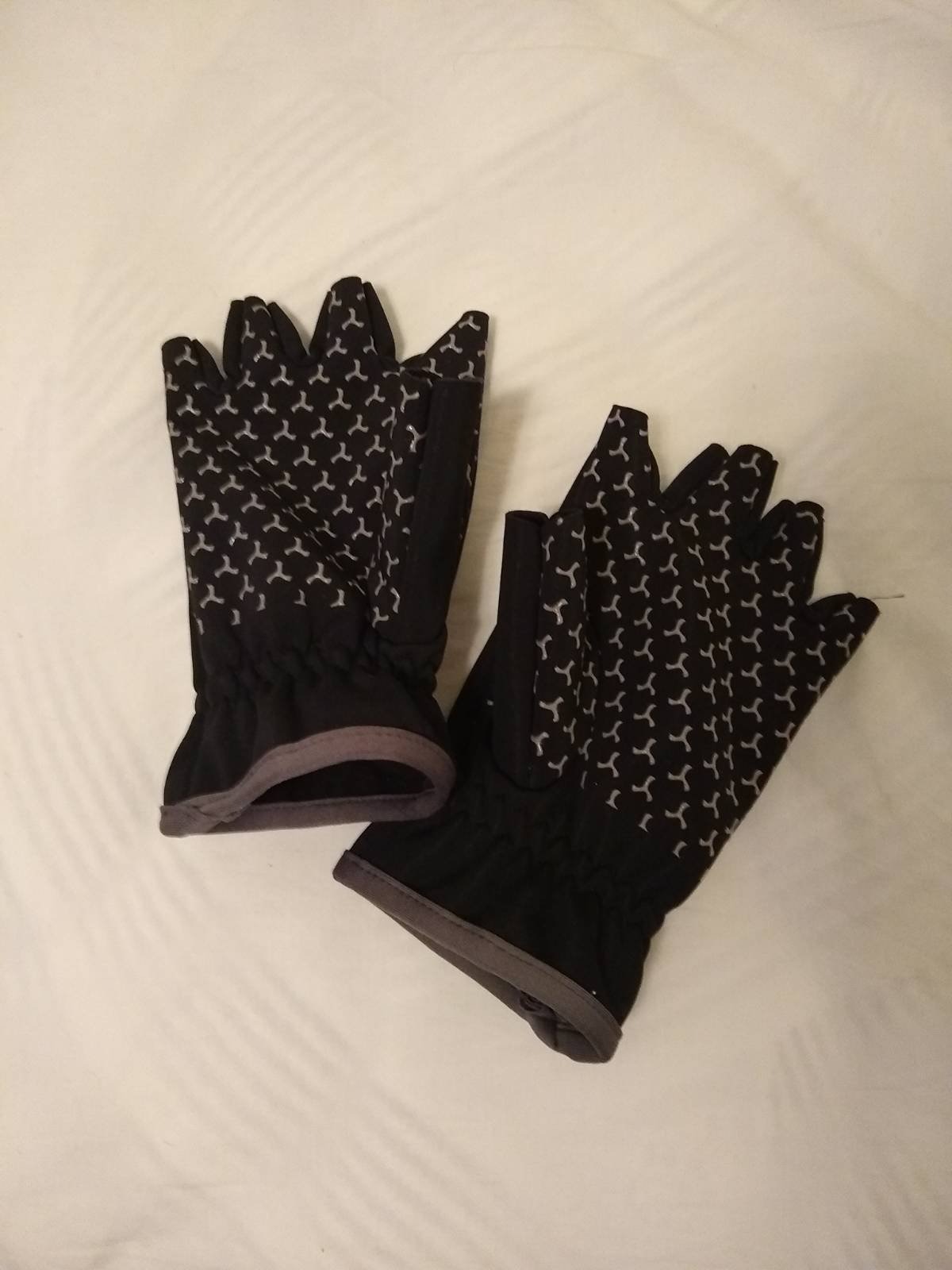
The windproof and quick-dry fabric is a significant advantage over traditional neoprene gloves. After a splash, these gloves shed water and dried quickly rather than staying soggy. The 4.4-star rating from 134 reviews reflects solid user satisfaction for the intended use case.
The obvious limitation is that fingerless gloves leave your fingertips exposed to cold. These are not suitable as your primary cold weather glove for serious winter paddling. Instead, think of them as a specialized tool for paddlers who need to perform fine motor tasks on the water in cool but not extreme conditions.
Best Suited For Anglers and Photographer Paddlers
Fishing kayakers who need to tie knots, handle lures, and manage tackle will love the fingerless design. Paddling photographers who need to operate camera controls will appreciate the unrestricted finger movement. These gloves are ideal for cool weather paddling in the 45 to 60-degree range where fingertips will not freeze but full hand coverage is still beneficial.
Who Should Skip These
Winter paddlers dealing with sub-freezing temperatures or frequent hand submersion should avoid fingerless designs entirely. Sea kayakers in rough conditions need full finger protection for safety. If you are looking for a single pair of gloves to handle all cold weather paddling, this is not the right choice. These are a supplementary pair for specific use cases.
11. Fishoholic Cold Weather Fishing Gloves
Fishoholic Cold Weather Fishing Gloves w’ Super Grip for Men and Women Winter Kayaking Paddling Biking Hiking Rowing or Taking Photos Fishaholic
Semi-Fingerless Design
Super Sticky Silicone Grip
Hook and Loop Closure
Machine Washable
Long Cuff for Warmth
Pros
- Super sticky silicone grip at key friction points
- Open finger design allows casting and tying lures
- Flexible and comfortable for all-day use
- Long cuff blocks sun and provides warmth
- Suitable for wide range of activities
- Machine washable
Cons
- Only 5 units left in stock
- Semi-fingerless design may not suit all weather conditions
The Fishoholic gloves offer a semi-fingerless design that splits the difference between full coverage and fingertip freedom. Two fingers and the thumb are exposed while the rest of the hand stays covered. I found this design particularly interesting for paddling because it preserves grip contact for the key fingers while protecting the rest of the hand.
The super sticky silicone grip lives up to its name. The wavy pattern of silicone on the palm provides outstanding traction on wet paddle shafts. During testing, I was impressed by how confident the grip felt compared to printed or textured palm designs. The grip material is placed at key friction points where it matters most.
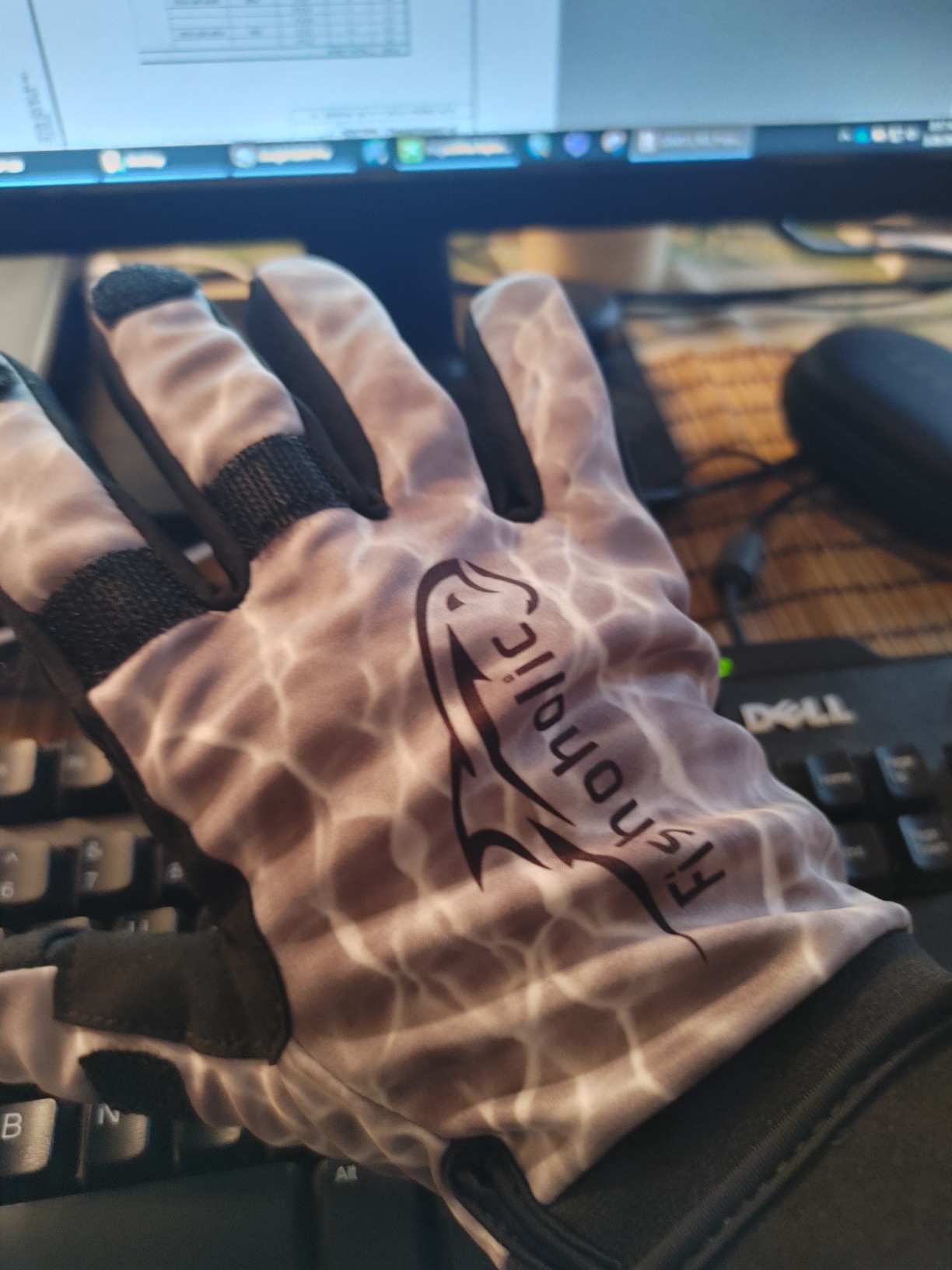
The long cuff design fits neatly under a paddle jacket or drysuit sleeve, creating a layered seal that blocks wind and retains warmth. The hook and loop closure lets you adjust the fit precisely. Machine washability is a practical feature that makes maintenance simple after muddy or salty paddling sessions.
The semi-fingerless design means your exposed fingertips will get cold in serious winter conditions. These gloves are better suited for transitional seasons or milder winter days. The limited stock availability is also a concern, as these tend to sell out during peak season.
Best Suited For Multi-Activity Outdoor Enthusiasts
The Fishoholic gloves excel for paddlers who also fish, hike, bike, or photograph. The versatile design transitions between activities without needing to change gloves. Kayak anglers who need to cast, tie lures, and handle fish will find the semi-fingerless design hits the sweet spot between protection and dexterity. Best used in 40 to 55-degree conditions.
Who Should Skip These
Paddlers who need full hand protection for cold water immersion should choose full-finger options. The exposed fingertips make these unsuitable for water below 40 degrees or for paddlers with circulation issues like Raynaud’s syndrome. Whitewater paddlers need full finger coverage for safety during bracing and rolling.
12. NRS Catalyst Gloves
NRS Catalyst Gloves-M
2mm Neoprene Fabric
Silicone Palm Pattern
Taped Glued Blind-Stitched Seams
100% Waterproof to Cuff
Fitted Cuffs with Snap
Pros
- Comfortable and warm
- 100 percent waterproof up to the cuff
- Good grip and dexterity for paddling
- Pre-curved grip makes holding paddle easier
- Dry lining is welcoming
- Easy to get on and off
- Seals nicely with dry suit wrist gaskets
Cons
- Runs small size up
- Thumb could be slightly longer
- No laminated exterior wind cuts through below 45F
- Not suitable for temperatures below 45F without wind protection
The NRS Catalyst represents the premium end of the paddling glove spectrum. These gloves feature 2mm neoprene construction with taped, glued, and blind-stitched seams that deliver 100 percent waterproofing up to the cuff. I tested these with a drysuit and was impressed by how well the fitted cuffs sealed against the drysuit wrist gaskets.
The pre-curved grip design is one of those features you do not appreciate until you try it. The gloves are shaped to naturally hold a paddle, which means less effort to maintain your grip. During a long day of paddling, this reduced fatigue noticeably compared to flat-pattern gloves. The silicone palm pattern provides reliable traction in all conditions.
The dry lining is a welcome feature that makes putting on and taking off the gloves easy, even with damp hands. This addresses a real pain point with many neoprene gloves that stick to wet skin. The wrist pairing snap keeps the gloves together during storage and transport, a small but thoughtful detail.
The main weakness is wind protection. Without a laminated exterior, wind cuts through the neoprene in cold conditions. Below about 45 degrees with wind, my hands started getting cold. The gloves also run small, so size up at least one size. The thumb could be slightly longer for a more natural fit.
Best Suited For Drysuit Paddlers in Moderate Cold
The Catalyst gloves are the best choice for paddlers who wear drysuits and need a reliable seal at the wrist. The 100 percent waterproof construction makes them ideal for sea kayaking and touring in 45 to 55-degree conditions. Paddlers who value easy on-off operation will appreciate the dry lining. Available in sizes from X-Small to XX-Large for a precise fit.
Who Should Skip These
The price point puts these in the premium category, which may not suit budget-conscious paddlers. Cold weather paddlers regularly below 45 degrees should look at thicker neoprene or mitten designs. The lack of wind protection is a significant limitation for open water paddling in cold, windy conditions. Size up to avoid fit issues.
How to Choose the Best Cold Weather Paddling Gloves
Choosing the right cold weather paddling gloves comes down to understanding your specific needs, the conditions you paddle in, and the tradeoffs between warmth, dexterity, and waterproofing. Our testing revealed that no single glove is perfect for every situation. Here is what you need to consider.
Understanding Neoprene Technology
Neoprene is the gold standard material for cold water paddling gloves because it works differently than conventional insulation. A neoprene glove traps a thin layer of water between your skin and the glove material. Your body heat warms this trapped water, creating an insulating barrier against the cold. This is why neoprene gloves feel wet inside, they are designed to work that way.
Thickness directly impacts warmth. A 2mm glove works well for 45 to 55-degree water, 3mm handles 35 to 45 degrees, and 5mm is needed for water below 35 degrees. The tradeoff is that thicker neoprene reduces dexterity. For paddling, you need enough dexterity to grip and control the paddle shaft safely.
Some premium gloves add features like titanium coating or merino wool lining to boost insulation. The Glacier Glove Ice Bay uses a fleece lining that adds warmth without much bulk. Look for glued and blind-stitched seams, which are more durable and watertight than overlock stitching.
Gloves vs Mittens vs Pogies
Full finger gloves offer the best balance of warmth and dexterity for most paddlers. They allow independent finger movement for tasks like adjusting gear and operating equipment. However, even the best gloves cannot match the raw warmth of mittens, which keep fingers together for shared warmth.
Mittens like the Tontron 3mm are significantly warmer than equivalent thickness gloves but sacrifice dexterity. They work well for paddlers who primarily need to grip a paddle shaft and do not perform many fine motor tasks on the water. The mitten design also reduces grip fatigue since your fingers work together.
Pogies are a third option worth considering. These attach directly to the paddle shaft and your hand slides inside, meaning you grip the bare paddle shaft with your hands enclosed in a windproof and waterproof enclosure. Many cold weather paddlers on Reddit and paddling forums swear by pogies because they offer direct paddle contact with maximum warmth. The tradeoff is that your hands are attached to the paddle, which takes getting used to.
Thickness and Temperature Guide
Matching glove thickness to your paddling conditions is the most important decision you will make. For water temperatures above 55 degrees, a 2mm glove or even a thin paddling glove is sufficient. The 40 to 55-degree range calls for 2mm to 3mm neoprene, which covers most shoulder season paddling. Below 40 degrees, you need 3mm to 5mm neoprene or a mitten design.
Air temperature and wind chill also factor in significantly. A 45-degree water temperature with a 25-degree air temperature and strong wind requires much more insulation than the same water temperature on a calm, 50-degree day. When in doubt, go thicker. Cold hands are not just uncomfortable, they are dangerous because you lose the ability to grip your paddle and perform self-rescue maneuvers.
Fit and Sizing
A proper fit is critical for paddling glove performance. Gloves that are too loose will shift on your hand, causing blisters and reducing grip control. Gloves that are too tight will restrict circulation, which actually makes your hands colder. The glove should fit snugly without pinching or restricting blood flow.
Many paddling gloves run small or have unusual sizing compared to standard winter gloves. The Tontron mitts run two sizes small, the NRS Catalyst runs one size small, and the Glacier Glove Kenai also runs small. Always check the manufacturer sizing chart and read reviews for sizing feedback before ordering. Consider ordering two sizes and returning the one that does not fit.
Women should look for gender-specific gloves when available. The NRS Women’s HydroSkin scored the highest rating in our test partly because of its tailored fit. Unisex gloves often have loose fingertips and wide palms that do not fit women’s hands properly.
Wrist Seal Design
The wrist seal determines how much water enters your glove during paddling. A good wrist seal prevents cold water from flushing through the glove with every paddle stroke. Look for gloves with fitted cuffs, adjustable straps, or smoothskin seals that create a watertight barrier against your skin.
If you wear a drysuit or paddle jacket with latex wrist gaskets, look for gloves with fitted cuffs that seal smoothly against the gasket. The NRS Catalyst excels here with its fitted cuffs and wrist pairing snap. If you paddle without a drysuit, look for gloves with longer cuffs that you can tuck under your sleeve or adjustable Velcro closures that let you dial in the seal.
Dexterity vs Warmth Tradeoff
This is the fundamental tension in cold weather paddling gloves. Thicker neoprene keeps your hands warmer but makes it harder to perform tasks requiring finger dexterity. You need to decide what tasks you perform regularly on the water and choose accordingly.
If you primarily paddle forward without much gear adjustment, you can prioritize warmth with thicker neoprene or mittens. If you fish, photograph, navigate with instruments, or perform frequent rescues, you need to preserve dexterity. Fingerless or semi-fingerless options like the Glacier Glove Cold River and Fishoholic gloves offer maximum dexterity at the cost of fingertip warmth.
A common strategy among experienced cold weather paddlers is to carry two pairs of gloves. Wear thicker gloves or mittens while paddling and switch to thinner, more dexterous gloves when you need to perform tasks. This approach keeps you warm during transit and functional during stops.
FAQs
What are the warmest paddling gloves for winter kayaking?
For extreme cold, mitten-style gloves like the Tontron 3mm Neoprene Mitts are the warmest option because they keep fingers together for shared warmth. Among fingered gloves, 5mm neoprene options like the XUKER or BPS gloves in 5mm thickness provide maximum insulation. The NRS Toaster Mitts are also highly recommended by winter paddlers for sub-freezing conditions.
How do neoprene paddling gloves work?
Neoprene paddling gloves work by trapping a thin layer of water between your skin and the neoprene material. Your body heat warms this trapped water, which then acts as an insulating barrier against the cold. This is why neoprene gloves feel wet inside during use. Thicker neoprene traps more water and provides more insulation, which is why 5mm gloves are warmer than 2mm gloves.
Should I get pogies or gloves for winter kayaking?
Pogies attach to the paddle shaft and enclose your hands, offering direct paddle contact with maximum warmth. Many experienced winter paddlers prefer pogies because they provide better grip feel and warmth. Gloves offer more versatility since your hands are free from the paddle, making them better for multi-activity use. If you paddle in extreme cold and do not need to remove your hands from the paddle often, pogies are worth considering.
What temperature can neoprene gloves handle?
Neoprene glove temperature ratings depend on thickness. A 2mm glove works well for water temperatures between 45 and 55 degrees Fahrenheit. 3mm neoprene handles 35 to 45 degree water. For water below 35 degrees, 5mm neoprene or mitten designs are recommended. Air temperature, wind chill, and individual cold tolerance also affect performance significantly.
Can I use regular winter gloves for kayaking?
Regular winter gloves are not recommended for kayaking because they lack the waterproofing and grip features needed for paddle sports. Standard gloves absorb water, become heavy and cold when wet, and lose grip on a wet paddle shaft. Neoprene paddling gloves are specifically designed to maintain grip when wet and provide insulation even when water enters the glove.
Final Thoughts on Cold Weather Paddling Gloves
Finding the best paddling gloves for cold weather in 2026 means matching your specific needs to the right product. The Glacier Glove Ice Bay remains our top pick for its proven combination of waterproofing, grip, and warmth at a fair price. Budget-conscious paddlers should grab the XUKER 3mm gloves for outstanding value. And for women seeking a premium fit, the NRS Women’s HydroSkin is the highest-rated option we tested.
Remember that cold hands are not just uncomfortable, they are a safety issue. Invest in quality gloves, match the thickness to your conditions, and always carry a backup pair on long trips. With the right gloves, you can extend your paddling season well into the winter months and enjoy the solitude of cold weather paddling.