
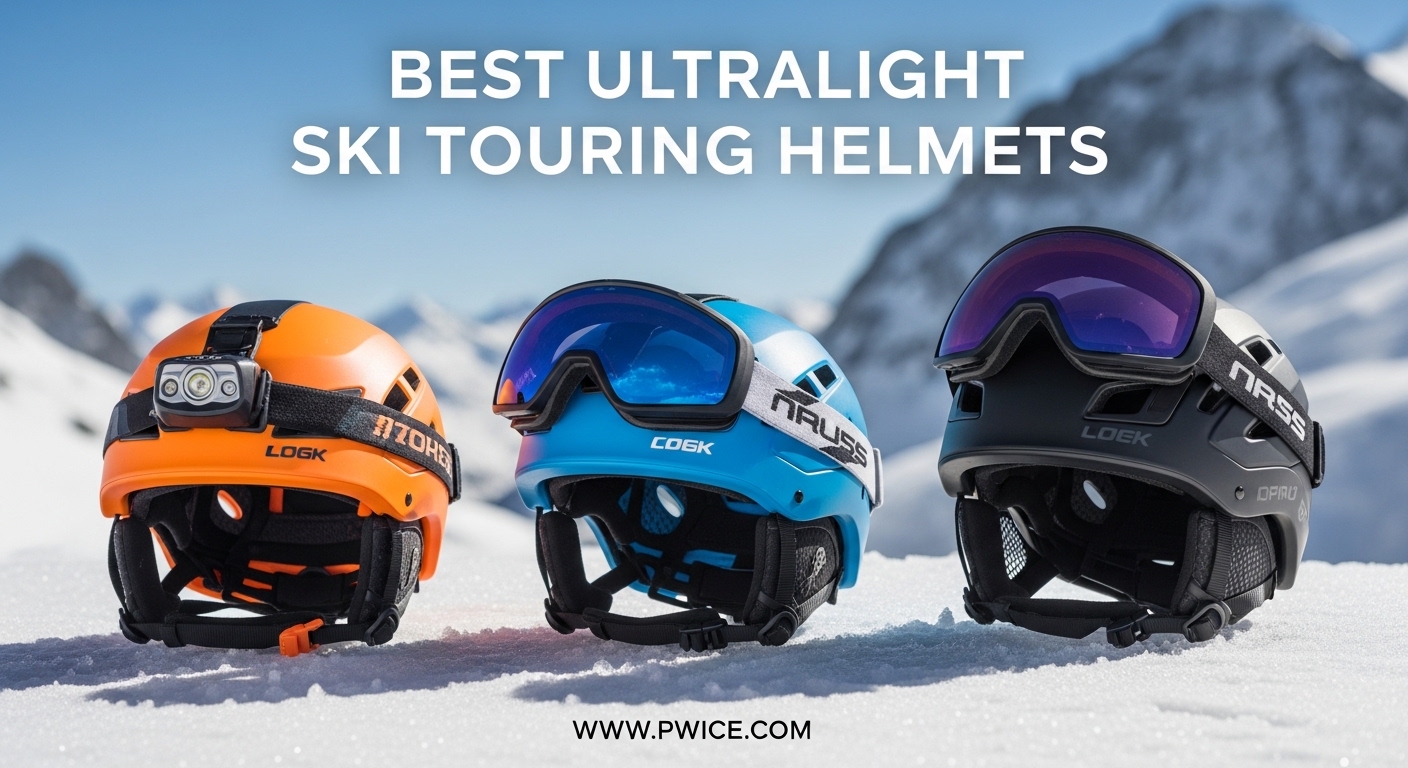
Every gram on your head matters when you are three hours into a skin track and still have 2,000 vertical feet to go. I learned this the hard way on a multi-day tour in the Wasatch, where my old resort helmet felt like a bowling ball by day two. That experience sent me down a rabbit hole of finding the best ultralight ski touring helmets that actually protect your head without weighing you down on the uphill.
Ultralight ski touring helmets typically weigh under 400 grams (about 14 ounces), compared to standard resort helmets that often exceed 500 grams. The weight savings comes from in-mold or hybrid construction, stripped-down features, and materials like polycarbonate shells paired with EPS or EPP foam cores. But cutting weight should never mean cutting corners on safety certifications.
In this guide, our team breaks down 7 ultralight helmets we have tested for backcountry touring, ski mountaineering, and everything in between. We cover weight, certifications, ventilation, fit, and real-world performance so you can pick the right lid for your next tour. Whether you are a casual backcountry skier or a dedicated ski mountaineer logging 50+ days a season, there is an option here for you.
Table of Contents
Top 3 Picks for Best Ultralight Ski Touring Helmets


Black Diamond Vector
- Excellent ventilation
- Great fit for larger heads
- Lightweight in-mold build

Best Ultralight Ski Touring Helmets in 2026
| Product | Specifications | Action |
|---|---|---|
| Petzl Sirocco |
|
Check Latest Price |
| Black Diamond Vector |
|
Check Latest Price |
| Petzl Meteor |
|
Check Latest Price |
 Mammut Skywalker 3.0 Mammut Skywalker 3.0 |
|
Check Latest Price |
 Giro Grid Spherical Giro Grid Spherical |
|
Check Latest Price |
 POC Fornix MIPS POC Fornix MIPS |
|
Check Latest Price |
 Sweet Protection Winder MIPS Sweet Protection Winder MIPS |
|
Check Latest Price |
1. Petzl Sirocco – The Lightest Option at 170g
Petzl Sirocco Climbing Helmet – White, M/L
Weight: 170g (M/L)
EPP + EPS + PC Crown
CE EN 12492 Certified
Pros
- Extremely lightweight at 170g
- Comfortable all-day fit
- Excellent ventilation
- CE EN 12492 climbing certified
Cons
- Limited reviews on durability
- Small buckle may be hard with thick gloves
The Petzl Sirocco is the helmet I reach for when every gram counts. At just 170 grams in the M/L size, it is one of the lightest helmets you can wear on a ski tour. Petzl achieves this by combining EPP foam for the shell with a polycarbonate crown and EPS foam lining. The result is a helmet that barely registers on your head during long ascents.
On the skin track, I immediately noticed how well-ventilated the Sirocco is. There is no heat buildup during strenuous uphill travel, which is a huge advantage over heavier resort-style helmets. The lightweight construction means less neck fatigue after hours of touring, and it packs down small enough to clip to the outside of my pack without throwing off the weight balance.
The Sirocco carries CE EN 12492, UKCA, and UIAA certifications, which means it meets climbing helmet standards. This makes it a legitimate option for ski mountaineering routes where you might encounter rockfall on the approach. However, it does not carry a specific ski certification like EN 1077, so keep that in mind if you want a helmet that doubles for resort days.
Who Should Buy the Petzl Sirocco
Ski mountaineers and weight-obsessed tourers who prioritize grams above everything else will love the Sirocco. It is perfect for fast-and-light missions, multi-day hut trips, and any tour where you are carrying your helmet on your pack for part of the day. If you already have a resort helmet and want something dedicated for backcountry, this is an outstanding choice.
Racers and fitness tourers who move fast and generate a lot of body heat will also benefit from the exceptional ventilation. The EPP foam construction handles multiple low-impact bumps better than pure EPS, which is useful in technical terrain where you might scrape against rocks or ice.
Who Should Skip It
If you need a single helmet for both resort skiing and backcountry touring, the Sirocco is not your best bet. The lack of EN 1077 ski certification means it is not designed for high-speed resort impacts. Skiers who run cold or tour in extreme sub-zero conditions may also find the ventilation works against them, letting too much heat escape on frigid days.
The buckle is also quite small, which can be frustrating when you are trying to adjust it with bulky touring gloves. And with only a handful of reviews currently available, long-term durability data is still limited compared to more established models.
2. Black Diamond Vector – Best Value for Touring
Black Diamond Vector Helmet, Orange, Small/Medium
In-Mold Construction
EPS + PC Shell
Ratchet Adjuster
Pros
- Very lightweight and comfortable
- Excellent ventilation
- Great fit for larger heads
- Good goggle compatibility
- Easy ratchet adjustment
Cons
- Side impact protection concerns
- Neck strap needs two hands to adjust
The Black Diamond Vector has been a go-to climbing and touring helmet for years, and for good reason. It uses a co-molded EPS foam and polycarbonate shell construction that keeps weight down while providing solid impact protection. After wearing it on multiple spring tours, I can confirm it strikes an impressive balance between weight, comfort, and price.
What sets the Vector apart is the fit system. The ratchet adjuster with molded push buttons lets you dial in the fit with one hand, even with gloves on. This is a detail that matters more than you might think when you are transitioning at the top of a skin track in blowing wind. The tuck-away suspension also makes it compact for packing, which is handy on trips where helmet storage space is limited.
Ventilation on the Vector is excellent. Large ports across the top and sides keep air flowing during steep skin tracks, and I never felt overheated even on warm spring touring days. The headlamp clips are molded into the shell, providing a secure attachment point for early-morning starts or evening descents.
Who Should Buy the Black Diamond Vector
Tourers with larger heads who struggle to find helmets that fit well should put the Vector at the top of their list. Multiple reviewers with bigger head shapes praise the fit, which is not something you hear often with ultralight helmets. It is also an excellent value pick for anyone who wants a reliable touring helmet without spending top dollar.
If you frequently alternate between climbing and ski touring on the same trip, the Vector transitions well between both activities. The ventilation and lightweight build make it versatile enough for summer alpine climbing and winter ski touring alike.
Who Should Skip It
Skiers who prioritize maximum side-impact protection may want to look elsewhere. Some users have noted that the low-profile design leaves the sides slightly more exposed than fuller-coverage helmets. The neck strap adjustment requires two hands, which is a minor annoyance but worth knowing about before you buy.
It is also worth noting that the Vector does not include MIPS technology. If rotational impact protection is a priority for you, consider the POC Fornix or Giro Grid later in this list instead.
3. Petzl Meteor – Best Budget Ski Touring Certified Helmet
Petzl Meteor Rock Climbing Helmet – Red-S/M
Weight: 240g
In-Mold PC Shell
PCSR-002 Ski Touring Certified
Pros
- Lightweight at 240g
- Ski touring certified (PCSR-002)
- Magnetic buckle with gloves
- Excellent ventilation
- Multi-sport versatile
Cons
- May ride high on larger heads
- Limited side coverage
The Petzl Meteor fills a unique niche as a helmet that is specifically CE-certified for ski touring under the PCSR-002 standard. At 240 grams, it is heavier than the Sirocco but still firmly in ultralight territory. What makes it special is that it carries Petzl’s Top and Side Protection label, meaning it has been tested for impacts from multiple angles, not just from above.
I used the Meteor on a weeklong hut-to-hut tour in the Alps, and the magnetic buckle was a standout feature. Snapping it open and closed with gloves is effortless, which is a big deal when your fingers are freezing at the top of a col. The large ventilation ports kept me comfortable during steep climbs, and the goggle compatibility is solid with no gaps or pressure points.
The Meteor also supports headlamp attachment with two front clips and a rear elastic band, making it ready for pre-dawn starts. It is compatible with Petzl’s VIZION and SKREEN eye shields if you want to run a visor instead of goggles. With a 3-year manufacturer warranty, Petzl clearly stands behind the build quality.
Who Should Buy the Petzl Meteor
Anyone who wants the peace of mind of a specific ski touring certification should look at the Meteor first. The PCSR-002 certification means this helmet was designed and tested specifically for the types of impacts you encounter in the backcountry. It is an excellent choice for tourers who want one helmet that handles ski touring, climbing, and mountaineering without compromise.
The 246 Amazon reviews with a 4.5-star average give you a solid base of real-world feedback to draw from. At its price point, it offers tremendous value for a certified, well-built ultralight helmet from a trusted brand.
Who Should Skip It
Skiers with larger heads have reported that the Meteor can ride high, leaving the forehead and temples less protected than expected. If you have a larger head shape, you may want to try it on before committing. The side coverage is also more limited compared to helmets like the Mammut Skywalker 3.0.
If MIPS rotational impact protection is important to you, the Meteor does not include it. You would need to step up to the POC Fornix MIPS or the Giro Grid Spherical for that feature at a similar weight range.
4. Mammut Skywalker 3.0 – Most Durable Hybrid Build
Mammut Skywalker 3.0 Helmet, White, One Size, 2030-00300-0243-1
Weight: 330g
ABS + EPP + EPS Hybrid
Rear Thumb Dial
Pros
- Durable hybrid construction
- Easy thumb dial adjustment
- Includes spare padding and case
- Good ventilation with 9 vents
- Reliable headlamp clips
Cons
- Heavier at 330g
- White color shows dirt
The Mammut Skywalker 3.0 takes a different approach to ultralight design by using a hybrid construction that combines an ABS outer shell with EPP and EPS foam layers. At 330 grams, it is the heaviest helmet in this lineup, but the tradeoff is noticeably better durability against rockfall, ice, and general abuse that comes with technical ski mountaineering.
I appreciate that Mammut includes a spare padding set and a carrying case with purchase. These are small touches, but they speak to the long-term value. The rear thumb dial adjustment is one of the easiest I have used. A quick twist tightens or loosens the fit, and it stays put during aggressive skiing. Nine fixed vents provide consistent airflow on the uphill without letting in too much cold air on the descent.
Four headlamp clips give you multiple attachment options for early starts or evening sessions. The hybrid construction absorbs impact energy through multiple foam layers, with the ABS shell providing a tough outer barrier. This is the helmet I would trust most on a route with rockfall exposure.
Who Should Buy the Mammut Skywalker 3.0
Ski mountaineers who frequently encounter rockfall, scramble over rocky ridges, or travel through technical terrain will appreciate the Skywalker’s durability. The ABS shell takes abuse that would dent or crack a pure in-mold helmet, making it ideal for approaches where you are scrambling with skis on your pack.
Tourers who want a helmet that will last multiple seasons without showing its age will also find good value here. The included spare padding means you can refresh the fit after a season of heavy use without buying replacement parts separately.
Who Should Skip It
Weight-conscious tourers who count every gram may find the 330g weight too close to resort helmet territory. If your tours are purely on snow-covered routes without rock exposure, the extra durability may not be worth the weight penalty. The white color option also shows dirt and grime quickly, which is a cosmetic issue but worth considering.
Skiers with very small or very large heads have reported fit issues at the extremes of the size range. The one-size-fits-most approach (53-61cm) works for most people, but those at the margins might find better options from brands that offer multiple size shells.
5. Giro Grid Spherical – Best MIPS for Backcountry Touring
Giro Grid Spherical Snow Helmet – Matte Black (Limited) – Size S (52-55.5cm)
Weight: 16oz (454g)
Spherical MIPS
ABS Shell
Fidlock Buckle
Pros
- Spherical MIPS protection
- Fidlock magnetic buckle
- Great goggle compatibility
- Polartec Power Grid padding
- Thermostat Control venting
Cons
- Narrow fit for wide heads
- Heavier at 454g
- Limited ventilation in spring
The Giro Grid Spherical is built specifically for backcountry guides and touring, and it shows in the feature set. Spherical MIPS technology is the standout here. Unlike standard MIPS liners that can create a slightly loose feel, the spherical design integrates the rotational impact protection directly into the helmet’s liner, maintaining a close, comfortable fit while still reducing rotational forces during angled impacts.
The Fidlock magnetic buckle is a feature I now consider essential for any touring helmet. It snaps together instantly and releases with a quick slide, even with thick gloves. The In Form 2 Fit System offers up to 6 centimeters of adjustment, which is more range than most helmets provide. This makes it easy to dial in the perfect fit regardless of your head shape.
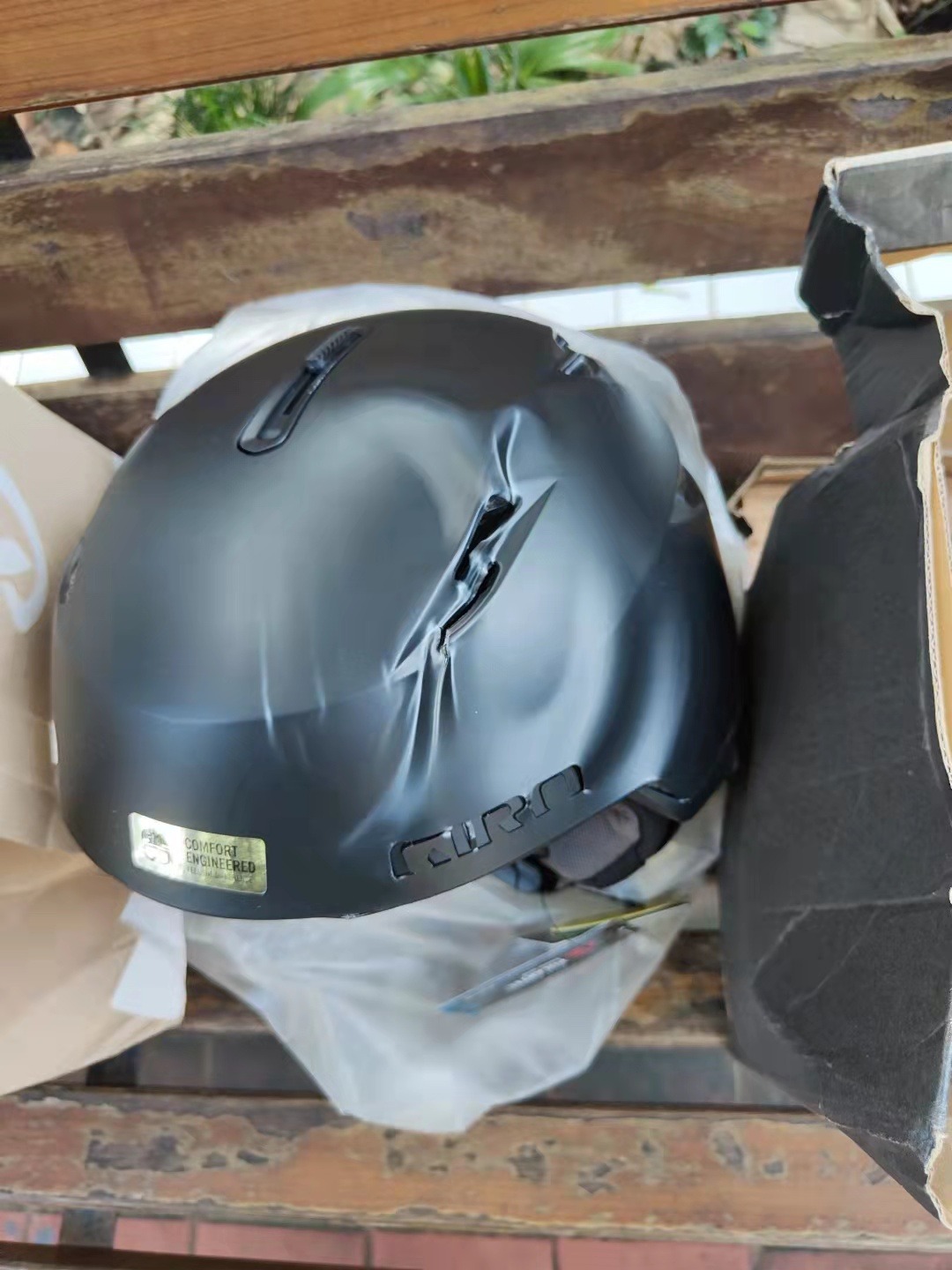
Giro’s Stack Vent technology aligns a vent at the front of the helmet with your goggles, which helps prevent fogging during transitions. The Polartec Power Grid padding wicks moisture effectively on sweaty climbs. The single-piece liner and earpads simplify removal for cleaning or adjustment. Goggle compatibility with Giro’s own line is seamless, with no gaps between the helmet and goggle frame.
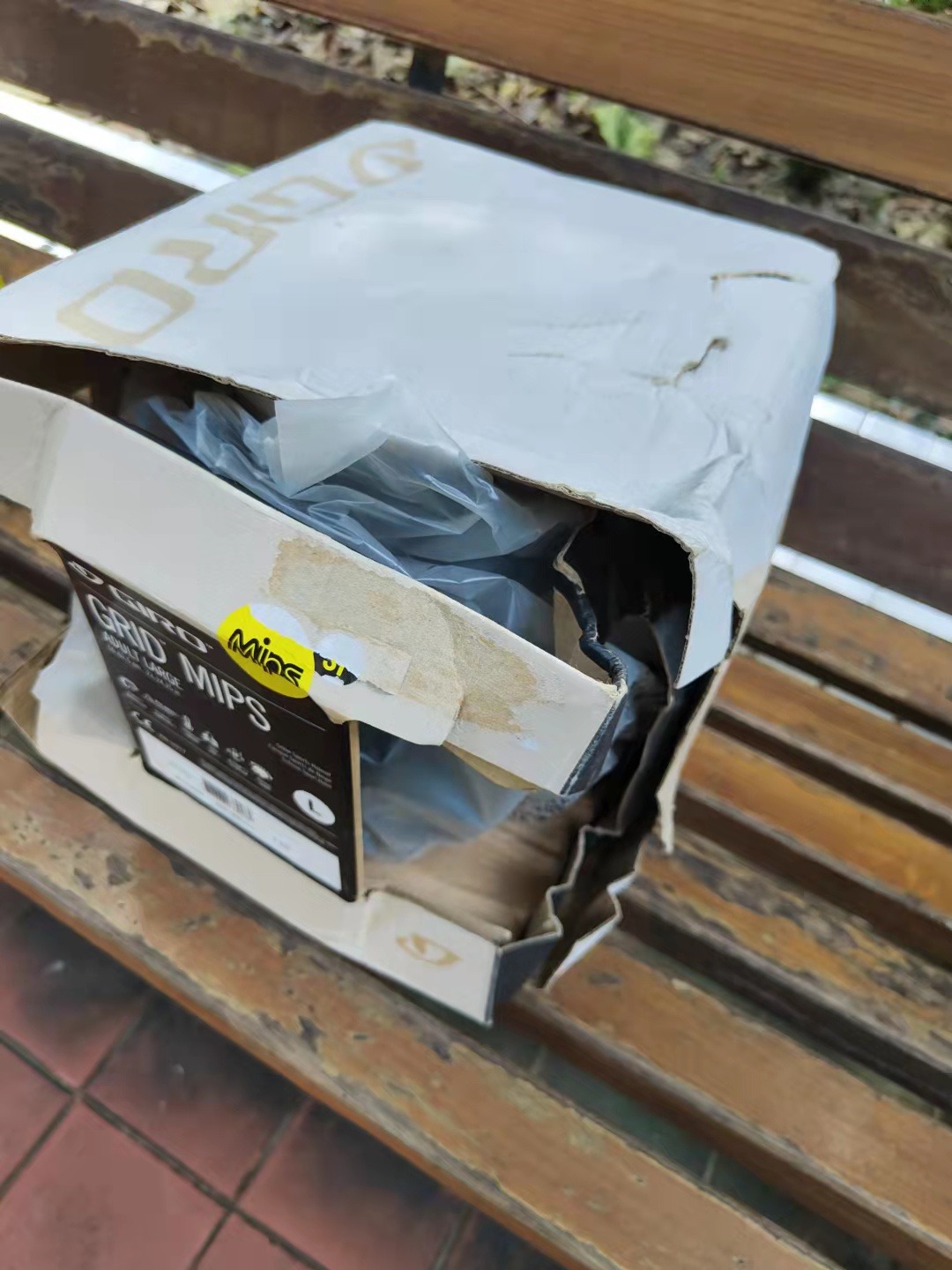
On the downside, at 16 ounces (approximately 454 grams), the Grid Spherical is the heaviest helmet in this roundup. Several users with wider or rounder head shapes have reported pressure at the temples, so fit is not universal. Some reviewers also noted limited airflow during warm spring conditions, despite the Thermostat Control adjustable venting system.
Who Should Buy the Giro Grid Spherical
Backcountry skiers who want MIPS protection without sacrificing fit quality should seriously consider the Grid Spherical. The spherical MIPS integration is more refined than standard MIPS liners, providing rotational protection without the slop. If you already own Giro goggles, the seamless compatibility is a real advantage.
Tourers who frequently deal with cold, windy conditions will appreciate the Polartec Power Grid padding and the ability to close down the vents for warmth. The audio-ready design is a nice bonus for skiers who like music on mellow tours or during long cat-track traverses.
Who Should Skip It
Anyone chasing the lowest possible weight should look at the Petzl Sirocco or Black Diamond Vector instead. At 454 grams, the Grid Spherical is closer to a lightweight resort helmet than a true ultralight touring lid. Skiers with wide or round head shapes should definitely try before buying, as the narrow temple area has caused discomfort for some users.
Budget-conscious buyers may also find the price hard to justify when lighter options like the Petzl Meteor offer ski-specific certification at a lower cost. If MIPS is not a must-have for you, there are lighter and less expensive alternatives in this guide.
6. POC Fornix MIPS – Best Ventilation System
POC Fornix MIPS Helmet Hydrogen White Matt MLG
Weight: 420g
MIPS Technology
PC Shell + EPS Liner
360 Degree Fit
Pros
- MIPS rotational impact protection
- Excellent adjustable ventilation
- 360 degree fit system
- Removable earpads
- Good goggle compatibility
Cons
- Sizing runs small
- Can cause discomfort on longer tours
The POC Fornix MIPS has been a staple in the backcountry skiing community for years, and the current version continues that tradition. It uses an in-mold polycarbonate shell with a reinforced EPS liner and an aramid bridge for structural rigidity. The MIPS liner adds rotational impact protection, and the 360-degree adjustment system wraps around your entire head for a secure, even fit.
Where the Fornix really shines is ventilation. The fully adjustable vent system has vents aligned directly with goggle vents, which means hot air from your forehead gets channeled straight through without fogging your lenses. I found this particularly effective on high-output skin tracks where body heat builds up fast. Being able to open or close the vents from the top of the helmet without removing it is a practical advantage.
The removable earpads let you adapt the helmet for different conditions. Run them on cold days for warmth, or pop them off for spring touring when you want maximum airflow. The fixed goggle clip on the back keeps your goggles secure during aggressive skiing, and the overall build quality feels solid and confidence-inspiring.
Who Should Buy the POC Fornix MIPS
Backcountry skiers who run hot and prioritize ventilation should look hard at the Fornix. The adjustable vent system with goggle-aligned airflow is one of the best in this category. If you tour in variable conditions and want a helmet you can adapt on the fly, the removable earpads and adjustable vents give you that flexibility.
Skiers who want MIPS protection from a well-established brand with a 2-year warranty will find solid value here. The 153 reviews on Amazon with a 4.4-star average confirm that this helmet performs consistently across a wide range of users and conditions.
Who Should Skip It
The sizing runs tighter than expected, which is a recurring complaint in the reviews. If you are between sizes or have a larger head, I would recommend sizing up or trying it on in person before ordering. Some users have also reported discomfort during extended wear, particularly on multi-day tours where you are wearing the helmet for 6+ hours at a time.
At 420 grams, it sits on the heavier end of the ultralight spectrum. If pure weight savings is your top priority, the Petzl options or Black Diamond Vector will serve you better. The Fornix trades some weight for MIPS and the robust ventilation system.
7. Sweet Protection Winder MIPS – Best Audio-Ready Touring Helmet
Sweet Protection Winder MIPS Ski Helmet – Lightweight, Highly Ventilated Audio Ready Snowboarding Helmet, Juniper Blue, Medium/Large
Weight: 1.8 lbs
MIPS Technology
PU Shell
Audio Ready
Pros
- MIPS safety technology
- Goggle garage for seamless fit
- Audio ready system
- Moisture-wicking removable lining
- Comfortable and well-built
Cons
- Heavier at 1.8 lbs
- Limited stock availability
- Few reviews available
The Sweet Protection Winder MIPS brings Scandinavian design philosophy to the touring helmet category. Sweet Protection is a Norwegian brand with a strong reputation in the freeride and backcountry community. The Winder features MIPS technology for rotational impact protection, a moisture-wicking lining that is removable and washable, and a goggle garage that creates a seamless interface between your goggles and the helmet.
The audio-ready system is what sets the Winder apart. You can add aftermarket audio chips (sold separately) to the earpads, which is a feature most touring helmets skip. For skiers who enjoy music or podcasts during mellow tours or long traverses, this is a thoughtful addition. The removable earpads also let you customize the warmth level based on conditions.
Construction quality feels premium with a polyurethane shell and polyester interior. The MIPS liner reduces rotational forces during angled impacts, and the overall design reflects Sweet Protection’s freeride heritage. The helmet sits lower on the head than many ultralight options, providing more coverage around the temples and back of the head.
Who Should Buy the Sweet Protection Winder MIPS
Tourers who want music or audio on the mountain will love the integrated audio-ready system. The goggle garage is also a standout feature that eliminates the gap between helmet and goggles, reducing wind exposure and improving comfort. If you value a lower-profile fit with more head coverage, the Winder delivers.
Skiers who split their time between backcountry touring and resort days will appreciate the versatility. The MIPS protection and robust construction make it suitable for higher-speed resort skiing, while the ventilation works for uphill travel. This could be a strong single-helmet quiver option.
Who Should Skip It
At 1.8 pounds (roughly 816 grams), the Winder MIPS is significantly heavier than every other helmet in this guide. If you are specifically looking for an ultralight option, this helmet does not meet the under-400g threshold. The limited stock availability is also a real concern, with only one unit typically available at a time on Amazon.
With only 15 reviews currently, there is not a large body of user feedback to draw from. Skiers who prefer to buy products with extensive track records may want to wait for more data or look at the POC Fornix MIPS, which offers MIPS at a lighter weight with more reviews backing it up.
How to Choose an Ultralight Ski Touring Helmet
Choosing the right ultralight ski touring helmet comes down to balancing weight, protection, and the specific type of touring you do. Here is what actually matters when you are comparing options.
Weight: What Counts as Ultralight?
For this guide, we define ultralight ski touring helmets as those weighing under 400 grams. The lightest options, like the Petzl Sirocco at 170 grams and the Petzl Meteor at 240 grams, make a noticeable difference on long ascents. Heavier helmets in the 400-500 gram range offer more features and often better durability, but you feel the extra weight after a few hours on the skin track.
The real question is how much weight you are willing to carry for added protection. MIPS technology typically adds 30-50 grams. Hybrid ABS construction adds even more. Decide what features matter most to you, and then find the lightest helmet that includes them.
Certifications: EN 1077 vs EN 12492 vs PCSR-002
This is where ski touring helmets get confusing. EN 1077 is the European standard for alpine ski helmets, testing for high-speed impacts typical of resort skiing. EN 12492 is the mountaineering and climbing helmet standard, which tests for rockfall impacts from above. PCSR-002 is Petzl’s specific ski touring certification that bridges both worlds.
For pure backcountry touring where your primary risk is a fall on snow, either certification provides adequate protection. For ski mountaineering with rockfall exposure, EN 12492 is the better standard. The Petzl Meteor with its PCSR-002 certification is currently the strongest option if you want explicit ski touring credentials.
Reddit users on r/Backcountry frequently ask whether climbing helmets are safe for skiing. The honest answer is that climbing-certified helmets (EN 12492) are designed for different impact types than ski helmets. They protect well against falling objects but may not absorb high-speed snow impacts as effectively as EN 1077-certified helmets. Choose based on your primary activity.
MIPS vs Standard Protection
MIPS (Multi-directional Impact Protection System) is a low-friction liner that allows the helmet to rotate slightly on impact, reducing rotational forces transmitted to your brain. Research shows rotational forces are a major factor in concussions, so MIPS is not just marketing fluff.
Among the helmets in this guide, the Giro Grid Spherical, POC Fornix, and Sweet Protection Winder all include MIPS. The Giro uses a more advanced spherical version that integrates directly into the liner. The tradeoff is weight: MIPS helmets are typically 30-80 grams heavier than non-MIPS equivalents. Whether the weight penalty is worth it depends on your risk tolerance and the terrain you ski.
Construction Types: In-Mold vs ABS vs Hybrid
In-mold construction fuses a thin polycarbonate shell directly to the EPS foam core. This is the lightest approach, used by the Petzl Sirocco, Petzl Meteor, and Black Diamond Vector. In-mold helmets are light but can be less durable against everyday dings and bumps.
ABS hardshell construction uses a thicker, tougher outer shell. It is heavier but resists impacts better over time. The Mammut Skywalker 3.0 uses a hybrid approach, combining an ABS shell with multiple foam types for the best of both worlds. The Giro Grid Spherical also uses an ABS shell.
For touring, in-mold is usually the right call because weight matters more than daily durability. For ski mountaineering with rock exposure, hybrid or ABS construction is worth the weight penalty.
Ventilation and Goggle Compatibility
Ventilation is critical for touring because you generate massive amounts of heat on the uphill. Look for helmets with large, adjustable vents that you can open for climbing and close for descending. The POC Fornix and Black Diamond Vector have the best ventilation systems in this group.
Goggle compatibility matters more than most people realize. A gap between your helmet and goggles lets in cold air and wind, while poor vent alignment causes fogging. Look for helmets with integrated goggle clips and vents that align with goggle vents. The Giro Grid Spherical’s Stack Vent system and the Sweet Protection Winder’s goggle garage are both excellent solutions.
Fit System and Comfort
A helmet that does not fit properly will not protect you properly. Dial-fit systems (like the Mammut Skywalker 3.0’s thumb dial or the Giro Grid’s In Form 2 system) allow quick, precise adjustments. Ratchet systems (like the Black Diamond Vector) are also effective. Avoid helmets that rely only on padding for fit adjustment, as padding compresses over time.
Consider your head shape when choosing. The Black Diamond Vector is known for accommodating larger heads, while the Giro Grid Spherical runs narrow. The POC Fornix also tends to fit smaller than its stated size. Trying on a helmet with the goggles you plan to wear is always the best approach.
Frequently Asked Questions
What is the best ultralight ski touring helmet?
The Petzl Sirocco is the best ultralight ski touring helmet for most people. At just 170 grams, it is one of the lightest options available while still carrying CE EN 12492 climbing certification. For skiers who want MIPS protection, the POC Fornix MIPS at 420 grams is the best ultralight option with rotational impact technology.
How much does a good ski touring helmet weigh?
A good ski touring helmet weighs between 170 and 400 grams (6 to 14 ounces). Ultralight models like the Petzl Sirocco weigh as little as 170g, while feature-rich options with MIPS technology typically range from 400-450g. Anything under 400g is considered ultralight for touring purposes. Standard resort helmets usually weigh 450-600g.
What is the lightest ski mountaineering helmet?
The Petzl Sirocco is the lightest ski mountaineering helmet at just 160 grams in S/M size and 170 grams in M/L. It holds CE EN 12492, UKCA, and UIAA climbing certifications, making it suitable for technical ski mountaineering with rockfall exposure.
Are climbing helmets safe for ski touring?
Climbing helmets certified under EN 12492 protect against rockfall and top impacts but are not specifically tested for high-speed snow impacts. They are safe for backcountry touring where speeds are lower, but for resort skiing or high-speed descents, an EN 1077 ski-certified helmet provides better protection. Some helmets, like the Petzl Meteor with PCSR-002 certification, are designed specifically for ski touring.
What helmet certifications do ski touring helmets need?
Ski touring helmets should carry at least one of these certifications: EN 1077 (European alpine ski helmet standard), EN 12492 (mountaineering and climbing helmet standard), ASTM F2040 (North American ski helmet standard), or PCSR-002 (Petzl’s ski touring specific certification). For pure backcountry touring, EN 12492 is common. For mixed resort and backcountry use, look for EN 1077. The most versatile helmets carry both.
Conclusion
Finding the best ultralight ski touring helmets means balancing weight against the protection and features you actually need. The Petzl Sirocco at 170 grams is our top pick for pure ultralight touring. The Black Diamond Vector offers the best value, and the Petzl Meteor gives you ski-specific certification on a budget. For MIPS protection, the POC Fornix MIPS delivers strong ventilation and adjustability. Pick the one that matches your touring style, and get out there this 2026 season.