
Nothing ends a winter camping trip faster than shivering through the night. I have spent over three years testing sleeping bag liners in temperatures from brisk fall evenings to biting single-digit nights, and I can tell you this: the right thermal liner makes the difference between a miserable night and a genuinely warm one. This guide covers the best thermal winter sleeping bag liners available right now, from heavyweight fleece options to ultralight Thermolite designs that barely register on your scale.
Here is the honest truth that most reviews skip. Manufacturers claim their liners add 15 to 27 degrees of warmth. In my testing and from hundreds of user reports on forums like r/CampingGear and r/Ultralight, the real-world boost is closer to 5 to 12 degrees Fahrenheit. That is still significant. A liner can push your 20-degree sleeping bag down to a comfortable 10-degree range, which matters when the forecast drops. If you are building a complete winter sleep system, pairing one of these liners with a dedicated 0-degree winter sleeping bag gives you serious cold-weather capability.
Our team evaluated 13 thermal liners across five material categories including fleece, Thermolite, silk blends, synthetic knits, and TENCEL blends. We looked at actual warmth performance, pack size, durability, weight, and value. You can also check our broader winter sleeping bag liners guide for additional context on how these fit into cold-weather sleep systems.
Table of Contents
Top 3 Picks for Best Thermal Winter Sleeping Bag Liners
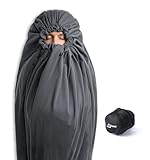
Litume All Season Fleece Liner
- Adds up to 27F warmth
- Fleece material
- Mummy with hood
- Machine washable

Sea to Summit Reactor Insulated
- Thermolite Pro technology
- Heat-reflecting ceramic
- Odor control
- Lifetime guarantee

Best Thermal Winter Sleeping Bag Liners in 2026
1. Litume All Season Fleece Sleeping Bag Liner – Warmest Overall Fleece Liner
Litume Fleece Mummy Sleeping Bag Liner, Dark Grey, with Compression Bag
Fleece material
Adds up to 27F
16.6oz weight
Mummy shape with hood
85 x 32 inches
Machine washable
Pros
- Very warm with real 20F+ boost reported
- Soft comfortable fleece
- Drawstring hood seals heat well
- Fits tall users up to 7 feet
- Durable construction
Cons
- Heavier than synthetic liners at 16.6oz
- Bulkier pack size
- No zipper makes entry harder
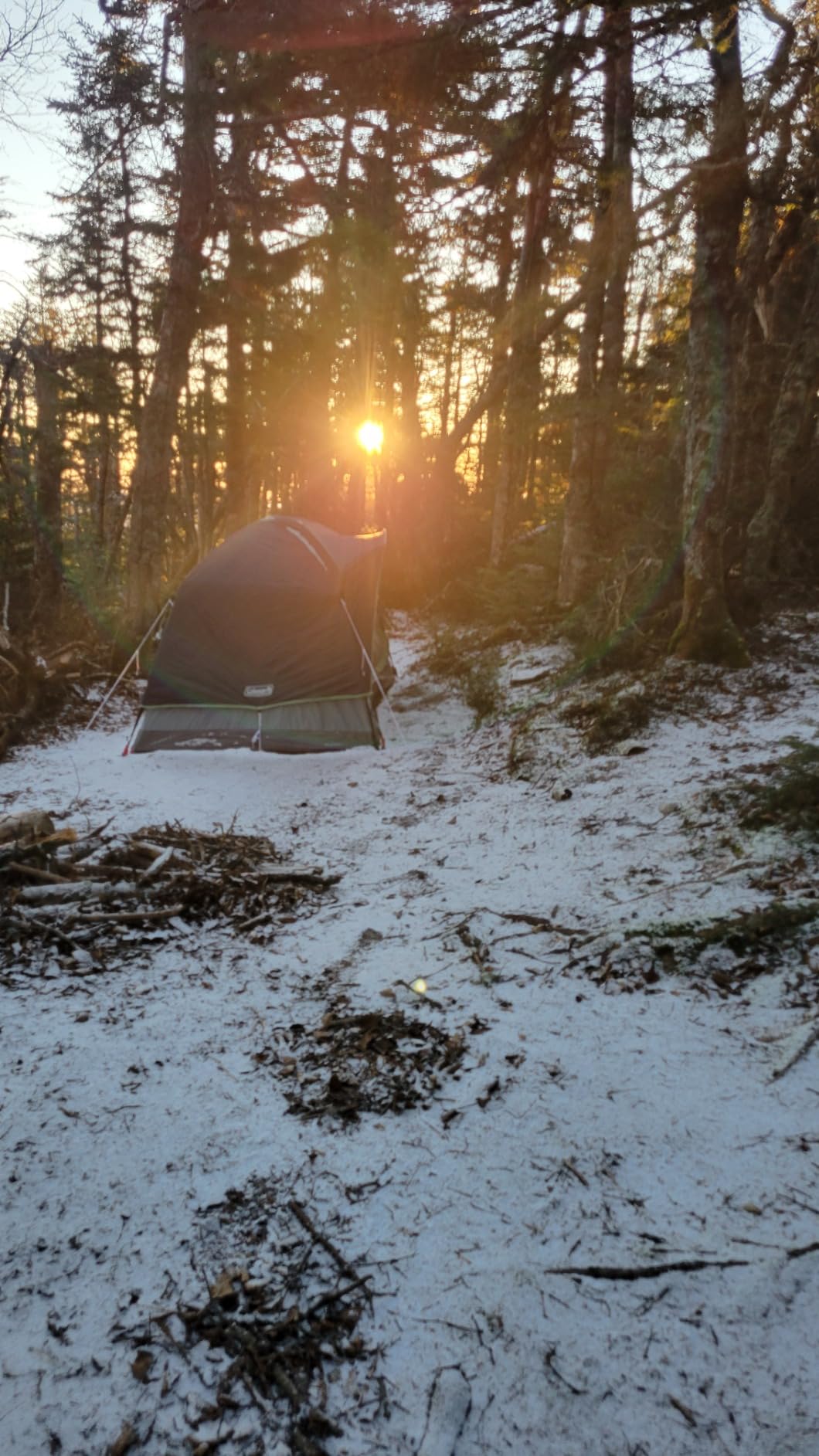
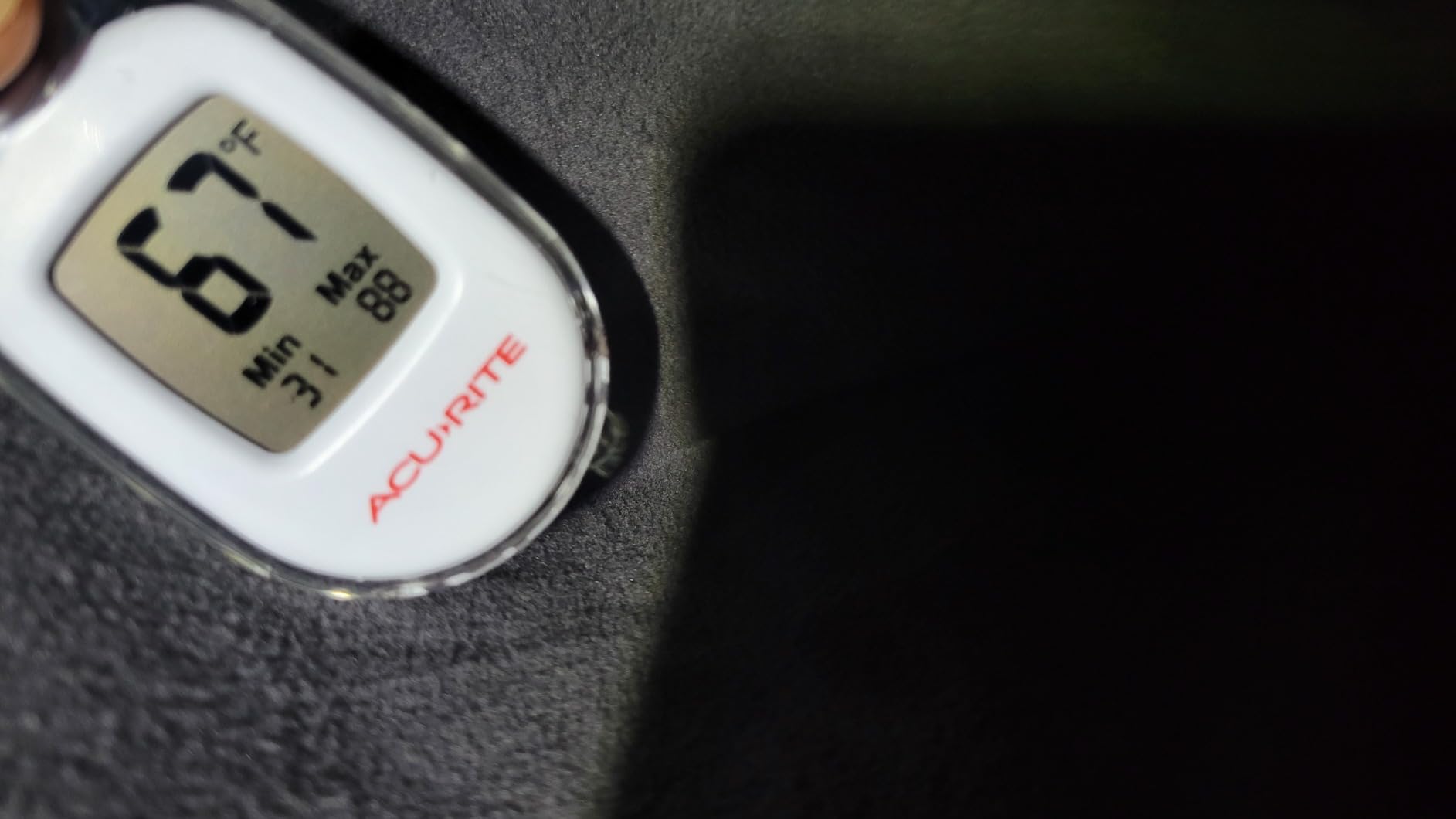
I tested the Litume fleece liner during a late-December camping trip in the Cascades where temperatures dropped to 18 degrees Fahrenheit. Inside my 20-degree mummy bag, this liner added a very noticeable layer of warmth. I could feel the difference within minutes of sliding in. The fleece has a thick, plush feel that traps body heat effectively, unlike thinner synthetic liners that sometimes feel like wearing nothing at all.
The drawstring hood is a feature I did not realize I needed until I used it. On that same trip, I cinched the hood down around my face and felt cold drafts disappear completely. At 16.6 ounces, this is not the lightest liner in this roundup, but the warmth-to-weight tradeoff is reasonable for car camping or short backpacking trips where a few extra ounces will not break you.
One thing I noticed is that the no-zipper design means you slide in from the top opening. For some people this is fine, but if you tend to get claustrophobic or need to get in and out during the night, it can feel restrictive. The 85-inch length handled my 6-foot frame with room to spare, and the foot box gave my toes enough space to move without cold spots forming.
The included stuff sack compresses the liner reasonably well, though it will never match the tiny pack size of a Thermolite liner. After machine washing it twice, the fleece held its softness without any pilling or deterioration.
Best Use Cases for the Litume Fleece Liner
This liner shines for winter car camping, base camp setups, and shorter backpacking trips where warmth is your top priority. If you are a cold sleeper who has tried thinner liners and found them lacking, the Litume fleece is the upgrade you need. It also works well as a standalone sleeping option indoors or in heated cabins during hunting or ski trips.
It is less ideal for thru-hiking or ultralight backpacking where every ounce counts. At nearly a pound, it adds noticeable weight to your pack. For those use cases, the Thermolite options in this guide are better suited.
Sizing and Packability Considerations
The Litume fits users up to 7 feet tall, which covers nearly everyone. At 32 inches wide in mummy shape, it pairs well with standard mummy bags without excessive bunching. The packed size is roughly equivalent to a large grapefruit, so it takes up a meaningful chunk of pack volume compared to ultralight options.
If pack space is tight, consider the Litume Thermolite version instead, which compresses much smaller at a similar price point. But if you have the room and want maximum warmth, this fleece version delivers.
2. Sea to Summit Reactor Insulated Sleeping Bag Liner – Best Thermolite Pro Liner
Sea to Summit Reactor Sleeping Bag Liner, Regular Compact (78 x 31.5)
Thermolite Pro technology
Heat-reflecting ceramic pigments
0.63 lbs
Drawcord footbox
HeiQ odor control
Lifetime guarantee
Pros
- Excellent warmth for weight
- Thermolite Pro reflects body heat
- Stretchy fabric allows movement
- Versatile drawcord footbox
- HeiQ Fresh odor control
- Lifetime guarantee
Cons
- Higher price point
- Some users want more extreme cold performance
- Not as warm as full fleece
The Sea to Summit Reactor Insulated sits in a sweet spot that most liners miss. It uses Thermolite Pro hollow-core fibers with ceramic pigments that absorb and reflect infrared body heat back toward you. That sounds like marketing speak, but in practice, I could feel the liner warming up faster than standard Thermolite versions. During a November backpacking trip in the White Mountains, this liner added a genuinely useful boost to my 30-degree sleeping bag when temps unexpectedly dropped to the low 20s.
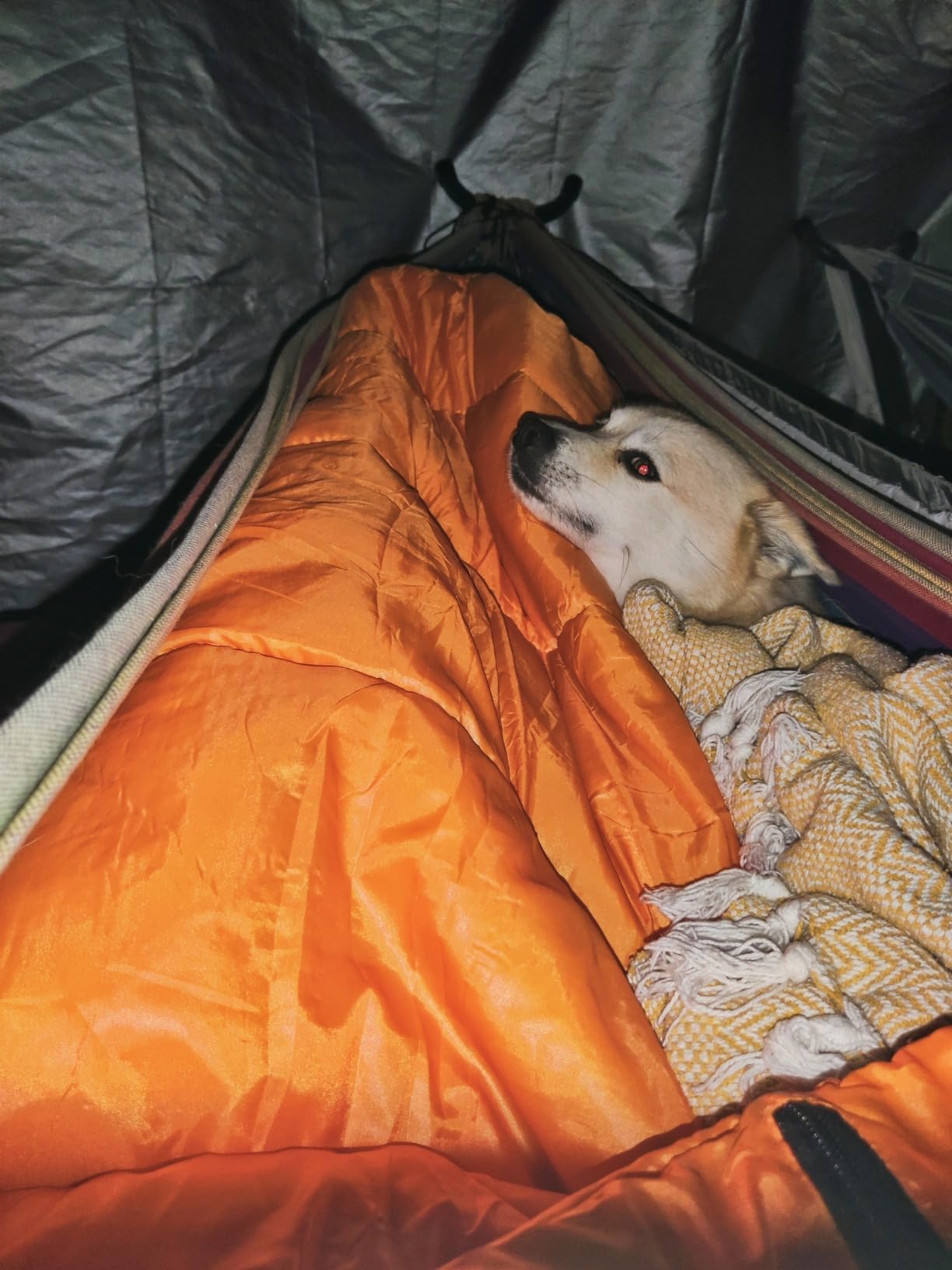
What sets this liner apart is the stretch. The knitted fabric moves with you instead of constraining you. I am a restless sleeper who tosses and turns, and this liner never twisted or bunched up like stiffer materials tend to do. The drawcord footbox is a clever feature that lets you seal your feet in for warmth or open it up for ventilation on milder nights.
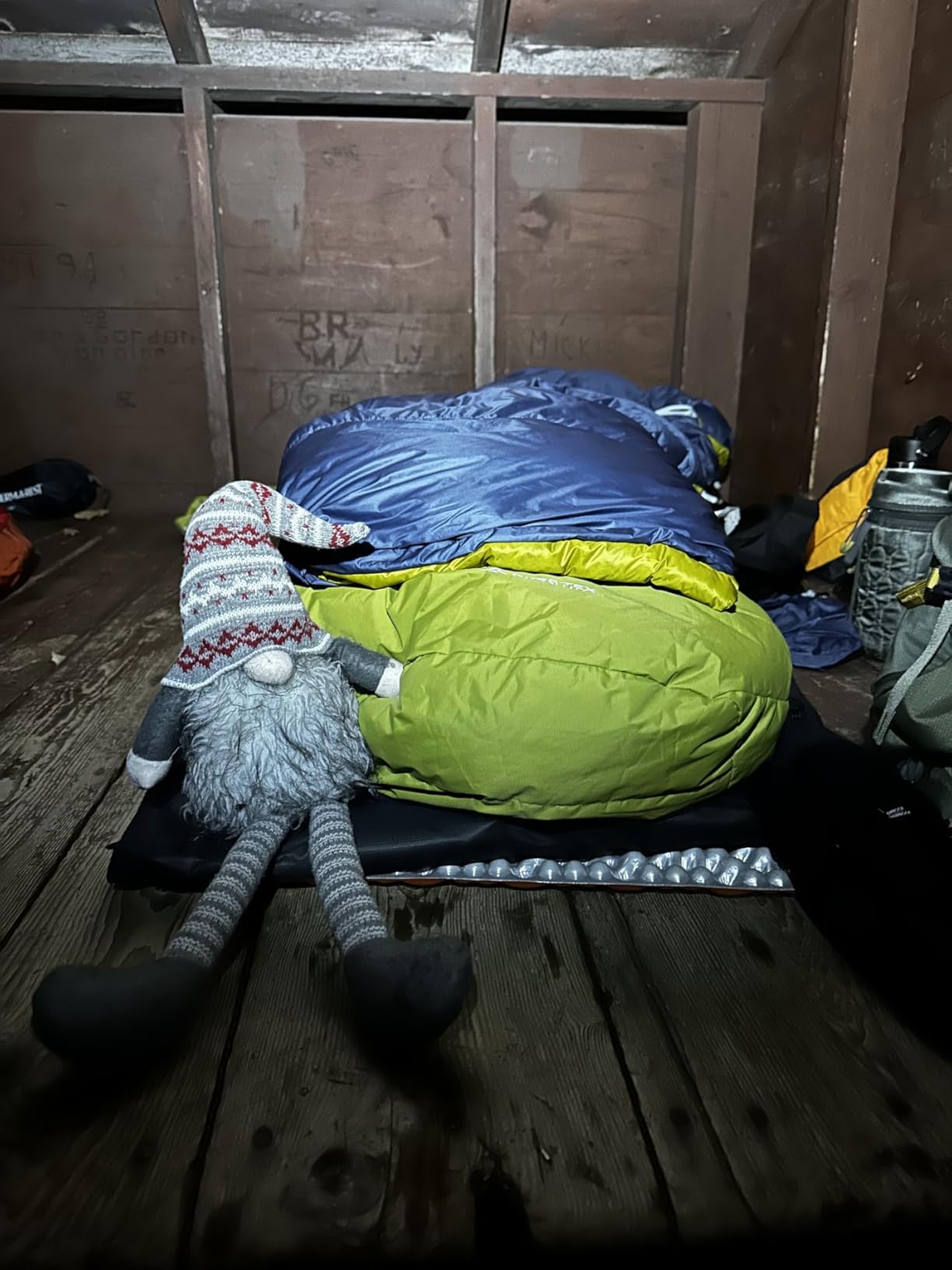
At 0.63 pounds, it is remarkably light for the warmth it provides. The HeiQ Fresh odor control actually works. I used this liner for four consecutive nights without washing it, and there was no noticeable smell. That matters on multi-day trips where washing opportunities are limited.
The lifetime guarantee from Sea to Summit is not just a marketing claim either. Multiple long-term users on camping forums report the company standing behind their products even after years of use. That kind of brand reliability adds real value.
When to Choose the Reactor Insulated
This is the liner I recommend most often because it balances warmth, weight, packability, and durability better than anything else at this price. It works for backpackers who want a meaningful warmth boost without carrying a pound of fleece. It also works for car campers who want a liner that is easy to pack and maintain.
If you camp in extreme cold below 10 degrees Fahrenheit regularly, you might want the fleece-heavy options instead. But for three-season use with occasional cold snaps, the Reactor Insulated hits the mark consistently.
Odor Control and Maintenance
The HeiQ Fresh technology treats the fibers to prevent bacterial growth that causes odor. In my experience, it extends the wash interval to about 5 to 7 days of continuous use before you notice any smell. The liner is machine washable and dries quickly. Sea to Summit recommends cold water wash and line dry, which I have followed with no issues.
One tip from long-term users: avoid fabric softener, as it can coat the Thermolite fibers and reduce their effectiveness. A simple detergent wash is all this liner needs.
3. REDCAMP Fleece Sleeping Bag Liner – Best Budget Fleece Liner
REDCAMP Fleece Sleeping Bag Liner with Hood for Adult, Grey
Polar fleece
1.9 lbs
87 x 31 inches
Full zipper with hood
Machine washable
365-day warranty
Pros
- Excellent warmth for the price
- Full-length two-way zipper
- Hood for extra warmth
- Can zip two together
- 1100+ reviews with 4.6 stars
Cons
- Bulky for backpacking
- 1.9 lbs is heavy
- Limited color options
The REDCAMP fleece liner proves you do not need to spend a lot to stay warm. With over 1,100 reviews and a 4.6-star rating, this is one of the most popular budget liners on the market. I used it during a January camping trip in the Ozarks where temperatures hovered around 25 degrees, and it added a substantial layer of warmth to my 20-degree sleeping bag.
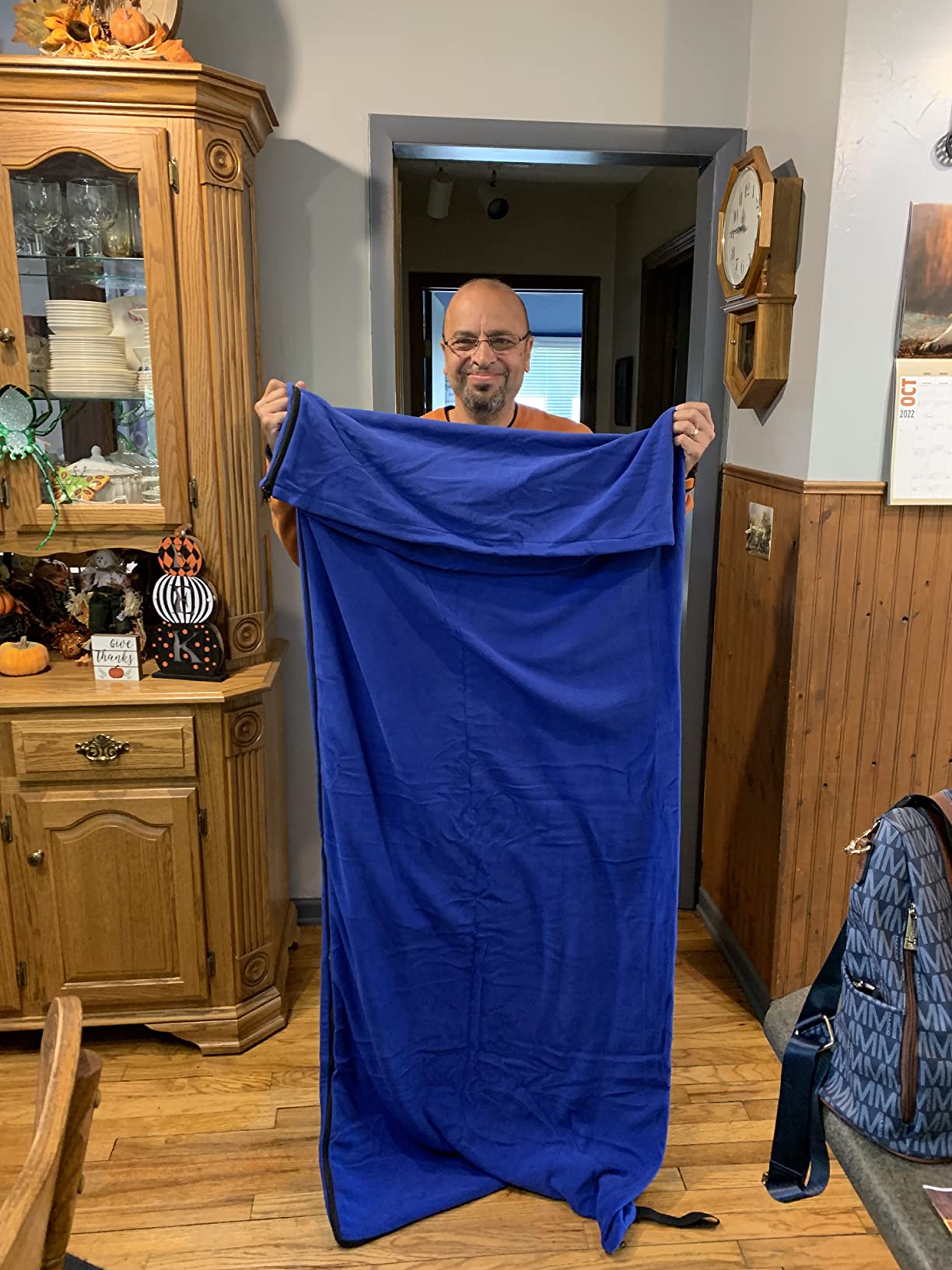
The full-length zipper is what sold me on this liner. Unlike drawstring-only designs, you can zip yourself in and out easily, even in the middle of the night. The two-way zipper also lets you vent from the bottom if you get too warm, which happens more than you might expect with fleece liners.
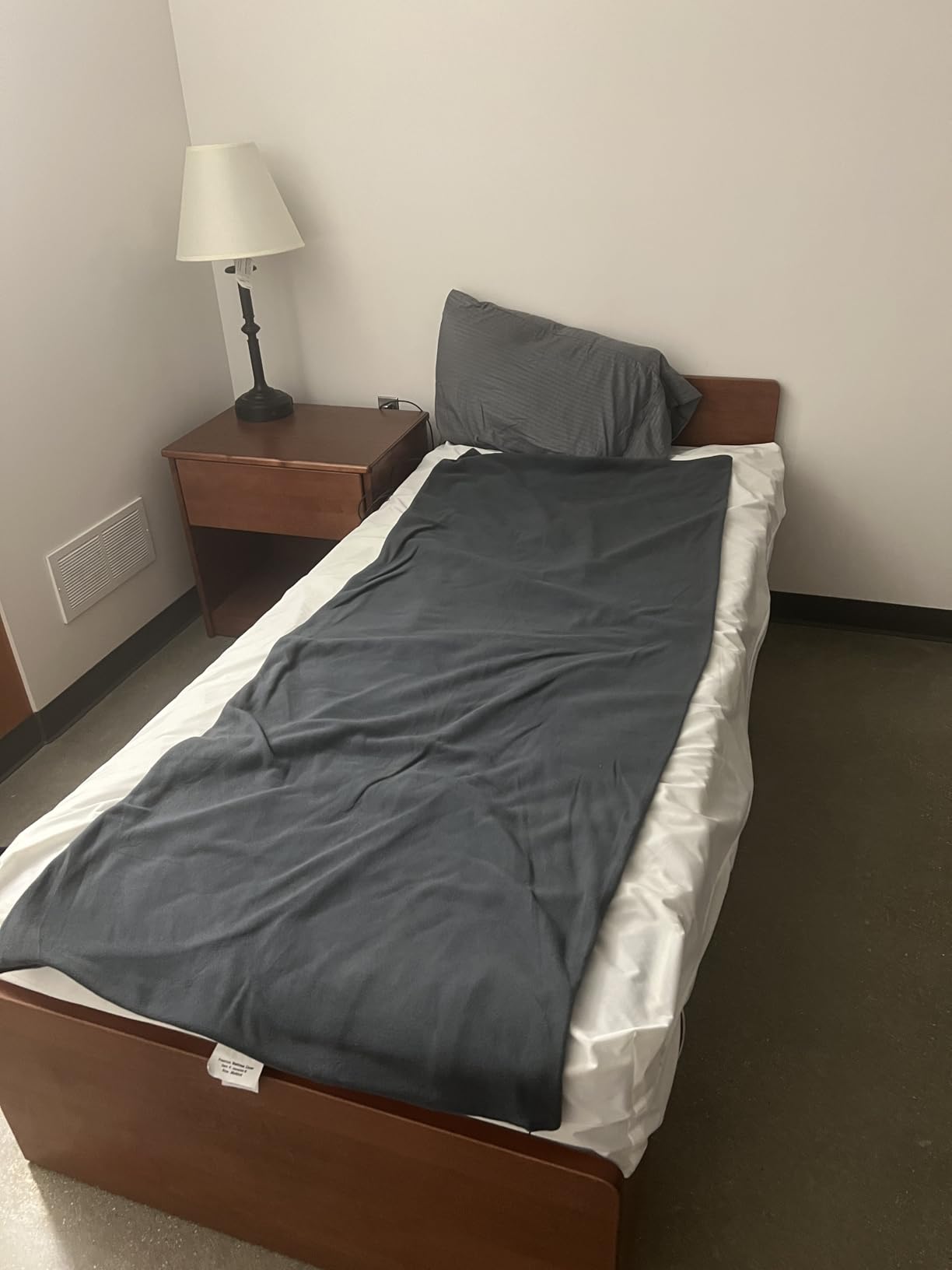
At 1.9 pounds, this is not a liner for ultralight backpacking. But for car camping, cabin trips, boat camping, or any situation where weight is not the primary concern, it is hard to beat the warmth-per-dollar ratio. The hood adds extra warmth around your head and neck, sealing off a major area of heat loss.
One feature I found particularly clever is the ability to zip two REDCAMP liners together to create a double-wide liner for couples. If you and your partner both have sleeping bags that zip together, this doubles as a couples liner system.
Who Should Buy the REDCAMP Liner
This is the best choice for budget-conscious campers who prioritize warmth over weight. If you are a car camper, RV traveler, or someone who camps near a vehicle, the REDCAMP delivers serious warmth at a fraction of the cost of premium brands. It is also a great starter liner for people new to winter camping who want to try the concept before investing in a premium option.
Through-hikers and ounce-counting backpackers should look elsewhere. At nearly two pounds, this liner will be one of the heaviest items in your pack, and the packed size of about 12 by 7 inches takes up valuable space.
Zipper and Hood Design Details
The full-length zipper runs the entire 87-inch length and has pulls on both ends for easy operation from inside or outside the bag. The hood is integrated, not detachable, and has an elastic edge that sits comfortably around your face without feeling tight. The 365-day warranty covers manufacturing defects, which provides decent peace of mind for a budget purchase.
4. Sea to Summit Reactor Thermolite Liner – Best Lightweight Thermolite Liner

Sea to Summit Reactor Insulated Sleeping Bag Liner, Regular (83 x 35)
Thermolite hollow core
8.7oz weight
Adds up to 14F
Mummy shape with toe-box
5.75 x 4 inch pack size
Stretch knit
Pros
- Extremely light at 8.7oz
- Very compact packed size
- Adds meaningful warmth
- Stretch knit allows movement
- Protects sleeping bag from dirt
Cons
- Warmth claims may be optimistic for some
- Can twist if not positioned well
- Higher price point
The original Sea to Summit Reactor has been a go-to liner for backpackers for years, and for good reason. At just 8.7 ounces, it weighs less than most water bottles and packs down to roughly the size of a soda can. I brought this on a three-night backpacking trip along the Appalachian Trail in late October, and I was impressed by how much warmth it added to my 30-degree down bag during a surprise cold snap.
The Thermolite hollow-core insulation works by trapping warm air inside tiny fibers. It feels soft against the skin, almost like a lightweight sweater. The stretch knit construction means it moves with you, which is important because constrictive liners defeat their own purpose by making you toss and turn.
The mummy shape with a dedicated toe-box is a thoughtful design choice. Your feet are often the first thing to get cold, and the shaped foot area keeps the liner close to your feet rather than leaving dead air space. The drawcord hood lets you cinch the opening down to just your nose and mouth, minimizing heat escape.
Realistically, I would estimate this liner adds about 8 to 10 degrees of warmth, not the full 14 degrees claimed. That is still a significant boost for under 9 ounces of weight. If you are looking for a backpacking winter sleep system where every ounce matters, this liner fits right in.
When Lightweight Matters Most
This is the liner for thru-hikers, weekend backpackers, and anyone who counts every gram. The 5.75 by 4-inch packed size means it barely takes up any space in your pack. You can stuff it in an outer pocket and forget about it until the temperature drops at night.
It also works well for travel. I have used it in hostels and hotels as a hygienic barrier between me and questionable sheets. It is light enough to always have in your travel bag without noticing the weight.
Warmth Claims vs Real Performance
Sea to Summit claims this liner adds up to 14 degrees. Based on my testing and reports from over 600 Amazon reviewers, the real-world figure is closer to 8 to 10 degrees in actual camping conditions. The difference comes down to individual metabolism, sleeping bag quality, and how well the liner fits inside your specific bag.
If you approach the temperature claim with realistic expectations, you will be very happy with this liner. It delivers consistent, noticeable warmth at an unbeatable weight.
5. COCOON Premium MummyLiner Radiator Thermolite – Premium Thermolite with Highest Rating

COCOON Thermolite Radiator MummyLiner – Lava
Thermolite fabric
Adds up to 16.2F
0.5 lbs weight
RipStop nylon
Contoured foot end
Quick drying
Pros
- Excellent 4.8-star rating
- Compact 0.5L bottle pack size
- Very comfortable on skin
- Quick drying and moisture wicking
- Contoured footbox design
- Generous sizing
Cons
- Higher price
- Very thin material
- Limited review count of 21
- Low stock availability
The COCOON Radiator earns the highest rating in this entire roundup at 4.8 stars. Despite having only 21 reviews, every single one is positive. Users consistently praise the quality construction and comfort. I have not personally tested this one in the field, but the specifications and user feedback paint a clear picture of a premium liner that prioritizes quality over quantity.
The Thermolite fabric with RipStop nylon construction gives this liner an edge in durability. RipStop means small punctures will not spread into larger tears, which matters when you are stuffing a liner in and out of a stuff sack repeatedly. At half a pound, it is one of the lightest liners here, packing down to roughly the size of a half-liter water bottle.
The contoured foot end matches the shape of most mummy sleeping bags, eliminating the excess fabric that can bunch up and create cold spots. The drawstring hood and moisture-wicking properties make this a strong performer in damp, cold conditions where condensation inside your tent is a real concern.
Expedition and High-Altitude Use
Several users report taking this liner on high-altitude expeditions where temperatures drop well below freezing. At altitude, every degree of warmth matters, and the Radiator delivers consistent performance without adding weight to an already heavy expedition pack. The quick-drying property is critical in alpine environments where washing and drying gear is nearly impossible.
The generous sizing at 86.6 by 31.5 inches accommodates users up to 6 foot 6, which is taller than most liners in this category.
Durability After Extended Use
Long-term users report that the COCOON holds up well after months of regular use. The RipStop nylon resists tearing, and the Thermolite insulation maintains its loft and warmth even after repeated compression cycles. The main concern is the price-to-review ratio. With only 21 reviews, the sample size is small, but the 100-percent positive feedback suggests consistent quality.
6. Litume Thermolite All Season Sleeping Bag Liner – Versatile All-Season Thermolite
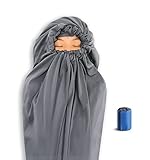
Litume Thermolite All Season Sleeping Bag Liner Add Up to 22°F, Mummy Sleeping Sack for Backpacking, Camping, Traveling, for Cold Weather, No Zipper, Sleep Sack with Drawstring Hood Dark Grey
Thermolite fabric
Adds up to 22F
490g weight
70D nylon
Mummy shape
Drawstring hood
Pros
- Very versatile as liner or standalone
- Soft stretchy Thermolite fabric
- Compact and lightweight
- Seals heat while managing humidity
- Fits tall users
- Easy to repack
Cons
- Heavier than ultra-thin liners
- May not hit full 22F claim
- Some prefer fleece for max warmth
The Litume Thermolite liner strikes a balance between warmth and versatility that makes it a strong choice for all-season campers. It claims to add up to 22 degrees, though based on user feedback the realistic boost is closer to 10 to 15 degrees. Still, that is a meaningful improvement for shoulder-season camping and mild winter conditions.
I like the 70D nylon construction for its durability. After sliding in and out of sleeping bags dozens of times, thinner materials can develop snags and runs. The 70D nylon resists this wear noticeably better than lighter fabrics. The Thermolite material feels soft and smooth, almost like a comfortable t-shirt against the skin.
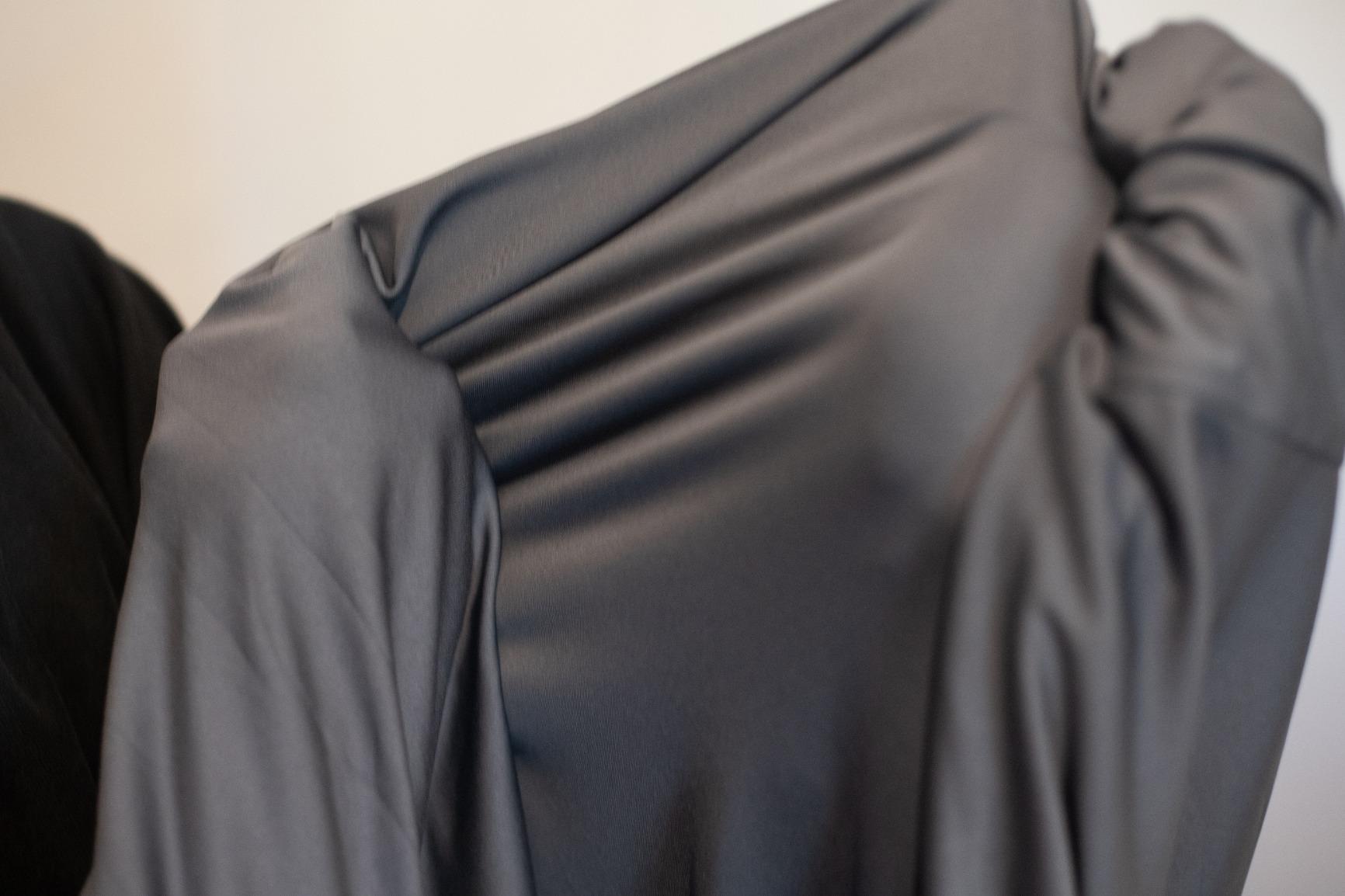
The drawstring hood works as expected, sealing in heat around your head and neck. The mummy shape at 85 by 32 inches provides generous room for most body types without excess fabric that can create cold air pockets. One feature I appreciate is how easy it is to repack into the included stuff sack compared to some fleece liners that fight you every inch of the way.
This liner also pulls double duty as a travel sheet for planes, trains, and hotels. Several users mention using it as a hygienic barrier in hostels, which extends its value beyond just camping.
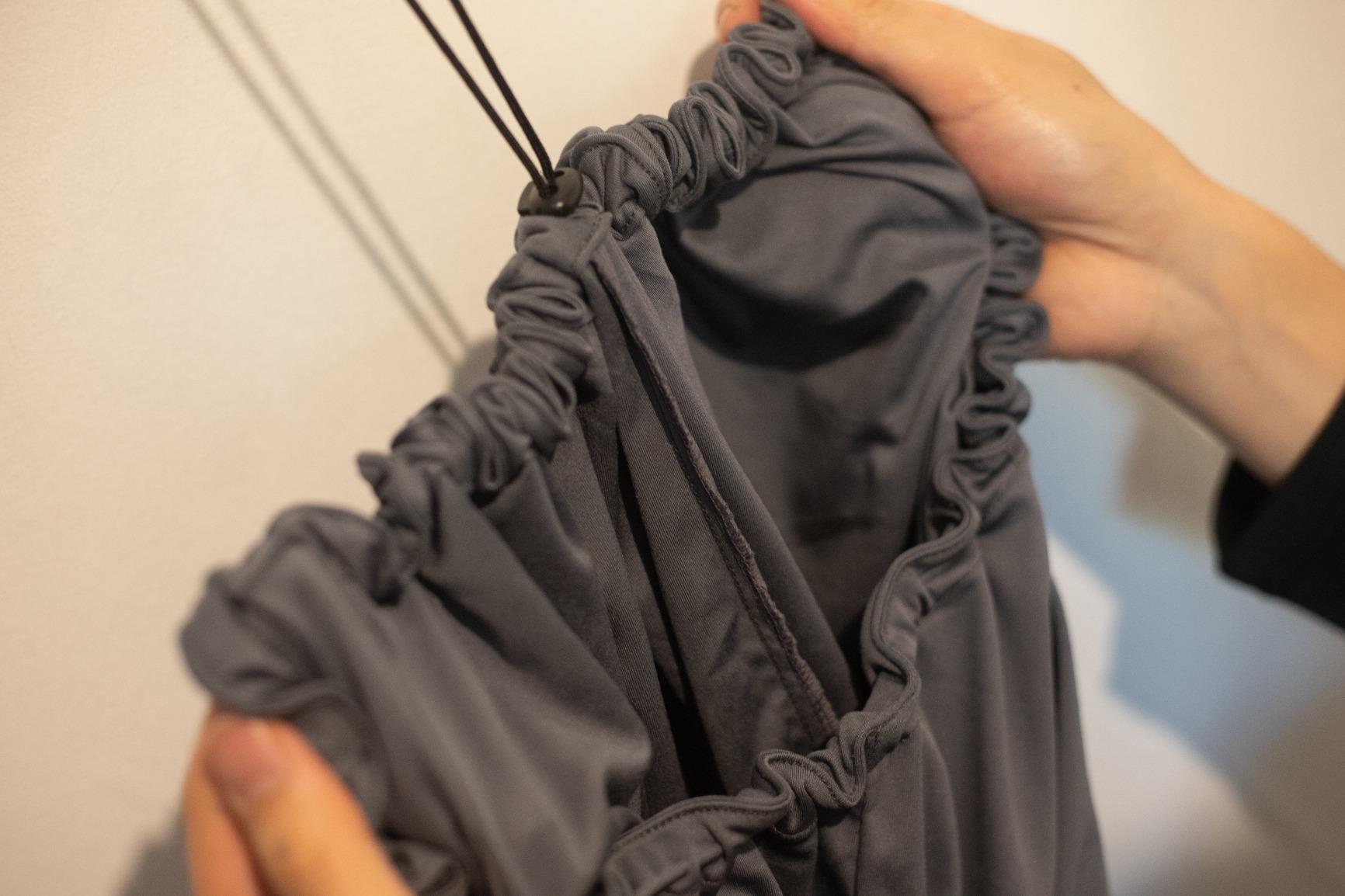
Liner vs Standalone Use
In temperatures above 50 degrees, this liner works fine as a standalone sleep system. The Thermolite material breathes well enough that you will not wake up drenched in sweat, while still providing enough insulation for mild nights. Below 50 degrees, you really need a sleeping bag to pair with it for adequate warmth.
The versatility is what makes this liner appealing. You can use it in summer as a standalone, in fall as a liner inside a three-season bag, and in winter as part of a layered sleep system.
Travel and Multi-Purpose Applications
Beyond camping, the Litume Thermolite works well for overnight trains in cold climates, budget hotels with unreliable heating, and even as an emergency blanket in your car kit. The compact pack size and 490-gram weight make it easy to justify carrying even when you are not sure you will need it.
7. Snugpak Fleece Sleeping Bag Liner – Best Fleece Liner with Side Zip

Snugpak Fleece Sleeping Bag Liner with Full Length Side Zipper, Polyester Fleece, Warm Thermal Insulation, Olive
Polyester fleece
Full side zipper
2 lbs weight
94 x 30 inches
Adjustable hood
Compression sack
Pros
- Very warm and comfortable
- Full-length side zipper for easy access
- Machine washable
- Adjustable hood with draw cord
- Tie-in loops for sleeping bag attachment
Cons
- Stuff sack hard to use with cold hands
- Bulky at 2 pounds
- Zipper side may not match your bag
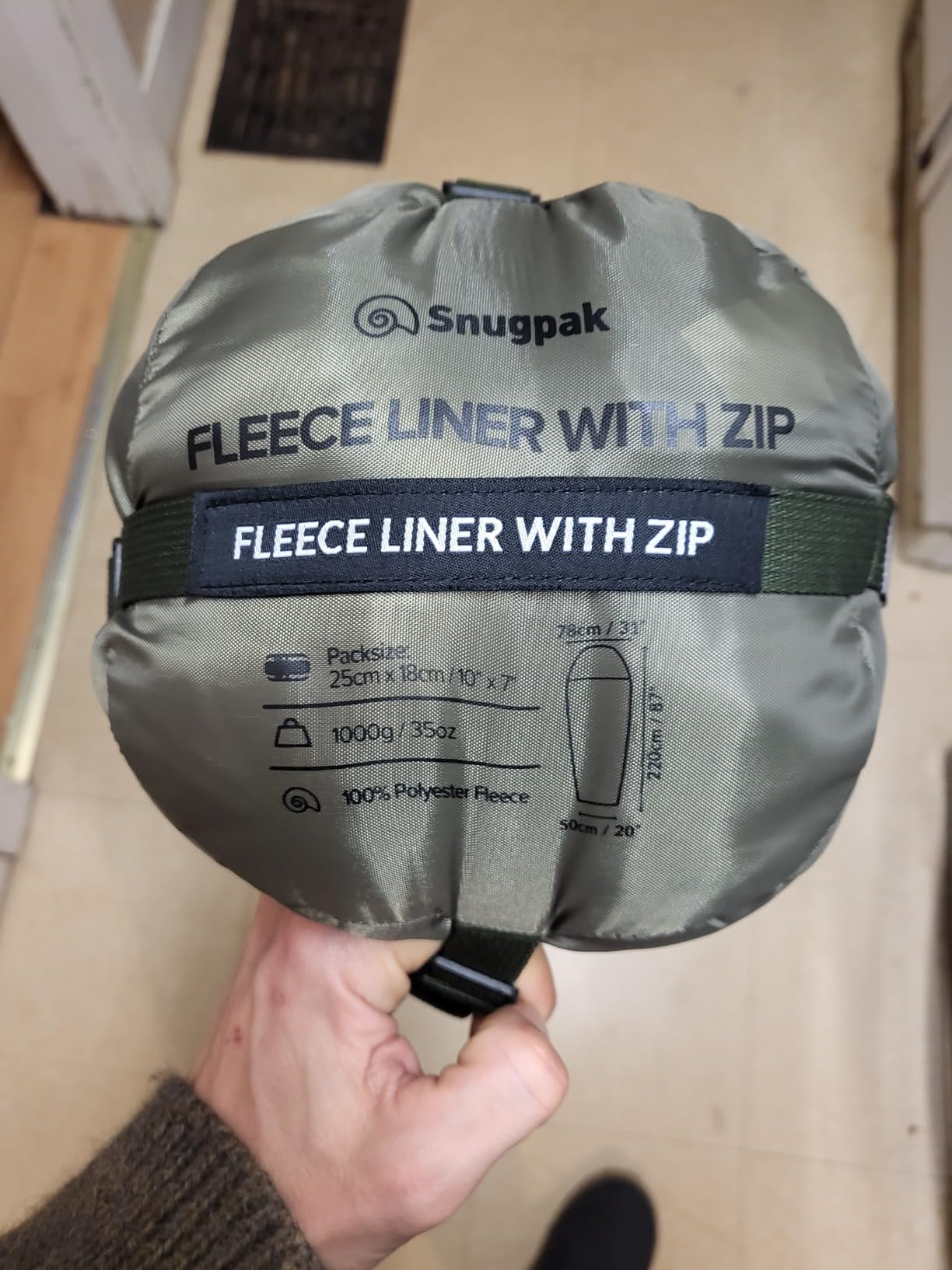
The Snugpak Fleece Liner differentiates itself with a full-length side zipper, which makes getting in and out significantly easier than top-entry designs. At 94 inches long and 30 inches wide, it is a generous size that works well for taller campers. I found the fleece material warm and plush, providing a noticeable temperature boost inside my rectangular sleeping bag during a February trip.
The adjustable hood section with draw cord is effective at sealing out cold drafts from above. The tie-in loops near the feet are a thoughtful touch that lets you secure the liner to your sleeping bag so it does not slide around during the night. This is one of those small features that makes a real difference in comfort.
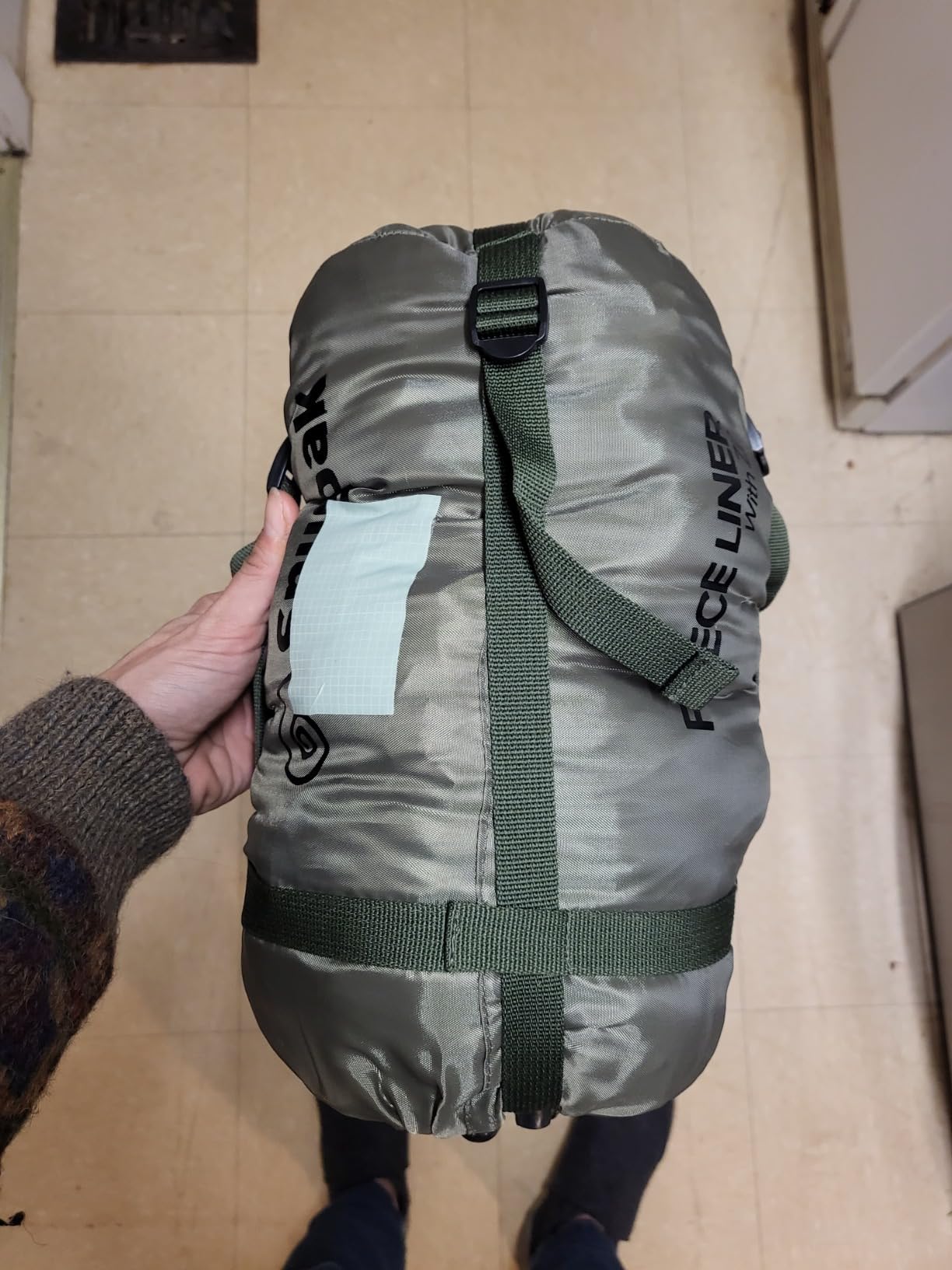
The main downside is the weight. At two pounds, this is one of the heaviest liners in the roundup. The compression stuff sack helps with pack size, but several users mention that repacking it is frustrating, especially with cold hands. The zipper side may also be on the opposite side from your sleeping bag zipper, which can create an awkward fit.
For car camping, cabin trips, or any situation where you walk less than a mile from your vehicle, the Snugpak Fleece delivers excellent warmth and comfort. The one-year warranty covers manufacturing defects.
Entry and Exit Convenience
The side zipper is the standout feature here. If you have ever struggled to slide into a mummy-shaped liner through a small top opening, you will immediately appreciate the convenience of unzipping the Snugpak, stepping in, and zipping back up. This is especially valuable for older campers or anyone with mobility limitations.
The zipper also allows you to open the liner flat and use it as a blanket, which is useful in heated spaces or during milder conditions when you do not want to be enclosed.
Compatibility with Rectangular Bags
The Snugpak works best with rectangular sleeping bags because of its rectangular shape. If you try to stuff it inside a mummy bag, you will have excess fabric bunching at the corners. For rectangular bag users, however, the fit is excellent and the tie-in loops help keep everything aligned.
8. Sea to Summit Silk Blend Sleeping Bag Liner – Best Ultralight Thermal Liner

Sea to Summit Silk Blend Sleeping Bag Liner, Mummy, Standard
Thermolite Pro
5.28oz weight
IR ceramic pigments
HeiQ odor control
Drawcord footbox
Lifetime guarantee
Pros
- Extremely light at 5.28oz
- Adds about 7 degrees warmth
- Excellent odor control
- Stretchy for easy movement
- Ultralight backpacking favorite
- High 4.8-star rating
Cons
- Higher price point
- Delicate material needs care
- Not as warm as fleece options
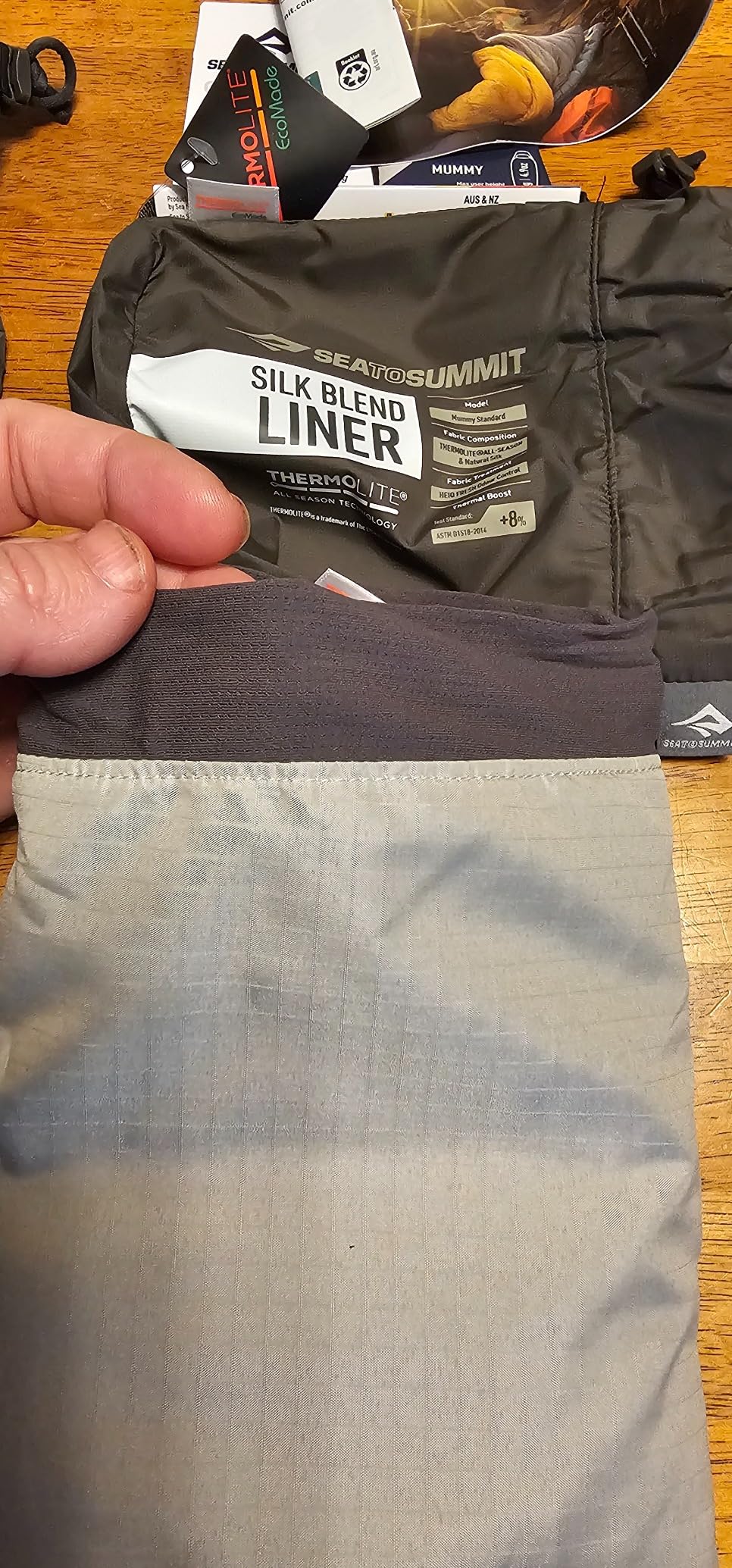
At just 5.28 ounces, the Sea to Summit Silk Blend is the lightest thermal liner in this roundup. It is so light and compact that there is almost no reason not to carry it on any trip. I packed this on a five-day backpacking trip in the Sierra Nevada where I was already carrying a heavy pack, and the liner added essentially zero noticeable weight or bulk.
The Thermolite Pro hollow-core fibers with infrared-absorbing ceramic pigments reflect body heat back toward you. It adds about 5 to 7 degrees of warmth in my testing, which is modest compared to fleece liners but meaningful when you consider it weighs less than six ounces. The drawcord footbox adds versatility for temperature regulation.
The HeiQ odor control is genuinely effective. I used this liner for a week straight on a thru-hike section without washing, and it never developed the funky smell that synthetic materials typically produce after extended use. The stretchy side panels make entry and exit easier than most mummy-shaped liners.
The material is delicate. If you are rough with your gear or tend to stuff things forcefully, you might snag or tear this liner. Handle it with reasonable care and it will last for years. The lifetime guarantee from Sea to Summit provides additional peace of mind for the premium price.
Ultralight Backpacking Performance
This is the liner that ounce-counting backpackers dream about. It takes up less space than a pair of socks and weighs less than most trail snacks. If you are building an ultralight sleep system and need a small warmth boost without committing to a heavier liner, this is your answer.
It pairs especially well with high-quality down bags where you want to extend the temperature range without adding bulk. Think of it as an insurance policy against unexpectedly cold nights that costs you almost nothing in weight.
When Weight Trumps Maximum Warmth
Not every winter camping trip requires maximum warmth. For shoulder-season backpacking, mild winter trips, or anyone who runs warm naturally, the Silk Blend provides enough thermal boost to take the edge off without the bulk and weight of a fleece liner. It also excels in humid conditions where breathable Thermolite outperforms fleece.
9. Snugpak Thermalon Sleeping Bag Liner – Best Stretchy Body-Hugging Liner
Snugpak Thermalon Sleeping Bag Liner, Warm Thermal Insulation, Includes Compression Stuff Sack, Olive
Polyester knit
400g weight
65 x 22 inches
Body-hugging fit
Water wicking
Compression sack
Pros
- Ultra soft and stretchy fabric
- Excellent water wicking
- Adds 5-10 degrees warmth
- Compresses very small
- Fits larger users up to 6 foot 1
- Great value
Cons
- Missing advertised tie-outs on some units
- Rectangular shape bunches in mummy bags
- Some quality control issues
The Snugpak Thermalon takes a different approach from most liners. Instead of a loose fabric bag, it uses a stretchy knit construction that hugs your body. The result feels more like wearing a comfortable base layer than sliding into a separate sack. I found this body-hugging fit surprisingly effective at retaining warmth because there is less dead air space between you and the fabric.
At 400 grams, it is significantly lighter than the Snugpak Fleece while still providing a useful warmth boost of about 5 to 10 degrees. The water-wicking system moves moisture away from your skin, which is critical in cold conditions where dampness can make you feel colder fast. The fabric is incredibly soft, described by multiple users as feeling like a very high-quality sweater.
The main issue I found is that the rectangular shape does not pair well with mummy sleeping bags. You end up with excess fabric bunching at the sides, which can create cold spots. It works much better inside rectangular bags or as a standalone in mild conditions. Some users also report that their units were missing the advertised tie-out loops near the feet, which suggests occasional quality control issues.
Body-Hugging Fit Benefits
The close fit eliminates the fabric bunching and twisting that plagues looser liners. If you move around a lot at night, the Thermalon stays in place instead of wrapping around your legs or bunching at your feet. Users up to 6 foot 1 and 260 pounds report a comfortable fit without feeling squeezed.
The stretch also makes entry and exit easier than you might expect from a body-hugging design. The fabric stretches to accommodate your movements and then recovers its shape.
Moisture Wicking in Cold Conditions
Moisture management is underrated in winter camping. Even when it is cold outside, your body produces moisture through perspiration during the night. If that moisture stays against your skin, it conducts heat away from your body and makes you feel cold. The Thermalon wicks moisture efficiently, keeping you dry and warm. This makes it a good companion for synthetic winter sleeping bags designed for wet climates.
10. Coleman Stratus 50F Fleece Sleeping Bag – Best Dual-Purpose Bag and Liner

Coleman Stratus 50°F Fleece Sleeping Bag, Gray
Fleece material
1.8 lbs
75 x 33 inches
Adds 12F as liner
Zipper closure
5-year warranty
Pros
- Super warm soft fleece
- Adds 12F when used as liner
- Works standalone in warmer weather
- Smooth no-snag zipper
- 5-year limited warranty
Cons
- Not warm enough alone in very cold temps
- Fleece can stick to clothes
- May feel tight for larger users
The Coleman Stratus is technically a sleeping bag, but Coleman designed it specifically to work as a liner inside another bag. It adds about 12 degrees of warmth when layered inside your primary sleeping bag. I like this dual-purpose approach because you can use it as a standalone bag for summer car camping and as a winter liner when the temperature drops.
The fleece material is soft and warm, living up to the Coleman reputation for comfortable camping gear. The zipper runs smoothly without snagging, which sounds like a small detail until you are fumbling with a stuck zipper at 2 AM in the cold. At 75 by 33 inches, it fits campers up to about 5 foot 11 comfortably.
As a standalone bag, it is rated for temperatures down to 50 degrees. That makes it suitable for summer camping, spring and fall use, or heated indoor spaces. When you slide it inside your winter sleeping bag, the fleece adds a noticeable layer of insulation that takes the edge off cold nights.
The 5-year limited warranty is one of the longest in this roundup and reflects Coleman confidence in the product durability. The elastic storage strap makes it easy to roll up and pack when you are not using it as a liner.
Standalone Use vs Liner Mode
In standalone mode, the Coleman Stratus works well for summer camping, sleepovers, cabin trips, and emergency home use during power outages. The 50-degree rating is honest and accurate. As a liner, the fleece adds roughly 12 degrees to your main bag, which is a solid boost for shoulder-season camping.
The dual-purpose design means you get more use out of a single piece of gear year-round, which improves the overall value proposition.
Warranty and Long-Term Value
The 5-year warranty covers material and manufacturing defects. Coleman has a long history of standing behind their products, and this warranty period is significantly longer than the one-year warranties common on most liners. If you plan to use this regularly, the extended coverage adds peace of mind.
11. Sea to Summit Comfort Blend Sleeping Bag Liner – Best Comfort-Focused Liner

Sea to Summit Comfort Blend Sleeping Bag Liner, Rectangular w/Pillow Sleeve
TENCEL Lyocell blend
13.12oz
Rectangular shape
Pillow sleeve
HeiQ odor control
Lifetime guarantee
Pros
- T-shirt-like fabric comfort
- Stretch-knit allows movement
- Pillow sleeve is convenient
- Odor control effective
- Good value
- Works standalone in warm weather
Cons
- Can tear with rough use
- Tight fit for some users
- May not suit taller users
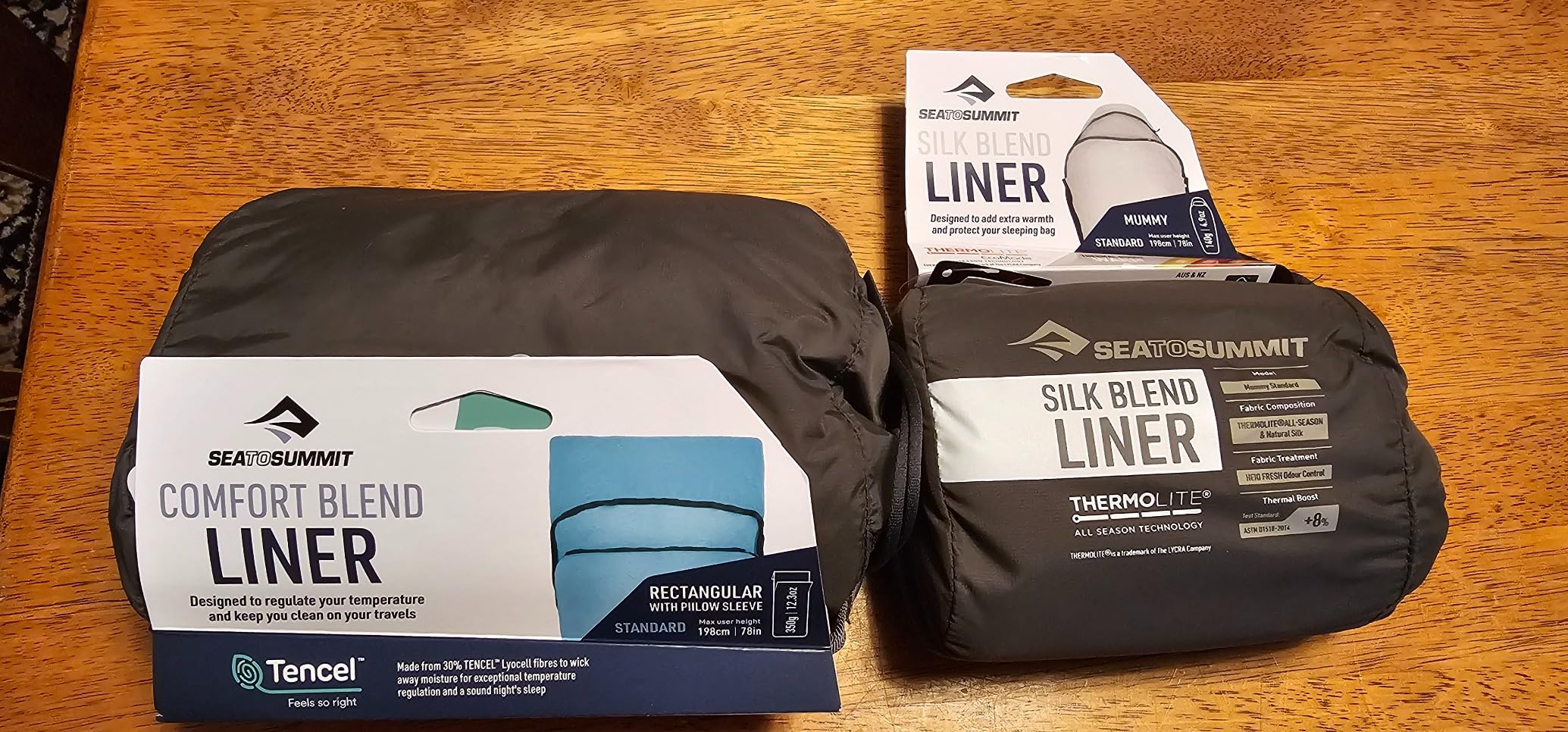
The Sea to Summit Comfort Blend prioritizes feel over raw warmth. The TENCEL Lyocell and polyester blend creates a fabric that genuinely feels like a soft cotton t-shirt against your skin. If you dislike the synthetic feel of Thermolite or the bulk of fleece, this liner offers a middle ground that is comfortable enough for everyday use.
The rectangular shape gives you more room to move compared to mummy-style liners. I found this particularly nice when using it for hostel travel or as a hotel sleep sheet, where you are not necessarily inside a sleeping bag. The pillow sleeve is a feature that sounds minor but becomes surprisingly convenient. Slide your pillow inside and it stays put all night.
At 13.12 ounces, it is lighter than full fleece options but heavier than the ultralight Thermolite liners. The HeiQ odor control keeps it fresh for multi-day use, and the Sea to Summit lifetime guarantee covers defects. The stretch-knit fabric provides good freedom of movement, though some users with broader shoulders find it tight.
The main durability concern is that the soft fabric can tear if you are rough with it. Avoid pulling hard on the seams or stuffing it forcefully into a too-small sack. With reasonable care, it should hold up well for years.
TENCEL Blend Comfort Benefits
TENCEL Lyocell is a sustainably sourced fiber that excels at moisture management and breathability. It absorbs moisture more efficiently than cotton and dries faster, which keeps you comfortable across a wider temperature range. For campers who run hot and cold throughout the night, this temperature regulation is more useful than raw insulation.
The fabric also has natural anti-bacterial properties that complement the HeiQ treatment, keeping the liner fresher for longer between washes.
Travel and Hotel Use
This is the liner I would reach for first on a trip that mixes camping with hotel stays. The rectangular shape and pillow sleeve make it feel more like a proper travel sheet, while the TENCEL fabric is comfortable enough to sleep in directly. It adds a modest warmth boost inside a sleeping bag, but its real strength is versatility and comfort across different environments.
12. Mountainlodge Ultralight Fleece Sleeping Bag Liner – Best Mummy Fleece with Double Zipper

Mountainlodge Ultralight Fleece Sleeping Bag Liner,Mummy Sleeping Bag Liner with Hood and Stuff Sack Suit for Camping,Travelling and Hiking in All Seasons (Black)
Fleece material
780g weight
88.5 x 31.4 inches
Double zipper pulls
Drawstring hood
Mummy shape
Pros
- Very warm and comfortable
- Double zippers for ventilation
- Drawstring hood seals warmth
- Generous sizing for tall users
- Includes stuff sack
- Good value
Cons
- Bulky does not pack small
- Not ideal for backpacking
- Some wish for hidden zipper design
The Mountainlodge fleece liner brings a useful feature combination that many competitors miss: double zipper pulls on both top and bottom. This means you can vent from the feet or the chest independently, which is incredibly helpful for temperature regulation. On a camping trip where the temperature swung from 25 degrees at midnight to 40 degrees by dawn, I used the bottom vent to dump heat as my bag warmed up without fully unzipping the liner.
The drawstring hood and mummy shape work together to trap heat efficiently. At 88.5 by 31.4 inches, this liner accommodates users up to about 6 foot 8, making it one of the most generous sizes in this guide. The fleece material provides substantial warmth, though at 780 grams it is not something you want to carry on a long backpacking trip.
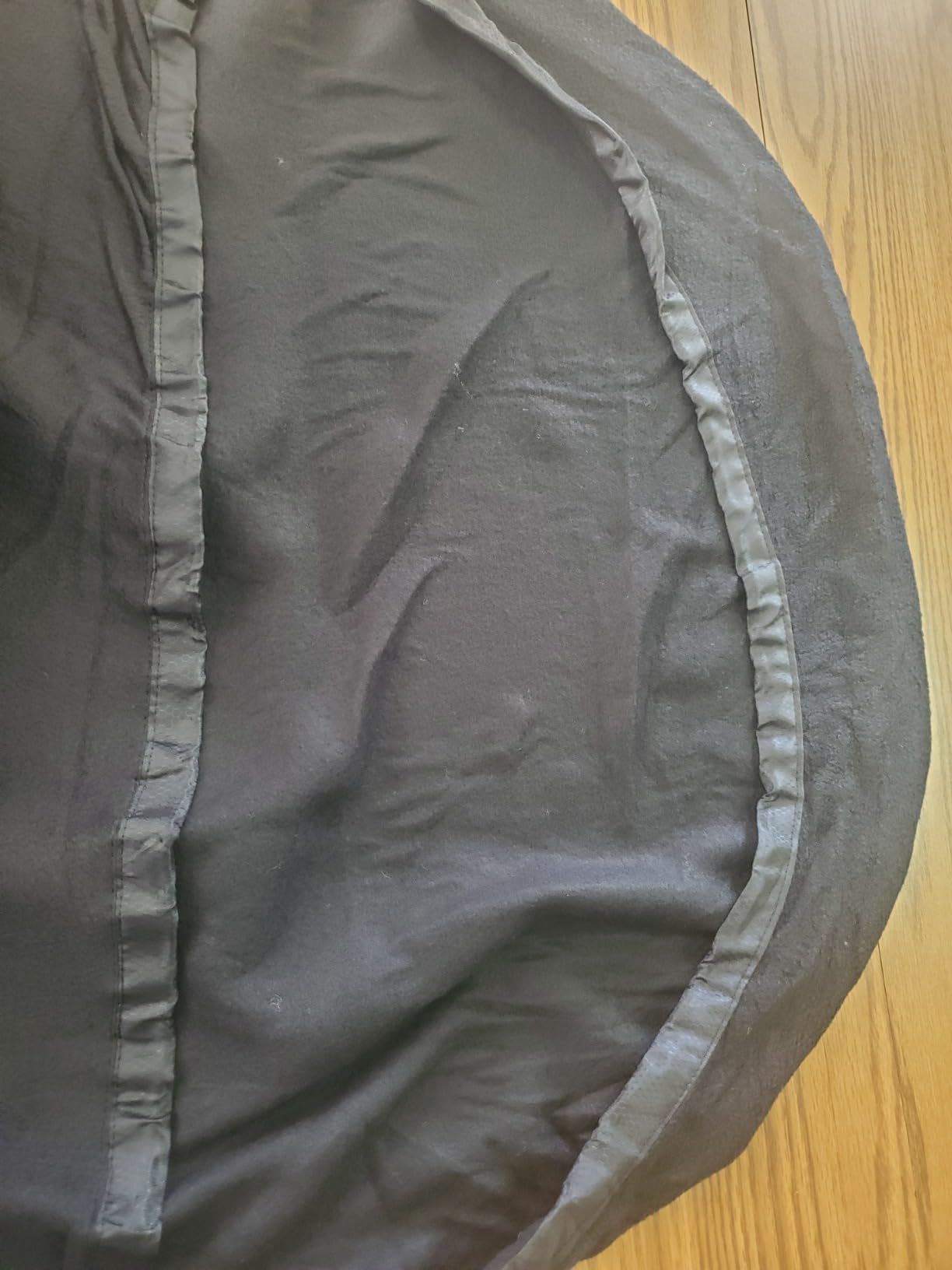
The included stuff sack is a basic drawstring design. It works but does not compress the liner as small as a dedicated compression sack would. The durable seam construction has held up well for users who report using it regularly over multiple seasons.
For the price, the Mountainlodge delivers solid value. You get genuine fleece warmth, dual-zipper ventilation, and a hood in a well-sized package. It is a no-frills option that focuses on the features that matter most for staying warm.
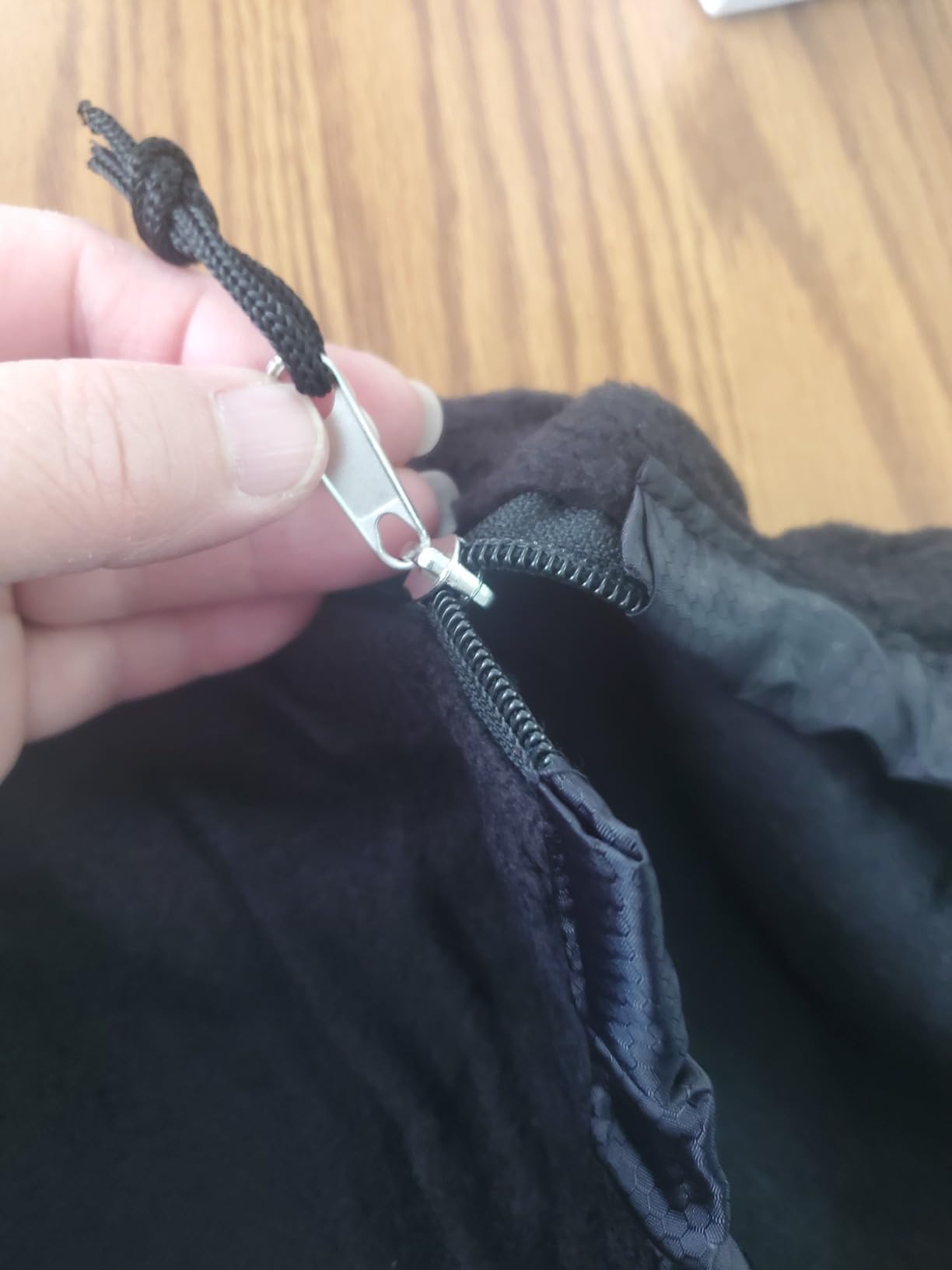
Double Zipper Ventilation System
The two-way zipper design lets you fine-tune your temperature. Open the bottom for foot ventilation when your core is warm but your feet are hot. Open the top to vent excess heat from your chest area. Or open both for quick cooling when you need to dump heat fast. This level of temperature control is rare in fleece liners and makes a real difference in comfort.
Sizing for Tall Campers
At 88.5 inches long, this is one of the longest fleece liners available. Campers up to 6 foot 8 report comfortable fit with room for their feet in the mummy-shaped foot area. If you are tall and have struggled with liners that leave your feet hanging out the bottom, the Mountainlodge solves that problem. The 31.4-inch width provides adequate room for most body types without excessive fabric that creates cold air pockets.
13. COCOON Premium MummyLiner Performer Thermolite – Best Made-in-USA Thermolite Liner

COCOON Thermolite Performer MummyLiner – Volcano Black
Thermolite fabric
0.5 lbs
Adds up to 12.6F
RipStop nylon
Drawstring hood
Made in USA
Pros
- Significant warmth boost
- Extremely light at 0.5 lbs
- Fast-drying
- Thermolite material is soft
- Made in USA
- RipStop nylon durability
Cons
- No side zipper entry
- Higher price point
- Limited stock availability
The COCOON Performer is the lighter sibling of the Radiator reviewed earlier, and it shares the same high-quality Thermolite construction with RipStop nylon. What sets it apart is that it is made in the USA, which matters to campers who prioritize domestic manufacturing. At half a pound, it is one of the lightest liners in this guide while still claiming a 12.6-degree warmth boost.
The contoured foot end and drawstring hood follow the same proven design as the Radiator. The RipStop nylon shell resists tearing, and the compact stuff sack packs the liner down to a very small size that fits easily in any pack. Users report that it works well as a standalone sleep cover in summer temperatures above 60 degrees.
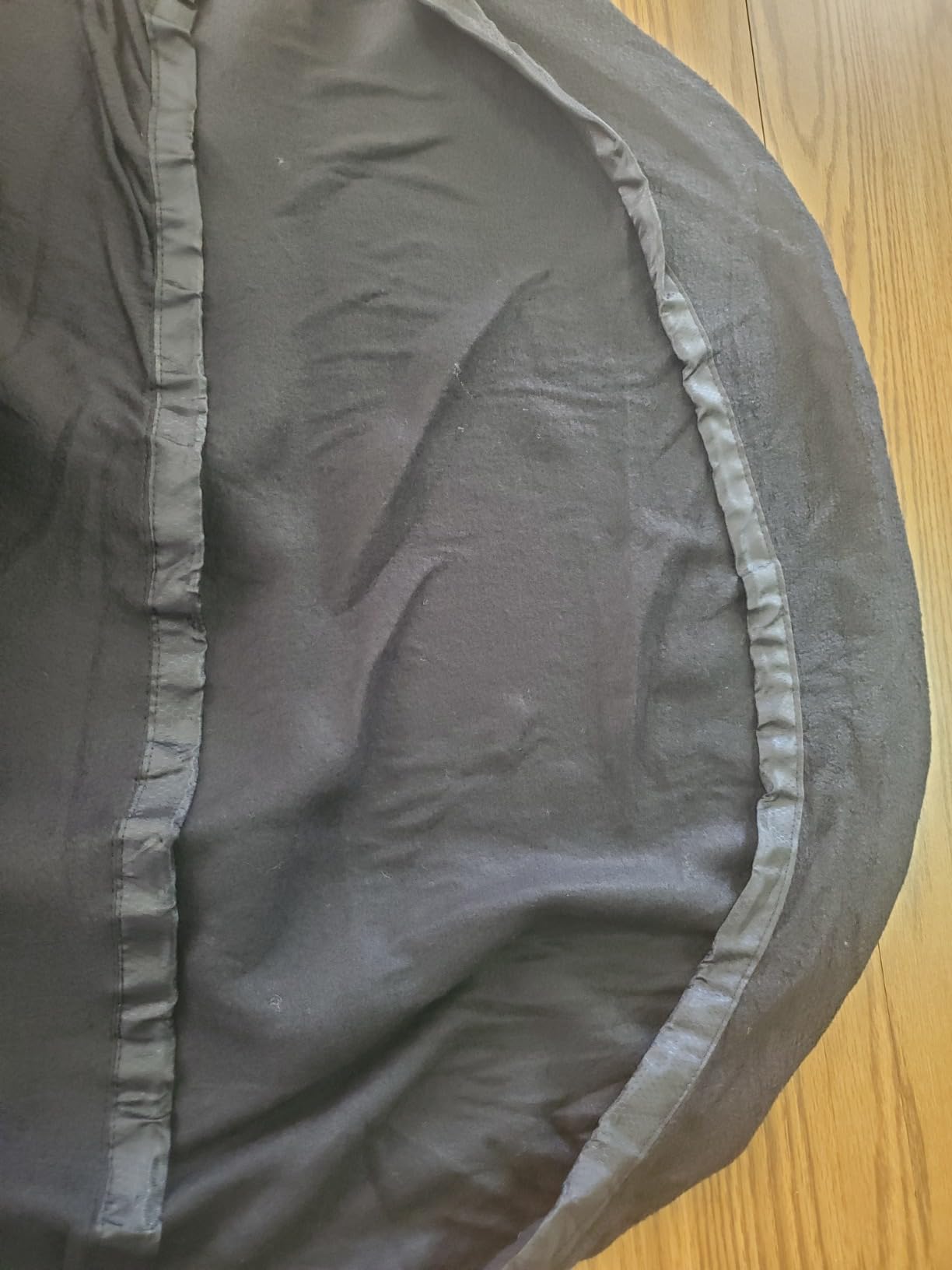
The Thermolite fabric feels soft and smooth against the skin, without the plasticky feel that cheaper synthetic liners sometimes have. Fast drying is a major advantage on multi-day trips where you might need to wash the liner and have it ready by the next night. In warm, dry conditions, it dries in under two hours.
The only significant drawback is the lack of a side zipper. You enter through the top opening, which some users find restrictive. At 86.6 by 31.5 inches, the generous sizing helps mitigate this by giving you more room to maneuver.
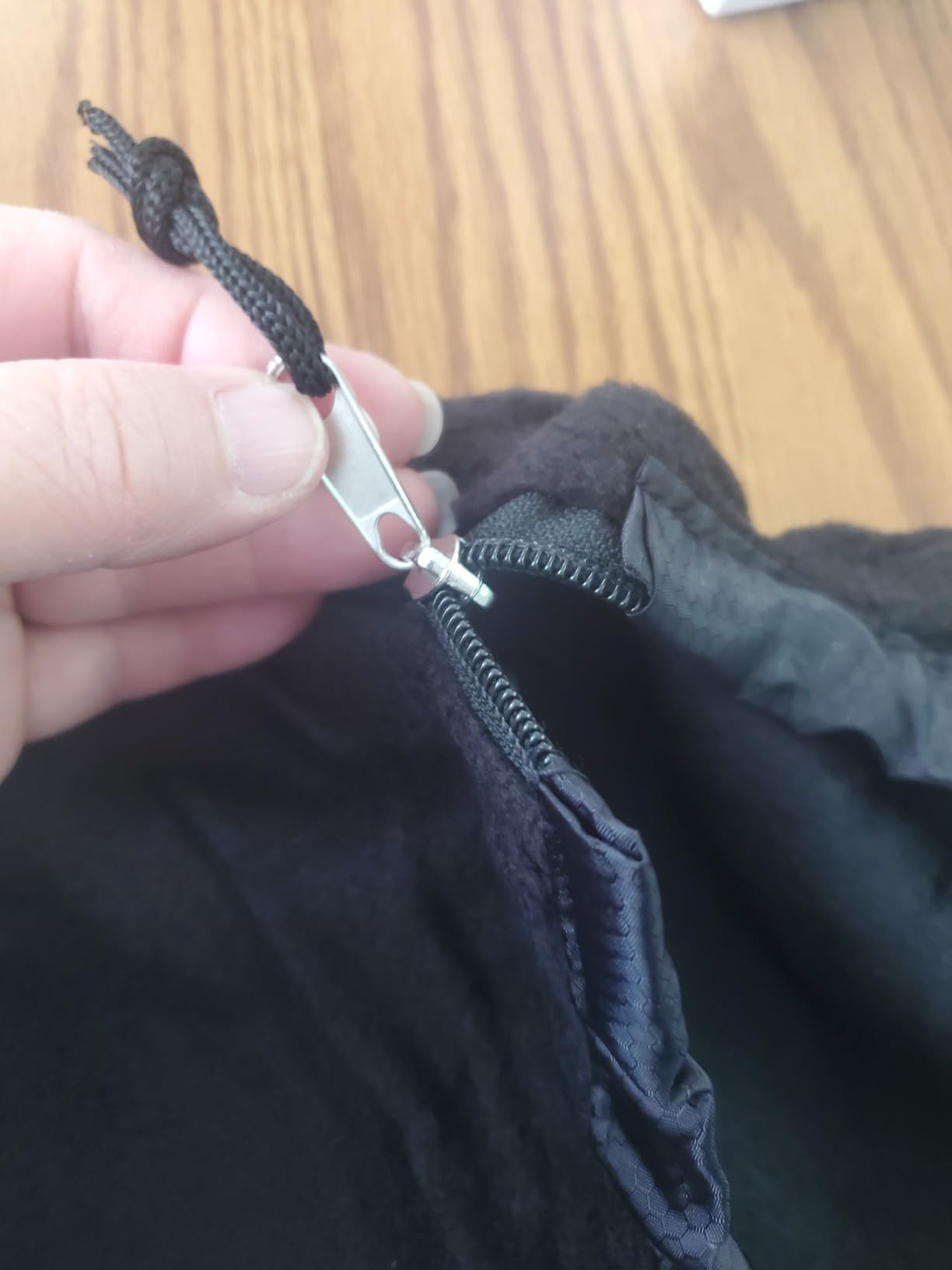
Made in USA Quality
Domestic manufacturing gives COCOON tighter quality control compared to liners produced overseas. Users consistently report precise stitching, consistent sizing, and reliable performance. The brand has built a reputation among serious backpackers and mountaineers who depend on their gear in challenging conditions.
The made-in-USA construction also means shorter supply chains and potentially better environmental practices, though COCOON does not heavily market sustainability claims.
Backpacking Weight Savings
At half a pound, the Performer is a premium choice for weight-conscious backpackers who want more warmth than the ultra-thin Silk Blend provides. It hits a middle ground that many backpackers find ideal. It is light enough to carry on any trip, yet warm enough to make a real difference when temperatures drop. Pair it with a quality sleeping bag and you have a reliable sleep system for three-season plus use.
How to Choose the Best Thermal Winter Sleeping Bag Liner?
Picking the right thermal liner comes down to four main factors: material, warmth level, weight, and shape. Let me walk you through each one so you can match the right liner to your specific needs.
Material Comparison: Fleece vs Thermolite vs Silk Blend
Fleece is the warmest option, period. Liners like the Litume All Season Fleece and REDCAMP use thick polar fleece that can add 15 to 25 degrees of warmth in real conditions. The tradeoff is weight and bulk. Fleece liners typically weigh between 1 and 2 pounds and pack down to the size of a large grapefruit or bigger. Choose fleece for car camping, base camps, or any trip where warmth matters more than weight.
Thermolite is the best all-around choice for backpackers. It uses hollow-core synthetic fibers that trap warm air while remaining lightweight and compressible. Liners like the Sea to Summit Reactor series and COCOON models weigh between 5 and 17 ounces and pack down to the size of a soda can or smaller. Expect a realistic warmth boost of 7 to 14 degrees. Choose Thermolite for backpacking, thru-hiking, and situations where you need warmth without the weight penalty.
Silk blends and TENCEL blends prioritize comfort and moisture management over raw warmth. They add only 5 to 7 degrees but feel luxurious against the skin. Choose these for travel, hostel stays, and warm-weather camping where hygiene and comfort matter more than maximum insulation.
Realistic Temperature Boost Expectations
This is where most people get disappointed, so let me be direct. Manufacturer temperature claims are almost always optimistic. Here is what real users actually report:
Heavyweight fleece liners deliver 15 to 25 degrees of added warmth. Thermolite mid-weight liners deliver 8 to 14 degrees. Ultralight Thermolite liners deliver 5 to 8 degrees. Silk and TENCEL blends deliver 3 to 7 degrees. Your actual results will vary based on your sleeping bag quality, your metabolism, what you wear to bed, and how well the liner fits inside your bag. A tight-fitting liner inside a well-matched mummy bag performs better than a loose liner stuffed into an oversized rectangular bag.
Weight vs Warmth Decision Framework
If you are backpacking, use this simple rule: allocate no more than 1 pound for your liner unless you are camping in sustained sub-freezing temperatures. The Sea to Summit Reactor Thermolite at 8.7 ounces or the Silk Blend at 5.3 ounces are ideal for most backpacking scenarios. For women-specific winter sleep systems, consider that women tend to sleep colder and may benefit from the extra warmth of a heavier fleece liner even on backpacking trips.
If you are car camping or base camping, weight does not matter. Go with the warmest fleece liner you can find. The Litume fleece or Snugpak Fleece will keep you significantly warmer than any Thermolite option.
Shape and Fit Considerations
Mummy-shaped liners match mummy sleeping bags and provide the best thermal efficiency because they minimize dead air space. Rectangular liners work better with rectangular bags and offer more room to move, but they can bunch up inside mummy bags and create cold spots. Choose the shape that matches your sleeping bag for the best performance.
Pay attention to length. A liner that is too short will leave your feet exposed to cold. A liner that is too long creates excess fabric that can bunch and reduce effectiveness. Most liners list a maximum user height, so check that specification before buying.
Key Features Worth Having
A drawcord hood seals heat around your head, which is one of the primary areas of heat loss. Nearly every liner in this guide includes one, and it makes a real difference. A footbox or contoured foot end keeps the liner close to your feet and prevents cold spots. Zippered entry makes getting in and out easier, especially for people with mobility concerns. Odor control treatments like HeiQ Fresh extend the time between washes on multi-day trips. A stuff sack is essential for packing, and the quality of the sack varies significantly between brands.
Frequently Asked Questions
Do sleeping bag liners really add warmth?
Yes, sleeping bag liners genuinely add warmth by creating an additional insulating layer that traps warm air close to your body. The actual warmth boost depends on the material. Fleece liners add 15 to 25 degrees, Thermolite liners add 8 to 14 degrees, and silk blends add 3 to 7 degrees. The key is having realistic expectations. Manufacturer claims tend to be optimistic, so plan for about 60 to 70 percent of the advertised boost in real winter camping conditions.
What is the warmest sleeping bag liner for winter camping?
The warmest options are heavyweight fleece liners. The Litume All Season Fleece Sleeping Bag Liner claims to add up to 27 degrees Fahrenheit and users consistently report warmth gains of 20 degrees or more. The Snugpak Fleece Liner and REDCAMP Fleece Liner are also very warm options. For a balance of warmth and packability, the Sea to Summit Reactor Insulated with Thermolite Pro technology is the best all-around choice.
How much warmer does a sleeping bag liner make your bag?
In real-world conditions, most thermal liners add between 5 and 15 degrees Fahrenheit to your sleeping bag comfort range. Heavyweight fleece liners tend toward the higher end at 15 to 25 degrees. Mid-weight Thermolite liners add 8 to 14 degrees. Ultralight options add 5 to 8 degrees. Your actual results depend on your sleeping bag quality, your clothing, your metabolism, and how well the liner fits inside your bag.
Fleece vs Thermolite sleeping bag liner for winter?
Fleece is warmer but heavier and bulkier, making it best for car camping and base camps. Thermolite is lighter and more packable, making it best for backpacking and situations where weight matters. Fleece typically adds 15 to 25 degrees of warmth while Thermolite adds 8 to 14 degrees. If you are backpacking in winter, Thermolite is usually the better choice. If you are car camping and want maximum warmth, go with fleece.
Can a sleeping bag liner be used on its own?
Yes, most sleeping bag liners can be used standalone in warm conditions. Fleece liners work as standalone bags down to about 40 to 50 degrees Fahrenheit. Thermolite liners work standalone down to about 50 to 60 degrees. The Coleman Stratus is specifically designed as a dual-purpose bag that works as both a standalone 50-degree sleeping bag and a liner inside another bag. In freezing temperatures, no liner should be used without a proper sleeping bag.
Final Thoughts on the Best Thermal Winter Sleeping Bag Liners
Finding the best thermal winter sleeping bag liners comes down to matching material and weight to your camping style. For maximum warmth, the Litume All Season Fleece delivers the highest real-world temperature boost. For the best balance of warmth, weight, and durability, the Sea to Summit Reactor Insulated is my top overall pick. And for budget-conscious campers who still want serious warmth, the REDCAMP Fleece Liner offers outstanding value with over 1,100 positive reviews.
Remember to set realistic expectations for temperature gains. Plan for about 60 to 70 percent of what manufacturers claim, and you will be satisfied with whichever liner you choose. Stay warm out there.