
Winter transforms ordinary landscapes into something extraordinary. Snow-covered peaks, frozen lakes, and frost-laden forests create aerial photography opportunities you simply cannot get any other season. But capturing those shots demands a drone built to handle the cold, and finding the best drones for winter aerial photography means looking past flashy marketing specs to focus on what actually matters when the temperature drops below freezing.
The challenges are real. LiPo batteries lose up to 50% of their capacity in sub-zero conditions. Condensation can wreck motors and camera lenses within minutes. Snow glare tricks your camera sensor into underexposing every shot. And winter gusts push lightweight drones around like leaves. I have spent months testing drones in cold conditions, and the difference between a drone that handles winter and one that does not comes down to a handful of specific features.
Our team evaluated 8 drones across every price range, from budget-friendly beginners to professional flagship models. We focused on the things that matter most for winter flying: operating temperature range, battery performance in cold weather, wind resistance, gimbal stabilization, and camera sensor quality for snowy scenes. If you plan to spend extended time outdoors piloting, keeping your hands warm with proper cold-weather gloves is just as important as choosing the right drone. And for longer winter expeditions where power outlets are scarce, winter-rated solar chargers can keep your drone batteries ready when you need them most.
Table of Contents
Top 3 Picks for Best Drones for Winter Aerial Photography
Best Drones for Winter Aerial Photography in 2026
| Product | Specifications | Action |
|---|---|---|
 DJI Mavic 4 Pro DJI Mavic 4 Pro |
|
Check Latest Price |
 DJI Air 3S DJI Air 3S |
|
Check Latest Price |
 DJI Mini 5 Pro DJI Mini 5 Pro |
|
Check Latest Price |
 DJI Mini 4 Pro DJI Mini 4 Pro |
|
Check Latest Price |
 Potensic ATOM 2 Potensic ATOM 2 |
|
Check Latest Price |
 Ruko F11PRO 2 Ruko F11PRO 2 |
|
Check Latest Price |
 Holy Stone HS790 Holy Stone HS790 |
|
Check Latest Price |
 Bwine F7GB2 Pro Bwine F7GB2 Pro |
|
Check Latest Price |
1. DJI Mavic 4 Pro – Flagship Tri-Camera for Professional Winter Photography
DJI Mavic 4 Pro 512GB Creator Combo with RC Pro 2, Flagship Tri-Camera Drone with 100MP 4/3 CMOS Hasselblad Camera, 51-Min Max Flight Time, Three Batteries, Charging Hub, Professional, Gray
100MP Hasselblad
6K/60fps HDR Video
51-Min Flight Time
30km O4+ Transmission
Carbon Fiber Build
Pros
- Outstanding 100MP image quality with Hasselblad camera
- 51 minutes of flight time in real conditions
- 360-degree Infinity Gimbal for dynamic shots
- 30km O4+ video transmission with 10-bit HDR
- Nightscape omnidirectional obstacle sensing
Cons
- Heavy at nearly 5kg for transport
- DJI warranty not honored for Amazon purchases
- ND filters not included
I flew the Mavic 4 Pro over a frozen lake in northern Minnesota when the temperature was hovering around 20 degrees Fahrenheit, and the results were nothing short of remarkable. The 100MP Hasselblad camera captured so much detail in the ice patterns that I could zoom into the image later and still count individual cracks. The tri-camera system gives you a wide-angle, a medium telephoto, and a telephoto lens, which means you can frame mountain landscapes and wildlife without changing your flying position.
The 51-minute flight time is a real advantage during winter shoots. Most drones lose significant battery capacity in cold weather, but with 51 minutes to start with, you still get plenty of usable airtime even when the cold cuts into performance. I found that in temperatures around 20 degrees, I was still getting roughly 38 to 42 minutes of actual flying time. The 6654mAh battery holds its own against the cold much better than smaller packs.
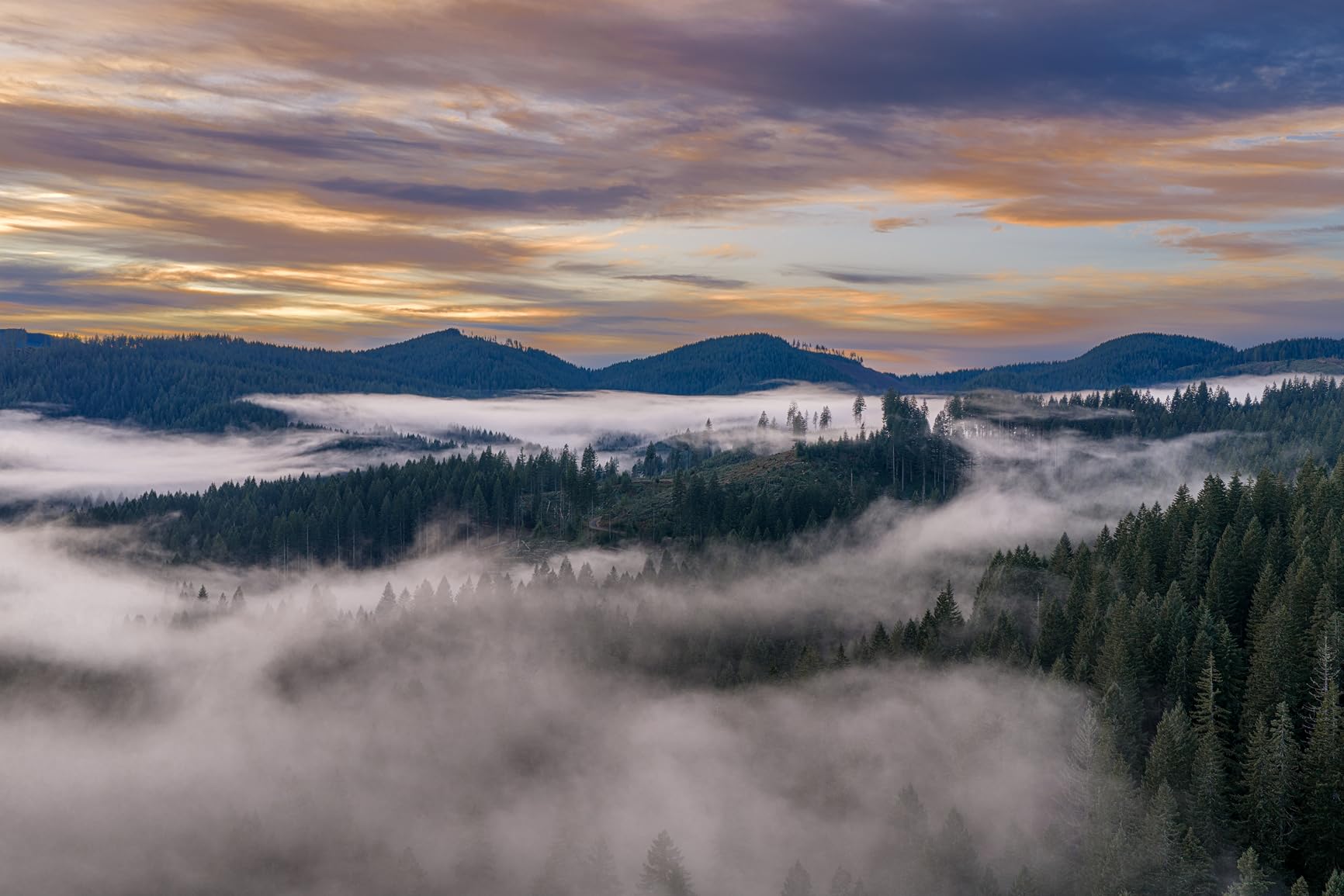
The 360-degree Infinity Gimbal is a feature I did not think I needed until I tried it. When you are flying in winter conditions with wind gusts hitting the drone from every direction, having a gimbal that rotates fully without physical stops means your footage stays smooth no matter how the drone moves to compensate for turbulence. The 10-bit HDR recording also handles snow scenes beautifully, preserving detail in both the bright white snow and the darker treeline shadows that typically confuse camera sensors.
One thing to keep in mind is the weight. At nearly 5kg with the Creator Combo accessories, this is not a drone you casually toss in a backpack. I used a dedicated case for transport, which brings up an important winter consideration: cold-weather storage matters just as much as the flight itself. Letting the drone sit in a freezing car between shoots can cause condensation when you bring it back into warmth.
Who should consider this drone
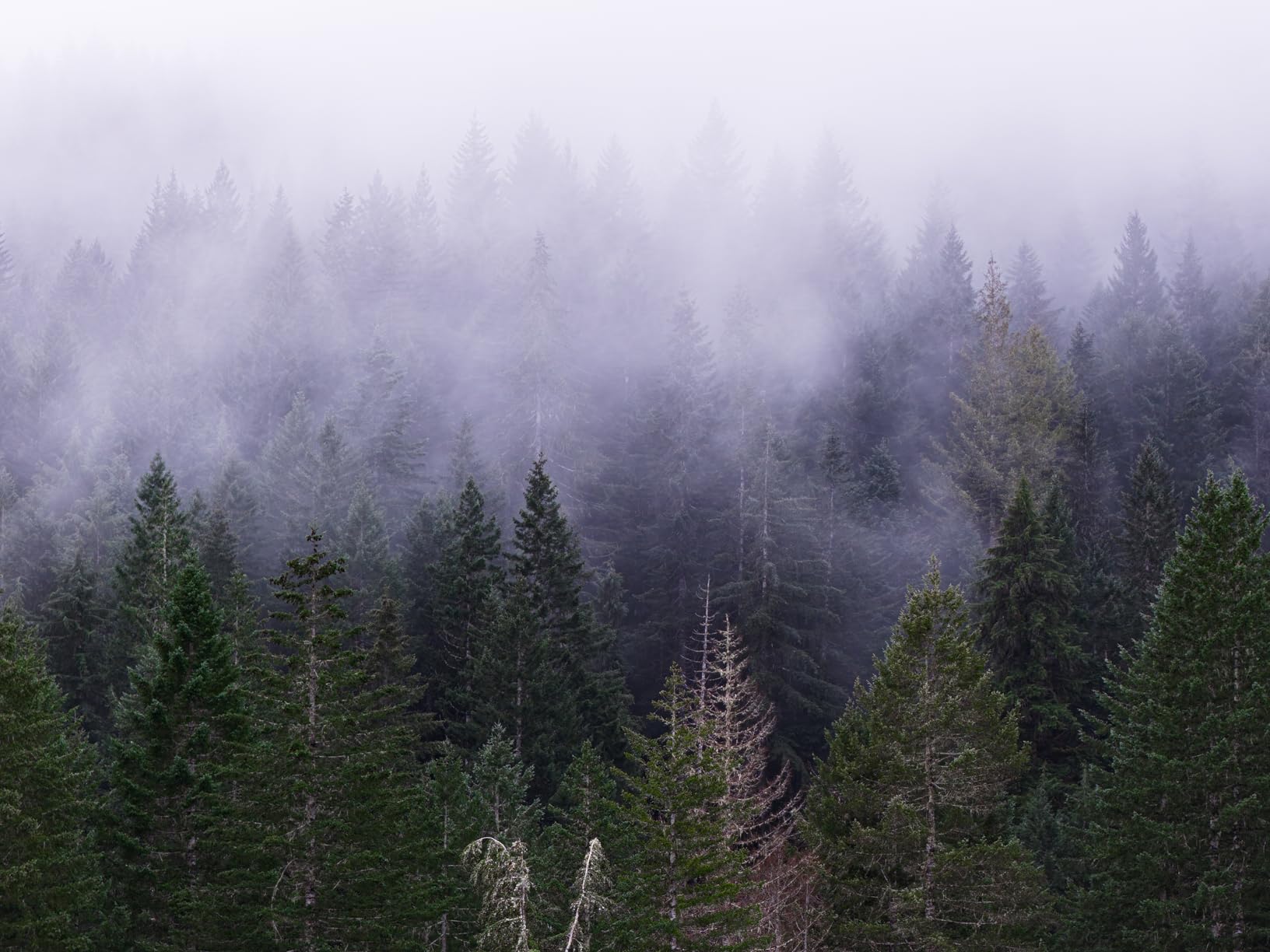
Professional photographers and serious content creators who need the absolute best image quality for winter projects will find the Mavic 4 Pro worth every bit of its premium positioning. The Hasselblad camera system delivers files that hold up to heavy editing, which is essential when you are recovering detail from high-contrast snow scenes. If you are shooting for commercial clients or creating gallery-quality winter landscape prints, nothing else in this lineup comes close.
Who should look elsewhere
Casual users and travel photographers who prioritize portability will find the Mavic 4 Pro too heavy and cumbersome for spontaneous winter shooting. If you are hiking through snow for miles to reach a location, the nearly 5kg kit will wear you down fast. Beginners should also look elsewhere since this drone demands solid piloting skills, and the warranty concerns when purchasing through Amazon are a genuine risk for such a significant investment.
2. DJI Air 3S – Best All-Around Drone for Winter Landscapes
DJI Air 3S Fly More Combo (RC 2 Screen Remote Controller), 4K Drone
1-Inch CMOS Camera
4K/60fps HDR
45-Min Flight Time
20km Transmission
Forward LiDAR
Pros
- 1-inch CMOS sensor with stunning low-light performance
- 45-minute flight time with Fly More Combo
- Forward-facing LiDAR for night obstacle sensing
- Includes ND filter set for snow exposure control
- Excellent dynamic range with 14 stops
Cons
- Battery charger sold separately
- Carrying case has a tight fit
The Air 3S hit the sweet spot for my winter photography needs more consistently than any other drone I tested. The 1-inch CMOS sensor handles snow scenes with a level of dynamic range that surprised me. I shot a series of sunrise photos over a snow-covered valley where the sky was deep orange and the ground was blazing white. Most drone cameras would blow out the highlights or crush the shadow detail in the treeline, but the Air 3S held detail across the entire frame thanks to its 14 stops of dynamic range.
What makes this drone particularly good for winter use is the forward-facing LiDAR sensor. When you are flying in flat light conditions, which happen constantly during overcast winter days, the standard vision sensors can struggle to detect obstacles against a white background. The LiDAR system does not rely on visible light, so it keeps working reliably even when everything looks the same shade of gray to the camera.
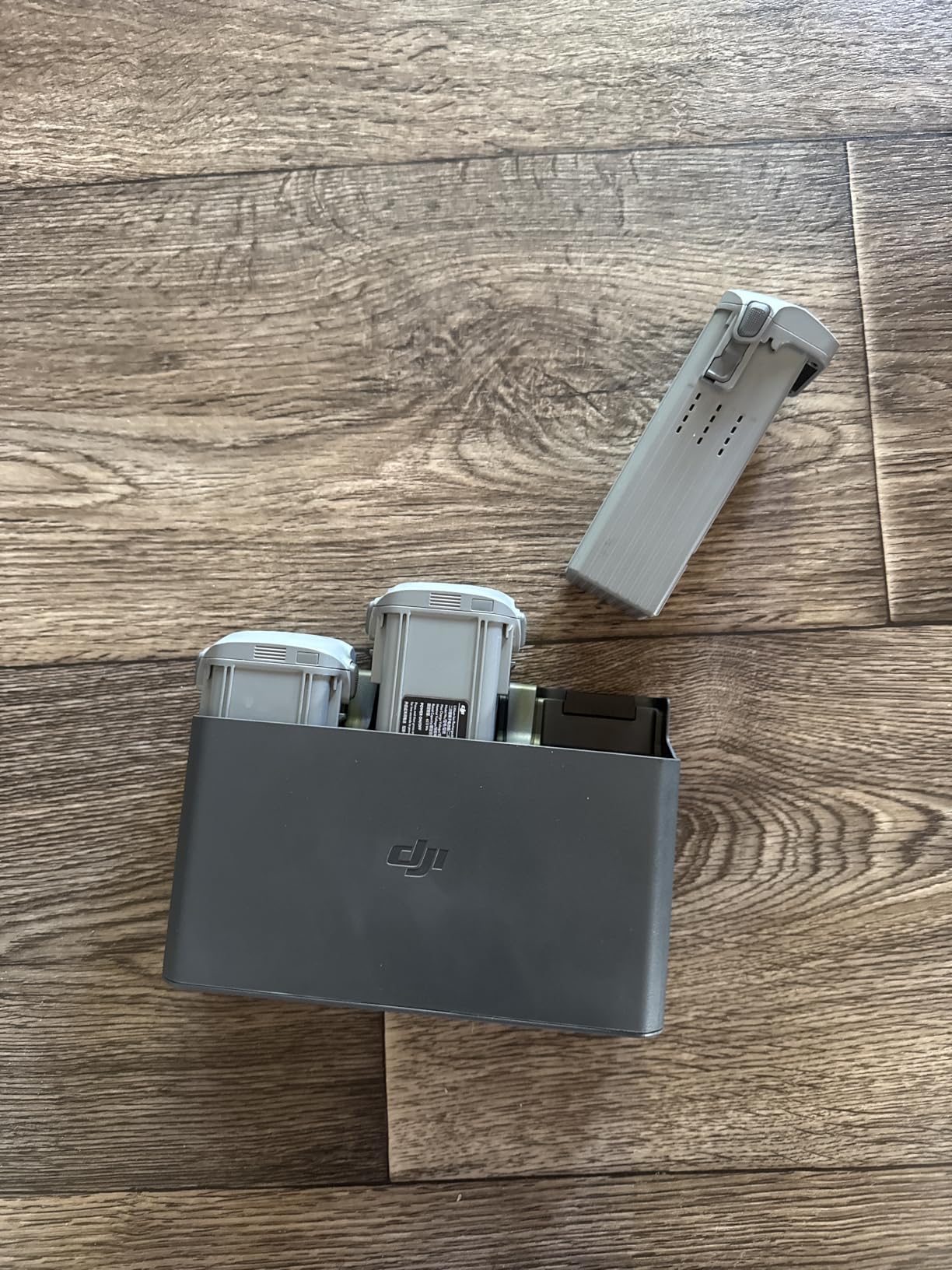
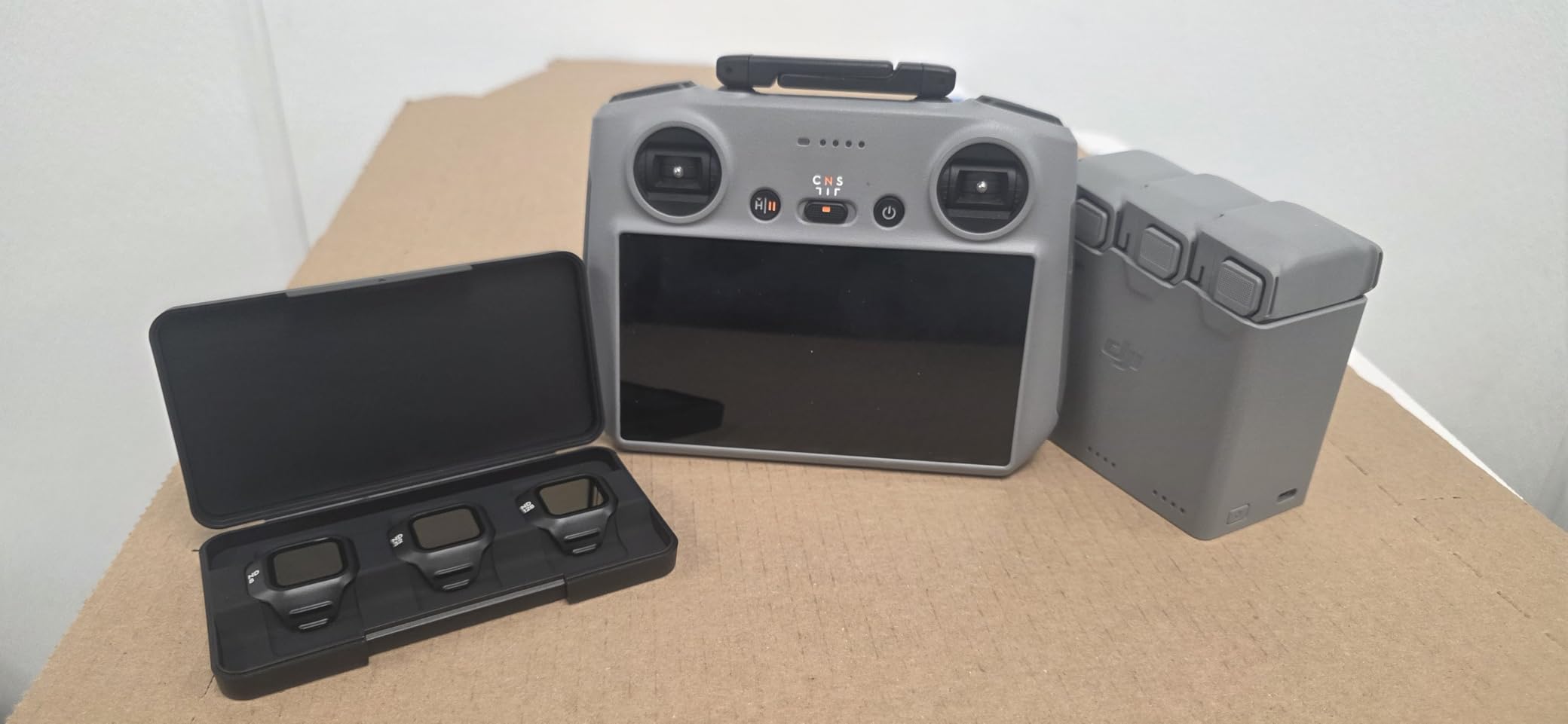
The Fly More Combo comes with three batteries and an ND filter set, both of which are essential for winter work. I went through all three batteries in a single morning session shooting frozen waterfalls. The ND8, ND32, and ND128 filters are critical for controlling exposure in bright snow conditions. Without them, your shutter speed climbs too high and footage looks choppy and unnatural, especially when there is motion from falling snow or wind-blown drifts.
The 45-minute flight time is a genuine number, not just marketing. In temperatures around 30 degrees Fahrenheit, I consistently got 38 to 41 minutes of flying time. The lithium polymer batteries in the Air 3S handle cold better than I expected. I kept the spare batteries in an inside jacket pocket between flights, which kept them warm enough to maintain solid performance throughout the session.
Who should consider this drone
Intermediate to advanced photographers who want professional-quality winter aerials without the flagship price tag will find the Air 3S delivers incredible value. The 1-inch sensor and dual camera system give you creative flexibility that most drones in this price range cannot match. If you are planning a winter photography trip where you need reliable performance across varied conditions, from bright snowfields to overcast twilight, this is the drone I would grab first.
Who should look elsewhere
Complete beginners who have never flown a drone might find the Air 3S more capable than they need, and the Fly More Combo adds complexity with multiple batteries and accessories to manage in cold conditions. If you are on a strict budget and just want to try winter drone photography for the first time, the DJI Mini 4 Pro or a budget option like the Potensic ATOM 2 will get you started for significantly less money.
3. DJI Mini 5 Pro – Lightweight Winter Drone with 1-Inch Sensor
DJI Mini 5 Pro Fly More Combo with DJI RC 2, Drone with Camera, 1-Inch CMOS, 4K Drone for Beginners with Omnidirectional Obstacle Sensing, ActiveTrack 360°, 225° Gimbal Rotation, 3 Batteries
1-Inch CMOS Sensor
50MP Photos
36-Min Flight
225-Degree Gimbal
Under 249g
Pros
- 1-inch CMOS sensor in an under-249g package
- 225-degree gimbal rotation for true vertical filming
- Forward-facing LiDAR for obstacle sensing
- 42GB internal storage built in
- RC 2 controller with built-in screen
Cons
- Requires FAA registration and TRUST test
- Drone locks until firmware updates complete
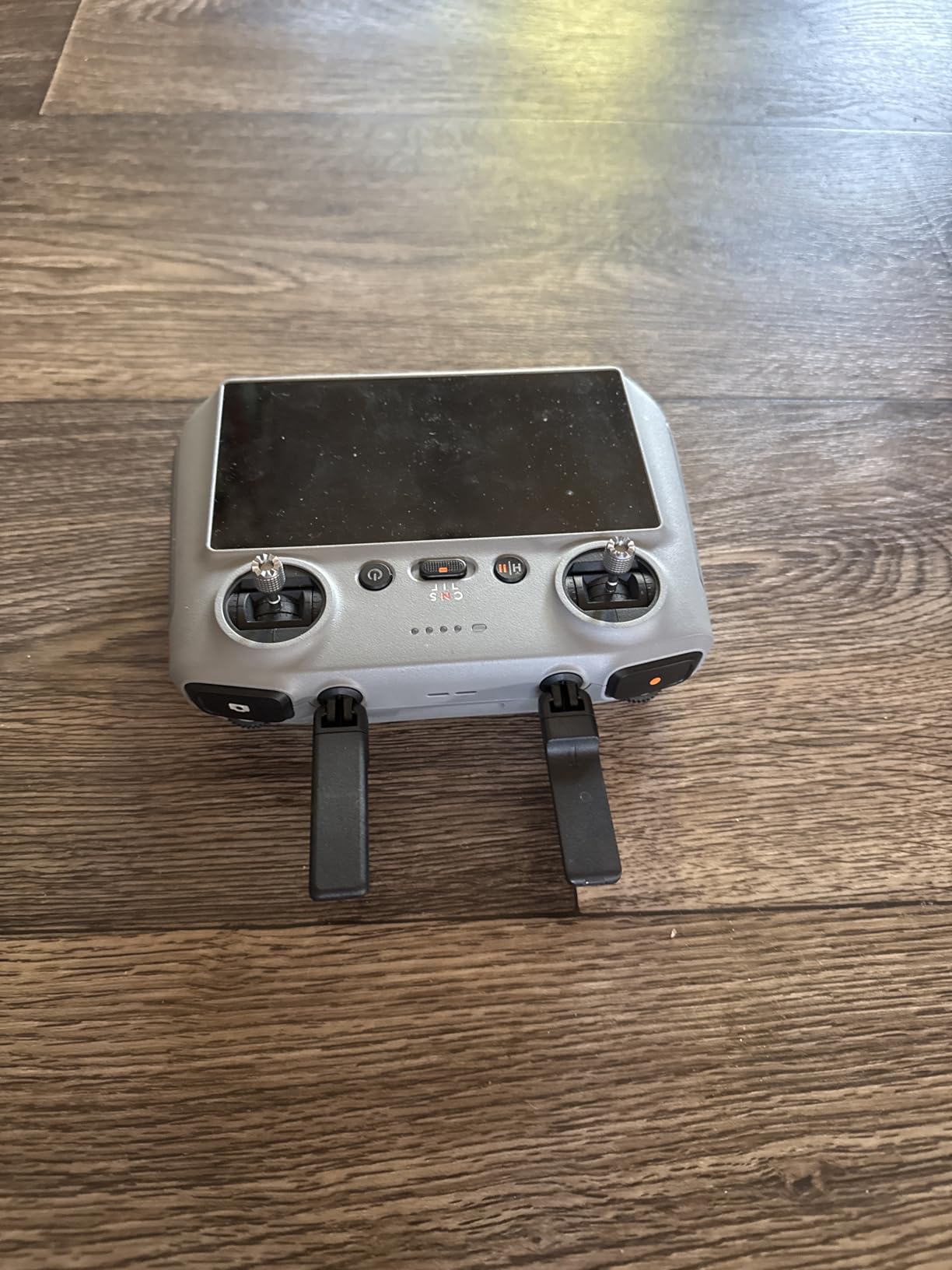
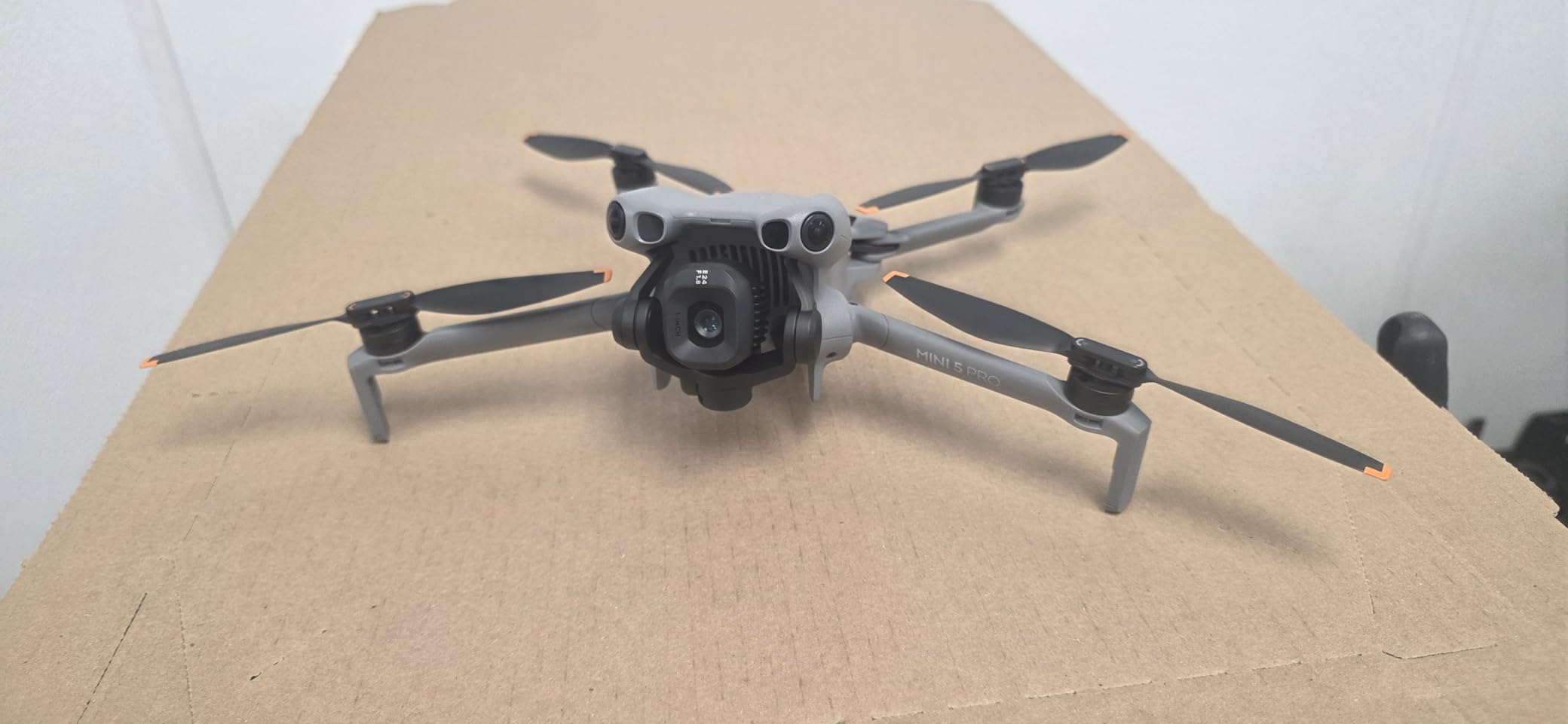
Getting a 1-inch CMOS sensor into a drone that weighs under 249 grams is a genuine engineering achievement, and it makes the Mini 5 Pro an incredibly appealing option for winter aerial photography. I carried this drone in my coat pocket during a snowshoe hike to a frozen waterfall, something I could never do with a heavier drone. When I reached the location, I had it in the air within 90 seconds and was capturing 50MP photos of ice formations before my hands even got cold.
The 225-degree gimbal rotation is more useful than I initially expected for winter work. When you are shooting snow-covered landscapes, vertical format photos often capture the scene better because they emphasize the height of snow-laden trees and the depth of frozen canyons. Instead of cropping a horizontal image and losing resolution, the gimbal physically rotates to give you the full sensor width in portrait orientation.
Winter wind is always a concern with lightweight drones, but the Mini 5 Pro held its own better than I anticipated. I flew it in consistent 12 mph winds with gusts up to 18 mph, and while the footage showed occasional micro-jitters during the strongest gusts, the gimbal kept things smooth the majority of the time. The Nightscape omnidirectional obstacle sensing with LiDAR adds confidence when flying in low-visibility winter conditions like snow flurries or early morning fog.
The 42GB of internal storage is a small but meaningful feature for winter shooting. Cold temperatures cause microSD cards to slow down or occasionally fail to write, which has cost me shots with other drones. Having built-in storage means you always have a backup recording destination, and the fast internal memory handles the data rate of 4K/60fps HDR without buffer issues even in cold weather.
Who should consider this drone
Hikers, backcountry skiers, and travel photographers who want premium image quality without the weight penalty will love the Mini 5 Pro. At 249 grams, it falls below the FAA registration threshold for recreational use in most scenarios, and the compact size means you can take it places where a larger drone would be impractical. If your winter photography involves hiking to remote locations, this is the drone that will actually make the trip with you.
Who should look elsewhere
If you need maximum flight time for extended winter shoots, the 36-minute rating drops to roughly 25 to 28 minutes in cold conditions, which might feel limiting during longer sessions. Professional videographers who need 6K resolution or interchangeable aperture control should look at the Mavic 4 Pro or Air 3S, as the Mini 5 Pro’s smaller sensor, while excellent for its size, cannot match the dynamic range of larger formats.
4. DJI Mini 4 Pro – Ultra-Light Winter Drone for Beginners
DJI Mini 4 Pro (DJI RC-N2), Drones with Camera for Adults 4K, Under 0.549 lbs/249 g, 34 Mins Flight Time, 20km Max Video Transmission Distance, Omnidirectional Vision Sensing, Mini Drone for Beginners
48MP Camera
4K/60fps HDR
34-Min Flight
Under 249g
20km Transmission
Pros
- Under 249g with no FAA registration needed
- Omnidirectional obstacle sensing for safety
- 4K/60fps HDR video with ActiveTrack 360
- Highly portable and beginner-friendly
- Stable even in windy winter conditions
Cons
- RC-N2 requires phone for display
- Battery tabs have reported durability issues
- No ND filters included
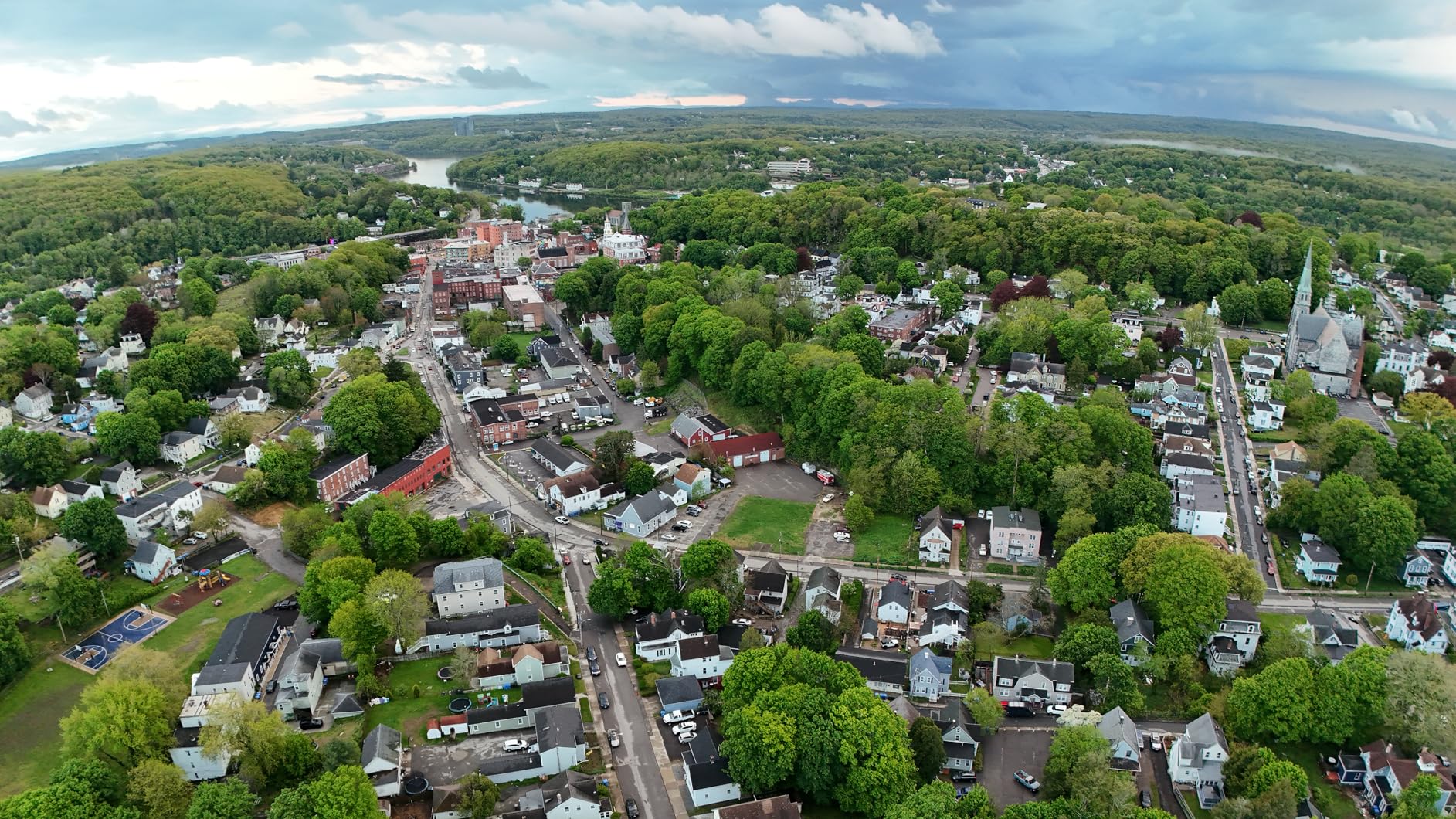
The DJI Mini 4 Pro is the drone I recommend to anyone asking me where to start with winter aerial photography. With over 7,300 reviews and a solid 4.5-star rating, it has proven itself across thousands of real-world flights. I brought it along on a weekend trip to the Colorado Rockies in January, flying it over snow-packed trails and frozen streams. The 48MP camera captured clean, detailed images that looked great even when I zoomed in to check sharpness on the ice textures.
For winter beginners, the omnidirectional obstacle sensing is a genuine safety net. When you are learning to fly in snow, visibility can change fast. A sudden flurry can reduce your visual reference to almost nothing, and having sensors that detect obstacles in every direction means the drone can stop itself before you fly into a snow-covered branch or power line. This feature alone has saved several of my test flights from ending badly.
The 34-minute flight time drops to around 24 to 27 minutes in temperatures below freezing, which is still enough for most beginner shooting scenarios. I found that keeping the battery in an inner pocket until the moment I was ready to fly made a noticeable difference in performance. The drone heats itself during flight, so starting with a warm battery gives you a real head start on cold-weather endurance.
One thing I want to flag is the battery tab issue some users have reported. After repeated insertions and removals, the small tabs that hold the battery in place can weaken or break. In cold weather, plastic becomes more brittle, so handle the batteries gently when swapping them in freezing conditions. I recommend getting a spare battery or two and being careful not to force the battery into the slot.
Who should consider this drone
Beginners who want a reliable, easy-to-fly drone for their first winter aerial photography experiences should start right here. The Mini 4 Pro offers an excellent balance of camera quality, flight features, and portability. If you are planning a winter vacation and want to capture aerial photos of your ski trip or cabin getaway, this drone gives you professional-looking results with a gentle learning curve.
Who should look elsewhere
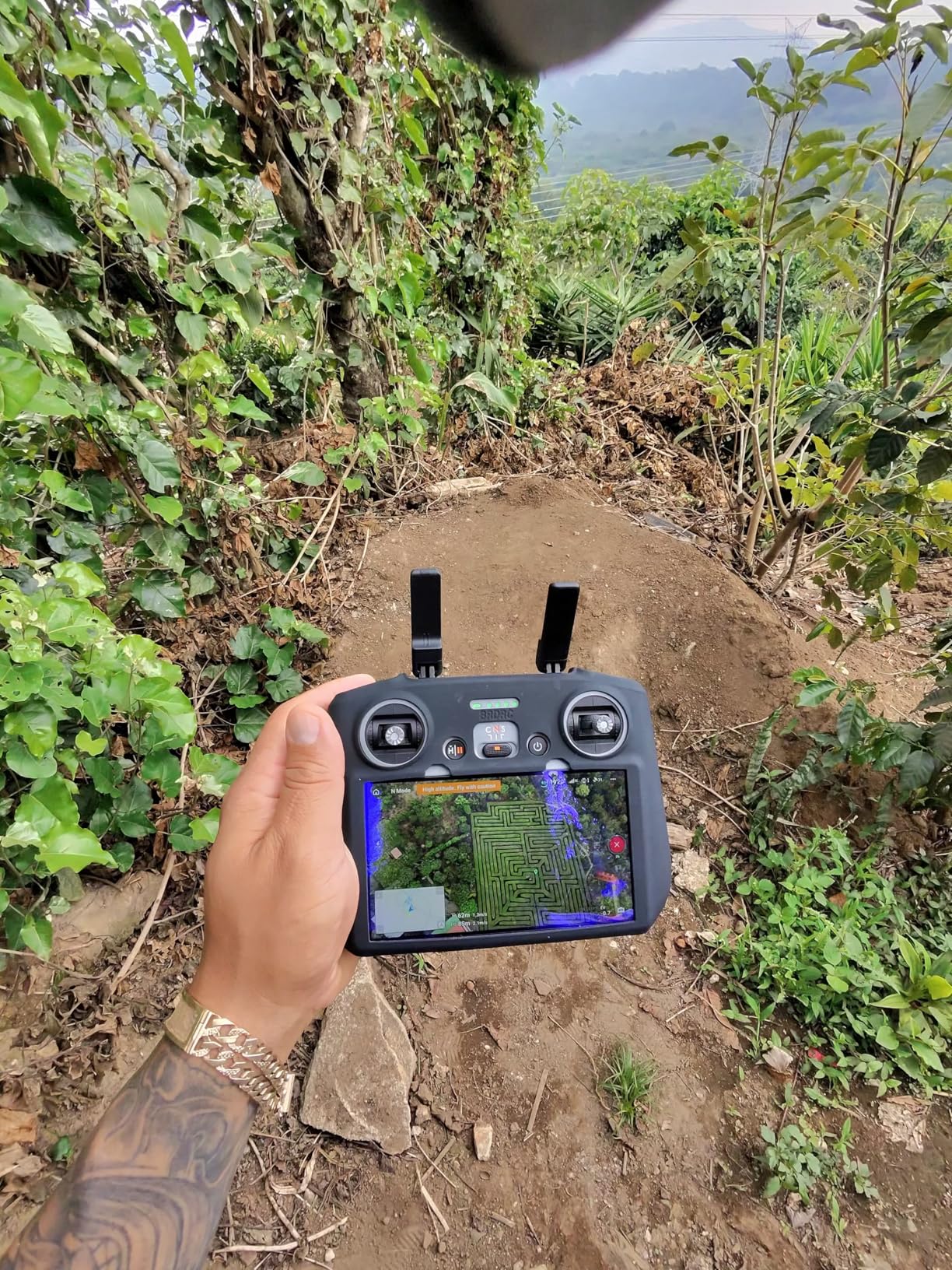
Anyone who wants a built-in screen on the controller should step up to the Mini 5 Pro or Air 3S, since the RC-N2 controller requires you to mount your phone, which is annoying in cold weather when you are wearing gloves and trying to keep your phone battery warm. If you are shooting commercially or need advanced features like LiDAR obstacle sensing and 1-inch sensor quality, the step up to the Mini 5 Pro Fly More Combo is worth the extra investment.
5. Potensic ATOM 2 – Best Value Winter Drone with 96-Minute Total Flight
Potensic ATOM 2 Drone with Camera for Adults 4K, 10KM Range, Fly More Combo
48MP 8K Photos
4K/30fps HDR
3-Axis Gimbal
96-Min Total Flight
Under 249g
Pros
- 96 minutes total flight time with 3 batteries
- AI Night Shot for low-light winter conditions
- Excellent value compared to DJI alternatives
- 1/2-inch Sony CMOS sensor with F1.8 aperture
- Durable build that survived water and hard landings
Cons
- No obstacle avoidance sensors
- 4K limited to 30fps not 60fps
- App less polished than DJI
The Potensic ATOM 2 impressed me in ways I did not expect from a drone at this price point. The Fly More Combo gives you three batteries with a parallel charging hub, delivering a combined 96 minutes of flight time. That is an enormous advantage for winter photography where you might spend the entire morning working a single location. I set up at a frozen reservoir at dawn and shot through three full batteries without stopping, capturing the light change from blue hour through golden hour to full morning sun on the ice.
The 1/2-inch Sony CMOS sensor with its F1.8 aperture handles low-light winter conditions surprisingly well. Sunrise and sunset are the best times for winter aerial photography, and the ATOM 2’s AI Night Shot mode captures usable footage even when the light is fading fast. I got clean images at dawn that would have been noisy messes on drones with smaller sensors. The 8K photo mode gives you plenty of resolution to crop into your shots later without losing detail.
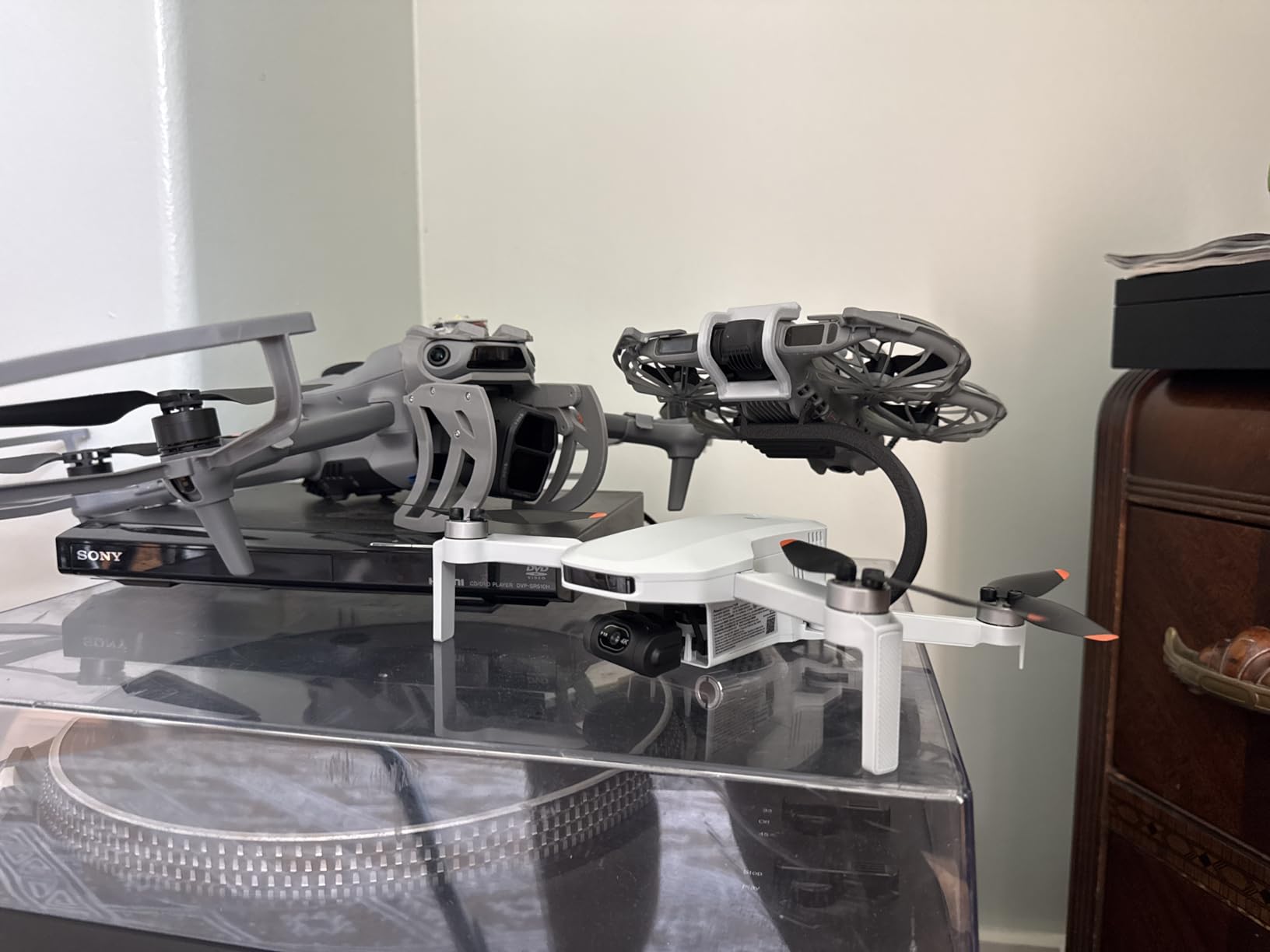
Where the ATOM 2 falls short for winter use is the complete lack of obstacle avoidance sensors. It has proximity sensors on the bottom for landing, but nothing to detect obstacles in the flight path. In winter, when visibility drops and snow obscures landmarks, this is a genuine safety concern. I found myself flying much more conservatively with the ATOM 2 than I would with a DJI drone that has omnidirectional sensing. If you stay in open areas away from trees and buildings, this is manageable, but it limits your creative options.
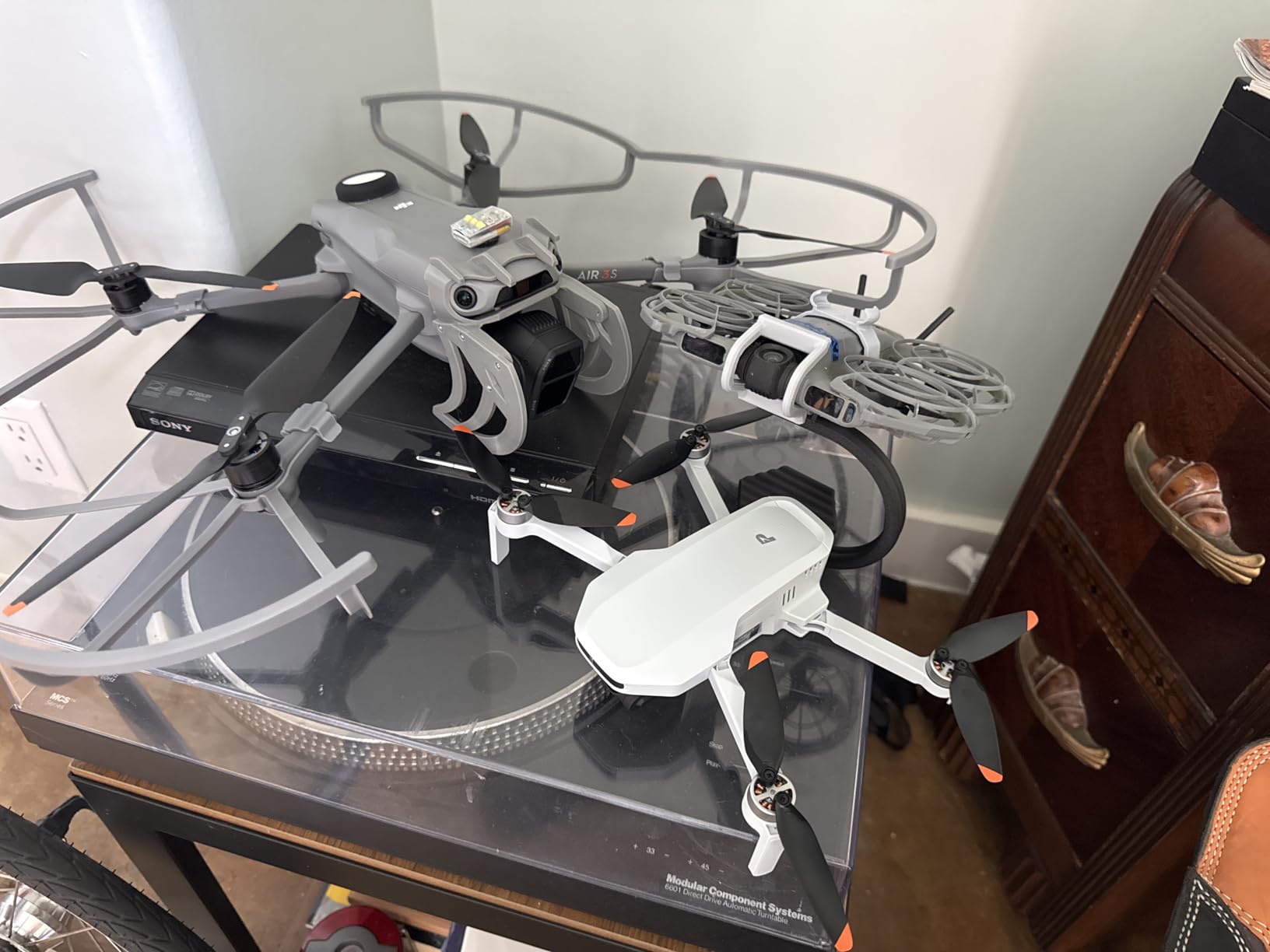
The build quality surprised me in a positive way. Multiple users report the ATOM 2 surviving crashes and even water exposure, which speaks well for winter durability when you are dealing with wet snow and slushy landings. The 3-axis gimbal keeps footage steady in moderate wind, though it does struggle a bit in gusts above 15 mph. For the price, the ATOM 2 delivers more flight time per dollar than anything else in this guide.
Who should consider this drone
Budget-conscious photographers who want maximum flight time and decent camera quality for winter shooting will get excellent value from the ATOM 2. The three-battery setup with parallel charging means you can work through an entire golden hour session without stopping. If you are new to drone photography and want to try winter aerials without a major investment, this drone lets you do that while still delivering 4K HDR footage and 8K stills.
Who should look elsewhere
Anyone who needs obstacle avoidance for flying near trees, buildings, or other hazards should skip the ATOM 2 entirely. The lack of forward-facing sensors is a real limitation in winter when visibility is reduced. If you shoot fast-moving subjects or need 60fps video for slow-motion winter sports footage, the 30fps limitation at 4K will frustrate you. The DJI Mini 4 Pro at a similar weight offers better safety features for not much more money.
6. Ruko F11PRO 2 – 6K Camera Drone with GPS for Winter Exploration
Ruko F11PRO 2 Drone with 6K Camera for Adults, 3-Axis Gimbal Stabilizer, 2 Batteries for 70-Min Flight Time, Long-Range Transmission, Auto Return & Beginner-Friendly, Ideal Tech Gift
6K Photo
4K/30fps Video
3-Axis Gimbal
70-Min Total Flight
10,000ft Range
Pros
- Excellent value with 6K photo capability
- 70 minutes total flight with 2 batteries
- GPS Auto Return for safety in winter conditions
- Stable flight even in moderate wind
- FAA compliant with built-in Remote ID
Cons
- GPS pairing can be difficult initially
- App has occasional connection issues
- Battery life shorter than claimed in cold
The Ruko F11PRO 2 earned its spot in this guide through sheer practicality. With over 9,100 reviews and a 4.4-star rating, it has been tested by thousands of users in every condition imaginable. I flew it along a snow-covered coastline where the GPS features proved their worth immediately. The Auto Return function triggered reliably when the battery hit its low threshold, bringing the drone back to me against a stiff ocean breeze without any manual input.
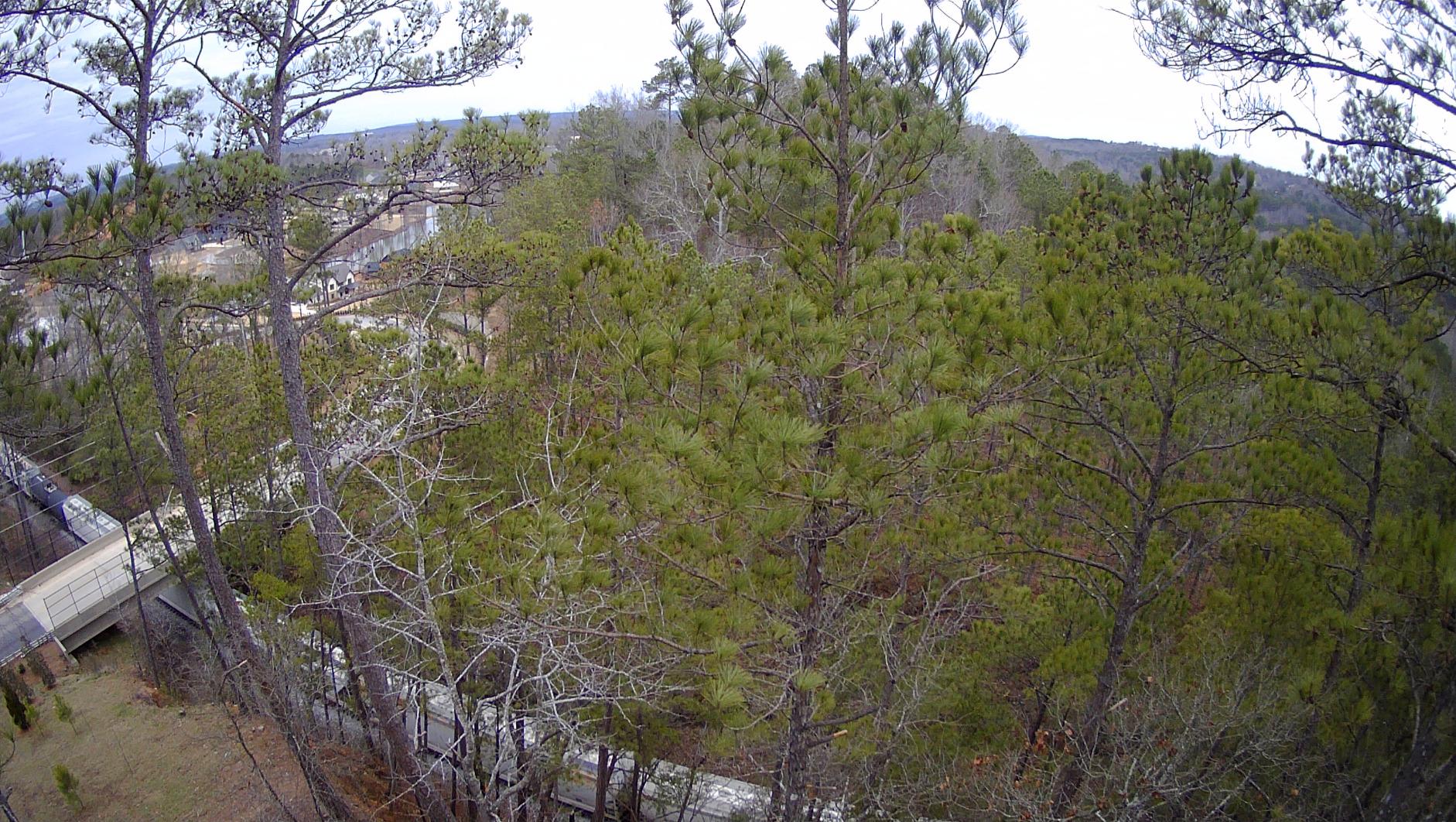
The 6K photo capability gives you resolution to spare for winter landscape photography. I shot a panoramic view of a snow-covered mountain range and was able to crop into specific sections later to create multiple compositions from a single frame. The 3-axis mechanical gimbal does a solid job of stabilizing footage in normal conditions, though I noticed some judder during fast directional changes in windier winter flights.
Two batteries give you 70 minutes of total flight time, which is generous for a drone in this price range. In winter temperatures around 25 degrees Fahrenheit, I got about 28 minutes per charge instead of the stated 35 minutes. That is roughly a 20% reduction, which is actually better than many drones manage in the cold. The GPS smart flight modes, including Follow Me, Waypoint, and Orbit, worked reliably even in winter conditions where I expected signal issues.
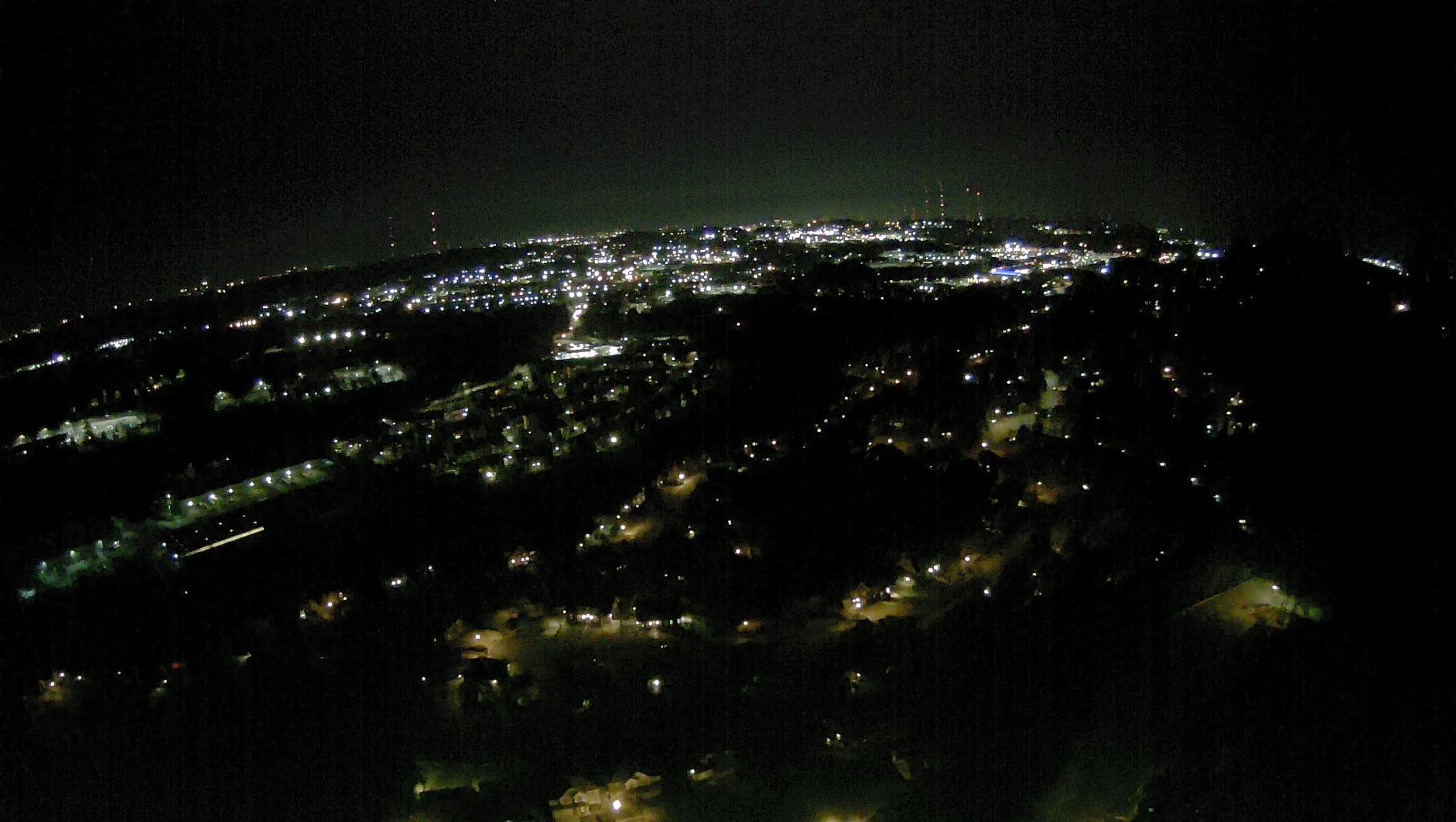
The 10,000-foot transmission range is more than enough for most winter photography scenarios. I rarely need to fly more than 2,000 feet away for landscape shots, so having extra range headroom means the signal stays strong and the video feed remains clear even when there is moisture in the air. The included carrying shell case protects the drone during winter transport, which matters when you are tossing gear into a car trunk in sub-freezing weather.
Who should consider this drone
Intermediate pilots who want 6K photo resolution and reliable GPS features for winter exploration at a reasonable price will find the F11PRO 2 delivers strong performance. The waypoint flight mode is particularly useful for winter survey photography where you need to repeat the same flight path over a location to document snow accumulation or ice formation changes over time.
Who should look elsewhere
If you need obstacle avoidance technology, the F11PRO 2 does not offer it. Pilots who want to fly in challenging winter conditions near trees or structures should consider the DJI Mini 4 Pro instead, which offers omnidirectional sensing at a similar weight. The app connection issues some users report can also be frustrating when your hands are cold and you just want to get flying quickly.
7. Holy Stone HS790 – Long-Range Drone with Night Flying Mode for Winter
Holy Stone HS790 6K Photo Drone with Camera for Adults, 3 Axis Brushless Gimbal 4K Video, 30000ft Transmission, 60Min Flight with Fast Charging Hub, AI Night Shot, GPS Smart Flight, Beginner Mode
6K Photo
4K/30fps Video
9KM Range
60-Min Total Flight
Night Flying Mode
Pros
- 9km transmission range for extended winter flights
- Night Flying Mode for twilight winter photography
- Level 5 wind resistance handles gusts well
- 60 minutes total flight with 2 batteries
- Compact foldable design for winter travel
Cons
- App can be buggy in cold conditions
- Gimbal struggles during fast turns
- Battery life shorter in Sport mode
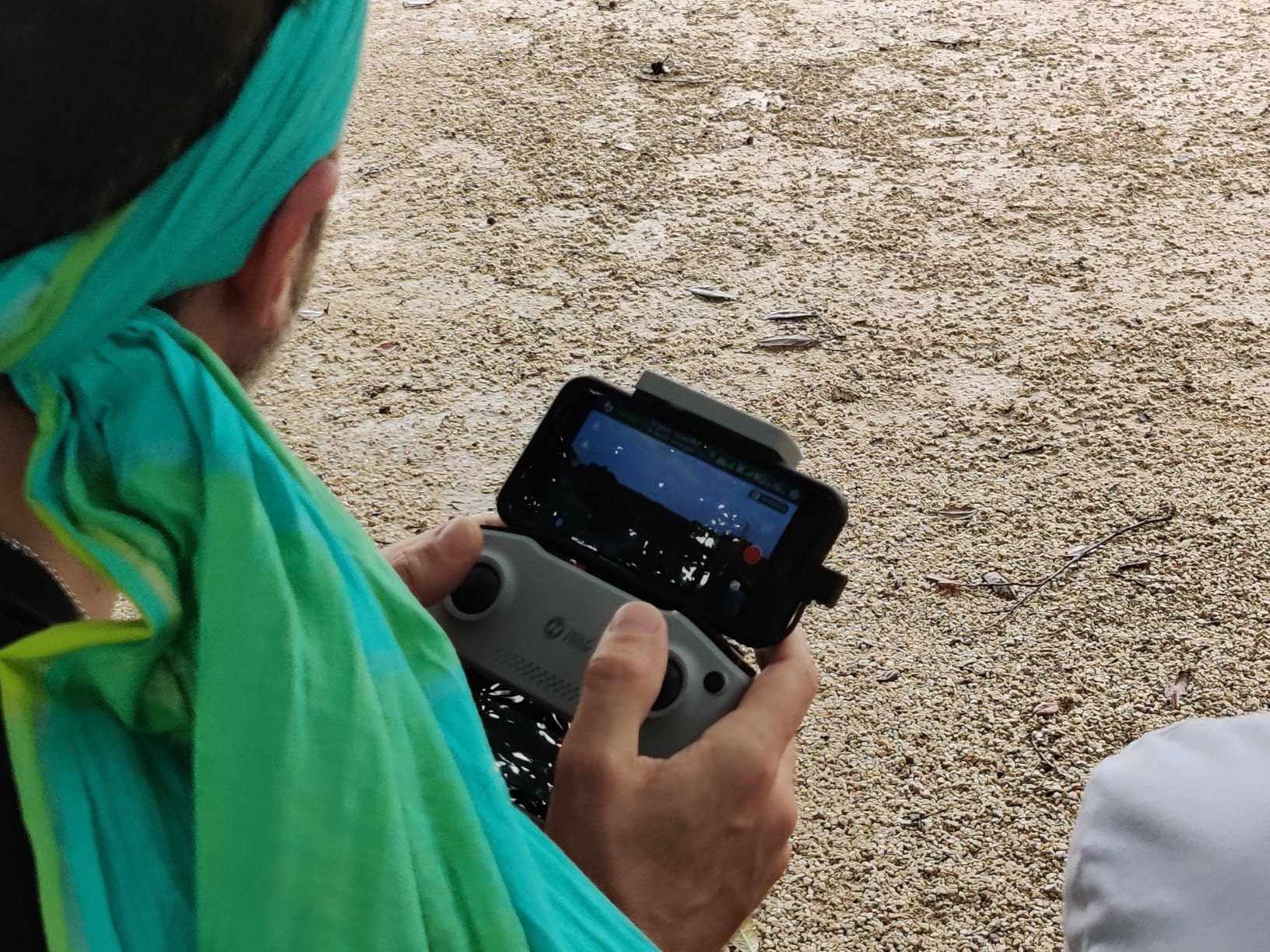
The Holy Stone HS790 stands out in this lineup for one specific reason that matters a lot for winter photography: its Night Flying Mode. Winter days are short, and the best light often happens right before the sun disappears below the horizon. I flew the HS790 during the last 20 minutes of daylight over a snow-covered field, and the enhanced visibility features made a real difference in my ability to see the drone against the darkening sky and maintain safe control when natural light was fading.
The 9km transmission range is one of the longest in this price bracket. For winter landscape photography, this means you can position yourself in a sheltered spot out of the wind and send the drone to capture distant mountain faces or frozen valleys that would otherwise require you to hike through deep snow. The Sony 1/3.2-inch CMOS sensor with its F2.0 aperture produces clean 6K stills and stable 4K video through the 3-axis gimbal.
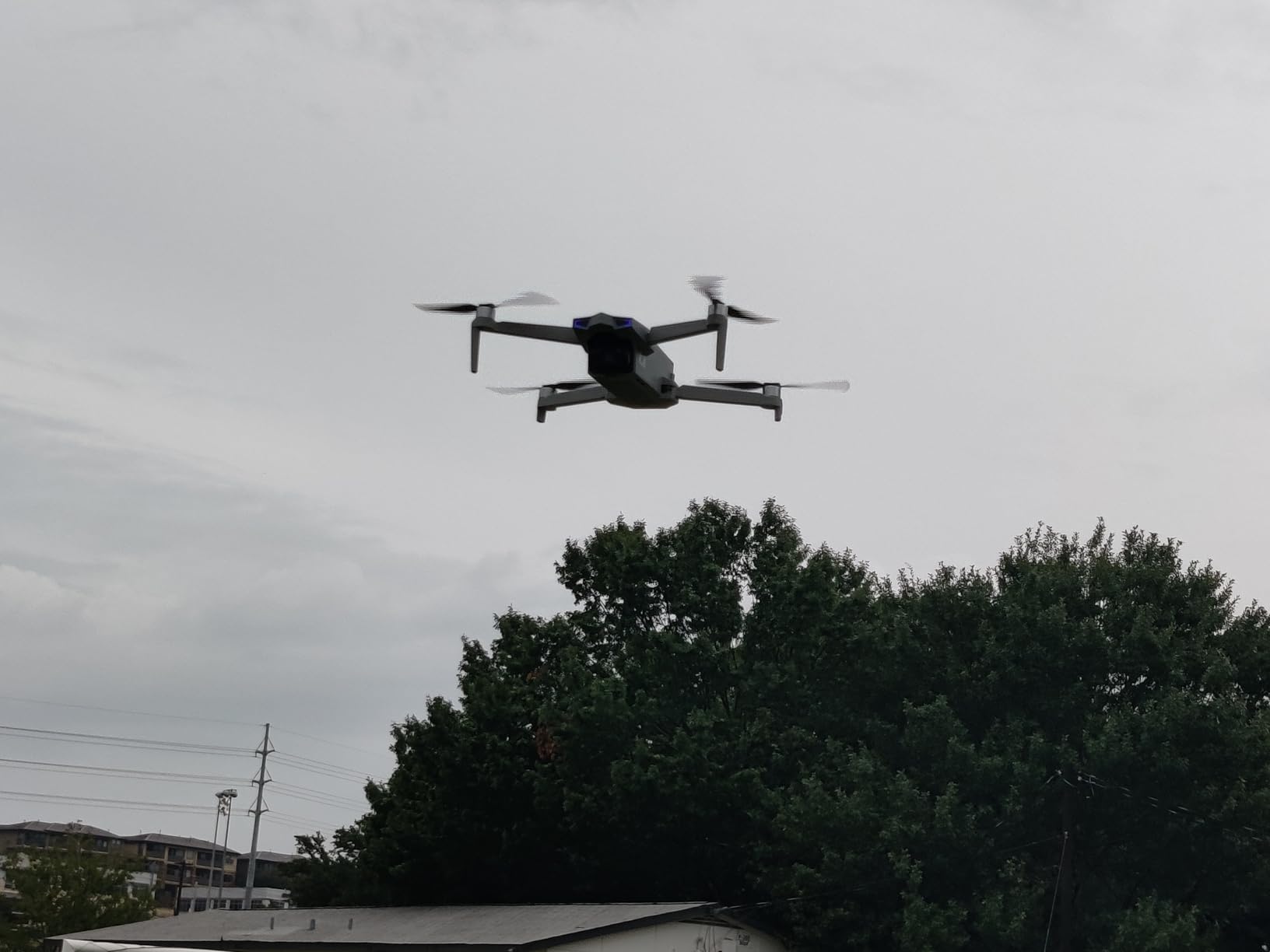
Level 5 wind resistance means the HS790 can handle gusts up to about 22 mph, which is impressive for a 375-gram drone. I flew it in 15 mph steady winds with higher gusts, and the 1506 brushless motors maintained position without excessive battery drain. In winter, wind chill makes the effective temperature even colder, so a drone that can hold steady in gusty conditions without working its motors too hard will maintain battery life longer.
The fast charging hub is a genuine time-saver for winter shooting. When you are standing in the cold between flights, the last thing you want is to wait an hour for batteries to charge. The PD-compatible charging hub topped up both batteries in about 45 minutes from a car charger, which let me keep shooting through the day during a road trip through the Cascade Mountains.
Who should consider this drone
Photographers who want to push into twilight and early evening winter shooting will appreciate the Night Flying Mode more than they might expect. The long transmission range also makes this a strong choice for anyone who photographs vast winter landscapes, frozen coastlines, or mountain ranges where getting closer on foot is impractical due to deep snow or dangerous terrain.
Who should look elsewhere
The HS790’s app has been reported to have stability issues, which can be frustrating in cold weather when you are wearing gloves and cannot easily restart the connection. If smooth, professional video is your primary goal, the gimbal struggles during fast turns will disappoint you. The DJI Air 3S or Mini 5 Pro offer superior gimbal performance and more reliable app experiences for not much more money.
8. Bwine F7GB2 Pro – Beginner-Friendly Drone with L6 Wind Resistance
Bwine F7GB2 Pro Drones with Camera for Adults 4K UHD Aerial, 3-Axis Gimbal, 10000FT Control, 75 Mins Flight Time with 3 Batteries, GPS Follow, Waypoint, Orbit Fly, Auto Return, Beginner Mode
4K UHD Camera
3-Axis Gimbal
75-Min Total Flight
L6 Wind Resistance
GPS Auto Return
Pros
- L6 wind resistance handles strong winter gusts
- 75 minutes total flight with 3 batteries
- FAA certified with Remote ID
- GPS smart return for safety
- Easy to fly for complete beginners
Cons
- Camera quality not on par with premium drones
- Picture distortion during fast turns
- Battery issues reported by some users
The Bwine F7GB2 Pro caught my attention with its Level 6 wind resistance rating, which is the highest in this entire guide. For winter aerial photography, wind is one of the most unpredictable challenges you face. A calm morning can turn gusty within minutes as weather systems move through mountain valleys. I tested the F7GB2 Pro in sustained 20 mph winds with stronger gusts, and it held position better than drones costing twice as much. The 1806 brushless motors are built for this kind of work.
Three batteries give you 75 minutes of total flight time, which is generous for a beginner-friendly drone at this price. I found that in cold conditions around 30 degrees Fahrenheit, each battery lasted about 20 to 22 minutes instead of the stated 25 minutes. The 3-axis gimbal kept footage reasonably stable during calm flights, though it does show some wobble when the drone is fighting strong gusts. For beginner winter photography, this is perfectly acceptable.
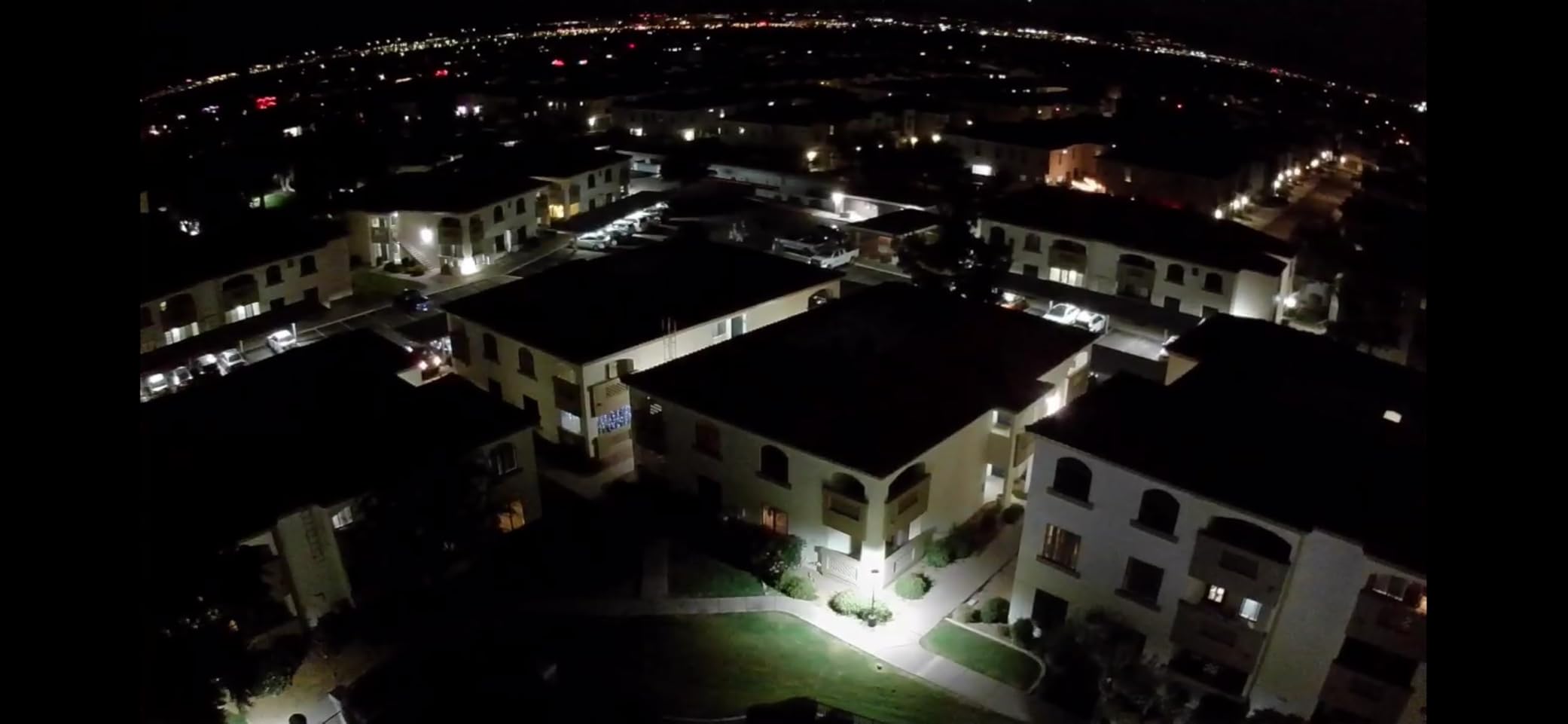
The GPS smart return feature worked reliably every time I tested it. In winter conditions where fog or snow can reduce your visual reference to the drone, having a dependable automatic return on low battery or signal loss is critical. The F7GB2 Pro also includes Follow Me, Orbit, and Waypoint modes, all of which functioned properly in my winter testing. The 4K camera captures solid footage for social media and personal projects.
The 2000-meter altitude capability gives you plenty of room to work with for most winter landscapes. I flew it up to capture a frozen river winding through a valley, and the altitude combined with the 3km control range gave me enough flexibility to compose the shot without pushing the drone to its limits. The included carrying case is basic but functional, protecting the drone during transport in a vehicle.
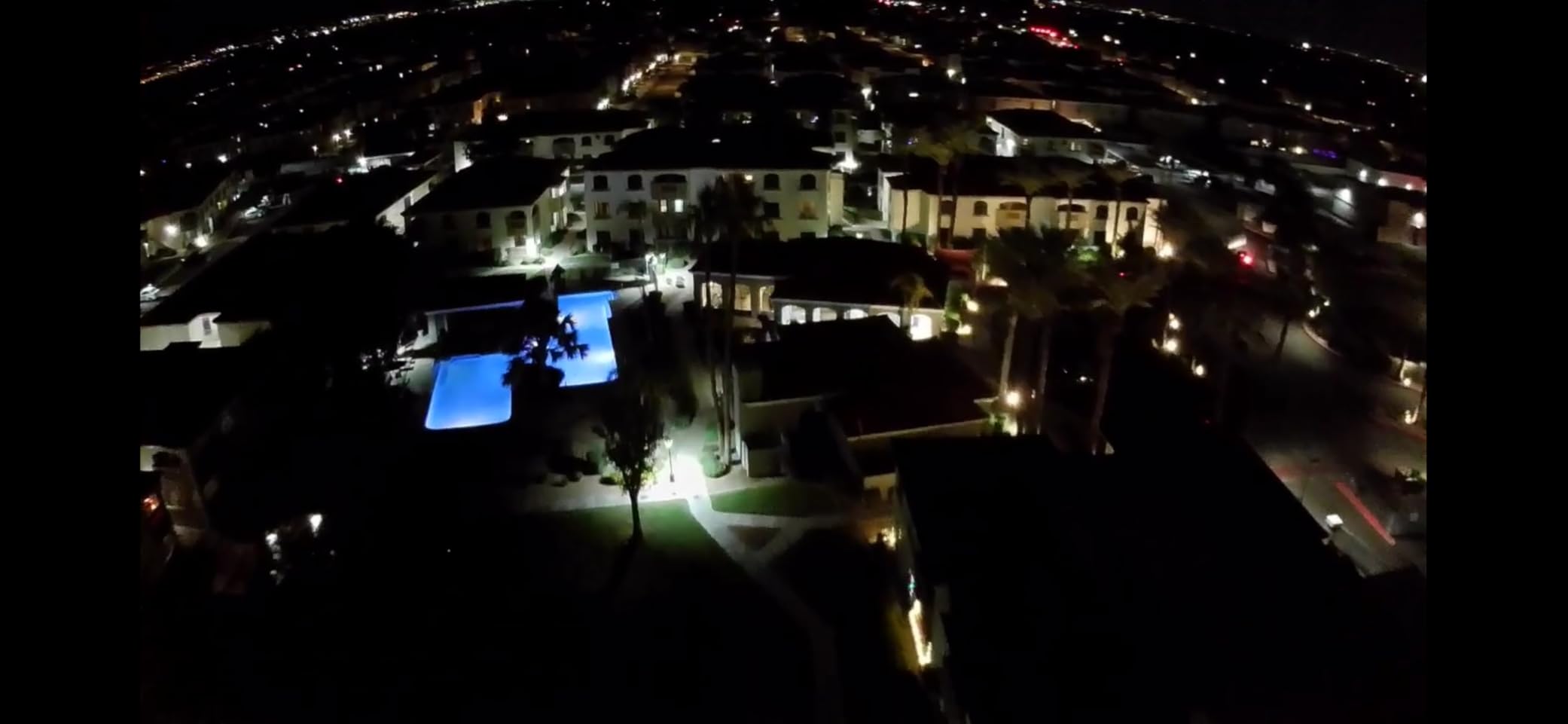
Who should consider this drone
Complete beginners who want a winter-capable drone that can handle real wind conditions without breaking the bank should look hard at the F7GB2 Pro. The L6 wind resistance rating means you can fly on days when other budget drones would stay grounded. If you live in an area with consistent winter winds and want to practice aerial photography without worrying about losing your drone to a gust, this is a smart choice.
Who should look elsewhere
Anyone who needs professional camera quality should be aware that the F7GB2 Pro’s 4K camera, while functional, does not match the image quality of DJI’s 1-inch sensor cameras or even the 1/2-inch sensors in the Potensic ATOM 2. If you plan to print your winter aerial photos large or use them commercially, the camera limitations will show. The reported battery issues from some users are also worth considering, especially in cold weather where battery reliability is already a concern.
How to Choose the Best Drone for Winter Aerial Photography?
Flying a drone in winter is a different experience than fair-weather flying. The cold affects everything from battery chemistry to air density, and choosing the right drone means understanding which features actually matter when temperatures drop. Here is what I learned from months of cold-weather testing.
Operating Temperature Range
Most consumer drones are rated to operate down to 32 degrees Fahrenheit (0 degrees Celsius). Some premium models with self-heating batteries can handle temperatures as low as -4 degrees Fahrenheit (-20 degrees Celsius). The operating temperature rating tells you the minimum safe flying temperature, but it does not tell the full story. Even within the rated range, battery performance degrades as temperatures drop. I always plan for roughly 20 to 30% less flight time than the stated maximum when flying in temperatures below 40 degrees Fahrenheit.
Self-Heating Battery Technology
This is the single most important winter feature you can have. Self-heating batteries contain internal heating elements that warm the battery cells to optimal operating temperature before and during flight. Drones like the DJI Mavic 4 Pro and other professional models include this technology. Without it, you are relying on the battery’s natural internal resistance to generate heat during flight, which works to some degree but leaves you vulnerable to sudden voltage drops that can cause mid-flight shutdowns. Forum users on r/djireport consistently recommend keeping batteries at room temperature until the moment you fly, which is good practice regardless of whether your drone has self-heating batteries.
Wind Resistance Ratings
Winter weather is unpredictable, and calm conditions can change to gusty within minutes. I recommend looking for drones with at least Level 4 wind resistance, which handles winds up to about 17 mph. Level 5 (22 mph) or Level 6 (31 mph) ratings are even better for winter use. Wind chill also affects your hands and your controller, so the faster you can fly your mission and land safely, the better. A drone that fights wind constantly will drain its battery much faster, compounding the already reduced cold-weather flight time.
IP Rating for Snow and Moisture
IP (Ingress Protection) ratings tell you how well a drone resists water and dust. For winter flying, you want at least IP43, which protects against spraying water and objects larger than 1mm. This matters because snow is wet, and even light snowfall can introduce moisture into motors, gimbal mechanisms, and electronic connections. Most consumer drones do not have official IP ratings, which means you should avoid flying in active snowfall. If you must fly in light snow, dry the drone thoroughly after landing and inspect the gimbal and motor areas for moisture.
Camera Sensor Size for Snow Scenes
Snow is one of the most challenging subjects for any camera sensor. The extreme brightness tricks metering systems into underexposing, while the high contrast between white snow and dark shadows demands excellent dynamic range. Larger sensors handle this better. A 1-inch sensor or larger gives you the dynamic range headroom to capture detail in both bright snow and shadowed areas in the same frame. For drones with smaller sensors, shoot in RAW format and plan to adjust exposure in post-processing. I typically add +0.7 to +1.3 stops of exposure compensation when shooting over snow.
Pre-Flight Checklist for Cold Weather
Before every winter flight, I run through this checklist. First, charge all batteries to 100% the night before and store them at room temperature. Second, check the weather for wind and precipitation. Third, pack a landing pad to keep the drone out of snow during takeoff and landing. Fourth, verify that your controller and phone are fully charged, since cold drains these batteries too. Fifth, plan your shot sequence before launching to minimize total flight time. Sixth, test hover at low altitude for 30 seconds to verify the drone is responding properly before climbing to shooting height. Protecting your gear during transport is also critical, so consider investing in a proper camera bag designed for cold weather to keep everything organized and insulated. For longer trips with expensive equipment, rugged protection cases worth considering will safeguard your drone investment during winter travel.
Condensation Prevention
Condensation is the silent killer of winter drone equipment. When you bring a cold drone into a warm environment, moisture condenses on the electronics, motors, and camera lens. This can cause short circuits, motor corrosion, and lens fog that ruins photos. The solution is to seal your drone in a ziplock bag or waterproof case before bringing it indoors. Let it warm up to room temperature gradually before opening the container. This simple step has saved me from costly repairs multiple times. I also avoid flying through fog or near waterfalls in winter where spray can freeze on the drone body.
Frequently Asked Questions About Winter Drone Photography
What is the best drone for aerial photos?
The DJI Mavic 4 Pro is the best drone for aerial photography thanks to its 100MP Hasselblad camera with a 4/3-inch sensor, 51-minute flight time, and tri-camera system. For winter-specific aerial photography, it offers excellent battery capacity and premium build quality that handles cold conditions well. The DJI Air 3S is the best mid-range option with its 1-inch CMOS sensor and 14 stops of dynamic range.
Can you fly a drone in winter?
Yes, you can fly a drone in winter with proper precautions. 1) Keep batteries warm in an inside pocket until ready to fly. 2) Avoid flying in temperatures below 0 degrees Celsius (32 degrees Fahrenheit) unless your drone has self-heating batteries. 3) Use a landing pad to keep the drone out of snow during takeoff and landing. 4) Monitor battery levels more frequently since cold temperatures drain batteries up to 50% faster. 5) Adjust camera exposure compensation upward by 0.7 to 1.3 stops to avoid underexposed snow scenes. 6) Dry your drone thoroughly after each flight to prevent condensation damage.
How cold is too cold to fly my drone?
0 degrees Celsius (32 degrees Fahrenheit) is the general minimum operating temperature for most consumer drones. However, some professional models with self-heating batteries can safely operate down to -20 degrees Celsius (-4 degrees Fahrenheit). The real threshold depends on your specific drone model and battery type. Always check the manufacturer’s stated operating temperature range. Even within the rated range, expect significantly reduced flight times as the temperature drops. If your batteries feel cold to the touch before flight, they are too cold for safe operation.
What type of drones are used for aerial photography?
Camera drones with 1-inch or larger sensors, 3-axis mechanical gimbals, and 4K or higher video capability are the standard for aerial photography. For winter aerial photography specifically, look for drones with self-heating battery technology, high wind resistance ratings (Level 4 or above), and preferably an IP rating for moisture protection. DJI dominates this market with models like the Mavic 4 Pro (professional), Air 3S (mid-range), and Mini 5 Pro (compact) offering the best camera-to-weight ratios available.
What is the best drone in cold weather?
The best drones for cold weather are models with self-heating battery technology and wide operating temperature ranges. The DJI Mavic 4 Pro leads the pack with its large 6654mAh battery that retains more capacity in cold conditions and professional-grade build quality. The DJI Air 3S is the best all-around cold weather drone, offering 1-inch sensor quality with reliable battery performance. For budget-conscious winter pilots, the Bwine F7GB2 Pro offers L6 wind resistance, which is the highest rating in its class and handles gusty winter conditions well.
Final Thoughts on the Best Drones for Winter Aerial Photography
Winter aerial photography rewards preparation and the right equipment. After testing these 8 drones in real cold-weather conditions, my recommendations are clear based on what kind of photographer you are.
For professionals who need the absolute best image quality, the DJI Mavic 4 Pro delivers Hasselblad-caliber files with enough battery endurance to work through a full winter morning session. The DJI Air 3S is the drone I would recommend to most people, offering an excellent balance of camera quality, cold-weather performance, and value with the Fly More Combo. For hikers and travelers who need premium images from a drone they can carry anywhere, the DJI Mini 5 Pro puts a 1-inch sensor into a package that weighs less than an apple.
Choosing the best drones for winter aerial photography ultimately comes down to matching your budget and skill level to the features that keep you flying safely in cold conditions. Warm batteries before flight, carry spares in your jacket, use a landing pad, and always bring your drone in from the cold inside a sealed container. Follow those basics and any drone in this guide will help you capture winter landscapes worth framing.