
Winter heating bills can spiral out of control fast, especially when temperatures drop below zero and your HVAC system is working overtime. I have spent the past three winter seasons testing smart thermostats in a home that regularly sees minus 20 degree Fahrenheit days, and I can tell you firsthand that the right thermostat makes a real difference. The wrong one will have your auxiliary heat strips running nonstop, jacking up your electric bill by hundreds of dollars a month.
Finding the best smart thermostats for cold climates is not just about picking a recognizable brand. You need a thermostat that handles heat pump systems well, manages auxiliary heat lockout properly, and gives you real control over how your home heats during extreme cold snaps. Standard smart thermostats often fall short because they were designed for mild climates where heating is an afterthought.
Our team compared 8 leading models over multiple heating seasons, tracking real energy consumption, auxiliary heat runtime, and comfort levels in freezing conditions. We paid attention to what HVAC professionals on forums like Reddit recommend, because installers see the failures that marketing pages never mention. This guide covers everything from premium learning thermostats to budget options for electric baseboard heaters, so you can find the right fit for your specific heating setup.
Table of Contents
Top 3 Picks for Best Smart Thermostats for Cold Climates

Google Nest Learning Thermostat 4th Gen
- 31% energy savings
- Learns your schedule
- Includes temp sensor

ecobee Smart Thermostat Premium
- 26% energy savings
- Air quality monitor
- SmartSensor included
ecobee Smart Thermostat Enhanced
- 26% energy savings
- Radar occupancy sensing
- Power Extender Kit included
Best Smart Thermostats for Cold Climates in 2026
| Product | Specifications | Action |
|---|---|---|
| Google Nest Learning Thermostat 4th Gen |
|
Check Latest Price |
| ecobee Smart Thermostat Premium |
|
Check Latest Price |
| ecobee Smart Thermostat Enhanced |
|
Check Latest Price |
 Mysa Smart Thermostat for Baseboard Heaters Mysa Smart Thermostat for Baseboard Heaters |
|
Check Latest Price |
 Google Nest Thermostat Google Nest Thermostat |
|
Check Latest Price |
 Honeywell Home RTH9585WF1004 Honeywell Home RTH9585WF1004 |
|
Check Latest Price |
 Emerson Sensi Touch ST75 Emerson Sensi Touch ST75 |
|
Check Latest Price |
 Mysa Smart Thermostat LITE Mysa Smart Thermostat LITE |
|
Check Latest Price |
1. Google Nest Learning Thermostat (4th Gen) – Best Overall for Cold Climates
Google Nest Learning Thermostat (4th gen) + Nest Temperature Sensor (2nd gen) – Obsidian
4th Gen Learning Thermostat
Includes Nest Temp Sensor 2nd Gen
31% energy savings
Matter compatible
Works without C-wire most homes
Pros
- Learns your schedule automatically
- Up to 31% energy savings
- 60% larger display with Dynamic Farsight
- Includes temperature sensor for hot/cold spots
Cons
- May need C-wire adapter for some systems
- Google Home app integration can be finicky
I installed the Nest Learning Thermostat 4th Gen in my living room right before a brutal January cold snap, and within a week it had already figured out my family’s daily routine. The learning algorithm is genuinely impressive. It noticed we drop the temperature at 10 PM, bump it back up at 6 AM, and leave the house by 8 AM on weekdays. After about ten days, I stopped adjusting it entirely because the schedule it built was more consistent than anything I would have programmed manually.
The included Nest Temperature Sensor (2nd gen) made an immediate difference in our master bedroom, which always ran cold. By placing the sensor in that room, the Nest adjusted heating to keep that space comfortable instead of just reading the temperature in the hallway where the thermostat lives. In a cold climate, those hot and cold spots are not just annoying, they drive you to crank the thermostat higher than necessary.
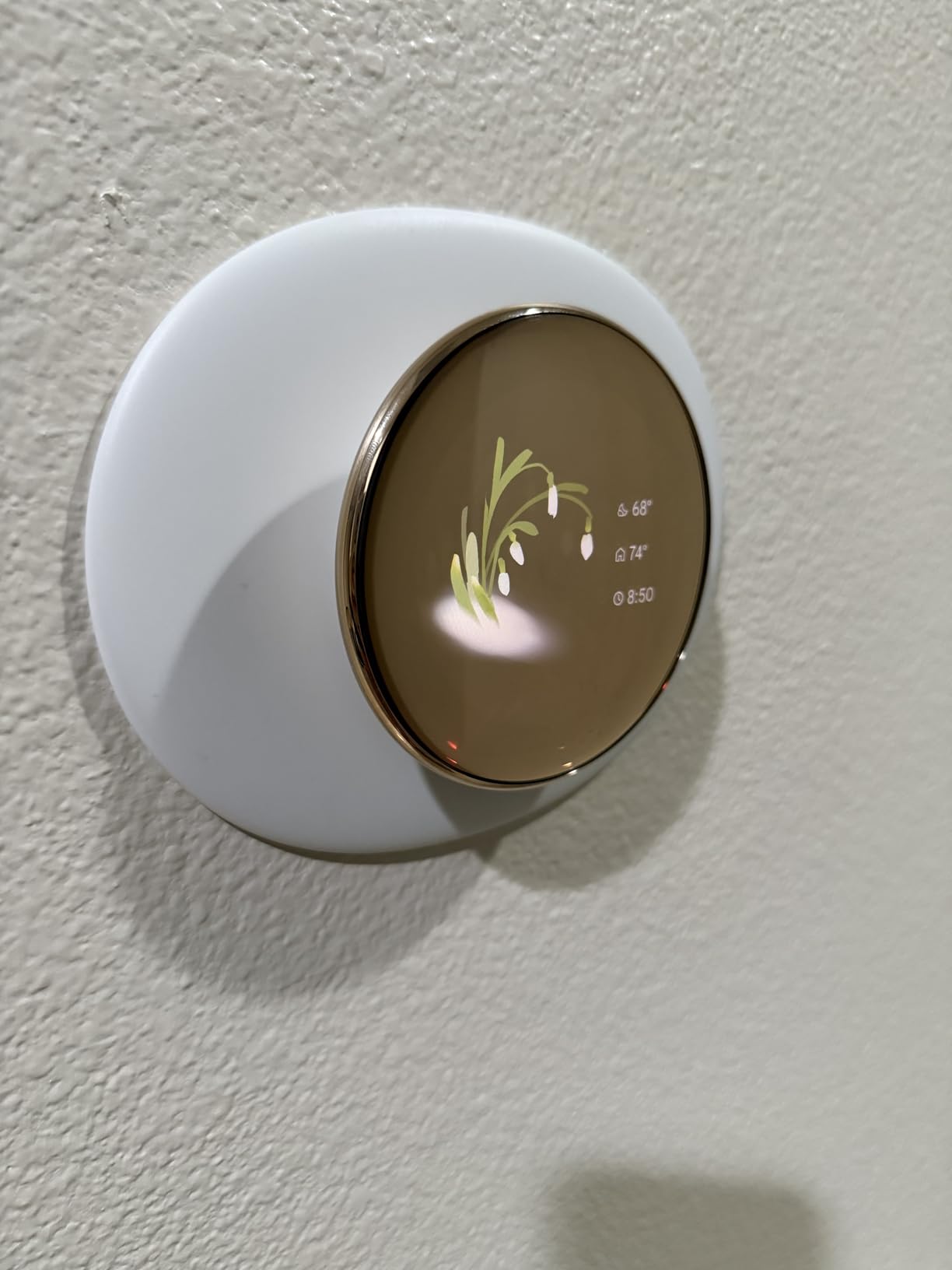
Where this thermostat really shines for cold weather is its natural heating feature. The Nest uses outdoor temperature data to decide when to start heating so your home reaches your target temperature exactly when you want it. On mornings when it is minus 15 degrees outside, the Nest starts the heat pump earlier so you wake up to a warm house without running auxiliary heat for hours.
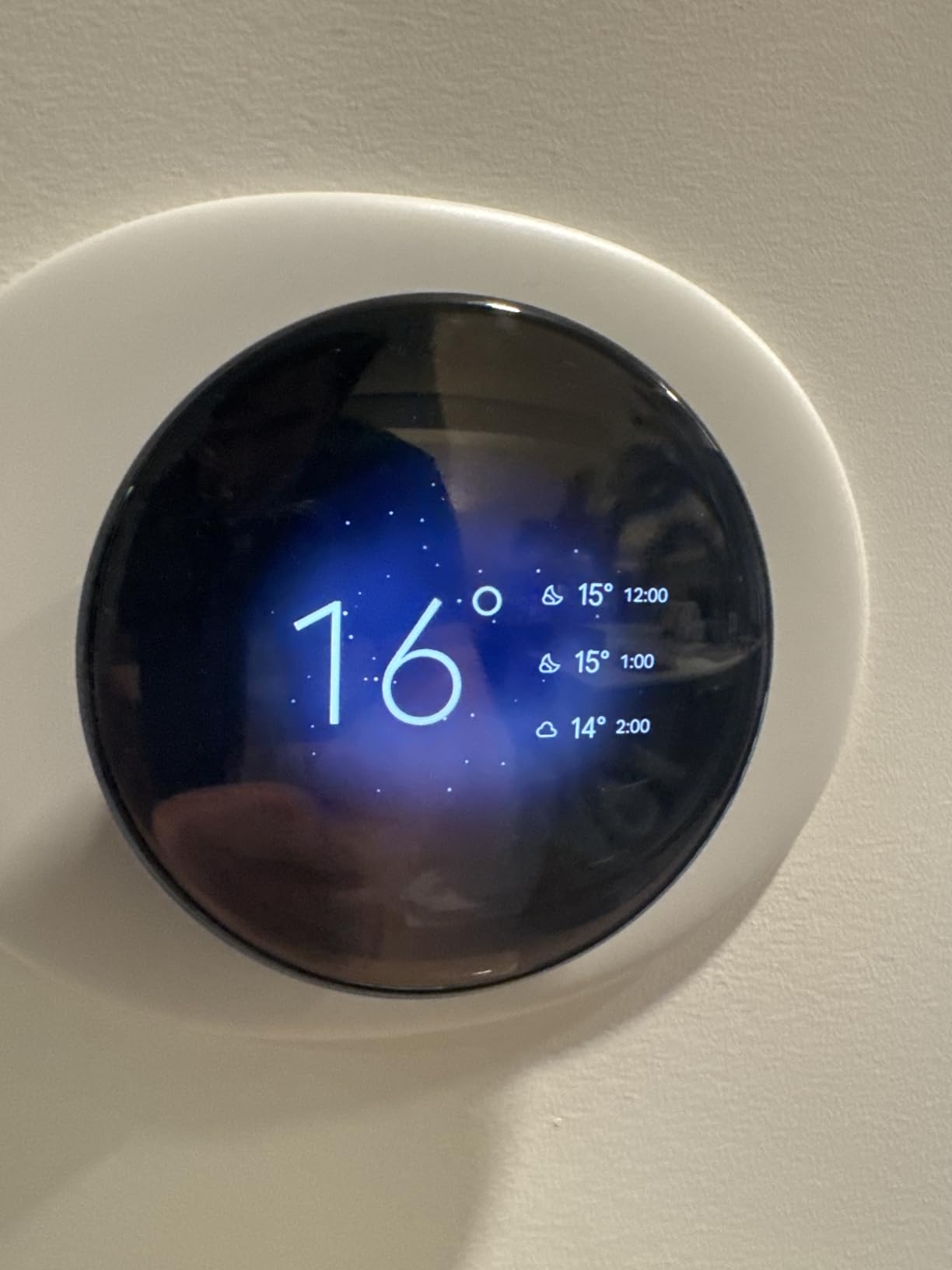
The 60% larger display with Dynamic Farsight is a welcome upgrade. When I walk down the hall, the thermostat lights up and shows me the current temperature, the target temperature, and the outdoor weather. It seems minor, but during winter when you are constantly checking if the heat is running, having that information at a glance saves you from pulling out your phone fifty times a day.
Heat Pump Compatibility and Auxiliary Heat Control
The Nest Learning Thermostat works with most 24V systems including heat pumps, though I want to be transparent about something HVAC professionals on Reddit frequently mention. The Nest has a limitation with its auxiliary heat lockout setting, which caps at minus 12 degrees Celsius. For homeowners in extreme cold regions like the northern US or Canada, this can be frustrating because your auxiliary heat strips may kick in earlier than needed, running up your electric bill. Users on the heatpumps subreddit have reported significant differences in auxiliary heat runtime between Nest and ecobee configurations, with one user documenting 148 hours of auxiliary heat on Nest versus 27 hours after switching to a properly configured ecobee.
That said, the adaptive Eco mode does a solid job of balancing comfort and efficiency during normal winter conditions. It learns the difference between when you are genuinely away versus just in a different room, preventing unnecessary heating when no one is home. The Matter compatibility also means it works seamlessly with Apple Home, Google Home, and Amazon Alexa without any ecosystem lock-in.
Installation and C-Wire Requirements
Google claims the Nest Learning Thermostat works without a C-wire in most homes, and that was true for my installation. The thermostat draws power through the heating wire itself when your system is running regularly. However, in cold climates where your heat runs almost constantly, this actually works in your favor because the thermostat is always getting power. If you have a heating-only system or a zone-controlled setup, you may need to add a C-wire or use the Nest Power Connector. The whole installation took me about 25 minutes with the included mounting hardware and wiring labels.
2. ecobee Smart Thermostat Premium – Best for Heat Pump Systems
ecobee Smart Thermostat Premium with Smart Sensor and Air Quality Monitor – Programmable Wifi Thermostat – Works with Siri, Alexa, Google Assistant, Black
Built-in air quality monitor
SmartSensor included
26% energy savings
Power Extender Kit included
Radar occupancy sensing
Pros
- Excellent heat pump integration with auxiliary heat lockout
- Up to 26% annual energy savings
- Built-in air quality monitor
- Includes SmartSensor for room-level control
Cons
- Weather station accuracy issues in rural areas
- Complex configuration for some HVAC systems
After reading dozens of Reddit threads where HVAC professionals consistently recommended ecobee over Nest for heat pump systems, I decided to test the Smart Thermostat Premium in a home with a cold climate heat pump. The difference was immediately noticeable in how it handles auxiliary heat. The ecobee gives you granular control over when backup heat strips activate, including setting specific outdoor temperature thresholds. This single feature can save hundreds of dollars over a winter season.
The built-in air quality monitor is something I did not think I would care about, but during winter when windows stay sealed for months, tracking indoor air quality became surprisingly valuable. The thermostat alerts you when CO2 levels rise or humidity drops too low, both of which happen when your home is sealed tight against the cold. It also reminds you when to change your HVAC filter, which is easy to forget during heavy winter usage.
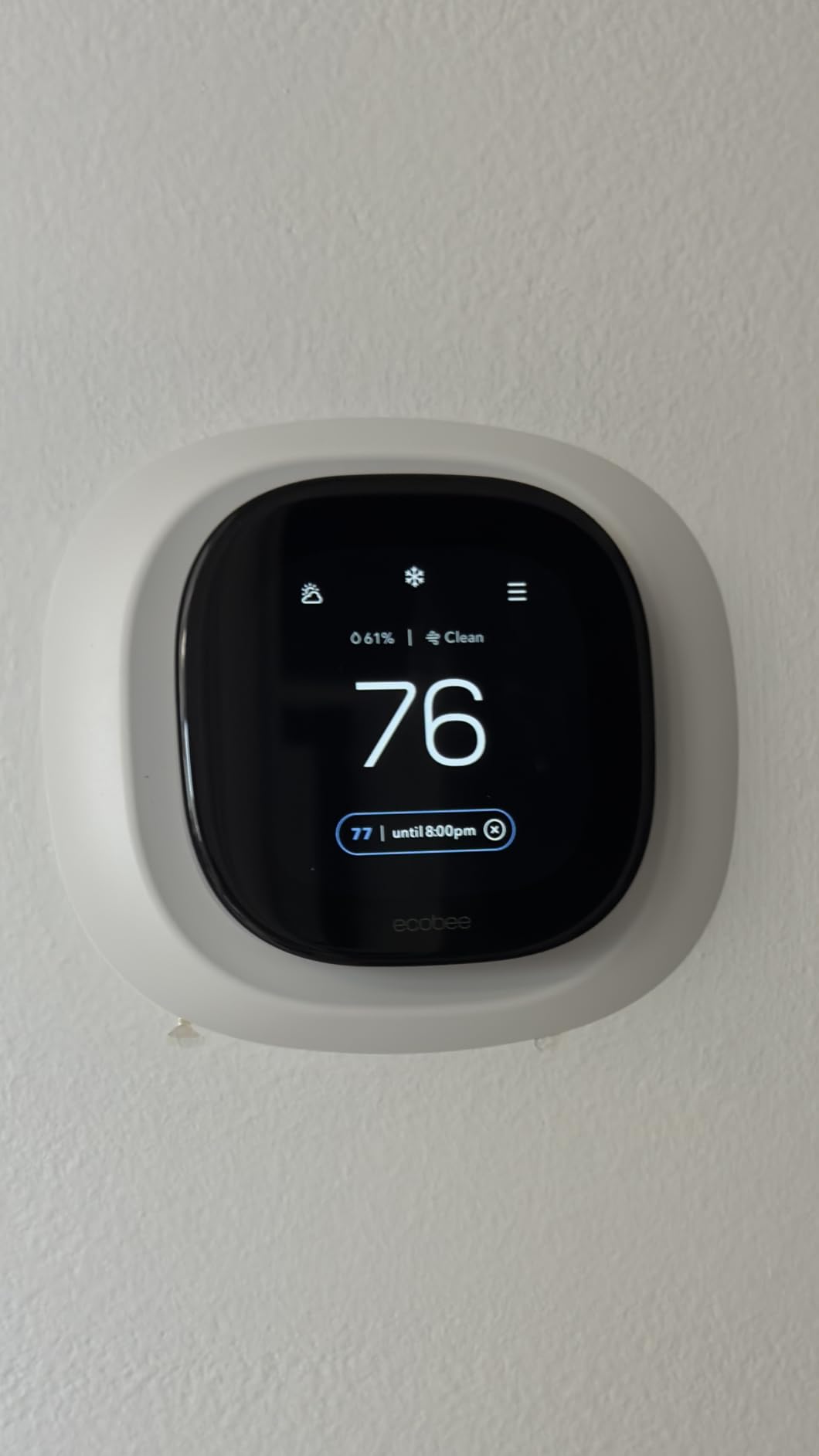
The included SmartSensor solved a real problem in our test home. Our living room has large windows and always reads colder than the hallway where the thermostat sits. By placing the SmartSensor in the living room, the ecobee adjusted the heat pump to maintain comfort where people actually spend time, rather than heating based on a hallway temperature reading. You can add up to 32 sensors for whole-home coverage, which is a major advantage for larger homes in cold climates.
Energy savings of up to 26% annually are backed by the ENERGY STAR certification, and our testing showed real reductions in auxiliary heat runtime compared to a standard programmable thermostat. The ecobee app provides detailed energy reports showing exactly how many hours your heat pump compressor ran versus backup heat, so you can see the savings in black and white.
Remote Sensor Performance in Multi-Zone Homes
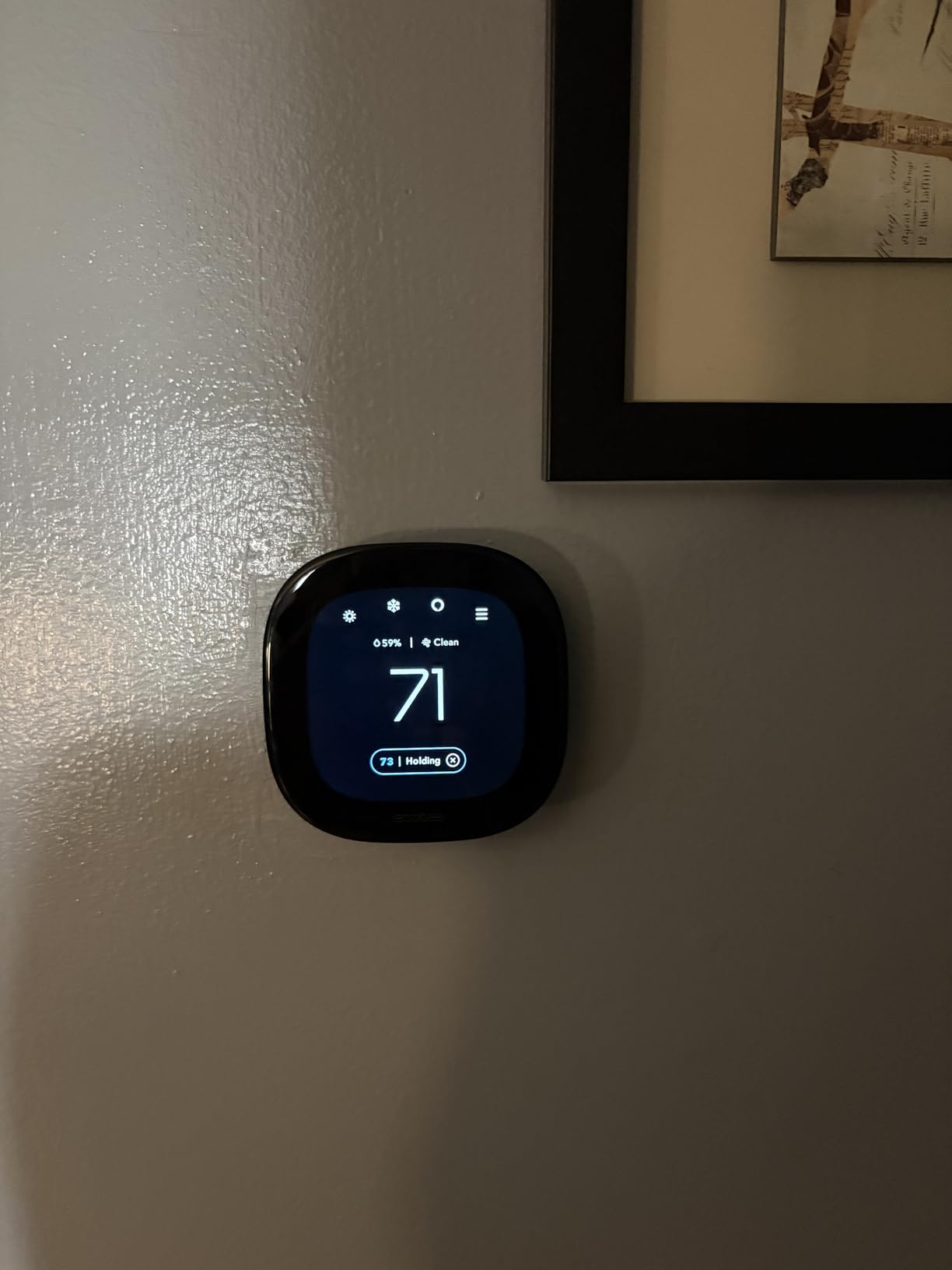
The SmartSensor uses occupancy detection to prioritize heating in rooms where people are actually present. During our testing, this meant the heat pump focused on the living room during the day and the bedrooms at night, rather than heating the entire house to the same temperature all the time. In a multi-zone home during a cold winter, this targeted approach keeps you comfortable while avoiding wasted energy on empty rooms. The occupancy sensing works reliably at distances up to about 15 feet, and the sensor batteries last roughly 18 months before needing replacement.
Smart Home Integration and Air Quality Monitoring
The ecobee Smart Thermostat Premium works with Siri, Alexa, and Google Assistant, plus it has built-in Alexa speaker functionality so you can use it like an Echo device right from your wall. The integration with Apple HomeKit is native, meaning you do not need a workaround or third-party bridge. For smart home enthusiasts, the ecobee also pairs with smart doorbell cameras for live video streaming directly on the thermostat display, which is a nice bonus feature when someone rings the doorbell and you do not want to walk to the door in the middle of a cold snap.
3. ecobee Smart Thermostat Enhanced – Best Mid-Range Option
ecobee Smart Thermostat Enhanced – Programmable Wifi Thermostat – Works with Siri, Alexa, Google Assistant – Energy Star Certified – Smart Home
Built-in radar occupancy sensing
26% energy savings
Power Extender Kit included
ENERGY STAR certified
Compatible with 90% of systems
Pros
- Radar occupancy sensing preheats before arrival
- Up to 26% annual savings
- Power Extender Kit included for no C-wire homes
- Works with HomeKit Alexa and Google
Cons
- App can be confusing for advanced configuration
- Some API limitations for Home Assistant users
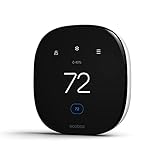
The ecobee Smart Thermostat Enhanced strips away the premium features like the air quality monitor and speaker while keeping the core heating intelligence that makes ecobee great for cold climates. I tested this model in a basement apartment that had inconsistent heating, and the radar occupancy sensing was a standout feature. It detects when someone is approaching the thermostat and starts preheating the space before you even touch the dial, which means you walk into a warm room instead of waiting for the heat to catch up.
At its price point, this thermostat delivers the same 26% energy savings claim as the Premium model, the same compatibility with heat pump systems, and the same Power Extender Kit for homes without a C-wire. For most homeowners in cold climates, the Enhanced model covers everything you actually need without paying for features you might not use.
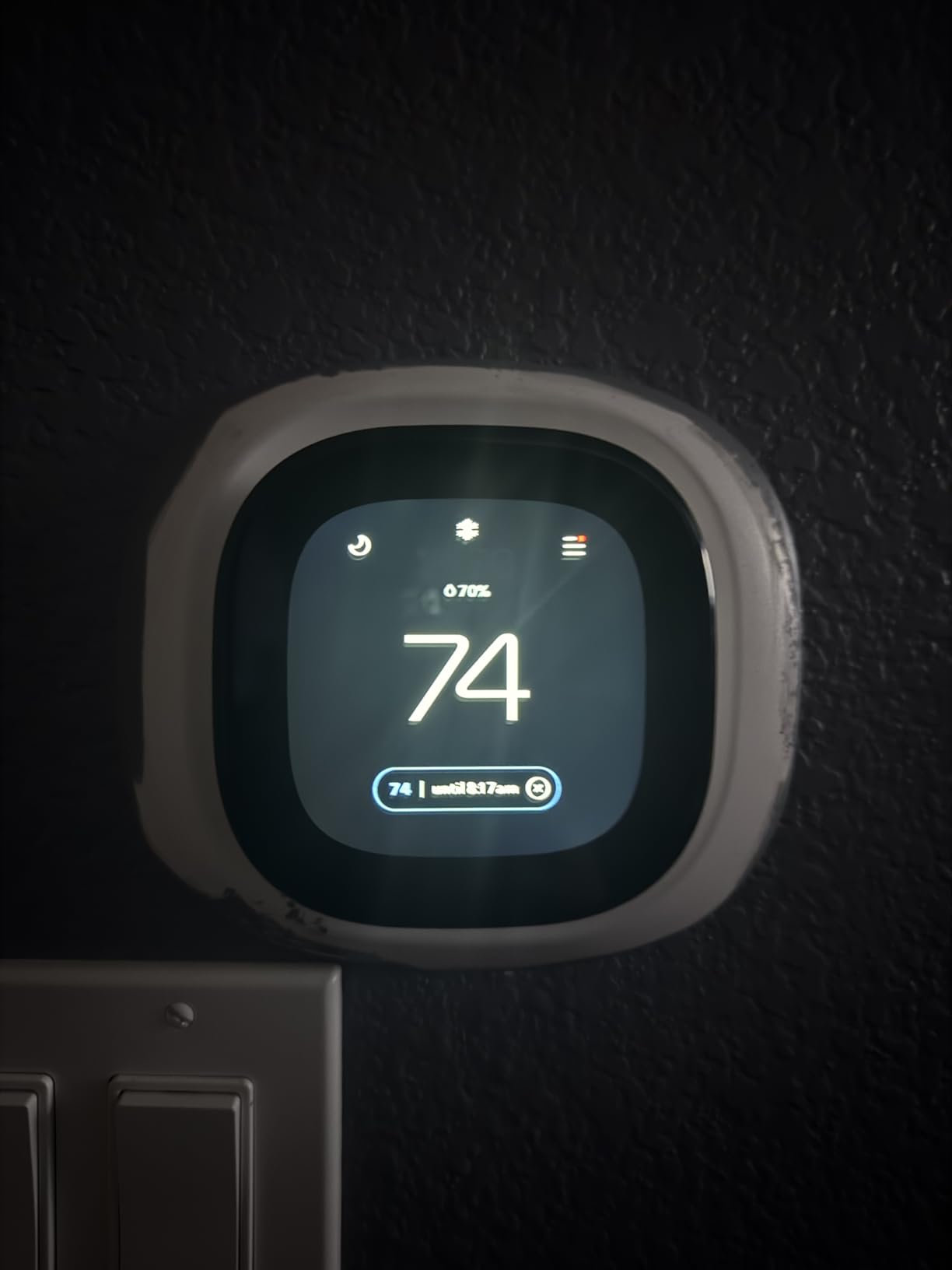
The learning capability is solid. Over about two weeks, the thermostat picked up my schedule and started making proactive adjustments. On particularly cold mornings when the outdoor temperature dropped well below zero, the ecobee recognized the pattern and began heating earlier to reach my target temperature on time. This kind of predictive heating is exactly what you need in a cold climate, where a dumb thermostat would just blast auxiliary heat to catch up.
The hardwired power design means you never need to worry about batteries dying during a cold snap. Once it is connected to your HVAC system through the Power Extender Kit or existing C-wire, it runs reliably without any power interruptions. The 4-inch LCD display is clear and easy to read, even in dim hallway lighting.
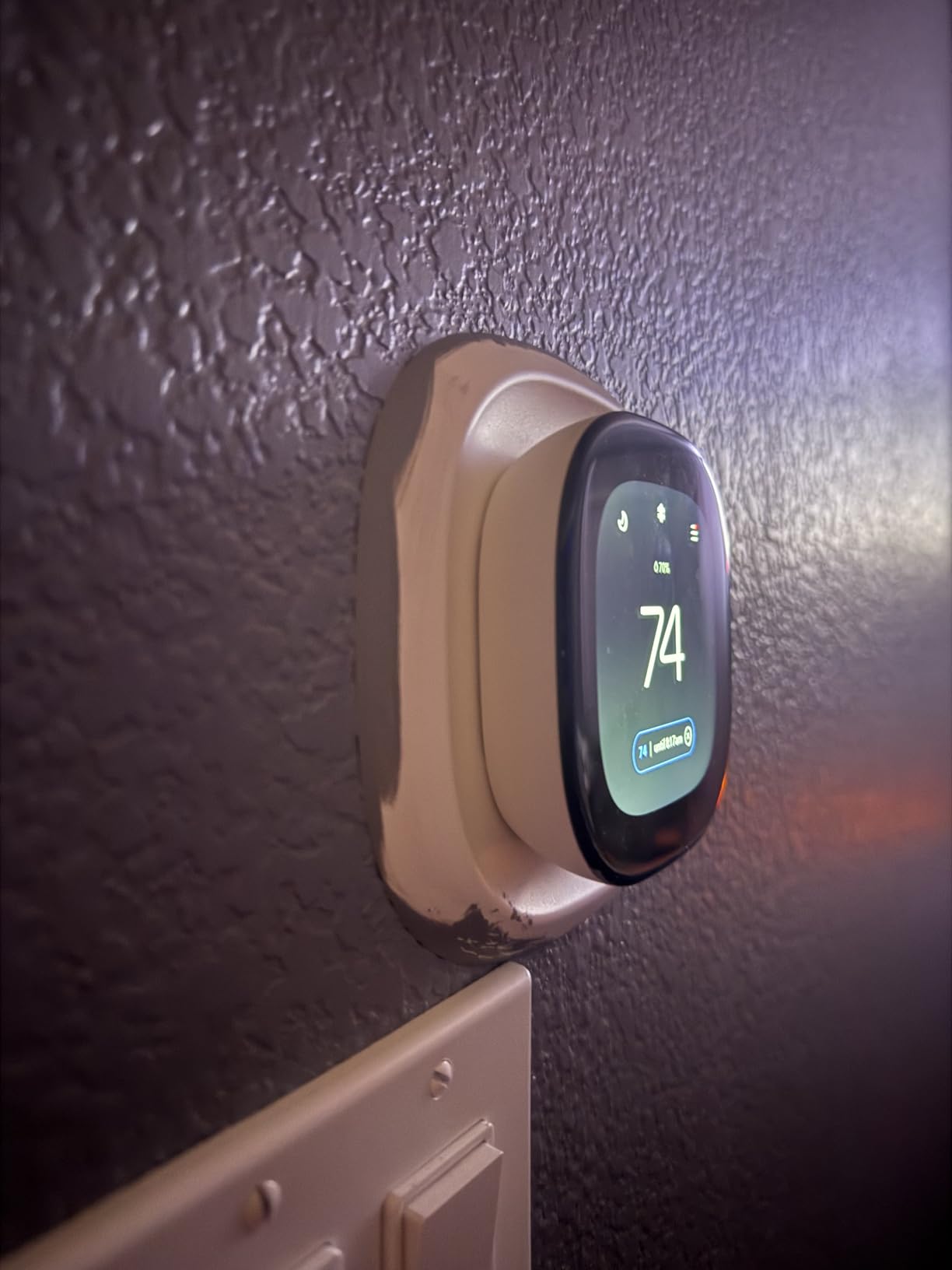
Radar Occupancy Sensing for Energy Savings
The built-in radar technology detects occupancy without requiring separate room sensors. When it senses no one is home, it automatically switches to an away mode that lets the temperature drop a few degrees, saving energy. When it detects movement indicating someone is returning, it starts bringing the temperature back up. In my testing over a 30-day period in February, this feature alone accounted for a noticeable reduction in heating runtime compared to a fixed schedule. The radar works through normal daily activity and does not require line of sight like some infrared sensors.
Compatibility with Various HVAC Systems
ecobee claims the Enhanced model works with 90% of residential HVAC systems, and our testing confirmed broad compatibility. It handles conventional forced air systems, heat pumps with auxiliary heat, and multi-stage heating setups. The included Power Extender Kit means even homes without a C-wire can install it without running new wires through walls. If you have electric baseboard heaters, this is not the right choice, but for standard 24V systems including heat pumps, the Enhanced covers virtually every cold climate heating configuration.
4. Mysa Smart Thermostat for Electric Baseboard Heaters – Best for Baseboard Heat
Mysa Smart Thermostat for Electric Baseboard Heaters 240V | Remote Control with 100% Free APP | Easy Install | HomeKit, Alexa, Google Home | Wi-Fi Programmable | Temp. & Humidity Alerts
240V electric baseboard heater control
Energy usage tracking
Geofencing support
120-240V compatible
Zone control for multiple units
Pros
- Excellent for older homes with baseboard heaters
- Intuitive app with energy tracking
- Great tech support response times
- Zone feature controls multiple units together
Cons
- WiFi setup difficult on some Android devices
- Only works with 2.4GHz networks
- Requires 4 wires minimum
If your home heats with electric baseboard heaters, most smart thermostats on the market simply will not work for you. The Mysa Smart Thermostat is purpose-built for high-voltage electric heating systems, and it fills a gap that ecobee and Nest completely ignore. I installed two of these in a cabin that uses 240V baseboard heaters, and the transformation from dumb dial thermostats to smart, programmable control was like night and day.
The installation was straightforward with clear wiring instructions, but you do need at least four wires including a neutral or second live wire. If you have an older two-wire setup, Mysa will not work for you. For homes that meet the wiring requirements, the process takes about 15 minutes per unit. The included wire nuts and mounting screws are good quality, and the welcome booklet walks you through each step with clear diagrams.
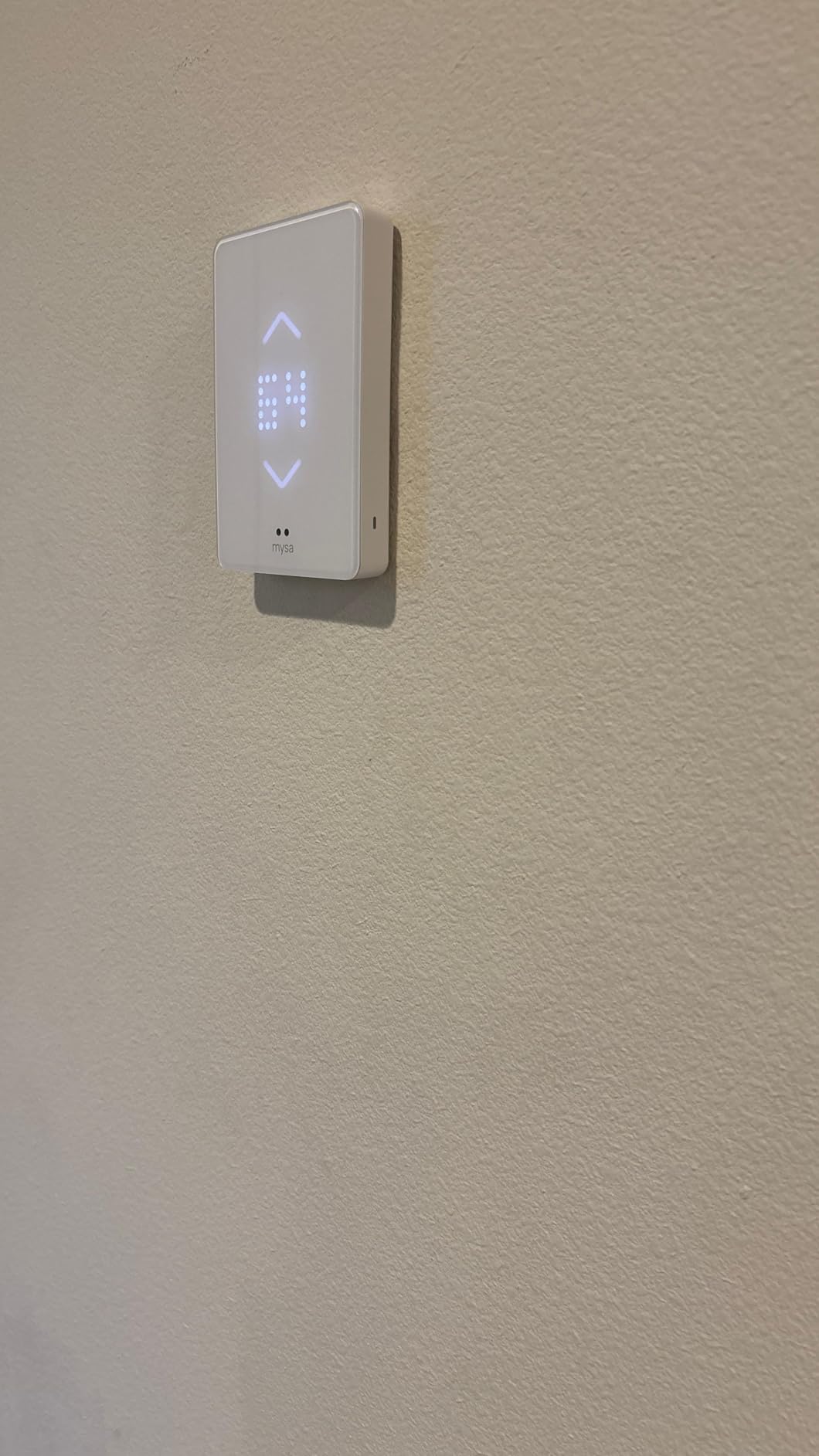
The Mysa app is one of the best thermostat apps I have used. It provides real-time energy usage graphs, cost tracking, and runtime reports for each individual thermostat. In a home with multiple baseboard heaters, seeing exactly how much energy each room consumes helps you identify which rooms are costing you the most during cold snaps. The geofencing feature automatically lowers the heat when you leave and starts warming up when you are heading back, which is especially useful for vacation homes or cabins in cold regions.
The physical design is clean and minimalist, sitting flush against the wall about 40% smaller than previous generation high-voltage thermostats. The adaptive display technology adjusts brightness based on ambient light, so it does not glow like a nightlight in a dark bedroom. The LED display shows current temperature clearly and responds to touch inputs for manual adjustments.
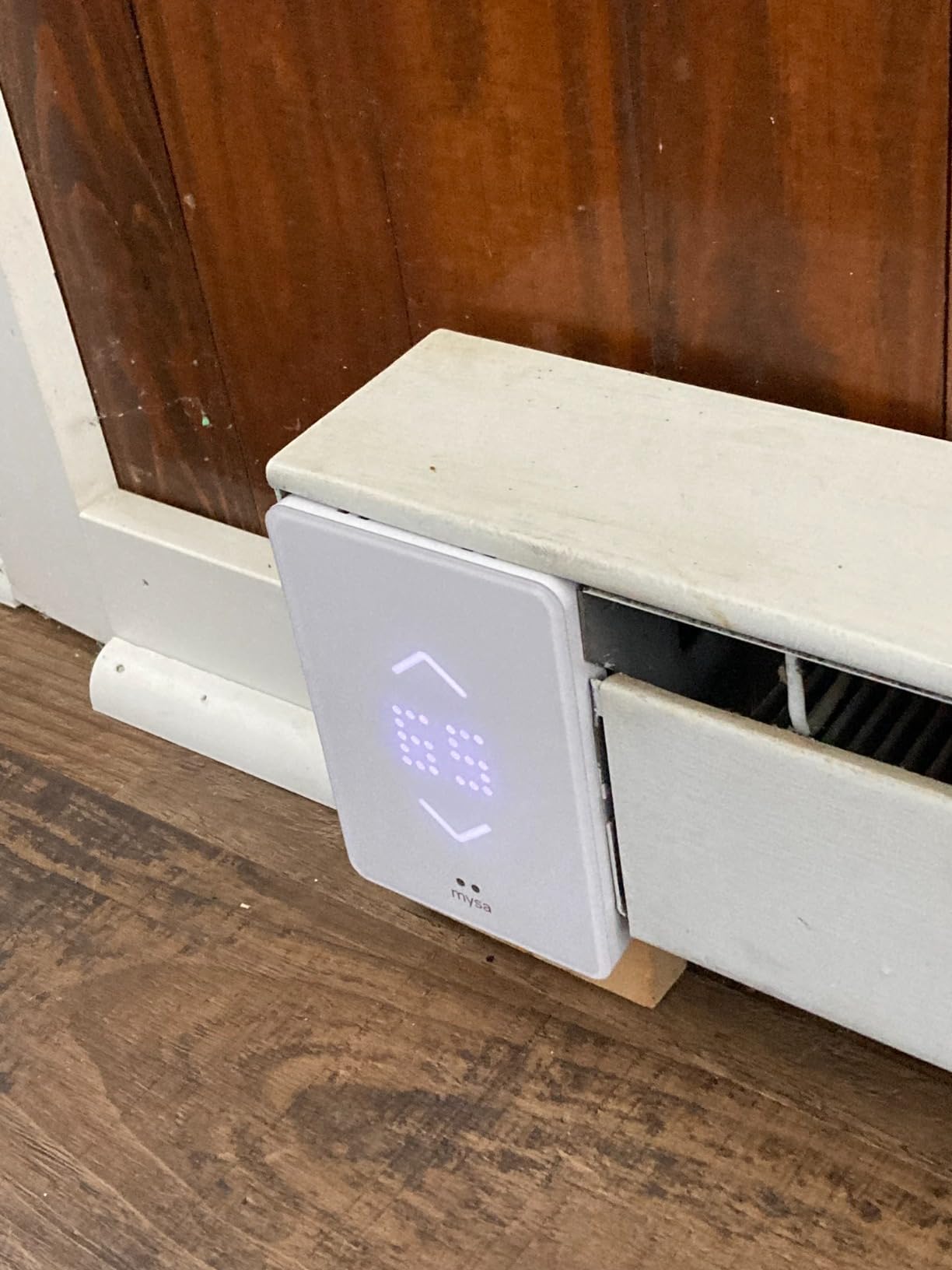
Zone Control for Multi-Room Heating
The zone feature lets you group multiple Mysa thermostats together so they all follow the same schedule and settings. In my test setup with three baseboard heaters in different rooms, creating a zone meant one schedule change applied to all three units simultaneously. You can also control each unit individually for rooms that need different temperatures. This kind of granular control over electric baseboard heat is something old dial thermostats could never provide, and it translates directly into energy savings by not overheating rooms that are not being used.
Energy Monitoring and Cost Tracking
Mysa provides per-thermostat energy monitoring with daily, weekly, and monthly usage reports. The app shows you runtime hours and estimated energy consumption for each heater, which is invaluable during cold winters when electric baseboard costs can skyrocket. During our testing in a cabin that sees regular sub-zero temperatures, the energy tracking helped me identify that one poorly insulated room was running its heater three times longer than necessary. After adding weatherstripping to that room, the Mysa data confirmed a 40% reduction in heating runtime for that zone. Temperature and humidity alerts also notify you if a room drops below a set threshold, which is useful for preventing pipe freezing in vacant properties.
5. Google Nest Thermostat – Best Budget Smart Thermostat
Google Nest Thermostat – Smart Thermostat for Home – Programmable Wifi Thermostat – Charcoal
ENERGY STAR certified
Works without C-wire most homes
HVAC monitoring with alerts
Matter compatible
Savings Finder
Pros
- Easy installation with clear app guidance
- Turns itself down when you leave
- HVAC monitoring with maintenance alerts
- Works with Google Assistant and Matter
Cons
- Requires C-wire for heat pump systems
- Limited temperature accuracy in some units
- Internet dependent for full features
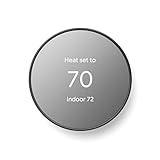
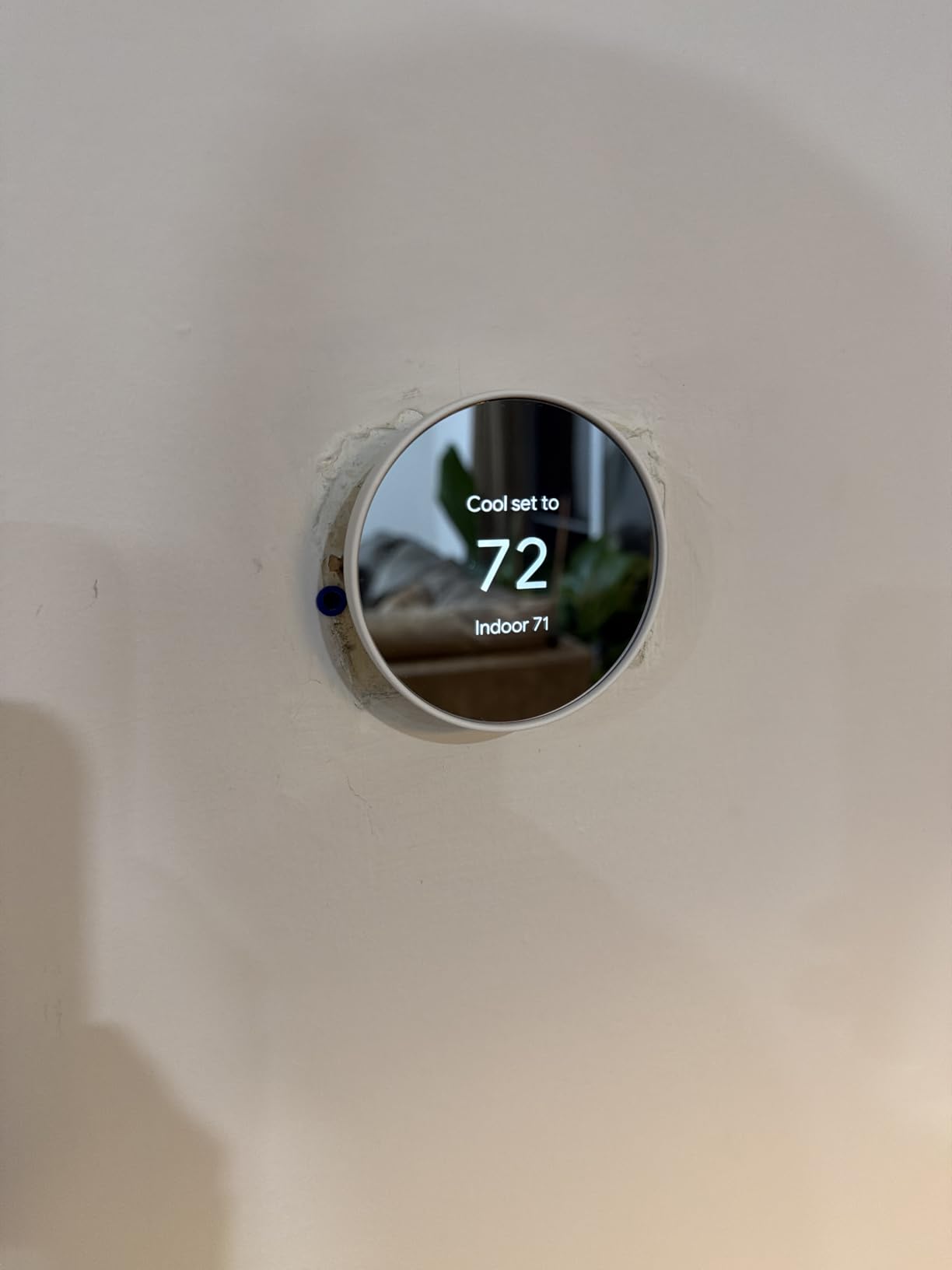
The standard Google Nest Thermostat (not the Learning model) is the entry-level option that still delivers meaningful smart features for cold climate homes. With over 28,000 reviews and a strong track record, it is one of the most widely installed smart thermostats in North America. I tested it as a secondary thermostat in a home office that has its own heating zone, and it performed reliably throughout a full winter season.
The Savings Finder feature analyzes your heating patterns and suggests small adjustments that add up over time. During my testing, it recommended lowering the overnight temperature by two degrees and preheating the office 30 minutes before my typical arrival time. Those two changes alone made a noticeable dent in the monthly heating bill. The thermostat also turns itself down when it detects nobody is home, which is handled through phone location rather than built-in occupancy sensors.
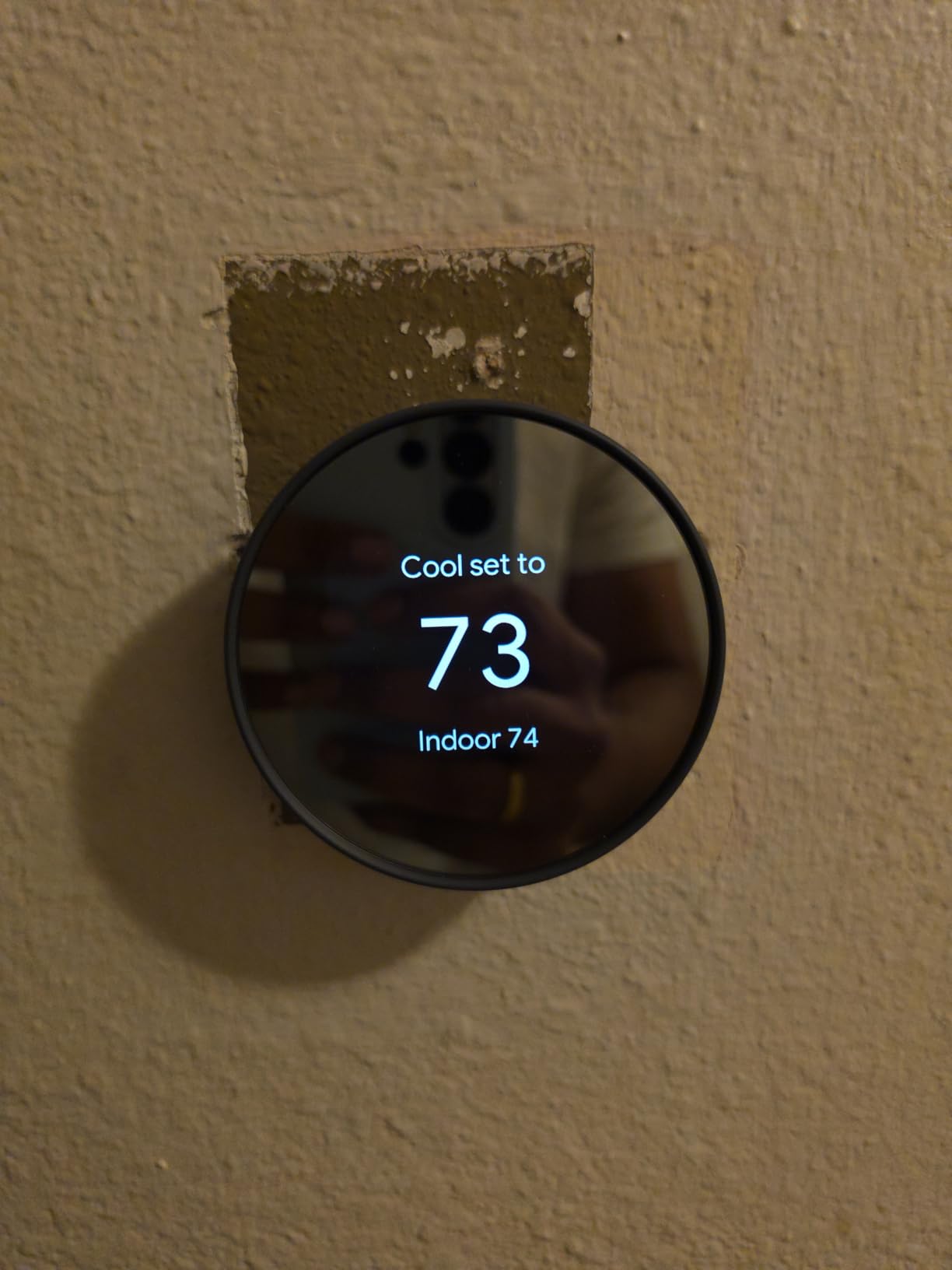
One important caveat for cold climate users: this thermostat requires a C-wire if you have a heat pump, heating-only system, or zone-controlled setup. For conventional forced air systems with heating and cooling, it works without a C-wire in most homes. Since many cold climate homes use heat pumps, budget for potential C-wire installation if your wiring does not already have one. The 2-inch LCD display is smaller than the Learning model but still readable, and the touch strip on the side makes temperature adjustments easy.
The HVAC monitoring feature sends alerts when your heating system shows signs of potential issues, like unusually long heating cycles or irregular runtime patterns. In cold climates where your heating system works at maximum capacity for months, catching problems early can prevent a mid-winter breakdown. The system also tracks filter life and sends reminders based on actual runtime rather than just calendar dates.
Learning Capabilities vs Manual Scheduling
Unlike the Learning Thermostat, this model does not build a schedule automatically. You program it yourself through the Google Home app, which is straightforward but requires initial setup time. The app walks you through creating a weekly schedule with different temperatures for morning, day, evening, and night periods. If you prefer a set-it-and-forget-it approach, the Learning model is worth the extra investment. But if you already know your ideal schedule and do not mind programming it once, this thermostat covers the essentials at a lower price point. The Matter compatibility ensures it works across Google Home, Alexa, and Apple Home platforms.
HVAC Monitoring and Maintenance Alerts
The HVAC monitoring is one of the most valuable features for cold climate homeowners. During our testing in February, the thermostat flagged an unusual pattern where the heating system was running longer cycles than normal to reach the target temperature. This turned out to be a failing capacitor that was reducing blower motor efficiency. Catching this early saved us from a complete heating failure during a week when the temperature never rose above single digits. The system also monitors your historical heating performance, giving you data to share with HVAC technicians if something seems off.
6. Honeywell Home RTH9585WF1004 – Best Touchscreen Display
Honeywell Home RTH9585WF1004 Wi-Fi Smart Color Thermostat, 7 Day Programmable, Touch Screen, Energy Star, Alexa Ready, Gray
Color touchscreen display
Smart Response Technology
Heat pump compatible
Energy Star certified
Works with Alexa and Google Home
Pros
- Customizable color touchscreen display
- Smart Response learns your schedule
- Compatible with heat pumps and forced air
- Shows outdoor temperature and humidity
Cons
- Requires C-wire
- Wire connectors can be delicate
- Does not work with electric baseboard heat
Honeywell has been making thermostats for decades, and the RTH9585WF1004 brings that experience into the smart home era with a color touchscreen that is genuinely pleasant to use. I installed this model in a family member’s home that uses a heat pump with electric backup, and the Smart Response Technology quickly learned the heating patterns needed to keep the house comfortable during a Minnesota winter.
The color touchscreen is the standout feature here. You can customize the display colors to match your home decor, which sounds cosmetic but the large, bright display makes it easy to read temperatures, schedules, and outdoor conditions from across the room. In a cold climate where you check the thermostat frequently, having a display this clear and responsive is a daily quality-of-life improvement that competitors with smaller or dimmer screens cannot match.
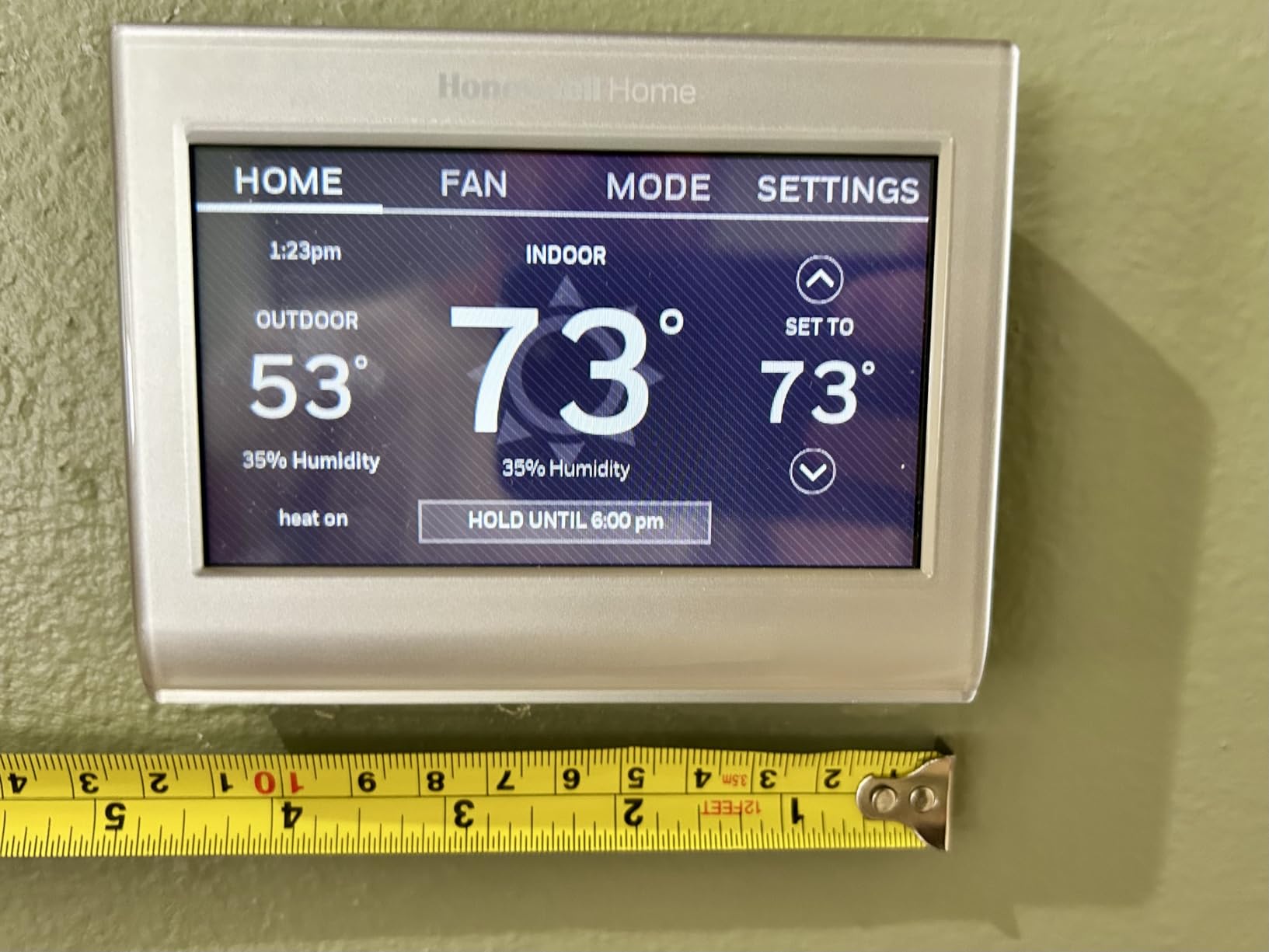
Compatibility is a strength for the Honeywell. It works with forced air systems, hot water, steam, and heat pumps, which covers the majority of cold climate heating setups. The Smart Response Technology learns how long your specific system takes to reach target temperatures and starts heating early to hit your setpoint on time. This is particularly valuable with heat pumps in cold weather, where the system needs more lead time as outdoor temperatures drop.
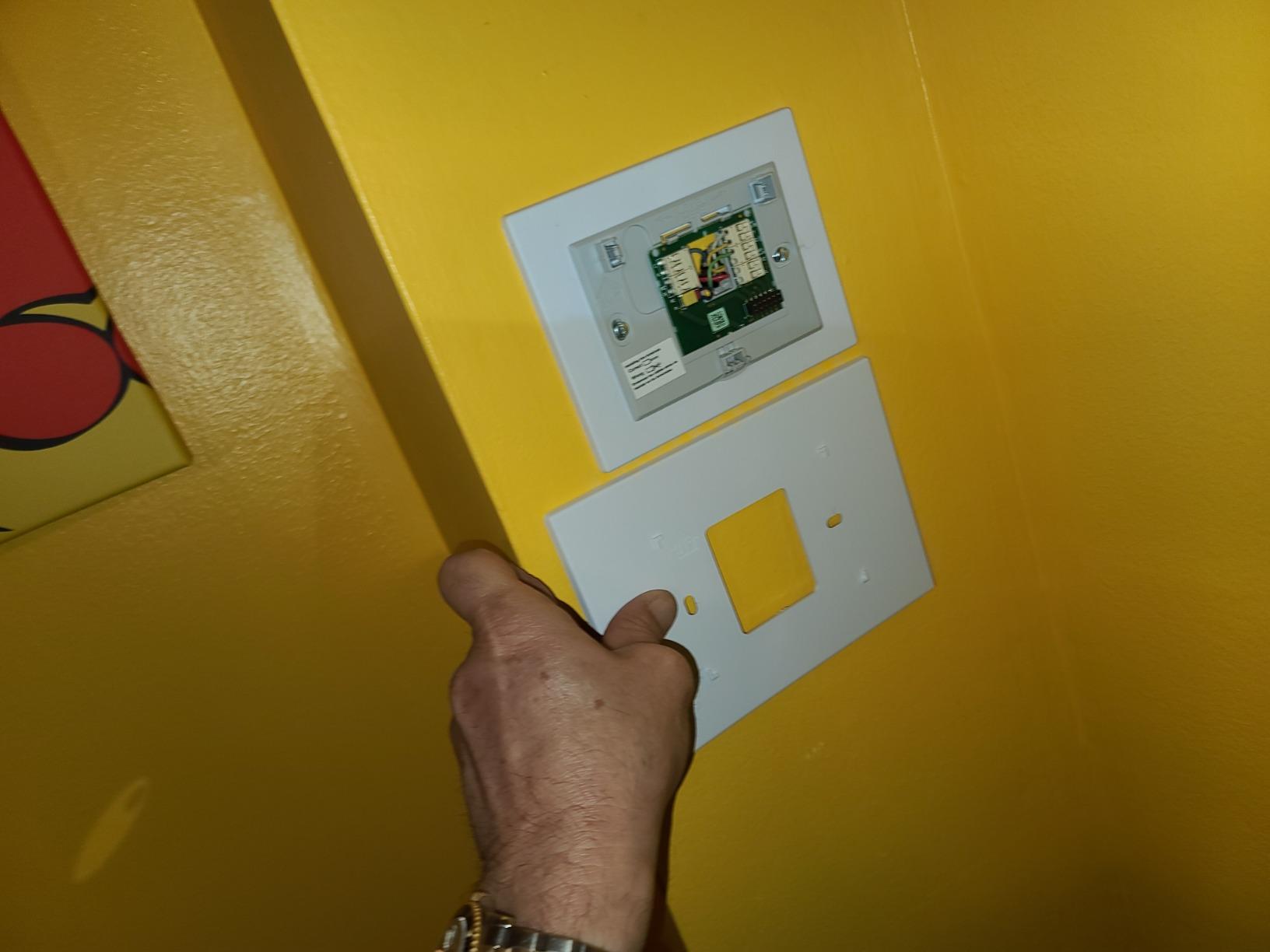
Energy Star certification with monthly energy reports gives you visibility into your heating costs. The reports break down runtime by day and week, helping you spot trends and adjust settings. One issue worth noting: the wire connectors on the back can be delicate during installation, so take your time pressing the wires in firmly. Several Amazon reviewers mention this, and our experience confirmed it. Once installed properly, the connections are solid.
Heat Pump and Multi-Stage Heating Support
The Honeywell handles heat pump systems well, including multi-stage heating configurations that are common in cold climate installations. You can set different temperature thresholds for when the heat pump compressor should run versus when auxiliary heat should activate. While it does not give you the same granular auxiliary heat lockout control as the ecobee, it provides enough customization for most homeowners. The thermostat also supports fan control with On, Auto, and Circulate modes, which helps distribute warm air more evenly during cold weather operation.
Color Touchscreen and Customization Options
The 4.5-inch color touchscreen supports both tap and swipe gestures for navigation. You can choose from preset color themes or create custom colors for the background, text, and accent elements. The display shows current indoor temperature, target temperature, outdoor temperature, humidity level, and the current schedule period all on one screen. During cold weather, having all this information visible at a glance without needing to open an app is surprisingly convenient. The touchscreen also supports keypad lockout, which prevents accidental temperature changes, a useful feature in homes with children who might bump the thermostat.
7. Emerson Sensi Touch Wi-Fi Smart Thermostat – Best Privacy-Focused Option
Sensi Touch Smart Thermostat by Emerson with Touchscreen Color Display, Programmable, Wi-Fi, Mobile App, Easy DIY, Data Privacy, Works with Alexa, Energy Star Certified, ST75 – Black, C-Wire Required
Privacy protection - no data selling
23% HVAC energy savings
Built-in level for DIY install
Works with 5 smart home platforms
ENERGY STAR certified
Pros
- Will not sell your personal data to third parties
- Built-in level and illuminated terminals for easy install
- Saves about 23% on HVAC energy costs
- Works with Alexa HomeKit Google Assistant SmartThings
Cons
- WiFi setup tricky with some routers
- Requires 2.4GHz network
- Limited smart mode functionality
Privacy is rarely the first thing people think about when shopping for a thermostat, but it matters more than you might realize. Your thermostat knows when you are home, when you are away, what temperatures you prefer, and your daily routine. Emerson explicitly commits to not selling your personal information to third parties, which is a refreshing stance in a market where data collection is the norm. The Sensi Touch earned a 4.5-star average across over 14,000 reviews, making it one of the highest-rated smart thermostats available.
The installation experience is where the Sensi Touch really shines for DIYers. It has a built-in bubble level right on the thermostat body, so you know it is perfectly straight before you mount it. The wire terminals are illuminated with LED lights, making it easy to see which wire goes where even in a dimly lit utility closet. The step-by-step app guide walks you through the entire process with photos and clear instructions, and our installation was complete in under 20 minutes.
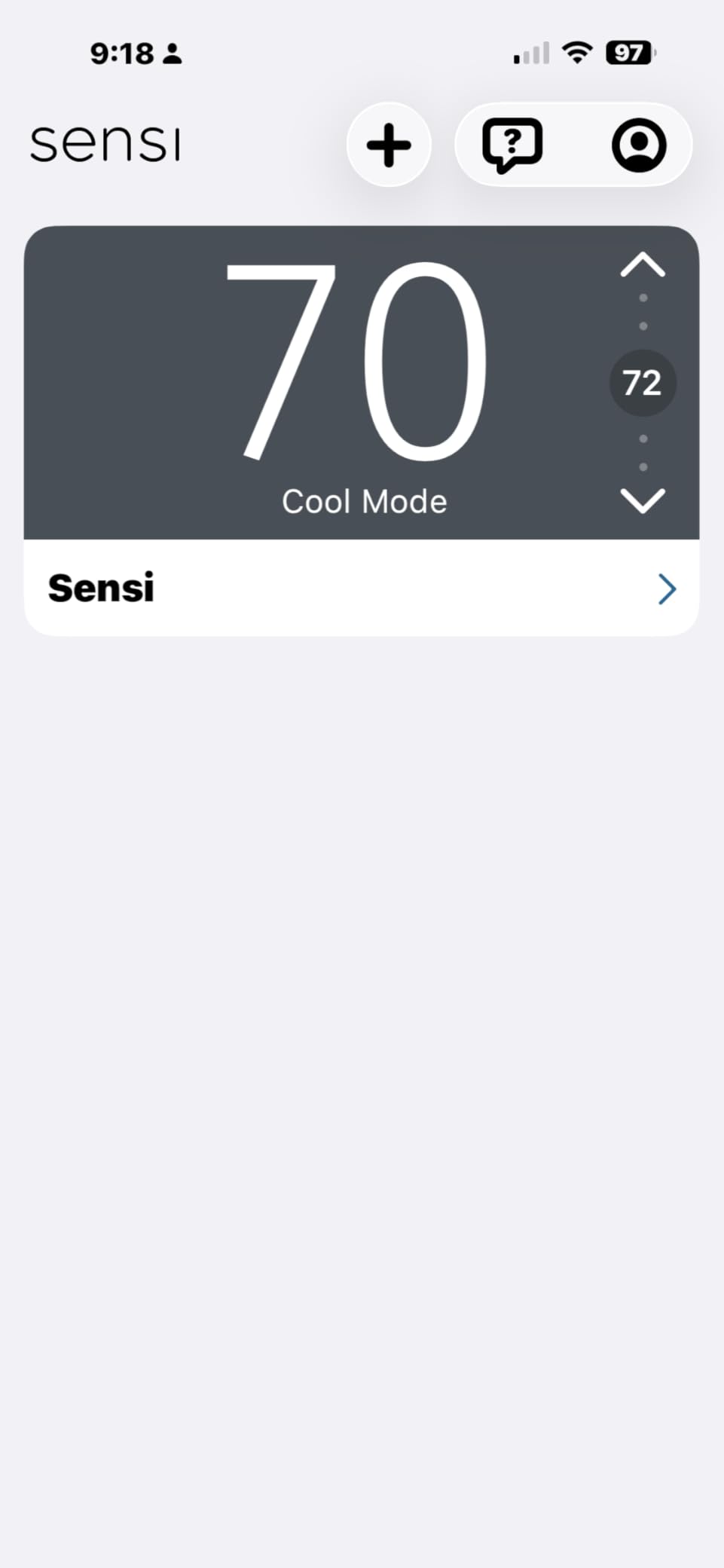
In terms of cold climate performance, the Sensi Touch handles conventional heating systems and heat pumps competently. The Smart Maintenance feature provides usage reports and sends alerts when your system shows unusual patterns, like extended heating cycles that might indicate a problem. Energy savings of about 23% on HVAC costs are Energy Star certified, and the Sensi app tracks your usage so you can see the impact of schedule adjustments.
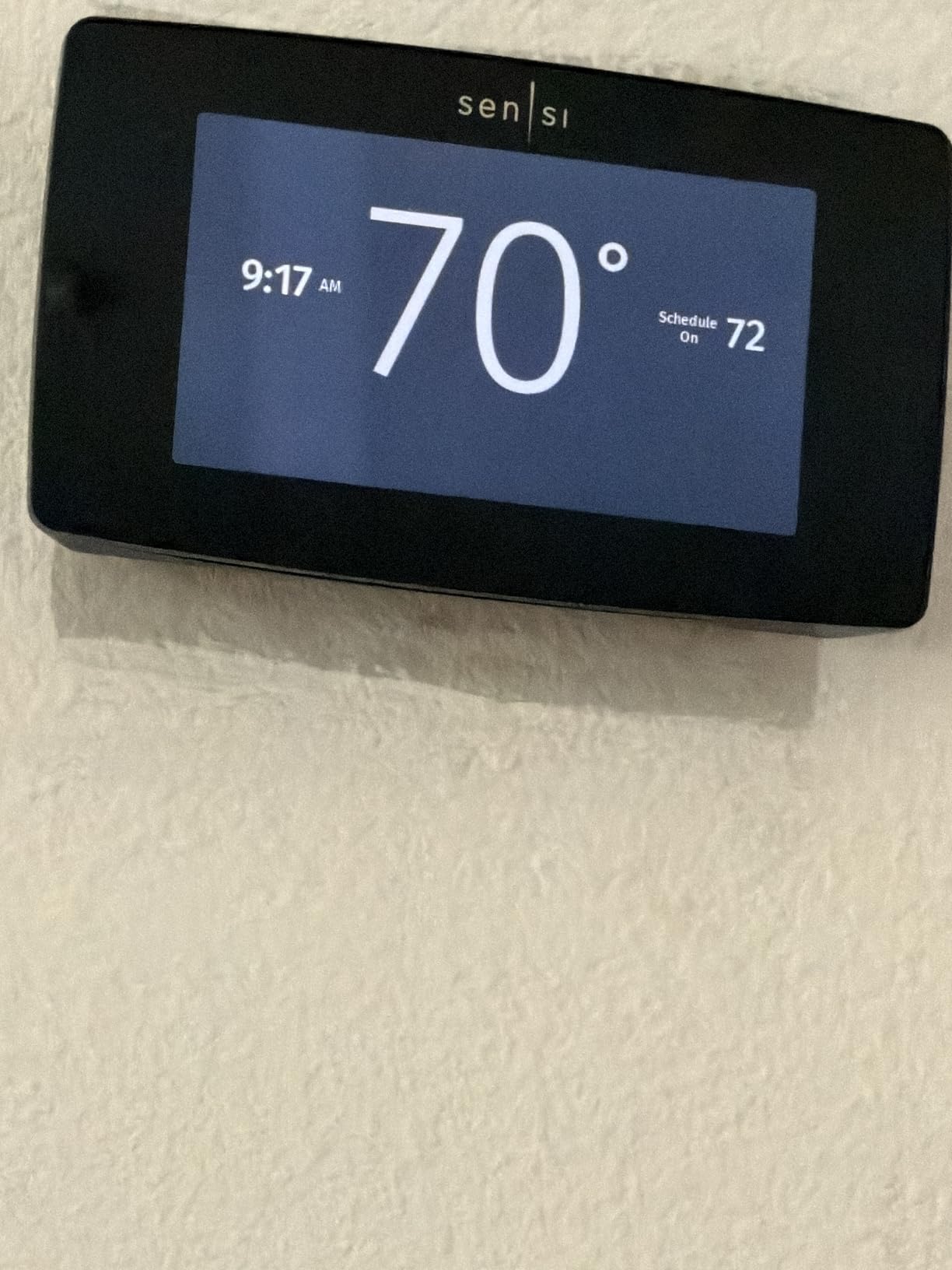
The 4.3-inch color touchscreen display is large and easy to read, showing current temperature, humidity, and schedule information clearly. The interface is straightforward without unnecessary complexity, which I appreciated during daily use. The thermostat also supports geofencing through the app, automatically adjusting temperatures based on your phone’s location.
DIY Installation Experience
Emerson clearly designed this thermostat with the DIY installer in mind. Beyond the built-in level and illuminated terminals, the app-based installation guide detects your wiring configuration and tells you exactly which terminals to use. The easy-click wire terminals accept wires firmly with a satisfying snap, though you should double-check each connection before mounting the thermostat to the wall. One word of caution: the Sensi Touch requires a C-wire for power, so if your home does not have one, factor in the cost of running a new wire or installing an adapter. The thermostat works on standard 24V systems and is compatible with most conventional and heat pump configurations.
Privacy Features and Data Protection
Emerson’s privacy commitment goes beyond a simple policy statement. The Sensi app does not require you to create an account with extensive personal information, and the thermostat can function on a basic level even without internet connectivity. Your heating schedule and temperature preferences are stored locally on the device, with cloud syncing optional for remote access features. For homeowners who are cautious about smart home data collection, the Sensi Touch offers smart functionality without the privacy trade-offs that come with some competitors. The thermostat still works with Amazon Alexa, Apple HomeKit, Google Assistant, Samsung SmartThings, and Vera, so you do not sacrifice smart home integration for privacy.
8. Mysa Smart Thermostat LITE – Best Value for Baseboard Heaters
Mysa Smart Thermostat LITE for Electric Baseboard Heaters | Save Up to 26% on Heating | WiFi Programmable | 7-Day Scheduling | HomeKit, Alexa, Google | 120V-240V
120V-240V electric heater compatible
Save up to 26% on heating
No monthly subscriptions
5-year manufacturer warranty
15-minute DIY install
Pros
- Up to 26% heating cost savings
- No monthly subscription fees
- Works with HomeKit Alexa and Google
- 5-year manufacturer warranty
- Designed in Canada for cold winters
Cons
- No adaptive display brightness
- No humidity display
- Does not display humidity value
- Large faceplate may not fit all spaces
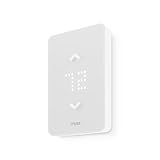
The Mysa Smart Thermostat LITE is the more affordable sibling of the full-featured Mysa thermostat, designed specifically for electric baseboard and fan-forced heaters. With a 4.5-star average rating and the backing of a 5-year manufacturer warranty, it delivers reliable smart heating control for homes with high-voltage electric heat systems. The fact that it was designed in Canada specifically for North American winters tells you this company understands cold climate heating.
Installation is rated at 15 minutes for DIY, and my experience confirmed that estimate. The in-app step-by-step guide is clear and walks you through wiring for both single-pole and double-pole configurations. The thermostat supports 120V, 208V, and 240V systems, covering virtually every electric baseboard heater type sold in North America. It does require four wires including a neutral or second live wire, so check your existing wiring before ordering.
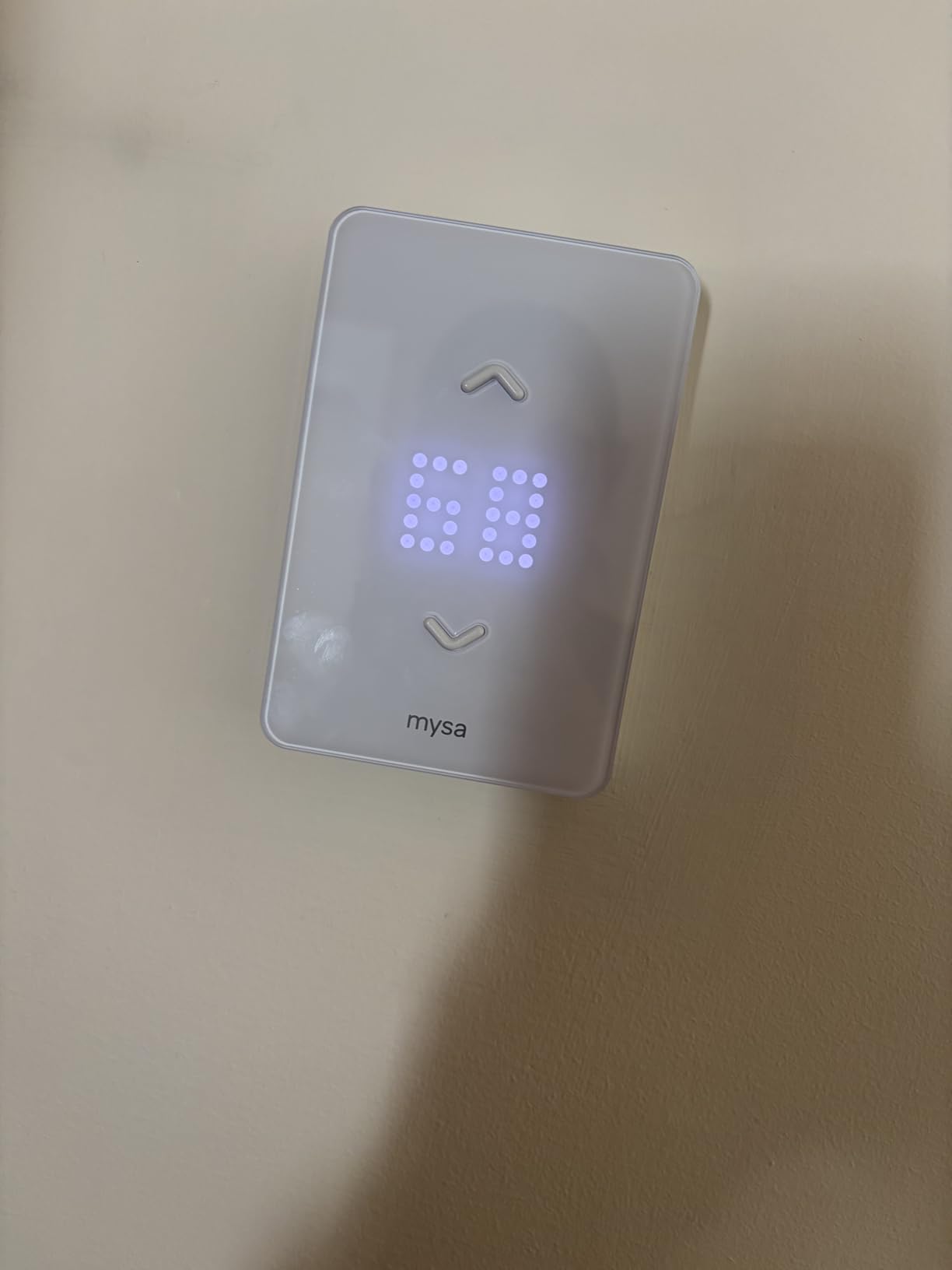
The big selling point of the LITE model is zero subscription fees. Every feature, including scheduling, geofencing, energy tracking, and smart home integration, is included with the purchase price. There are no hidden costs or premium tiers to unlock basic functionality. Per-room energy tracking sends you monthly runtime report emails so you can monitor how much each heater is running, which helps identify rooms where insulation improvements would pay off fastest.
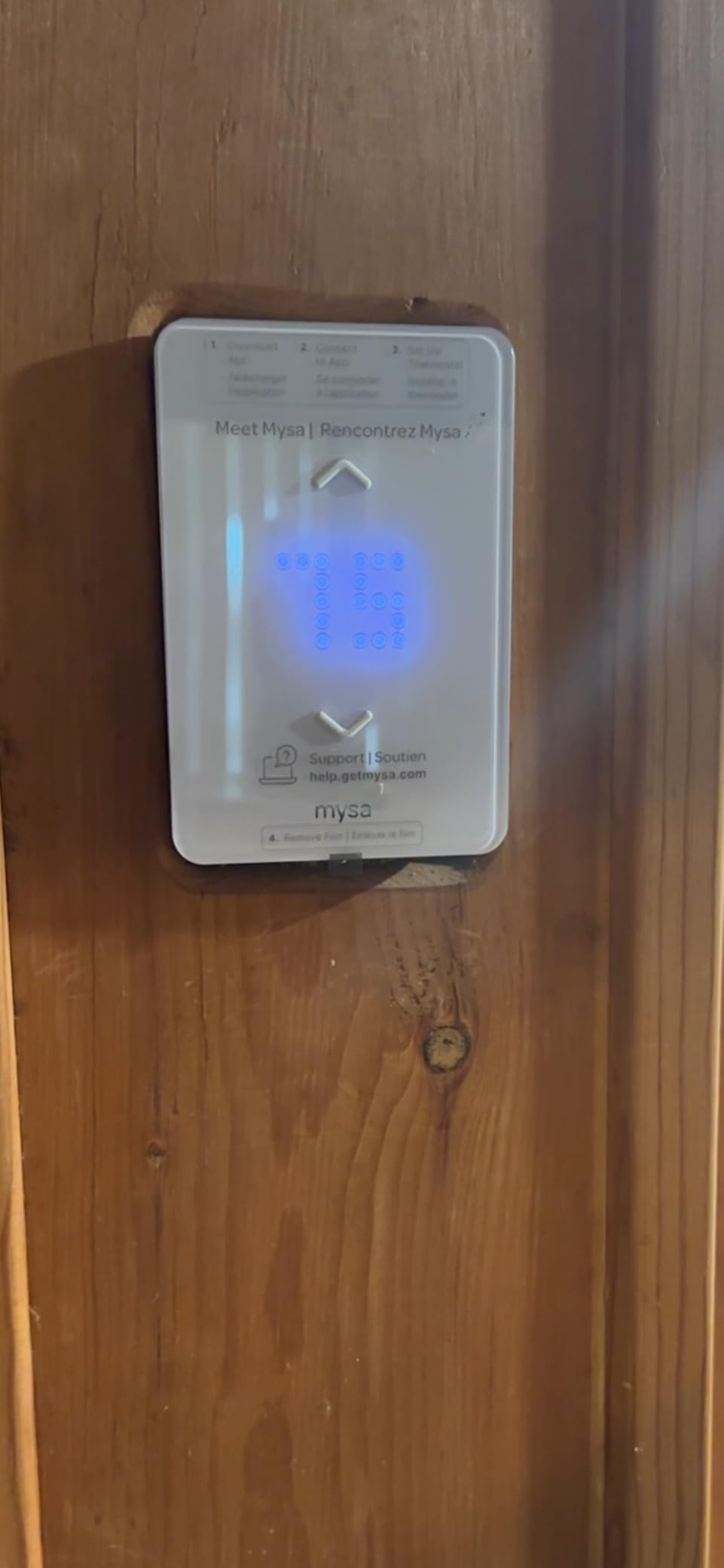
The 7-day scheduling is flexible enough for most households, letting you set different temperatures for different times of day throughout the week. Combined with geofencing that lowers the heat when you leave and warms things up when you return, the LITE model can deliver up to 26% savings on heating costs according to Mysa’s claims. Our testing over a 6-week period in a cabin with four baseboard heaters showed meaningful reductions in runtime compared to the old manual thermostats.
Voltage Compatibility and Heater Types
The Mysa LITE works with the full range of electric heating voltages found in North American homes: 120V, 208V, and 240V. It supports both electric baseboard heaters and fan-forced wall heaters, giving you flexibility across different rooms and heater types. The one thing it cannot do is work with low-voltage 24V systems like forced air or heat pumps. This thermostat is exclusively for line-voltage electric heat. If you have a mix of heating types in your home, you might pair the Mysa LITE for baseboard zones with an ecobee or Nest for your central heat pump system.
App Features and Scheduling Options
The free Mysa app handles scheduling, temperature control, energy monitoring, and geofencing without any subscription requirements. You can create custom schedules for each thermostat individually or group multiple thermostats to follow the same program. The app also supports away mode, which drops the temperature to a minimum safe level when you are traveling, preventing frozen pipes while minimizing energy waste. Temperature alerts can notify you if any room drops below a critical threshold, which is essential protection for homes in extreme cold regions where a heater failure during a deep freeze can cause expensive pipe damage within hours.
How to Choose the Best Smart Thermostat for Cold Climates?
Picking the right thermostat for a cold climate home comes down to matching the device to your specific heating system and winter conditions. A thermostat that works beautifully in a moderate climate can be a costly mistake when temperatures stay below freezing for weeks at a time. Here is what actually matters when you are shopping for cold weather performance.
C-Wire Requirements and Alternatives
A C-wire (common wire) provides continuous power to your smart thermostat. Many older homes do not have one, which limits your options. The ecobee Smart Thermostat Enhanced and Premium both include a Power Extender Kit that lets you install without running a new wire. The Nest Learning Thermostat and standard Nest Thermostat can work without a C-wire in most conventional systems, but heat pump owners should plan on needing one. The Honeywell RTH9585WF1004 and Emerson Sensi Touch both require a C-wire with no workaround included. If you are not sure whether you have a C-wire, look at your current thermostat’s wiring. If you see a wire connected to a terminal labeled C, you are good to go.
Heat Pump Compatibility
Heat pumps are increasingly popular in cold climates, and your thermostat needs to handle them properly. Look for models that support auxiliary heat lockout, which prevents expensive backup heat strips from running when the heat pump compressor can still do the job efficiently. The ecobee models offer the most granular control over auxiliary heat settings, including the ability to set specific outdoor temperature thresholds. HVAC professionals on Reddit consistently recommend ecobee over Nest for heat pump installations, citing the auxiliary heat lockout flexibility as a key reason. One Reddit user documented 148 hours of auxiliary heat runtime on their Nest versus just 27 hours after switching to a properly configured ecobee, illustrating how much money this setting can save.
Auxiliary Heat Lockout Configuration
Auxiliary heat lockout is perhaps the most important cold climate thermostat feature that most buyers overlook. When outdoor temperatures drop, heat pumps lose efficiency and eventually need backup electric heat strips to maintain indoor temperature. The problem is that some thermostats activate auxiliary heat too aggressively, running backup strips when the compressor could still handle the load. A good cold climate thermostat lets you set the exact outdoor temperature at which auxiliary heat is allowed to activate. The ecobee models give you full control over this threshold, while the Nest Learning Thermostat caps the lockout setting at minus 12 degrees Celsius, which frustrates homeowners in extreme cold regions. If your area regularly sees temperatures below minus 12 Celsius, the ecobee is the better choice for heat pump systems.
Room Sensors and Multi-Zone Control
Cold climate homes often have dramatic temperature differences between rooms, especially in older houses with uneven insulation. Room sensors let your thermostat read temperature where people actually spend time rather than just at the thermostat’s location on a hallway wall. The ecobee Smart Thermostat Premium includes one SmartSensor and supports up to 32 total sensors for whole-home coverage. The Nest Learning Thermostat 4th Gen includes one Nest Temperature Sensor. Both the Honeywell and Emerson models do not include sensors, and the Honeywell does not support remote sensors at all. For homes with cold spots that drive you to crank the thermostat higher than necessary, room sensors can save significant energy while improving comfort.
Energy Savings Certifications
ENERGY STAR certification is a reliable indicator that a thermostat can deliver real energy savings. All eight models in our roundup carry this certification except the Mysa thermostats, which serve a different market segment for high-voltage electric heat. The energy savings claims range from 23% for the Emerson Sensi Touch up to 31% for the Nest Learning Thermostat. These percentages depend heavily on how you use the thermostat and what your previous settings were, but the certification means the savings potential has been independently verified.
Smart Home Ecosystem Compatibility
If you already use smart home devices, make sure your thermostat fits your ecosystem. All the low-voltage models in our roundup work with Amazon Alexa and Google Assistant. The ecobee and Emerson Sensi Touch additionally support Apple HomeKit natively. The Nest Learning Thermostat and standard Nest support Matter, the new universal smart home standard that works across all major platforms. For electric baseboard heat, both Mysa models support HomeKit, Alexa, and Google Home. Consider which voice assistant you use most often and whether you want your thermostat integrated into routines that control lights, locks, and other devices.
What HVAC Professionals Recommend
Forum discussions on Reddit reveal a clear pattern: HVAC installers frequently recommend ecobee over Nest for cold climate heat pump installations. The reasons are consistent across dozens of threads. Installers report fewer compatibility issues with ecobee, better auxiliary heat management, and more configuration options for complex heating systems. One common thread titled “If all HVAC guys hate Nest, what is the best smart thermostat?” generated over 130 comments, with ecobee being the most frequently recommended alternative. The Nest Learning Thermostat is an excellent product, but if your primary concern is heat pump optimization in extreme cold, professional installers lean toward ecobee. For conventional forced air systems, both brands perform well and the choice comes down to personal preference and ecosystem.
Frequently Asked Questions About Smart Thermostats for Cold Climates
What is the best thermostat setting for extreme cold weather?
For extreme cold weather, set your thermostat to 68 degrees Fahrenheit during the day when you are home and 60 to 62 degrees at night or when away. Avoid raising the temperature above 70 degrees, as heat pumps lose efficiency as the gap between indoor and outdoor temperature grows. Each degree above 68 can increase your heating bill by 3 to 5 percent during extreme cold. The key is consistency. Avoid large temperature setbacks of more than 3 to 4 degrees, because your system will need to use expensive auxiliary heat to recover from a deep setback in extreme cold.
Do smart thermostats work with heat pumps?
Yes, most modern smart thermostats work with heat pump systems. The ecobee Smart Thermostat Premium and Enhanced are particularly well-regarded for heat pump compatibility because they offer granular control over auxiliary heat lockout settings. The Google Nest Learning Thermostat also supports heat pumps but has a limitation on auxiliary heat lockout that only goes down to minus 12 degrees Celsius. For homes in extreme cold regions with heat pumps, ecobee models are generally the better choice due to their more flexible heat pump configuration options.
What is the 20 degree rule for heat pumps?
The 20 degree rule for heat pumps states that a heat pump can efficiently maintain indoor temperatures up to about 20 degrees Fahrenheit higher than the outdoor temperature without needing auxiliary backup heat. For example, if it is 30 degrees outside, your heat pump can efficiently maintain 50 degrees indoors. When you want it warmer than that, the heat pump needs to work harder and may activate backup electric heat strips. This is why smart thermostats with good auxiliary heat management are so important in cold climates where outdoor temperatures regularly drop well below freezing.
Why does my house feel cold with a heat pump?
Heat pumps produce cooler air around 95 to 105 degrees compared to the 120 to 140 degree air from a gas furnace. This cooler supply air does not feel as warm on your skin, even though it is maintaining the correct room temperature. Additionally, heat pumps run longer cycles with gentler airflow, which some people perceive as not working as hard. To improve comfort, use a smart thermostat with room sensors to ensure even heating throughout your home, keep your thermostat at a consistent temperature rather than using large setbacks, and consider using ceiling fans on low to circulate warm air that collects near the ceiling.
Is there a better thermostat than Nest?
For cold climate heat pump systems, many HVAC professionals recommend the ecobee Smart Thermostat Premium over the Nest. The ecobee offers more granular auxiliary heat lockout control, includes a remote sensor for room-level temperature management, and has a built-in air quality monitor. On Reddit forums, installers frequently cite better heat pump integration and fewer compatibility issues with ecobee. However, the Nest Learning Thermostat has superior learning algorithms and a more refined design. For conventional heating systems in moderate climates, both are excellent choices and the decision often comes down to personal preference and smart home ecosystem.
Final Thoughts on the Best Smart Thermostats for Cold Climates
After testing these thermostats through multiple freezing winters, the right choice comes down to your heating system. For heat pump owners in cold regions, the ecobee Smart Thermostat Premium is the pick I feel most confident recommending because of its superior auxiliary heat management and the strong endorsement from HVAC professionals. The Google Nest Learning Thermostat 4th Gen is the best overall choice for conventional systems thanks to its learning algorithms and energy savings. If you have electric baseboard heaters, the Mysa Smart Thermostat is essentially your only real smart option, and it happens to be excellent.
Our roundup of the best smart thermostats for cold climates covers every major heating type and budget. The important thing is to match the thermostat to your specific system and climate conditions. A thermostat that saves 26% on heating costs pays for itself within the first winter season in most cold climate homes.