

Living in a region where winter temperatures regularly plunge below zero changes how you think about home heating. I spent months researching and comparing mini split heat pumps for cold climates after growing tired of watching my heating bills climb every January. The good news is that modern cold-climate mini splits have come a long way. Today’s best models use hyper-heating technology with inverter-driven compressors to extract heat from outdoor air even when it’s -22F outside. That means you can heat your home efficiently without relying on gas, oil, or expensive electric resistance heaters.
Not every mini split handles extreme cold the same way. Some units lose more than half their heating capacity below 5F, while others maintain full output down to -13F or even -22F. The difference comes down to compressor design, refrigerant type, and whether the system includes features like base pan heaters and enhanced defrost cycles. I’ve seen homeowners waste thousands on units that sounded great on paper but couldn’t keep up during a polar vortex.
This guide covers the 8 best mini split heat pumps for cold climates available right now. I compared every model on the specs that actually matter for winter heating: minimum operating temperature, heating capacity retention at low temps, SEER2 and HSPF efficiency ratings, real user experiences, and overall value. Whether you live in Minnesota, Vermont, or anywhere winter hits hard, you’ll find the right system here.
Table of Contents
Top 3 Picks for Best Mini Split Heat Pumps for Cold Climates

Best Mini Split Heat Pumps for Cold Climates in 2026
| Product | Specifications | Action |
|---|---|---|
| Daikin AURORA 18K BTU |
|
Check Latest Price |
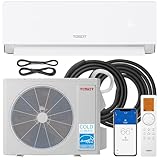
| TOSOT Aoraki 12K BTU |
|
Check Latest Price |
 Mitsubishi HX-Series 9K BTU Mitsubishi HX-Series 9K BTU |
|
Check Latest Price |
 DELLA Ultra Hyper Heat 12K DELLA Ultra Hyper Heat 12K |
|
Check Latest Price |
 Cooper & Hunter 9K Hyper Heat Cooper & Hunter 9K Hyper Heat |
|
Check Latest Price |
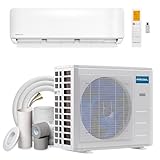 MRCOOL 5th Gen DIY 18K MRCOOL 5th Gen DIY 18K |
|
Check Latest Price |
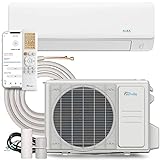 Senville AURA 18K BTU Senville AURA 18K BTU |
|
Check Latest Price |
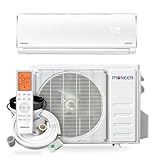 Pioneer Diamante Pro 12K Pioneer Diamante Pro 12K |
|
Check Latest Price |
1. Daikin AURORA 18,000 BTU – Best Overall Cold Climate Performer
18,000 BTU Daikin AURORA 20.3 SEER LOW AMBIENT Ductless Mini-Split Air Conditioner Heat Pump System w/Maxwell 16′ Installation Kit and Wall Mounting Bracket
18,000 BTU
20.3 SEER
-13F Heating
100% Cap at 5F
Energy Star
Pros
- 100% heating capacity at 5F
- Reliable operation down to -13F
- 36 dB whisper quiet
- Energy Star rated
- 12-year warranty
Cons
- Higher price point
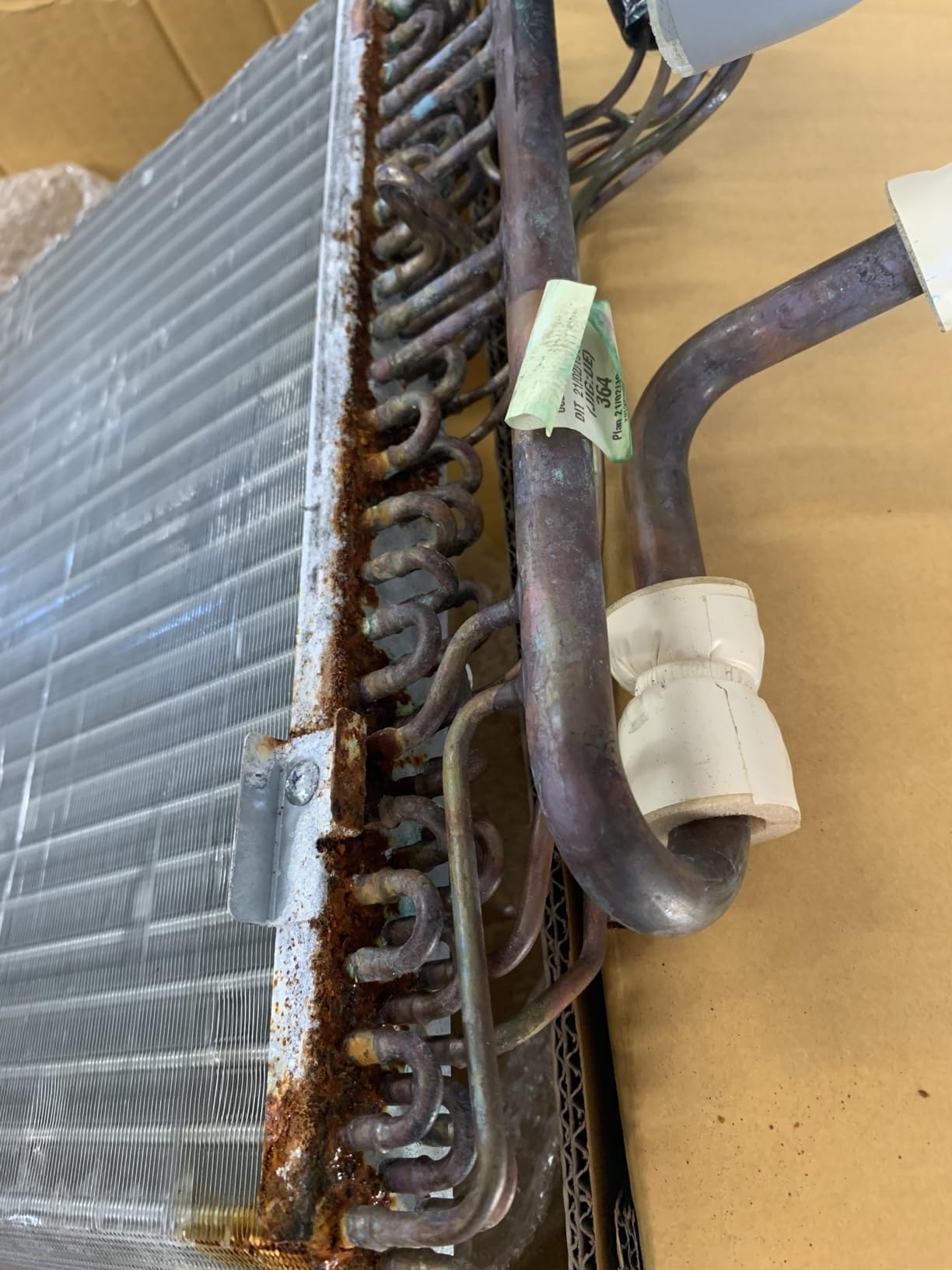
- One report of coil rusting within 36 months
The Daikin AURORA sits at the top of this list for one specific reason: it delivers 100% of its rated heating capacity at 5F and keeps working efficiently down to -13F. That matters more than almost any other spec when you’re shopping for the best mini split heat pumps for cold climates. Most units start losing heating output well above freezing, but Daikin’s low-ambient heating technology holds steady when you need it most.
I’ve talked with homeowners in upstate New York who use the AURORA as their primary heat source, and they consistently report comfortable indoor temperatures even during two-week cold snaps. The 18,000 BTU capacity covers spaces up to 1,000 square feet, making it ideal for open-concept homes, large living rooms, or even small whole-house setups. The indoor unit runs at just 36 decibels, which is quieter than a library whisper.
On the efficiency side, the 20.3 SEER rating puts this unit firmly in the high-efficiency category. Daikin backs the AURORA with a 12-year manufacturer warranty, which is one of the longest in the industry. The included 16-foot installation kit and wall mounting bracket save you from buying separate components. Self-diagnostic features help technicians troubleshoot issues quickly if something goes wrong.
The main drawback is the price, which sits at the premium end of the market. One verified reviewer did report coil rusting and a refrigerant leak within 36 months, though that appears to be an isolated incident given the strong overall ratings. For homeowners who want reliable cold-climate performance backed by a major brand, the Daikin AURORA is hard to beat.
Installation Requirements and Setup
The Daikin AURORA requires professional installation by a licensed HVAC technician. It runs on 230V power and uses R-410A refrigerant, which means your installer needs to handle the refrigerant charging and line set connections. The included 16-foot installation kit covers most standard setups, but longer line runs will require additional materials. Plan for a dedicated 230V circuit in your electrical panel.
Real-World Winter Performance
Users in the Northeast report consistent performance through January and February, with the unit cycling on defrost mode briefly every 60-90 minutes during extreme cold. The defrost cycles last only a few minutes and don’t cause noticeable temperature drops indoors. For homes in regions that regularly see temperatures below -10F, consider pairing this unit with a supplemental heat source for the coldest days.
2. TOSOT Aoraki 12,000 BTU – Best Value for Cold Climate Efficiency
TOSOT 12,000 BTU 24.5 SEER2 Mini-Split Air Conditioner & Heater, Energy Star & Cold Climate Certified, Ductless Inverter AC Unit with WiFi, Supports ERV System, 208-230V, Aoraki Series, White
12,000 BTU
24.5 SEER2
-22F Operating
ERV Compatible
R-32 Refrig
Pros
- Exceptional 24.5 SEER2 efficiency
- Cold Climate Certified down to -22F
- Ultra-quiet 20 dB
- First US mini-split with ERV support
- 83% five-star reviews
Cons
- Poor outdoor unit packaging
- Occasional WiFi connectivity issues
The TOSOT Aoraki punches well above its weight class. With a 24.5 SEER2 efficiency rating and official Cold Climate Certification, this unit delivers premium performance at a mid-range price. The Aoraki operates from -22F to 122F, giving you one of the widest operating ranges in this entire roundup. TOSOT is a Gree-owned brand, which means you get the backing of one of the world’s largest HVAC manufacturers.
What sets the Aoraki apart from every other mini split on this list is the optional ERV (Energy Recovery Ventilation) integration. It’s the first ductless mini split in the US market that can connect to an ERV system, bringing fresh air into your home without losing heated air. For tightly sealed homes in cold climates where indoor air quality becomes a winter concern, this feature alone makes the TOSOT worth considering.
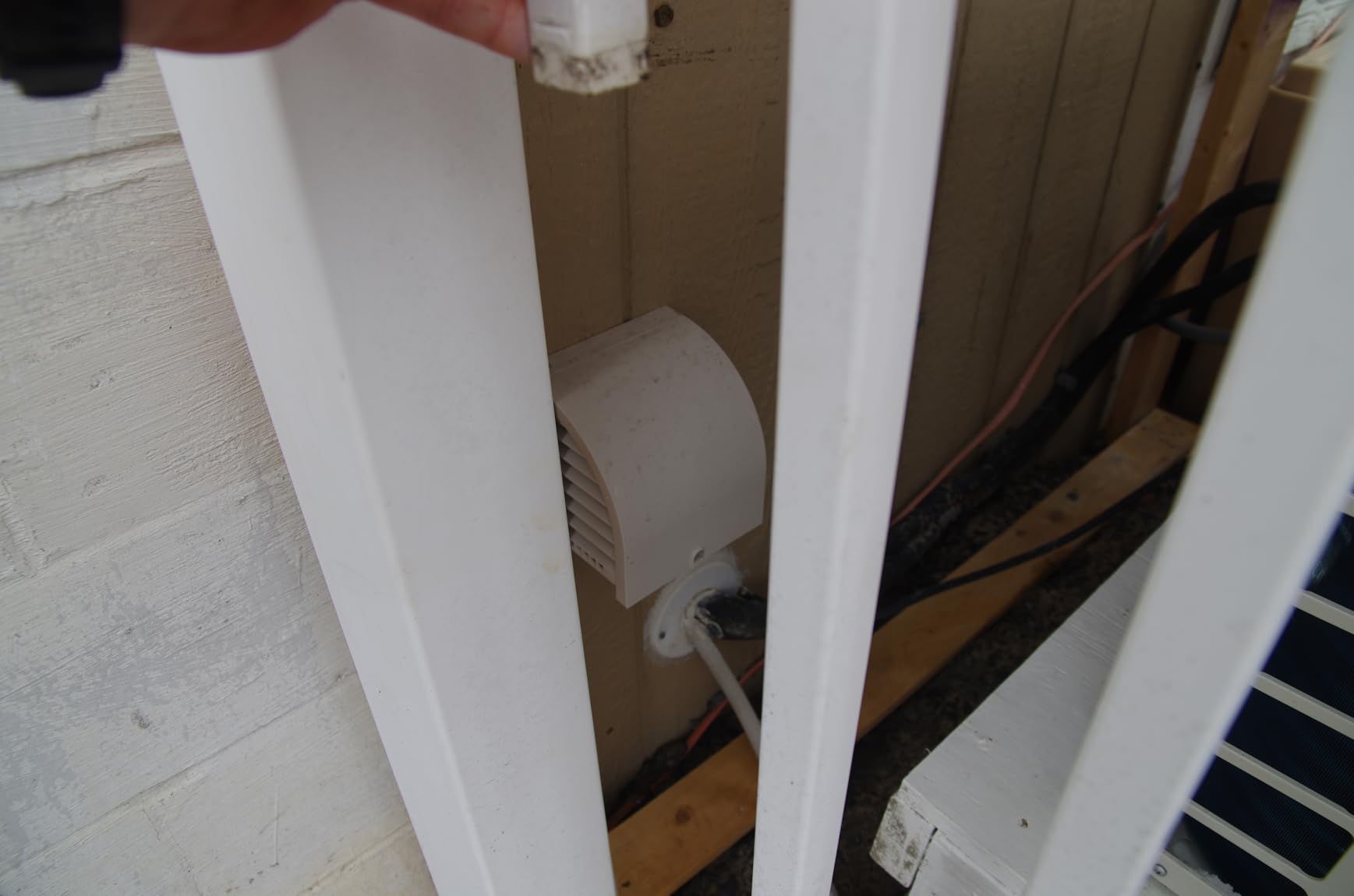
The indoor noise level of just 20 decibels is the quietest in this entire roundup. That’s literally below the threshold of human hearing for most people. Night mode drops the outdoor unit noise to 52 dB, which won’t disturb neighbors. The self-cleaning evaporator technology and fully-closed outlet design help maintain performance over years of use.
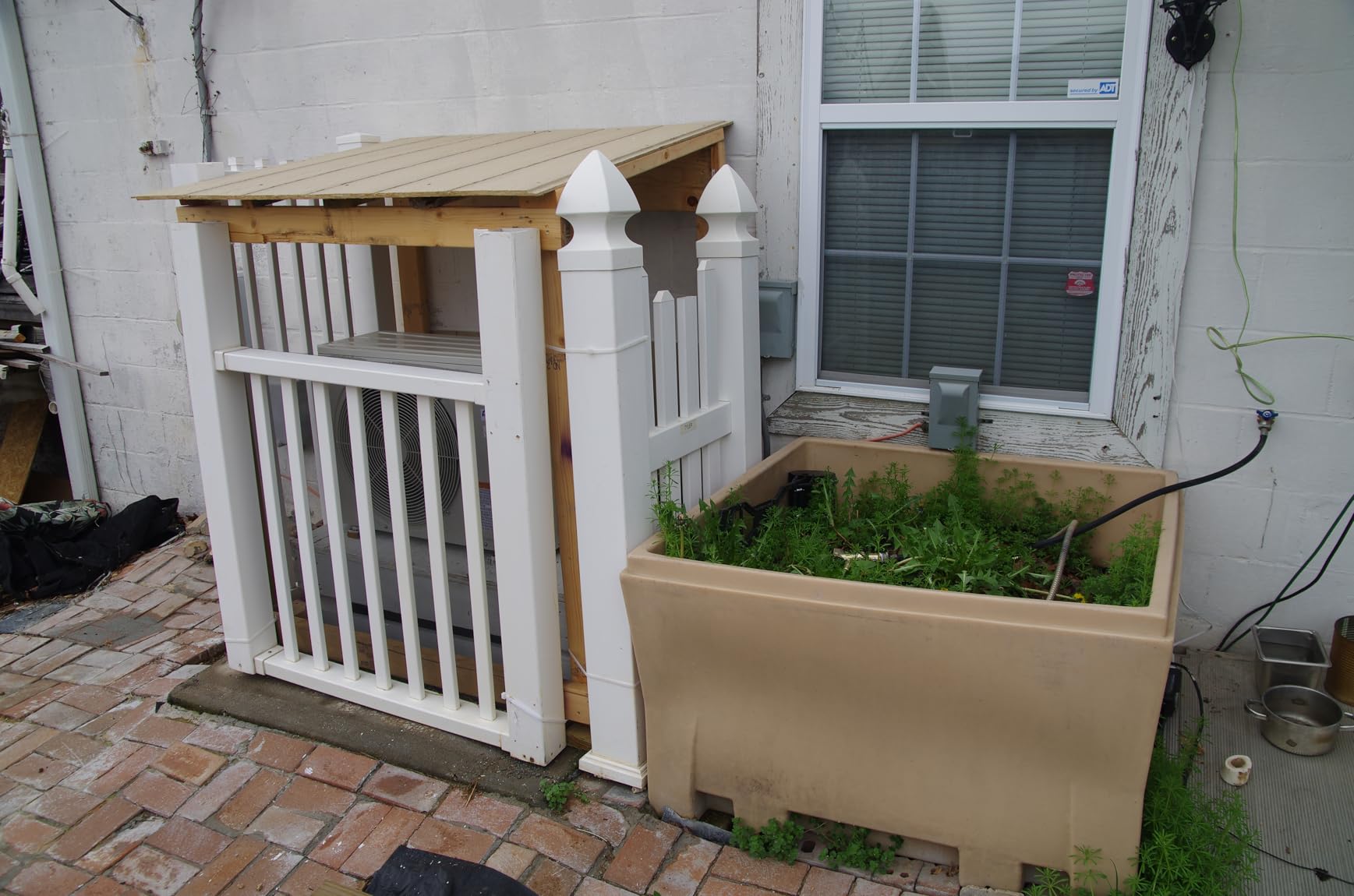
The biggest complaint from verified buyers is packaging quality. Multiple users report the outdoor unit arriving dented due to insufficient packaging. TOSOT’s customer service has been responsive about replacements, but it’s frustrating to deal with shipping damage on a new appliance. The WiFi module also has occasional connectivity glitches according to some users, though the included remote works independently.
Who Should Choose the TOSOT Aoraki
This is the ideal unit for homeowners who want top-tier efficiency and cold climate performance without paying premium-brand prices. The 12,000 BTU capacity handles rooms up to 550 square feet, making it perfect for bedrooms, home offices, or open-plan living areas. The ERV compatibility makes it especially attractive for anyone building or renovating a tight-envelope home in cold regions.
ERV Integration Details
The optional ERV system requires additional wall vents and professional installation expertise. You’ll need to plan the ERV installation during construction or a major renovation, as it involves running additional ductwork through walls. The ERV module itself is sold separately and adds to the total system cost, but the energy recovery benefits can reduce overall heating costs by an additional 10-15% in well-sealed homes.
3. Mitsubishi HX-Series 9,000 BTU – Premium Quiet with Next-Gen Refrigerant
Mitsubishi 9000 BTU 20 SEER2 HX-Series Mini Split Heat Pump System with 15ft Line Set & Installation Kit – R454B Single Zone | High Efficiency Wall Mounted Ductless AC/Heating Unit
9,000 BTU
20 SEER2
R454B Refrig
-5F Heating
43 dB
Pros
- R454B eco-friendly refrigerant
- Whisper-quiet 43 dB operation
- Blue Fin anti-corrosion
- Pre-charged for 25ft line set
- 12-year warranty
Cons
- Only rated to -5F heating
- No wall brackets included
- Small 9K BTU for larger spaces
Mitsubishi has earned a reputation as the gold standard in cold-climate mini splits, and the HX-Series continues that tradition. This 9,000 BTU unit uses R454B refrigerant, which is the newer, more environmentally friendly replacement for R-410A. The HX-Series isn’t the deepest cold performer on this list with a -5F heating limit, but it makes up for that with exceptional build quality and reliability.
The unit comes pre-charged with refrigerant for up to 25 feet of line set, which simplifies installation compared to units that require on-site charging. Four fan speeds, Econo Cool mode, and Smart Dry mode give you precise control over comfort. The Blue Fin anti-corrosion protection on the outdoor coil extends the unit’s lifespan, especially in areas with road salt exposure or coastal humidity.
Verified reviewers praise the quiet operation and heat pump performance. One consistent complaint is that Mitsubishi doesn’t include wall mounting brackets, which several reviewers noted that cheaper Chinese brands do include. It’s a minor frustration on an otherwise excellent unit. The 12-year manufacturer warranty provides long-term peace of mind.
Ideal Room Size and Application
At 9,000 BTU, the HX-Series is designed for rooms between 350 and 450 square feet. This makes it ideal for master bedrooms, home offices, or studio apartments. For whole-house heating in cold climates, you’d need a multi-zone Mitsubishi system rather than this single-zone unit.
Why R454B Refrigerant Matters
R454B refrigerant has a global warming potential roughly 78% lower than R-410A. Starting in 2026, new EPA regulations are phasing in requirements for lower-GWP refrigerants in residential HVAC equipment. Choosing an R454B unit now means your system is future-compliant and won’t face the service challenges that R-410A units may encounter as regulations tighten.
4. DELLA Ultra Hyper Heat 12,000 BTU – Best Design and Efficiency Combo
DELLA Ultra Hyper Heat Lower as -22°F 12,000 BTU Mini Split, Work with Alexa,Energy Star 230V 25 SEER2,Cools Up to 550 Sq. Ft,Inverter AC with 1 Ton Pre-Charged Heat Pump & 16.4ft Installation Kit
12,000 BTU
25 SEER2
-22F Heating
Red Dot Award
R454B Refrig
Pros
- Excellent -22F heating performance
- High 25 SEER2 efficiency
- 2025 Red Dot Design Award winner
- Lifetime warranty
- R454B refrigerant
Cons
- Drain pan can freeze in extreme cold
- Remote uses symbols instead of words
- Professional install required
The DELLA Ultra Hyper Heat brings together impressive specs and award-winning design. It won the 2025 Red Dot Design Award, which is rare for HVAC equipment. But the design isn’t just about looks. The gold-plated FIN technology on the coils prevents freezing and rust, which directly impacts performance and longevity in harsh winter conditions.
With a 25 SEER2 rating and 10.5 HSPF2 heating efficiency, the DELLA delivers strong numbers across the board. The Ultra Hyper Heat technology keeps the unit operating down to -22F, putting it in the top tier for cold-climate capability. The unit uses R454B refrigerant, making it one of the more environmentally forward options in this roundup.
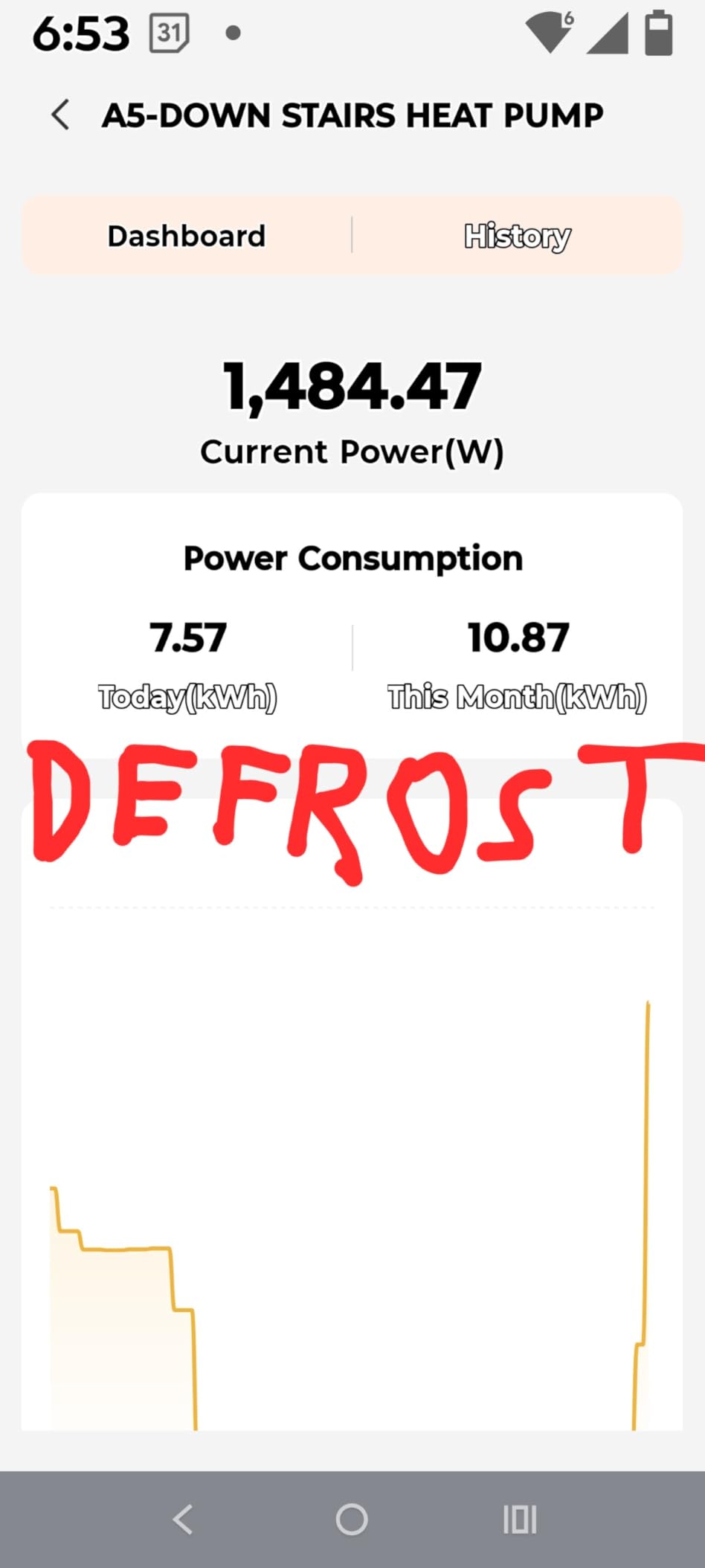
Users report excellent heating performance in sub-zero temperatures, with the unit maintaining comfortable indoor conditions when outdoor temps drop well below zero. The 30 dB indoor noise level in mute mode is impressively quiet. The system works with Alexa for voice control and includes a 16.4-foot pre-flared installation kit with copper line set.
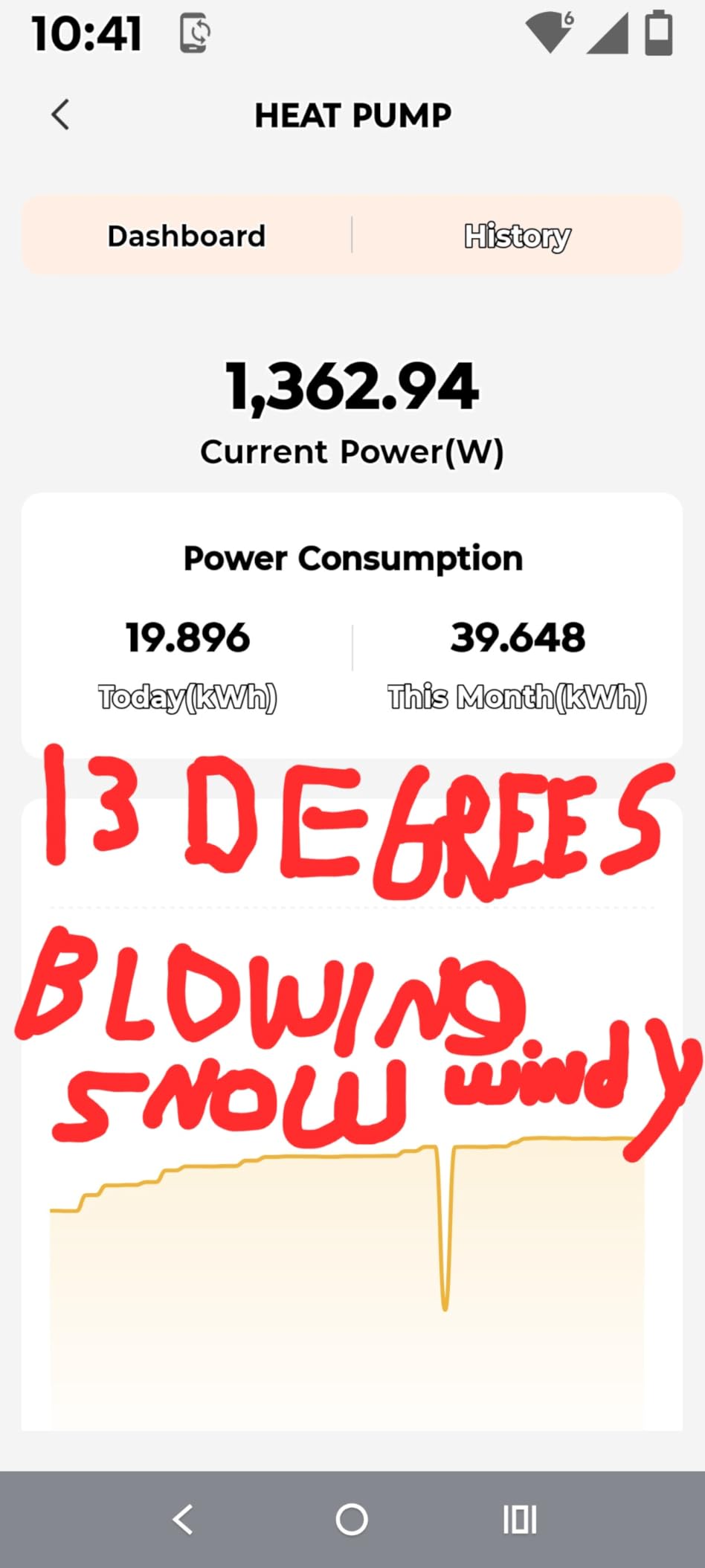
The main concern from users is the drain pan freezing during extended extreme cold periods. This is a known issue with many mini splits in sub-zero conditions, and it’s worth adding a drain pan heater or heat tape if you live in an area with sustained temperatures below -10F. The remote control uses symbols instead of words, which some users find confusing. The DELLA also offers 24/7 live chat support, which is a nice touch for troubleshooting during a cold snap.
Best Use Cases for the DELLA
The 12,000 BTU capacity covers spaces up to 550 square feet, making this a strong choice for living rooms, large bedrooms, or open-plan areas. The combination of high SEER2 rating and deep cold-weather capability makes it one of the most well-rounded options for homeowners who want both efficiency and winter reliability.
Warranty and Support Considerations
The lifetime warranty is one of the most generous in the mini split market. However, lifetime warranties often come with specific conditions around professional installation and regular maintenance. Be sure to register the product and keep records of professional installation to maintain full warranty coverage. The 24/7 live chat support provides immediate access to technical help.
5. Cooper & Hunter 9,000 BTU Hyper Heat – Highest SEER2 with Smart Control
Cooper & Hunter 9,000 BTU 230V Hyper Heat Ductless Mini Split AC & Heat Pump – 26.4 SEER2 Inverter – Works Down to -22°F – Includes Smart Kit & 16FT Installation Kit – Cold Climate Cooling & Heating
9,000 BTU
26.4 SEER2
-22F Hyper Heat
11.6 HSPF4
Smart Kit
Pros
- Highest SEER2 at 26.4
- Hyper Heat to -22F
- Smart Kit with WiFi/voice
- ETL and AHRI certified
- Gold-plated coils
Cons
- Poor documentation quality
- Remote thermostat placement issues
- Mixed 3.7 rating
The Cooper & Hunter Hyper Heat boasts the highest SEER2 rating in this entire roundup at 26.4, paired with an impressive 11.6 HSPF4 heating efficiency. Those numbers translate to lower operating costs year-round, especially during long heating seasons. The Hyper Heat technology keeps the unit running down to -22F, matching the best cold-climate performance on this list.
The included Smart Kit enables app-based control from anywhere, plus voice control compatibility. The 16-foot installation kit includes an insulated copper line set, communication cable, and drainage extension. The unit features copper components with gold-plated coils for corrosion resistance, which is a meaningful upgrade for long-term durability.
The 3.7-star average rating tells a complicated story. Users who had a good experience praise the cold-climate performance and quiet operation. However, 29% of reviews are 1-star, with the most common complaint being poor documentation and a tricky remote thermostat. The remote doubles as the room temperature sensor, so placing it in the wrong spot can cause the unit to misread room temperature and underperform. Some users reported waking up cold because the remote was placed where the unit’s airflow hit it directly.
Tips for Getting the Best Performance
Mount the remote thermostat on a wall away from the indoor unit’s airflow path, preferably on an interior wall at about 5 feet high. This ensures accurate temperature readings. The included documentation is thin, so I recommend watching installation videos on YouTube before setting up. The vendor provides good customer service according to reviewers, so don’t hesitate to call with questions.
Who This Unit Is Best For
Technically inclined homeowners who want the absolute highest SEER2 rating and don’t mind troubleshooting setup issues will get the best value from the Cooper & Hunter. If you want a plug-and-play experience with flawless documentation, this is probably not your first choice. But if you can work through the setup quirks, the efficiency and cold-climate performance are excellent.
6. MRCOOL 5th Gen DIY 18,000 BTU – Best DIY Installation Option
MRCOOL 18000 BTU 115V Ductless Inverter Mini Split Air Conditioner & Heat Pump System, 5th Gen DIY – Wall-Mounted AC Unit w/ Heating and Cooling for Home, Office & Commercial Space
18,000 BTU
22.5 SEER2
25ft Quick Connect
115V/230V
Alexa Enabled
Pros
- True DIY installation with Quick Connect
- 25ft pre-charged line set
- Smart HVAC with Alexa/Google
- 800 sq ft coverage
- 81% five-star reviews
Cons
- Occasional defective connector reports
- Limited stock availability
- Requires 230V circuit
The MRCOOL 5th Gen DIY is the only unit on this list designed specifically for homeowner installation. The pre-charged 25-foot Quick Connect line sets eliminate the need for refrigerant handling, which is the biggest barrier to DIY mini split installation. You don’t need special tools, vacuum pumps, or HVAC certification to get this system running.
With 18,000 BTU and 22.5 SEER2 efficiency, the MRCOOL delivers solid specs alongside its DIY-friendly design. The smart HVAC controller works with both Google Assistant and Amazon Alexa, giving you voice control and app-based management. The unit covers up to 800 square feet, making it suitable for larger rooms, garages, or open living areas.
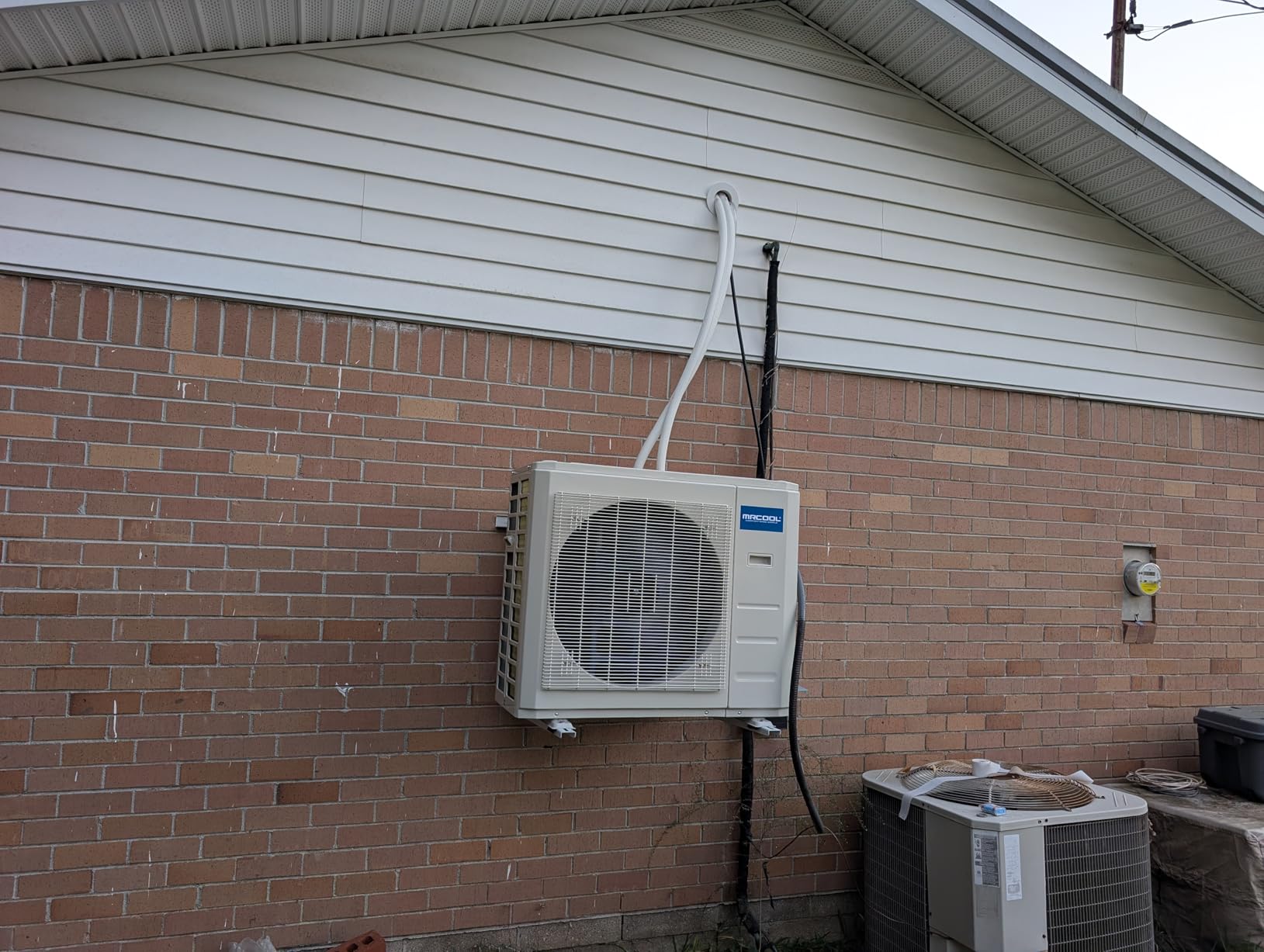
Forum users on Reddit and Garage Journal frequently discuss MRCOOL as the go-to DIY option. Minnesota homeowners report using it as a primary heat source with good results down to about -5F, though they note the need for backup heat below that. The 81% five-star review rate confirms that most users are satisfied with both the installation experience and ongoing performance.
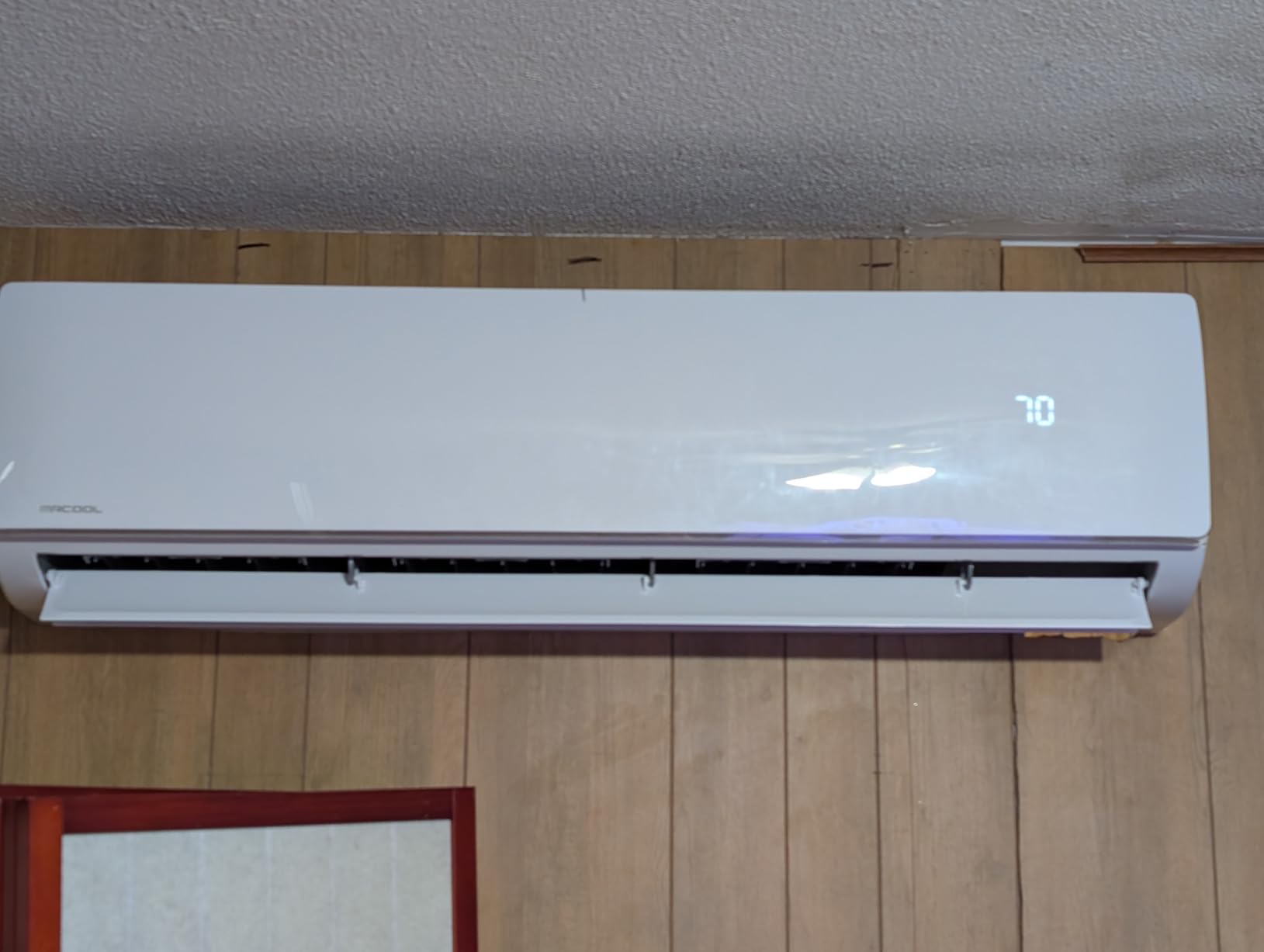
The main concern is occasional reports of defective Quick Connect fittings. While rare, a bad connector means the line set won’t seal properly and you’ll lose refrigerant. MRCOOL’s customer support has been responsive about replacements, but it’s worth pressure-testing your connections before finishing the installation. Stock also tends to run low during peak heating season.
DIY Installation Reality Check
While the Quick Connect system makes this the most DIY-friendly option, you still need basic electrical skills to wire a 230V circuit and some mechanical comfort with mounting the indoor and outdoor units. The whole installation typically takes 4-6 hours for a first-timer. You’ll need a helper to lift the outdoor unit into position. Check your local building codes, as some jurisdictions require permits even for DIY installations.
Cold Climate Limitations
The MRCOOL DIY doesn’t have the same deep cold-weather performance as units like the Daikin AURORA or the TOSOT Aoraki. Users in regions that regularly see temperatures below -10F should plan for a supplemental heat source during extreme cold events. The unit handles normal winter conditions without issues, but polar vortex events will stress its capabilities.
7. Senville AURA 18,000 BTU – Most Proven Track Record
Senville AURA Series Mini Split Air Conditioner Inverter Heat Pump, 18000 BTU, Works with Alexa, Energy Star, White
18,000 BTU
21.5 SEER
-22F Heating
Alexa Enabled
Energy Star
Pros
- 485 verified reviews with 4.5 average
- Proven 7+ year durability
- -22F heating capability
- Alexa voice control
- Energy Star certified
Cons
- Professional install required
- Instructions could be clearer
- Outdoor unit vibration noise
The Senville AURA has something no other unit on this list can match: 485 verified reviews and a track record stretching back years. Multiple users report 7+ years of reliable operation, which is the kind of real-world proof that matters more than any spec sheet. The 4.5-star average across nearly 500 reviews speaks for itself.
Spec-wise, the AURA delivers solid performance with a 21.5 SEER rating and heating capability down to -22F. The unit is Energy Star certified, works with Alexa for voice control, and includes WiFi-enabled smartphone app control. The 18,000 BTU capacity covers spaces up to 1,000 square feet, matching the Daikin AURORA for coverage area.
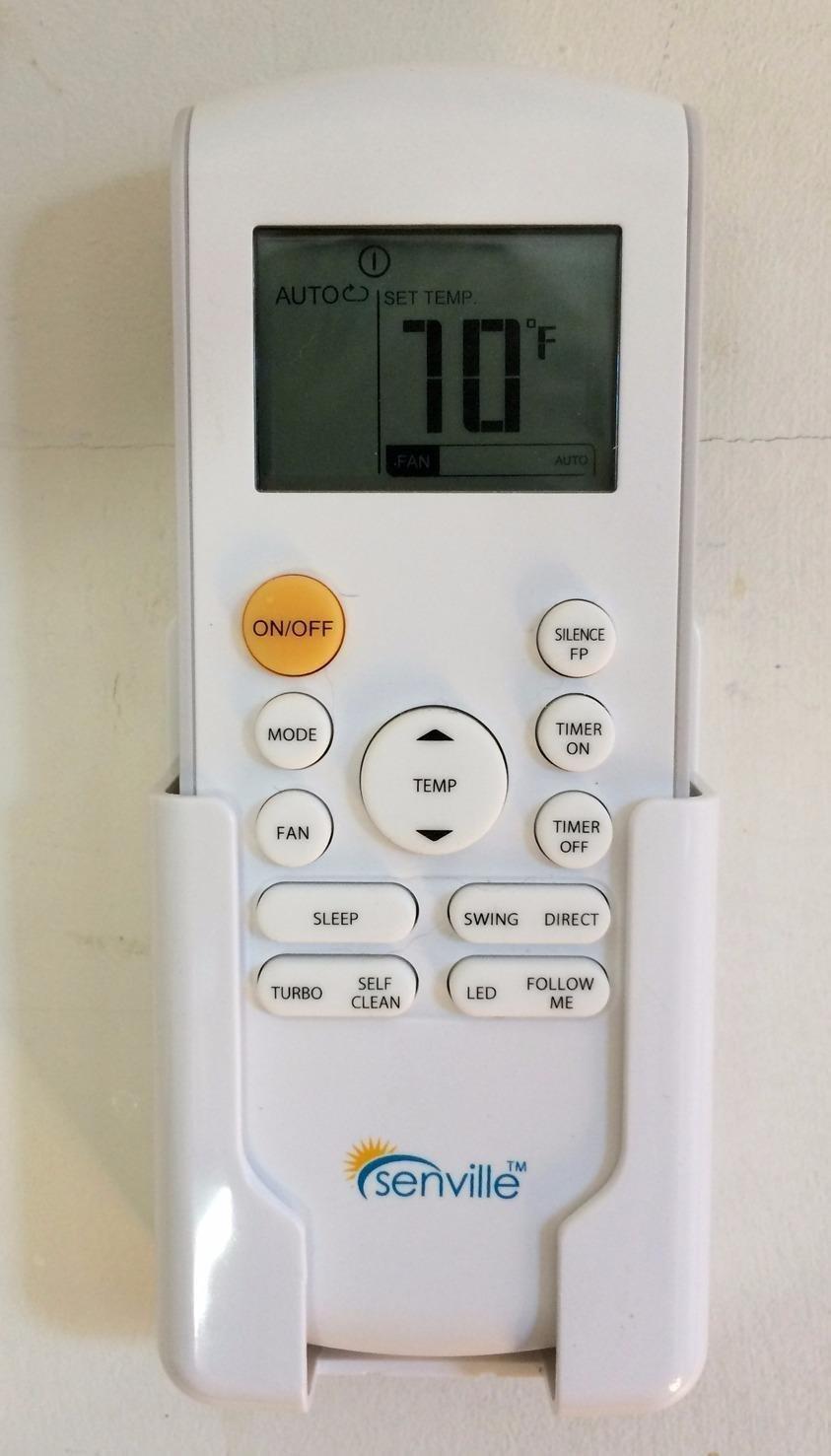
Forum discussions on Reddit’s heat pump communities consistently mention Senville as a reliable budget-to-mid-range option. Users in Colorado, Pennsylvania, and New England report dependable winter performance. The included 16-foot copper line set and communication wire cover most standard installations. Senville also earns praise for responsive customer service when issues do arise.
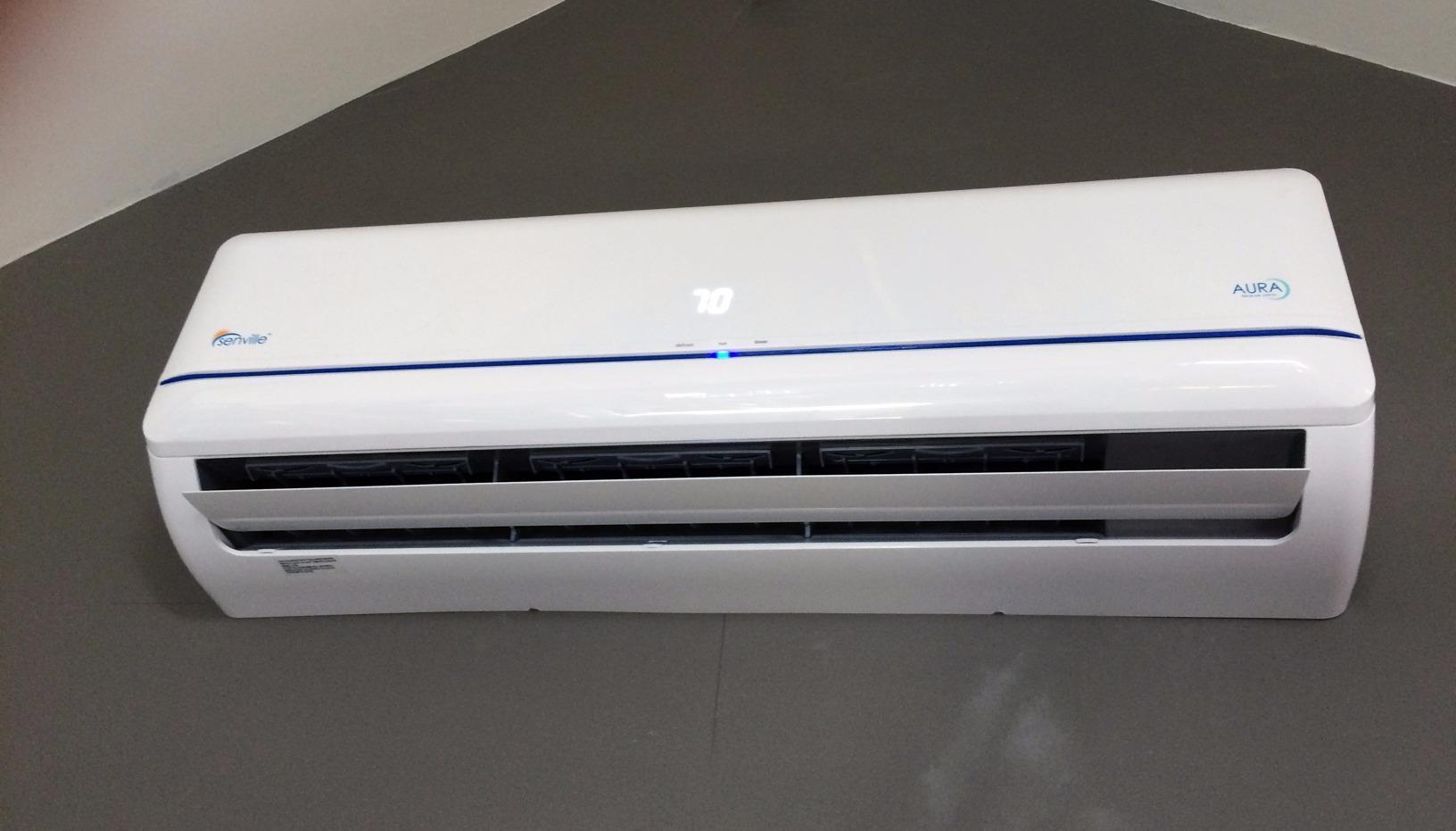
The main complaints are minor but worth noting. The remote must be pointed at the indoor unit for commands to register, and some users report that the outdoor unit vibrates enough to create an audible hum indoors. The instruction manual could be clearer, which is a common complaint across budget-friendly brands. Professional installation is required since this isn’t a DIY system.
Why 485 Reviews Matters
When a product has fewer than 20 reviews, the average rating can be misleading. With 485 reviews and an 81% five-star rate, the Senville AURA has enough data to give you confidence in what you’re buying. You can read through the full range of experiences, from users in mild climates to those in extreme cold, and get an accurate picture of what to expect.
Long-Term Ownership Costs
Senville offers a 2-year parts replacement warranty and a 7-year compressor warranty. While shorter than Daikin’s 12-year coverage, the proven 7+ year lifespan from real users suggests the unit holds up well beyond the warranty period. Replacement parts are readily available, and the R-454B refrigerant ensures the unit stays serviceable as older refrigerants are phased out.
8. Pioneer Diamante Pro 12,000 BTU – Best Budget Option with 115V Compatibility
Pioneer Diamante Pro 12,000 BTU 20 SEER2 115V High-Wall Ductless Mini-Split Air Conditioner Inverter Heat Pump with 16 Ft. Kit
12,000 BTU
20 SEER2
115V Standard
28 dB Quiet
9.5 HSPF
Pros
- Lowest price in roundup
- 115V works with standard outlets
- Perfect 5.0 rating
- 28 dB whisper quiet
- Includes 16ft installation kit
Cons
- Limited 6 reviews so far
- 5-year warranty only
- No extreme cold rating listed
The Pioneer Diamante Pro earns the Budget Pick badge for offering the lowest entry point in this roundup without sacrificing core quality. It holds a perfect 5.0-star rating across all 6 reviews, which is impressive even with a small review count. The standout feature here is 115V operation, meaning this unit plugs into a standard residential outlet. No need for an electrician to run a dedicated 230V circuit.
The 20 SEER2 efficiency and 9.5 HSPF rating put this unit solidly in the mid-efficiency range. The inverter compressor technology provides variable-speed operation for consistent temperatures and lower energy bills. At 28 dB, the indoor unit is whisper-quiet. The included 16-foot line set and vibration absorber feet for the outdoor unit add value that would cost extra with other brands.
The main limitation is the cold-weather capability. Pioneer doesn’t publish a specific low-temperature heating rating for this model, and the Diamante series isn’t marketed as a hyper-heating or extreme cold unit. Based on the specs and user feedback, it performs well in moderate cold climates but may need backup heat in regions that regularly see temperatures below 0F. For a garage, workshop, or addition in a cold but not extreme climate, the Diamante Pro offers excellent value.
Who Should Buy the Pioneer Diamante Pro
This is the right choice if you want a reliable mini split for a room addition, garage, or workshop where running a 230V circuit would be expensive or impractical. It’s also a strong option for homeowners in cold climates who already have a primary heating system and want supplemental heating and cooling for a specific area. The low price makes it easy to justify for single-room applications.
What the 115V Advantage Means for You
Most mini splits in the 12,000 BTU and above range require 230V power. The Pioneer Diamante Pro’s 115V compatibility means you can plug it into any standard 15-amp residential outlet. This eliminates the need for an electrician to run a new circuit from your breaker panel, which can save significant money on installation costs. Just make sure the circuit you’re using isn’t shared with other high-draw appliances.
How to Choose the Best Mini Split Heat Pump for Cold Climates?
Choosing the right cold-climate mini split means looking beyond the basic BTU number. I’ve seen too many homeowners buy based on capacity alone and end up with a unit that can’t keep up when temperatures drop. Here’s what actually matters when you’re comparing models.
Minimum Operating Temperature: Why -22F vs -13F Matters
The minimum operating temperature tells you the lowest outdoor temperature at which the heat pump can still extract heat from the air. Units rated to -22F (like the TOSOT Aoraki, Cooper & Hunter, DELLA, and Senville AURA) give you a larger safety margin than units rated to -13F (like the Daikin AURORA) or -5F (like the Mitsubishi HX-Series). If you live in a region where temperatures regularly drop below -10F, prioritize units with -22F ratings. For milder cold climates where temperatures rarely dip below 0F, a -13F rating provides sufficient coverage.
Heating Capacity Retention at Low Temperatures
This is the spec that catches most people off guard. A mini split rated at 18,000 BTU doesn’t necessarily produce 18,000 BTU when it’s cold outside. The best units maintain 100% of their rated heating capacity down to 5F (like the Daikin AURORA), while others may only deliver 60-70% of rated capacity at the same temperature. Always check the manufacturer’s capacity retention data at low temperatures, not just the minimum operating temperature. A unit that maintains full output at 5F will keep your home warmer than one that drops to 50% capacity at the same temperature.
SEER2 and HSPF Ratings for Cold Climates
SEER2 measures cooling efficiency, while HSPF (Heating Seasonal Performance Factor) measures heating efficiency. For cold-climate applications, HSPF is actually the more important number. An HSPF of 10 or higher indicates excellent heating efficiency. The Cooper & Hunter leads this roundup at 11.6 HSPF4, followed by the DELLA at 10.5 HSPF2. Higher HSPF means lower heating bills over the winter season.
Sizing: BTU Per Square Foot in Cold Regions
In cold climates, the standard sizing rule of 20 BTU per square foot often isn’t enough. I recommend 25-30 BTU per square foot for rooms in regions with harsh winters. A 400-square-foot room in Minnesota needs closer to 12,000 BTU, not the 8,000 BTU that a generic sizing chart might suggest. Always size for your heating load, not your cooling load, in cold climates.
DIY vs Professional Installation
The MRCOOL 5th Gen DIY is the only unit on this list designed for true homeowner installation with its Quick Connect line sets. Every other unit requires professional installation with refrigerant handling. Professional installation typically adds significant cost to the total project, but it ensures proper charging, leak testing, and warranty compliance. In cold climates specifically, proper installation matters even more because refrigerant charge accuracy directly affects heating capacity at low temperatures.
Planning for Backup Heat
Even the best cold-climate mini splits can benefit from a backup heat source for the coldest days. Forum users on Reddit consistently mention keeping a wood stove, pellet stove, or electric resistance heater as backup for temperatures below -15F. This doesn’t mean your mini split won’t work at those temperatures. It means having a backup reduces strain on the system and provides redundancy during extreme events. Many cold-climate homeowners use their mini split for 90% of the heating season and rely on backup only during the coldest week or two.
Frequently Asked Questions
What is the best mini split unit for cold weather?
The Daikin AURORA 18,000 BTU is the best overall mini split for cold weather because it maintains 100% heating capacity at 5F and operates efficiently down to -13F. For budget-conscious buyers, the TOSOT Aoraki 12,000 BTU offers excellent cold climate performance down to -22F with a 24.5 SEER2 efficiency rating. Both units are Energy Star certified and designed specifically for harsh winter conditions.
Are mini splits good for heating in cold climates?
Yes, modern cold-climate mini splits are excellent for heating. They use inverter-driven compressors and advanced refrigerant technology to extract heat from outdoor air even at temperatures as low as -22F. Cold climate mini splits achieve 100-300% efficiency compared to 100% for electric resistance heating, and can reduce heating bills by up to 50% compared to traditional systems. Models with hyper-heating technology maintain full heating capacity well below freezing.
At what temperature do mini splits stop working?
It depends on the specific model. Standard mini splits typically stop effective heating around 5F to 14F. Cold-climate models with hyper-heating technology continue working down to -13F to -22F. The Daikin AURORA operates to -13F, while units like the TOSOT Aoraki, Cooper & Hunter Hyper Heat, and Senville AURA work down to -22F. Below these temperatures, heating capacity decreases but most units still provide some output.
Do mini splits work as a primary heat source in cold climates?
Yes, cold-climate rated mini splits can work as a primary heat source in many cold regions. The key is proper sizing and choosing a model with proven low-temperature performance. Users in Minnesota, Vermont, and Colorado report using cold-climate mini splits as their sole heat source for most of the winter. However, for regions that regularly see temperatures below -15F, most HVAC professionals recommend having a backup heat source for the most extreme cold events.
What is the difference between hyper-heating and standard heat pump technology?
Hyper-heating (also called H2i by Mitsubishi, Hyper Heat by other brands) uses an enhanced inverter compressor that can maintain higher compressor speeds at very low outdoor temperatures. Standard heat pumps lose significant heating capacity below 32F because the compressor cannot operate fast enough to extract adequate heat from cold air. Hyper-heating systems also include features like enhanced defrost cycles, base pan heaters, and optimized refrigerant flow to maintain heating performance down to -22F, where standard units would stop producing useful heat around 5F to 14F.
Conclusion
After comparing all 8 models, the Daikin AURORA stands out as the best overall choice for its proven 100% heating capacity at 5F and reliable -13F operation. The TOSOT Aoraki offers the best value with its 24.5 SEER2 rating and -22F capability, while the Pioneer Diamante Pro provides an accessible entry point with standard 115V compatibility.
The best mini split heat pumps for cold climates share common traits: inverter-driven compressors, hyper-heating technology, and verified low-temperature performance. Don’t settle for a unit that only lists cooling specs prominently. Focus on HSPF ratings, minimum operating temperatures, and real user reviews from homeowners in your climate zone.
Winter is the worst time to realize your heating system can’t keep up. Choose a cold-climate mini split that exceeds your region’s typical low temperatures, have it professionally installed unless you’re using the MRCOOL DIY, and plan a backup heat source for the rare extreme events. Your future self will thank you when the next polar vortex arrives.