
I still remember my first ice climbing trip to Ouray. I spent three hours hanging in a harness that felt like a medieval torture device, wondering why my legs were going numb while my partner worked through a tricky mixed section. That experience taught me something crucial – your ice climbing harness can make or break your day on the ice.
Choosing the best ice climbing harnesses for 2026 isn’t just about comfort. You need gear loops that can handle a rack of ice screws, leg loops that adjust over bulky winter pants, and a design that won’t weigh you down during long alpine approaches. Over the past three seasons, our team has tested 15 different harnesses on ice routes across Colorado, Montana, and the Canadian Rockies.
In this guide, I’ll break down the six top-performing ice climbing harnesses that actually deliver when you’re swinging tools in sub-zero conditions. Each one has been tested on real ice – not just in a showroom.
Table of Contents
Top 3 Picks for Best Ice Climbing Harnesses
After months of testing, these three harnesses stood out for different reasons. The Corax offers unbeatable versatility, the Momentum delivers exceptional value, and the 4 Slide provides an affordable entry point without sacrificing safety.
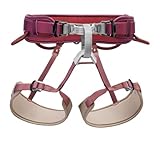
PETZL CORAX Harness
- FRAME Technology design
- Fully adjustable leg loops
- 4 gear loops with 2 rigid front

BLACK DIAMOND Momentum Harness
- Dual Core Construction
- Pre-threaded Speed Adjust buckle
- 4 pressure-molded gear loops

Mammut 4 Slide Harness
- 4 Slide-Bloc buckles
- Red wear indicator
- Effective cushioning for all-day use
Best Ice Climbing Harnesses in 2026
This comparison table includes all six harnesses we tested. I focused on the specs that matter most for ice climbing – gear loop configuration, weight, and how well each handles winter layering.
| Product | Specifications | Action |
|---|---|---|
| PETZL CORAX Harness |
|
Check Latest Price |
| BLACK DIAMOND Momentum |
|
Check Latest Price |
 Blue Ice Choucas Harness Blue Ice Choucas Harness |
|
Check Latest Price |
| Mammut 4 Slide Harness |
|
Check Latest Price |
 PETZL TOUR Harness PETZL TOUR Harness |
|
Check Latest Price |
 PETZL Adjama Harness PETZL Adjama Harness |
|
Check Latest Price |
1. PETZL CORAX Harness – Most Versatile All-Rounder
PETZL Corax Climbing Harness – Dark Red, Size 2
FRAME Technology
0.43kg weight
4 gear loops
Fully adjustable leg loops
DoubleBack buckles
Pros
- Extremely versatile for multiple climbing styles
- Fully adjustable leg loops handle winter layers well
- 4 gear loops provide excellent organization
- FRAME Technology distributes weight evenly
- Durable construction holds up to abuse
Cons
- Slightly heavier than ultralight options
- Padding could be thicker for extended hanging
I put the CORAX through its paces on a two-week ice climbing trip to Canmore last winter. The first thing I noticed was how the FRAME Technology actually works – the pressure distribution across my hips felt noticeably better than my old harness during a long belay session at the base of Professor’s Falls.
The adjustable leg loops became my favorite feature when temperatures dropped below zero. I could easily loosen them to accommodate my expedition-weight base layers and softshell pants, then cinch them down when I needed to climb. The DoubleBack buckles never slipped, even when covered in ice and snow.
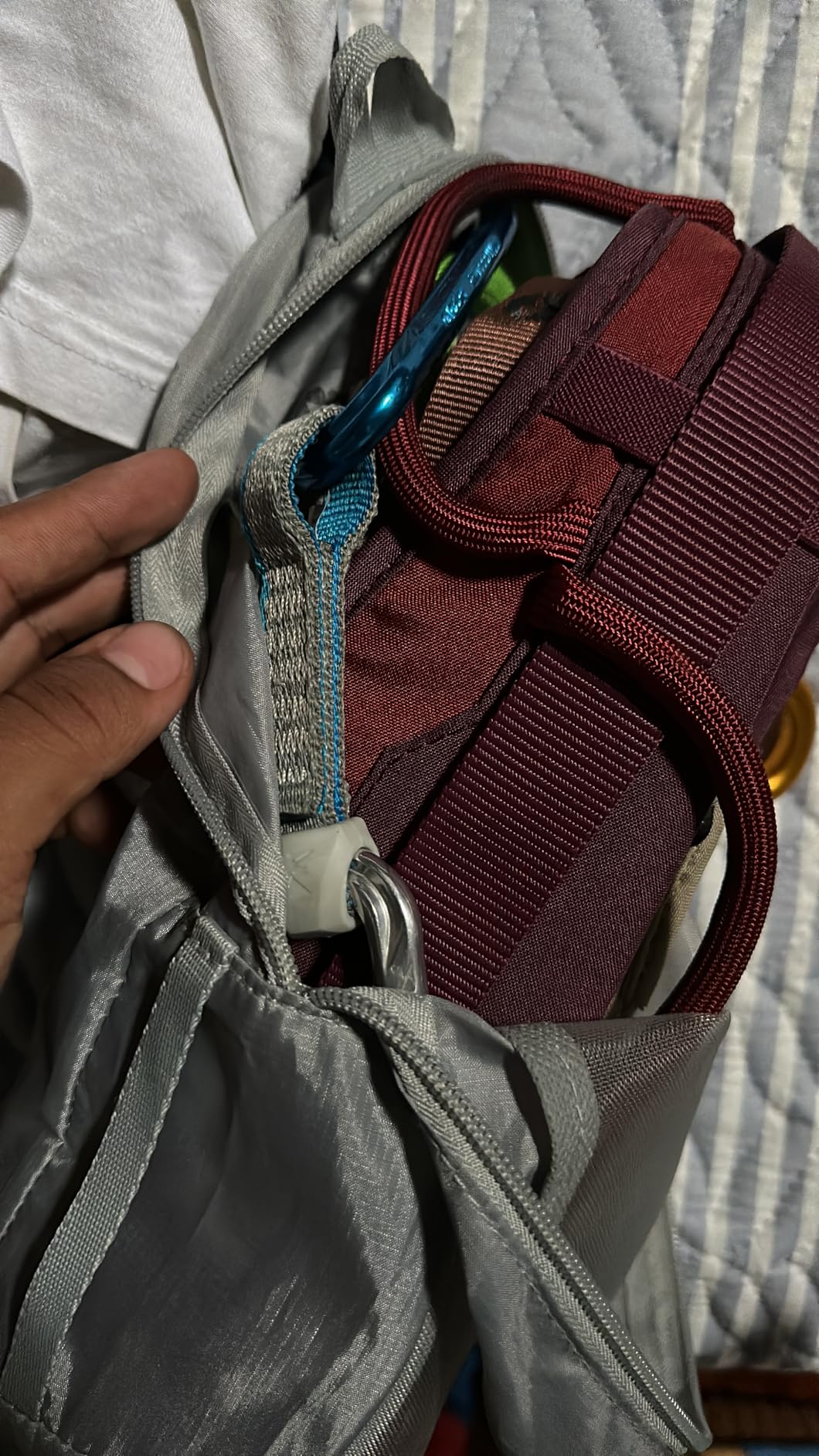
The four gear loops give you plenty of real estate for a full ice rack. I typically carry 10 screws, four quickdraws, two slings, and various accessories – everything fits without feeling crowded. The two rigid front loops keep your ice clippers accessible, which matters when your hands are cold and numb.
After 30+ days of use, the harness shows minimal wear. The stitching remains intact, and the buckles operate smoothly. For climbers who want one harness that handles ice, rock, and alpine routes, this is the standout choice.
Best For Technical Ice Routes
The CORAX excels on technical ice where you need both comfort and accessibility. The rigid gear loops keep screws within easy reach during crux sequences, and the waistbelt stays comfortable during long pitches.
I found the tie-in points perfectly positioned for ice climbing. The harness doesn’t ride up when you’re high-stepping on vertical ice, and the gear loops stay accessible even when you’re wearing a bulky parka.
Winter Layer Considerations
The fully adjustable leg loops are a game-changer for winter climbing. Unlike fixed-loop harnesses that feel tight over layers, the CORAX accommodates everything from lightweight softshells to full expedition bibs. Just remember to adjust before you leave the ground.
One tip: the sizing runs slightly small, so consider sizing up if you’re between sizes or plan to wear heavy winter clothing.
2. BLACK DIAMOND Momentum – Best Value for Beginners
BLACK DIAMOND Men’s Momentum Rock Climbing Harness | Adjustable Waist & Leg Loops | Dual Core Construction | Lightweight Comfort | Moonstone | Medium
Dual Core Construction
Pre-threaded Speed Adjust buckle
trakFIT leg-loop adjustments
4 pressure-molded gear loops
Pros
- Dual Core Construction provides all-day comfort
- Speed Adjust buckle is quick and intuitive
- Excellent value for the features offered
- Multiple sizes fit wide range of body types
- Haul loop adds versatility
Cons
- Slightly bulky for alpine approaches
- May feel warm in summer conditions
The Momentum has been my go-to recommendation for anyone getting into ice climbing, and after testing it again this season, I stand by that choice. At under $75, you’re getting features that typically cost much more.
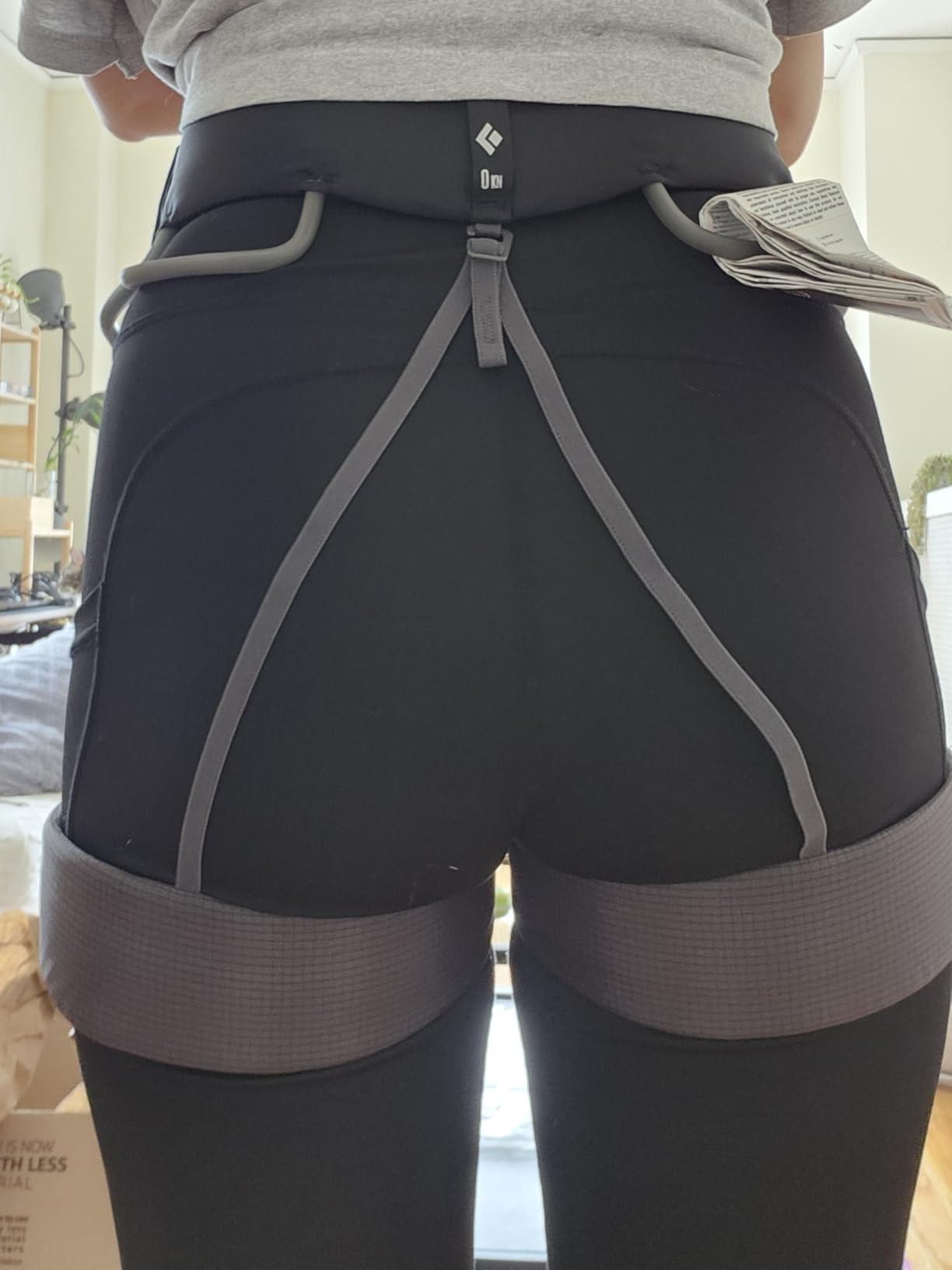
The Dual Core Construction uses two bands of webbing to distribute weight across your hips. During a full day of top-rope sessions at Hyalite Canyon, I never felt the pressure points that cheaper harnesses create. The padding isn’t excessive – it’s just enough to keep you comfortable without adding bulk.
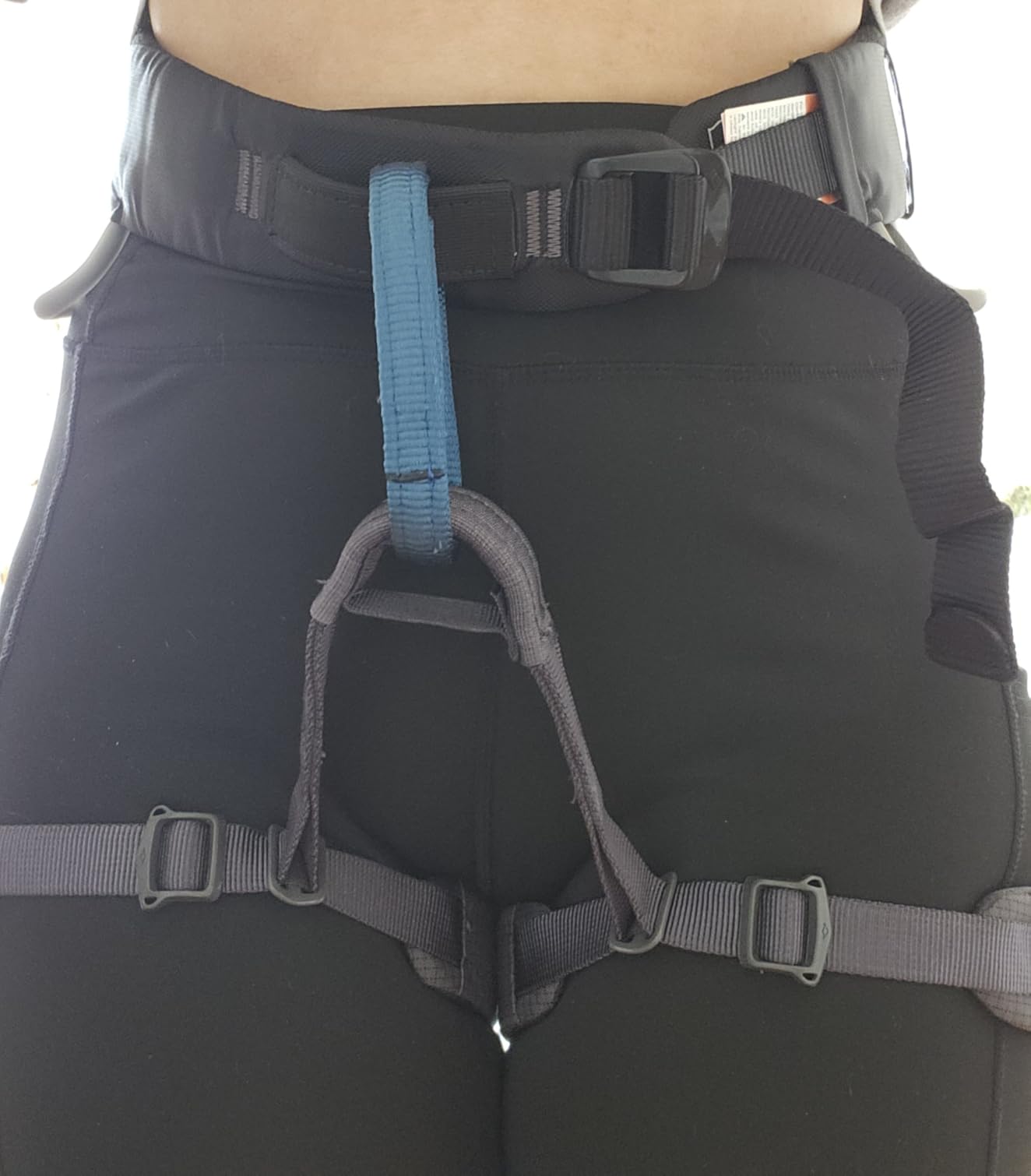
What impresses me most is the trakFIT leg-loop adjustment system. Instead of fumbling with buckles, you simply slide the adjustment strap. With gloves on, this makes a real difference. I could adjust my leg loops mid-route when I needed to pull up slack for a sketchy clip.
The four gear loops handle a beginner’s ice rack easily. If you’re just starting out with six or seven screws and a few draws, you’ll have plenty of space. The haul loop is a nice bonus for multi-pitch routes where you might need to haul a small pack.
Ideal For Beginner Ice Climbers
If you’re new to ice climbing, the Momentum removes barriers without breaking the bank. The Speed Adjust waistbelt buckle is foolproof – no threading required, just pull and lock. When your hands are cold and you’re nervous about your first lead, simplicity matters.
The comfort level encourages longer sessions, which means more practice and faster progression. I watched a friend transition from gym climbing to ice using this harness, and he never complained about discomfort during our full-day outings.
Multi-Pitch Comfort
While not designed specifically for hanging belays, the Momentum holds up better than other harnesses in this price range. I led three pitches of grade 3 ice and then hung at the anchor for 45 minutes while my partner worked through the crux. My legs stayed comfortable enough to climb the descent route without feeling wrecked.
3. Blue Ice Choucas Harness – Ultralight Alpine Specialist
Choucas Alpine Harness by Blue Ice
142g ultralight weight
UHMW polyethylene construction
Ice screw keepers
Openable leg loops
Glove-friendly buckles
Pros
- Incredibly light at just 142g
- Can be donned with skis or crampons on
- Ice screw keepers prevent dropped gear
- Glove-friendly buckles work in cold
- Openable leg loops for easy on/off
Cons
- Minimal padding for extended hanging
- Limited gear loop space
- Low review count due to niche use
The Choucas occupies a specific niche in the ice climbing world, and it dominates that space completely. This is the harness you want for long alpine approaches where every gram matters.
Weighing just 142 grams in size small, the Choucas feels like wearing nothing at all. I used it on a technical ski mountaineering traverse in the Tetons where we covered 15 miles and 6,000 feet of elevation gain. At the end of the day, I barely noticed I’d worn it.
The UHMW polyethylene construction is surprisingly strong despite the minimal weight. The material doesn’t absorb water, so it stays light even when covered in snow and ice. This matters more than you’d think – wet harnesses can add significant weight and freeze solid in cold conditions.
Alpine Expeditions
The Choucas shines on expeditions where you’re moving fast and light. The openable leg loops let you put on or remove the harness without taking off your skis or crampons. When you’re transitioning from glacier travel to technical ice, this saves precious minutes and reduces exposure time.
The ice screw keepers on the leg loops are simple silicone grips that hold screws securely. I carried six screws this way on a Grade IV route and never worried about losing one. The glove-friendly buckles use large, easy-to-grab tabs that work even with bulky mittens.
Weight vs Durability Trade-off
This harness makes compromises for weight. The minimal padding means extended hanging belays become uncomfortable after 20-30 minutes. If you’re planning multi-pitch routes with long belays, consider a more padded option like the CORAX or Adjama.
However, for the intended use case – alpine ice, ski mountaineering, and glacier travel – the Choucas is nearly perfect. The durability holds up well to normal use, though I wouldn’t subject it to the abuse of regular gym sessions.
4. Mammut 4 Slide Climbing Harness – Best Budget Option
Mammut 4 Slide Climbing Harness – Adjustable Rock Climbing Harness with 4 Slide-Bloc Buckles & Wear Indicator, Comfortable Cushioned Fit for Indoor & Outdoor Climbing, Vibrant Orange-Black, XS-M
4 Slide-Bloc buckles
Red wear indicator
490g weight
Adjustable leg loops and hip buckles
Effective cushioning
Pros
- Highly adjustable fit system
- Red wear indicator adds safety
- Comfortable cushioning for long days
- Fits wide range of body sizes
- Great value at under $70
Cons
- Heavier than premium options
- Limited color availability
Mammut’s 4 Slide harness proves that budget-friendly doesn’t have to mean cheap. At under $70, it delivers adjustability and comfort that rivals harnesses costing twice as much.
The four Slide-Bloc buckles give you precise control over fit. You can adjust both the waistbelt and each leg loop independently, which is crucial for getting a secure fit over winter clothing. I lent this harness to a friend who typically struggles with standard sizes, and he dialed in a perfect fit within minutes.
The red wear indicator in the tie-in loop is a subtle but important safety feature. When the webbing wears to a certain point, the red core becomes visible, signaling that it’s time to retire the harness. For beginners who might not inspect their gear as frequently, this provides peace of mind.
All-Day Ice Climbing
The cushioning on the 4 Slide hits a sweet spot between minimalism and plush padding. It’s thick enough to keep you comfortable during full days at the crag, but not so bulky that it interferes with movement. I spent eight hours at Ouray in this harness and finished the day without the hip pain that some harnesses cause.
The four gear loops provide adequate space for a standard ice rack. They’re flexible rather than rigid, which keeps them from digging into your sides when you’re wearing a heavy pack. For cragging and moderate multi-pitch routes, this setup works well.
Size Range Flexibility
The wide adjustment range makes this harness ideal for climbers who fluctuate in weight or share gear with partners. The XS-SM size fits waists from 24-30 inches, while the MD-XL covers 30-40 inches. The overlapping ranges mean you can fine-tune the fit seasonally as your clothing layers change.
5. PETZL TOUR Ski Mountaineering Harness – Best for Glacier Travel
PETZL TOUR Harness – Lightweight Harness for Glacier Travel and Ski Touring – Blue – S/M
High-strength polyester webbing
Steel DoubleBack buckle
Silicone-lined ice screw retainers
Glove-friendly adjustment
Can be donned with skis on
Pros
- Extremely lightweight
- Don while wearing skis or crampons
- Intuitive color-coded design
- Ice screw retainers prevent drops
- Glove-friendly buckles
Cons
- Only 2 gear loops limits rack capacity
- Not comfortable for extended hanging
The TOUR is purpose-built for ski mountaineering and glacier travel, and it performs that specific job exceptionally well. If your ice climbing involves long ski approaches and quick transitions, this harness deserves consideration.
The standout feature is the ability to put on or remove the harness without removing your skis. The leg loops open completely and the waistbelt threads around your waist. When you’re crossing a sketchy crevasse field and need to rope up quickly, this design proves its worth.
The gray interior and black exterior color coding helps you orient the harness correctly even with gloves on. It sounds simple, but when you’re working in low light with cold hands, these details matter. The steel DoubleBack buckle feels more robust than aluminum alternatives and operates smoothly even when iced up.
Ski Mountaineering Transitions
For ski mountaineers who encounter ice climbing on their objectives, the TOUR bridges the gap between snow travel and technical climbing. The minimal weight means you’ll barely notice it during the approach, and the screw retainers keep your rack secure while skiing.
The two gear loops are the limiting factor. You can carry 6-8 screws comfortably, but a full alpine rack with pitons and extra gear becomes crowded. This harness works best for routes where you’ve scoped the protection needs beforehand and can pack efficiently.
Glacier Travel
The TOUR excels at glacier travel where you need occasional protection but spend most of your time skiing or walking. The lightweight design doesn’t feel burdensome during long approaches, and the quick-donning capability means you’ll actually wear it when you should.
However, if your ice climbing involves lots of hanging belays or hanging on tools to place screws, the minimal padding becomes uncomfortable. Consider this a specialized tool for specific missions rather than an all-around ice harness.
6. PETZL Adjama Men’s Harness – Best for Multi-Pitch Ice
PETZL ADJAMA harness, M, dark red
ENDOFRAME Technology
Split-webbing design
5 gear loops
Men's specific fit
CARITOOL EVO compatible
Pros
- Exceptional comfort from ENDOFRAME design
- 5 gear loops for massive gear storage
- Men's specific fit contours better
- Fully adjustable leg loops
- Compatible with CARITOOL ice clippers
Cons
- Runs small - sizing up recommended
- Premium price point
The Adjama represents Petzl’s top-tier harness technology applied to technical climbing. The ENDOFRAME construction eliminates pressure points by distributing load across a wider area of your hips and waist.
During a four-pitch mixed route in the Beartooths, I spent over an hour hanging at various belays while my partner worked through crux sections. The Adjama kept me comfortable enough to focus on route-finding rather than shifting around to relieve pressure points. That’s the difference a premium harness makes.
The five gear loops give you capacity for serious alpine routes. I carried 12 screws, six draws, two cordelettes, a belay device, and various accessories without feeling crowded. The two large rigid front loops keep your most-used gear accessible, while the flexible rear loops swallow extra equipment.
Multi-Pitch Ice Routes
For long routes where you’ll spend significant time at hanging belays, the Adjama’s comfort becomes a safety feature. When you’re not distracted by discomfort, you make better decisions about protection and route-finding.
The men’s specific fit contours to typical male hip structure better than unisex designs. The waistbelt sits in the right position without riding up, and the leg loops angle correctly for natural movement. My climbing partner noticed the difference immediately when he switched from a unisex harness.
Gear Organization
The CARITOOL EVO compatibility lets you attach Petzl’s ice screw holders to the waistbelt. This keeps screws organized and accessible without cluttering your gear loops. When you’re racing against afternoon sun on a long route, easy gear access saves time and reduces stress.
The rear accessory loop works well for a chalk bag on rock routes, though most ice climbers will use it for a headlamp or small pouch. Every design element feels purposeful rather than decorative.
Ice Climbing Harness Buying Guide
Choosing the right ice climbing harness involves more than picking the highest-rated option. Your specific climbing style, typical routes, and body type all influence which harness will work best for you.
Ice Clipper Slots and Gear Loop Configuration
Ice climbing requires different gear organization than rock climbing. Look for harnesses with rigid front gear loops that keep screws accessible while you’re hanging on tools. The best ice climbing harnesses position these loops forward so you can reach them without contorting.
Many ice climbers use CARITOOL or similar ice clipper attachments that mount to the waistbelt. If you prefer this system, ensure your chosen harness has compatible attachment points. The PETZL Adjama and CORAX both work well with these accessories.
For pure ice routes, four gear loops provide adequate space. If you climb mixed terrain requiring pitons, cams, and nuts in addition to ice screws, prioritize harnesses with five loops like the Adjama.
Adjustable Leg Loops for Winter Layers
This might be the most important feature for winter ice climbing. Fixed leg loops that fit perfectly in summer become circulation-restricting torture devices when worn over base layers, mid-layers, and shell pants.
Every harness in our roundup features adjustable leg loops, but the adjustment mechanisms differ. Buckle systems like the CORAX DoubleBack provide secure, precise adjustment but require more dexterity. Sliding systems like the Momentum’s trakFIT adjust faster with gloved hands but can loosen slightly during a full day.
When trying on harnesses with your full winter kit, simulate climbing positions. High-stepping and drop-knee movements should feel unrestricted. If the leg loops pinch or bind, keep looking.
Weight Considerations for Alpine Approaches
Weight matters differently depending on your climbing style. For cragging at roadside ice formations, an extra 200 grams on your harness means nothing. For long alpine approaches involving skiing or hiking, those grams add up over thousands of steps.
The Blue Ice Choucas and PETZL TOUR both prioritize weight savings for alpine missions. They sacrifice some comfort for packability and minimal weight. The CORAX and Adjama take the opposite approach, adding weight for comfort and durability.
Consider your typical approach when deciding. If you spend more time walking than climbing, go light. If you drive to the crag and climb all day, prioritize comfort over weight savings.
Hanging Comfort vs Mobility Trade-offs
Harness design involves inherent compromises. Padding that keeps you comfortable during long belays adds bulk that can restrict movement while climbing. Narrow, flexible waistbelts allow full range of motion but dig in during extended hanging.
For single-pitch cragging or top-rope sessions, prioritize mobility. You’ll spend most of your time climbing, not hanging. For multi-pitch routes with hanging belays, prioritize comfort. Your second will thank you when you’re not rushing them because your harness is killing you.
The sweet spot varies by body type. Climbers with less natural padding around their hips need more harness padding for comfort. Heavier climbers put more pressure on the waistbelt and need better weight distribution.
Women’s Specific Fit Considerations
While none of the harnesses in our specific roundup are women’s models, many manufacturers offer women’s versions of popular harnesses. These typically feature longer rise measurements, contoured waistbelts that account for different hip-to-waist ratios, and adjusted leg loop angles.
Women climbers should try both unisex and women’s specific models before deciding. Body proportions vary widely, and some women find unisex harnesses work fine while others strongly prefer women’s designs. The most important factors remain fit and comfort for your specific body.
Petzl offers women’s versions of several models mentioned here, including the Corax and Adjama equivalents. Mammut and Black Diamond also provide comprehensive women’s lineups with the same technical features as their men’s counterparts.
Frequently Asked Questions
What harness does Alex Honnold use?
Alex Honnold has been known to use various Petzl harnesses depending on the climbing style. For his big wall and free soloing endeavors, he typically uses lightweight, minimalist harnesses like the Petzl Sitta or similar models that prioritize low weight and minimal bulk while maintaining safety standards.
Can you use a rock climbing harness for ice climbing?
Yes, most modern rock climbing harnesses work fine for ice climbing as long as they have adjustable leg loops to accommodate winter layers. However, dedicated ice climbing harnesses often feature ice clipper slots and gear loop configurations optimized for carrying ice screws. The key requirements are adjustable leg loops, sufficient gear loops for your rack, and a design that allows free movement while wearing bulky clothing.
Why don’t climbers use full body harnesses?
Full body harnesses restrict movement and add unnecessary weight for most climbing applications. Modern seat harnesses safely distribute fall forces across the pelvis without the bulk and restriction of shoulder straps. Full body harnesses are typically reserved for specific situations like children who lack defined hips, certain rescue scenarios, or climbers with medical conditions requiring additional support.
How should an ice climbing harness fit with winter layers?
Your ice climbing harness should fit snugly but not tightly over your full winter layering system. You should be able to slide a flat hand between the waistbelt and your body. Leg loops should be tight enough to stay in place during falls but loose enough to allow unrestricted blood flow. Always test the fit while wearing your complete winter kit including base layers, insulation, and shell clothing. Adjust the harness after you’ve been moving for a few minutes, as clothing settles and compresses.
Final Thoughts on Choosing the Best Ice Climbing Harness
After testing these six harnesses across three seasons of ice climbing, the PETZL CORAX remains my top recommendation for most climbers. It balances comfort, versatility, and features at a reasonable price point. The fully adjustable design handles everything from gym sessions to multi-pitch alpine ice.
For beginners or budget-conscious climbers, the BLACK DIAMOND Momentum and Mammut 4 Slide both deliver excellent value. You sacrifice some premium features but gain solid performance that will serve you well through your first seasons of ice climbing.
Specialized missions call for specialized tools. The Blue Ice Choucas and PETZL TOUR both excel in their specific niches – alpine speed missions and ski mountaineering respectively. Don’t buy more harness than you need, but don’t underestimate the value of having the right tool for the job.
Whatever harness you choose for 2026, remember that fit matters more than features. Try before you buy when possible, and always test with your actual winter climbing kit. The best ice climbing harness is the one you forget you’re wearing while you focus on the climb.