
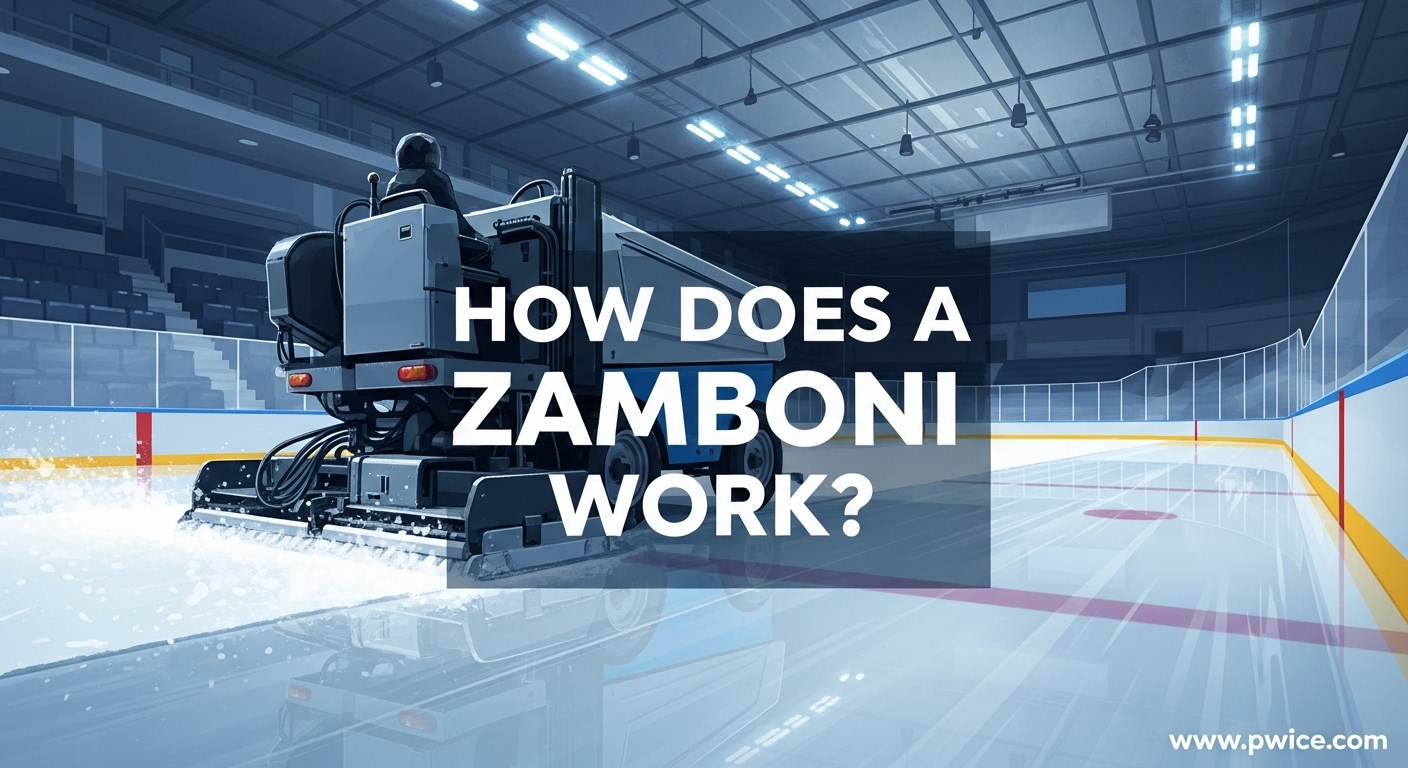
Have you ever sat in an ice arena, watching a giant machine glide across the rink between periods, and wondered exactly what is happening beneath that hood? How does a Zamboni work to transform a chopped-up, snow-covered ice surface into a pristine skating sheet in just minutes?
I remember the first time I watched a Zamboni up close at my local hockey rink. The operator made it look effortless, but I knew there had to be some serious engineering happening inside that machine. After diving into the mechanics and talking with arena operators, I can tell you that this iconic ice resurfacer performs a remarkably sophisticated four-step process.
In this guide, you will learn exactly how a Zamboni shaves, collects, washes, and floods the ice to create that mirror-smooth surface. We will break down each step, explore the key components that make it all possible, and answer the most common questions people have about these fascinating machines.
Table of Contents
What Is a Zamboni?
A Zamboni is an ice resurfacing machine designed to clean and smooth the surface of an ice rink. Named after its inventor, Frank Zamboni, the machine has become so iconic that most people call any ice resurfacer a Zamboni, even though other manufacturers like Olympia and Engo produce similar machines.
The purpose of an ice resurfacer is simple but critical. Skating, hockey, and figure skating all damage the ice surface. Skates carve grooves, snow builds up, and debris accumulates. Without regular resurfacing, the ice becomes rough, slow, and potentially dangerous. The Zamboni fixes all of this in a single pass.
Modern Zambonis are sophisticated pieces of equipment powered by either internal combustion engines or electric motors. They measure roughly 10 feet long, 7 feet wide, and 6 feet tall. A full-size machine can weigh over 8,000 pounds when loaded with water and snow. Despite their bulk, skilled operators maneuver these machines with precision, hugging the boards and maintaining consistent speed for optimal ice quality.
How Does a Zamboni Work? The 4-Step Resurfacing Process
The magic of a Zamboni happens through a four-step process that occurs simultaneously as the machine moves across the ice. Each step addresses a specific problem: damaged ice, accumulated snow, dirty residue, and surface imperfections.
Step 1: Shaving the Ice Surface
The first and most dramatic step happens at the front of the machine. A sharp steel blade mounted on the conditioner cuts into the ice surface, shaving off the top layer. The blade typically removes about 1/16 to 1/8 of an inch of ice with each pass.
This shaving process accomplishes two critical goals. First, it eliminates the deep skate marks, chips, and ruts that accumulate during skating sessions. Second, it removes the layer of ice that has been compromised by air bubbles and impurities that rise to the surface. The result is a fresh, level base ready for the new water application.
The blade angle and depth are adjustable. Operators set these based on ice conditions and the type of activity. Hockey games typically require deeper cuts than public skating sessions. The hydraulic system allows the driver to raise and lower the blade as needed during the resurfacing process.
Step 2: Collecting the Snow
As the blade shaves the ice, it creates a stream of ice shavings or snow. This snow needs to go somewhere, and simply pushing it around would defeat the purpose of resurfacing. The Zamboni collects this snow using a system of rotating augers.
Horizontal augers positioned behind the blade gather the snow and move it toward the center of the machine. A vertical auger then lifts the snow upward and deposits it into a snow tank. This screw conveyor system operates continuously as the machine moves, ensuring no snow is left behind on the fresh surface.
The snow tank fills up over multiple passes and must be emptied periodically. In busy arenas, Zambonis might need to dump their snow load several times per day. Some modern machines include automatic systems that compress the snow, allowing operators to complete more floods before needing to empty the tank.
Step 3: Washing the Ice
After the shaving and snow collection, the ice surface still holds dirt, debris, and residual snow particles. The wash water system addresses this. The machine sprays a mist of water across the newly shaved surface, loosening any remaining contaminants.
A squeegee or wash water towel then wipes this dirty water away, collecting it into a separate tank. This washing action is crucial for ice quality. Without it, dirt and debris would become trapped in the new ice layer, creating weak spots and discoloration.
The wash water temperature and pressure are carefully controlled. Too much water creates puddles. Too little fails to clean properly. Experienced operators monitor the wash water tank levels and adjust flow rates based on ice conditions and the amount of debris present.
Step 4: Flooding with Hot Water
The final step creates that signature glassy finish. Hot water is pumped through a pipe and spread across the ice surface behind the conditioner using a towel. This hot water fills the remaining imperfections and freezes into a smooth, level layer.
The key here is the water temperature. Zambonis use hot water heated to approximately 140 to 160 degrees Fahrenheit. The hot water melts the surface slightly, allowing it to bond with the existing ice. As it freezes, it creates a dense, bubble-free surface that skates faster and smoother than ice made with cold water.
The application rate and machine speed determine the thickness of the new ice layer. Operators typically aim for about 1/32 of an inch per flood. Too thick a layer wastes water and extends freezing time. Too thin fails to cover imperfections properly.
Key Components of a Zamboni
Understanding the main components helps explain how all these processes work together seamlessly. Each part serves a specific function in the resurfacing operation.
The Conditioner
The conditioner is the heart of the Zamboni. This heavy metal frame at the back of the machine houses the blade, augers, and water distribution systems. It is called a conditioner because it conditions the ice surface, preparing it for the flood water.
The conditioner rides on the ice surface using runners or skis that maintain consistent blade depth. Its weight, combined with the blade angle, provides the cutting force needed to shave the ice. Modern conditioners include sensors that help operators maintain optimal settings throughout the flood.
The Blade and Auger System
The blade on a Zamboni is a precision-ground steel edge, typically 77 inches wide on full-size machines. It requires regular sharpening and replacement to maintain clean cuts. A dull blade tears rather than cuts, leaving rough surfaces and requiring multiple passes.
The auger system consists of two horizontal screw conveyors that rotate toward the center, plus a vertical auger that lifts snow upward. These augers are powered by hydraulic motors and turn at constant speeds synchronized with machine movement. The pitch and diameter of the auger screws determine how efficiently snow moves through the system.
Water Systems
A Zamboni carries two separate water tanks. The wash water tank holds the water used for cleaning the surface, typically 50 to 100 gallons. The ice-making water tank contains the hot water used for flooding, usually 200 to 300 gallons on full-size machines.
Heating systems keep the ice-making water at optimal temperature. Some machines use propane or natural gas heaters, while electric Zambonis use electric heating elements. The water distribution system includes pumps, pipes, and nozzles that control flow rates and spray patterns.
Board Brush and Edger
Along the sides of the conditioner, board brushes spin against the dasher boards. These brushes push snow and debris away from the boards toward the center where the augers can collect it. Without board brushes, snow would build up along the edges of the rink.
Some Zambonis also include ice edgers, separate cutting blades that trim the ice right up to the boards. This creates clean edges that prevent snow accumulation and improve puck handling during hockey games.
Why Does a Zamboni Use Hot Water?
This question confuses many people. Common sense suggests cold water would freeze faster, so why use hot water? The answer involves both practical physics and the science of ice formation.
Hot water contains less dissolved air than cold water. As water heats, dissolved gases escape. When hot water freezes, it creates denser ice with fewer air bubbles trapped inside. This dense ice is harder, smoother, and more transparent than ice formed from cold water.
The temperature difference also matters for surface bonding. When hot water hits the ice surface, it melts the top layer slightly. This creates a wet interface where the new water and old ice merge together as they freeze. The result is a seamless bond rather than a layer cake of separate ice sheets.
Some scientists reference the Mpemba effect, the observation that hot water can freeze faster than cold water under certain conditions. While this effect is debated in laboratory settings, in practical ice resurfacing, the improved ice quality from reduced air content makes hot water the clear choice regardless of freezing speed.
The History of the Zamboni
Frank Zamboni invented the first ice resurfacer in 1949 in Paramount, California. He owned an ice rink with his brothers and grew tired of the manual labor required to maintain the surface. Workers had to scrape the ice with hand tools, remove snow with shovels, and then drag a water barrel around to flood the surface. The process took over an hour and required three people.
Zamboni spent years experimenting with different designs. His first successful machine, the Model A, mounted an ice resurfacing mechanism onto a repurposed Army surplus vehicle. It included a blade, augers, and water tanks similar to modern designs. The Model A could resurface an entire rink in about 15 minutes with one operator.
The Zamboni company has produced thousands of machines since then. Modern models include electric versions, computerized controls, and enhanced safety features. Frank Zamboni received over 15 patents related to ice resurfacing before his death in 1988. Today, the company remains family-owned and continues to dominate the ice resurfacing market.
Frequently Asked Questions
Does a Zamboni use hot water?
Yes, a Zamboni uses hot water heated to between 140 and 160 degrees Fahrenheit for the final flooding step. The hot water contains less dissolved air, which creates denser, smoother ice with fewer bubbles. It also melts the surface slightly, allowing the new layer to bond seamlessly with the existing ice.
How much does a Zamboni driver make in the NHL?
NHL Zamboni drivers typically earn between $30,000 and $60,000 per year depending on experience, arena location, and team. Senior drivers at major market arenas can earn higher salaries. Many drivers also receive benefits and the opportunity to work additional events and concerts.
How much does a full size Zamboni cost?
A full-size Zamboni costs between $50,000 and $150,000 depending on the model and features. Electric models typically cost more upfront than propane or natural gas versions. Smaller units for community rinks or training facilities start around $10,000.
How does NHL ice not melt?
NHL ice stays frozen through a sophisticated refrigeration system beneath the rink. Chilled glycol or saltwater circulates through pipes embedded in the concrete slab under the ice, maintaining a temperature between 16 and 22 degrees Fahrenheit. The Zamboni actually removes a thin layer of ice and adds fresh water, helping maintain consistent thickness and quality.
How long does it take to resurface an ice rink?
Resurfacing a standard NHL-sized ice rink takes approximately 10 to 15 minutes depending on ice conditions and operator speed. The Zamboni makes two to three passes during a typical intermission flood. Smaller community rinks may take 8 to 10 minutes.
How much water does a Zamboni use per flood?
A Zamboni uses between 30 and 50 gallons of hot water per flood on a standard-sized rink. The exact amount depends on ice conditions, blade depth, and operator preference. A busy arena might use over 1,000 gallons of water per day for ice maintenance.
Conclusion
Now you understand exactly how does a Zamboni work to transform rough, snow-covered ice into a pristine skating surface. The four-step process shaves away damage, collects snow, washes away debris, and applies fresh hot water for a smooth finish. Each component from the conditioner blade to the auger system plays a vital role.
The next time you watch a Zamboni glide across the ice during intermission, you will appreciate the engineering marvel happening before your eyes. From Frank Zamboni’s original invention in 1949 to today’s sophisticated machines, this remarkable device continues to make ice sports possible at rinks around the world.