
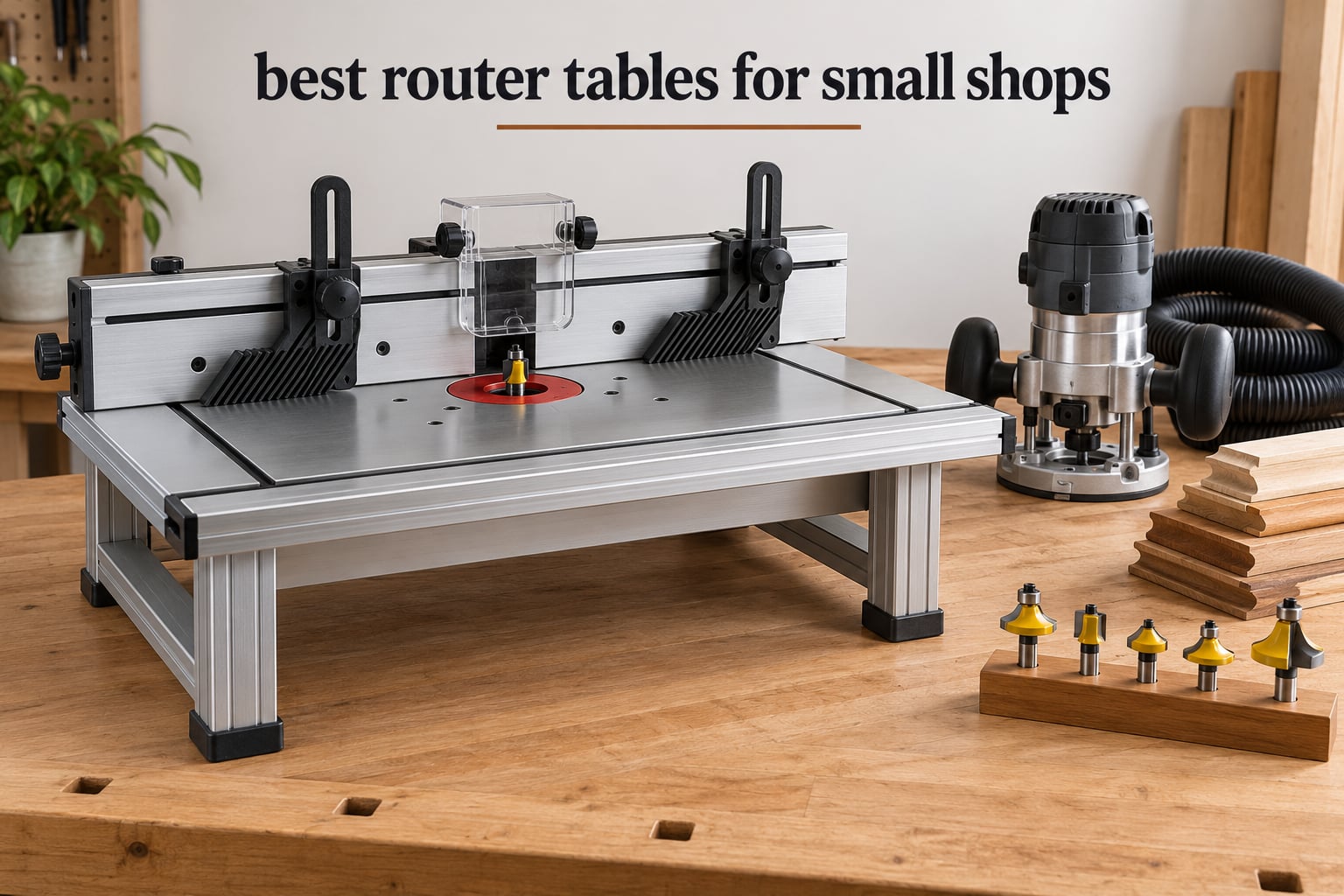
The best router tables for small shops are the ones you can move out of the way when the routing is done. That sounds obvious, but most tables on the market are built as permanent furniture for a two-car garage, and the average small shop has no room for permanent furniture.
A router table turns a handheld tool into a stationary station. The router hangs under a cutout in the top, the bit comes up through an insert plate, and you push the workpiece across it instead of walking the router across the workpiece. That flip alone makes edge profiles, dados, box joints and flush trims repeatable on small parts, which is exactly the work a small shop does most.
We spent weeks measuring benches, checking router plate patterns, and reading owner reports on all eight tables below. Every one of them is judged against the same three questions: how much floor does it take, can it be put away when you are not routing, and what do you still have to buy before the first cut.
Table of Contents
Top 3 Router Tables for Small Shops (October 2026)

Bosch RA1181 Benchtop
- Aluminum top and fence
- Pre-drilled plate fits most full-size routers
- 2-1/2 inch dust port
- Featherboards and storage pocket

Kreg PRS2100 Bench Top
- 30 inch wide rolling top
- Quiet micro-dot MDF surface
- Aluminum fence with jointing capability
- Level-Loc plate leveling

POWERTEC 71402V Stand
- 24 x 16 inch MDF top on a steel stand
- Heavy aluminum fence with dust port
- Eight plate leveling points
- Reducing ring set and starter pin
The Bosch RA1181 takes the top spot because it does more with less. Its aluminum top will not go flat on you the way a cheap MDF top does, and it has the largest owner base of anything in this roundup, which means the failure modes are well documented.
The Kreg PRS2100 is the better choice if you want the biggest work surface you can still roll around, and the POWERTEC 71402V wins on accessories per dollar. All three are benchtop units, because in a small shop a benchtop unit is almost always the right form factor.
8 Best Router Tables for Small Shops (October 2026)
| Product | Specifications | Action |
|---|---|---|
| Bosch RA1181 Benchtop Router Table |
|
Check Latest Price |
| POWERTEC Benchtop Router Table with Steel Stand (71402V) |
|
Check Latest Price |
 SKIL SRT1039 Benchtop Portable Router Table SKIL SRT1039 Benchtop Portable Router Table |
|
Check Latest Price |
| Kreg PRS2100 Bench Top Router Table |
|
Check Latest Price |
 RYOBI Universal Router Table A25RT03 RYOBI Universal Router Table A25RT03 |
|
Check Latest Price |
 JessEm Mast-R-Top Phenolic Router Table Top JessEm Mast-R-Top Phenolic Router Table Top |
|
Check Latest Price |
 Kreg Precision Router Table Top PRS1025 Kreg Precision Router Table Top PRS1025 |
|
Check Latest Price |
 Bench Dog ProMAX Cast Iron Router Table Top Bench Dog ProMAX Cast Iron Router Table Top |
|
Check Latest Price |
Read that table as a form factor map first and a spec sheet second. Four of these eight are benchtop units that sit on an existing bench. Two are tops you mount yourself, either on a bench or on a table saw. One is a top plus stand sold as a bundle. Only the ProMAX borrows its footprint from a machine you already own.
If you are still working out whether your shop can hold a router station at all, the [small-space layout guide we keep for home shops](https://www.pwice.com/best-coffee-tables-for-small-spaces/) covers the same footprint math we use here.
1. Bosch RA1181 Benchtop Router Table – Our Top Pick for Small Shops
Bosch RA1181 Benchtop Router Table
Aluminum top and fence
Pre-drilled mounting plate
2-1/2 inch dust port
30 lb
Pros
- Aluminum top stays flat where MDF tops warp
- Fence holds position during a cut
- Pre-drilled plate fits a wide range of full-size routers
- Integrated switch runs the router and vac together
- Included jointing shims for edge jointing
Cons
- No 60mm holes for compact routers without an adapter plate
- Plastic base and switch fascia feel less rigid than the aluminum
- A few owners report a crowned top
I put the RA1181 on an existing 30 inch bench and it needed nothing more than a bench to work. That is the whole pitch for small shops: no stand, no cabinet, no floor space of its own.
What separates it from the cheaper MDF tops is material. The top and the fence are both aluminum, so heat from the router has a hard time driving a crown into the surface. Reviewers repeatedly compare it favorably against MDF benchtop tables on exactly this point, and it is the reason I put it first.
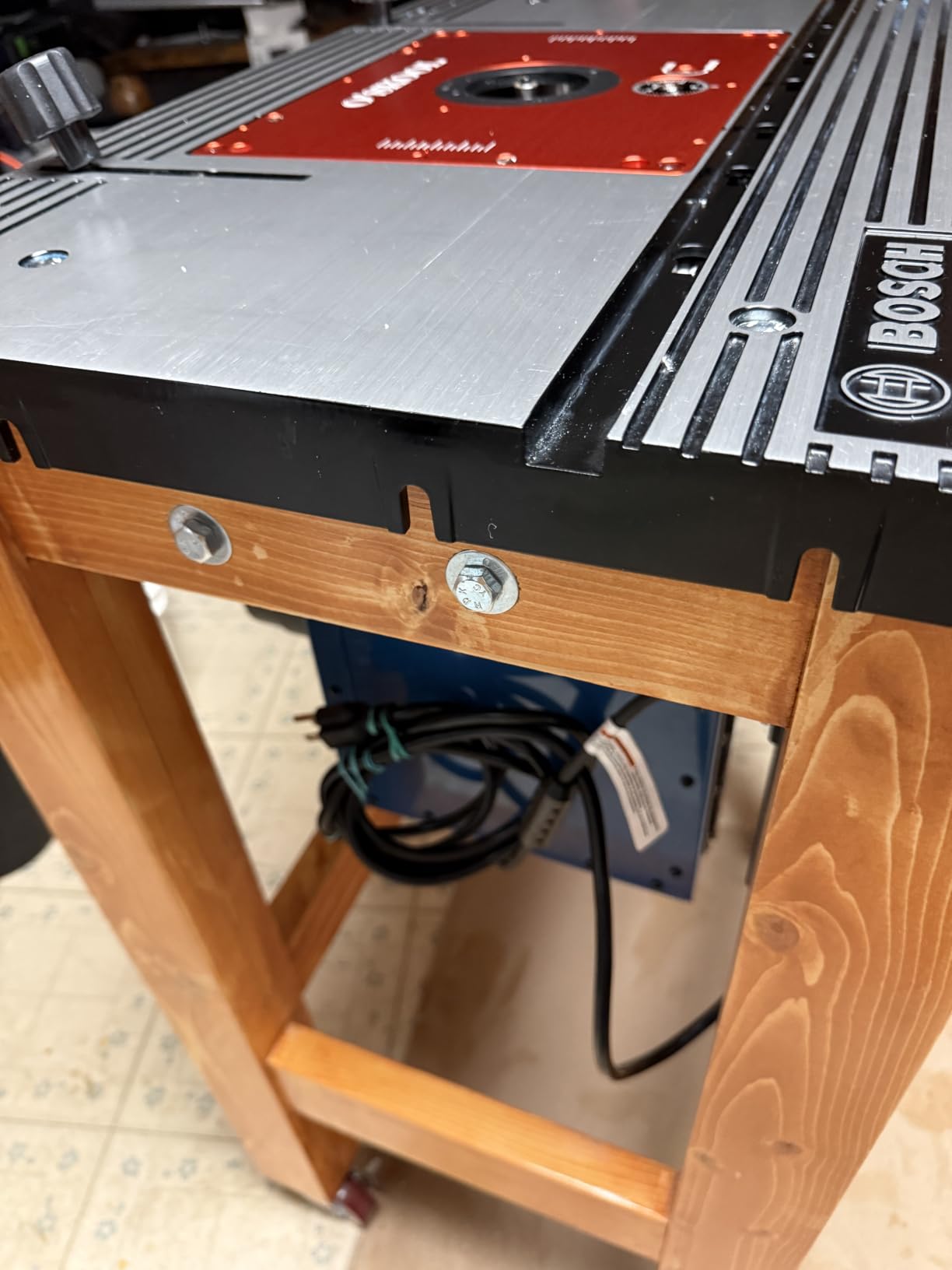
The pre-drilled mounting plate is the second reason. It covers a wide range of full-size routers without drilling, and the plate itself is rigid aluminum rather than phenolic, which matters when you are running a dado or a box joint with the full motor hanging underneath.
Dust collection runs through a standard 2-1/2 inch port that accepts a normal shop vac hose, which in a small shop is the realistic setup.
Will your existing router fit the RA1181?
It will if you own a full-size router. The plate is pre-drilled for common full-size patterns, covering most 2-1/4 hp plunge routers. If you own a compact trim router or a one-handed router, the 60mm pattern is not drilled and you need an adapter plate.
Where the RA1181 falls short
The plastic base and switch fascia do not match the aluminum for rigidity, so the whole frame moves more than a steel-stand table would if you push hard on wide stock.
A few owners report a crowned top out of manufacturing tolerance. Bosch support is repeatedly singled out as responsive, including replacing an out-of-spec top, which is a good sign for a machine you keep for years.
2. Kreg PRS2100 Bench Top Router Table – Best Value for a Rolling Work Surface
Kreg PRS2100 Bench Top Router Table – Full Size Portable Router Table for Workshops – Workbench Accessory – Holiday Home Improvement Gifts for Him
30 inch wide MDF top
Micro-dot low-friction skin
16 inch table height
12 kg
Pros
- Widest work surface in the roundup at 30 inches
- Quiet micro-dot surface reduces vibration and noise
- Aluminum fence with sliding faces and jointing capability
- Insert plate leveling is easy to get flush
- Jointing rods included for narrow boards
Cons
- Instructions are thin and the parts bags are unlabeled
- Fence cam lock uses plastic parts some owners replace with metal screws
- Dust collection is a single fence-mounted port only
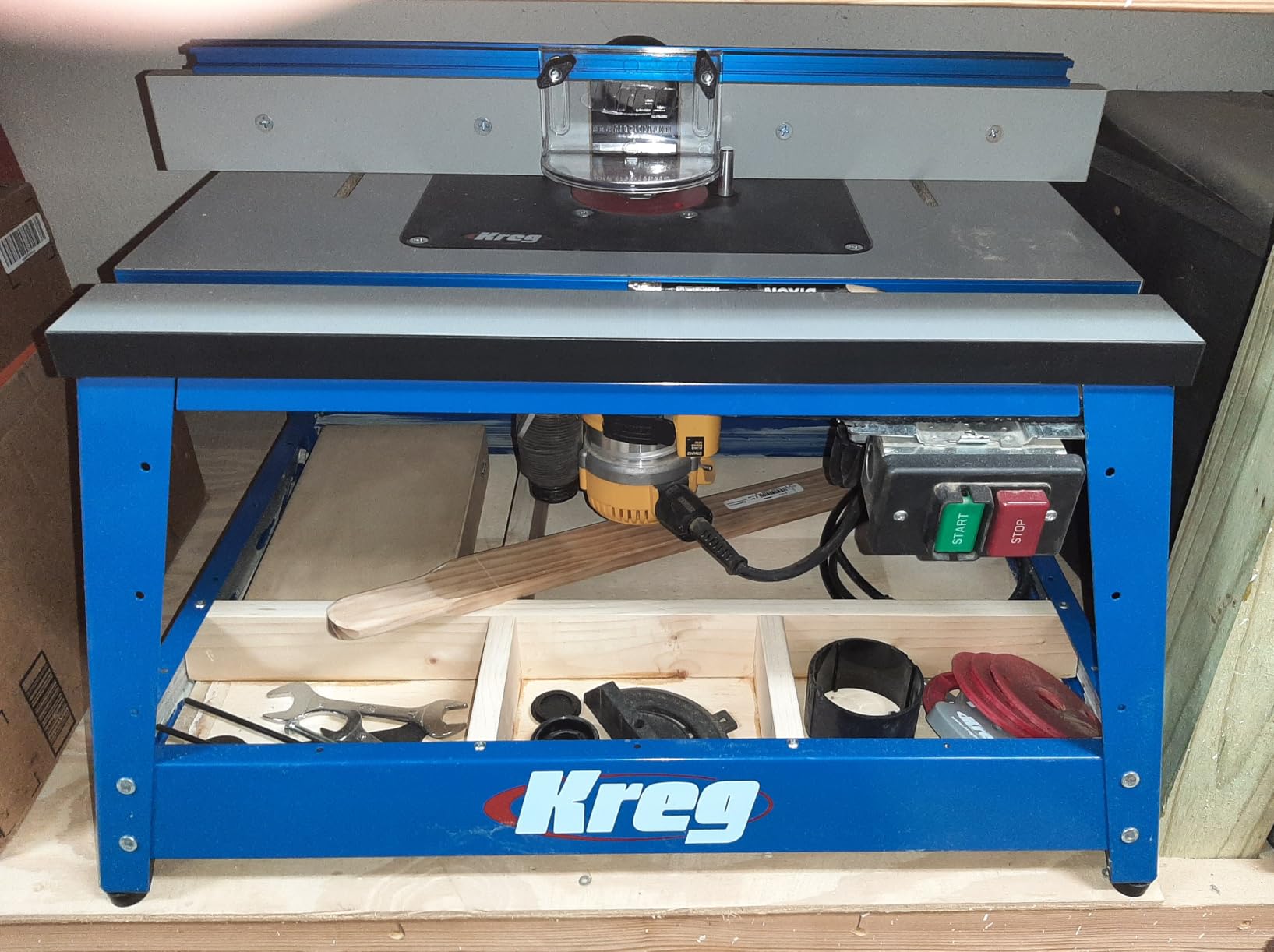
If your small shop has one long wall and about four feet of it free, the PRS2100 gives you more usable surface than anything else here. It is 30 inches wide and 19.25 inches deep, mounted on a portable steel frame with a 16 inch table height that matches a standard bench.
The top is edge-banded MDF with a low-friction micro-dot skin. That detail is not marketing. Owners report it dampens both vibration and noise compared with bare laminate, which matters if you are routing in a room where a table saw would already be too loud.
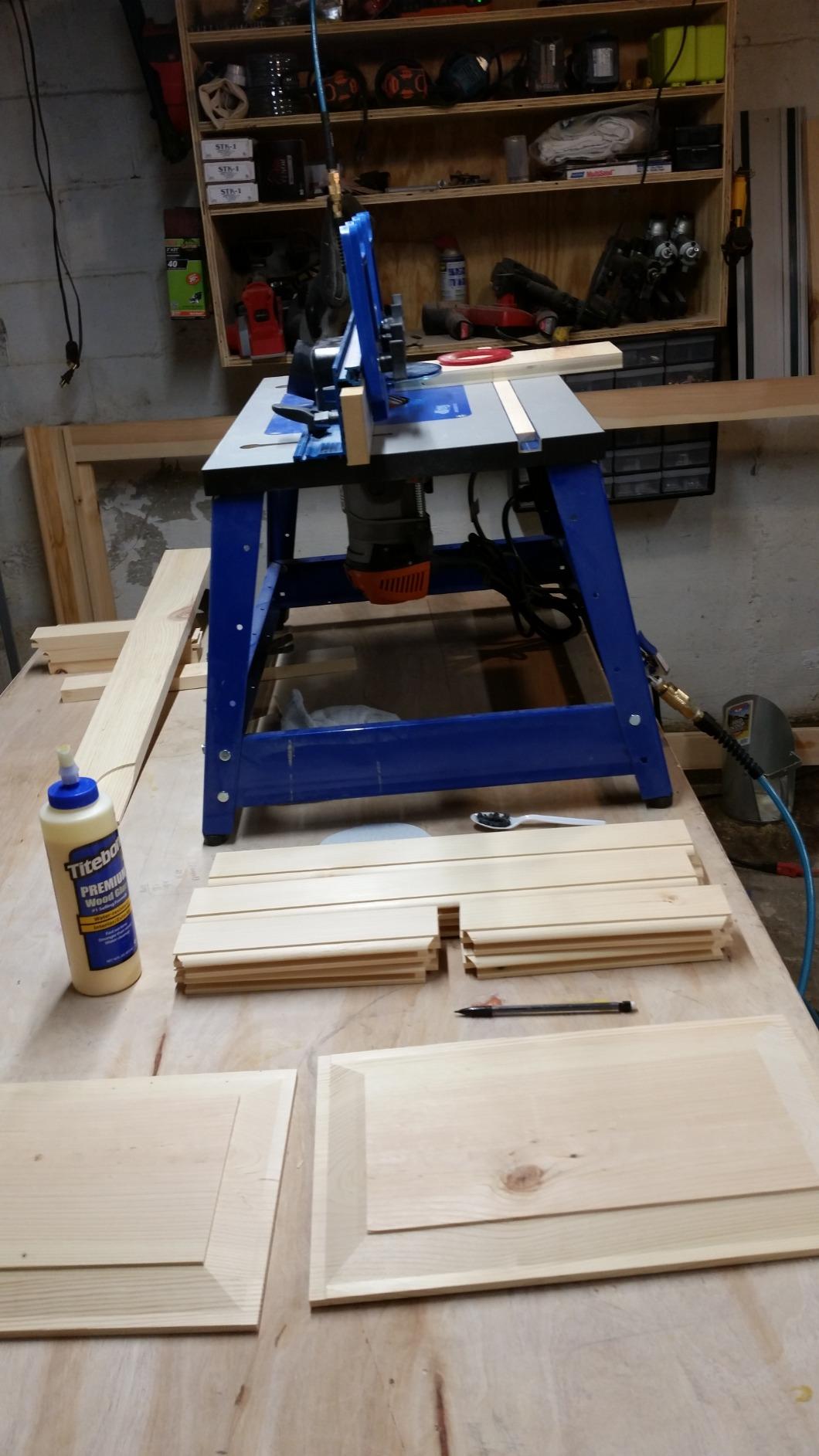
The plate leveling impressed me most. Level-Loc rings plus dedicated plate levelers let you dial the insert flush, the standard plate supports most routers, and the fence has sliding faces, locking levers and jointing capability built in. Long-term owners report the table staying in service for a decade after initial tuning.
Should you buy the Kreg PRS2100 instead of a benchtop model?
Buy it if your work is wider than deep. Picture frames, cabinet tops, door rails and slab doors all benefit from a 30 inch surface, because you are supporting the full width of the workpiece. A benchtop model under 26 inches will have you supporting the ends with your free hand.
The rolling frame is the answer for the storage question. Reviewers describe pushing it to a wall and getting it out of the way when the floor is needed for a table saw or a workbench clamp. The cost is depth: at 19.25 inches it eats more floor than a benchtop unit.
Where the PRS2100 falls short
Assembly is the hard part, and owners say so more than anything else. The instructions are thin, the hardware bags are not labeled, and the fence hold-down confuses people. Budget an afternoon, not an hour.
The switch and the featherboards are both sold separately, and dust collection is limited to the fence-mounted port with no under-table shroud. Compare that against the POWERTEC, which includes a featherboard and bit guard in the box.
3. POWERTEC Benchtop Router Table with Steel Stand – Best Accessory Package
POWERTEC Benchtop Router Table with Steel Stand and Adjustable Fence – 24″ x 16″ MDF Laminated Top, Insert Plate, 2-1/2″ Dust Port, Fence Stop, Featherboard & Additional Accessories (71402V)
24 x 16 inch MDF top
Steel stand with rubber feet
Eight plate leveling points
27.5 lb
Pros
- Stand fence featherboard bit guard and flip stop all included
- Steel stand and rubber feet dampen vibration
- Eight leveling points let the plate sit flush
- Heavy aluminum fence with many adjustments
- Reducing ring set makes plate swaps tool-free
Cons
- Insert plate hole pattern does not fit every router brand
- Fence rails narrow to about 18 inches so smaller tops need drilling
- MDF top rather than aluminum or cast iron
The POWERTEC 71402V is the only table here that arrives as a complete system on its own frame. If your shop has no suitable bench to dedicate, this is the one I would put together in an afternoon and be routing the same day.
At 24 by 16 inches the top is compact, and it weighs 27.5 pounds including the steel stand. Owners put it on an end table or a folding workbench and report that the rubber feet on the stand absorb enough vibration to keep cuts clean.
The fence assembly earns this table its reputation. It is a 24 inch aluminum fence with an integrated 2-1/2 inch dust port, a measuring scale, an adjustable bit guard, a featherboard and a reversible flip stop. Reviewers repeatedly call the bundled accessories a real upgrade over cheaper tables that leave you with a bare fence.
Below the top, eight leveling points with 3/8 inch and 5/8 inch screws bring the insert plate flush. Four reducing rings cover solid, 1 inch, 1-7/8 inch and 2-5/8 inch openings, changed tool-free with the included ring wrench. A starting pin and jointing rods handle fence-free profiling and edge jointing.
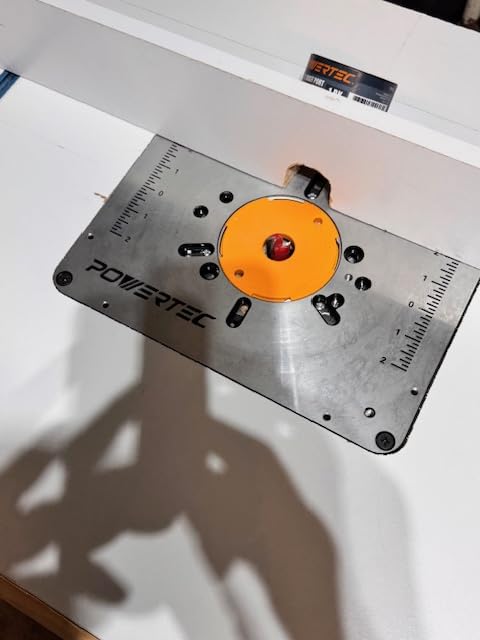
Is the POWERTEC good value for a first router table?
It is, if you factor in what you avoid buying. A comparable MDF-top table plus a separate stand plus a featherboard and bit guard adds up fast, and this one has all of it in the box. That is the honest reason it prices above the bare benchtop units.
The trade-off is top material. Laminated MDF will not stay as flat under a heavy router as the aluminum Bosch top or a phenolic top, so check flatness with a straightedge after the first hour of use. Owners who do that report it settling in fine.
Where the POWERTEC falls short
Router fit is the one thing to verify before ordering. The insert plate does not cover every brand or hole pattern, and some buyers returned the plate when it would not align. Measure your router base against the plate pattern first.
The fence rails only narrow to about 18 inches, so the fence cannot be positioned near the far corners of a 24 inch top. And there is no drilling template supplied for routing the insert opening if you ever need to modify it.
4. SKIL SRT1039 Benchtop Portable Router Table – Best for Above-Table Bit Adjustment
SKIL SRT1039 Benchtop Portable Router Table for SKIL Routers RT1323-00 & RT1322-00 (Router Not Included)
26 x 16 inch MDF top
Above-table bit adjustment
Integrated bit storage
24.2 lb
Pros
- Above-table adjustment avoids crouching under the bench
- Dual-sided bit storage keeps bits organized
- Large 26 x 16 inch surface for a benchtop model
- 24 inch fence with adjustable MDF faceplates
- Two featherboards included
Cons
- Router is not included with the table
- Plate and miter slot follow the SKIL mounting pattern
- MDF surface is less durable than aluminum or cast iron
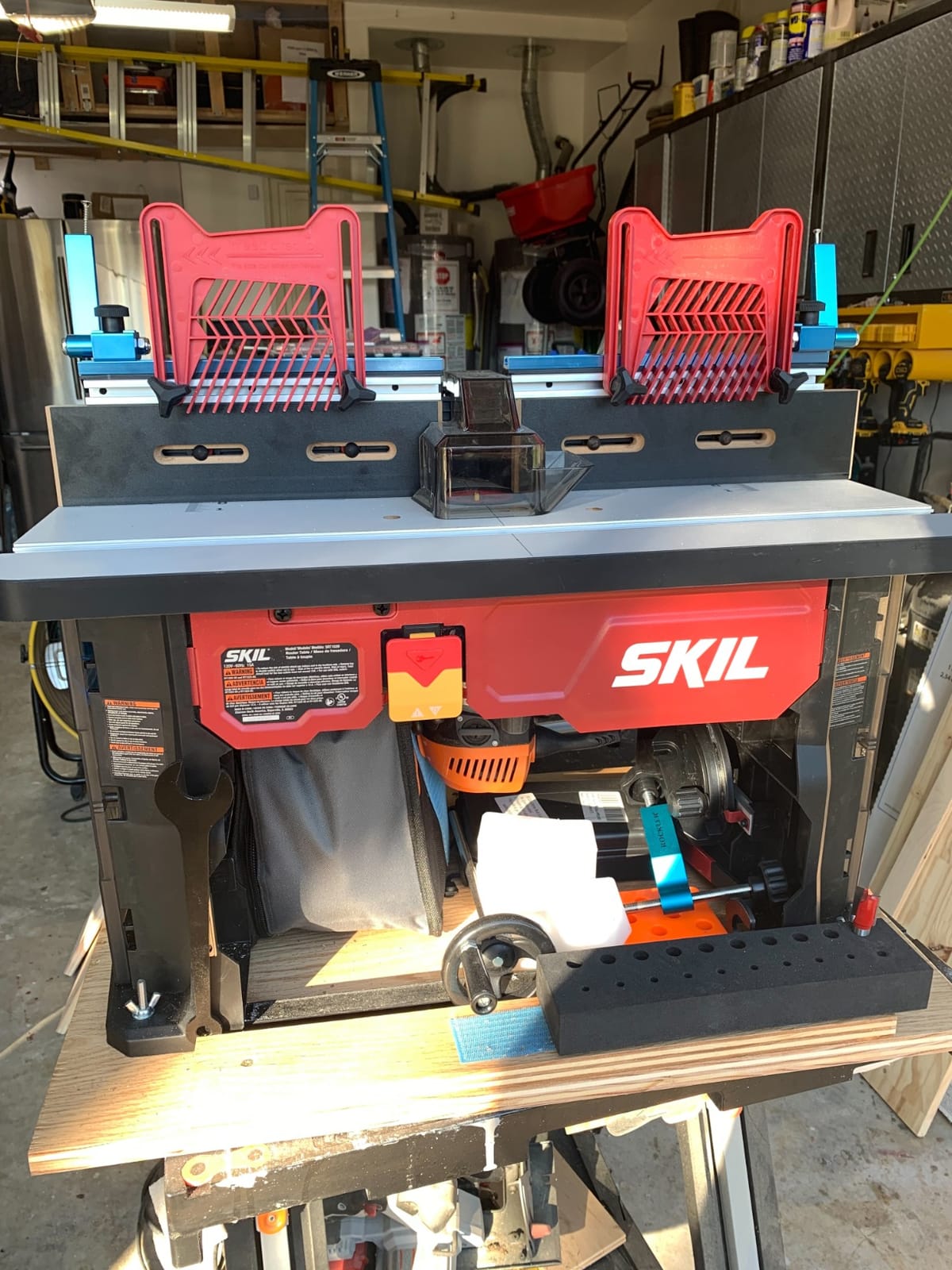
The feature that sold me on the SRT1039 is the above-table bit adjustment. On most tables you drop to your knees with a hex key to raise the bit. Here the bit height is reached from above, which in a small shop where the table sits low under a bench is a real ergonomic win.
The second feature is the integrated dual-sided bit storage case with a quick latch. On a 26 by 16 inch top, drawer space is precious, and having the bits in the table rather than in a cabinet is the sort of small decision that changes how often you actually change bits.
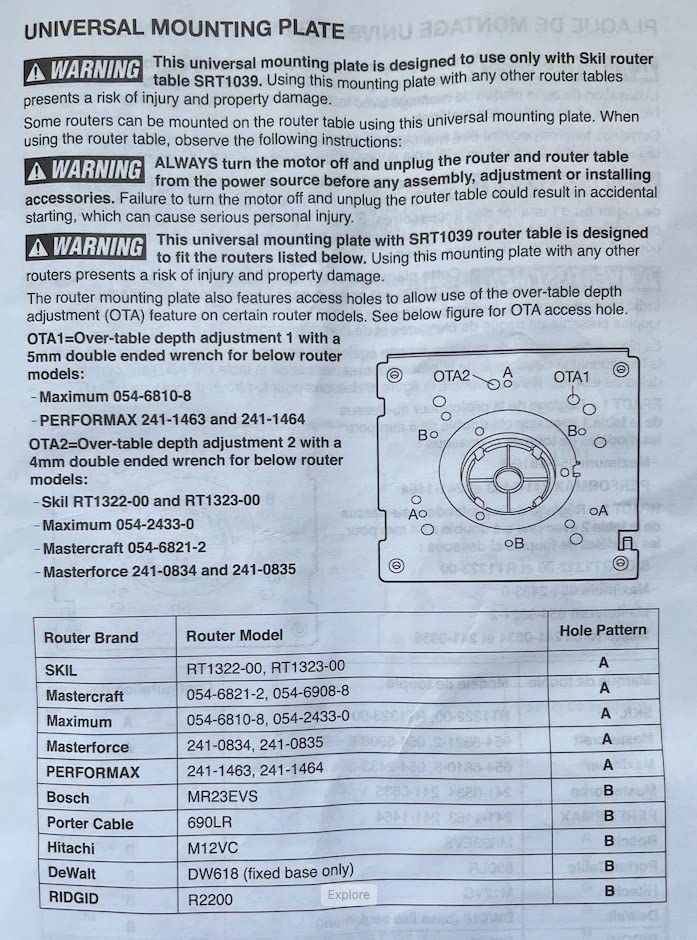
The fence measures 24 inches with adjustable MDF faceplates for taller workpieces, and two featherboards attach to both fence and table. Surface guide work is the most common small-shop task after edge profiling, so having both featherboards in the box matters. The quick clamp mount attaches your router from below and fits most major router brands.
Who should pick the SKIL over the Bosch?
Pick it if bit height changes are part of your routine. If you flip between a round-over, a rabbet bit and a flush trim bit in one session, reaching the adjustment from above saves you a crouch every single time.
Pick it if you own a SKIL RT1323-00 or RT1322-00, because the plate and the miter slot are sized around that mounting pattern. Our general rule across this roundup is to check the plate pattern against your router before anything else.
Where the SRT1039 falls short
The router is not included. This is a table only, so factor a router into the total if you are starting from nothing, and note that the intended mounting pattern is SKIL’s.
The MDF surface is the weak point for heavy work. It will not be the limiting factor on picture frames, trim and small joinery, but a big router cutting deep dados day after day will find its limits faster than an aluminum or phenolic top will.
5. Bench Dog ProMAX Cast Iron Router Table Top – Best for the Smallest Shops
Rockler Router Table w/ 28” ProFence and Plate, Cast Iron Top (40-120)
Cast iron top for table saw
28 inch ProFence
Ten-point plate leveling
60 lb
Pros
- Mounts on a cast iron table saw instead of taking new floor space
- Cast iron gives minimal vibration and very precise cuts
- 28 inch ProFence locks solidly with a dust port
- Dual fence slots plus a third miter slot
- Limited lifetime warranty
Cons
- At 60 pounds it needs two people to install
- Router plate is sold separately
- Some rail bolt holes need drilling to fit
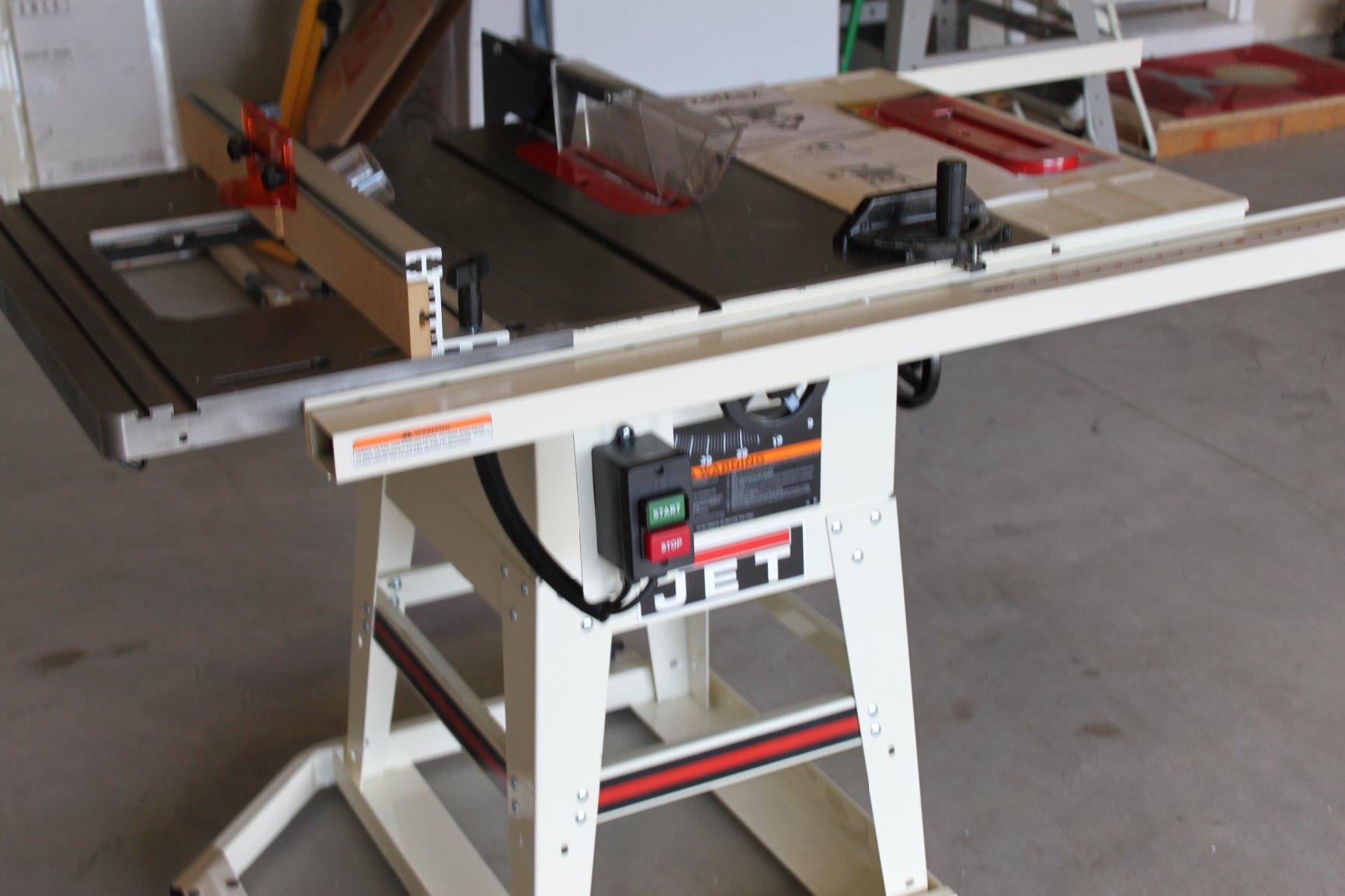
This is the only pick on the list that adds zero floor space. The ProMAX cast iron top replaces your table saw extension wing, turning a machine you already own into a router station. If your shop is tight enough that a second machine is out of the question, this is the answer.
Rigidity is the reason it out-routes everything else here. Cast iron does not flex and does not transmit vibration the way a laminate benchtop can, and owners report noticeably more precise results than they got from a stand-alone benchtop table.
The 28 inch ProFence locks solidly, adjusts fully and carries its own dust collection port. Ten-point plate leveling lets you dial the router plate flush, and the dual fence slot configuration lets you rotate the fence and work from either side to reclaim surface area. A third miter slot at the front lets the same table saw handle crosscut sled work after you swap the setup back out.
Is the ProMAX worth it if you own a table saw?
Yes, if your shop cannot spare 20 inches of floor. Owners cite cast iron rigidity and the fence as the deciding factor after a benchtop model proved cumbersome in a tight space, and several describe it as the reason they stopped tripping over a separate router station.
Plan the install as a two-person job. At 60 pounds this is not a solo lift, and the rail bolt holes do not line up with every table saw model, so expect to drill or ream in some cases. Check your saw before you commit.
Where the ProMAX falls short
The router plate is not included and has to be ordered separately for your router group, which adds a step most people forget. Cast iron is also hard to modify, and it drills cleanly only at low speed, so treat the drilling as one-time setup.
It cannot be installed on one side of a left-tilting saw or the mirror case, per the manual. A few castings arrived with a curve out of flat, so check flatness with a straightedge before the first cut.
6. Kreg Precision Router Table Top PRS1025 – Best Upgrade Path on an Existing Bench
Kreg Precision Router Table Top, Woodworking Router Table Top, PRS1025
MDF top with steel struts
3/8 inch insert plate
Four plate levelers
26.8 lb
Pros
- MDF top absorbs vibration from heavy routers
- 3/8 inch plate is thick enough for large routers
- Four precision levelers keep the plate flush
- Low-friction laminate on steel reinforcing struts
- Level-Loc rings and a brass starting pin included
Cons
- Needs a separate base and does not include a stand
- No fence or switch in the package
- MDF is more vulnerable to moisture and dents than phenolic
The PRS1025 is a top, not a table. That makes it the most flexible option here, because it drops onto whatever bench you already have and adds no floor space at all. It is also the cheapest way to replace a tired consumer-grade benchtop with something noticeably more rigid.
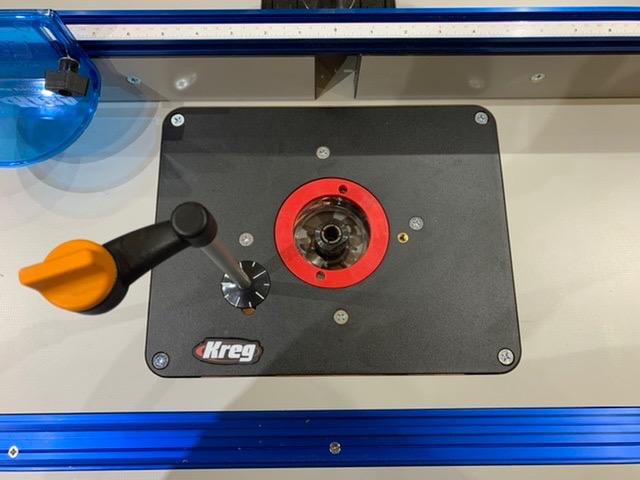
What you get is an MDF top with a low-friction laminate surface, steel reinforcing struts underneath, and a 3/8 inch insert plate rated for large routers. Owners with heavy routers report the MDF absorbs vibration well, keeping cuts quieter than a thin laminate top.
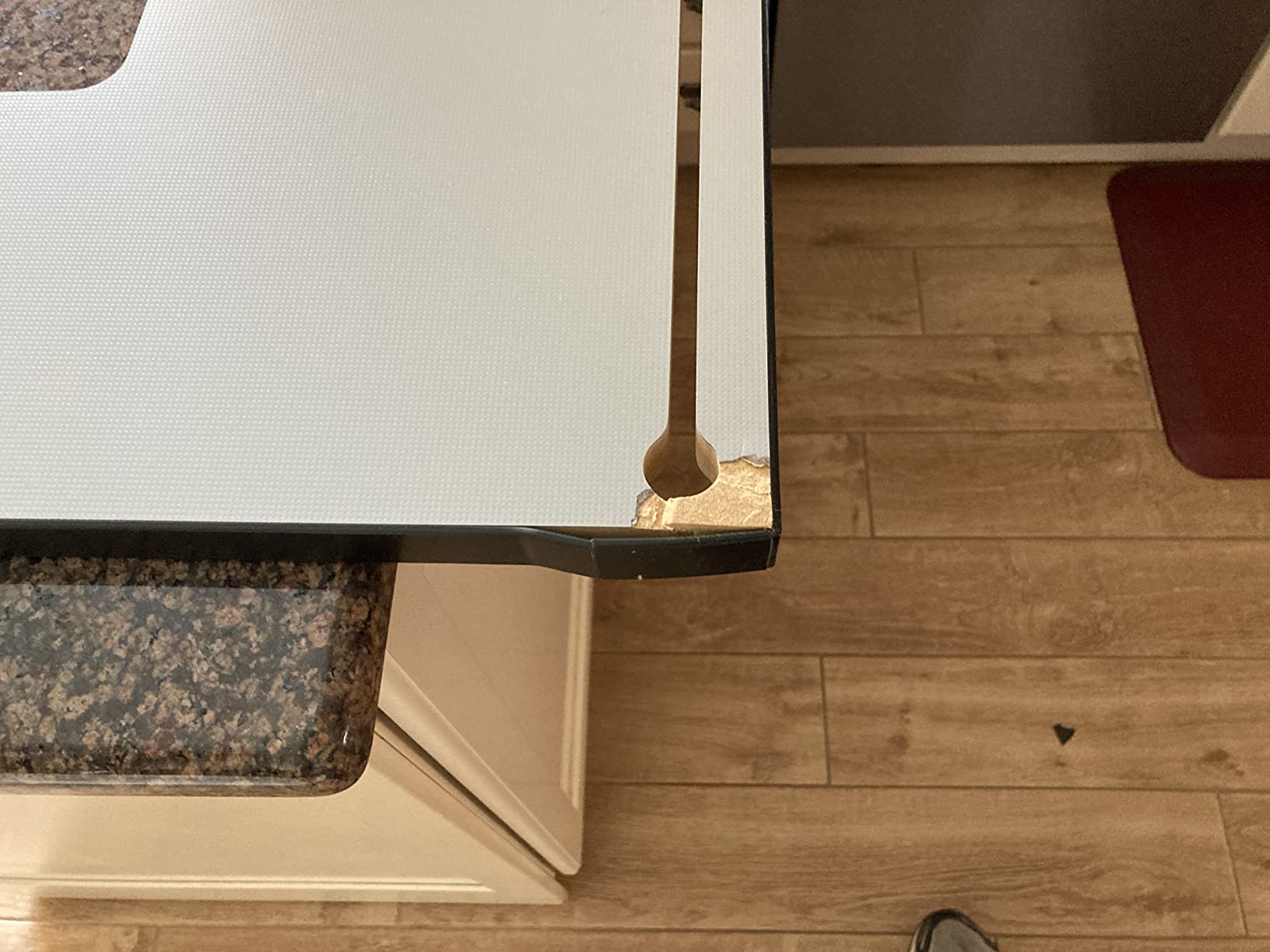
Four precision plate levelers are predrilled into the top, which is the feature that keeps coming up in reviews. Combined with the three Level-Loc reducing rings, the ring wrench and the brass starting pin, you can set the plate flush and swap openings as bit diameter changes without tools.
The aluminum track handles both a miter gauge guide bar and T-slot work, and the whole top weighs 26.8 pounds, so one person can carry it and set it on a bench.
Who should build around the Kreg PRS1025?
Build around it if your bench is solid and your floor is not. You get a full router station surface with zero floor footprint, which is the cleanest answer to the storage question in this roundup, because the table lives on the bench you already use.
It also makes sense as a second-stage upgrade. Buy a basic benchtop table now to get routing, then move to this top and a proper fence once you know which fence style you actually prefer.
Where the PRS1025 falls short
Nothing structural comes with it. The base, the fence, the switch and the featherboards are all separate purchases, so the total system cost climbs fast once you add them.
MDF is the weak material here. It dents, and it reacts to moisture in a garage or basement shop where a phenolic or cast iron top would not. Keep it off a damp floor and off the ground.
7. JessEm Mast-R-Top Phenolic Router Table Top – Best Warp-Resistant Top
JessEm Mast-R-Top 24″ x 32″ Phenolic Router Table Top, JessEm# 03006
3/4 inch phenolic top
32 x 24 inch surface
Rabbeted plate opening
26.2 lb
Pros
- Phenolic will not warp sag swell or corrode
- Highest average rating among these picks
- Flatness verified by owners with straightedges
- Rabbeted opening fits most standard plates and lifts
- Underside predrilled for fences and steel stand
Cons
- Pre-drilled holes are unthreaded with no hardware included
- Top only with no fence lift or router
- Guide slots are not precut for non-JessEm fences
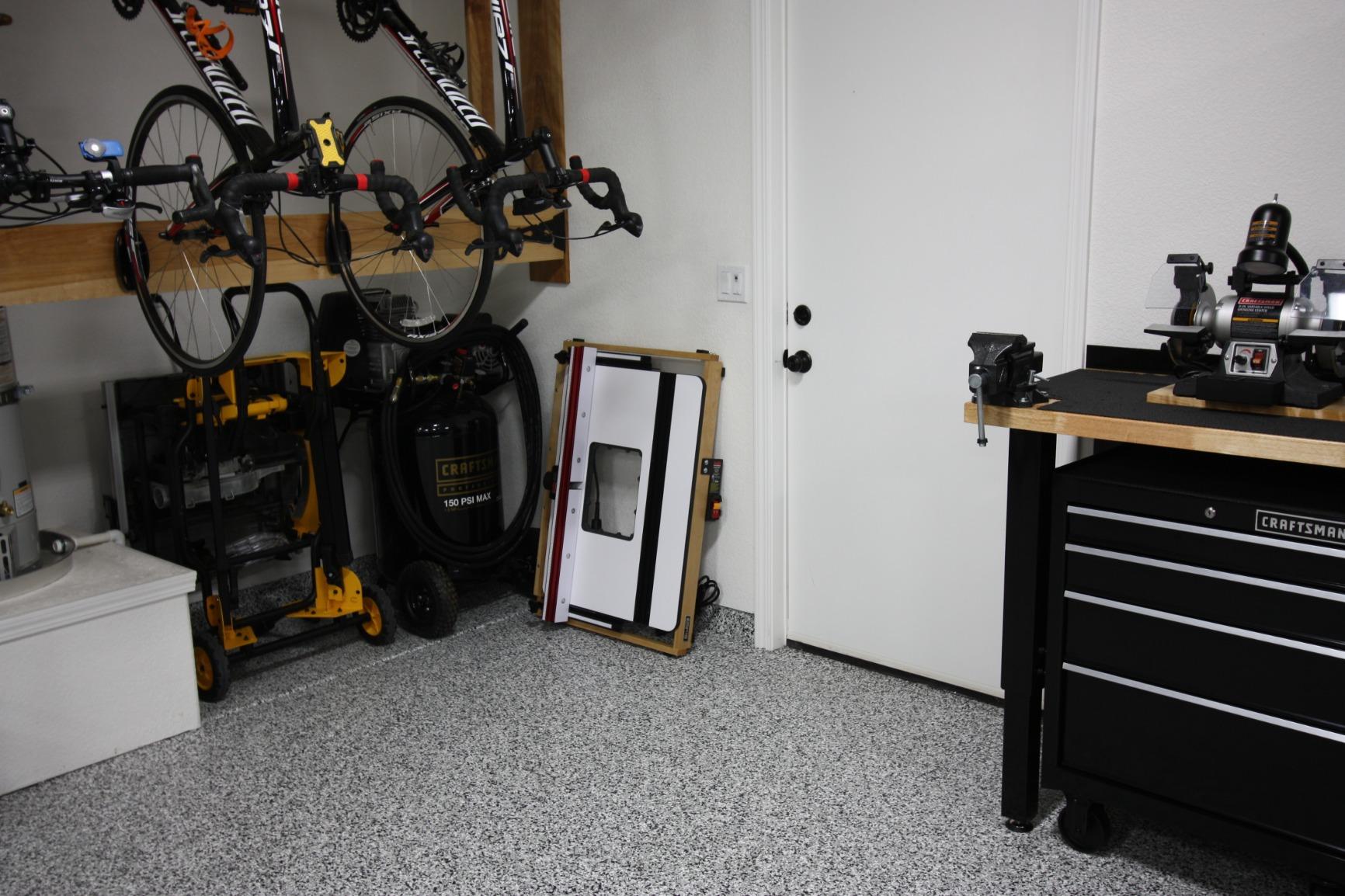
The JessEm Mast-R-Top is the answer if flatness is your top priority and you are willing to assemble the rest of the station yourself. It is a 3/4 inch phenolic top, 32 inches wide by 24 inches deep, and it does not warp, sag, swell or corrode.
That claim is checkable, and owners check it. Multiple reviewers report verifying flatness with straightedges and feeler gauges to better than .004 inch, and report the top still measuring flat months after mounting a lift and router in it.
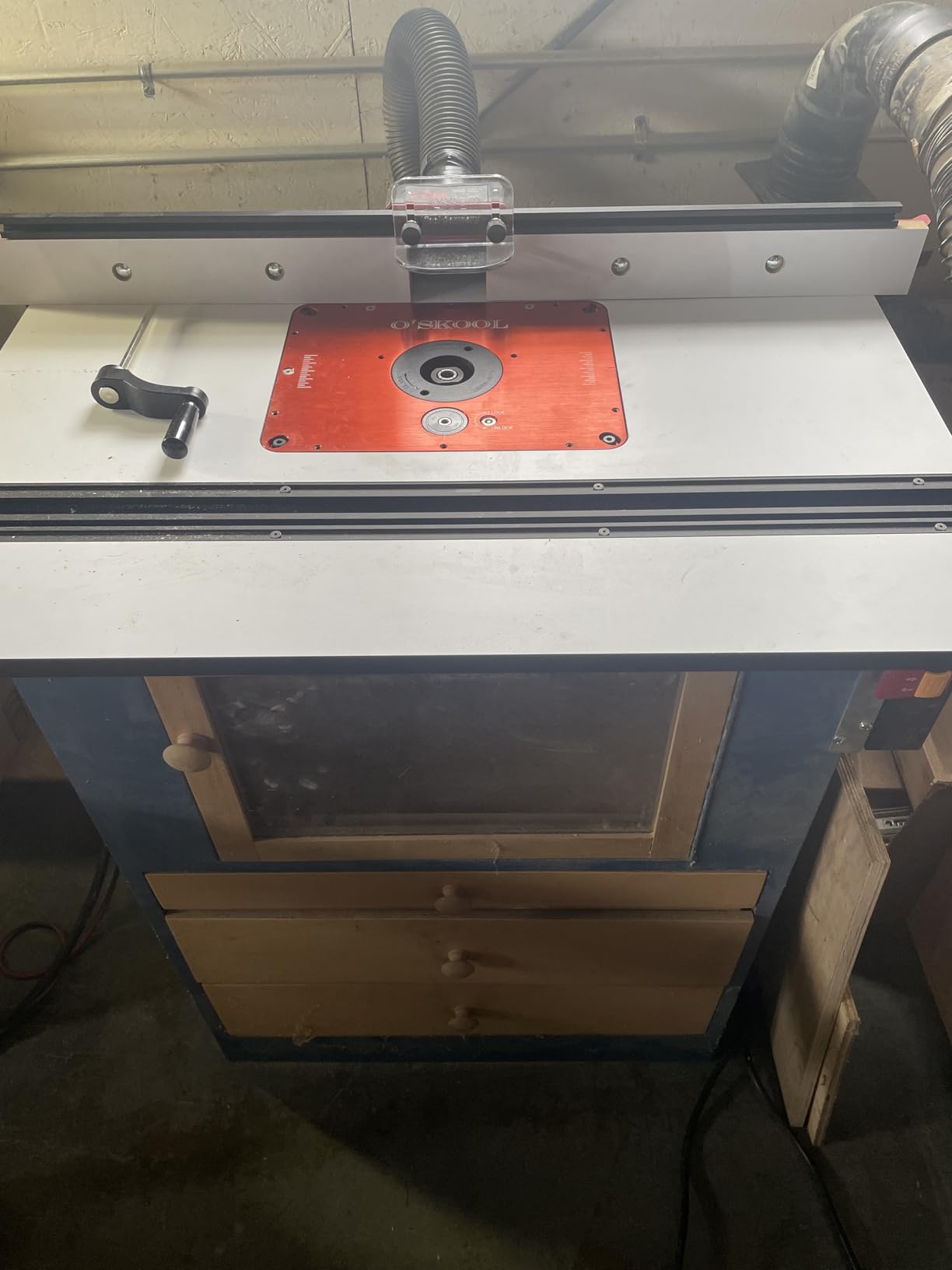
The router opening is rabbeted at 9-1/4 by 11-3/4 inches, which accepts most standard router plates and router lifts. The extruded aluminum track along the front includes both a 1/4 inch T-slot and a standard 3/4 inch miter slot. The underside is pre-drilled for JessEm fences and the JessEm steel stand, and at 26.2 pounds it mounts as a one-person job.
When is a phenolic top worth building around?
When your shop is humid, your work is heavy, or you plan to own the station for years. Phenolic is dimensionally stable in a way MDF and laminate are not, and that matters most for repeat joinery where fence accuracy has to hold from one session to the next.
It is also the natural upgrade path for anyone who already owns a steel stand or a good fence. Swapping a warped MDF top for this one fixes the flattest part of the problem without replacing anything else.
Where the JessEm falls short
The pre-drilled mounting holes arrive unthreaded and no hardware is included, so you hand-tap before you mount. Plan for that before the table goes onto the stand, not after.
It is a top only. The fence, the lift and the router are all separate, and the guide slots are not precut for a non-JessEm fence, which means a third-party fence may need tape or setup aids to locate. Budget-conscious buyers consistently note that the total system cost climbs quickly here.
8. RYOBI Universal Router Table A25RT03 – Most Versatile
RYOBI Universal Router Table A25RT03
Metal construction
Adjustable fence with featherboard
Dual-outlet switch
28 lb
Pros
- Sturdy all-metal construction
- Easy to assemble and stable once built
- Fence featherboard miter gauge and bit guard included
- Dual-outlet switch runs the router and dust collection
- Compact footprint suits a small shop
Cons
- Throat opening is too small for compact routers
- Fence halves do not align and one side can pivot
- Miter slot is oversize versus a standard 3/4 inch slot
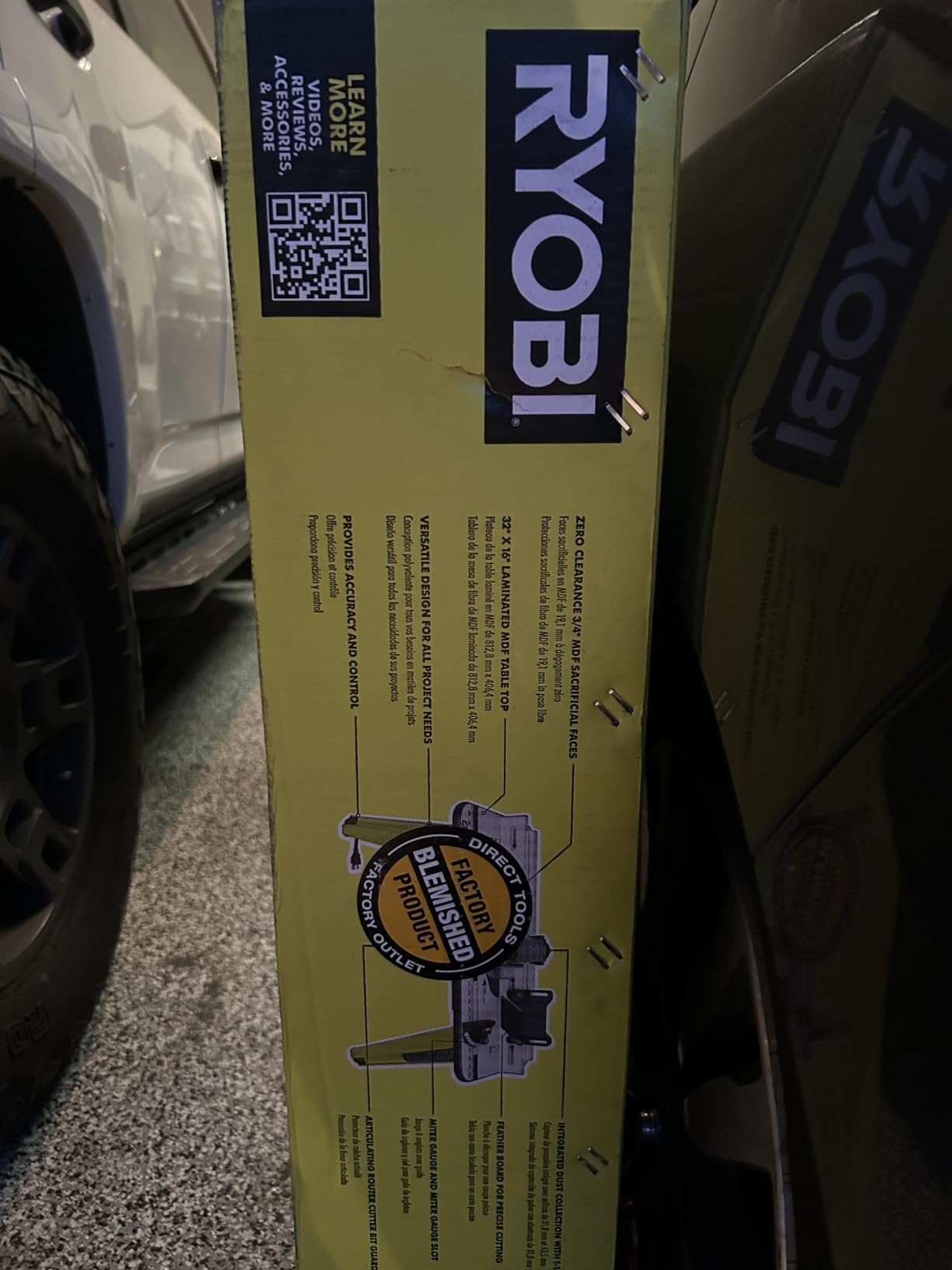
The RYOBI A25RT03 is an all-in-one unit, and for a shop that already owns a full-size corded router it does a lot for not much. The all-metal build is the surprise: owners report it feeling sturdier than tables costing considerably more.
It also includes the accessory set most competitors sell separately. You get an adjustable fence with dual lock-down, a featherboard, a miter gauge and a functional bit guard, plus a dual-outlet switch on the table so you can run the router and your dust collection from one switch.
Users with older corded RYOBI routers report it works perfectly, and many describe it as a large step up from a cheap MDF table they replaced. At 28 pounds it is light enough to reposition on a bench whenever the layout changes, and the dual-outlet switch means you are not chasing chips with a hand nozzle on every pass.
Is the RYOBI table actually universal?
Only partly. It is universal across common full-size routers, and several reviewers report good results with older corded models. It is not universal across compact routers: the throat plate opening does not fit one-handed or trim routers without cutting the tabletop.
So check the throat opening against your router base the same way you would check any insert plate. If you own a full-size router, this is the value pick. If you own a compact router, look at the Bosch or POWERTEC instead.
Where the RYOBI falls short
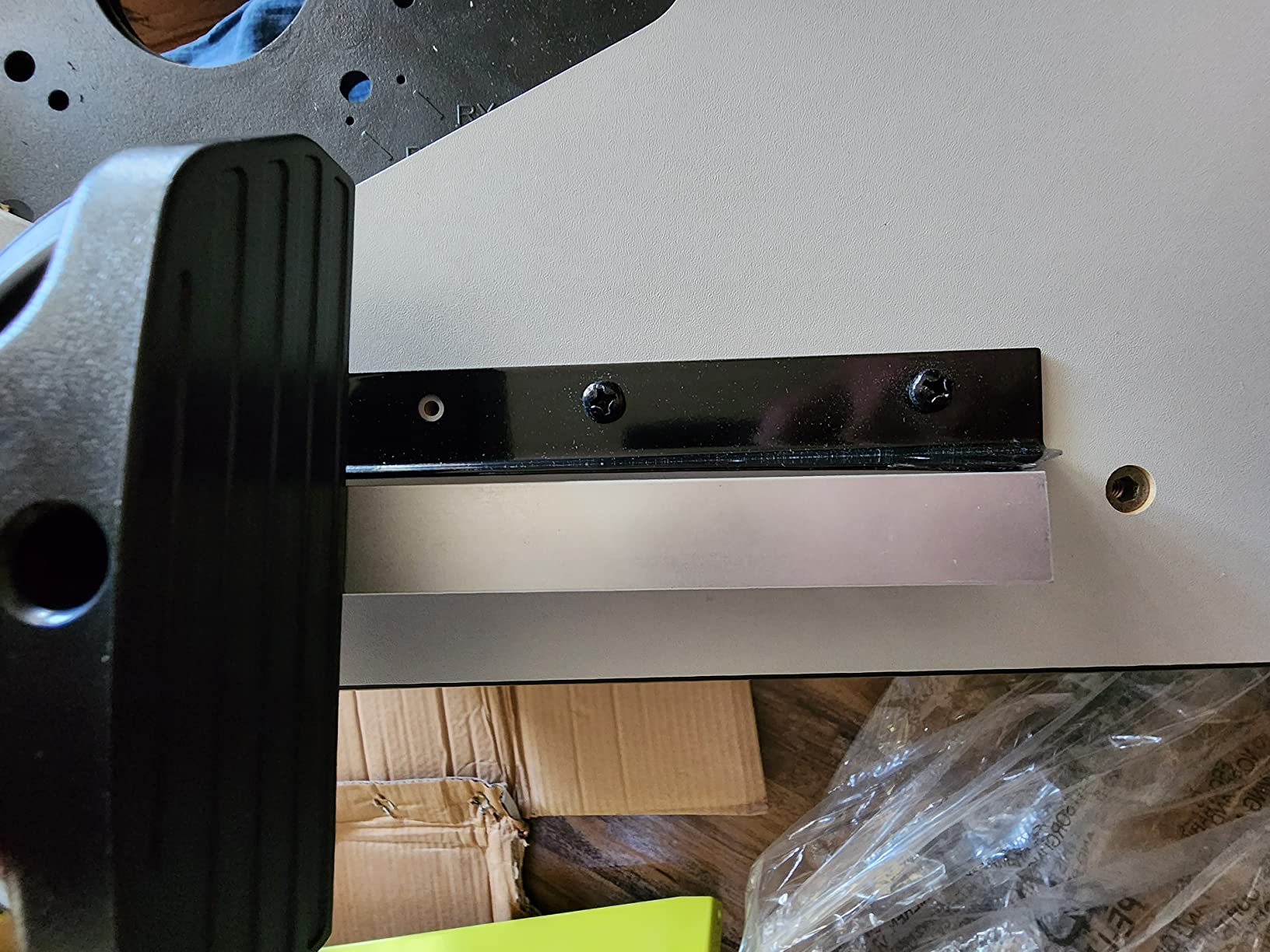
The fence is the weak point. Reviewers report the two halves do not align perfectly, and that one side can float and pivot because of the single center lock. Check squareness with a machinist square after assembly.
The miter slot is slightly oversize against a standard 3/4 inch slot, so common featherboards will not drop in, and the power cord for the switch is short for most shop layouts. Both are small annoyances, not deal breakers.
How to Choose a Router Table for a Small Shop
Choose by form factor first, then by material, then by fence. Small shops get the wrong answer most often by starting with the fence and worrying about space last, because a table you have to squeeze past every day loses to a slightly less precise one you can actually use.
Pick the form factor that matches your floor
Benchtop units sit on an existing bench and take no floor space of their own. That makes them the default choice, and the Bosch RA1181 and SKIL SRT1039 are the cleanest examples. Full-size benchtop units on rolling frames, like the Kreg PRS2100, trade some floor depth for a much wider work surface.
Tops you mount yourself are the most space-efficient option because the base already exists. The Kreg PRS1025 goes on a bench, and the Bench Dog ProMAX goes on your table saw. Cabinets and freestanding floor models are the least space-efficient choice, which is why none appear here.
Material decides how long the top stays flat
Aluminum, as on the Bosch RA1181, is stiff, stays flat and shrugs off router heat. Phenolic, as on the JessEm Mast-R-Top, will not warp, sag, swell or corrode, and owners verify its flatness with straightedges. Cast iron, as on the ProMAX, is the most rigid and the most space-efficient because it mounts on a machine you own.
Laminated MDF, which covers the POWERTEC, SKIL and both Kreg tops, is the practical middle. It absorbs vibration well and costs less, but it can crown with heat over time. Check flatness with a straightedge after the first few hours of use, and expect to readjust the plate levelers as it settles.
Fence type sets your repeatability
A rack-and-pinion micro-adjust fence lets you make fine corrections without loosening anything, and it is the reason serious setups chase fence quality before top quality. A sliding-face fence with locking levers, as on the Kreg PRS2100, is faster to set for a fixed bit size. MDF faceplates, common on budget fences, dent if you clamp hard.
Whichever you pick, check squareness to the top with a square on day one. A fence that is out of square produces a taper on every board, and no amount of top quality fixes it.
Check the insert plate against your router first
This is the step most buyers skip and most regret. Compare your router’s base hole pattern and overall footprint against the plate before ordering, and confirm whether the plate accepts 60mm compact routers or only full-size patterns. Users who bought the Kreg PRS2100 or the RYOBI table for the wrong router report this as their one real complaint.
Forum threads on this topic follow the same pattern. In one r/BeginnerWoodWorking thread a poster asks whether the Kreg PRS2100 is genuinely good or overhyped, which tells you that brand reputation here does not settle the compatibility question. Measure your router. An insert plate that does not fit is the only deal breaker on this list.
Work out what is not in the box
Most tables in this category do not include a router. The SKIL SRT1039 is explicit about it, the JessEm Mast-R-Top is a bare top, and the Kreg PRS1025 needs a base, a fence and a switch. Even among the complete units, featherboards and switches are frequently sold separately, as with the Kreg PRS2100.
Add a fence, a plate, a router if you need one, and dust collection before you compare prices. We keep a similar total-cost approach when comparing other shop gear, like our [balance testing equipment guide](https://www.pwice.com/best-skate-balance-testing-equipment-for-shops/), because the sticker number alone never reflects what the station will cost.
Bosch or Kreg for a small shop?
Bosch for the smallest spaces and the heaviest routers. The RA1181 is the most compact unit here, the top is aluminum, and the pre-drilled plate fits a wide range of full-size routers. It is the safer buy when your shop is under 100 square feet.
Kreg for the biggest work surface and the longest ownership. The PRS2100 gives you 30 inches of width, a genuinely precise fence and plate leveling that owners still praise a decade later, at the cost of a longer assembly and a separate switch and featherboards.
Should you build one instead?
Building is realistic in a small shop. A router table needs a flat rigid top with a correctly sized opening, a plate that fits your router, a stiff fence and enough under-table clearance for the motor to hang. Owners of DIY builds report the insert is what determines satisfaction with the finished table.
The trap is the opening. Cut it with a template and a router of its own rather than measuring by eye. Owners who built from book plans report that a strong insert plate was the single component that made their build work, which matches what we see in the factory tables here.
What to store and how to keep the dust down
Storage is the question that decides this purchase in a small shop, and the answers are rolling and mounting. The Kreg PRS2100 rolls, and the ProMAX and PRS1025 live on something you already own. There is no folding-leg unit in this roundup, which is a gap worth naming honestly.
For dust, hook the fence port to a shop vac with a 2-1/2 inch hose. Our [runner profiling kit guide](https://www.pwice.com/best-skate-runner-profiling-kits-for-home-shops/) covers the same shop-vac-first reality for anyone working in a small room.
Frequently Asked Questions
What is the best benchtop router table for a small shop?
The Bosch RA1181 is the best benchtop router table for most small shops because its aluminum top and fence stay flat, its pre-drilled plate fits most full-size routers, and it adds no floor space at all. Pick the Kreg PRS2100 instead if you need a wider work surface, and the POWERTEC 71402V if you want a fence, featherboard and bit guard included in the box.
Which router table is better, Bosch or Kreg?
Choose Bosch when space and router compatibility matter most: the RA1181 is the most compact benchtop option, has an aluminum top, and comes with featherboards and a switch in the box. Choose Kreg when you want the biggest surface and the most precise fence: the PRS2100 has a 30 inch wide top, jointing capability and plate leveling owners still praise years later, but the switch and featherboards are sold separately.
What is the size of a router table?
Benchtop router tables run roughly 24 by 16 inches to 26 by 16 inches, including the Bosch RA1181, the POWERTEC 71402V and the SKIL SRT1039. Full-size benchtop models reach 30 inches wide, as the Kreg PRS2100 does, and large tops run 32 by 24 inches, as the JessEm Mast-R-Top does.
How much floor space does a router table need in a small shop?
Almost none, if you choose a benchtop unit that sits on an existing bench, such as the Bosch RA1181 or SKIL SRT1039. A rolling benchtop frame like the Kreg PRS2100 needs about 30 by 19 inches of floor when in use. A top that mounts on your table saw, like the Bench Dog ProMAX, needs no new floor space at all.
Can you build your own router table?
Yes, and owners of DIY builds say the insert plate is the component that determines whether the table works. You need a flat rigid top, an opening sized to your router, a plate that fits your router pattern, a stiff fence and enough clearance beneath for the motor. Cut the opening with a template and a router rather than measuring by eye.
Do I need a router table or just a router lift in a small shop?
A router table is enough if your shop has a dedicated bench you can give up, because it converts a handheld router into a repeatable station with an adjustable fence. A router lift is the better buy if you want to keep the bench free, since it raises the router through an existing benchtop plate. Many owners start with a table and add a lift later.
Conclusion: The Best Router Tables for Small Shops
The Bosch RA1181 is the best router table for small shops overall, because an aluminum top, a wide pre-drilled plate pattern and zero added floor space solve the three problems a small shop actually has. The Kreg PRS2100 is the best value when width matters more than footprint, and the Bench Dog ProMAX is the answer when you cannot spare any floor at all.
Check your router against the insert plate before you order anything, add up what does not come in the box, and pick the table you can put away when the routing is done. If you are still arranging the rest of your space, our [small hockey pro shop equipment guide](https://www.pwice.com/best-skate-sharpeners-for-small-hockey-pro-shops/) takes the same footprint-first approach.